There is a reason dates have been a pantry staple for thousands of years. They taste like caramel, need no cooking, and a small handful can turn a plain breakfast or a dull afternoon snack into something genuinely satisfying. These healthy dates recipes use that natural sweetness the smart way — paired with oats, nuts, yogurt, fruit and whole grains, so you get steady energy and real flavour instead of a sugar rush followed by a crash.
Dates are naturally rich in fibre, potassium and magnesium, and they make an easy swap for refined sugar. But it is worth being honest: dates are energy-dense and high in natural sugars, so portion size matters. Most of the recipes below use two to four dates per serving. If you have diabetes or another condition that affects blood sugar, check with a healthcare professional about the portions that suit you. Here are 13 healthy dates recipes for energy and everyday snacking, from five-minute snacks to make-ahead breakfasts and light desserts.
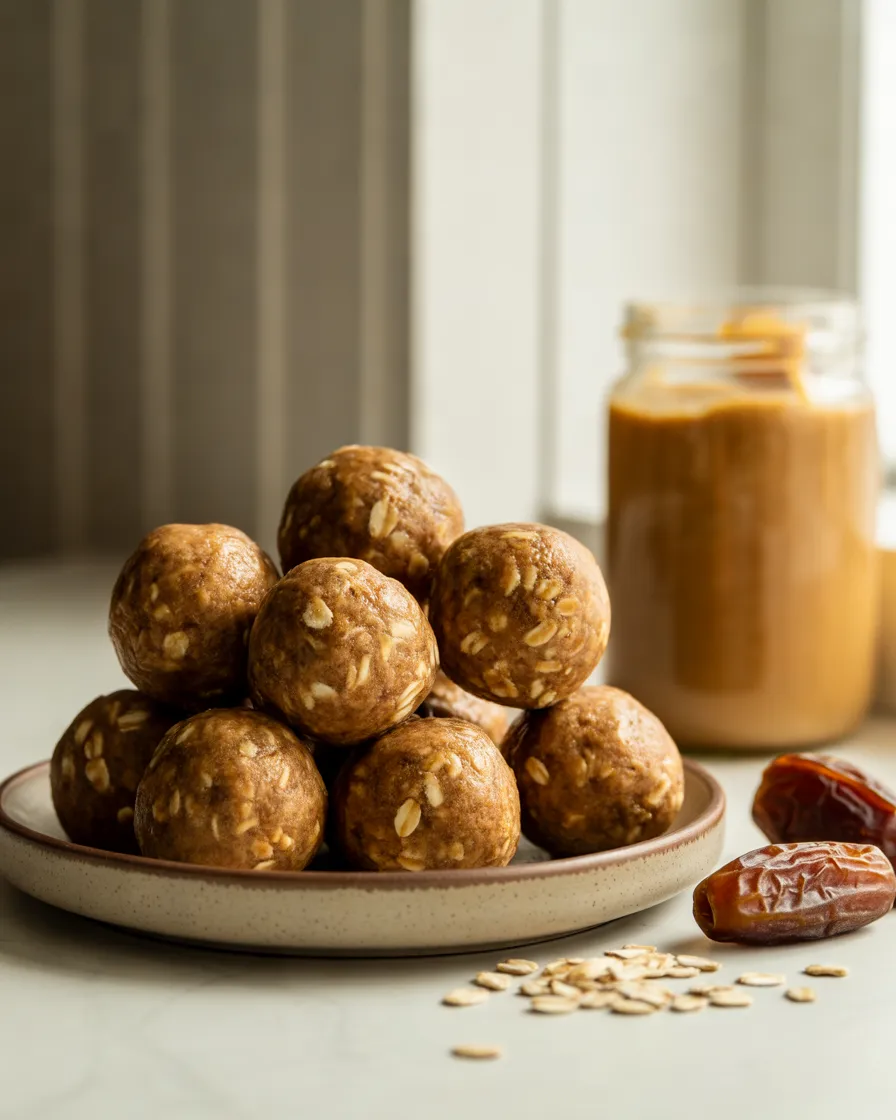
1. No-Bake Date Energy Balls
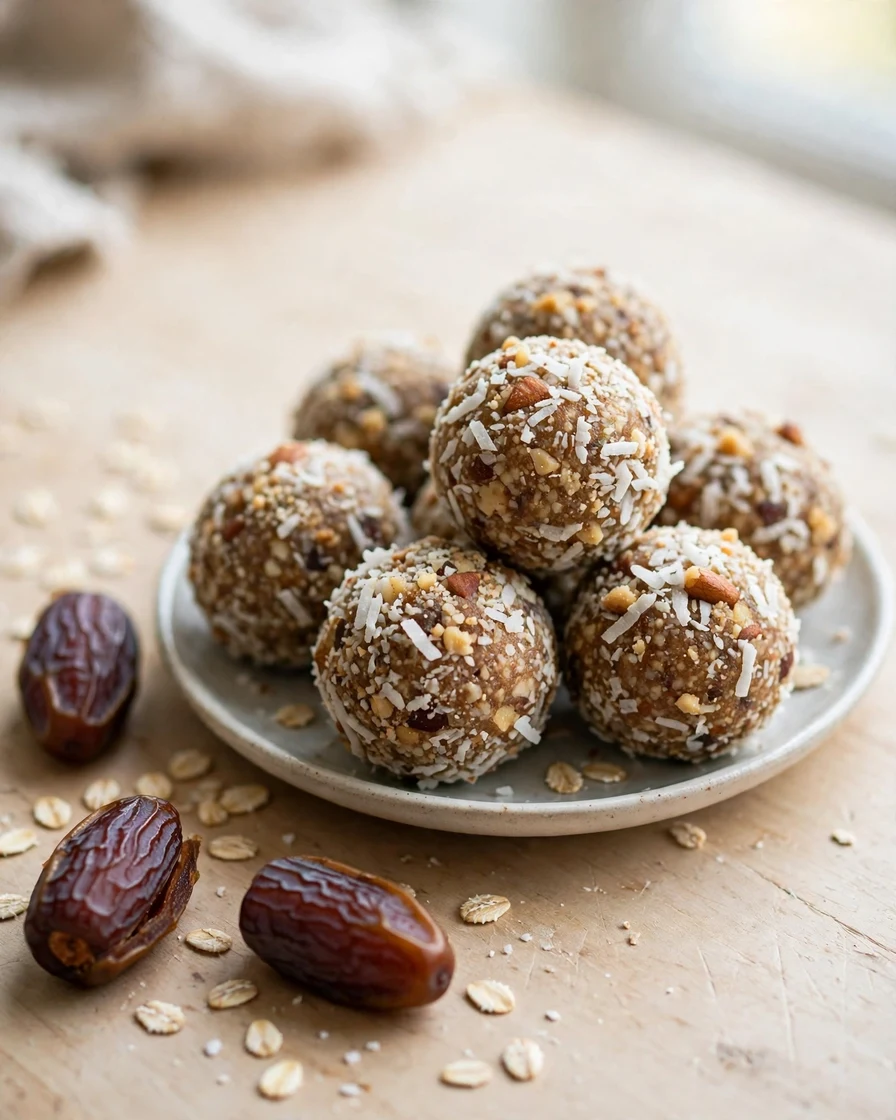
Make these on a Sunday and reach for them all week. Soft dates bind the mixture, so there is no baking and no added sugar, and the oats and nut butter keep you full longer than a biscuit would.
Ingredients: 1 cup pitted Medjool dates, 1 cup rolled oats, 1/2 cup nut butter, 2 tablespoons chia seeds, 1 teaspoon vanilla extract, a pinch of salt, and desiccated coconut for rolling.
Method: If your dates feel dry, soak them in warm water for 10 minutes and drain. Blitz into a paste, add the oats, nut butter, chia seeds, vanilla and salt, and pulse until combined. Roll into about 12 balls, coat in coconut, and chill for 30 minutes.
Benefits: Dates provide quick natural energy, oats and chia add fibre that may help you feel full longer, and nut butter adds healthy fats and protein.
Tips: Keep in an airtight container in the fridge for up to a week, or freeze for up to a month.
Who it may suit: A portable snack for work, school or the gym bag, and a lunchbox option without refined sugar.
Important considerations: Two balls is a sensible serving, as they are small but calorie-dense. For a nut-free version, use sunflower seed butter.
2. Peanut Butter Stuffed Dates
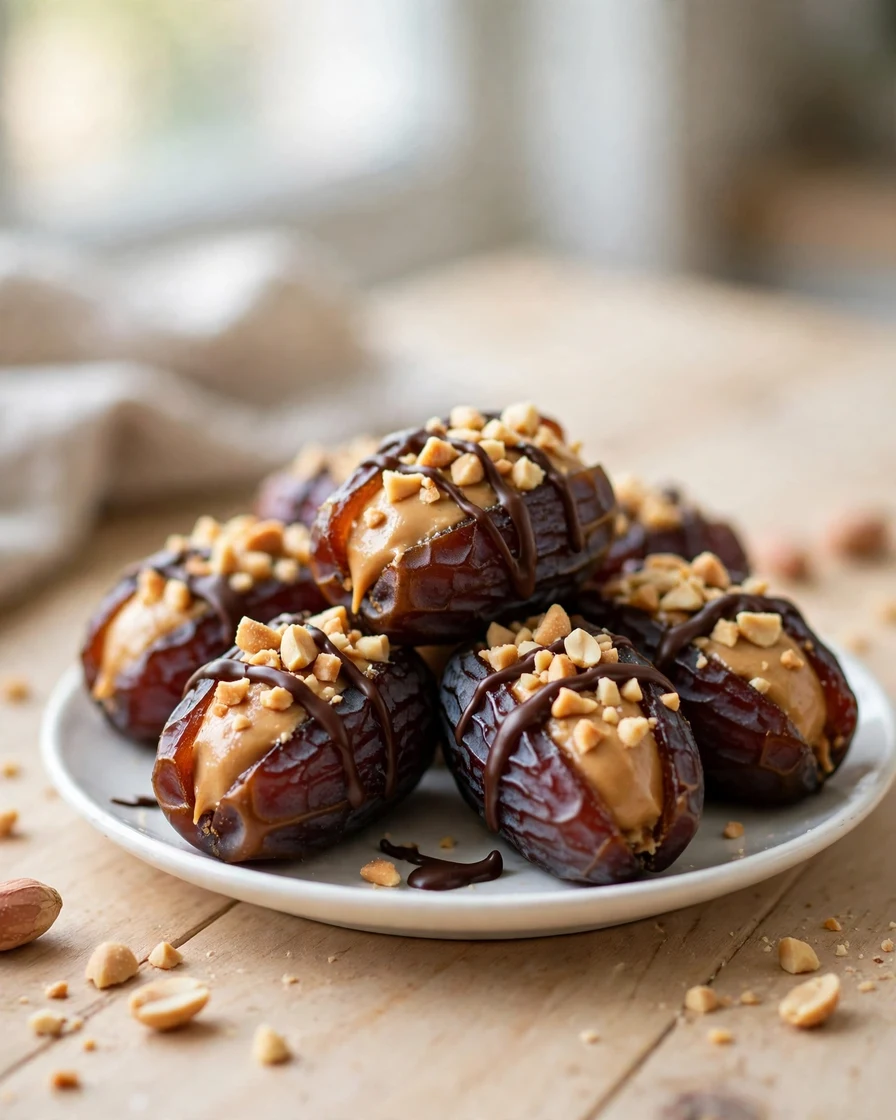
Possibly the simplest recipe here. A soft, sweet date filled with creamy peanut butter tastes like a treat, but the fibre, protein and healthy fats make it far more satisfying than a chocolate bar.
Ingredients: 8 Medjool dates, 4 tablespoons natural peanut butter, 2 tablespoons chopped peanuts, and a little melted dark chocolate to drizzle (optional).
Method: Slice each date lengthways, remove the pit, and spoon about half a tablespoon of peanut butter into each one. Sprinkle with chopped peanuts, drizzle with dark chocolate if you like, and chill for 15 minutes.
Benefits: Peanut butter adds protein and healthy fats, which can slow how quickly the dates’ natural sugars are absorbed. Dates also supply potassium and fibre.
Tips: Use runny natural peanut butter and large, soft Medjool dates — small, dry dates are harder to stuff. A pinch of flaky sea salt works well with the chocolate.
Who it may suit: A quick pre-workout snack, an after-school bite, or a lighter dessert after dinner.
Important considerations: Two stuffed dates per serving is plenty. If peanut allergy is a concern, almond butter or sunflower seed butter works just as well.
3. Date and Banana Smoothie

When mornings are rushed, this smoothie is breakfast in a glass. Dates sweeten it naturally, banana brings creaminess and potassium, and oats make it filling enough to last until lunch.
Ingredients: 1 ripe banana, 3 pitted Medjool dates, 1 cup milk or plant-based milk, 1 tablespoon rolled oats, a pinch of cinnamon, and a few ice cubes.
Method: Blend everything on high for 45 to 60 seconds until smooth. If the dates are firm, soak them in warm water for 10 minutes first. Pour into a tall glass and serve straight away.
Benefits: Bananas and dates both provide potassium, which supports normal muscle function, while oats add fibre and milk adds protein and calcium.
Tips: Freeze the banana the night before for a thicker texture. Add a tablespoon of nut butter or a scoop of Greek yogurt for extra protein.
Who it may suit: Busy mornings, post-workout recovery, and anyone who struggles to eat a full breakfast early.
Important considerations: One glass is a serving — smoothies go down quickly, so they are easy to overdo. If you watch your blood sugar, keep the dates to two or three and skip extra sweetener.
4. Overnight Oats with Dates and Walnuts
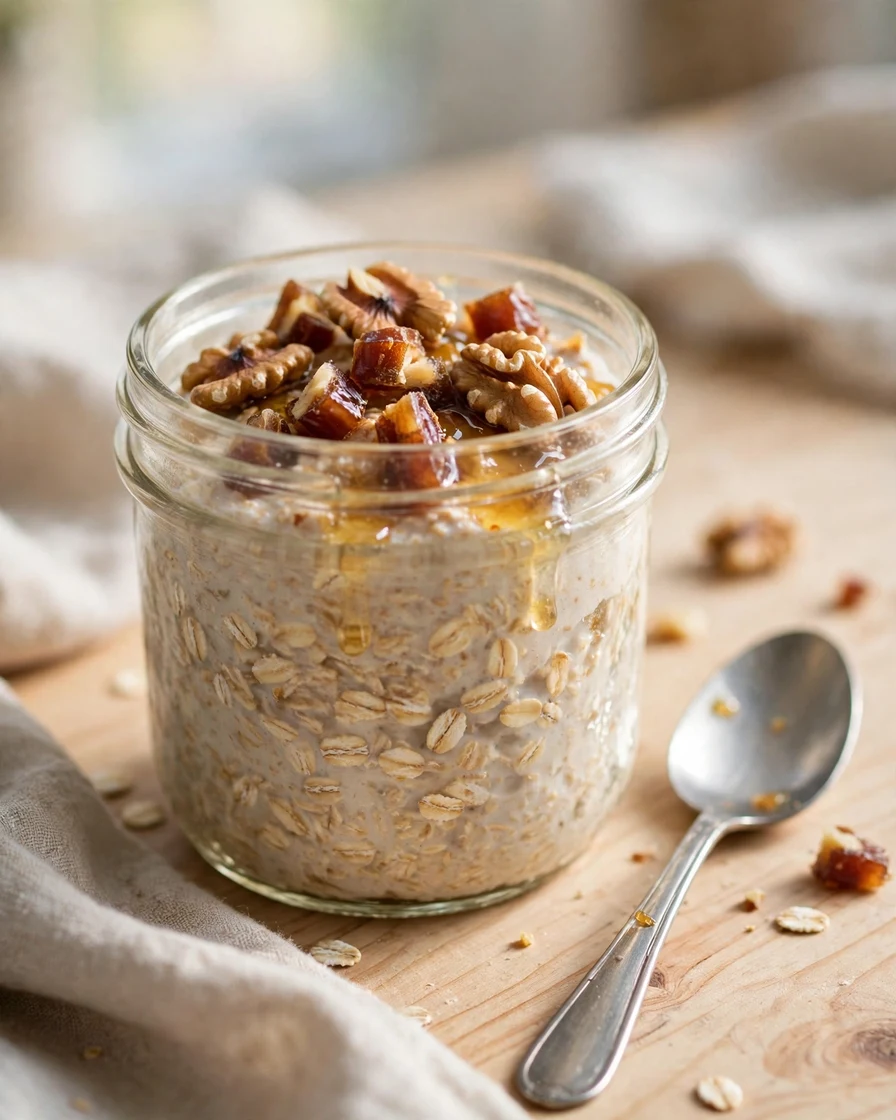
Overnight oats are the easiest make-ahead breakfast there is. Dates soften overnight in the milk, sweetening the oats, while walnuts add crunch and healthy fats.
Ingredients: 1/2 cup rolled oats, 1/2 cup milk, 1/4 cup plain yogurt, 3 chopped Medjool dates, 2 tablespoons chopped walnuts, and 1/4 teaspoon cinnamon.
Method: Stir the oats, milk, yogurt and cinnamon together in a jar. Fold in the chopped dates, cover, and refrigerate overnight (at least 6 hours). Top with the walnuts in the morning and eat cold, or warm gently.
Benefits: Oats are rich in soluble fibre, which may support healthy digestion and help you feel full. Walnuts provide plant-based omega-3 fats, and dates add natural sweetness.
Tips: Make three jars on a Sunday evening — they keep for up to three days in the fridge. Keep the walnuts separate so they stay crunchy.
Who it may suit: Meal preppers, commuters, and anyone who wants breakfast ready the moment they wake up.
Important considerations: Walnuts are calorie-dense, so two tablespoons is a good measure — a heavy hand can double the calories. For a nut-free version, use pumpkin seeds.
5. Date and Almond Breakfast Bars
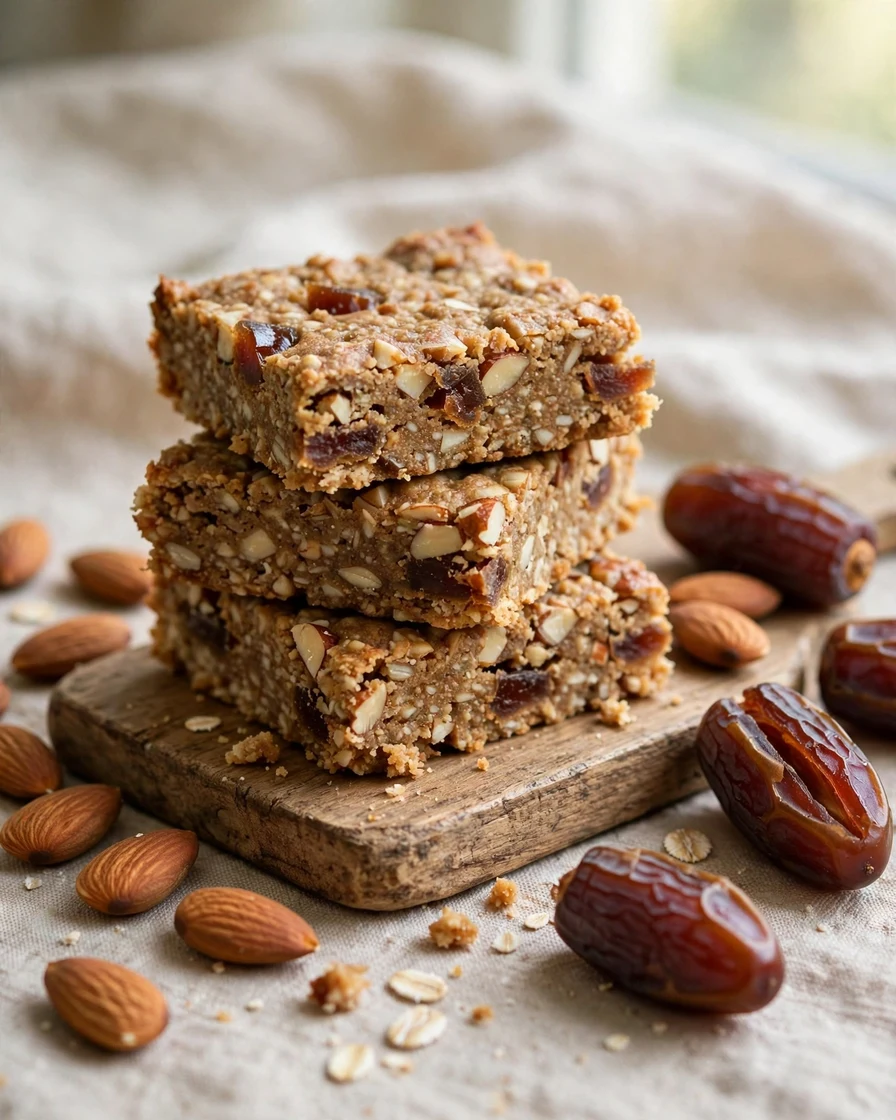
These bars taste like something from a bakery, but they are made from just five whole ingredients. Dates hold everything together, almonds give crunch, and oats make them filling enough for breakfast on the go.
Ingredients: 1 1/2 cups pitted dates, 1 cup whole almonds, 1 cup rolled oats, 2 tablespoons almond butter, 1 teaspoon vanilla extract, and a pinch of salt.
Method: Blitz the almonds until roughly chopped and set aside. Blitz the dates into a paste, add the oats, almond butter, vanilla and salt, and pulse to combine. Stir in the almonds, press firmly into a lined loaf tin, and chill for at least an hour. Slice into 8.
Benefits: Almonds provide vitamin E, magnesium and healthy fats, while dates and oats supply fibre and steady energy.
Tips: Press the mixture down very firmly — a flat-bottomed glass helps — or the bars will crumble. Keep in the fridge for up to a week.
Who it may suit: Commuters, hikers, and anyone who wants a grab-and-go breakfast that is not a sugary cereal bar.
Important considerations: One bar is a serving. For a seed-based version, swap almonds for sunflower and pumpkin seeds and use sunflower seed butter.
6. Stuffed Dates with Goat Cheese and Pistachios
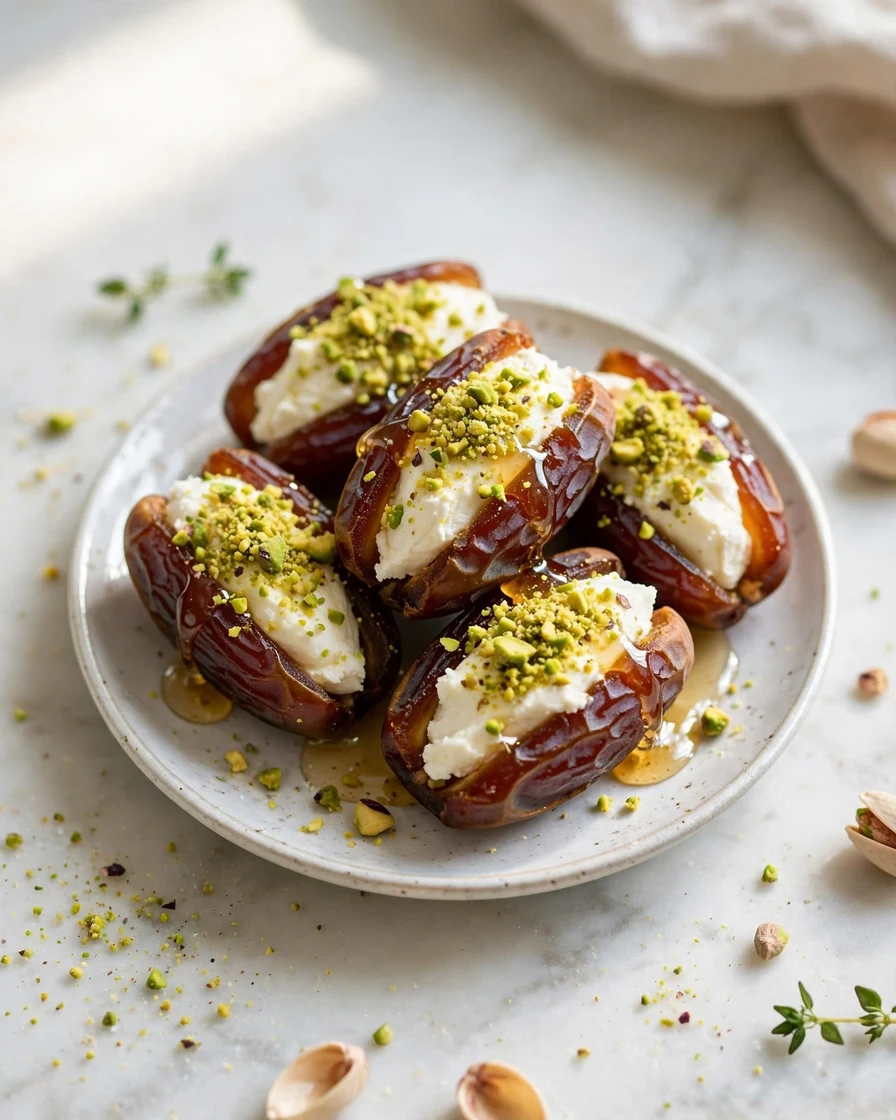
Sweet dates, tangy goat cheese and crunchy pistachios — a combination that makes guests ask for the recipe. Ten minutes, no cooking, and it looks far fancier than the effort involved.
Ingredients: 8 Medjool dates, 60 g soft goat cheese, 2 tablespoons crushed pistachios, and 1 teaspoon honey to drizzle.
Method: Slice each date lengthways and remove the pit. Fill with a small spoonful of goat cheese, sprinkle with crushed pistachios, and finish with a light drizzle of honey. Serve at room temperature.
Benefits: Goat cheese adds protein and calcium, and is often easier to digest than cow’s milk cheese. Pistachios contribute fibre, healthy fats and plant protein.
Tips: Let the goat cheese sit out of the fridge for 10 minutes so it spreads easily.
Who it may suit: Party platters, cheese boards, and a light starter or afternoon snack with tea.
Important considerations: Two stuffed dates is a good snack serving. It contains dairy and tree nuts — a dairy-free soft cheese and seeds can work as substitutes.
7. Date and Chia Seed Pudding
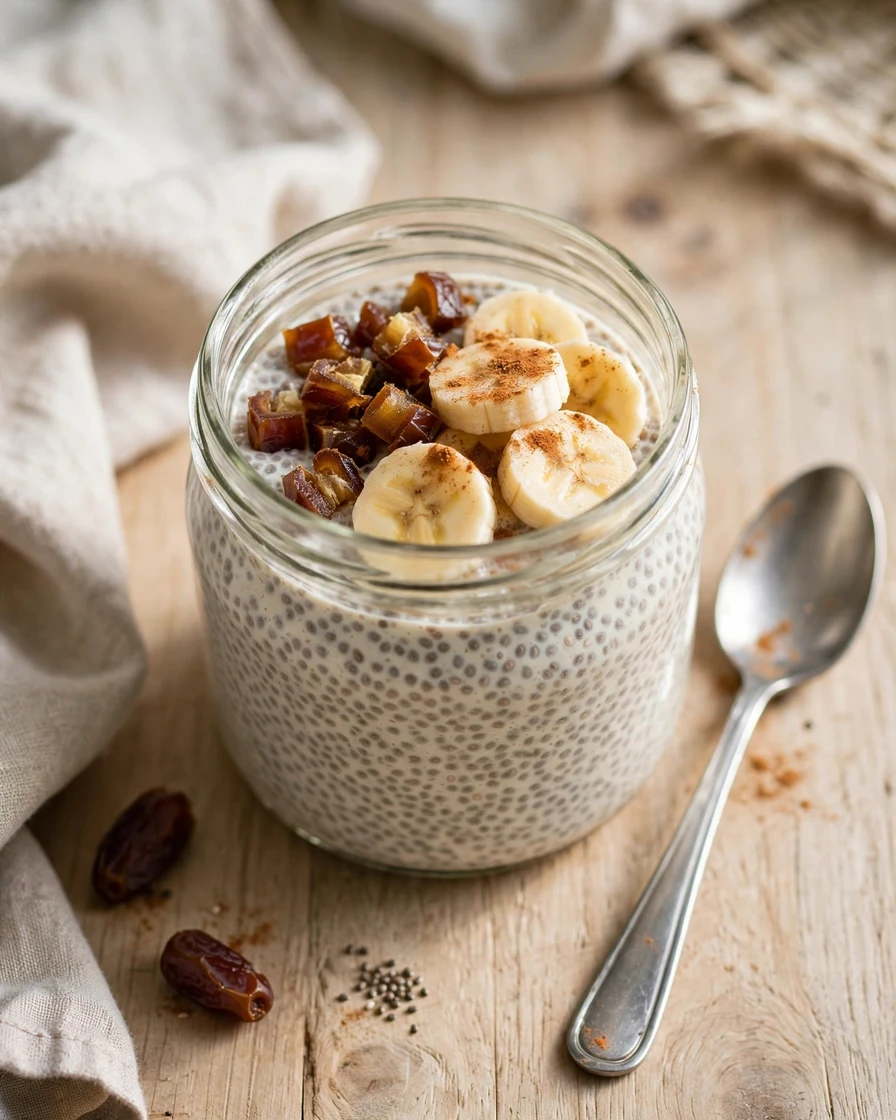
Chia pudding feels like dessert but works as breakfast. The seeds swell into a creamy texture, and chopped dates sweeten it gently without any added sugar.
Ingredients: 3 tablespoons chia seeds, 1 cup milk or plant-based milk, 2 chopped Medjool dates, 1/2 teaspoon vanilla extract, a pinch of cinnamon, and sliced banana to top.
Method: Whisk the chia seeds, milk, vanilla and cinnamon together in a jar. Stir in the chopped dates, wait 10 minutes, then stir again to break up clumps. Cover and refrigerate for at least 4 hours, or overnight. Top with banana before serving.
Benefits: Chia seeds are rich in fibre and plant-based omega-3 fats, and they absorb many times their weight in liquid, which can help you feel full. Dates add natural sweetness and potassium.
Tips: The second stir is the secret — without it, chia seeds settle into clumps.
Who it may suit: Anyone who likes a make-ahead breakfast, and people looking for a lighter dessert that still feels indulgent.
Important considerations: Chia seeds absorb a lot of water, so drink a glass of water alongside. If you are new to chia seeds, start with a small portion.
8. Date and Walnut Salad with Mixed Greens
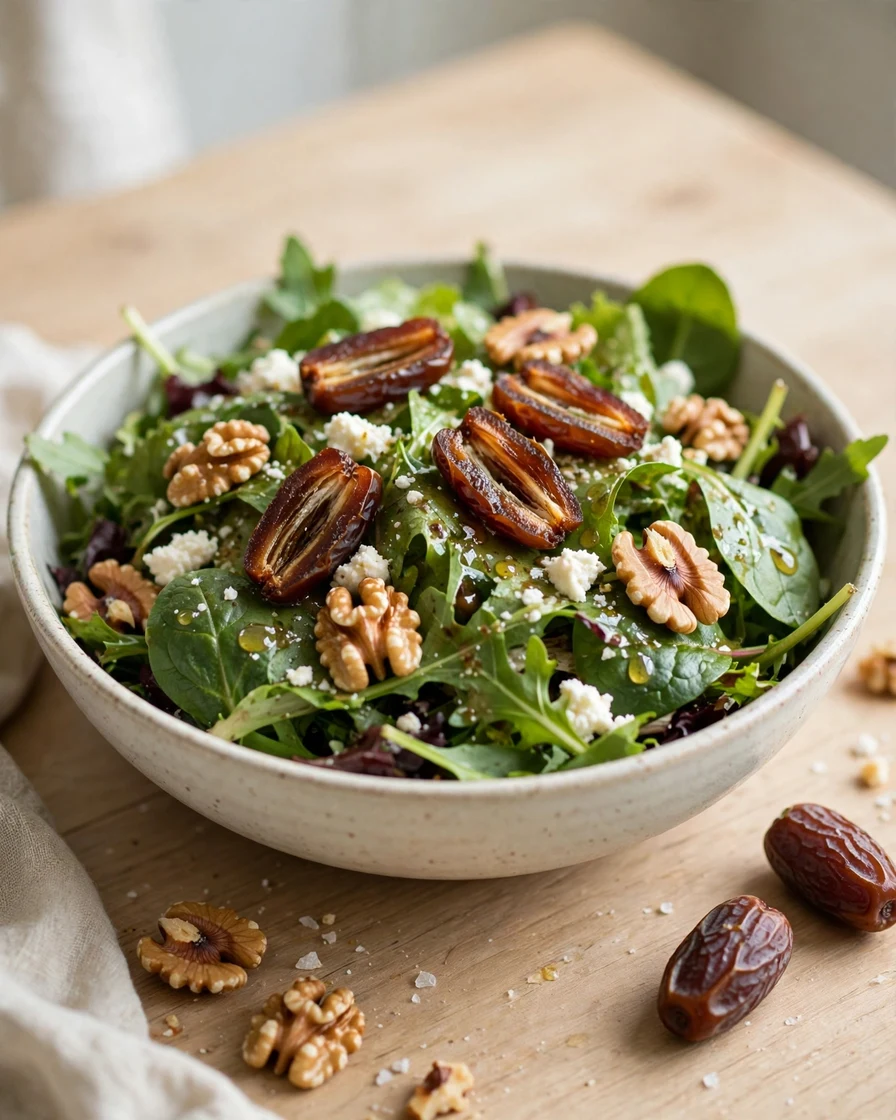
Dates in a salad might sound unusual, but their sweetness balances bitter greens and salty feta beautifully. It is a light lunch that still feels satisfying, thanks to the walnuts and cheese.
Ingredients: 4 cups mixed salad greens, 4 sliced Medjool dates, 1/3 cup toasted walnut halves, 30 g crumbled feta, 1/4 thinly sliced red onion, and a dressing of 1 tablespoon olive oil, 1 teaspoon lemon juice and a pinch of salt.
Method: Toast the walnuts in a dry pan for 2 to 3 minutes until fragrant, then cool. Whisk the dressing ingredients together. Toss everything in a large bowl, drizzle with dressing, and toss gently just before serving.
Benefits: Leafy greens provide folate, vitamin K and fibre for very few calories. Walnuts add healthy fats, and dates bring natural sweetness.
Tips: Add the dates and dressing at the last minute so the greens stay crisp.
Who it may suit: A light lunch, a side for grilled chicken or fish, and anyone trying to eat more greens without a boring salad.
Important considerations: Keep the dates to four for the whole bowl — more will make it very sweet. For a walnut allergy, use toasted pumpkin seeds for crunch.
9. Sticky Date Porridge with Cinnamon

This is the breakfast version of sticky toffee pudding, without the toffee. Dates soften into the porridge as they cook, and cinnamon adds warmth that makes the bowl taste like a treat.
Ingredients: 1/2 cup rolled oats, 1 cup milk or half milk and half water, 3 chopped Medjool dates, 1/2 teaspoon ground cinnamon, and a pinch of salt.
Method: Put the oats, milk and salt in a small pan and bring to a gentle simmer. Cook for 5 to 7 minutes, stirring often, until thick and creamy. Stir in the dates and cinnamon, cook for one more minute, then serve with an extra sprinkle of cinnamon.
Benefits: Oats provide beta-glucan, a soluble fibre that may support healthy cholesterol levels as part of a balanced diet. Dates add fibre and potassium.
Tips: Make it with milk rather than water for extra protein and a creamier result. A spoonful of yogurt on top adds a nice tang.
Who it may suit: Cold mornings, children, and anyone who wants a comforting, filling breakfast.
Important considerations: Porridge with dates alone can leave you hungry quickly, so pairing it with milk or yogurt helps it last longer. Stick to three dates per bowl.
10. Baked Dates with Cinnamon Apples
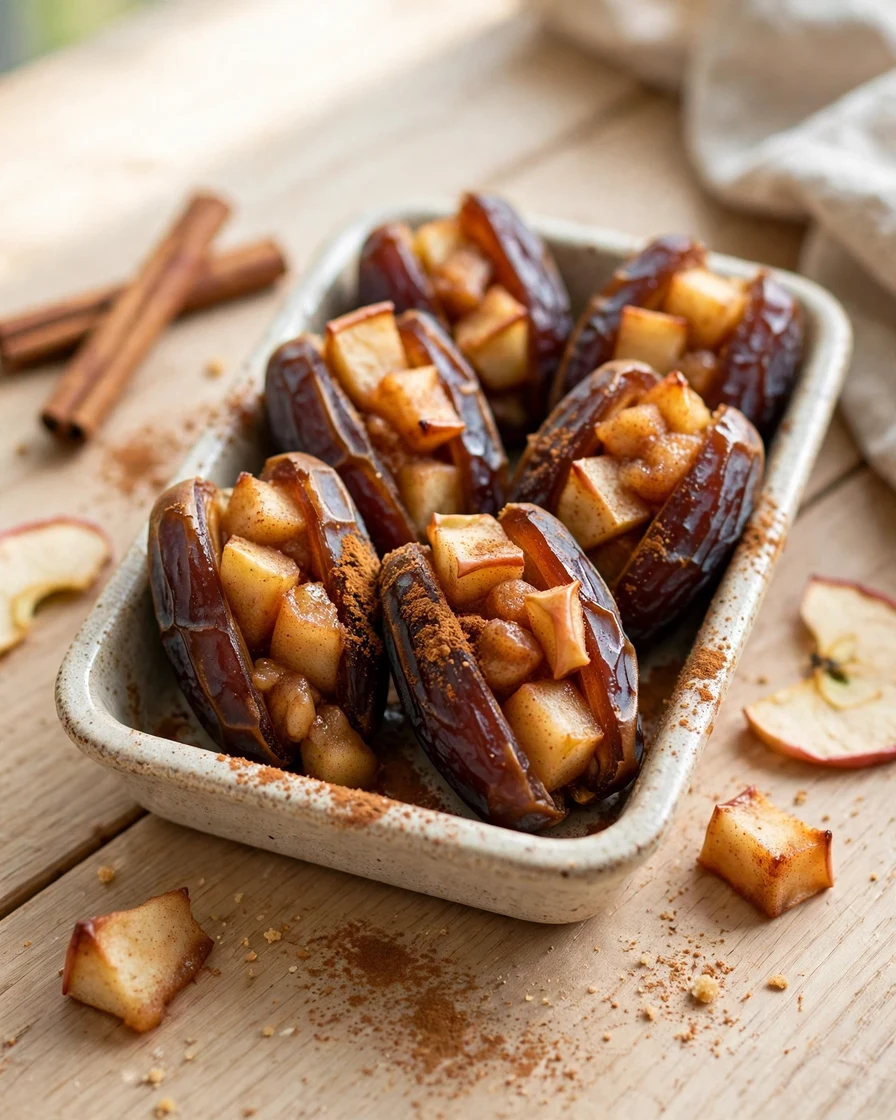
Warm, soft dates filled with spiced apple taste like a miniature apple pie — no pastry, no added sugar, barely any work. Baking softens the dates and lets the cinnamon and apple meld together.
Ingredients: 8 Medjool dates, 1 small apple (diced small), 1/2 teaspoon ground cinnamon, 1 teaspoon lemon juice, and 1 tablespoon rolled oats for a crumble topping (optional).
Method: Heat the oven to 180°C (350°F). Toss the diced apple with cinnamon and lemon juice. Slice the dates lengthways, remove the pits, and fill each one with the apple mixture. Sprinkle with oats if using and bake for 12 to 15 minutes until the apple is soft.
Benefits: Apples add fibre and vitamin C, and dates provide the sweetness — no need for honey or syrup. It is a dessert that is mostly fruit.
Tips: Serve warm with a spoonful of Greek yogurt. Any firm apple works, but sweeter varieties like Gala or Fuji need no extra sweetening.
Who it may suit: A light dessert after dinner, a warming winter snack, and anyone who wants a sweet finish without a heavy pudding.
Important considerations: Two to three baked dates per serving is enough — they are concentrated sweetness. If you have diabetes, enjoy a small portion after a meal rather than on an empty stomach.
11. Date and Tahini Toast

Peanut butter toast has a rival. Creamy tahini, sliced dates and sesame seeds on good sourdough is a five-minute breakfast, and tahini brings calcium and healthy fats to the table.
Ingredients: 1 slice sourdough or wholegrain bread, 1 tablespoon tahini, 2 thinly sliced Medjool dates, 1 teaspoon sesame seeds, and a light drizzle of honey (optional).
Method: Toast the bread until golden and crisp. Spread the tahini over the warm toast — the heat helps it spread smoothly — then arrange the sliced dates on top and sprinkle with sesame seeds.
Benefits: Tahini provides calcium, magnesium and healthy fats, wholegrain bread adds fibre, and dates bring natural sweetness and potassium.
Tips: Stir the tahini well before using, as it separates in the jar. Warming it for a few seconds makes it easier to spread.
Who it may suit: Quick weekday breakfasts, a pre-workout snack, and anyone who wants a change from jam or peanut butter toast.
Important considerations: Tahini is made from sesame, so it is not suitable for people with sesame allergy. Skip the honey — the toast is sweet enough without it.
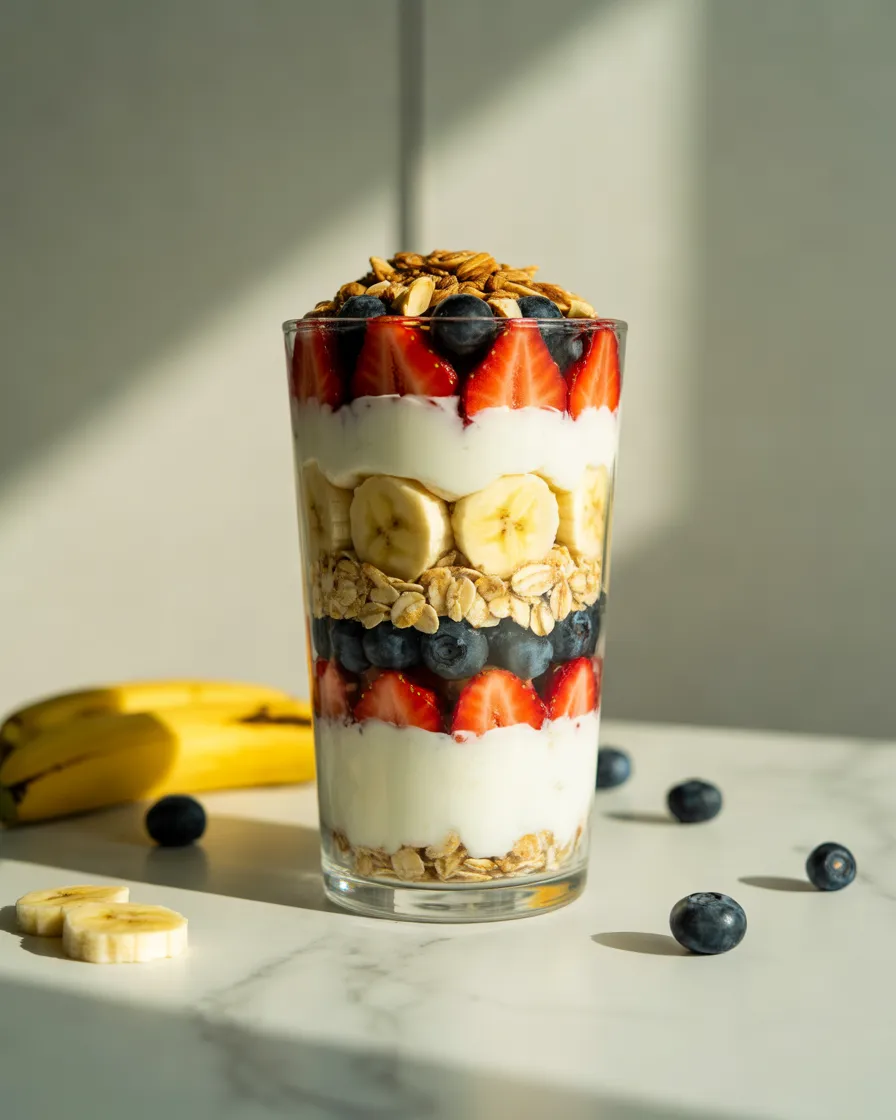
12. Date, Yogurt and Berry Parfait
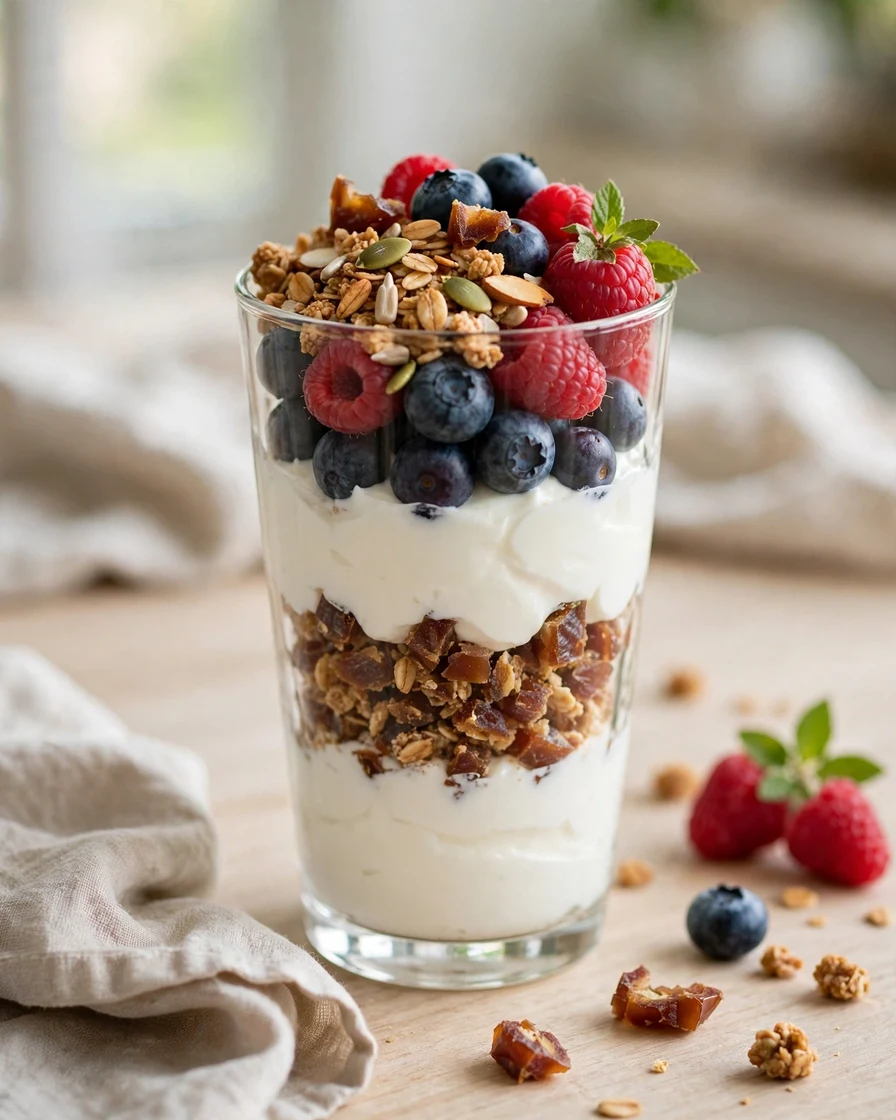
Layers of creamy yogurt, sweet chopped dates, fresh berries and a little crunch — this parfait looks like a dessert, but it is a protein-rich breakfast or light snack in disguise.
Ingredients: 1/2 cup Greek yogurt, 2 chopped Medjool dates, 1/2 cup mixed berries (blueberries, raspberries or strawberries), and 2 tablespoons granola.
Method: Spoon half the yogurt into a glass, add half the dates and berries, then repeat. Sprinkle the granola on top just before serving so it stays crunchy.
Benefits: Greek yogurt provides protein and calcium, and live-culture yogurt may support gut health. Berries add vitamin C, and dates add fibre and natural sweetness.
Tips: Use plain, unsweetened yogurt and let the dates and berries do the sweetening. Layer it in a jam jar the night before (without the granola) for a grab-and-go breakfast.
Who it may suit: A light breakfast, a post-workout snack, or a healthier dessert for children and adults.
Important considerations: Check the granola label — some are high in added sugar, and two tablespoons is enough. For dairy-free, use a soy or coconut yogurt.
13. Date and Dark Chocolate Bark
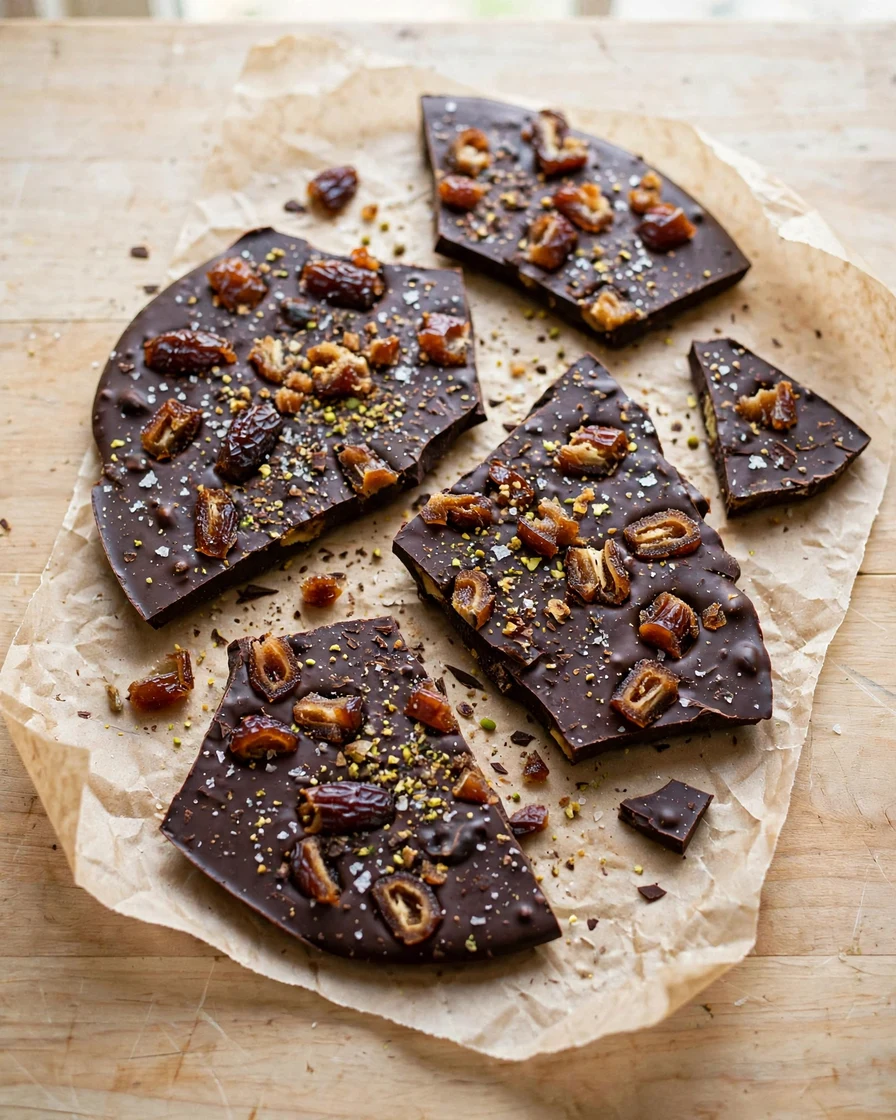
When you want a small piece of something sweet after dinner, this bark is hard to beat. Dark chocolate, chewy dates, salty crunch — fifteen minutes, keeps for weeks, and one small square is genuinely satisfying.
Ingredients: 150 g dark chocolate (70% cocoa), 1/3 cup chopped Medjool dates, 2 tablespoons chopped pistachios, and a pinch of flaky sea salt.
Method: Melt the chocolate gently in a heatproof bowl over simmering water, or in the microwave in 30-second bursts, stirring between each one. Spread about 5 mm thick on a parchment-lined tray. Scatter the dates and pistachios over the top, sprinkle with sea salt, and chill for 30 minutes until set. Break into pieces.
Benefits: Dark chocolate provides cocoa flavanols, iron and magnesium, while dates add fibre and natural sweetness, so the bark needs no added sugar.
Tips: Have the dates and nuts ready before you melt the chocolate — it sets fast. Store the bark in an airtight container in the fridge for up to two weeks.
Who it may suit: An occasional treat, a homemade gift, or a small sweet bite with coffee after dinner.
Important considerations: This is a treat, not a health food — one small square is a serving. Both chocolate and dates are calorie-dense, so it is easy to eat more than intended.
Expert Tips for Cooking with Dates
Choose the right date. Medjool dates are large, soft and caramel-like, ideal for stuffing, blending and snacking. Deglet Noor dates are smaller, firmer and cheaper, and work well chopped into porridge, salads and baked recipes.
Soften dry dates before using them. If your dates feel hard or dry, soak them in warm water for 10 minutes and drain. They will blend smoothly and hold fillings better.
Watch the portion, not just the ingredient. Dates are a whole food with fibre and minerals, but they are also concentrated natural sugar. A useful rule is two to three Medjool dates per serving, paired with protein or healthy fat — nut butter, yogurt, cheese or nuts — to help keep your energy steadier than eating dates alone.
Store them properly. Keep dates in an airtight container in a cool, dry place for a few months, or in the fridge for even longer. A light white coating is usually just sugar crystallising on the surface and they are still fine to eat.
Use dates as a sugar swap, not a sugar add-on. Dates work best here because they replace refined sugar. If a recipe also has honey, syrup or chocolate, keep those amounts small — the dates are already doing the sweetening. If you have diabetes or any condition affected by sugar intake, speak to a healthcare professional about how dates fit into your diet.
Frequently Asked Questions
Are dates healthy?
Yes, in sensible portions. Dates are a whole fruit with fibre, potassium and magnesium, no fat and no added sugar. The catch is that they are energy-dense and high in natural sugars — about 16 grams of sugar in two Medjool dates — so the portion matters more than the food itself. Two to four dates at a time, alongside protein, fibre or healthy fats, can be part of a balanced diet.
Can I eat dates every day?
For most people, yes. A small daily portion of two to three dates is generally fine as part of a varied diet, especially when they replace a less nutritious sweet snack. If you have diabetes or are managing your blood sugar, check with a healthcare professional about a portion that suits you.
Are dates good for energy before a workout?
Dates can be a useful pre-workout snack because their natural sugars provide quick energy and they are easy to digest. One or two stuffed dates, or a couple of energy balls, about 30 to 60 minutes before exercise works well for many people. Pairing them with a little protein or fat may help the energy last longer.
Do dates spike blood sugar?
Dates have a moderate glycemic index, but their effect on blood sugar depends on how many you eat and what you eat them with. A small portion eaten with protein or fat — such as peanut butter stuffed dates or yogurt with dates — is likely to raise blood sugar more slowly than dates eaten alone. People with diabetes should monitor their response and speak to a clinician or dietitian about portions.
Can I make these date recipes nut-free?
Yes, most of them. Swap nut butters for sunflower seed butter or tahini, replace chopped nuts with pumpkin or sunflower seeds, and use seeds for crunch in the salad and bark. Always check labels if you are cooking for someone with a severe allergy, as some products are made in facilities that handle nuts.
Conclusion
Dates are one of the simplest ingredients to cook with — sweet, filling and endlessly flexible — and these 13 healthy dates recipes show how many jobs they can do, from a five-minute stuffed date to a make-ahead breakfast jar or a warm baked dessert. The common thread is balance: a small portion of dates, paired with oats, nuts, yogurt or greens, gives flavour and energy without the crash of refined sugar.
Start with the recipe that fits your day. Make a batch of energy balls for the week, try the overnight oats tonight, or keep a few stuffed dates in the fridge for the next sweet craving. Enjoyed in sensible portions, they can be a genuinely useful part of everyday healthy eating.