Eating healthy does not have to mean preparing complicated meals or eating plain chicken every day. With the right ingredients, seasonings, and cooking methods, chicken breast can become the foundation of countless satisfying dinners, fresh lunches, and convenient meal-prep options.
These healthy chicken breast recipes are designed for people who want delicious food without spending hours in the kitchen. Whether you prefer oven-baked chicken, colorful vegetable bowls, quick stir-fries, or creamy dishes made with lighter ingredients, there is something here for different tastes and cooking routines.
Chicken breast is a versatile source of protein that pairs well with vegetables, whole grains, beans, and healthy fats. Choosing a variety of these foods helps create balanced meals rather than relying on chicken alone. You can also adjust seasonings and side dishes to suit your preferences, budget, and nutritional needs.
The following 12 recipes use accessible ingredients and straightforward cooking techniques. Each includes practical preparation instructions, serving suggestions, potential nutritional benefits, and considerations to help you make the dish your own.
1. Lemon-Garlic Baked Chicken Breast for a Simple Weeknight Dinner
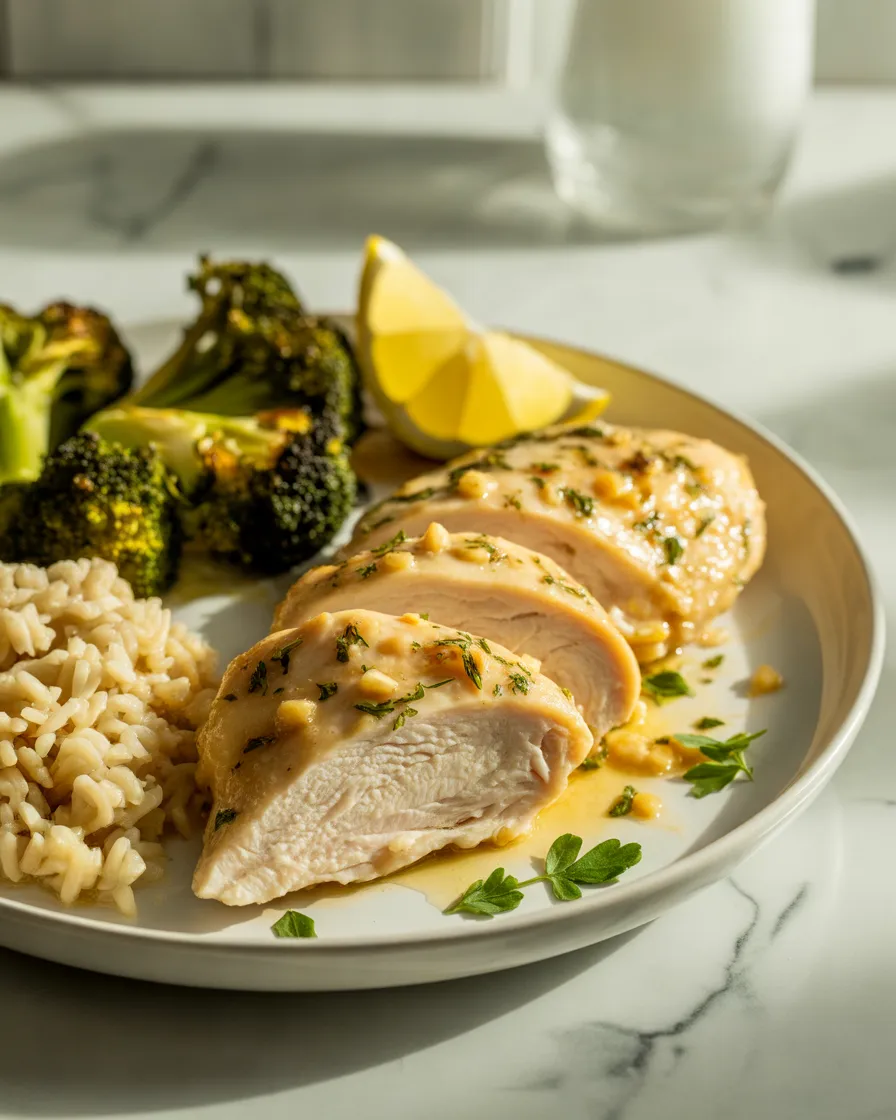
Lemon-garlic baked chicken breast is an excellent starting point if you want a flavorful meal with minimal preparation. Lemon adds brightness, garlic brings a savory taste, and a little olive oil helps the seasonings coat the chicken evenly.
Ingredients for two servings:
- 2 boneless, skinless chicken breasts
- 1 tablespoon olive oil
- 2 garlic cloves, minced
- Juice of half a lemon
- 1 teaspoon dried oregano
- Black pepper and a small pinch of salt
How to prepare it: Preheat the oven to 400°F (200°C). Pat the chicken dry and place it in a baking dish. Mix the olive oil, garlic, lemon juice, oregano, and seasonings, then spread the mixture over both breasts. Bake until the thickest part reaches 165°F (74°C), checking with a food thermometer. Rest briefly before slicing.
Benefits: Baking requires relatively little added fat, while the lemon and herbs provide plenty of flavor. Pairing the chicken with broccoli and brown rice creates a more balanced meal.
Practical tip: If one breast is much thicker than the other, gently pound it to an even thickness so both pieces cook more consistently.
How to serve it: Serve with roasted vegetables, a baked potato, or a whole-grain side.
Who it may suit: Busy households, beginners, and anyone looking for an uncomplicated chicken dinner.
Important consideration: Lemon and garlic are not suitable for everyone’s preferences or digestive tolerance. Adjust the seasoning if necessary.
2. Sheet-Pan Chicken Breast With Broccoli and Sweet Potatoes
When you want a complete dinner without washing several pans, sheet-pan chicken is a practical solution. Chicken breast, broccoli, and sweet potatoes roast together, allowing the vegetables to develop caramelized edges while the chicken absorbs the flavors of the seasonings.
Ingredients for two servings:
- 2 chicken breasts
- 1 medium sweet potato, cubed
- 2 cups broccoli florets
- 1 tablespoon olive oil
- 1 teaspoon paprika
- 1 teaspoon garlic powder
- Black pepper and salt to taste
How to prepare it: Heat the oven to 400°F (200°C). Toss the sweet potato with some oil and seasoning, then spread it across a baking sheet. Roast until it begins to soften. Add the seasoned chicken and broccoli, keeping the chicken separate from the vegetables as needed for even cooking. Continue roasting until the vegetables are tender and the chicken reaches 165°F (74°C).
Benefits: Sweet potatoes contribute carbohydrates and fiber, while broccoli provides fiber and several vitamins. The chicken supplies protein, making this a convenient combination of food groups.
Practical tip: Cut the sweet potato into small, similarly sized cubes. Larger pieces may need more time than the broccoli or chicken.
How to serve it: Divide everything into two plates or meal-prep containers. Add lemon juice just before eating.
Who it may suit: Families, busy professionals, and people preparing several lunches in advance.
Important consideration: Avoid overcrowding the pan, which can cause the vegetables to steam instead of brown. Use a second tray if necessary.
3. Greek Yogurt Herb-Marinated Chicken Breast
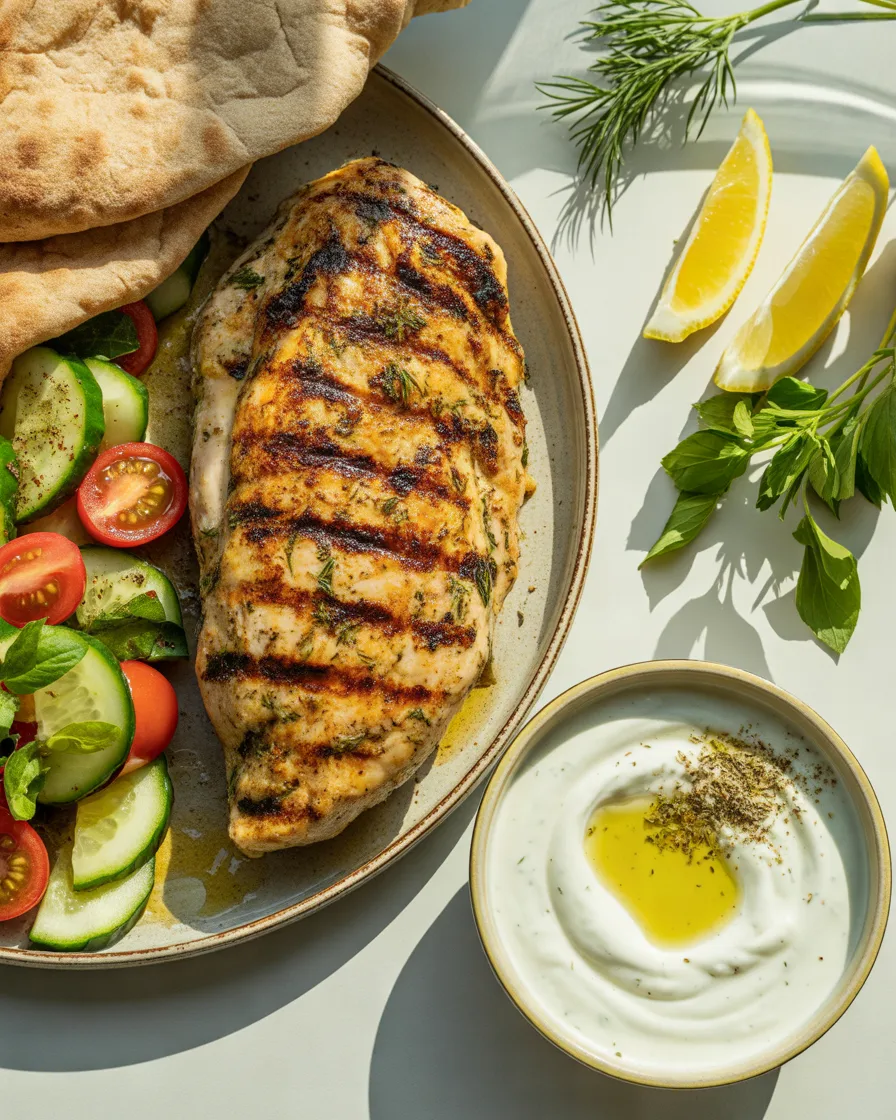
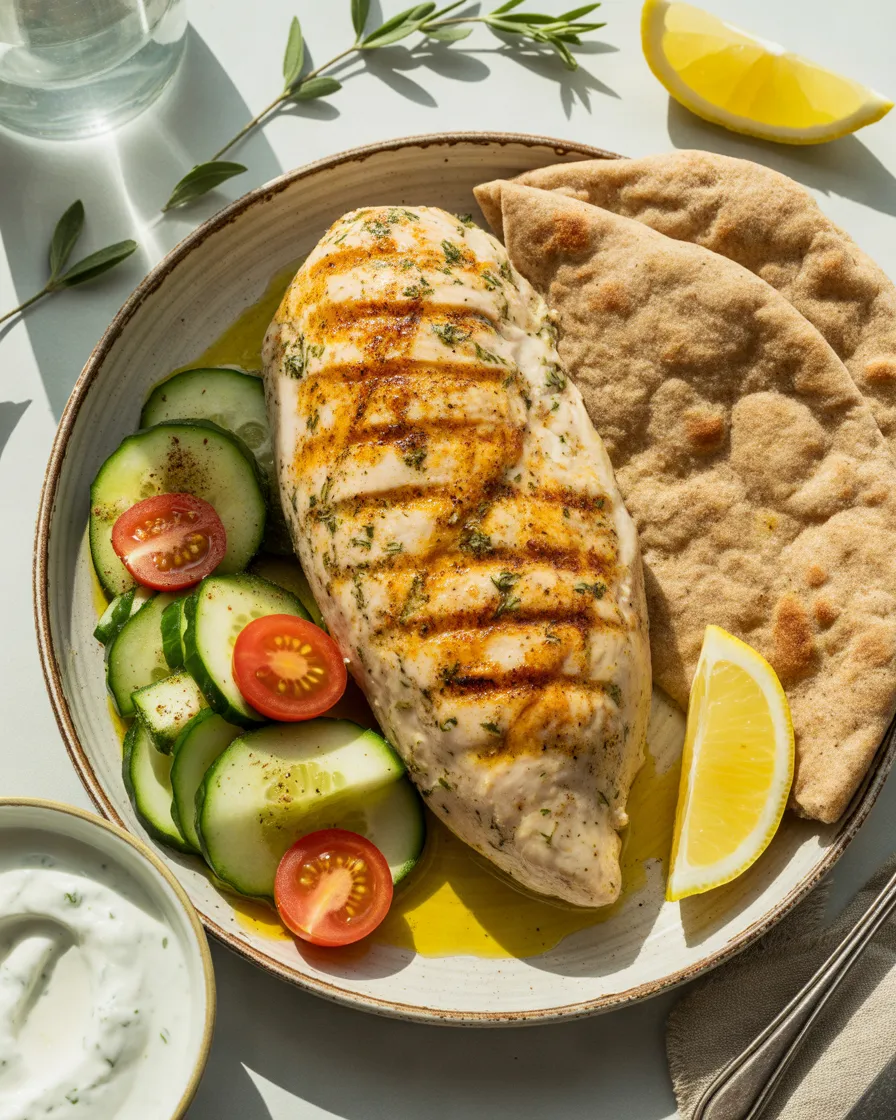
Marinating chicken in plain Greek yogurt with herbs creates a flavorful coating that helps the meat remain tender during cooking. This approach is especially useful when you want something more interesting than ordinary grilled chicken without relying on a heavy cream-based sauce.
Ingredients for two servings:
- 2 chicken breasts
- ½ cup plain, unsweetened Greek yogurt
- 1 tablespoon lemon juice
- 1 garlic clove, minced
- 1 teaspoon dried oregano
- ½ teaspoon paprika
- Black pepper to taste
How to prepare it: Combine the yogurt, lemon juice, garlic, oregano, paprika, and pepper. Coat the chicken and refrigerate for 30 minutes to 4 hours. Remove excess marinade and cook on a grill pan or in the oven until the thickest part reaches 165°F (74°C). Do not reuse marinade that has contacted raw chicken unless it is thoroughly cooked.
Benefits: Plain Greek yogurt adds a creamy texture and can contribute additional protein and calcium, depending on the product. Herbs and spices provide flavor without requiring a large amount of oil.
Practical tip: Choose plain yogurt rather than a sweetened or flavored variety. Refrigerate the chicken throughout marinating.
How to serve it: Pair with cucumber-tomato salad, whole-wheat flatbread, or roasted vegetables.
Who it may suit: People who enjoy Mediterranean-inspired meals or want a versatile protein for lunch bowls.
Important consideration: This recipe contains dairy. Use an appropriate dairy-free alternative if needed, recognizing that the texture may differ.
4. Healthy Chicken Fajita Bowls With Brown Rice and Peppers
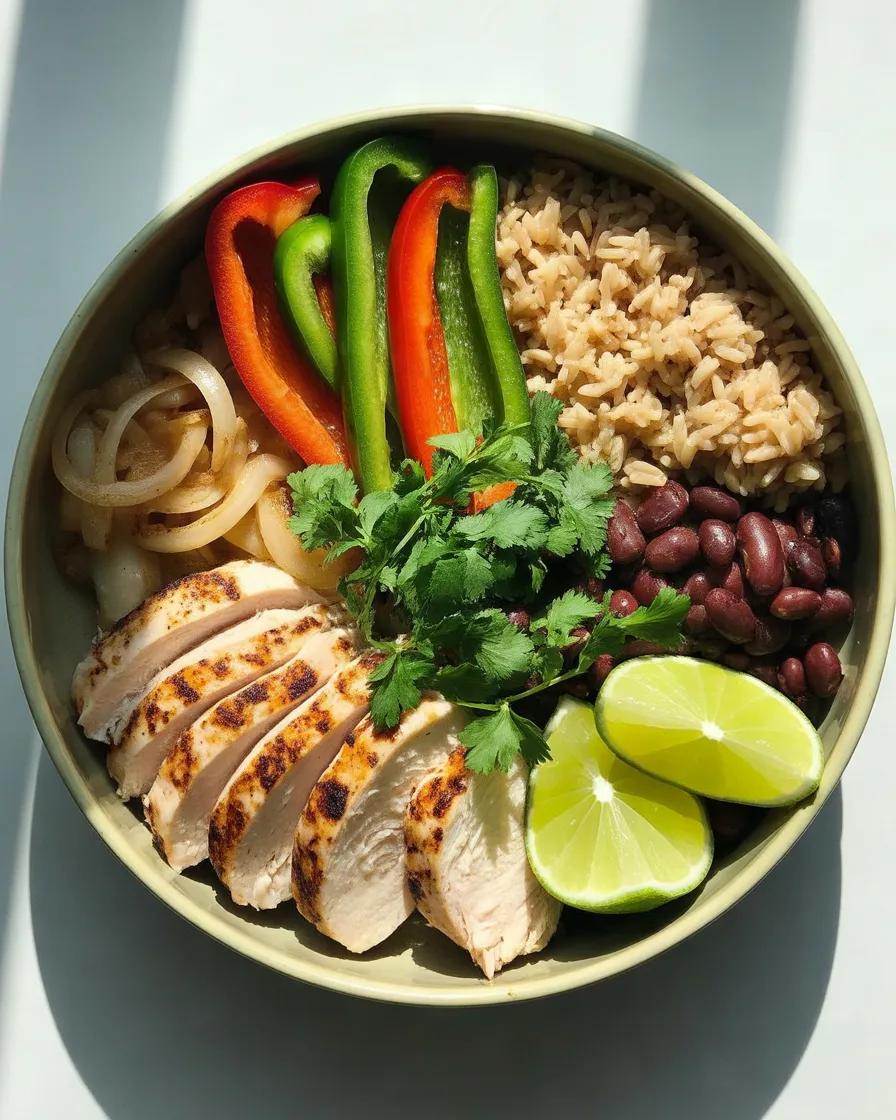
Chicken fajita bowls deliver the familiar flavors of fajitas in a convenient, customizable format. Colorful peppers, onions, seasoned chicken, and brown rice create a satisfying meal without requiring deep-frying or oversized portions of cheese and sour cream.
Ingredients for two servings:
- 2 chicken breasts, sliced into strips
- 1 cup cooked brown rice
- 1 red bell pepper, sliced
- 1 green bell pepper, sliced
- ½ onion, sliced
- 1 tablespoon olive oil
- 1 teaspoon cumin
- 1 teaspoon paprika
- Lime juice and black pepper
How to prepare it: Toss the chicken and vegetables with oil, cumin, paprika, and pepper. Cook in a hot skillet until the chicken is cooked through and the vegetables are tender. Check that the chicken reaches 165°F (74°C). Serve over brown rice and finish with lime juice.
Benefits: The combination provides protein, vegetables, and whole-grain carbohydrates. Adding black beans or avocado can provide additional fiber or unsaturated fat.
Practical tip: Cook the chicken in batches if your skillet is small. Too many ingredients at once can release moisture and prevent browning.
How to serve it: Offer salsa, coriander, lime wedges, and plain yogurt as optional toppings.
Who it may suit: Meal-prep enthusiasts and people who prefer customizable, colorful lunches.
Important consideration: Store-bought fajita seasoning can contain considerable sodium. Homemade seasoning gives you greater control over the amount of salt.
5. Honey-Mustard Baked Chicken Breast With Roasted Vegetables
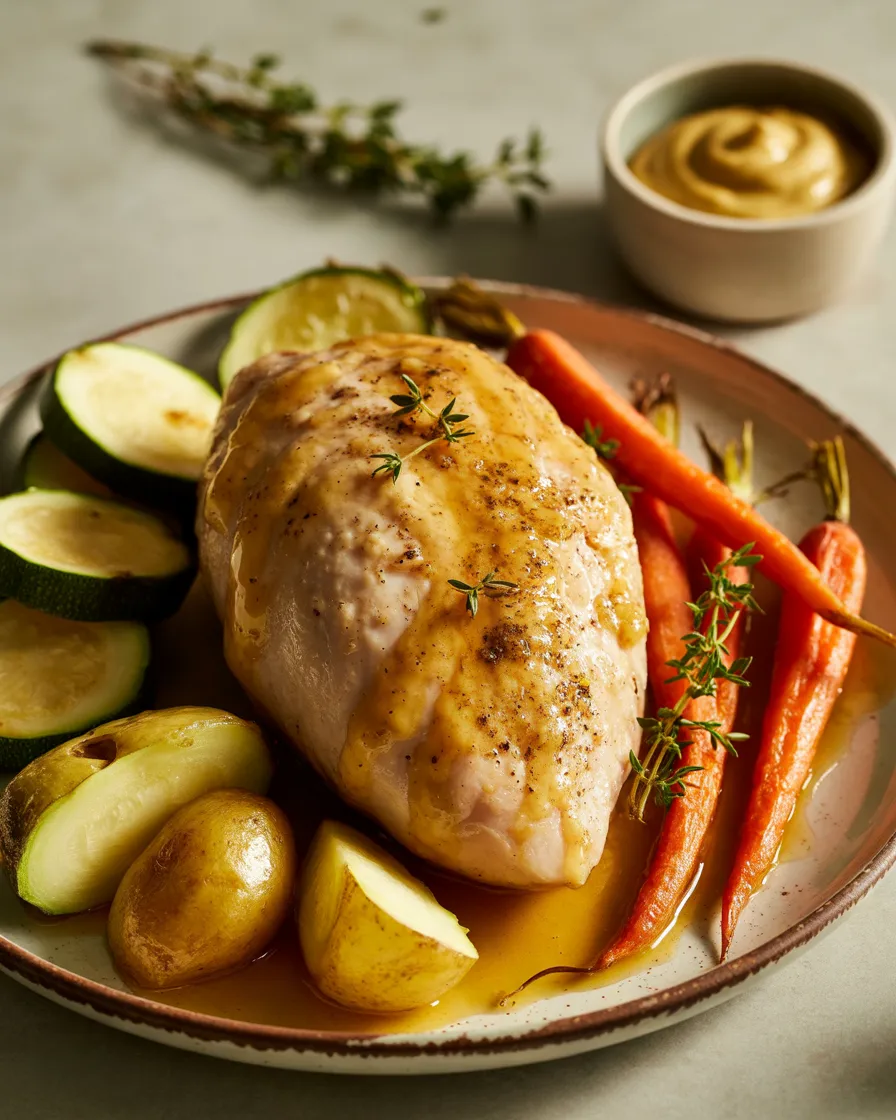
Honey and mustard create a sweet, tangy glaze that makes baked chicken feel special without needing a rich sauce. The key is to use enough honey to balance the mustard rather than allowing sweetness to dominate the dish.
Ingredients for two servings:
- 2 chicken breasts
- 1 tablespoon Dijon mustard
- 1 teaspoon honey
- 1 teaspoon olive oil
- 1 teaspoon lemon juice
- 2 cups chopped courgette or zucchini and carrots
- Black pepper and dried thyme
How to prepare it: Heat the oven to 400°F (200°C). Whisk the mustard, honey, oil, lemon juice, pepper, and thyme together. Brush over the chicken. Arrange the vegetables around it and roast until the vegetables are tender and the chicken reaches 165°F (74°C). If the glaze begins to darken too quickly, cover the chicken loosely with foil.
Benefits: This recipe combines a lean protein source with vegetables and uses a modest amount of honey for flavor. It can help make a balanced dinner appealing without relying on a thick, rich sauce.
Practical tip: Reserve a little clean glaze before it touches the raw chicken if you want extra sauce for serving.
How to serve it: Add boiled baby potatoes, quinoa, or a leafy green salad.
Who it may suit: People who prefer mildly sweet, savory dinners and want a simple alternative to plain baked chicken.
Important consideration: Honey is an added sugar, so adjust the amount to your taste and dietary needs. Check mustard labels if you have food allergies.
6. Tomato, Basil, and Pesto Chicken Breast
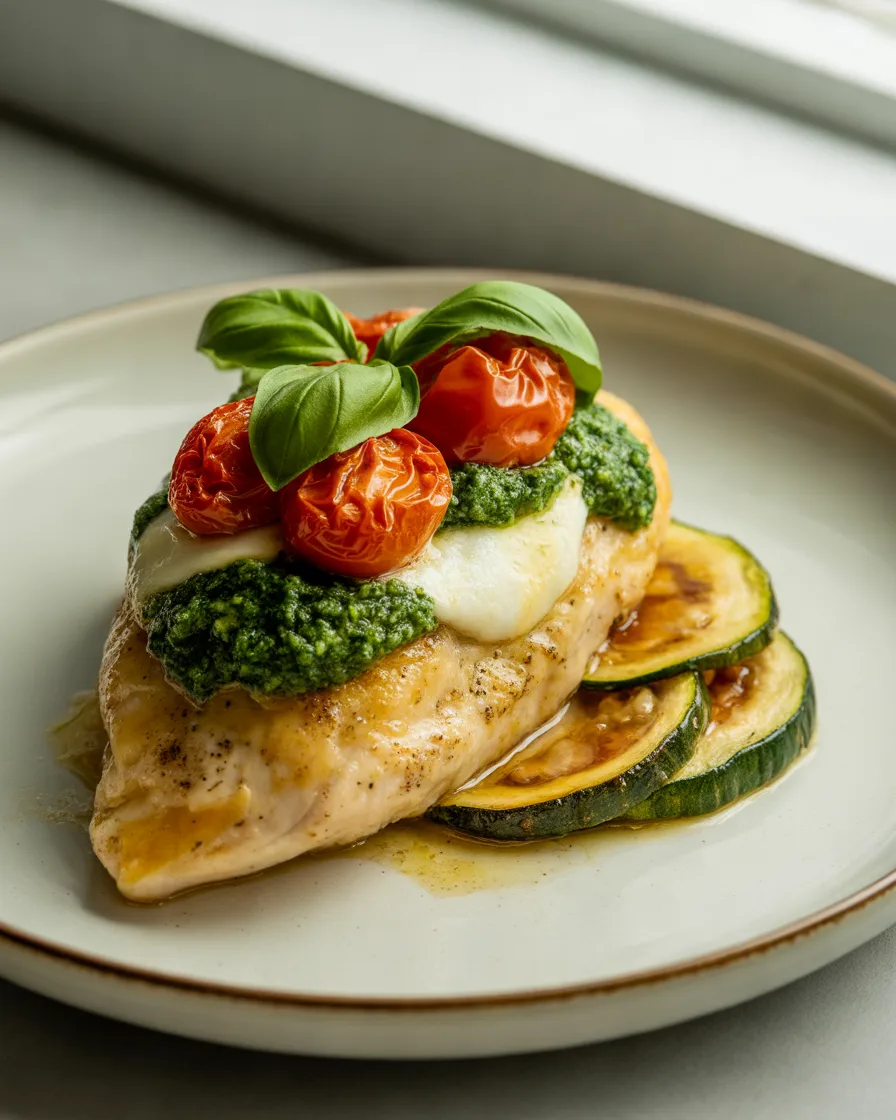
Tomatoes, basil, and pesto bring Italian-inspired flavor to a simple chicken dinner. The combination is aromatic and colorful, and a modest amount of pesto can provide plenty of taste without covering the chicken in a heavy sauce.
Ingredients for two servings:
- 2 chicken breasts
- 2 tablespoons basil pesto
- 1 cup cherry tomatoes, halved
- ¼ cup shredded mozzarella, optional
- Black pepper
- Fresh basil leaves
How to prepare it: Heat the oven to 400°F (200°C). Place the chicken in a baking dish and spread a thin layer of pesto over each breast. Scatter the tomatoes around the chicken. Bake until nearly cooked through, then add mozzarella if using and return the dish to the oven until melted and the chicken reaches 165°F (74°C).
Benefits: Tomatoes contribute vitamin C and other plant compounds, while basil pesto supplies herbs and flavorful fats. The chicken provides protein, and the optional mozzarella adds calcium and protein.
Practical tip: Choose pesto with an ingredient list that suits your preferences. A small spoonful can provide enough flavor, especially when combined with fresh basil.
How to serve it: Pair with whole-wheat pasta, roasted courgette, or a simple green salad.
Who it may suit: People who enjoy Italian flavors and want an easy alternative to restaurant-style creamy chicken.
Important consideration: Traditional pesto often contains nuts, cheese, and oil. Check the label for allergens and adjust the portion to your needs.
7. Quick Chicken and Vegetable Stir-Fry
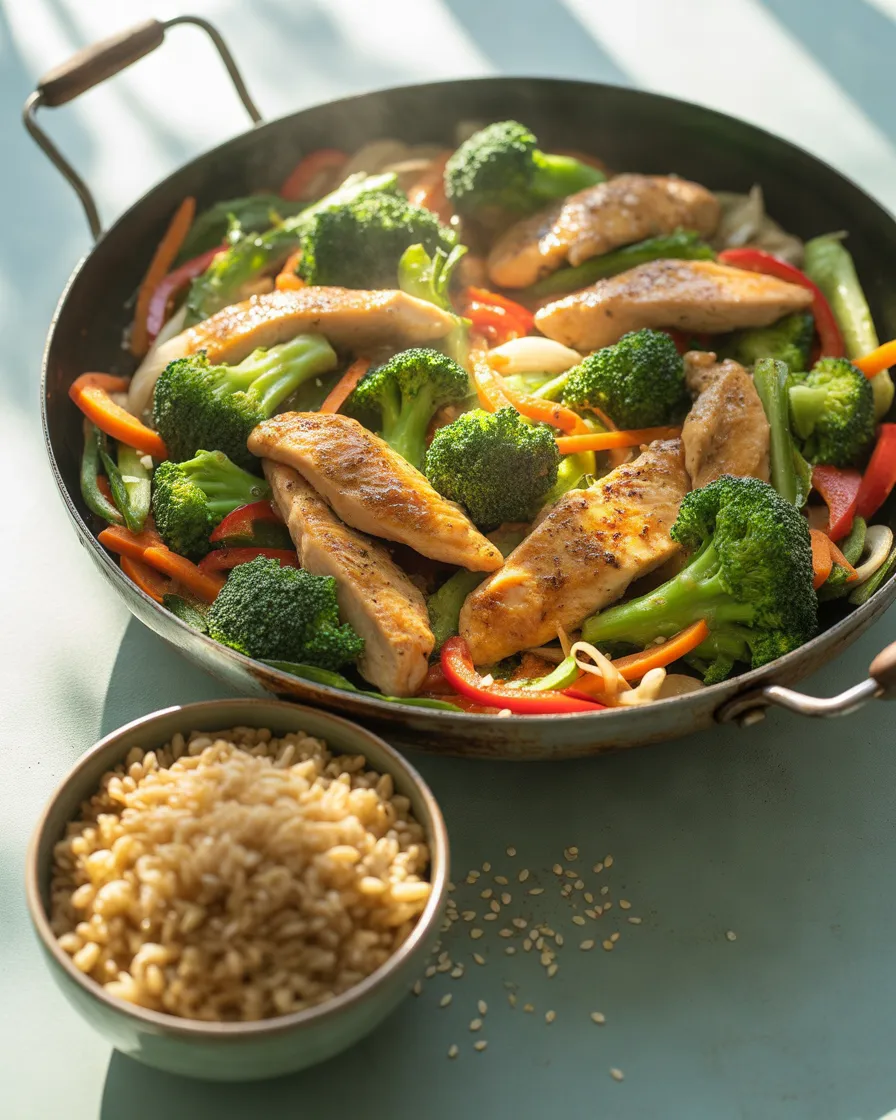
A chicken stir-fry is one of the most adaptable healthy chicken breast recipes for busy evenings. Thinly sliced chicken cooks quickly, while crisp vegetables provide contrasting textures. A simple ginger-garlic sauce adds flavor without requiring a bottled sauce with lots of added sugar or sodium.
Ingredients for two servings:
- 2 chicken breasts, thinly sliced
- 1 cup broccoli florets
- 1 bell pepper, sliced
- 1 carrot, thinly sliced
- 1 teaspoon grated ginger
- 2 garlic cloves, minced
- 1 tablespoon reduced-sodium soy sauce
- 1 teaspoon sesame oil
- 1 teaspoon neutral cooking oil
How to prepare it: Heat the neutral oil in a large skillet or wok. Cook the chicken in batches until browned and fully cooked. Add the vegetables, ginger, and garlic, stirring frequently. Return the chicken to the pan if necessary and add the soy sauce and sesame oil. Ensure the chicken reaches 165°F (74°C).
Benefits: This meal combines protein with a range of vegetables and allows you to control the sauce ingredients. Using a modest amount of oil keeps the preparation straightforward.
Practical tip: Prepare and slice all ingredients before turning on the heat. Stir-frying moves quickly, so having everything ready prevents overcooking.
How to serve it: Add brown rice, whole-wheat noodles, or quinoa.
Who it may suit: People who want quick dinners and flexible ways to use leftover vegetables.
Important consideration: Soy sauce contains sodium, including reduced-sodium varieties. Choose a suitable alternative if you need to avoid soy or gluten, checking product labels carefully.
8. Comforting Chicken and Vegetable Soup
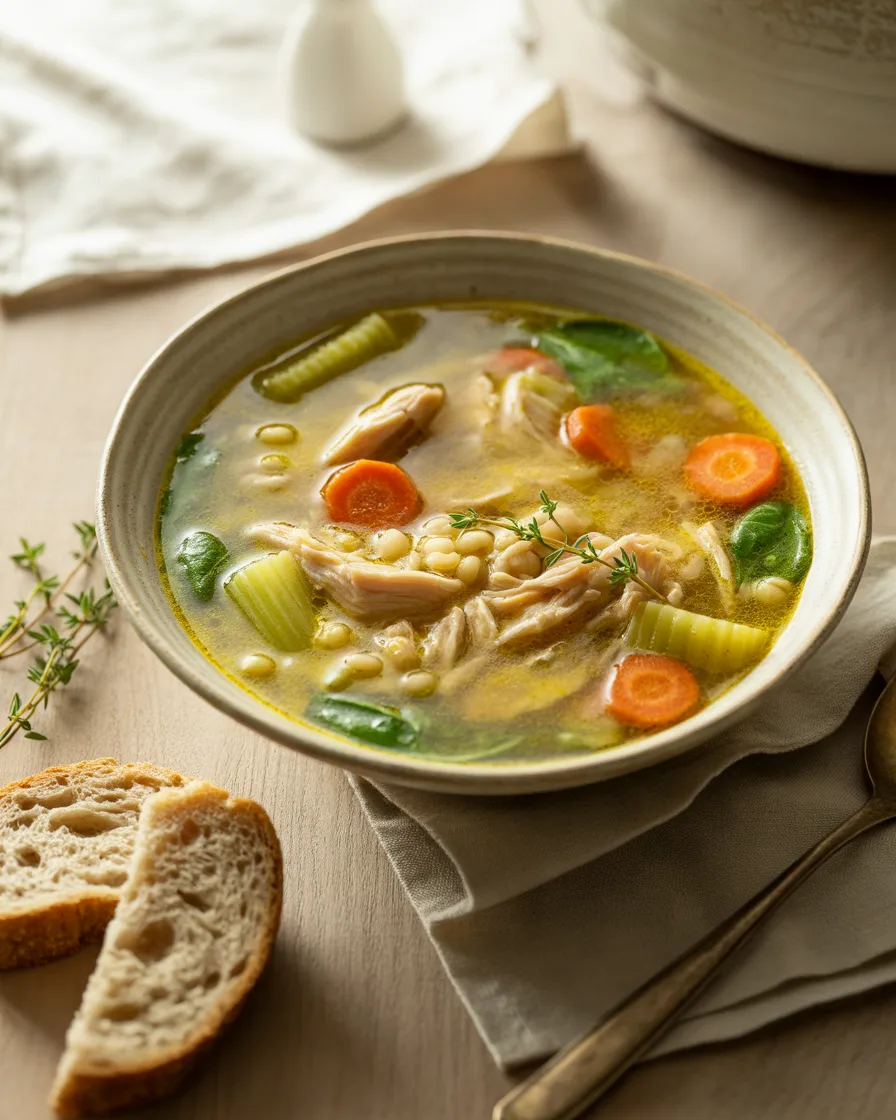
Chicken and vegetable soup is a useful option when you want a warm, lighter meal that can be prepared in a large batch. Tender chicken, carrots, celery, and herbs create a familiar flavor, while adding beans or whole grains can make the soup more substantial.
Ingredients for four servings:
- 2 chicken breasts, cut into bite-sized pieces
- 1 carrot, chopped
- 2 celery stalks, chopped
- ½ onion, diced
- 4 cups reduced-sodium chicken stock
- 1 cup chopped spinach
- ½ cup cooked pearl barley or brown rice
- Thyme and black pepper
How to prepare it: Add the stock, carrot, celery, onion, and thyme to a pot. Bring to a gentle simmer, then add the chicken. Cook until the chicken is fully cooked and reaches 165°F (74°C). Stir in the spinach and cooked grain near the end, allowing them to heat through.
Benefits: The broth provides fluid, while vegetables add fiber and nutrients. Chicken contributes protein, and barley or brown rice supplies carbohydrates that make the soup more filling.
Practical tip: Use cooked grains rather than adding too much uncooked grain directly to the soup. Uncooked grains absorb liquid and can change the consistency during storage.
How to serve it: Enjoy with whole-grain toast or a small side salad.
Who it may suit: Families, batch cooks, and people looking for an easy lunch to reheat.
Important consideration: Stock can be high in sodium. Choose reduced-sodium stock and season gradually. Refrigerate leftovers promptly.
9. Spinach and Feta Stuffed Chicken Breast
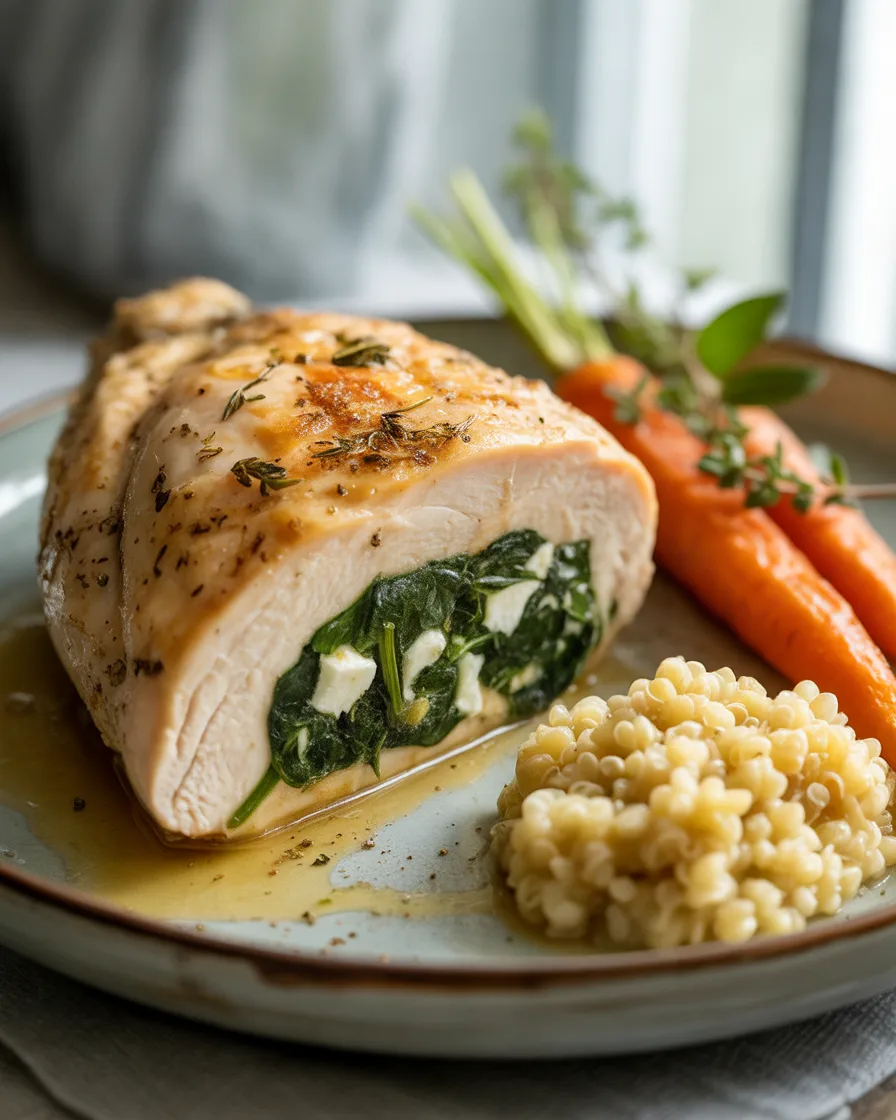
Stuffed chicken breast looks impressive but is manageable with a little preparation. Spinach and feta create a savory filling that adds moisture and flavor to the mild chicken. Because feta is already salty, additional salt is often unnecessary.
Ingredients for two servings:
- 2 thick chicken breasts
- 1 cup fresh spinach, wilted and squeezed dry
- ¼ cup crumbled feta
- 1 small garlic clove, minced
- 1 teaspoon olive oil
- Black pepper and dried oregano
How to prepare it: Heat the oven to 375°F (190°C). Mix the spinach, feta, garlic, oregano, and pepper. Carefully cut a pocket into each chicken breast without slicing all the way through. Divide the filling between the pockets and secure the openings with toothpicks if needed. Bake until the chicken reaches 165°F (74°C) at the thickest part.
Benefits: Chicken provides protein, spinach contributes several vitamins and minerals, and feta adds a creamy, tangy contrast.
Practical tip: Squeeze excess water from the spinach before mixing the filling. This reduces moisture that could leak out during cooking.
How to serve it: Pair with roasted carrots, quinoa, or a lemon-dressed green salad.
Who it may suit: People who want a dinner that feels more special than a basic chicken breast.
Important consideration: Stuffing can make the chicken cook less evenly. Check the thickest portion carefully, including the area around the filling, and do not rely on color alone.
10. Air Fryer Paprika Chicken Breast
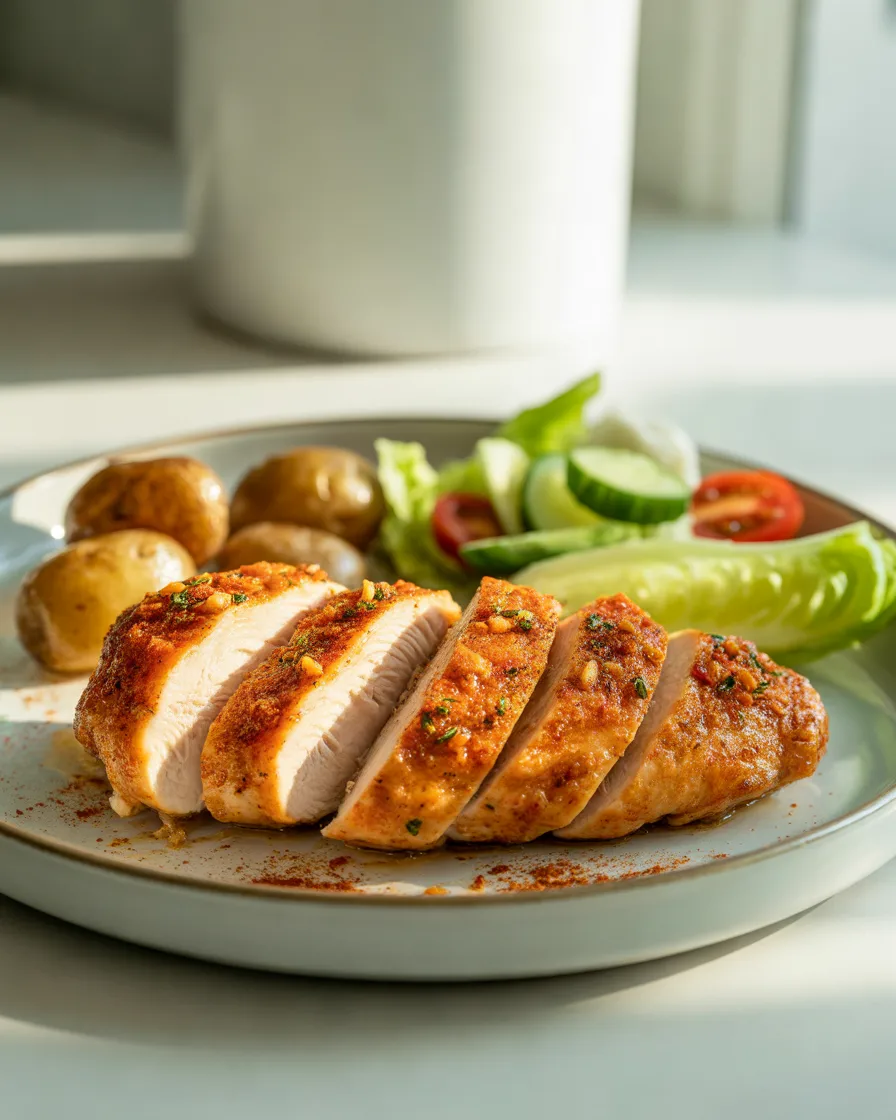
An air fryer can produce nicely browned chicken breast with relatively little added oil. Paprika, garlic powder, and black pepper provide a savory seasoning blend, making this recipe useful when you want a quick main dish that works with many sides.
Ingredients for two servings:
- 2 small, evenly sized chicken breasts
- 1 teaspoon olive oil
- 1 teaspoon paprika
- ½ teaspoon garlic powder
- ½ teaspoon onion powder
- Black pepper and salt to taste
How to prepare it: Pat the chicken dry and coat it lightly with oil and seasonings. Preheat the air fryer according to the manufacturer’s instructions. Arrange the breasts in a single layer, leaving space around them. Cook, turning if appropriate for your appliance, until the thickest part reaches 165°F (74°C). Timing varies with thickness and equipment.
Benefits: Air frying creates a browned surface without deep-frying. The spice blend also adds flavor without needing a sugary glaze or heavy coating.
Practical tip: Choose chicken breasts of similar thickness. If they are uneven, gently flatten the thicker sections so they cook more consistently.
How to serve it: Slice over a salad, serve with air-fried potatoes, or use in a whole-wheat wrap with lettuce and yogurt dressing.
Who it may suit: People who want a quick dinner, simple meal prep, or a versatile protein for several dishes.
Important consideration: Avoid stacking the chicken in the basket. Always verify doneness with a thermometer rather than relying on a fixed cooking time.
11. Mediterranean Chicken Quinoa Salad
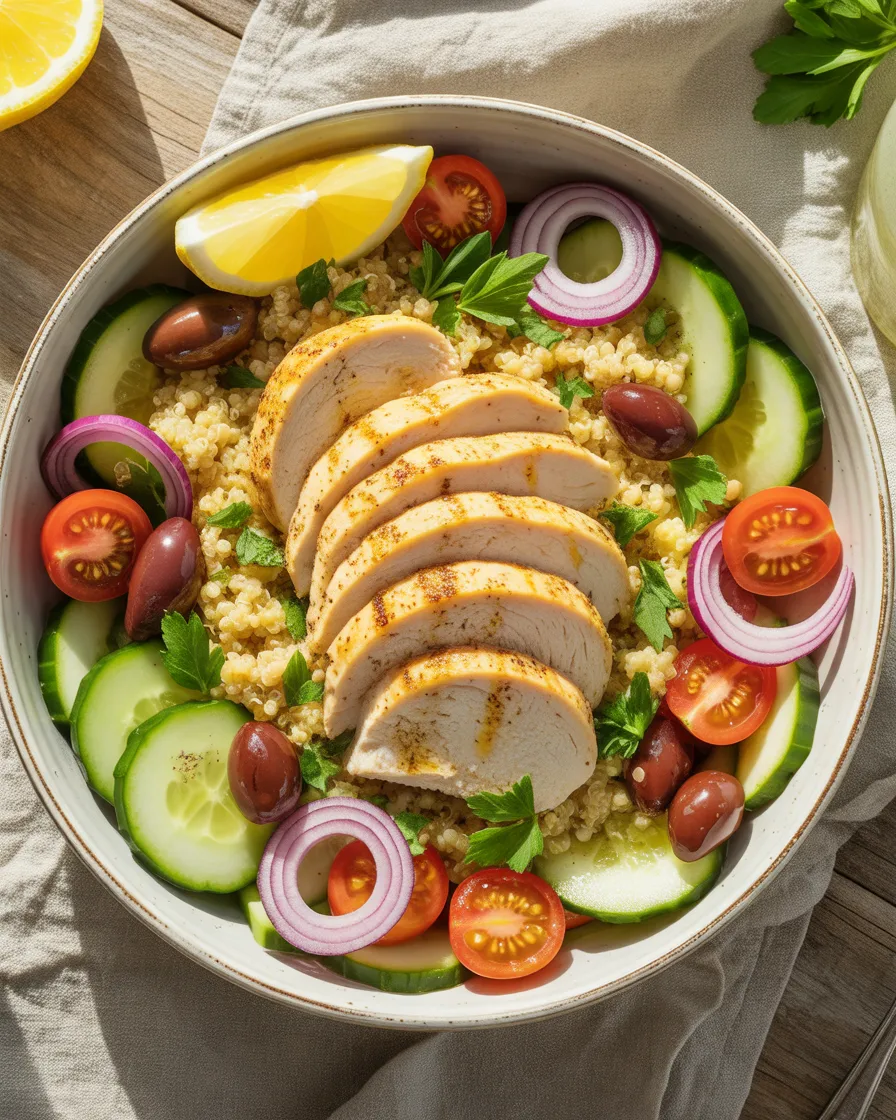
A Mediterranean chicken quinoa salad works well for lunch because it combines fresh vegetables, grains, and chicken in one bowl. Cucumber, tomatoes, olives, and lemon dressing provide contrasting flavors, while quinoa adds texture and makes the salad more substantial than a simple pile of greens.
Ingredients for two servings:
- 2 cooked chicken breasts, sliced
- 1 cup cooked quinoa
- 1 cup chopped cucumber
- 1 cup cherry tomatoes, halved
- ¼ red onion, thinly sliced
- 2 tablespoons sliced olives
- 1 tablespoon olive oil
- 1 tablespoon lemon juice
- Fresh parsley and black pepper
How to prepare it: Let the cooked quinoa cool slightly. Combine it with cucumber, tomatoes, onion, olives, and parsley. Whisk the olive oil and lemon juice together, then toss with the vegetables and quinoa. Arrange the sliced chicken on top and season with black pepper.
Benefits: The chicken supplies protein, quinoa provides carbohydrates and fiber, and the vegetables contribute freshness and additional nutrients. Olive oil adds unsaturated fat.
Practical tip: Keep the dressing separate if you are preparing the salad in advance. This helps the vegetables retain their texture.
How to serve it: Enjoy as a complete lunch or divide into two containers for the next day’s meals.
Who it may suit: Office workers, meal-prep enthusiasts, and people who prefer fresh, Mediterranean-inspired food.
Important consideration: Olives can be salty, so use a smaller amount if sodium is a concern. Refrigerate cooked chicken promptly and keep the salad chilled.
12. Light Coconut and Tomato Chicken Curry
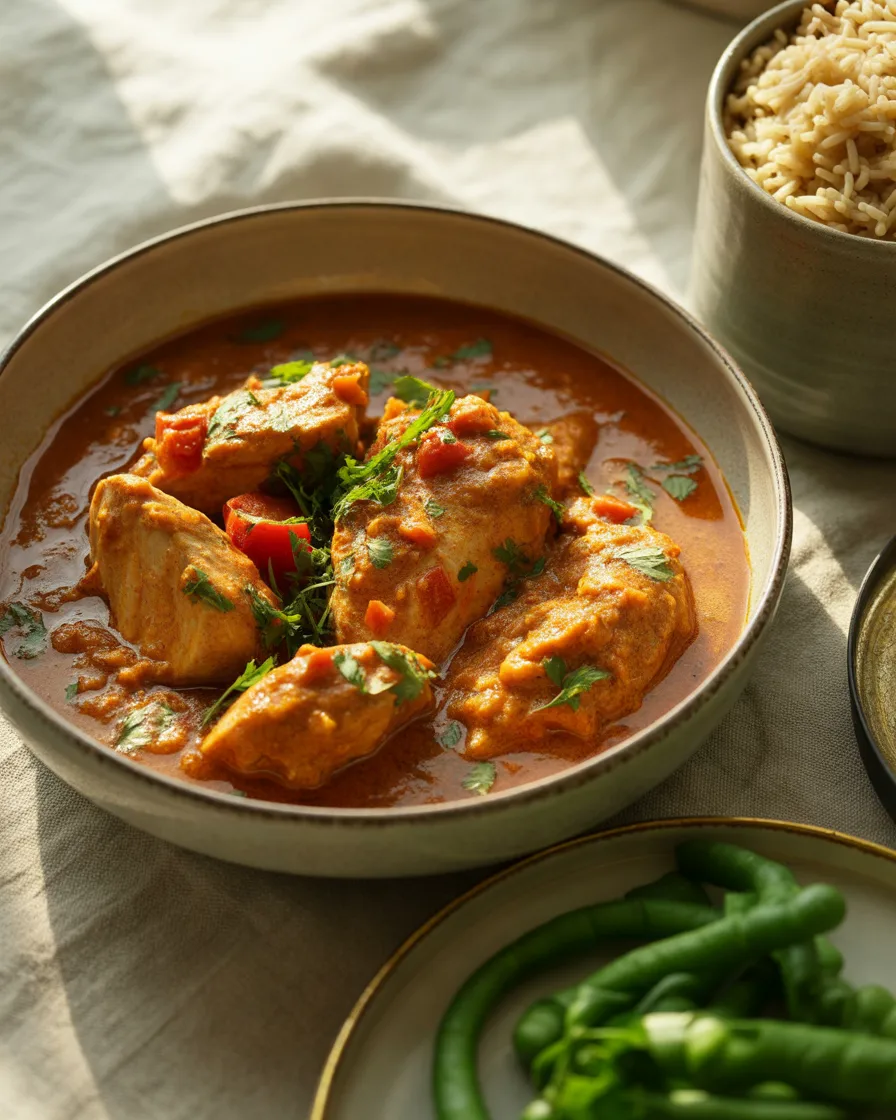
A coconut and tomato chicken curry offers warmth and rich flavor without requiring a large amount of cream or butter. Tomatoes, garlic, ginger, and curry spices build the sauce, while a measured amount of light coconut milk gives it a smooth texture.
Ingredients for two servings:
- 2 chicken breasts, cubed
- 1 cup chopped tomatoes
- ½ cup light coconut milk
- 1 small onion, diced
- 2 garlic cloves, minced
- 1 teaspoon grated ginger
- 1 teaspoon curry powder
- 1 teaspoon olive oil
- Black pepper and fresh coriander
How to prepare it: Heat the oil in a pan and soften the onion. Add garlic, ginger, and curry powder, stirring briefly until fragrant. Add the chicken and cook the exterior, then stir in the tomatoes and coconut milk. Simmer until the chicken reaches 165°F (74°C), stirring occasionally to prevent sticking.
Benefits: Tomatoes and aromatics add flavor, while the chicken provides protein. Light coconut milk can create a creamy texture with less fat than some full-fat alternatives, depending on the brand.
Practical tip: Add a little water or stock if the sauce thickens too much. Taste before adding salt because the ingredients and stock may already contribute sodium.
How to serve it: Pair with brown rice, whole-wheat flatbread, or steamed vegetables.
Who it may suit: People who enjoy curry flavors and want an alternative to rich takeaway-style sauces.
Important consideration: Coconut milk still contains saturated fat. Light products vary, so compare labels and choose a portion that fits your overall dietary needs.
Expert Tips for Making Healthy Chicken Breast Recipes More Flavorful
Healthy cooking is not only about choosing lean meat. Preparation, portion sizes, cooking temperatures, and the ingredients served alongside chicken all affect the final meal.
1. Choose the right cooking method. Baking, grilling, poaching, air frying, and stir-frying can all work well. Use enough oil to prevent sticking and develop flavor without automatically adding large quantities.
2. Avoid overcooking. Chicken breast is relatively lean, so it can become dry when cooked for too long. An instant-read thermometer is more reliable than guessing by color or following a recipe’s timing alone.
3. Build flavor with herbs and spices. Garlic, paprika, cumin, oregano, thyme, ginger, lemon, and black pepper can make chicken taste different from one day to the next. This helps prevent meal-prep fatigue.
4. Include more than chicken. Pair your chicken with vegetables, beans, fruit, or whole grains. The right combination depends on your appetite, activity level, dietary preferences, and nutritional needs.
5. Prepare ingredients in advance. Wash and chop vegetables, portion seasonings, and cook grains ahead of time. Preparing components separately often makes it easier to assemble different meals throughout the week.
6. Be thoughtful about sauces. Pesto, mustard, soy sauce, yogurt, and coconut milk can all fit into a balanced diet. Their nutritional profiles differ, so check labels and adjust portions instead of assuming every sauce is automatically healthy.
7. Keep food safety in mind. According to FoodSafety.gov’s safe minimum temperature guidance, chicken should reach an internal temperature of 165°F (74°C). Insert the thermometer into the thickest part. Keep raw chicken separate from ready-to-eat foods, and wash hands and utensils after handling it.
8. Store leftovers correctly. Refrigerate cooked chicken and other perishable foods within two hours, or within one hour when the temperature is above 90°F (32°C). Use refrigerated leftovers within four days and reheat them to 165°F (74°C), following FoodSafety.gov’s food safety recommendations.
Frequently Asked Questions About Healthy Chicken Breast Recipes
Are chicken breast recipes good for a healthy diet?
They can be. Chicken breast provides protein, and cooking it with moderate amounts of oil, herbs, and spices can make it a useful part of balanced meals. Include vegetables, whole grains, legumes, and other foods to provide a wider range of nutrients.
What is the healthiest way to cook chicken breast?
There is no single best method for everyone. Baking, grilling, poaching, air frying, and stir-frying can all be suitable. The ingredients, amount of added fat, portion size, and accompanying foods also matter. Regardless of method, cook chicken to 165°F (74°C).
How can I keep chicken breast moist without adding lots of oil?
Start with evenly sized pieces, use a flavorful marinade, and avoid cooking the meat longer than necessary. Allowing the chicken to rest briefly before slicing can also help retain its juices. A thermometer helps you avoid guessing when it is done.
Can I prepare healthy chicken breast recipes for the whole week?
Yes. Cook chicken and prepare suitable sides in batches, then divide them into clean, shallow containers. Refrigerate promptly and use the cooked leftovers within four days. Freeze portions you will not eat within that period, and reheat refrigerated or frozen leftovers safely.
What can I serve with healthy chicken breast?
Try broccoli, carrots, leafy salads, sweet potatoes, brown rice, quinoa, whole-wheat pasta, beans, or roasted seasonal vegetables. The best combination depends on the recipe and your nutritional requirements. Combining protein with vegetables and a suitable carbohydrate source can make meals more varied and satisfying.
Are low-calorie chicken breast recipes suitable for weight management?
They may fit into a weight-management plan, but the total meal matters more than the chicken alone. Cooking oil, dressings, cheese, sauces, side dishes, and serving sizes all contribute to the meal’s overall energy content. Individual nutritional needs vary, so avoid treating a single recipe as a guaranteed solution.
Can I use frozen chicken breast in these recipes?
Yes, but thaw it safely in the refrigerator before using it in most recipes. Cooking times differ with thickness and starting temperature. If cooking from frozen, follow the appliance manufacturer’s instructions or a tested recipe, and always verify that the chicken reaches 165°F (74°C).
How can I make chicken breast recipes suitable for different dietary needs?
Adjust the ingredients rather than assuming one version suits everyone. For example, use a dairy-free alternative in yogurt-based recipes, replace wheat-based sides where necessary, and check sauces for allergens. People with medical dietary restrictions should follow individualized guidance from a qualified healthcare professional.
Conclusion: Enjoy More Variety With These Healthy Chicken Breast Recipes
Healthy chicken breast recipes can be simple, flavorful, and flexible enough for everyday cooking. From lemon-garlic baked chicken and colorful fajita bowls to Mediterranean quinoa salad and light coconut curry, these 12 ideas offer different ways to prepare a familiar ingredient.
The easiest approach is to choose two or three recipes each week, prepare a few complementary sides, and experiment with seasonings you enjoy. Keep food safety in mind, use sauces thoughtfully, and aim for balanced meals that fit your preferences and routine.
You do not need to follow every recipe exactly. Swap vegetables according to the season, use suitable whole grains, and adjust the flavors to make each meal your own. Consistent, practical choices can make home cooking easier to maintain over time.