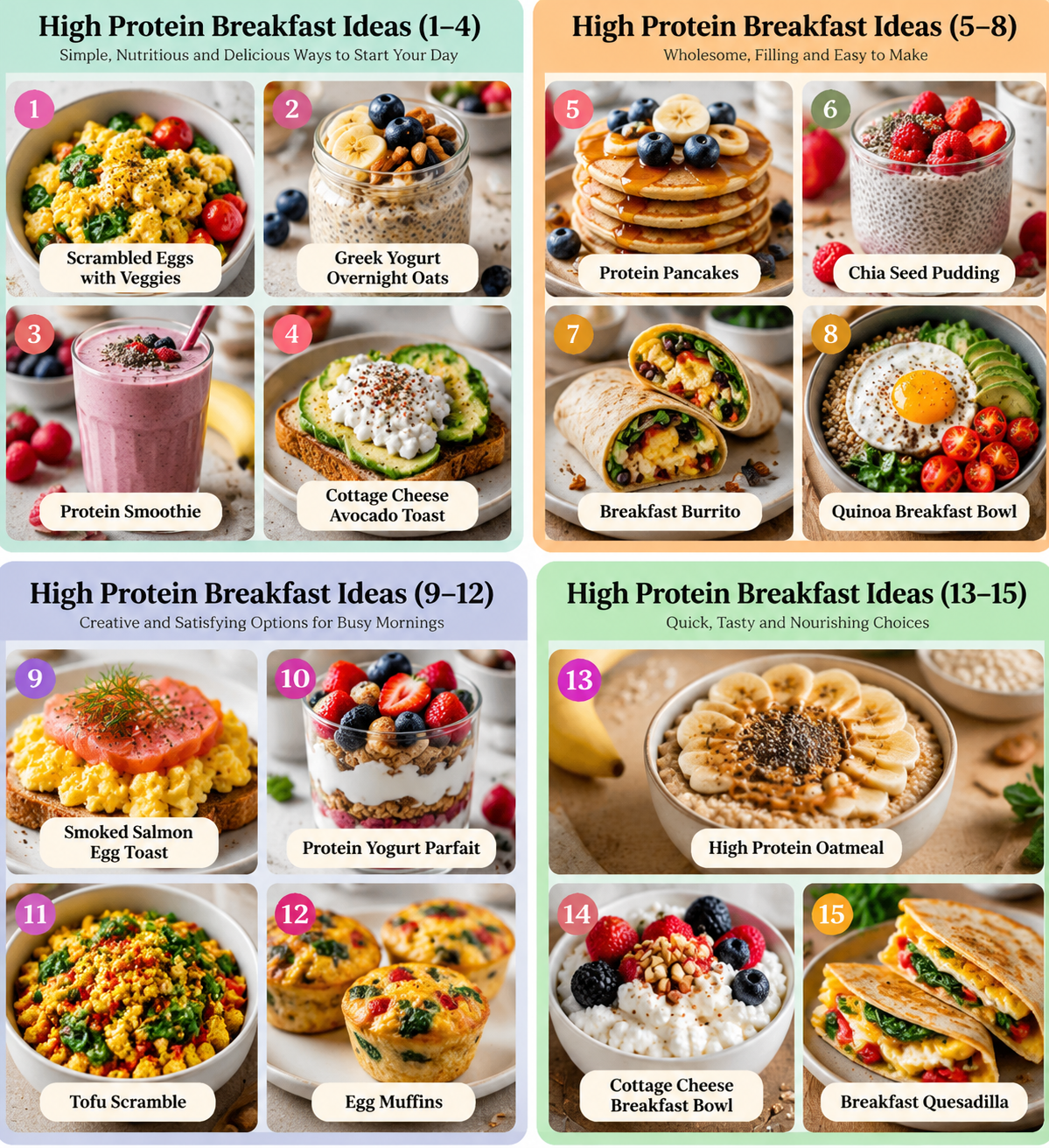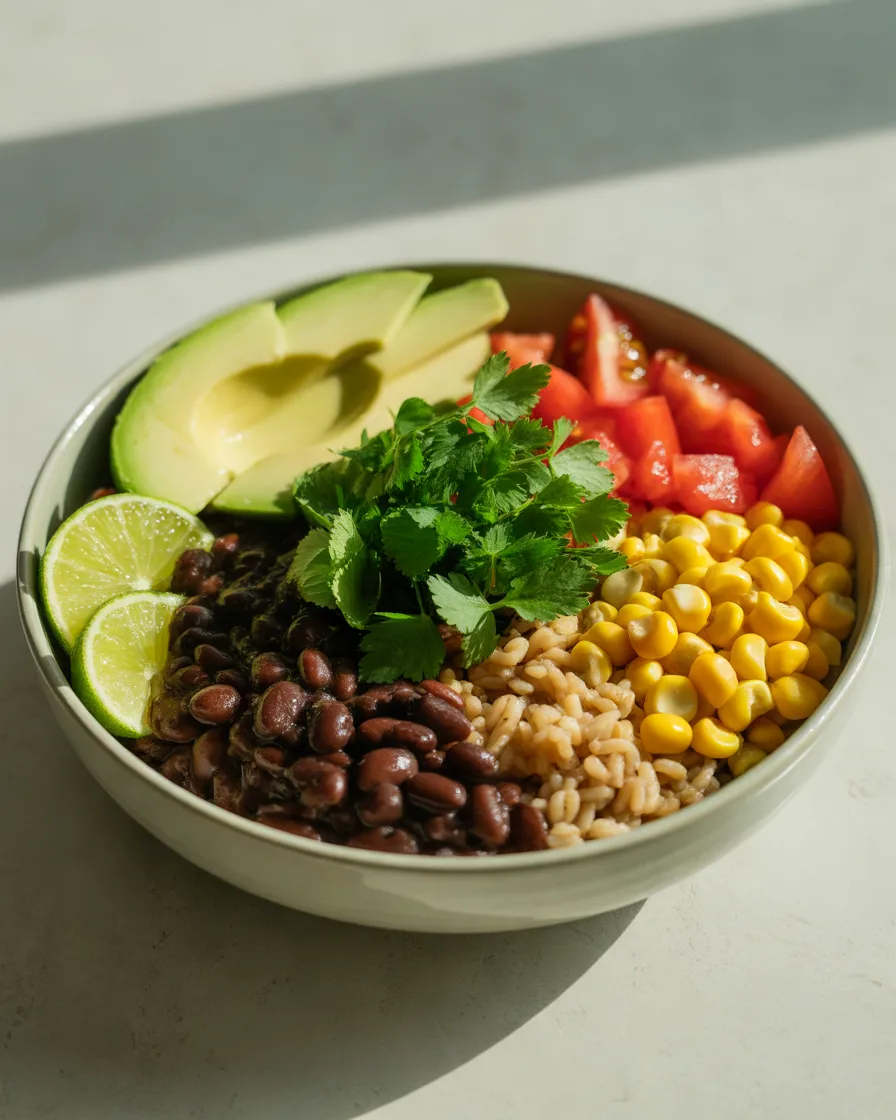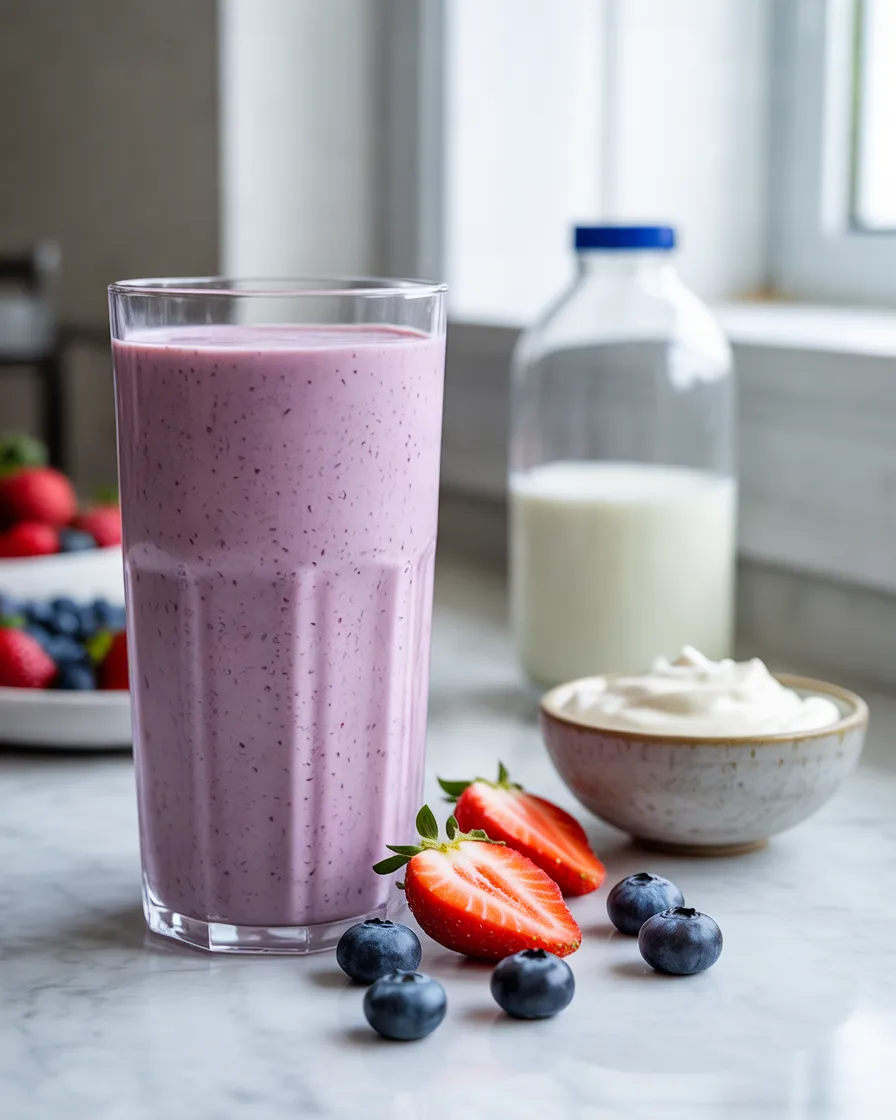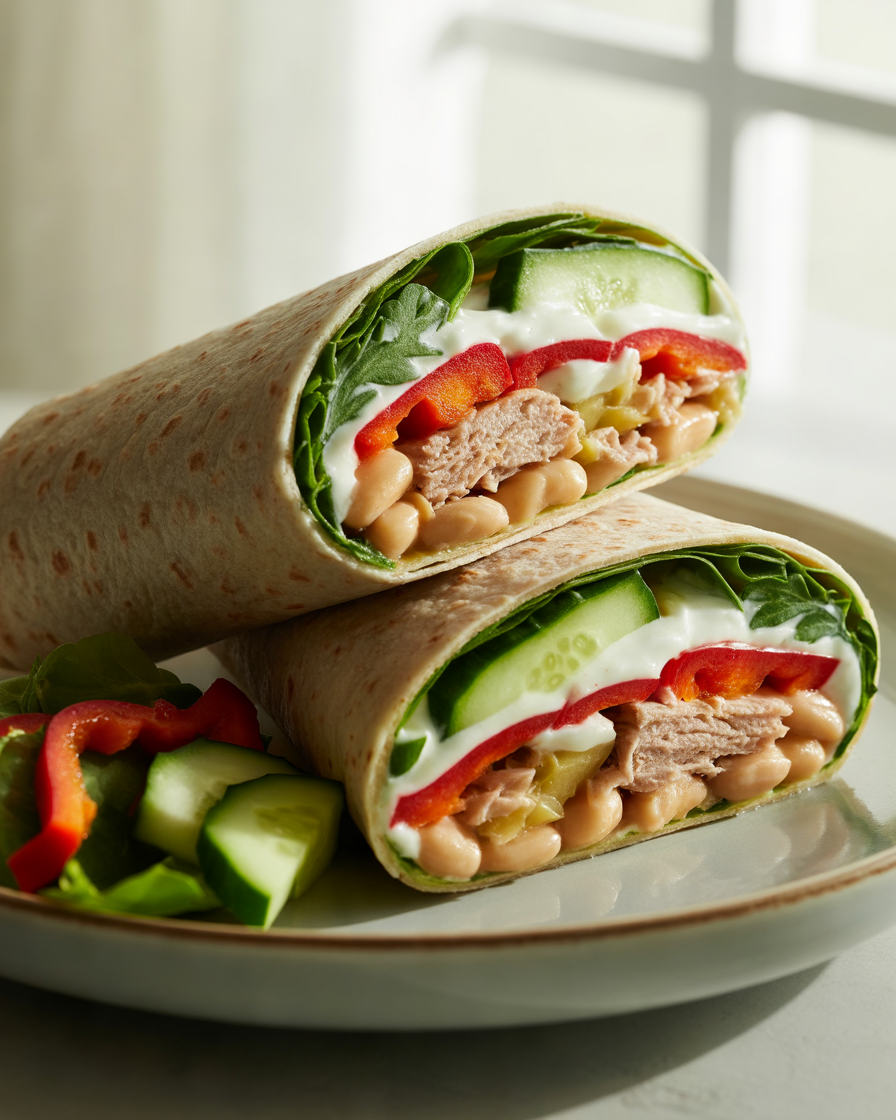
Eating well does not have to mean following a complicated meal plan, giving up your favorite foods, or spending hours in the kitchen. Sometimes, a few simple changes to your everyday meals can make a noticeable difference in how satisfying and balanced your diet feels. One practical place to start is by including more protein-rich foods throughout the day.
A high protein diet focuses on foods that provide protein, an essential nutrient your body uses to build and repair tissues, maintain muscle, and support many normal body functions. Protein can come from chicken, fish, eggs, dairy products, beans, lentils, tofu, nuts, and seeds. The best approach is to choose a variety of nutritious sources rather than relying on one food or supplement. Harvard Health
Whether your goal is to support muscle maintenance, manage hunger between meals, prepare more balanced lunches, or find satisfying alternatives to highly processed snacks, there are plenty of ways to incorporate additional protein into your routine.
The good news is that you do not need expensive ingredients or elaborate recipes. Greek yogurt with fruit, a chicken and quinoa bowl, homemade lentil soup, or a tofu stir-fry can all fit into a protein-rich eating pattern.
In this guide, you will discover 13 practical high protein diet ideas, including breakfast options, quick lunches, filling dinners, and convenient snacks. Each idea includes preparation tips, potential benefits, serving suggestions, and important considerations.
1. Greek Yogurt Breakfast Bowl With Berries, Nuts, and Seeds
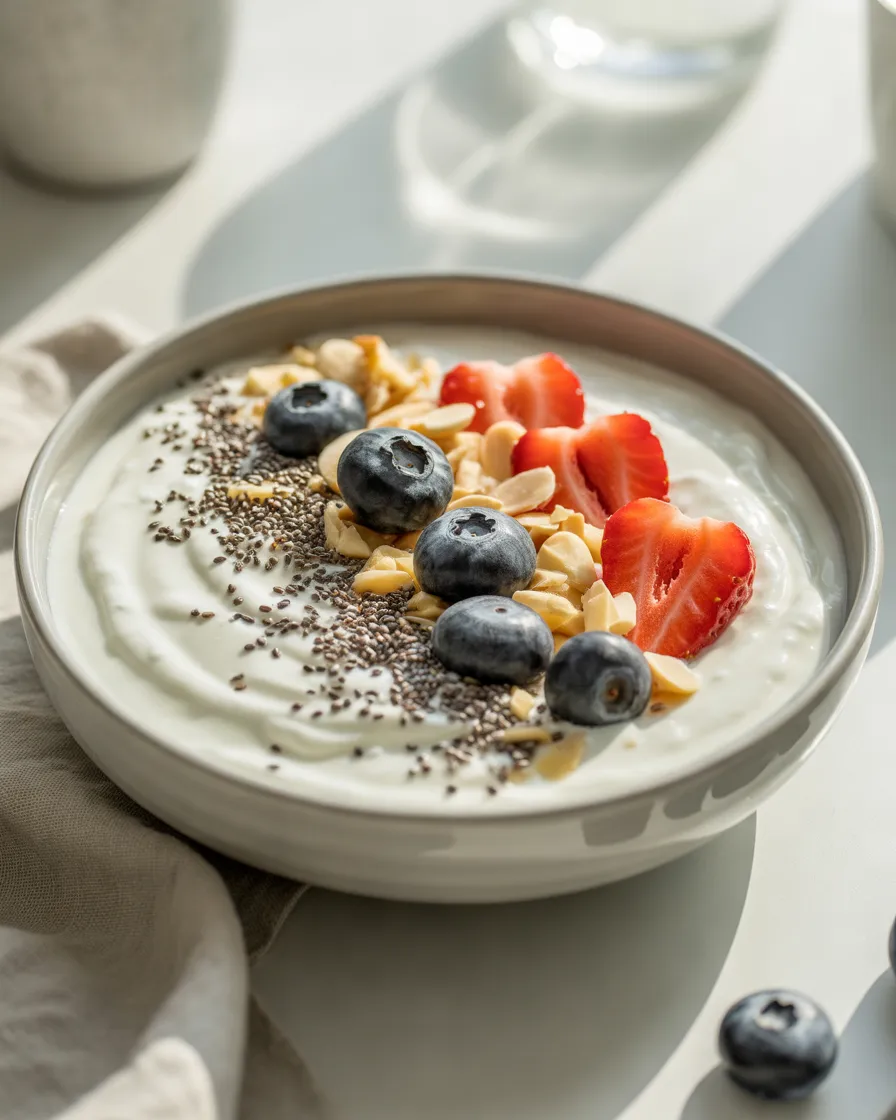
A Greek yogurt breakfast bowl is an easy way to begin the day with a protein-rich meal. Plain Greek yogurt generally contains more protein than regular yogurt, although the exact amount depends on the brand and preparation method.
Start with approximately three-quarters of a cup of plain Greek yogurt. Add fresh strawberries, blueberries, or raspberries, followed by a spoonful of chia seeds and a small portion of chopped almonds or walnuts. A little cinnamon can add flavor without requiring much added sugar.
Benefits: Greek yogurt provides protein and calcium, while berries contribute fiber and other beneficial plant compounds. Nuts and seeds add healthy unsaturated fats and texture, making the bowl more varied and satisfying.
Practical tips: Choose unsweetened yogurt and use fresh or frozen berries. If you need more energy for a busy morning, add oats or a slice of whole-grain toast.
How to use it: Prepare the yogurt and toppings the night before, keeping crunchy ingredients separate until serving. A typical bowl can provide around 18–23 grams of protein, depending on portions and ingredients.
Who it may suit: Busy professionals, students, and anyone looking for a quick breakfast that requires little cooking.
Important consideration: Choose lactose-free Greek yogurt if needed. For a dairy-free alternative, use a higher-protein, calcium-fortified soy yogurt and check its nutrition label.
2. Vegetable Omelet With Eggs and Cottage Cheese
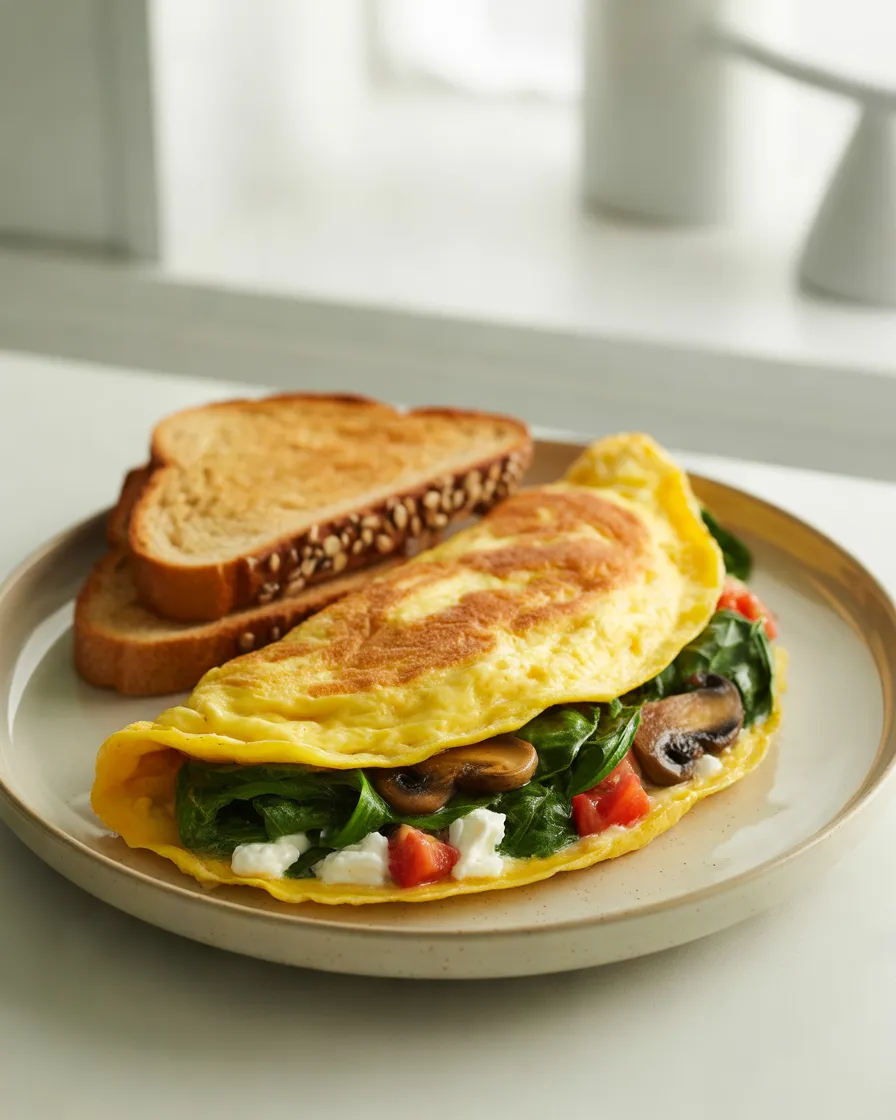
Eggs are a versatile source of complete protein, meaning they provide all nine essential amino acids. Combining them with cottage cheese and vegetables creates a breakfast that offers protein alongside vitamins, minerals, and other nutrients.
Whisk two eggs with black pepper and a small amount of chopped spinach, tomatoes, mushrooms, or bell peppers. Cook in a nonstick pan with a little olive oil. Add a spoonful or two of cottage cheese before folding the omelet.
Benefits: Eggs provide protein and nutrients such as vitamin B12 and choline. Vegetables contribute fiber and variety, while cottage cheese can increase the protein content without requiring a large serving.
Practical tips: Prepare the vegetables in advance to shorten cooking time. Use herbs, paprika, or black pepper for flavor rather than relying heavily on salt.
How to use it: Serve the omelet with whole-grain toast or a small baked potato. Depending on the quantities used, two eggs with cottage cheese can provide approximately 18–23 grams of protein.
Who it may suit: People who prefer savory breakfasts, want a quick post-workout meal, or need an alternative to sweet breakfast foods.
Important consideration: People with egg allergies should avoid eggs and use an appropriate alternative. If you have specific cholesterol-related dietary advice from your clinician, follow that individualized guidance.
3. Overnight Oats With Greek Yogurt and Chia Seeds
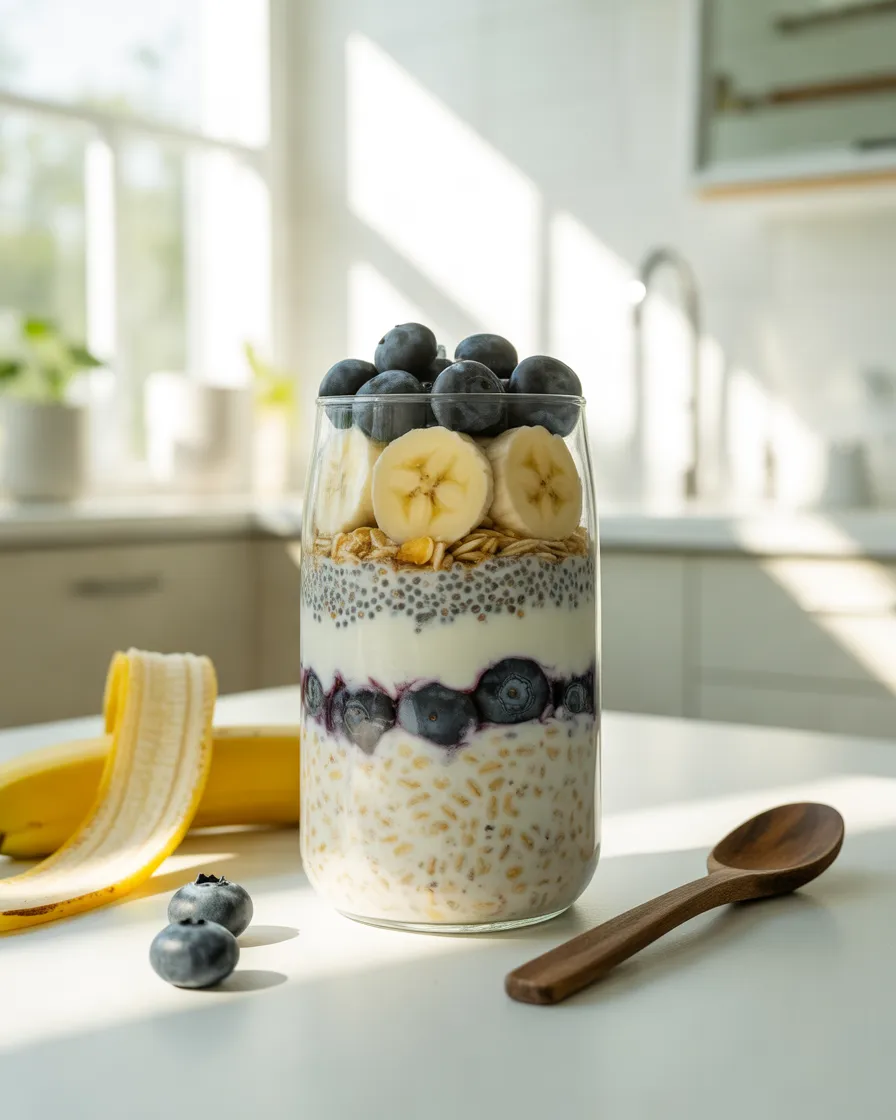
Overnight oats are ideal for people who want a nutritious breakfast without cooking in the morning. Oats provide carbohydrates and soluble fiber, while Greek yogurt and milk increase the protein content.
Combine half a cup of rolled oats with three-quarters of a cup of plain Greek yogurt, a splash of milk, and a teaspoon of chia seeds. Stir well, cover, and refrigerate overnight. In the morning, add sliced banana, berries, or a small spoonful of peanut butter.
Benefits: This combination supplies protein, fiber, and energy. The mixture of oats and yogurt can make breakfast more satisfying than eating a low-protein cereal on its own.
Practical tips: Prepare two or three jars at once if your schedule is busy. Add a little extra milk in the morning if the oats become too thick.
How to use it: Eat it chilled for breakfast or as a convenient meal before a busy day. Depending on the ingredients and serving sizes, it can provide approximately 20–25 grams of protein.
Who it may suit: Students, commuters, meal-prep beginners, and people who prefer breakfast that is ready when they wake up.
Important consideration: Refrigerate prepared oats and consume them within a few days. Choose unsweetened yogurt and avoid adding excessive honey, syrup, or other sweeteners.
4. Grilled Chicken Breast and Quinoa Bowl
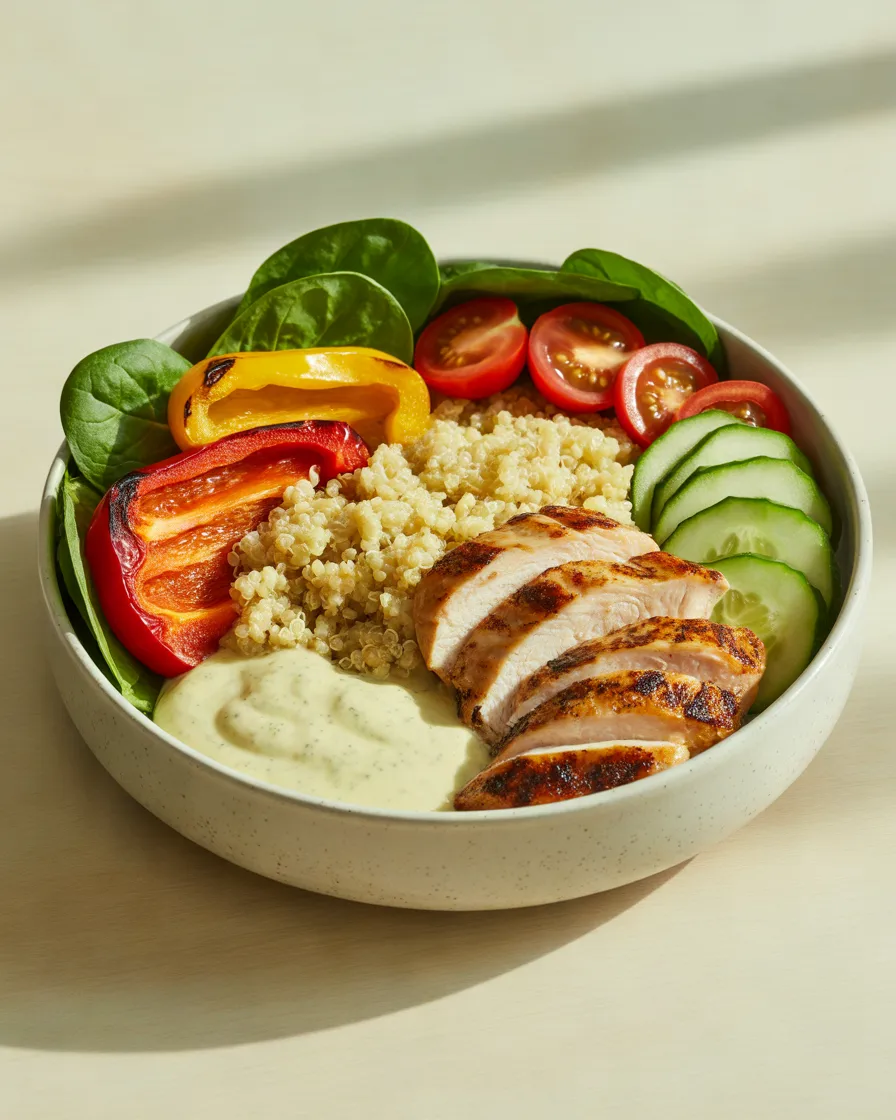
Grilled chicken breast is a practical lean protein source, while quinoa contributes additional protein, carbohydrates, and fiber. Together, they create a balanced meal that works well for lunch or dinner.
Season a skinless chicken breast with garlic, paprika, black pepper, lemon juice, and a little olive oil. Grill or bake until the center reaches a safe temperature of 165°F (74°C). Serve with cooked quinoa, roasted peppers, cucumber, spinach, and a yogurt-based dressing.
Benefits: Chicken supplies substantial protein to support normal tissue repair and muscle maintenance. Quinoa, vegetables, and a modest amount of healthy fat help make the meal more nutritionally varied.
Practical tips: Cook several chicken portions at once and store them safely for later meals. Prepare quinoa in advance and vary the vegetables to avoid eating the same bowl every day.
How to use it: A serving with approximately four ounces of cooked chicken and a portion of quinoa may provide around 35–40 grams of protein, depending on the ingredients.
Who it may suit: People who exercise regularly, busy workers, and anyone who wants a convenient high-protein lunch.
Important consideration: Avoid relying on chicken alone. Include vegetables and appropriate carbohydrate sources to maintain a balanced eating pattern.
5. Baked Salmon With Roasted Vegetables
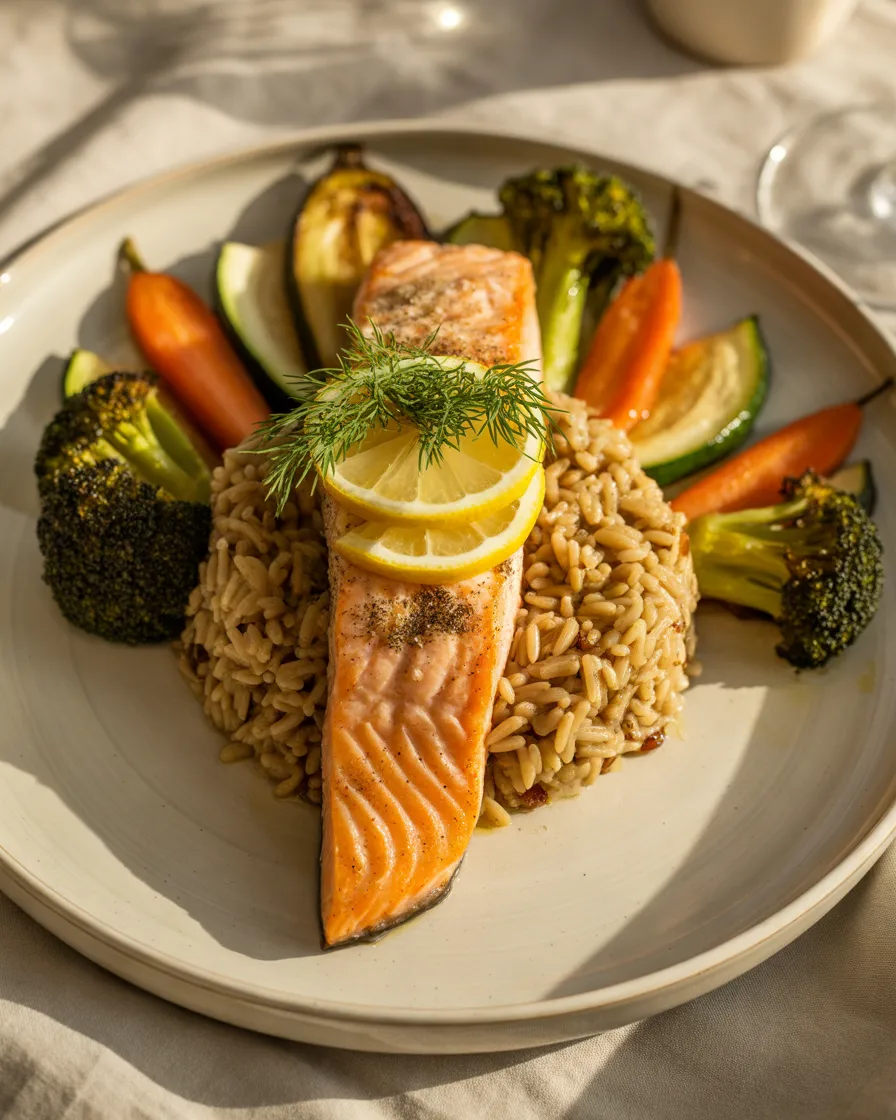
Salmon provides high-quality protein as well as omega-3 fatty acids, which are important components of a balanced diet. Pairing it with colorful vegetables and a whole-grain side creates a meal that is both flavorful and practical.
Season a salmon fillet with lemon, garlic, black pepper, and dill. Bake until the fish is cooked through, following reliable food-safety guidance. Roast broccoli, carrots, or zucchini on a separate tray with a small amount of olive oil.
Benefits: Salmon supplies protein and omega-3 fats. Vegetables add fiber and micronutrients, while a side of brown rice or potatoes contributes energy and makes the meal more substantial.
Practical tips: Frozen salmon can be convenient and nutritious. Prepare extra vegetables for another meal, and use lemon juice and herbs instead of heavy sauces.
How to use it: Serve a salmon fillet with two vegetable portions and brown rice or another whole grain. A typical four-ounce salmon serving provides approximately 25–30 grams of protein.
Who it may suit: People looking for variety beyond poultry, seafood lovers, and those interested in heart-conscious eating patterns.
Important consideration: Check for bones and follow local fish-consumption advice, particularly during pregnancy. People with fish allergies should select another protein source.
6. Tuna and White Bean Salad for a Quick High-Protein Lunch
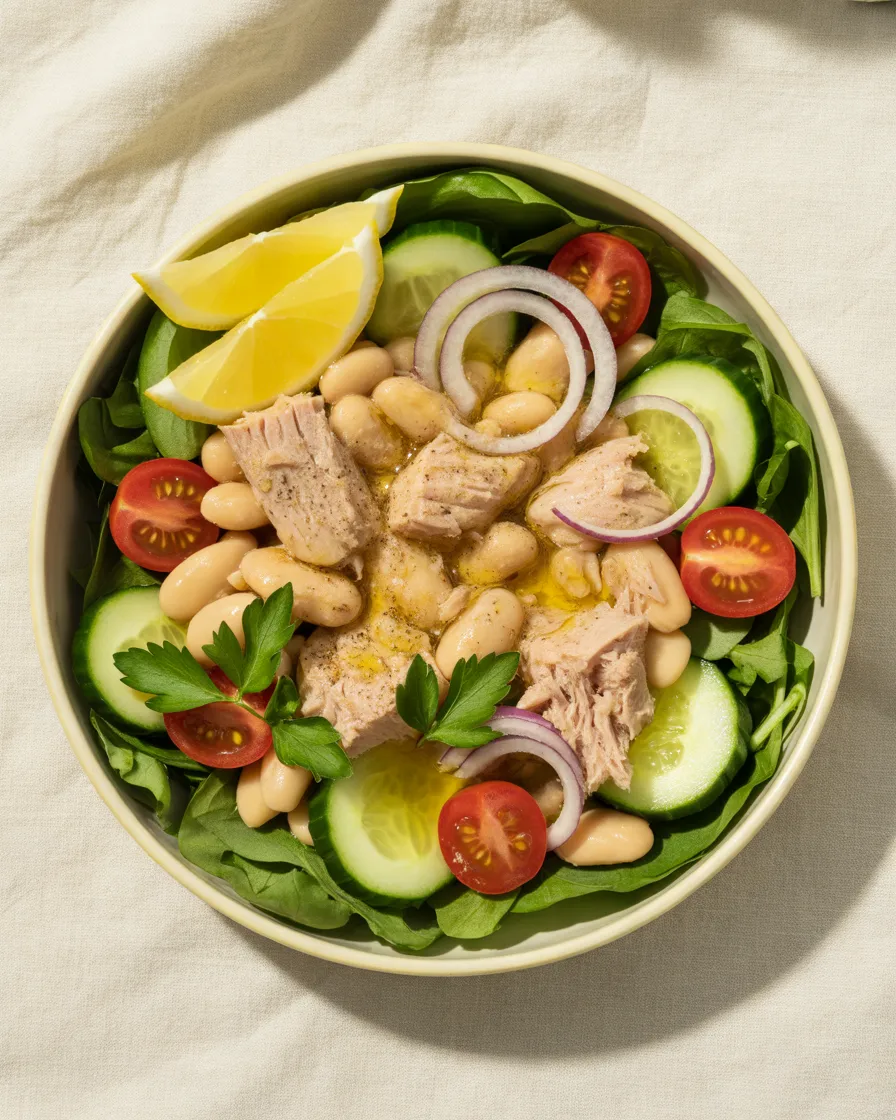
Tuna and white bean salad combines two convenient protein sources in a meal that requires little preparation. The beans also provide fiber, making this a useful alternative to a lunch based entirely on meat or refined carbohydrates.
Mix drained canned tuna with rinsed cannellini beans, chopped cucumber, cherry tomatoes, red onion, parsley, lemon juice, and a little olive oil. Season with black pepper and serve over leafy greens or alongside whole-grain bread.
Benefits: Tuna contributes protein, while beans add plant protein, fiber, and minerals. Vegetables provide freshness and variety without requiring a complicated recipe.
Practical tips: Keep canned tuna and beans in the pantry for busy days. Rinse canned beans to remove some of their added sodium, and use lemon and herbs to build flavor.
How to use it: A serving containing three ounces of tuna and half a cup of white beans may provide approximately 25–30 grams of protein.
Who it may suit: Office workers, students, people who dislike lengthy cooking, and anyone looking for a portable lunch.
Important consideration: Tuna can contain mercury, and levels vary by species. Follow local fish-consumption guidance, especially during pregnancy, and rotate tuna with other proteins rather than eating it every day.
7. Hearty Lentil Soup With Vegetables
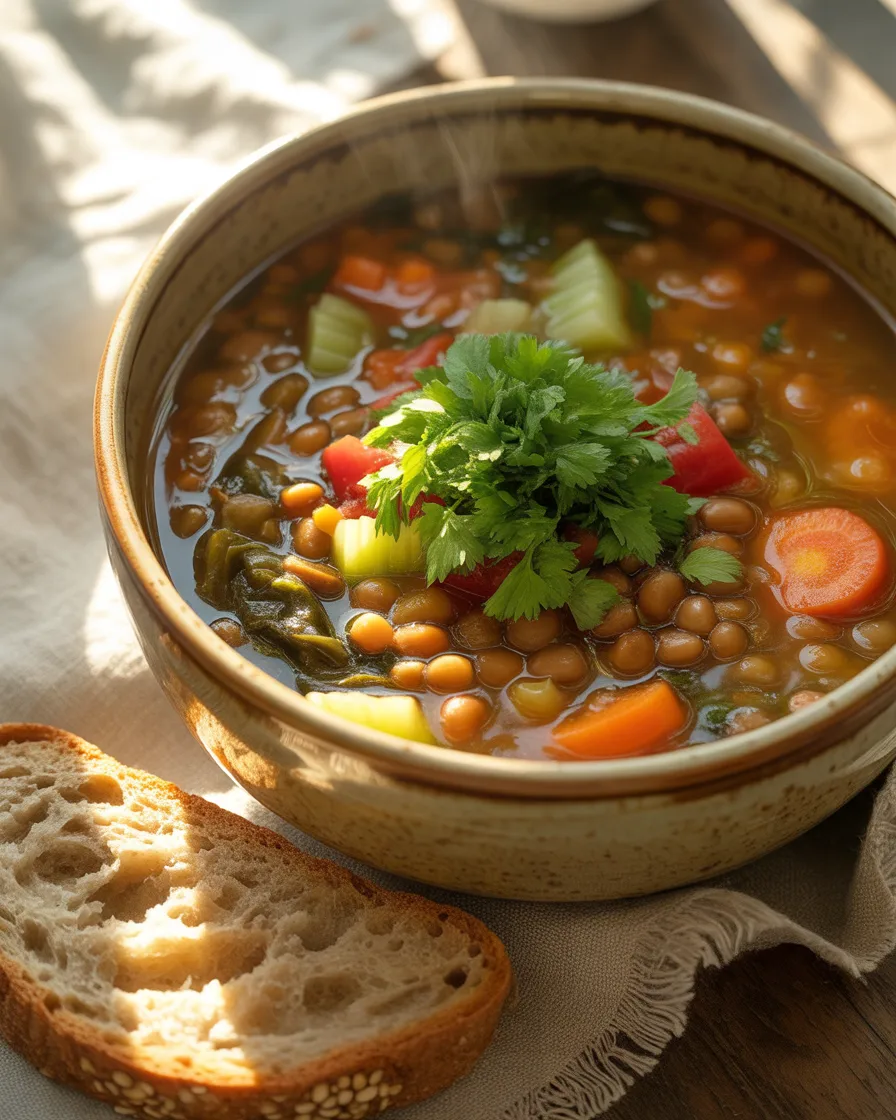
Lentils are an affordable plant-based protein source that also provides fiber, folate, iron, and other nutrients. A hearty lentil soup is particularly useful when you want a filling meal made from everyday pantry ingredients.
Sauté onions, garlic, carrots, and celery in a little olive oil. Add rinsed lentils, low-sodium vegetable stock, chopped tomatoes, cumin, and paprika. Simmer until the lentils are tender, adding water or stock as needed.
Benefits: Lentils contribute protein and fiber while providing a different nutritional profile from meat. Vegetables increase the variety of nutrients, and the broth makes the dish easy to serve in larger batches.
Practical tips: Make a large pot and freeze individual portions. Add spinach near the end of cooking, or serve with whole-grain bread for a more substantial meal.
How to use it: Build each serving around roughly one cup of cooked lentils. This amount supplies about 18 grams of protein before counting additional ingredients.
Who it may suit: Vegetarians, people following a budget-friendly meal plan, and anyone looking for convenient lunches or dinners.
Important consideration: Increase lentil portions gradually if you are not accustomed to eating legumes, as their fiber can cause gas or bloating. Rinsing and thoroughly cooking lentils may improve tolerance.
8. Tofu and Vegetable Stir-Fry With Brown Rice
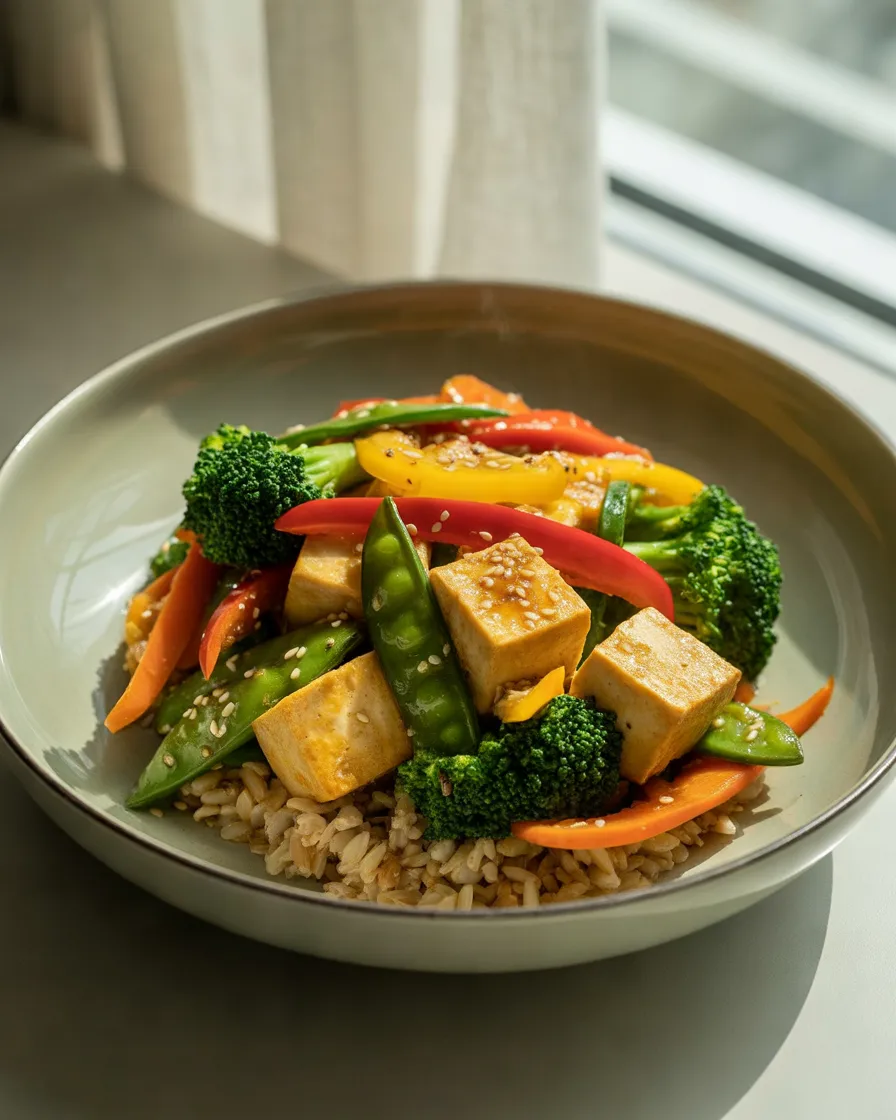
Tofu is a versatile soy-based protein that works well in vegetarian and vegan meals. It absorbs marinades and sauces, making it suitable for a wide range of flavors.
Press firm tofu to remove excess water, cut it into cubes, and brown it in a nonstick pan. Add broccoli, bell peppers, carrots, and snap peas. Finish with a sauce made from reduced-sodium soy sauce, ginger, garlic, lime juice, and a small amount of sesame oil. Serve over brown rice.
Benefits: Tofu provides plant protein and can replace meat in many familiar dishes. Vegetables supply fiber and micronutrients, while brown rice contributes energy and additional nutrients.
Practical tips: Choose firm or extra-firm tofu for easier cooking. Prepare the sauce in advance and use frozen vegetables when fresh produce is unavailable.
How to use it: A meal with approximately 150–200 grams of firm tofu may provide around 18–25 grams of protein, depending on the tofu brand and portion size.
Who it may suit: Vegetarians, vegans, people exploring plant-based meals, and anyone who wants a meat-free dinner.
Important consideration: Soy is a common food allergen. Check packaged sauces for sodium, added sugar, and allergens, and select alternatives if required.
9. Cottage Cheese With Fresh Fruit and Nuts
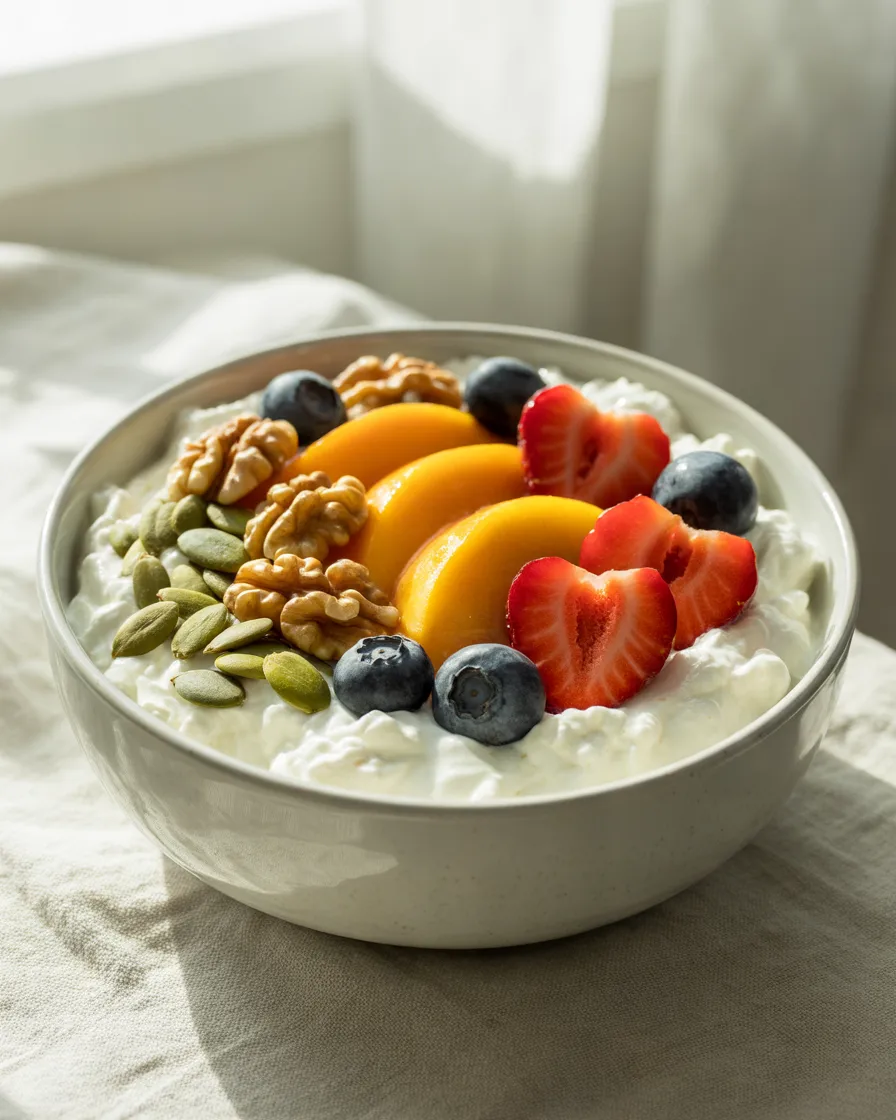
Cottage cheese is a simple protein-rich food that can be used as a snack, breakfast component, or light meal. Its mild flavor pairs well with sweet and savory ingredients.
Place half a cup of cottage cheese in a bowl and add sliced peaches, strawberries, pineapple, or apple. Sprinkle with a small amount of walnuts, almonds, or pumpkin seeds for crunch.
Benefits: Cottage cheese provides protein and calcium. Fruit contributes fiber and vitamins, while nuts and seeds add unsaturated fats and help create a more varied snack.
Practical tips: Keep individual portions ready in the refrigerator. For a savory option, replace fruit with cucumber, tomatoes, black pepper, and fresh herbs.
How to use it: Half a cup commonly provides approximately 12–14 grams of protein, although brands vary. Add whole-grain crackers or toast if you need a more substantial meal.
Who it may suit: People who want a convenient afternoon snack, those who prefer simple food combinations, and anyone looking for an alternative to sugary packaged snacks.
Important consideration: Cottage cheese may contain significant sodium, so compare labels if you are watching salt intake. Lactose-free versions are available for some people with lactose intolerance.
10. Steamed Edamame With Lemon and Sea Salt
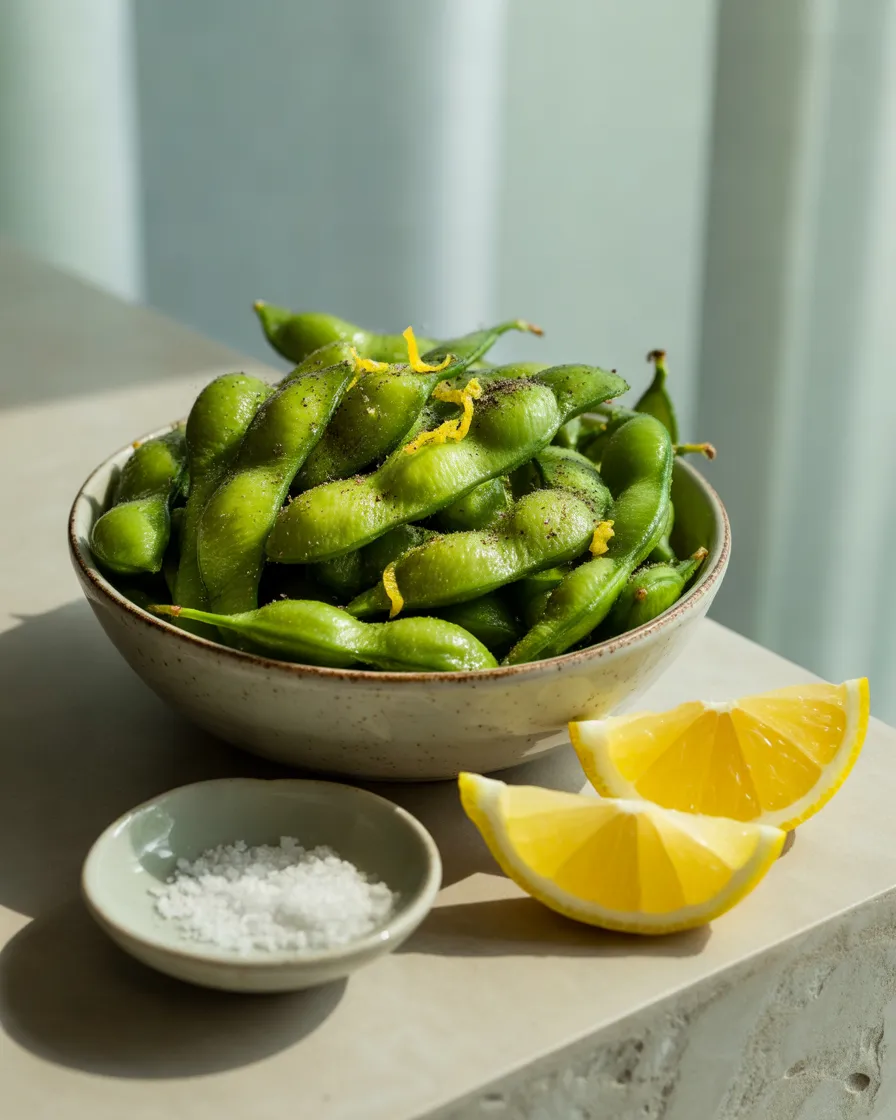
Edamame consists of young soybeans harvested before they fully mature. It is a convenient plant-based protein source that can be served as a snack or added to salads, grain bowls, and stir-fries.
Steam or boil shelled edamame according to the package directions. Season with lemon juice, black pepper, garlic powder, or a small pinch of salt. Frozen shelled edamame is especially convenient because it cooks quickly.
Benefits: Edamame provides protein, fiber, and several vitamins and minerals. Unlike many conventional snack foods, it offers both protein and fiber in the same serving.
Practical tips: Portion the beans into small containers after cooking. Add them to rice bowls, vegetable salads, or noodle dishes to increase the protein content without preparing another main dish.
How to use it: One cup of cooked shelled edamame typically provides around 17–19 grams of protein, depending on the product and preparation.
Who it may suit: Vegetarians, people who enjoy savory snacks, and anyone who needs a quick option between meals.
Important consideration: Edamame is a soy product, so it is unsuitable for people with a soy allergy. Choose lightly seasoned versions if you need to limit sodium.
11. Homemade Bean Chili With Tomatoes and Vegetables
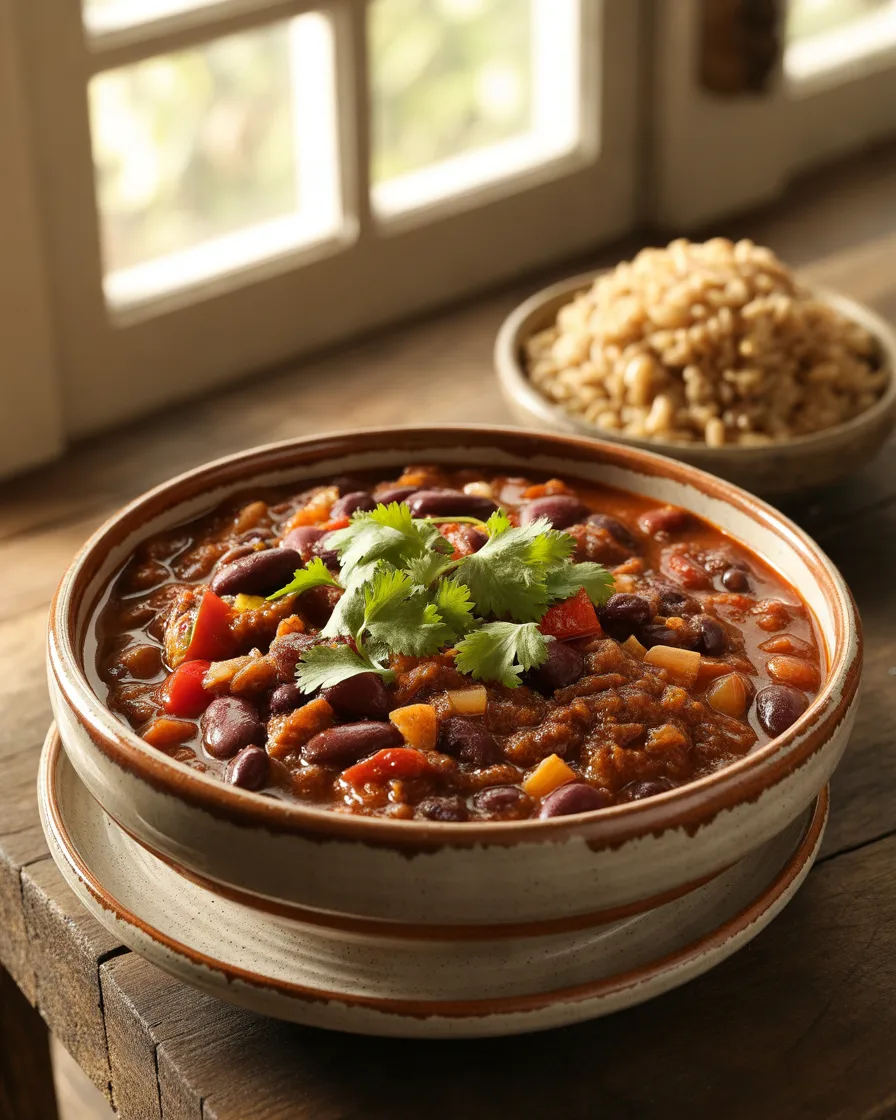
Homemade bean chili is a practical way to build a protein-rich meal without depending on meat. Kidney beans, black beans, or pinto beans can all work well, and combining different varieties adds texture and flavor.
Sauté onions, garlic, and bell peppers, then add drained beans, chopped tomatoes, cumin, paprika, and chili powder. Simmer until the flavors combine. If you prefer a meat-based version, add a modest amount of lean ground turkey.
Benefits: Beans supply protein, fiber, and minerals. Tomatoes and peppers contribute additional nutrients, while the one-pot cooking method makes this meal easy to prepare in batches.
Practical tips: Use canned beans for convenience, rinse them before adding, and adjust the spice level to your preference. Freeze leftovers in individual portions for quick lunches.
How to use it: Serve with brown rice, a baked potato, or a spoonful of plain Greek yogurt. Depending on the bean mixture and serving size, a bowl may provide approximately 15–20 grams of protein.
Who it may suit: Families, students, meal-prep beginners, and people who want an affordable dinner with leftovers.
Important consideration: Prepared chili seasoning and canned sauces can be high in sodium. Compare labels and use herbs, spices, and low-sodium canned ingredients where possible.
12. Lean Turkey or Chicken Wrap With Whole-Grain Tortilla
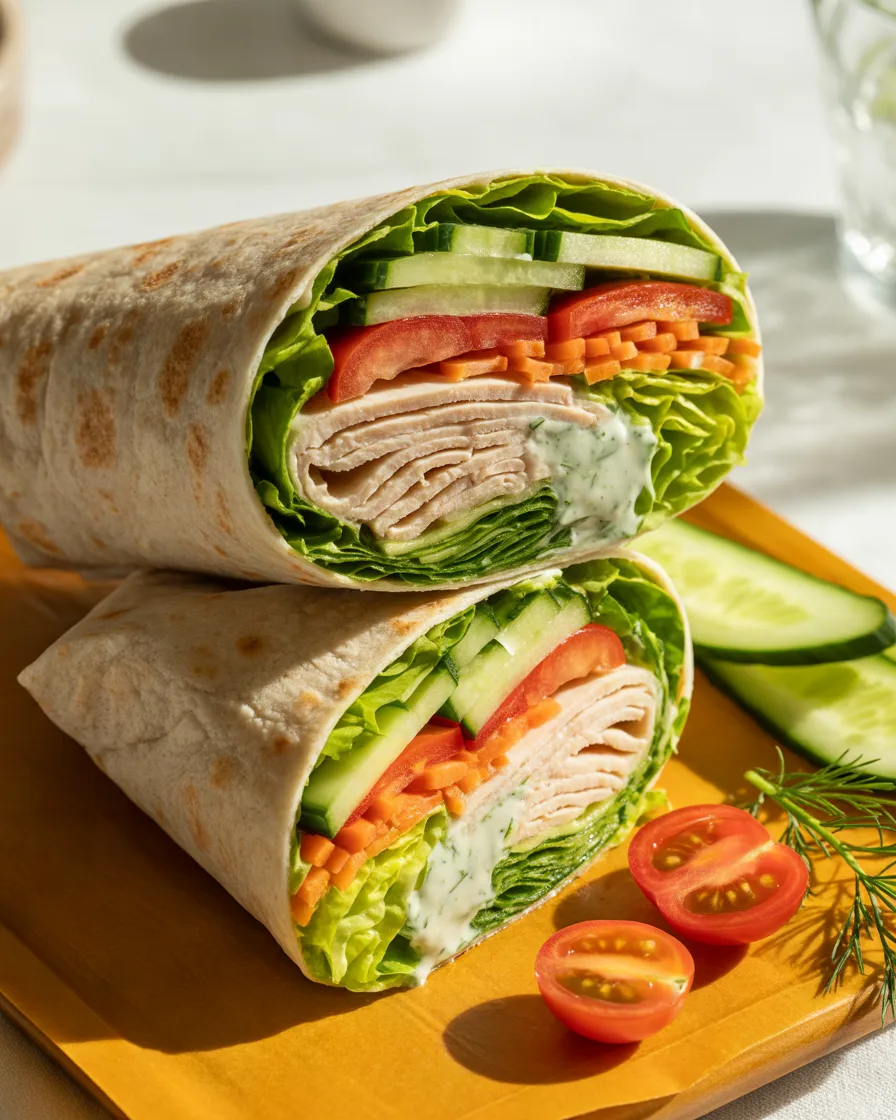
A whole-grain wrap filled with lean turkey or chicken is a convenient way to combine protein, vegetables, and fiber in one portable meal. It can also replace a lunch that relies heavily on refined bread and high-sodium processed fillings.
Use freshly cooked turkey or chicken breast, shredded lettuce, sliced tomatoes, cucumber, and grated carrots. Spread a thin layer of hummus or plain yogurt mixed with herbs over a whole-grain tortilla, add the filling, and roll tightly.
Benefits: Poultry supplies protein, while vegetables add fiber and micronutrients. Whole grains provide additional fiber, and hummus contributes plant protein and unsaturated fat.
Practical tips: Cook poultry ahead of time and assemble wraps shortly before eating. Keep wet ingredients separate if preparing lunch in advance to prevent the tortilla from becoming soggy.
How to use it: A wrap containing approximately four ounces of cooked poultry may provide around 25–35 grams of protein, depending on the tortilla and other ingredients.
Who it may suit: Office workers, commuters, students, and anyone who needs a portable lunch.
Important consideration: Choose freshly cooked poultry when practical, as deli meats may contain substantial sodium. Refrigerate prepared wraps and follow food-safety recommendations.
13. Protein-Rich Smoothie With Milk, Yogurt, and Peanut Butter
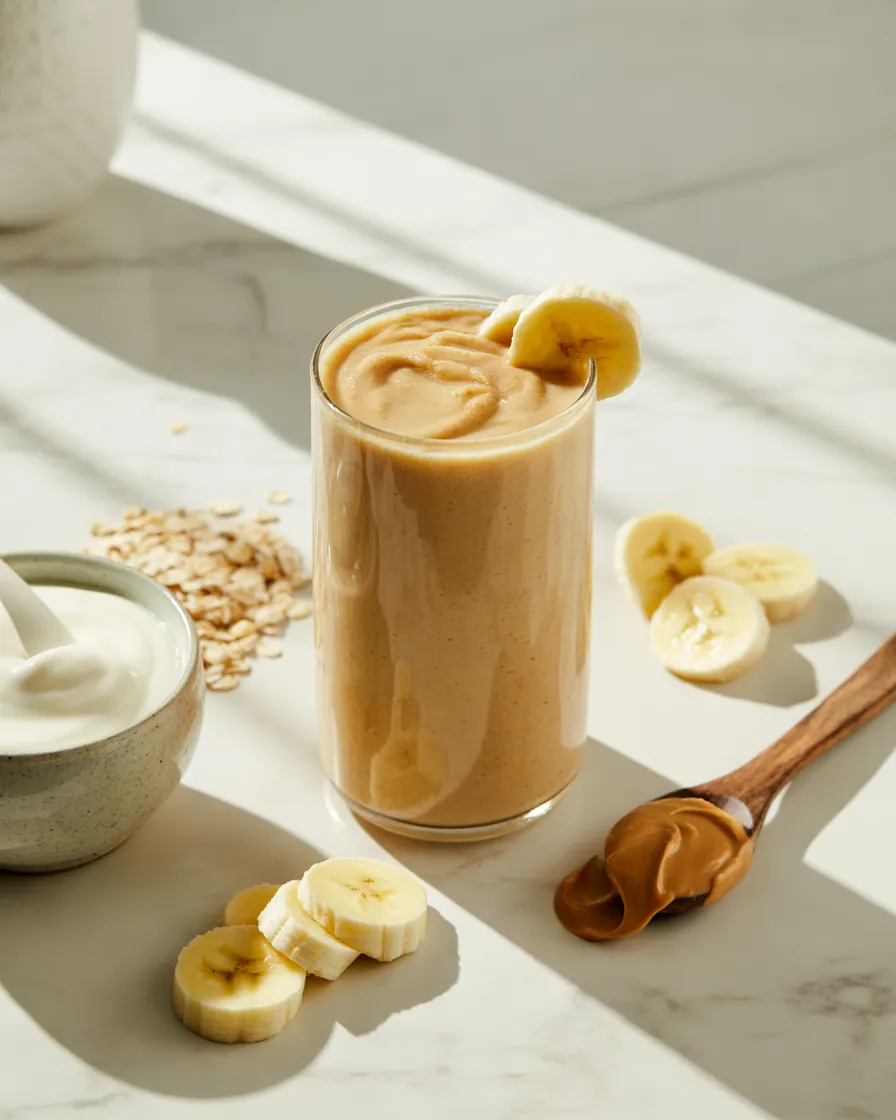
A smoothie can be useful when you have limited time, need a convenient snack, or prefer drinking something rather than preparing a full meal. The key is to use ingredients that contribute meaningful protein rather than relying mainly on fruit juice.
Blend one cup of milk, half a cup of Greek yogurt, half a banana, a spoonful of peanut butter, and ice. For a dairy-free version, use unsweetened fortified soy milk and soy yogurt with suitable protein content.
Benefits: Milk and yogurt provide protein, while banana adds carbohydrates and peanut butter contributes healthy fats and flavor. The combination is easy to customize based on appetite and activity.
Practical tips: Freeze banana slices in advance for a thicker texture. Add oats if you want more carbohydrates, or cinnamon for extra flavor without additional sugar.
How to use it: Depending on the quantities and products used, this smoothie may provide approximately 20–30 grams of protein. It can serve as a snack or accompany a light breakfast.
Who it may suit: People with busy schedules, active individuals, and anyone who needs a convenient way to include protein in their day.
Important consideration: Smoothies can become high in calories when large amounts of nut butter, sweeteners, or multiple servings are added. Whole foods are also valuable, so do not feel you need to replace every meal with a drink.
Expert Tips for Following a Healthy High Protein Diet
A high protein diet is most useful when it fits into a balanced, sustainable eating pattern. You do not need to maximize protein at every meal or eliminate carbohydrates and fats to benefit from protein-rich foods.
Choose protein quality as well as quantity. Consider fish, beans, lentils, tofu, nuts, seeds, eggs, yogurt, and lean poultry. These foods offer different combinations of protein, fats, fiber, vitamins, and minerals. The American Heart Association recommends emphasizing plant protein, eating fish regularly, and choosing lean, unprocessed meat when meat is included. Read its protein guidance.
Include protein throughout the day. Rather than saving most of your protein for dinner, build breakfast, lunch, and snacks around suitable protein sources. For example, yogurt at breakfast, lentils at lunch, and fish or tofu at dinner can provide variety without complicated calculations.
Keep fiber in the picture. A common mistake is replacing whole grains, fruit, vegetables, and beans with meat or protein products. Fiber-rich foods support digestive health and contribute to an overall balanced diet. Include vegetables, fruit, legumes, and whole grains alongside protein.
Plan around your budget. Eggs, dried lentils, canned beans, frozen edamame, canned fish, and plain yogurt can be practical choices. Frozen and canned ingredients can reduce food waste and save preparation time.
Use food labels wisely. Compare protein per serving alongside sodium, added sugars, saturated fat, and serving size. A product advertised as high protein is not automatically the healthiest choice.
Match intake to your needs. The recommended dietary allowance for a generally healthy adult is approximately 0.8 grams of protein per kilogram of body weight daily, although individual needs can differ because of age, activity, health status, and other factors. More protein is not automatically better for everyone. Harvard’s protein overview provides further context.
Remember food safety. Cook meat and seafood thoroughly, refrigerate leftovers promptly, and store prepared meals at safe temperatures. Meal preparation should make eating well easier without increasing the risk of foodborne illness.
A Simple One-Day High Protein Diet Example
If you are unsure how to put these ideas together, use the following example as a flexible starting point rather than a strict prescription.
- Breakfast: Greek yogurt with berries, oats, and chia seeds.
- Morning snack: An apple with a small serving of nuts.
- Lunch: Grilled chicken and quinoa bowl with vegetables.
- Afternoon snack: Cottage cheese with fresh fruit, or edamame.
- Dinner: Baked salmon with roasted broccoli and brown rice.
- Drinks: Water throughout the day, with unsweetened tea or coffee if desired.
You can replace chicken with tofu, salmon with beans, or yogurt with a suitable fortified soy alternative. Adjust portions to your appetite, energy needs, and preferences. The aim is to make protein a regular part of balanced meals, not to follow a rigid menu.
Frequently Asked Questions About a High Protein Diet
1. What Foods Are Best for a High Protein Diet?
Good options include chicken breast, fish, eggs, Greek yogurt, cottage cheese, lentils, beans, tofu, edamame, nuts, and seeds. The most suitable choices depend on your dietary preferences, budget, allergies, and nutritional needs. Eating a variety of protein sources also helps provide other essential nutrients.
2. Can a High Protein Diet Help With Weight Management?
Protein-rich foods may help some people feel satisfied after meals, which can make it easier to manage hunger. However, weight change depends on several factors, including total energy intake, activity, sleep, and individual health. A high protein diet does not guarantee weight loss, and calorie-dense foods can still contribute substantial energy.
3. How Much Protein Should I Eat Each Day?
Protein needs vary by age, body weight, activity level, and health status. Approximately 0.8 grams per kilogram of body weight daily is a general reference point for healthy adults, not a personalized target for every person. Athletes, older adults, and people recovering from illness may have different requirements. A registered dietitian can help determine an appropriate intake.
4. Can Vegetarians Follow a High Protein Diet?
Yes. Vegetarian diets can include protein from lentils, beans, chickpeas, tofu, tempeh, edamame, eggs, dairy products, nuts, and seeds. Vegans can rely on plant sources such as soy foods, legumes, nuts, and seeds. Eating a variety of plant proteins throughout the day helps provide the essential amino acids your body needs.
5. Is It Better to Eat Protein at Breakfast or Dinner?
Neither meal is automatically better for everyone. Including protein at several meals can help distribute intake throughout the day and make meal planning easier. For example, you could eat Greek yogurt at breakfast, beans at lunch, and chicken or tofu at dinner. Total daily intake and overall food quality matter more than following one universal meal schedule.
6. Are Protein Shakes Necessary on a High Protein Diet?
No. Many people can meet their protein needs through ordinary foods. Protein shakes can be convenient in certain circumstances, but they are not essential for everyone. If you choose one, compare the protein content, added sugars, ingredients, and quality information. Supplements should complement an appropriate diet rather than replace a variety of nutritious foods.
7. Can Eating Too Much Protein Be Harmful?
Very high protein intake is not suitable for everyone. Depending on food choices, an overly restrictive high protein diet may displace fiber-rich foods or increase saturated fat and sodium intake. People with chronic kidney disease or other medical conditions affecting protein metabolism may require individualized guidance. Consult a healthcare professional before making substantial dietary changes if you have a relevant medical condition.
8. What Is the Cheapest Way to Follow a High Protein Diet?
Dried lentils, beans, eggs, canned fish, tofu, plain yogurt, and frozen edamame can help keep costs manageable. Buying ingredients in suitable quantities, planning meals around leftovers, and cooking several portions at once can also reduce food waste. You do not need expensive protein bars, specialty products, or supplements to build protein-rich meals.
Conclusion: Make Your High Protein Diet Simple and Sustainable
Following a high protein diet does not have to involve complicated recipes, expensive ingredients, or strict food rules. Small changes, such as adding Greek yogurt to breakfast, choosing lentils for lunch, or preparing chicken and quinoa for dinner, can help you build more balanced meals.
The most practical approach is to choose a variety of protein sources, include vegetables and fiber-rich carbohydrates, and adapt your portions to your individual needs. Pay attention to the overall nutritional quality of your meals instead of focusing exclusively on grams of protein.
Start with two or three ideas from this list that fit your schedule, taste, and budget. Once they become part of your routine, introduce other recipes to keep meals interesting.
Health note: This article is for general educational purposes and is not a substitute for individualized medical or nutrition advice. If you have kidney disease, another condition that affects protein requirements, or a medically prescribed diet, consult your healthcare professional or registered dietitian before substantially increasing your protein intake.