Summer is the perfect time to enjoy meals that are fresh, colorful, and full of seasonal ingredients. When temperatures rise, spending a long time in a hot kitchen may not sound appealing. Many people also prefer lighter dinners that feel satisfying without being too heavy.
The good news is that healthy eating during summer does not have to be complicated. With fresh vegetables, juicy fruits, lean proteins, whole grains, and simple homemade dressings, you can prepare delicious dinners without relying on complicated cooking methods.
These 12 healthy summer dinner recipes offer something for different tastes and lifestyles. You will find grilled chicken, flavorful seafood, refreshing salads, vegetarian bowls, and quick meals that require minimal cooking. Some are ideal for backyard gatherings, while others are practical choices for busy weeknights.
Each recipe combines everyday ingredients with straightforward preparation methods. You can also adjust the ingredients to suit your dietary preferences, family needs, and available seasonal produce.
Whether you are looking for easy summer dinner ideas, high-protein meals, or fresh vegetarian options, these recipes can help make your summer meal planning easier and more enjoyable.
1. Grilled Lemon Herb Chicken with Fresh Vegetable Salad

Grilled lemon herb chicken is a wonderful choice when you want a flavorful, protein-rich dinner without using heavy sauces. The combination of lemon juice, garlic, fresh herbs, and olive oil gives chicken a bright summer flavor.
Serve it with a fresh salad made from cucumber, cherry tomatoes, lettuce, and red onion for a balanced meal.
Main Ingredients:
- 2 boneless, skinless chicken breasts
- 1 tablespoon olive oil
- Juice of one lemon
- 2 garlic cloves, minced
- 1 teaspoon dried oregano
- Fresh parsley
- Cucumber, cherry tomatoes, and lettuce
- Black pepper and a moderate amount of salt
How to Prepare: Mix olive oil, lemon juice, garlic, oregano, and seasonings. Coat the chicken and allow it to marinate in the refrigerator for approximately 20–30 minutes. Grill until thoroughly cooked, reaching an internal temperature of 165°F (74°C). Allow it to rest before slicing. Serve with the freshly prepared vegetable salad.
Benefits: Chicken provides protein that supports muscle maintenance and helps make meals satisfying. The vegetables contribute fiber, vitamins, minerals, and water. Olive oil provides unsaturated fats.
Practical Tips: Cut the chicken into evenly sized portions for more consistent cooking. Prepare the vegetables while the chicken marinates to save time.
How to Use It: Serve as a complete dinner or slice leftover chicken into whole-grain wraps for the following day’s lunch.
Who It May Suit: People looking for high-protein summer dinners, families, and anyone who enjoys simple grilled meals.
Important Considerations: Avoid leaving raw chicken at room temperature during marination. Refrigerate it, use separate utensils for raw and cooked chicken, and check its internal temperature with a food thermometer.
2. Mediterranean Chickpea and Cucumber Quinoa Bowl

If you prefer a meat-free dinner that is still satisfying, a Mediterranean chickpea and quinoa bowl is an excellent option. It combines plant-based protein, whole grains, fresh vegetables, and a refreshing lemon dressing.
This recipe is particularly useful during hot weather because most of the preparation involves assembling ingredients rather than cooking several dishes.
Main Ingredients:
- 1 cup cooked quinoa
- 1 cup cooked chickpeas
- 1 cucumber, diced
- 1 cup cherry tomatoes
- ¼ red onion, finely chopped
- Fresh parsley
- 1 tablespoon olive oil
- Lemon juice
- Optional crumbled feta cheese
How to Prepare: Cook quinoa according to the package instructions and allow it to cool slightly. Combine chickpeas, cucumber, tomatoes, onion, and parsley in a bowl. Add quinoa and prepare a dressing using lemon juice, olive oil, and black pepper. Toss everything together and finish with feta if desired.
Benefits: Chickpeas offer plant-based protein and fiber, while quinoa provides additional protein and complex carbohydrates. Fresh vegetables add color, texture, and valuable nutrients.
Practical Tips: Prepare quinoa and chickpeas in advance and refrigerate them. Keep the dressing separate until serving to maintain the vegetables’ freshness.
How to Use It: Enjoy it as a complete vegetarian dinner, or divide it into meal-preparation containers for several lunches.
Who It May Suit: Vegetarians, people interested in plant-based meals, and anyone looking for a refreshing dinner with whole grains.
Important Considerations: If using canned chickpeas, drain and rinse them to remove excess sodium. People with specific food intolerances should check ingredient labels and adjust the recipe accordingly.
3. Grilled Salmon with Garlic Zucchini and Lemon
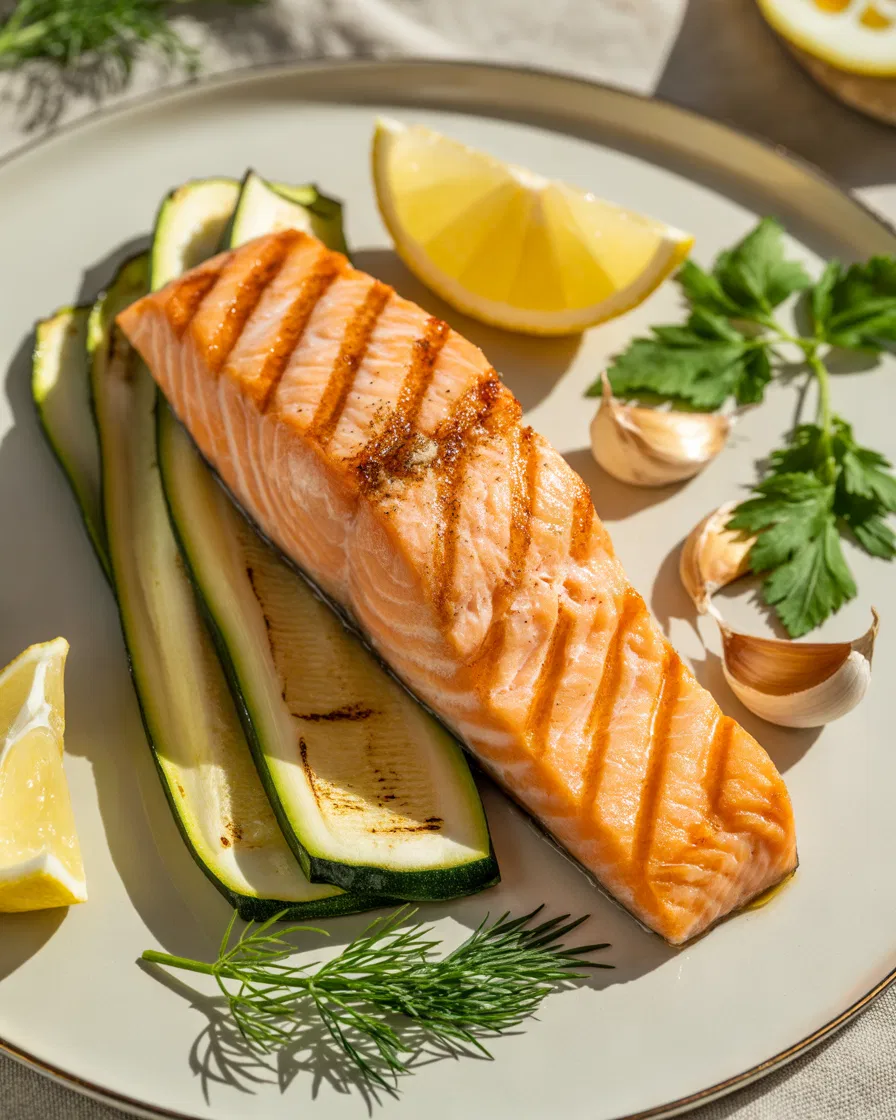
Salmon is a practical option for people who enjoy seafood and want a dinner that feels light but satisfying. Its naturally rich flavor works particularly well with lemon, garlic, and fresh herbs.
Pairing salmon with grilled zucchini creates a simple summer meal without requiring complicated side dishes.
Main Ingredients:
- 2 salmon fillets
- 2 medium zucchinis
- 2 garlic cloves
- 1 tablespoon olive oil
- Fresh lemon juice
- Fresh dill or parsley
- Black pepper
- A moderate amount of salt
How to Prepare: Brush the salmon with olive oil, lemon juice, garlic, and seasonings. Slice zucchini lengthwise and season lightly. Grill the zucchini until tender and cook the salmon until it reaches an internal temperature of 145°F (63°C), or follow appropriate local food-safety guidance for seafood. Serve together with fresh herbs and lemon wedges.
Benefits: Salmon supplies protein and omega-3 fatty acids, while zucchini provides fiber and several vitamins and minerals. This combination offers a balanced alternative to heavier fried dinners.
Practical Tips: Use a grill basket or foil to make handling the salmon easier. Avoid overcooking because salmon can become dry quickly.
How to Use It: Serve with quinoa, brown rice, or a small portion of roasted potatoes when you want additional carbohydrates.
Who It May Suit: Seafood lovers, people looking for protein-rich meals, and those who enjoy simple grilled summer recipes.
Important Considerations: Check salmon carefully for bones. Choose properly refrigerated seafood and cook it safely. People with fish allergies should avoid this recipe.
4. Healthy Shrimp Tacos with Fresh Cabbage Slaw

Shrimp tacos are an easy way to bring fresh flavors to the dinner table. Instead of heavy fried fillings and rich sauces, this version uses seasoned shrimp, crunchy cabbage, avocado, and a light yogurt dressing.
The result is a colorful meal that works particularly well for summer evenings and casual family dinners.
Main Ingredients:
- 300 g peeled and deveined shrimp
- 6 small whole-wheat or corn tortillas
- 2 cups shredded cabbage
- 1 avocado
- ½ cup plain Greek yogurt
- Juice of one lime
- 1 teaspoon paprika
- ½ teaspoon garlic powder
- Fresh coriander
- Black pepper
How to Prepare: Season the shrimp with paprika, garlic powder, lime juice, and black pepper. Cook in a lightly oiled skillet until opaque and cooked through. Mix cabbage with lime juice and chopped coriander. Prepare the dressing using Greek yogurt and a little lime juice. Fill warm tortillas with shrimp, cabbage, avocado, and dressing.
Benefits: Shrimp provides lean protein, while cabbage adds fiber and vitamin C. Avocado contributes unsaturated fats, and whole-grain tortillas can provide additional fiber.
Practical Tips: Prepare the slaw and dressing ahead of time. Cook shrimp shortly before serving because it takes only a few minutes.
How to Use It: Serve two or three tacos with a side of fresh fruit or a small vegetable salad.
Who It May Suit: Seafood enthusiasts, families who enjoy Mexican-inspired meals, and people seeking quick summer dinners.
Important Considerations: Shrimp is a common food allergen. Choose fully cooked shrimp and avoid overcooking to maintain a tender texture. Adjust the seasoning if you are sensitive to spicy foods.
5. Fresh Caprese Chicken with Tomatoes and Mozzarella
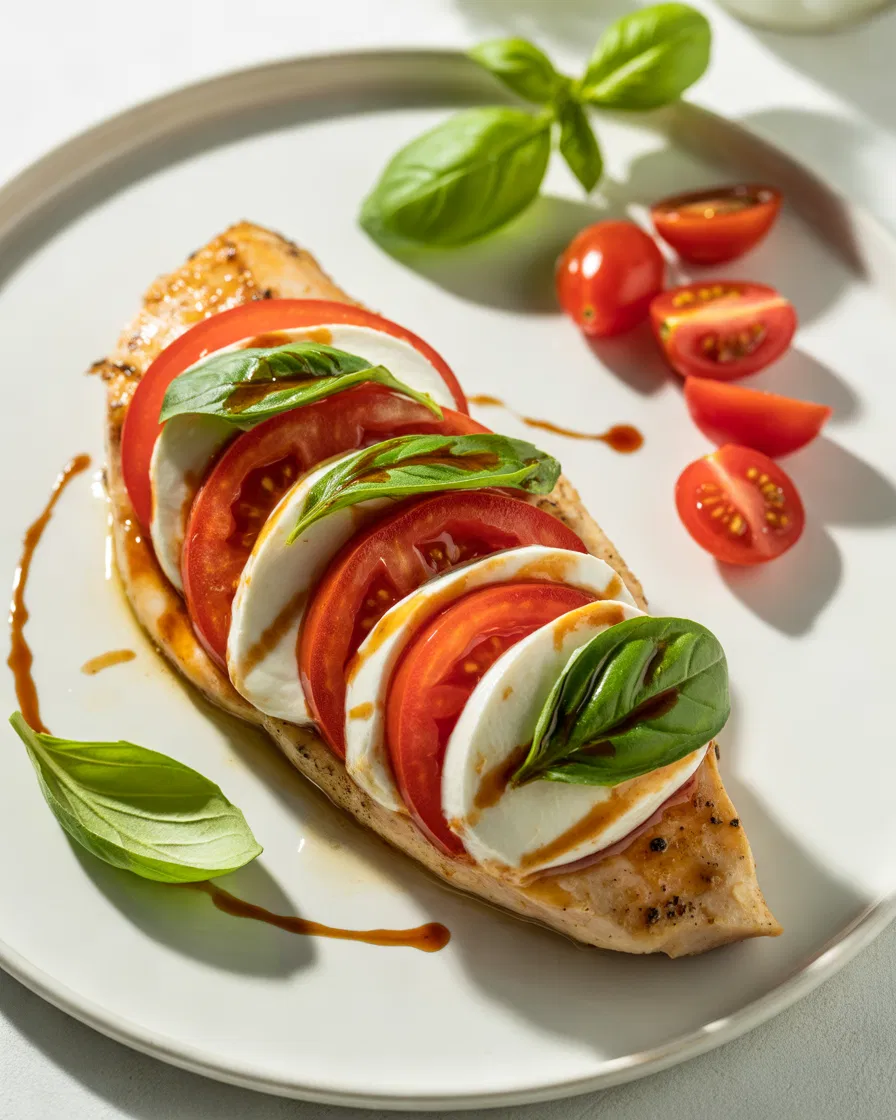
Caprese chicken takes inspiration from the classic Italian combination of tomatoes, mozzarella, basil, and olive oil. Adding grilled chicken makes the dish more substantial and suitable for dinner.
It is an excellent option when summer tomatoes are fresh, juicy, and full of flavor.
Main Ingredients:
- 2 boneless chicken breasts
- 2 ripe tomatoes
- ½ cup fresh mozzarella
- Fresh basil leaves
- 1 tablespoon olive oil
- 1 garlic clove
- Black pepper
- A small amount of balsamic vinegar
How to Prepare: Season chicken with garlic, olive oil, and black pepper. Grill or pan-cook until the internal temperature reaches 165°F (74°C). Add sliced tomatoes and mozzarella during the final stage of cooking and allow the cheese to soften. Finish with fresh basil and a small drizzle of balsamic vinegar.
Benefits: Chicken provides protein, tomatoes contribute vitamin C and lycopene, and mozzarella supplies calcium and protein. Basil adds freshness without requiring heavy seasoning.
Practical Tips: Choose ripe but firm tomatoes so they hold their shape. Fresh mozzarella gives the dish a softer texture, while part-skim mozzarella can be used as an alternative.
How to Use It: Serve with a green salad, whole-grain bread, or grilled vegetables for a complete meal.
Who It May Suit: People who enjoy Italian-inspired food, families, and anyone looking for a simple alternative to traditional chicken dinners.
Important Considerations: Store fresh mozzarella and cooked chicken properly. People managing sodium intake can compare cheese labels and choose lower-sodium options where available.
6. Grilled Vegetable and Halloumi Skewers

A colorful vegetable and halloumi skewer dinner is a delicious option for people who want a meat-free summer meal. The vegetables develop a slightly smoky flavor on the grill, while halloumi adds a savory, satisfying texture.
It is also an easy recipe to customize according to the vegetables available in your kitchen.
Main Ingredients:
- 200 g halloumi cheese
- 1 red bell pepper
- 1 yellow bell pepper
- 1 zucchini
- 1 red onion
- 1 cup cherry tomatoes
- 1 tablespoon olive oil
- Dried oregano
- Black pepper
How to Prepare: Cut the vegetables and halloumi into similarly sized pieces. Thread them onto skewers, alternating the ingredients. Brush lightly with olive oil and season with oregano and black pepper. Grill, turning occasionally, until the vegetables are tender and lightly charred and the cheese is golden.
Benefits: The vegetables provide fiber, vitamins, and antioxidants. Halloumi supplies protein and calcium, making the meal more satisfying than grilled vegetables alone.
Practical Tips: If using wooden skewers, soak them in water before grilling. Avoid overcrowding the skewers so that the vegetables cook evenly.
How to Use It: Serve with whole-grain couscous, quinoa, or a fresh cucumber salad.
Who It May Suit: Vegetarians, barbecue enthusiasts, and people who enjoy colorful grilled meals.
Important Considerations: Halloumi can be high in sodium and saturated fat. Use a moderate portion and consider a lower-sodium alternative if appropriate. For a vegan version, replace halloumi with firm tofu.
7. Mediterranean Tuna and White Bean Salad
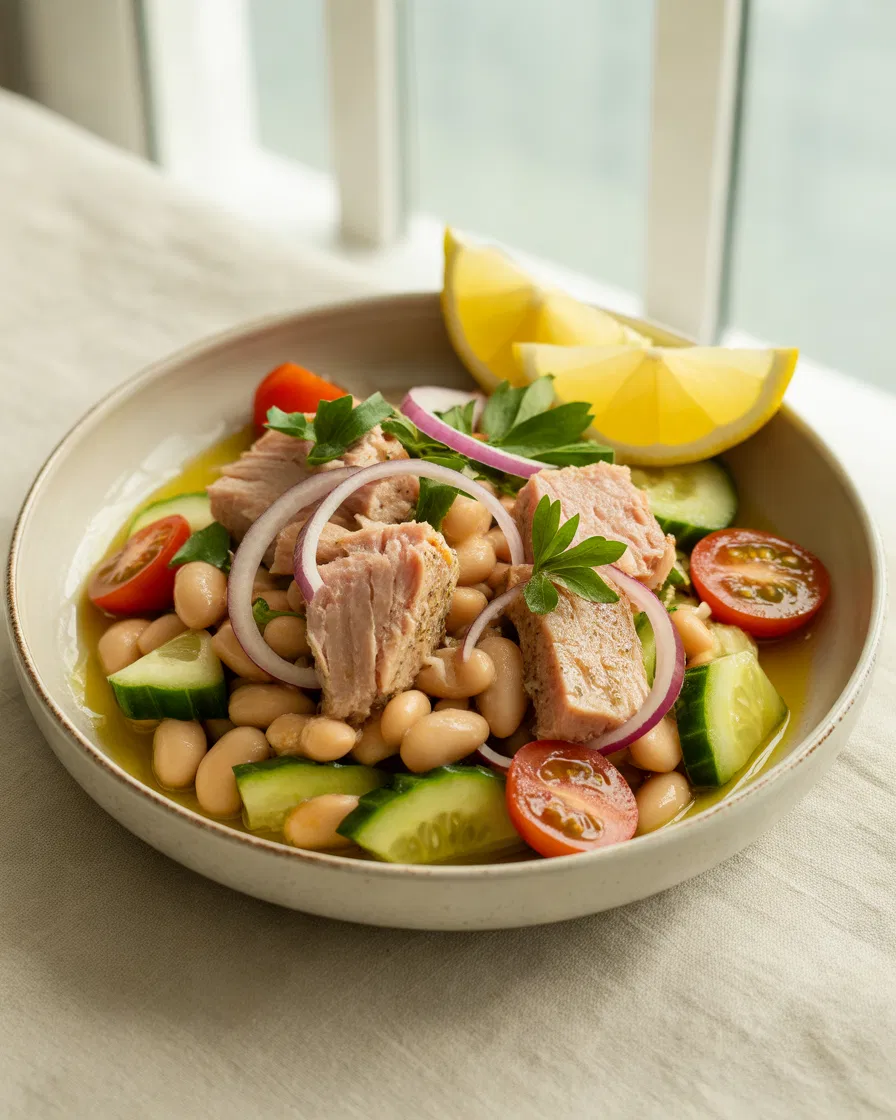
When you need a quick dinner without spending much time cooking, tuna and white bean salad is a useful option. It combines convenient pantry ingredients with fresh vegetables to create a protein-rich meal.
White beans provide a creamy texture, while lemon and herbs give the salad a refreshing Mediterranean flavor.
Main Ingredients:
- 1 can tuna in water, drained
- 1 cup cooked white beans
- 1 cucumber
- 1 cup cherry tomatoes
- ¼ red onion
- Fresh parsley
- 1 tablespoon olive oil
- Lemon juice
- Black pepper
How to Prepare: Drain the tuna and rinse the white beans if canned. Combine them with chopped cucumber, tomatoes, onion, and parsley. Add olive oil, lemon juice, and black pepper. Mix gently and serve chilled or at room temperature.
Benefits: Tuna provides protein, while white beans contribute plant-based protein and dietary fiber. Fresh vegetables add texture and essential nutrients.
Practical Tips: Keep canned tuna and beans in your pantry for convenient weeknight meals. Add chopped olives or a small amount of feta for extra Mediterranean flavor.
How to Use It: Enjoy the salad on its own, spoon it over leafy greens, or serve it with whole-grain toast.
Who It May Suit: Busy professionals, people seeking quick summer meals, and those who enjoy seafood-based salads.
Important Considerations: Tuna contains varying amounts of mercury depending on the species. Choose lower-mercury options such as canned light tuna when appropriate, follow local fish-consumption guidance, and pay particular attention to recommendations for pregnancy and children.
8. Healthy Turkey Lettuce Wraps with Avocado
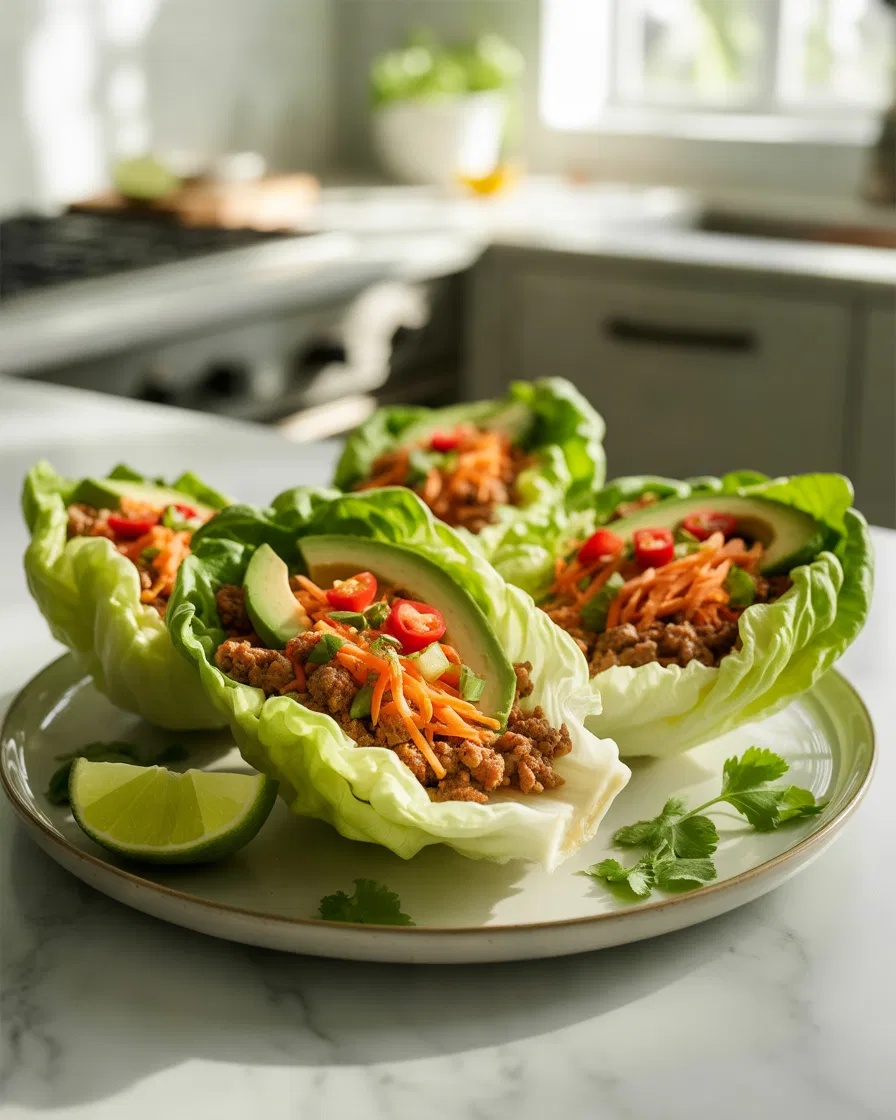
Turkey lettuce wraps are a practical alternative to traditional sandwiches and heavier dinner wraps. Instead of using large bread portions, crisp lettuce leaves hold a flavorful turkey filling with fresh vegetables and avocado.
They are easy to prepare and particularly useful when you want a lighter dinner.
Main Ingredients:
- 300 g lean ground turkey
- 1 head of iceberg or butter lettuce
- 1 small carrot, grated
- ½ red bell pepper
- 1 avocado
- 1 garlic clove
- 1 tablespoon low-sodium soy sauce
- 1 teaspoon olive oil
- Black pepper
How to Prepare: Heat olive oil in a skillet and cook the ground turkey with garlic until browned and thoroughly cooked, reaching 165°F (74°C). Add grated carrot, chopped bell pepper, soy sauce, and black pepper. Spoon the mixture into clean lettuce leaves and top with avocado slices.
Benefits: Lean turkey provides protein, while lettuce and vegetables add volume, water, and fiber. Avocado contributes healthy unsaturated fats.
Practical Tips: Separate and wash the lettuce leaves carefully. Choose large, firm leaves that can hold the filling without tearing.
How to Use It: Serve as individual lettuce cups with brown rice or a fresh fruit salad. You can also prepare the turkey filling in advance and assemble the wraps just before eating.
Who It May Suit: People looking for lower-carbohydrate dinner options, busy households, and anyone who enjoys customizable meals.
Important Considerations: Check the sodium content of soy sauce and choose a reduced-sodium version if desired. Do not serve undercooked ground turkey.
9. Zucchini Noodles with Cherry Tomatoes and Pesto

Zucchini noodles, often called zoodles, offer a fresh alternative to traditional pasta. They work especially well during summer because zucchini is widely available and cooks quickly.
Combined with cherry tomatoes and homemade basil pesto, they create a colorful vegetarian dinner with plenty of fresh flavor.
Main Ingredients:
- 2 medium zucchinis
- 1 cup cherry tomatoes
- 2 tablespoons basil pesto
- 1 tablespoon olive oil
- 1 garlic clove
- 2 tablespoons grated Parmesan
- Fresh basil
- Black pepper
How to Prepare: Use a spiralizer or vegetable peeler to create zucchini noodles. Heat olive oil in a skillet, add garlic and tomatoes, and cook briefly. Add the zucchini noodles and toss gently for approximately 2–3 minutes. Mix in pesto and finish with Parmesan and fresh basil.
Benefits: Zucchini provides water, fiber, and vitamins while keeping the meal vegetable-focused. Basil pesto contributes flavor and unsaturated fats when prepared with olive oil.
Practical Tips: Avoid cooking zucchini noodles for too long because they release water and can become soft. Prepare the pesto in advance to make dinner faster.
How to Use It: Serve as a light vegetarian main course or add grilled chicken, shrimp, or white beans for additional protein.
Who It May Suit: Vegetarians, people who enjoy vegetable-based meals, and anyone looking for quick no-fuss summer dinners.
Important Considerations: Traditional pesto and Parmesan contain dairy and may not suit people with dairy allergies. Choose dairy-free alternatives when needed.
10. Grilled Chicken and Avocado Summer Rice Bowl
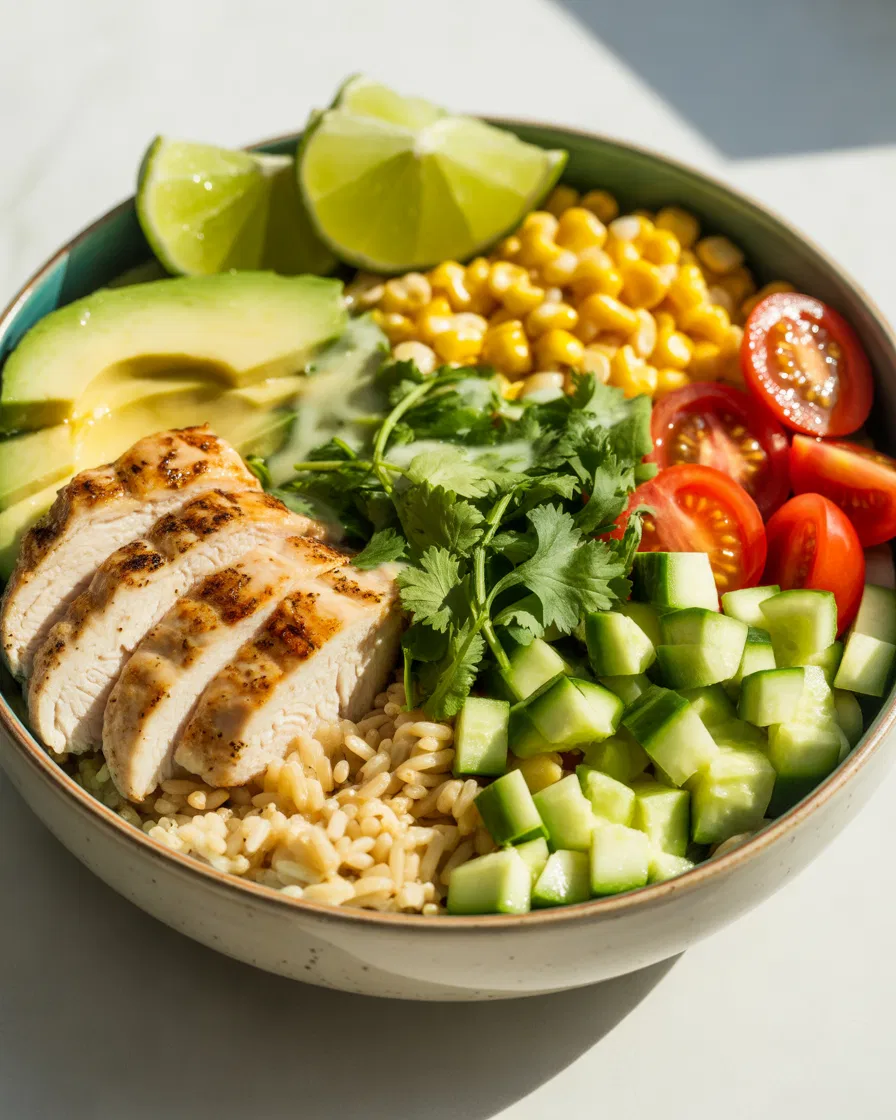
A chicken and avocado rice bowl is a flexible dinner that combines protein, whole grains, and fresh produce. It is particularly useful for meal preparation because the ingredients can be cooked separately and assembled when needed.
The fresh avocado and lime dressing give the dish a bright summer flavor.
Main Ingredients:
- 2 chicken breasts
- 1 cup cooked brown rice
- 1 avocado
- ½ cup sweet corn
- 1 cucumber
- 1 cup cherry tomatoes
- Juice of one lime
- 1 tablespoon olive oil
- Fresh coriander
- Black pepper
How to Prepare: Season the chicken with olive oil, lime juice, and black pepper. Grill or pan-cook until it reaches 165°F (74°C), then slice. Divide cooked brown rice between serving bowls. Add corn, cucumber, tomatoes, avocado, and chicken. Finish with lime juice and coriander.
Benefits: Chicken provides protein, brown rice offers complex carbohydrates and fiber, and avocado contributes unsaturated fats. The vegetables increase the variety of nutrients in the meal.
Practical Tips: Prepare the rice and chicken in advance. Add freshly cut avocado just before serving to help prevent browning.
How to Use It: Enjoy warm or slightly chilled. For variety, replace brown rice with quinoa or serve the ingredients over leafy greens.
Who It May Suit: Active individuals, families, and people who prefer balanced meals that can be customized.
Important Considerations: Refrigerate cooked rice promptly and store it safely. Do not leave cooked rice at room temperature for extended periods. Reheat leftovers thoroughly and follow safe storage guidance.
11. Baked Mediterranean Cod with Tomatoes and Olives
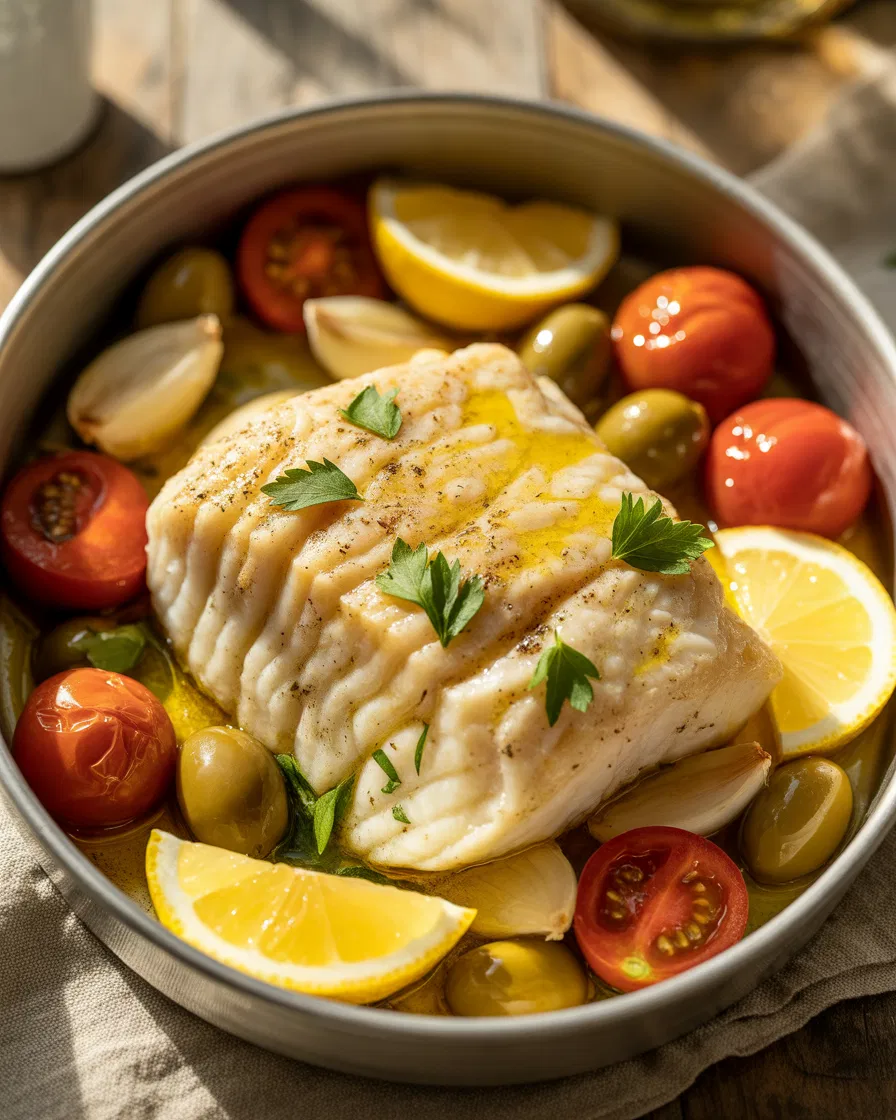
For a dinner that requires little preparation, Mediterranean baked cod is an excellent choice. Cod has a mild flavor and works beautifully with tomatoes, olives, garlic, lemon, and herbs.
This recipe uses one baking dish, which also makes cleaning up easier.
Main Ingredients:
- 2 cod fillets
- 1 cup cherry tomatoes
- ¼ cup pitted olives
- 2 garlic cloves
- 1 tablespoon olive oil
- Juice of half a lemon
- Fresh parsley
- Dried oregano
- Black pepper
How to Prepare: Preheat the oven to 400°F (200°C). Place cod fillets in a baking dish and arrange tomatoes, olives, and garlic around them. Drizzle with olive oil and lemon juice, then add oregano and black pepper. Bake until the fish reaches 145°F (63°C) and flakes easily. Garnish with fresh parsley.
Benefits: Cod is a lean source of protein. Tomatoes and olives contribute flavor and beneficial plant compounds, while olive oil provides unsaturated fats.
Practical Tips: Avoid overcooking the fish. Check it after approximately 12–15 minutes, adjusting the cooking time according to the thickness of the fillets.
How to Use It: Serve with roasted baby potatoes, couscous, or steamed green beans for a balanced dinner.
Who It May Suit: Seafood lovers, people looking for lean-protein meals, and families who enjoy simple oven-baked dinners.
Important Considerations: Check the fish for bones and use fresh or properly thawed cod. People with fish allergies should avoid this dish. Olives can be salty, so adjust additional salt accordingly.
12. Fresh Watermelon, Feta, and Grilled Chicken Salad

Watermelon is one of the most recognizable summer fruits, and its natural sweetness pairs beautifully with salty feta, fresh mint, and grilled chicken.
This recipe creates a refreshing dinner that combines sweet, savory, and fresh flavors in one bowl.
Main Ingredients:
- 2 cups cubed seedless watermelon
- 2 grilled chicken breasts
- ½ cucumber
- ¼ cup crumbled feta
- Fresh mint leaves
- 2 cups baby spinach or arugula
- 1 tablespoon olive oil
- 1 tablespoon lime juice
- Black pepper
How to Prepare: Grill chicken until it reaches 165°F (74°C), then allow it to rest before slicing. Arrange spinach or arugula in a large serving bowl. Add watermelon, cucumber, and chicken. Sprinkle with feta and fresh mint. Mix olive oil, lime juice, and black pepper to make a light dressing and drizzle over the salad.
Benefits: Chicken provides protein, watermelon contributes water and vitamin C, and leafy greens supply fiber and other nutrients. Feta adds protein and calcium, while mint enhances the refreshing flavor.
Practical Tips: Keep watermelon refrigerated before preparation. Add it shortly before serving to prevent excess liquid from collecting in the salad.
How to Use It: Serve as a complete summer dinner or pair with whole-grain bread for additional carbohydrates.
Who It May Suit: People who enjoy fruit-based salads, families, and anyone looking for refreshing meals during warm weather.
Important Considerations: Feta can contain considerable sodium, so use a moderate amount. Refrigerate cut watermelon and prepared salad promptly, particularly during hot weather.
Expert Tips for Making Healthy Summer Dinner Recipes
Preparing healthy summer meals becomes easier when you plan around fresh ingredients and simple cooking methods. A few practical habits can help you save time while keeping your meals balanced.
1. Choose Seasonal Fruits and Vegetables
Summer is a great time to enjoy tomatoes, cucumbers, zucchini, bell peppers, berries, watermelon, and leafy greens. Seasonal produce can offer excellent flavor and variety. Choose fruits and vegetables that are fresh, firm, and appropriate for the recipe.
2. Include a Protein Source in Your Dinner
Protein helps make a meal satisfying and supports normal muscle maintenance. Include foods such as chicken, salmon, shrimp, eggs, beans, chickpeas, tofu, or Greek yogurt according to your preferences.
3. Use Grilling and Quick Cooking Methods
Grilling, steaming, baking, and quick pan-cooking can reduce the need for excessive added fats. These methods are also convenient when you want to avoid spending too much time preparing dinner.
4. Prepare Ingredients in Advance
Wash vegetables, cook grains, prepare dressings, and portion proteins ahead of time. Store each ingredient in appropriate refrigerated containers. This simple approach can make busy evenings much easier.
5. Keep Dressings Simple
A homemade dressing using olive oil, lemon juice, lime juice, herbs, or plain yogurt can add flavor without relying on large amounts of creamy bottled sauces.
6. Balance Your Dinner Plate
A useful starting point is to fill approximately half your plate with vegetables and fruits, one-quarter with protein foods, and one-quarter with whole grains or other carbohydrate-rich foods. Adjust portions according to your energy needs, appetite, and dietary requirements.
7. Stay Hydrated During Hot Weather
Warm weather can increase fluid needs, particularly when you spend time outdoors or exercise. Drink water regularly and include water-rich foods such as cucumbers, watermelon, tomatoes, and lettuce.
8. Follow Food Safety Practices
Summer heat makes proper food handling particularly important. Refrigerate perishable foods promptly, keep raw meat separate from ready-to-eat foods, wash produce, and use a food thermometer to check meat and seafood temperatures.
Frequently Asked Questions About Healthy Summer Dinner Recipes
1. What Are the Best Healthy Summer Dinner Recipes?
Some excellent choices include grilled lemon herb chicken, Mediterranean chickpea bowls, grilled salmon, shrimp tacos, fresh vegetable salads, and baked cod. These meals combine fresh produce with protein and other nutritious ingredients.
2. What Should I Eat for Dinner on a Hot Summer Evening?
Choose refreshing meals such as quinoa salads, tuna and white bean salad, grilled chicken bowls, or watermelon and feta salad. These options can be served cool or at a comfortable temperature and do not require complicated preparation.
3. What Are Some Easy Summer Dinner Ideas for Busy Families?
Grilled chicken, shrimp tacos, turkey lettuce wraps, and Mediterranean rice bowls are practical options. Preparing ingredients in advance can make these meals quicker to assemble after a busy day.
4. What Are the Best Vegetarian Summer Dinner Recipes?
Mediterranean chickpea bowls, grilled vegetable and halloumi skewers, and zucchini noodles with pesto are delicious vegetarian choices. You can also use tofu, lentils, or beans to add plant-based protein.
5. How Can I Make Summer Dinners Healthier?
Use fresh vegetables, lean proteins, whole grains, and moderate amounts of healthy fats. Choose grilling, baking, or steaming instead of deep-frying, and prepare homemade dressings with simple ingredients.
6. What Are Some High-Protein Summer Dinner Ideas?
Grilled chicken, salmon, shrimp tacos, turkey lettuce wraps, and chicken rice bowls are good options. For plant-based alternatives, consider chickpeas, quinoa, tofu, and white beans.
7. Can I Prepare Healthy Summer Dinners in Advance?
Yes. Many ingredients can be prepared ahead of time. Cook grains, wash vegetables, prepare dressings, and portion proteins before the evening. Keep perishable ingredients refrigerated and assemble fresh salads shortly before serving.
8. Are Salads Enough for a Healthy Summer Dinner?
They can be, provided they contain a suitable combination of ingredients. Add protein such as chicken, tuna, eggs, beans, chickpeas, or tofu, along with vegetables, and consider whole grains or healthy fats to make the meal more satisfying.
9. What Are the Best No-Oven Summer Dinner Recipes?
Chickpea quinoa bowls, tuna and white bean salad, shrimp tacos, turkey lettuce wraps, and zucchini noodles are convenient options. They can be prepared using a stovetop or simple assembly methods.
10. How Do I Store Leftover Summer Dinner Meals Safely?
Place leftovers in clean, covered containers and refrigerate them promptly, ideally within two hours of cooking, or within one hour when temperatures are above 90°F (32°C). Keep your refrigerator at 40°F (4°C) or below. Follow appropriate storage times for each ingredient and reheat leftovers safely.
Conclusion
Eating well during summer can be simple, enjoyable, and full of variety. With the right ingredients, you can prepare satisfying dinners without spending hours in the kitchen.
These 12 healthy summer dinner recipes offer a range of options, from grilled chicken and seafood to fresh vegetarian bowls and colorful salads. Each recipe makes it easier to include seasonal produce, quality protein, and balanced ingredients in your everyday meals.
You do not need to follow every recipe exactly. Experiment with different vegetables, herbs, proteins, and whole grains to discover combinations that suit your taste and lifestyle.
Start with one or two recipes this week, prepare ingredients ahead of time, and enjoy fresh, delicious meals throughout the summer.