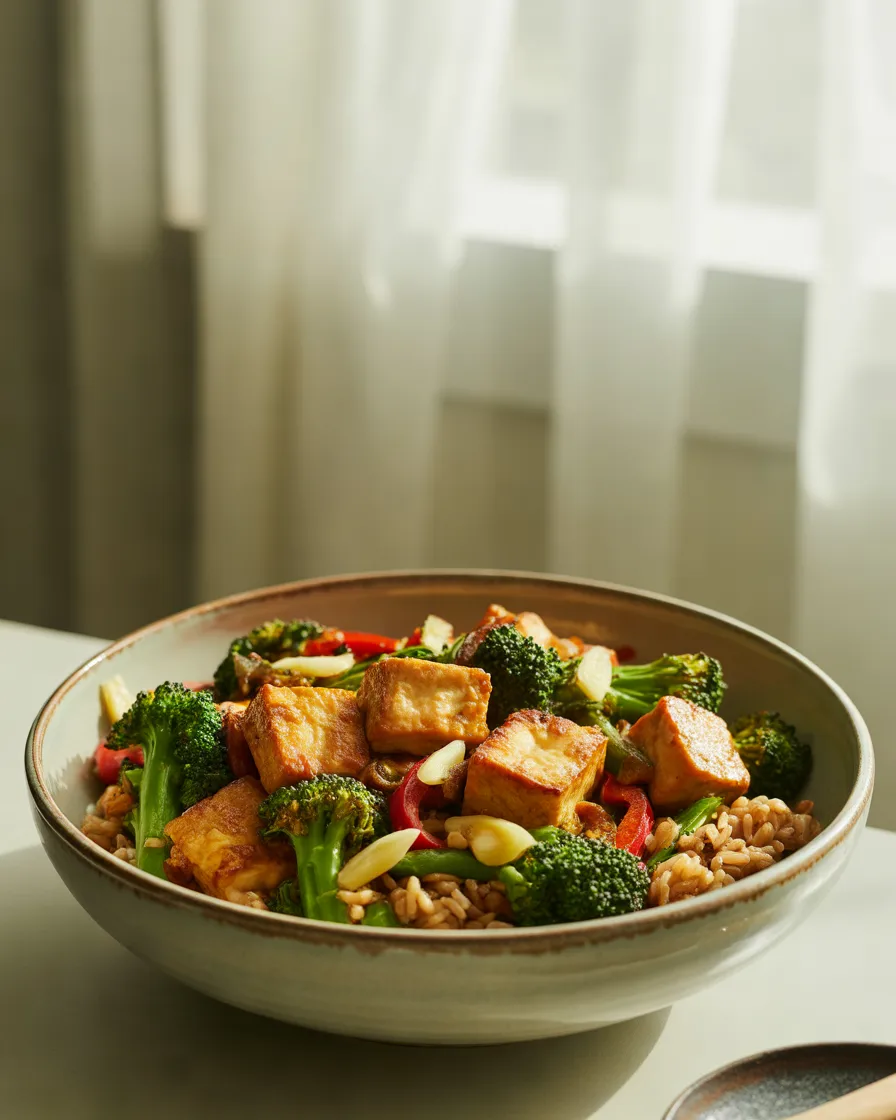
Finding healthy meals and snacks that fit into a busy daily routine can be challenging. Between work, family responsibilities, exercise, and everyday activities, preparing nutritious food is not always convenient. That’s where smoothies can make a difference.
The best healthy smoothie recipes combine fruits, vegetables, protein-rich ingredients, and healthy fats to create satisfying drinks without requiring complicated preparation. Whether you want a quick breakfast, a refreshing afternoon snack, or a convenient post-workout option, there are plenty of delicious combinations to try.
One of the biggest advantages of making smoothies at home is that you control the ingredients. You can choose fresh or frozen produce, use unsweetened milk, add Greek yogurt for protein, or include ingredients such as chia seeds, oats, and nut butter for additional nutrients.
However, a healthy smoothie does not automatically mean a low-calorie smoothie. Large portions, sweetened yogurt, fruit juice, honey, and multiple high-calorie additions can quickly increase its energy content. The key is choosing balanced ingredients and appropriate portions.
In this guide, you’ll discover 12 healthy smoothie recipes that are easy to prepare and suitable for different tastes and nutritional preferences. From protein-packed berry smoothies to refreshing tropical blends, these homemade smoothie ideas can help make everyday eating more enjoyable.
1. Berry Greek Yogurt Smoothie for a Protein-Rich Breakfast
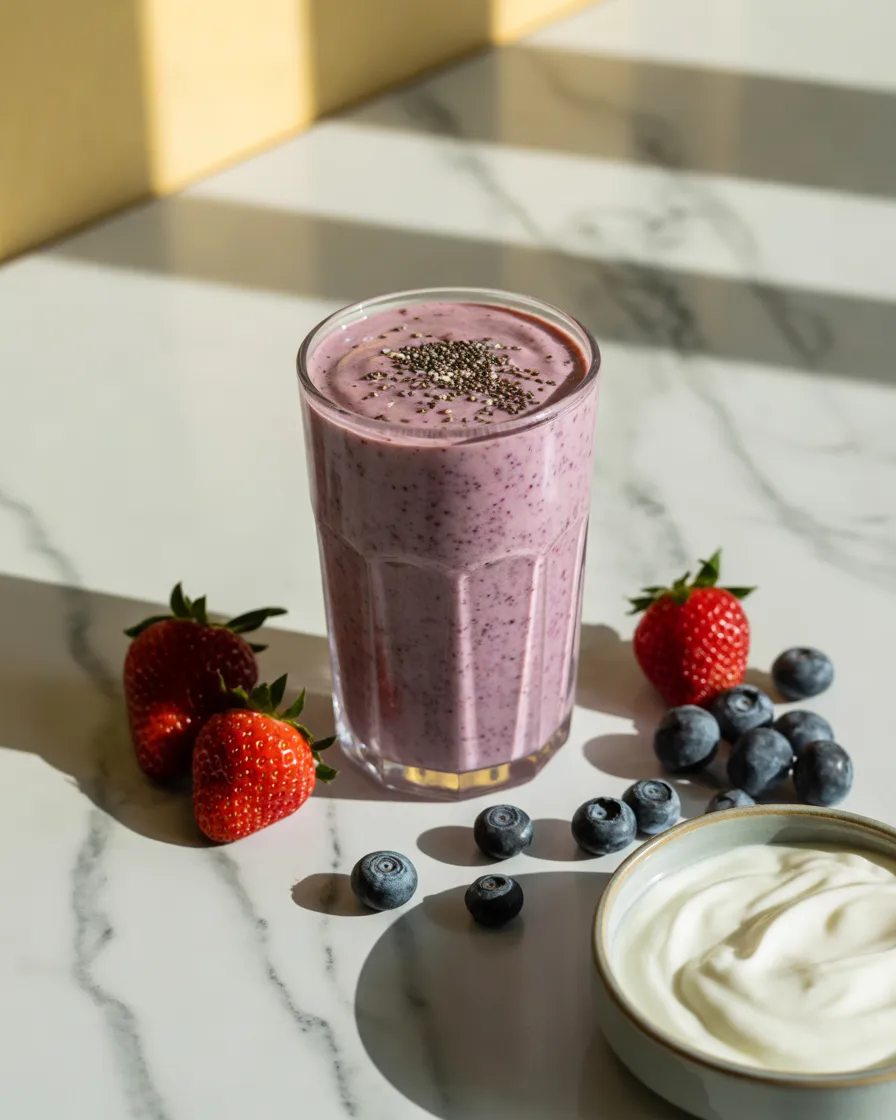
A berry Greek yogurt smoothie is an excellent choice when you want something creamy, fruity, and satisfying. Combining strawberries, blueberries, and Greek yogurt creates a naturally sweet drink with protein and several important nutrients.
This recipe works particularly well for breakfast because it offers a convenient combination of carbohydrates and protein without requiring much preparation.
Ingredients:
- ½ cup fresh or frozen strawberries
- ½ cup blueberries
- ½ cup plain Greek yogurt
- ½ cup unsweetened milk
- 1 teaspoon chia seeds
- 2–3 ice cubes, if needed
Preparation: Add all ingredients to a blender and blend until smooth. Adjust the consistency with a little more milk if necessary. Serve immediately.
Benefits: Berries provide fiber and naturally occurring plant compounds, while Greek yogurt contributes protein and calcium. Chia seeds add fiber and healthy fats, making this smoothie a useful addition to a balanced breakfast.
Practical tips: Frozen berries create a thicker texture without requiring much ice. Choose plain Greek yogurt rather than flavored varieties to avoid unnecessary added sugar.
How to use it: Enjoy it as a quick breakfast alongside whole-grain toast or an egg. It can also work as a filling mid-morning snack.
Who it may suit: People looking for easy high-protein breakfast smoothies, busy professionals, and anyone who enjoys creamy berry flavors.
Important considerations: Check yogurt and milk labels if you are sensitive to lactose. Unsweetened soy yogurt or another suitable alternative can be used.
2. Green Spinach and Banana Smoothie for Everyday Nutrition
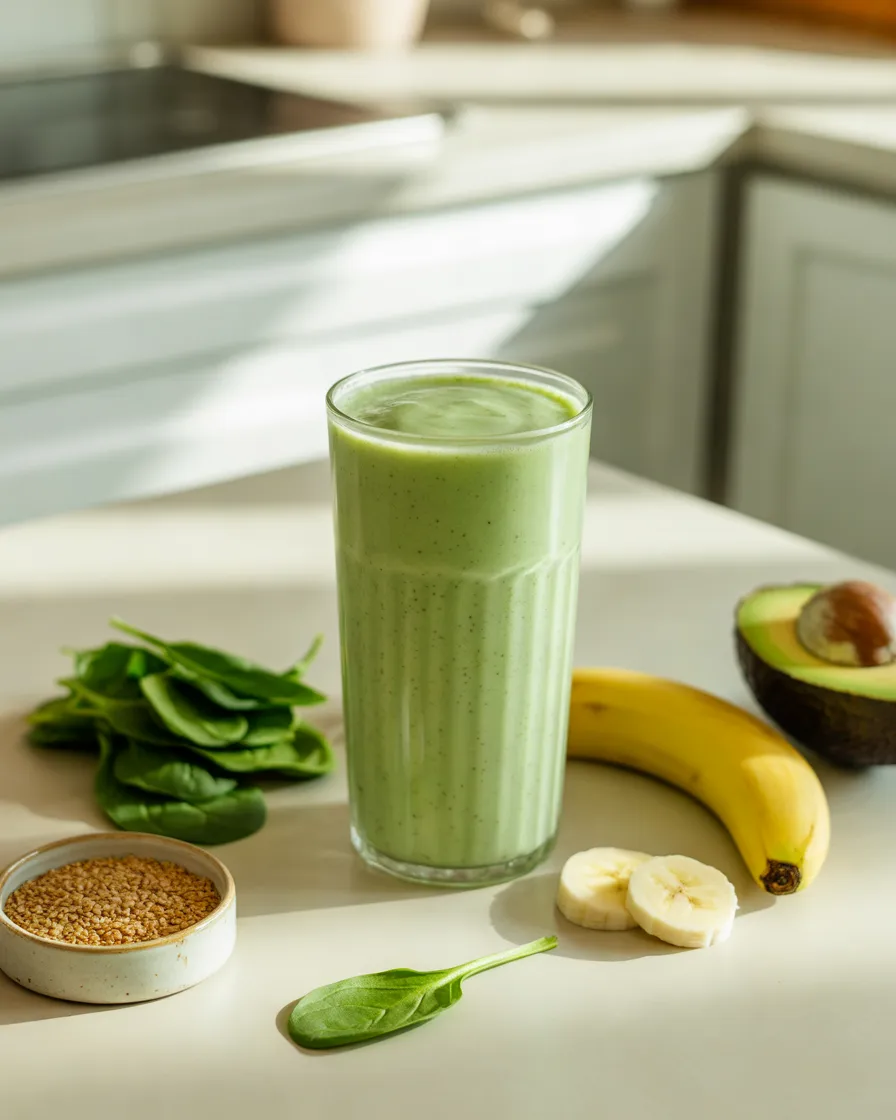
If you want an easy way to include leafy greens in your daily routine, try a spinach and banana smoothie. The banana adds natural sweetness and creaminess, while spinach blends smoothly into the drink without overpowering its fruity flavor.
It is a practical option for people who are new to green smoothies and want something that tastes pleasant.
Ingredients:
- 1 ripe banana
- 1 cup fresh baby spinach
- ½ cup unsweetened almond milk
- ¼ avocado
- 1 tablespoon ground flaxseed
- A few ice cubes
Preparation: Place the spinach and almond milk in a blender first. Blend briefly, then add the banana, avocado, flaxseed, and ice. Blend again until creamy.
Benefits: Spinach supplies folate, vitamin K, and other nutrients. Bananas provide carbohydrates and potassium, while avocado and flaxseed contribute unsaturated fats and fiber.
Practical tips: Use baby spinach for a milder taste. If you prefer a sweeter smoothie, choose a ripe banana rather than adding sugar or syrup.
How to use it: Drink it with breakfast or enjoy it as an afternoon snack. Pairing it with an additional protein source can make it more substantial.
Who it may suit: People interested in green smoothie recipes, beginners who want to eat more vegetables, and anyone looking for a convenient fruit-and-vegetable combination.
Important considerations: Spinach contains vitamin K, which can affect warfarin treatment. People taking warfarin should keep vitamin K intake consistent and discuss significant dietary changes with their healthcare professional. Those who need to restrict potassium should also seek individualized advice.
3. Banana Oat Smoothie for a Filling Morning Meal
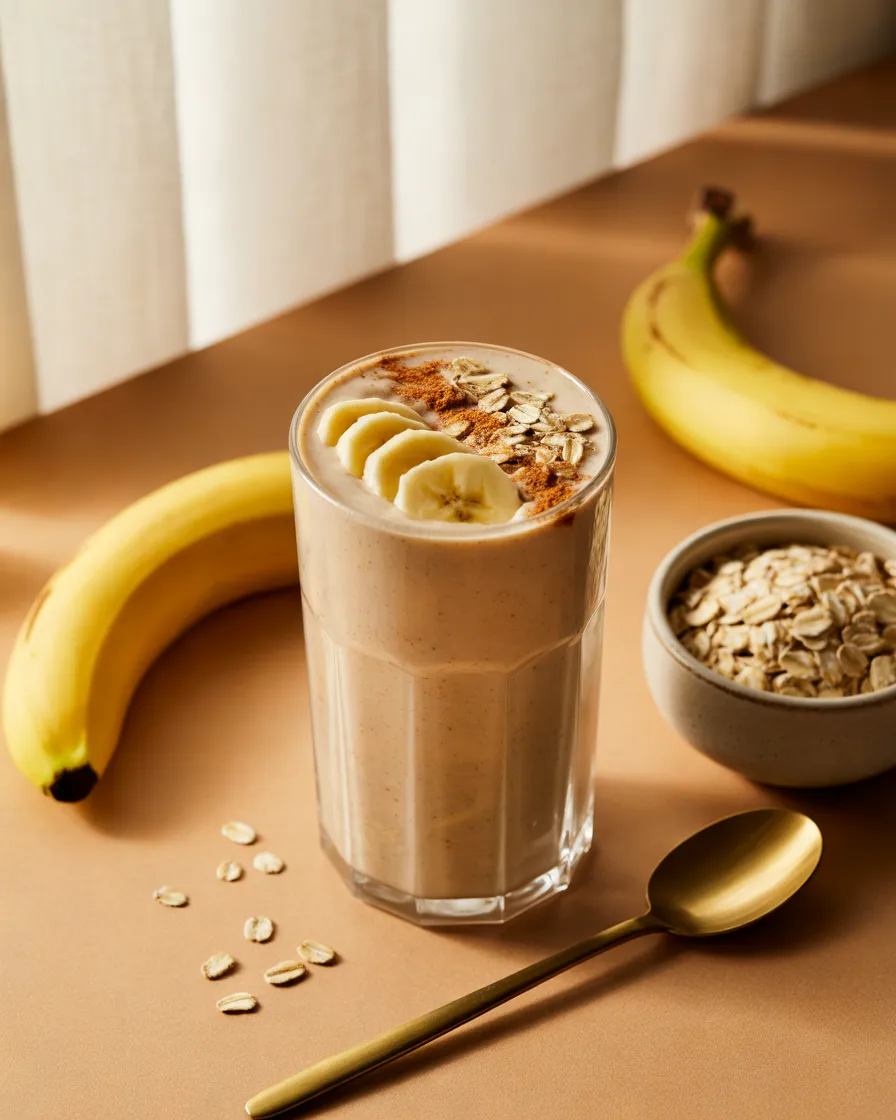
A banana oat smoothie is ideal when you need a quick breakfast that feels more substantial than a simple fruit drink. Oats provide fiber and carbohydrates, while banana adds natural sweetness and a smooth texture.
It is especially convenient for mornings when sitting down for a full breakfast is difficult.
Ingredients:
- 1 medium ripe banana
- ¼ cup rolled oats
- ½ cup plain Greek yogurt
- ¾ cup unsweetened milk
- ¼ teaspoon cinnamon
- 1 teaspoon peanut butter
Preparation: Add the oats and milk to a blender and allow them to soak for approximately five minutes. Add the remaining ingredients and blend until smooth and creamy.
Benefits: Oats contain beta-glucan, a soluble fiber associated with maintaining healthy cholesterol levels as part of an appropriate diet. Greek yogurt provides protein, while banana contributes potassium and carbohydrates.
Practical tips: Soaking the oats briefly helps create a smoother drink. For extra flavor, add cinnamon or a small amount of vanilla extract.
How to use it: Enjoy this smoothie for breakfast before a busy workday. It can also be useful after exercise when combined with other foods according to your nutritional needs.
Who it may suit: People who enjoy oatmeal, individuals looking for filling breakfast smoothie recipes, and anyone who prefers a thicker, milkshake-like consistency.
Important considerations: Oats naturally thicken smoothies as they sit. Add a little extra milk if you prepare the drink in advance. Choose certified gluten-free oats if you need to avoid gluten.
4. Tropical Pineapple Mango Smoothie for a Refreshing Treat
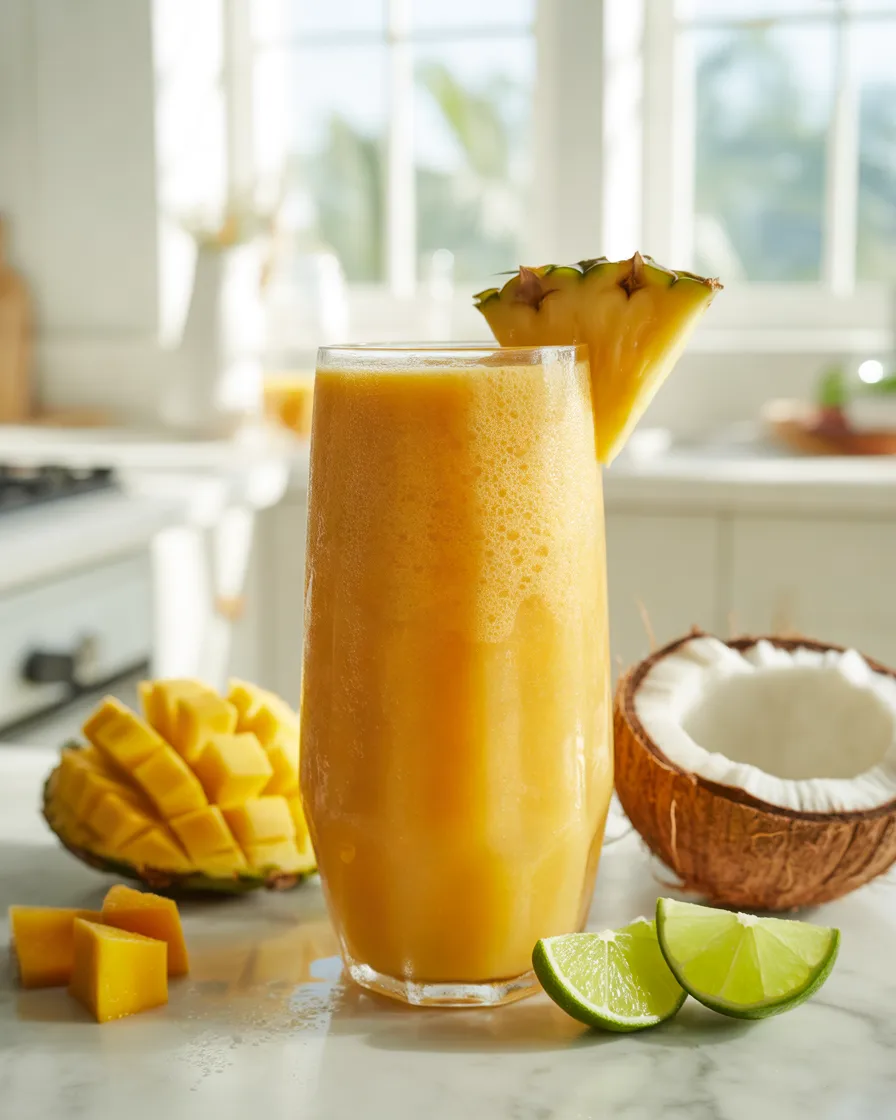
Bring a little tropical flavor into your kitchen with this pineapple mango smoothie. The combination of sweet mango and tangy pineapple creates a refreshing drink that feels like a summer treat.
Unlike many commercial tropical drinks, this homemade version uses whole fruit and unsweetened coconut milk.
Ingredients:
- ½ cup frozen pineapple chunks
- ½ cup ripe mango chunks
- ½ cup unsweetened coconut milk beverage
- ¼ cup plain yogurt
- 1 teaspoon fresh lime juice
- 3–4 ice cubes, if needed
Preparation: Combine the pineapple, mango, coconut milk, yogurt, and lime juice in a blender. Blend until the mixture becomes smooth and creamy. Adjust the thickness with additional coconut milk.
Benefits: Pineapple provides vitamin C and naturally occurring enzymes, while mango contributes beta-carotene and other nutrients. Yogurt adds protein and calcium.
Practical tips: Frozen pineapple and mango help achieve a thick, chilled consistency. A little lime juice balances the fruit’s sweetness.
How to use it: Serve with breakfast, enjoy it as a refreshing afternoon snack, or prepare it as a lighter dessert alternative.
Who it may suit: People who enjoy tropical fruit, families looking for homemade smoothie ideas, and anyone who prefers refreshing summer beverages.
Important considerations: Coconut milk beverages and canned coconut milk are different products. The canned version is generally much richer in fat and calories, so check the label before choosing.
5. Peanut Butter Chocolate Smoothie for a Healthy-Tasting Dessert
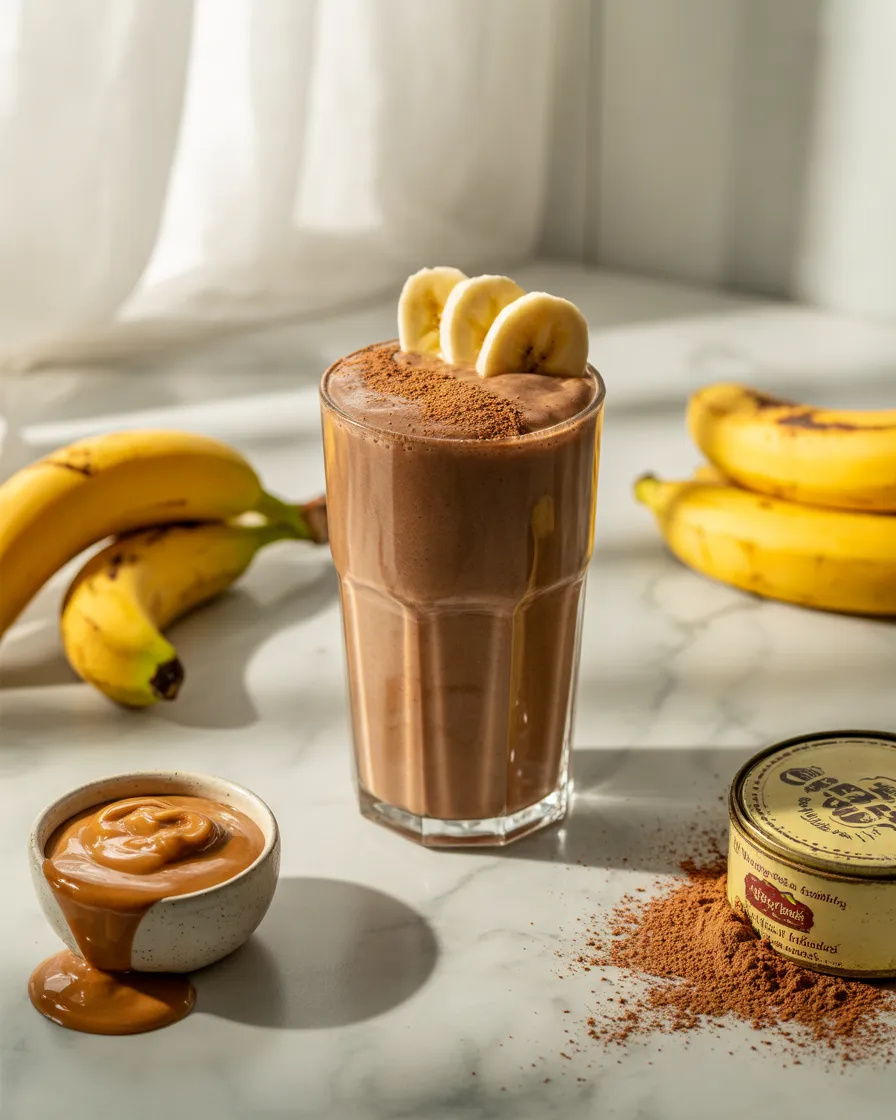
Chocolate lovers do not have to avoid smoothies to maintain a balanced eating routine. This peanut butter chocolate smoothie combines unsweetened cocoa powder, banana, and peanut butter to create a rich, dessert-inspired drink.
It is naturally sweetened with fruit and can be prepared without chocolate syrup or added sugar.
Ingredients:
- 1 medium banana
- 1 tablespoon natural peanut butter
- 1 tablespoon unsweetened cocoa powder
- ½ cup plain Greek yogurt
- ½ cup unsweetened milk
- 2–3 ice cubes
Preparation: Place all ingredients in a blender and process until smooth. Add extra milk if you prefer a thinner consistency.
Benefits: Peanut butter provides protein and unsaturated fats, while Greek yogurt contributes additional protein. Cocoa contains naturally occurring plant compounds, and banana provides carbohydrates and potassium.
Practical tips: Use natural peanut butter without added sugar. Start with one tablespoon of cocoa powder and adjust the flavor according to your preference.
How to use it: Enjoy this smoothie as an afternoon snack or as part of breakfast. It can also satisfy a chocolate craving when you want a homemade alternative to a sugary milkshake.
Who it may suit: Chocolate enthusiasts, people looking for satisfying smoothie recipes, and individuals who enjoy peanut butter-based snacks.
Important considerations: Peanut butter is energy-dense, so portion size matters. This recipe is not suitable for people with peanut allergies. Sunflower seed butter can be an alternative when appropriate.
6. Avocado Cucumber Lime Smoothie for a Light and Creamy Drink
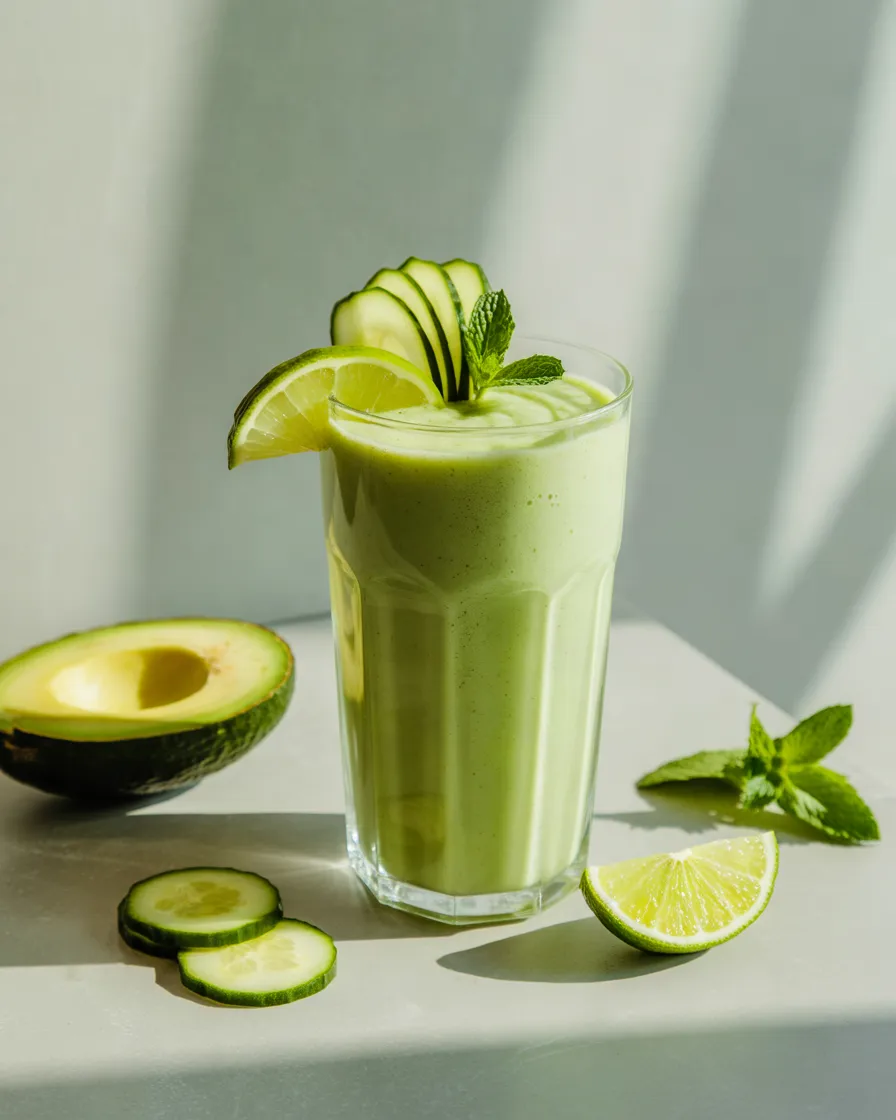
If you prefer smoothies that are less sweet, an avocado cucumber lime combination is worth trying. It has a fresh flavor, a creamy texture, and a refreshing finish.
This recipe is different from traditional fruit smoothies because it focuses more on vegetables and healthy fats.
Ingredients:
- ¼ ripe avocado
- ½ medium cucumber
- ½ cup plain Greek yogurt
- ½ cup cold water
- 1 tablespoon fresh lime juice
- 4–5 fresh mint leaves
- A few ice cubes
Preparation: Wash and chop the cucumber. Add all ingredients to a blender and blend until smooth. Taste and adjust the lime juice or water as needed.
Benefits: Avocado contains monounsaturated fats and fiber. Cucumber contributes water and a refreshing flavor, while yogurt adds protein and calcium.
Practical tips: Remove the cucumber skin if you prefer a smoother texture. Fresh mint creates a more refreshing taste, particularly during warmer weather.
How to use it: Serve it as a light breakfast accompaniment or a refreshing afternoon snack. It can also complement a meal containing whole grains and lean protein.
Who it may suit: People who prefer savory or mildly sweet smoothies, vegetable lovers, and anyone looking for alternatives to traditional fruit-based drinks.
Important considerations: Avocado contributes considerable energy even in moderate portions. Keep the serving size appropriate for your needs. People with dairy sensitivities can consider unsweetened soy yogurt.
7. Pumpkin Spice Smoothie for a Cozy Autumn Breakfast
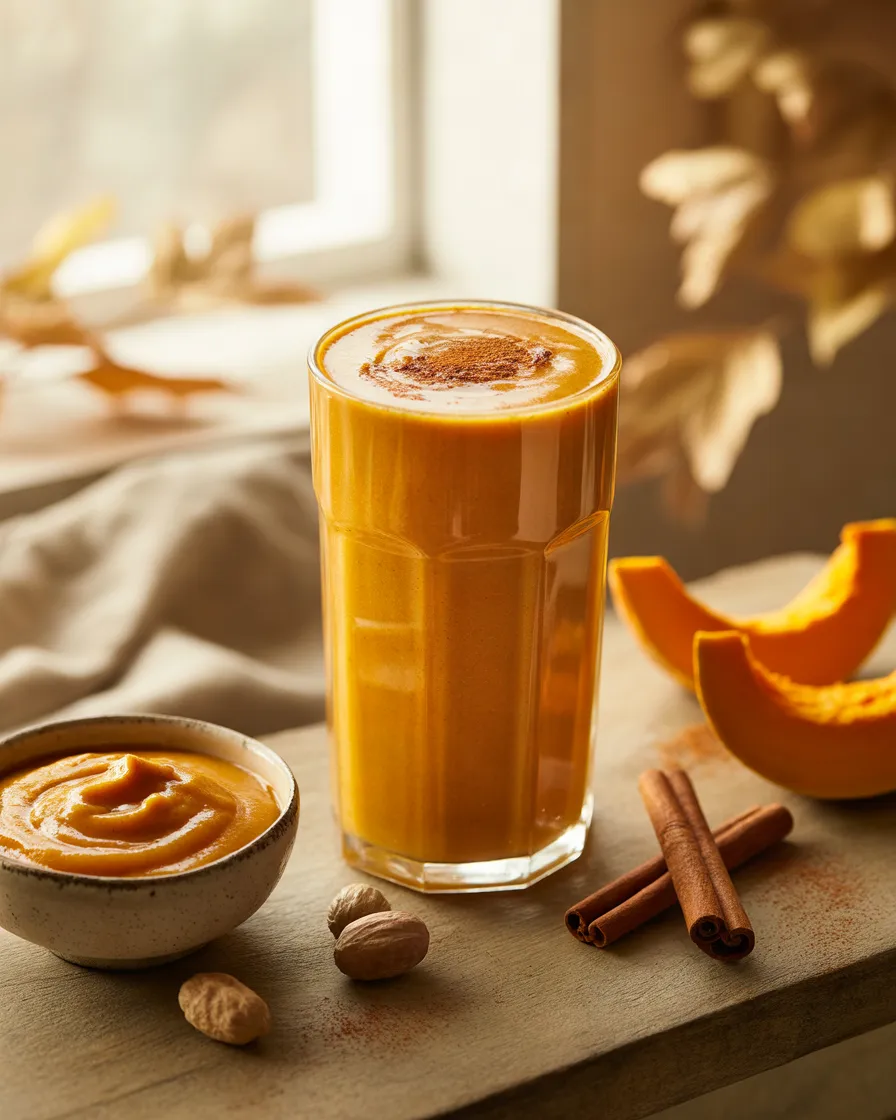
Pumpkin is not just for pies and seasonal desserts. It can also become the base of a delicious smoothie with a creamy consistency and warm autumn flavors.
This pumpkin spice smoothie combines pumpkin puree, banana, yogurt, and cinnamon for a comforting breakfast or snack.
Ingredients:
- ½ cup plain pumpkin puree
- ½ ripe banana
- ½ cup plain Greek yogurt
- ½ cup unsweetened milk
- ¼ teaspoon cinnamon
- A small pinch of nutmeg
- 1 teaspoon maple syrup, optional
Preparation: Add the pumpkin puree, banana, yogurt, milk, and spices to a blender. Blend until creamy. Add a small amount of maple syrup only if additional sweetness is needed.
Benefits: Pumpkin provides beta-carotene, which the body can convert into vitamin A. Greek yogurt supplies protein, and cinnamon adds flavor without requiring much added sugar.
Practical tips: Always use plain pumpkin puree rather than pumpkin pie filling, which may contain added sugar and spices. Chilled pumpkin puree produces a refreshing consistency.
How to use it: Enjoy it as a seasonal breakfast smoothie or an afternoon snack. It pairs nicely with whole-grain toast.
Who it may suit: People who enjoy autumn flavors, pumpkin recipes, and creamy smoothies with moderate sweetness.
Important considerations: Check the ingredient label carefully when buying canned pumpkin. Pumpkin pie filling is not the same as plain pumpkin puree.
8. Cherry Almond Smoothie for a Naturally Sweet Snack
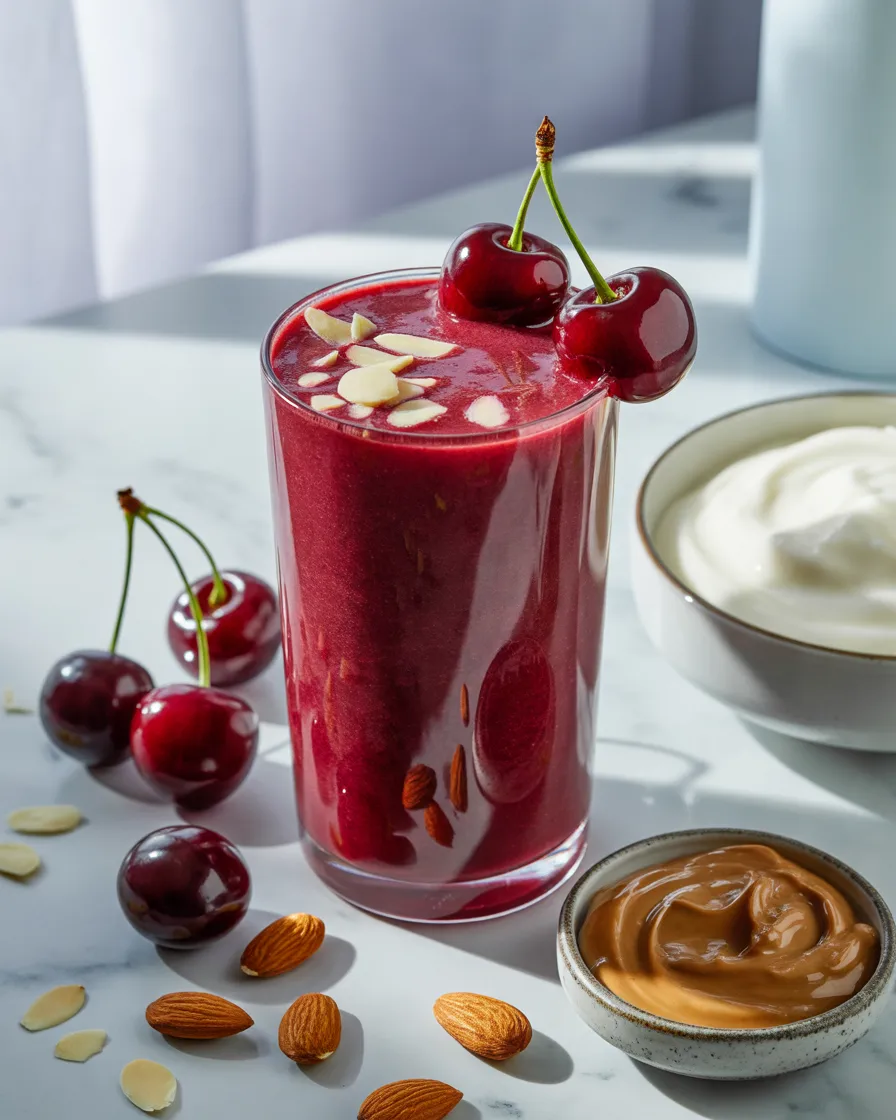
Cherries and almonds make a delicious combination for anyone who enjoys fruity smoothies with a slightly nutty flavor. This recipe uses frozen cherries, almond butter, and Greek yogurt to create a creamy and satisfying drink.
It is particularly convenient because frozen cherries are available throughout the year in many supermarkets.
Ingredients:
- ¾ cup frozen pitted cherries
- ½ cup plain Greek yogurt
- ½ cup unsweetened almond milk
- 1 teaspoon almond butter
- 1 tablespoon rolled oats
- 1 teaspoon ground flaxseed
Preparation: Add all ingredients to a blender. Blend until smooth, adding extra almond milk if the mixture becomes too thick.
Benefits: Cherries contain fiber and naturally occurring anthocyanins, while almonds contribute vitamin E and unsaturated fats. Greek yogurt provides protein.
Practical tips: Use pitted frozen cherries for convenience. If you enjoy a stronger nutty flavor, add a little extra almond extract rather than significantly increasing the almond butter.
How to use it: Enjoy it as a breakfast accompaniment or a mid-afternoon snack. It also makes a convenient option when you want something sweet without relying on sugary beverages.
Who it may suit: People who enjoy cherry desserts, nutty flavors, and homemade fruit smoothies.
Important considerations: Avoid whole cherries with pits. Check for nut allergies before preparing this recipe, and use an appropriate alternative if necessary.
9. Strawberry Beetroot Smoothie for a Colorful Fruit and Vegetable Blend
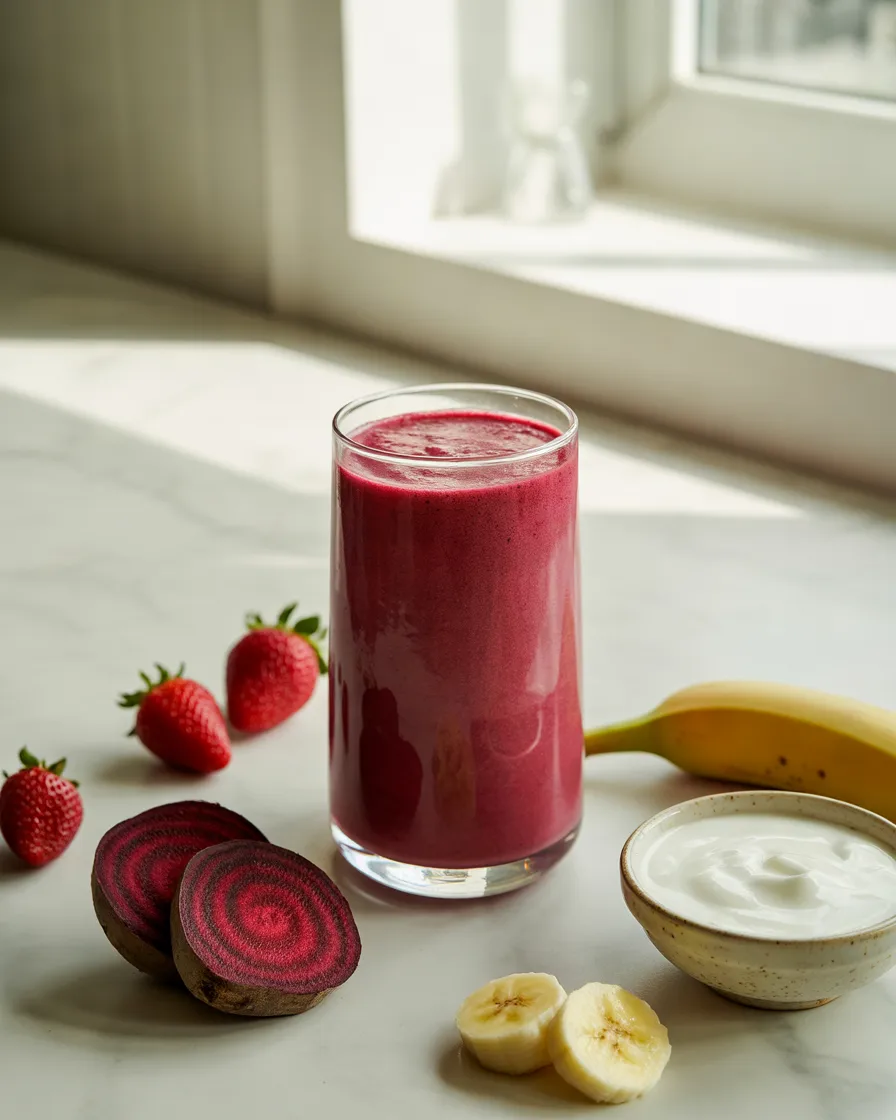
A strawberry beetroot smoothie is a creative way to combine fruit and vegetables in one colorful drink. Strawberries provide a familiar sweet flavor, while beetroot adds an earthy taste and a naturally vibrant pink-red color.
If you have never tried beetroot in a smoothie, this is a good combination to start with.
Ingredients:
- ½ cup fresh or frozen strawberries
- ¼ cup cooked and cooled beetroot
- ½ ripe banana
- ½ cup plain yogurt
- ½ cup unsweetened milk
- 1 teaspoon lemon juice
Preparation: Add the strawberries, beetroot, banana, yogurt, milk, and lemon juice to a blender. Blend until completely smooth.
Benefits: Beetroot contains naturally occurring nitrates and folate. Strawberries provide vitamin C and fiber, while banana contributes potassium and carbohydrates.
Practical tips: Use cooked beetroot rather than raw beetroot if you prefer a milder flavor. Start with a small amount and increase it gradually according to your taste.
How to use it: Serve it as a breakfast drink or a colorful afternoon snack. It can also be prepared in smaller portions for a family smoothie tasting session.
Who it may suit: People looking for creative vegetable smoothie recipes and anyone who wants to experiment with new fruit-and-vegetable combinations.
Important considerations: Beetroot can temporarily change urine or stool color to pink or reddish tones. This is generally harmless, but unexplained discoloration should not automatically be attributed to food.
10. Coffee Banana Smoothie for a Breakfast Energy Boost
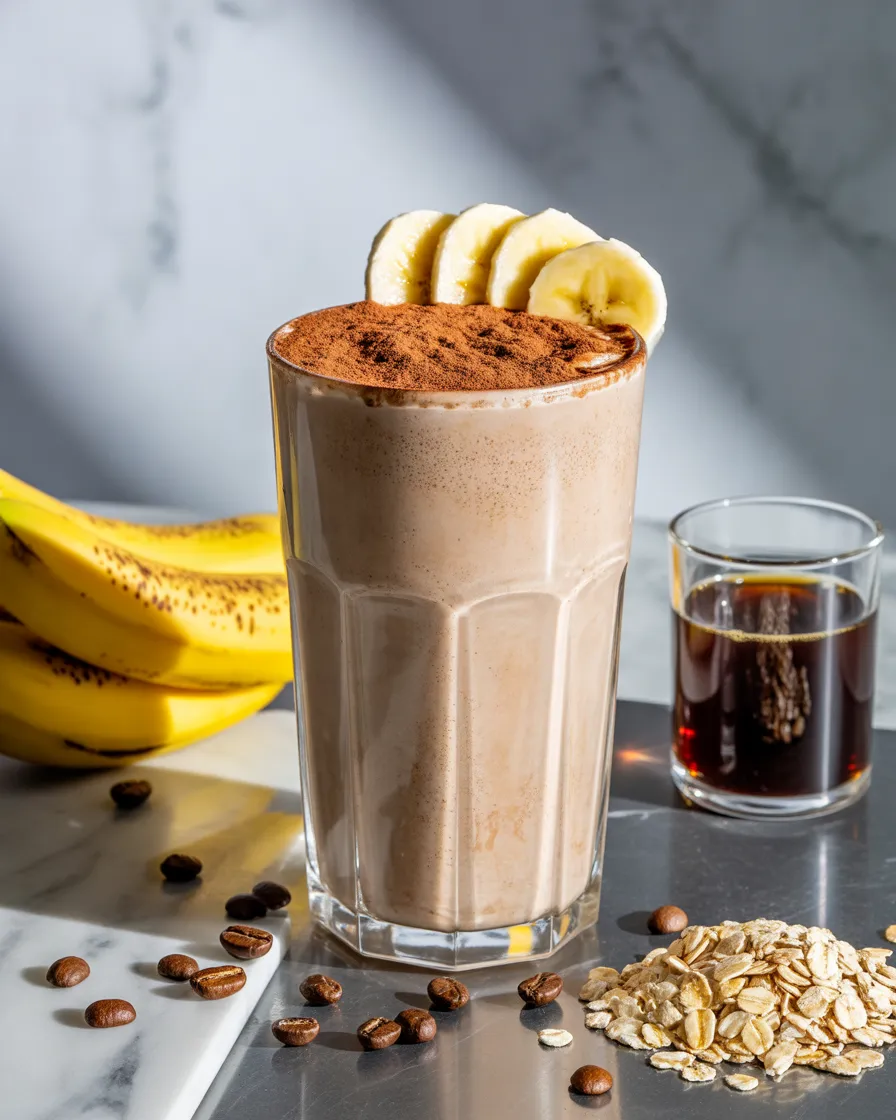
For people who enjoy coffee in the morning, this coffee banana smoothie offers a different way to combine breakfast ingredients with their favorite beverage.
Banana and yogurt provide a creamy base, while chilled coffee gives the drink a familiar roasted flavor.
Ingredients:
- ½ medium banana
- ½ cup chilled brewed coffee
- ½ cup plain Greek yogurt
- ¼ cup unsweetened milk
- 1 tablespoon rolled oats
- ½ teaspoon unsweetened cocoa powder
- Ice cubes
Preparation: Brew your coffee and allow it to cool completely. Add it to a blender with the remaining ingredients and blend until smooth.
Benefits: Banana contributes carbohydrates and potassium, while Greek yogurt supplies protein. Coffee contains caffeine and naturally occurring antioxidant compounds.
Practical tips: Prepare the coffee in advance and refrigerate it. Use unsweetened coffee and milk to keep added sugars low. Frozen banana pieces create a thicker consistency.
How to use it: Enjoy it in the morning as part of breakfast. If you are sensitive to caffeine, prepare a decaffeinated version.
Who it may suit: Coffee enthusiasts, busy adults, and people who enjoy breakfast smoothies with a slightly bitter chocolate-coffee flavor.
Important considerations: Caffeine affects people differently. Consider your total daily intake, sleep quality, pregnancy-related guidance, and sensitivity to caffeine. This recipe should not replace a complete breakfast when you need more food.
11. Peach and Kefir Smoothie for a Creamy Probiotic-Inspired Drink
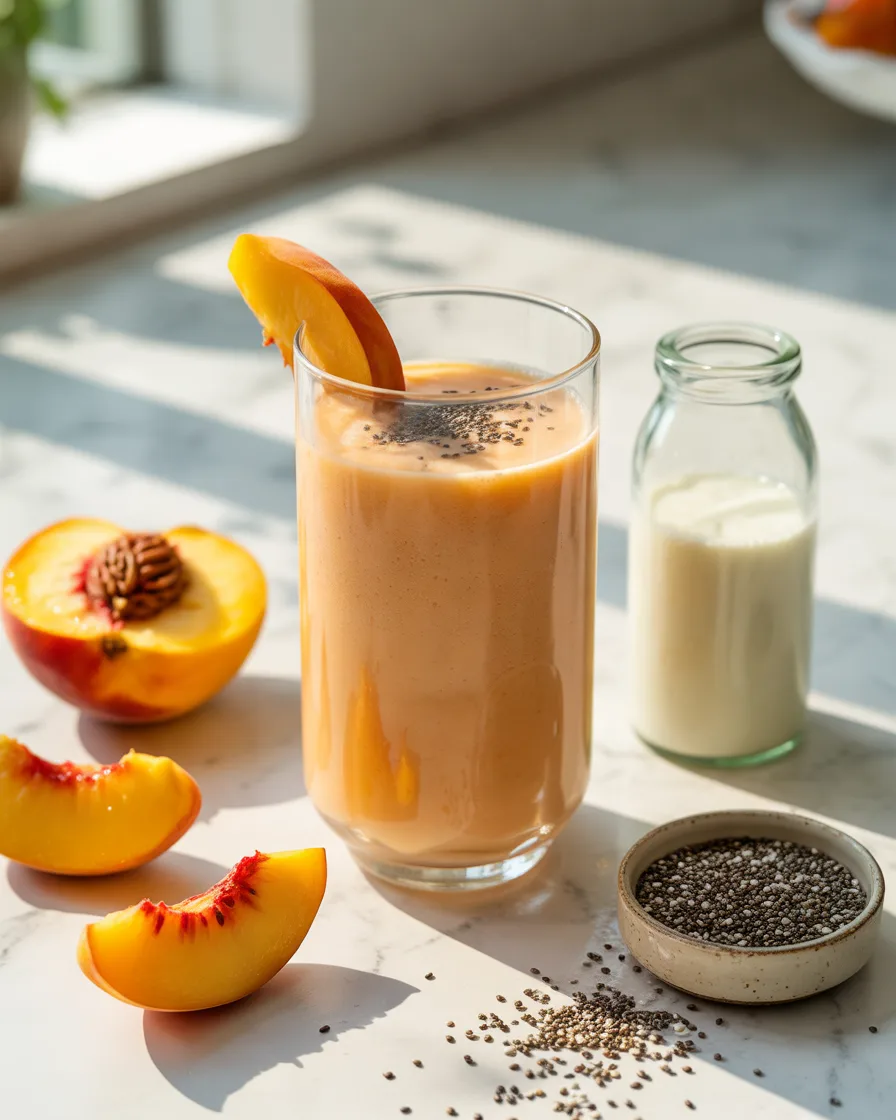
Peaches have a naturally sweet, delicate flavor that works beautifully with kefir. This smoothie is a refreshing option for people who enjoy creamy drinks but want something different from traditional yogurt-based recipes.
Kefir is a fermented milk drink that contains live microorganisms when the product has not been heat-treated after fermentation.
Ingredients:
- 1 ripe peach, sliced
- ¾ cup plain kefir
- ¼ cup unsweetened milk
- ½ banana
- 1 tablespoon chia seeds
- A few ice cubes
Preparation: Wash the peach, remove its pit, and slice it into smaller pieces. Add all ingredients to a blender and blend until smooth. Let the smoothie stand for a minute if you want the chia seeds to thicken it slightly.
Benefits: Peaches provide vitamin C and fiber, while kefir contributes protein and calcium. Some kefir products contain live cultures, although the specific cultures and amounts vary between brands.
Practical tips: Choose plain, unsweetened kefir. Frozen peach slices are an excellent alternative when fresh peaches are unavailable.
How to use it: Enjoy it at breakfast or as an afternoon snack. It also works well as a quick drink alongside a light meal.
Who it may suit: People interested in fermented foods, creamy fruit smoothies, and alternatives to conventional yogurt-based recipes.
Important considerations: Not every fermented dairy product has the same live cultures. Check the label for relevant information. People with dairy allergies should avoid milk-based kefir.
12. Carrot Orange Ginger Smoothie for a Fresh Citrus Flavor
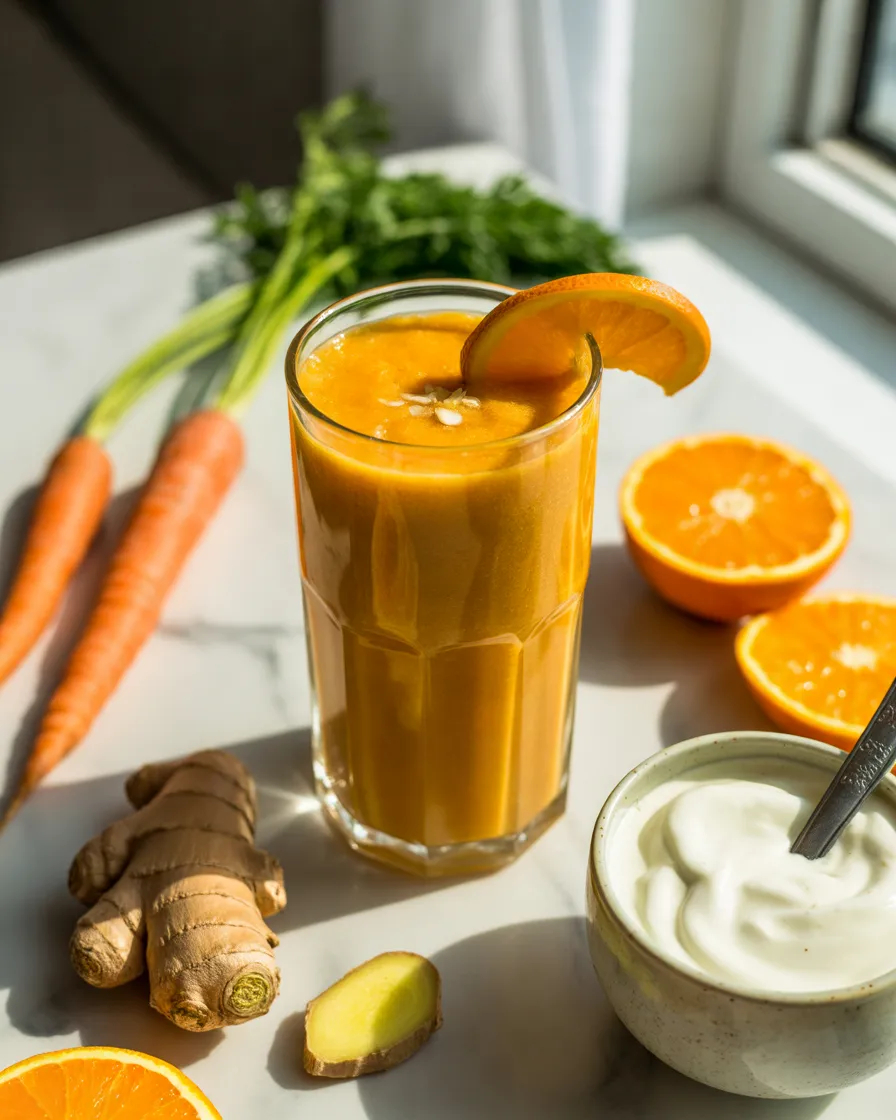
If you prefer bright citrus flavors, a carrot orange ginger smoothie is a refreshing combination worth adding to your recipe collection.
Carrots provide a naturally sweet vegetable base, oranges contribute a tangy flavor, and fresh ginger adds a gentle spicy finish.
Ingredients:
- ½ cup finely chopped cooked and cooled carrots
- 1 medium peeled orange
- ½ banana
- ½ cup plain Greek yogurt
- ¼ cup cold water
- ½ teaspoon freshly grated ginger
- 1 teaspoon lemon juice
Preparation: Add the cooked carrots, orange, banana, yogurt, water, ginger, and lemon juice to a blender. Blend until smooth. Add additional water if you prefer a thinner consistency.
Benefits: Carrots are rich in beta-carotene, which the body uses to make vitamin A. Oranges provide vitamin C, while yogurt contributes protein and calcium.
Practical tips: Steam or boil the carrots until tender before blending. Allow them to cool completely. Start with a small quantity of ginger because its flavor can become quite strong.
How to use it: Enjoy this smoothie with breakfast or as a refreshing snack. It also makes a colorful addition to a homemade brunch.
Who it may suit: People who enjoy citrus drinks, vegetable-based smoothies, and naturally sweet combinations with a little spice.
Important considerations: Ginger may cause digestive discomfort in some people, especially in larger quantities. People taking medication or managing a health condition should ask a healthcare professional about significant dietary changes when appropriate.
Expert Tips for Making Healthier Smoothies at Home
Creating a nutritious smoothie is about more than combining several fruits in a blender. The right ingredient balance can help make your drink more satisfying and suitable for your daily eating habits.
Here are some practical tips to get better results from your homemade smoothies.
1. Include a source of protein
Protein can make a smoothie more satisfying. Consider plain Greek yogurt, unsweetened soy milk, kefir, or an appropriate protein powder. Choose an option that matches your dietary needs.
2. Use whole fruits instead of fruit juice
Whole fruits retain their fiber, which is often reduced when fruit is juiced. Using whole strawberries, bananas, oranges, and mangoes also makes it easier to control the sweetness of your drink.
3. Add vegetables gradually
Spinach, cucumber, carrots, and cooked beetroot can add variety and nutrients. If you are new to green smoothies, begin with a small amount of vegetables and increase it as you become comfortable with the flavor.
4. Choose unsweetened liquids
Unsweetened almond milk, soy milk, dairy milk, and plain water are useful smoothie bases. Many flavored milk alternatives contain added sugars, so check nutrition labels before purchasing.
5. Add healthy fats in moderate portions
Avocado, chia seeds, flaxseed, and nut butter can improve texture and contribute unsaturated fats. However, these ingredients also add calories, so a small serving is generally enough.
6. Pay attention to portion sizes
A large smoothie containing several bananas, multiple servings of fruit, nut butter, sweetened yogurt, and honey can become a substantial meal. Start with a single-serving recipe and adjust according to your appetite and nutritional needs.
7. Keep some fiber in your smoothie
Avoid straining your smoothie unless you have a specific dietary reason to do so. Keeping the blended fruit and vegetable pulp helps retain fiber.
8. Prepare ingredients ahead of time
Wash and portion fruits and vegetables into freezer-safe containers. You can prepare smoothie packs with measured ingredients, making morning preparation much faster.
9. Balance your smoothie according to your goals
A breakfast smoothie may benefit from protein, fiber, and enough energy to keep you satisfied. A smaller afternoon snack may need fewer ingredients. Think about what the smoothie is replacing or accompanying rather than adding it automatically to an already complete meal.
10. Follow proper food safety practices
Wash fresh produce, use clean equipment, and refrigerate prepared smoothies promptly. Ideally, drink them soon after blending. If preparing them in advance, keep them refrigerated at 40°F (4°C) or below and consume them within a short period, generally within 24 hours. Discard smoothies left at room temperature for more than two hours, or one hour when temperatures exceed 90°F (32°C).
Frequently Asked Questions About Healthy Smoothie Recipes
1. What is the healthiest smoothie to drink every day?
There is no single healthiest smoothie for everyone. A balanced combination of berries, Greek yogurt, spinach, and chia seeds can provide protein, fiber, vitamins, and minerals. However, the best choice depends on your dietary requirements, portion size, and overall eating habits.
2. Are homemade smoothies good for breakfast?
Yes, homemade smoothies can be a convenient breakfast option. For a more balanced meal, include a source of protein, whole fruit, and fiber-rich ingredients such as oats or chia seeds. You can also pair your smoothie with eggs or whole-grain toast if you need a larger breakfast.
3. What ingredients should I put in a healthy smoothie?
Useful smoothie ingredients include strawberries, blueberries, bananas, spinach, cucumber, Greek yogurt, unsweetened milk, chia seeds, flaxseed, oats, and nut butter. Choose a combination that provides a balance of carbohydrates, protein, fiber, and fats.
4. Can I drink a smoothie every day?
Many people can include a homemade smoothie in their daily eating routine. However, variety is important. Rotate your fruits, vegetables, protein sources, and other ingredients instead of relying on exactly the same combination every day.
5. Are smoothies better with milk or water?
Both options can work. Milk provides protein and calcium, while unsweetened soy milk can provide similar nutrients depending on the product. Water keeps the recipe lighter and allows the fruit flavors to stand out. Your choice should depend on your nutritional needs and taste preferences.
6. How can I make my smoothie more filling?
Add ingredients such as plain Greek yogurt, oats, chia seeds, flaxseed, or nut butter. Protein, fiber, and unsaturated fats can contribute to a more satisfying drink. Avoid adding excessive amounts of fruit or sweeteners simply to make it thicker.
7. Are frozen fruits healthy for smoothies?
Yes. Frozen fruits can be a nutritious and convenient choice. They are often frozen soon after harvesting and provide a thick, chilled consistency. Choose plain frozen fruit without added sugar or syrup.
8. Can I prepare healthy smoothies the night before?
Yes, you can prepare a smoothie the night before. Store it in a clean, sealed container in the refrigerator at 40°F (4°C) or below. Shake or stir it before drinking because some ingredients may separate during storage. For the best texture and flavor, consume it within 24 hours.
9. What are the best high-protein smoothie ingredients?
Greek yogurt, cottage cheese, milk, unsweetened soy milk, kefir, and suitable protein powders are useful protein sources. Combining one of these with fruit, oats, or seeds can create a more balanced smoothie.
10. Can smoothies help with weight management?
Smoothies can fit into a balanced eating plan, but they do not automatically cause weight loss. Portion sizes, total energy intake, ingredients, and overall lifestyle habits matter. A smoothie made with whole fruit, protein, and fiber may be more satisfying than a large sweetened beverage.
11. Are green smoothies healthier than fruit smoothies?
Not necessarily. Both can provide valuable nutrients. Green smoothies offer an easy way to include leafy vegetables, while fruit smoothies can provide vitamin C, fiber, and other nutrients. A combination of fruits and vegetables is a practical way to enjoy variety.
12. What should I avoid adding to a healthy smoothie?
You do not need to avoid every sweet ingredient, but it is worth limiting excessive amounts of honey, flavored syrups, sweetened yogurt, fruit juice, and sweetened milk alternatives. These can increase added sugar or overall calories without necessarily making the smoothie more nutritious.
Conclusion
Healthy smoothie recipes can make everyday eating easier, more convenient, and enjoyable. Whether you prefer a berry Greek yogurt smoothie, a refreshing green blend, a filling banana oat drink, or a tropical pineapple mango combination, there are plenty of ways to experiment with nutritious ingredients.
The most important thing is to focus on balance. Include whole fruits, vegetables, a suitable protein source, and moderate portions of ingredients such as nuts and seeds. Choose unsweetened liquids when possible, and adjust each recipe to match your personal preferences and nutritional requirements.
Start with one or two recipes from this list, experiment with different ingredient combinations, and discover which homemade smoothies fit naturally into your routine. A little preparation can make it much easier to enjoy delicious, nourishing drinks throughout the week.
Health note: This article provides general nutrition information, not individualized medical advice. People managing diabetes, kidney disease, food allergies, or medication-related dietary restrictions should consult an appropriately qualified healthcare professional or registered dietitian about suitable ingredients and portions.