Fall is the perfect season to enjoy warm, comforting meals made with fresh seasonal ingredients. As the weather gets cooler, many of us naturally start craving hearty soups, roasted vegetables, baked apples, pumpkin dishes, and satisfying one-pot meals. The good news is that comfort food does not have to be loaded with excess sugar, salt, or unhealthy fats.
With a few simple ingredient swaps and a little creativity, you can prepare delicious meals that are both nutritious and satisfying. Whether you are looking for healthy fall dinner recipes, easy autumn breakfasts, cozy soups, or wholesome seasonal snacks, there are plenty of ways to make the most of fall produce.
The best healthy fall recipes combine seasonal ingredients such as pumpkin, butternut squash, sweet potatoes, apples, pears, Brussels sprouts, and cranberries. These foods offer a variety of nutrients, including fiber, vitamins, minerals, and beneficial plant compounds.
In this collection, you will discover 12 healthy fall recipes that are practical, flavorful, and easy to prepare at home. From creamy pumpkin oatmeal to hearty turkey chili and roasted vegetable bowls, these recipes offer something for different tastes, dietary preferences, and meal occasions.
Whether you are cooking for yourself, preparing family dinners, or planning healthy meals for the week, these autumn-inspired ideas can help you enjoy the season while making balanced food choices.
1. Creamy Pumpkin Oatmeal for a Warm and Nutritious Fall Breakfast
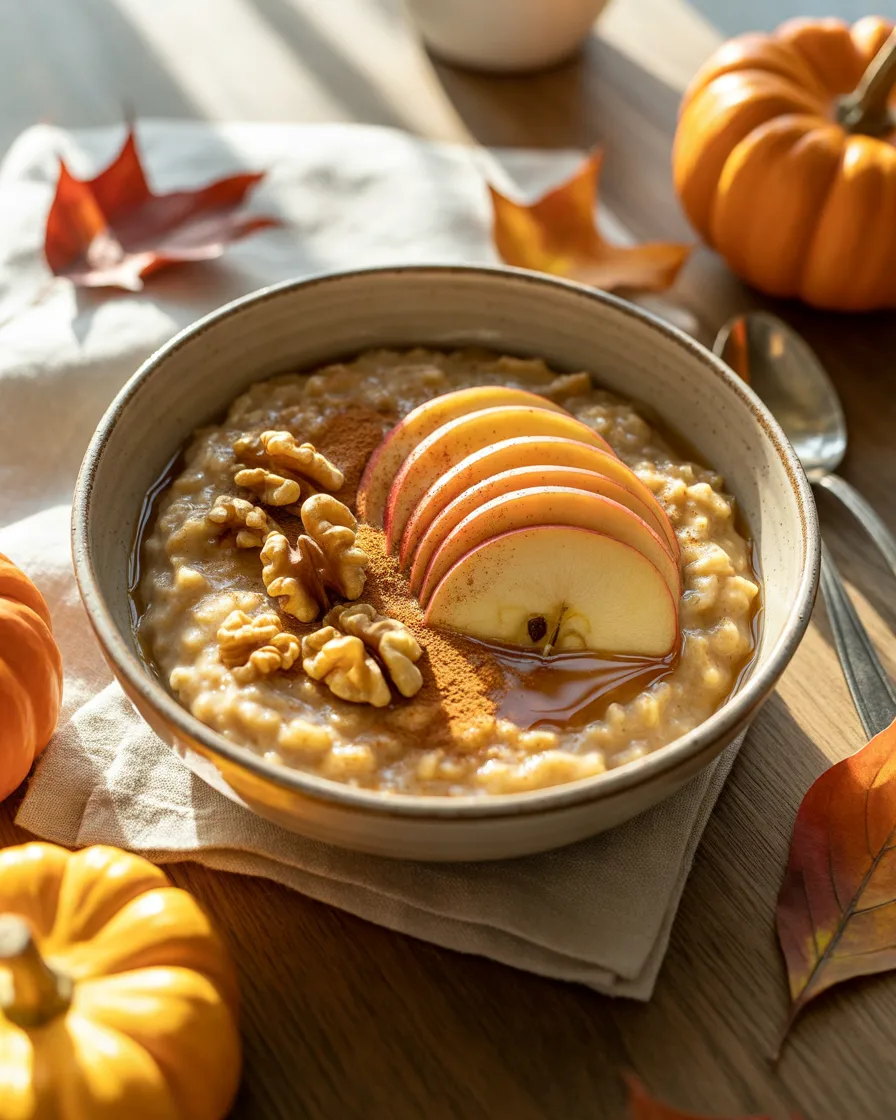
Pumpkin oatmeal is one of the easiest healthy fall breakfast recipes to prepare when you want something warm, filling, and naturally sweet. It combines rolled oats with pumpkin puree, cinnamon, nutmeg, and milk to create a creamy breakfast that tastes like pumpkin pie without requiring excessive added sugar.
Pumpkin contributes beta-carotene, which the body can convert into vitamin A. Oats provide soluble fiber, including beta-glucan, which supports normal cholesterol levels as part of a balanced diet.
Ingredients:
- ½ cup rolled oats
- ½ cup pumpkin puree
- 1 cup milk or unsweetened plant-based milk
- ½ teaspoon cinnamon
- A pinch of nutmeg
- 1 teaspoon maple syrup (optional)
- 1 tablespoon chopped walnuts
- ½ teaspoon vanilla extract
How to Prepare:
- Add oats, pumpkin puree, and milk to a small saucepan.
- Stir in cinnamon, nutmeg, and vanilla extract.
- Cook over medium-low heat for approximately 5–7 minutes, stirring occasionally.
- Add a little extra milk if you prefer a thinner consistency.
- Transfer to a bowl and finish with chopped walnuts and maple syrup.
Benefits: This breakfast provides fiber, some protein, and a source of vitamin A precursors. The combination of oats and pumpkin creates a satisfying meal that can help keep you full throughout the morning.
Practical Tips: Use plain pumpkin puree rather than pumpkin pie filling, which often contains added sugar. Add chia seeds or Greek yogurt for additional protein.
How to Enjoy It: Serve warm with sliced apples, banana, or extra nuts. You can also prepare overnight pumpkin oats by mixing the ingredients and refrigerating them overnight.
Who It May Suit: Busy professionals, students, families, and anyone looking for an easy autumn breakfast.
Important Considerations: If you have a gluten intolerance or celiac disease, choose certified gluten-free oats.
2. Roasted Butternut Squash Soup for a Cozy and Healthy Fall Lunch
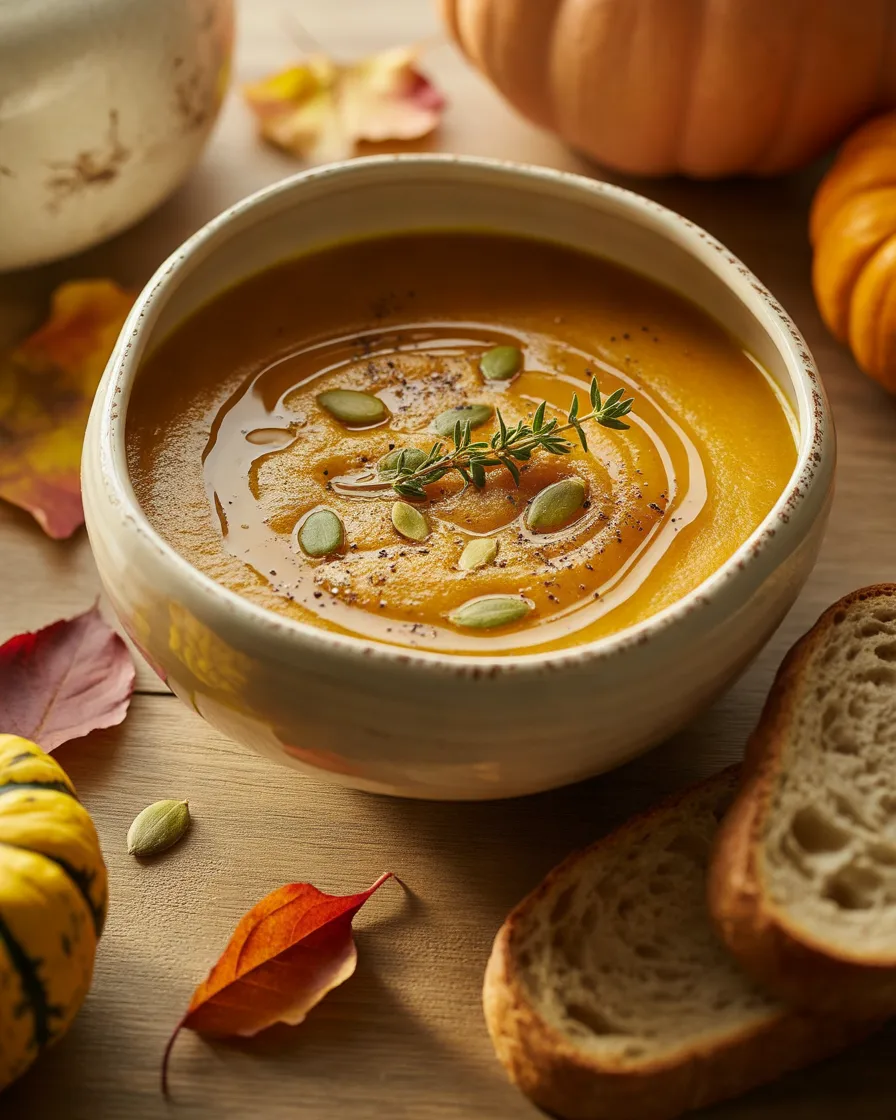
When temperatures drop, a warm bowl of homemade soup can make lunchtime especially comforting. Butternut squash soup is a classic autumn favorite because it has a naturally sweet, smooth texture and requires only a handful of everyday ingredients.
Butternut squash contains vitamin A precursors, vitamin C, potassium, and fiber. Blending it with onions, garlic, vegetable broth, and warming spices creates a flavorful soup without needing heavy cream.
Ingredients:
- 3 cups peeled and cubed butternut squash
- 1 small onion, chopped
- 2 garlic cloves
- 2 cups low-sodium vegetable broth
- 1 tablespoon olive oil
- ½ teaspoon ground ginger
- ½ teaspoon cinnamon
- Black pepper to taste
- 2 tablespoons plain Greek yogurt (optional)
How to Prepare:
- Preheat your oven to 400°F (200°C).
- Arrange the squash on a baking tray with olive oil and roast for 25–30 minutes until tender.
- In a saucepan, sauté the onion and garlic until softened.
- Add roasted squash, vegetable broth, ginger, cinnamon, and black pepper.
- Simmer for approximately 10 minutes.
- Blend until smooth using an immersion blender or countertop blender.
- Serve warm with a spoonful of Greek yogurt if desired.
Benefits: This soup provides vegetables, fiber, and several important micronutrients. Its smooth texture makes it a comforting way to include more seasonal produce in your meals.
Practical Tips: Roast the squash instead of boiling it to develop a deeper flavor. Prepare a double batch and freeze individual portions for busy days.
How to Enjoy It: Serve with whole-grain toast, a grilled chicken sandwich, or a side salad for a more complete meal.
Who It May Suit: Vegetarians, families, people who enjoy lighter lunches, and anyone looking for healthy soup recipes for fall.
Important Considerations: Check the sodium content of packaged broth. If you want a vegan version, skip the yogurt or use an unsweetened plant-based alternative.
3. Apple Cinnamon Baked Oatmeal for a Naturally Sweet Autumn Breakfast
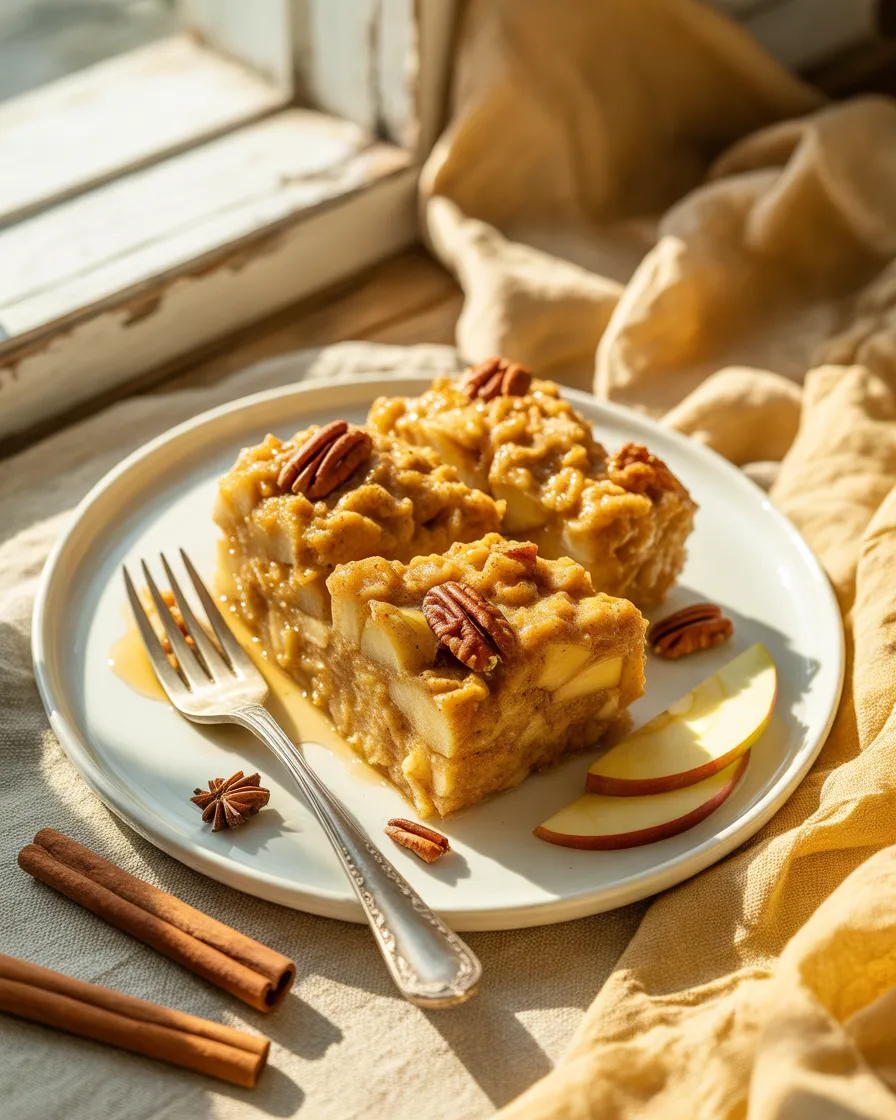
Apples and cinnamon are a classic fall combination. Instead of reaching for sugary pastries or packaged breakfast bars, try making apple cinnamon baked oatmeal at home.
This recipe combines rolled oats, fresh apples, eggs, milk, and cinnamon to create a soft, cake-like breakfast. It is easy to prepare ahead of time and can be divided into individual portions for the week.
Apples provide dietary fiber, while oats contribute complex carbohydrates and soluble fiber. Eggs add protein, making this a more balanced breakfast option.
Ingredients:
- 2 cups rolled oats
- 2 medium apples, diced
- 2 eggs
- 1½ cups milk
- 1 teaspoon cinnamon
- 1 teaspoon baking powder
- 1 teaspoon vanilla extract
- 1 tablespoon maple syrup
- 2 tablespoons chopped pecans
How to Prepare:
- Preheat the oven to 350°F (175°C).
- Lightly grease a baking dish.
- Combine oats, cinnamon, and baking powder in a mixing bowl.
- Whisk eggs, milk, vanilla, and maple syrup separately.
- Add the wet ingredients to the oats and fold in the diced apples.
- Transfer the mixture to the baking dish.
- Sprinkle pecans over the top.
- Bake for 30–35 minutes until the center is set.
Benefits: This recipe offers fiber, protein, and satisfying carbohydrates. It is also a convenient alternative to breakfasts that rely heavily on refined flour and added sugar.
Practical Tips: Choose naturally sweet apple varieties such as Gala or Fuji if you prefer a sweeter result. Add raisins or chopped dates for extra sweetness.
How to Enjoy It: Serve warm with plain Greek yogurt or a little milk. Refrigerate leftovers in airtight containers for up to four days.
Who It May Suit: Families, meal-prep enthusiasts, students, and people who enjoy make-ahead breakfast recipes.
Important Considerations: For a gluten-free version, use certified gluten-free oats. Anyone with a nut allergy should leave out the pecans.
4. Healthy Turkey and Sweet Potato Chili for a Protein-Rich Fall Dinner
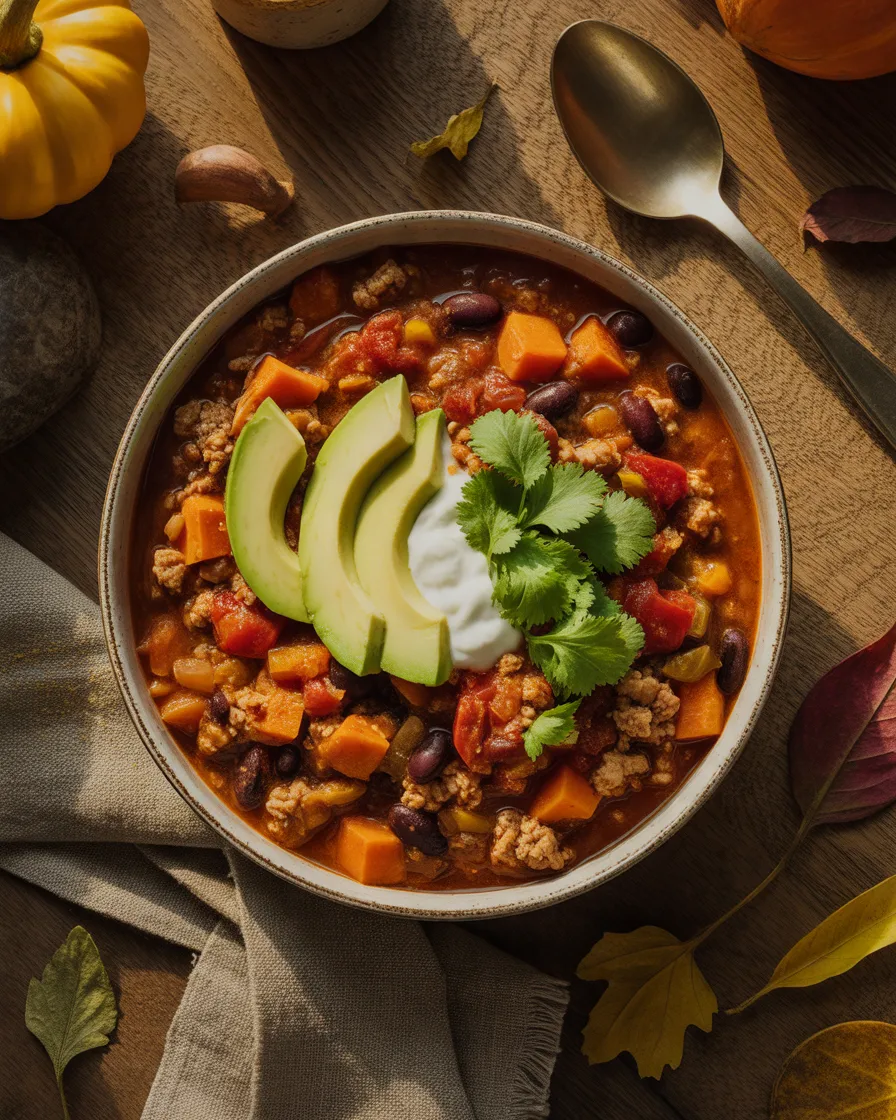
A bowl of hearty chili is ideal for chilly autumn evenings. This healthy turkey and sweet potato chili offers a satisfying combination of lean protein, vegetables, beans, and warming spices.
Ground turkey provides protein, while sweet potatoes contribute fiber and beta-carotene. Beans add additional plant-based protein and fiber, making this a filling one-pot meal.
Ingredients:
- 1 pound lean ground turkey
- 1 medium sweet potato, peeled and diced
- 1 can (15 ounces) black beans, drained and rinsed
- 1 can (14 ounces) diced tomatoes
- 1 small onion, chopped
- 1 bell pepper, diced
- 2 cups low-sodium chicken broth
- 1 tablespoon olive oil
- 1 teaspoon cumin
- 1 teaspoon paprika
- ½ teaspoon chili powder
- Black pepper to taste
How to Prepare:
- Heat olive oil in a large pot over medium heat.
- Add onion and bell pepper and cook until softened.
- Add ground turkey and cook until browned and fully cooked.
- Stir in sweet potato, tomatoes, beans, broth, and seasonings.
- Bring the mixture to a gentle boil.
- Reduce the heat, cover, and simmer for 25–30 minutes until the sweet potato is tender.
- Taste and adjust the seasoning before serving.
Benefits: This meal provides protein, fiber, and several vitamins and minerals. Combining turkey, beans, and sweet potatoes creates a satisfying dinner with a good balance of food groups.
Practical Tips: Prepare a large batch because chili generally reheats well. Add spinach during the final few minutes if you want additional vegetables.
How to Enjoy It: Serve with plain Greek yogurt, chopped cilantro, avocado, or a small portion of brown rice.
Who It May Suit: Families, active adults, people interested in high-protein fall dinners, and anyone who enjoys easy meal-prep recipes.
Important Considerations: Choose lean ground turkey and check the sodium content of canned beans, tomatoes, and broth. Rinse canned beans to reduce some of their sodium.
5. Roasted Fall Vegetable and Quinoa Bowl for a Balanced Vegetarian Meal
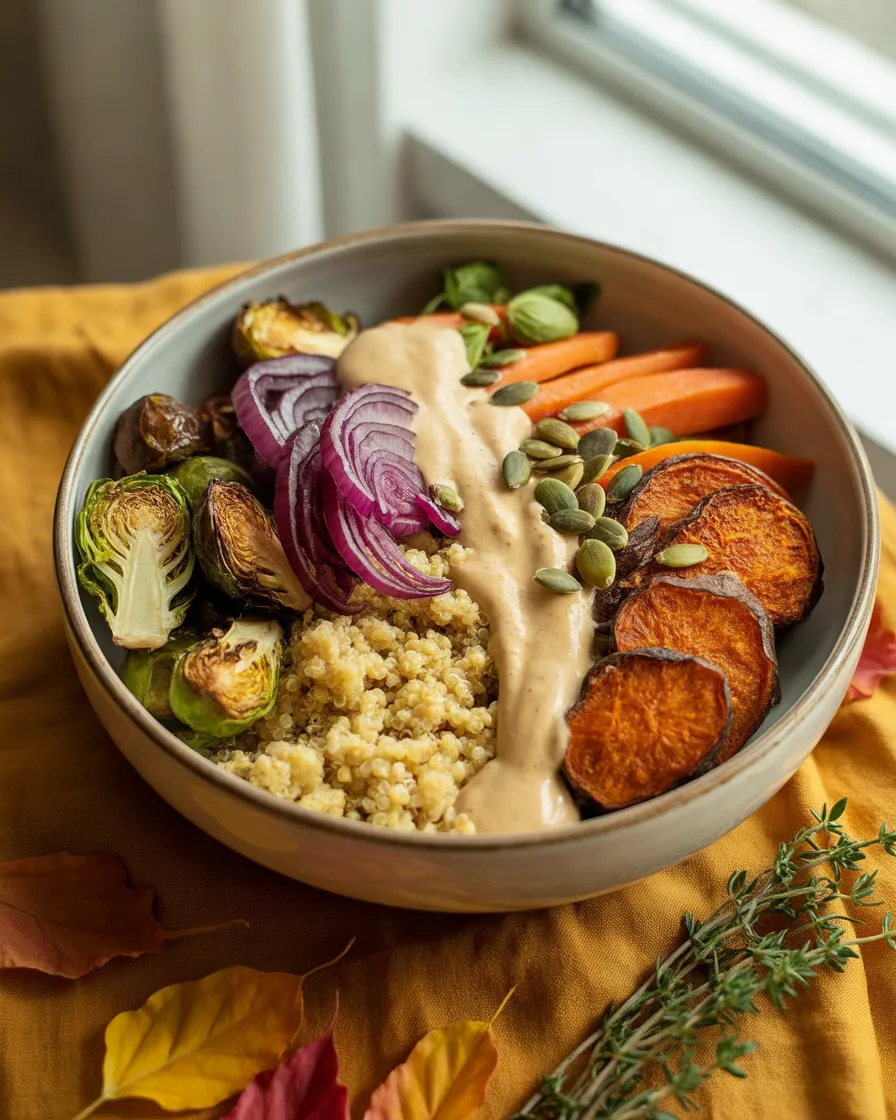
If you want a colorful meal that is easy to customize, a roasted vegetable and quinoa bowl is an excellent choice. It combines seasonal vegetables with a protein-containing whole grain to create a satisfying lunch or dinner.
You can use vegetables such as Brussels sprouts, carrots, sweet potatoes, and red onions. Roasting brings out their natural sweetness and creates delicious caramelized edges.
Quinoa provides plant-based protein and fiber, while the vegetables contribute a range of vitamins, minerals, and plant compounds.
Ingredients:
- 1 cup cooked quinoa
- 1 cup cubed sweet potato
- 1 cup Brussels sprouts, halved
- 1 carrot, sliced
- ½ red onion, sliced
- 1 tablespoon olive oil
- ½ teaspoon paprika
- Black pepper to taste
- 2 tablespoons pumpkin seeds
For the dressing:
- 2 tablespoons tahini
- 1 tablespoon lemon juice
- 1–2 tablespoons water
- ½ teaspoon garlic powder
How to Prepare:
- Preheat the oven to 400°F (200°C).
- Arrange sweet potato, Brussels sprouts, carrots, and onion on a baking sheet.
- Toss with olive oil, paprika, and black pepper.
- Roast for 25–30 minutes, turning halfway through.
- Prepare quinoa according to package instructions.
- Mix tahini, lemon juice, water, and garlic powder to make the dressing.
- Place quinoa in bowls, add roasted vegetables, and finish with pumpkin seeds and dressing.
Benefits: This bowl combines fiber-rich vegetables, whole-grain carbohydrates, plant protein, and healthy unsaturated fats from olive oil and tahini.
Practical Tips: Roast extra vegetables and refrigerate them for future meals. Add chickpeas, tofu, or grilled chicken if you need more protein.
How to Enjoy It: Serve as a warm lunch, a meat-free dinner, or a meal-prep option for workdays.
Who It May Suit: Vegetarians, people looking for plant-forward meals, and anyone interested in balanced autumn lunch ideas.
Important Considerations: Quinoa is naturally gluten-free, but check packaged ingredients for cross-contact if you have celiac disease. Tahini contains sesame, a common food allergen.
6. Garlic Salmon and Roasted Sweet Potatoes for an Easy Sheet-Pan Dinner
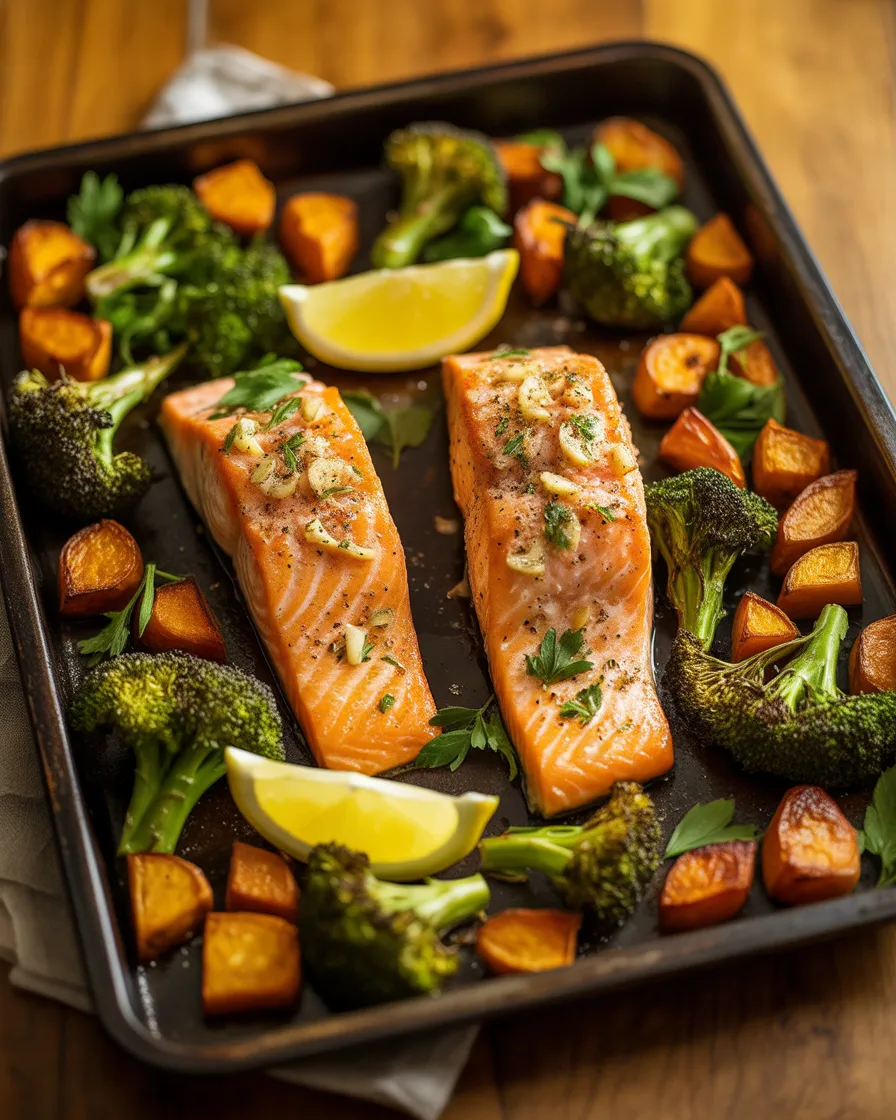
Sheet-pan dinners are particularly useful during fall because they make cooking and cleaning up easier. Garlic salmon with roasted sweet potatoes is a flavorful combination that requires minimal preparation and offers several important nutrients.
Salmon provides high-quality protein and omega-3 fatty acids, particularly EPA and DHA. Sweet potatoes add fiber and beta-carotene, while broccoli provides vitamin C and other nutrients.
Ingredients:
- 2 salmon fillets (approximately 4–6 ounces each)
- 1 large sweet potato, cubed
- 2 cups broccoli florets
- 2 garlic cloves, minced
- 1 tablespoon olive oil
- 1 tablespoon lemon juice
- ½ teaspoon paprika
- Black pepper to taste
- Fresh parsley for garnish
How to Prepare:
- Preheat the oven to 400°F (200°C).
- Place sweet potato cubes on a baking tray and toss with half the olive oil.
- Roast for approximately 15 minutes.
- Add broccoli and arrange salmon fillets on the same tray.
- Mix garlic, lemon juice, paprika, remaining olive oil, and black pepper.
- Brush the mixture over the salmon.
- Bake for another 12–15 minutes, depending on the thickness of the fillets.
- Check that the salmon reaches an internal temperature of 145°F (63°C) before serving.
Benefits: Salmon supplies protein and omega-3 fats, while sweet potatoes and broccoli provide fiber and essential micronutrients. This combination makes a balanced dinner without complicated preparation.
Practical Tips: Cut sweet potatoes into similarly sized pieces so they cook evenly. Add a little lemon zest for extra freshness.
How to Enjoy It: Serve directly from the sheet pan or divide into containers for next-day lunches.
Who It May Suit: Busy households, people seeking high-protein dinners, and those who enjoy simple seafood meals.
Important Considerations: Check salmon carefully for bones. People with fish allergies should choose an alternative protein such as chicken or tofu.
7. Creamy Pumpkin and Red Lentil Curry for a Plant-Based Fall Dinner
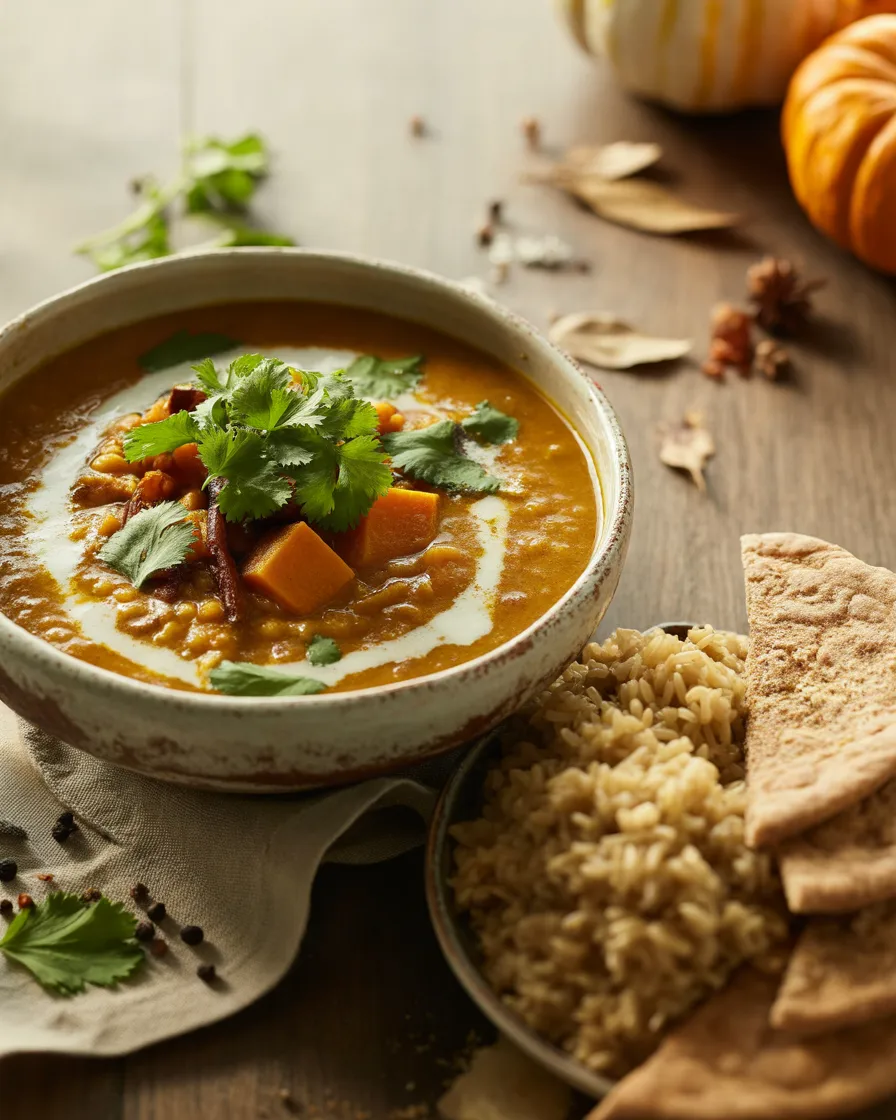
Pumpkin and red lentils make a wonderful combination for a warming autumn curry. The pumpkin adds a naturally creamy texture, while lentils provide plant-based protein, fiber, and minerals.
This recipe uses garlic, ginger, turmeric, cumin, and coconut milk to create a flavorful dish without relying on complicated ingredients.
Ingredients:
- 1 cup red lentils, rinsed
- 1½ cups pumpkin puree or cooked pumpkin
- 1 small onion, chopped
- 2 garlic cloves, minced
- 1 teaspoon grated ginger
- 1 teaspoon turmeric
- ½ teaspoon cumin
- 1 cup light coconut milk
- 2 cups vegetable broth
- 1 tablespoon olive oil
- Fresh cilantro for garnish
How to Prepare:
- Heat olive oil in a large saucepan.
- Add onion, garlic, and ginger and cook until fragrant.
- Stir in turmeric and cumin.
- Add rinsed lentils, pumpkin, coconut milk, and vegetable broth.
- Bring to a gentle boil.
- Reduce heat and simmer for 20–25 minutes, stirring occasionally.
- Continue cooking until the lentils become soft and the curry thickens.
- Garnish with fresh cilantro.
Benefits: Red lentils provide plant protein, iron, and fiber. Pumpkin contributes beta-carotene, while the combination creates a satisfying meal with a variety of nutrients.
Practical Tips: Add spinach during the final five minutes for additional vegetables. Use light coconut milk to reduce the saturated fat compared with full-fat coconut milk.
How to Enjoy It: Serve with brown rice, whole-wheat flatbread, or quinoa. It also works well as a make-ahead lunch.
Who It May Suit: Vegetarians, vegans when made with suitable ingredients, and anyone looking for healthy pumpkin recipes beyond traditional desserts.
Important Considerations: Lentils contain fermentable carbohydrates that may cause digestive discomfort for some people. Start with a suitable portion if you are sensitive to legumes.
8. Stuffed Acorn Squash with Quinoa, Cranberries, and Walnuts
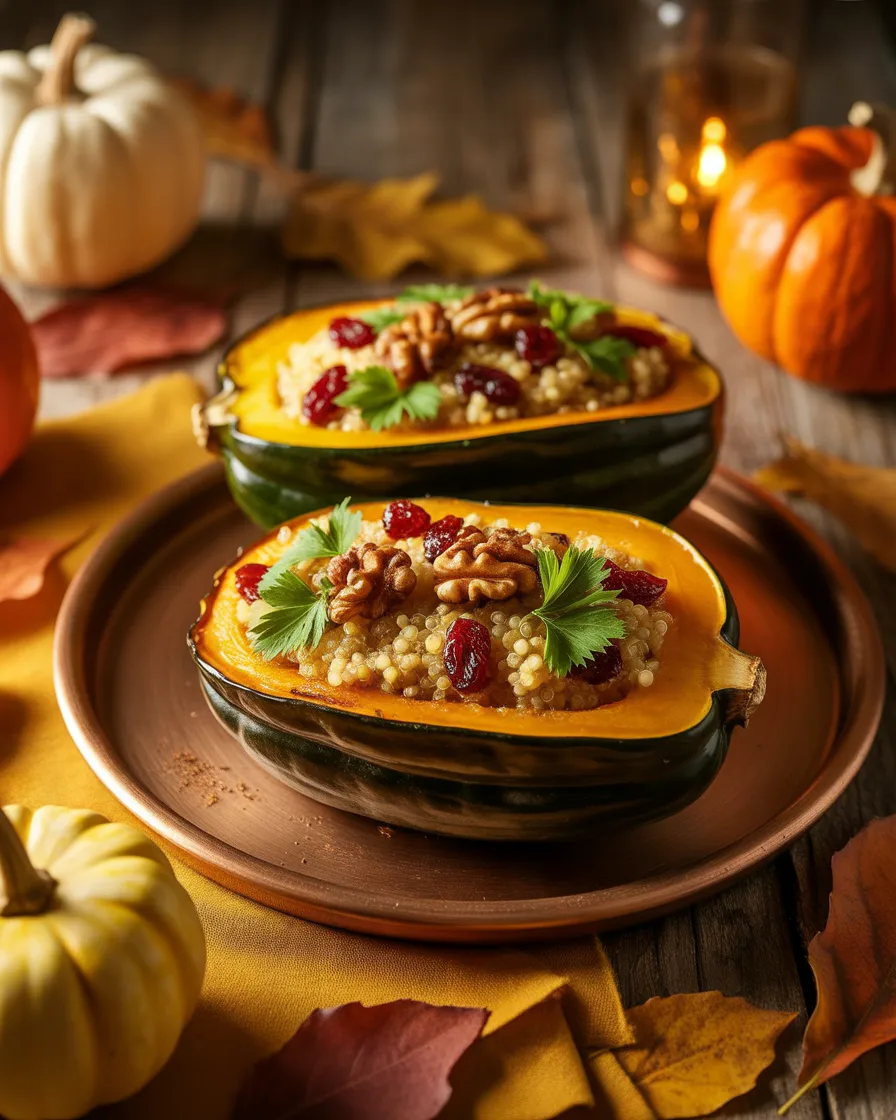
Acorn squash is one of the most attractive seasonal vegetables to include in healthy fall recipes. Its naturally sweet flavor makes it perfect for stuffing with grains, nuts, dried fruit, and vegetables.
This recipe transforms simple ingredients into an attractive main dish that works particularly well for family dinners or autumn gatherings.
Ingredients:
- 2 small acorn squash, halved and seeds removed
- 1 cup cooked quinoa
- ¼ cup dried cranberries
- ¼ cup chopped walnuts
- ½ small onion, diced
- 1 tablespoon olive oil
- ½ teaspoon cinnamon
- ½ teaspoon dried thyme
- Black pepper to taste
- 2 tablespoons chopped parsley
How to Prepare:
- Preheat the oven to 400°F (200°C).
- Place squash halves cut-side up on a baking tray.
- Brush lightly with olive oil and season with black pepper.
- Roast for 30–40 minutes until tender.
- Meanwhile, sauté the onion in a small pan.
- Combine cooked quinoa, cranberries, walnuts, onion, cinnamon, and thyme.
- Fill each roasted squash half with the quinoa mixture.
- Return to the oven for another 8–10 minutes.
- Finish with fresh parsley before serving.
Benefits: Acorn squash provides fiber and vitamin A precursors. Quinoa contributes plant protein, while walnuts offer unsaturated fats. Cranberries add flavor and a small amount of fiber.
Practical Tips: Prepare the quinoa filling a day ahead to save time. For additional protein, mix in cooked lentils or chickpeas.
How to Enjoy It: Serve one stuffed half as a vegetarian main course or use smaller portions as a side dish.
Who It May Suit: Vegetarians, people planning autumn dinner parties, and families looking for visually appealing seasonal meals.
Important Considerations: Dried cranberries can contain considerable added sugar, so check the ingredient label. Walnuts are unsuitable for people with tree nut allergies.
9. Pear and Walnut Autumn Salad with Spinach and Balsamic Dressing
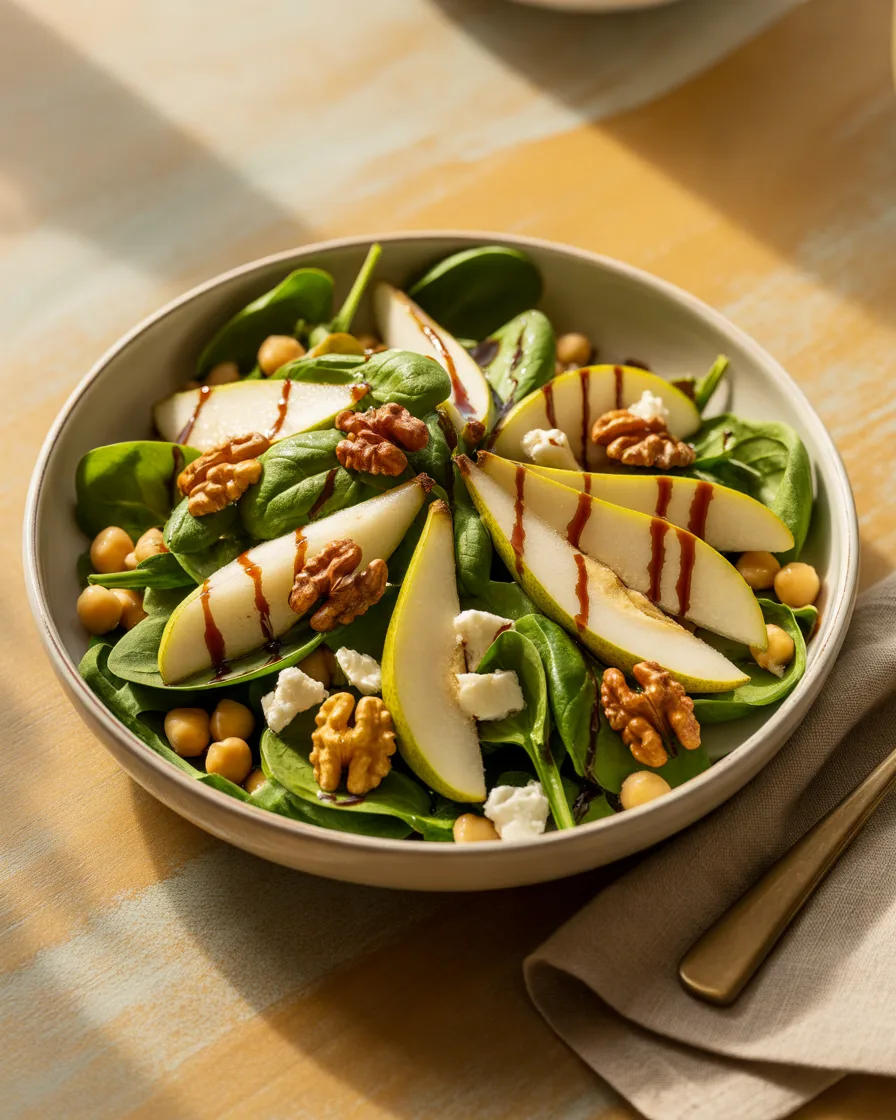
Not every fall meal needs to be warm or heavy. A fresh pear and walnut salad offers a refreshing way to enjoy seasonal ingredients while adding color and texture to your plate.
Sweet pears pair beautifully with baby spinach, crunchy walnuts, and a simple balsamic dressing. Adding grilled chicken or chickpeas can turn this side salad into a more complete meal.
Spinach provides folate and vitamin K, pears contribute dietary fiber, and walnuts provide unsaturated fats.
Ingredients:
- 3 cups fresh baby spinach
- 1 ripe pear, thinly sliced
- ¼ cup chopped walnuts
- ¼ cup crumbled feta cheese
- ½ cup cooked chickpeas (optional)
- 1 tablespoon balsamic vinegar
- 1 tablespoon olive oil
- ½ teaspoon Dijon mustard
- Black pepper to taste
How to Prepare:
- Wash and thoroughly dry the spinach.
- Arrange spinach on a large serving plate.
- Add sliced pears, walnuts, feta, and chickpeas.
- In a small bowl, whisk balsamic vinegar, olive oil, mustard, and black pepper.
- Drizzle the dressing over the salad immediately before serving.
- Toss gently to combine.
Benefits: This salad provides a combination of fiber, vitamins, minerals, and unsaturated fats. Chickpeas and feta add protein, making it more satisfying than a simple leafy salad.
Practical Tips: Choose firm but ripe pears for better texture. Toast the walnuts lightly to bring out their natural flavor.
How to Enjoy It: Serve as a light lunch, a side dish with roasted chicken, or an addition to an autumn dinner menu.
Who It May Suit: People who prefer lighter meals, vegetarians, and anyone looking for fresh seasonal salad ideas.
Important Considerations: Feta contains dairy, while walnuts are a tree nut allergen. For a dairy-free version, omit feta or use an appropriate alternative.
10. One-Pan Chicken and Apple Skillet for a Quick Autumn Dinner
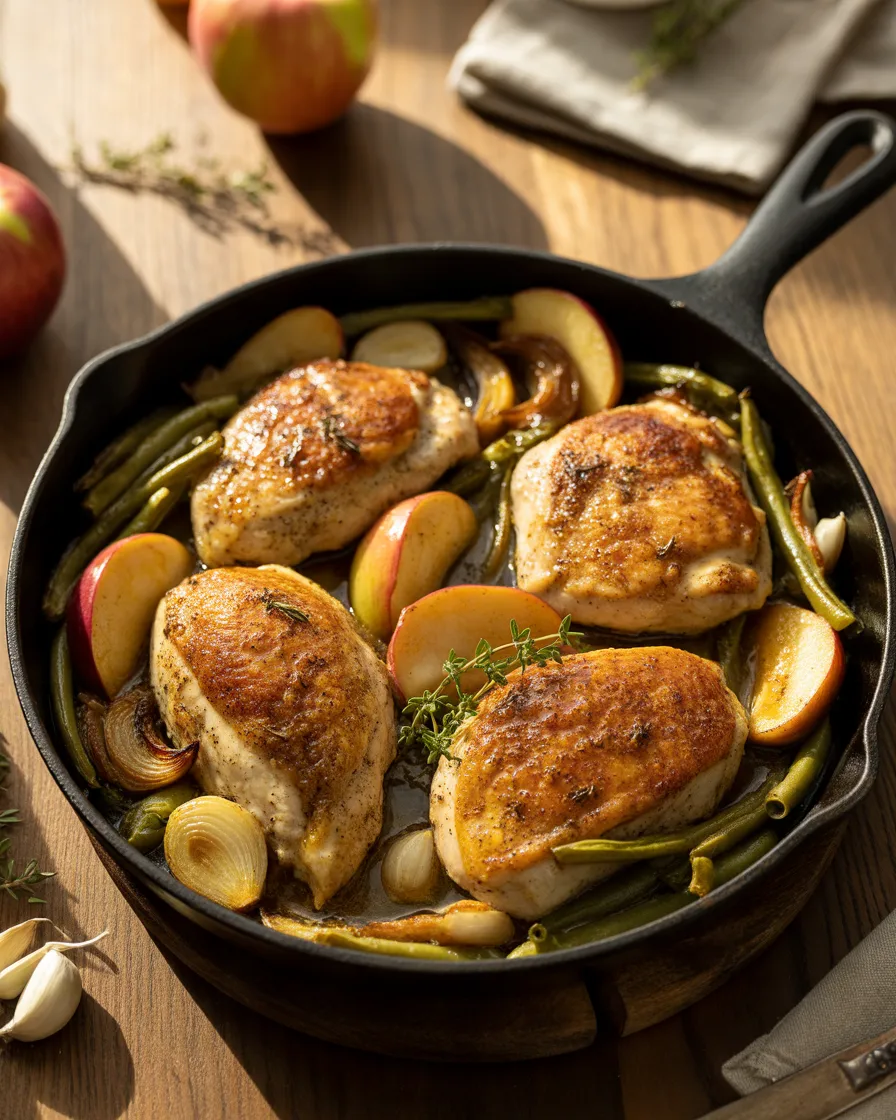
Chicken and apples might sound like an unusual combination, but they work surprisingly well together. The mild sweetness of apples complements savory chicken, while onions, garlic, and fresh herbs create a comforting autumn flavor.
This one-pan recipe is ideal when you want a homemade dinner without spending too much time in the kitchen.
Chicken provides high-quality protein, while apples contribute fiber and natural sweetness. Adding green vegetables creates a more balanced meal.
Ingredients:
- 2 boneless, skinless chicken breasts
- 1 medium apple, sliced
- 1 small onion, sliced
- 2 garlic cloves, minced
- 1 tablespoon olive oil
- ½ teaspoon dried thyme
- ½ teaspoon paprika
- ½ cup low-sodium chicken broth
- Black pepper to taste
- 1 cup green beans
How to Prepare:
- Season chicken breasts with paprika, thyme, and black pepper.
- Heat olive oil in a large skillet over medium heat.
- Cook the chicken until golden on both sides and fully cooked.
- Remove the chicken temporarily and set aside.
- Add onion, garlic, and apple slices to the same skillet.
- Cook for 3–4 minutes until slightly softened.
- Pour in chicken broth and add green beans.
- Return chicken to the pan and simmer until the vegetables are tender.
- Check that the thickest part of the chicken reaches 165°F (74°C).
Benefits: This meal combines lean protein, fruit, and vegetables. It offers a practical way to create a satisfying dinner using familiar ingredients.
Practical Tips: Use firm apples such as Honeycrisp or Granny Smith so they retain some texture during cooking. Slice chicken breasts evenly to encourage consistent cooking.
How to Enjoy It: Serve with roasted potatoes, brown rice, or whole-grain couscous.
Who It May Suit: Busy parents, working professionals, and people who prefer simple high-protein dinners.
Important Considerations: Always use a food thermometer to check chicken doneness. Avoid using the same utensils for raw chicken and cooked food without washing them.
11. Cranberry Quinoa Salad with Roasted Vegetables for a Colorful Fall Meal
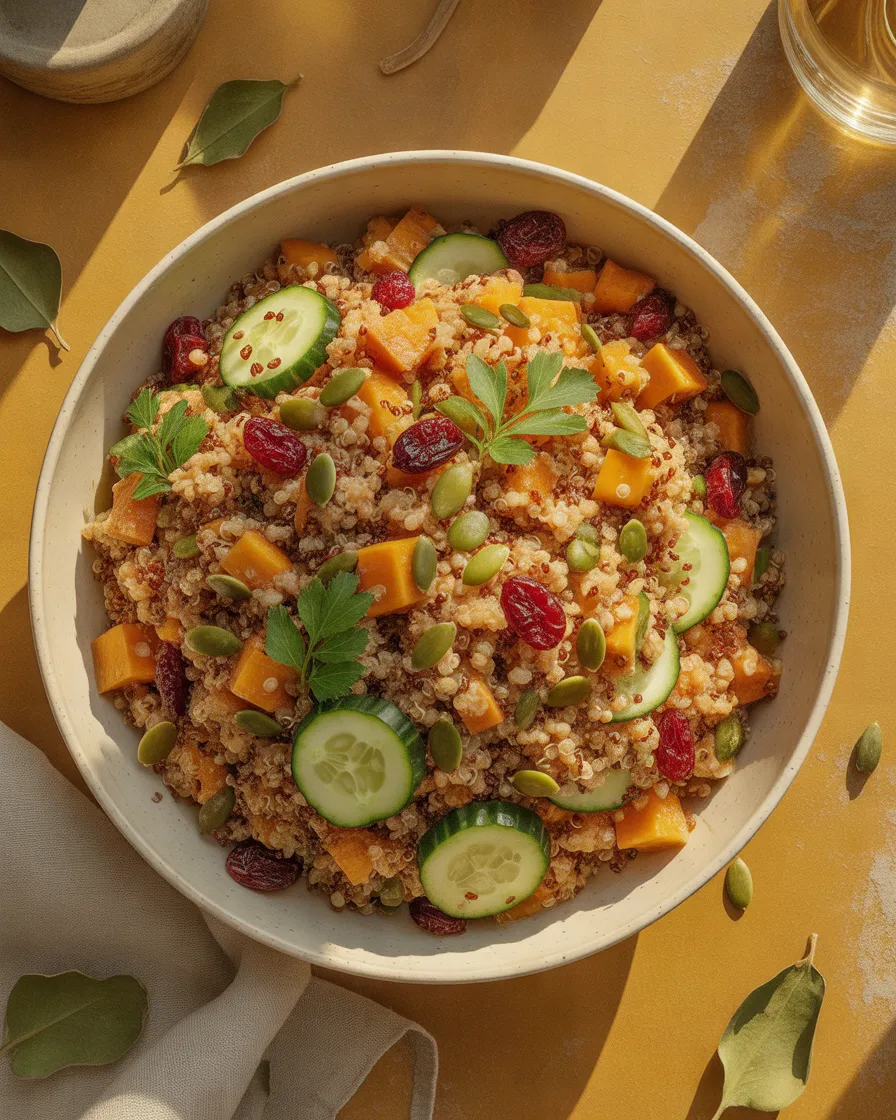
Cranberries are often associated with holiday dinners, but they can also add a delicious sweet-tart flavor to everyday autumn meals.
This cranberry quinoa salad combines fluffy quinoa with roasted vegetables, dried cranberries, pumpkin seeds, and a light citrus dressing. It is colorful, easy to prepare, and suitable for both lunch and dinner.
Quinoa provides protein and fiber, while pumpkin seeds contribute minerals and unsaturated fats. Roasted vegetables add further nutritional variety.
Ingredients:
- 1 cup cooked quinoa
- ½ cup roasted butternut squash
- ¼ cup dried cranberries
- ¼ cup pumpkin seeds
- ½ cup diced cucumber
- 2 tablespoons chopped parsley
- 1 tablespoon olive oil
For the dressing:
- 1 tablespoon lemon juice
- 1 teaspoon honey
- ½ teaspoon Dijon mustard
- Black pepper to taste
How to Prepare:
- Cook quinoa according to the package instructions and allow it to cool slightly.
- Roast butternut squash at 400°F (200°C) until tender.
- Combine quinoa, squash, cranberries, cucumber, pumpkin seeds, and parsley.
- Whisk together lemon juice, honey, mustard, olive oil, and black pepper.
- Pour the dressing over the salad.
- Toss gently and refrigerate for approximately 15 minutes before serving.
Benefits: This recipe combines whole-food carbohydrates, plant protein, fiber, and unsaturated fats. It also offers a variety of textures and flavors that make healthy eating more enjoyable.
Practical Tips: Use unsweetened dried cranberries if available. Add roasted chickpeas or grilled chicken if you want to increase the protein content.
How to Enjoy It: Serve as a cold lunch, a side dish at family gatherings, or a meal-prep option for the week.
Who It May Suit: Vegetarians, people who enjoy colorful grain salads, and anyone looking for easy autumn meal-prep ideas.
Important Considerations: Dried cranberries often contain added sugar. Check the nutrition label and adjust the portion according to your preferences.
12. Greek Yogurt Pumpkin Parfait for a Healthy Fall Snack or Dessert

If you enjoy pumpkin desserts but want a lighter everyday option, a pumpkin Greek yogurt parfait is worth trying. It combines creamy yogurt with pumpkin puree, cinnamon, crunchy granola, and nuts to create a dessert-like snack.
Greek yogurt provides protein and calcium, while pumpkin contributes beta-carotene. Choosing plain yogurt and controlling the amount of added sweetener helps keep the recipe balanced.
Ingredients:
- 1 cup plain Greek yogurt
- ½ cup pumpkin puree
- ¼ teaspoon cinnamon
- ¼ teaspoon vanilla extract
- 1 teaspoon maple syrup (optional)
- ¼ cup low-sugar granola
- 1 tablespoon chopped pecans
- A pinch of nutmeg
How to Prepare:
- Mix pumpkin puree with cinnamon, vanilla, and nutmeg.
- Sweeten lightly with maple syrup if desired.
- Spoon half the Greek yogurt into a serving glass.
- Add a layer of pumpkin mixture.
- Add the remaining yogurt.
- Finish with granola and chopped pecans.
- Serve immediately for a crunchy texture.
Benefits: This parfait provides protein, calcium, and fiber-containing ingredients. It is a practical way to enjoy seasonal pumpkin flavors without preparing a traditional high-sugar dessert.
Practical Tips: Prepare the pumpkin-yogurt mixture in advance, but add granola just before serving to keep it crunchy. Choose plain Greek yogurt without added sugar.
How to Enjoy It: Eat as a mid-afternoon snack, a quick breakfast, or a lighter dessert after dinner.
Who It May Suit: Busy individuals, yogurt lovers, families, and people looking for healthier pumpkin dessert ideas.
Important Considerations: Greek yogurt contains dairy. Choose a suitable fortified plant-based yogurt if you avoid dairy, and check its protein and calcium content.
Expert Tips for Making Healthy Fall Recipes More Nutritious and Flavorful
Preparing healthy autumn meals does not require expensive ingredients or complicated cooking techniques. A few practical habits can help you make seasonal dishes more balanced, flavorful, and convenient.
1. Take Advantage of Seasonal Produce
Choose ingredients such as pumpkins, apples, pears, squash, sweet potatoes, carrots, and Brussels sprouts. Seasonal produce can offer good value and makes it easier to introduce variety into your weekly meals.
2. Balance Your Meals with Protein, Fiber, and Healthy Fats
Try to include a source of protein, fiber-rich vegetables or whole grains, and some unsaturated fat in your main meals. For example, combine roasted vegetables with chicken, quinoa, and olive oil dressing.
3. Reduce Added Sugar Without Losing Flavor
Pumpkin, apples, pears, and sweet potatoes already have natural sweetness. Use cinnamon, nutmeg, ginger, and vanilla to create a naturally sweet flavor profile. When making desserts or breakfast dishes, reduce the amount of maple syrup or honey gradually.
4. Choose Cooking Methods That Preserve Flavor
Roasting, baking, steaming, and sautéing are useful ways to prepare autumn ingredients. Roasting vegetables helps develop their natural sweetness without requiring excessive added fat.
5. Prepare Ingredients Ahead of Time
Wash and chop vegetables, cook quinoa, prepare soups, and portion snacks in advance. Keeping a few prepared ingredients in the refrigerator makes healthy meals easier to assemble during busy weekdays.
6. Make Smart Ingredient Substitutions
Small changes can make familiar recipes more balanced. Try whole-grain pasta instead of refined pasta, plain Greek yogurt instead of sour cream, or beans instead of some of the meat in chili.
7. Pay Attention to Portion Sizes
Even nutritious foods can contribute significant calories when eaten in very large portions. Be particularly mindful of nuts, oils, cheese, dried fruit, and creamy dressings.
8. Keep Food Safety in Mind
Refrigerate cooked food promptly, ideally within two hours. Keep refrigerators at 40°F (4°C) or below, store leftovers in covered containers, and reheat leftovers to 165°F (74°C). Use a food thermometer when preparing poultry, seafood, and other foods that require specific safe cooking temperatures.
Frequently Asked Questions About Healthy Fall Recipes
1. What Are the Best Healthy Fall Recipes to Make at Home?
Some of the best healthy fall recipes include pumpkin oatmeal, butternut squash soup, turkey chili, roasted vegetable bowls, lentil curry, stuffed acorn squash, and garlic salmon with sweet potatoes. These meals use seasonal ingredients and can provide a variety of nutrients.
2. What Are the Healthiest Foods to Eat During Fall?
Fall offers many nutritious seasonal foods, including pumpkins, apples, pears, sweet potatoes, butternut squash, Brussels sprouts, carrots, and cranberries. These foods provide different combinations of fiber, vitamins, minerals, and beneficial plant compounds.
3. What Are Some Easy Healthy Fall Dinner Ideas?
For easy fall dinners, try turkey and sweet potato chili, garlic salmon sheet-pan meals, chicken and apple skillet, pumpkin lentil curry, or roasted vegetable quinoa bowls. Many can be prepared in approximately 30–45 minutes.
4. Can I Prepare Healthy Fall Meals Ahead of Time?
Yes. Many autumn recipes are suitable for meal preparation. Soups, chili, roasted vegetables, quinoa bowls, and baked oatmeal can be prepared ahead and portioned into containers. Refrigerate perishable meals promptly and follow recommended storage times.
5. Are Pumpkin Recipes Healthy?
Pumpkin can be a nutritious addition to meals because it contains beta-carotene, fiber, and other micronutrients. However, the nutritional value of a pumpkin recipe also depends on its other ingredients. Plain pumpkin puree is generally a better everyday choice than sweetened pumpkin pie filling.
6. What Are Some Healthy Fall Snacks?
Good options include pumpkin Greek yogurt parfaits, apple slices with peanut butter, roasted pumpkin seeds, homemade oatmeal bars, pear slices with cottage cheese, and hummus with roasted vegetables.
7. How Can I Make Fall Comfort Food Healthier?
You can make comfort food more balanced by adding vegetables, using lean protein, choosing whole grains, limiting excessive added sugar, and reducing unnecessary amounts of butter, cream, and salt. You do not have to remove your favorite ingredients completely.
8. What Are Some Healthy Vegetarian Fall Recipes?
Vegetarian autumn options include roasted vegetable quinoa bowls, pumpkin and red lentil curry, stuffed acorn squash, cranberry quinoa salad, and butternut squash soup. Add lentils, beans, tofu, or Greek yogurt where appropriate to increase protein.
9. Can Healthy Fall Recipes Help with Weight Management?
They can fit into a balanced eating pattern that supports weight management. Meals containing vegetables, fiber-rich foods, and adequate protein may help with fullness and satisfaction. However, no individual recipe guarantees weight loss. Overall food intake, activity, sleep, and other lifestyle factors also matter.
10. How Long Can I Store Homemade Fall Recipes?
Many cooked meals, including soups, chili, and roasted vegetables, can generally be refrigerated for 3–4 days when stored properly at 40°F (4°C) or below. Some meals can also be frozen in suitable airtight containers. Follow ingredient-specific food safety guidance, and discard food that has been stored unsafely.
Conclusion: Enjoy the Season with These Delicious and Healthy Fall Recipes
Fall is a wonderful time to experiment with seasonal ingredients and make comforting meals that support a balanced eating routine. From creamy pumpkin oatmeal and roasted butternut squash soup to protein-rich turkey chili and colorful quinoa bowls, there are countless ways to enjoy delicious food while including more nutritious ingredients.
The 12 healthy fall recipes in this guide offer practical options for breakfast, lunch, dinner, snacks, and lighter desserts. You can adjust the ingredients, seasonings, and serving sizes to suit your preferences and household needs.
Start with one or two recipes that appeal to you, prepare a few ingredients ahead of time, and gradually build a collection of seasonal favorites. Healthy eating does not have to feel restrictive or complicated.
With fresh produce, balanced ingredients, and simple cooking methods, you can make this fall both delicious and nourishing.