Eating healthy does not mean giving up delicious food or spending hours preparing complicated recipes. If you want to build healthier eating habits, support muscle recovery, manage hunger, or simply add more nutritious foods to your daily routine, choosing the right meals can make a big difference.
The good news is that clean high protein meals can be simple, affordable, and full of flavor. By combining protein-rich ingredients such as chicken, fish, eggs, Greek yogurt, beans, lentils, tofu, and lean meat with vegetables and whole grains, you can prepare balanced meals that keep you satisfied.
A high-protein meal does not have to be bland grilled chicken and plain vegetables. You can enjoy colorful Mediterranean bowls, flavorful stir-fries, hearty soups, satisfying salads, and comforting homemade dinners while keeping your ingredients simple and nutritious.
In this guide, you will discover 12 clean high protein meals that are practical for everyday cooking. Each idea includes its nutritional benefits, preparation tips, serving suggestions, and important considerations. Whether you are looking for healthy high-protein lunches, easy meal prep recipes, or nutritious dinners, these options offer plenty of inspiration.
What Does Clean Eating Mean?
The term clean eating generally describes an approach that emphasizes minimally processed foods, balanced nutrition, and ingredients such as vegetables, fruits, whole grains, lean proteins, nuts, seeds, and legumes. It is not a formal medical or nutritional classification, and nutritious foods can still come in packaged or frozen forms.
The goal is to build meals around nourishing ingredients rather than follow unnecessarily restrictive food rules.
1. Mediterranean Grilled Chicken and Quinoa Bowl
A Mediterranean grilled chicken and quinoa bowl is one of the most versatile clean high protein meals you can prepare. It combines lean chicken breast, quinoa, fresh vegetables, and a flavorful yogurt-based dressing to create a satisfying meal.
This combination provides protein, fiber, vitamins, and minerals without requiring complicated cooking techniques.
Benefits
Chicken breast is a convenient source of complete protein, providing essential amino acids needed for maintaining and repairing body tissues. Quinoa adds additional protein, carbohydrates, and fiber, while cucumber, tomatoes, and leafy greens contribute vitamins and antioxidants.
Olive oil provides unsaturated fats that fit comfortably into a balanced eating pattern.
How to Prepare It
- 120–150 g grilled chicken breast
- ½ cup cooked quinoa
- ½ cup chopped cucumber
- ½ cup cherry tomatoes
- A handful of spinach
- 2 tablespoons plain Greek yogurt
- Lemon juice, garlic, black pepper, and oregano
Season the chicken with garlic, lemon juice, oregano, and black pepper. Grill or pan-cook until the center reaches a safe temperature of 74°C (165°F).
Prepare the quinoa separately. Arrange it in a bowl with the chicken, cucumber, tomatoes, and spinach. Mix Greek yogurt with lemon juice and garlic to create a simple dressing.
Practical Tips
Prepare several chicken portions and quinoa servings in advance. Store vegetables separately to maintain their freshness. Add the dressing immediately before eating.
How to Use It
Enjoy this bowl as a filling lunch or dinner. It also works well as a meal-prep option for busy weekdays.
Who It May Suit
People looking for high-protein lunches, balanced meals, or convenient options for an active lifestyle may enjoy this recipe.
Important Considerations
Use plain, unsweetened Greek yogurt and check its ingredient label. If you need a gluten-free option, choose quinoa and verify that packaged seasonings are gluten-free.
2. Baked Salmon with Sweet Potato and Green Vegetables
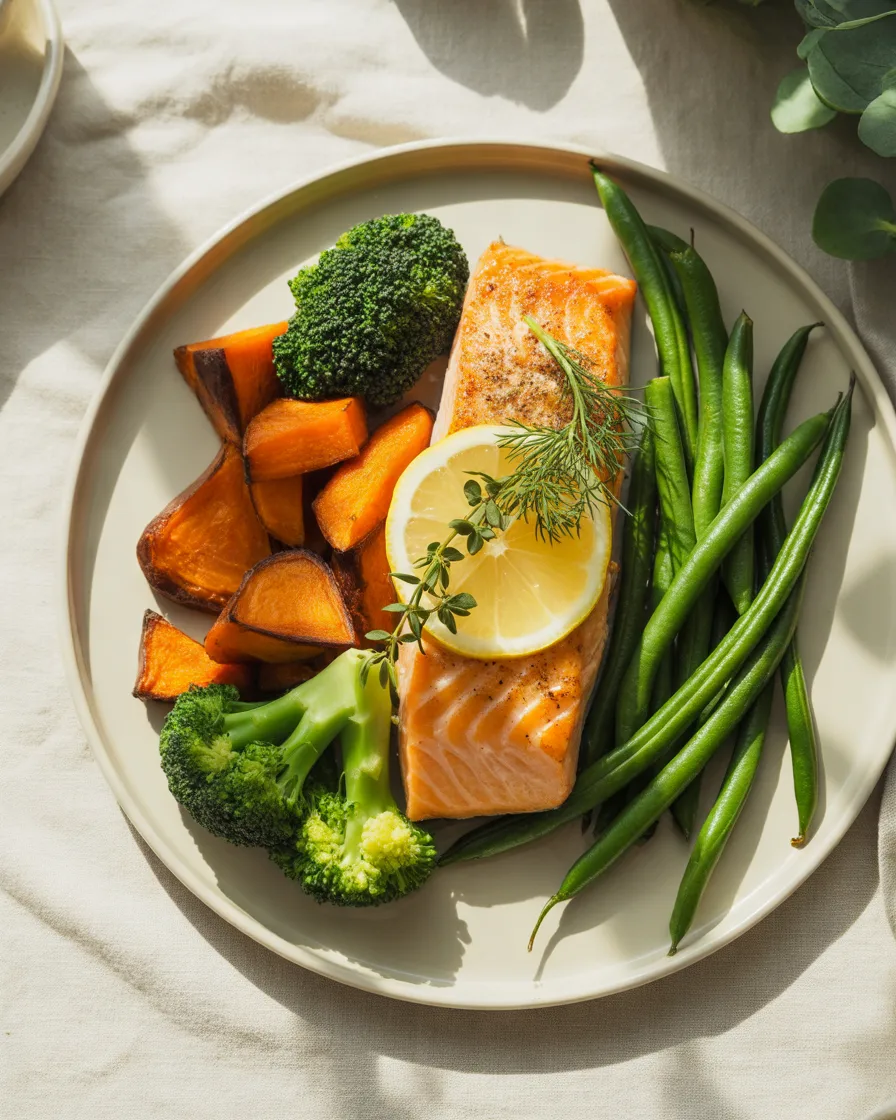
Baked salmon with sweet potato and green vegetables is a delicious option when you want a nutritious, protein-rich dinner without spending too much time in the kitchen.
The combination of salmon, colorful vegetables, and naturally sweet roasted potatoes creates a balanced plate with different textures and flavors.
Benefits
Salmon supplies complete protein and omega-3 fatty acids, particularly EPA and DHA. These fats support normal cardiovascular and brain function as part of an overall balanced diet.
Sweet potatoes provide carbohydrates, fiber, and beta-carotene, while broccoli and green beans add vitamin C, vitamin K, and other beneficial plant compounds.
How to Prepare It
- 140–160 g salmon fillet
- 1 medium sweet potato
- 1 cup broccoli florets
- ½ cup green beans
- 1 teaspoon olive oil
- Lemon juice, garlic, paprika, and black pepper
Cut the sweet potato into small cubes and season with olive oil and paprika. Roast until nearly tender.
Season the salmon with garlic, lemon juice, and black pepper. Add it to the baking tray and cook until the fish reaches a safe internal temperature of 63°C (145°F).
Steam or roast the broccoli and green beans. Serve everything together with fresh lemon.
Practical Tips
Choose fresh or frozen salmon depending on availability. Frozen vegetables are also useful and can be just as nutritious as fresh vegetables.
Avoid adding excessive butter or heavy sauces if you want to keep the meal relatively light.
How to Use It
Serve it as a complete evening meal or prepare the vegetables and sweet potatoes ahead of time for quicker dinners.
Who It May Suit
This meal is suitable for people who enjoy seafood and want a balanced dinner containing protein, healthy fats, and fiber.
Important Considerations
People with fish allergies should choose another protein source. Pregnant individuals should follow local guidance regarding fish choices and recommended serving amounts.
3. Lean Turkey and Black Bean Stuffed Bell Peppers
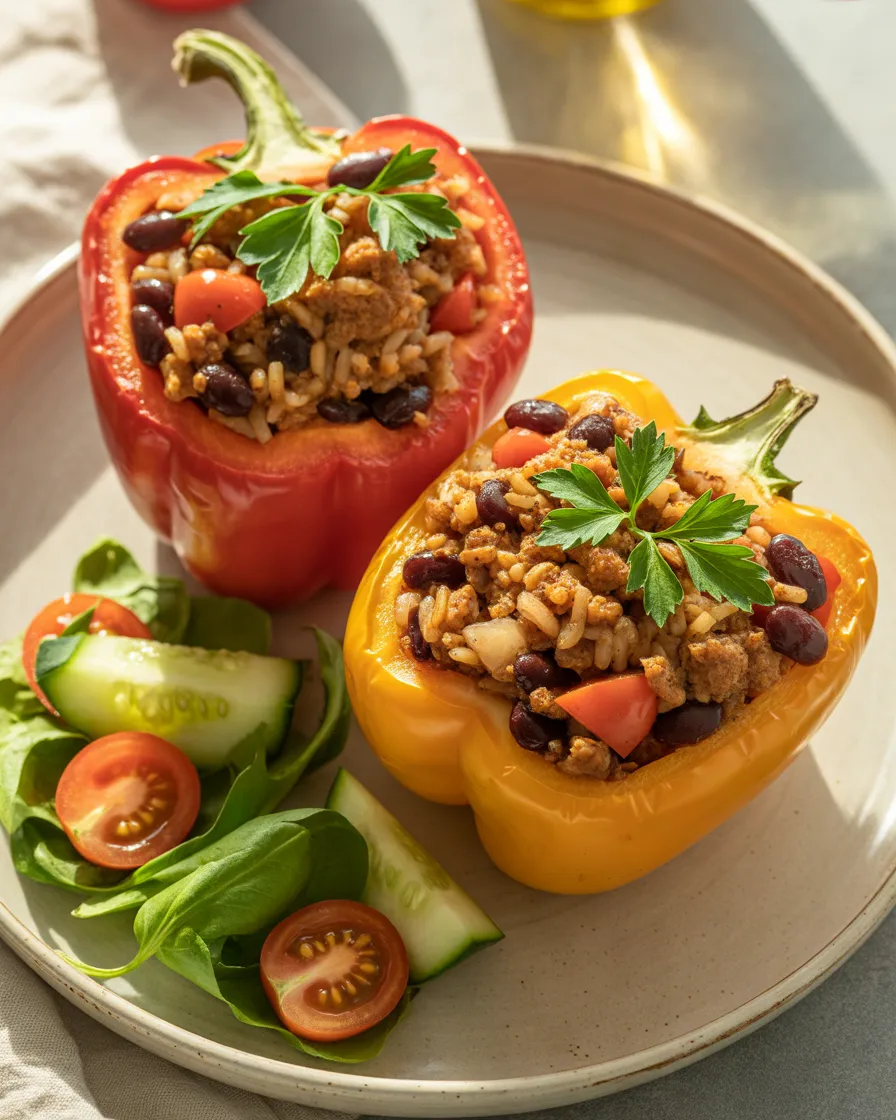
Stuffed bell peppers are a wonderful way to turn simple ingredients into a colorful, satisfying high-protein meal. This recipe combines lean ground turkey, black beans, tomatoes, and brown rice inside sweet bell peppers.
It is also an excellent option for people who enjoy preparing meals in advance.
Benefits
Lean turkey provides complete protein and nutrients such as vitamin B12, selenium, and zinc. Black beans contribute plant protein, fiber, and minerals.
Bell peppers contain vitamin C, while brown rice provides energy and additional fiber.
Combining animal and plant protein sources makes this meal particularly satisfying.
How to Prepare It
- 120 g lean ground turkey
- ½ cup cooked black beans
- ½ cup cooked brown rice
- 2 medium bell peppers
- ½ cup chopped tomatoes
- ¼ onion, finely chopped
- Garlic, cumin, paprika, and black pepper
Cut the bell peppers in half and remove the seeds. Cook the turkey with onion, garlic, and seasonings until fully cooked.
Stir in the black beans, brown rice, and tomatoes. Fill the pepper halves with the mixture and bake until the peppers are tender.
You can finish with a small amount of grated cheese if desired.
Practical Tips
Prepare the filling in advance and refrigerate it in an airtight container. When you need a quick meal, fill fresh peppers and bake.
Choose lean ground turkey to reduce excess saturated fat.
How to Use It
Serve two pepper halves with a side salad for lunch or dinner. Leftover filling can also be used in whole-grain wraps.
Who It May Suit
This meal may suit busy families, people interested in meal preparation, and anyone looking for a protein-rich alternative to traditional stuffed peppers.
Important Considerations
Check canned beans for added sodium and rinse them before cooking. People sensitive to beans or legumes may need smaller portions.
4. Cottage Cheese and Vegetable Protein Scramble
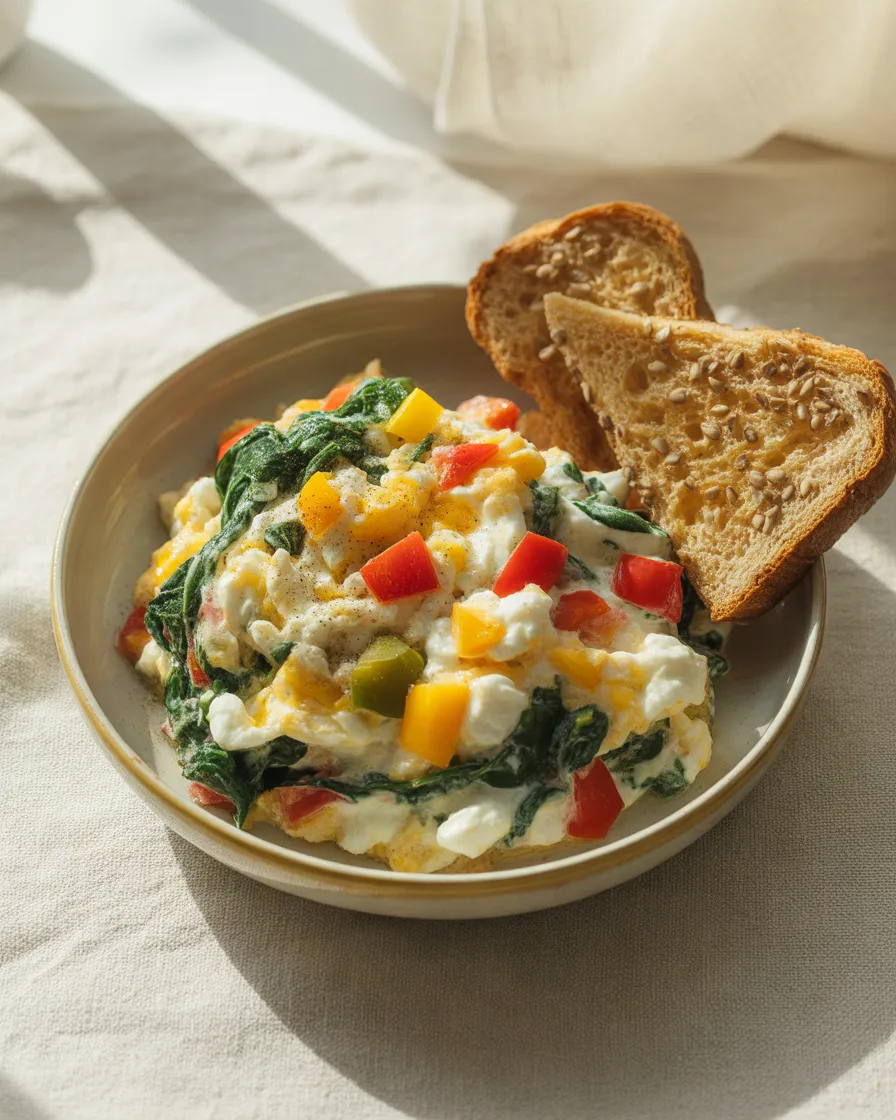
If you want a quick breakfast that provides substantial protein, try a cottage cheese and vegetable scramble.
Eggs and cottage cheese create a creamy, satisfying combination, while vegetables add color, texture, and important micronutrients. It is an excellent alternative to sugary breakfast cereals and pastries.
Benefits
Eggs provide complete protein, vitamin B12, and choline. Cottage cheese is another convenient source of high-quality protein and calcium.
Spinach and tomatoes add fiber and plant nutrients, making this a balanced breakfast rather than a meal based on protein alone.
How to Prepare It
- 2 large eggs
- 150 g low-fat or regular cottage cheese
- ½ cup fresh spinach
- ½ cup chopped tomatoes
- ¼ bell pepper
- Black pepper and a little olive oil
Whisk the eggs and cook them gently in a nonstick pan. Add the chopped vegetables and allow them to soften.
Fold in the cottage cheese toward the end of cooking. Stir gently until everything is warmed through and the eggs are fully cooked.
Practical Tips
Use a nonstick pan to reduce the amount of cooking oil needed. Add mushrooms, onions, or zucchini for additional variety.
You can also prepare the chopped vegetables the night before to save time.
How to Use It
Enjoy this scramble for breakfast or a light lunch. Pair it with whole-grain toast or fresh fruit if you need additional energy.
Who It May Suit
People who prefer savory breakfasts, busy professionals, and individuals looking for easy protein-rich morning meals may enjoy this option.
Important Considerations
Cottage cheese can contain considerable sodium, so compare nutrition labels when choosing a product. Anyone with an egg or dairy allergy should use an appropriate alternative.
5. Tofu and Edamame Vegetable Stir-Fry
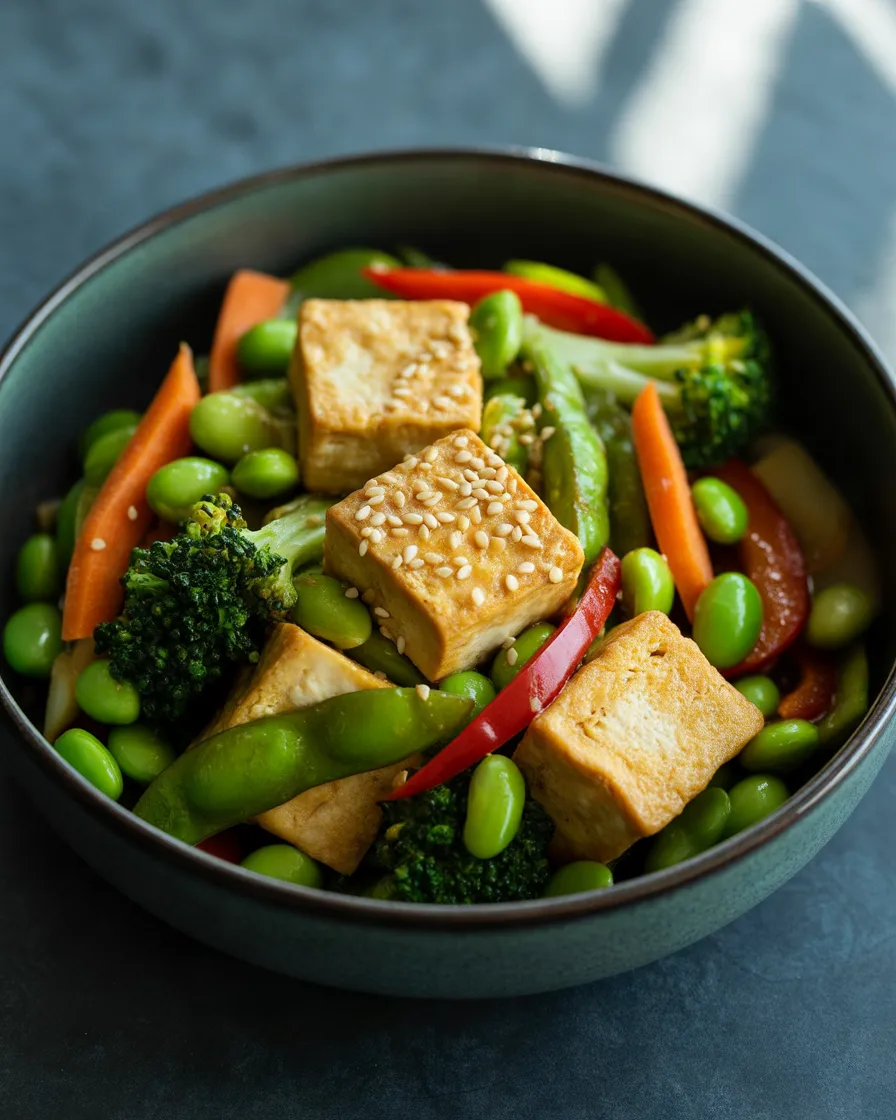
Plant-based meals can provide plenty of protein when the ingredients are selected carefully. A tofu and edamame vegetable stir-fry is a flavorful option that combines two useful plant protein sources.
It is colorful, easy to customize, and suitable for people who want to reduce their reliance on meat without sacrificing protein.
Benefits
Tofu contains complete soy protein, meaning it provides all nine essential amino acids. Edamame adds more protein, fiber, folate, and other nutrients.
Broccoli, carrots, and bell peppers contribute vitamins and minerals. A small amount of sesame oil adds flavor and unsaturated fats.
How to Prepare It
- 180 g firm tofu
- ½ cup shelled edamame
- 1 cup broccoli
- ½ cup sliced carrots
- ½ bell pepper
- 1 teaspoon sesame oil
- Reduced-sodium soy sauce
- Fresh ginger and garlic
Press the tofu to remove excess moisture and cut it into cubes. Cook it in a nonstick pan until golden on several sides.
Add broccoli, carrots, bell pepper, garlic, and ginger. Stir-fry until the vegetables are tender but still slightly crisp.
Add cooked edamame and a small amount of reduced-sodium soy sauce. Toss everything together.
Practical Tips
Pressing tofu before cooking improves its texture. Frozen edamame is convenient because it can be stored for longer periods and prepared quickly.
For a more filling meal, add brown rice or quinoa.
How to Use It
Serve it as a weekday lunch or dinner. You can also divide it into meal-prep containers for several convenient servings.
Who It May Suit
Vegetarians, vegans, and people looking for meat-free high-protein meals may find this recipe especially useful.
Important Considerations
Soy is a common food allergen. People with soy allergies should select another protein source. Check the sodium content of packaged sauces.
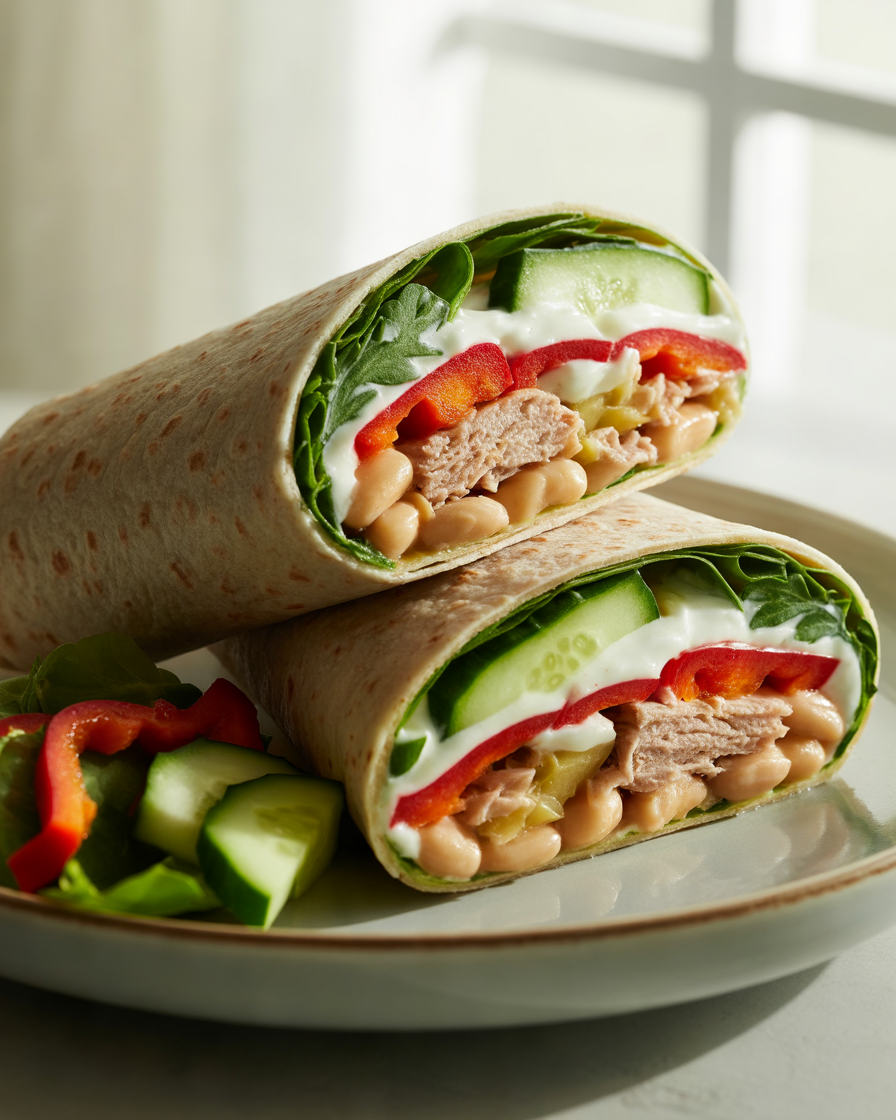
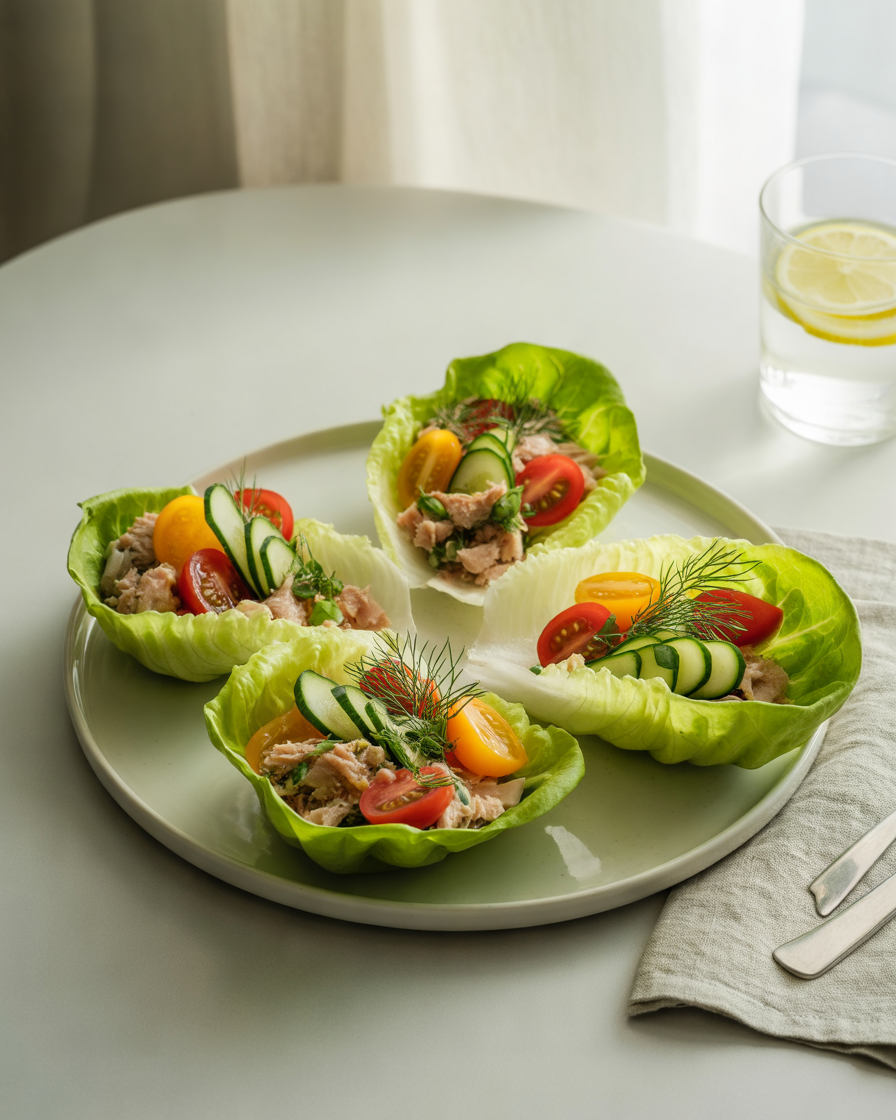
6. Tuna and White Bean Protein Salad
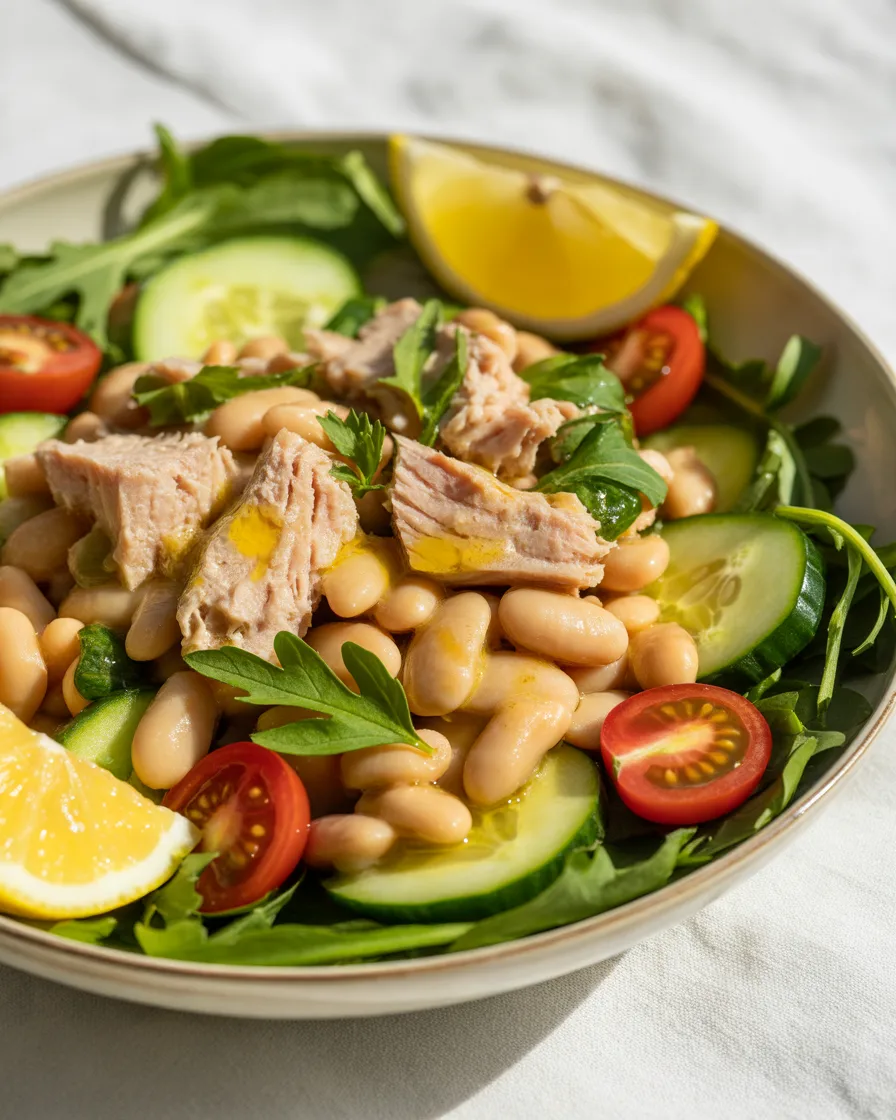
A tuna and white bean salad is one of the easiest clean high protein meals for people who do not have much time to cook.
It uses convenient pantry ingredients while delivering protein, fiber, and a refreshing combination of vegetables. Unlike many traditional creamy tuna salads, this version uses lemon juice and olive oil for a lighter dressing.
Benefits
Tuna provides complete protein and important nutrients such as vitamin B12 and selenium. White beans contribute additional protein, fiber, potassium, and plant-based nutrients.
Olive oil provides unsaturated fats, while tomatoes and leafy greens add freshness.
How to Prepare It
- 1 can of tuna in water, drained
- ½ cup cooked white beans
- 1 cup mixed leafy greens
- ½ cucumber
- ½ cup cherry tomatoes
- 1 tablespoon olive oil
- Fresh lemon juice
- Black pepper and parsley
Drain the tuna and rinse the white beans if they are canned. Combine them with the leafy greens, chopped cucumber, and tomatoes.
Prepare a simple dressing using olive oil, lemon juice, parsley, and black pepper. Pour it over the salad and gently mix.
Practical Tips
Keep the dressing separate until serving to prevent the vegetables from becoming soggy. Choose tuna products with simple ingredients and compare sodium levels.
How to Use It
Enjoy it as a quick lunch, a light dinner, or a filling salad alongside whole-grain crackers.
Who It May Suit
This meal may suit students, office workers, and anyone looking for convenient high-protein meals that require very little preparation.
Important Considerations
Tuna contains varying amounts of mercury depending on the species. Choose lower-mercury options and follow local seafood consumption guidance, particularly during pregnancy. Refrigerate prepared tuna salad promptly.
7. Hearty Chicken and Lentil Vegetable Soup
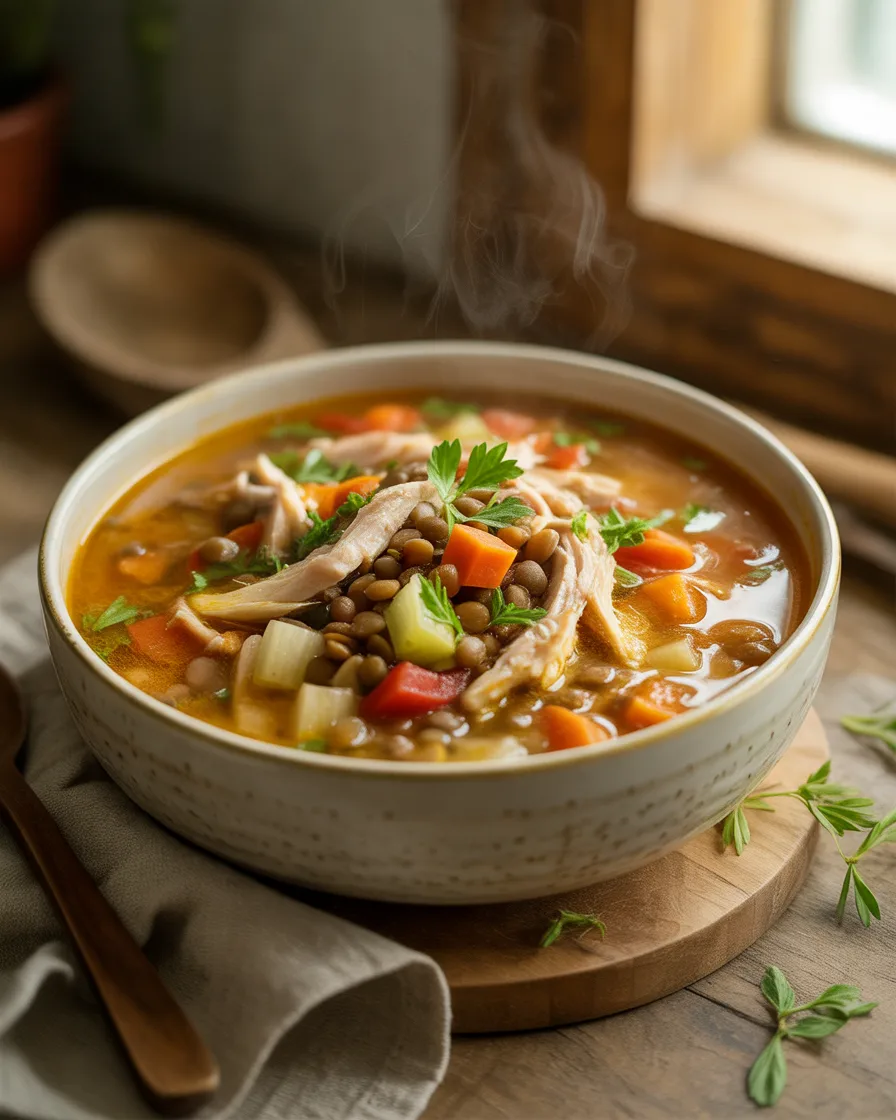
A bowl of homemade chicken and lentil soup offers warmth, comfort, and a substantial amount of protein.
It is particularly useful during colder months or when you want a nutritious meal that can be prepared in a large batch. The combination of chicken, lentils, and vegetables makes it more satisfying than a basic vegetable broth.
Benefits
Chicken supplies complete protein, while lentils provide plant protein, dietary fiber, iron, and folate.
Carrots, celery, onions, and tomatoes add additional nutrients and natural flavor. The broth helps bring all the ingredients together without requiring heavy cream or excessive added fat.
How to Prepare It
- 100 g cooked shredded chicken breast
- ½ cup cooked lentils
- 1 carrot, diced
- 1 celery stalk
- ½ onion
- ½ cup chopped tomatoes
- 2 cups low-sodium chicken broth
- Garlic, cumin, black pepper, and parsley
Cook the onion, carrot, and celery in a little olive oil until softened. Add garlic, tomatoes, lentils, and broth.
Simmer until the vegetables are tender. Add the cooked shredded chicken and heat thoroughly.
Finish with parsley and black pepper.
Practical Tips
Use leftover properly refrigerated cooked chicken to reduce preparation time. You can also prepare the soup in larger batches and freeze individual portions.
Add spinach near the end of cooking for additional vegetables.
How to Use It
Serve a generous bowl for lunch or dinner. Pair it with a small slice of whole-grain bread if you prefer a more substantial meal.
Who It May Suit
This recipe is suitable for people who enjoy comforting homemade meals and want an easy option for weekly meal preparation.
Important Considerations
Lentils contain fiber and may cause digestive discomfort when introduced in large amounts. Increase portions gradually if you are not accustomed to eating legumes. Use low-sodium broth when appropriate.
8. Garlic Shrimp and Quinoa Avocado Bowl
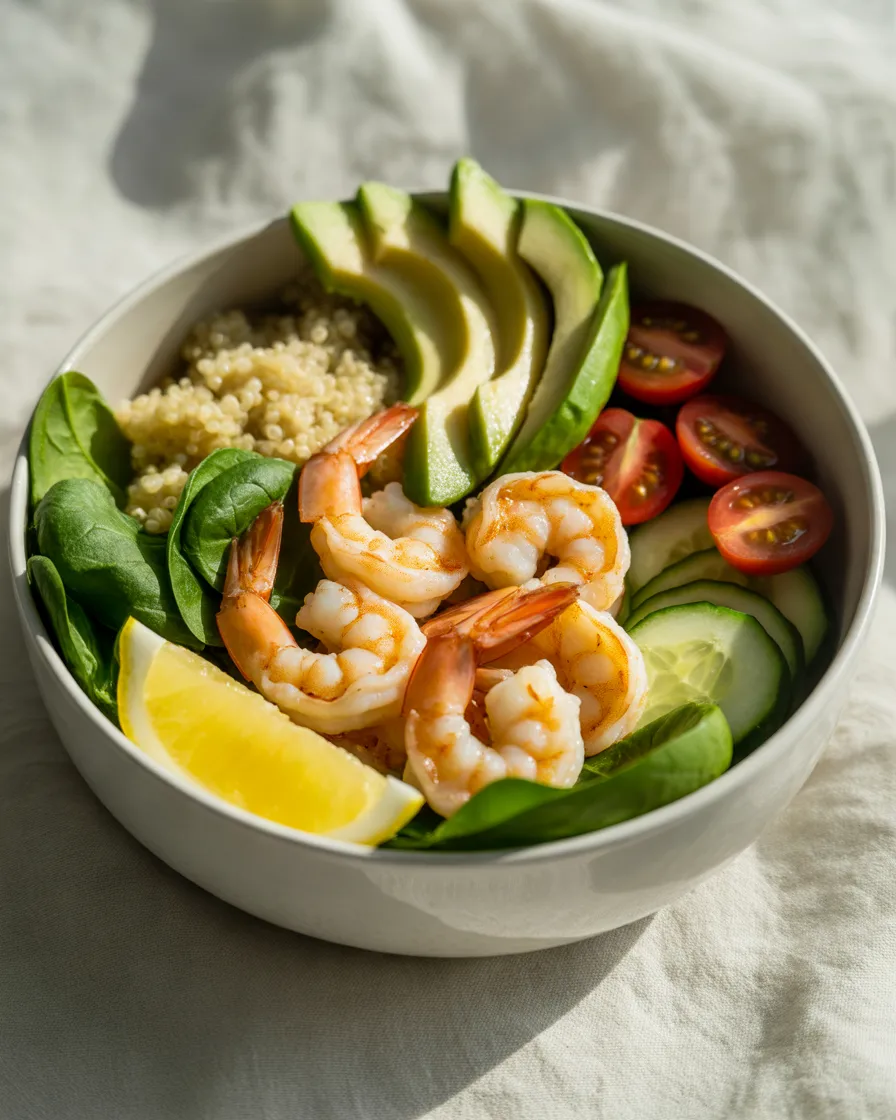
If you enjoy seafood, a garlic shrimp and quinoa avocado bowl is a refreshing and protein-rich meal worth adding to your weekly menu.
It combines quickly cooked shrimp with quinoa, avocado, and fresh vegetables. The result is a colorful meal that balances lean protein, carbohydrates, fiber, and unsaturated fats.
Benefits
Shrimp is relatively low in fat and provides high-quality protein, selenium, iodine, and vitamin B12.
Quinoa provides additional protein and carbohydrates, while avocado supplies fiber and monounsaturated fats. Vegetables such as cucumber and spinach increase the nutritional variety.
How to Prepare It
- 140–160 g peeled shrimp
- ½ cup cooked quinoa
- ¼ avocado
- ½ cup cucumber
- ½ cup cherry tomatoes
- A handful of spinach
- 1 teaspoon olive oil
- Garlic, lemon juice, and paprika
Season the shrimp with garlic, paprika, and lemon juice. Heat olive oil in a pan and cook the shrimp until opaque and fully cooked.
Prepare the quinoa and arrange it in a bowl. Add the shrimp, sliced avocado, cucumber, tomatoes, and spinach.
Finish with additional lemon juice.
Practical Tips
Frozen peeled shrimp can make preparation much easier. Thaw it safely before cooking and avoid overcooking, as shrimp can become rubbery.
Prepare the quinoa in advance but slice the avocado just before serving.
How to Use It
This bowl works well for lunch, dinner, or a post-workout meal when combined with an appropriate overall eating plan.
Who It May Suit
Seafood lovers and people looking for lighter high-protein meals may enjoy this recipe.
Important Considerations
Shrimp is a common allergen. People with shellfish allergies should avoid it. Make sure seafood is handled and cooked safely.
9. Lean Beef and Broccoli Brown Rice Bowl
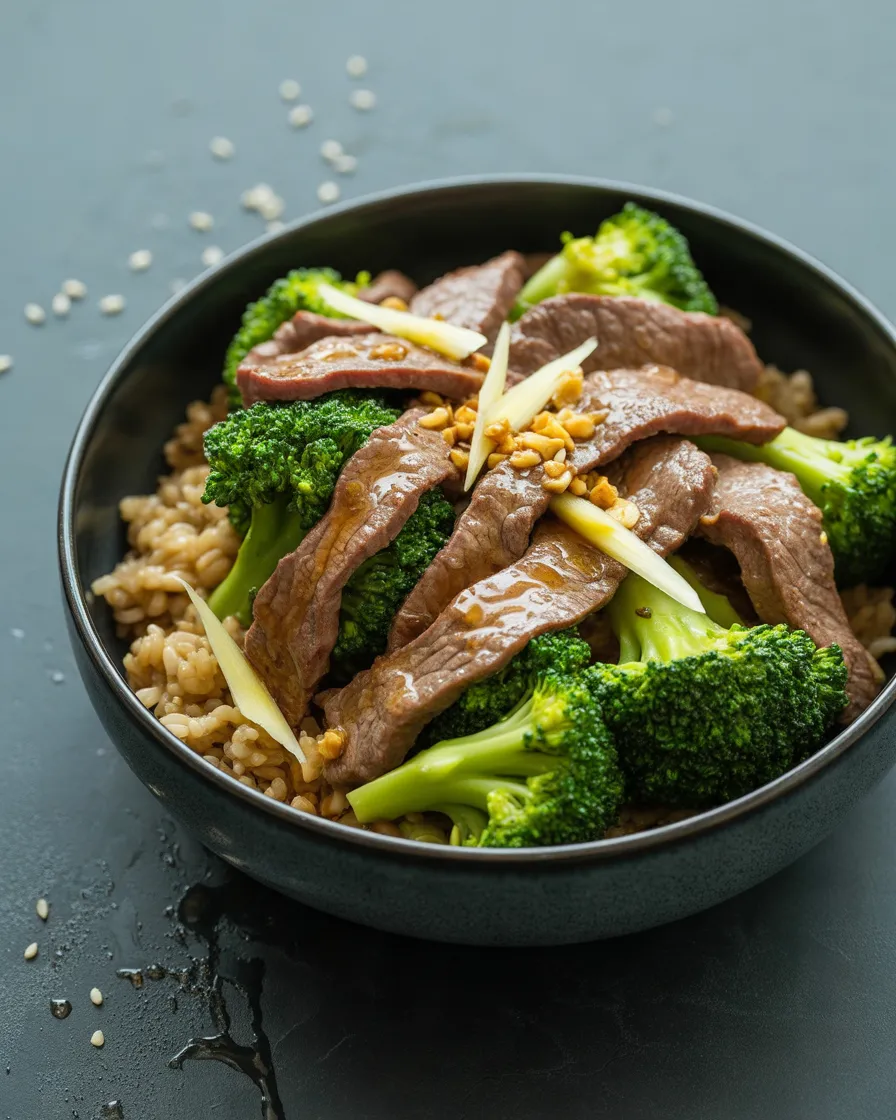
A homemade lean beef and broccoli bowl is a satisfying alternative to restaurant-style beef stir-fry.
Instead of relying on sugary sauces and excessive oil, this version focuses on lean beef, fresh broccoli, brown rice, garlic, and ginger.
Benefits
Lean beef provides complete protein, iron, zinc, and vitamin B12. These nutrients play important roles in normal red blood cell production, energy metabolism, and immune function.
Broccoli supplies fiber and vitamin C, while brown rice contributes carbohydrates and additional fiber.
How to Prepare It
- 120–140 g lean beef strips
- 1 cup broccoli florets
- ½ cup cooked brown rice
- 1 teaspoon olive oil
- 1 garlic clove
- Fresh ginger
- 1 tablespoon reduced-sodium soy sauce
Slice the beef into thin strips. Heat olive oil in a pan and cook the beef until it reaches a safe internal temperature.
Remove the beef temporarily and stir-fry the broccoli with garlic and ginger. Add the beef back to the pan with a small amount of soy sauce.
Serve over cooked brown rice.
Practical Tips
Choose lean cuts such as sirloin or round steak. Slice the beef against the grain for a more tender texture.
Prepare the rice ahead of time and refrigerate it promptly. Reheat it thoroughly before serving.
How to Use It
Enjoy it as a filling lunch or dinner. Adjust the rice portion according to your energy needs and activity level.
Who It May Suit
People who enjoy savory meals and want a protein-rich alternative to takeaway food may find this recipe useful.
Important Considerations
Choose lean beef and moderate portion sizes. People who need to limit red meat or iron intake should seek appropriate dietary guidance.
10. Loaded Baked Potato with Cottage Cheese and Black Beans
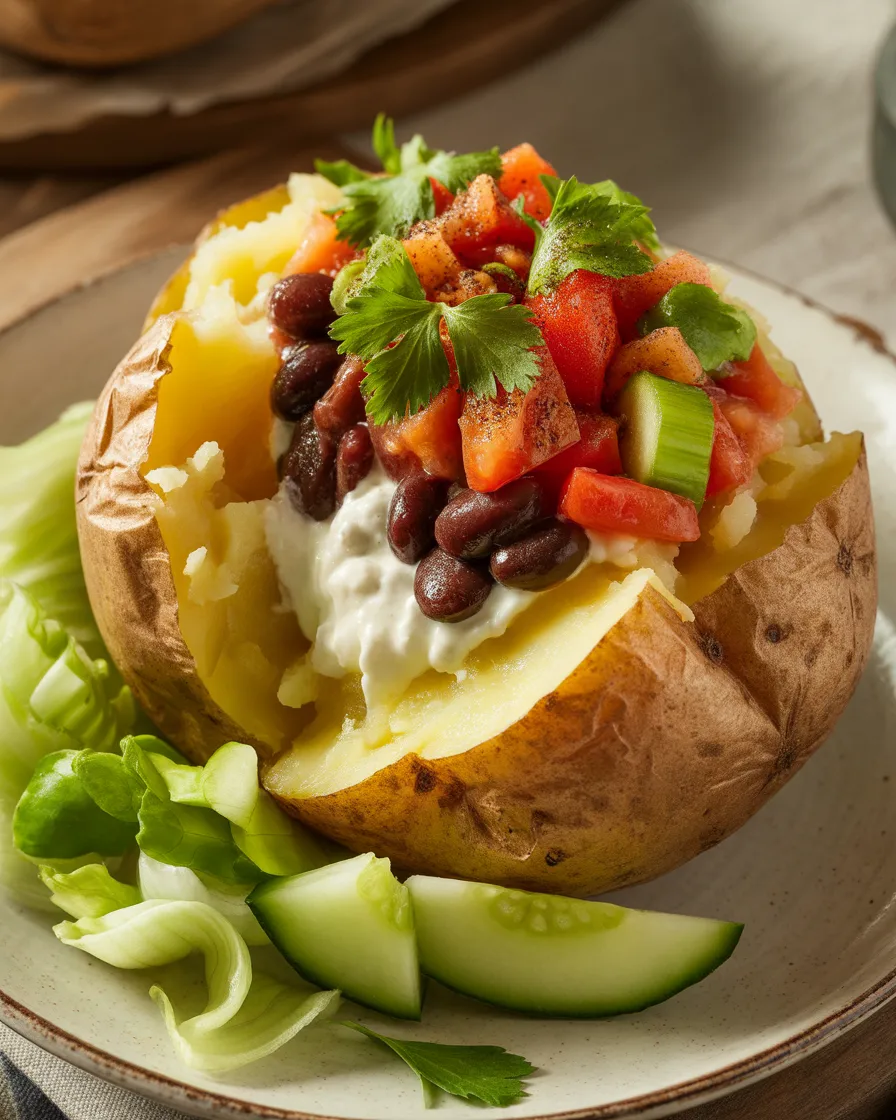
A baked potato can become a surprisingly protein-rich meal when topped with cottage cheese and black beans.
This recipe is especially appealing if you enjoy comfort food but want something more balanced than a traditional potato loaded with large amounts of butter and cheese.
Benefits
Potatoes provide carbohydrates, potassium, and vitamin C. Cottage cheese adds high-quality dairy protein and calcium, while black beans contribute plant protein and fiber.
Together, these ingredients provide a satisfying combination of nutrients and different textures.
How to Prepare It
- 1 medium-to-large potato
- 150–200 g cottage cheese
- ½ cup cooked black beans
- ¼ cup chopped tomatoes
- 1 tablespoon chopped spring onion
- Black pepper and paprika
- Fresh coriander
Wash the potato thoroughly and bake until the center becomes soft. Cut it open and gently fluff the inside with a fork.
Warm the black beans separately. Add cottage cheese, black beans, chopped tomatoes, spring onions, and seasoning over the potato.
Finish with fresh coriander.
Practical Tips
Bake several potatoes together to save time. Store the cooked potatoes safely in the refrigerator and reheat them thoroughly.
Choose plain cottage cheese rather than flavored varieties with unnecessary added ingredients.
How to Use It
Serve this as a vegetarian lunch or dinner. Add a green salad if you want additional vegetables.
Who It May Suit
Vegetarians and people looking for budget-friendly, satisfying high-protein meals may enjoy this option.
Important Considerations
Dairy and beans may not suit everyone. If you are sensitive to lactose, consider an appropriate lactose-free cottage cheese alternative.
11. Homemade Turkey Meatballs with Whole-Wheat Pasta
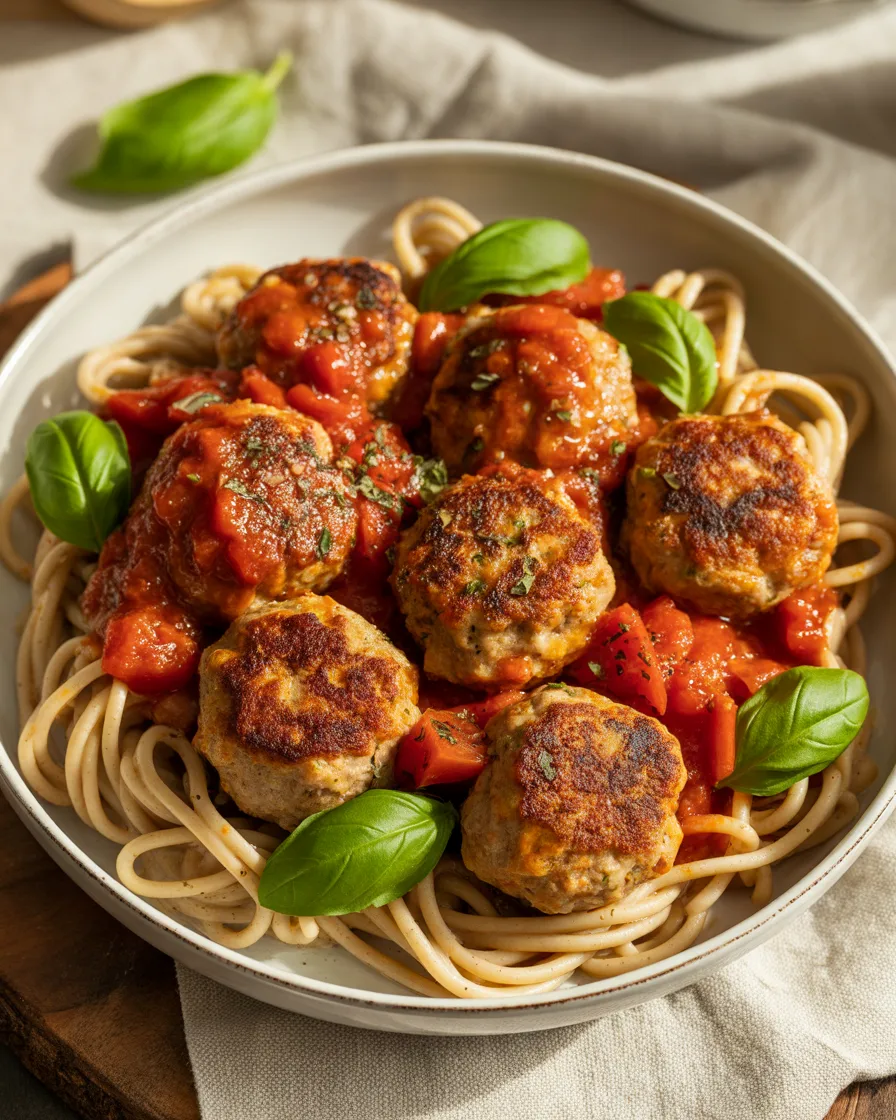
You do not have to avoid pasta to enjoy healthy high-protein meals. Homemade turkey meatballs served with whole-wheat pasta provide a satisfying combination of protein, carbohydrates, and fiber.
The key is to prepare the meatballs yourself and use a tomato-based sauce instead of relying on heavy cream-based alternatives.
Benefits
Lean turkey provides high-quality protein and essential nutrients. Whole-wheat pasta contains more fiber than many refined pasta varieties.
Tomatoes contribute lycopene and other plant compounds, while herbs and garlic provide flavor without requiring excessive salt.
How to Prepare It
- 120–150 g lean ground turkey
- 1 cup cooked whole-wheat pasta
- ½ cup plain tomato sauce
- 1 tablespoon whole-wheat breadcrumbs
- 1 garlic clove
- Dried oregano and black pepper
- Fresh basil
Combine the ground turkey with breadcrumbs, garlic, oregano, and black pepper.
Shape into small meatballs and bake or pan-cook until fully cooked. Heat the tomato sauce separately and add the cooked meatballs.
Serve over whole-wheat pasta and garnish with fresh basil.
Practical Tips
Make a larger batch of meatballs and freeze individual portions. Choose tomato sauce without excessive added sugar or sodium.
For extra vegetables, add mushrooms, zucchini, or spinach to the sauce.
How to Use It
Enjoy it as a family dinner or prepare individual containers for convenient weekday lunches.
Who It May Suit
This recipe may suit families, people who enjoy traditional comfort food, and anyone looking for a healthier homemade alternative to takeaway pasta.
Important Considerations
Check the ingredients of packaged breadcrumbs and sauces. People with gluten intolerance or celiac disease should choose appropriately certified gluten-free alternatives.
12. Tempeh and Quinoa Buddha Bowl
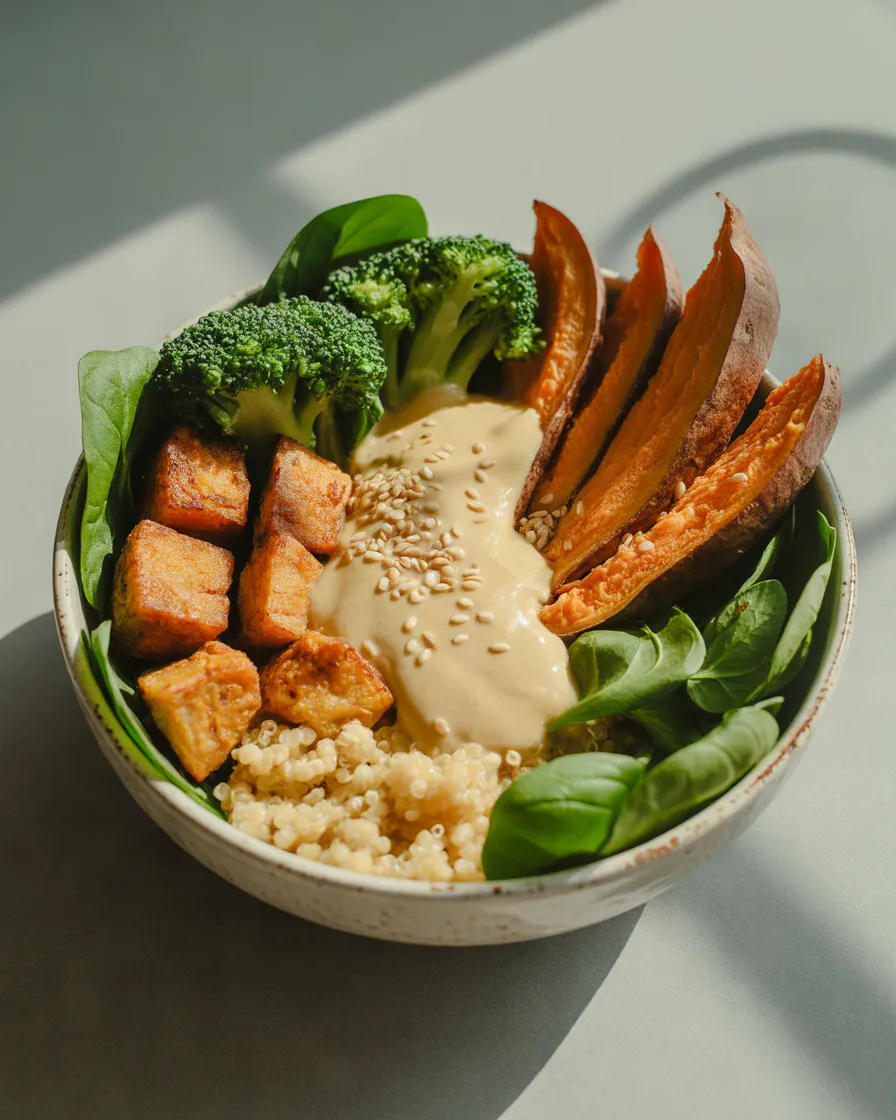
A tempeh and quinoa Buddha bowl is another excellent plant-based addition to a clean high-protein meal plan.
Tempeh has a firm texture and a naturally nutty flavor. When combined with quinoa, leafy greens, roasted vegetables, and a simple tahini dressing, it creates a balanced meal that feels both satisfying and refreshing.
Benefits
Tempeh is made from fermented soybeans and provides complete plant protein. It also contains fiber and various minerals.
Quinoa contributes additional protein and carbohydrates, while vegetables supply vitamins, minerals, and antioxidants.
Tahini adds sesame-based unsaturated fats and flavor.
How to Prepare It
- 150 g tempeh
- ½ cup cooked quinoa
- ½ cup roasted sweet potato
- ½ cup broccoli
- A handful of spinach
- 1 tablespoon tahini
- Lemon juice, garlic, and paprika
Cut the tempeh into cubes or strips. Season with paprika, garlic, and a little lemon juice.
Pan-cook or bake until golden. Prepare the quinoa and roast the sweet potato and broccoli.
Arrange the quinoa, vegetables, tempeh, and spinach in a bowl. Mix tahini with lemon juice and a little water to create a smooth dressing.
Drizzle over the finished bowl.
Practical Tips
Tempeh absorbs marinades well, so allow it to rest with seasonings before cooking. Prepare quinoa and roasted vegetables in advance.
Vary the vegetables according to the season to keep the recipe interesting.
How to Use It
Serve it for lunch or dinner. You can also divide the ingredients into separate containers for convenient meal preparation.
Who It May Suit
Vegetarians, vegans, and people interested in increasing their intake of plant-based protein may find this recipe particularly useful.
Important Considerations
Tempeh contains soy, while tahini contains sesame. Both are potential allergens. Check ingredient labels and choose suitable alternatives if necessary.
Expert Tips for Preparing Clean High Protein Meals
Choosing nutritious ingredients is only one part of building a sustainable eating routine. How you prepare, combine, and store your meals also matters.
Here are practical tips to help you get more value from your high-protein meal preparation.
1. Include a Protein Source in Every Main Meal
Try to include a recognizable protein source in breakfast, lunch, and dinner. Eggs, poultry, fish, Greek yogurt, tofu, beans, and lean meat are useful choices.
Including protein regularly can make meals more satisfying and help you distribute protein intake throughout the day.
2. Combine Protein with Fiber-Rich Foods
Protein is important, but it should not be the only focus of your plate.
Include vegetables, fruits, beans, lentils, and whole grains. These foods contribute fiber, vitamins, minerals, and other nutrients that support overall health.
3. Choose Cooking Methods That Preserve Flavor Without Excessive Added Fat
Grilling, baking, roasting, steaming, and air-frying can help you prepare nutritious meals without relying on large amounts of cooking oil.
However, you do not need to eliminate fats. Olive oil, avocado, nuts, and seeds can be part of a balanced eating pattern.
4. Prepare Ingredients in Advance
Meal preparation does not mean cooking every meal for an entire week on Sunday.
Start by preparing two or three basic ingredients, such as cooked chicken, quinoa, brown rice, roasted vegetables, or boiled eggs.
You can combine them differently throughout the week to avoid eating identical meals every day.
5. Pay Attention to Portion Sizes
Protein requirements vary depending on body size, age, activity level, health status, and personal goals.
A larger portion is not automatically better. Build balanced meals with suitable amounts of protein, carbohydrates, vegetables, and healthy fats.
6. Read Food Labels Carefully
Packaged foods can be convenient, but their nutritional quality varies.
Compare products for protein, sodium, added sugars, saturated fat, and ingredient lists. Frozen vegetables, canned beans, plain yogurt, and canned fish can all fit into a nutritious eating pattern.
7. Stay Hydrated and Maintain Variety
Drink enough fluids throughout the day, particularly when you are physically active or live in a hot climate.
Also, rotate your protein sources. Eating a variety of animal and plant-based proteins helps provide a wider range of nutrients and keeps meals interesting.
8. Follow Safe Food Storage Practices
Refrigerate perishable cooked foods promptly, generally within two hours, and use shallow containers to help them cool quickly.
Keep your refrigerator at or below 4°C (40°F). Most cooked leftovers should be used within three to four days or frozen for longer storage.
Frequently Asked Questions About Clean High Protein Meals
1. What Are the Best Clean High Protein Meals?
Some excellent choices include grilled chicken and quinoa bowls, baked salmon with vegetables, turkey and black bean stuffed peppers, egg scrambles, tofu stir-fries, and chicken lentil soup.
The best option depends on your preferences, nutritional needs, budget, and available ingredients.
2. What Is the Easiest High Protein Meal to Make?
A cottage cheese and egg scramble is one of the easiest options. It requires only a few ingredients and can usually be prepared in approximately 10–15 minutes.
A tuna and white bean salad is another convenient option because it requires very little cooking.
3. Can I Eat Clean High Protein Meals Every Day?
Yes. You can include high-protein meals regularly as part of a balanced eating pattern.
However, focus on dietary variety rather than eating the same ingredients every day. Include vegetables, fruits, whole grains, and different protein sources.
4. What Are the Best High Protein Foods for Clean Eating?
Useful protein-rich foods include:
- Chicken breast
- Turkey
- Salmon
- Tuna
- Eggs
- Plain Greek yogurt
- Cottage cheese
- Tofu
- Tempeh
- Lentils
- Black beans
- Edamame
- Lean beef
These foods provide different combinations of protein, vitamins, minerals, and other nutrients.
5. Are Plant-Based Meals High in Protein?
Absolutely. Tofu, tempeh, edamame, lentils, chickpeas, beans, and certain whole grains can contribute meaningful amounts of protein.
Combining different plant protein sources across the day helps provide a variety of essential amino acids.
6. Can Clean High Protein Meals Help with Weight Management?
Protein-rich meals may help with fullness and make it easier for some people to manage hunger.
However, weight management depends on several factors, including total energy intake, physical activity, sleep, and overall eating habits. No individual meal guarantees weight loss.
7. How Much Protein Should I Eat Per Meal?
There is no single ideal amount for everyone.
Protein needs depend on individual factors such as age, body weight, activity level, and health conditions. For healthy adults, the general recommended dietary allowance is approximately 0.8 grams per kilogram of body weight per day, although people with different activity levels or nutritional needs may require different amounts.
A registered dietitian can help determine an appropriate target.
8. Are High Protein Meals Good for Muscle Recovery?
Protein supplies amino acids that the body uses to repair and maintain muscle tissue.
Including protein-rich foods in a balanced diet can support recovery from exercise. However, adequate energy intake, carbohydrates, hydration, sleep, and appropriate training are also important.
9. Can I Meal Prep High Protein Meals for the Week?
Yes. Preparing individual ingredients or complete meals ahead of time can make healthy eating more convenient.
Cooked chicken, turkey, grains, beans, and roasted vegetables are useful meal-prep ingredients. Refrigerate foods promptly, keep them in airtight containers, and freeze portions that will not be eaten within the recommended storage period.
10. Are Clean High Protein Meals Suitable for Vegetarians?
Yes. Vegetarian options include egg and cottage cheese scrambles, tofu and edamame stir-fries, lentil soups, tempeh bowls, and bean-based meals.
Vegans can use tofu, tempeh, lentils, beans, edamame, and other plant-based ingredients.
11. Are Clean High Protein Meals Expensive?
They do not have to be.
Eggs, dried lentils, beans, canned tuna, frozen vegetables, seasonal produce, and plain yogurt can be relatively affordable protein-rich ingredients.
Buying staple ingredients in larger quantities and planning meals around supermarket offers may also reduce food costs.
12. Can I Eat High Protein Meals If I Have a Medical Condition?
That depends on the condition and your individual nutritional requirements.
People with chronic kidney disease and certain other medical conditions may need individualized protein recommendations. Anyone managing a medical condition, taking dietary supplements, or following a medically prescribed diet should consult an appropriate healthcare professional or registered dietitian before making major dietary changes.
Conclusion
Preparing nutritious meals does not need to be complicated, expensive, or restrictive. With the right ingredients, you can enjoy delicious clean high protein meals that fit naturally into your everyday routine.
From Mediterranean chicken bowls and baked salmon to tofu stir-fries, lentil soup, and homemade turkey meatballs, these 12 recipes offer plenty of ways to enjoy protein-rich foods while including vegetables, whole grains, and healthy fats.
Start with two or three recipes that appeal to you, prepare some ingredients in advance, and gradually introduce more variety into your weekly menu.
Remember that healthy eating is about consistency, balance, and choosing foods that suit your lifestyle. You do not need a perfect diet to make meaningful improvements to your everyday eating habits.