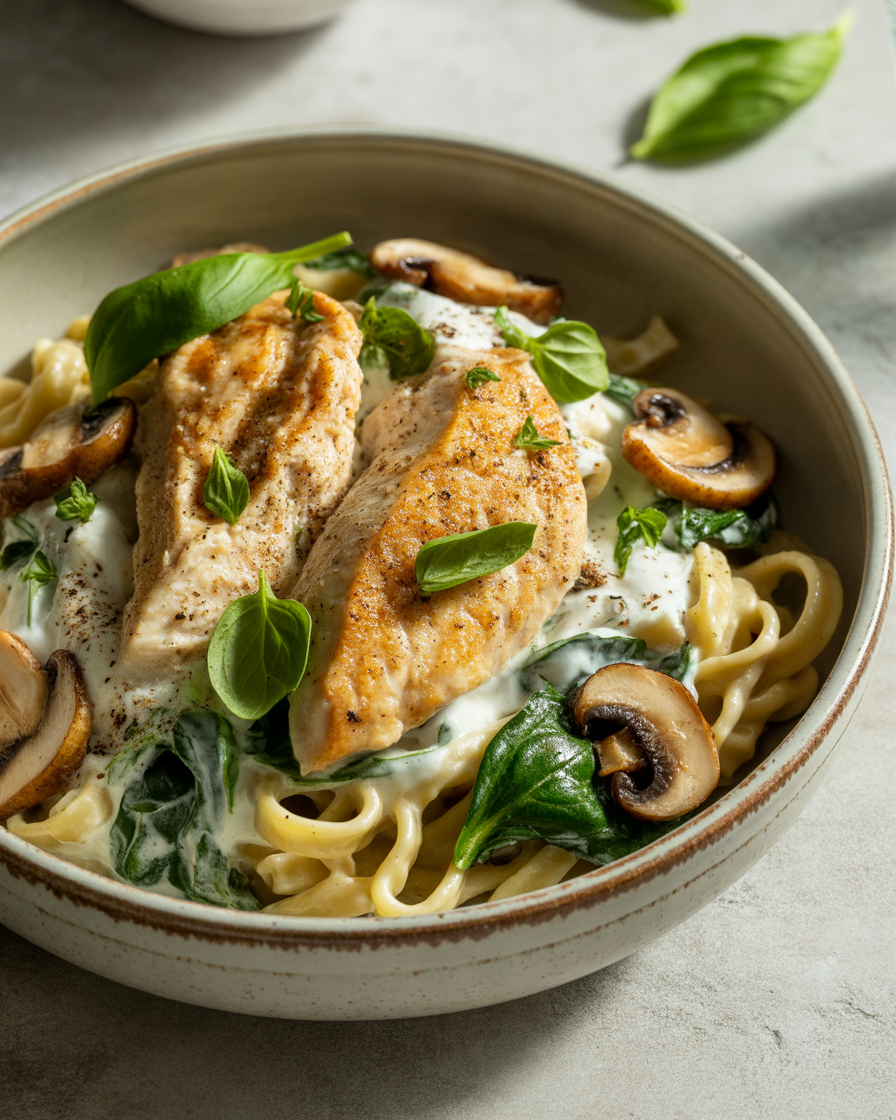
After a busy day, the last thing you want is a dinner that takes forever to prepare or leaves you hungry an hour later. That’s where a good high protein dinner can make a difference. With the right combination of protein, vegetables, whole grains, and healthy fats, you can create a satisfying meal without spending your entire evening in the kitchen.
Protein plays an important role in maintaining muscles, repairing body tissues, and supporting everyday health. It can also help you feel comfortably full after eating. However, getting enough protein doesn’t mean you need to eat chicken breast every night or follow a complicated meal plan.
There are plenty of delicious options, from colorful salmon bowls and comforting turkey chili to vegetarian stir-fries and creamy pasta dishes.
In this guide, you’ll discover 12 healthy high protein dinner recipes that are practical, flavorful, and suitable for different eating preferences. Whether you’re looking for high protein dinner ideas for weight management, muscle recovery, family meals, or simple weeknight cooking, these recipes offer plenty of inspiration.
Each idea includes ingredients, preparation instructions, estimated protein content, benefits, and helpful tips to make dinner easier.
Note: Protein estimates are approximate per serving and depend on ingredient brands, portion sizes, and cooking methods. The recipes generally make one generous serving unless otherwise specified.
1. Lemon Garlic Chicken and Quinoa Bowl – A Balanced High Protein Dinner
Estimated protein: 45–50 grams per serving | Preparation time: 30 minutes
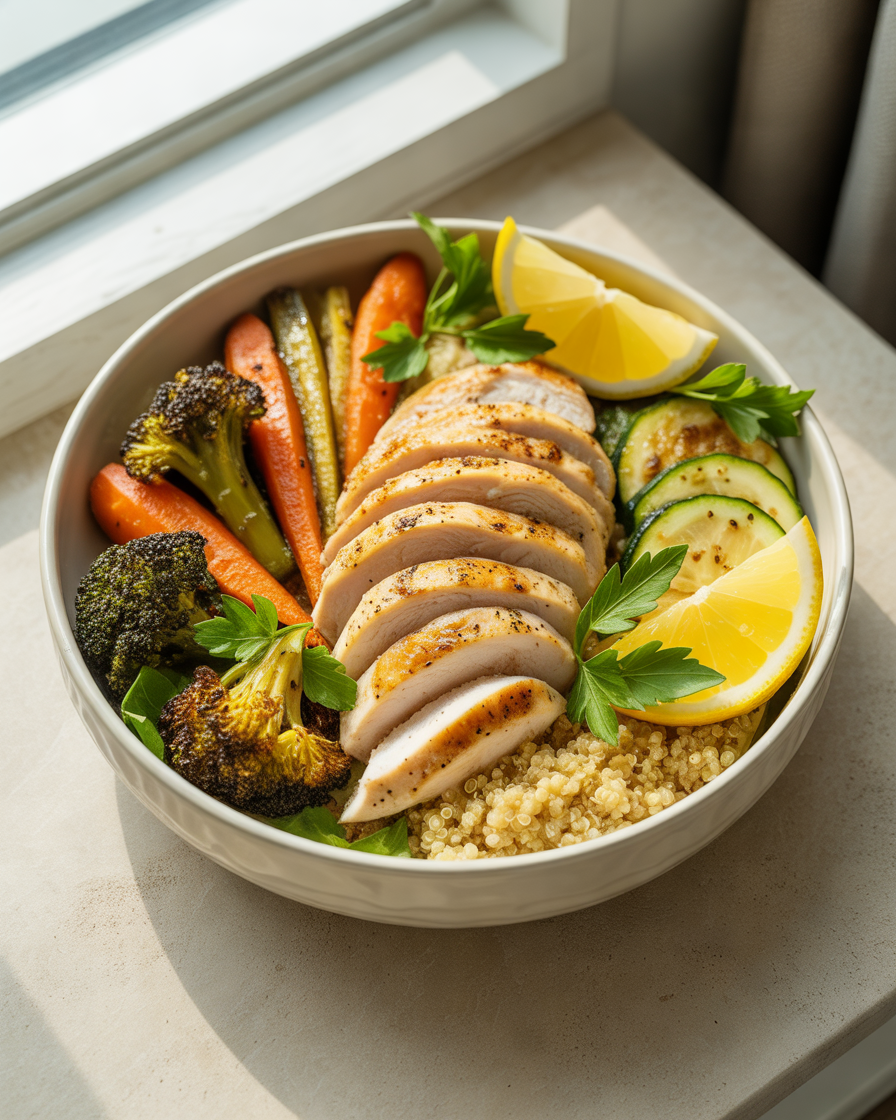
A lemon garlic chicken and quinoa bowl is one of the easiest ways to prepare a protein-rich dinner that feels fresh instead of heavy.
Tender chicken, fluffy quinoa, roasted vegetables, and a bright lemon dressing create a colorful meal with several important nutrients.
Quinoa also provides dietary fiber and minerals, making it a useful alternative to refined grains.
Ingredients:
- 140 g cooked, skinless chicken breast
- ¾ cup cooked quinoa
- 1 cup broccoli, carrots, or zucchini
- 1 teaspoon olive oil
- 1 garlic clove, minced
- 1 tablespoon lemon juice
- Black pepper, parsley, and herbs to taste
How to prepare it:
Season the chicken with garlic, lemon juice, pepper, and herbs. Cook it in a skillet until it reaches a safe internal temperature of 165°F (74°C).
Prepare quinoa according to the package instructions. Roast or steam your vegetables until tender.
Arrange everything in a bowl and finish with olive oil, lemon juice, and fresh parsley.
Benefits: Chicken provides high-quality protein, while quinoa and vegetables contribute fiber and various micronutrients. The combination creates a filling, balanced meal.
Practical tip: Cook quinoa and chicken in larger batches to simplify weekday dinners.
Who it may suit: Busy professionals, active adults, and anyone interested in straightforward high protein meal prep.
Important consideration: Choose moderate amounts of oil and dressing if you’re monitoring your overall energy intake.
2. Baked Salmon with Chickpeas and Roasted Vegetables – A Heart-Friendly Dinner
Estimated protein: 35–40 grams per serving | Preparation time: 30 minutes
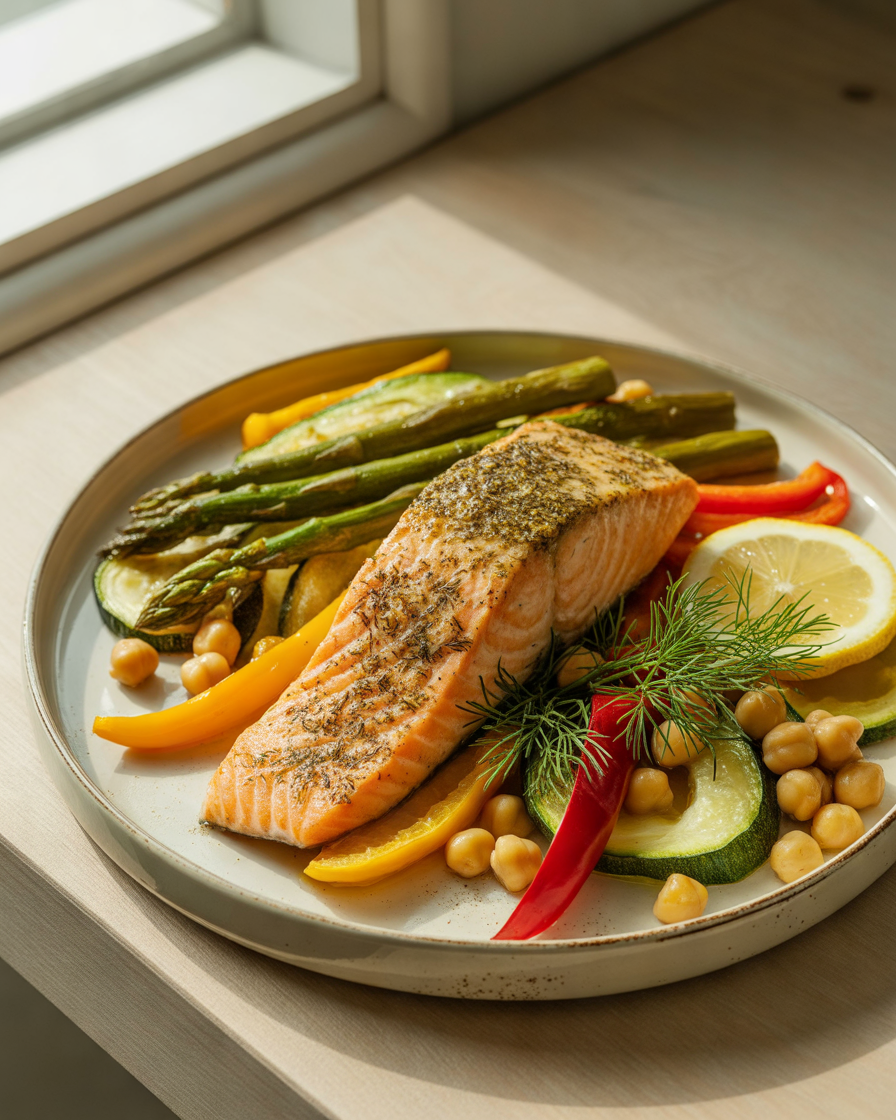
Salmon deserves a regular place in a collection of healthy high protein dinner ideas.
Besides protein, salmon provides omega-3 fatty acids, which support normal heart and brain function. Chickpeas add plant protein and fiber, while roasted vegetables provide color, texture, and nutrients.
The result is an elegant dinner that requires surprisingly little effort.
Ingredients:
- 140 g salmon fillet
- ½ cup cooked chickpeas
- 1 cup asparagus, zucchini, or bell peppers
- 1 teaspoon olive oil
- 1 tablespoon fresh lemon juice
- Garlic powder, paprika, and black pepper
- Fresh dill or parsley
How to prepare it:
Preheat your oven to 400°F (200°C).
Place salmon, drained chickpeas, and chopped vegetables on a lined baking tray. Add olive oil and seasonings.
Roast until the salmon reaches 145°F (63°C) internally and the vegetables are tender. Cooking time depends on the thickness of the fish.
Finish with lemon juice and fresh herbs.
Benefits: This dinner supplies protein, omega-3 fats, and fiber, all within one convenient meal.
Practical tip: Use canned chickpeas to reduce preparation time. Rinse them to remove some of the added sodium.
Who it may suit: Seafood lovers and people looking for a Mediterranean-inspired dinner.
Important consideration: Individuals with fish allergies should choose an alternative protein source. Fish consumption during pregnancy may require attention to species and recommended portions.
3. Turkey and Kidney Bean Chili – A Comforting High Protein Dinner for Meal Prep
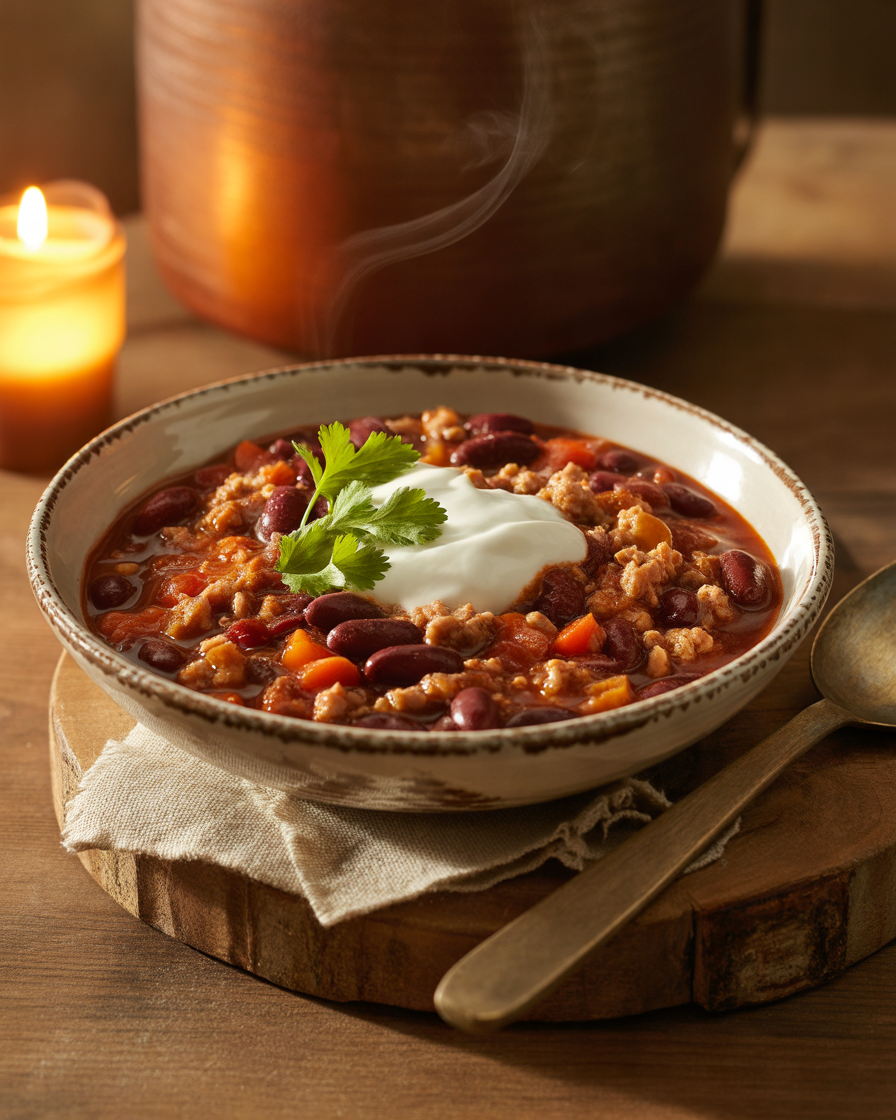
Estimated protein: 40–45 grams per serving | Preparation time: 35 minutes
There is something especially comforting about a warm bowl of homemade chili after a long day.
This high protein turkey chili combines lean ground turkey, kidney beans, tomatoes, and aromatic spices to create a hearty meal.
Unlike dishes that rely almost entirely on meat, this recipe combines animal and plant protein while adding valuable fiber.
Ingredients:
- 140 g cooked lean ground turkey
- ½ cup cooked kidney beans
- ½ cup chopped tomatoes
- ¼ cup diced onion
- ½ bell pepper
- 1 garlic clove
- Chili powder, cumin, and paprika
- A little olive oil or water for cooking
How to prepare it:
Sauté onion, garlic, and bell pepper until softened.
Add raw ground turkey and cook thoroughly, breaking it into small pieces. Ground turkey must reach 165°F (74°C).
Stir in tomatoes, cooked kidney beans, and spices. Add water if necessary and simmer for about 15 minutes.
Serve with fresh coriander (cilantro), a spoonful of plain yogurt, or a small portion of brown rice.
Benefits: Turkey supplies lean protein, while kidney beans offer fiber that contributes to digestive health and fullness.
Practical tip: Double the ingredients and freeze extra portions for future dinners.
Who it may suit: Families, meal-prep enthusiasts, and people who enjoy filling one-pot meals.
Important consideration: Use fully cooked kidney beans; raw or undercooked kidney beans contain harmful lectins. Choose lower-sodium canned products when available.
4. Ginger Beef and Broccoli Stir-Fry – A Quick High Protein Dinner
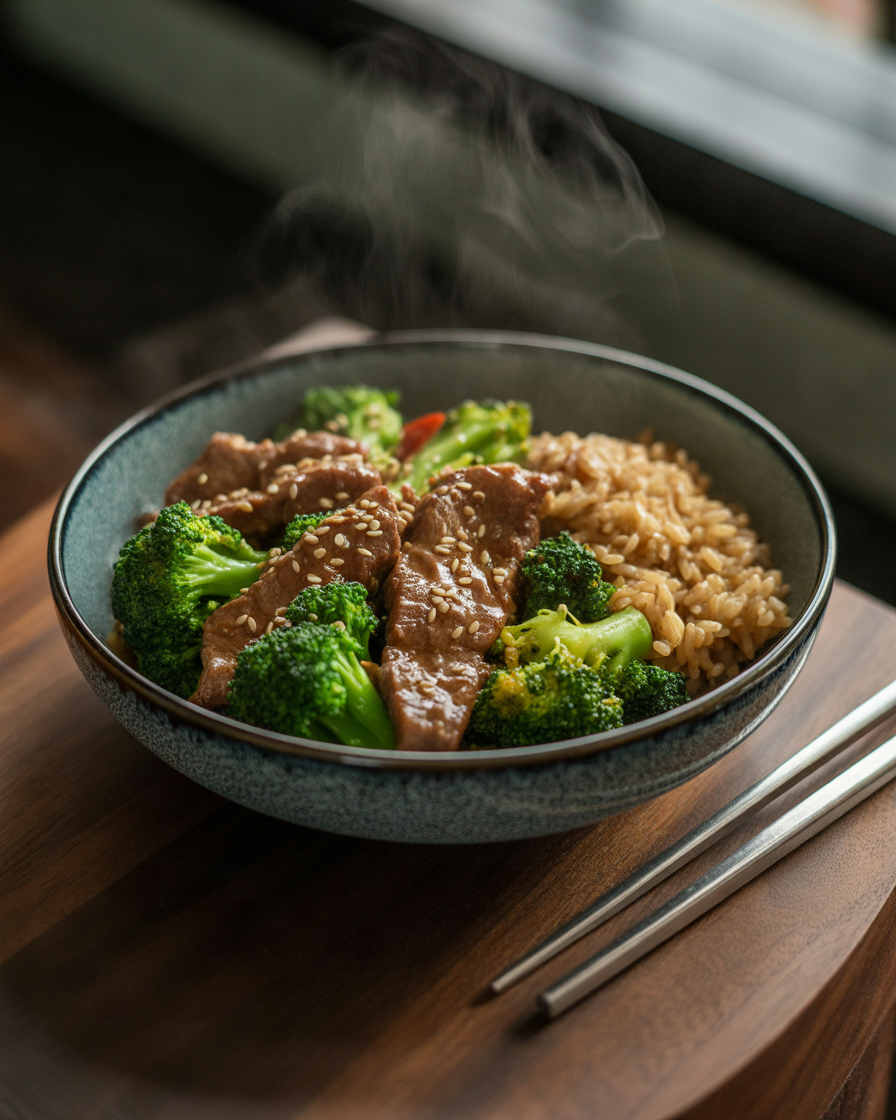
Estimated protein: 35–40 grams per serving | Preparation time: 25 minutes
When you’re craving takeaway food but want more control over the ingredients, a homemade ginger beef and broccoli stir-fry is an excellent choice.
Tender strips of lean beef, crunchy broccoli, garlic, and fresh ginger create a satisfying combination.
The sauce can be adjusted to suit your preference for sweetness, saltiness, or spice.
Ingredients:
- 125 g cooked lean beef strips
- 1½ cups broccoli florets
- ½ cup cooked brown rice
- 1 tablespoon reduced-sodium soy sauce
- 1 teaspoon sesame oil
- 1 teaspoon grated ginger
- 1 minced garlic clove
- A splash of water
How to prepare it:
Heat a skillet or wok with sesame oil.
Add thinly sliced raw beef and stir-fry until cooked safely. Whole beef cuts should reach 145°F (63°C) and rest for three minutes.
Remove the beef temporarily. Add broccoli, garlic, ginger, and a little water. Cook until tender-crisp.
Return the beef to the pan, add soy sauce, and toss together. Serve over brown rice.
Benefits: Beef provides protein, iron, zinc, and vitamin B12. Broccoli adds fiber and vitamin C.
Practical tip: Slice the beef thinly against the grain to improve tenderness.
Who it may suit: People who prefer savory, restaurant-style dinners prepared at home.
Important consideration: Choose lean beef and enjoy red meat in moderation as part of a varied diet.
5. Crispy Tofu and Edamame Rice Bowl – A High Protein Vegan Dinner
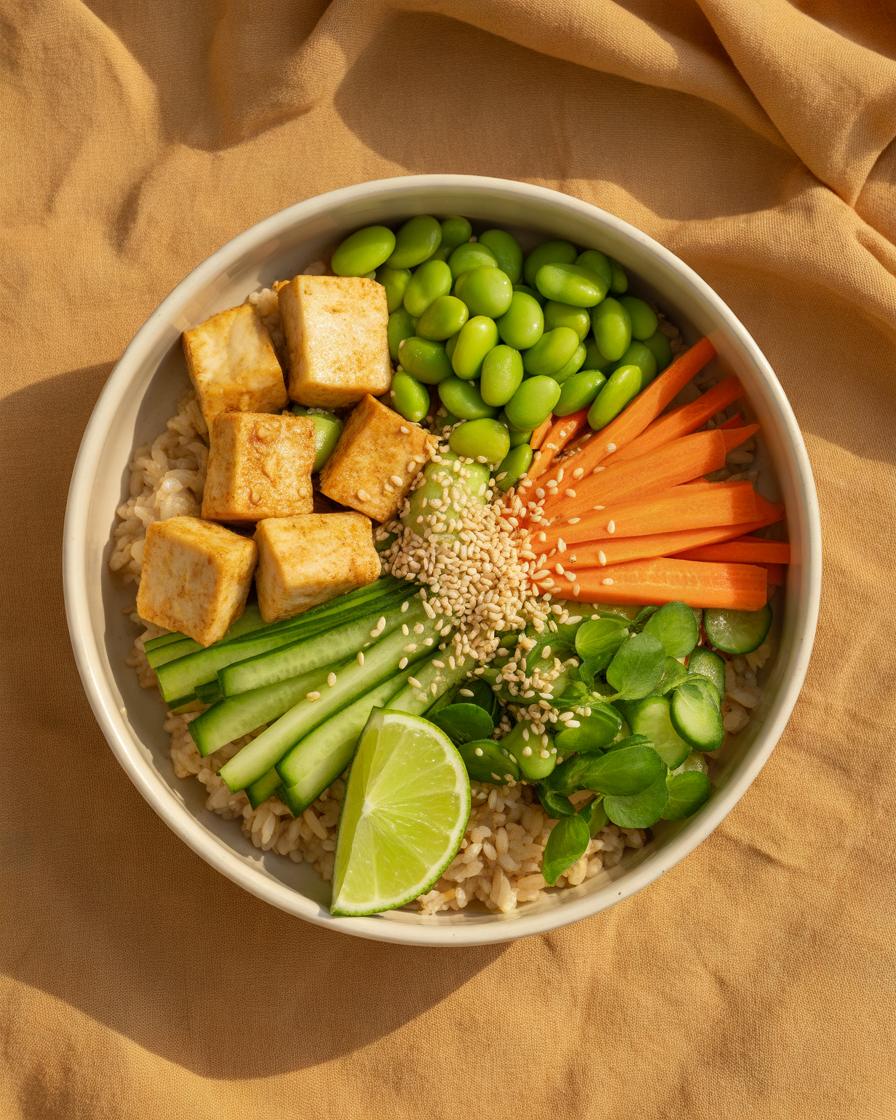
Estimated protein: 30–38 grams per serving | Preparation time: 30 minutes
Eating a plant-based diet doesn’t mean settling for a dinner with very little protein.
This crispy tofu and edamame bowl combines two soy-based foods that provide all nine essential amino acids.
A mixture of crunchy vegetables, rice, and tangy sesame dressing makes this vegan dinner colorful and satisfying.
Ingredients:
- 180 g extra-firm tofu
- ¾ cup cooked, shelled edamame
- ½ cup cooked brown rice
- ½ cup shredded carrots
- ½ cup sliced cucumber
- 1 teaspoon sesame oil
- 1 tablespoon reduced-sodium soy sauce
- Fresh ginger and lime juice
How to prepare it:
Press the tofu gently to remove excess moisture and cut it into cubes.
Toss with a little sesame oil and bake at 400°F (200°C) until lightly crisp, approximately 20–25 minutes.
Cook the edamame according to package directions.
Combine the rice, tofu, edamame, and vegetables. Finish with soy sauce, lime juice, and ginger.
Benefits: Tofu and edamame supply plant protein, while vegetables and brown rice contribute fiber and other nutrients.
Practical tip: Freezing and thawing firm tofu before cooking can create a chewier texture.
Who it may suit: Vegans, vegetarians, and people trying to include more plant-based meals.
Important consideration: Protein content varies substantially between tofu brands. Check the label, particularly when tracking intake. Avoid soy if you have a soy allergy.
6. Lentil and Cottage Cheese Stuffed Sweet Potatoes – A Budget-Friendly Vegetarian Dinner
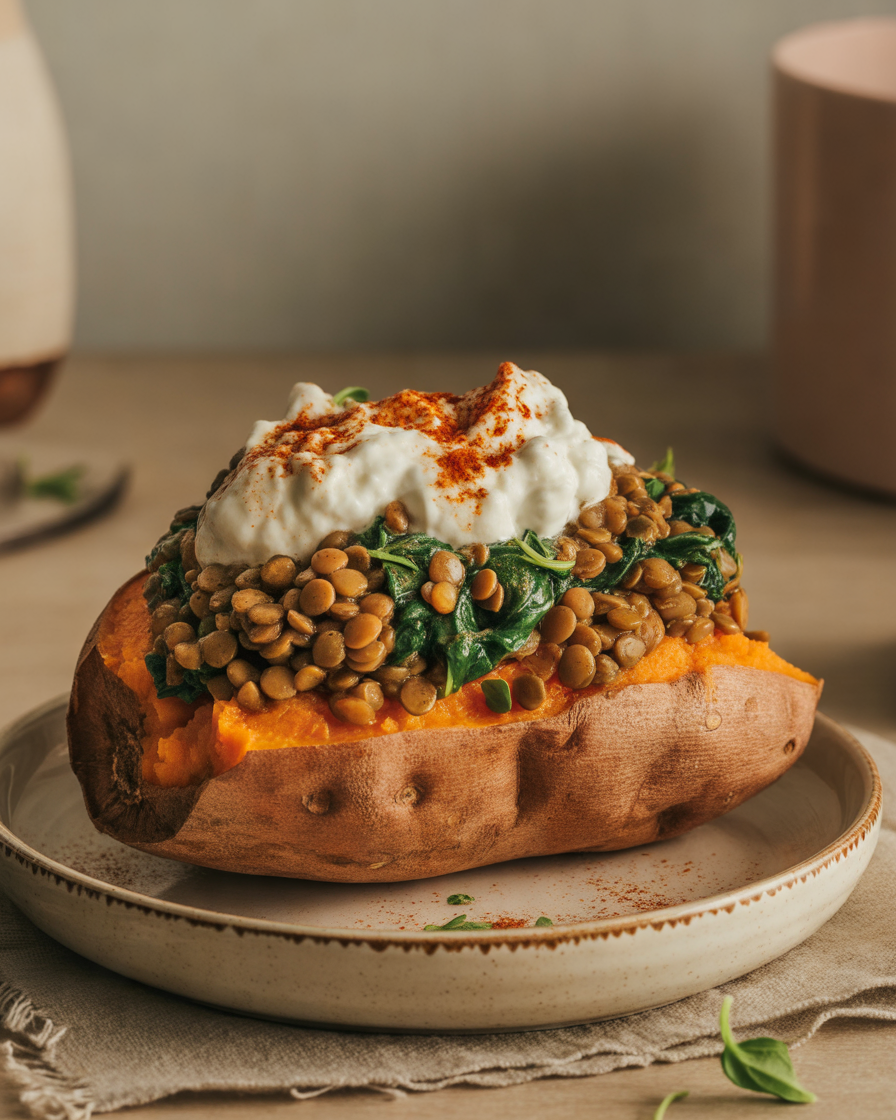
Estimated protein: 27–32 grams per serving | Preparation time: 40 minutes
Sweet potatoes are often served as a side dish, but they can easily become the foundation of a complete dinner.
Stuffing them with seasoned lentils, spinach, and cottage cheese creates a comforting meal with a pleasant contrast between sweet and savory flavors.
This is also a practical option for anyone looking to eat more protein without purchasing expensive specialty ingredients.
Ingredients:
- 1 medium-to-large sweet potato
- ¾ cup cooked lentils
- ½ cup cottage cheese
- 1 cup fresh spinach
- 2 tablespoons chopped onion
- 1 teaspoon olive oil
- Smoked paprika, garlic powder, and black pepper
How to prepare it:
Wash and pierce the sweet potato, then bake at 400°F (200°C) until soft, approximately 35–50 minutes depending on its size.
Meanwhile, sauté onion and spinach. Add cooked lentils and seasonings, heating everything thoroughly.
Split the sweet potato and gently mash its center.
Spoon the lentil mixture over the potato and top with cottage cheese.
Benefits: Lentils contribute fiber, protein, and iron, while cottage cheese adds extra protein and calcium.
Practical tip: Microwave the sweet potato before briefly roasting it to reduce cooking time.
Who it may suit: Vegetarians, students, and budget-conscious home cooks.
Important consideration: Cottage cheese can be relatively high in sodium. Choose an appropriate variety and use lactose-free alternatives if needed.
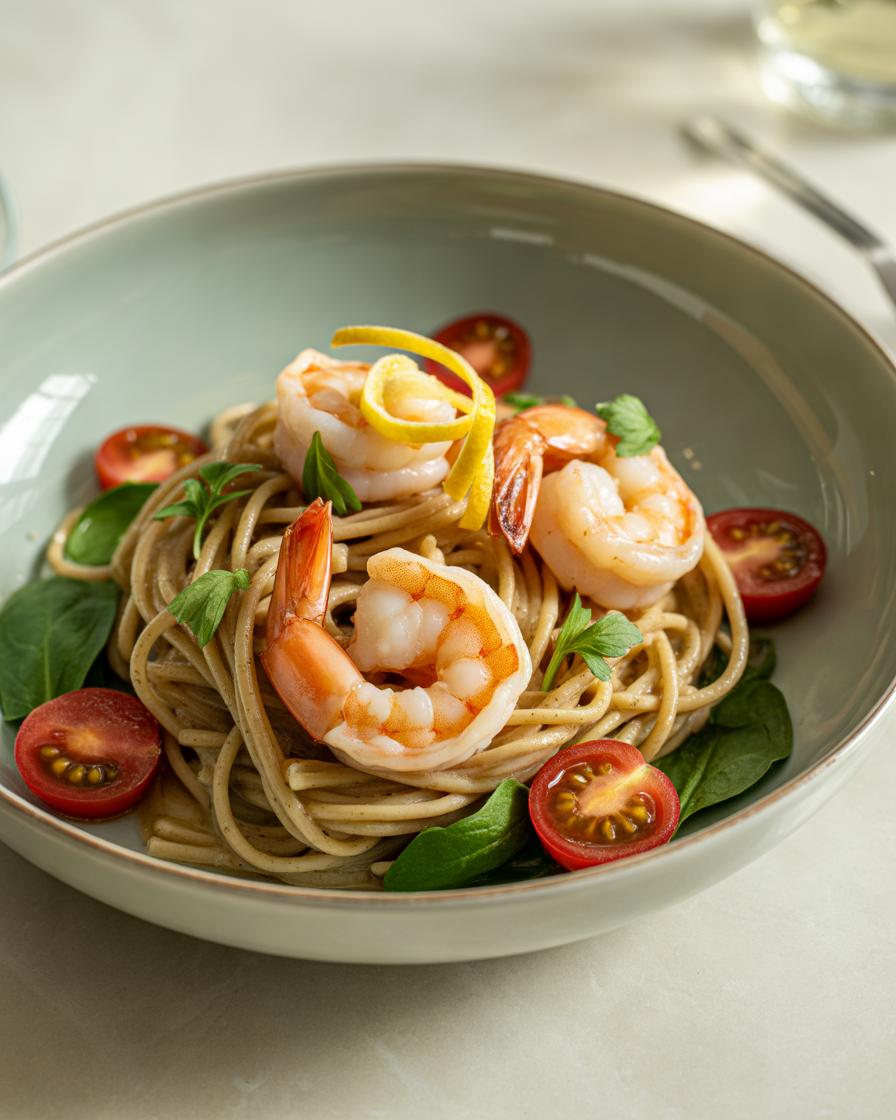
7. Garlic Shrimp and Whole Wheat Pasta – A Restaurant-Style High Protein Dinner
Estimated protein: 40–45 grams per serving | Preparation time: 25 minutes
A high protein dinner doesn’t have to look like traditional diet food.
This garlic shrimp pasta tastes indulgent but uses simple ingredients to create a balanced meal.
Shrimp provides lean protein, while whole wheat pasta contributes carbohydrates and fiber. Tomatoes and spinach add freshness and color.
Ingredients:
- 150 g cooked shrimp (prawns)
- 75 g dry whole wheat pasta
- 1 cup baby spinach
- ½ cup cherry tomatoes
- 2 minced garlic cloves
- 1 teaspoon olive oil
- Lemon zest and juice
- Chili flakes and black pepper
How to prepare it:
Boil the pasta according to package instructions.
Meanwhile, heat olive oil in a skillet and gently cook the garlic.
Add raw shrimp and cook until they reach 145°F (63°C), then add tomatoes and spinach.
Toss the mixture with the drained pasta, lemon juice, and a little reserved pasta water.
Finish with lemon zest and chili flakes.
Benefits: This dish combines protein and carbohydrates, making it especially convenient after an active day.
Practical tip: Reserve some pasta water before draining. It helps create a light sauce without needing heavy cream.
Who it may suit: Pasta lovers, seafood enthusiasts, and busy households.
Important consideration: Shrimp is a shellfish allergen. Check frozen or pre-seasoned shrimp for added salt.
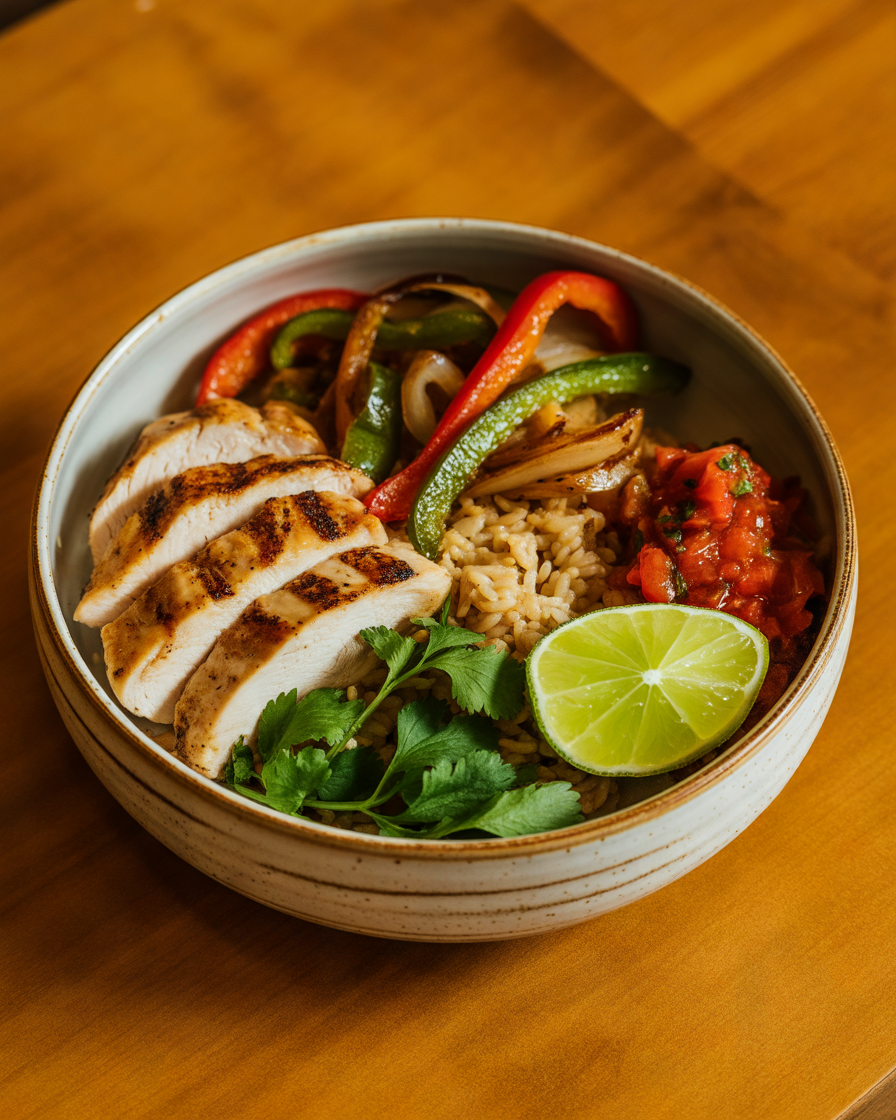
8. Chicken Fajita Rice Bowl – A Flavorful Family-Friendly Dinner
Estimated protein: 40–45 grams per serving | Preparation time: 30 minutes
If you enjoy Mexican-inspired flavors, a chicken fajita rice bowl is a reliable weeknight option.
Juicy chicken strips, sautéed peppers, onions, and seasoned rice create a satisfying meal that can easily be customized.
The ingredients are affordable, widely available, and suitable for making several portions at once.
Ingredients:
- 130 g cooked chicken breast
- ¾ cup cooked brown rice
- ½ red bell pepper
- ½ green bell pepper
- ½ small onion
- 1 teaspoon olive oil
- Paprika, cumin, oregano, and garlic powder
- Fresh lime juice
- Chopped cilantro
How to prepare it:
Slice raw chicken into strips and season with the spices.
Cook in a hot skillet until the chicken reaches 165°F (74°C).
In the same skillet, sauté peppers and onions until softened but still slightly crisp.
Serve over warm brown rice with lime juice and cilantro.
For extra flavor, add fresh tomato salsa or a spoonful of plain Greek yogurt.
Benefits: Chicken provides substantial protein, while peppers offer vitamin C and brown rice contributes additional fiber.
Practical tip: Prepare the peppers and onions in advance and refrigerate them in airtight containers.
Who it may suit: Families, meal-prep beginners, and people who enjoy customizable dinner bowls.
Important consideration: Adjust rice, oil, and toppings according to your appetite and individual nutritional needs.
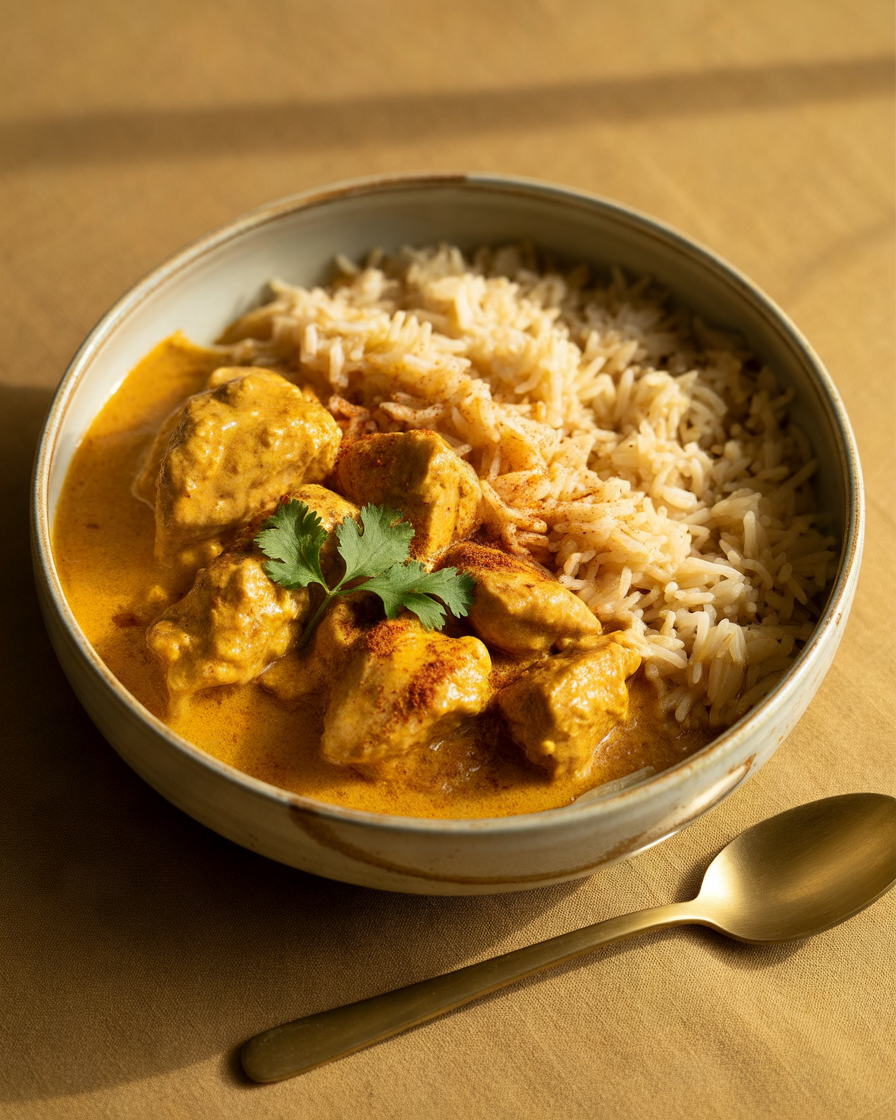
9. Creamy Greek Yogurt Chicken Curry – A Lighter Comfort Food Dinner
Estimated protein: 43–48 grams per serving | Preparation time: 35 minutes
Creamy curries are delicious, but some versions rely heavily on butter or cream.
This Greek yogurt chicken curry provides a lighter alternative without sacrificing comforting flavors.
Plain Greek yogurt adds a tangy creaminess and contributes extra protein to the meal.
The dish pairs beautifully with brown basmati rice or whole wheat flatbread.
Ingredients:
- 130 g cooked skinless chicken breast
- ⅓ cup plain Greek yogurt
- ½ cup chopped tomatoes
- ¼ cup finely chopped onion
- 1 garlic clove
- 1 teaspoon grated ginger
- Curry powder, turmeric, and cumin
- 1 teaspoon olive oil
- ½ cup cooked basmati rice
How to prepare it:
Sauté onion, garlic, and ginger in olive oil.
Add the tomatoes and spices. Cook until the mixture becomes fragrant and slightly thickened.
Add diced raw chicken and simmer until cooked through to 165°F (74°C).
Reduce the heat. Stir in Greek yogurt gradually, keeping the sauce below a vigorous boil to prevent curdling.
Serve with rice and fresh herbs.
Benefits: This meal provides protein, carbohydrates, and a variety of flavors without requiring a heavy cream-based sauce.
Practical tip: Use room-temperature yogurt and add it slowly for a smoother texture.
Who it may suit: Curry lovers, families, and anyone wanting a comforting homemade dinner.
Important consideration: Choose unsweetened yogurt and adjust the spice level to suit your household. This recipe contains dairy.
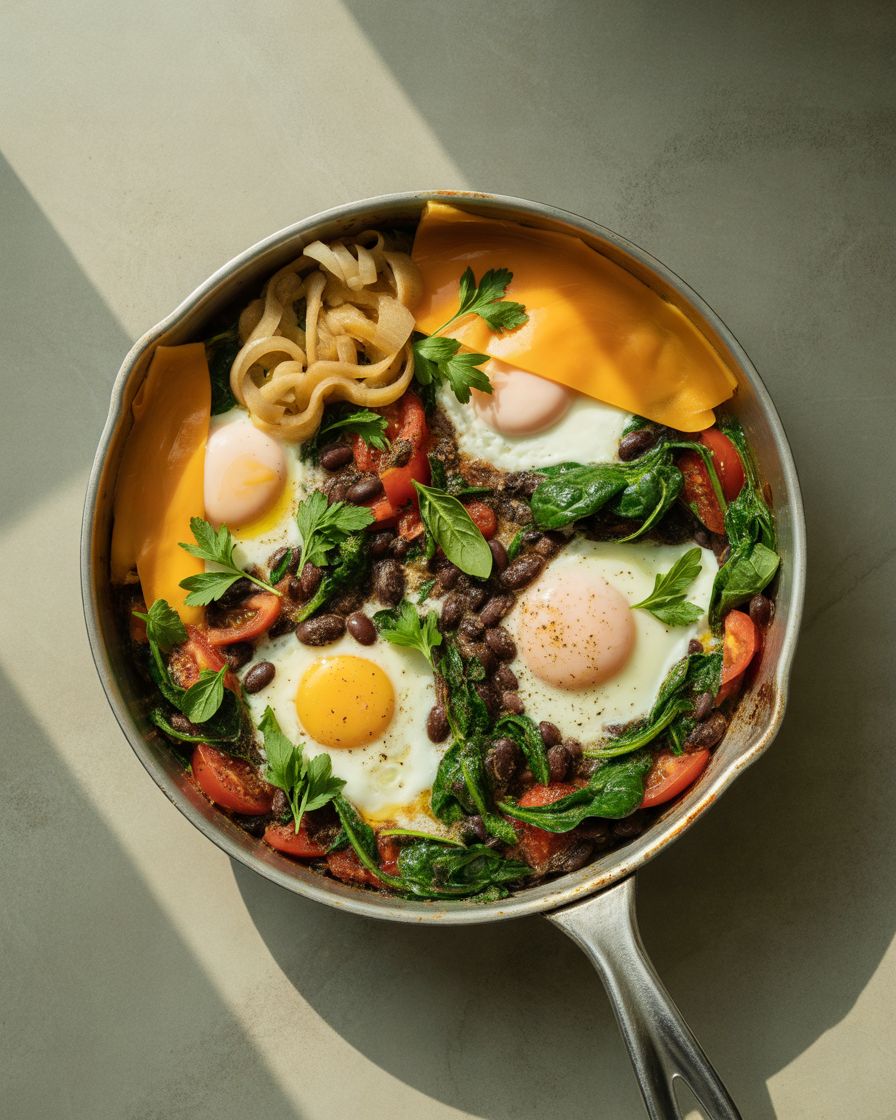
10. Egg, Black Bean, and Cheese Skillet – An Affordable High Protein Dinner
Estimated protein: 33–38 grams per serving | Preparation time: 20 minutes
Eggs aren’t just for breakfast.
They can form the foundation of an inexpensive, satisfying high protein dinner, especially when combined with beans and vegetables.
This egg and black bean skillet is particularly useful on evenings when your refrigerator is almost empty and you need something quick.
Ingredients:
- 3 large eggs
- ¾ cup cooked black beans
- ¼ cup shredded cheddar cheese
- ½ cup chopped tomatoes
- ½ cup baby spinach
- 2 tablespoons diced onion
- 1 teaspoon olive oil
- Cumin, paprika, and black pepper
How to prepare it:
Heat olive oil in an oven-safe skillet.
Cook the onion and tomatoes until softened. Add black beans, spinach, and seasonings.
Create three small spaces in the mixture and crack an egg into each.
Cover and cook until the eggs are fully set. Sprinkle with cheese and allow it to melt.
Serve with a side salad or toasted whole grain bread.
Benefits: Eggs supply complete protein and choline, while black beans add fiber and additional plant protein.
Practical tip: Keep canned black beans in your cupboard for quick dinner preparation.
Who it may suit: Students, vegetarians who eat eggs and dairy, and anyone cooking on a budget.
Important consideration: Cook eggs thoroughly, especially for pregnant people and those at higher risk of foodborne illness, unless using appropriately pasteurized products.
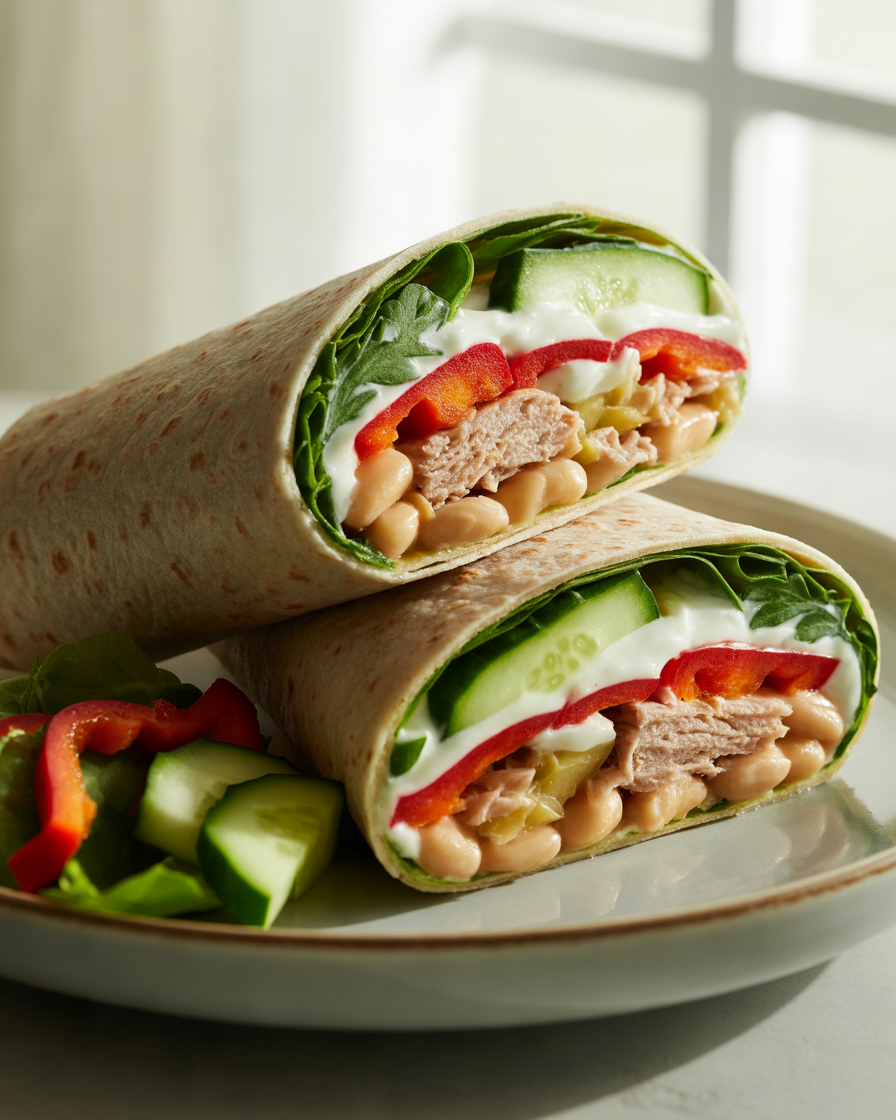
11. Tuna and White Bean Salad Wrap – A No-Fuss High Protein Dinner
Estimated protein: 35–40 grams per serving | Preparation time: 15 minutes
Some evenings, the idea of cooking an entire meal feels exhausting.
A tuna and white bean wrap solves that problem with ingredients that require very little preparation.
The combination of tuna, creamy white beans, crunchy vegetables, and lemon dressing makes a filling dinner without a complicated cooking process.
Ingredients:
- 1 standard can tuna in water, approximately 110 g drained
- ½ cup cooked white beans
- 1 large whole grain tortilla
- ½ cup chopped cucumber
- ¼ cup diced red bell pepper
- 1 tablespoon plain Greek yogurt
- Lemon juice and black pepper
- Fresh parsley
How to prepare it:
Drain the tuna and white beans thoroughly.
In a bowl, mash some of the beans with Greek yogurt and lemon juice.
Fold in tuna, cucumber, bell pepper, parsley, and black pepper.
Spoon the mixture onto a whole grain tortilla, wrap tightly, and serve immediately.
You can also serve the filling over leafy greens instead of using a tortilla.
Benefits: Tuna supplies protein and vitamin B12, while beans contribute fiber and minerals.
Practical tip: Prepare the filling in advance, but assemble the wrap shortly before eating to avoid sogginess.
Who it may suit: Office workers, students, and anyone needing a quick dinner without turning on the oven.
Important consideration: Tuna contains mercury in varying amounts. Pregnant or breastfeeding individuals should follow local fish-consumption advice; canned light tuna is generally a lower-mercury choice than albacore.
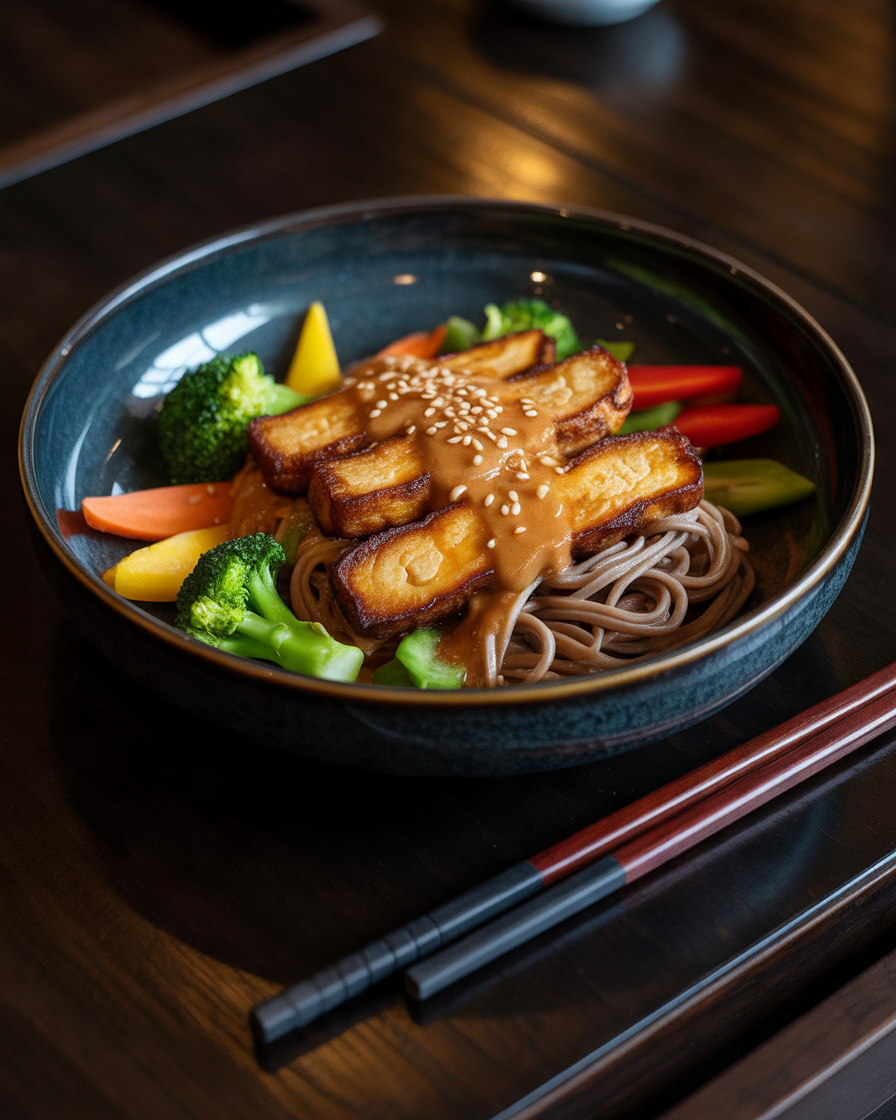
12. Tempeh and Peanut Noodle Stir-Fry – A Satisfying Plant-Based Dinner
Estimated protein: 38–43 grams per serving | Preparation time: 30 minutes
Tempeh is an excellent ingredient to explore when you want more variety in your high protein vegetarian dinner routine.
Made from fermented soybeans, tempeh has a firm texture and a slightly nutty flavor that works especially well in stir-fries.
Combining it with noodles, vegetables, and peanut sauce creates a filling meal inspired by Southeast Asian flavors.
Ingredients:
- 150 g tempeh
- 75 g dry soba noodles
- 1 tablespoon natural peanut butter
- 1 cup mixed broccoli, carrots, and bell peppers
- 1 tablespoon reduced-sodium soy sauce
- 1 teaspoon sesame oil
- Fresh lime juice
- 1 teaspoon grated ginger
- Water to thin the sauce
How to prepare it:
Cook the soba noodles according to the package instructions.
Cut tempeh into thin strips and sauté in sesame oil until golden and heated through.
Add vegetables and stir-fry until tender-crisp.
Mix peanut butter, soy sauce, lime juice, ginger, and a little warm water.
Add noodles and sauce to the skillet and toss until evenly coated.
Benefits: Tempeh offers plant protein and nutrients from soybeans, while vegetables and noodles create a satisfying, varied meal.
Practical tip: Steam tempeh for several minutes before frying if you prefer a milder flavor.
Who it may suit: Vegans, vegetarians, and people wanting to explore alternative protein sources.
Important consideration: This recipe contains soy and peanuts. Some soba noodles also contain wheat, so check packaging if you need a gluten-free meal.
Expert Tips for Making a Healthy High Protein Dinner Every Night
Preparing high protein dinners consistently becomes easier when you follow a few practical habits instead of complicated food rules.
1. Plan your protein source before choosing the sides.
Start by selecting chicken, fish, eggs, tofu, tempeh, beans, lentils, or another protein-rich ingredient. Then add vegetables, a suitable carbohydrate source, and healthy fats.
This simple approach helps build balanced meals without needing an exact recipe every evening.
2. Combine animal and plant proteins when appropriate.
You don’t always need a large portion of meat.
Adding lentils to turkey chili, chickpeas to salmon bowls, or beans to egg dishes can increase fiber and variety while contributing more protein.
It can also make meals more affordable.
3. Don’t eliminate carbohydrates unnecessarily.
Rice, potatoes, oats, and whole grain pasta can fit comfortably into high protein dinners.
Carbohydrates supply energy, particularly for people who exercise regularly. Choose portions according to your activity level, hunger, and nutritional needs.
4. Use practical meal-preparation shortcuts.
Keep frozen vegetables, canned beans, eggs, and frozen fish available.
Cook grains in batches, wash vegetables in advance, and prepare versatile seasonings.
For food safety, refrigerate perishable cooked food promptly and use most refrigerated leftovers within three to four days or freeze them.
5. Spread protein intake across the day.
A protein-rich dinner is helpful, but your overall daily intake matters more than any single meal.
Include protein at breakfast and lunch, too. Your needs depend on factors such as age, body size, physical activity, and health status.
6. Pay attention to the entire meal.
A high protein label doesn’t automatically make a dinner nutritious.
Consider fiber, vegetable variety, sodium, saturated fat, portion size, and overall dietary balance. Food quality is just as important as protein quantity.
7. Use a food thermometer when cooking meat and fish.
According to USDA food-safety guidance, poultry should reach 165°F (74°C), ground beef 160°F (71°C), and fish 145°F (63°C). Whole beef cuts should reach 145°F (63°C) and rest for at least three minutes.
Using a thermometer removes much of the uncertainty from cooking.
If you have kidney disease, another condition affecting dietary protein requirements, or specific medical nutrition needs, consult a registered dietitian or qualified healthcare professional before significantly increasing your protein intake.
Frequently Asked Questions About High Protein Dinner Recipes
What is a good high protein dinner?
A good high protein dinner combines a meaningful protein source with vegetables, carbohydrates, and healthy fats.
Examples include grilled chicken with quinoa, salmon with roasted vegetables, tofu with edamame, or turkey chili with beans.
The ideal dinner depends on your dietary preferences, appetite, activity level, and overall protein needs.
How much protein should I eat for dinner?
There is no single amount that everyone needs at dinner.
A meal containing approximately 25–40 grams of protein can be a practical option for many adults, but this is not a universal requirement or strict target.
Daily protein needs vary with age, body weight, exercise, and medical circumstances. A healthcare professional or registered dietitian can help determine an appropriate individual intake.
What are the best high protein dinners for weight loss?
Protein-rich meals containing vegetables and fiber can support fullness, which may make it easier to manage hunger.
Good examples include chicken and quinoa bowls, salmon with vegetables, turkey chili, and tofu stir-fries.
However, weight management depends on overall energy intake and long-term habits rather than protein alone.
Can I make high protein dinners without meat?
Yes. Tofu, tempeh, edamame, lentils, beans, eggs, Greek yogurt, and cottage cheese can all contribute protein.
For a vegan dinner, try crispy tofu with edamame or tempeh with noodles.
Combining a variety of plant foods throughout the day helps provide a balanced intake of essential amino acids.
What is the cheapest high protein dinner?
Egg and black bean skillets, lentil-stuffed sweet potatoes, and homemade bean chili are often economical choices.
Using dry lentils, canned beans, frozen vegetables, and bulk grains can reduce costs further.
Prices vary by location, season, and retailer, so compare the cost per serving rather than judging by package price alone.
Are high protein dinners good after a workout?
They can be.
Dietary protein provides amino acids that support muscle repair and maintenance, while carbohydrates help replace energy used during exercise.
A chicken rice bowl, shrimp pasta, or tofu and rice meal can be a practical post-workout dinner.
The best portion sizes depend on training demands and your total daily nutrition.
Can I prepare high protein dinners ahead of time?
Absolutely.
Turkey chili, chicken bowls, lentil fillings, and cooked grains are useful meal-preparation options.
Store prepared foods in shallow, airtight containers and refrigerate promptly. Most cooked leftovers should be consumed within three to four days when properly refrigerated.
Reheat leftovers thoroughly to 165°F (74°C).
Do I need protein powder to make a high protein dinner?
No. Most people can make protein-rich meals using ordinary ingredients such as poultry, fish, eggs, dairy, soy foods, beans, and lentils.
Protein powders may be convenient in certain situations, but they are not necessary for creating nutritious dinners.
Whole foods also contribute vitamins, minerals, fiber, or other beneficial nutrients that supplements may not provide.
Conclusion: Make High Protein Dinner Ideas Part of Your Everyday Routine
Eating a high protein dinner doesn’t have to be expensive, repetitive, or time-consuming.
From lemon garlic chicken bowls and baked salmon to comforting turkey chili, lentil-stuffed sweet potatoes, and flavorful tofu stir-fries, there are plenty of ways to enjoy more protein while keeping dinner interesting.
The most useful approach is to choose recipes that suit your lifestyle, use ingredients you enjoy, and provide a balanced combination of protein, vegetables, carbohydrates, and healthy fats.
You don’t need to cook something elaborate every night. Even simple meals made with eggs, beans, canned fish, or leftover chicken can become satisfying dinners with a little planning.
Start with two or three recipes from this collection, keep the ingredients on hand, and gradually build a weekly dinner routine that works for you.
A healthy high protein dinner is one you enjoy, can prepare consistently, and that supports your individual nutritional needs.