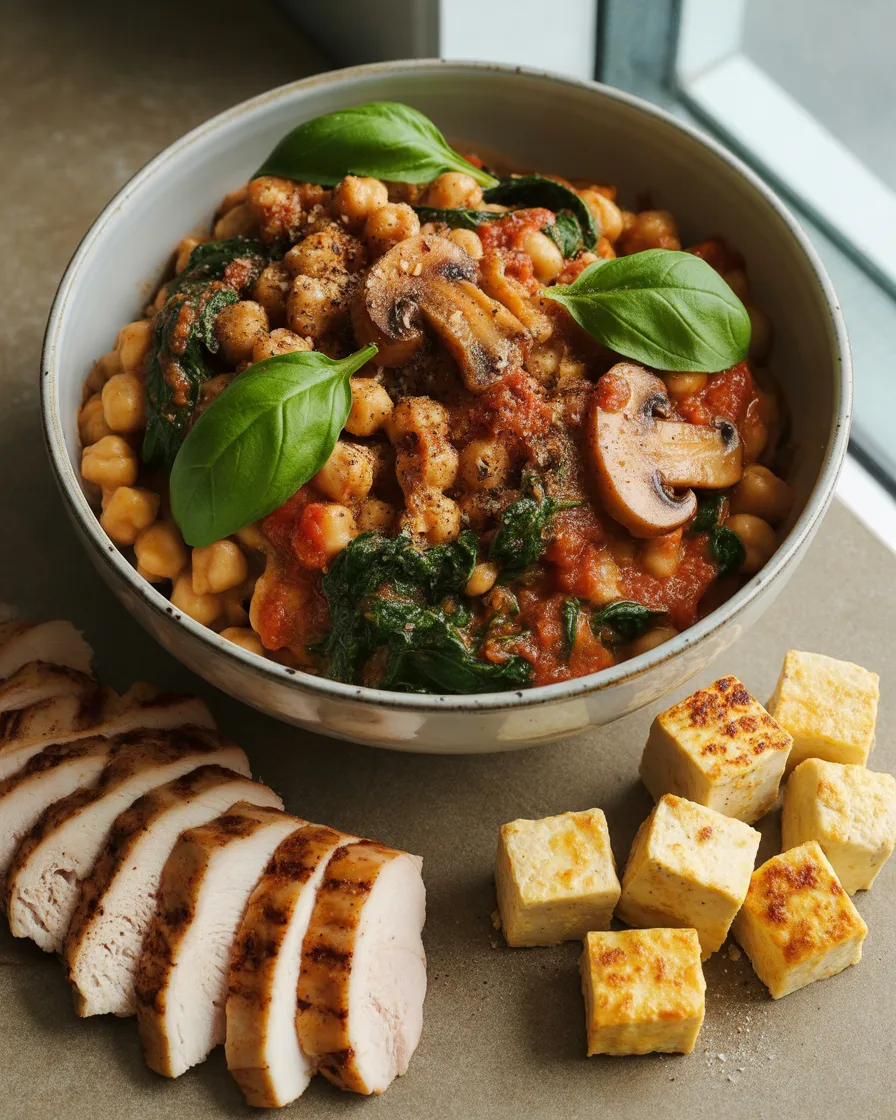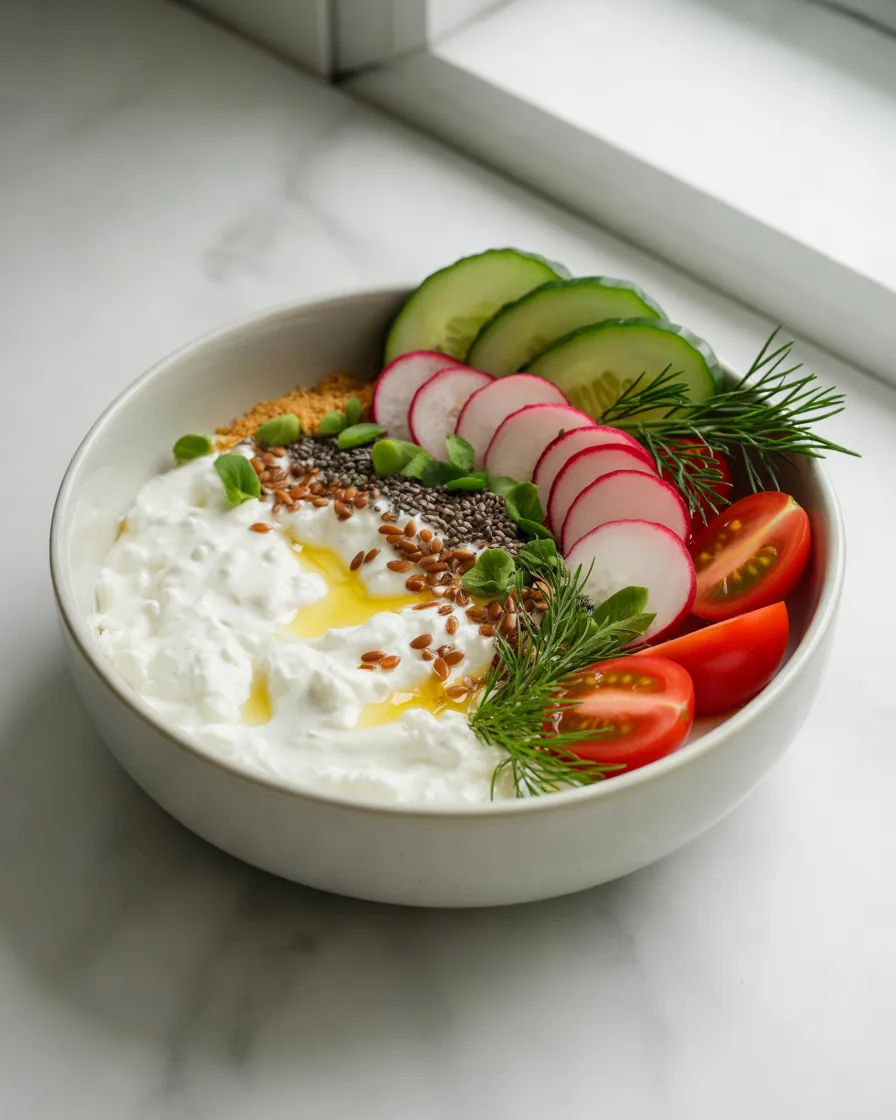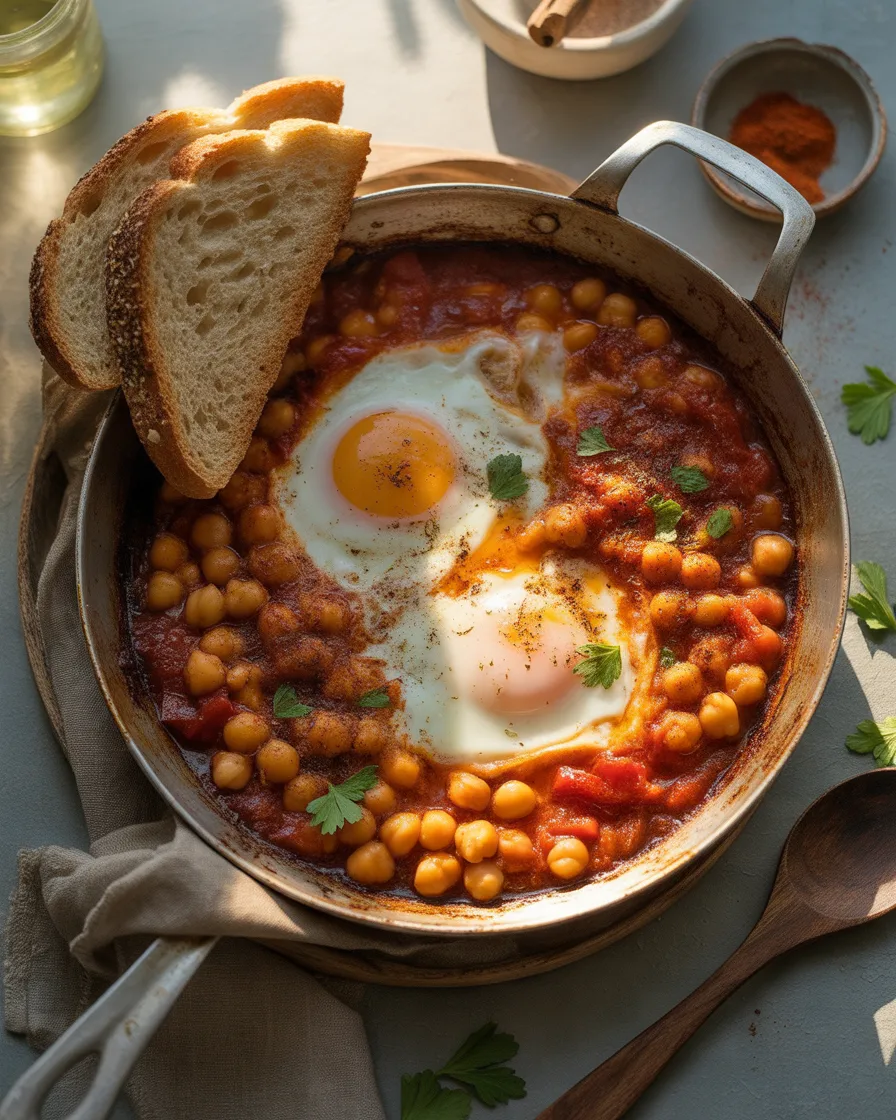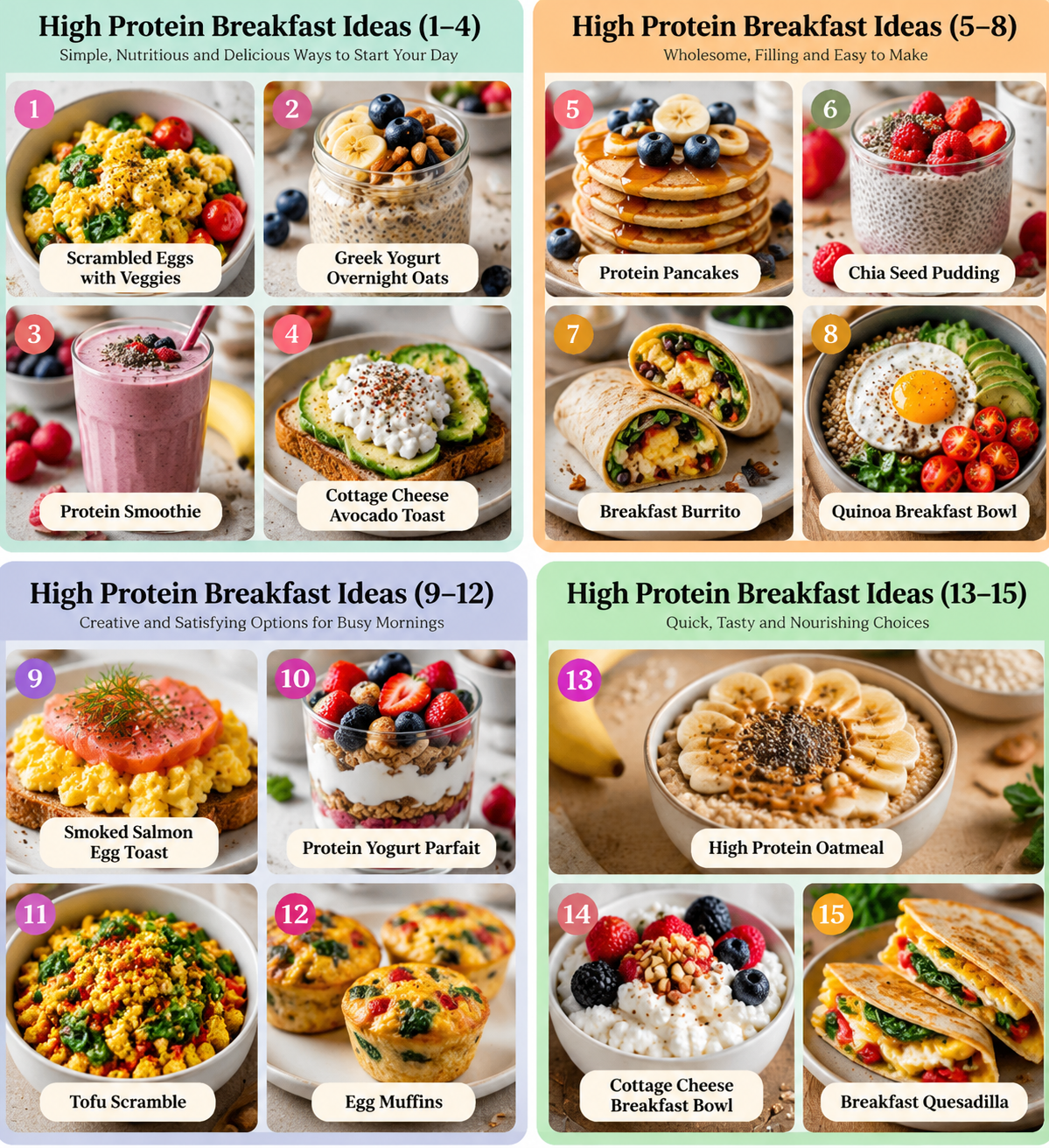
Finding meals that are both satisfying and nutritious does not have to mean eating plain chicken, drinking protein shakes, or preparing complicated recipes. Some of the best meals combine two essential nutrients: protein and fiber.
Protein helps build and maintain muscles and supports the repair of body tissues. Fiber supports digestive health, helps maintain regular bowel movements, and can make meals more satisfying. When you combine these nutrients with vegetables, whole grains, legumes, and healthy fats, you create balanced meals that fit into a variety of eating patterns.
The good news is that high protein high fiber meals can be delicious, affordable, and surprisingly simple to prepare. Think creamy overnight oats, colorful grain bowls, hearty bean chili, flavorful tofu stir-fries, and stuffed peppers.
These meals can work for busy professionals, active adults, families, and anyone looking for practical ways to improve everyday eating habits. You do not need to follow a restrictive diet or buy expensive specialty products. Ordinary supermarket ingredients can provide plenty of variety.
Below are 13 high protein high fiber recipes for breakfast, lunch, and dinner. Each idea includes practical preparation tips, approximate nutrition information, and an appealing food-image suggestion for your website.
Nutrition estimates are approximate per serving and depend on ingredient brands, portion sizes, and preparation methods. Increase fiber gradually if your current intake is low, and drink enough fluids to support digestive comfort.
1. Greek Yogurt Overnight Oats With Chia Seeds and Berries
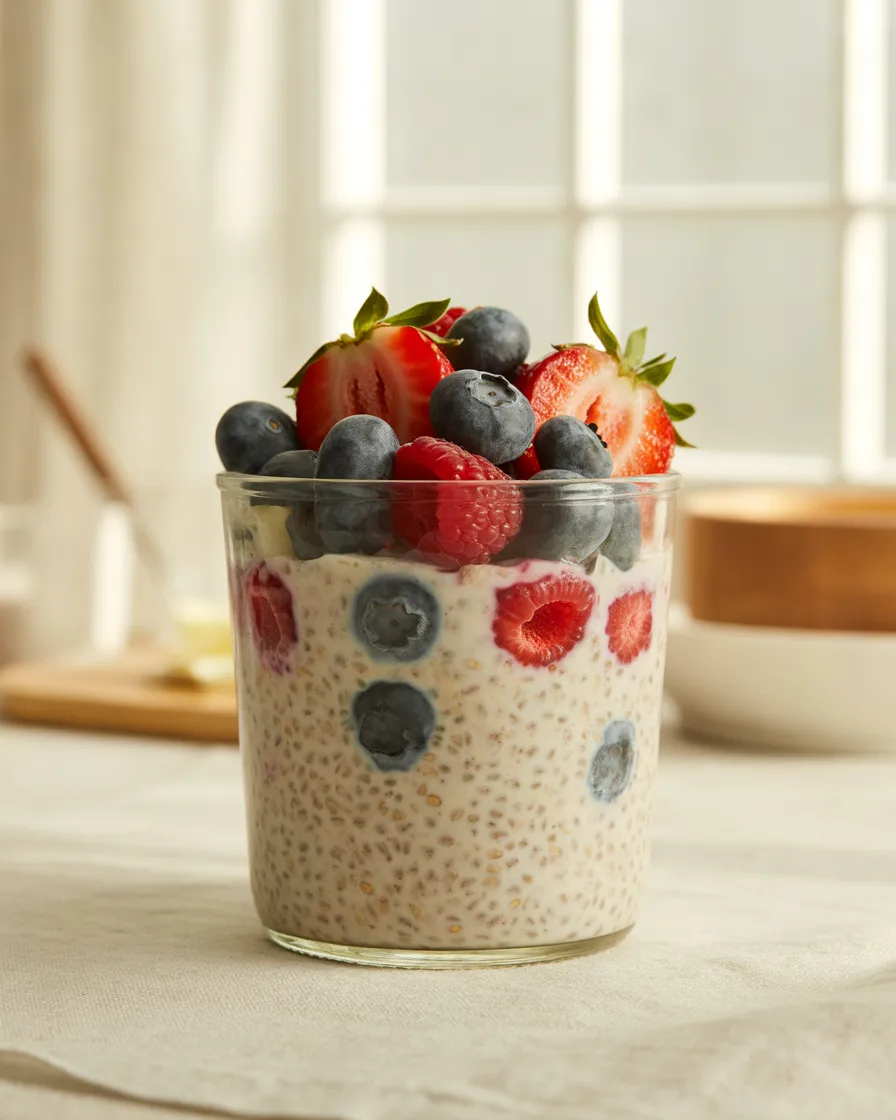
Overnight oats are an excellent choice for anyone who wants a nutritious breakfast without cooking in the morning. Combining oats, Greek yogurt, chia seeds, and berries creates a creamy meal with protein, fiber, and natural sweetness.
Ingredients for one serving
- ½ cup rolled oats
- ¾ cup plain Greek yogurt
- ½ cup mixed berries
- 1 tablespoon chia seeds
- A splash of milk or unsweetened plant-based milk
- Cinnamon, if desired
How to prepare it: Mix the oats, yogurt, chia seeds, and milk in a container. Refrigerate overnight. Add the berries and cinnamon before serving.
Benefits: Greek yogurt provides protein, while oats and chia seeds supply fiber. Berries add color, flavor, and additional fiber. This combination can help create a satisfying breakfast that is easy to prepare ahead.
Practical tips: Prepare two or three jars at once. Frozen berries work well and can be added directly before refrigeration. Choose plain yogurt if you prefer to control the amount of added sugar.
How to use it: Eat it for breakfast or pack it for a convenient morning meal at work.
Who it may suit: Busy adults, students, and people who prefer a ready-to-eat breakfast.
Important consideration: Chia seeds absorb liquid and thicken the mixture. Add extra milk if the oats become too dense. Anyone sensitive to dairy can try a higher-protein, fortified plant-based yogurt.
Approximate nutrition: 25–30 g protein and 10–14 g fiber.
Suggested image alt text: Greek yogurt overnight oats with chia seeds and berries, a high protein high fiber breakfast.
2. Chicken and Lentil Vegetable Soup for a Filling, Balanced Lunch
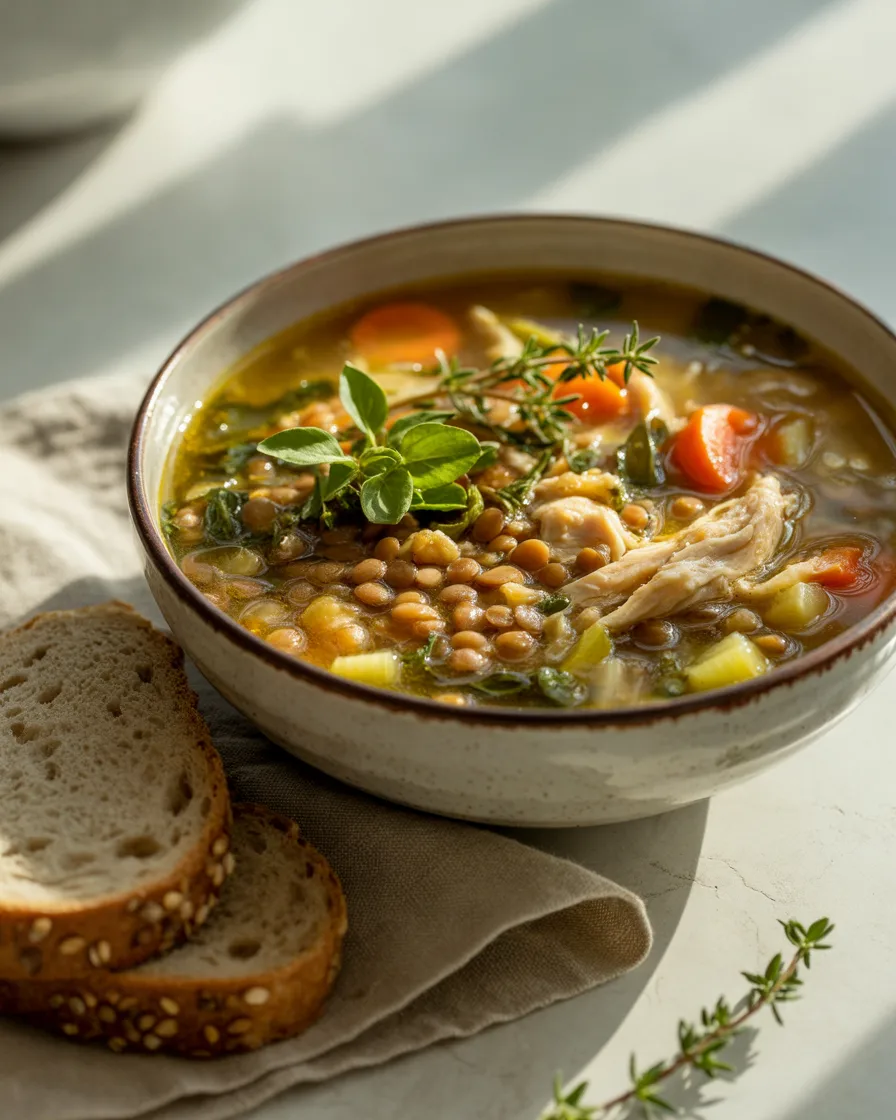
Chicken and lentil soup combines lean protein with fiber-rich legumes in a warm, comforting meal. It is particularly useful when you want something satisfying that can be prepared in a large batch.
Ingredients for two servings
- 200 g cooked skinless chicken breast, shredded
- 1 cup cooked lentils
- 1 carrot, diced
- 1 celery stalk, chopped
- ½ onion, chopped
- 3 cups reduced-sodium chicken broth
- 1 garlic clove
- Black pepper, herbs, and a little olive oil
How to prepare it: Soften the onion, carrot, celery, and garlic in a small amount of olive oil. Add the broth and lentils, then simmer until the vegetables are tender. Stir in the cooked chicken and season to taste.
Benefits: Chicken supplies complete protein, while lentils contribute plant protein, fiber, and several important minerals. Vegetables add volume, flavor, and variety.
Practical tips: Use leftover roasted chicken to reduce preparation time. If you use canned lentils, rinse and drain them first. Add spinach near the end for extra vegetables.
How to use it: Serve as a main lunch or dinner with whole-grain bread and a side salad.
Who it may suit: People who enjoy warm meals, meal-prep enthusiasts, and households looking for an economical recipe.
Important consideration: Lentils contain fermentable carbohydrates that may cause gas or bloating in some people. Start with a smaller portion if you are not accustomed to eating legumes.
Approximate nutrition: 35–40 g protein and 8–11 g fiber per serving.
Suggested image alt text: Chicken and lentil vegetable soup with lean protein and dietary fiber.
3. Salmon, Quinoa, and Black Bean Power Bowl
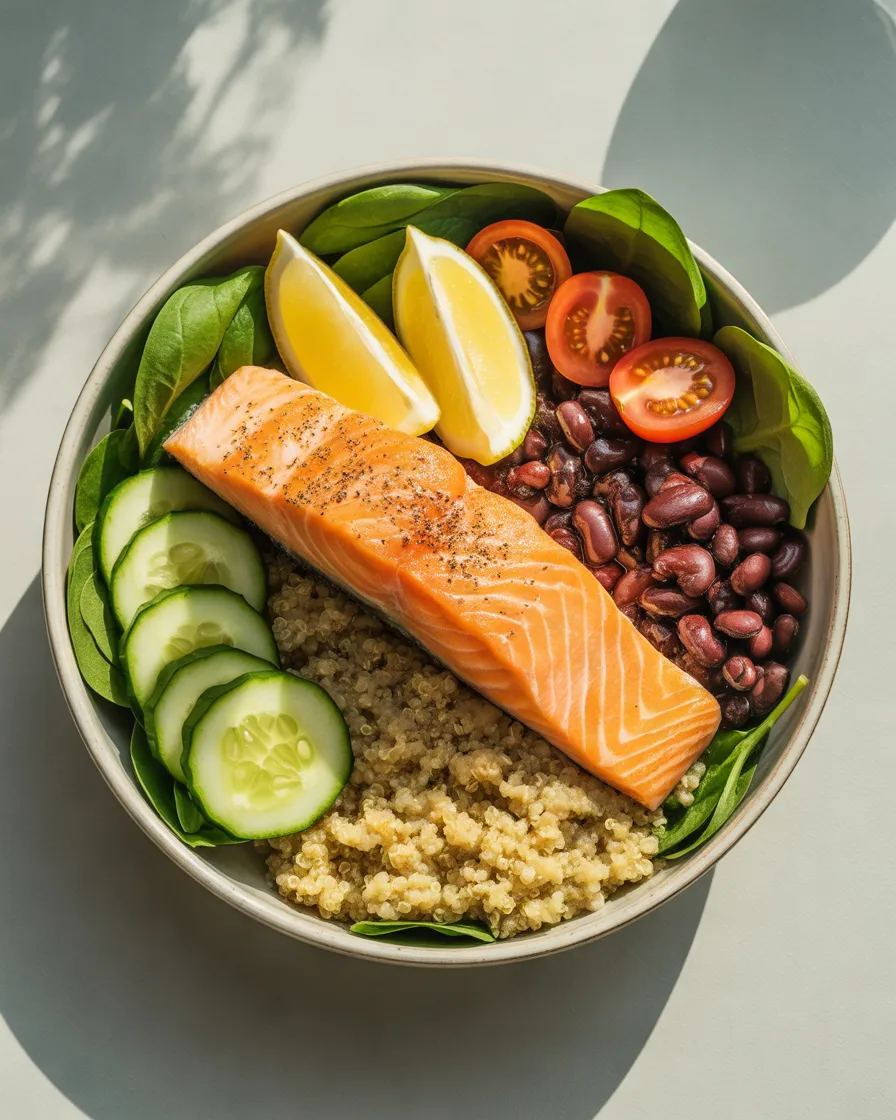
A salmon and quinoa bowl offers a practical way to combine seafood, whole grains, legumes, and vegetables in one colorful meal. It is also easy to customize based on whatever produce you have available.
Ingredients for one serving
- 120 g cooked salmon
- ½ cup cooked quinoa
- ½ cup black beans, rinsed and drained
- ½ cup chopped cucumber and tomatoes
- A handful of spinach
- Lemon juice and olive oil
- Black pepper and herbs
How to prepare it: Bake or pan-cook the salmon until it reaches a safe internal temperature. Arrange the quinoa, black beans, cucumber, tomatoes, and spinach in a bowl. Add the salmon and finish with lemon juice, olive oil, and herbs.
Benefits: Salmon supplies protein and omega-3 fatty acids. Quinoa contributes protein and some fiber, while black beans provide a substantial amount of fiber and additional plant protein.
Practical tips: Cook a batch of quinoa in advance. Frozen salmon can be convenient, and canned black beans save cooking time.
How to use it: Enjoy this bowl for lunch, dinner, or a post-exercise meal.
Who it may suit: People who enjoy seafood and want a balanced meal with different textures and flavors.
Important consideration: Fish allergies require avoiding salmon. If using canned beans, rinse them to reduce excess sodium. Choose another oily fish or tofu if salmon is not suitable.
Approximate nutrition: 30–36 g protein and 10–13 g fiber.
Suggested image alt text: Salmon quinoa and black bean bowl with protein, whole grains, and fiber-rich beans.
4. Tofu and Edamame Stir-Fry With Brown Rice
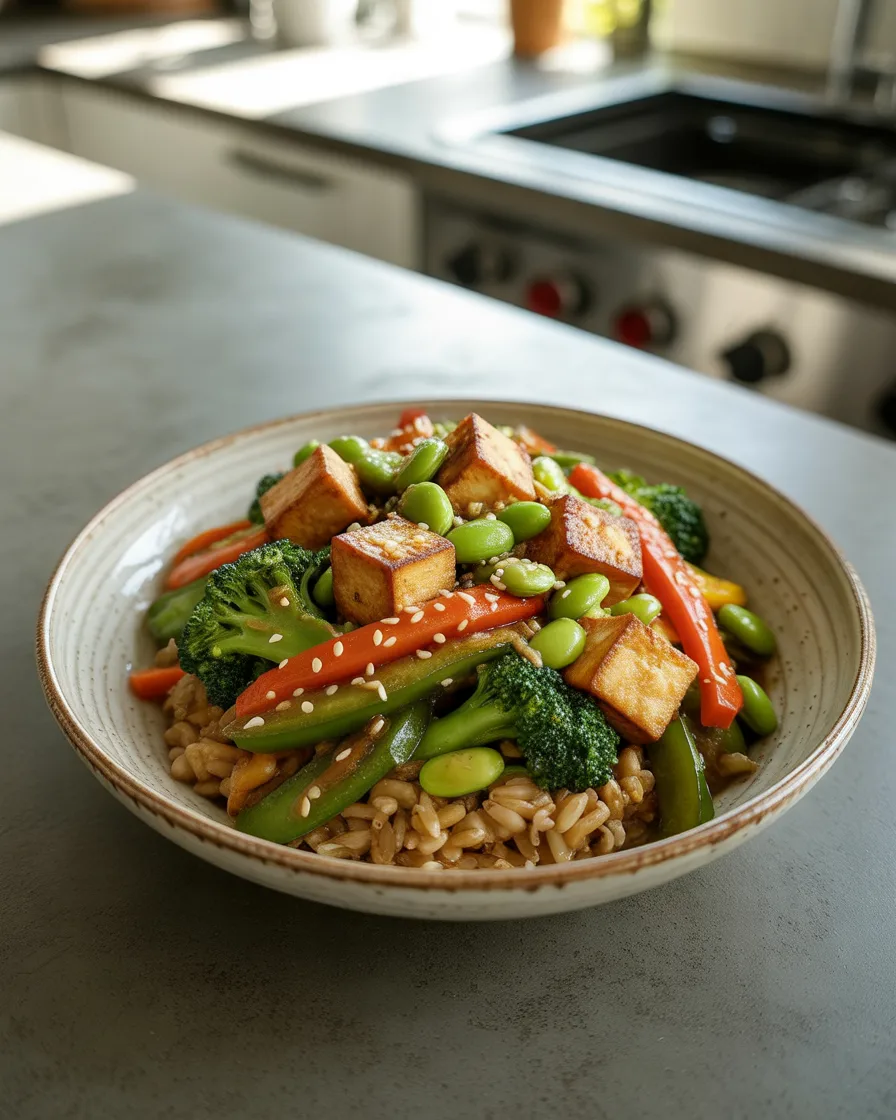
Plant-based meals can deliver plenty of protein and fiber when ingredients are combined thoughtfully. Tofu and edamame make a useful pairing, while brown rice and colorful vegetables round out the dish.
Ingredients for two servings
- 300 g firm tofu, cubed
- 1 cup shelled edamame
- 1 cup cooked brown rice
- 2 cups broccoli, bell peppers, and carrots
- 1 tablespoon low-sodium soy sauce
- 1 teaspoon sesame oil
- Garlic and ginger
How to prepare it: Press the tofu to remove excess moisture, then brown it in a nonstick pan. Add the vegetables, garlic, and ginger. Stir-fry until tender-crisp. Mix in the edamame and soy sauce, then serve over brown rice.
Benefits: Tofu and edamame provide plant protein, while brown rice and vegetables contribute fiber. Broccoli and peppers also supply vitamins and other beneficial plant compounds.
Practical tips: Use frozen edamame for convenience. Add a splash of water instead of extra oil if the vegetables begin sticking.
How to use it: Serve as a main meal or divide into containers for lunches throughout the week.
Who it may suit: Vegetarians, vegans, and anyone trying to eat more plant-based meals.
Important consideration: Soy is a common food allergen. Use a suitable alternative if necessary, and check the sodium content of bottled sauces.
Approximate nutrition: 27–32 g protein and 9–12 g fiber.
Suggested image alt text: Tofu and edamame stir-fry with brown rice, a high protein high fiber vegan meal.
5. Lean Turkey and Three-Bean Chili
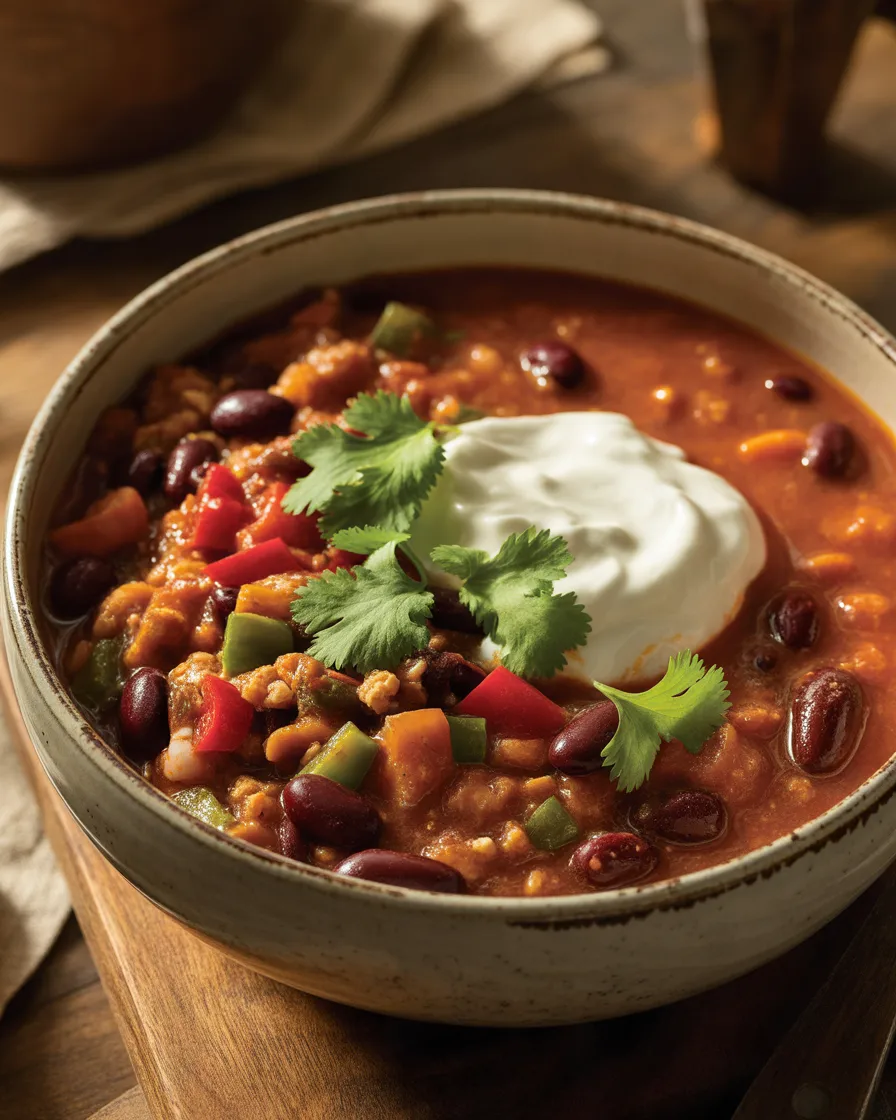
Chili is one of the most practical high protein high fiber meals because it uses affordable ingredients, stores well, and often tastes even better after the flavors have had time to develop.
Ingredients for four servings
- 450 g lean ground turkey
- 1 can kidney beans, drained
- 1 can black beans, drained
- 1 can chopped tomatoes
- 1 bell pepper, diced
- 1 onion, chopped
- 1–2 teaspoons chili powder
- Cumin, garlic, and black pepper
How to prepare it: Brown the turkey in a large pot. Add the onion, pepper, and garlic, cooking until softened. Stir in the tomatoes, beans, and spices. Simmer for 20–30 minutes, adding water or broth if needed.
Benefits: Turkey supplies lean protein, while kidney beans and black beans provide fiber and additional protein. Tomatoes and peppers add flavor and variety without requiring a heavy sauce.
Practical tips: Make a double batch and freeze individual portions. Add extra vegetables or use a mixture of beans to change the texture.
How to use it: Serve on its own, over a modest portion of brown rice, or with a baked sweet potato.
Who it may suit: Families, budget-conscious cooks, and people who prefer preparing meals in advance.
Important consideration: Chili seasoning and canned ingredients can contain substantial sodium. Choose lower-sodium products when possible. Cook ground turkey thoroughly, reaching 74°C (165°F).
Approximate nutrition: 28–35 g protein and 10–14 g fiber per serving, depending on portion sizes.
Suggested image alt text: Lean turkey and three-bean chili with protein-rich turkey and fiber-rich legumes.
6. Tuna and Chickpea Salad With Lemon Dressing
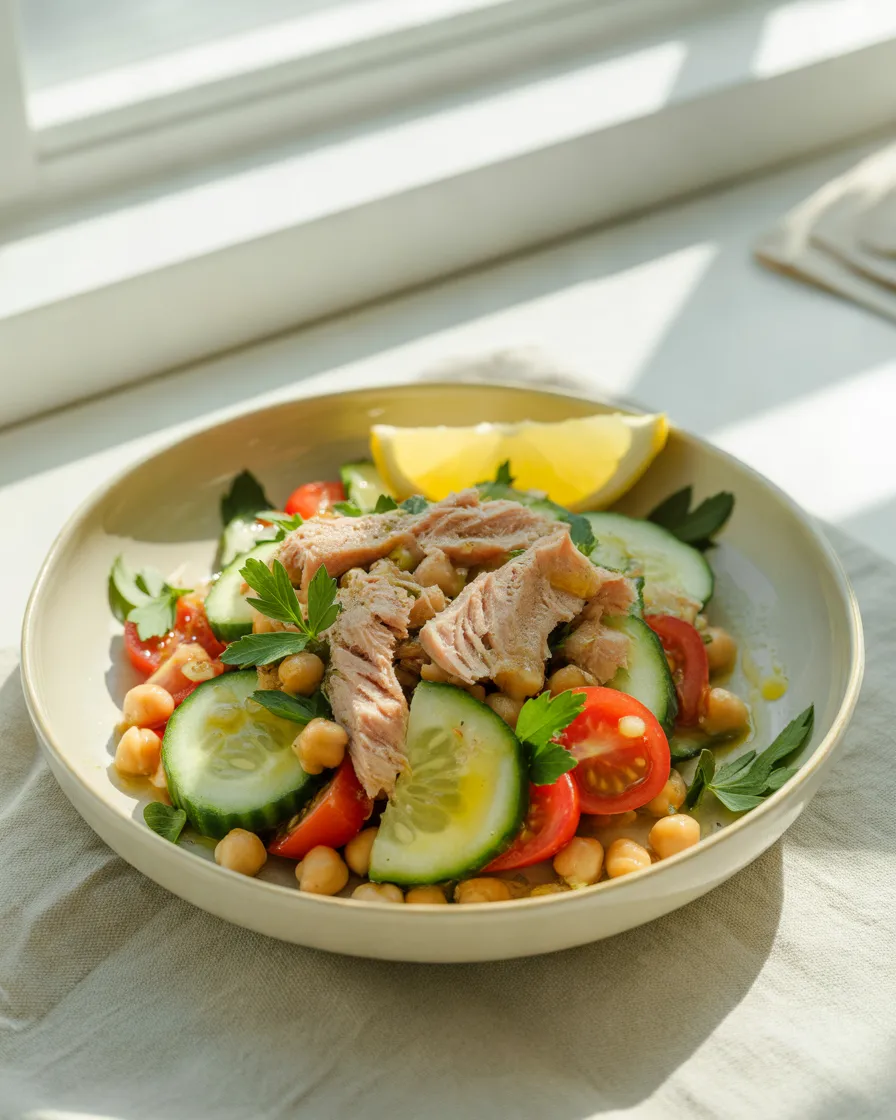
When there is little time to cook, tuna and chickpea salad is a convenient alternative to takeaway food. It uses pantry staples and fresh vegetables to create a protein-rich meal with a useful amount of fiber.
Ingredients for two servings
- 1 can tuna in water, drained
- 1 cup cooked chickpeas, drained and rinsed
- 1 cucumber, chopped
- 1 cup cherry tomatoes, halved
- A handful of parsley
- 1 tablespoon olive oil
- Juice of half a lemon
- Black pepper
How to prepare it: Combine the tuna, chickpeas, cucumber, tomatoes, and parsley. Whisk the lemon juice with olive oil and pepper, then toss everything together.
Benefits: Tuna provides protein, and chickpeas contribute plant protein and fiber. Fresh vegetables add crunch and moisture, while the lemon dressing keeps the dish bright without needing a creamy sauce.
Practical tips: Prepare the dressing separately if packing the salad for later. Add red onion or leafy greens for extra variety.
How to use it: Serve in a bowl, spoon it into a whole-grain wrap, or place it over leafy greens.
Who it may suit: Office workers, students, and anyone looking for a quick no-cook lunch.
Important consideration: Tuna contains mercury, with amounts varying by species. Follow local guidance on fish consumption, particularly during pregnancy. Refrigerate leftovers promptly.
Approximate nutrition: 27–33 g protein and 8–11 g fiber per serving.
Suggested image alt text: Tuna and chickpea salad with fresh vegetables and lemon dressing.
7. Eggs, Black Beans, and Sweet Potato Breakfast Hash
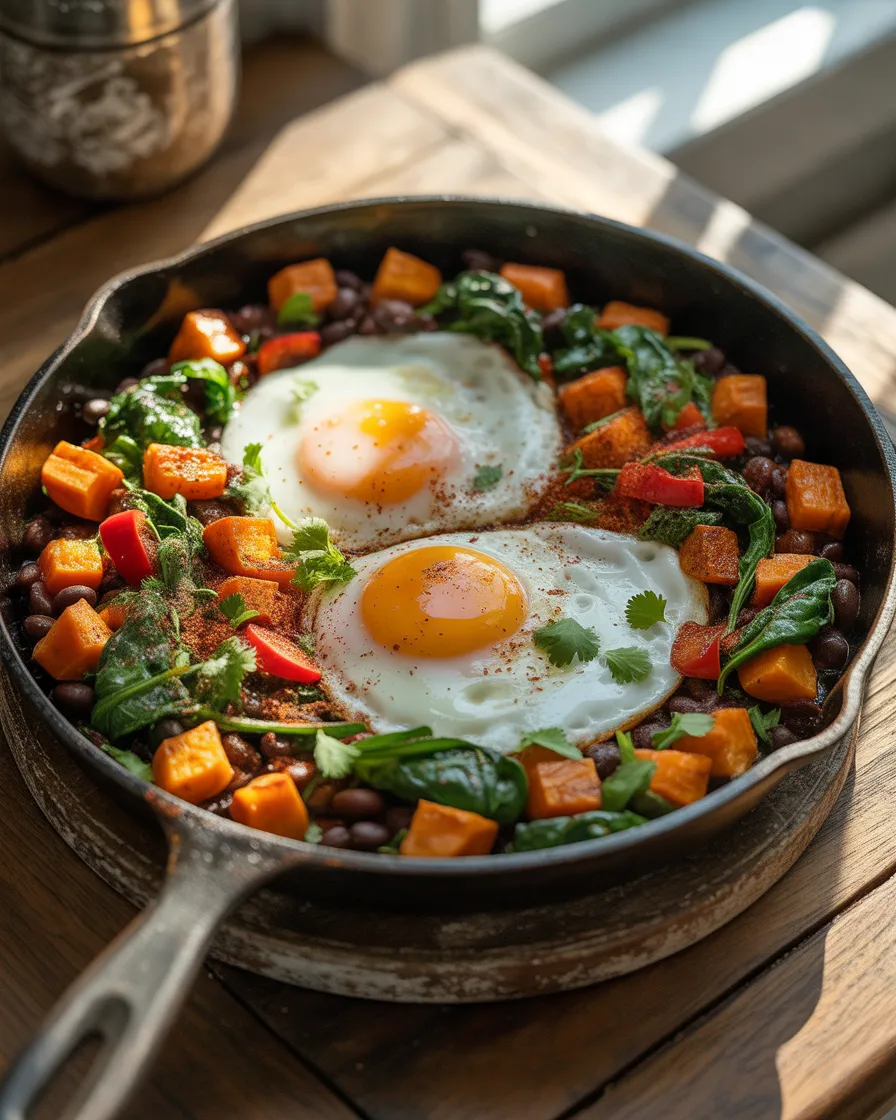
A savory breakfast can be just as nutritious as a bowl of oatmeal. Eggs, black beans, and sweet potatoes provide a combination of protein, fiber, and satisfying flavors.
Ingredients for two servings
- 4 eggs
- 1 medium sweet potato, diced
- 1 cup cooked black beans
- ½ bell pepper, diced
- ½ onion, chopped
- 1 teaspoon olive oil
- Paprika, cumin, and black pepper
How to prepare it: Cook the sweet potato in a covered skillet with a little oil and water until nearly tender. Add the onion, pepper, beans, and spices. Make spaces in the mixture and add the eggs. Cover and cook until the eggs reach your preferred safe level of doneness.
Benefits: Eggs provide complete protein, while black beans contribute fiber and plant protein. Sweet potatoes add fiber, potassium, and beta-carotene.
Practical tips: Roast the sweet potato cubes ahead of time to shorten morning preparation. Add spinach during the final few minutes if you want more vegetables.
How to use it: Serve as a breakfast, brunch, or quick dinner with salsa and fresh herbs.
Who it may suit: People who prefer savory breakfasts and those who need a substantial meal before a busy day.
Important consideration: People with egg allergies should choose an appropriate alternative, such as seasoned tofu. Adjust the bean portion according to your digestive comfort.
Approximate nutrition: 18–23 g protein and 9–12 g fiber per serving.
Suggested image alt text: Egg, black bean, and sweet potato hash for a high protein high fiber breakfast.
8. Cottage Cheese and Avocado Whole-Grain Toast
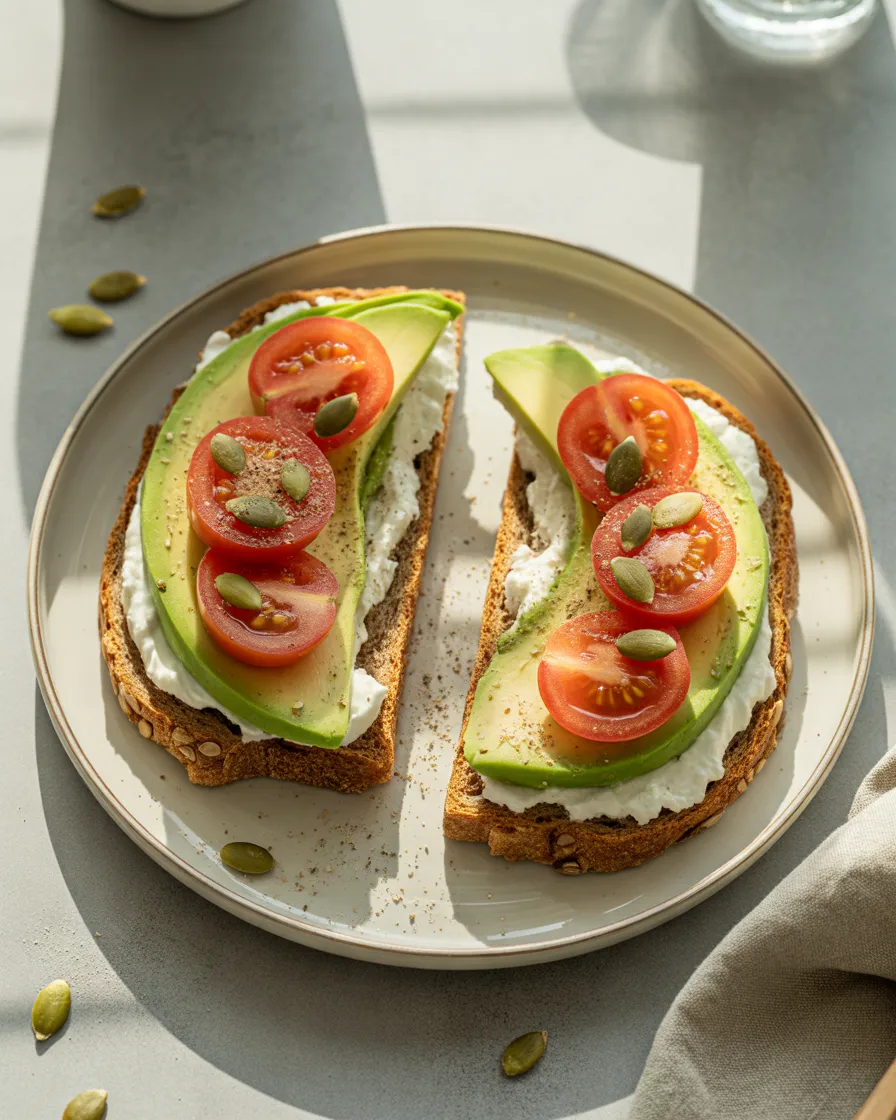
Toast can be more than a quick snack. Topping whole-grain bread with cottage cheese, avocado, and fresh vegetables creates a simple meal that combines protein, fiber, and healthy fats.
Ingredients for one serving
- 2 slices whole-grain bread
- ¾–1 cup cottage cheese
- ¼ avocado
- A few tomato slices
- Black pepper and lemon juice
- Optional pumpkin seeds
How to prepare it: Toast the bread, spread or spoon cottage cheese over each slice, and add avocado and tomatoes. Finish with lemon juice, pepper, and a small sprinkle of pumpkin seeds.
Benefits: Cottage cheese provides substantial protein, while whole-grain bread supplies fiber. Avocado contributes unsaturated fat and additional fiber.
Practical tips: Choose bread with whole grains listed prominently in the ingredients. If you want more crunch, add cucumber or radishes.
How to use it: Enjoy for breakfast, lunch, or an afternoon meal when you want something quick and light.
Who it may suit: People with limited cooking time and anyone who prefers meals assembled from simple ingredients.
Important consideration: Cottage cheese can be high in sodium, and its protein content varies by brand. Choose lower-sodium options if appropriate. A fortified, higher-protein dairy-free alternative may work for people avoiding dairy.
Approximate nutrition: 25–35 g protein and 7–10 g fiber.
Suggested image alt text: Cottage cheese and avocado on whole-grain toast for a protein and fiber-rich meal.
9. Whole-Wheat Chicken Pasta With Broccoli and White Beans
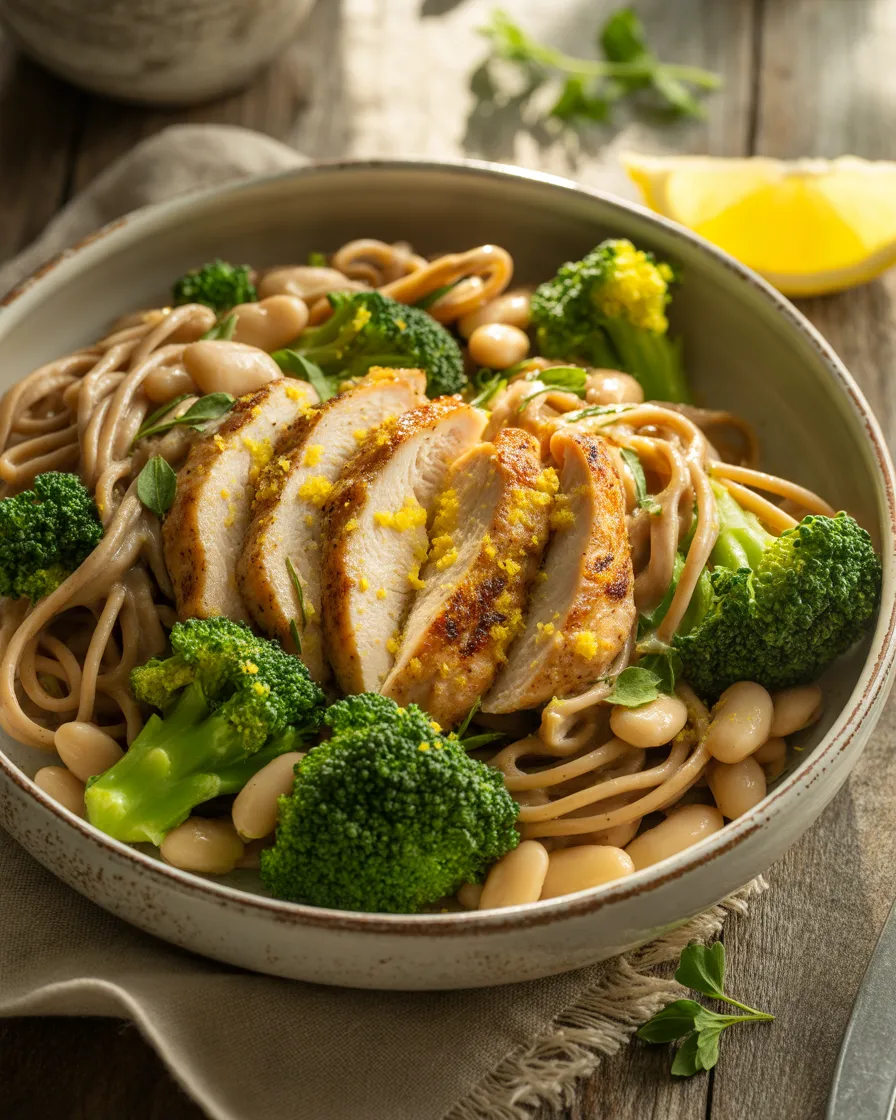
Pasta can fit into a balanced diet without sacrificing flavor. Whole-wheat pasta, chicken, broccoli, and white beans create a hearty dish with protein and fiber in every serving.
Ingredients for two servings
- 200 g cooked chicken breast, sliced
- 140 g whole-wheat pasta, measured dry
- 1 cup cooked white beans
- 2 cups broccoli florets
- 2 garlic cloves, minced
- 1 tablespoon olive oil
- Lemon zest, black pepper, and a little grated Parmesan
How to prepare it: Cook the pasta according to the package instructions. Steam or boil the broccoli until tender-crisp. Warm the garlic in olive oil, then add the chicken, beans, broccoli, and drained pasta. Toss with a little pasta water, lemon zest, and Parmesan.
Benefits: Chicken provides protein, whole-wheat pasta contributes fiber, and white beans increase both fiber and plant protein. Broccoli adds vegetables and important micronutrients.
Practical tips: Use leftover cooked chicken, and reserve a little pasta water to create a light coating without adding lots of cream or butter.
How to use it: Serve warm for lunch or dinner, or portion it into containers for the next day’s meal.
Who it may suit: Pasta lovers who want a more balanced alternative to refined-pasta dishes with heavy sauces.
Important consideration: Whole-wheat pasta contains gluten. Use an appropriate gluten-free whole-grain alternative if needed, and check that it provides a useful amount of fiber.
Approximate nutrition: 40–50 g protein and 11–15 g fiber per serving.
Suggested image alt text: Whole-wheat chicken pasta with broccoli and white beans, a high protein high fiber dinner.
10. Tempeh and Black Bean Tacos With Crunchy Slaw
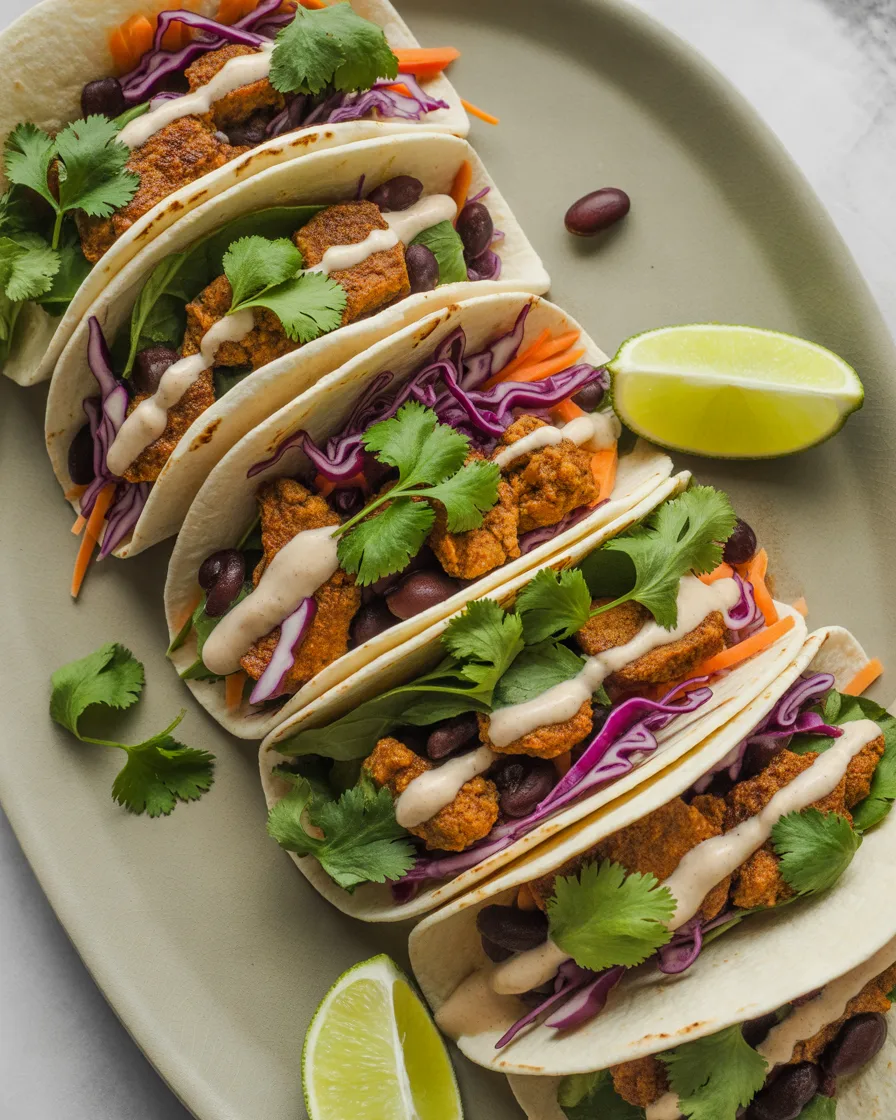
Tacos can be a convenient way to enjoy a plant-based meal without relying on meat substitutes that are highly processed. Tempeh, black beans, vegetables, and whole-grain tortillas make a flavorful combination.
Ingredients for two servings
- 200 g tempeh, crumbled
- ¾ cup cooked black beans
- 4 small whole-grain or suitable high-fiber tortillas
- 2 cups shredded cabbage
- 1 carrot, grated
- Lime juice
- Cumin, smoked paprika, and garlic
- Plain yogurt or a plant-based alternative, optional
How to prepare it: Crumble and brown the tempeh with garlic, cumin, paprika, and a splash of water. Stir in the black beans and warm through. Toss the cabbage and carrot with lime juice, then fill the tortillas with the tempeh mixture and slaw.
Benefits: Tempeh provides plant protein, and black beans add fiber. Cabbage and carrots provide additional fiber and a fresh contrast to the warm filling.
Practical tips: Prepare the slaw in advance and store it separately. Add salsa, cilantro, or lime to build flavor without depending on excess salt.
How to use it: Serve as a quick lunch or dinner, with leftover filling added to grain bowls the next day.
Who it may suit: Vegetarians, vegans, and people interested in meat-free meals with substantial protein.
Important consideration: Tempeh is made from soy, which can cause allergic reactions in susceptible people. Tortillas vary widely in fiber content, so check the nutrition label.
Approximate nutrition: 25–32 g protein and 9–13 g fiber per serving.
Suggested image alt text: Tempeh and black bean tacos with crunchy cabbage slaw.
11. Shrimp and Edamame Barley Bowl
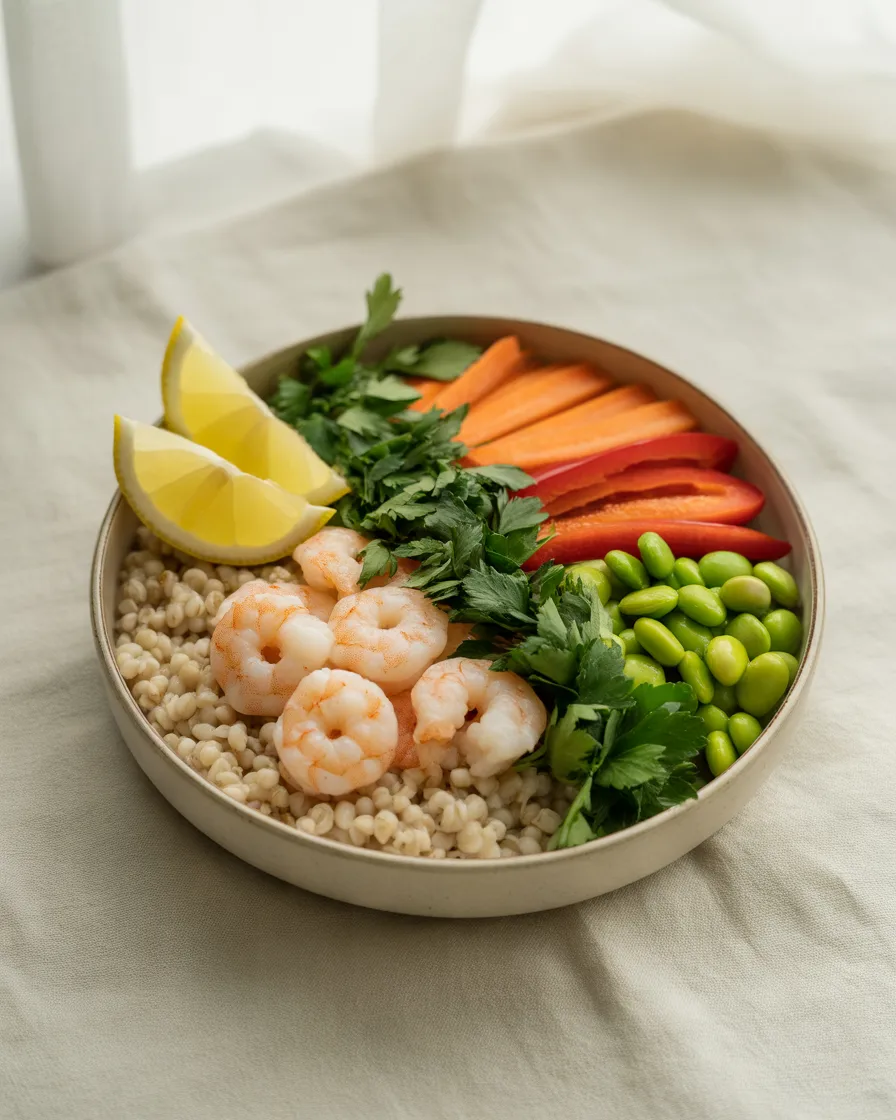
Barley is a useful alternative to rice because it provides fiber, while shrimp and edamame make the meal protein-rich. This combination works especially well for people who like seafood and want to experiment with different whole grains.
Ingredients for two servings
- 250 g peeled shrimp
- 1 cup cooked barley
- 1 cup shelled edamame
- 1 bell pepper, sliced
- 1 carrot, thinly sliced
- 1 teaspoon olive oil
- Garlic, lemon juice, and black pepper
How to prepare it: Cook the barley according to the package instructions. Sauté the shrimp with garlic and olive oil until opaque and cooked through. Add the vegetables and edamame, cooking until tender. Serve over the barley with lemon juice.
Benefits: Shrimp supplies protein, edamame adds both protein and fiber, and barley contributes whole-grain fiber. Vegetables add color and texture.
Practical tips: Cook barley in advance and refrigerate it promptly. Frozen shrimp and edamame can make this meal particularly convenient.
How to use it: Serve warm as a main meal or pack it for lunch with the dressing kept separate.
Who it may suit: Seafood lovers and people who want a change from rice-based bowls.
Important consideration: Shrimp is a common allergen. Barley contains gluten, so people who need to avoid gluten should replace it with quinoa or another suitable grain.
Approximate nutrition: 30–38 g protein and 8–11 g fiber per serving.
Suggested image alt text: Shrimp, edamame, and barley bowl with protein and fiber-rich ingredients.
12. Berry, Flaxseed, and Greek Yogurt Smoothie Bowl
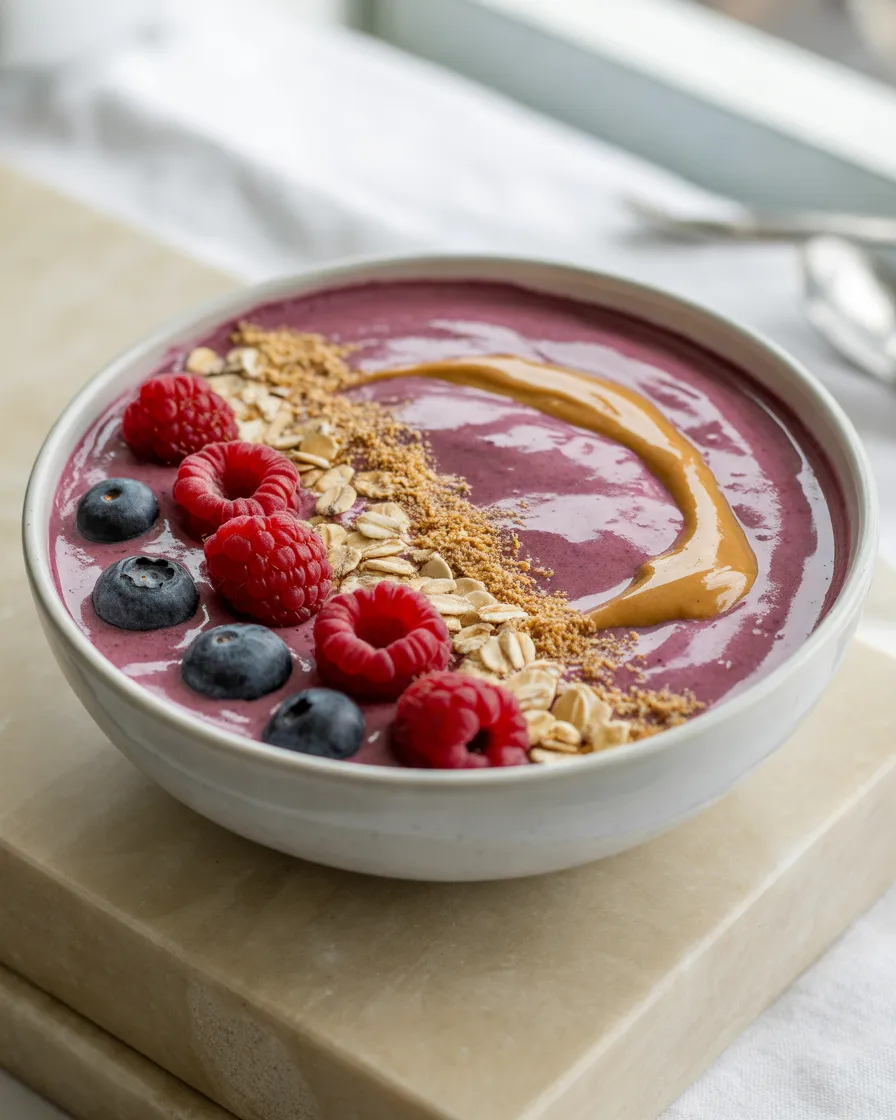
A smoothie bowl can be a practical alternative to a traditional breakfast when you want something cool, quick, and easy to customize. The key is to include a substantial protein source and fiber-rich toppings rather than relying on fruit alone.
Ingredients for one serving
- ¾–1 cup plain Greek yogurt
- ½ cup berries
- ¼ cup rolled oats
- 1 tablespoon ground flaxseed
- 1 tablespoon peanut butter
- A splash of milk, if needed
How to prepare it: Blend the yogurt and berries with a small amount of milk until thick. Pour into a bowl and top with oats, ground flaxseed, and peanut butter.
Benefits: Greek yogurt provides protein, while oats, berries, and flaxseed contribute fiber. Peanut butter adds flavor, some protein, and unsaturated fats.
Practical tips: Use frozen berries for a thicker texture. Add milk gradually so the bowl remains thick enough for toppings.
How to use it: Enjoy for breakfast or after exercise when you want a convenient meal rather than a drink.
Who it may suit: People who enjoy fruit-based breakfasts and need an option that takes only a few minutes to prepare.
Important consideration: Smoothie bowls can become energy-dense when large amounts of nut butter, seeds, granola, or sweeteners are added. Adjust the portions to your needs, and use an appropriate nut-free alternative if necessary.
Approximate nutrition: 23–30 g protein and 8–12 g fiber.
Suggested image alt text: Greek yogurt smoothie bowl with berries, oats, flaxseed, and peanut butter.
13. Quinoa and Black Bean Stuffed Bell Peppers With Lean Beef
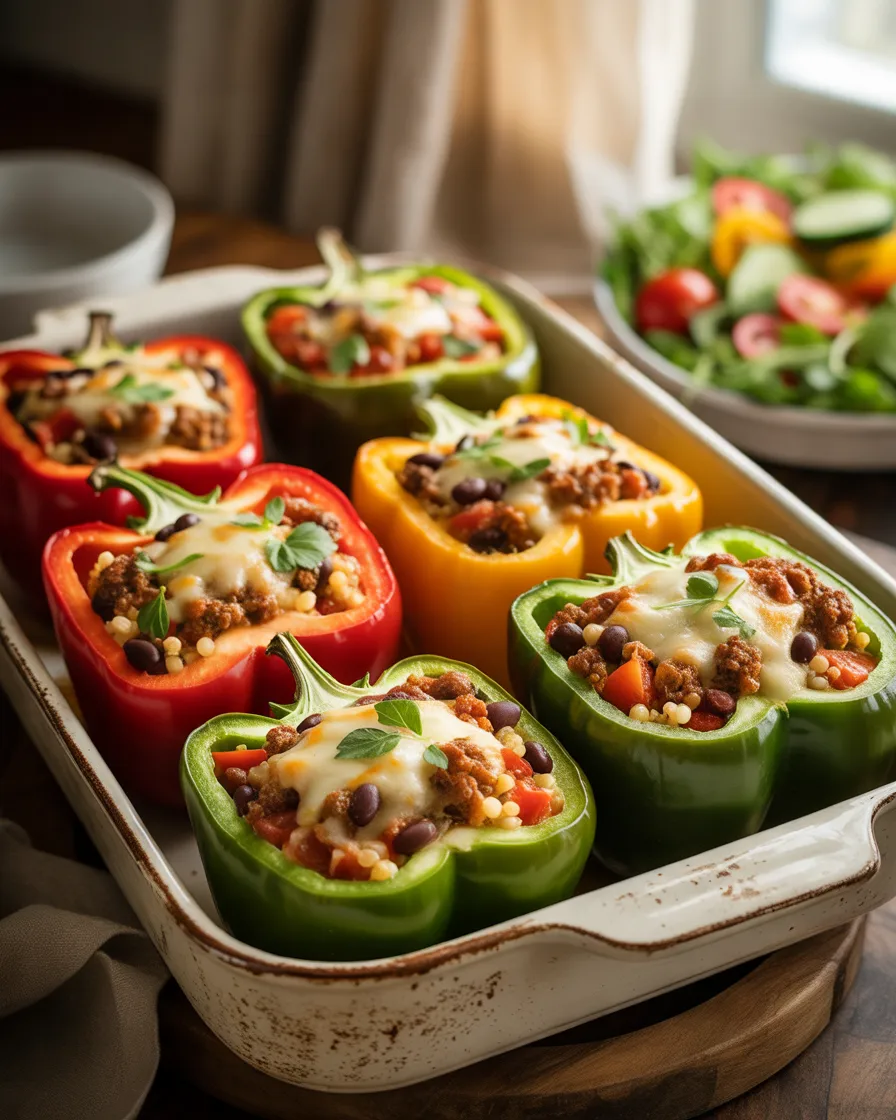
Stuffed peppers offer a useful way to combine protein, fiber, vegetables, and whole grains in a meal that looks appealing enough for a family dinner. Lean beef, quinoa, and black beans create a hearty filling without needing a heavy sauce.
Ingredients for four servings
- 4 large bell peppers, halved and seeded
- 450 g lean ground beef
- 1 cup cooked quinoa
- 1 cup cooked black beans
- 1 cup chopped tomatoes
- ½ onion, diced
- Garlic, paprika, and cumin
- A small amount of grated cheese, optional
How to prepare it: Brown the beef with onion, garlic, and spices. Stir in the quinoa, black beans, and tomatoes. Fill the pepper halves with the mixture, place them in a baking dish, and bake at 190°C (375°F) until the peppers are tender and the filling is heated through. Add cheese near the end if desired.
Benefits: Lean beef provides protein, iron, and vitamin B12. Quinoa contributes some protein and fiber, while black beans supply additional plant protein and substantial fiber. Bell peppers add vitamin C and other nutrients.
Practical tips: Prepare the filling ahead of time and assemble the peppers before dinner. Leftover filling can also be served over greens or brown rice.
How to use it: Serve two pepper halves with a side salad, or adjust the serving size according to appetite and nutritional needs.
Who it may suit: Families, meal-prep enthusiasts, and people who prefer a complete dinner in one dish.
Important consideration: Choose lean beef if you want to limit saturated fat. Ground beef should reach a safe internal temperature of 71°C (160°F). A plant-based crumble can replace beef for a vegetarian variation.
Approximate nutrition: 30–38 g protein and 9–13 g fiber per serving.
Suggested image alt text: Quinoa and black bean stuffed peppers with lean beef for a high protein high fiber dinner.
Expert Tips for Building Better High Protein High Fiber Meals
You do not need to follow every recipe exactly to make progress toward a more balanced eating pattern. A few simple habits can help you create high protein high fiber meals using ingredients you already enjoy.
1. Include a protein source at each main meal. Eggs, Greek yogurt, poultry, seafood, tofu, tempeh, cottage cheese, and legumes are useful options. Your ideal protein intake depends on factors such as body size, activity level, age, and health needs.
2. Make fiber a deliberate choice. Choose beans, lentils, oats, whole grains, berries, vegetables, seeds, and nuts regularly. If you buy packaged foods, compare labels because whole-grain products can differ considerably in fiber content.
3. Combine plant and animal proteins when you enjoy both. Chicken with lentils, tuna with chickpeas, and yogurt with oats can make it easier to obtain protein and fiber in the same meal. You can also meet your needs through well-planned plant-based combinations.
4. Prepare a few ingredients ahead of time. Cook a batch of beans, lentils, quinoa, or brown rice. Wash vegetables and portion out protein sources. These small steps can make balanced meals easier to assemble during a busy week.
5. Increase fiber gradually. A sudden increase in beans, seeds, and whole grains may cause bloating or gas. Add fiber-rich foods progressively and drink enough fluids, unless a healthcare professional has advised you to restrict fluid intake.
6. Pay attention to portions, not just nutrient numbers. A meal with high protein and fiber is not automatically right for every person. Energy requirements vary, and foods such as nut butter, seeds, oils, and cheese can add substantial calories in small quantities.
7. Keep convenience foods in the plan. Frozen vegetables, canned beans, pre-cooked grains, plain Greek yogurt, and canned fish can make healthy eating more realistic. Rinse canned legumes when practical and compare sodium levels between products.
8. Adapt meals to your health needs. People with kidney disease, certain digestive conditions, food allergies, or medically prescribed diets may need individualized advice about protein, fiber, potassium, phosphorus, or other nutrients. Consult a registered dietitian or qualified healthcare professional when needed.
Frequently Asked Questions About High Protein High Fiber Meals
What Are the Best High Protein High Fiber Meals for Everyday Eating?
Good options include Greek yogurt overnight oats, chicken and lentil soup, salmon and black bean bowls, tofu stir-fries, turkey chili, and chickpea salads. The best choice depends on your preferences, budget, nutritional needs, and available ingredients. Aim for variety rather than relying on one recipe every day.
Which Foods Are High in Both Protein and Fiber?
Beans, lentils, chickpeas, black beans, edamame, and some other legumes are particularly useful because they provide both protein and fiber. Whole grains, nuts, and seeds can contribute both nutrients as well. Animal foods such as eggs, chicken, fish, and dairy provide protein but generally contain little or no fiber, so pair them with plant foods.
Can You Eat High Protein High Fiber Meals on a Vegetarian Diet?
Yes. Vegetarian options include tofu and edamame stir-fry, lentil soup, black bean tacos, chickpea salad, quinoa bowls, and Greek yogurt with oats. Vegans can use tofu, tempeh, legumes, soy-based products, and suitable fortified plant-based alternatives to build balanced meals.
Are High Protein High Fiber Meals Good for Weight Management?
They can be useful as part of a balanced eating pattern. Protein may support fullness and muscle maintenance, while fiber can help meals feel more satisfying. However, weight changes depend on many factors, including overall energy intake, activity, sleep, medications, and individual health circumstances. No single food combination guarantees weight loss.
What Is a Quick High Protein High Fiber Meal for Busy Days?
Tuna and chickpea salad is one of the quickest options because it requires little or no cooking. Greek yogurt overnight oats can be prepared the night before, while tofu stir-fries become faster when you use frozen vegetables and pre-cooked brown rice. Keeping canned beans and ready-to-use protein sources on hand makes meal preparation easier.
How Much Protein and Fiber Should One Meal Contain?
There is no universal requirement for each individual meal. Daily protein and fiber needs depend on age, body size, activity, health status, and dietary guidance. As a practical starting point, combine a meaningful protein source with one or more fiber-rich foods at main meals, then adjust portions to meet your overall needs.
Can High Protein High Fiber Meals Cause Bloating?
They can, particularly when fiber intake increases quickly or when you eat larger portions of beans, lentils, and certain vegetables. Increase fiber gradually, chew thoroughly, and drink adequate fluids. Persistent, severe, or unexplained digestive symptoms should be discussed with a healthcare professional.
Are These Meals Suitable for People With Diabetes?
Many of these recipes include legumes, vegetables, and whole grains that can fit into a diabetes-friendly eating pattern. However, total carbohydrate intake, medication, portion size, and individual glucose responses matter. People with diabetes should follow their personalized care plan and seek guidance from their healthcare team when making substantial dietary changes.
Conclusion: Make High Protein High Fiber Meals Part of Your Routine
Eating well does not have to involve complicated recipes, expensive supplements, or strict food rules. The most practical approach is to combine protein-rich foods with fiber-rich plant ingredients and choose meals that fit your schedule and preferences.
These 13 high protein high fiber meals offer options for every part of the day, from overnight oats and smoothie bowls to hearty soups, colorful grain bowls, and satisfying stuffed peppers. Some are ideal for meal preparation, while others can be ready in minutes.
Start with two or three recipes that appeal to you. Keep convenient staples in your kitchen, experiment with seasonings, and adjust the ingredients to suit your needs. Over time, these small changes can help you build a varied, enjoyable, and sustainable eating pattern.
The goal is not to make every meal perfect. It is to make balanced meals easier to prepare, enjoyable to eat, and realistic to repeat.
Bonus: Ideogram Prompt for a Collage Featuring All 13 High Protein High Fiber Meals
Recommended image settings: Use a 16:9 landscape layout for the featured collage and individual 4:5 or 3:4 images for the recipe sections. For best readability and food accuracy, generate the collage without text and add the article title separately in your website’s image editor.
Suggested collage image alt text: Thirteen high protein high fiber meals, including chicken soup, salmon bowls, tofu stir-fry, bean chili, healthy pasta, tacos, and stuffed peppers.