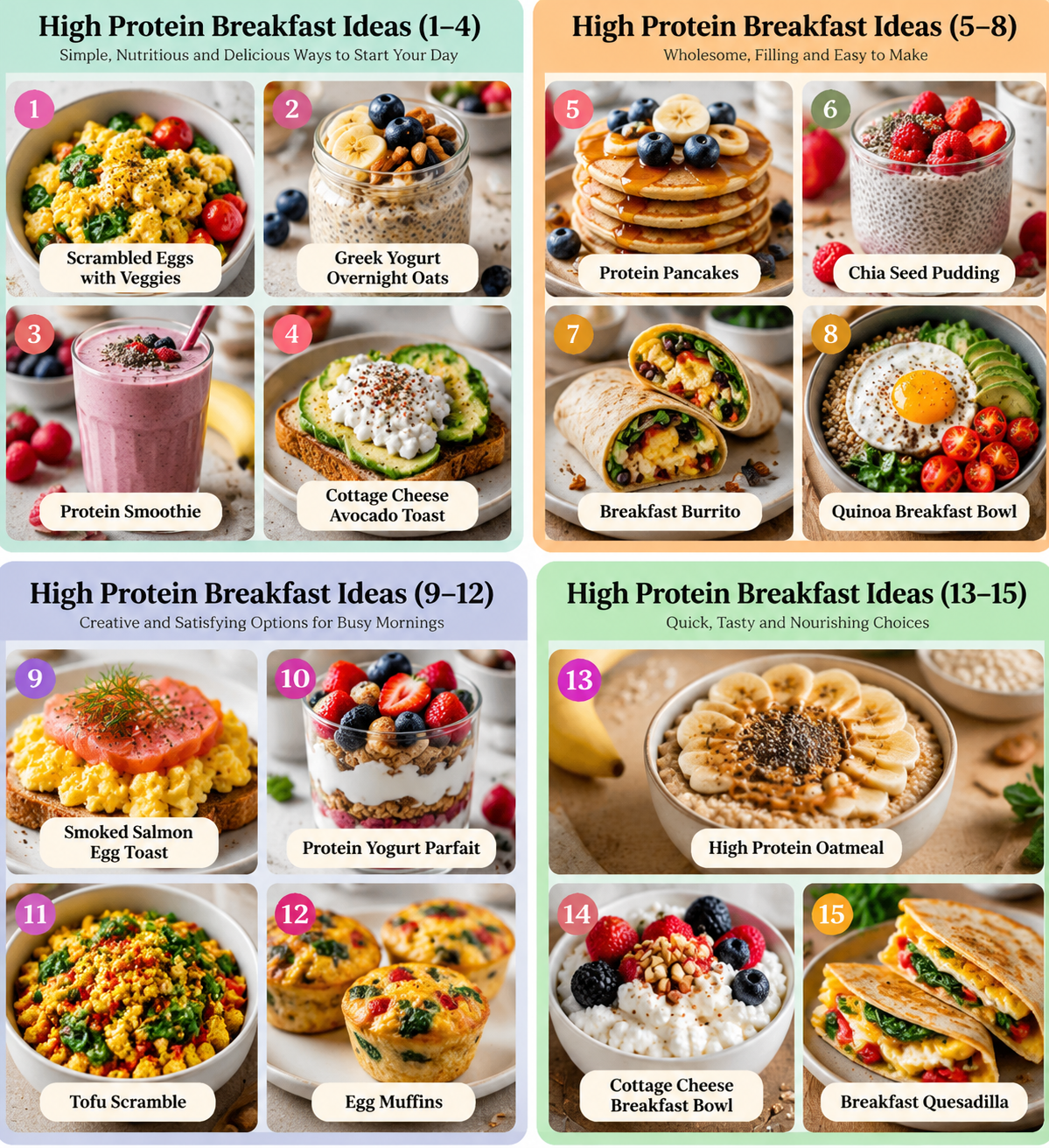
Finding a satisfying breakfast that is high in protein but contains no eggs can be easier than you think. Whether you avoid eggs because of an allergy, dietary preference, taste, or simply want more variety in your morning meals, there are plenty of delicious alternatives that can help you meet your daily protein needs.
A high-protein breakfast can include much more than scrambled eggs or omelets. Ingredients such as Greek yogurt, cottage cheese, tofu, chia seeds, quinoa, smoked salmon, lentils, and nut butters provide different amounts of protein while adding flavor, texture, and valuable nutrients to your meals.
Eating a protein-rich breakfast may help you feel satisfied for longer, support muscle maintenance, and make it easier to build balanced eating habits. Pairing protein with fiber-rich carbohydrates and healthy fats can make your morning meal even more satisfying.
The best part? You do not need complicated recipes, expensive ingredients, or hours in the kitchen. Many of these breakfasts can be prepared in 10–15 minutes, while others can be made the night before for busy mornings.
In this guide, you will discover 12 high protein breakfast ideas without eggs, including sweet and savory options, vegetarian meals, meal-prep recipes, and quick breakfasts you can take on the go. Each idea includes practical preparation tips, approximate protein content, benefits, and ingredient considerations.
Let’s explore some delicious ways to enjoy a protein-packed breakfast without using eggs.
1. Greek Yogurt Parfait With Fresh Berries, Nuts, and Seeds
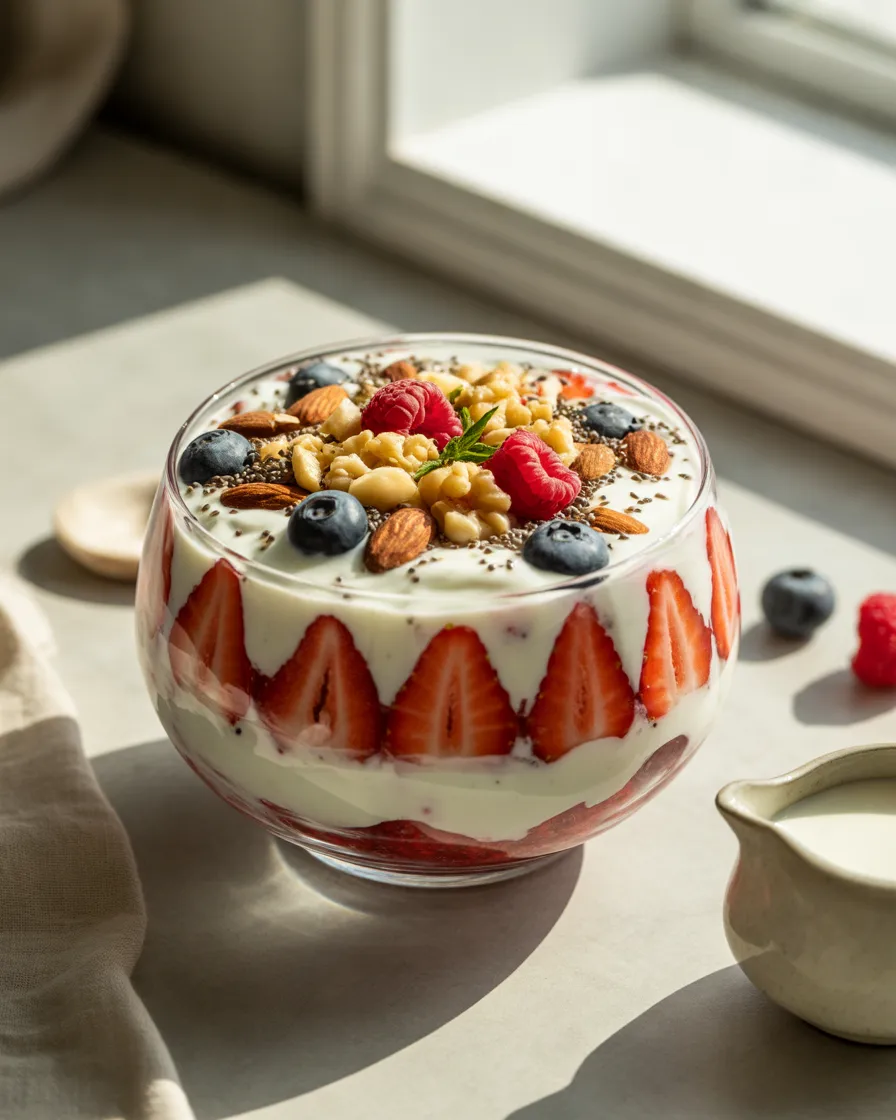
A Greek yogurt parfait is one of the easiest ways to enjoy a high-protein breakfast without eggs. It combines creamy yogurt, naturally sweet fruit, crunchy nuts, and nutrient-rich seeds to create a balanced meal that feels more like a treat than a traditional breakfast.
Greek yogurt is particularly useful because it generally contains more protein than regular yogurt. Adding berries, almonds, walnuts, or pumpkin seeds provides additional nutrients, fiber, and healthy fats.
Approximate protein: 25–30 grams per serving, depending on the yogurt and toppings.
Benefits:
- Provides a substantial amount of protein to support muscle maintenance.
- Berries contribute fiber and antioxidant compounds.
- Nuts and seeds add healthy fats and minerals.
- Requires very little preparation.
- Can be customized with different seasonal fruits.
Practical tips:
Choose plain, unsweetened Greek yogurt to control added sugar. If you prefer a sweeter taste, add sliced banana, strawberries, blueberries, or a small amount of honey. Use chopped almonds, chia seeds, or pumpkin seeds for extra texture.
How to prepare it:
- Add approximately 1 cup of plain Greek yogurt to a glass or breakfast bowl.
- Layer fresh strawberries, blueberries, or raspberries over the yogurt.
- Sprinkle 1 tablespoon of chopped almonds or walnuts.
- Add 1 teaspoon of chia seeds.
- Finish with a little cinnamon or honey if desired.
You can prepare the ingredients in advance and assemble the parfait in the morning.
Who it may suit: This breakfast is ideal for busy professionals, students, people who enjoy sweet breakfasts, and anyone looking for a quick vegetarian protein option.
Important considerations: Choose dairy-free high-protein yogurt if you avoid dairy, checking the nutrition label because plant-based alternatives can contain considerably less protein. People with nut allergies should use suitable alternatives.
2. Cottage Cheese Toast With Avocado and Cherry Tomatoes
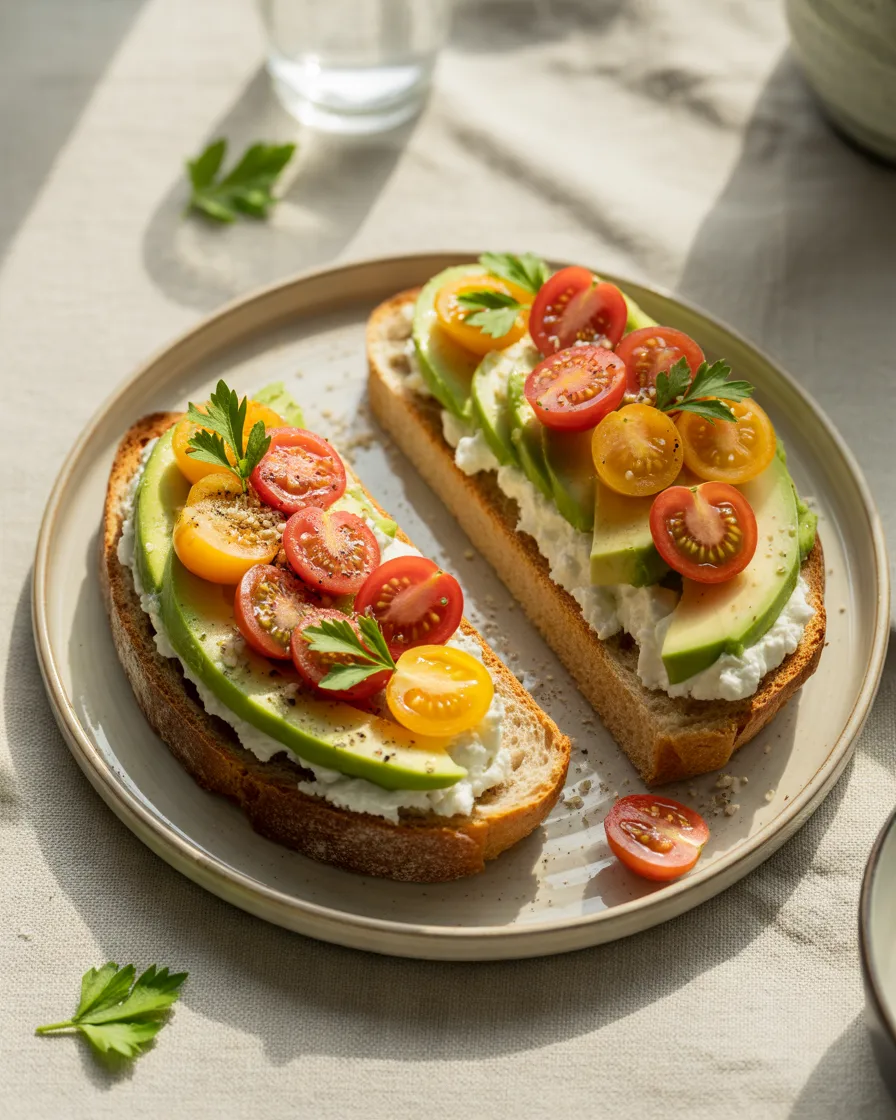
Cottage cheese toast is a simple but satisfying breakfast that combines protein-rich dairy with whole-grain bread and fresh vegetables. It is especially useful when you want something savory without spending much time cooking.
Cottage cheese provides a good amount of protein, while whole-grain bread contributes fiber and carbohydrates. Avocado adds a creamy texture and unsaturated fats, and tomatoes bring freshness and flavor.
Approximate protein: 20–25 grams per serving, depending on the amount of cottage cheese and bread.
Benefits:
- Cottage cheese provides high-quality dairy protein.
- Whole-grain bread contributes fiber.
- Avocado provides unsaturated fats.
- Tomatoes add vitamin C and other beneficial plant compounds.
- The recipe is easy to customize with different vegetables.
Practical tips:
Use thick whole-grain or seeded bread that can support the cottage cheese without becoming soggy. Choose a cottage cheese variety that suits your preferred texture. If you want additional protein, sprinkle hemp seeds over the finished toast.
How to prepare it:
- Toast two slices of whole-grain bread.
- Spread approximately ¾ cup of cottage cheese across the slices.
- Add thinly sliced avocado.
- Arrange halved cherry tomatoes on top.
- Season with black pepper, lemon juice, and a little dried oregano.
- Finish with hemp seeds or fresh herbs.
For meal preparation, keep the cottage cheese and toppings separate until you are ready to eat.
Who it may suit: This is a good choice for vegetarians, people who prefer savory breakfasts, and anyone looking for a filling meal that takes less than 10 minutes to prepare.
Important considerations: Cottage cheese can contain significant amounts of sodium, so compare labels if you are monitoring salt intake. Use dairy-free alternatives if necessary, and check bread ingredients for hidden egg.
3. Overnight Protein Oats With Greek Yogurt and Chia Seeds
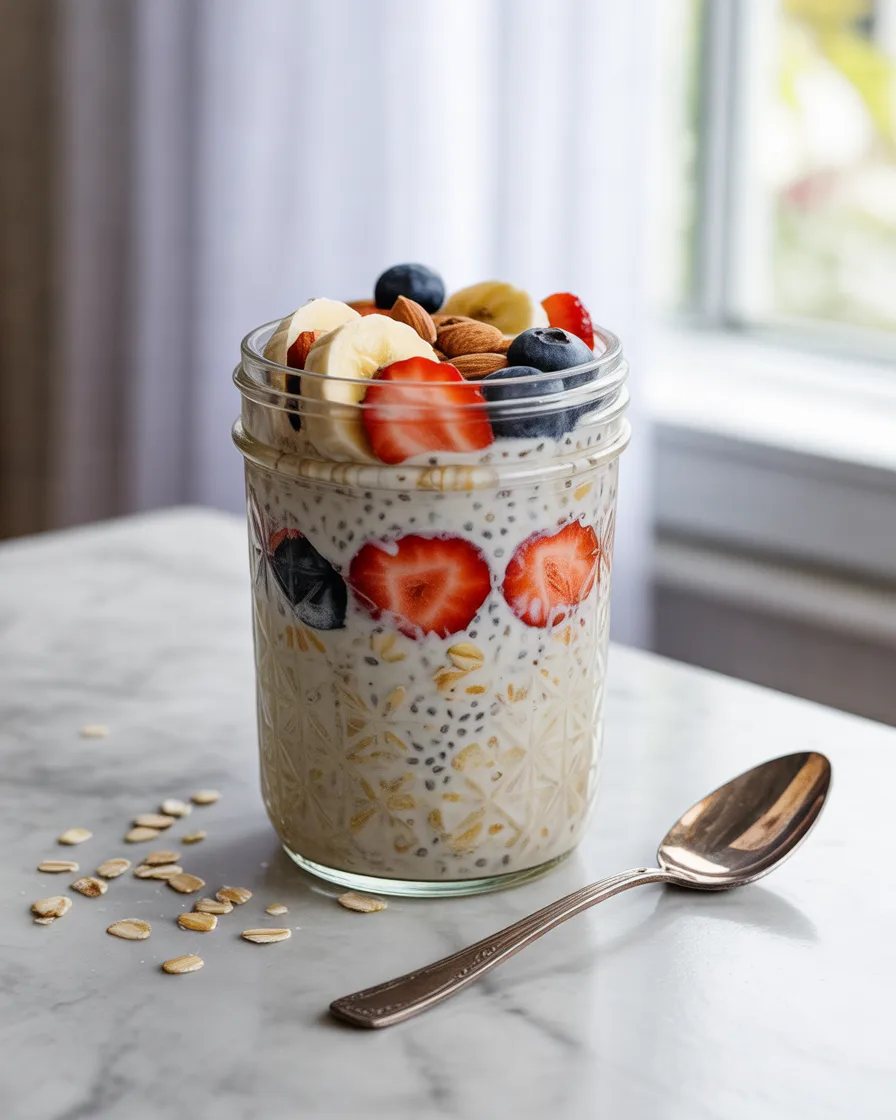
Overnight oats are perfect when you want a nutritious breakfast ready before you even get out of bed. Instead of cooking oatmeal in the morning, you combine oats with milk, yogurt, and other ingredients and leave the mixture in the refrigerator overnight.
Adding Greek yogurt and chia seeds increases the protein content while creating a thick, creamy consistency.
Approximate protein: 25–30 grams per serving, depending on the milk and yogurt used.
Benefits:
- Provides protein from Greek yogurt and milk.
- Oats contribute soluble fiber, including beta-glucan.
- Chia seeds provide fiber and healthy fats.
- Can be prepared in advance.
- Easy to customize with fruits and different flavor combinations.
Practical tips:
Use rolled oats rather than instant flavored oatmeal for a satisfying texture. If the mixture becomes too thick, add a little milk before serving. For additional protein, stir in a small amount of protein powder that suits your dietary requirements.
How to prepare it:
- Add ½ cup of rolled oats to a container.
- Mix in ¾ cup of plain Greek yogurt.
- Add ½ cup of milk and 1 tablespoon of chia seeds.
- Stir everything until evenly combined.
- Refrigerate for at least 6 hours or overnight.
- In the morning, top with banana slices, blueberries, or chopped almonds.
Prepare two or three portions in separate containers for convenient weekday breakfasts.
Who it may suit: Overnight oats are suitable for busy parents, office workers, students, and anyone who prefers preparing breakfast ahead of time.
Important considerations: Oats naturally contain carbohydrates, so adjust the serving size to your individual needs. People with celiac disease or gluten sensitivity should choose oats certified gluten-free. Refrigerate promptly and keep the prepared oats chilled.
4. High Protein Banana and Peanut Butter Smoothie
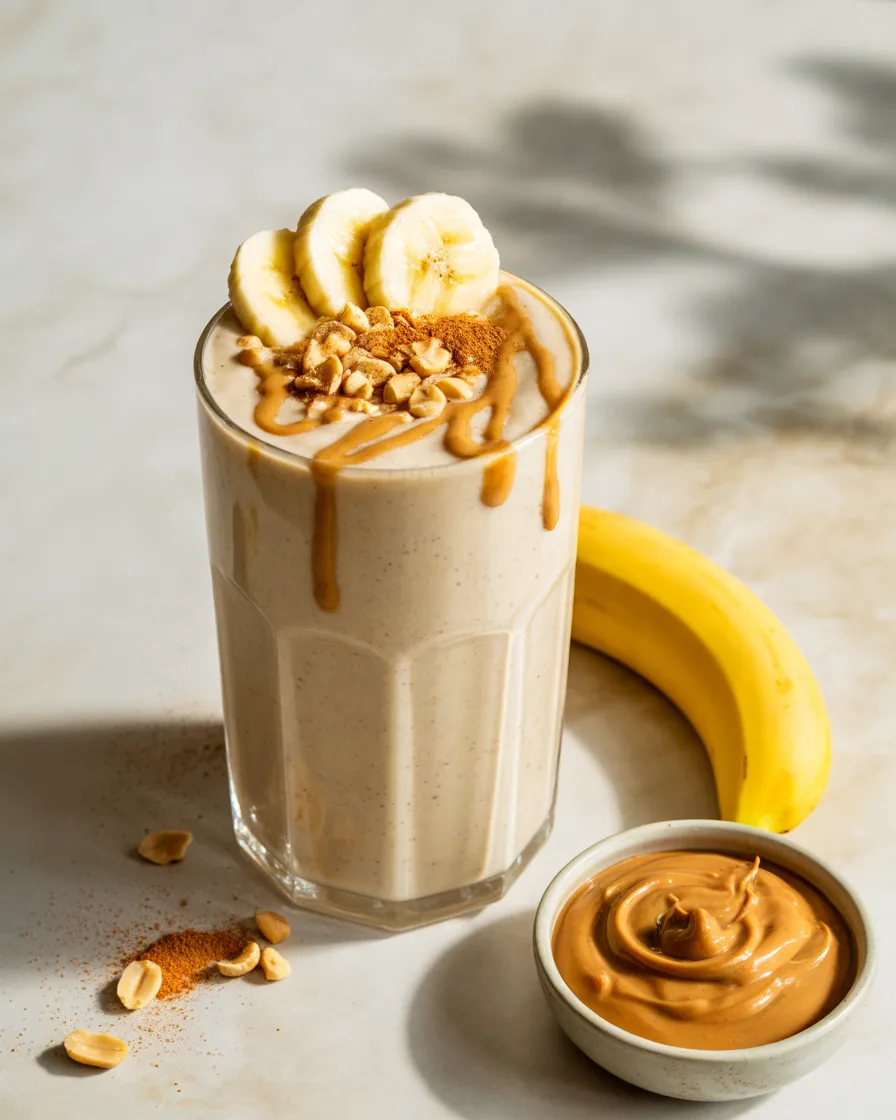
A protein smoothie is an excellent option when you need breakfast quickly or prefer drinking something rather than eating a full meal.
Bananas provide natural sweetness and carbohydrates, while peanut butter contributes protein and healthy fats. Combining these ingredients with Greek yogurt, milk, or a suitable protein powder can create a satisfying breakfast.
Approximate protein: 25–35 grams per serving, depending on the ingredients and protein powder used.
Benefits:
- Convenient for busy mornings.
- Provides protein from yogurt, milk, or protein powder.
- Bananas contribute potassium and carbohydrates.
- Peanut butter adds healthy fats and flavor.
- Easy to adjust according to individual nutritional needs.
Practical tips:
Use a frozen banana to create a thicker, milkshake-like texture. Choose natural peanut butter without unnecessary added sugar. If you want a dairy-free smoothie, use fortified soy milk and a suitable plant-based protein powder.
How to prepare it:
- Add one medium banana to a blender.
- Pour in 1 cup of milk.
- Add ¾ cup of Greek yogurt.
- Include 1 tablespoon of peanut butter.
- Add a few ice cubes and cinnamon.
- Blend until smooth and creamy.
If you need more protein, you can include a serving of protein powder after checking its ingredients and nutrition information.
Who it may suit: This smoothie is useful for people with limited preparation time, individuals who exercise in the morning, and anyone who prefers a portable breakfast.
Important considerations: Smoothies can become calorie-dense when several ingredients such as peanut butter, protein powder, and large amounts of fruit are added together. Adjust portions according to your appetite and goals. Avoid peanut butter if you have a peanut allergy.
5. Tofu Breakfast Scramble With Vegetables
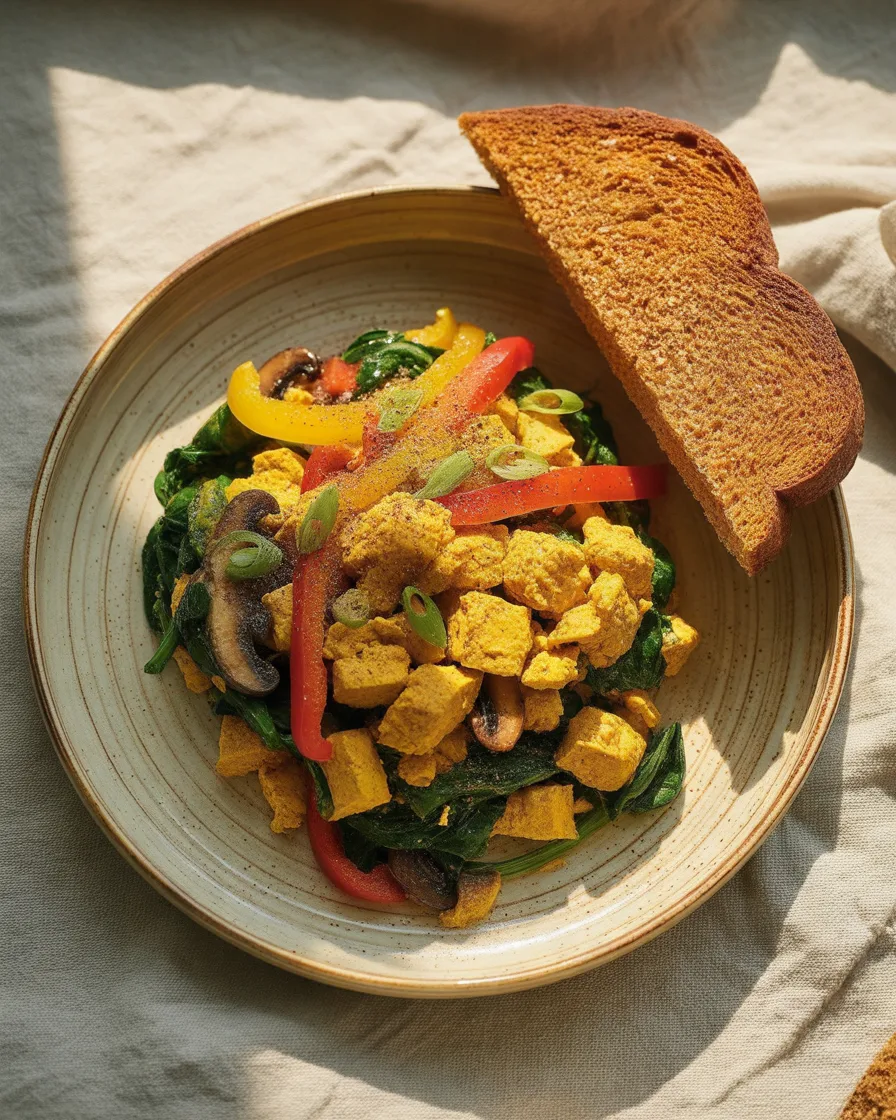
If you enjoy the texture of scrambled eggs but want an entirely egg-free alternative, tofu scramble is worth trying.
Firm tofu can be crumbled into small pieces and cooked with vegetables and seasonings. Turmeric gives it a warm yellow appearance, while black salt, garlic, and nutritional yeast can create a savory breakfast flavor.
Unlike eggs, tofu is made from soybeans and provides plant-based protein.
Approximate protein: 20–25 grams per serving, depending on the tofu quantity and variety.
Benefits:
- Provides complete plant-based protein.
- Suitable for vegetarian and vegan eating patterns.
- Offers flexibility with different vegetables.
- Can be prepared in approximately 15 minutes.
- Provides nutrients such as iron and calcium, depending on the tofu.
Practical tips:
Use firm or extra-firm tofu rather than silken tofu. Press it gently to remove excess water before cooking. Add mushrooms, spinach, bell peppers, and onions for additional flavor and variety.
How to prepare it:
- Drain approximately 200 grams of firm tofu.
- Crumble it into a bowl using a fork.
- Heat a little olive oil in a nonstick pan.
- Add chopped onions, mushrooms, and bell peppers.
- Cook until the vegetables soften.
- Add the crumbled tofu.
- Season with turmeric, garlic powder, black pepper, and a small amount of nutritional yeast.
- Cook for approximately 5–7 minutes.
Serve with whole-grain toast or a small portion of roasted potatoes.
Who it may suit: This recipe is especially suitable for vegans, vegetarians, people avoiding eggs, and anyone looking to increase their intake of plant-based protein.
Important considerations: Soy is a common food allergen. If you have a soy allergy, choose another breakfast option. Use calcium-set tofu if you want a product that contributes more calcium, and check the packaging.
6. High Protein Chia Pudding With Soy Milk and Berries
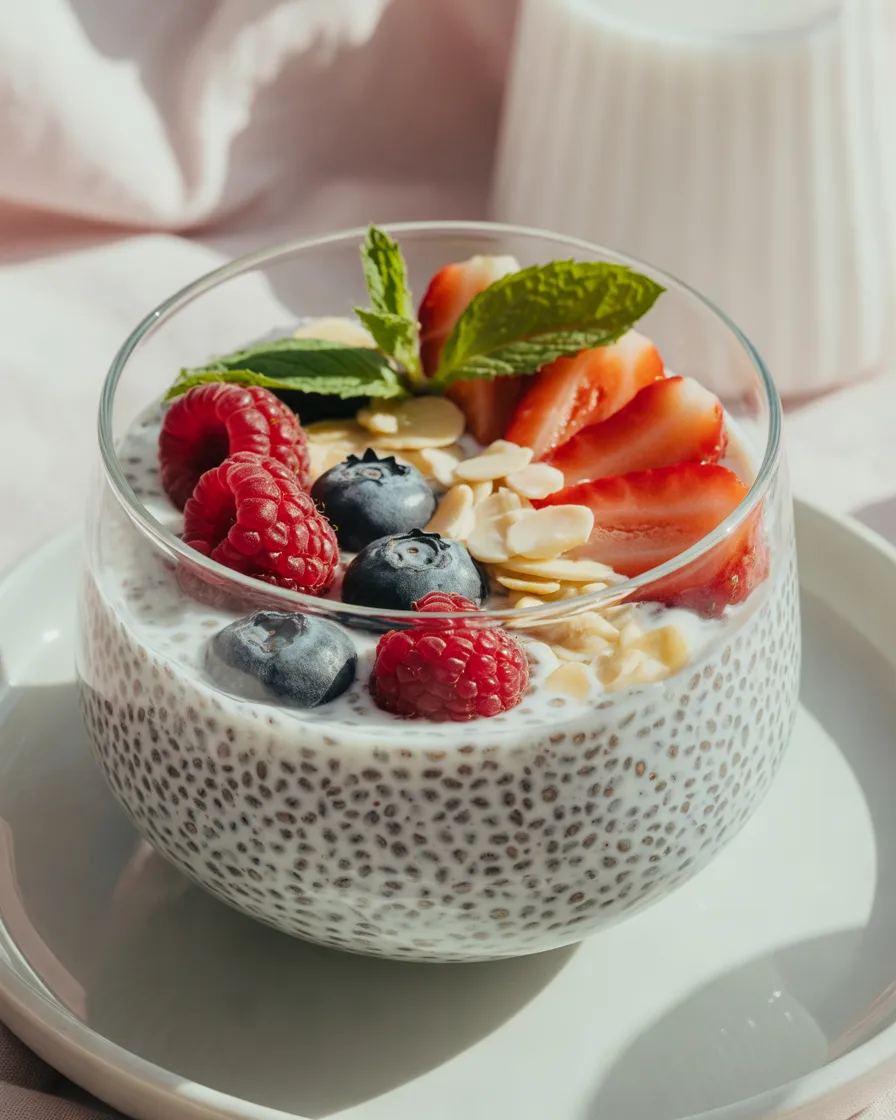
Chia pudding is a convenient breakfast that can be prepared the night before and enjoyed straight from the refrigerator.
Chia seeds absorb liquid and develop a thick, pudding-like consistency. Although they provide fiber, healthy fats, and some protein, combining them with high-protein soy milk and Greek yogurt or a high-protein dairy-free yogurt makes the meal more protein-rich.
Approximate protein: 20–25 grams per serving, depending on the milk and yogurt.
Benefits:
- Chia seeds provide fiber and omega-3 fatty acids.
- Soy milk adds plant-based protein.
- Yogurt can increase the overall protein content.
- Requires no cooking.
- Easy to prepare in individual portions.
Practical tips:
Stir the mixture twice during the first 15 minutes to prevent the chia seeds from clumping. Add fresh fruit just before serving to maintain its texture. If you prefer a sweeter pudding, use mashed banana or a small amount of honey.
How to prepare it:
- Add 2 tablespoons of chia seeds to a glass container.
- Pour in ¾ cup of unsweetened soy milk.
- Add ½ cup of plain Greek yogurt or a high-protein alternative.
- Stir thoroughly.
- Refrigerate for at least 4 hours or overnight.
- Top with raspberries, blueberries, and chopped almonds.
Who it may suit: This breakfast is suitable for people who prefer meal-prep recipes, vegetarians, and those looking for a fiber-rich breakfast.
Important considerations: Chia seeds absorb substantial amounts of liquid. Allow them to hydrate fully rather than eating large quantities of dry seeds. People with swallowing difficulties should take particular care. Use a suitable dairy-free yogurt if avoiding dairy.
7. Smoked Salmon and Cream Cheese Whole-Grain Toast
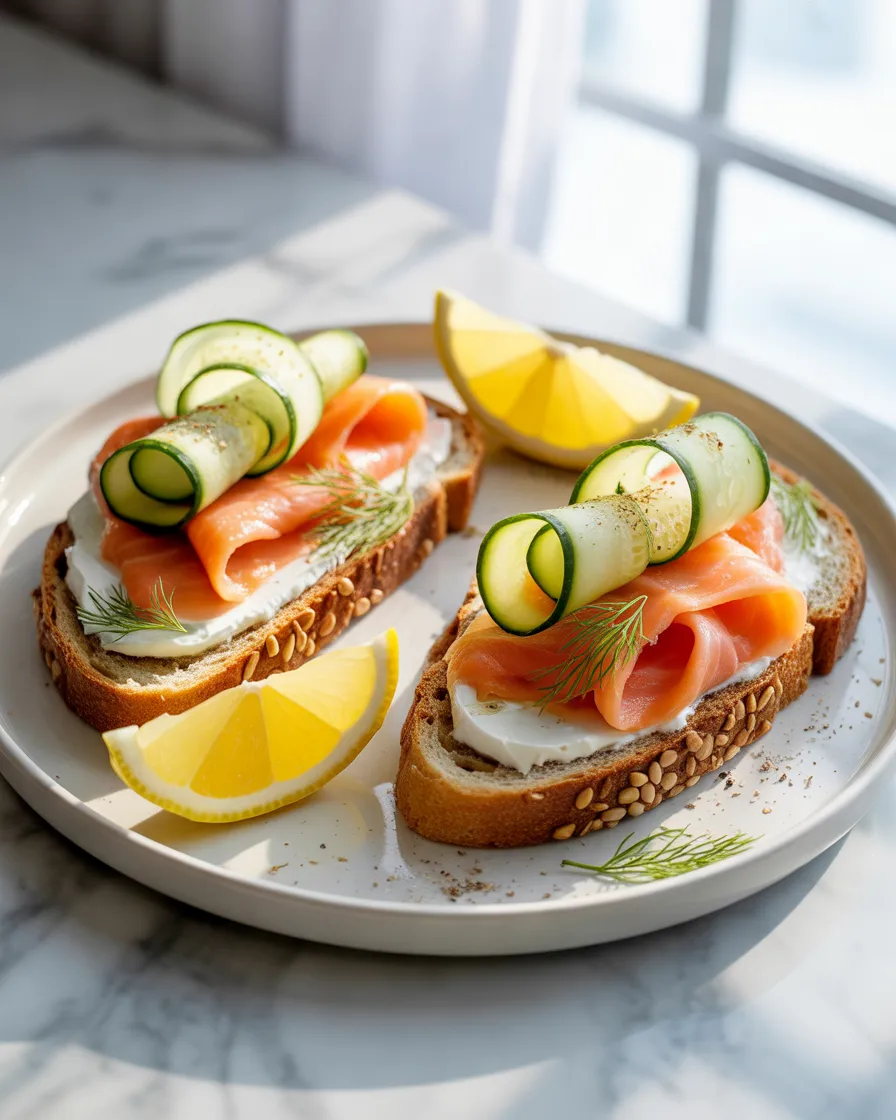
For people who enjoy savory breakfasts, smoked salmon toast offers a flavorful way to include protein without using eggs.
Smoked salmon provides high-quality protein and is also a source of omega-3 fatty acids. Pairing it with whole-grain bread and a moderate amount of cream cheese creates a satisfying breakfast with different textures and flavors.
Approximate protein: 22–28 grams per serving, depending on the amount of salmon and bread.
Benefits:
- Salmon provides high-quality protein.
- Contains omega-3 fatty acids.
- Whole-grain bread contributes dietary fiber.
- Easy to prepare without cooking.
- Provides a savory alternative to sweet breakfast recipes.
Practical tips:
Choose good-quality smoked salmon and use lemon juice, dill, cucumber, and black pepper to enhance its flavor. For extra protein, replace some of the cream cheese with cottage cheese or thick Greek yogurt.
How to prepare it:
- Toast two slices of whole-grain bread.
- Spread a thin layer of cream cheese or cottage cheese.
- Add approximately 3 ounces of smoked salmon.
- Arrange cucumber slices on top.
- Finish with fresh dill, lemon juice, and black pepper.
Serve with a few fresh cherry tomatoes or fruit.
Who it may suit: This breakfast is suitable for people who enjoy savory meals, seafood lovers, and anyone looking for a quick protein-rich option.
Important considerations: Smoked salmon can contain considerable sodium. Refrigerate it according to the package instructions. People who are pregnant or immunocompromised should follow current food-safety guidance regarding refrigerated smoked seafood and choose thoroughly cooked seafood when recommended by their healthcare professional.
8. Quinoa Breakfast Bowl With Greek Yogurt and Almonds
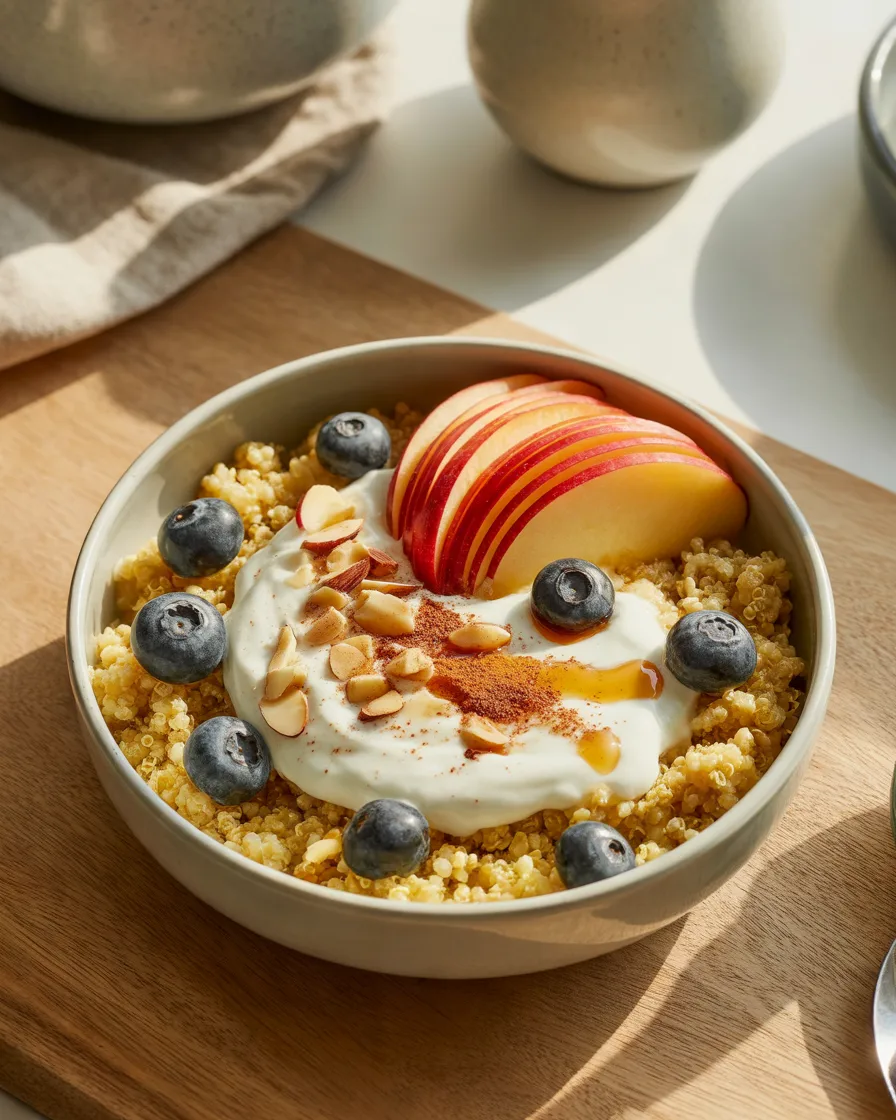
Quinoa is often used in lunch and dinner recipes, but it can also make a delicious breakfast. Its mild, slightly nutty flavor works well with fruit, yogurt, milk, and nuts.
Quinoa contains all nine essential amino acids, making it a useful plant-based protein source. Combining it with Greek yogurt increases the total protein content and creates a filling breakfast bowl.
Approximate protein: 20–25 grams per serving, depending on the yogurt and quinoa portions.
Benefits:
- Quinoa provides plant-based protein.
- Contains fiber and several minerals.
- Greek yogurt contributes additional protein.
- Can be served warm or chilled.
- Offers an alternative to traditional oatmeal.
Practical tips:
Cook a batch of quinoa in advance and refrigerate it in airtight containers. In the morning, add milk and warm it gently or enjoy it cold with yogurt. Cinnamon, apples, blueberries, and almonds are particularly good additions.
How to prepare it:
- Cook ½ cup of dry quinoa according to the package instructions, yielding approximately 1½ cups cooked.
- Place about ¾ cup of cooked quinoa in a breakfast bowl.
- Add ¾ cup of Greek yogurt.
- Include a splash of milk if you prefer a softer consistency.
- Top with sliced apple, almonds, and cinnamon.
- Add a small drizzle of honey if desired.
Who it may suit: This breakfast works well for vegetarians, people who enjoy grain-based meals, and anyone looking for an alternative to oats.
Important considerations: Rinse quinoa before cooking if the package instructions recommend it, as this helps remove naturally occurring saponins that can contribute bitterness. Check the yogurt label if you are monitoring added sugars.
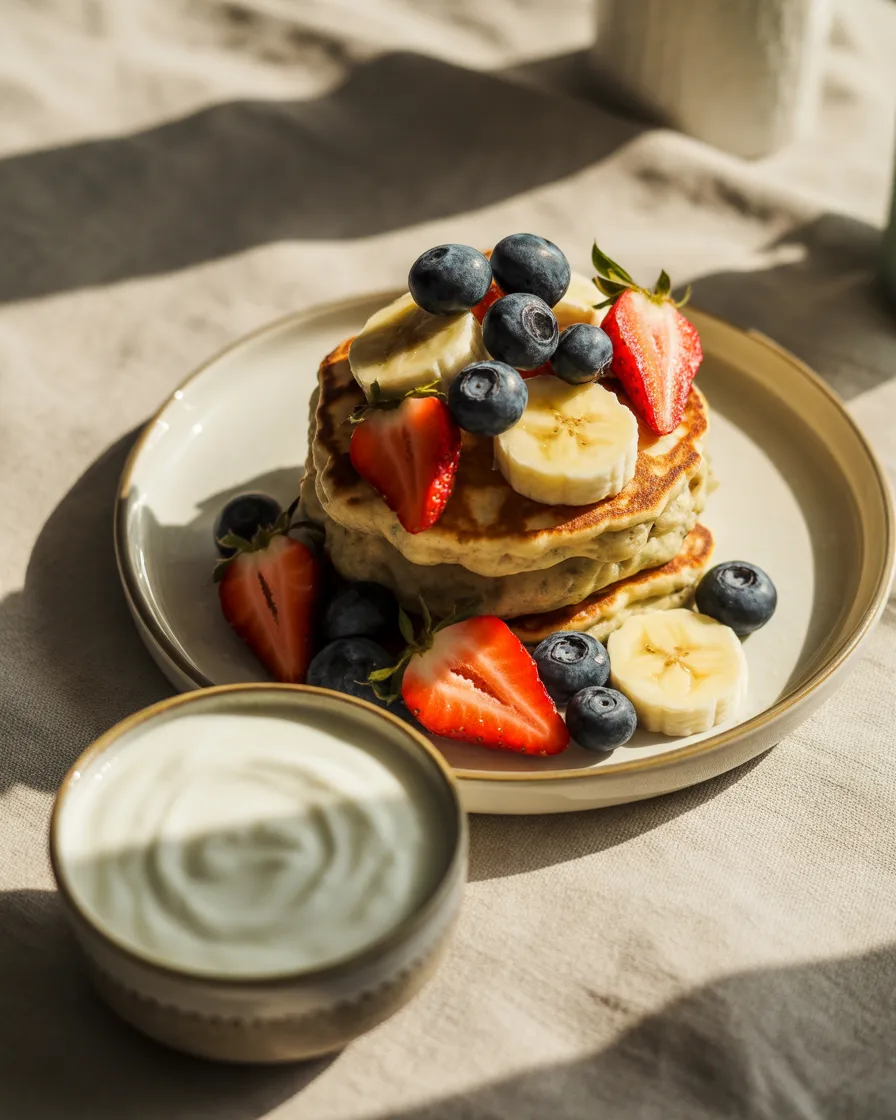
9. High Protein Pancakes Without Eggs

You do not have to give up pancakes to enjoy an egg-free, protein-rich breakfast. With the right combination of Greek yogurt, milk, oats, and protein powder, you can make soft, fluffy pancakes without using eggs.
The key is creating a batter that has enough moisture and binding ingredients to hold together while cooking.
Approximate protein: 20–25 grams per serving, depending on the ingredients and portion size.
Benefits:
- Provides an enjoyable alternative to traditional pancakes.
- Greek yogurt adds protein and moisture.
- Oats contribute fiber and carbohydrates.
- Can be prepared using simple kitchen ingredients.
- Works with several fruit and topping combinations.
Practical tips:
Use baking powder to help the pancakes rise. Let the batter rest for approximately five minutes before cooking. Avoid making the batter too thin, as it may spread excessively in the pan.
How to prepare it:
- Blend ½ cup of rolled oats into a fine flour.
- Add ½ cup of Greek yogurt.
- Pour in approximately ¼ cup of milk.
- Add ½ teaspoon of baking powder and a little cinnamon.
- Include a small serving of protein powder if desired.
- Mix until you have a thick, spoonable batter.
- Cook small pancakes in a lightly greased nonstick pan over medium-low heat.
- Flip when the edges look set and bubbles appear.
Serve with fresh berries and a little Greek yogurt.
Who it may suit: This recipe is great for families, people who enjoy weekend breakfasts, and anyone who wants a sweet breakfast without eggs.
Important considerations: Check that the protein powder and other packaged ingredients are egg-free. Some pancake mixes and flavored protein products contain egg ingredients. If you have an allergy, check labels carefully and avoid cross-contact.
10. Turkey and Black Bean Breakfast Burrito
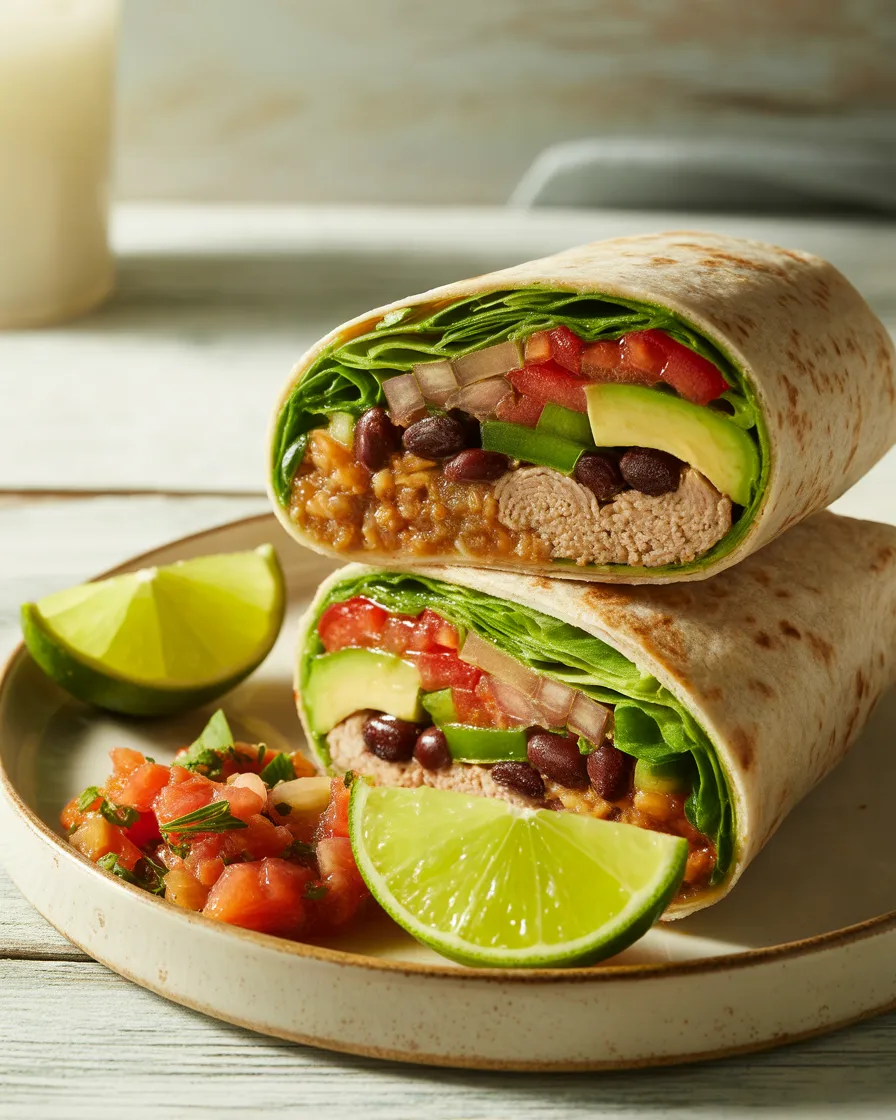
A breakfast burrito is a practical option when you want a portable, savory meal with a substantial amount of protein.
Combining lean ground turkey with black beans, vegetables, and a whole-wheat tortilla creates a satisfying breakfast that provides protein, fiber, and carbohydrates.
This recipe does not require eggs, and you can prepare several portions in advance for busy mornings.
Approximate protein: 25–30 grams per serving, depending on the turkey, beans, and tortilla.
Benefits:
- Turkey provides high-quality animal protein.
- Black beans contribute plant-based protein and fiber.
- Vegetables add vitamins and minerals.
- Convenient for breakfast on the go.
- Can be prepared in batches.
Practical tips:
Choose lean ground turkey and season it with cumin, paprika, garlic, and black pepper. Avoid adding too much cheese or high-sodium sauces if you want to keep the meal lighter.
How to prepare it:
- Cook approximately 3 ounces of lean ground turkey in a pan.
- Add ⅓ cup of cooked black beans.
- Mix in chopped bell peppers and onions.
- Season with cumin, paprika, and garlic powder.
- Warm a whole-wheat tortilla.
- Add the turkey and bean mixture.
- Include lettuce, tomatoes, and a little avocado.
- Roll tightly and serve.
You can prepare the filling in advance and assemble the burrito when needed.
Who it may suit: This is a good choice for people with active mornings, commuters, meal-prep enthusiasts, and anyone who prefers a hearty savory breakfast.
Important considerations: Cook turkey thoroughly to a safe internal temperature of 165°F (74°C). Refrigerate leftovers promptly. Check tortilla ingredients if you need a completely egg-free recipe.
11. Tempeh Breakfast Hash With Sweet Potatoes

Tempeh breakfast hash is a flavorful plant-based option for people who prefer warm and savory meals.
Tempeh is made from fermented soybeans and has a firm texture that works particularly well in skillet recipes. When combined with sweet potatoes, spinach, onions, and bell peppers, it creates a colorful breakfast with protein, fiber, and a variety of nutrients.
Approximate protein: 20–25 grams per serving, depending on the amount and type of tempeh.
Benefits:
- Tempeh provides substantial plant-based protein.
- Fermented soy foods can contribute to dietary variety.
- Sweet potatoes provide carbohydrates and beta-carotene.
- Vegetables contribute fiber and micronutrients.
- Makes a satisfying alternative to egg-based breakfast hashes.
Practical tips:
Cut the tempeh into small cubes so it browns evenly. Steam it briefly before cooking if you prefer a milder flavor. Roast or microwave the sweet potatoes ahead of time to reduce morning preparation.
How to prepare it:
- Cut approximately 100–120 grams of tempeh into cubes.
- Dice one small sweet potato.
- Heat a little olive oil in a skillet.
- Add the sweet potato and cook until tender.
- Add the tempeh, chopped onion, and bell peppers.
- Season with smoked paprika, garlic, and black pepper.
- Add spinach near the end and cook until wilted.
- Serve warm with fresh herbs.
Who it may suit: This meal is ideal for vegans, vegetarians, people who enjoy savory breakfasts, and anyone interested in adding more soy-based foods to their diet.
Important considerations: Tempeh contains soy, so it is unsuitable for people with soy allergies. Check the label for added sodium or marinades. Cooking times vary depending on the size of the vegetable pieces.
12. Lentil Breakfast Bowl With Spinach and Whole-Grain Toast
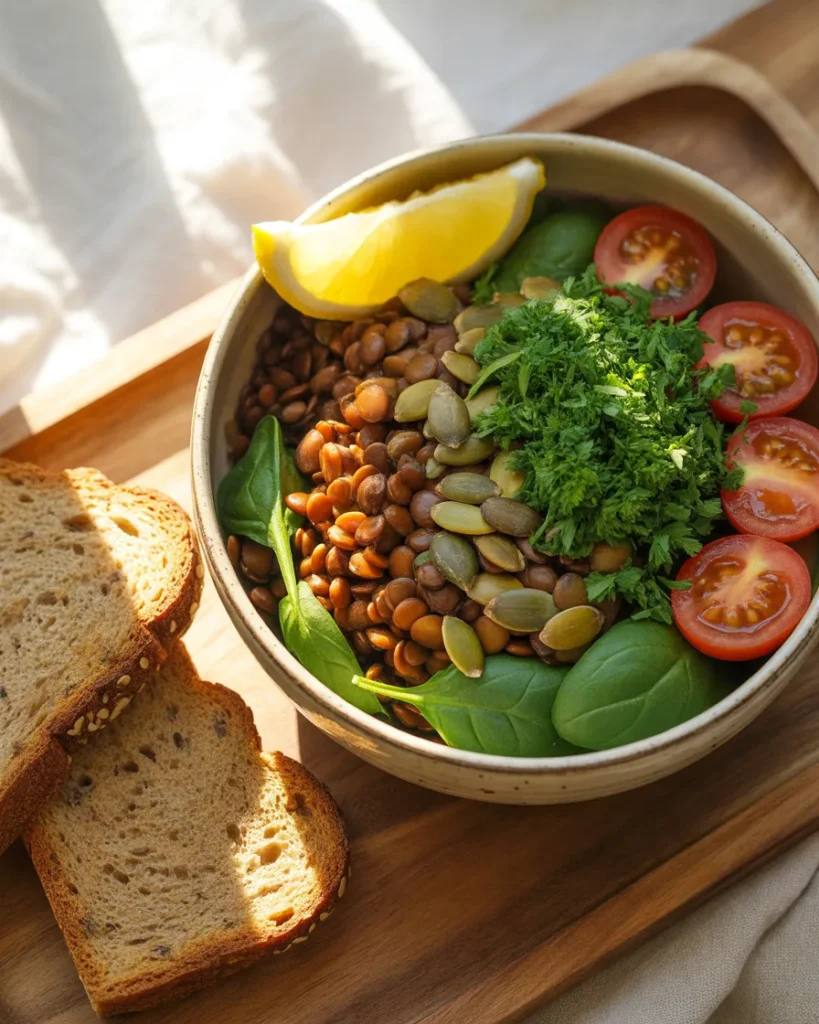
Lentils are not just for soups and dinner recipes. They can also be transformed into a delicious savory breakfast.
Cooked lentils provide plant-based protein, dietary fiber, iron, and other essential nutrients. Pairing them with spinach, tomatoes, herbs, and whole-grain toast creates a filling breakfast that does not require eggs or dairy.
This is particularly useful for people who want affordable, nutritious breakfast ingredients that can be prepared in larger batches.
Approximate protein: 20–25 grams per serving when paired with whole-grain toast and additional seeds.
Benefits:
- Lentils provide plant-based protein and fiber.
- Contribute iron, folate, and other nutrients.
- Budget-friendly compared with many specialty protein products.
- Easy to prepare in advance.
- Suitable for vegan and vegetarian diets.
Practical tips:
Use cooked brown or green lentils because they generally hold their shape well. Add lemon juice and fresh herbs to brighten the flavor. Pumpkin seeds or hemp seeds can provide additional protein and texture.
How to prepare it:
- Add approximately 1 cup of cooked lentils to a small pan.
- Mix in chopped spinach and cherry tomatoes.
- Add a little olive oil, garlic, cumin, and black pepper.
- Heat until the spinach softens and the lentils are warm.
- Transfer the mixture to a breakfast bowl.
- Add fresh parsley, lemon juice, and pumpkin seeds.
- Serve with one or two slices of whole-grain toast.
Who it may suit: This breakfast is suitable for vegans, vegetarians, budget-conscious households, and people who enjoy hearty savory meals.
Important considerations: Lentils contain fermentable carbohydrates and may cause digestive discomfort in some people, particularly when eaten in large portions. Increase fiber gradually and drink enough water. If using canned lentils, rinse them to reduce some of the added sodium.
Expert Tips for Building a Balanced High Protein Breakfast Without Eggs
Choosing a protein-rich ingredient is a good starting point, but the best breakfast should also provide a combination of nutrients that supports your individual needs.
Here are some practical ways to make your egg-free breakfast more balanced and enjoyable.
1. Choose a protein source first
Start by deciding which protein source you want to include. Greek yogurt, cottage cheese, tofu, tempeh, lentils, salmon, turkey, and soy milk are useful options.
Check nutrition labels because protein amounts can vary considerably between brands and products.
2. Include fiber-rich carbohydrates
Protein is important, but your breakfast should not consist entirely of protein foods. Include ingredients such as oats, whole-grain bread, fruit, quinoa, or beans.
These foods provide carbohydrates and fiber that can contribute to a balanced meal.
3. Add healthy fats in appropriate portions
Avocados, almonds, walnuts, chia seeds, pumpkin seeds, and peanut butter can improve the flavor and nutritional variety of your breakfast.
However, these ingredients are energy-dense, so you do not need large quantities to enjoy their benefits.
4. Prepare breakfast the night before
If you struggle to find time in the morning, prepare overnight oats, chia pudding, or yogurt parfait ingredients in advance.
You can also cook quinoa, lentils, or breakfast burrito fillings ahead of time. Proper refrigeration and food storage are important.
5. Look beyond animal-based protein
You do not need meat or dairy at every breakfast. Soy products, lentils, beans, nuts, seeds, and other plant-based ingredients can contribute to your protein intake.
Combining different plant protein sources throughout the day can help provide a varied range of amino acids.
6. Pay attention to added sugar and sodium
Flavored yogurt, packaged protein bars, smoked fish, cottage cheese, and ready-made breakfast products can contain added sugar or sodium.
Read nutrition labels and compare products instead of assuming that every food marketed as high-protein is automatically a healthy choice.
7. Match portions to your personal needs
Protein requirements vary according to body size, age, activity level, health status, and personal goals. There is no single breakfast protein target that works for everyone.
If you have kidney disease or another medical condition requiring dietary protein restrictions, consult a registered dietitian or healthcare professional before substantially increasing your protein intake.
Frequently Asked Questions About High Protein Breakfast Without Eggs
1. What is the best high protein breakfast without eggs?
Greek yogurt parfaits, cottage cheese toast, tofu scramble, protein smoothies, and overnight oats are excellent choices.
The best option depends on your preferences, dietary requirements, preparation time, and nutritional goals. Greek yogurt and cottage cheese are particularly convenient for people who consume dairy, while tofu and tempeh are useful plant-based alternatives.
2. How can I get 30 grams of protein at breakfast without eggs?
You can reach approximately 30 grams of protein by combining several protein-rich ingredients.
For example, a bowl containing Greek yogurt, rolled oats, chia seeds, and milk can provide around 25–30 grams, depending on the brands and quantities used.
Another option is a protein smoothie containing milk, Greek yogurt, and a serving of protein powder.
3. What are some high protein vegetarian breakfasts without eggs?
There are many vegetarian options, including:
- Greek yogurt with berries and almonds.
- Cottage cheese avocado toast.
- Overnight oats with Greek yogurt.
- Chia pudding with soy milk.
- Tofu scramble with vegetables.
- Quinoa breakfast bowls.
- Egg-free protein pancakes.
These meals can provide substantial protein while offering different flavors and textures.
4. What is a good vegan high protein breakfast without eggs?
Tofu scramble, tempeh hash, chia pudding with soy milk, lentil breakfast bowls, and plant-based protein smoothies are useful vegan choices.
Look for unsweetened, fortified soy milk and high-protein plant-based yogurt when appropriate. Check labels because many other plant-based milk alternatives contain relatively little protein.
5. Can I eat a high protein breakfast without cooking?
Yes. Several protein-rich breakfasts require little or no cooking.
Greek yogurt parfaits, cottage cheese toast, overnight oats, chia pudding, and protein smoothies are convenient options. You can also prepare quinoa and lentils in advance and serve them cold or reheat them.
6. Is Greek yogurt better than regular yogurt for protein?
Greek yogurt generally contains more protein than regular yogurt because of the straining process used during production.
However, protein content varies by brand, serving size, and product type. Compare nutrition labels when selecting yogurt for a high-protein breakfast.
7. What can I eat for breakfast instead of eggs to build muscle?
You can choose Greek yogurt, cottage cheese, tofu, tempeh, salmon, turkey, or a protein smoothie.
These foods provide protein that supports muscle repair and maintenance when combined with appropriate resistance training and an overall balanced diet.
Your total daily protein intake, training routine, and overall nutrition are more important than relying on a particular breakfast food.
8. Are high protein breakfasts good for weight management?
A protein-rich breakfast may help some people feel fuller and more satisfied, which can make it easier to manage their overall food intake.
However, weight management depends on several factors, including total energy intake, physical activity, sleep, health conditions, and long-term eating habits.
A balanced breakfast is a useful part of an overall healthy routine, but no individual food guarantees weight loss.
9. What are cheap high protein breakfasts without eggs?
Some affordable options include lentil bowls, overnight oats with milk, homemade tofu scramble, peanut butter toast, and Greek yogurt when purchased in larger containers.
Buying dried lentils and oats in bulk, preparing meals at home, and using seasonal fruit can also help reduce breakfast costs.
10. Can I prepare high protein breakfasts for the entire week?
Yes. You can prepare several breakfast components in advance.
Overnight oats and chia pudding can generally be refrigerated for a few days in suitable airtight containers. Cooked lentils, quinoa, and tofu fillings can also be portioned and stored safely.
For longer storage, freeze suitable cooked components and thaw them safely before reheating. Follow ingredient-specific food storage guidance rather than assuming every prepared breakfast lasts the entire week.
Conclusion
Eating a high protein breakfast without eggs does not mean sacrificing flavor, convenience, or nutritional value. From creamy Greek yogurt parfaits and overnight oats to savory tofu scrambles, lentil bowls, and turkey breakfast burritos, there are plenty of delicious alternatives to explore.
The most useful approach is to choose protein sources you genuinely enjoy and combine them with fiber-rich carbohydrates, fruits, vegetables, and healthy fats.
If you have a busy schedule, overnight oats, chia pudding, and smoothies can make mornings easier. If you prefer savory meals, tofu scramble, cottage cheese toast, and tempeh hash offer satisfying alternatives.
Start with two or three recipes from this list, experiment with different ingredients, and build a breakfast routine that fits your lifestyle.
A nutritious morning meal does not need to be complicated. With a little planning and the right ingredients, you can enjoy a delicious, balanced, high-protein breakfast every day without using eggs.