Pasta is one of those foods that can turn an ordinary evening into a satisfying meal. Whether you enjoy a comforting bowl of spaghetti, a creamy mushroom sauce, or a fresh Mediterranean pasta salad, you do not need to give up your favorite dishes to eat well.
The secret is how you prepare and serve it. Combining pasta with colorful vegetables, beans, lean proteins, and flavorful homemade sauces can create meals that offer a broader range of nutrients. Choosing whole-wheat pasta more often can also increase your fiber intake, while ingredients such as lentils, chickpeas, and vegetables add variety to your plate.
According to Harvard’s Healthy Eating Plate, balanced meals emphasize vegetables and fruits, whole grains, and healthy protein sources. These principles are easy to apply to pasta without sacrificing flavor.
This collection of 14 healthy pasta recipes includes quick weeknight dinners, vegetarian favorites, high-protein options, lighter creamy sauces, and make-ahead lunches. Each recipe includes practical cooking instructions, ingredient ideas, and useful tips.
1. Whole-Wheat Spaghetti With Cherry Tomatoes, Spinach, and White Beans
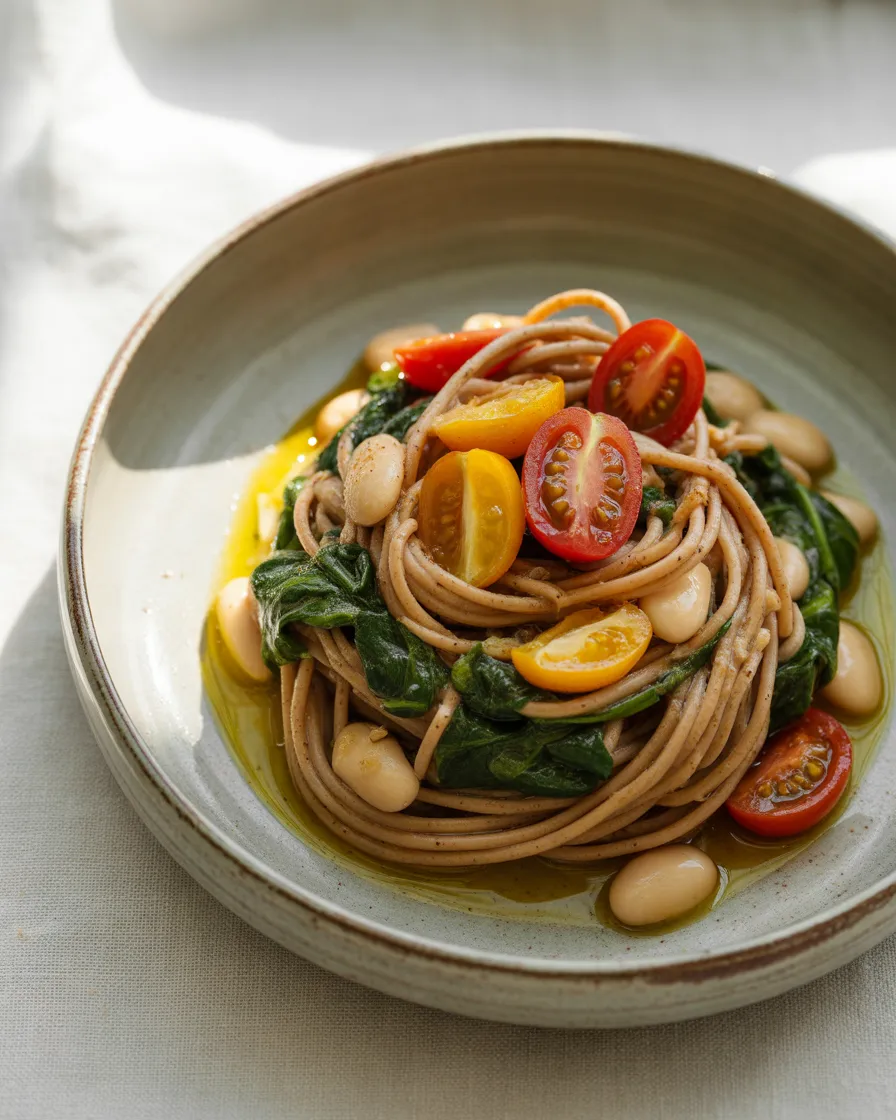
This simple Mediterranean-inspired dish combines tender spaghetti with juicy tomatoes, wilted spinach, and creamy white beans. Garlic, lemon, and olive oil provide plenty of flavor without requiring a heavy sauce.
Ingredients for two servings
- 170 g (6 oz) whole-wheat spaghetti
- 1 tablespoon olive oil
- 2 garlic cloves, minced
- 250 g (9 oz) cherry tomatoes, halved
- 3 cups fresh spinach
- 1 cup cooked cannellini beans, drained and rinsed
- Lemon juice, black pepper, and optional grated Parmesan
How to make it: Cook the spaghetti according to the package instructions. Warm the olive oil in a skillet, add the garlic and tomatoes, and cook until the tomatoes soften. Stir in the spinach and beans. Toss with the drained pasta and a splash of pasta water. Finish with lemon juice, black pepper, and Parmesan if desired.
Why it is a smart choice: Whole-wheat pasta and beans contribute fiber, while spinach and tomatoes add vegetables. The beans also provide plant-based protein.
Practical tip: Reserve some pasta water before draining. Its starch helps the sauce coat the spaghetti without needing extra oil.
Who it may suit: Vegetarians and anyone looking for a straightforward, plant-forward dinner.
Considerations: Parmesan is optional for a dairy-free version. Check canned bean labels for sodium and rinse the beans before using.
2. Lemon Garlic Chicken and Broccoli Penne
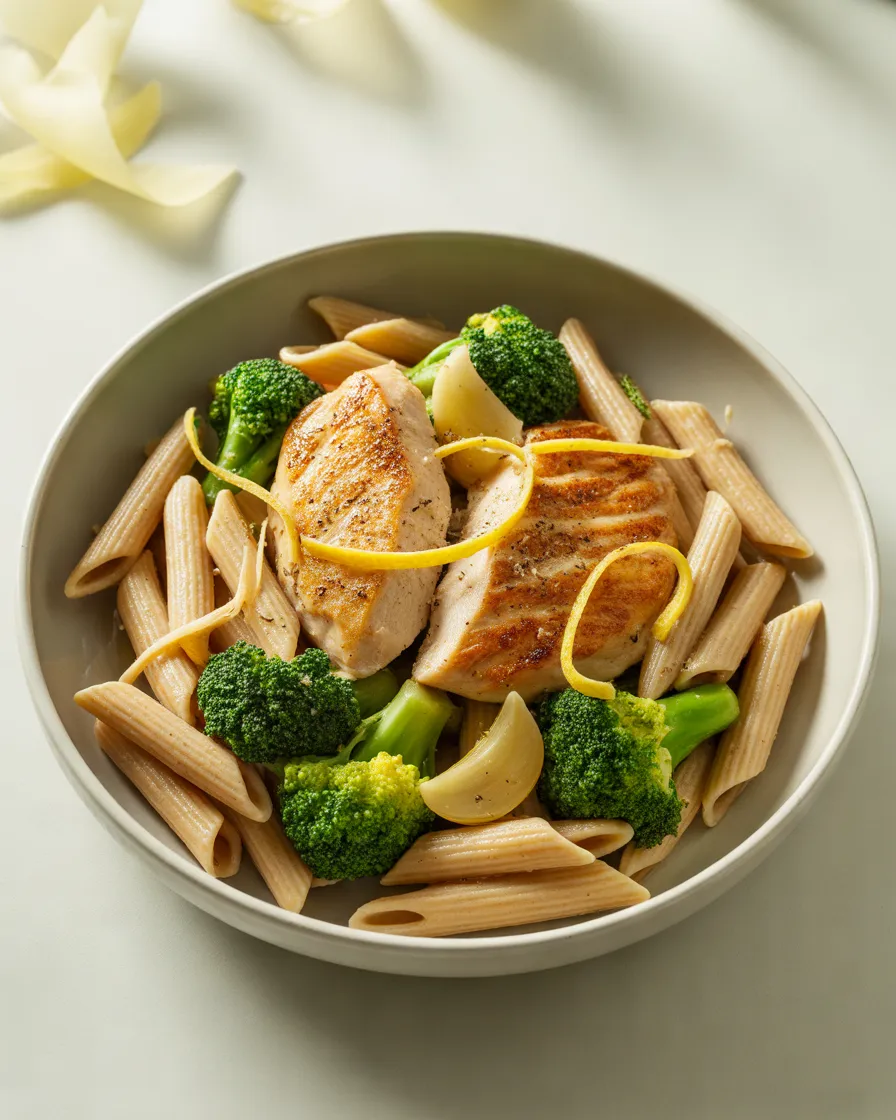
Chicken and broccoli make a practical combination for a filling pasta dinner. Lemon, garlic, and black pepper bring freshness to the dish, while a small amount of Parmesan adds a savory finish.
Ingredients for two servings
- 170 g (6 oz) whole-wheat penne
- 250 g (9 oz) boneless, skinless chicken breast, diced
- 2 cups broccoli florets
- 2 garlic cloves, minced
- 1 tablespoon olive oil
- Juice of half a lemon
- 2 tablespoons grated Parmesan
- Black pepper and dried oregano
How to make it: Cook the penne and add the broccoli during the final three minutes. Meanwhile, cook the chicken in olive oil until fully cooked, adding the garlic and oregano near the end. Toss the drained pasta and broccoli with the chicken, lemon juice, Parmesan, and a little pasta water.
Why it is a smart choice: Chicken provides protein, broccoli contributes fiber and micronutrients, and whole-wheat penne adds whole-grain fiber.
Practical tip: Cut the chicken into evenly sized pieces so it cooks consistently. Use lemon zest as well as juice for a stronger citrus flavor.
Who it may suit: Busy households, active adults, and people who prefer a familiar high-protein pasta dinner.
Considerations: Cook chicken to an internal temperature of 74°C (165°F). For a vegetarian alternative, use chickpeas or firm tofu instead.
3. Chickpea Pasta With Roasted Vegetables and Basil Pesto
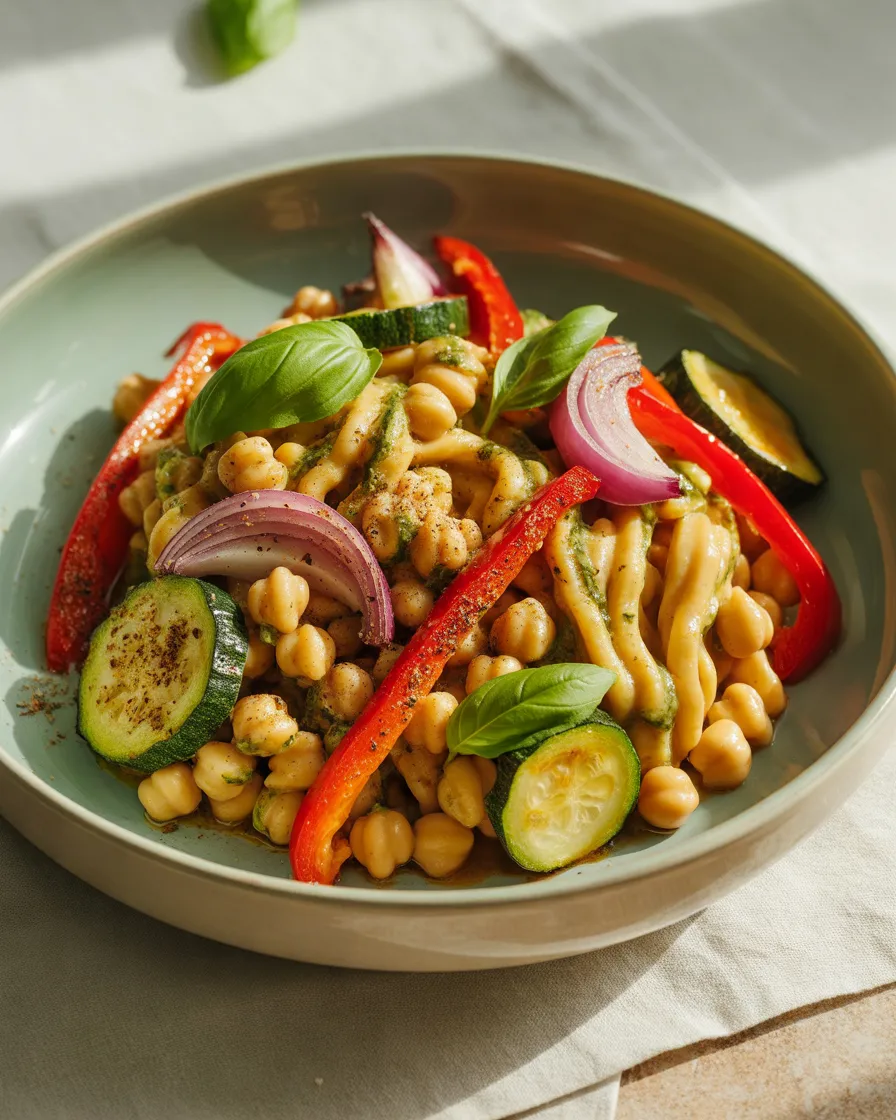
Chickpea pasta offers an alternative to conventional wheat pasta and often contains more protein and fiber per serving. Roasted peppers, courgette (zucchini), and red onion add sweetness and texture, while basil pesto brings a fresh, herby flavor.
Ingredients for two servings
- 170 g (6 oz) chickpea pasta
- 1 red bell pepper, chopped
- 1 small courgette (zucchini), diced
- Half a red onion, sliced
- 1 tablespoon olive oil
- 2 tablespoons basil pesto
- Lemon juice and black pepper
How to make it: Roast the vegetables at 220°C (425°F) for about 20 minutes, turning once. Cook the chickpea pasta according to the package instructions, taking care not to overcook it. Combine the pasta and roasted vegetables with pesto and a squeeze of lemon.
Why it is a smart choice: Chickpea pasta contributes plant protein and fiber, while the vegetables provide color, texture, and additional nutrients.
Practical tip: Follow the cooking time on the pasta packet closely. Some legume-based pastas soften and break more quickly than wheat varieties.
Who it may suit: Vegetarians and people interested in adding more plant-based protein to their meals.
Considerations: Chickpea pasta is not automatically gluten-free unless the packaging confirms it and cross-contact is addressed. Traditional pesto may contain cheese and nuts, so check the ingredients for allergies.
4. Lemon Salmon and Green Pea Fusilli
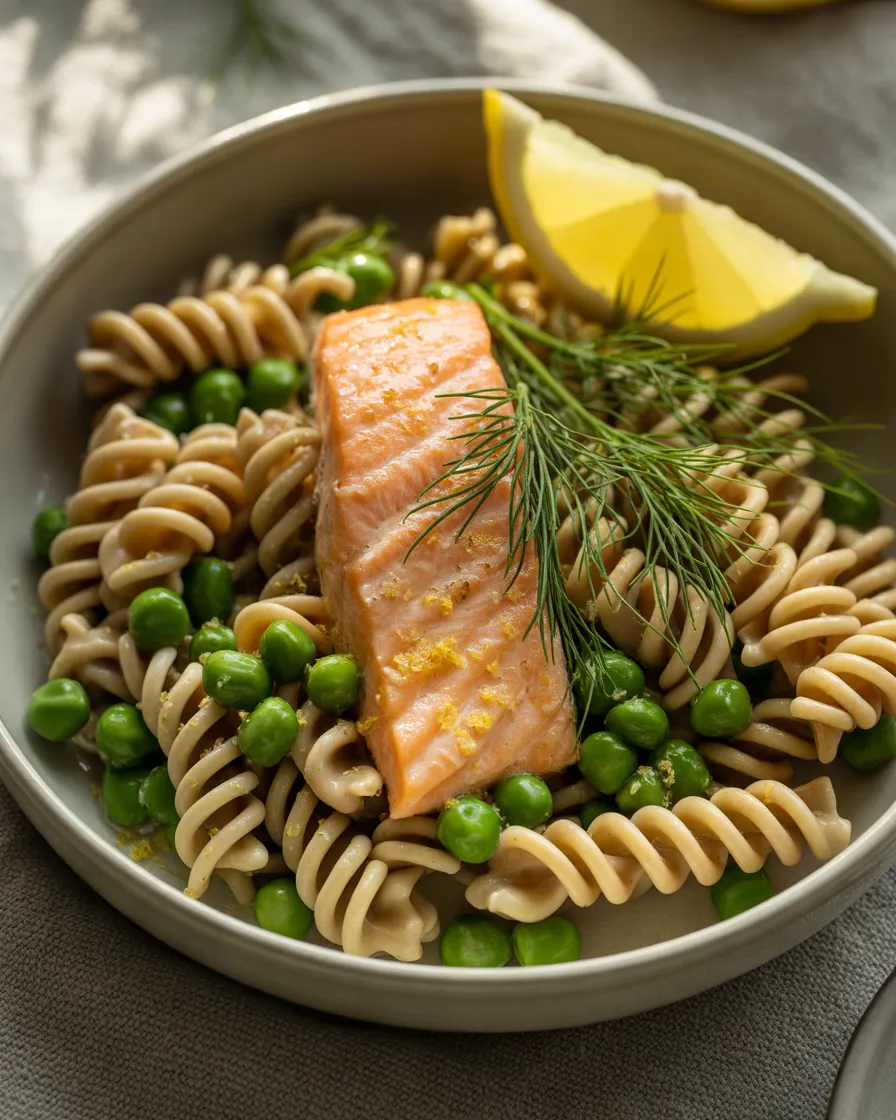
Salmon gives this pasta dish a rich flavor that works particularly well with lemon, peas, and fresh dill. The result is a balanced dinner that feels special enough for the weekend but remains simple enough for a busy evening.
Ingredients for two servings
- 170 g (6 oz) whole-wheat fusilli
- 2 salmon fillets, approximately 120–150 g each
- 1 cup green peas, fresh or frozen
- 1 tablespoon olive oil
- Juice and zest of half a lemon
- 1 tablespoon chopped fresh dill
- Black pepper
How to make it: Bake the salmon at 200°C (400°F) until it reaches a safe internal temperature of 63°C (145°F). Cook the fusilli, adding the peas for the final two minutes. Flake the salmon into large pieces and gently combine it with the pasta, lemon, dill, and olive oil.
Why it is a smart choice: Salmon supplies protein and omega-3 fatty acids. Peas add fiber and plant nutrients, while whole-wheat fusilli contributes whole grains.
Practical tip: Add a little pasta water if the dish seems dry. It helps distribute the lemon and olive oil without requiring a creamy sauce.
Who it may suit: Fish lovers and anyone seeking an alternative to chicken-based pasta dinners.
Considerations: Remove any bones carefully. People with fish allergies should choose chickpeas, tofu, or chicken instead.
5. Lentil Bolognese With Whole-Wheat Rigatoni
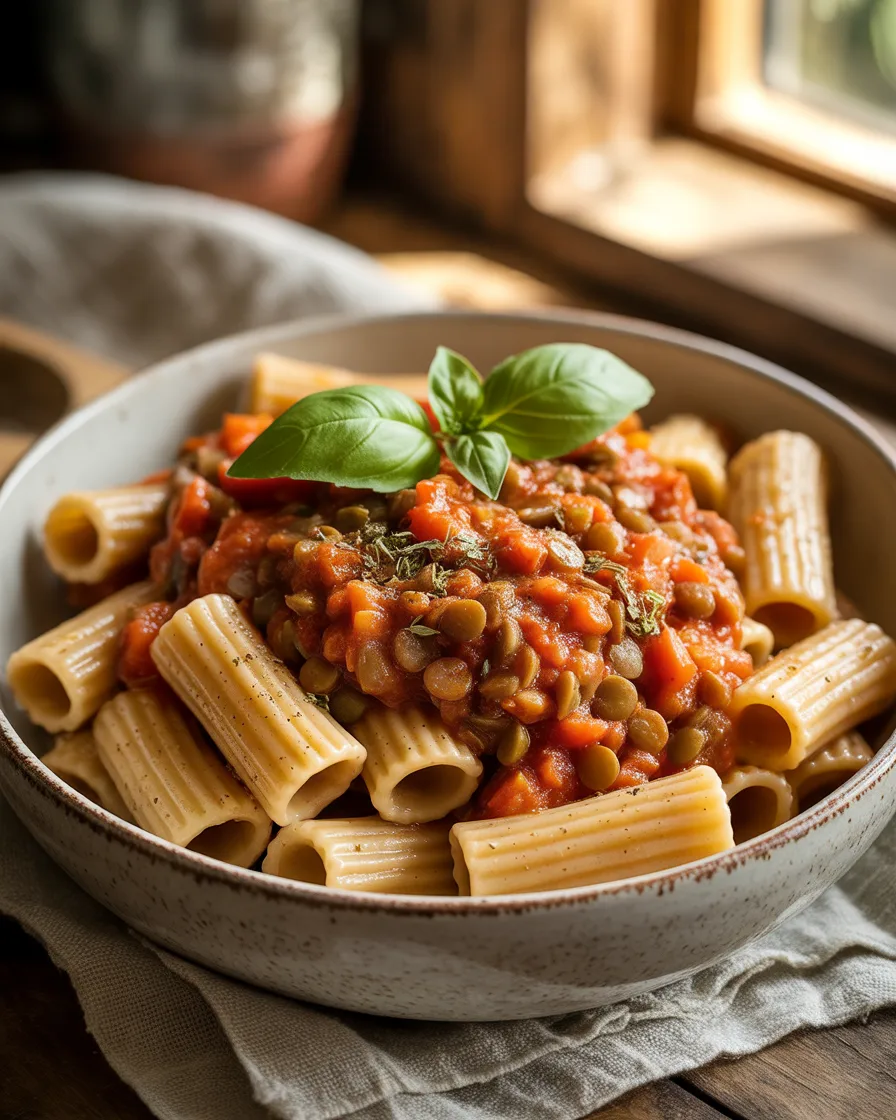
Lentil Bolognese delivers the comforting character of a traditional meat sauce using lentils, tomatoes, carrots, and aromatic vegetables. It is a useful option when you want a hearty pasta dinner without relying on minced meat.
Ingredients for two to three servings
- 200 g (7 oz) whole-wheat rigatoni
- 1 cup cooked brown or green lentils
- 1 small carrot, finely diced
- Half an onion, diced
- 2 garlic cloves, minced
- 400 g (14 oz) chopped tomatoes
- 1 tablespoon olive oil
- 1 teaspoon dried oregano
- Black pepper
How to make it: Sauté the onion and carrot in olive oil until softened. Add garlic, oregano, tomatoes, and lentils. Simmer for 15–20 minutes, stirring occasionally. Cook the rigatoni separately, drain, and toss with the sauce.
Why it is a smart choice: Lentils provide plant protein, fiber, and several minerals. The tomato-based sauce also helps increase vegetable intake.
Practical tip: Make a double batch of the sauce and freeze individual portions for future meals. Add a little water if it becomes too thick during reheating.
Who it may suit: Vegetarians, people who enjoy meal prepping, and households looking to eat more legumes.
Considerations: Lentils can increase digestive discomfort for some people, especially when intake rises suddenly. Start with a comfortable portion and increase gradually if needed.
6. Creamy Greek Yogurt and Mushroom Pasta
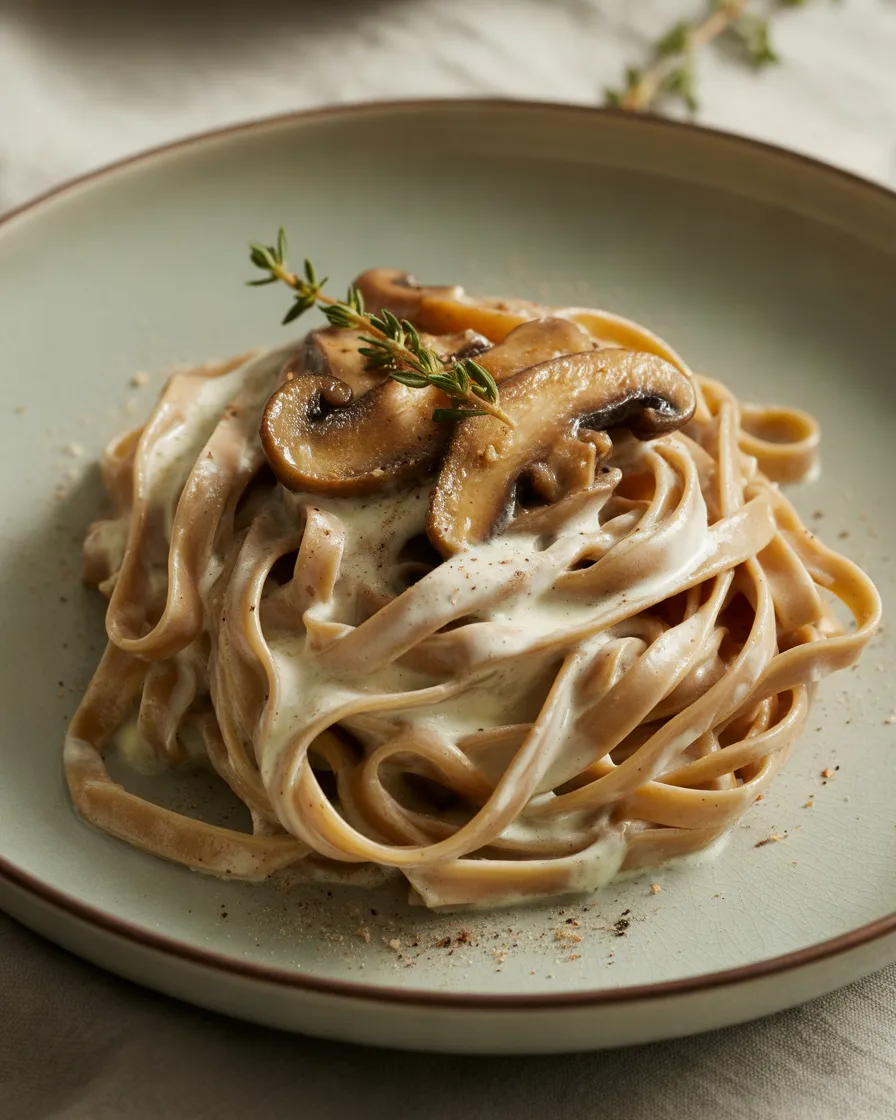
A creamy pasta sauce does not have to rely entirely on heavy cream. Greek yogurt can create a tangy, smooth finish when combined carefully with sautéed mushrooms, garlic, and a little reserved pasta water.
Ingredients for two servings
- 170 g (6 oz) whole-wheat fettuccine
- 250 g (9 oz) mushrooms, sliced
- 1 garlic clove, minced
- 1 teaspoon olive oil
- 100 g (about ½ cup) plain Greek yogurt
- 2 tablespoons grated Parmesan
- Black pepper, thyme, and pasta water as needed
How to make it: Cook the fettuccine. Sauté the mushrooms in olive oil until browned, then add garlic and thyme. Remove the pan from direct heat. Mix the yogurt with a little warm pasta water, then stir it into the mushrooms. Add the pasta and Parmesan, tossing until coated.
Why it is a smart choice: Mushrooms add flavor and texture, while Greek yogurt provides protein and a creamy consistency. Whole-wheat pasta contributes fiber.
Practical tip: Temper the yogurt with warm pasta water before mixing it into the pan. Avoid boiling the sauce, which can cause the yogurt to separate.
Who it may suit: People who enjoy creamy pasta and want an alternative to cream-heavy sauces.
Considerations: This recipe contains dairy. Use an unsweetened, suitable plant-based yogurt if needed, although the taste and texture may differ.
7. Mediterranean Orzo Salad With Chickpeas and Fresh Vegetables
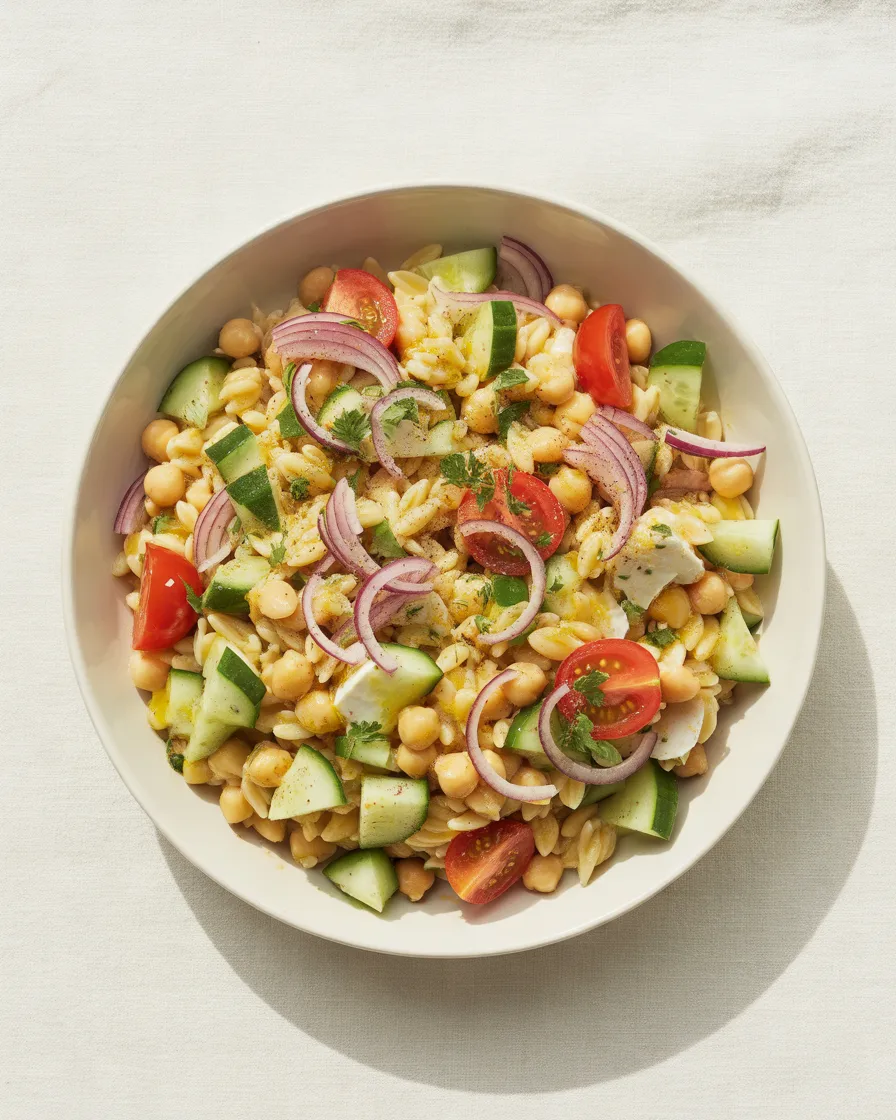
Orzo looks like rice but is a small pasta shape. It works beautifully in a Mediterranean-style salad with chickpeas, cucumber, tomatoes, parsley, and a lemon dressing. Serve it chilled or at room temperature for an easy lunch.
Ingredients for two servings
- 150 g (5 oz) orzo
- 1 cup cooked chickpeas
- 1 cucumber, diced
- 1 cup cherry tomatoes, halved
- ¼ red onion, finely chopped
- 1 tablespoon olive oil
- Juice of one lemon
- Chopped parsley and optional feta
How to make it: Cook the orzo, drain, and cool it. Combine with chickpeas, cucumber, tomatoes, onion, and parsley. Whisk the olive oil and lemon juice together, then toss with the salad. Add a small amount of feta if desired.
Why it is a smart choice: Chickpeas add plant protein and fiber, while the vegetables provide freshness and variety. The lemon dressing delivers flavor with a modest amount of oil.
Practical tip: Prepare the dressing separately and add it shortly before serving if you want the vegetables to remain crisp.
Who it may suit: Office lunches, picnics, vegetarian meal prep, and warm-weather meals.
Considerations: Orzo is usually made from wheat and is not naturally gluten-free. Refrigerate leftovers promptly and use within three to four days.
8. Garlic Shrimp and Zucchini Linguine
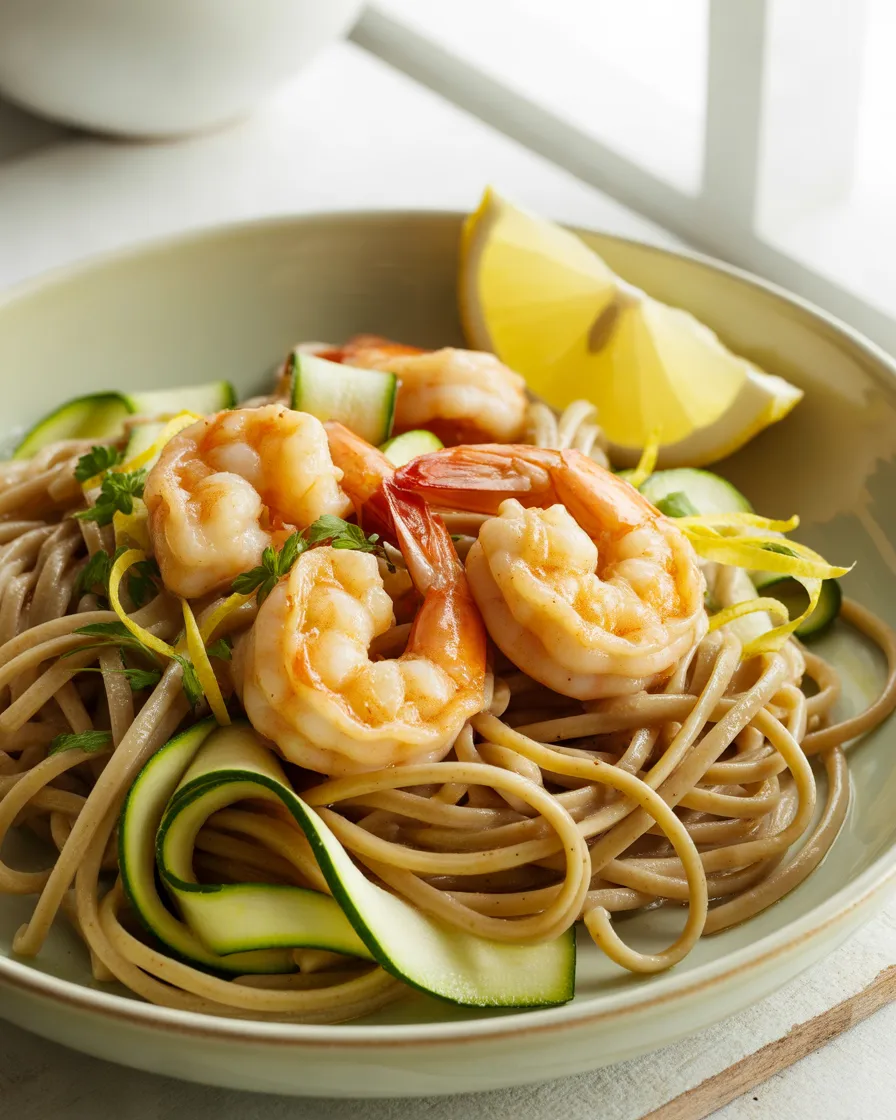
Shrimp cooks quickly, making it a useful protein for nights when you have little time. Zucchini ribbons add color and freshness, while garlic, lemon, and chili flakes create a lively sauce without a large amount of butter.
Ingredients for two servings
- 170 g (6 oz) whole-wheat linguine
- 250 g (9 oz) peeled shrimp
- 2 small zucchini, cut into ribbons
- 2 garlic cloves, minced
- 1 tablespoon olive oil
- Juice of half a lemon
- Optional chili flakes and chopped parsley
How to make it: Cook the linguine. Sauté the garlic briefly in olive oil, then add the shrimp and cook until opaque and cooked through. Add the zucchini ribbons and cook for two to three minutes. Toss with the pasta, lemon juice, parsley, and a little pasta water.
Why it is a smart choice: Shrimp provides protein, while zucchini increases the vegetable content without overwhelming the dish. Whole-wheat linguine adds fiber.
Practical tip: Avoid cooking shrimp for too long, as it can become rubbery. Add the zucchini near the end to preserve some texture.
Who it may suit: Seafood lovers and people who want a fast alternative to traditional tomato pasta.
Considerations: Shrimp is a major food allergen. Substitute chicken or white beans if needed, adjusting cooking times appropriately.
9. Tomato and Red Lentil Pasta With Spinach
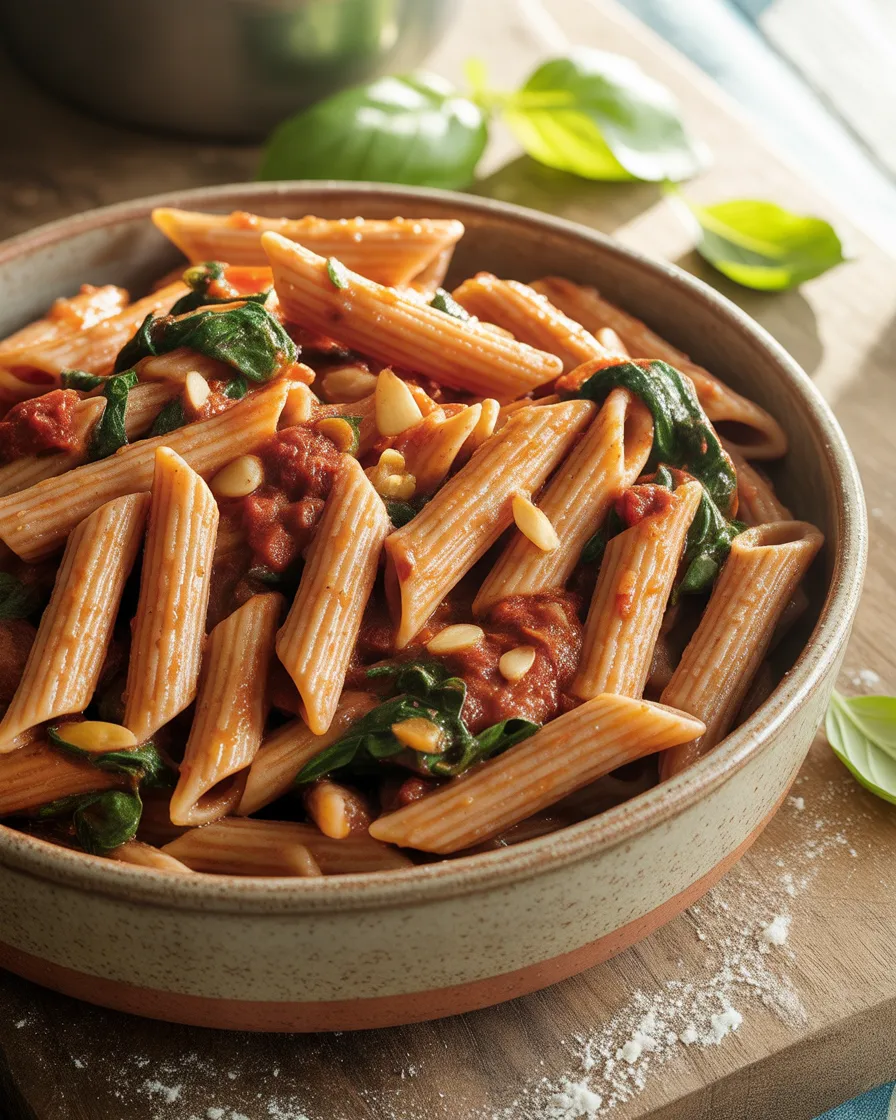
This one-pot-inspired meal uses red lentils to create a thick, comforting tomato sauce. As the lentils soften, they blend into the tomatoes and spices, giving the dish body without requiring cream.
Ingredients for two servings
- 170 g (6 oz) whole-wheat penne
- ½ cup dry red lentils, rinsed
- 400 g (14 oz) chopped tomatoes
- 1 small onion, diced
- 2 garlic cloves, minced
- 2 cups vegetable stock, plus water as needed
- 2 cups spinach
- 1 teaspoon smoked paprika
How to make it: Sauté the onion and garlic in a little olive oil. Add the lentils, tomatoes, paprika, and stock. Simmer until the lentils soften, adding water if necessary. Meanwhile, cook the pasta separately. Stir spinach into the sauce until wilted, then combine everything.
Why it is a smart choice: Red lentils add plant protein and fiber. Spinach contributes vegetables, and the tomato base keeps the sauce lighter than many cream-based alternatives.
Practical tip: If the sauce becomes too thick, loosen it with pasta water. A squeeze of lemon can brighten the flavor just before serving.
Who it may suit: Vegetarians, budget-conscious cooks, and anyone looking for a filling pantry-based meal.
Considerations: Stock can be high in sodium, so choose a reduced-sodium option when appropriate. Lentils contain carbohydrates as well as protein and should be included in portions that suit individual needs.
10. Spinach and Ricotta Stuffed Pasta Shells
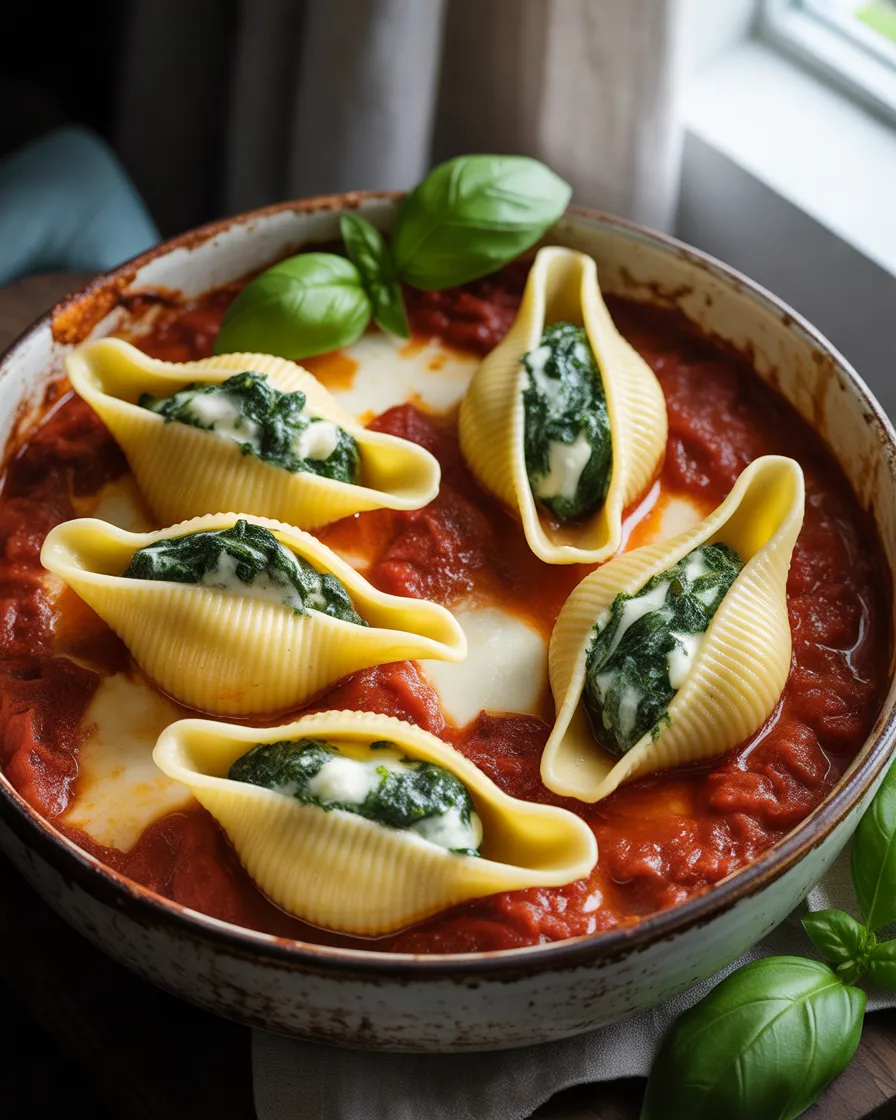
Stuffed pasta shells feel like comfort food but can also include a generous amount of spinach. Ricotta provides a creamy filling, while tomato sauce adds moisture and flavor without requiring a rich white sauce.
Ingredients for three to four servings
- 16–18 large pasta shells
- 250 g (9 oz) ricotta
- 200 g (7 oz) spinach, wilted and squeezed dry
- 400 g (14 oz) tomato sauce
- 1 egg, optional for binding
- 30 g (1 oz) grated mozzarella or Parmesan
- Black pepper and dried oregano
How to make it: Cook the shells until just tender and drain carefully. Mix ricotta with spinach, pepper, oregano, and the optional egg. Spread tomato sauce in a baking dish, fill each shell, and arrange them on top. Add a little cheese and bake at 190°C (375°F) for about 20 minutes, until hot throughout.
Why it is a smart choice: Spinach adds vegetables, ricotta contributes protein and calcium, and tomato sauce provides a flavorful base.
Practical tip: Prepare the filling and sauce in advance, then assemble and bake when needed.
Who it may suit: Families, vegetarians, and people who prefer a comforting baked pasta meal.
Considerations: This dish contains dairy and may contain egg. Whole-wheat jumbo shells can be used if available, although cooking times may vary.
11. Butternut Squash and Sage Whole-Grain Pasta
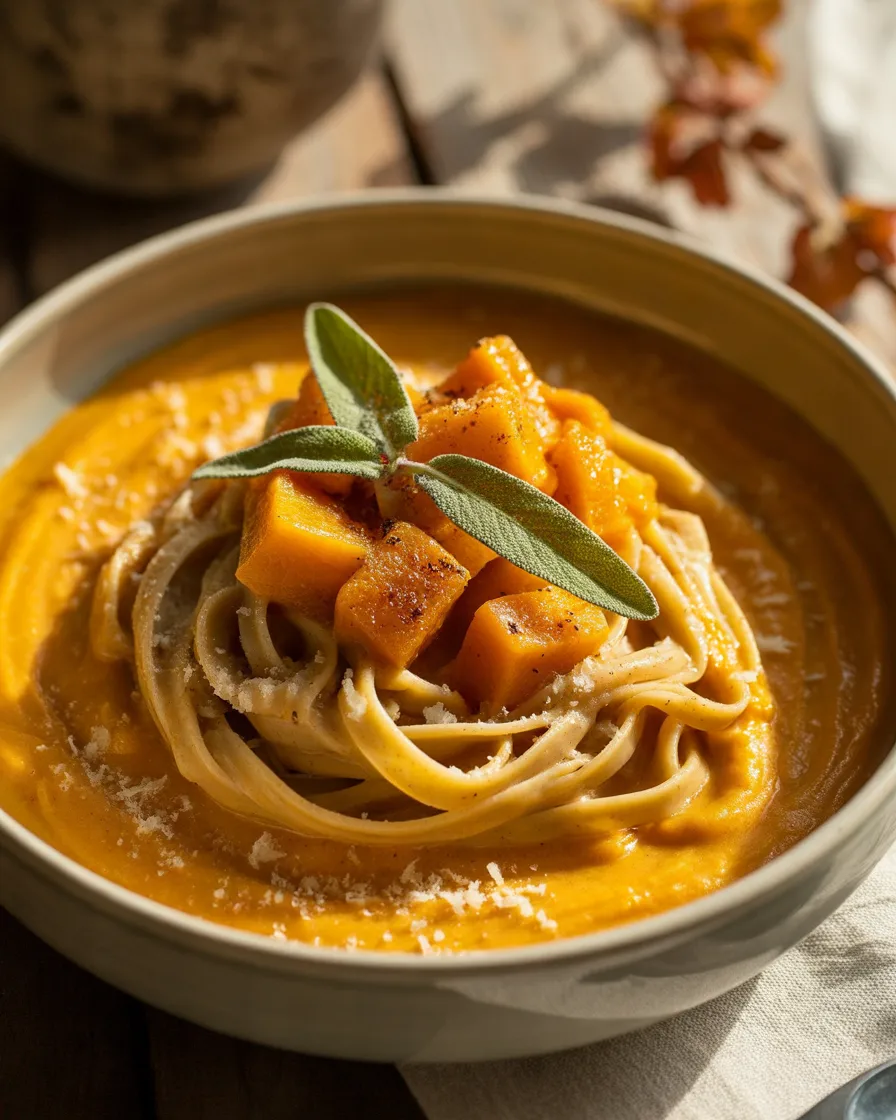
Roasted butternut squash creates a naturally sweet, velvety sauce that pairs well with sage, garlic, and black pepper. It is a useful way to add vegetables to pasta while keeping the sauce rich in texture.
Ingredients for two servings
- 170 g (6 oz) whole-grain pasta
- 300 g (10.5 oz) peeled butternut squash, cubed
- 1 tablespoon olive oil
- 2 garlic cloves
- 4–6 fresh sage leaves
- 2–4 tablespoons milk or unsweetened plant milk
- 2 tablespoons grated Parmesan, optional
- Black pepper and a pinch of nutmeg
How to make it: Roast the squash with half the olive oil at 200°C (400°F) until tender. Blend it with garlic, milk, pepper, and nutmeg. Cook the pasta and reserve some pasta water. Warm the squash sauce gently with the sage, then toss with the pasta and Parmesan.
Why it is a smart choice: Squash contributes vegetables and carotenoids, while whole-grain pasta adds fiber. Blended vegetables create a creamy consistency without needing heavy cream.
Practical tip: Add pasta water gradually until the sauce reaches the texture you prefer.
Who it may suit: Vegetarians and anyone looking for an autumn-inspired pasta dinner.
Considerations: Parmesan may contain animal-derived rennet, so vegetarians should check the label if this matters to them.
12. Sesame Edamame and Cabbage Noodles
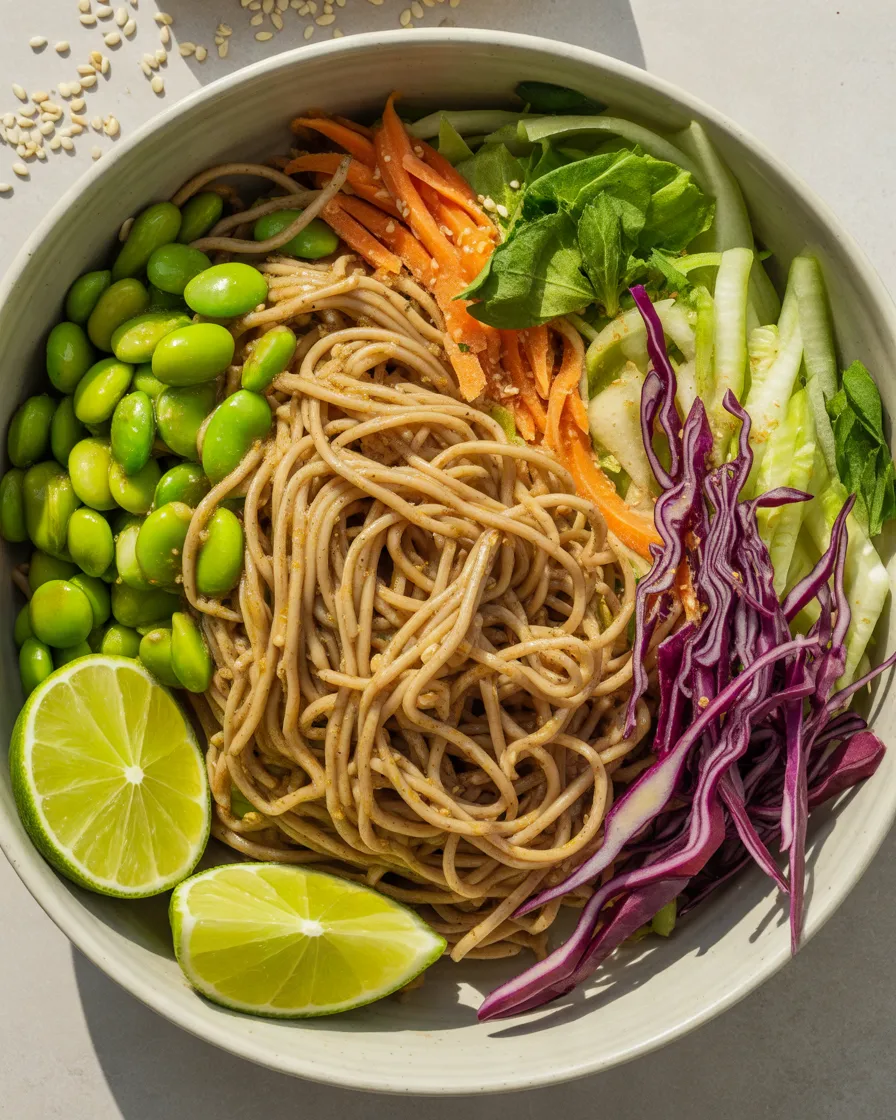
This Asian-inspired pasta dish combines noodles with edamame, shredded cabbage, carrots, sesame, and a savory ginger dressing. It is a practical choice for using leftover vegetables and creating a colorful lunch or dinner.
Ingredients for two servings
- 170 g (6 oz) whole-wheat spaghetti or suitable soba noodles
- 1 cup shelled edamame
- 2 cups shredded cabbage
- 1 carrot, cut into thin strips
- 1 teaspoon sesame oil
- 1 tablespoon reduced-sodium soy sauce
- 1 teaspoon grated ginger
- Lime juice and sesame seeds
How to make it: Cook the noodles according to the packet instructions. Cook the edamame as directed. Toss the noodles with cabbage, carrot, and edamame. Mix the sesame oil, soy sauce, ginger, and lime juice, then stir through the noodles.
Why it is a smart choice: Edamame supplies plant protein and fiber, while cabbage and carrots contribute vegetables and texture.
Practical tip: Add a splash of warm water to loosen the dressing and distribute it more evenly. Serve warm or chilled.
Who it may suit: People who enjoy Asian-inspired flavors, vegetarian meals, and make-ahead lunches.
Considerations: Soy is an allergen, and sesame is also a major allergen. Check noodle labels because some soba noodles contain wheat and are not gluten-free.
13. Turkey Meatball Pasta With Homemade Marinara
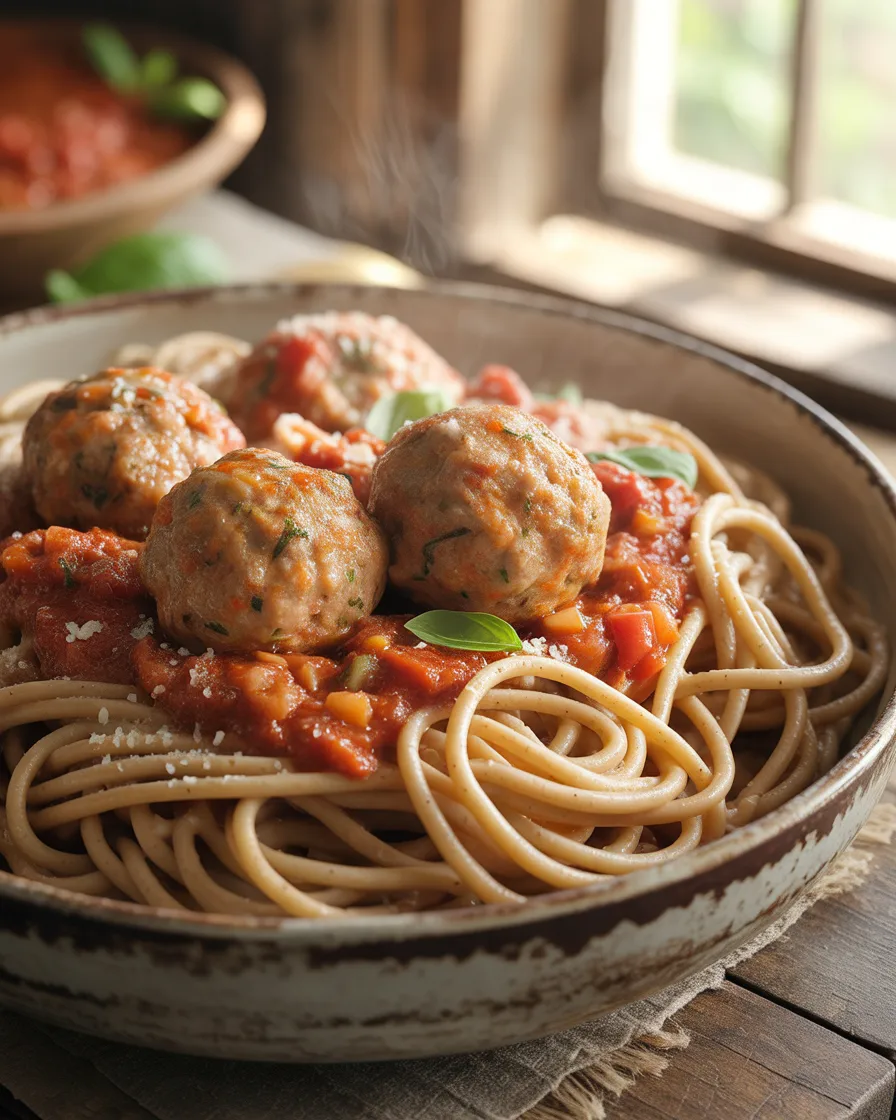
Turkey meatballs offer an alternative to higher-fat meat choices, while a homemade tomato sauce brings flavor from garlic, herbs, and tomatoes. Served with whole-wheat pasta, this is a family-friendly dinner that can also be prepared in batches.
Ingredients for three servings
- 225 g (8 oz) whole-wheat spaghetti or penne
- 300 g (10.5 oz) lean ground turkey
- 2 tablespoons breadcrumbs
- 1 garlic clove, minced
- 400 g (14 oz) crushed tomatoes
- ½ onion, finely diced
- 1 teaspoon dried oregano
- 1 teaspoon olive oil
- Black pepper and fresh basil
How to make it: Mix the turkey with breadcrumbs, half the garlic, and pepper. Shape into small meatballs and bake at 200°C (400°F) until they reach 74°C (165°F) internally. Sauté the onion and remaining garlic, add tomatoes and oregano, and simmer for 15 minutes. Add the cooked meatballs and serve with pasta.
Why it is a smart choice: Lean turkey contributes protein, while tomatoes provide a vegetable-based sauce. Whole-wheat pasta adds fiber.
Practical tip: Make extra meatballs and freeze them in portions with the sauce for quick future dinners.
Who it may suit: Families and people who enjoy traditional spaghetti with meatballs.
Considerations: Ground turkey can vary in fat content. Compare product labels and choose an option that suits your preferences.
14. Roasted Red Pepper and White Bean Creamy Pasta
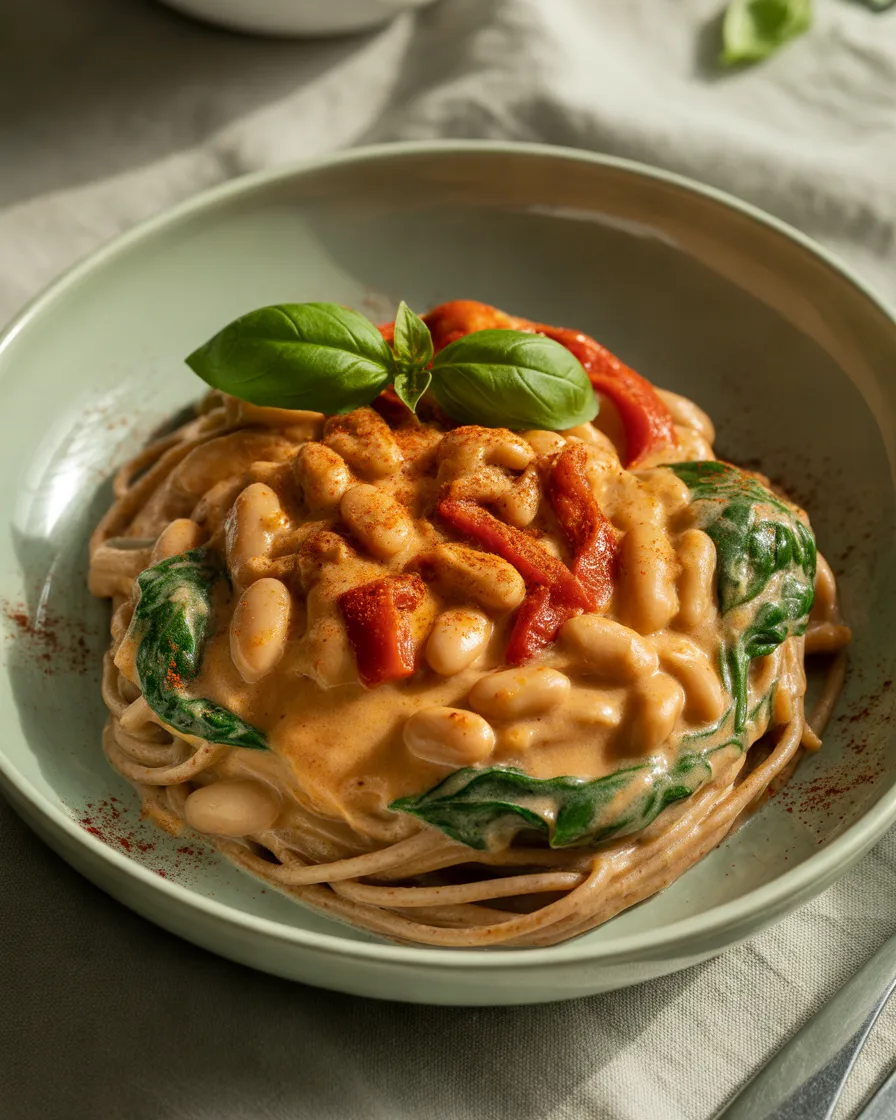
Roasted red peppers and white beans blend into a smooth, colorful sauce that feels creamy without depending on heavy cream. Garlic, lemon, and paprika create depth, while spinach can be added for extra vegetables.
Ingredients for two servings
- 170 g (6 oz) whole-wheat pasta
- 2 roasted red bell peppers
- 1 cup cooked cannellini beans, drained and rinsed
- 1 garlic clove
- 1 tablespoon olive oil
- 2–4 tablespoons water or unsalted vegetable stock
- Lemon juice and smoked paprika
- 1 cup spinach, optional
How to make it: Blend the peppers, beans, garlic, olive oil, paprika, and lemon juice until smooth, adding water as needed. Cook the pasta and reserve some pasta water. Warm the sauce gently in a skillet, add spinach if using, and toss with the pasta.
Why it is a smart choice: White beans provide plant protein and fiber, while peppers contribute color and vitamin C. Blended beans create a thick sauce without needing cream.
Practical tip: Add smoked paprika gradually and finish with lemon juice to balance the peppers’ sweetness.
Who it may suit: Vegetarians, people who enjoy creamy pasta, and cooks looking for a dairy-free sauce.
Considerations: Choose jarred roasted peppers with a suitable sodium level or roast fresh peppers yourself. If using stock, compare labels for sodium content.
Expert Tips for Making Healthy Pasta Recipes More Balanced
Healthy pasta cooking is less about following strict rules and more about building meals with a variety of ingredients. Small changes to your usual recipes can make them more nutritious while preserving the flavors you enjoy.
1. Choose whole-grain pasta more often. Whole-wheat pasta generally contains more fiber than conventional refined pasta. If you are new to it, try mixing whole-wheat and regular pasta together before switching completely. You can also experiment with chickpea or lentil pasta.
2. Add vegetables in a way you enjoy. Broccoli, mushrooms, spinach, courgette, peppers, tomatoes, and peas work well in pasta. Roast them for a deeper flavor, sauté them for a quick dinner, or blend them into a sauce.
3. Include a protein source. Chicken, salmon, shrimp, eggs, beans, lentils, tofu, and edamame can make a pasta dish more substantial. Choose options that fit your budget, food preferences, and dietary needs.
4. Make sauces flavorful rather than overly rich. Garlic, lemon, fresh herbs, roasted vegetables, tomatoes, and spices can deliver plenty of flavor. Tomato-based and vegetable-based sauces are useful alternatives to sauces made mainly from cream or cheese. The NHS guide to reducing saturated fat includes practical suggestions for making pasta dishes lighter.
5. Pay attention to salt. Jarred sauces, stock cubes, pesto, cheese, and canned ingredients can all contribute sodium. Compare labels, choose reduced-sodium products where appropriate, and use herbs, citrus, garlic, and spices to add flavor. See the NHS guidance on salt for more advice.
6. Use pasta water to improve texture. Before draining the pasta, reserve a small cup of cooking water. Adding a few tablespoons to your sauce helps it cling to the pasta, often reducing the need for extra oil, butter, or cream.
7. Make portions work for your appetite. There is no single pasta portion that suits everyone. Your energy needs, activity, health conditions, and the rest of your meal all matter. Start with the recipe’s suggested serving and adjust according to your needs.
8. Prepare ingredients in advance. Cook beans, chop vegetables, or make tomato sauce ahead of time. Store cooked ingredients safely in the refrigerator and combine them with freshly cooked pasta when you are ready to eat.
9. Do not overcook the pasta. Follow the packet instructions and taste a piece near the end of cooking. Pasta cooked until just tender generally holds its shape better when tossed with vegetables and sauce.
10. Keep your dietary needs in mind. Gluten-free pasta, dairy-free sauces, and plant-based protein alternatives can help adapt many recipes. If you have a food allergy, coeliac disease, diabetes, kidney disease, or another condition requiring dietary adjustments, consult an appropriately qualified healthcare professional or registered dietitian for individualized advice.
Frequently Asked Questions About Healthy Pasta Recipes
Are healthy pasta recipes good for weight management?
They can fit into a balanced eating pattern. Whole-grain pasta, vegetables, beans, and lean protein can create satisfying meals. However, no single recipe guarantees weight loss or a particular health outcome. Overall food intake, activity, preferences, and individual needs matter.
Is whole-wheat pasta healthier than regular pasta?
Whole-wheat pasta generally provides more fiber and retains more of the grain’s original components than refined pasta. Both types can fit into a balanced diet. Choose the one you enjoy and consider the fiber content listed on the package.
What is the healthiest type of pasta to eat?
There is no single best choice for everyone. Whole-wheat pasta is a useful source of whole grains, while chickpea and lentil pastas often provide more protein and fiber. Traditional pasta can also be part of a balanced meal when paired with vegetables and suitable protein sources.
How can I make creamy pasta healthier without using heavy cream?
Try blending roasted red peppers, white beans, or butternut squash into a sauce. Plain Greek yogurt can also work, provided you stir it in gently off the heat. These ingredients create creamy textures while offering different nutrients and flavors.
Can I prepare healthy pasta recipes in advance?
Yes. Lentil Bolognese, turkey meatballs, roasted vegetable pasta, and Mediterranean orzo salad are useful meal-prep choices. Store cooked food in shallow containers in the refrigerator promptly, generally within two hours, and use refrigerated leftovers within three to four days. Reheat hot dishes thoroughly. For additional guidance, follow local food-safety recommendations.
How do I make healthy pasta recipes gluten-free?
Use pasta made from rice, corn, quinoa, or legumes that is specifically labeled gluten-free. Check sauce ingredients and avoid cross-contact during cooking. People with coeliac disease should follow their healthcare team’s advice on suitable products and food preparation.
Can people with diabetes eat pasta?
Pasta can fit into many eating patterns for people with diabetes, but the amount and type of carbohydrate can affect blood glucose. Whole-grain options, appropriate portions, and combinations with vegetables and protein may be helpful. Individual responses vary, so follow your clinician’s or registered dietitian’s advice.
What are the easiest healthy pasta recipes for busy weeknights?
Lemon garlic chicken penne, garlic shrimp linguine, tomato and spinach spaghetti, and roasted red pepper pasta are practical choices. They use familiar ingredients and can be prepared relatively quickly, especially when vegetables are pre-cut or sauces are made ahead.
Conclusion: Enjoy Healthy Pasta Recipes Without Sacrificing Flavor
Healthy pasta recipes can be colorful, comforting, affordable, and easy to prepare. Whether you prefer whole-wheat spaghetti with beans, lemon salmon fusilli, lentil Bolognese, or creamy roasted pepper pasta, there are plenty of ways to make your favorite meals more varied and balanced.
Start with one recipe that suits your schedule and taste. Add a vegetable you enjoy, choose a protein source that works for you, and experiment with homemade sauces. Once you have a few reliable combinations, preparing balanced pasta dinners becomes much easier.
The goal is not to make pasta complicated or to eliminate the foods you love. It is to find practical combinations that taste good, meet your needs, and are enjoyable enough to make again.