Eating for a healthy heart does not mean giving up your favorite foods or spending hours preparing complicated meals. In fact, some of the most satisfying heart healthy recipes use familiar ingredients, simple cooking methods, and flavors that make everyday meals enjoyable.
Your overall eating pattern matters more than any single ingredient or recipe. Meals built around vegetables, fruits, whole grains, beans, nuts, seeds, and fish can help you increase your fiber intake and replace some sources of saturated fat with healthier unsaturated fats. Limiting excess sodium, added sugars, and heavily processed foods can also support cardiovascular health.
The good news is that healthy cooking can fit almost any schedule. A bowl of oatmeal makes a quick breakfast, lentil soup can provide several lunches, and a sheet-pan dinner can bring protein and vegetables together with minimal cleanup.
This collection of 15 heart healthy recipes includes breakfast ideas, nourishing lunches, satisfying dinners, and a lighter dessert. Each recipe features practical ingredients, straightforward preparation instructions, helpful serving tips, and suggestions for adapting it to different preferences.
Whether you want easy heart healthy meals for a busy week or more variety in a heart-conscious eating plan, these recipes offer a useful place to start.
1. Berry and Walnut Oatmeal for a Heart Healthy Breakfast
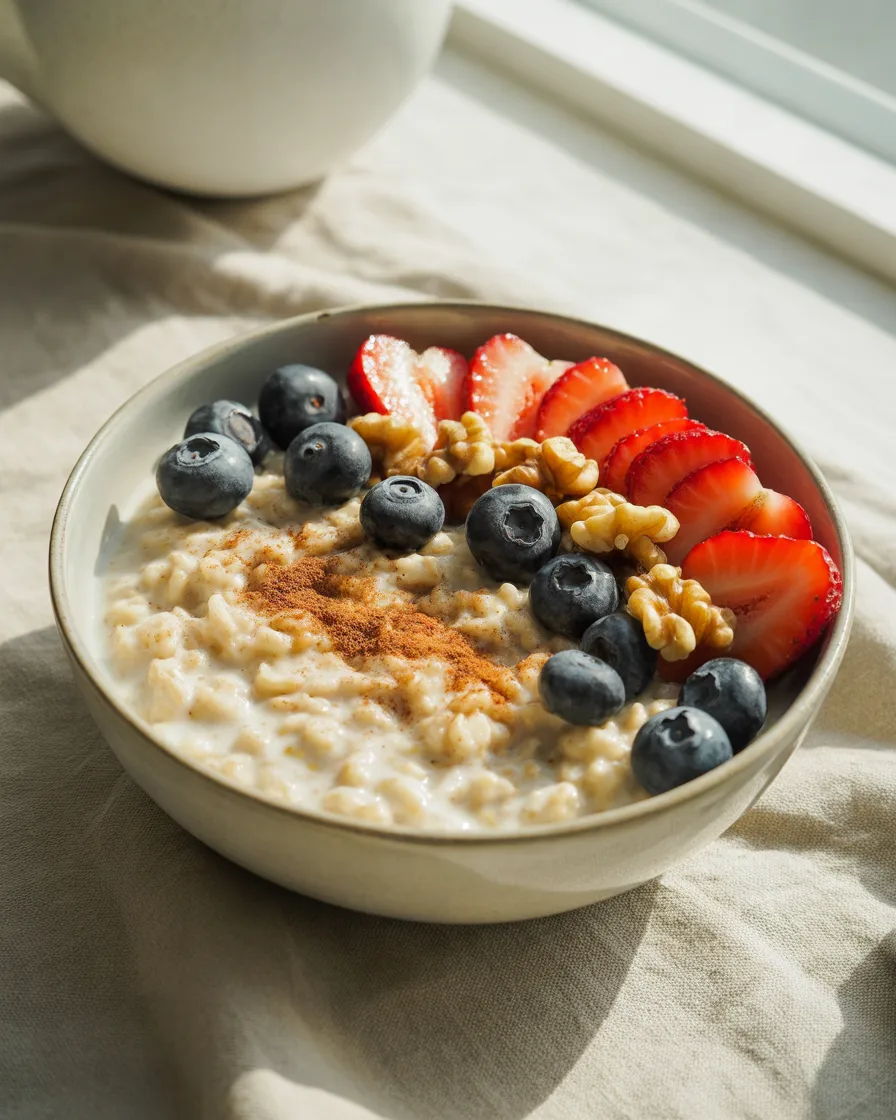
Oatmeal is a comforting breakfast that provides soluble fiber, including beta-glucan. As part of an overall balanced diet, oats can help support healthy cholesterol levels. Berries add color, flavor, and fiber, while walnuts contribute unsaturated fats.
Ingredients
- ½ cup rolled oats
- 1 cup unsweetened milk or fortified soy milk
- ½ cup fresh or frozen berries
- 1 tablespoon chopped walnuts
- ¼ teaspoon cinnamon
How to prepare: Simmer the oats in milk for five to seven minutes, stirring occasionally. Add the berries and cinnamon, then finish with chopped walnuts.
Benefits: This breakfast combines whole grains, fruit, and healthy fats in one filling meal. Its fiber content may also help you feel satisfied throughout the morning.
Practical tips: Use frozen berries to save money and reduce food waste. Choose unsweetened milk and avoid adding large amounts of brown sugar, honey, or flavored syrup.
How to use it: Prepare it on weekday mornings or make a larger batch for two breakfasts.
Who it may suit: People looking for a simple, fiber-rich breakfast, including those who want to improve the overall quality of their diet.
Important consideration: If you have a nut allergy, omit the walnuts and use pumpkin seeds if appropriate.
2. Overnight Oats with Chia Seeds and Greek Yogurt
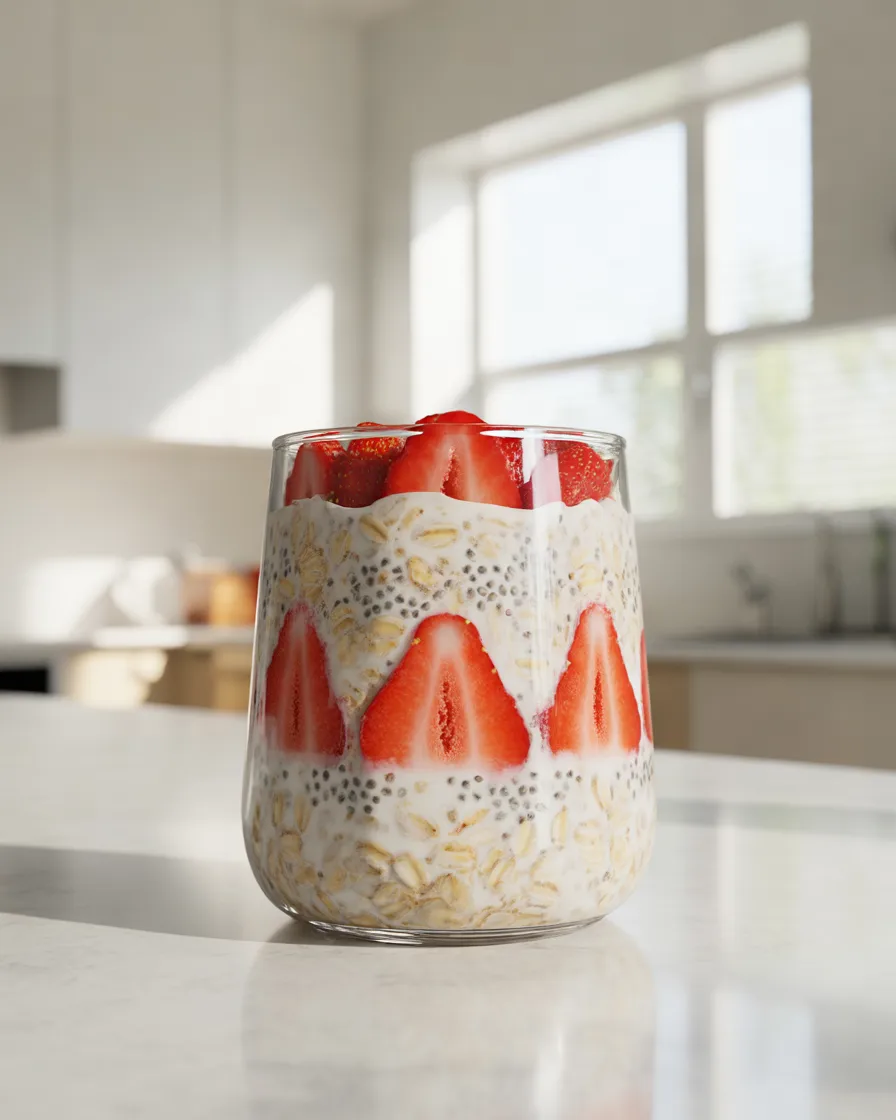
Overnight oats are ideal for people who want a nutritious breakfast without cooking in the morning. The combination of oats, chia seeds, and plain Greek yogurt provides fiber, protein, and a creamy texture.
Ingredients
- ½ cup rolled oats
- ½ cup plain Greek yogurt
- ½ cup unsweetened milk
- 1 teaspoon chia seeds
- ½ cup sliced strawberries
How to prepare: Mix the oats, yogurt, milk, and chia seeds in a jar. Refrigerate for at least four hours or overnight. Stir before serving and add the strawberries.
Benefits: Oats and chia seeds provide fiber, while yogurt adds protein. Choosing plain yogurt also helps avoid unnecessary added sugar.
Practical tips: Prepare two or three jars at once. Add fruit shortly before eating if you prefer a fresher texture.
How to use it: Take a chilled jar to work or enjoy it at home as a quick breakfast.
Who it may suit: Busy adults, students, and anyone who prefers meal preparation in advance.
Important consideration: Choose yogurt that fits your nutritional needs. People with lactose intolerance can try a suitable lactose-free or fortified soy alternative.
3. Spinach, Tomato, and Mushroom Scrambled Eggs
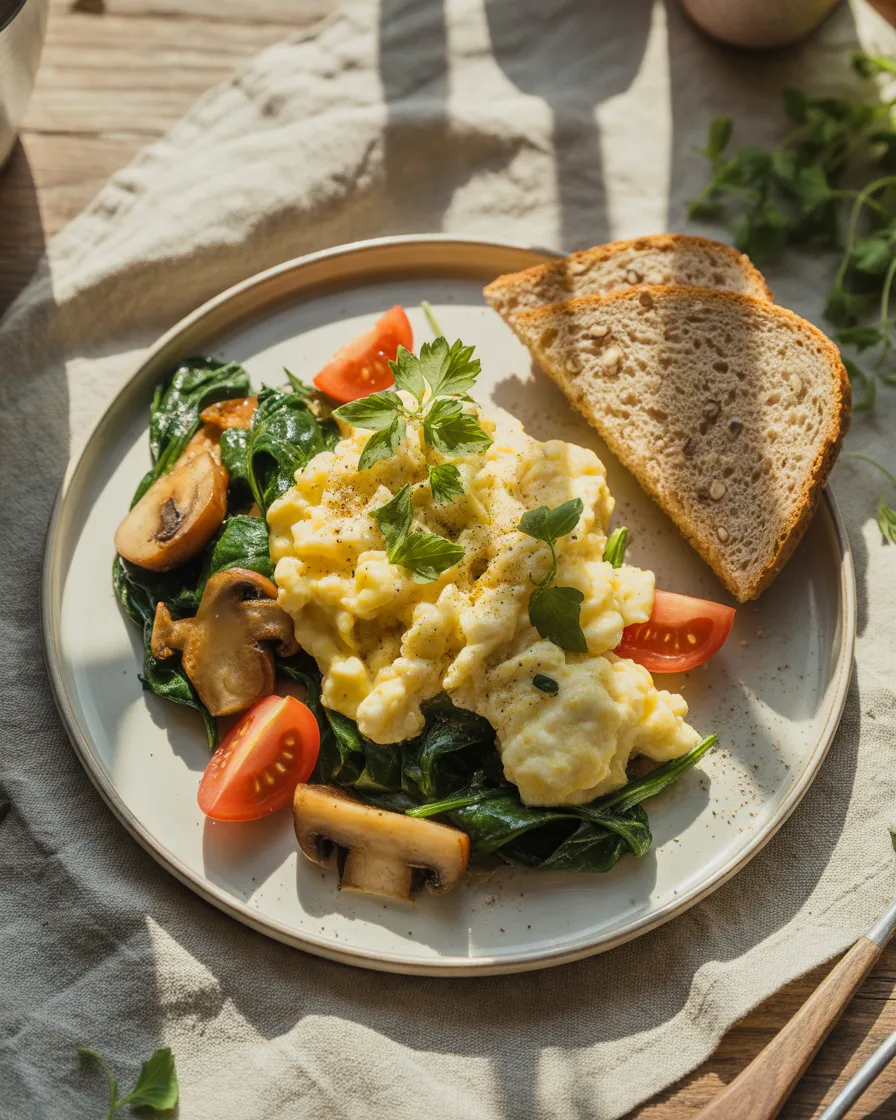
Eggs can fit into a heart-conscious eating pattern when prepared with vegetables and moderate amounts of added fat. Spinach, tomatoes, and mushrooms provide additional nutrients and make this breakfast more colorful and satisfying.
Ingredients
- 2 eggs
- 1 cup chopped spinach
- ½ cup sliced mushrooms
- ½ chopped tomato
- 1 teaspoon olive oil
- Black pepper to taste
How to prepare: Heat the olive oil in a nonstick pan. Cook the mushrooms and tomatoes for three minutes, add the spinach, and stir until wilted. Add beaten eggs and gently scramble until fully cooked.
Benefits: Eggs provide protein, while vegetables contribute fiber and micronutrients. The recipe uses a small amount of oil instead of butter or cream.
Practical tips: Serve with one slice of whole-grain toast. Add herbs or black pepper for flavor instead of relying on salt.
How to use it: Enjoy this meal for breakfast, brunch, or a quick evening meal.
Who it may suit: People who want a savory breakfast with protein and vegetables.
Important consideration: Individual cholesterol targets and dietary advice vary. If you have elevated LDL cholesterol or a specific medical condition, discuss appropriate egg intake with your healthcare professional.
4. Avocado and White Bean Whole-Grain Toast
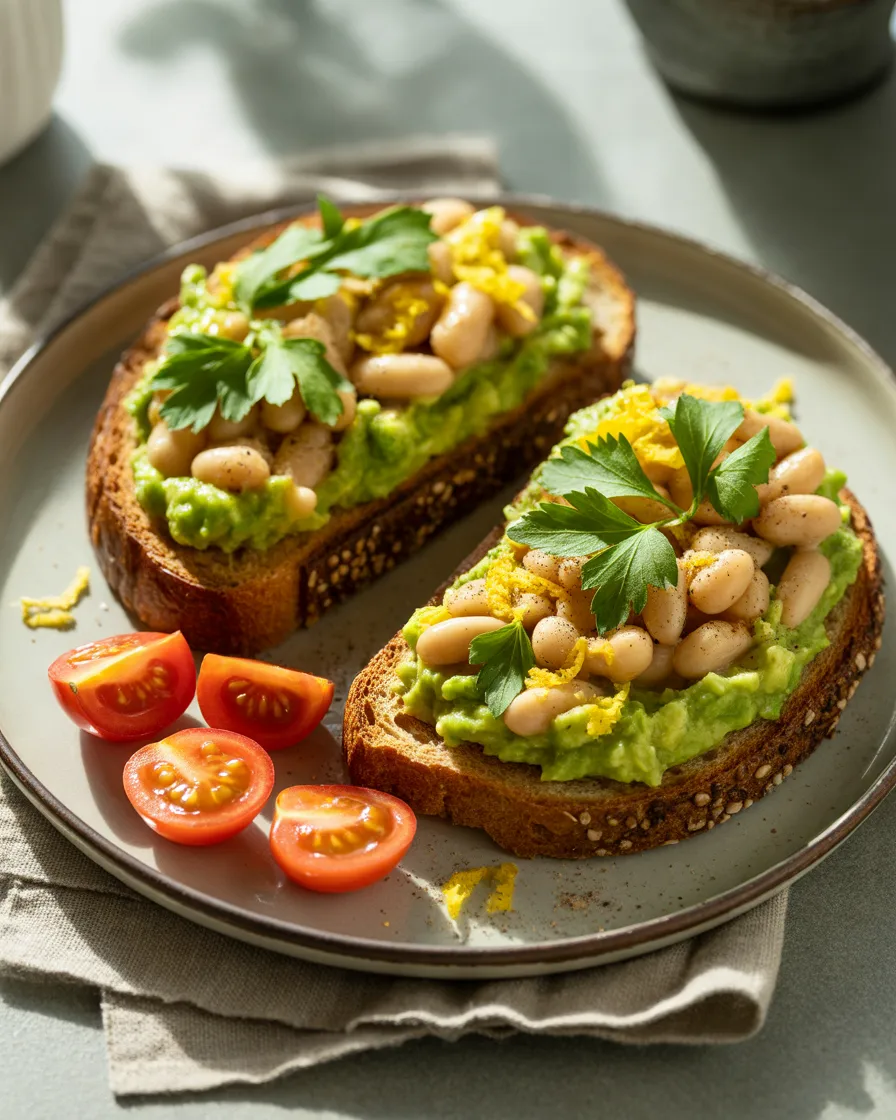
Avocado toast becomes more substantial when paired with white beans. This combination provides fiber and unsaturated fats without requiring processed sandwich fillings or heavy spreads.
Ingredients
- 2 slices whole-grain bread
- ½ ripe avocado
- ½ cup rinsed, drained canned white beans
- 1 teaspoon lemon juice
- Black pepper and chopped parsley
How to prepare: Mash the avocado and beans together with lemon juice and black pepper. Toast the bread and spread the mixture evenly over both slices. Finish with parsley.
Benefits: Whole grains and beans contribute fiber, while avocado provides predominantly unsaturated fat. Together, they make a filling alternative to toast topped with butter or processed meats.
Practical tips: Use no-added-salt beans when available, or rinse canned beans thoroughly. Add sliced cucumber or tomatoes for extra vegetables.
How to use it: Serve as breakfast, a light lunch, or a quick snack.
Who it may suit: Vegetarians and people looking for a plant-based meal that takes less than 15 minutes.
Important consideration: Avocados are nutritious but energy-dense. Adjust the serving to your appetite and individual needs.
5. Mediterranean Lentil and Vegetable Soup
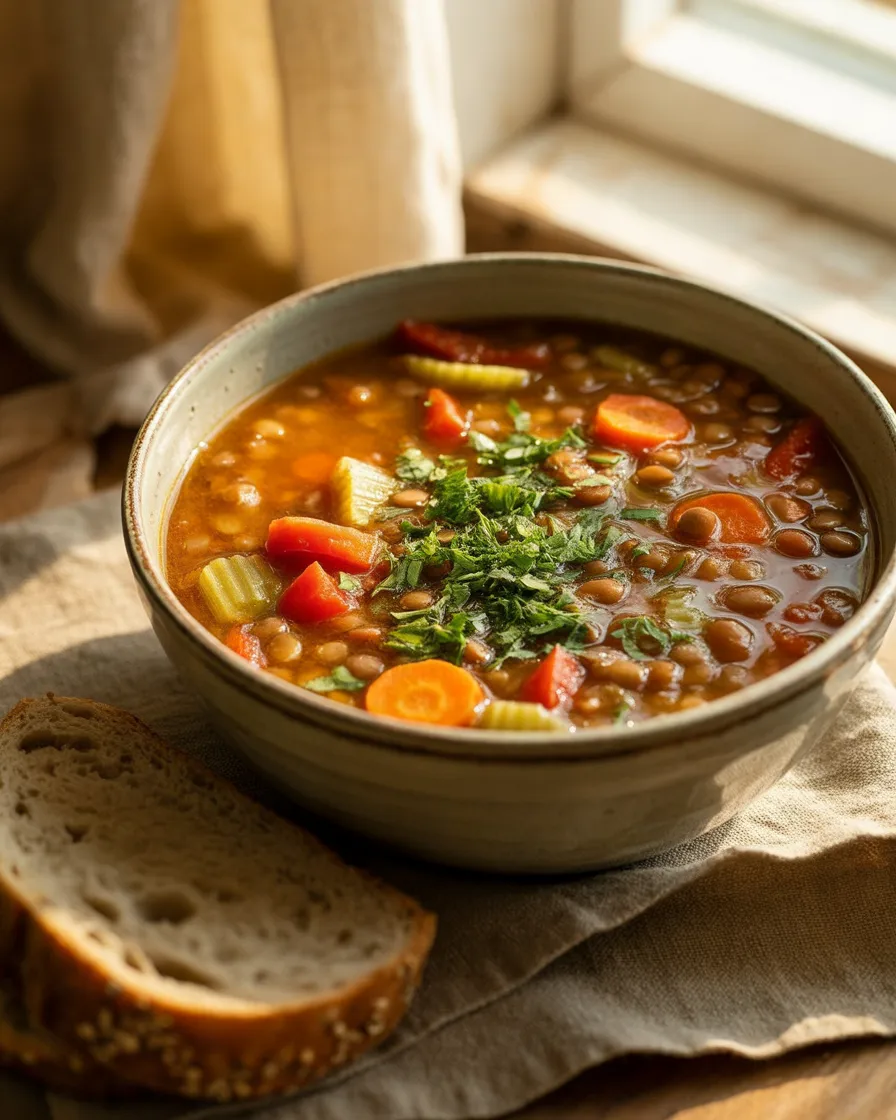
Lentil soup is an affordable way to bring legumes and vegetables into your weekly meal plan. Mediterranean-inspired ingredients, including olive oil, garlic, tomatoes, carrots, and herbs, create plenty of flavor without requiring large amounts of salt.
Ingredients
- 1 cup dry brown or green lentils, rinsed
- 1 carrot, diced
- 1 celery stalk, chopped
- 1 cup chopped tomatoes
- 1 small onion, chopped
- 3 cups low-sodium vegetable broth or water
- 1 teaspoon olive oil
- Garlic, cumin, and dried herbs
How to prepare: Soften the onion, carrot, and celery in olive oil. Add garlic, lentils, tomatoes, broth, and seasonings. Simmer for approximately 25–35 minutes, until the lentils are tender.
Benefits: Lentils provide plant protein, fiber, and minerals. Replacing some meat-based meals with legumes can help reduce saturated fat intake.
Practical tips: Make a large batch and freeze individual portions. Add spinach near the end of cooking for additional vegetables.
How to use it: Serve with whole-grain bread for lunch or a light dinner.
Who it may suit: Budget-conscious households, vegetarians, and people seeking convenient, high-fiber meals.
Important consideration: Increase your fiber intake gradually if you are not accustomed to eating legumes, and drink enough fluids unless your clinician has advised a fluid restriction.
6. Mediterranean Chickpea, Cucumber, and Tomato Salad
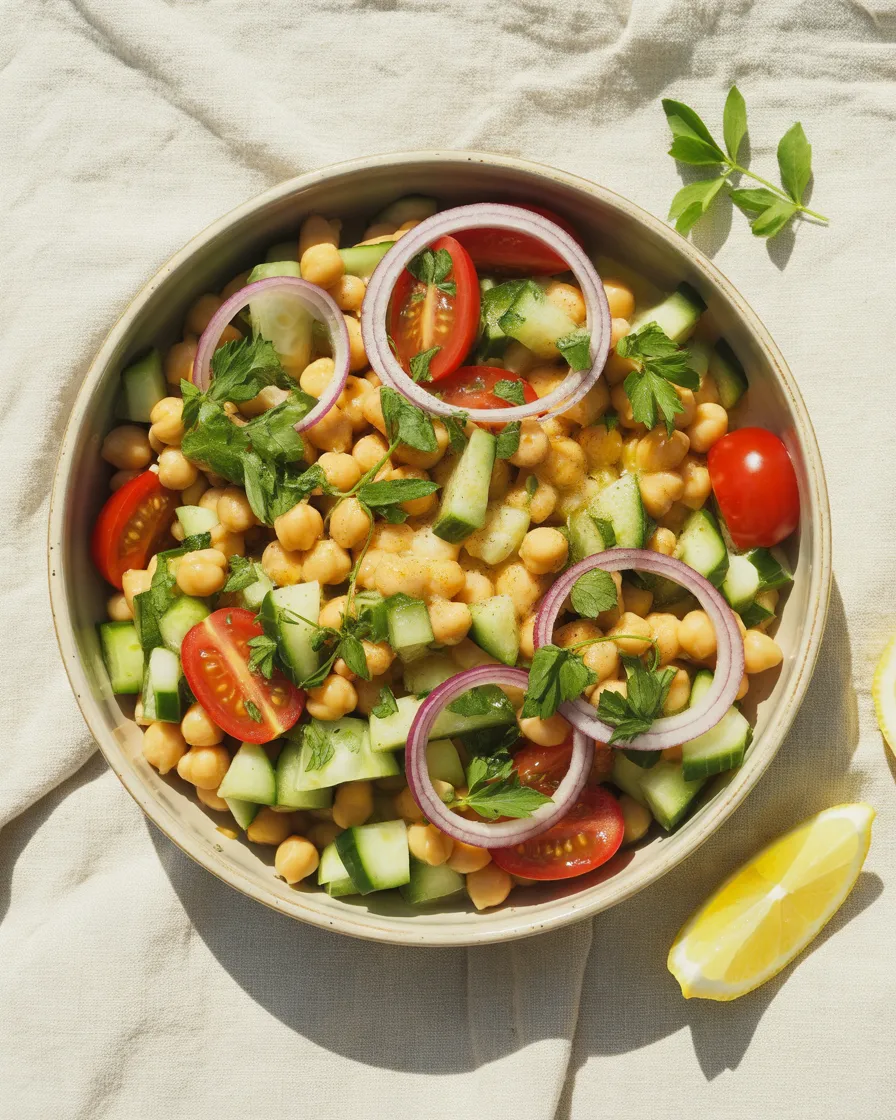
This refreshing salad combines chickpeas with crisp vegetables, lemon, and olive oil. It is a practical option for warm weather and can be prepared in advance for lunches.
Ingredients
- 1 cup cooked chickpeas
- 1 cucumber, chopped
- 1 cup cherry tomatoes, halved
- ¼ red onion, finely sliced
- 1 tablespoon lemon juice
- 1 teaspoon extra-virgin olive oil
- Parsley and black pepper
How to prepare: Combine the chickpeas, cucumber, tomatoes, onion, and parsley. Dress with lemon juice and olive oil, toss, and refrigerate briefly before serving.
Benefits: Chickpeas contribute fiber and plant protein. Vegetables add volume, while olive oil provides unsaturated fat.
Practical tips: Add fresh lemon and herbs just before serving. If using canned chickpeas, choose a lower-sodium option and rinse them well.
How to use it: Eat it on its own, serve it with whole-grain pita, or spoon it over leafy greens.
Who it may suit: People seeking easy heart healthy lunches, plant-based eaters, and anyone who prefers meals that require no cooking.
Important consideration: Keep the salad refrigerated and avoid leaving it at room temperature for extended periods, especially in hot weather.
7. Quinoa, Black Bean, and Roasted Sweet Potato Bowl
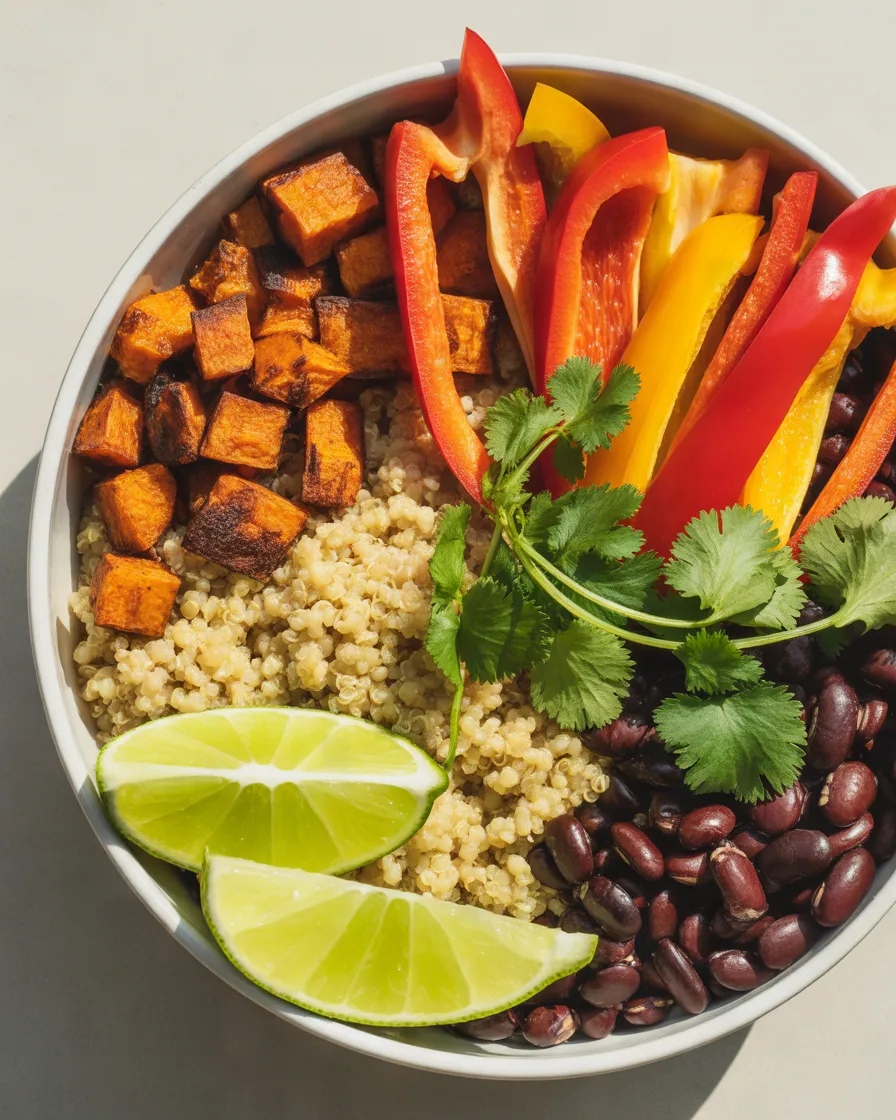
Grain bowls make balanced meals easier because they bring whole grains, vegetables, and protein together in one dish. This version combines quinoa, black beans, and sweet potatoes with a bright lime dressing.
Ingredients
- ½ cup cooked quinoa
- ½ cup cooked black beans
- 1 small sweet potato, cubed
- 1 cup chopped bell peppers
- 1 teaspoon olive oil
- Lime juice, cumin, and black pepper
How to prepare: Toss the sweet potato and peppers with olive oil and cumin. Roast at 200°C/400°F for approximately 20–25 minutes, until tender. Arrange over cooked quinoa with black beans and finish with lime juice.
Benefits: Quinoa supplies whole-grain-like nutritional benefits, including fiber and protein. Black beans add further fiber, while sweet potatoes and peppers provide vegetables and color.
Practical tips: Prepare quinoa and beans in advance. Use salsa, lime juice, or plain yogurt as a topping instead of a high-sodium bottled sauce.
How to use it: Pack it for lunch or serve it as a meat-free dinner.
Who it may suit: Vegetarians, meal-prep enthusiasts, and people who want a satisfying alternative to refined-grain meals.
Important consideration: Portion sizes can be adjusted to your energy needs. If buying packaged sauces, compare sodium levels.
8. Lemon and Dill Baked Salmon with Green Vegetables
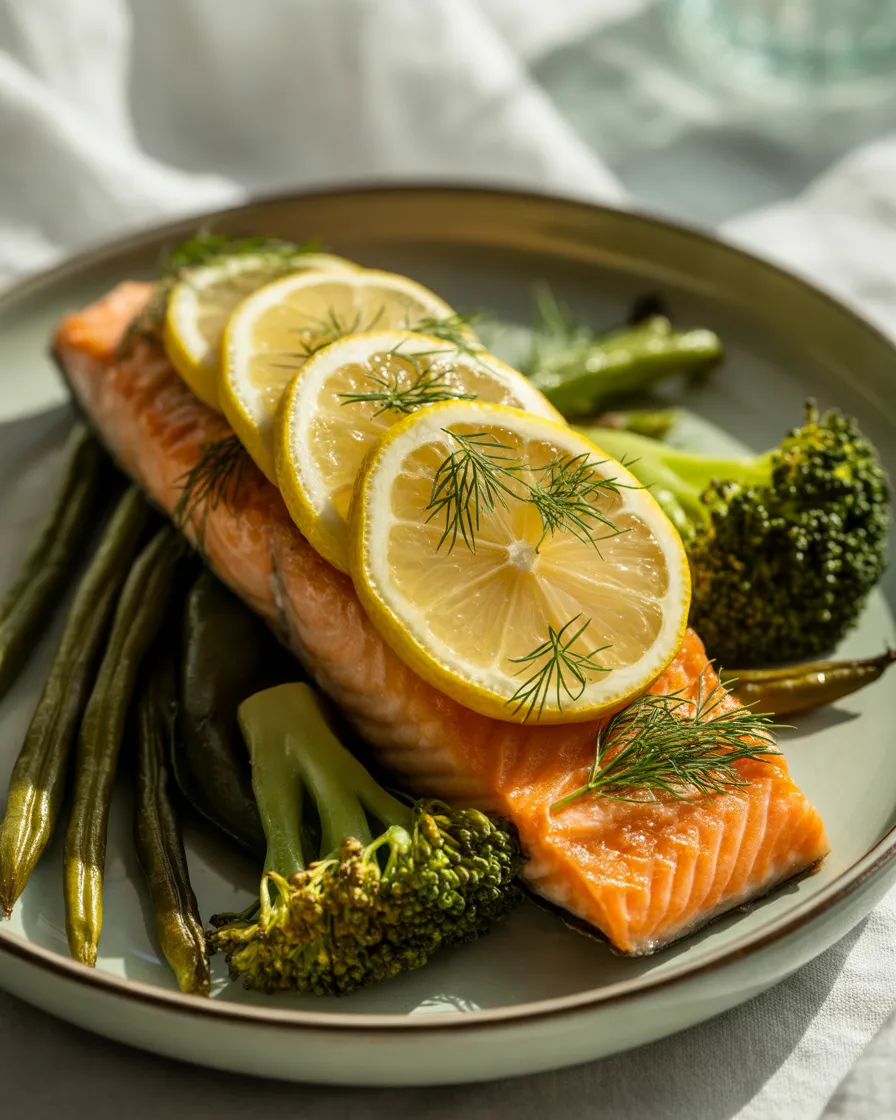
Salmon contains omega-3 fatty acids, which play important roles in the body and are associated with cardiovascular benefits. Baking it with lemon, dill, and vegetables provides a straightforward alternative to deep-fried fish.
Ingredients
- 1 salmon fillet, approximately 120–150 g
- 1 cup broccoli florets
- 1 cup green beans
- 1 teaspoon olive oil
- Lemon juice, dill, and black pepper
How to prepare: Place the salmon and vegetables on a lined baking tray. Season with lemon, dill, pepper, and olive oil. Bake at 200°C/400°F until the fish reaches a safe internal temperature of 63°C/145°F and the vegetables are tender.
Benefits: Salmon provides protein and omega-3 fats. Green vegetables contribute fiber and micronutrients, making this a useful main meal.
Practical tips: Cook extra vegetables for another meal. Serve with brown rice or a small baked potato if you want a more substantial dinner.
How to use it: Include oily fish in your weekly rotation according to your preferences and dietary guidance.
Who it may suit: People who eat fish and want simple heart healthy dinner recipes.
Important consideration: Check fish for bones and follow local advice regarding fish choices if pregnant or feeding young children.
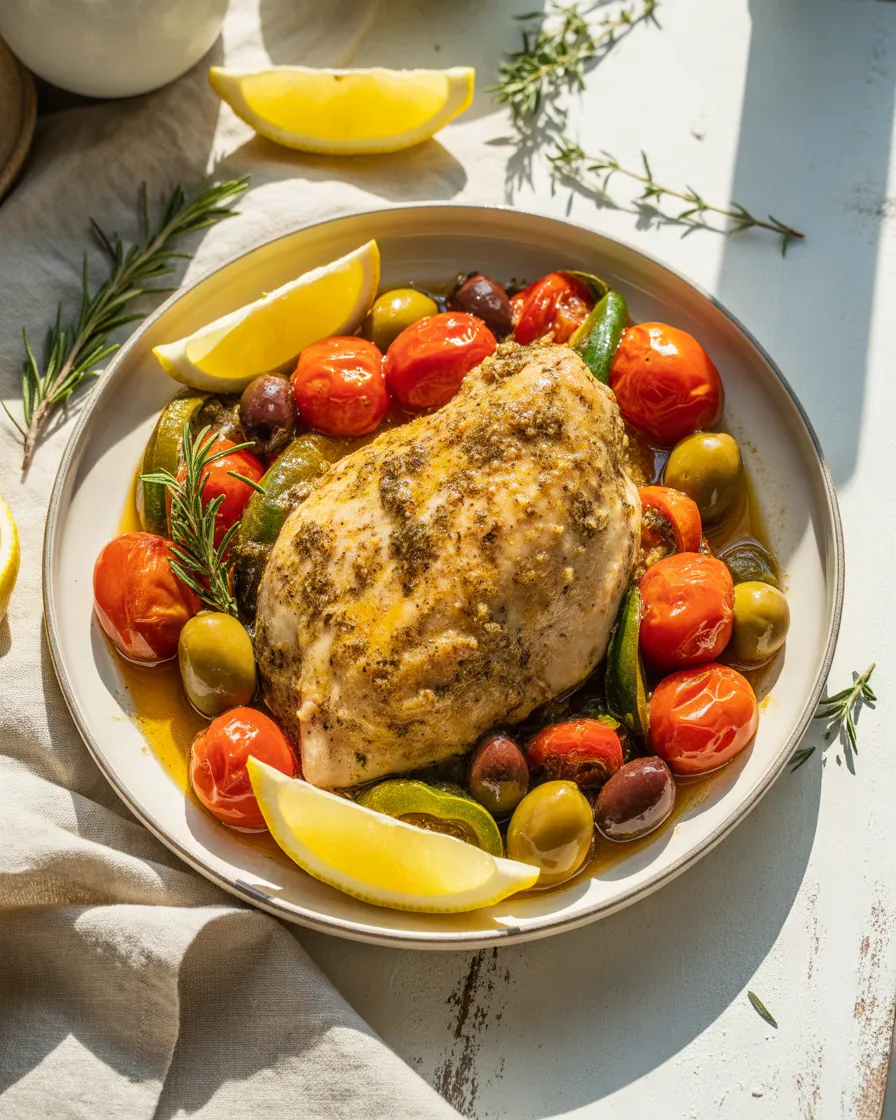
9. Garlic and Lemon Chicken with Roasted Vegetables
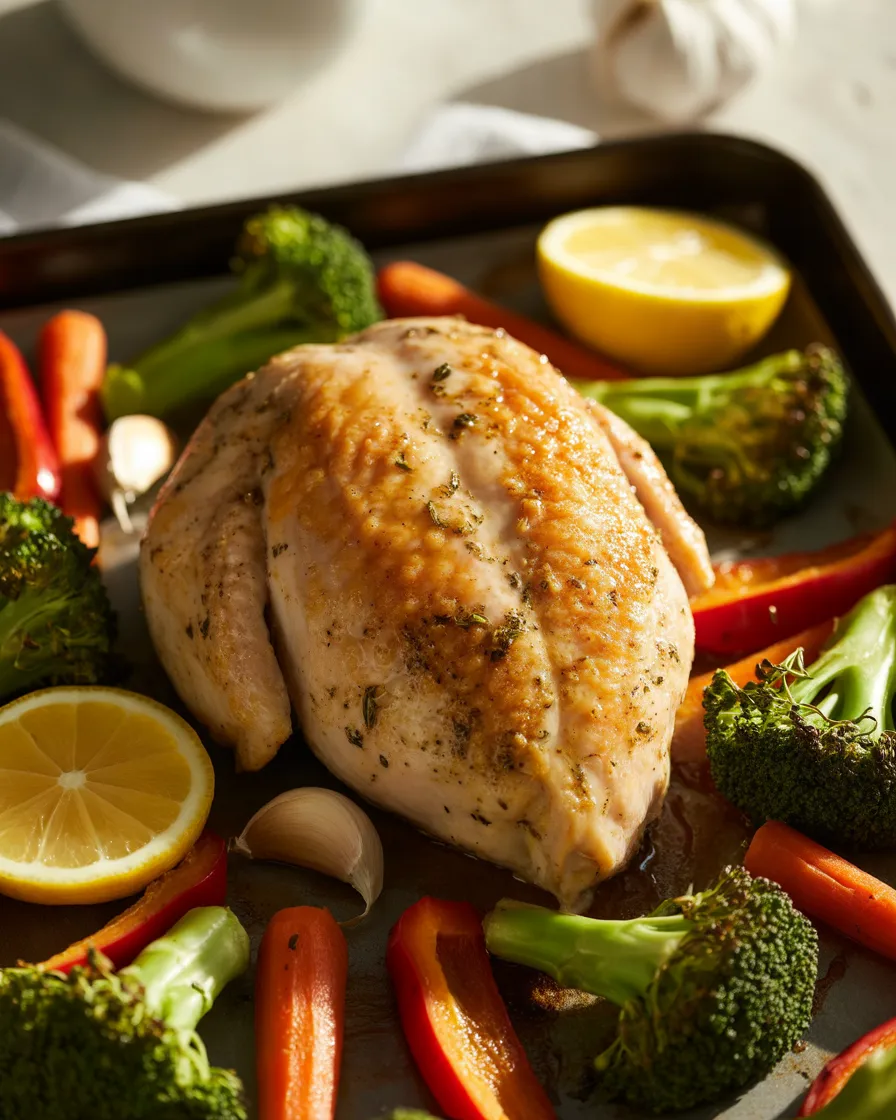
Lean chicken can be part of a heart-conscious diet, particularly when it replaces processed or fatty meats. Roasting it alongside vegetables creates a convenient dinner with minimal cleanup.
Ingredients
- 150 g skinless chicken breast
- 1 cup broccoli florets
- 1 carrot, sliced
- ½ red bell pepper
- 1 teaspoon olive oil
- 1 garlic clove, minced
- Lemon juice, paprika, and black pepper
How to prepare: Toss the vegetables with half the oil and seasonings. Rub the chicken with the remaining oil, garlic, lemon, and paprika. Roast everything at 200°C/400°F until the chicken reaches 74°C/165°F internally and the vegetables are tender.
Benefits: Chicken supplies protein, while vegetables add fiber and variety. The recipe avoids the need for a heavy cream sauce.
Practical tips: Cut vegetables into similar-sized pieces for more even cooking. Add herbs or a yogurt-based dressing for extra flavor.
How to use it: Prepare it for dinner and save leftovers for a whole-grain wrap or lunch bowl.
Who it may suit: Families and people who prefer familiar, protein-rich meals.
Important consideration: Use a food thermometer where possible, and prevent raw chicken juices from contacting ready-to-eat foods.
10. Ginger Tofu and Broccoli Stir-Fry with Brown Rice
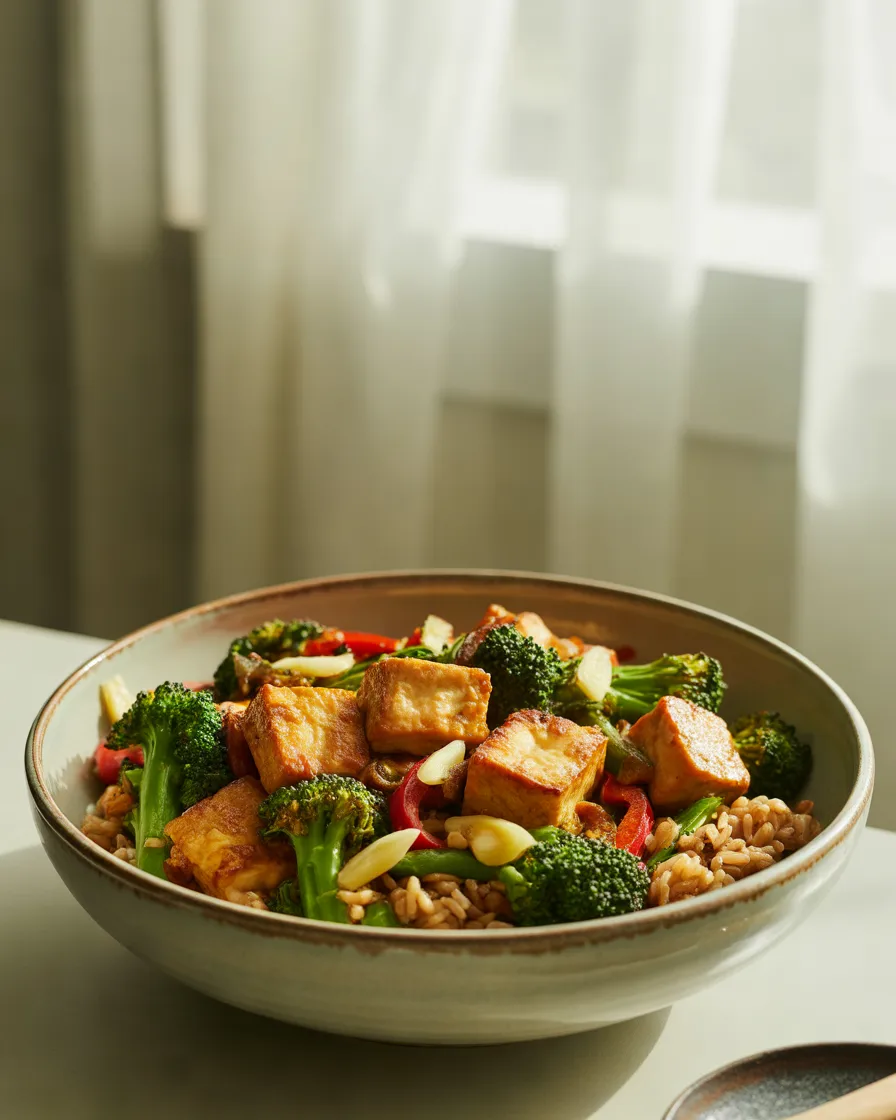
A plant-based stir-fry can be quick, colorful, and satisfying. Tofu provides protein, broccoli adds fiber, and ginger and garlic create flavor without depending on a large amount of salty sauce.
Ingredients
- 150 g firm tofu, cubed
- 1 cup broccoli florets
- ½ red bell pepper, sliced
- ½ cup cooked brown rice
- 1 teaspoon olive or canola oil
- Fresh ginger and garlic
- 1 teaspoon reduced-sodium soy sauce, optional
How to prepare: Pat the tofu dry. Heat the oil in a nonstick pan and cook the tofu until lightly golden. Add the broccoli, pepper, ginger, and garlic with a splash of water. Cook until the vegetables are tender-crisp. Add the optional soy sauce and serve over rice.
Benefits: Tofu offers plant protein, brown rice contributes whole grains, and vegetables add fiber and nutrients.
Practical tips: Prepare rice ahead of time and refrigerate it promptly. Use lemon or rice vinegar for extra flavor.
How to use it: Make it for a quick weeknight dinner or substitute other vegetables according to the season.
Who it may suit: Vegetarians, vegans, and people who want to eat less meat.
Important consideration: Soy sauce can contain substantial sodium, even in reduced-sodium versions. Check the label if sodium restriction is important for you.
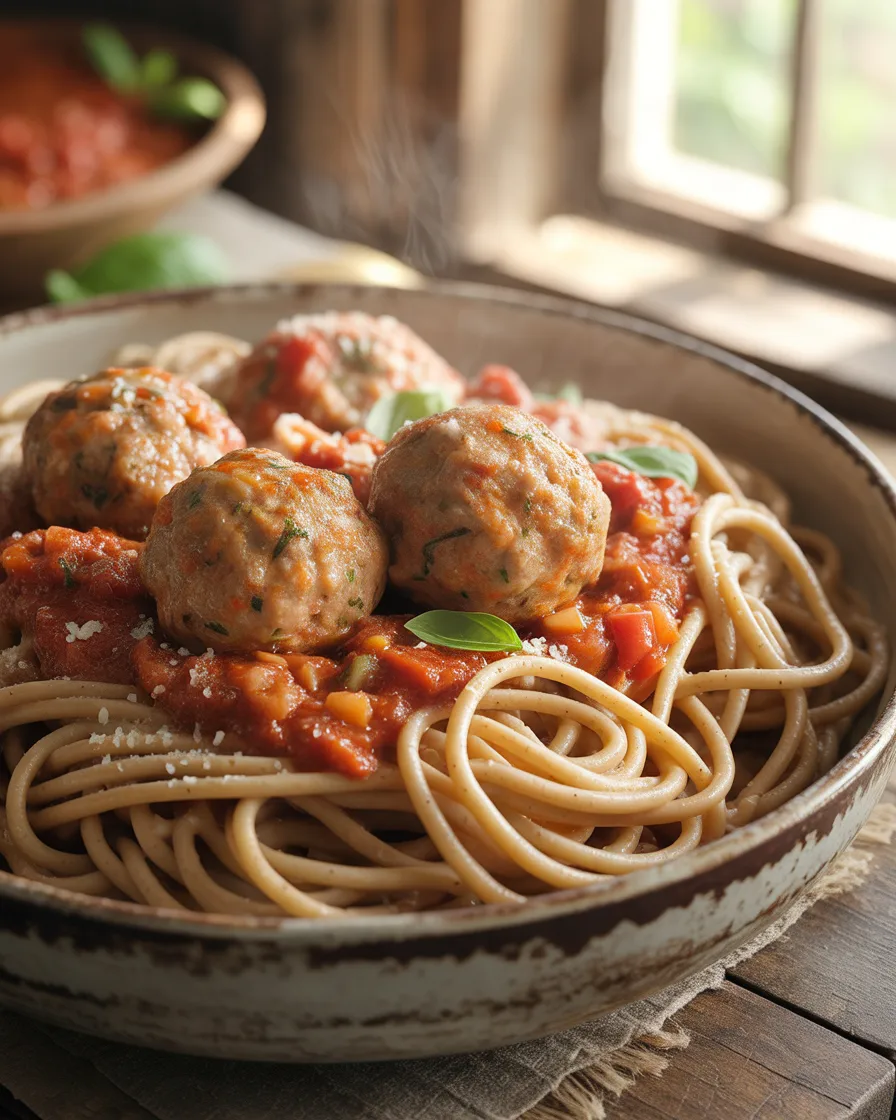
11. Whole-Wheat Pasta with White Beans and Spinach
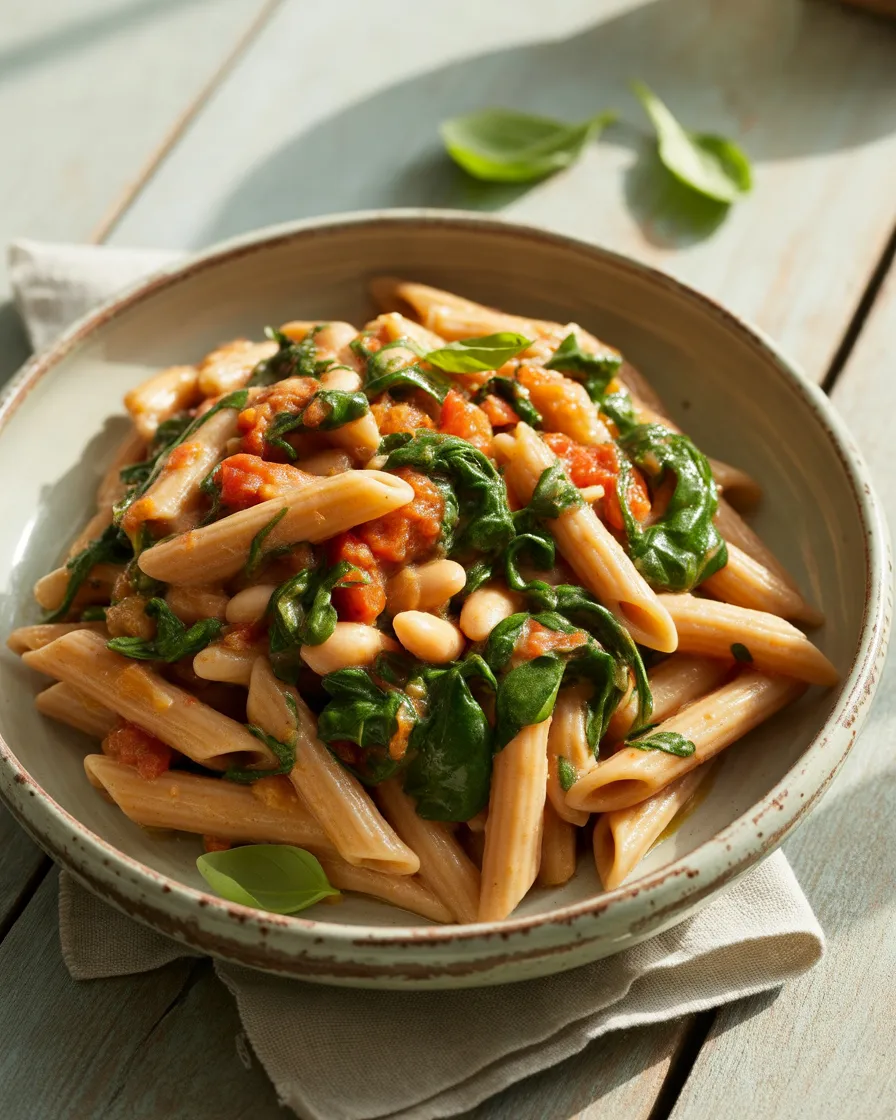
Pasta can fit into heart healthy eating. Choosing whole-wheat pasta, adding beans and vegetables, and preparing a simple tomato sauce makes the meal more fiber-rich and balanced.
Ingredients
- 75 g dry whole-wheat pasta
- ½ cup cooked white beans
- 1 cup fresh spinach
- ¾ cup chopped tomatoes
- 1 garlic clove, minced
- 1 teaspoon olive oil
- Basil and black pepper
How to prepare: Cook the pasta according to the package directions. Warm the garlic in olive oil, add tomatoes and basil, and simmer for five to eight minutes. Stir in the beans and spinach. Toss with the drained pasta and a little cooking water.
Benefits: Whole-wheat pasta and beans provide fiber, while spinach adds nutrients. The tomato-based sauce avoids the need for a cream-heavy preparation.
Practical tips: Make the sauce in advance and freeze portions. Add mushrooms or zucchini for more vegetables.
How to use it: Serve as a vegetarian dinner or pair with a side salad.
Who it may suit: Pasta lovers who want to improve the nutritional balance of familiar comfort food.
Important consideration: Check prepared tomato sauces for added salt and sugar. If managing carbohydrate intake, discuss appropriate portions with your healthcare professional.
12. Barley and Mushroom Bowl with Roasted Vegetables
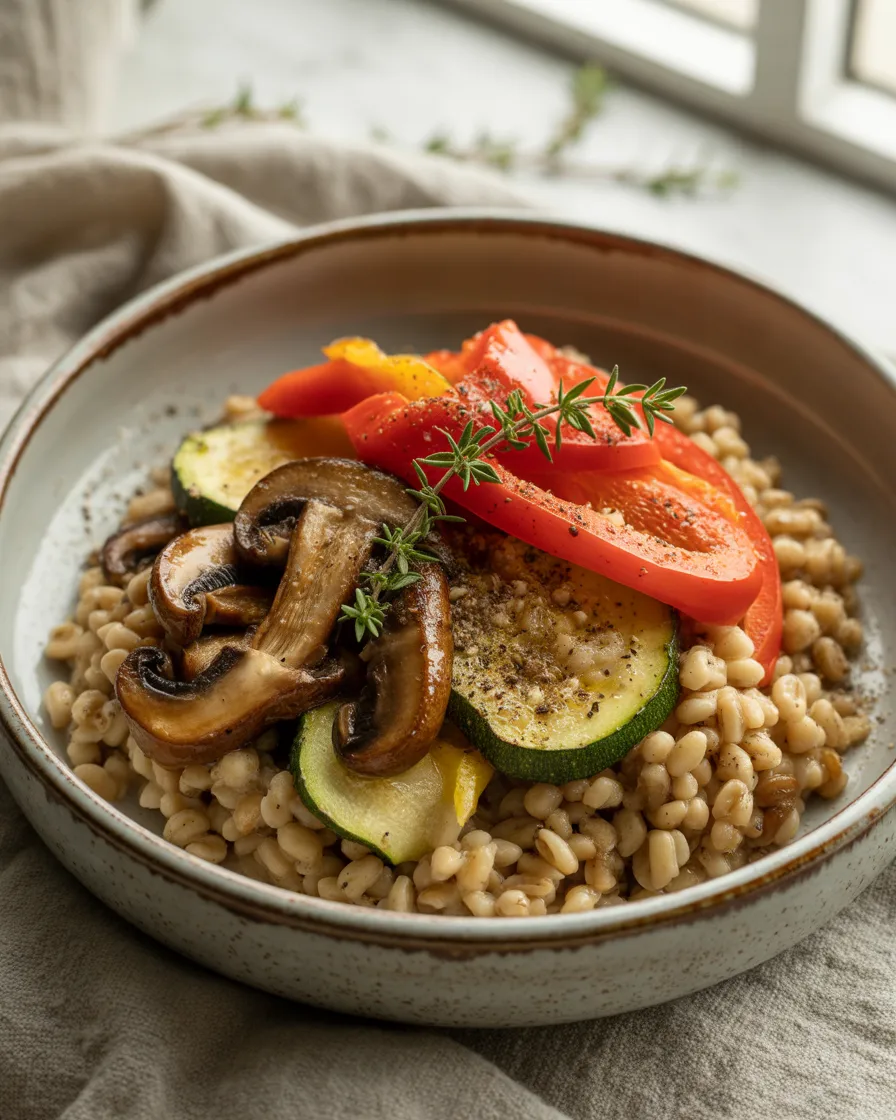
Barley is a whole grain containing beta-glucan, a soluble fiber also found in oats. Its chewy texture pairs well with mushrooms and roasted vegetables, making this a hearty meat-free meal.
Ingredients
- ½ cup cooked pearl barley
- 1 cup sliced mushrooms
- ½ cup chopped zucchini
- ½ red bell pepper
- 1 teaspoon olive oil
- Garlic, thyme, and black pepper
How to prepare: Roast the zucchini and pepper with a little olive oil at 200°C/400°F for approximately 20 minutes. Sauté the mushrooms with garlic and thyme. Combine the vegetables with cooked barley and season to taste.
Benefits: Barley contributes soluble fiber, while vegetables increase the meal’s variety and nutrient content. The combination can help make plant-forward eating more satisfying.
Practical tips: Cook a batch of barley at the start of the week. Add chickpeas or lentils if you want more protein.
How to use it: Serve warm for dinner or chilled as a grain salad for lunch.
Who it may suit: People looking for alternatives to white rice and other refined grains.
Important consideration: Barley contains gluten, so it is unsuitable for people who need a strict gluten-free diet, including those with celiac disease.
13. Sardine and Tomato Whole-Grain Toast
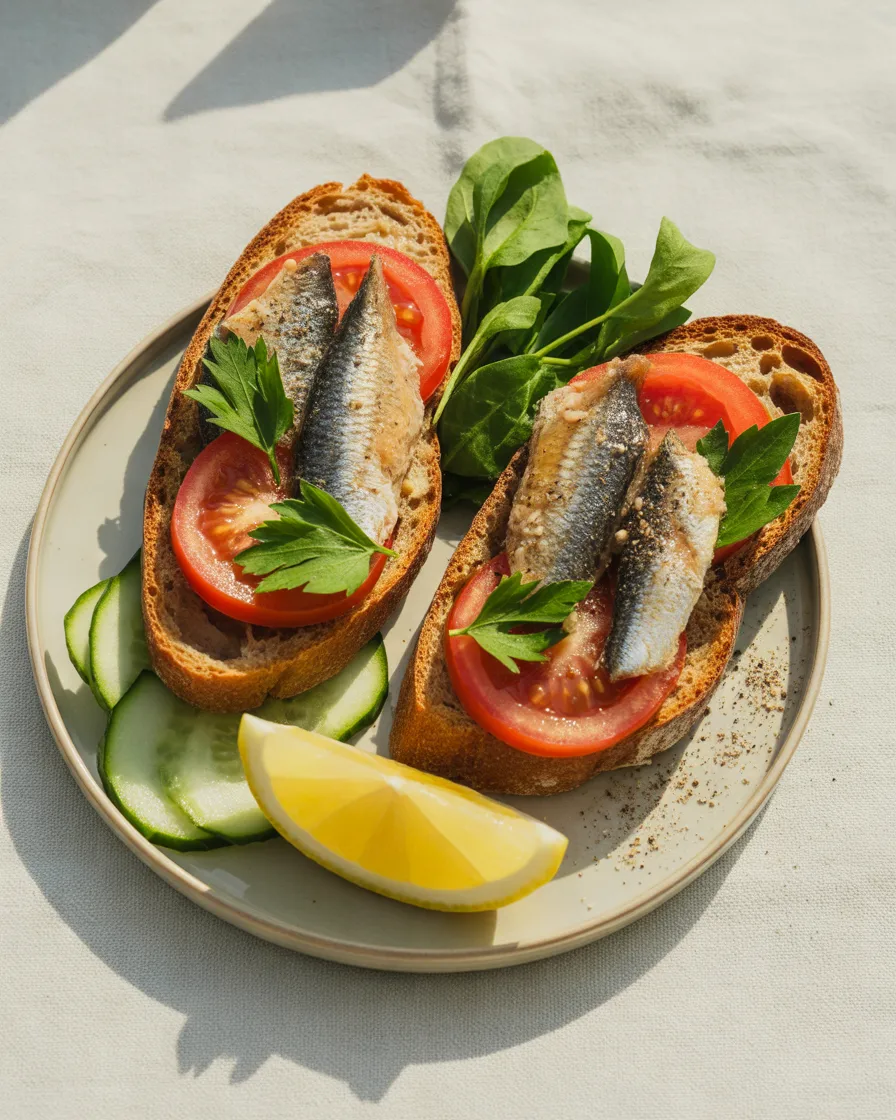
Sardines are a convenient source of omega-3 fats and protein. When paired with whole-grain bread and fresh tomatoes, they create a savory lunch that requires little preparation.
Ingredients
- 2 small slices whole-grain bread
- 1 small tin sardines, preferably lower-sodium
- 1 tomato, sliced
- Lemon juice
- Black pepper and parsley
How to prepare: Toast the bread and arrange the tomato slices on top. Add drained sardines, a squeeze of lemon, black pepper, and parsley.
Benefits: Sardines supply omega-3 fats, while whole-grain bread provides fiber. This is a practical alternative to processed-meat sandwiches.
Practical tips: Keep a tin in your pantry for days when fresh ingredients are limited. Add cucumber or leafy greens for more vegetables.
How to use it: Serve as lunch with a side salad or vegetable soup.
Who it may suit: People who enjoy oily fish and want an inexpensive, quick meal.
Important consideration: Canned sardines vary in sodium content. Compare labels, particularly if you have been advised to limit salt. Sardines packed in oil may also contribute additional calories.
14. Red Lentil and Spinach Curry
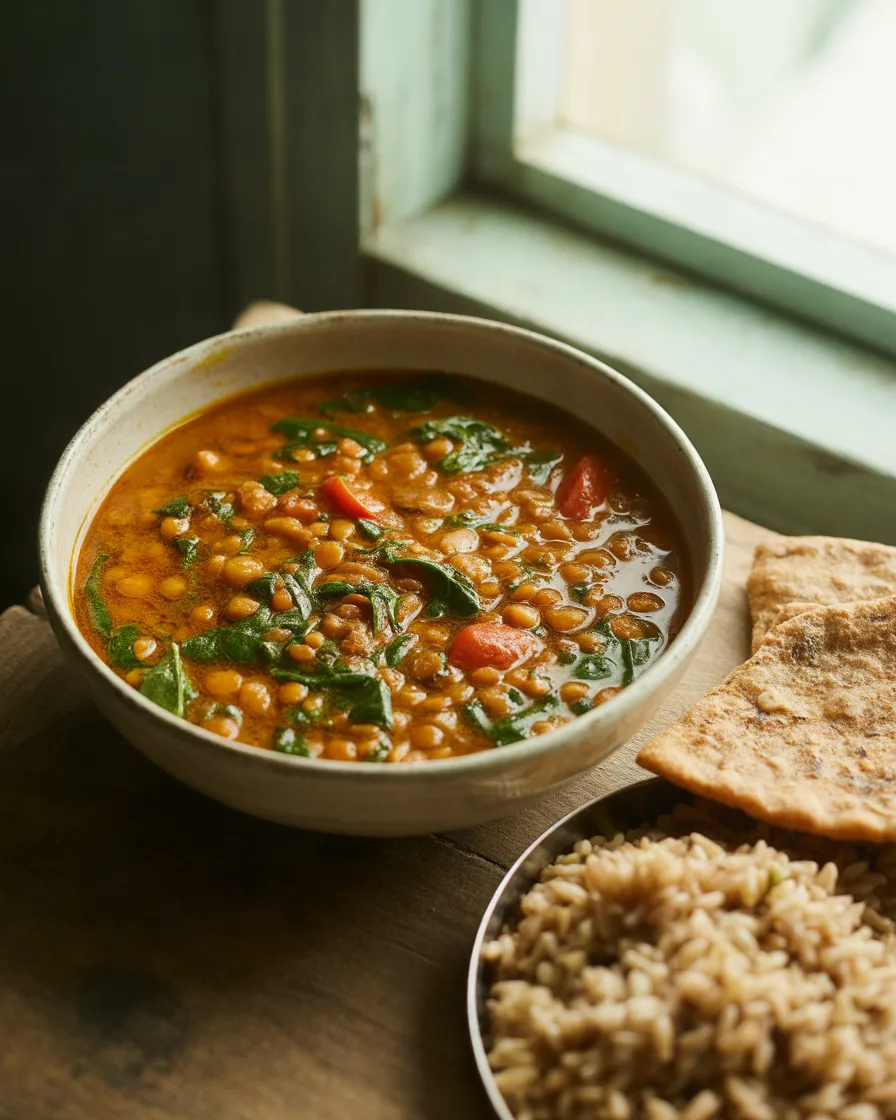
A flavorful curry does not need a heavy cream base to be satisfying. Red lentils cook relatively quickly and naturally thicken the sauce, while spinach adds color and vegetables.
Ingredients
- ¾ cup dry red lentils, rinsed
- 1 cup chopped tomatoes
- 1 cup fresh spinach
- 1 small onion, chopped
- 1 garlic clove, minced
- 1 teaspoon olive or canola oil
- Turmeric, cumin, and coriander
- 2 cups water or low-sodium broth
How to prepare: Soften the onion in oil. Add garlic and spices, then stir in tomatoes, lentils, and water. Simmer for approximately 15–20 minutes, until the lentils soften. Stir in spinach and cook until wilted.
Benefits: Lentils provide plant protein and fiber. Using tomatoes and spices instead of a large quantity of cream or coconut milk can help keep saturated fat lower.
Practical tips: Adjust the spices to your taste. Serve with a moderate portion of brown rice or whole-wheat flatbread.
How to use it: Make a pot for dinner and refrigerate individual portions for quick lunches.
Who it may suit: People who enjoy South Asian flavors, vegetarians, and anyone seeking an economical meal.
Important consideration: If you have been prescribed a low-potassium diet because of kidney disease or certain medications, ask your clinician or dietitian whether the ingredients and portions are appropriate.
15. Baked Pears with Cinnamon, Walnuts, and Plain Yogurt
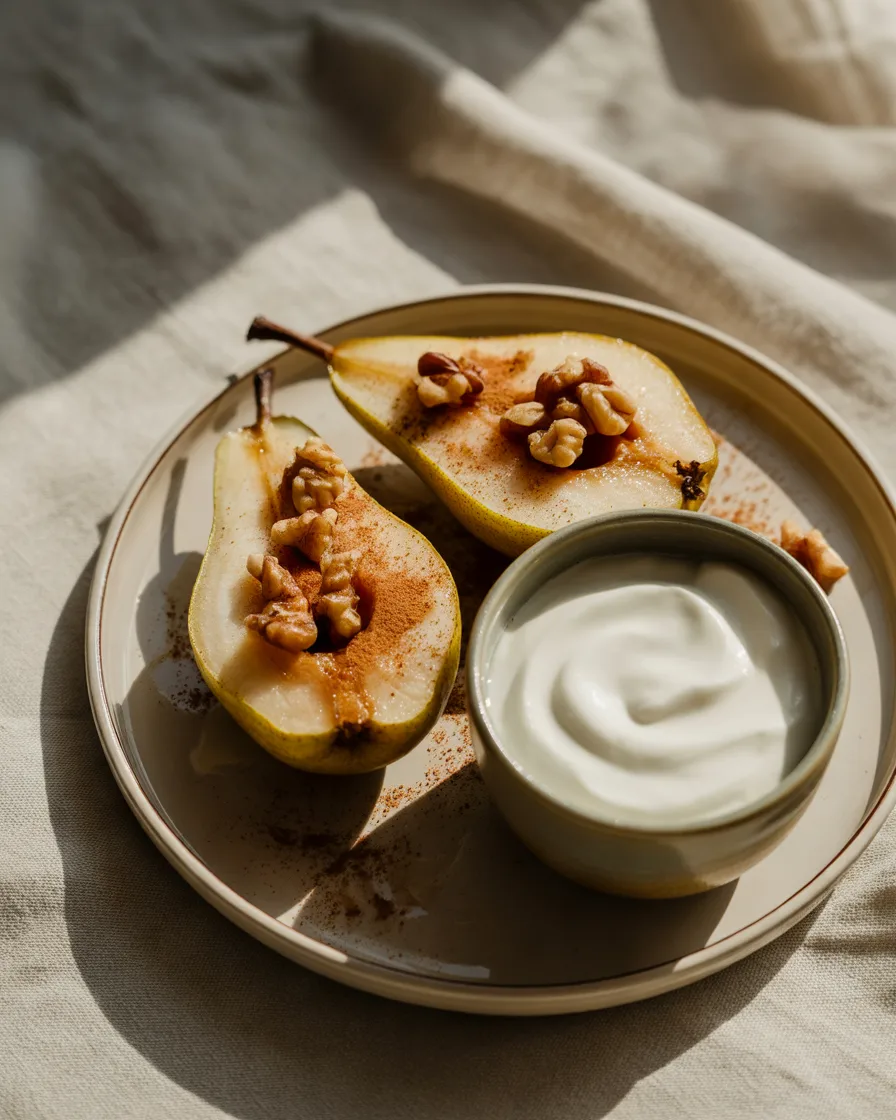
A heart-conscious eating plan can include dessert. Baked pears provide natural sweetness and fiber, while cinnamon adds warmth and walnuts contribute unsaturated fats. A spoonful of plain yogurt adds a creamy finish.
Ingredients
- 2 ripe but firm pears, halved and cored
- 2 tablespoons chopped walnuts
- ½ teaspoon cinnamon
- ½ cup plain yogurt
- 1–2 teaspoons water
How to prepare: Place the pears cut-side up in a baking dish. Sprinkle with cinnamon, add the water, and bake at 180°C/350°F for 25–35 minutes, until tender. Top with walnuts and serve with plain yogurt.
Benefits: Whole fruit supplies fiber, walnuts provide unsaturated fats, and plain yogurt adds protein. This dessert can replace some pastries or sweets that contain more added sugar and saturated fat.
Practical tips: Choose ripe seasonal pears for better flavor. Use plain yogurt rather than sweetened dessert yogurt.
How to use it: Serve warm after dinner or prepare the pears ahead and refrigerate them.
Who it may suit: People who want a simple dessert with fruit instead of a heavily frosted or cream-based sweet.
Important consideration: The fruit contains natural sugars, and walnuts add energy. Adjust portions to your nutritional needs.
Expert Tips for Making Heart Healthy Recipes Part of Everyday Life
Healthy eating is easier to maintain when it fits your budget, schedule, culture, and personal preferences. You do not need to cook every meal from scratch or make dramatic dietary changes overnight.
Build meals around plants. Aim to include vegetables or fruit in most meals. Beans, lentils, and whole grains can make meals more filling while contributing fiber.
Choose fats thoughtfully. Olive oil, canola oil, nuts, seeds, and avocado provide predominantly unsaturated fats. Replacing some butter, fatty meat, and other saturated-fat sources with unsaturated alternatives can support healthier blood cholesterol levels.
Pay attention to sodium. Bread, canned foods, sauces, stock cubes, deli meats, and restaurant meals can contain considerable sodium. Compare nutrition labels, choose lower-sodium versions, and season food with herbs, spices, garlic, vinegar, or lemon.
Make fiber-rich choices gradually. Oats, beans, vegetables, fruit, and whole grains are useful sources of dietary fiber. If your usual diet is low in fiber, increase these foods gradually to reduce bloating or discomfort.
Plan a few ingredients, not 21 separate meals. Roast a tray of vegetables, cook a batch of whole grains, prepare lentils, and wash salad ingredients at the beginning of the week. Reuse them in bowls, salads, soups, and wraps.
Use frozen and canned foods wisely. Frozen vegetables and fruit can be nutritious and convenient. Canned beans and fish can also save time. Look for products with little or no added salt or sugar when possible, and rinse canned beans when appropriate.
Consider the complete meal. A recipe is only one part of your overall eating pattern. Portion sizes, drinks, snacks, cooking methods, and the frequency of eating highly processed foods also matter.
Adapt recipes to your health needs. People with heart failure, chronic kidney disease, diabetes, food allergies, or prescribed fluid, sodium, potassium, or carbohydrate restrictions may need individualized advice. A registered dietitian or healthcare professional can help adapt these meals safely.
Frequently Asked Questions About Heart Healthy Recipes
What are the best heart healthy recipes for everyday meals?
Good choices include oatmeal with berries, lentil soup, chickpea salad, baked salmon with vegetables, tofu stir-fry, and whole-wheat pasta with beans. These meals emphasize whole grains, vegetables, fruit, legumes, and sources of unsaturated fat. The best option is one that you enjoy, can prepare regularly, and can adapt to your nutritional needs.
What foods should I include in heart healthy meals?
Build meals around vegetables, fruits, whole grains, beans, lentils, nuts, seeds, and appropriate sources of protein such as fish, tofu, or lean poultry. Olive oil and other unsaturated fats can replace some saturated-fat sources. The balance will depend on your preferences and medical needs.
Are heart healthy recipes suitable for people with high cholesterol?
Many are suitable starting points because they emphasize fiber-rich foods and can replace some foods high in saturated fat. Oats, beans, lentils, fruit, and vegetables can contribute to an overall cholesterol-conscious eating pattern. However, diet is only one factor affecting cholesterol, and individual treatment plans may also include medication and other lifestyle changes.
What are some easy heart healthy recipes for dinner?
Try lemon-dill baked salmon, garlic-lemon chicken with vegetables, tofu and broccoli stir-fry, lentil curry, or whole-wheat pasta with white beans. These meals use accessible ingredients and straightforward cooking techniques. Batch-cooking grains and vegetables can make dinner even easier.
Can I eat eggs as part of a heart healthy diet?
Eggs can fit into many balanced eating patterns, but appropriate intake varies by individual. Consider the complete meal and how frequently you eat foods high in saturated fat, such as butter, fatty processed meats, and cream. If you have high LDL cholesterol or a medical condition requiring dietary adjustments, ask your healthcare professional for personalized guidance.
Are frozen vegetables and canned beans healthy choices?
Yes. Frozen vegetables can retain important nutrients, and canned beans offer convenient plant protein and fiber. Choose products without added sauces or excessive sodium when possible. Rinsing canned beans can reduce some of their sodium content.
How can I make recipes more heart-friendly without losing flavor?
Use garlic, ginger, fresh herbs, black pepper, lemon, vinegar, and spices to build flavor. Roast vegetables to develop natural sweetness, use tomato-based sauces instead of cream-heavy ones more often, and replace some butter with unsaturated oils. Small changes can improve the overall nutritional profile without making meals bland.
Are heart healthy recipes automatically low in sodium?
No. A recipe can contain vegetables and whole grains but still be high in sodium if it uses salty sauces, stock cubes, cured meats, or heavily salted canned foods. Check ingredient labels and adjust seasonings. People who have been prescribed a specific sodium limit should follow their healthcare professional’s advice.
How many times a week should I eat fish?
Many dietary guidelines recommend eating fish regularly, with US guidance commonly recommending about two servings per week, including a variety of seafood. Oily fish such as salmon and sardines provide omega-3 fats. Appropriate choices and portions can vary with allergies, pregnancy, local fish advisories, and individual medical needs.
Can heart healthy recipes replace cholesterol or blood pressure medication?
No. Healthy eating can support cardiovascular health, but it is not a substitute for prescribed medication or medical care. Do not stop or change medication because you have improved your diet. Discuss changes in your health or treatment with your healthcare professional.
Conclusion: Start with Small, Sustainable Changes
The best heart healthy recipes are not necessarily the most complicated. They are meals that combine nourishing ingredients, taste good, fit your routine, and make balanced eating easier to maintain.
Start with two or three recipes from this collection. Try berry oatmeal for breakfast, lentil soup for lunch, or baked salmon and vegetables for dinner. Prepare ingredients ahead of time, adjust seasonings to your preferences, and make use of affordable frozen and canned foods.
Over time, small changes in the foods you choose and the way you prepare them can help improve the overall quality of your diet. Focus on variety, moderation, and consistency rather than searching for one perfect meal.
If you have a cardiovascular condition or specific dietary restrictions, consult your healthcare professional or registered dietitian for advice tailored to your needs.