Healthy juice recipes are one of the simplest ways to add more fruit and vegetables to your day without changing your whole routine. A single glass can hold produce you might not otherwise eat, and most juices take only a few minutes to make.
The best homemade juices use fresh, whole ingredients and a balance of flavours: sweet fruit, earthy vegetables, and a little citrus or ginger for brightness. They work for busy mornings, a post-workout refresher, or a light afternoon pick-me-up.
In this guide, you will find 15 healthy juice recipes, each with clear ingredients, practical tips, and honest notes on who each one may suit. You do not need fancy equipment — a basic juicer, or a blender and a fine strainer, is enough.
1. Classic Green Juice with Kale and Cucumber
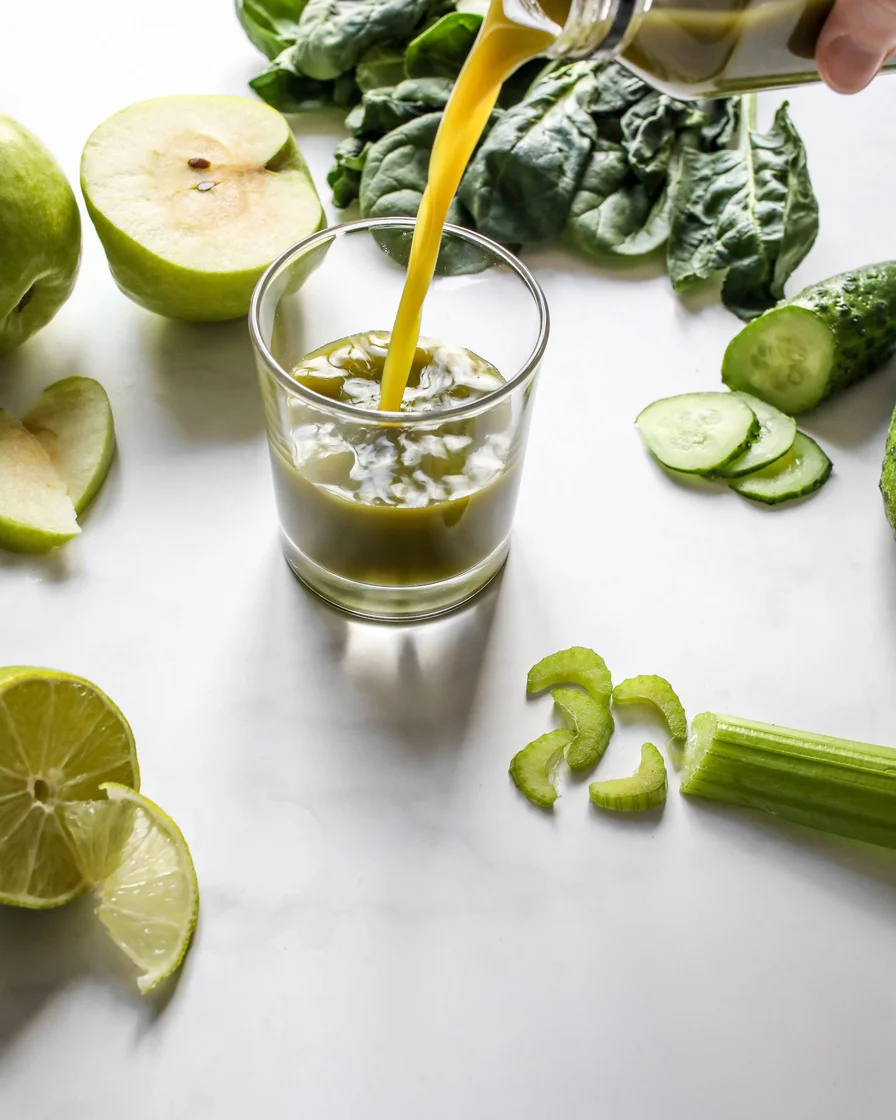
This is the green juice most people start with, and for good reason. Kale and cucumber make a fresh, lightly earthy base, while green apple and lemon keep it bright and drinkable rather than bitter.
Benefits: Leafy greens add vitamins A, C, and K, cucumber keeps the juice light and hydrating, and ginger adds warmth. It is a simple way to get a serving or two of greens in one glass.
How to make it: Juice 2 handfuls of kale, 1 cucumber, 1 green apple, half a lemon (peeled), and a small piece of ginger. Stir well and serve over ice.
Practical tips: Remove thick kale stems before juicing, and add the apple last if your juicer struggles with soft fruit. If the flavour is too strong, add half an extra apple rather than sweetener.
Who it may suit: Anyone who wants more greens in their day, including juicing beginners who want a balanced first recipe.
Things to keep in mind: Juicing removes most of the fibre, so pair this with a fibre-rich meal. Kale is high in oxalates, so if you have a history of kidney stones, speak to a clinician before making green juices a daily habit.
2. Carrot Orange Ginger Juice
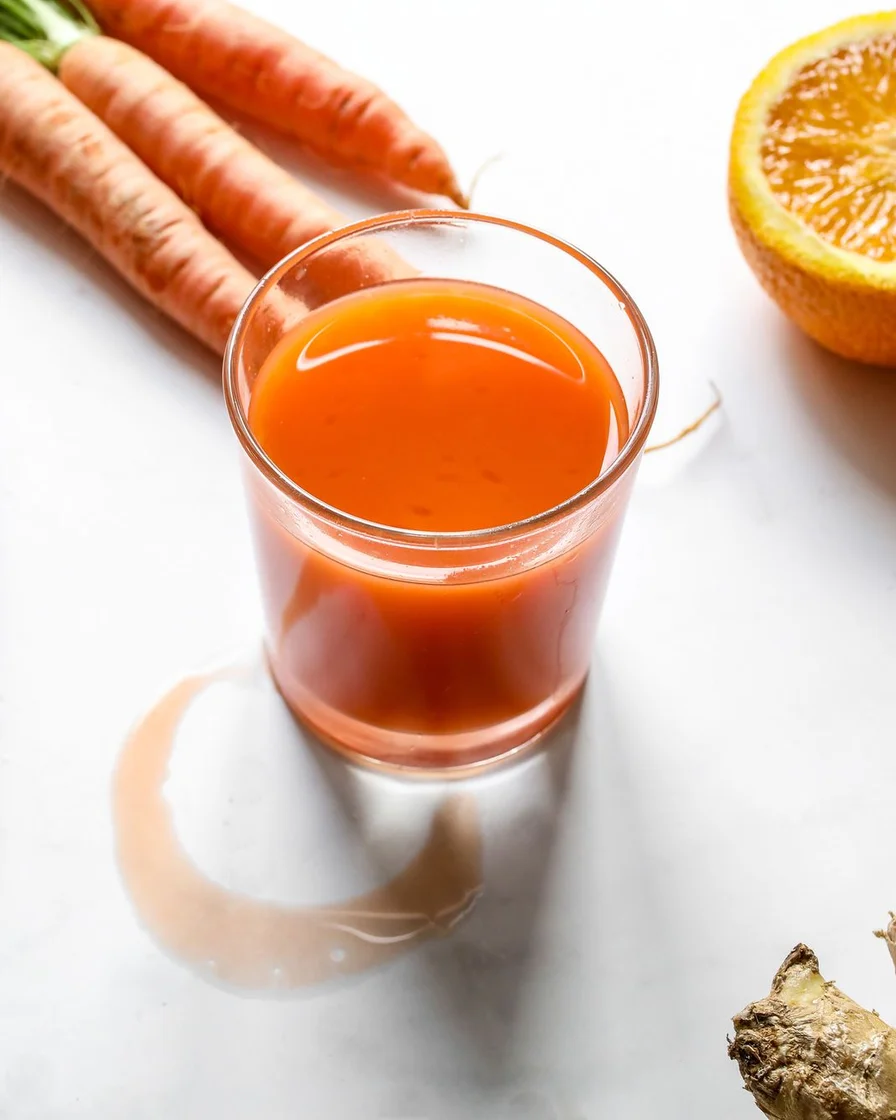
Sweet carrots and oranges are a natural match, and fresh ginger gives the juice a gentle kick. It tastes like sunshine and takes about five minutes from chopping board to glass.
Benefits: Carrots are rich in beta-carotene, which the body converts to vitamin A, while oranges add vitamin C. Together they make a naturally sweet juice with no added sugar.
How to make it: Juice 4 medium carrots, 2 oranges (peeled), and a 2 cm piece of ginger. Add a squeeze of lemon if you like a sharper finish.
Practical tips: Scrub carrots well instead of peeling to keep more nutrients, and use fresh ginger rather than ground for the best flavour. Chill the ingredients first for a cold juice without ice.
Who it may suit: A good morning juice, and one children often enjoy because of its natural sweetness.
Things to keep in mind: This juice is naturally sweet, so keep the glass modest — about 200 to 250 ml — especially if you are watching your sugar intake.
3. Beetroot and Apple Juice
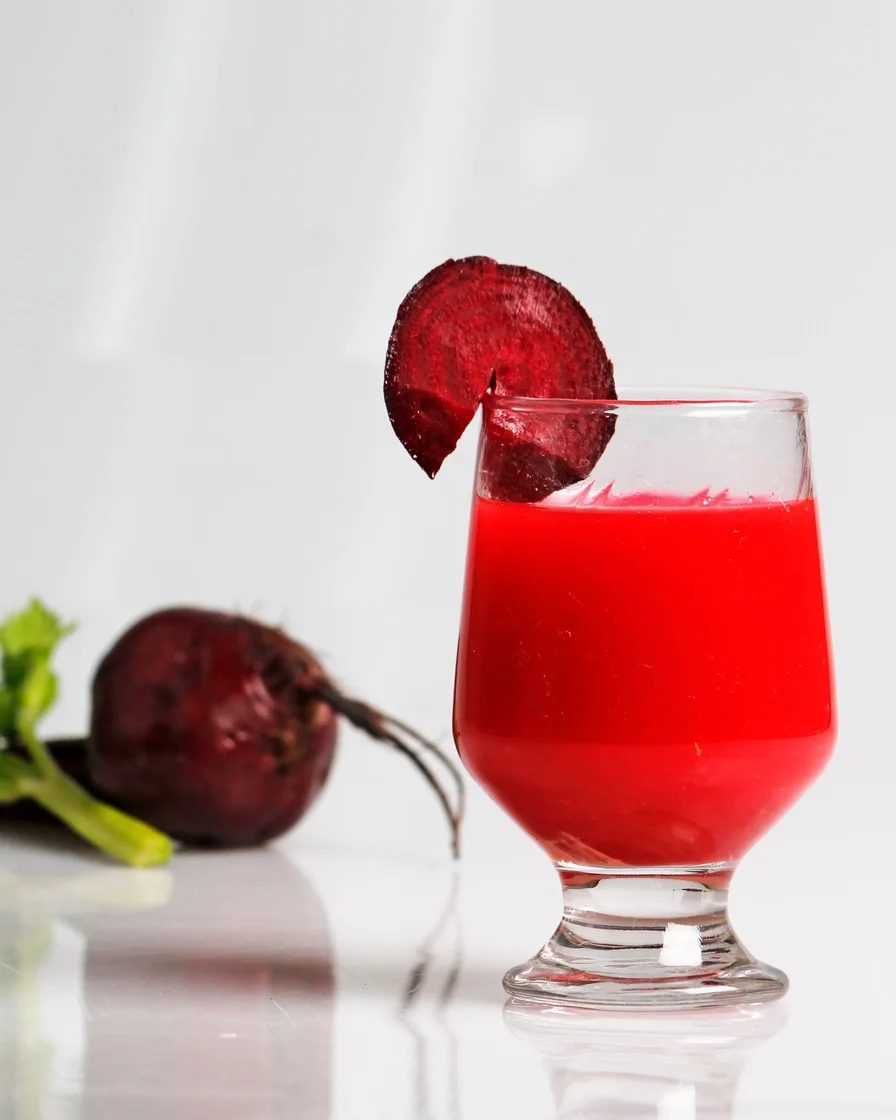
Beetroot gives this juice a deep ruby colour and an earthy sweetness that apple and lemon balance nicely. It looks striking and tastes far milder than most people expect.
Benefits: Beetroot provides folate and natural nitrates, which have been studied for their role in healthy blood flow. Apple adds sweetness and vitamin C.
How to make it: Peel 1 medium beetroot and juice it with 1 apple, 1 carrot, and half a lemon. Stir and serve chilled.
Practical tips: Start with half a beetroot if you are new to it — the flavour is strong. Wear gloves while handling beetroot, as the juice stains hands and boards.
Who it may suit: Active people and anyone who wants a colourful, nutrient-dense juice in their rotation.
Things to keep in mind: Beetroot can temporarily turn urine or stools pink, which is harmless. If you take blood pressure medication or have kidney stone concerns, check with a clinician first.
4. Cucumber Mint Cooler

Light, cooling, and barely sweet, this is the juice to reach for on a warm day. Cucumber and mint are refreshing on their own, and lime adds just enough sharpness.
Benefits: Cucumber is mostly water, so this juice is very hydrating and low in calories. Mint adds flavour without sugar, and lime brings a little vitamin C.
How to make it: Juice 2 cucumbers, 1 green apple, and half a lime (peeled). Pour over ice and add a few torn mint leaves.
Practical tips: No need to peel the cucumber if it is washed well. For a fizzy version, top the glass with sparkling water just before serving.
Who it may suit: Anyone who wants a light, refreshing drink — it is a good choice after exercise or alongside a summer lunch.
Things to keep in mind: The flavour is mild, so do not skip the lime. Drink it fresh, as cucumber juice loses its crispness quickly.
5. Pineapple Turmeric Golden Juice

Sweet pineapple meets warm turmeric in this golden juice. It tastes tropical and comforting at the same time, and the colour alone makes it feel special.
Benefits: Pineapple is a good source of vitamin C and contains bromelain, an enzyme studied for its role in digestion. Turmeric contains curcumin, though the evidence for its benefits in food amounts is still developing.
How to make it: Juice 2 cups of pineapple chunks, 1 orange (peeled), a 2 cm piece of fresh turmeric, and a small piece of ginger. Add a tiny pinch of black pepper.
Practical tips: Fresh turmeric stains everything it touches, so handle it with care and wash boards straight away. A little turmeric goes a long way — start small.
Who it may suit: Tropical flavour lovers, and anyone looking for a warming juice in cooler months.
Things to keep in mind: Pineapple is fairly sweet, so keep portions moderate. Turmeric can interact with some medications, so check with a clinician if you take regular medicine.
6. Mixed Berry Juice
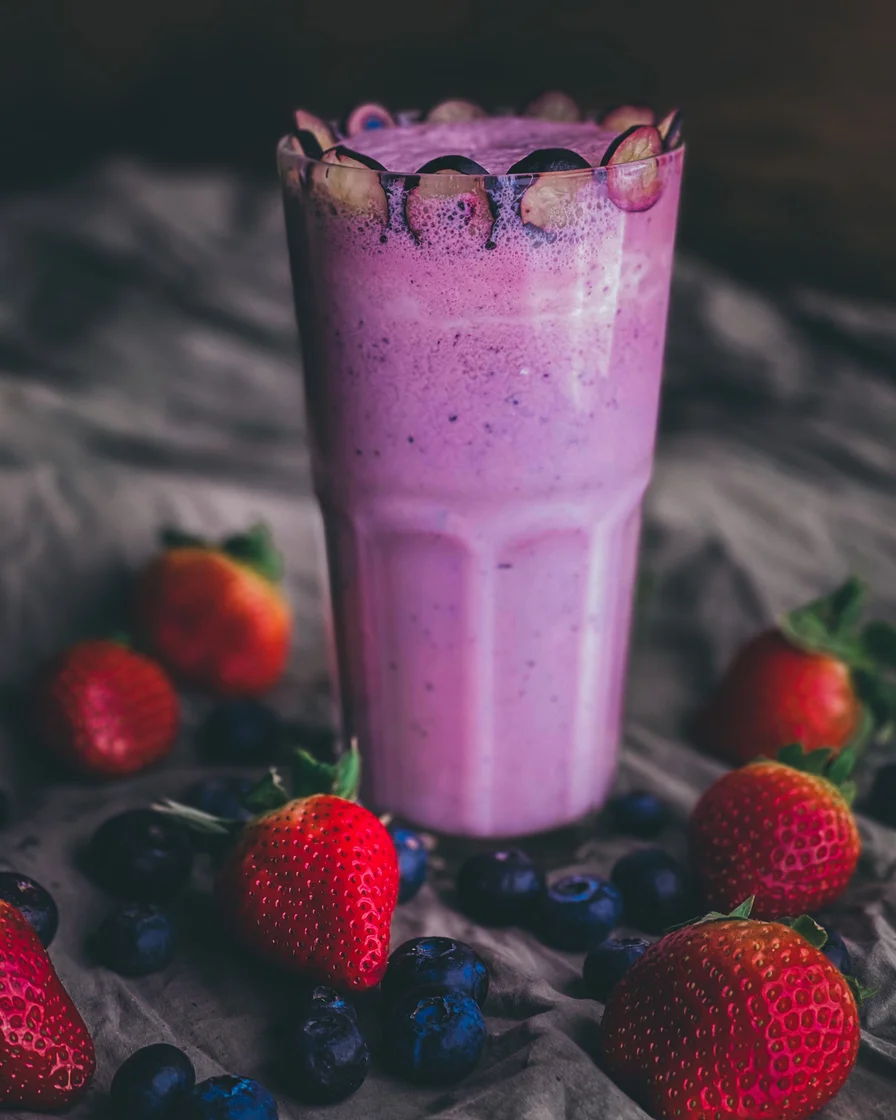
Berries make a rich, deeply coloured juice that tastes like dessert. Because berries do not juice well in a standard juicer, this recipe uses a blender and a strainer instead.
Benefits: Blueberries and strawberries are rich in anthocyanins, the pigments behind their deep colour, and provide vitamin C and manganese.
How to make it: Blend 1 cup of mixed berries with 1 chopped apple and half a cup of cold water, then strain through a fine mesh sieve or nut milk bag. Add lemon juice to taste.
Practical tips: Frozen berries work just as well as fresh and cost much less. If the juice is too thick, add a splash more water rather than sweetener.
Who it may suit: Berry lovers and families — children usually love the colour and sweetness.
Things to keep in mind: Fresh berries can be expensive, so frozen is the budget-friendly choice. As with all fruit juices, the natural sugars add up, so enjoy it as part of a balanced day.
7. Watermelon Lime Refresher
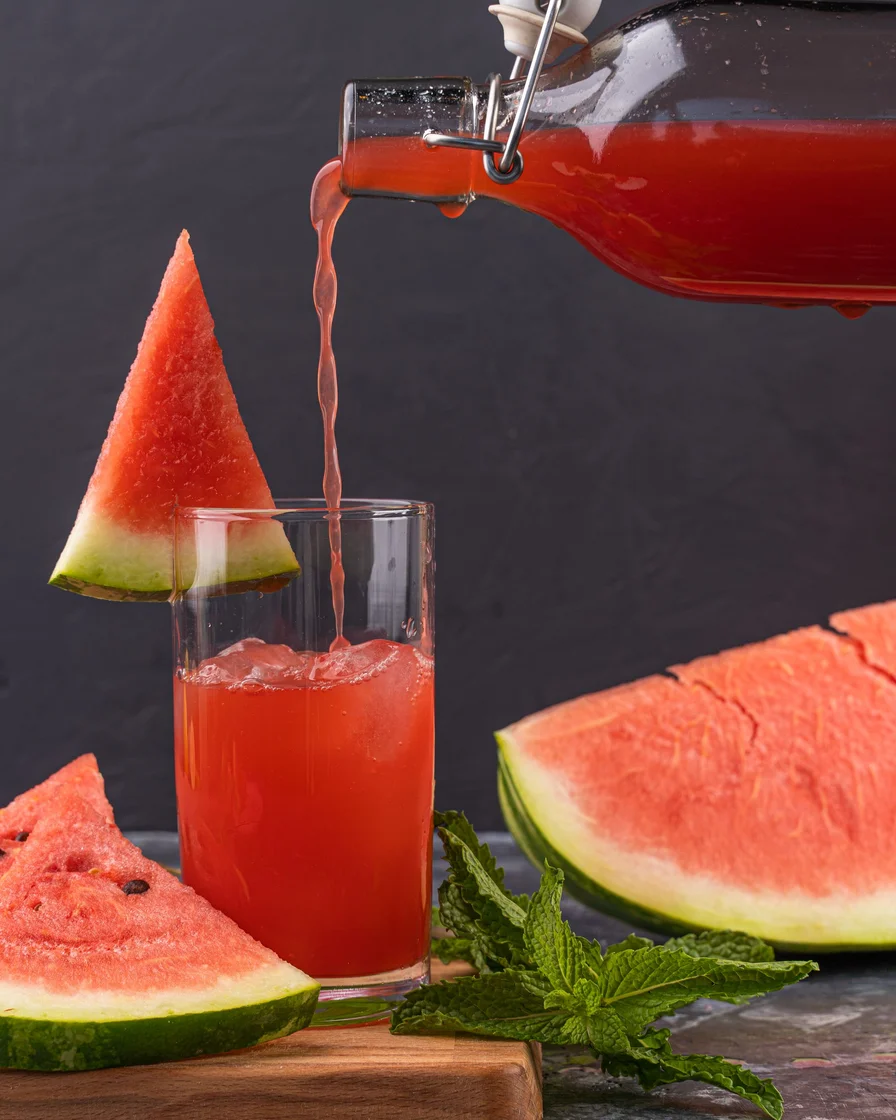
Watermelon is almost all water, which makes it perfect for a light, thirst-quenching juice. Lime and mint keep it from tasting flat.
Benefits: Watermelon provides hydration plus lycopene, the pigment that gives it its pink colour. It is one of the lightest juices you can make.
How to make it: Blend 3 cups of cubed watermelon, strain if you prefer a smooth juice, and stir in the juice of 1 lime. Serve over ice with mint.
Practical tips: No juicer is needed for this one — a blender does the job. Chill the watermelon first so the juice is cold without dilution from ice.
Who it may suit: A summer favourite for the whole family, and a good post-exercise refresher.
Things to keep in mind: This juice is mostly water and natural sugar, so it is best enjoyed as a refreshing drink rather than a meal replacement.
8. Spinach Pineapple Juice
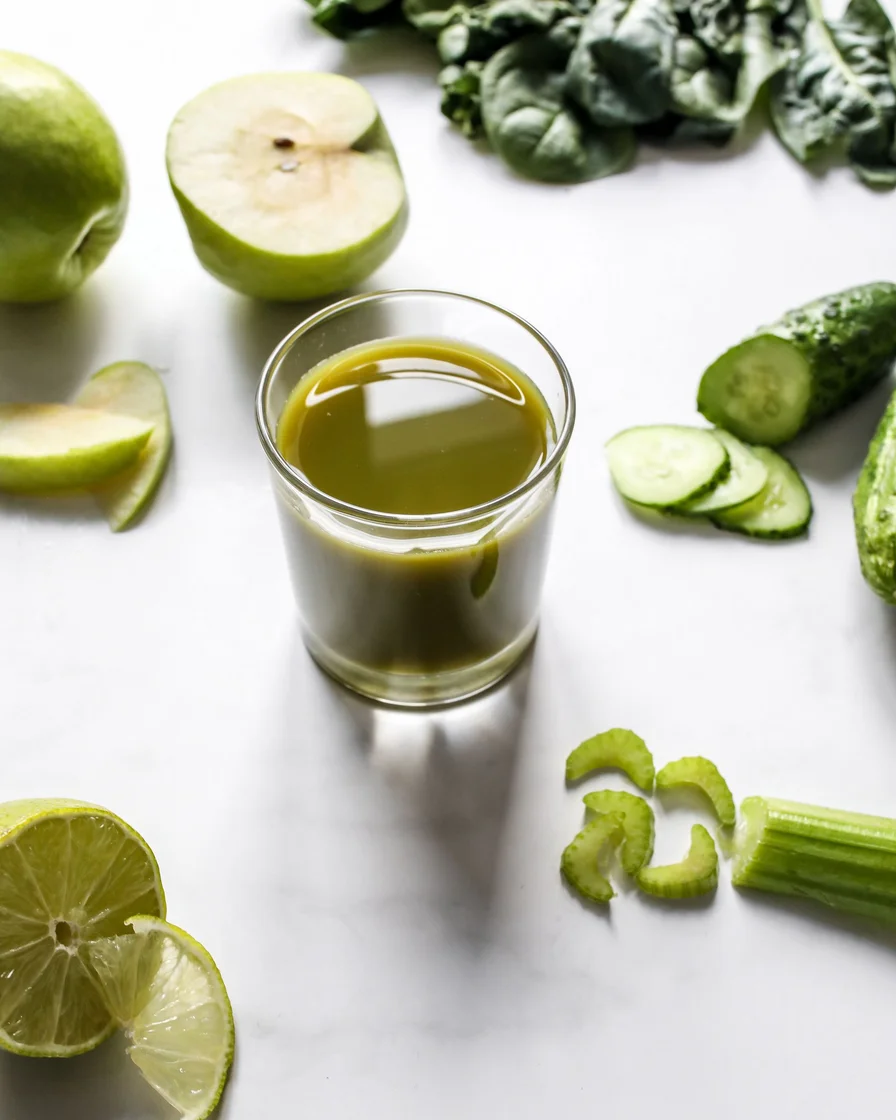
Spinach is milder than kale, and pineapple’s sweetness hides the greens almost completely. This is the green juice for people who think they do not like green juice.
Benefits: Spinach adds iron, folate, and vitamin K, while pineapple brings vitamin C and natural sweetness. Cucumber keeps the texture light.
How to make it: Juice 2 large handfuls of baby spinach, 1 cup of pineapple chunks, 1 cucumber, and half a lemon. Stir and drink straight away.
Practical tips: Pack the spinach tightly into the juicer chute and follow it with cucumber to push it through. Baby spinach gives a milder flavour than mature leaves.
Who it may suit: Juicing beginners and anyone who finds kale-based juices too strong.
Things to keep in mind: Spinach is high in oxalates, so rotate your greens through the week rather than using spinach every day. If you have kidney concerns, ask a clinician.
9. Tomato Vegetable Juice
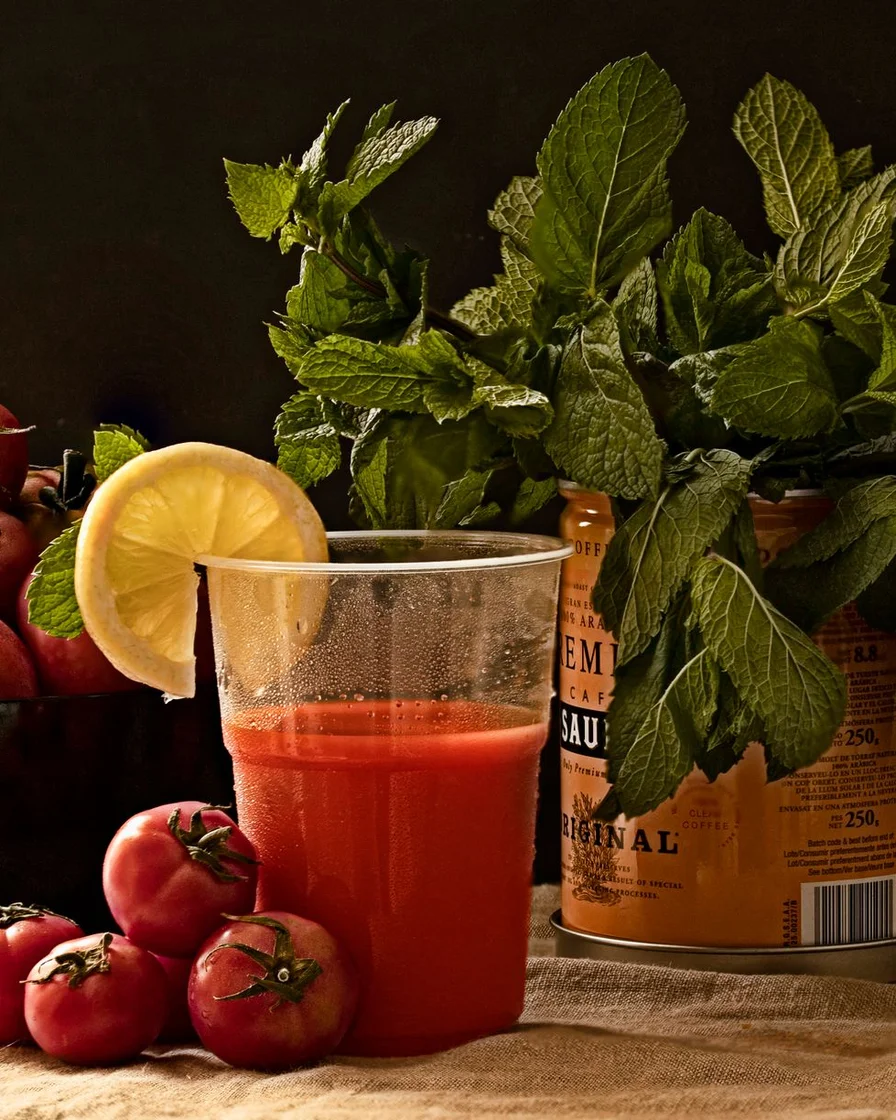
Not every juice has to be sweet. This savoury blend tastes like a fresh, light version of tomato soup in a glass — and it is surprisingly satisfying.
Benefits: Tomatoes provide lycopene and potassium, while celery and carrot add a gentle sweetness and extra nutrients. It is one of the lower-sugar juices in this list.
How to make it: Juice 4 ripe tomatoes, 2 celery stalks, 1 carrot, and half a lemon. Season with a small pinch of salt and black pepper if you like.
Practical tips: Use very ripe tomatoes for the best flavour. A dash of hot sauce or a little grated horseradish turns it into a brunch-worthy drink.
Who it may suit: People who prefer savoury flavours, and anyone looking for a juice that is not fruit-sweet.
Things to keep in mind: Go easy on added salt if you are watching sodium. Tomato juice is acidic, so rinse your mouth with water afterwards.
10. Apple Celery Juice
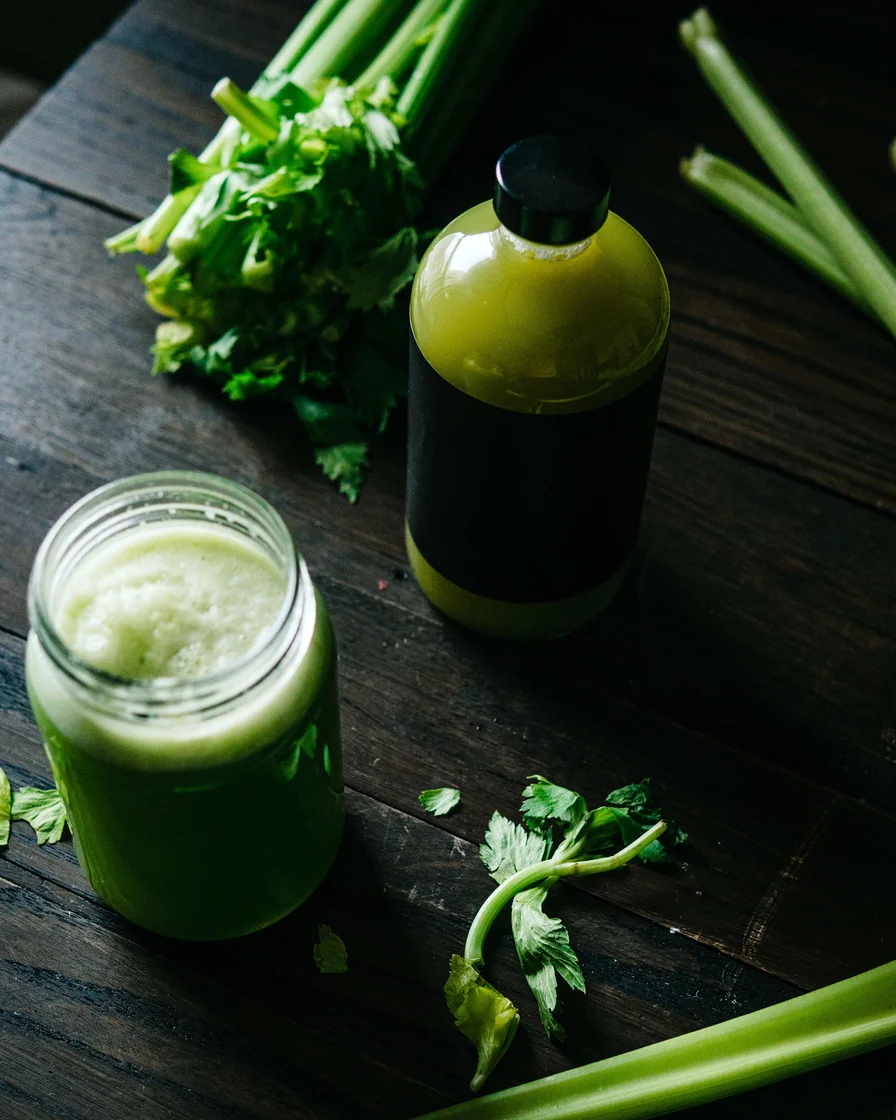
Crisp apple and fresh celery make a clean, light juice that works any time of day. It is simple, affordable, and a good place to start if you are new to juicing.
Benefits: Celery adds hydration and small amounts of vitamin K and potassium, while apple brings natural sweetness and vitamin C.
How to make it: Juice 3 celery stalks, 2 apples, half a lemon, and a small piece of ginger. Serve immediately over ice.
Practical tips: Cut celery stalks into short pieces before juicing to avoid stringy fibres clogging the juicer. Use crisp apples such as Granny Smith or Gala.
Who it may suit: An easy everyday juice for beginners and a good base recipe to build on.
Things to keep in mind: Celery juice has been surrounded by big health claims online. It is a healthy, hydrating drink — but it is not a cure for any condition, and no single juice is.
11. Mango Carrot Sunshine Juice
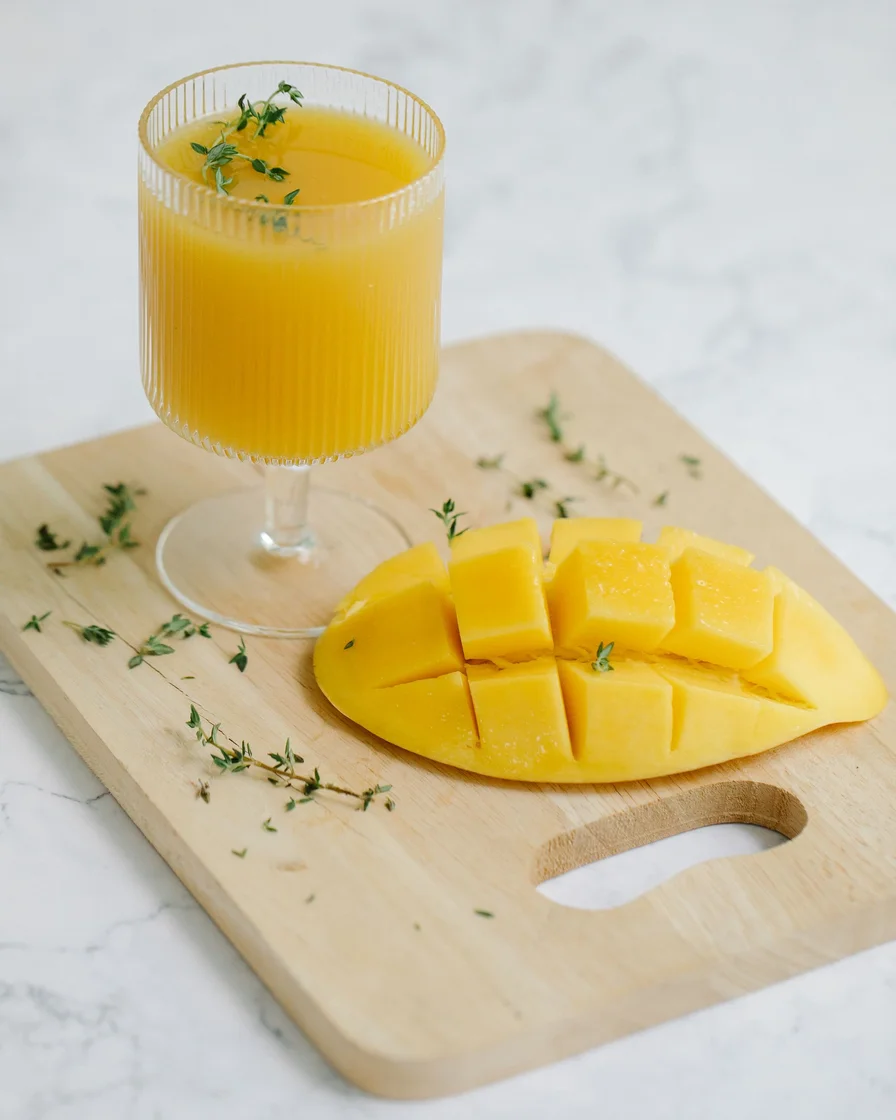
Ripe mango makes this juice thick, sweet, and almost smoothie-like. Carrot and orange keep it bright and add a little tang.
Benefits: Mango and carrot are both rich in beta-carotene, and orange adds vitamin C. The result is a creamy, satisfying juice that feels like a treat.
How to make it: Juice 2 carrots and 1 orange, then blend the juice with 1 cup of ripe mango chunks until smooth.
Practical tips: Use a very ripe mango — it should give slightly when pressed. Frozen mango works well and makes the juice extra cold.
Who it may suit: Tropical flavour fans and children, who usually love the sweetness and colour.
Things to keep in mind: Mango is naturally high in sugar, so keep the glass to around 200 ml. Pairing it with a protein-rich snack makes it more filling.
12. Pomegranate Power Juice

Pomegranate juice has a deep ruby colour and a sweet-tart flavour that feels a little luxurious. It takes a few minutes more to prepare, but the result is worth it.
Benefits: Pomegranates are rich in polyphenols and vitamin C, and their juice is one of the most antioxidant-dense options in this list.
How to make it: Juice the seeds of 1 large pomegranate with 1 apple and half a lemon. Strain through a fine sieve before serving.
Practical tips: Buy pre-seeded pomegranate arils to save time. Strain well — the seeds leave a gritty texture if you skip this step.
Who it may suit: Anyone who enjoys bold, tart flavours, and a good choice for a special-occasion juice.
Things to keep in mind: Pomegranate juice stains easily, so pour carefully. It may interact with some medications, so check with a pharmacist if you take regular medicine.
13. Citrus Sunrise Juice

Orange, grapefruit, and lemon make the classic morning juice — bright, sharp, and refreshing. It is the simplest recipe in this list and one of the most popular.
Benefits: Citrus fruits are among the best natural sources of vitamin C, and grapefruit adds a pleasant bitterness that balances the sweetness of orange.
How to make it: Juice 2 oranges, 1 grapefruit, and half a lemon. Serve over ice, and add a teaspoon of honey only if you like it sweeter.
Practical tips: Roll citrus fruits firmly on the counter before juicing to release more juice. A mix of orange varieties changes the flavour nicely.
Who it may suit: Morning juice lovers and anyone who wants a quick vitamin C boost with breakfast.
Things to keep in mind: Grapefruit can interact with certain medications, including some statins — check with a pharmacist or clinician if you take regular medicine. Citrus is acidic, so use a straw and rinse your mouth with water after drinking.
14. Pear and Ginger Juice
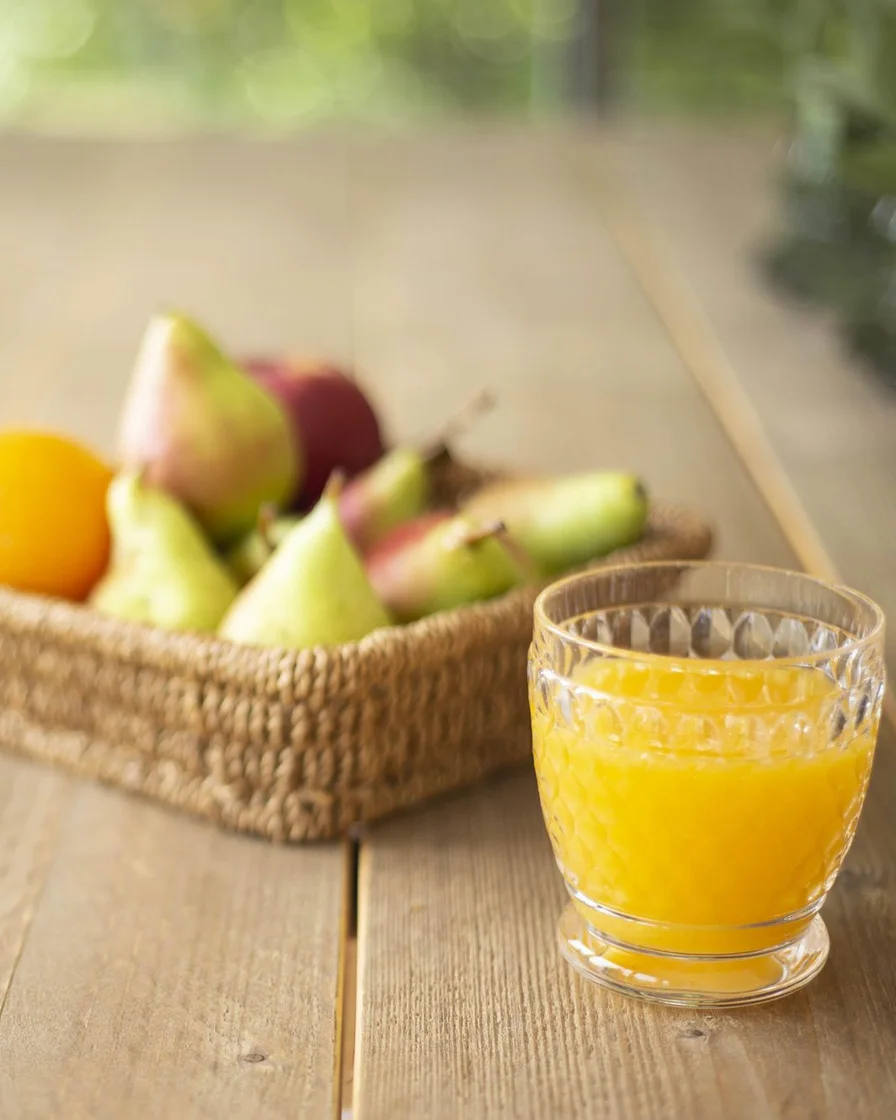
Pears make a soft, gently sweet juice with a smooth texture, and ginger adds a little warmth. It is one of the mildest juices here, with no sharp or acidic edge.
Benefits: Pears provide vitamin C and copper, and their mild flavour makes this juice easy to drink. Ginger adds a gentle warmth without overpowering the pear.
How to make it: Juice 2 ripe pears, 1 cucumber, half a lemon, and a small piece of ginger. Serve chilled.
Practical tips: Use ripe pears that give slightly when pressed — underripe pears juice poorly and taste flat. Adjust the ginger to your taste.
Who it may suit: People who prefer mild, non-acidic juices, and anyone who finds citrus-based juices too sharp.
Things to keep in mind: Pears are naturally sweet, so a modest glass is plenty. This juice oxidises quickly, so drink it soon after making it.
15. Papaya Lime Tropical Juice
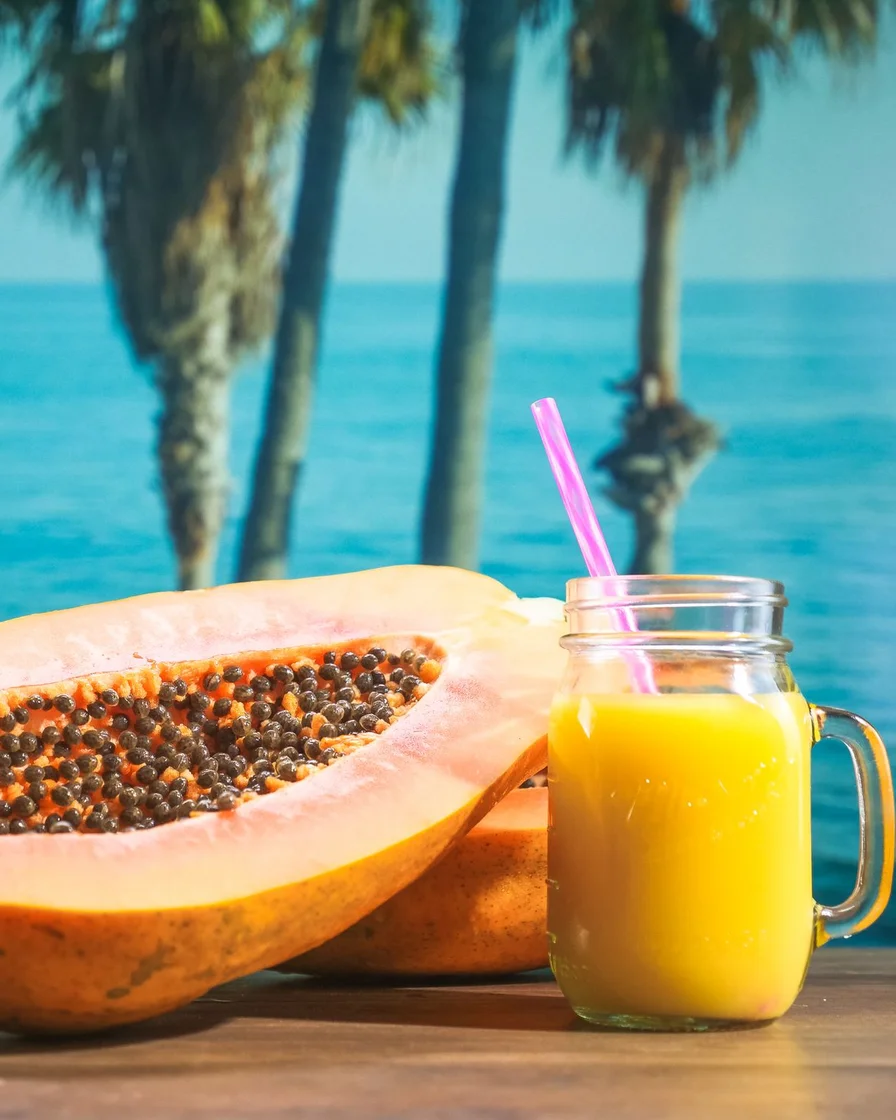
Papaya gives this juice a soft, tropical sweetness, and lime keeps it bright. It is a little different from the usual juice recipes and makes a nice change.
Benefits: Papaya is rich in vitamin C and contains papain, an enzyme studied for its role in digestion, though the evidence in normal food amounts is limited. Lime adds freshness and extra vitamin C.
How to make it: Blend 1 cup of ripe papaya chunks with the juice of 1 orange and 1 lime until smooth. Serve over ice with mint.
Practical tips: Choose a papaya that gives slightly when pressed and smells sweet at the stem end. A squeeze of lime is essential — without it, the flavour can taste flat.
Who it may suit: Tropical flavour lovers and anyone who wants to try a less common juice.
Things to keep in mind: Papaya is sweet, so keep the portion modest. People with a latex allergy should note that papaya can occasionally cross-react — ask a clinician if this concerns you.
Expert Tips for Better Homemade Juice
These tips apply to every recipe in this list and will help you get better flavour, more nutrition, and less waste from your juicing.
- Drink it fresh. Fresh juice tastes best straight away. If you need to store it, keep it in a sealed glass jar in the fridge and drink it within 24 hours — 48 at most.
- Use more vegetables than fruit. A good rule is roughly two parts vegetables to one part fruit. This keeps the sugar down while the flavour stays bright.
- Wash everything well. Rinse all produce under running water, and peel citrus, beetroot, and anything with a thick or waxed skin.
- Do not treat juice as a meal. Juicing removes most of the fibre, so a glass of juice on its own is not very filling. Pair it with a balanced meal or a protein-rich snack.
- Rotate your ingredients. Using the same greens every day is not ideal — variety gives you a wider range of nutrients and keeps flavours interesting.
- Clean your juicer straight away. Dried pulp is much harder to remove. A quick rinse right after juicing saves ten minutes of scrubbing later.
- Protect your teeth. Acidic juices can soften enamel, so drink through a straw where it suits you and rinse your mouth with water afterwards.
- Ask when unsure. If you have diabetes, kidney concerns, or take regular medication, a quick word with your clinician or pharmacist is worth it before making juice a daily habit.
Frequently Asked Questions
Are healthy juice recipes good for you every day?
They can be, as part of a balanced diet. Fresh juice adds vitamins and hydration, but it removes most of the fibre, so it should sit alongside whole fruit and vegetables rather than replacing them. Variety matters more than any single recipe.
Is homemade juice better than shop-bought juice?
Usually, yes — you control the ingredients, there is no added sugar, and the juice is fresh. Shop-bought juice can still be a fine choice if it is 100% juice with no added sugar, but check the label, as many bottles contain far more sugar than people expect.
Can I make juice without a juicer?
Yes. A blender and a fine strainer or nut milk bag work well for most recipes in this list, especially soft fruits like berries, mango, and watermelon. Hard vegetables like carrots and beetroot are easier with a juicer, but a powerful blender can manage them too.
How long does fresh juice last in the fridge?
Most fresh juices keep for 24 to 48 hours in a sealed container in the fridge, though flavour and nutrients are best in the first few hours. Citrus juices keep a little longer; green juices are best drunk the same day. If it smells off or tastes sour, throw it away.
Are juices good for weight loss?
Juice alone will not cause weight loss, and fruit-heavy juices can add a surprising amount of sugar and calories. Vegetable-led juices can help you eat more produce, which supports a healthy eating pattern overall. For personal advice, a registered dietitian is the best person to ask.
Conclusion
These 15 healthy juice recipes show that juicing does not have to be complicated or expensive. With fresh produce, a few minutes, and a little experimenting, you can make drinks that taste good and add real variety to your day.
Start with one or two recipes that appeal to you, adjust the sweetness to your taste, and keep the balance towards vegetables. And remember, juice works best as one part of a varied diet — not as a replacement for whole fruit, vegetables, and balanced meals.
If you have a health condition or take regular medication, a quick check with a healthcare professional is always a sensible step before making any big change to your routine.