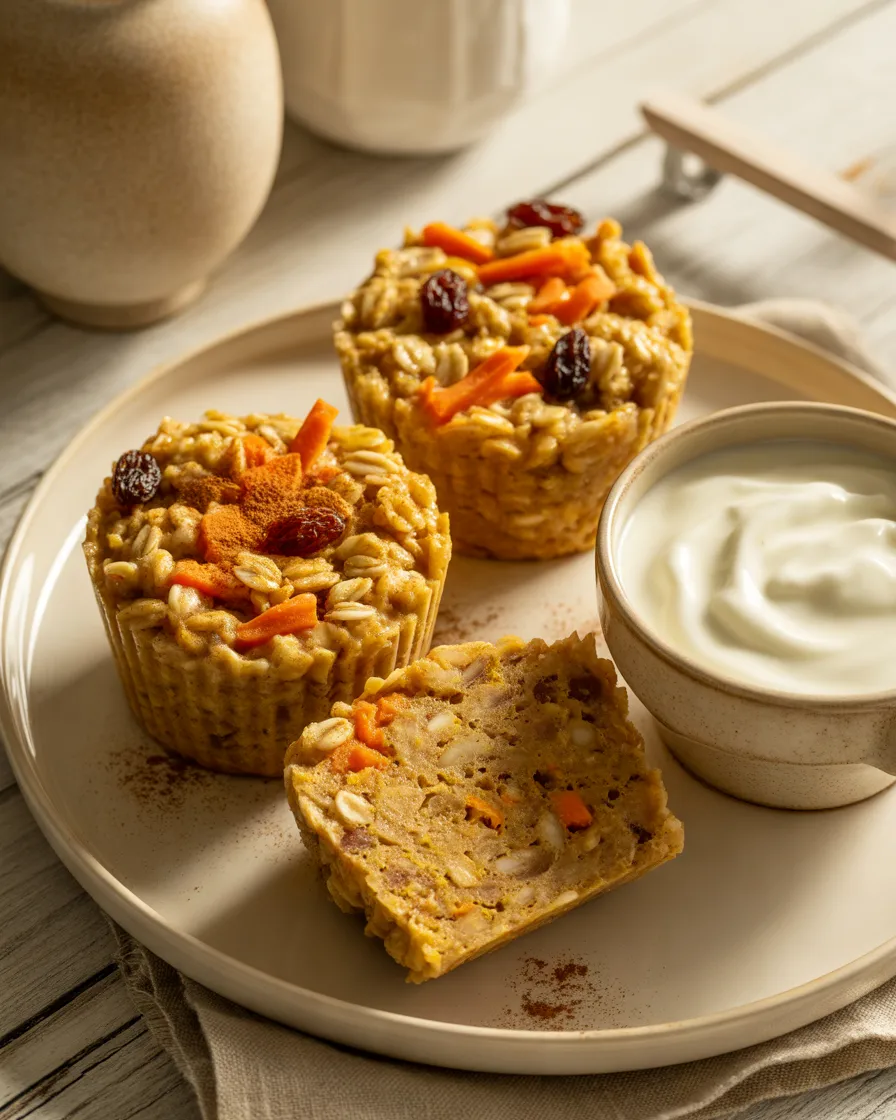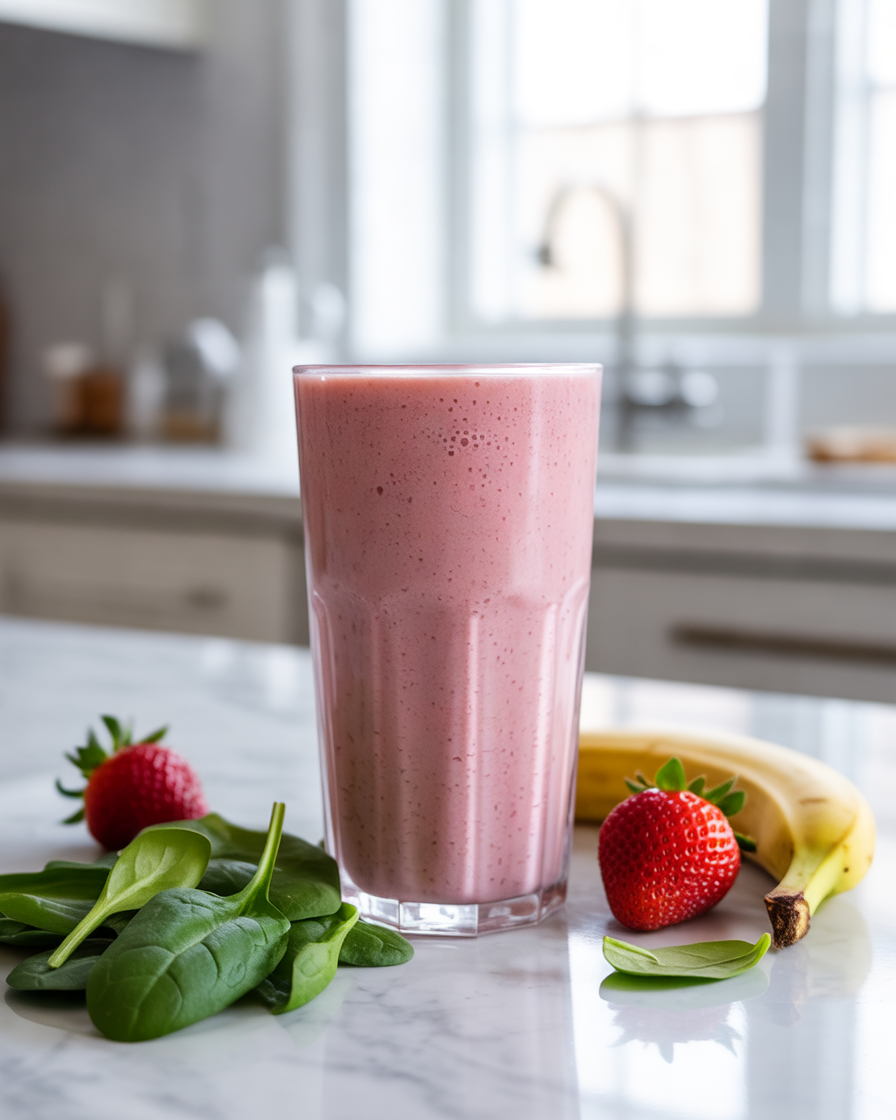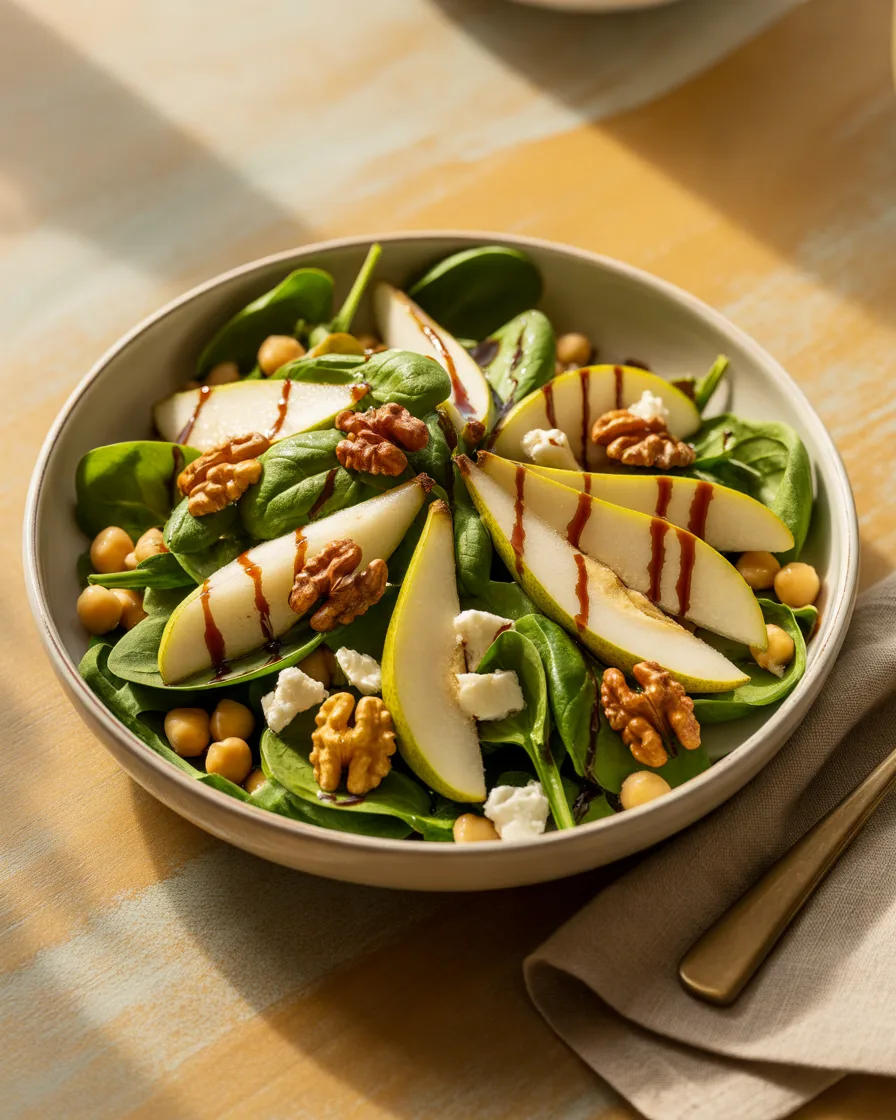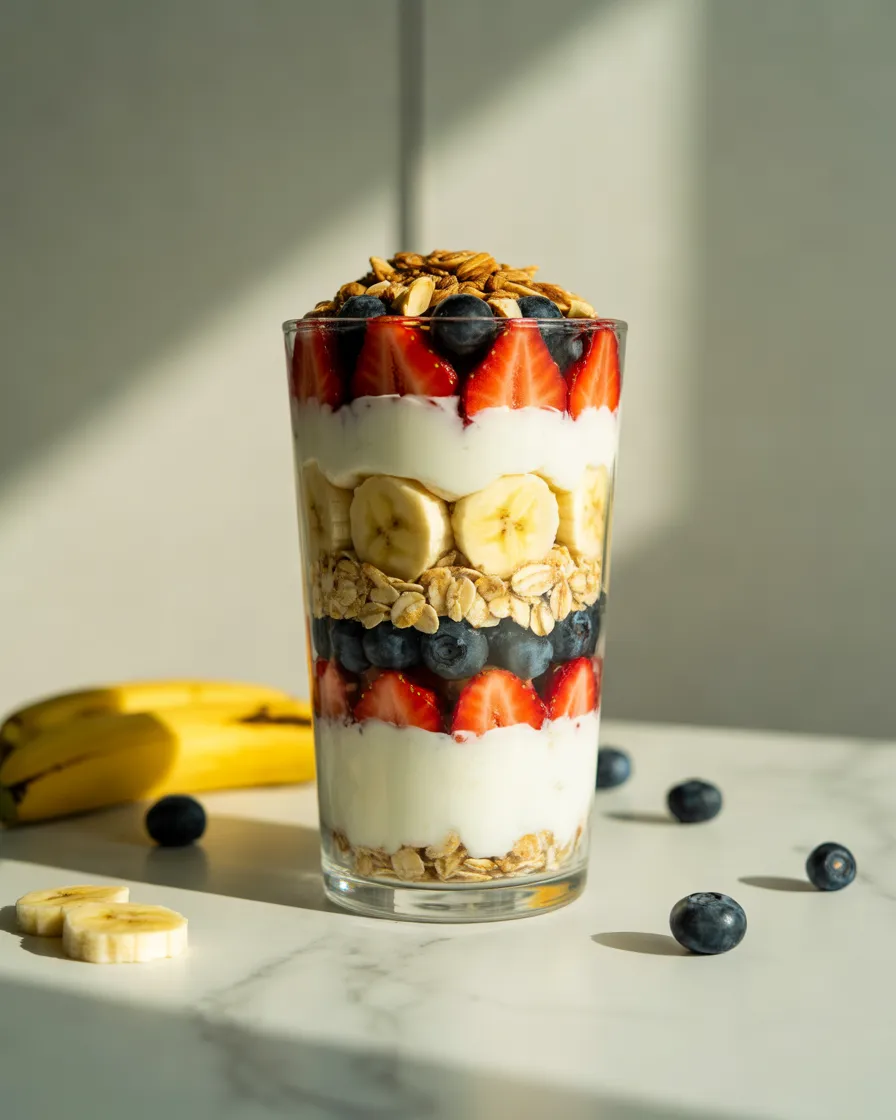
Healthy baking recipes prove that homemade treats do not have to be loaded with sugar and butter. With a few smart swaps — whole grains instead of white flour, fruit for sweetness, yogurt instead of cream — you can bake cakes, breads, and cookies that taste genuinely good and feel lighter too.
The best healthy bakes are not about strict rules or strange ingredients. They use everyday pantry staples and simple techniques, so anyone can make them, whether you bake every week or only now and then.
In this guide, you will find 12 healthy baking recipes, each with clear ingredients, practical tips, and honest notes on who each bake may suit. Most of them freeze well, so you can bake once and enjoy them through the week.
1. Whole Wheat Banana Bread
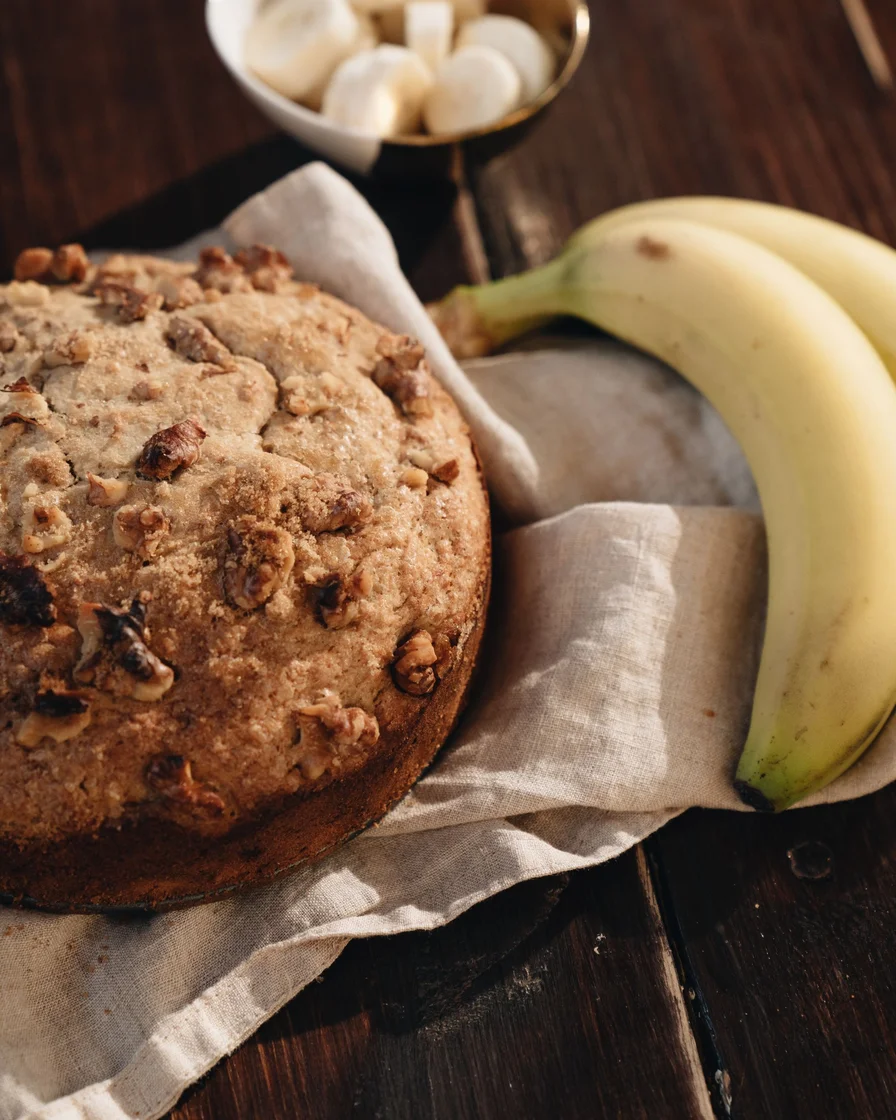
Banana bread is the classic healthy bake, and whole wheat flour makes it even better. Ripe bananas bring natural sweetness and moisture, so you need far less added sugar and fat than a standard loaf.
Benefits: Whole wheat flour adds fibre, bananas provide potassium, and the loaf works as breakfast, a snack, or a lunchbox filler. It is one of the most forgiving bakes for beginners.
How to make it: Mash 3 ripe bananas, mix with 2 eggs, 60 ml oil, and a little honey, then fold in 200 g whole wheat flour, baking soda, cinnamon, and a pinch of salt. Bake at 180°C for 50–55 minutes.
Practical tips: The riper the bananas, the sweeter the loaf — use bananas with plenty of brown spots. Add walnuts or dark chocolate chips if you like.
Who it may suit: Anyone with overripe bananas to use up, and a great first bake for beginners.
Things to keep in mind: It keeps for 3 days in an airtight container, or slice and freeze for up to 3 months. Check the centre with a skewer before taking it out.
2. Baked Berry Oatmeal
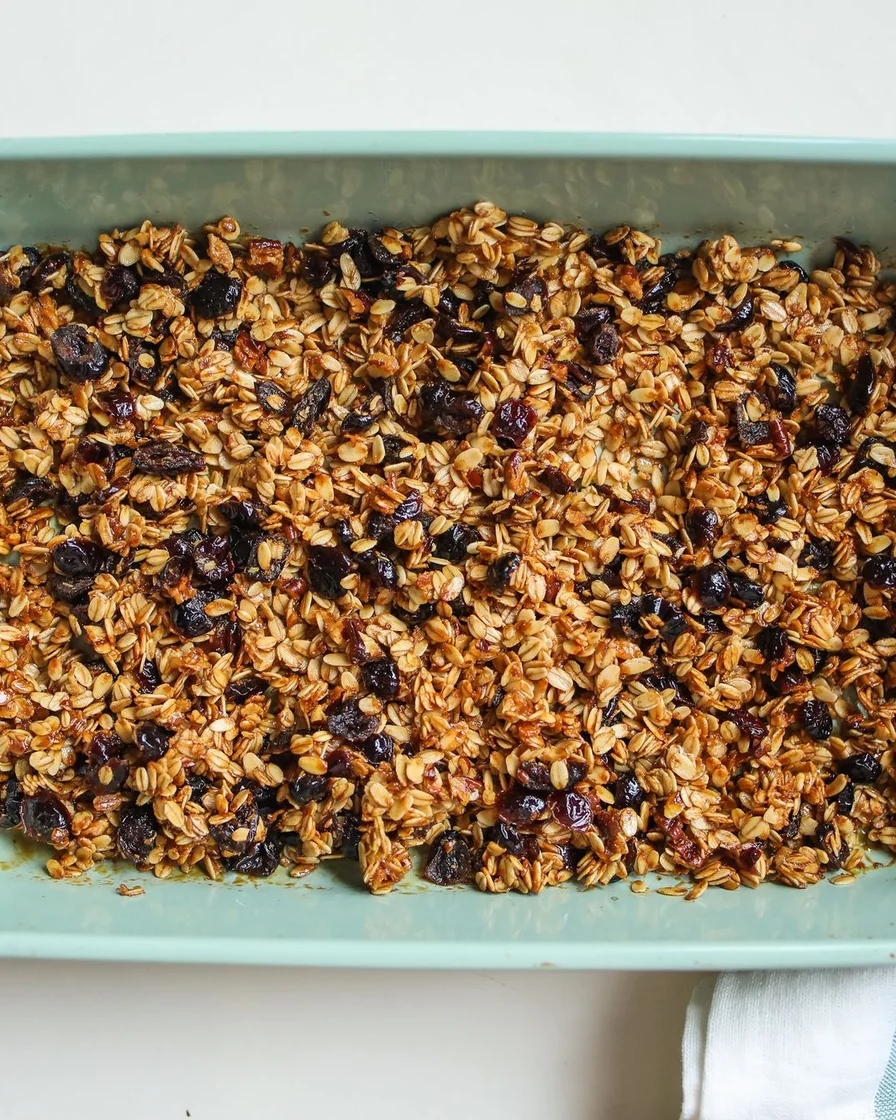
Baked oatmeal is breakfast and baking in one dish. Rolled oats soak up milk and egg, then bake into a soft, sliceable tray studded with berries — much easier than standing over a pan on a busy morning.
Benefits: Oats provide slow-release energy and fibre, berries add vitamin C, and one tray makes breakfast for several days. It is naturally filling without being heavy.
How to make it: Mix 200 g rolled oats, 500 ml milk, 2 eggs, 2 tablespoons honey, cinnamon, and 200 g mixed berries in a greased dish. Bake at 180°C for 35–40 minutes until set.
Practical tips: Frozen berries work just as well as fresh and cost less. Add a handful of nuts on top for crunch.
Who it may suit: Busy households and meal preppers — it reheats well all week.
Things to keep in mind: Use certified gluten-free oats if you need the bake to be gluten-free. Let it cool for 10 minutes before slicing so it holds together.
3. Almond Flour Blueberry Loaf
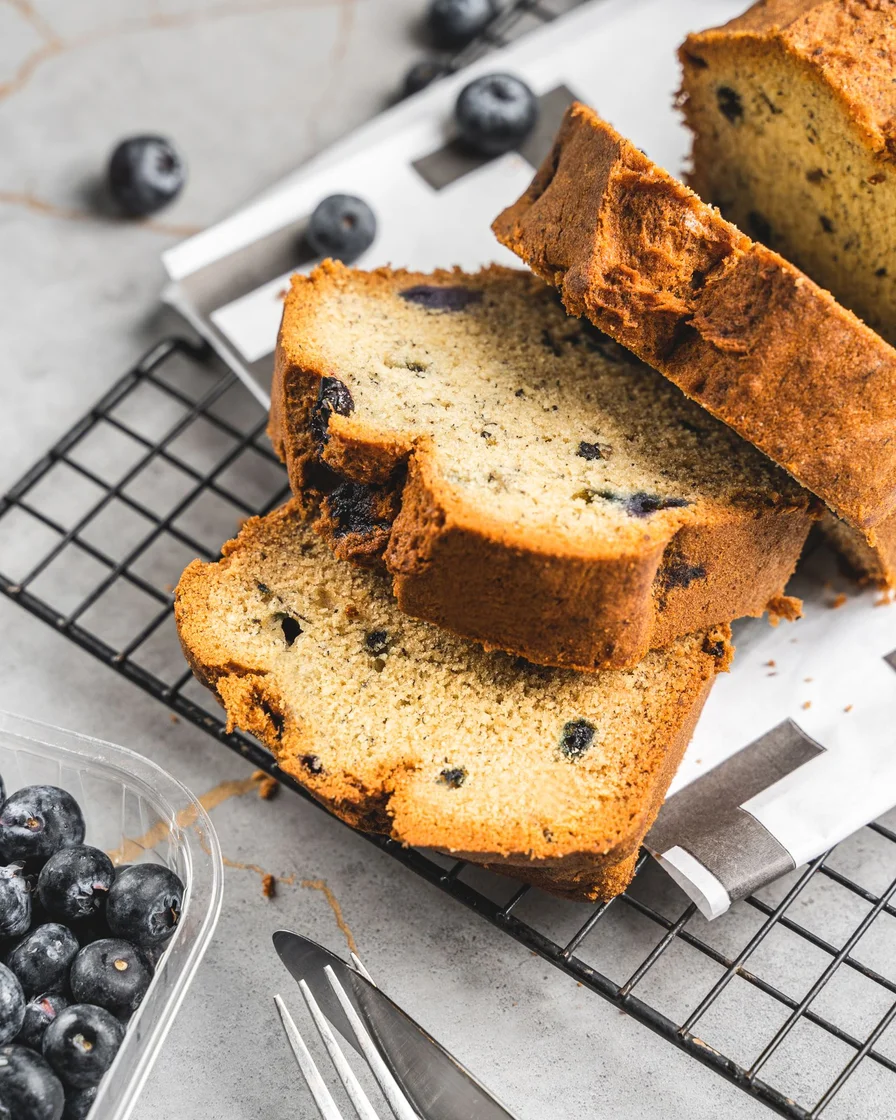
Almond flour gives this loaf a moist, tender crumb and a gentle nutty flavour that works beautifully with blueberries. It feels like a treat, but it is lighter than a butter-heavy cake.
Benefits: Almond flour is naturally gluten-free and higher in protein and healthy fats than wheat flour. Blueberries add sweetness and colour with no added sugar needed beyond a little honey.
How to make it: Whisk 3 eggs with 80 ml honey and 60 ml oil, then fold in 250 g almond flour, baking powder, lemon zest, and 150 g blueberries. Bake at 170°C for 45–50 minutes.
Practical tips: Toss the blueberries in a spoonful of flour before folding them in — this stops them sinking to the bottom. Line the tin well, as almond flour loaves can stick.
Who it may suit: A good choice for gluten-free bakers and anyone who likes a moist, dense loaf.
Things to keep in mind: Almond flour is more expensive than wheat flour, so this is a weekend bake for many people. It keeps best in the fridge after day two.
4. Flourless Sweet Potato Brownies
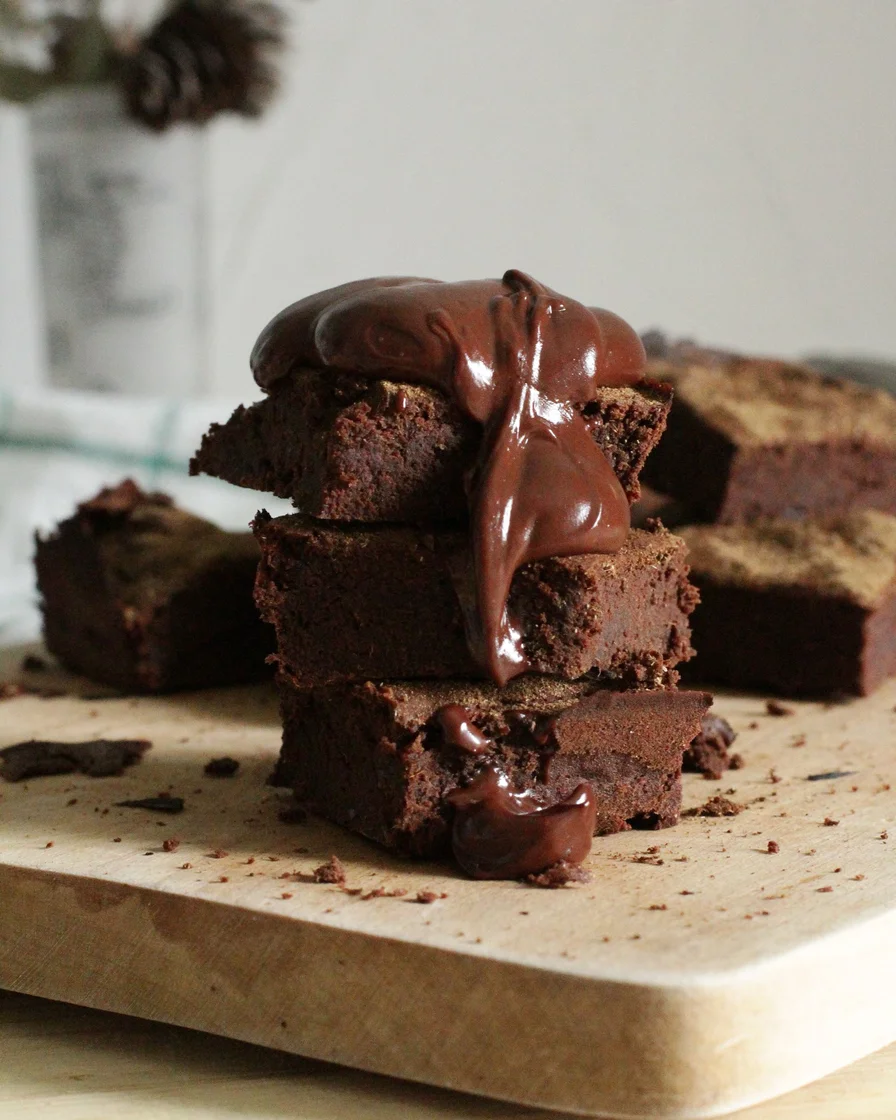
These brownies use cooked sweet potato instead of flour, which sounds unusual until you taste them. The result is dense, fudgy, and richly chocolatey — most people never guess the secret ingredient.
Benefits: Sweet potato adds fibre and vitamin A, and the brownies need no refined flour at all. Cocoa provides deep chocolate flavour with very little fat.
How to make it: Blend 300 g cooked sweet potato with 2 eggs, 60 g cocoa powder, 80 ml maple syrup, and a spoonful of nut butter until smooth. Pour into a lined tin and bake at 180°C for 25 minutes.
Practical tips: Let them cool completely before cutting — they firm up as they cool. A pinch of salt makes the chocolate flavour stronger.
Who it may suit: Chocolate lovers who want a lighter brownie, and a good gluten-free option.
Things to keep in mind: They are softer than regular brownies, so store them in the fridge. Use a ripe, sweet variety of sweet potato for the best flavour.
5. Baked Carrot Cake Bars
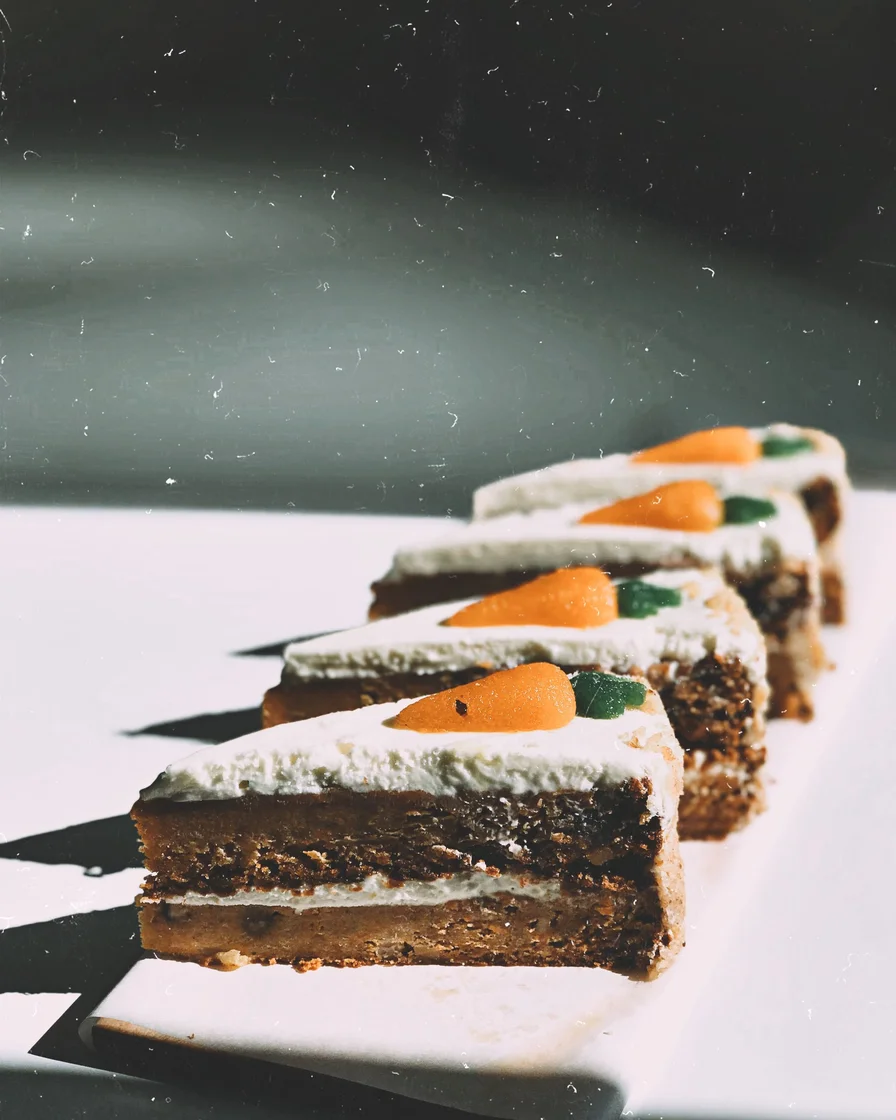
All the warm spice and sweetness of carrot cake, baked as easy bars instead of a layered cake. Grated carrot keeps them moist, and a thin yogurt topping replaces heavy frosting.
Benefits: Carrots add fibre and natural sweetness, walnuts bring healthy fats, and the bars are portioned already — no slicing decisions needed.
How to make it: Mix 200 g whole wheat flour, 2 grated carrots, 2 eggs, 80 ml oil, 80 g honey, cinnamon, and baking soda. Bake in a lined tin at 180°C for 25–30 minutes, then spread with Greek yogurt mixed with a little honey.
Practical tips: Grate the carrots finely so they blend into the crumb. Toast the walnuts first for extra flavour.
Who it may suit: Great for lunchboxes, bake sales, and anyone who likes carrot cake without the fuss.
Things to keep in mind: Keep refrigerated once topped with yogurt. They keep for 3 days in the fridge.
6. Zucchini Walnut Bread
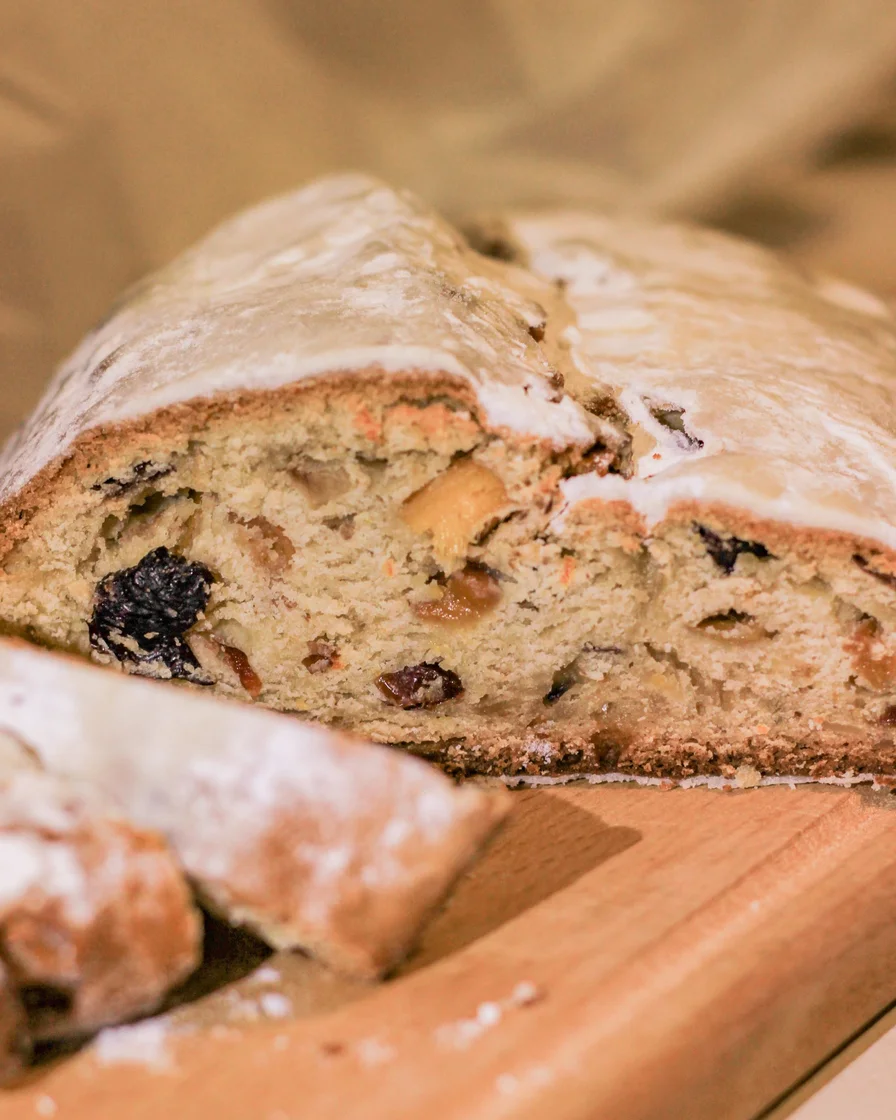
Zucchini disappears into this loaf, leaving only moisture behind. It is a clever way to bake with a vegetable that many people struggle to use up, and the walnuts add a satisfying crunch.
Benefits: Zucchini adds moisture and fibre with very few calories, and walnuts provide healthy fats. The loaf stays moist for days without much added fat.
How to make it: Mix 200 g whole wheat flour, 1 grated zucchini (squeezed dry), 2 eggs, 60 ml oil, 80 g honey, cinnamon, and 80 g chopped walnuts. Bake at 180°C for 50 minutes.
Practical tips: Squeeze the grated zucchini in a clean cloth to remove excess water, or the loaf will be soggy. Cinnamon and a little nutmeg suit it well.
Who it may suit: Gardeners with too many zucchini, and anyone who wants a moist, not-too-sweet loaf.
Things to keep in mind: The loaf is best the day after baking, once the flavours settle. It freezes well in slices.
7. Peanut Butter Oat Cookies
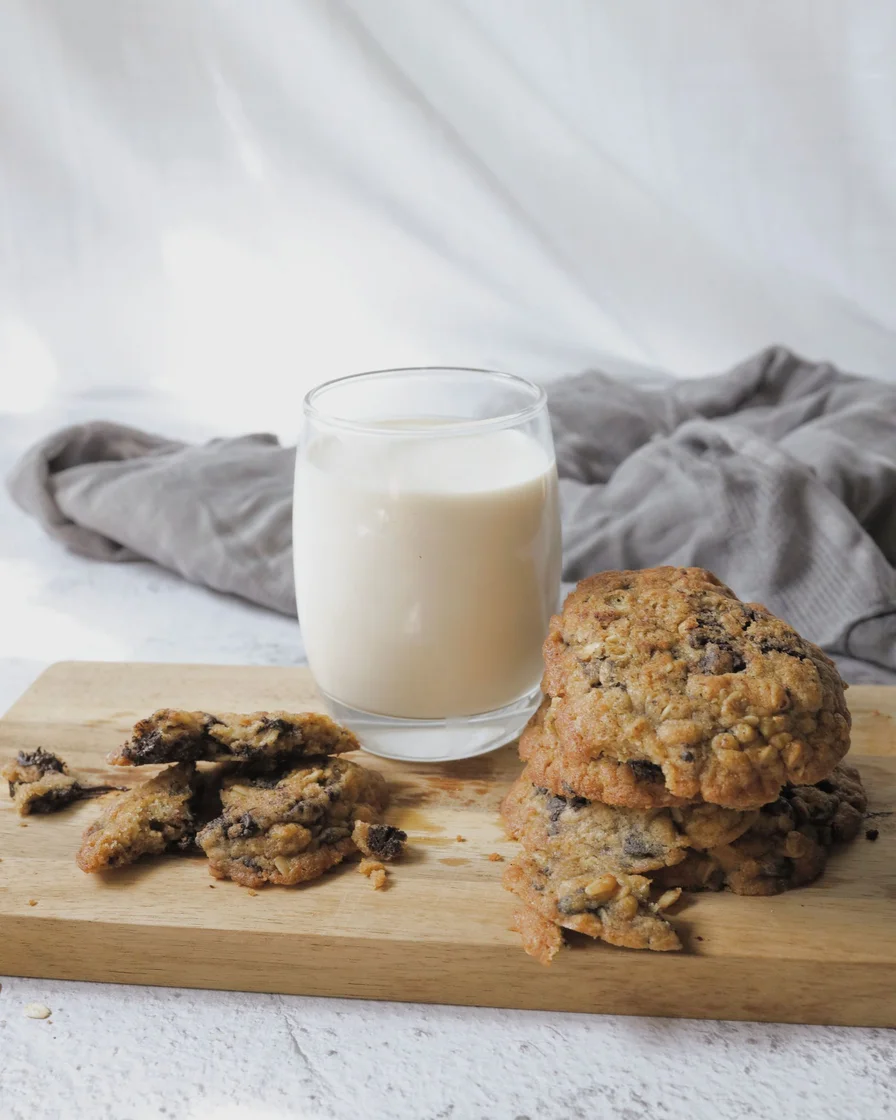
These cookies need only a handful of ingredients and no flour at all. Peanut butter and oats make a chewy, satisfying biscuit that works as a snack or a quick breakfast on the go.
Benefits: Oats add fibre, peanut butter provides protein and healthy fats, and the cookies contain far less sugar than most shop-bought biscuits.
How to make it: Mix 200 g peanut butter, 100 g oats, 1 egg, 60 g honey, and a pinch of salt. Shape into small balls, flatten with a fork, and bake at 180°C for 10–12 minutes.
Practical tips: Use natural peanut butter with no added sugar for the healthiest version. Do not overbake — they firm up as they cool.
Who it may suit: A good lunchbox cookie and a quick bake when you want something sweet in under half an hour.
Things to keep in mind: They contain peanuts, so they are not suitable for nut-free settings. Store in an airtight tin for up to a week.
8. Apple Cinnamon Scones
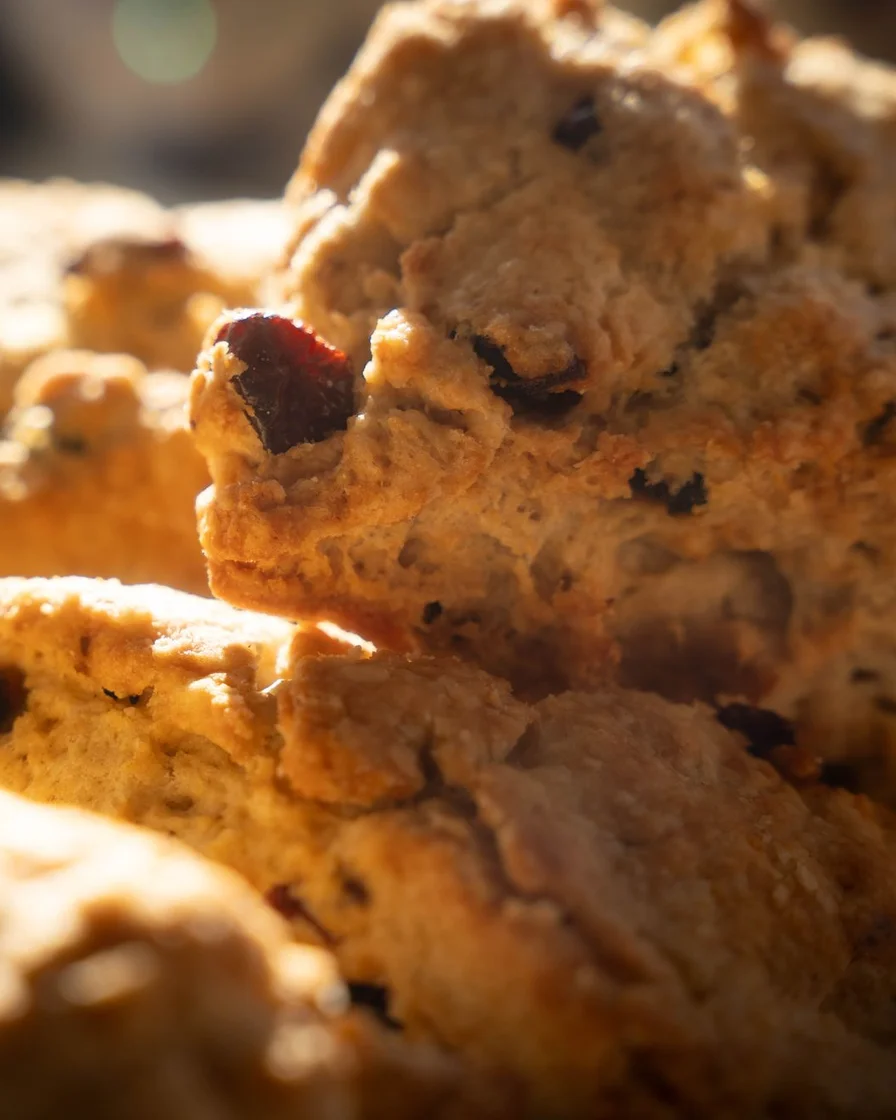
Scones feel like a weekend treat, and this lighter version uses yogurt instead of cream and diced apple for sweetness. They are best eaten warm, split open with a little butter or jam.
Benefits: Apple adds fibre and natural sweetness, yogurt keeps the dough light, and whole wheat flour adds more fibre than white flour.
How to make it: Rub 40 g cold butter into 250 g whole wheat flour, then stir in 1 diced apple, cinnamon, 150 g yogurt, and 1 egg. Shape into rounds and bake at 200°C for 15–18 minutes.
Practical tips: Handle the dough as little as possible — overworking makes scones tough. A little milk brushed on top gives a golden finish.
Who it may suit: Weekend bakers and anyone who likes a warm bake with a cup of tea.
Things to keep in mind: Scones are best the day they are made. They can be frozen unbaked and baked straight from the freezer — just add a few minutes.
9. Light Lemon Yogurt Cake
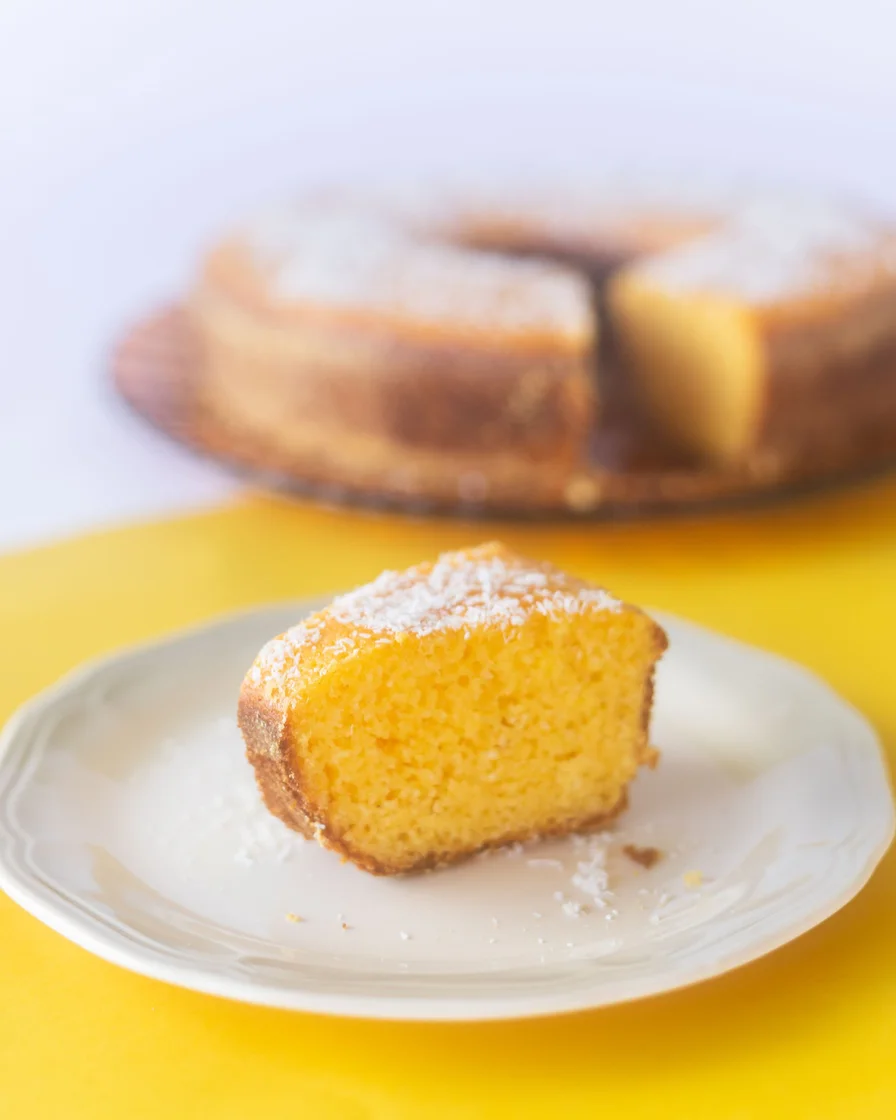
This is a soft, lightly tangy cake that uses yogurt instead of butter for most of the richness. Lemon zest and juice give it a bright flavour that suits afternoon tea or a light dessert.
Benefits: Greek yogurt adds protein and keeps the cake moist with far less fat than butter. Lemon brings fresh flavour without any added sugar.
How to make it: Whisk 3 eggs with 120 g sugar and 200 g Greek yogurt, then fold in 200 g flour, baking powder, lemon zest, and juice. Bake at 180°C for 35–40 minutes.
Practical tips: Use full-fat Greek yogurt for the best texture. A simple lemon glaze made with a little icing sugar and juice is optional but lovely.
Who it may suit: Anyone who likes citrus bakes and wants a lighter cake for sharing.
Things to keep in mind: The cake is best eaten within 2 days. Keep it covered so it does not dry out.
10. Pumpkin Spice Loaf
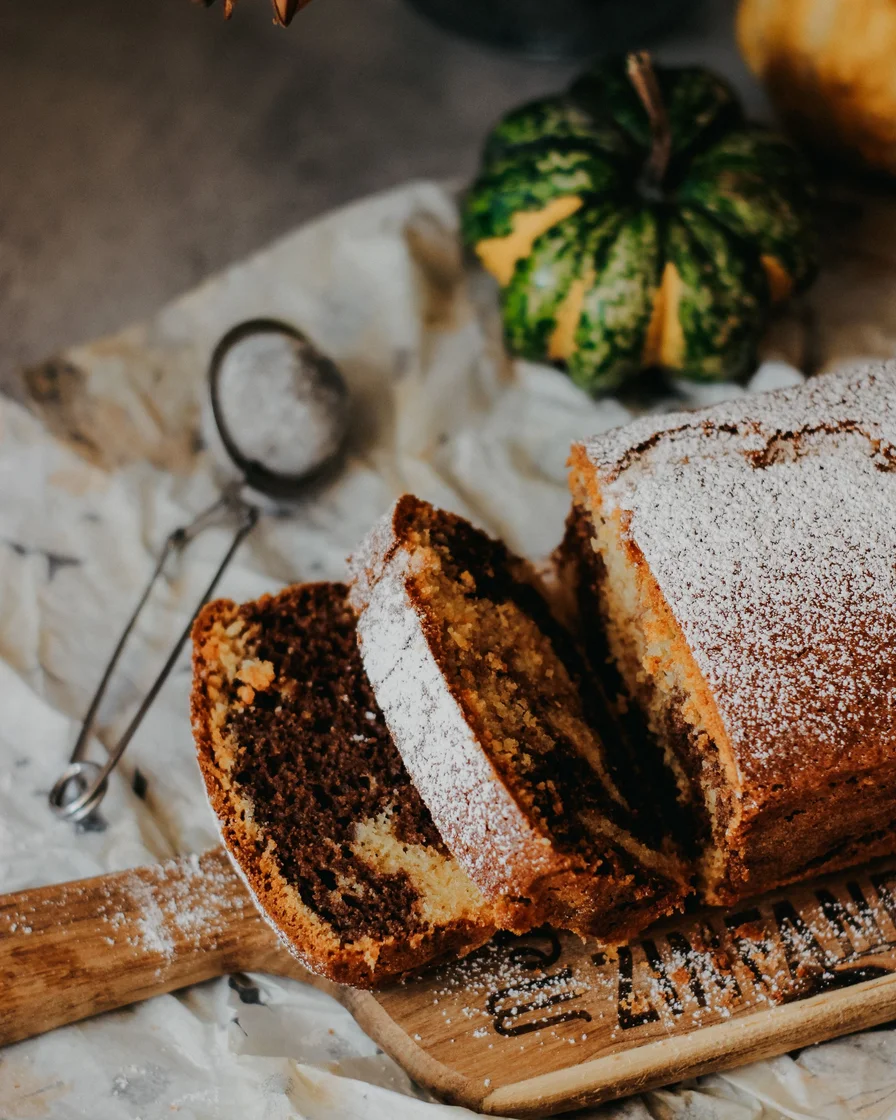
Pumpkin puree makes an exceptionally moist loaf, and warm spices — cinnamon, ginger, nutmeg — give it a cosy flavour that works all year, not just in autumn.
Benefits: Pumpkin is rich in vitamin A and fibre, and the puree replaces much of the fat in the recipe. The spices add flavour without calories.
How to make it: Mix 200 g pumpkin puree with 2 eggs, 80 ml oil, and 100 g honey, then fold in 200 g whole wheat flour, baking soda, and mixed spice. Bake at 180°C for 50–55 minutes.
Practical tips: Use plain pumpkin puree, not pumpkin pie filling, which is already sweetened and spiced. Add a handful of pumpkin seeds on top for crunch.
Who it may suit: A lovely autumn bake, and a good way to use up a tin of pumpkin puree.
Things to keep in mind: Canned pumpkin varies in sweetness, so taste the batter and adjust the honey if needed. The loaf keeps for 4 days in an airtight container.
11. Wholemeal Cinnamon Swirl Bread
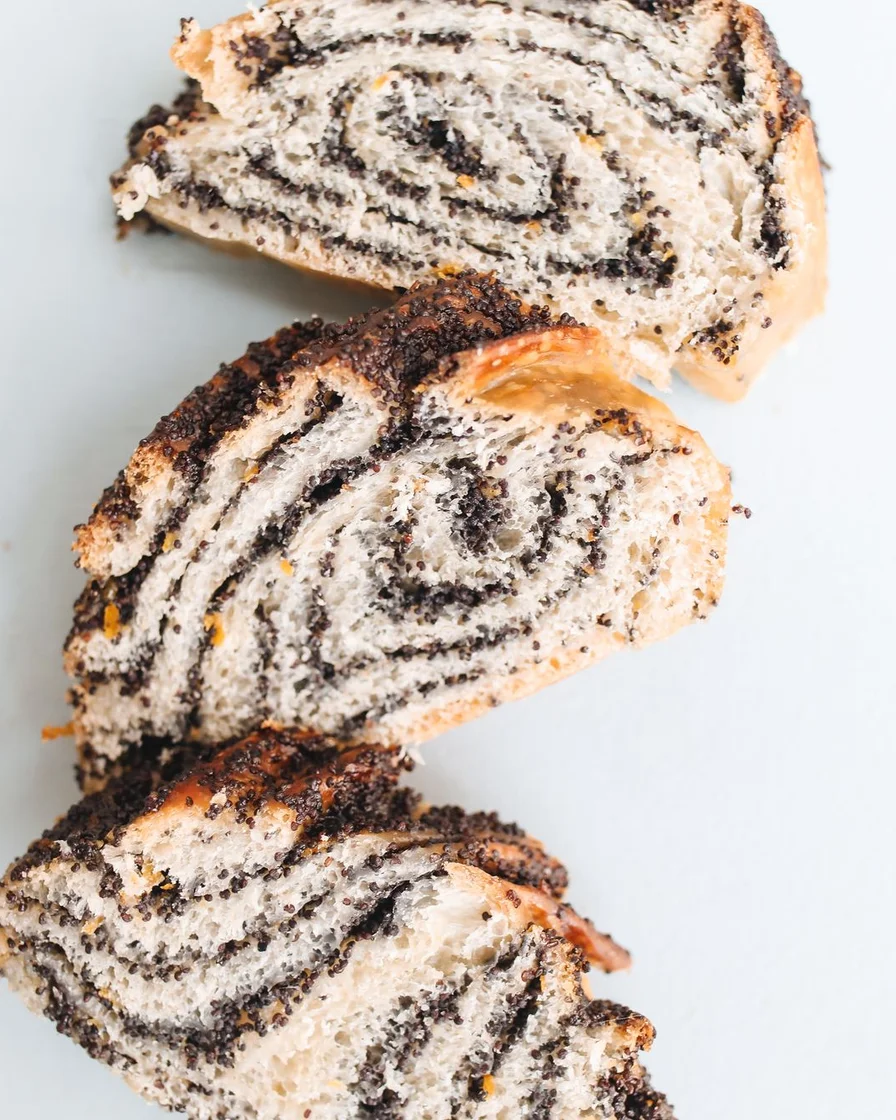
This loaf looks impressive when sliced, with ribbons of cinnamon running through it, but the method is simple. It is sweet enough for breakfast toast yet light enough for an everyday bread.
Benefits: Wholemeal flour adds fibre, cinnamon brings warmth and sweetness with no extra sugar, and a slice with nut butter makes a filling breakfast.
How to make it: Make a simple wholemeal dough with 400 g flour, yeast, water, and a little honey. Roll it out, spread with cinnamon and a little sugar, roll up, and bake at 190°C for 30–35 minutes.
Practical tips: Let the dough rise in a warm spot until doubled — rushing the rise makes a dense loaf. Brush the top with milk for a soft crust.
Who it may suit: Bread bakers who want a slightly sweet loaf, and families who like toast for breakfast.
Things to keep in mind: Yeast bread takes time, so allow about 2 hours including rising. The loaf freezes well in slices.
12. Oat and Berry Crumble Bars
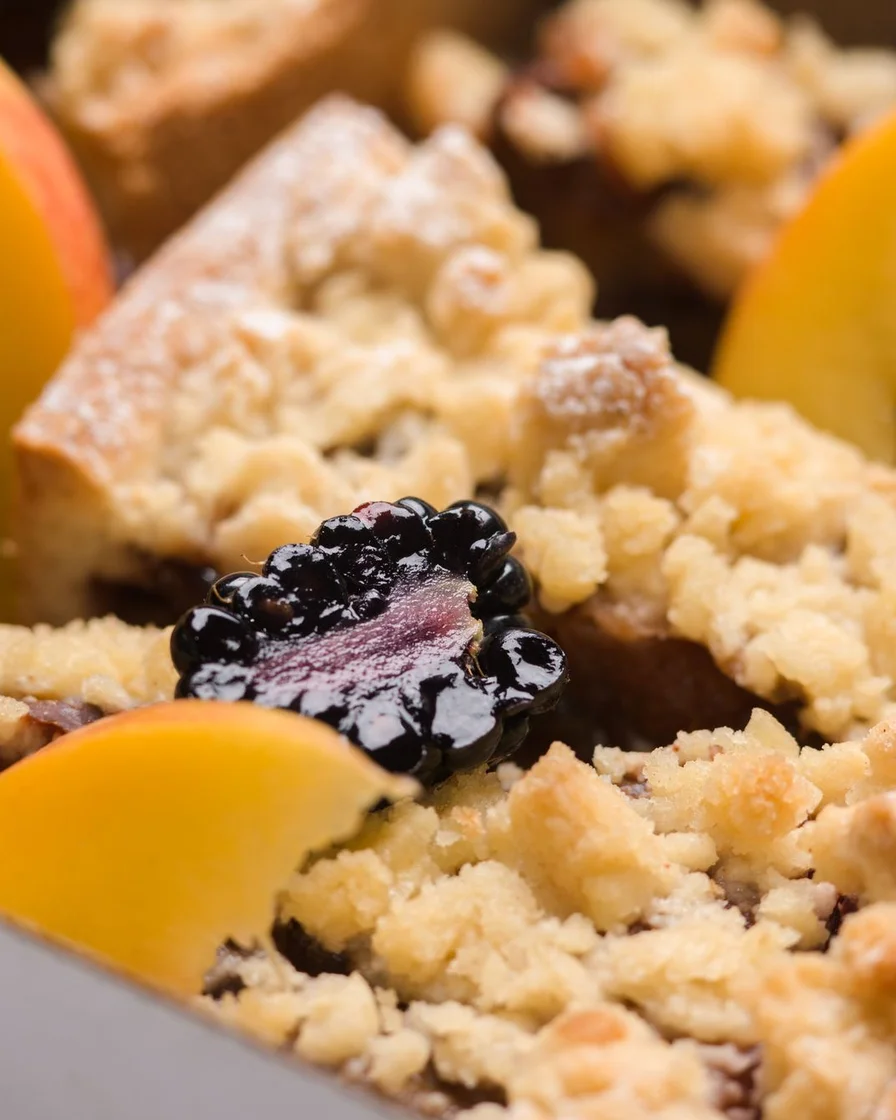
These bars have a soft oat base, a jammy berry middle, and a crunchy crumble top. They taste like a fruit crumble you can hold in your hand, and they are much lighter than most traybakes.
Benefits: Oats and berries provide fibre, the filling uses real fruit instead of jam, and the bars are easy to portion for snacks.
How to make it: Press half an oat, flour, and butter mixture into a lined tin, spread with 300 g lightly crushed berries, then scatter the rest of the mixture on top. Bake at 180°C for 30–35 minutes.
Practical tips: Let the bars cool completely before cutting, or they will fall apart. Frozen berries work well — no need to thaw them first.
Who it may suit: A good bake-sale bar and a handy grab-and-go snack.
Things to keep in mind: They keep for 3 days in the fridge. Use a sharp knife and clean cuts for neat squares.
Expert Tips for Healthier Baking
These tips apply to every recipe in this list and will help you bake lighter without losing flavour.
- Swap half the sugar first. Cutting sugar by a third to a half rarely ruins a recipe, and fruit, cinnamon, and vanilla can make up the flavour.
- Use fruit for moisture. Mashed banana, applesauce, and pumpkin puree replace some of the butter or oil in many bakes.
- Try yogurt instead of cream. Greek yogurt works in cakes, scones, and toppings, adding protein and cutting fat.
- Choose whole grains. Whole wheat flour adds fibre and a nutty flavour. Start by replacing half the white flour if the change feels big.
- Measure flour properly. Spoon it into the cup and level it off — scooping packs it down and makes bakes heavy.
- Do not overbake. Lighter bakes dry out faster, so check a few minutes before the timer ends.
- Cool before cutting. Bars, brownies, and loaves firm up as they cool — cutting too soon makes them crumble.
- Freeze in portions. Most of these bakes freeze well for up to 3 months, so bake once and enjoy them through the week.
Frequently Asked Questions
What makes a baking recipe healthy?
It is about the balance of ingredients: whole grains, less added sugar, fruit for sweetness, and healthier fats. No single bake is a health food, but small swaps add up across a week of baking.
Can I replace sugar with honey or maple syrup?
Yes, in most recipes — use about three-quarters of the amount and reduce other liquid slightly. Honey and maple syrup are still sugars, so the bake is not sugar-free, but they add flavour that white sugar does not.
How do I make healthy bakes gluten-free?
Almond flour, oat flour, and gluten-free flour blends work in many of these recipes. Check that your oats and baking powder are certified gluten-free if it matters for you.
Why did my healthy bake turn out dry?
The most common reasons are too much flour, overbaking, or not enough moisture. Measure flour by spooning it in, check the bake early, and make sure wet ingredients like banana and yogurt are fresh and full-fat where the recipe says so.
How long do healthy bakes keep?
Most loaves and bars keep 3 to 4 days in an airtight container, or up to 3 months in the freezer. Bakes with yogurt toppings should be refrigerated and eaten within 3 days.
Conclusion
These 12 healthy baking recipes show that lighter baking does not mean missing out. With whole grains, fruit, and a few smart swaps, you can bake breads, cakes, and cookies that taste wonderful and fit easily into everyday eating.
Start with one recipe that appeals to you — banana bread is a forgiving first bake — and adjust the sweetness to your taste. Once you are comfortable with the swaps, you can apply them to your own favourite recipes too.
And remember, baking is meant to be enjoyed. A homemade treat, made with care and good ingredients, is already a better choice than most shop-bought options.