Eating healthier does not have to mean giving up delicious food or preparing complicated meals. Sometimes, all you need is a bowl of fresh vegetables, a source of protein, a handful of flavorful ingredients, and a simple homemade dressing.
That is what makes healthy salad recipes so useful. They are easy to customize, suitable for different dietary preferences, and can work as quick lunches, light dinners, meal-prep options, or refreshing side dishes. Whether you want to eat more vegetables, add lean protein to your meals, or simply find new ways to enjoy fresh ingredients, there is a salad for almost every occasion.
The best salads are not just bowls of lettuce. They combine different textures, colors, flavors, and nutrients to create satisfying meals. Adding ingredients such as grilled chicken, chickpeas, quinoa, avocado, nuts, seeds, and colorful vegetables can make a simple salad more filling and enjoyable.
In this guide, you will discover 12 healthy salad recipes that are easy to prepare at home. From protein-packed chicken salads to refreshing Mediterranean combinations and plant-based options, these ideas offer practical ways to make everyday meals more nutritious and interesting.
1. Grilled Chicken Avocado Salad
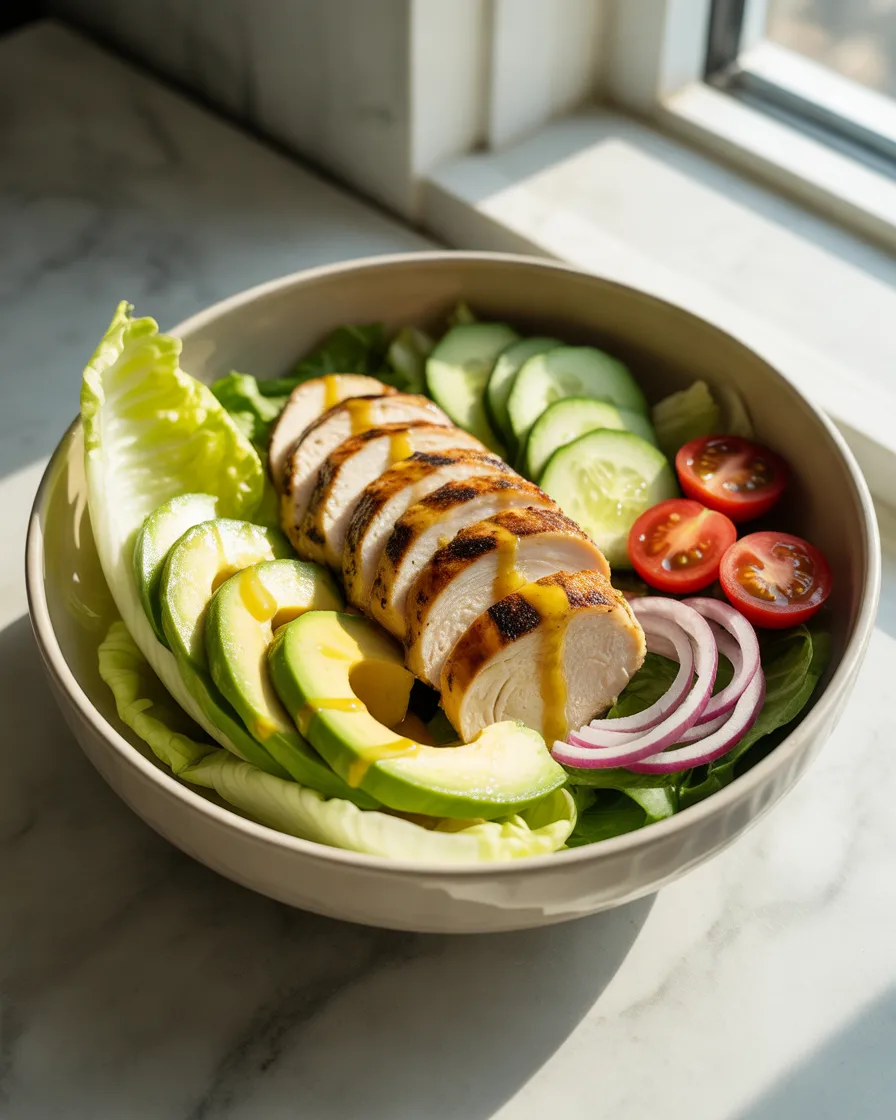
Grilled chicken avocado salad is an excellent choice when you want a filling, protein-rich meal that does not require complicated preparation. It combines tender chicken breast with creamy avocado, crisp vegetables, and a refreshing homemade dressing.
This salad works particularly well for lunch or dinner because it provides protein, fiber, and healthy unsaturated fats in one convenient bowl.
Ingredients:
- 1 boneless, skinless chicken breast
- 1 ripe avocado
- 2 cups chopped romaine lettuce
- 1 cup cherry tomatoes, halved
- ½ cucumber, sliced
- ¼ red onion, thinly sliced
- 1 tablespoon olive oil
- 1 tablespoon lemon juice
- Salt, black pepper, and paprika to taste
How to prepare it:
- Season the chicken breast with olive oil, paprika, salt, and black pepper.
- Grill in a pan or on an outdoor grill until the internal temperature reaches 165°F (74°C).
- Allow the chicken to rest before slicing it into strips.
- Arrange lettuce, tomatoes, cucumber, and red onion in a large bowl.
- Add sliced avocado and grilled chicken.
- Mix lemon juice with a little olive oil and drizzle over the salad.
Benefits: Chicken supplies high-quality protein, while avocado contributes monounsaturated fats and fiber. The vegetables provide vitamins, minerals, and additional fiber. Together, these ingredients create a balanced and satisfying meal.
Practical tips: Prepare extra grilled chicken and refrigerate it for future meals. Add the avocado immediately before serving to maintain its fresh appearance.
How to use it: Serve as a complete lunch or dinner. You can also place the ingredients in a whole-wheat wrap for a convenient meal on busy days.
Who it may suit: People looking for high-protein salad recipes, busy professionals, and anyone who enjoys a balanced meal with lean meat.
Important considerations: If you are watching your sodium intake, use less added salt. Keep cooked chicken refrigerated and consume it within three to four days.
2. Mediterranean Chickpea Salad
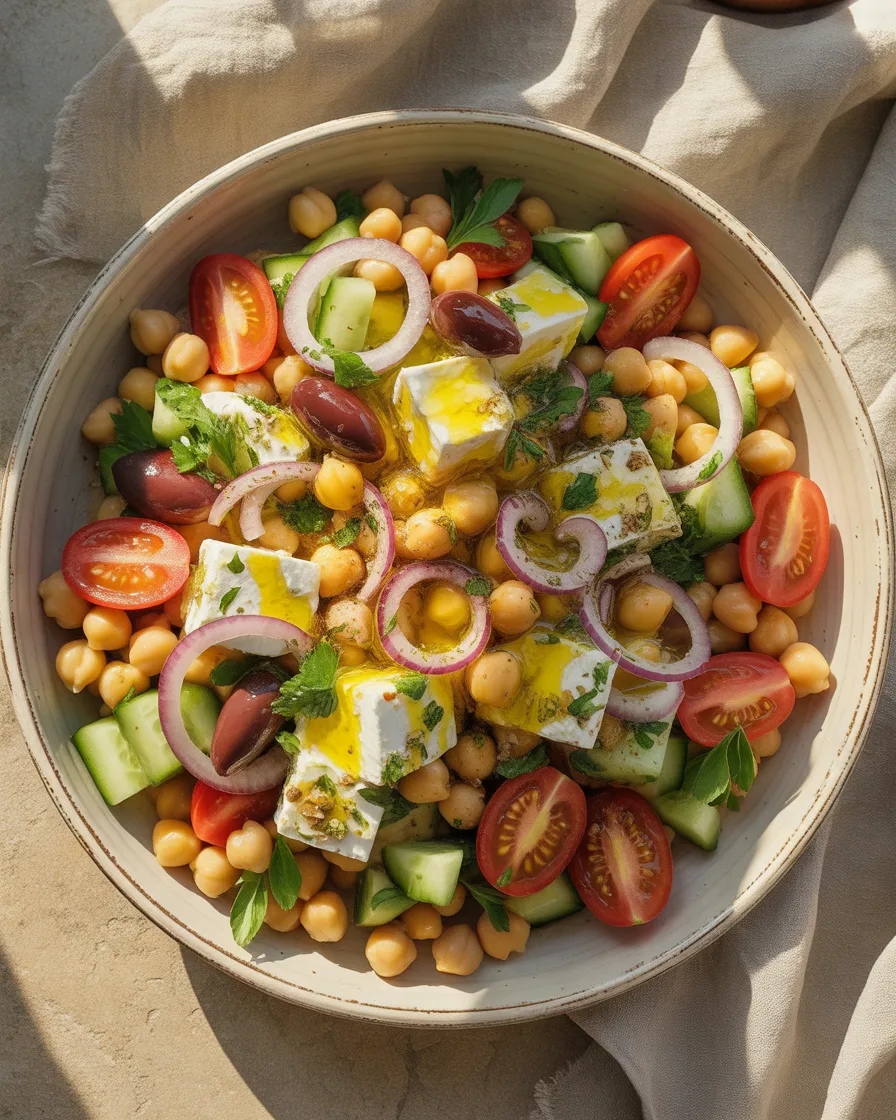
Mediterranean chickpea salad is a colorful, plant-based recipe that combines simple ingredients with bold flavors. Chickpeas provide plant protein and fiber, while cucumber, tomatoes, olives, and feta cheese create a refreshing combination.
One of the best things about this recipe is that it requires very little cooking. It is ideal for days when you want something nutritious without turning on the stove.
Ingredients:
- 1 can chickpeas, drained and rinsed
- 1 cup cherry tomatoes
- ½ cucumber, diced
- ¼ red onion, finely chopped
- ¼ cup crumbled feta cheese
- ¼ cup Kalamata olives
- 1 tablespoon extra-virgin olive oil
- 1 tablespoon lemon juice
- ½ teaspoon dried oregano
- Fresh parsley to taste
How to prepare it:
- Drain and rinse the chickpeas thoroughly.
- Place them in a large mixing bowl.
- Add tomatoes, cucumber, red onion, olives, and feta cheese.
- Combine olive oil, lemon juice, and oregano in a small bowl.
- Pour the dressing over the ingredients.
- Toss gently and finish with chopped parsley.
Benefits: Chickpeas contain plant-based protein, fiber, and important minerals. Vegetables contribute additional fiber and micronutrients, while olive oil provides unsaturated fats.
Practical tips: Make this salad a few hours before serving to allow the flavors to develop. Add feta just before serving if you prefer a firmer texture.
How to use it: Enjoy it as a light lunch, a side dish with grilled fish, or a filling addition to a Mediterranean-inspired meal-prep box.
Who it may suit: Vegetarians, people looking for easy plant-based meals, and anyone who enjoys Mediterranean flavors.
Important considerations: Canned chickpeas and feta can contain sodium. Choose lower-sodium versions when appropriate. Omit feta for a dairy-free version.
3. Quinoa Vegetable Power Salad
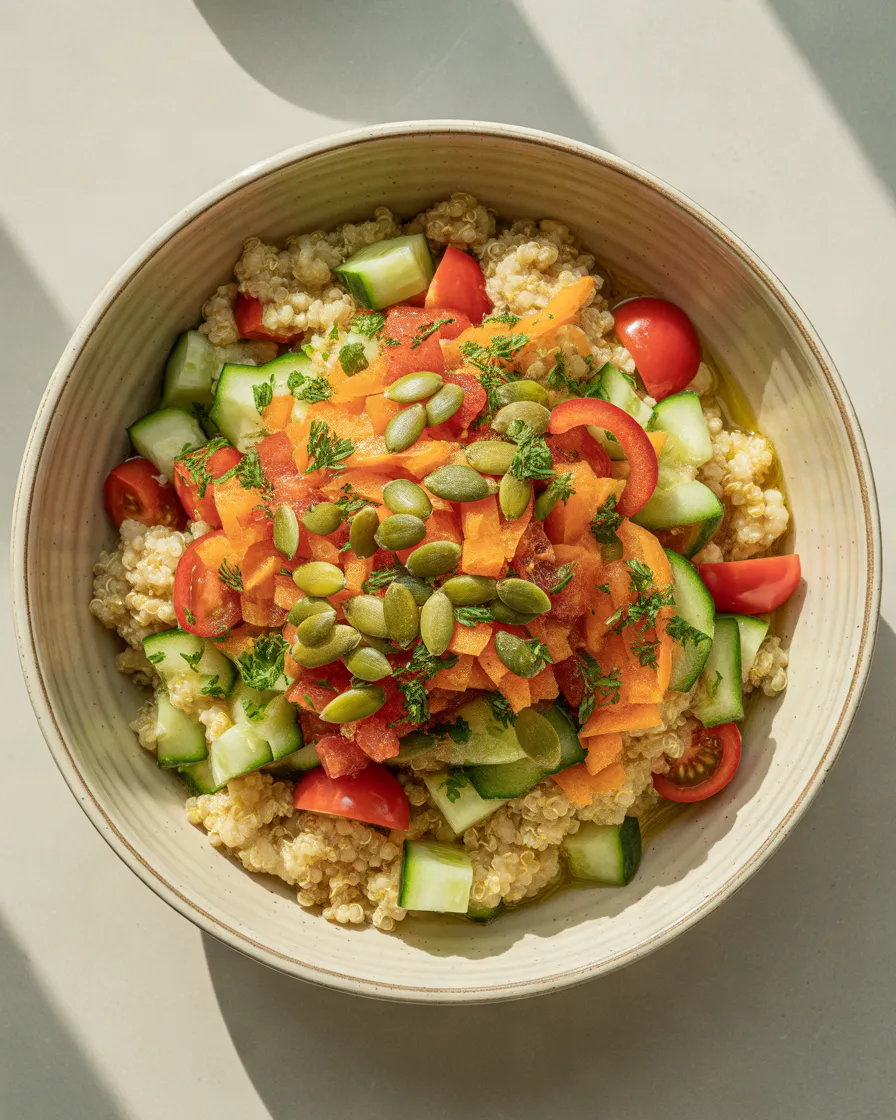
If you want a salad that can serve as a complete meal, quinoa vegetable power salad is worth adding to your weekly menu. Quinoa has a naturally satisfying texture and provides plant-based protein, fiber, and several essential minerals.
Combined with colorful vegetables and a simple lemon dressing, it becomes a convenient option for meal preparation.
Ingredients:
- 1 cup cooked quinoa
- ½ cup diced cucumber
- ½ cup cherry tomatoes
- ½ red bell pepper, chopped
- ¼ cup shredded carrots
- ¼ cup chopped parsley
- 2 tablespoons pumpkin seeds
- 1 tablespoon olive oil
- 1 tablespoon lemon juice
- Salt and black pepper to taste
How to prepare it:
- Rinse quinoa under cold running water.
- Cook according to the package instructions and allow it to cool.
- Chop the vegetables into small, evenly sized pieces.
- Combine the quinoa, cucumber, tomatoes, bell pepper, carrots, and parsley.
- Add pumpkin seeds.
- Mix olive oil and lemon juice, then toss everything together.
Benefits: Quinoa supplies fiber and plant protein. The vegetables provide a variety of vitamins, minerals, and antioxidants, while pumpkin seeds contribute minerals and healthy fats.
Practical tips: Cook quinoa in advance and store it in the refrigerator. Keep the dressing separate until serving if you are preparing multiple portions.
How to use it: Pack it for work lunches, serve it alongside grilled chicken, or enjoy it as a vegetarian dinner.
Who it may suit: Vegetarians, people interested in plant-based protein, and anyone who needs convenient make-ahead lunches.
Important considerations: Although quinoa is naturally gluten-free, check packaged ingredients and cross-contact information if you have celiac disease or need strict gluten avoidance.
4. Healthy Tuna and White Bean Salad
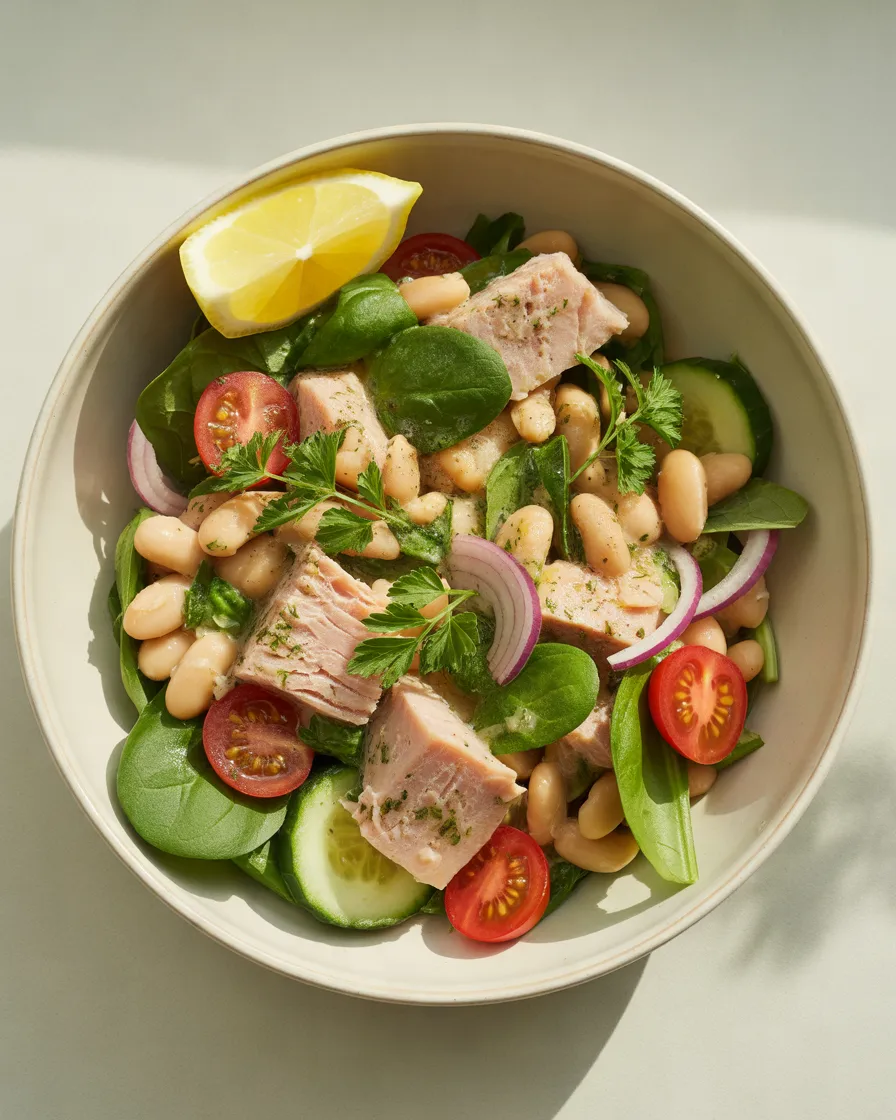
Tuna and white bean salad is a practical option for anyone who wants a protein-rich meal using pantry-friendly ingredients. It combines flaky tuna with creamy white beans, crunchy vegetables, and a simple lemon dressing.
Unlike many traditional tuna salads, this version does not depend on large amounts of mayonnaise. Instead, olive oil and lemon juice provide freshness without making the dish too heavy.
Ingredients:
- 1 can tuna in water, drained
- 1 cup cooked or canned white beans, rinsed
- ½ cucumber, chopped
- ½ cup cherry tomatoes
- ¼ red onion, sliced
- 2 cups baby spinach
- 1 tablespoon olive oil
- 1 tablespoon lemon juice
- Fresh parsley
- Black pepper to taste
How to prepare it:
- Drain the tuna and break it into smaller pieces using a fork.
- Rinse and drain the white beans.
- Place spinach, cucumber, tomatoes, and onion in a bowl.
- Add the tuna and white beans.
- Whisk olive oil, lemon juice, and black pepper.
- Pour over the salad and gently combine.
Benefits: Tuna provides protein and nutrients such as vitamin B12. White beans contribute fiber and additional plant protein. Spinach and other vegetables add important micronutrients.
Practical tips: Choose tuna packed in water for a lighter preparation. Use fresh lemon juice to balance the rich texture of the beans.
How to use it: Serve as a quick lunch, place it over whole-grain toast, or enjoy it with a small portion of whole-grain crackers.
Who it may suit: People who want convenient high-protein lunches, seafood lovers, and anyone who prefers minimal-cooking recipes.
Important considerations: Tuna contains mercury, and levels vary by species. Follow local fish-consumption guidance, particularly during pregnancy. People who need to limit sodium should check canned bean and tuna labels.
5. Greek Cucumber Tomato Salad
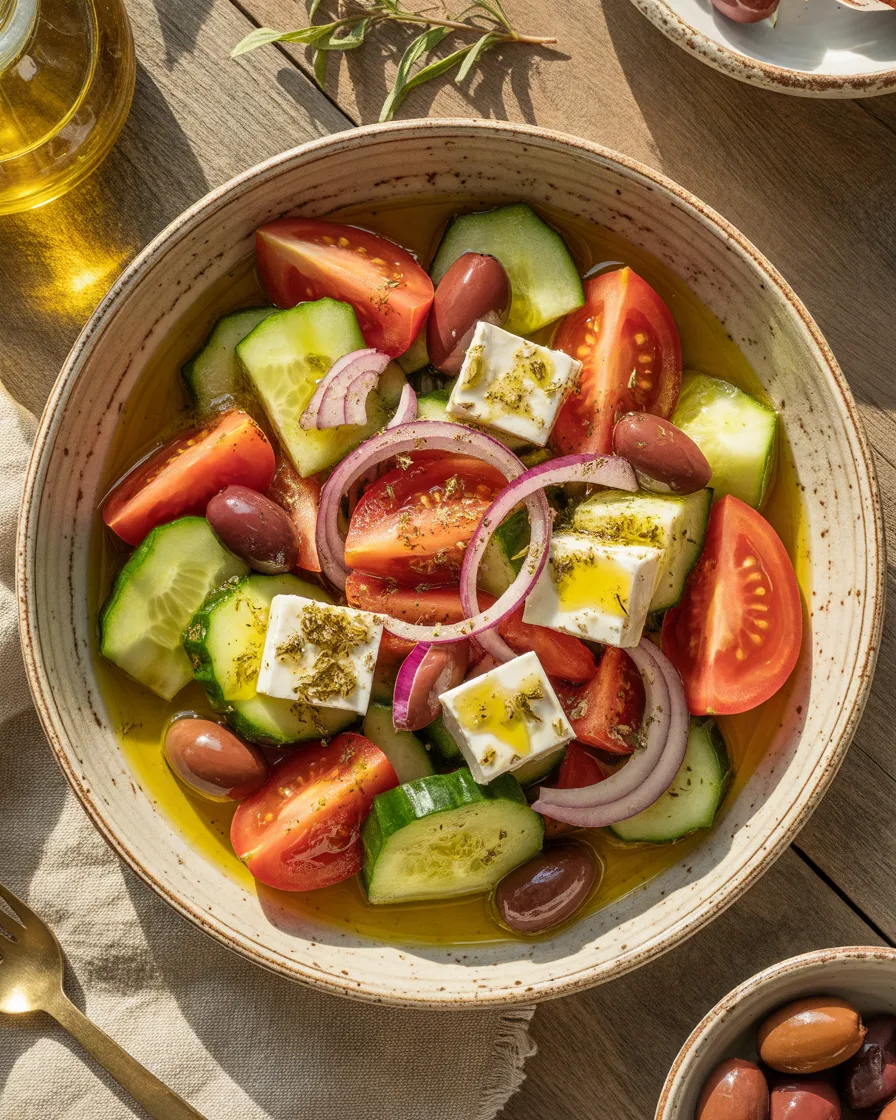
Greek cucumber tomato salad is a refreshing combination of crisp vegetables, olives, feta cheese, and aromatic herbs. It is especially enjoyable during warmer months when fresh tomatoes and cucumbers are widely available.
The recipe is simple, colorful, and easy to prepare in less than 15 minutes.
Ingredients:
- 2 medium tomatoes, chopped
- 1 cucumber, sliced
- ¼ red onion, thinly sliced
- ¼ cup Kalamata olives
- ¼ cup feta cheese
- 1 tablespoon extra-virgin olive oil
- 1 teaspoon red wine vinegar
- ½ teaspoon dried oregano
- Fresh black pepper
How to prepare it:
- Wash the vegetables thoroughly.
- Cut tomatoes into bite-sized pieces and slice the cucumber.
- Add the vegetables and olives to a serving bowl.
- Sprinkle crumbled feta and oregano over the top.
- Drizzle with olive oil and red wine vinegar.
- Toss gently before serving.
Benefits: Tomatoes contain lycopene, while cucumbers contribute water and a refreshing crunch. Olive oil provides unsaturated fats, and feta adds protein and calcium.
Practical tips: Use ripe but firm tomatoes to prevent excess liquid from collecting at the bottom of the bowl. Add the dressing shortly before serving.
How to use it: Serve with grilled chicken, baked fish, whole-grain pita, or as a refreshing side dish at family meals.
Who it may suit: People who enjoy fresh vegetable salads, Mediterranean-inspired dishes, and quick side dishes.
Important considerations: Feta and olives may increase the sodium content. Adjust the portions based on your dietary needs.
6. Rainbow Vegetable Crunch Salad
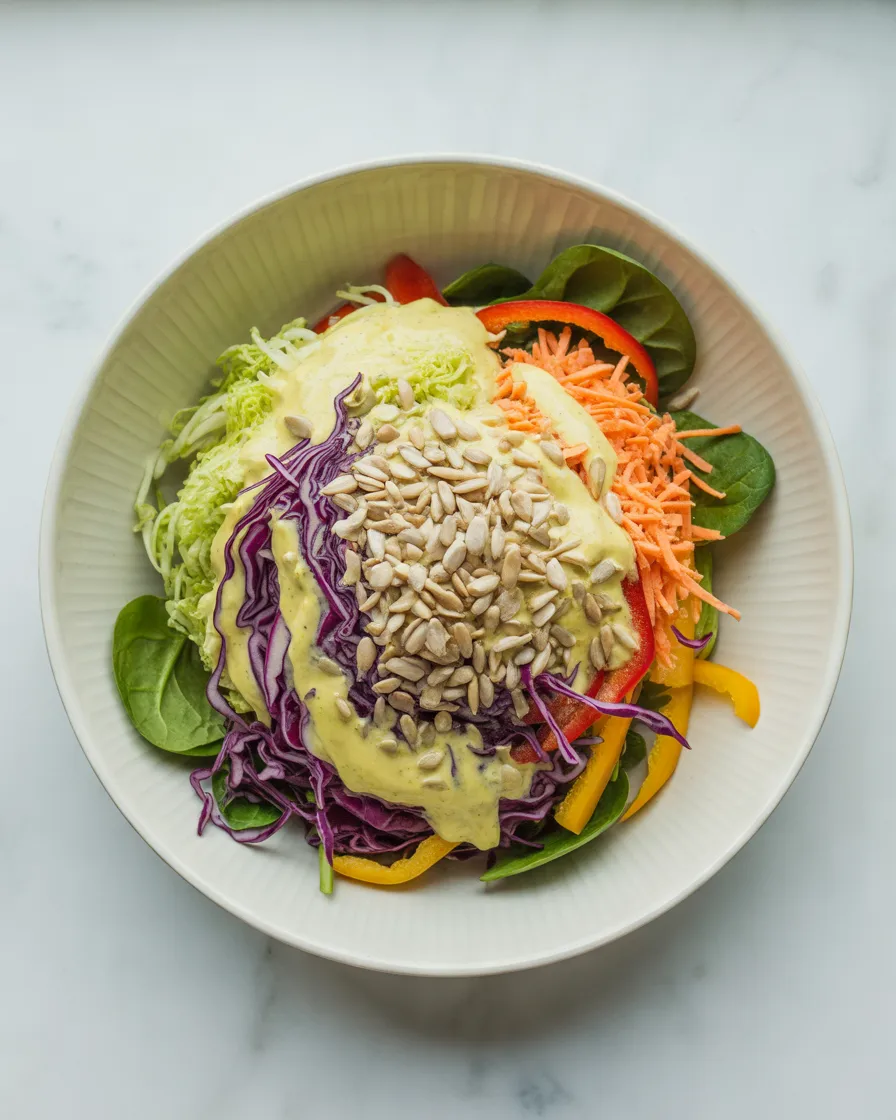
Rainbow vegetable crunch salad is a simple way to add more variety to your daily vegetable intake. Its appeal comes from the combination of colorful vegetables and different textures, including crunchy carrots, cabbage, peppers, and fresh greens.
It is also easy to customize according to seasonal produce and whatever you already have in your refrigerator.
Ingredients:
- 1 cup shredded purple cabbage
- 1 cup shredded green cabbage
- 1 carrot, grated
- ½ red bell pepper, sliced
- ½ yellow bell pepper, sliced
- 1 cup baby spinach
- 2 tablespoons sunflower seeds
- 2 tablespoons plain Greek yogurt
- 1 tablespoon lemon juice
- 1 teaspoon Dijon mustard
- Black pepper to taste
How to prepare it:
- Wash and prepare all the vegetables.
- Combine cabbage, carrot, bell peppers, and spinach in a large bowl.
- Mix Greek yogurt, lemon juice, mustard, and black pepper.
- Pour the dressing over the vegetables.
- Toss thoroughly to distribute the dressing.
- Finish with sunflower seeds.
Benefits: Different-colored vegetables offer a range of vitamins, minerals, and plant compounds. Cabbage and carrots contribute fiber, while sunflower seeds provide vitamin E and unsaturated fats.
Practical tips: Slice vegetables thinly for a more enjoyable texture. If preparing ahead, store the dressing separately to keep the vegetables crisp.
How to use it: Enjoy it with grilled fish, chicken sandwiches, baked potatoes, or as a crunchy side dish.
Who it may suit: Families, people looking to eat more vegetables, and anyone who enjoys fresh, colorful meals.
Important considerations: Raw cabbage may cause bloating in some people. Start with smaller portions if you are not accustomed to eating large amounts of raw vegetables.
7. Strawberry Spinach Walnut Salad
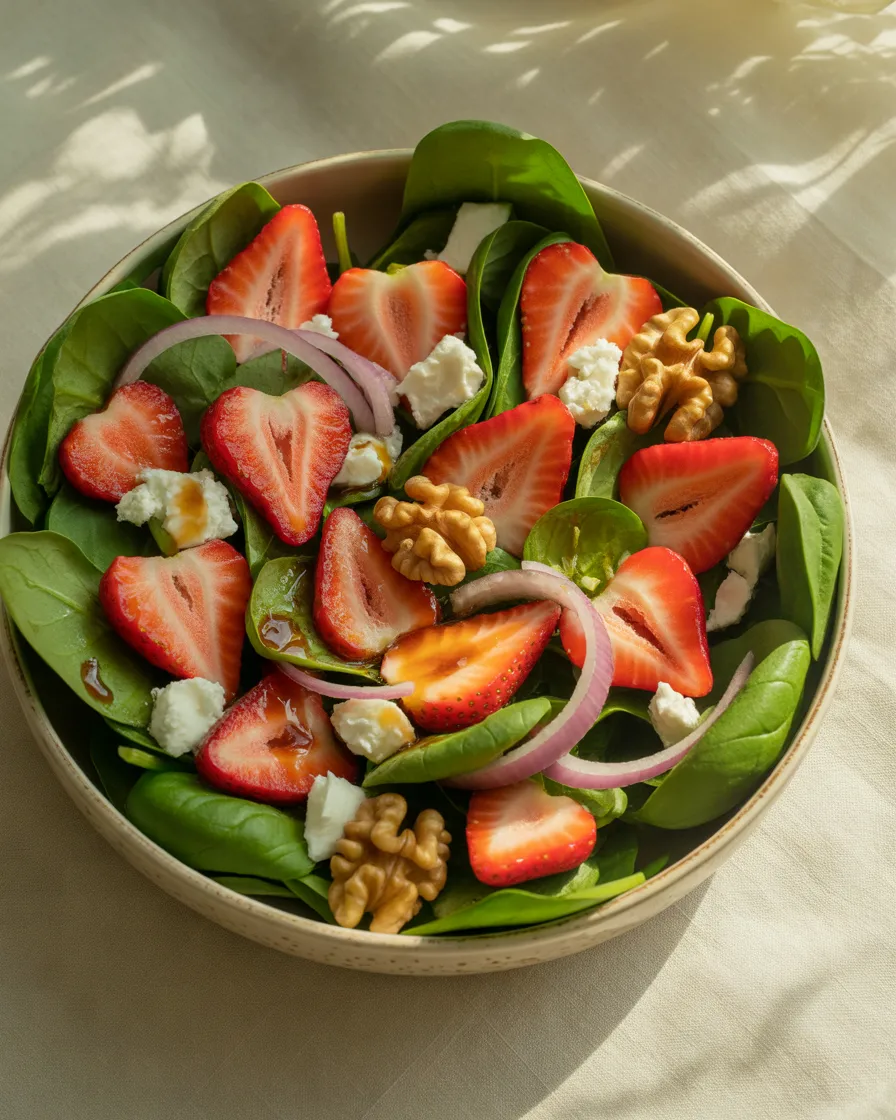
Strawberry spinach walnut salad brings together sweet fruit, tender leafy greens, crunchy nuts, and a tangy dressing. It is a refreshing alternative to traditional vegetable salads and works especially well during spring and summer.
The combination of sweet strawberries and savory ingredients makes this salad appealing even to people who do not usually enjoy eating leafy greens.
Ingredients:
- 3 cups fresh baby spinach
- 1 cup fresh strawberries, sliced
- ¼ cup chopped walnuts
- ¼ cup crumbled feta cheese
- ¼ small red onion, thinly sliced
- 1 tablespoon balsamic vinegar
- 1 tablespoon olive oil
- 1 teaspoon honey
How to prepare it:
- Wash and thoroughly dry the spinach and strawberries.
- Slice the strawberries into thin pieces.
- Arrange spinach in a serving bowl.
- Add strawberries, walnuts, feta, and red onion.
- Whisk balsamic vinegar, olive oil, and honey.
- Drizzle the dressing over the salad immediately before serving.
Benefits: Spinach supplies folate and vitamin K, while strawberries provide vitamin C. Walnuts contribute unsaturated fats, and the combination of greens, fruit, and nuts adds dietary variety.
Practical tips: Toast the walnuts lightly in a dry pan for extra flavor. Keep strawberries dry before adding them to the salad to avoid making the leaves soggy.
How to use it: Serve as a light lunch, a side dish with grilled chicken, or a refreshing starter before dinner.
Who it may suit: People who enjoy fruit-based salads, vegetarians, and anyone looking for a fresh summer meal.
Important considerations: Walnuts are tree nuts and can trigger allergic reactions. Omit them or substitute roasted pumpkin seeds if needed.
8. Mexican Black Bean Corn Salad
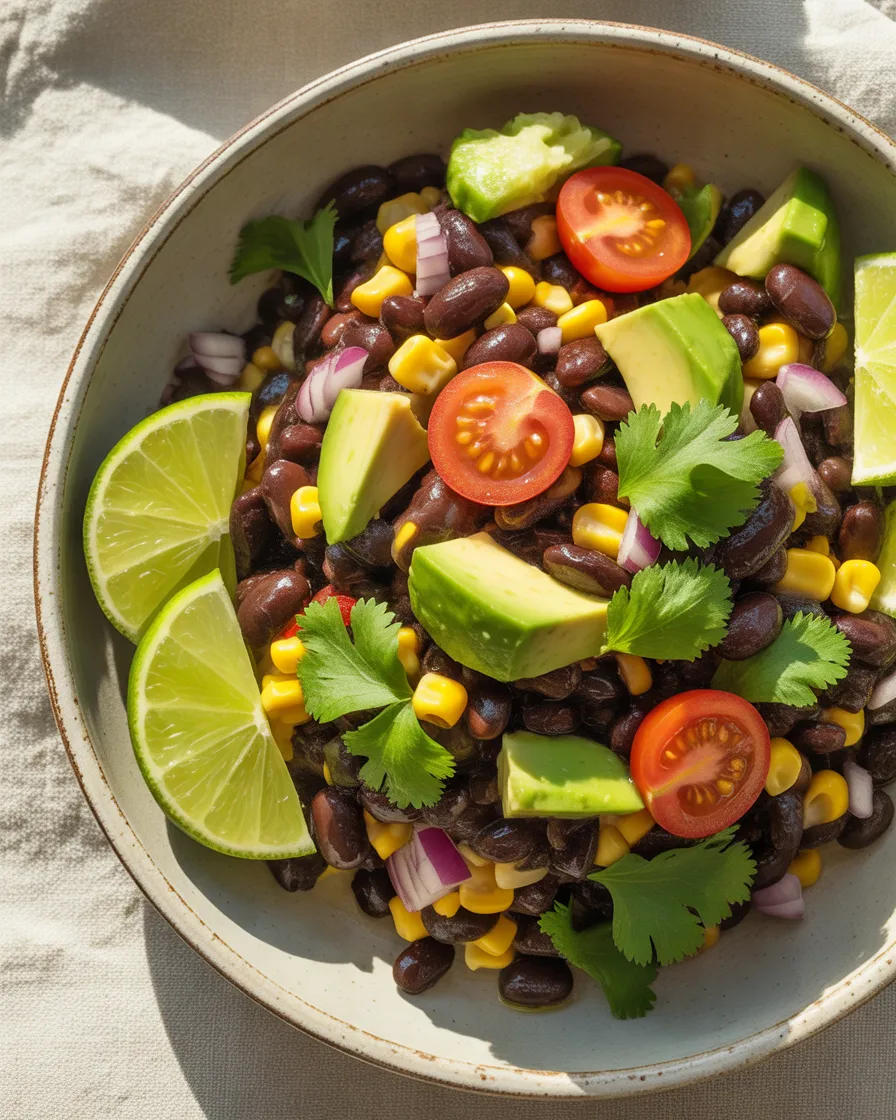
Mexican black bean corn salad is a colorful, flavorful recipe inspired by popular Southwestern ingredients. It combines black beans, sweet corn, tomatoes, avocado, and fresh cilantro with a zesty lime dressing.
It is naturally plant-based when prepared without dairy and can be served as a salad, side dish, or filling for wraps and grain bowls.
Ingredients:
- 1 cup cooked black beans, rinsed
- 1 cup sweet corn
- ½ cup cherry tomatoes, chopped
- ½ avocado, diced
- ¼ red onion, finely chopped
- 1 tablespoon chopped cilantro
- 1 tablespoon lime juice
- 1 teaspoon olive oil
- ¼ teaspoon ground cumin
- Black pepper to taste
How to prepare it:
- Rinse and drain the black beans.
- Prepare the corn according to package instructions if using frozen corn.
- Combine black beans, corn, tomatoes, and red onion.
- Add diced avocado and chopped cilantro.
- Mix lime juice, olive oil, cumin, and black pepper.
- Toss gently and serve fresh.
Benefits: Black beans provide plant protein and fiber. Corn adds carbohydrates and fiber, while avocado contributes unsaturated fats. The vegetables and herbs provide additional micronutrients.
Practical tips: Add a little fresh jalapeño if you enjoy spicy food. For extra flavor, lightly roast the corn before mixing it into the salad.
How to use it: Serve with grilled chicken, spoon it over brown rice, or use it as a filling for whole-wheat tortillas.
Who it may suit: Vegetarians, people looking for fiber-rich meals, and anyone who enjoys Mexican-inspired flavors.
Important considerations: Beans may cause digestive discomfort in some people. Rinsing canned beans and introducing fiber gradually can help improve tolerance.
9. Broccoli Almond Crunch Salad
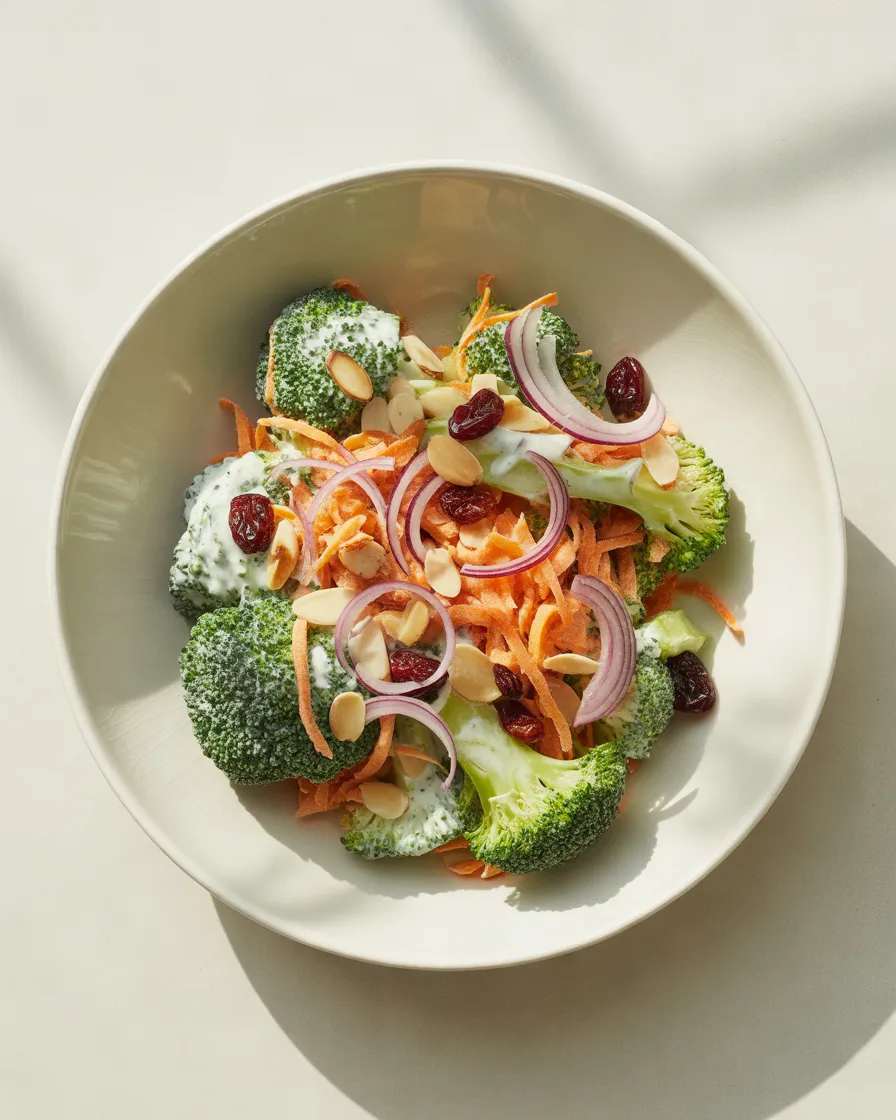
Broccoli almond crunch salad is a satisfying way to enjoy raw vegetables with plenty of texture. Fresh broccoli florets are combined with carrots, red onion, and crunchy almonds before being coated in a light yogurt-based dressing.
It is a useful alternative to heavier creamy salads because the dressing can be prepared with plain Greek yogurt instead of relying entirely on mayonnaise.
Ingredients:
- 2 cups fresh broccoli florets
- ½ cup grated carrots
- ¼ cup sliced almonds
- ¼ cup finely chopped red onion
- 2 tablespoons dried cranberries
- ¼ cup plain Greek yogurt
- 1 teaspoon apple cider vinegar
- 1 teaspoon honey
- Black pepper to taste
How to prepare it:
- Wash the broccoli thoroughly and cut it into small florets.
- Combine broccoli, carrots, almonds, red onion, and cranberries.
- Mix Greek yogurt, apple cider vinegar, honey, and black pepper.
- Pour the dressing over the vegetables.
- Toss until everything is lightly coated.
- Refrigerate briefly before serving if you prefer a chilled salad.
Benefits: Broccoli contains fiber and vitamin C. Almonds contribute vitamin E and healthy fats, while yogurt provides protein and calcium.
Practical tips: Cut the broccoli into small pieces so that each bite includes a little of every ingredient. For a milder texture, briefly blanch the broccoli and cool it before mixing.
How to use it: Serve with roasted chicken, grilled salmon, or sandwiches. It also makes a convenient side dish for family gatherings.
Who it may suit: People who enjoy crunchy salads, families looking for vegetable-rich side dishes, and those who prefer lighter creamy dressings.
Important considerations: Almonds are tree nuts and may not be suitable for people with nut allergies. Dried cranberries can contain added sugar, so check the label.
10. Roasted Sweet Potato and Kale Salad
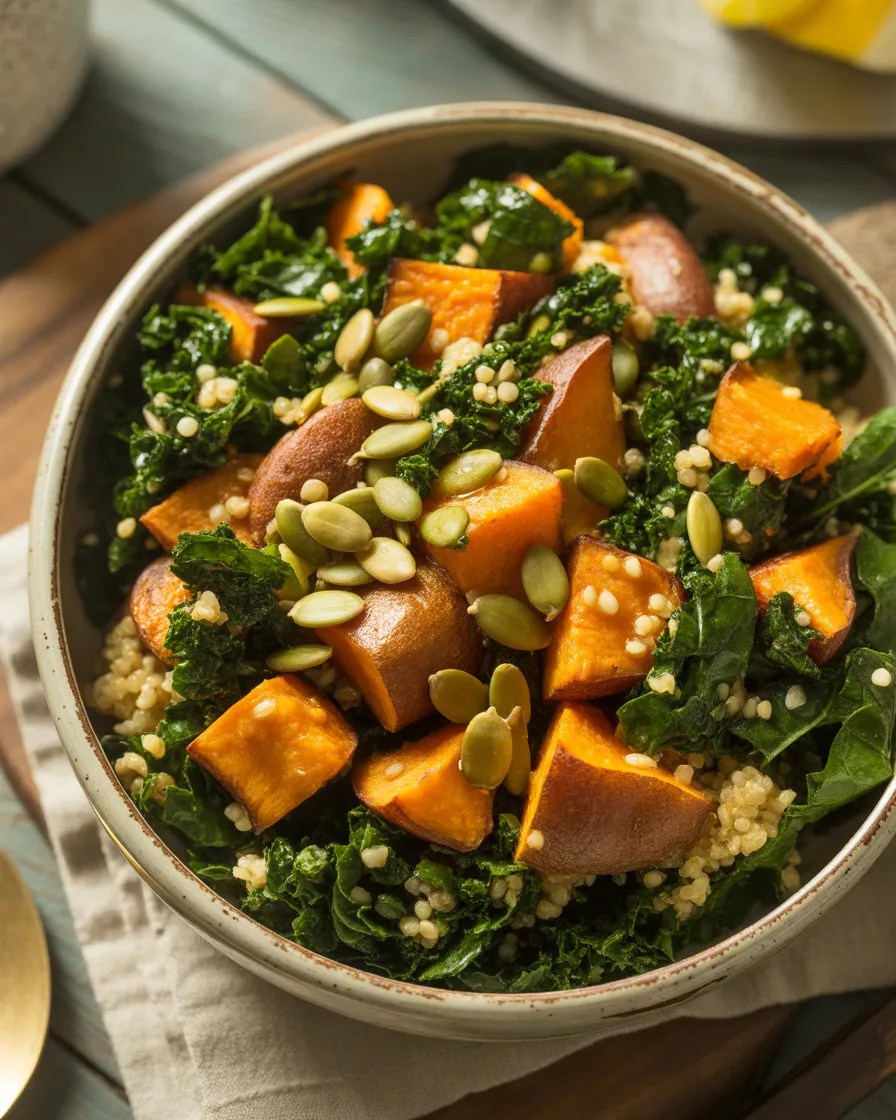
Roasted sweet potato and kale salad is a hearty option for people who prefer warm salads over entirely cold meals. Roasted sweet potatoes provide a naturally sweet flavor, while kale adds a hearty leafy texture.
A simple lemon dressing and a handful of pumpkin seeds bring the ingredients together.
Ingredients:
- 1 medium sweet potato, cubed
- 2 cups chopped kale
- ¼ cup cooked quinoa
- 2 tablespoons pumpkin seeds
- 1 tablespoon olive oil
- 1 tablespoon lemon juice
- ½ teaspoon paprika
- Black pepper to taste
How to prepare it:
- Preheat the oven to 400°F (200°C).
- Toss sweet potato cubes with olive oil, paprika, and black pepper.
- Spread them on a baking tray and roast for approximately 25–30 minutes, turning halfway through.
- Wash and chop the kale, removing tough stems.
- Gently massage the kale with a little lemon juice to soften its texture.
- Add cooked quinoa and roasted sweet potatoes.
- Finish with pumpkin seeds and the remaining dressing.
Benefits: Sweet potatoes provide beta-carotene and fiber. Kale contributes vitamins K and C, while quinoa and pumpkin seeds add protein and minerals.
Practical tips: Roast several sweet potatoes at once to save preparation time. Massage the kale gently with lemon juice or olive oil to make it easier to eat.
How to use it: Serve warm for lunch or dinner, or add grilled chicken or chickpeas if you want additional protein.
Who it may suit: People who prefer substantial salads, vegetarian meal-prep enthusiasts, and anyone looking for a comforting vegetable-based meal.
Important considerations: Kale contains vitamin K, which can interact with warfarin. People taking this medication should maintain consistent vitamin K intake and discuss dietary changes with their healthcare professional.
11. Shrimp Avocado Citrus Salad
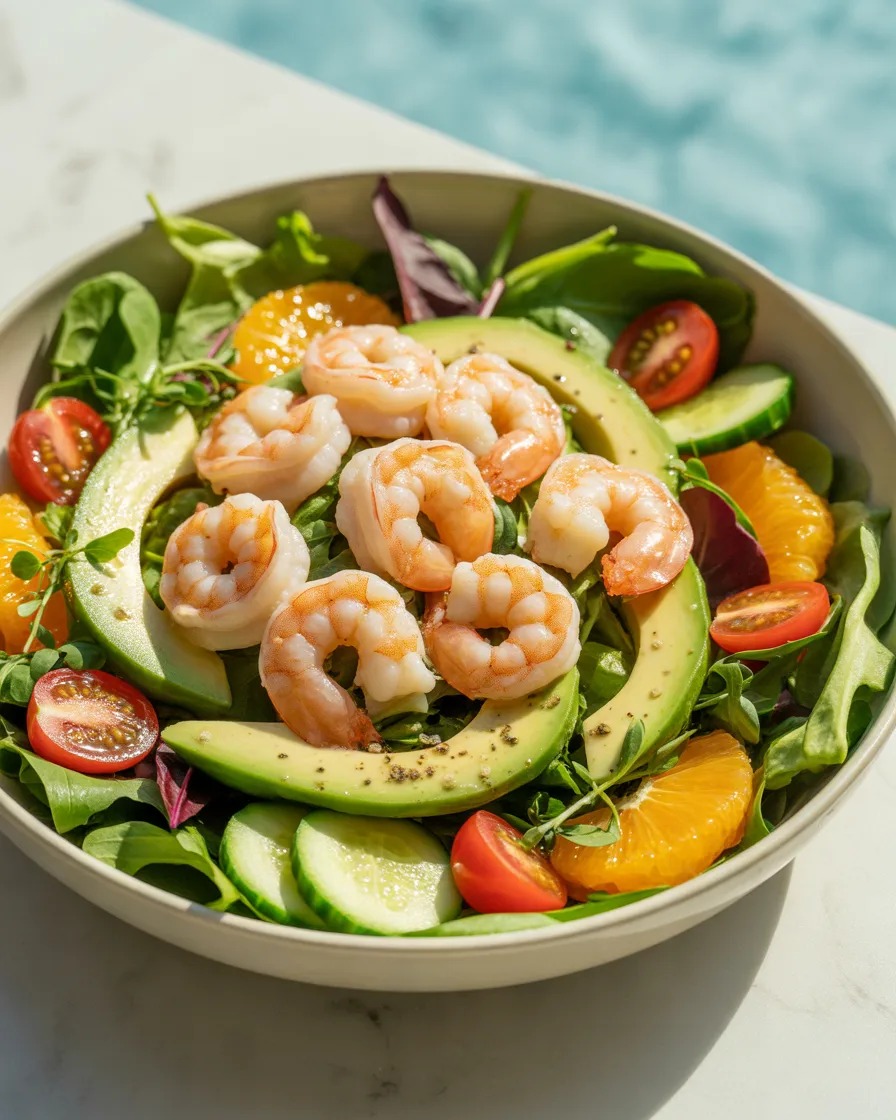
Shrimp avocado citrus salad is a refreshing seafood recipe that combines tender shrimp with creamy avocado, crisp greens, and bright citrus flavors. It is particularly enjoyable during warmer months and makes an attractive lunch or light dinner.
The combination of seafood, vegetables, and fruit creates a balanced flavor profile without requiring a heavy dressing.
Ingredients:
- 150 g peeled and deveined shrimp
- ½ avocado, sliced
- 2 cups mixed salad greens
- ½ orange, segmented
- ½ cucumber, sliced
- ½ cup cherry tomatoes
- 1 teaspoon olive oil
- 1 tablespoon lemon juice
- ½ teaspoon paprika
- Black pepper to taste
How to prepare it:
- Season the shrimp with paprika and black pepper.
- Heat olive oil in a pan over medium heat.
- Cook shrimp until opaque and cooked through, generally about 2–3 minutes per side depending on size.
- Allow the shrimp to cool slightly.
- Arrange salad greens, cucumber, tomatoes, orange segments, and avocado in a bowl.
- Add the cooked shrimp.
- Finish with lemon juice and serve.
Benefits: Shrimp supplies lean protein and nutrients such as selenium and vitamin B12. Avocado provides unsaturated fats, while citrus fruits contribute vitamin C.
Practical tips: Avoid overcooking shrimp because it can become rubbery. For a more substantial meal, add cooked quinoa or a small serving of brown rice.
How to use it: Enjoy as a fresh lunch, serve as a dinner starter, or prepare it for a summer-inspired meal.
Who it may suit: Seafood lovers, people looking for protein-rich salads, and anyone who enjoys fresh citrus flavors.
Important considerations: Shrimp is a common food allergen. Keep seafood refrigerated and cook it thoroughly. People with seafood allergies should choose another protein source.
12. Apple Pecan Chicken Salad
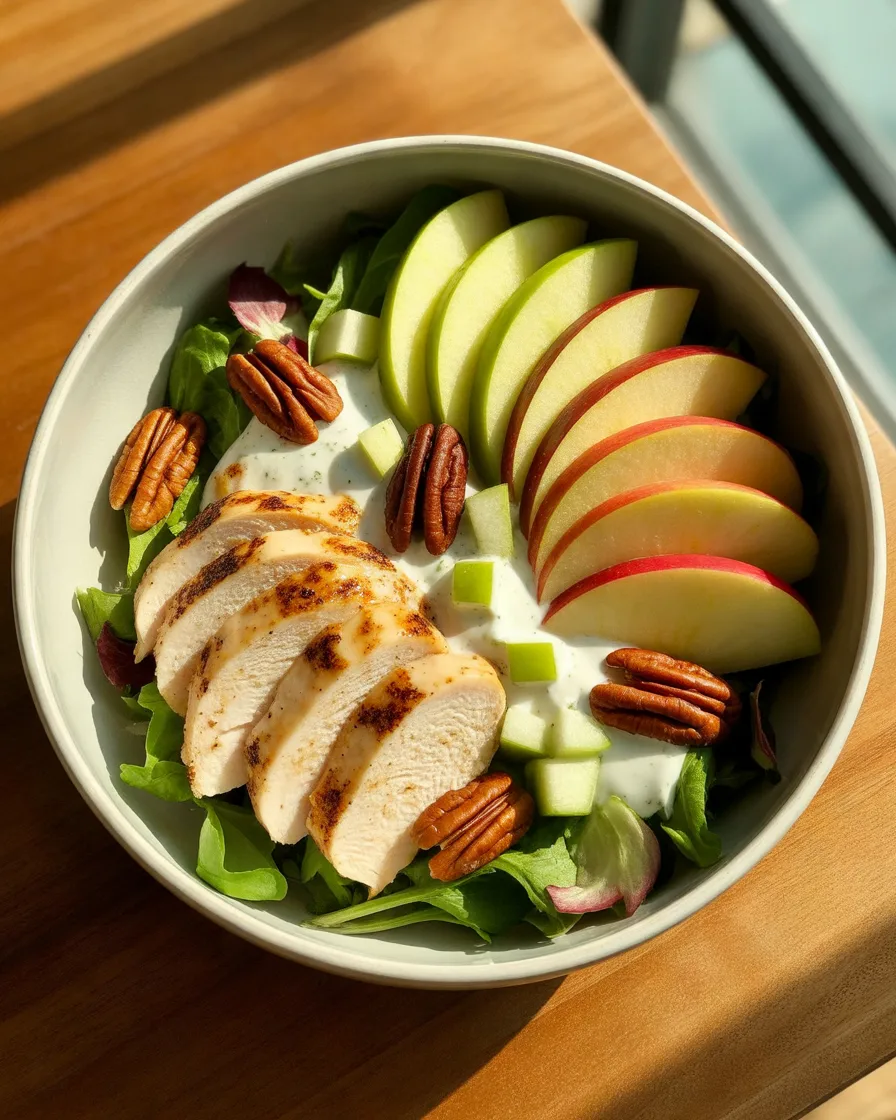
Apple pecan chicken salad is a delicious combination of sweet, crunchy, and savory ingredients. It brings together lean chicken, crisp apple slices, toasted pecans, leafy greens, and a light yogurt dressing.
The recipe offers a different flavor profile from traditional chicken salads and works well for lunchboxes, meal preparation, or casual dinners.
Ingredients:
- 1 cooked chicken breast, sliced
- 1 small apple, thinly sliced
- 2 cups mixed greens
- ¼ cup chopped pecans
- ¼ cup diced celery
- 2 tablespoons plain Greek yogurt
- 1 teaspoon Dijon mustard
- 1 tablespoon lemon juice
- Black pepper to taste
How to prepare it:
- Cook the chicken breast thoroughly and allow it to cool.
- Slice the apple and chop the celery.
- Arrange mixed greens in a large bowl.
- Add sliced chicken, apple, celery, and pecans.
- Mix Greek yogurt, Dijon mustard, lemon juice, and black pepper.
- Serve the dressing alongside the salad or drizzle it over the top.
Benefits: Chicken provides protein, apples contribute fiber, and pecans offer unsaturated fats. Mixed greens add important vitamins and minerals.
Practical tips: Choose a crisp apple variety such as Honeycrisp or Granny Smith. Add a little lemon juice to the apple slices to help prevent browning.
How to use it: Pack it for lunch, serve it as a light dinner, or place the ingredients inside a whole-grain sandwich.
Who it may suit: People who enjoy sweet-and-savory combinations, chicken salad lovers, and anyone looking for a filling lunch.
Important considerations: Pecans are tree nuts and may trigger allergic reactions. If you have an allergy, leave them out or use an appropriate alternative.
Expert Tips for Making Healthy Salad Recipes More Satisfying
Preparing a healthy salad is about more than adding as many vegetables as possible. A well-balanced salad should contain a combination of ingredients that provide flavor, texture, and nourishment.
Here are practical ways to improve your homemade salads.
1. Include a Source of Protein
Protein helps make a salad more satisfying and supports normal muscle maintenance and repair. Consider adding grilled chicken, boiled eggs, tuna, shrimp, tofu, chickpeas, lentils, or beans.
For example, adding chickpeas to a vegetable salad can transform a simple side dish into a more substantial lunch.
2. Combine Different Colors and Vegetables
Different vegetables provide different nutrients. Instead of using only lettuce and cucumber, try combining leafy greens, tomatoes, carrots, bell peppers, cabbage, and broccoli.
A variety of colors can make meals more visually appealing while helping you include a wider range of plant foods.
3. Choose Homemade Salad Dressings
Many commercial dressings contain added sugars, sodium, or substantial amounts of fat. They can still fit into a balanced diet, but making your own dressing gives you greater control over the ingredients.
Try these simple combinations:
- Olive oil, lemon juice, and black pepper.
- Greek yogurt, garlic, and fresh herbs.
- Balsamic vinegar, olive oil, and Dijon mustard.
- Lime juice, cilantro, and a little olive oil.
Remember that healthy fats are still energy-dense, so portion size matters.
4. Add Fiber-Rich Ingredients
Fiber supports digestive health and can help meals feel more satisfying. Include ingredients such as beans, lentils, quinoa, broccoli, carrots, apples, and leafy greens.
If you are increasing your fiber intake, do so gradually and drink enough water to support digestive comfort.
5. Prepare Ingredients in Advance
Meal preparation can make healthy eating easier during a busy week.
Wash and dry leafy greens, cook grains, prepare protein sources, and chop sturdy vegetables in advance. Store ingredients in separate airtight containers and assemble individual salads when needed.
Keep dressings, avocado, and delicate ingredients separate until serving.
6. Balance Flavor and Texture
A salad becomes more enjoyable when it combines different textures and flavors.
Try pairing:
- Crunchy vegetables with creamy avocado.
- Sweet fruit with savory cheese.
- Roasted vegetables with fresh leafy greens.
- Tangy dressing with naturally sweet ingredients.
- Soft beans with toasted seeds or nuts.
This simple approach can make healthy salads more appealing without relying on excessive salt or heavy sauces.
7. Follow Food Safety Guidelines
Food safety is important, especially when preparing salads containing chicken, seafood, eggs, or dairy.
Wash fresh produce under running water before preparation. Use separate utensils and cutting boards for raw meat and ready-to-eat foods. Refrigerate perishable ingredients promptly, and avoid leaving prepared salads at room temperature for extended periods.
For most cooked leftovers, follow the recommended three-to-four-day refrigerated storage guideline.
Frequently Asked Questions About Healthy Salad Recipes
1. What Is the Healthiest Salad to Eat Every Day?
There is no single healthiest salad for everyone. A balanced salad containing leafy greens, colorful vegetables, a protein source, healthy fats, and a fiber-rich ingredient can be a nutritious everyday choice.
Grilled chicken avocado salad, quinoa vegetable salad, and Mediterranean chickpea salad are useful options to rotate throughout the week.
2. Are Salads Good for Weight Management?
Salads can support a balanced eating pattern because vegetables and other fiber-rich ingredients contribute volume and nutrients. However, portion sizes, toppings, dressings, and overall eating habits also matter.
For a more satisfying meal, combine vegetables with protein and a moderate portion of healthy fats rather than relying on plain lettuce alone.
3. What Can I Add to a Salad to Make It More Filling?
Add ingredients such as grilled chicken, eggs, chickpeas, lentils, quinoa, beans, tofu, avocado, nuts, or seeds.
These additions provide protein, fiber, and fats that can make a salad more substantial.
4. Can I Prepare Healthy Salads Ahead of Time?
Yes. Many healthy salad recipes can be prepared in advance, especially grain-based and bean-based salads.
Store the dressing separately and keep delicate ingredients such as avocado and fresh fruit for later. Refrigerate prepared ingredients in airtight containers.
5. What Is a Healthy Dressing for Homemade Salads?
A simple dressing made with extra-virgin olive oil, lemon juice, vinegar, herbs, and black pepper is a practical choice.
Plain Greek yogurt can also be used to prepare a creamy dressing with additional protein. The best option depends on your taste and nutritional needs.
6. Which Salads Are Best for a High-Protein Diet?
Grilled chicken avocado salad, tuna and white bean salad, and shrimp avocado citrus salad are useful high-protein options.
You can also increase protein in plant-based salads by including chickpeas, lentils, tofu, quinoa, and beans.
7. Are Fruit Salads Healthy?
Fruit-based salads can provide vitamins, minerals, fiber, and natural sweetness. Strawberry spinach walnut salad is a good example of combining fruit with vegetables and healthy fats.
For a more balanced meal, pair fruit with protein-rich ingredients such as Greek yogurt, nuts, seeds, or chicken.
8. How Can I Make a Salad Without Lettuce?
You do not need lettuce to prepare a nutritious salad. Use ingredients such as quinoa, chickpeas, lentils, cabbage, broccoli, cucumber, tomatoes, roasted sweet potatoes, and beans.
These ingredients can create delicious salads with plenty of variety and texture.
9. How Long Do Homemade Salads Last in the Refrigerator?
Storage time depends on the ingredients. Most salads containing cooked chicken, seafood, eggs, or other perishable ingredients should generally be refrigerated at 40°F (4°C) or below and consumed within three to four days.
Salads with delicate greens, avocado, and fresh fruit may lose quality sooner. Always check for signs of spoilage and follow appropriate food-safety guidance.
10. Can Healthy Salads Be Eaten for Dinner?
Absolutely. A salad can be a satisfying dinner when it includes enough ingredients to make a balanced meal.
Combine vegetables with a protein source, whole grains or beans, and a moderate amount of healthy fats. For example, roasted sweet potato and kale salad with chickpeas makes a substantial vegetarian dinner.
Conclusion
Eating healthy does not have to be complicated, repetitive, or expensive. These 12 healthy salad recipes demonstrate how everyday ingredients can be combined to create flavorful, nutritious, and satisfying meals.
Whether you prefer grilled chicken avocado salad, Mediterranean chickpea salad, quinoa vegetable bowls, or refreshing strawberry spinach combinations, there are plenty of ways to enjoy more vegetables and experiment with new flavors.
The most useful approach is to choose ingredients you genuinely enjoy, include a source of protein, experiment with homemade dressings, and prepare a few ingredients in advance to save time.
You do not need to follow every recipe exactly. Adjust the ingredients according to seasonal availability, personal preferences, allergies, and dietary requirements.
Start with one or two new healthy salad recipes this week and gradually build a collection of meals that make eating well easier and more enjoyable.
A little variety in your salad bowl can make a meaningful difference to how enjoyable your everyday meals feel.
Health and Nutrition Disclaimer: This article is intended for general educational purposes and is not a substitute for individualized medical or nutritional advice. People with food allergies, chronic medical conditions, or specific dietary requirements should consult a qualified healthcare professional or registered dietitian when appropriate.