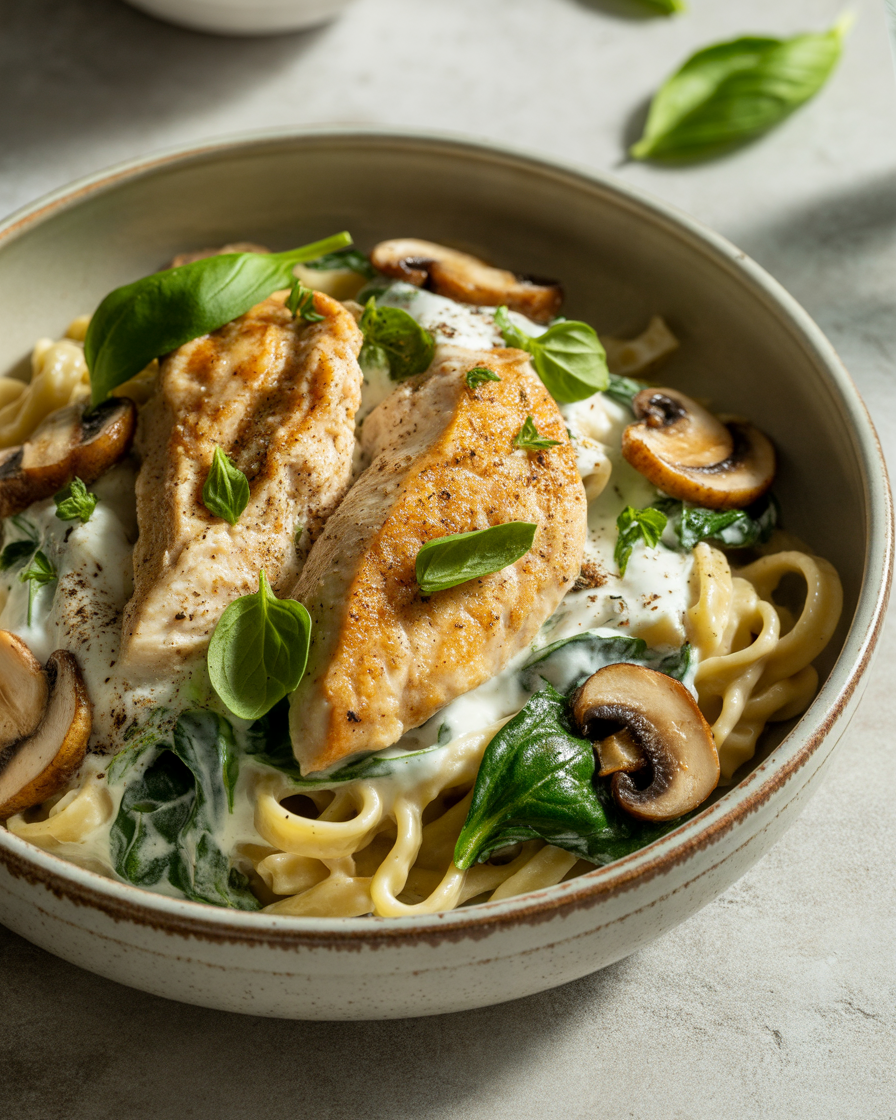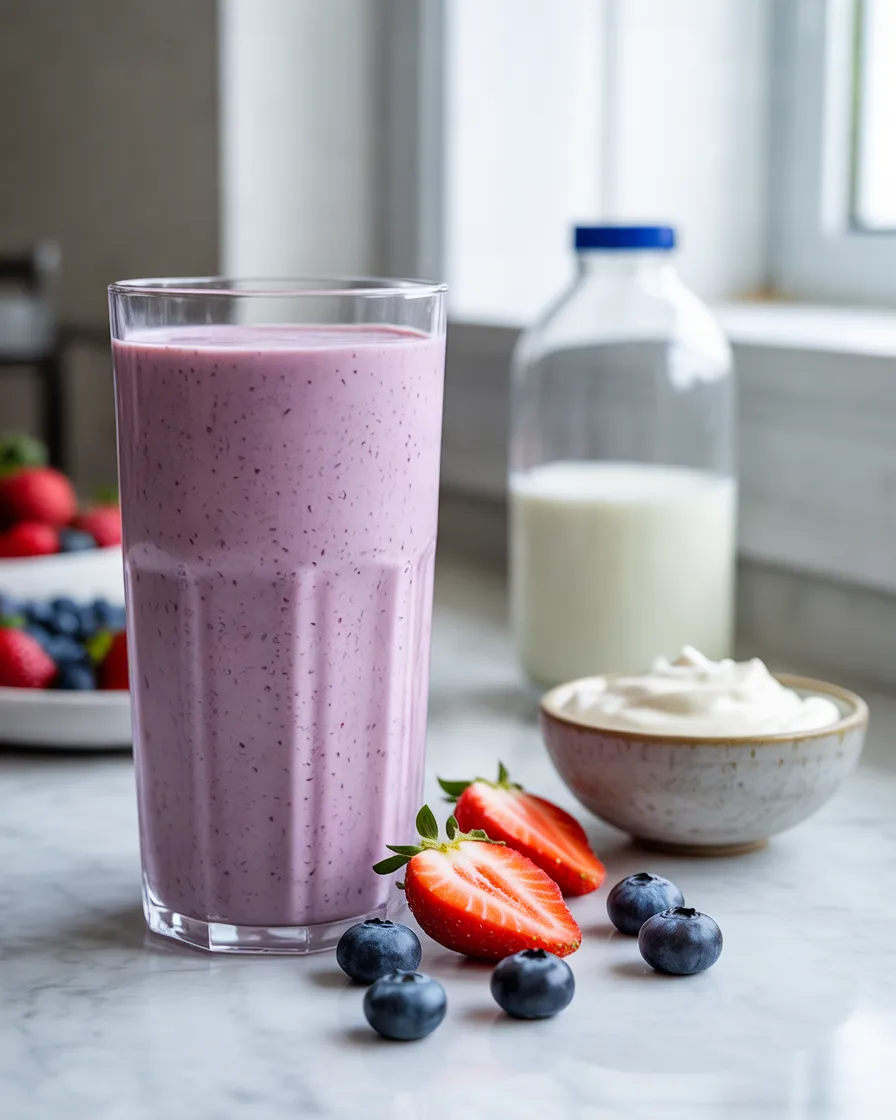
Getting enough protein doesn’t have to mean eating chicken and eggs every day or spending money on expensive protein supplements. Plenty of everyday foods provide protein, including seafood, dairy products, beans, nuts, seeds, and lean meats.
Protein is an essential nutrient that supports muscle maintenance, tissue repair, enzyme production, and many other important processes in the body. Whether you’re trying to build muscle, maintain a balanced diet, stay satisfied between meals, or simply improve your everyday nutrition, choosing foods high in protein can help you meet your nutritional needs.
The good news is that there are options for almost every eating style. If you enjoy animal-based foods, chicken, salmon, eggs, and Greek yogurt are excellent choices. If you prefer plant-based meals, lentils, chickpeas, tofu, and other legumes can contribute meaningful amounts of protein.
In this guide, we’ll explore 10 healthy, protein-rich foods, their nutritional benefits, practical ways to include them in your meals, and important considerations when choosing them. You’ll also find simple tips for building balanced, protein-rich meals without making your diet complicated.
Note: Protein amounts in this article are approximate and can vary depending on the brand, preparation method, cooking process, and serving size.
1. Chicken Breast: A Lean and Versatile Food High in Protein

Chicken breast is one of the most popular foods high in protein, particularly among people who want to build muscle, maintain their strength, or prepare nutritious meals. It provides a substantial amount of protein without contributing excessive fat when prepared without the skin and cooked using methods such as grilling, baking, or roasting.
A 3-ounce (85-gram) serving of cooked, skinless chicken breast provides approximately 26 grams of protein. This makes it a convenient choice for people who want to increase their protein intake through regular meals rather than relying on supplements.
Benefits of chicken breast
- Supports muscle maintenance: Chicken provides essential amino acids that help the body maintain and repair muscle tissue.
- Provides B vitamins: It contains nutrients such as niacin and vitamin B6, which contribute to normal energy metabolism.
- Easy to meal prep: Cooked chicken can be refrigerated and added to several different meals throughout the week.
- Works with different diets: It fits into many balanced eating patterns, including high-protein and lower-carbohydrate meal plans.
Practical tips: Marinate chicken breast with lemon juice, garlic, black pepper, paprika, and a little olive oil before cooking. This adds flavour without requiring heavy sauces. Avoid overcooking it because chicken breast can become dry.
How to include it in your diet: Add sliced grilled chicken to salads, whole-wheat wraps, rice bowls, sandwiches, or homemade soups. You can also prepare several portions in advance for convenient weekday lunches.
Who it may suit: People who eat poultry, fitness enthusiasts, busy professionals, and anyone looking for an easy lean protein source.
Important considerations: Always cook chicken thoroughly and avoid cross-contamination between raw poultry and ready-to-eat foods. Choose fresh, minimally processed chicken rather than relying regularly on breaded or heavily processed chicken products.
2. Salmon: A Protein-Rich Fish with Healthy Omega-3 Fats

Salmon is an excellent option for anyone looking for foods high in protein that also provide beneficial fats. Unlike many lean protein sources, salmon contains omega-3 fatty acids, particularly EPA and DHA, which are associated with several aspects of cardiovascular and overall health.
A 3-ounce (85-gram) serving of cooked salmon generally provides around 19–22 grams of protein, depending on the variety and preparation method.
Salmon is especially useful because it combines protein, healthy fats, and important micronutrients in one food. It also has a naturally rich flavour, so you don’t need complicated ingredients to prepare a satisfying meal.
Benefits of salmon
- Provides high-quality protein: Its protein contains all nine essential amino acids.
- Contains omega-3 fatty acids: EPA and DHA support normal heart and brain function.
- Provides vitamin D: Salmon is one of the food sources that can contribute to vitamin D intake.
- Contains selenium and vitamin B12: These nutrients support normal thyroid function, red blood cell formation, and other important processes.
Practical tips: Bake salmon with lemon, garlic, black pepper, and fresh herbs. If you’re short on time, canned salmon can also be a convenient alternative. Compare labels for sodium content.
How to include it in your diet: Serve grilled salmon with brown rice and steamed vegetables, add it to a quinoa salad, or prepare a salmon sandwich with whole-grain bread.
Who it may suit: People who enjoy seafood, individuals seeking protein-rich meals, and those interested in including omega-3-rich foods in their diet.
Important considerations: Choose salmon from reputable sources and follow local seafood safety recommendations. Pregnant individuals should follow pregnancy-specific guidance on fish choices and serving frequency, particularly regarding mercury.
3. Eggs: An Affordable and Convenient Complete Protein Source
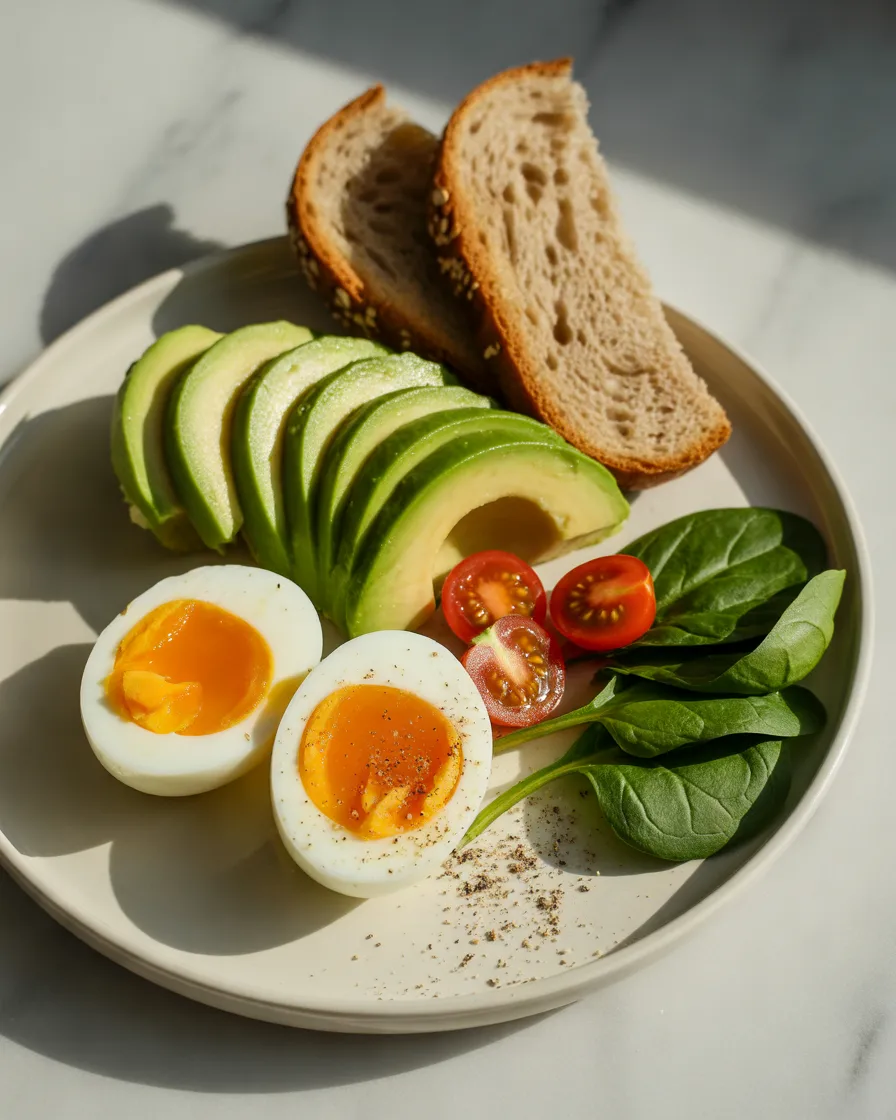
Eggs are among the most convenient and affordable protein-rich foods. They are easy to cook, widely available, and suitable for breakfast, lunch, or dinner.
One large egg contains approximately 6–7 grams of protein. Eggs are also considered a complete protein because they provide all nine essential amino acids that the body needs from food.
Both the egg white and yolk contribute nutritional value. The white contains most of the egg’s protein, while the yolk provides nutrients such as choline, vitamin B12, and vitamin D.
Benefits of eggs
- Complete protein: Eggs provide all nine essential amino acids.
- Support muscle maintenance: Their protein contributes to normal muscle growth and repair.
- Contain choline: This nutrient plays an important role in brain and nervous system function.
- Provide meal flexibility: Eggs can be boiled, scrambled, poached, or incorporated into other dishes.
Practical tips: Boil several eggs ahead of time and refrigerate them for convenient snacks. For a balanced breakfast, combine eggs with whole-grain toast, tomatoes, and spinach.
How to include them in your diet: Prepare vegetable omelettes, egg sandwiches, breakfast burritos, boiled egg salads, or scrambled eggs with mushrooms.
Who they may suit: Students, busy professionals, families, fitness enthusiasts, and people looking for affordable sources of complete protein.
Important considerations: People with egg allergies should avoid eggs and products containing them. If you have specific cholesterol-related dietary advice from your healthcare professional, follow it when deciding how frequently to eat whole eggs. Cook eggs safely, particularly when preparing food for pregnant people, young children, and older adults.
4. Greek Yogurt: A Convenient High-Protein Dairy Food

Greek yogurt is a practical choice for people who want to add more protein to their diet without preparing a full meal. It is thicker than many traditional yogurts because much of the liquid whey is removed during straining.
Depending on the brand and type, one cup (approximately 245 grams) of plain nonfat Greek yogurt can provide around 20–25 grams of protein.
It also contains calcium, which supports healthy bones and teeth. Some varieties contain live cultures that contribute to the food’s fermented characteristics.
Benefits of Greek yogurt
- High protein content: It offers a substantial amount of protein in a convenient serving.
- Supports bone health: Greek yogurt provides calcium and may also provide vitamin B12.
- Easy to digest for some people: Its fermentation process may make it easier for some individuals to tolerate than certain other dairy products, although lactose content varies.
- Versatile ingredient: It works in both sweet and savoury recipes.
Practical tips: Choose plain, unsweetened Greek yogurt to avoid unnecessary added sugar. Add fresh fruit, cinnamon, nuts, or chia seeds to improve flavour and nutritional variety.
How to include it in your diet: Enjoy it as a breakfast bowl, blend it into smoothies, use it as a base for dips, or replace some mayonnaise or sour cream in recipes.
Who it may suit: People who consume dairy, individuals looking for convenient high-protein snacks, and those who want a quick breakfast option.
Important considerations: Check nutrition labels because protein levels vary between Greek yogurt brands. Some flavoured varieties contain substantial added sugar. People with milk allergies should avoid dairy-based yogurt. Lactose-free alternatives are available for some people with lactose intolerance.
5. Lentils: An Excellent Plant-Based Food High in Protein and Fiber
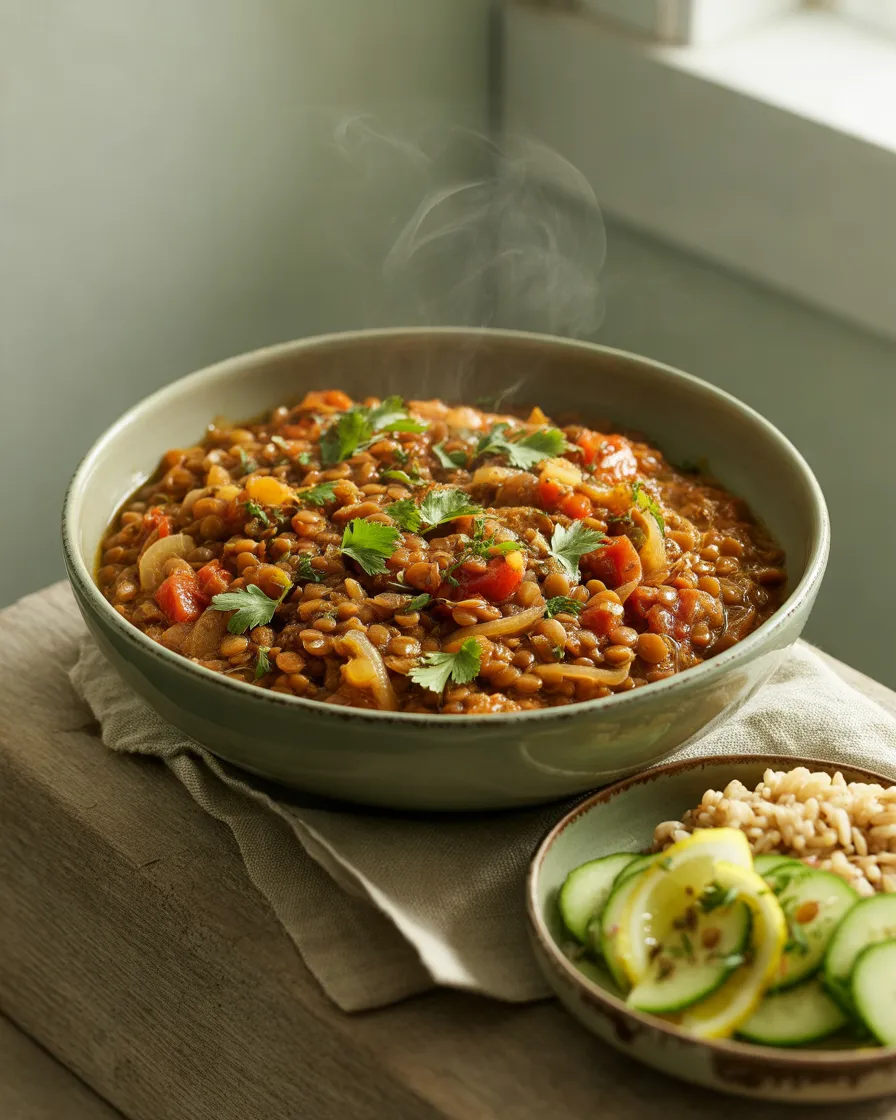
Lentils are one of the best plant-based foods high in protein, especially for people who want nutritious meals without meat or dairy. They are affordable, widely available, easy to store, and can be used in countless recipes.
One cup of cooked lentils provides approximately 18 grams of protein and around 15 grams of dietary fiber. This combination makes them particularly useful for people who want meals that are both nourishing and satisfying.
Lentils also provide iron, folate, potassium, and other important nutrients.
Benefits of lentils
- Plant-based protein: They provide a meaningful amount of protein without animal products.
- Rich in fiber: Fiber supports digestive health and helps maintain regular bowel movements.
- Provide important minerals: Lentils contain iron, potassium, magnesium, and other nutrients.
- Budget-friendly: Dried lentils are inexpensive and can be purchased in bulk.
Practical tips: Rinse dried lentils before cooking and remove any small stones or debris. Red lentils generally cook faster and become soft, making them ideal for soups and curries. Green and brown lentils tend to hold their shape better.
How to include them in your diet: Prepare lentil soup, Indian-style dal, lentil curry, vegetable stews, or cold lentil salads. You can also add cooked lentils to rice dishes or mix them with minced vegetables for homemade patties.
Who they may suit: Vegetarians, vegans, families on a budget, and anyone looking for fiber-rich protein sources.
Important considerations: Lentils are not considered a complete protein on their own because their amino acid profile is relatively low in methionine. Eating a varied diet that includes grains, nuts, seeds, and other protein sources helps provide a balanced range of amino acids. Increase fiber-rich foods gradually if you’re not accustomed to eating them.
6. Cottage Cheese: A Protein-Rich Food for Quick Meals and Snacks
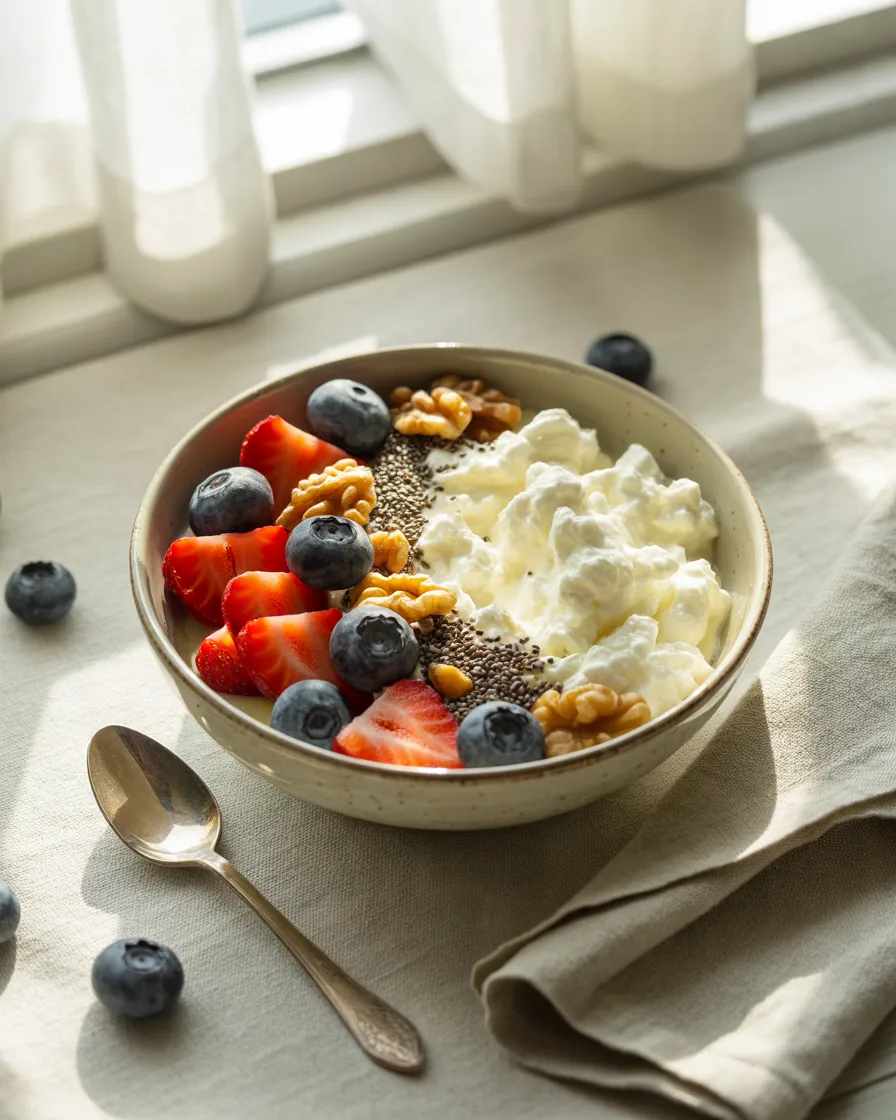
Cottage cheese is a simple dairy product that deserves a place on any list of healthy high-protein foods. It has a mild flavour and soft, slightly creamy texture, making it easy to combine with sweet or savoury ingredients.
Half a cup (approximately 113 grams) of low-fat cottage cheese typically provides around 12 grams of protein, although the amount varies by brand.
It is also a source of calcium and vitamin B12. Some varieties contain more sodium than others, so checking the label is worthwhile.
Benefits of cottage cheese
- Convenient protein: It offers a useful amount of protein in a relatively small serving.
- Contains calcium: Calcium contributes to healthy bones and teeth.
- Easy to combine with other foods: Its mild flavour works with fruit, vegetables, herbs, and whole grains.
- Useful for meal preparation: It can be stored in the refrigerator and added to meals when needed.
Practical tips: Choose plain cottage cheese and compare brands for protein and sodium content. If you prefer a smoother texture, blend it until creamy.
How to include it in your diet: Add cottage cheese to whole-grain toast, mix it with fresh berries, serve it with cucumber and tomatoes, or use it in savoury pancakes and pasta sauces.
Who it may suit: People who eat dairy, individuals seeking convenient protein-rich snacks, and anyone looking for an alternative to sweetened yogurt.
Important considerations: Cottage cheese contains dairy and may not be suitable for people with milk allergies. Lactose levels vary, so people with lactose intolerance should check their tolerance. Those monitoring sodium intake should select lower-sodium varieties where available.
7. Chickpeas: A Versatile Protein Source for Plant-Based Meals
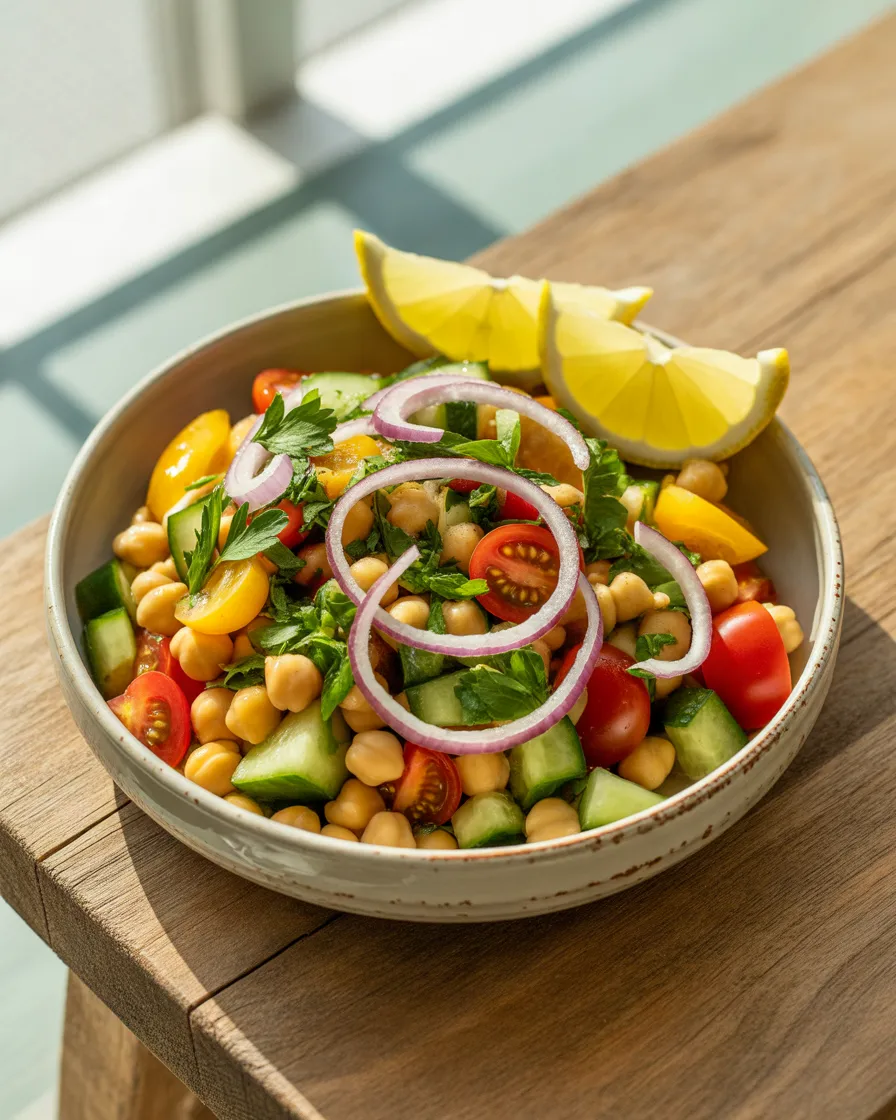
Chickpeas, also called garbanzo beans, are nutritious legumes that provide protein, fiber, and several essential minerals. They are particularly popular in Mediterranean, Middle Eastern, South Asian, and plant-based cooking.
One cup of cooked chickpeas contains approximately 14–15 grams of protein. While they provide less protein per serving than some animal-based foods, their fiber content makes them a valuable part of a balanced diet.
Chickpeas are also useful for people who want affordable ingredients that can be prepared in different ways.
Benefits of chickpeas
- Provide plant protein: They help increase protein intake without relying on meat or dairy.
- Support digestive health: Their dietary fiber contributes to normal bowel function.
- Contain iron and folate: These nutrients support important processes such as red blood cell production.
- Offer lasting meal variety: Chickpeas work in salads, curries, dips, and roasted snacks.
Practical tips: Canned chickpeas are convenient for busy days. Drain and rinse them before use to remove some of the added sodium. If using dried chickpeas, soak them according to package instructions and cook until tender.
How to include them in your diet: Prepare homemade hummus, roasted chickpea snacks, chickpea curry, Mediterranean salads, or chickpea and vegetable wraps.
Who they may suit: Vegetarians, vegans, people looking for budget-friendly meals, and anyone interested in increasing their intake of plant-based foods.
Important considerations: Chickpeas contain fermentable carbohydrates that may cause gas or bloating in some people. Start with smaller servings if you’re not used to legumes. People with legume allergies should follow appropriate dietary guidance.
8. Tofu: A Complete Plant-Based Protein for Everyday Cooking
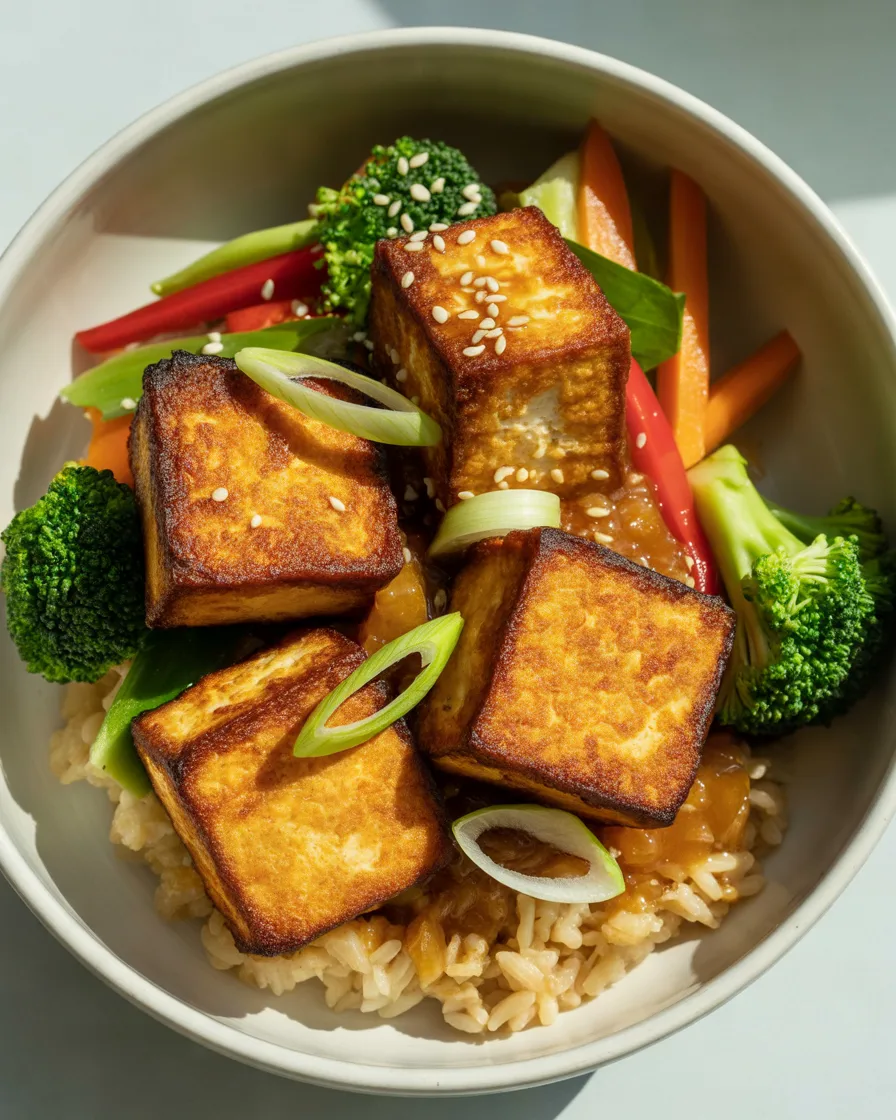
Tofu is made from soybeans and is one of the most versatile plant-based protein foods available. It is particularly popular among vegetarians and vegans because it provides all nine essential amino acids.
A half-cup serving of firm tofu can provide approximately 15–22 grams of protein, depending on the product and serving weight.
Tofu has a mild taste that absorbs marinades and seasonings easily. It can be grilled, baked, stir-fried, scrambled, or blended into sauces.
Benefits of tofu
- Complete plant protein: Soy protein contains all nine essential amino acids.
- Provides minerals: Tofu prepared with calcium salts can be a useful source of calcium. It may also provide iron.
- Works in many recipes: Its mild flavour makes it suitable for different cuisines.
- Suitable for vegan diets: It offers a convenient alternative to animal-based protein.
Practical tips: Press firm tofu before cooking to remove excess moisture and improve its texture. Marinate it with soy sauce, ginger, garlic, and lemon before baking or stir-frying.
How to include it in your diet: Add tofu to vegetable stir-fries, noodle bowls, curries, salads, or rice dishes. You can also crumble it and prepare a tofu scramble as an alternative to scrambled eggs.
Who it may suit: Vegans, vegetarians, people reducing meat consumption, and anyone interested in incorporating more soy-based foods.
Important considerations: People with soy allergies should avoid tofu. If you have specific medical concerns about soy consumption, discuss your dietary choices with a qualified healthcare professional. Choose minimally processed tofu when possible and compare products for sodium content.
9. Almonds: A Convenient Protein-Rich Snack with Healthy Fats
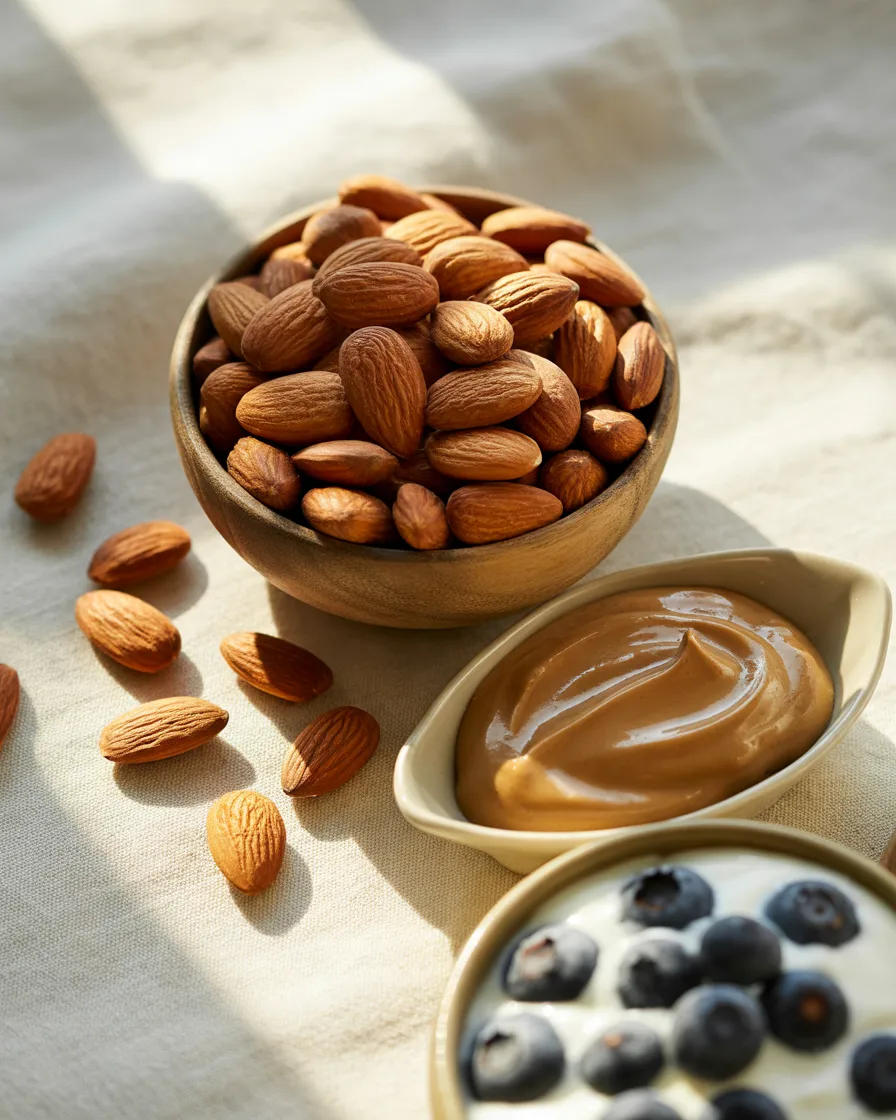
Almonds are a popular snack that provides plant-based protein, fiber, vitamin E, magnesium, and unsaturated fats. Although they contain less protein per serving than chicken, fish, or tofu, they can contribute to your overall daily protein intake.
A one-ounce (28-gram) serving of almonds provides approximately 6 grams of protein.
Their combination of healthy fats, fiber, and protein makes almonds a practical snack, particularly when you want something easy to carry to work, university, or the gym.
Benefits of almonds
- Provide plant protein: They contribute to your daily protein intake.
- Contain vitamin E: This vitamin acts as an antioxidant and supports normal immune function.
- Provide magnesium: Magnesium is involved in muscle and nerve function.
- Contain unsaturated fats: These fats can be part of a heart-conscious eating pattern.
Practical tips: Keep a small portion of unsalted almonds in your bag for a convenient snack. Choose plain or dry-roasted varieties instead of heavily salted or sugar-coated products.
How to include them in your diet: Add almonds to oatmeal, Greek yogurt, smoothies, homemade trail mix, or whole-grain breakfast bowls. Almond butter can also be spread on toast or added to smoothies.
Who they may suit: People who enjoy nuts, vegetarians, individuals looking for convenient snacks, and those wanting to add more plant-based foods to their meals.
Important considerations: Almonds are energy-dense, so portion size matters if you’re monitoring your overall calorie intake. They are not suitable for people with almond or relevant tree-nut allergies. Almonds should also be prepared in an age-appropriate form for young children to reduce choking risks.
10. Pumpkin Seeds: A Small but Nutrient-Dense Plant Protein Food
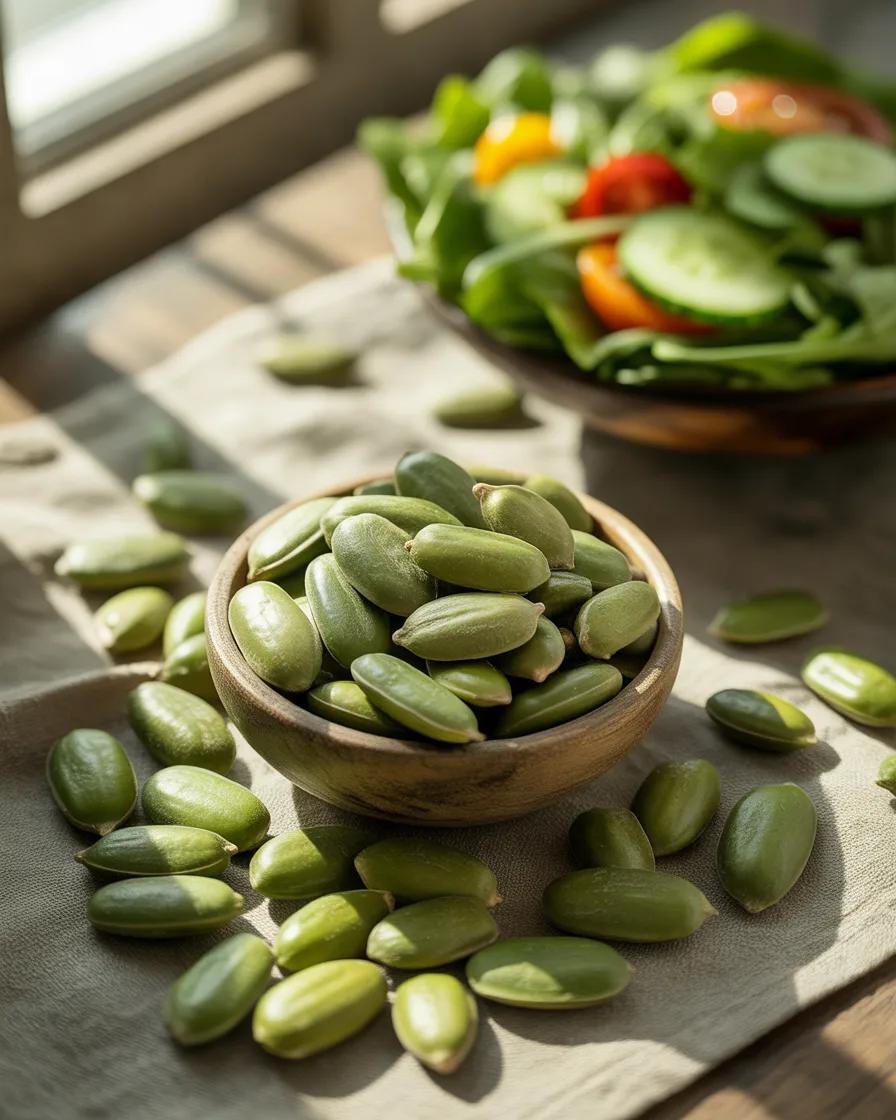
Pumpkin seeds, also known as pepitas, are small but nutritious seeds that provide protein, magnesium, zinc, iron, and healthy fats. They are an easy way to add extra nutrients and a little more protein to everyday meals.
One ounce (28 grams) of pumpkin seeds typically provides around 8–9 grams of protein, depending on whether they are shelled and how they are prepared.
Although they may not provide as much protein as a full serving of chicken or fish, pumpkin seeds are useful additions to a varied, balanced diet.
Benefits of pumpkin seeds
- Provide plant protein: They help contribute to daily protein requirements.
- Contain magnesium: Magnesium supports normal muscle and nerve function.
- Provide zinc: Zinc plays a role in normal immune function and wound healing.
- Offer healthy fats: They contain unsaturated fats that contribute to overall dietary quality.
Practical tips: Choose unsalted pumpkin seeds for everyday use. Lightly roast them with paprika, garlic powder, or cinnamon to create a flavourful snack.
How to include them in your diet: Sprinkle pumpkin seeds over salads, oatmeal, Greek yogurt, vegetable soups, or homemade granola. You can also blend them into pesto or add them to homemade energy bites.
Who they may suit: Vegetarians, vegans, people looking for nutrient-dense snacks, and anyone who wants to add variety to their protein sources.
Important considerations: Pumpkin seeds are calorie-dense, so a small handful is generally a practical serving. People with seed allergies should avoid them. If you buy packaged roasted seeds, check the sodium and added-oil content.
Expert Tips for Getting More Protein From Everyday Foods
Choosing foods high in protein is a great starting point, but how you combine and prepare those foods also matters. You don’t need to completely change your eating habits to improve your protein intake. A few practical adjustments can make everyday meals more balanced.
1. Include a protein source at every main meal
Instead of eating most of your protein at dinner, spread protein-containing foods throughout the day. For example, have eggs or Greek yogurt at breakfast, lentils or chicken at lunch, and salmon or tofu at dinner.
This approach can make it easier to meet your daily nutritional needs.
2. Combine animal and plant-based protein sources
You don’t have to choose between animal and plant protein. Both can contribute valuable nutrients.
Try combining chicken with beans, eggs with whole-grain toast, or tofu with brown rice and vegetables. Variety helps you obtain different vitamins, minerals, fats, and amino acids.
3. Don’t overlook protein-rich snacks
Snacks can contribute to your daily protein intake. Instead of always choosing biscuits, sweets, or crisps, consider:
- Plain Greek yogurt with berries.
- A boiled egg with whole-grain toast.
- A small handful of almonds.
- Cottage cheese with cucumber.
- Roasted chickpeas.
- Pumpkin seeds with fresh fruit.
4. Read food labels carefully
Products marketed as high-protein aren’t automatically healthy. Some packaged foods contain significant amounts of added sugar, saturated fat, or sodium.
Compare serving sizes, protein content, ingredients, and overall nutritional information before choosing a product.
5. Prepare protein-rich ingredients in advance
Meal preparation can make healthier choices easier during busy weeks. Cook a batch of lentils, prepare chicken portions, boil eggs, or keep canned chickpeas in your pantry.
Having ready-to-use ingredients reduces the temptation to depend on expensive convenience foods.
6. Remember that protein is only one part of a balanced diet
A healthy diet should also include fruits, vegetables, whole grains, healthy fats, and enough fluids. Increasing protein should not mean removing other important food groups.
7. Choose protein sources based on overall nutritional quality
Look beyond the number of grams of protein. Consider fiber, sodium, saturated fat, vitamins, and minerals.
For example, lentils provide protein and fiber, while salmon offers protein and omega-3 fats. Both can be valuable choices for different nutritional reasons.
How Much Protein Do You Need Every Day?
Protein requirements vary depending on body weight, age, activity level, health status, and personal goals.
For generally healthy adults, the commonly used Recommended Dietary Allowance (RDA) is approximately 0.8 grams of protein per kilogram of body weight per day.
For example:
| Body weight | Approximate daily protein |
|---|---|
| 50 kg (110 lb) | 40 g |
| 60 kg (132 lb) | 48 g |
| 70 kg (154 lb) | 56 g |
| 80 kg (176 lb) | 64 g |
| 90 kg (198 lb) | 72 g |
These figures are general reference values, not personalized targets. People who exercise regularly, older adults, pregnant or breastfeeding individuals, and those recovering from certain illnesses may have different requirements.
If you have kidney disease or another medical condition affecting protein metabolism, consult a healthcare professional or registered dietitian before significantly increasing your protein intake.
Frequently Asked Questions About Foods High in Protein
1. What are the 10 best foods high in protein?
Some excellent protein-rich foods include chicken breast, salmon, eggs, Greek yogurt, lentils, cottage cheese, chickpeas, tofu, almonds, and pumpkin seeds.
These foods provide different amounts of protein and other nutrients, making them useful additions to a balanced diet.
2. Which food has the highest protein content?
Among the foods discussed in this article, cooked chicken breast and salmon provide substantial amounts of protein per serving. However, the amount varies depending on the serving size and preparation method.
Other concentrated protein sources include lean meats, tuna, soy products, and certain dairy products.
3. What are the best high-protein foods for vegetarians?
Vegetarians can obtain protein from several nutritious foods, including:
- Lentils.
- Chickpeas.
- Greek yogurt.
- Cottage cheese.
- Eggs.
- Tofu.
- Pumpkin seeds.
- Almonds.
- Edamame.
- Beans.
A varied diet combining these foods can help provide sufficient protein and essential amino acids.
4. What are the best plant-based foods high in protein?
Some excellent plant-based protein sources include lentils, chickpeas, tofu, tempeh, edamame, beans, nuts, and seeds.
Soy foods such as tofu and tempeh provide complete protein, while combining different plant foods throughout the day helps provide a broad range of essential amino acids.
5. Are eggs a good source of protein?
Yes. Eggs are an excellent source of complete protein. One large egg provides approximately 6–7 grams of protein.
They also contain nutrients such as choline, vitamin B12, and vitamin D, making them a useful addition to a balanced diet.
6. Can high-protein foods help with weight management?
Protein-containing foods can help people feel satisfied after meals, which may support appetite management. However, eating more protein does not automatically lead to weight loss.
Overall calorie intake, food quality, physical activity, sleep, and other lifestyle factors also matter.
For a balanced approach, include protein-rich foods alongside vegetables, fruits, and whole grains.
7. What are some affordable foods high in protein?
You don’t need expensive supplements or specialty products to increase your protein intake.
Affordable options include:
- Eggs.
- Dried lentils.
- Chickpeas.
- Beans.
- Canned tuna.
- Plain yogurt.
- Tofu.
- Peanut butter.
Buying dried legumes in larger quantities and planning meals around seasonal ingredients can also help reduce grocery costs.
8. What high-protein foods are good for breakfast?
Several protein-rich foods work well for breakfast, including eggs, Greek yogurt, cottage cheese, almonds, and pumpkin seeds.
For example, a breakfast consisting of two eggs, whole-grain toast, and plain Greek yogurt can provide a substantial amount of protein while also supplying other essential nutrients.
9. Can I get enough protein without eating meat?
Yes. A well-planned vegetarian or vegan diet can provide sufficient protein.
Foods such as tofu, lentils, chickpeas, beans, edamame, nuts, and seeds can contribute significantly to daily protein intake.
People following fully plant-based diets should pay attention to overall dietary variety and nutrients such as vitamin B12, iron, calcium, and zinc.
10. Is it necessary to use protein powder to meet daily protein requirements?
No. Many people can meet their protein requirements through ordinary foods.
Chicken, fish, eggs, dairy products, legumes, soy foods, nuts, and seeds provide plenty of options.
Protein powder may be convenient for some people, particularly when dietary requirements are difficult to meet through meals alone, but it is not essential for everyone.
Conclusion: Make Protein-Rich Foods Part of Your Everyday Diet
Adding more foods high in protein to your diet doesn’t have to involve complicated recipes, expensive supplements, or strict eating plans.
Everyday options such as chicken breast, salmon, eggs, Greek yogurt, lentils, chickpeas, tofu, cottage cheese, almonds, and pumpkin seeds can help you increase your protein intake while providing other valuable nutrients.
The best approach is to choose a variety of protein sources that suit your preferences, budget, and lifestyle. Include protein in your main meals, experiment with nutritious snacks, and combine protein-rich foods with vegetables, fruits, and whole grains.
Remember that a balanced diet is about more than meeting a protein target. Consistency, food quality, variety, and appropriate portion sizes all contribute to healthy eating habits.
Start with a few simple changes, discover the protein-rich foods you enjoy most, and build a sustainable eating routine that works for you.