Bringing a newborn home is an exciting experience, but the first few weeks after childbirth can also be physically and emotionally demanding. Between feeding your baby, recovering from delivery, managing interrupted sleep, and adjusting to a new routine, preparing balanced meals can quickly become difficult.
This is where meal prep for postpartum can make a meaningful difference.
Preparing nutritious meals before your due date or arranging simple meals during the first few weeks after delivery can help you spend less time cooking and more time resting and bonding with your baby. Instead of wondering what to eat when you are hungry, you can have ready-to-heat meals, convenient breakfasts, and healthy snacks within reach.
A practical postpartum meal plan should include a variety of foods that provide protein, fibre, carbohydrates, healthy fats, vitamins, and minerals. These nutrients support general health and help meet your body’s nutritional needs during recovery. If you are breastfeeding, your nutritional and energy requirements may also be higher.
You do not need complicated recipes, expensive ingredients, or an elaborate cooking schedule. Simple dishes made with eggs, chicken, beans, lentils, vegetables, oats, whole grains, yoghurt, and fruit can become useful everyday meals.
In this guide, you will discover 10 practical postpartum meal prep ideas, including freezer-friendly dinners, nourishing breakfasts, one-pot meals, and grab-and-go snacks. Each idea includes preparation tips, benefits, serving suggestions, and an Ideogram image prompt to help you create attractive food visuals for your health and wellness website.
1. Prepare Protein-Rich Chicken and Vegetable Rice Bowls for Easy Postpartum Lunches
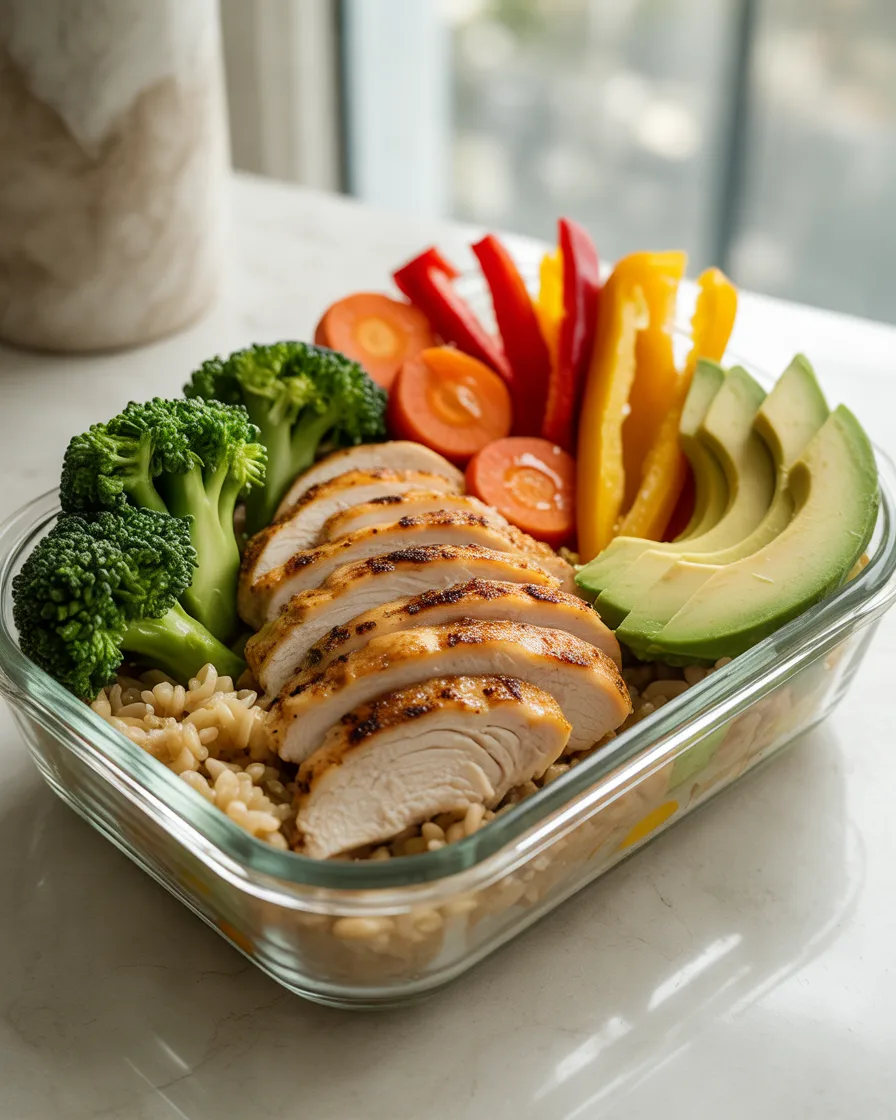
Chicken and vegetable rice bowls are among the most practical meal prep ideas for postpartum recovery. They combine protein, carbohydrates, vegetables, and healthy fats in one convenient container.
The best part is that you can prepare several portions at once and change the toppings or sauces to create different meals throughout the week.
Benefits
Chicken provides protein, which supports normal tissue maintenance and repair. Rice supplies carbohydrates for energy, while vegetables contribute fibre and important micronutrients. Adding avocado or olive oil provides unsaturated fats.
This combination makes a satisfying meal that can be reheated quickly when you have limited time.
Ingredients to Prepare
- 2 cups cooked brown or white rice
- 2 chicken breasts
- 1 cup broccoli florets
- 1 cup sliced carrots
- 1 bell pepper
- 1 avocado
- 2 tablespoons olive oil
- Garlic, black pepper, paprika, and a little salt
- Lemon juice for flavour
Practical Meal Prep Tips
Cook the rice in a large batch and roast the vegetables while the chicken cooks. Season the chicken with garlic, paprika, olive oil, and lemon juice before baking or grilling it thoroughly.
Divide everything into individual containers. Keep avocado separate and add it shortly before eating to maintain its freshness.
You can also prepare different flavours using mild yoghurt dressing, lemon-herb seasoning, or a simple homemade sauce.
How to Use This Meal
Enjoy one container for lunch or dinner. If you need a more filling meal, add beans, chickpeas, or extra vegetables.
For a busy morning, move a frozen portion into the refrigerator the night before and reheat it thoroughly when ready to eat.
Who It May Suit
This meal is suitable for new mothers who want a balanced, protein-containing lunch without preparing multiple dishes. It can also work for breastfeeding mothers who need convenient meals between feeding sessions.
Important Considerations
Cook chicken thoroughly and avoid leaving cooked rice at room temperature. Divide it into shallow containers and refrigerate or freeze promptly. Follow safe storage guidance for cooked leftovers.
2. Make Freezer-Friendly Chicken and Vegetable Soup for Comforting Postpartum Dinners
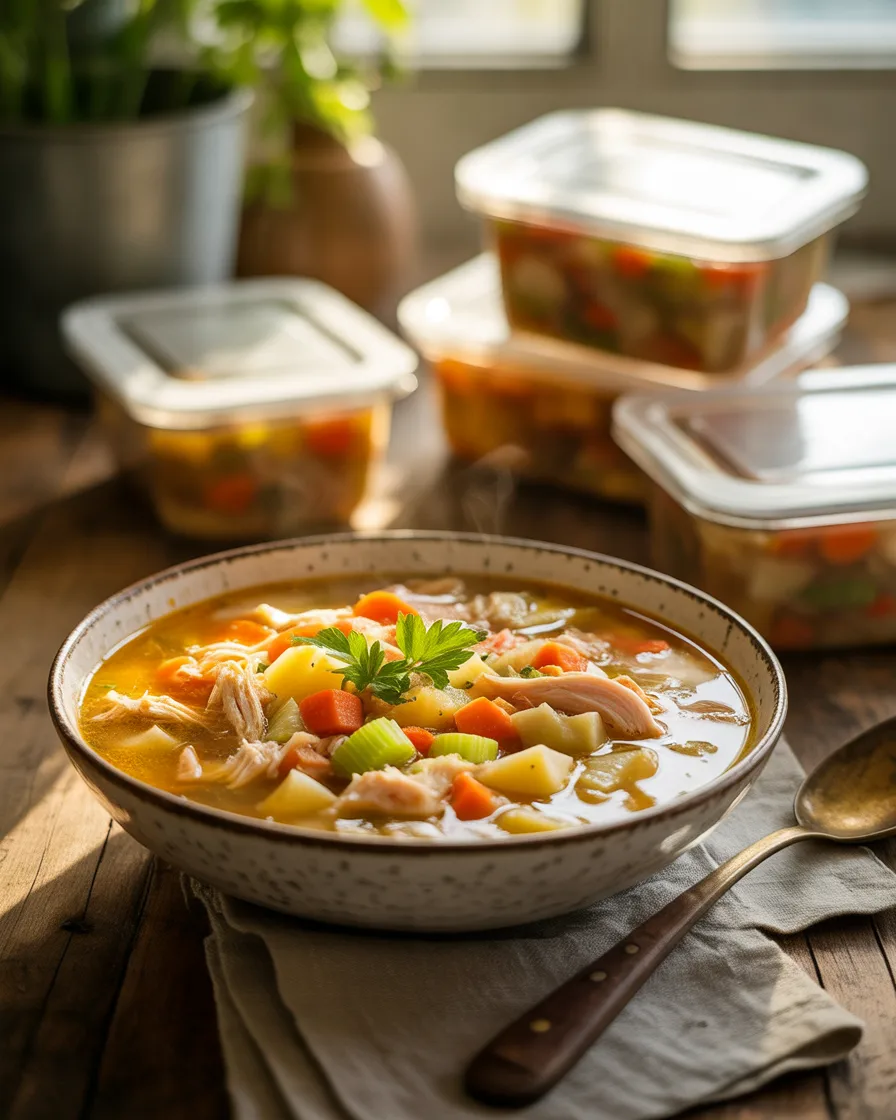
A warm bowl of chicken and vegetable soup is a convenient option when you want something comforting without spending time cooking every evening.
Soup is especially useful for postpartum meal prep because you can prepare a large batch, divide it into individual servings, and freeze portions for later.
It is also easy to customise depending on your appetite, food preferences, and available ingredients.
Benefits
Chicken contributes protein, while carrots, celery, onions, and other vegetables provide fibre and micronutrients. Adding potatoes, beans, or whole-grain noodles makes the soup more substantial.
The liquid content also contributes to daily fluid intake, although soup should not replace drinking water.
Ingredients to Prepare
- 2 cups cooked shredded chicken
- 2 carrots, chopped
- 2 celery stalks, chopped
- 1 onion, diced
- 2 garlic cloves
- 1 cup potatoes or whole-grain noodles
- 6 cups low-sodium chicken broth
- 1 tablespoon olive oil
- Parsley, black pepper, and mild herbs
Practical Meal Prep Tips
Prepare the soup in a large pot. Start by cooking onions, garlic, carrots, and celery in olive oil. Add the broth, potatoes, and seasoning, then simmer until the vegetables become tender.
Add the cooked shredded chicken towards the end.
Allow the soup to cool safely in smaller, shallow containers before refrigerating or freezing. Consider freezing individual portions so you do not need to thaw the entire batch.
If you plan to include noodles, you can cook and store them separately. This helps prevent them from becoming overly soft during storage.
How to Use This Meal
Reheat one serving for lunch or dinner. Pair it with whole-grain toast, a boiled egg, or a small side salad for a more complete meal.
Who It May Suit
This recipe is particularly useful for mothers who prefer warm, simple meals and want something that can be prepared ahead of time. It is also convenient for family members helping with postpartum meal preparation.
Important Considerations
Choose a lower-sodium broth if you are monitoring your sodium intake. Store the soup safely and reheat it thoroughly. If you have specific dietary restrictions or medical advice following childbirth, adjust the ingredients accordingly.
3. Prepare Overnight Oats for Quick and Nutritious Postpartum Breakfasts
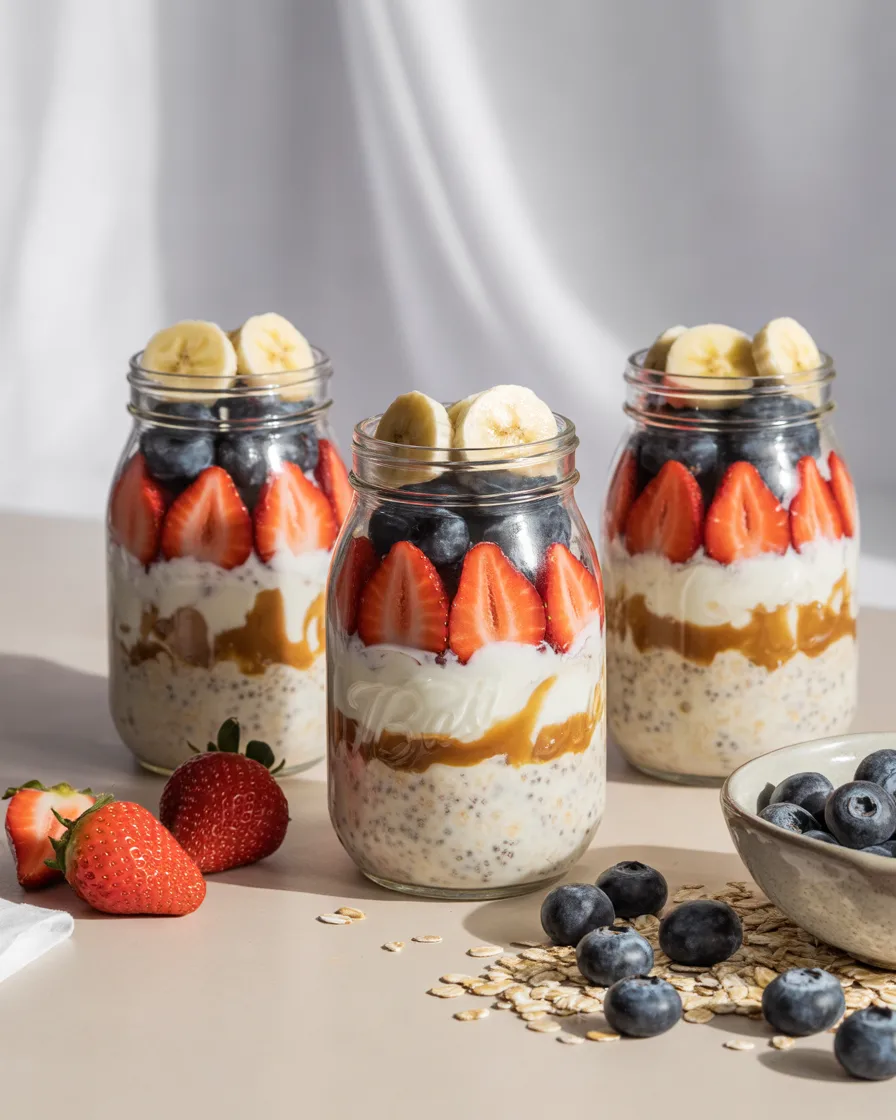
Breakfast can easily become an afterthought when you are caring for a newborn. Overnight oats offer a convenient solution because you can prepare them in advance and keep them refrigerated.
They require very little cooking and can be customised with ingredients you already have in your kitchen.
Benefits
Oats provide carbohydrates and soluble fibre, while milk or Greek yoghurt adds protein and calcium. Chia seeds and nut butter contribute healthy fats, and berries provide vitamins and antioxidants.
Combining these ingredients creates a filling breakfast that is easy to eat even when your morning routine is unpredictable.
Ingredients to Prepare
- ½ cup rolled oats per serving
- ½ cup milk or fortified plant-based milk
- ¼ cup plain Greek yoghurt
- 1 tablespoon chia seeds
- ½ cup fresh or frozen berries
- 1 tablespoon almond or peanut butter
- Cinnamon or honey for optional flavour
Practical Meal Prep Tips
Combine the oats, milk, yoghurt, and chia seeds in individual glass jars or food-safe containers.
Stir everything thoroughly and refrigerate overnight. Add berries and nut butter before serving or pack them separately if you prefer a different texture.
Prepare a few flavour combinations rather than making every jar identical:
- Strawberry and almond butter
- Blueberry and cinnamon
- Banana and peanut butter
- Apple and walnut
These small changes make breakfast more interesting without adding much preparation time.
How to Use This Meal
Take a jar from the refrigerator and enjoy it cold. If you prefer warm oatmeal, transfer the mixture to a microwave-safe bowl and heat it appropriately.
You can also add an extra spoonful of yoghurt or some chopped nuts when serving.
Who It May Suit
Overnight oats are useful for mothers who want a quick breakfast, especially those who have little time for cooking after waking up during the night.
They are also suitable for vegetarian diets when prepared with appropriate dairy or fortified plant-based alternatives.
Important Considerations
Check nut ingredients if you have allergies. Choose pasteurised dairy products and keep prepared oats refrigerated. If you are using plant-based milk, select a fortified option with calcium and vitamin D.
4. Make Spinach and Egg Muffins for Protein-Packed Postpartum Snacks
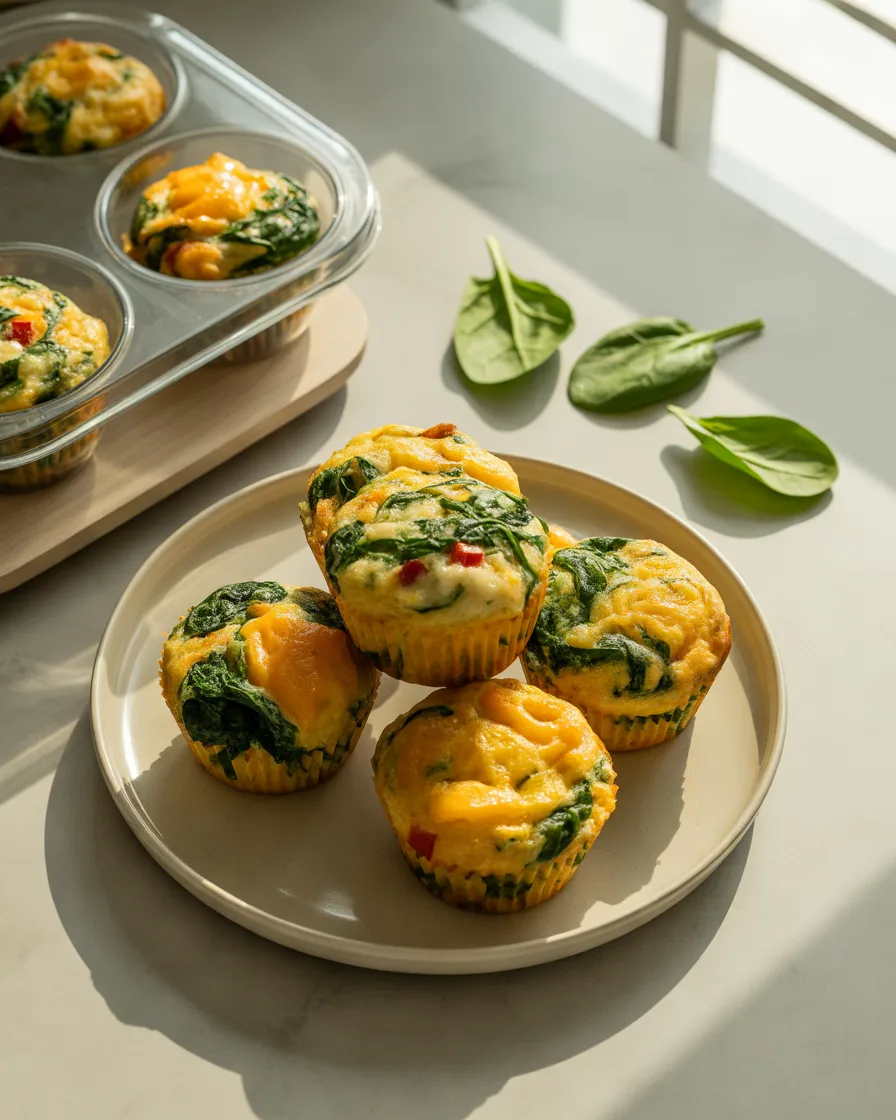
When you have a newborn, sitting down for a full breakfast is not always possible. Spinach and egg muffins are a convenient alternative because they can be prepared in advance, stored in individual portions, and eaten whenever you get a moment.
These mini egg cups are also easy to customise with different vegetables and cheeses.
Benefits
Eggs provide high-quality protein, vitamin B12, choline, and other nutrients. Spinach contributes folate and other micronutrients, while cheese adds protein and calcium.
Their individual portions make them particularly convenient for busy mornings and quick snacks.
Ingredients to Prepare
- 6 large eggs
- 1 cup fresh spinach, chopped
- ½ red bell pepper, diced
- ¼ cup shredded cheddar cheese
- 2 tablespoons milk
- Black pepper and a little salt
- Olive oil for greasing the muffin tin
Practical Meal Prep Tips
Preheat the oven and lightly grease a muffin tin. Whisk the eggs and milk together, then mix in the spinach, bell pepper, cheese, and seasoning.
Pour the mixture into the muffin cups and bake until the eggs are completely set.
Allow the muffins to cool before transferring them into airtight containers. You can prepare different versions using mushrooms, tomatoes, broccoli, or cooked chicken.
How to Use This Meal
Enjoy two or three egg muffins with whole-grain toast and fruit for breakfast. You can also eat one as a quick snack between meals.
Reheat refrigerated portions when needed, or thaw frozen portions safely before reheating.
Who It May Suit
These muffins are ideal for mothers who prefer savoury breakfasts or want a portable source of protein. They are also useful for anyone following a lower-carbohydrate eating pattern, provided their overall diet remains nutritionally balanced.
Important Considerations
Eggs should be thoroughly cooked, with no runny mixture remaining. Refrigerate promptly and follow recommended leftover storage times. If you have an egg or dairy allergy, use suitable alternatives.
5. Prepare Lentil and Vegetable Curry for Affordable Postpartum Meal Prep
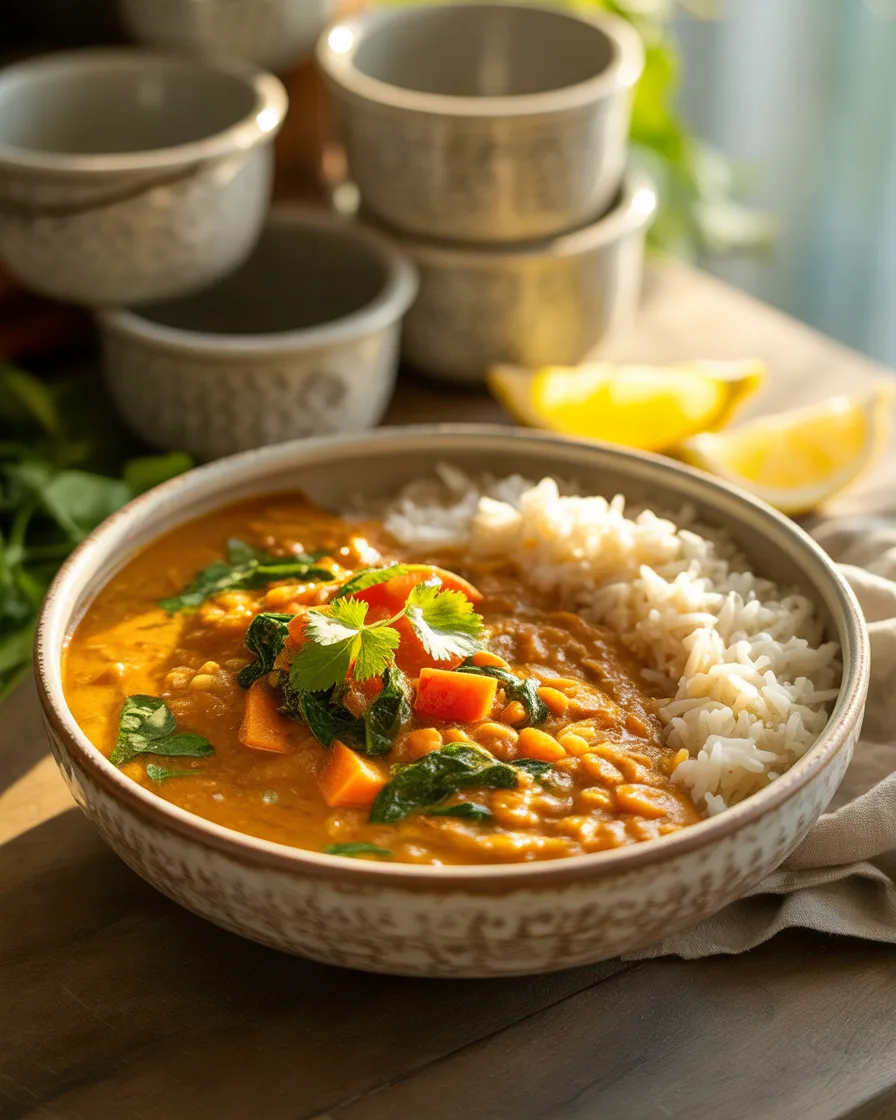
Lentil curry is a practical option for postpartum meal planning, especially if you enjoy homemade comfort food or want affordable plant-based meals.
Lentils cook relatively quickly, are easy to store, and can be combined with vegetables and rice to create a satisfying meal.
This is also a useful way to include more plant-based protein and fibre in your weekly routine.
Benefits
Lentils provide plant-based protein, iron, folate, and dietary fibre. Vegetables such as spinach, tomatoes, and carrots add additional nutrients.
Pairing lentils with rice creates a substantial meal that can fit into a balanced vegetarian eating pattern.
Adding vitamin C-rich ingredients, such as tomatoes or lemon juice, can help your body absorb non-haem iron from plant foods.
Ingredients to Prepare
- 1 cup red or brown lentils
- 1 onion, finely chopped
- 2 tomatoes, chopped
- 1 cup spinach
- 1 carrot, diced
- 2 garlic cloves
- ½ teaspoon turmeric
- ½ teaspoon cumin
- 1 tablespoon olive oil
- 3 cups water or low-sodium vegetable broth
- Fresh coriander and lemon juice
Practical Meal Prep Tips
Wash the lentils and cook them with the onion, tomatoes, garlic, carrot, turmeric, and cumin. Add water or vegetable broth and simmer until the lentils become soft.
Stir in the spinach towards the end and finish with fresh coriander and lemon juice.
Prepare a large batch and divide it into individual portions. Cook rice separately so you can adjust the serving size depending on your appetite.
You can also make a mild version without excessive chilli or strong seasoning if you prefer gentler flavours.
How to Use This Meal
Serve the curry with brown rice, white rice, or whole-grain flatbread. You can also add plain yoghurt for extra protein and a creamy texture.
For variety, use the same lentil base as a filling for wraps or serve it alongside roasted vegetables.
Who It May Suit
This meal is suitable for vegetarian mothers, families looking for affordable postpartum freezer meals, and anyone who wants to include more legumes in their diet.
It is also a convenient option for mothers who prefer South Asian home cooking.
Important Considerations
Lentils contain considerable fibre, so increase portions gradually if you are not accustomed to eating legumes. If you have digestive discomfort, try smaller servings and adjust the ingredients.
If you have been diagnosed with iron deficiency or anaemia, remember that food alone may not replace prescribed iron treatment.
6. Make Turkey or Chicken Meatballs with Whole-Wheat Pasta for Freezer-Friendly Dinners
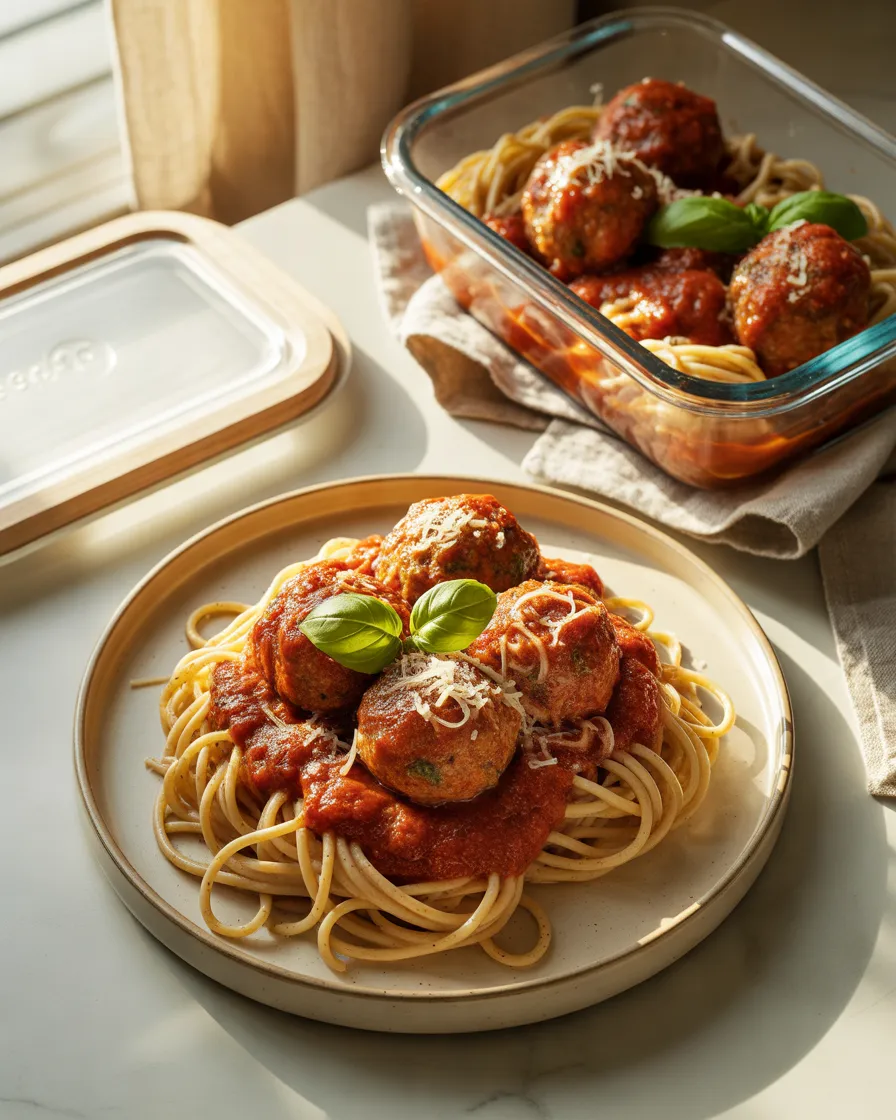
Preparing dinner every evening can become challenging after childbirth. Turkey or chicken meatballs with whole-wheat pasta offer a convenient solution because both the meatballs and tomato sauce can be prepared ahead of time.
This meal is easy to portion, freeze, and reheat, making it a useful addition to a postpartum freezer meal collection.
Benefits
Lean turkey and chicken provide protein, while whole-wheat pasta contributes carbohydrates and fibre. Tomato sauce adds flavour and provides nutrients such as vitamin C and lycopene.
The combination creates a satisfying dinner without requiring complicated preparation.
Ingredients to Prepare
- 500 g lean ground turkey or chicken
- 1 egg
- ½ cup whole-wheat breadcrumbs
- 2 garlic cloves, minced
- 1 teaspoon dried Italian herbs
- 2 cups tomato-based pasta sauce
- 250 g whole-wheat pasta
- ¼ cup grated Parmesan cheese
- 1 tablespoon olive oil
Practical Meal Prep Tips
Combine the ground meat, egg, breadcrumbs, garlic, and herbs. Shape the mixture into small meatballs and bake until they reach a safe internal temperature.
Prepare the tomato sauce separately and cook the pasta according to the packet instructions.
For meal prep, consider storing the meatballs and sauce together while keeping the pasta separate. This helps maintain a better texture after reheating.
You can freeze the meatballs in individual portions and prepare fresh pasta whenever needed.
How to Use This Meal
Combine a serving of meatballs and tomato sauce with whole-wheat pasta. Add a side of steamed broccoli or a simple green salad.
If you want a lower-effort dinner, simply reheat the meatballs and sauce and serve with toast or cooked vegetables.
Who It May Suit
This is an excellent option for mothers who enjoy traditional family meals and want something that can be prepared in bulk.
It also works well for partners and other family members who are helping with cooking after delivery.
Important Considerations
Cook poultry meatballs thoroughly. Ground poultry should reach an internal temperature of 165°F (74°C). Use airtight, freezer-safe containers and label them with preparation dates.
7. Prepare Greek Yoghurt Snack Boxes with Fruit, Nuts, and Seeds
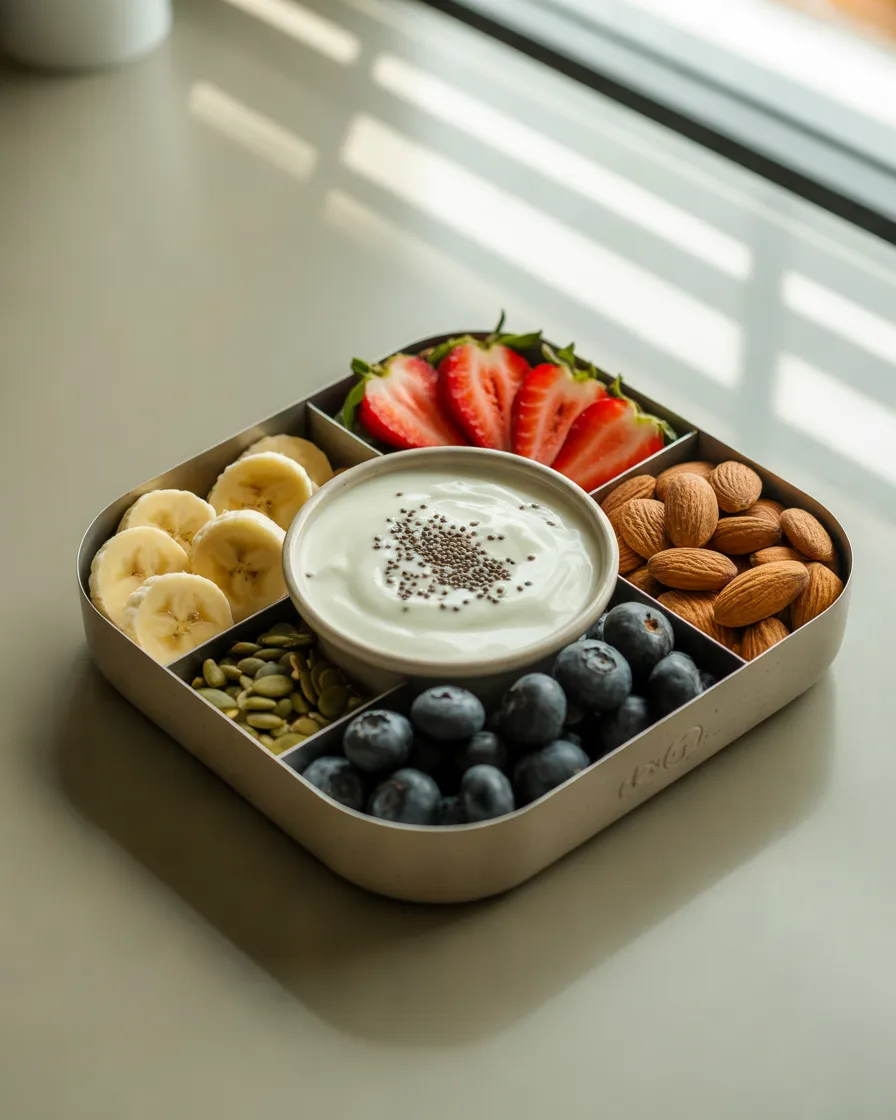
Not every postpartum meal needs to involve cooking. Sometimes, a simple snack box is exactly what you need when you are hungry but do not have enough time to prepare a full meal.
Greek yoghurt snack boxes are easy to assemble and can be customised according to your taste.
Benefits
Greek yoghurt provides protein and calcium. Berries contribute fibre and vitamins, while nuts and seeds provide healthy fats, magnesium, and other nutrients.
This combination offers a convenient snack that can help you avoid relying exclusively on packaged sweets or low-protein snacks when hunger strikes.
Ingredients to Prepare
- 1 cup plain Greek yoghurt
- ½ cup strawberries or blueberries
- 1 tablespoon pumpkin seeds
- 1 tablespoon chia seeds
- A small handful of almonds or walnuts
- 1 tablespoon natural peanut butter
- Optional cinnamon or a little honey
Practical Meal Prep Tips
Divide plain Greek yoghurt into small food-safe containers. Wash and dry the berries before portioning them.
Keep nuts and seeds in separate compartments or small containers to preserve their crunch.
Prepare several snack combinations:
- Greek yoghurt with blueberries and chia seeds
- Strawberry yoghurt bowls with almond butter
- Banana slices with walnuts and cinnamon
- Greek yoghurt with pumpkin seeds and oats
Keep the snack boxes refrigerated and add ingredients that soften easily shortly before serving.
How to Use This Meal
Enjoy a snack box between meals, after breakfast, or whenever you need something convenient during the day.
For a more substantial breakfast, increase the yoghurt portion and add oats or whole-grain granola.
Who It May Suit
This option is suitable for mothers who enjoy sweet snacks and want a convenient way to include protein, fruit, and healthy fats.
It can also work well for breastfeeding mothers who need accessible snacks between feeding sessions.
Important Considerations
Choose pasteurised yoghurt and unsweetened varieties where possible. Check ingredients for added sugar and allergens. Keep yoghurt refrigerated, and avoid leaving dairy-based snacks at room temperature for extended periods.
8. Make Sweet Potato and Black Bean Burrito Bowls for Easy Plant-Based Meals
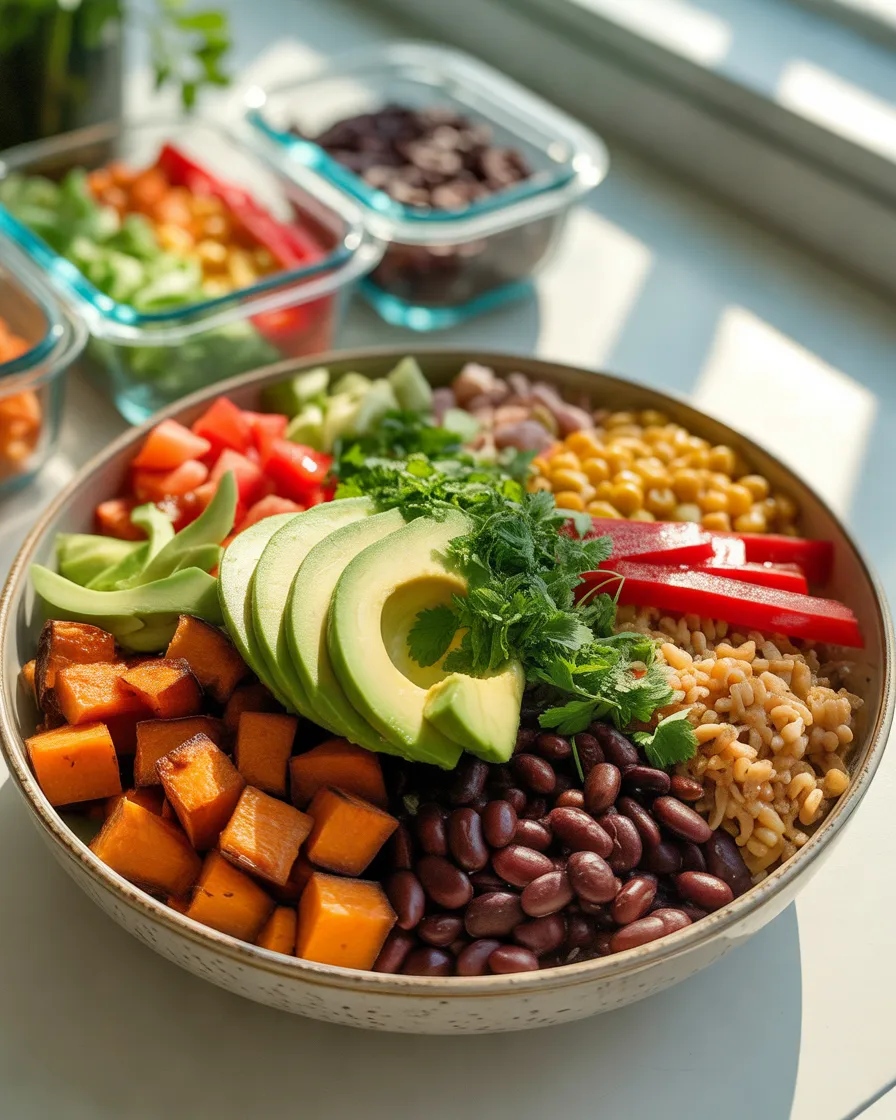
Sweet potato and black bean burrito bowls are colourful, filling, and easy to prepare in multiple portions.
They are especially useful when you want a break from meat-based meals without compromising on variety or nutritional value.
The ingredients are affordable, widely available, and suitable for different dietary preferences.
Benefits
Black beans provide plant-based protein, iron, and fibre. Sweet potatoes contain carbohydrates, beta-carotene, and potassium. Avocado contributes unsaturated fats, while tomatoes and peppers add flavour and micronutrients.
Combining beans with rice also creates a satisfying plant-based meal.
Ingredients to Prepare
- 2 medium sweet potatoes
- 1 can black beans, drained and rinsed
- 2 cups cooked brown rice
- 1 cup sweetcorn
- 1 avocado
- 1 red bell pepper
- 1 cup chopped tomatoes
- 1 tablespoon olive oil
- Paprika, cumin, and mild seasoning
- Fresh lime juice
Practical Meal Prep Tips
Cut sweet potatoes into small cubes, coat them with olive oil and seasoning, and roast until tender.
Prepare the rice and warm the black beans with cumin and paprika. Divide the rice, beans, sweet potatoes, corn, and peppers into meal prep containers.
Store avocado and fresh toppings separately until serving.
For extra variety, add shredded lettuce, plain yoghurt, or a mild homemade lime dressing.
How to Use This Meal
Enjoy the bowl for lunch or dinner. You can also wrap the ingredients in a whole-wheat tortilla to create a quick burrito.
If you want more protein, add grilled chicken, tofu, or an extra serving of beans.
Who It May Suit
This is a good choice for vegetarian mothers, families looking for budget-friendly postpartum meals, and anyone who wants a colourful, vegetable-rich lunch.
Important Considerations
Rinse canned beans to reduce some of the added sodium. If you are sensitive to legumes, start with a smaller portion. Keep fresh avocado separate because it can brown during storage.
9. Prepare Banana and Oat Energy Bites for Convenient Postpartum Snacking
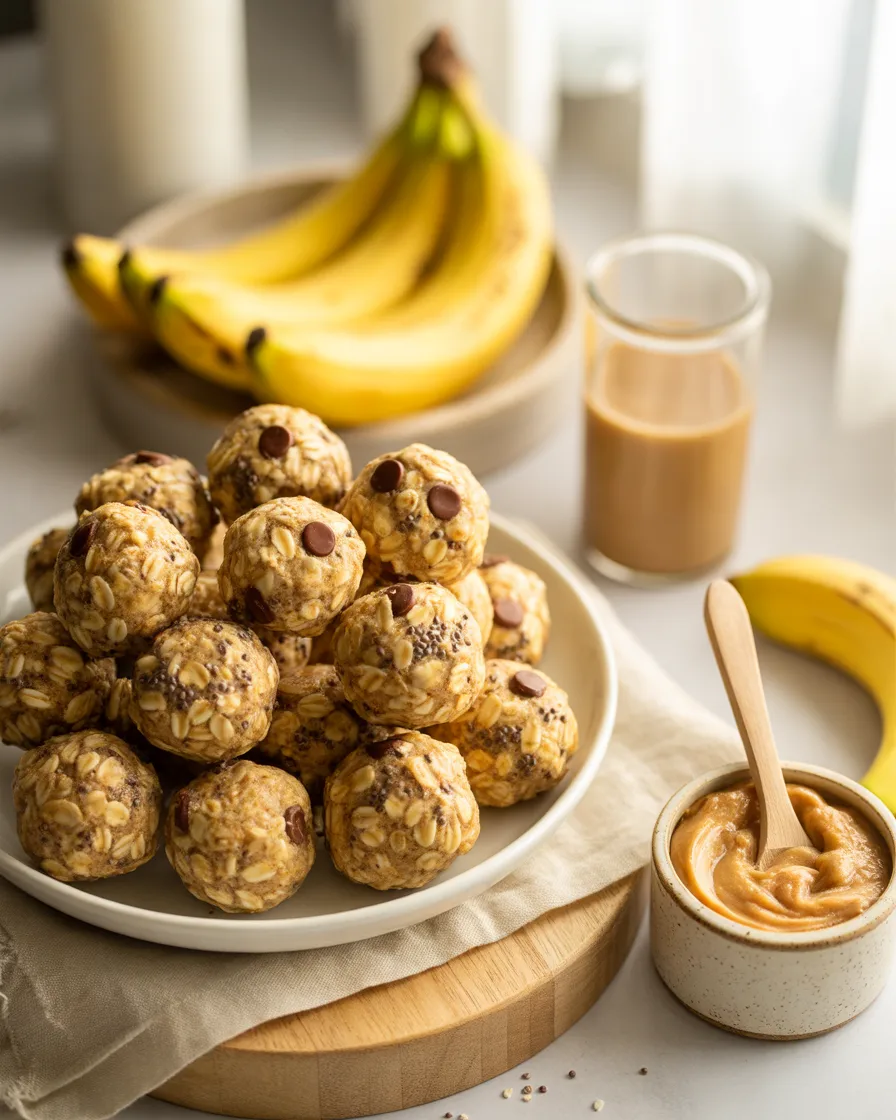
Having convenient snacks available can be particularly helpful during the early postpartum weeks. You may find yourself hungry between meals, especially when your daily routine revolves around caring for your newborn.
Banana and oat energy bites are simple, portable snacks that require no baking.
Despite their name, they are simply convenient snack portions rather than a special source of energy or a treatment for postpartum fatigue.
Benefits
Oats provide carbohydrates and fibre. Bananas contribute potassium and natural sweetness, while peanut butter provides protein and unsaturated fats.
Chia seeds add fibre and plant-based omega-3 fatty acids.
These ingredients make a useful alternative to buying packaged snacks every time you feel hungry.
Ingredients to Prepare
- 1 ripe banana
- 1 cup rolled oats
- ¼ cup natural peanut butter
- 1 tablespoon chia seeds
- 1 tablespoon ground flaxseed
- ½ teaspoon cinnamon
- 2 tablespoons raisins or dark chocolate chips
Practical Meal Prep Tips
Mash the banana in a mixing bowl and add peanut butter, oats, chia seeds, flaxseed, and cinnamon.
Mix until everything is combined. Refrigerate the mixture briefly if it feels too soft, then roll it into small bite-sized balls.
Store them in an airtight container in the refrigerator. You can also freeze portions for longer storage.
If you prefer a different flavour, try adding shredded coconut, chopped dates, or finely chopped nuts.
How to Use This Meal
Enjoy one or two bites with a glass of milk, a cup of yoghurt, or a piece of fruit.
Keep a small portion accessible in the refrigerator so you have a quick snack when preparing a full meal is inconvenient.
Who It May Suit
These snacks are useful for mothers who enjoy naturally sweet foods and prefer preparing snacks in advance.
They are also suitable for vegetarian diets when made with plant-based ingredients.
Important Considerations
Peanut butter and nuts can trigger allergic reactions in people with relevant allergies. Keep the mixture refrigerated because it contains fresh banana. Avoid treating energy bites as a replacement for balanced meals.
10. Prepare Salmon, Quinoa, and Roasted Vegetables for Nutrient-Rich Postpartum Dinners
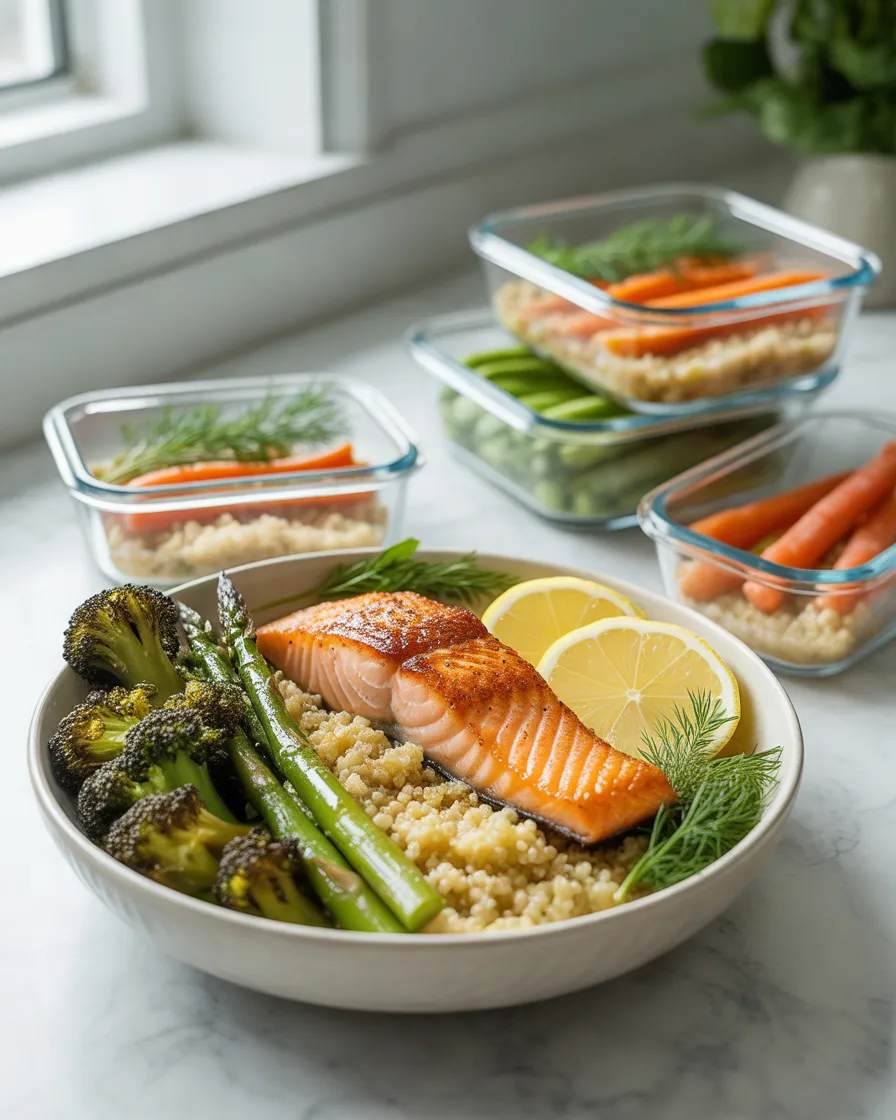
If you enjoy seafood, salmon and quinoa bowls can be a valuable addition to your postpartum meal plan.
This meal combines protein-rich fish, whole-grain-like quinoa, and colourful vegetables. It is suitable for a planned dinner and can be prepared in individual portions.
Benefits
Salmon provides protein and omega-3 fatty acids, including DHA. These fats are important components of a healthy diet.
Quinoa supplies carbohydrates, fibre, and plant-based protein. Roasted vegetables contribute vitamins, minerals, and additional fibre.
For breastfeeding mothers, choosing fish with lower mercury levels is particularly important. Salmon is generally considered a lower-mercury seafood choice.
Ingredients to Prepare
- 2 salmon fillets
- 1 cup uncooked quinoa
- 1 cup broccoli florets
- 1 cup chopped carrots
- 1 cup asparagus
- 1 tablespoon olive oil
- 1 lemon
- Garlic, black pepper, and mild herbs
Practical Meal Prep Tips
Rinse the quinoa and cook it according to the packet instructions.
Season the salmon with olive oil, lemon juice, garlic, and herbs. Bake until thoroughly cooked. Roast the vegetables separately until tender.
Divide the quinoa, salmon, and vegetables into individual containers.
If you are preparing meals several days ahead, freeze portions that will not be eaten within the recommended refrigerated storage period.
How to Use This Meal
Serve one salmon portion with quinoa and roasted vegetables for lunch or dinner.
You can also use leftover quinoa as the base for a quick vegetable bowl. Add fresh lemon juice before serving to improve the flavour.
Who It May Suit
This meal is suitable for mothers who enjoy seafood and want to include fish as part of a varied diet. It is particularly useful for people who want a simple dinner with protein, carbohydrates, and vegetables.
Important Considerations
Choose low-mercury fish and follow local seafood recommendations. Fish should be cooked thoroughly and stored safely. If you have a seafood allergy, replace salmon with chicken, tofu, or another suitable protein source.
Expert Tips for Successful Meal Prep for Postpartum
Preparing meals before childbirth is useful, but having a realistic system is even more important. The goal is not to fill your refrigerator with dozens of complicated recipes. It is to make nutritious food easier to access when you are tired, busy, or recovering.
Here are some practical tips to make postpartum meal planning manageable.
1. Start Meal Preparation Before Your Due Date
If possible, prepare several freezer-friendly meals during the final weeks of pregnancy. Soups, lentil curries, meatballs, casseroles, and cooked sauces are useful options.
Label each container with its name, preparation date, and reheating instructions.
2. Focus on Nutritional Variety
Try to include different food groups throughout the day:
- Protein: Eggs, chicken, fish, yoghurt, beans, lentils, and tofu.
- Carbohydrates: Rice, oats, potatoes, whole-grain bread, and quinoa.
- Healthy fats: Avocados, nuts, seeds, and olive oil.
- Fruits and vegetables: Berries, oranges, spinach, carrots, broccoli, and tomatoes.
- Calcium-rich foods: Milk, yoghurt, cheese, and fortified alternatives.
You do not need to achieve a perfect nutritional balance in every single meal. Variety across the day is a more practical goal.
3. Prepare Snacks Alongside Main Meals
New parents often focus on lunch and dinner while forgetting about snacks. Keep convenient options available, such as:
- Boiled eggs
- Greek yoghurt
- Fresh fruit
- Nuts and seeds
- Whole-grain crackers
- Cheese portions
- Hummus with vegetables
- Oat-based snack bites
Place frequently used snacks in an easy-to-reach area of the refrigerator or pantry.
4. Make Hydration Convenient
Keep a reusable water bottle near your usual feeding or resting area. Drinking water regularly is particularly important if you are breastfeeding.
You can also include milk, soups, and other suitable beverages in your daily fluid intake. Drink according to thirst rather than forcing excessive amounts of water.
5. Accept Help With Grocery Shopping and Cooking
Family members and friends can make a meaningful contribution by preparing meals, washing vegetables, shopping for groceries, or portioning freezer meals.
Instead of asking someone to help generally, give them a simple task such as preparing a batch of soup or assembling breakfast containers.
6. Keep Food Storage and Reheating Safe
Food safety is especially important when preparing meals in advance.
- Refrigerate perishable food within two hours of preparation.
- Keep your refrigerator at or below 40°F (4°C).
- Keep your freezer at 0°F (-18°C) or below.
- Use refrigerated cooked leftovers within three to four days.
- Freeze portions that will not be eaten within that period.
- Reheat leftovers to 165°F (74°C).
- Thaw frozen meals safely in the refrigerator or using an appropriate microwave setting.
Use shallow containers to help food cool quickly, and never rely on smell or appearance alone to determine whether stored food is safe.
7. Avoid Restrictive Dieting During Early Recovery
The postpartum period is not the time to rush into restrictive weight-loss plans or skip meals to compensate for pregnancy weight gain.
Your body needs adequate nourishment during recovery. If you are breastfeeding, your energy and nutrient requirements may also be higher.
If you want to change your weight or follow a particular dietary plan, discuss an appropriate approach with your healthcare professional.
8. Adapt Meals to Your Recovery and Delivery Experience
Your nutritional needs and appetite may vary depending on your delivery, recovery, medical history, and feeding choices.
For example, someone experiencing constipation may benefit from gradually increasing fibre and fluid intake. Someone who has had significant blood loss may need assessment for iron deficiency.
Personalised medical and dietary advice is more appropriate than following a one-size-fits-all postpartum diet.
Frequently Asked Questions About Meal Prep for Postpartum
1. What are the best meals to prepare before having a baby?
Some of the best meals to prepare before childbirth include chicken and vegetable soup, lentil curry, turkey meatballs, chicken rice bowls, casseroles, and vegetable-based pasta sauces.
Choose meals that freeze and reheat well. Prepare individual portions so you can enjoy one meal without thawing an entire batch.
2. How many postpartum freezer meals should I prepare?
There is no fixed number that every family needs. Preparing around 10–15 individual meal portions can be a useful starting point, depending on your freezer space, household size, and available support.
Include a combination of breakfasts, lunches, dinners, and snacks rather than preparing only large evening meals.
3. What foods are good for postpartum recovery?
A varied diet containing protein, whole grains, fruits, vegetables, healthy fats, and calcium-rich foods is a good foundation.
Examples include eggs, chicken, salmon, lentils, beans, spinach, oats, yoghurt, nuts, and sweet potatoes.
If you experienced significant blood loss or have been diagnosed with anaemia, ask your healthcare professional whether iron testing or supplementation is needed.
4. What are some easy postpartum meals for breastfeeding mothers?
Convenient options include overnight oats, chicken rice bowls, lentil curry, salmon with quinoa, Greek yoghurt snack boxes, and egg muffins.
Breastfeeding mothers generally need additional energy and certain nutrients. However, there is no single special diet that everyone must follow while breastfeeding.
Focus on variety, adequate food intake, and regular hydration. Individual nutritional needs can vary depending on breastfeeding frequency and other factors.
5. Can I freeze meals before giving birth?
Yes. Many cooked meals can be prepared and frozen before delivery.
Good choices include soups, curries, meatballs, casseroles, cooked sauces, and individual portions of cooked chicken.
Use freezer-safe containers, label everything clearly, and follow appropriate freezing, thawing, and reheating guidance.
6. What snacks should I keep available after childbirth?
Convenient snacks include:
- Greek yoghurt with berries.
- Boiled eggs and whole-grain crackers.
- Banana with peanut butter.
- Nuts and dried fruit.
- Hummus with vegetable sticks.
- Homemade oat bites.
- Cheese with whole-grain toast.
Combining protein, fibre, and healthy fats can make snacks more satisfying.
7. How can I make postpartum meal prep affordable?
You do not need expensive ingredients or specialised health foods.
Use affordable staples such as lentils, beans, oats, eggs, rice, seasonal vegetables, potatoes, and frozen fruit.
Buy ingredients in larger quantities when practical, prepare meals in batches, and reuse ingredients across different recipes.
For example, cooked chicken can be used in rice bowls, soup, wraps, and pasta dishes.
8. Should I follow a special diet after a C-section?
A C-section does not automatically require a completely different diet. However, your individual recovery, appetite, bowel function, medical history, and any complications may affect your nutritional needs.
Include a variety of protein-rich foods, vegetables, fruits, whole grains, and fluids as tolerated.
Follow your surgical team’s instructions, particularly if you have digestive symptoms, wound-healing concerns, or other complications.
9. Are there foods I should avoid while breastfeeding?
Most breastfeeding mothers do not need to eliminate particular foods routinely.
However, it is important to follow seafood recommendations concerning mercury, be mindful of caffeine, and avoid alcohol when appropriate to your feeding plans.
If you suspect that a particular food is affecting your baby, discuss the symptoms with a healthcare professional before making major dietary restrictions.
10. When should I start postpartum meal preparation?
Ideally, start planning during pregnancy, when you have more flexibility to organise recipes and groceries.
You can prepare freezer-friendly meals during the final weeks before your due date, provided you are feeling well and your healthcare professional has not advised otherwise.
If you have already delivered, start small. Preparing a few breakfasts, snacks, or one large batch of soup can make a difference.
Conclusion: Make Postpartum Meal Prep Simple, Nutritious, and Stress-Free
The early weeks after childbirth involve many adjustments, and preparing meals should not become another source of pressure.
A practical meal prep for postpartum routine can help you maintain access to nourishing food while giving you more opportunities to rest, recover, and spend time with your newborn.
Start with simple recipes such as chicken and vegetable rice bowls, lentil curry, overnight oats, egg muffins, and freezer-friendly soups. Add convenient snacks, organise individual meal portions, and keep ingredients that can be combined in different ways.
Remember that postpartum nutrition is not about following a perfect meal plan. It is about eating enough, enjoying a variety of foods, staying hydrated, and adapting your meals to your individual needs.
Most importantly, accept help when it is offered. Your family and support network can contribute by cooking, shopping, and preparing meals while you focus on your recovery and your baby.
A little preparation before or after delivery can make everyday eating considerably easier during this important stage of life.
References and Health Information
The nutritional and food-safety guidance in this article is informed by the following authoritative resources:
- CDC – Maternal Diet and Breastfeeding.
- NHS – Breastfeeding and Diet.
- WHO – Iron Supplementation in Postpartum Women.
- CDC – Preventing Food Poisoning.
- FoodSafety.gov – Cold Food Storage Chart.
Editorial note: This article provides general nutrition information and is not a substitute for individual medical or dietetic advice. Nutritional needs may differ following vaginal delivery, C-section, complications, anaemia, and during breastfeeding.