Losing 20 pounds does not necessarily require expensive diet programs, complicated recipes, or giving up your favorite foods. Sometimes, the biggest challenge is simply deciding what to eat every day. Busy schedules, unexpected cravings, takeout meals, and oversized portions can make it difficult to maintain consistent eating habits.
This is where meal prep can make a real difference.
A well-planned meal prep to lose 20 pounds routine helps you prepare nutritious meals in advance, manage portions, and make healthier choices when you have limited time. Instead of ordering fast food after a long day, you already have a satisfying meal waiting in your refrigerator.
The goal is not to eat as little as possible. It is to create balanced meals that provide enough protein, fiber, healthy fats, vitamins, and minerals while supporting an appropriate calorie intake for your individual needs.
For many adults, gradual weight loss of around 1–2 pounds per week is considered a reasonable general target, although individual progress varies. Losing 20 pounds may therefore take several months rather than a few weeks.
In this guide, you will discover 12 healthy meal prep ideas that combine simple ingredients, satisfying flavors, and practical preparation methods. These recipes include breakfast options, protein-rich lunch bowls, nutritious dinners, and convenient snacks that can help make your weight management routine easier to follow.
12 Healthy Meal Prep Ideas to Help You Lose 20 Pounds
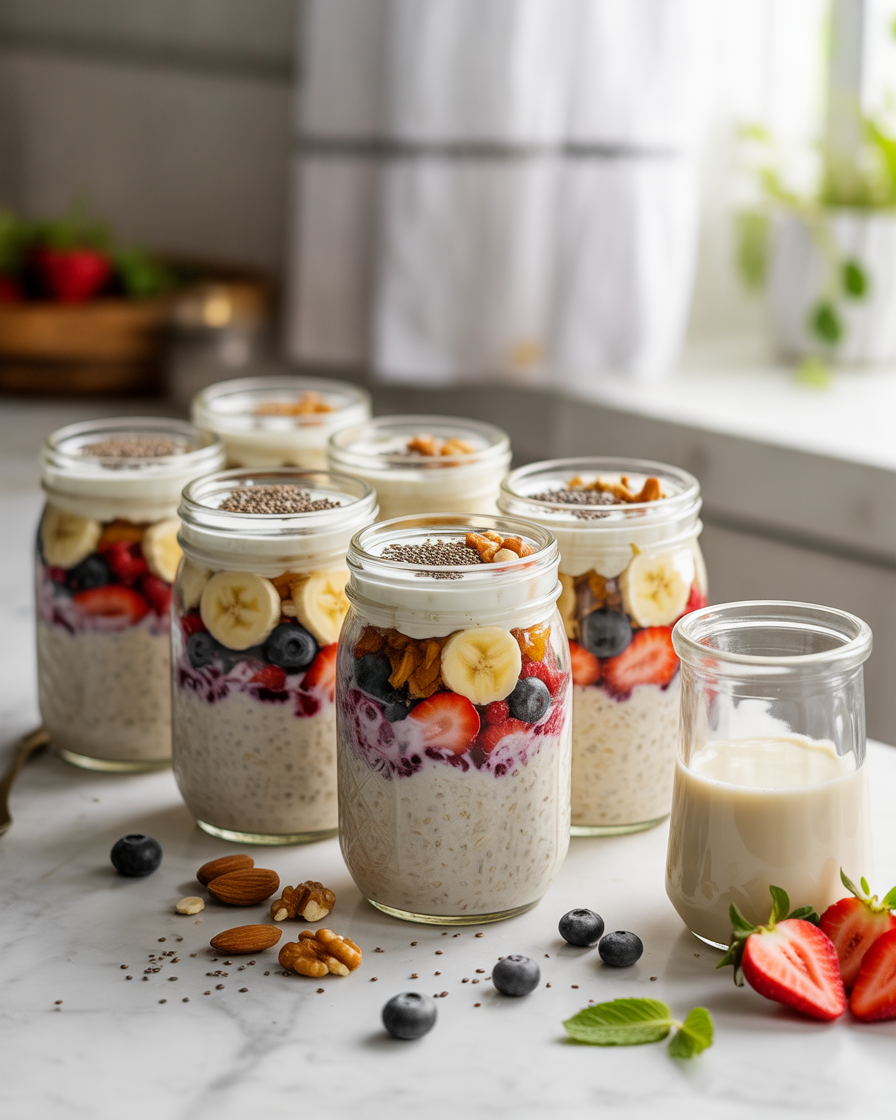
1. Prepare Greek Yogurt and Berry Overnight Oats for a Protein-Rich Breakfast
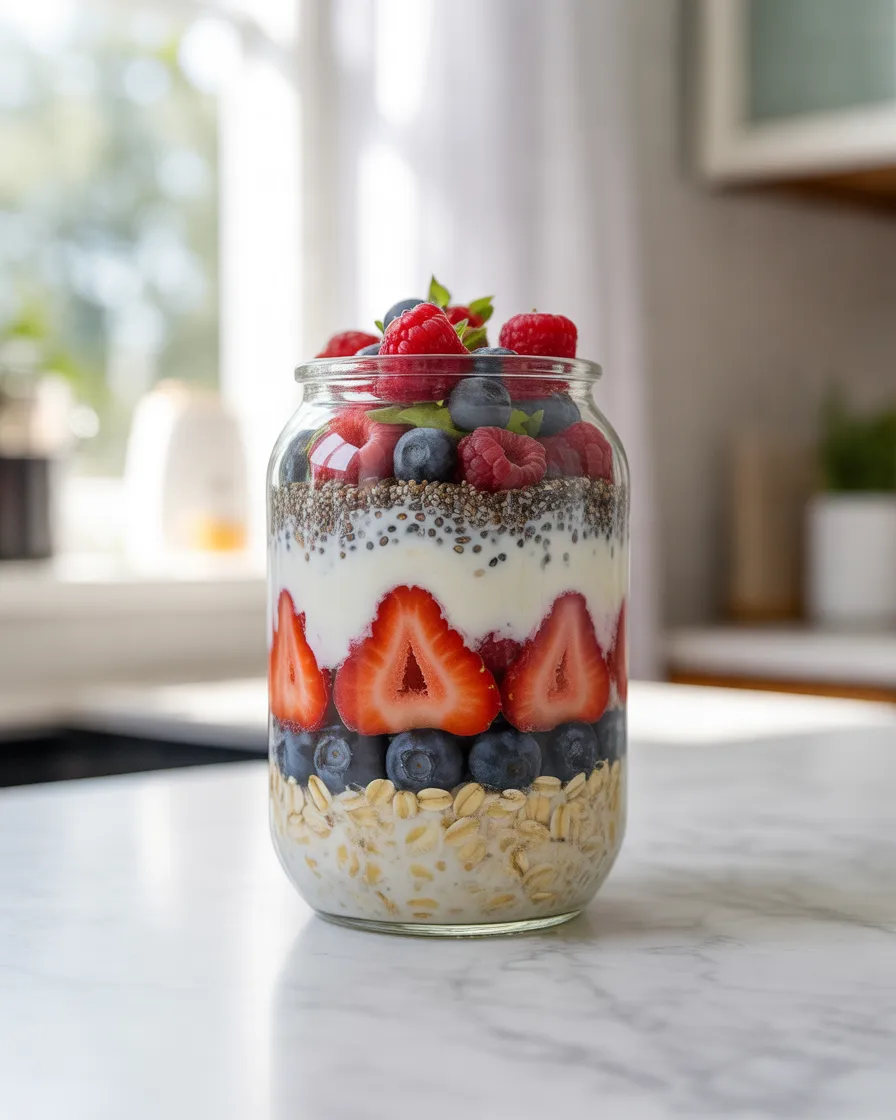
Greek yogurt and berry overnight oats are an excellent breakfast option when you want something nutritious, convenient, and easy to prepare ahead of time.
This combination provides protein from Greek yogurt, fiber from oats and berries, and healthy fats from chia seeds. Together, these ingredients create a satisfying breakfast that can help you manage morning hunger.
You can prepare several jars at once, making this one of the easiest healthy meal prep ideas for busy weekdays.
Benefits:
- Greek yogurt provides protein that supports muscle maintenance and fullness.
- Oats provide soluble fiber, which supports digestive health.
- Berries contribute vitamins, antioxidants, and natural sweetness.
- Chia seeds provide fiber and healthy fats.
- Preparing breakfast in advance can reduce the temptation to purchase convenient pastries or sugary breakfast foods.
Practical Tips:
Choose plain, unsweetened Greek yogurt to avoid unnecessary added sugar. Fresh or frozen blueberries, strawberries, and raspberries all work well. If you prefer additional sweetness, use a small amount of mashed banana or cinnamon.
How to Prepare and Use It:
- Add half a cup of rolled oats to a glass jar.
- Mix in half a cup of plain Greek yogurt.
- Add approximately one-third cup of milk or an unsweetened milk alternative.
- Add half a cup of berries and one teaspoon of chia seeds.
- Stir everything together and refrigerate overnight.
- Prepare individual portions for the next few mornings.
You can adjust the quantities depending on your nutritional needs and appetite.
Who It May Suit:
This breakfast is particularly suitable for busy professionals, students, people who prefer sweet breakfasts, and anyone who wants a convenient alternative to sugary cereals.
Important Considerations:
Choose yogurt with an appropriate protein content and check the added-sugar information on flavored products. People with dairy intolerance can use lactose-free Greek yogurt or a suitable fortified soy alternative.
Suggested Image Alt Text: Greek yogurt and berry overnight oats for healthy meal prep to lose 20 pounds.
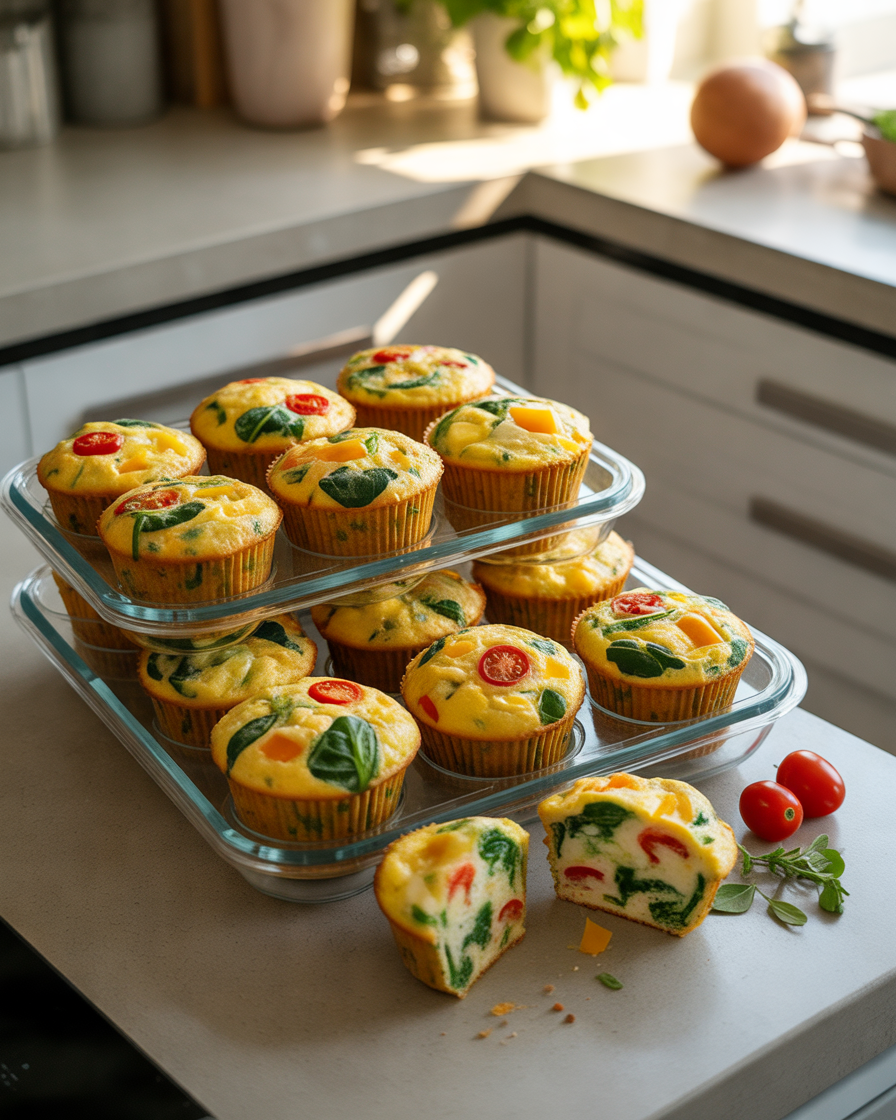
2. Make Spinach and Vegetable Egg Muffins for Easy Morning Meals
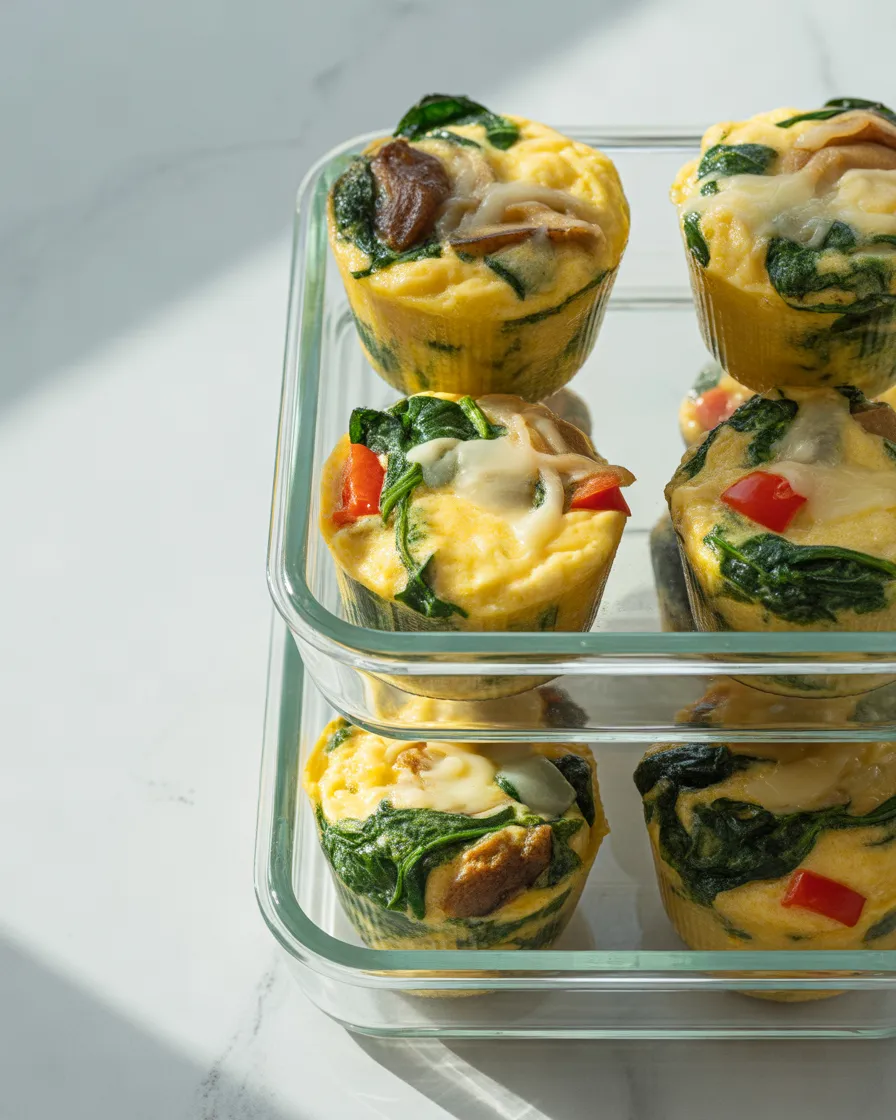
Egg muffins are a practical alternative to traditional breakfast sandwiches. They are made by baking beaten eggs with vegetables in a muffin tray, creating small individual portions that are easy to refrigerate and reheat.
Eggs provide high-quality protein, while vegetables such as spinach, tomatoes, onions, and bell peppers add fiber and important micronutrients.
These muffins are particularly useful when you have little time to prepare breakfast in the morning.
Benefits:
- Eggs provide protein and several essential nutrients.
- Vegetables increase the nutritional variety of breakfast.
- Individual portions make serving easier.
- The recipe is customizable and relatively inexpensive.
- They can replace less nutritious convenience breakfast options.
Practical Tips:
Use a combination of spinach, mushrooms, onions, and red peppers. Add black pepper, paprika, and herbs for flavor. A small amount of reduced-fat cheese can provide additional taste.
How to Prepare and Use It:
- Preheat your oven to approximately 375°F (190°C).
- Whisk six eggs in a mixing bowl.
- Add chopped spinach, diced bell peppers, onions, and mushrooms.
- Season with black pepper and a small amount of salt.
- Pour the mixture into a lightly greased muffin tray.
- Bake until the eggs are fully set.
- Cool and divide into individual portions.
Serve two or three muffins, depending on their size and your nutritional requirements, with a piece of whole-grain toast or fresh fruit.
Who It May Suit:
These muffins work well for people who commute, parents with busy mornings, meal-prep beginners, and anyone who prefers a savory breakfast.
Important Considerations:
Cook egg dishes thoroughly. Refrigerate them promptly and use refrigerated leftovers within three to four days. Freeze additional portions if you want to store them longer.
Suggested Image Alt Text: Healthy spinach and vegetable egg muffins for easy breakfast meal prep.
3. Prepare Grilled Chicken and Quinoa Bowls for Balanced Lunches
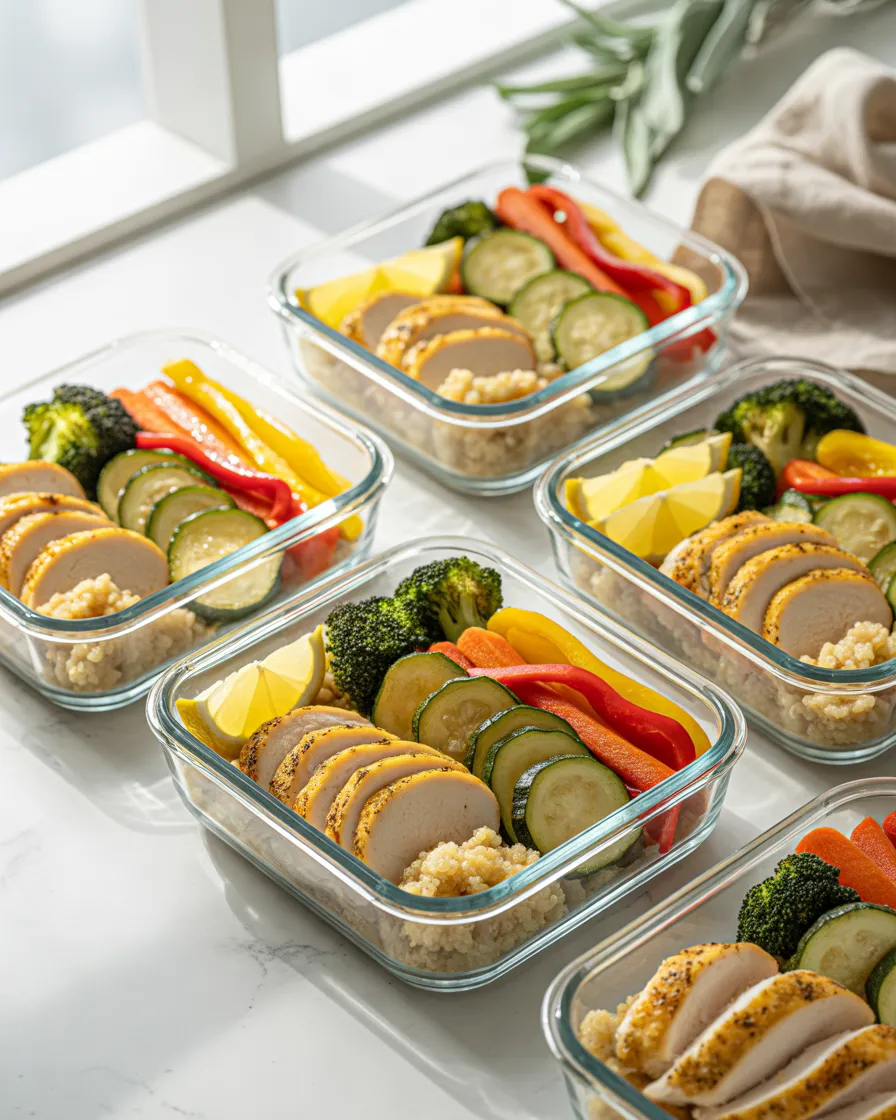
Grilled chicken and quinoa bowls are among the most versatile meals to include in a weekly weight loss meal prep plan.
They combine lean protein, whole grains, and colorful vegetables in one convenient container. The ingredients are easy to prepare in larger quantities, and you can change the seasonings throughout the week to prevent repetitive meals.
Chicken provides protein, while quinoa contributes fiber and additional protein. Vegetables add volume, color, and nutritional variety.
Benefits:
- Chicken supports protein intake and muscle maintenance.
- Quinoa provides carbohydrates, fiber, and plant protein.
- Vegetables contribute important vitamins and minerals.
- Preparing individual bowls makes portion management easier.
- The ingredients can be purchased in bulk to reduce food costs.
Practical Tips:
Use skinless chicken breast or another lean chicken cut. Roast vegetables such as broccoli, zucchini, carrots, and bell peppers. Prepare quinoa in low-sodium broth for additional flavor.
How to Prepare and Use It:
- Cook quinoa according to the package instructions.
- Season chicken with garlic, paprika, black pepper, lemon juice, and herbs.
- Grill or bake the chicken until it reaches a safe internal temperature of 165°F (74°C).
- Roast your preferred vegetables.
- Divide the quinoa, sliced chicken, and vegetables into meal prep containers.
- Store the dressing separately and add it before eating.
A simple lemon and olive oil dressing works particularly well.
Who It May Suit:
This meal is suitable for people who want filling work lunches, active adults, gym-goers, and anyone looking for a balanced alternative to restaurant meals.
Important Considerations:
Measure calorie-dense additions such as olive oil, cheese, nuts, and dressings. Healthy ingredients can still contribute substantial calories when portions become large.
Suggested Image Alt Text: Grilled chicken and quinoa bowls for healthy weight loss meal prep.
4. Cook a Large Batch of Turkey and Bean Chili for Filling Dinners
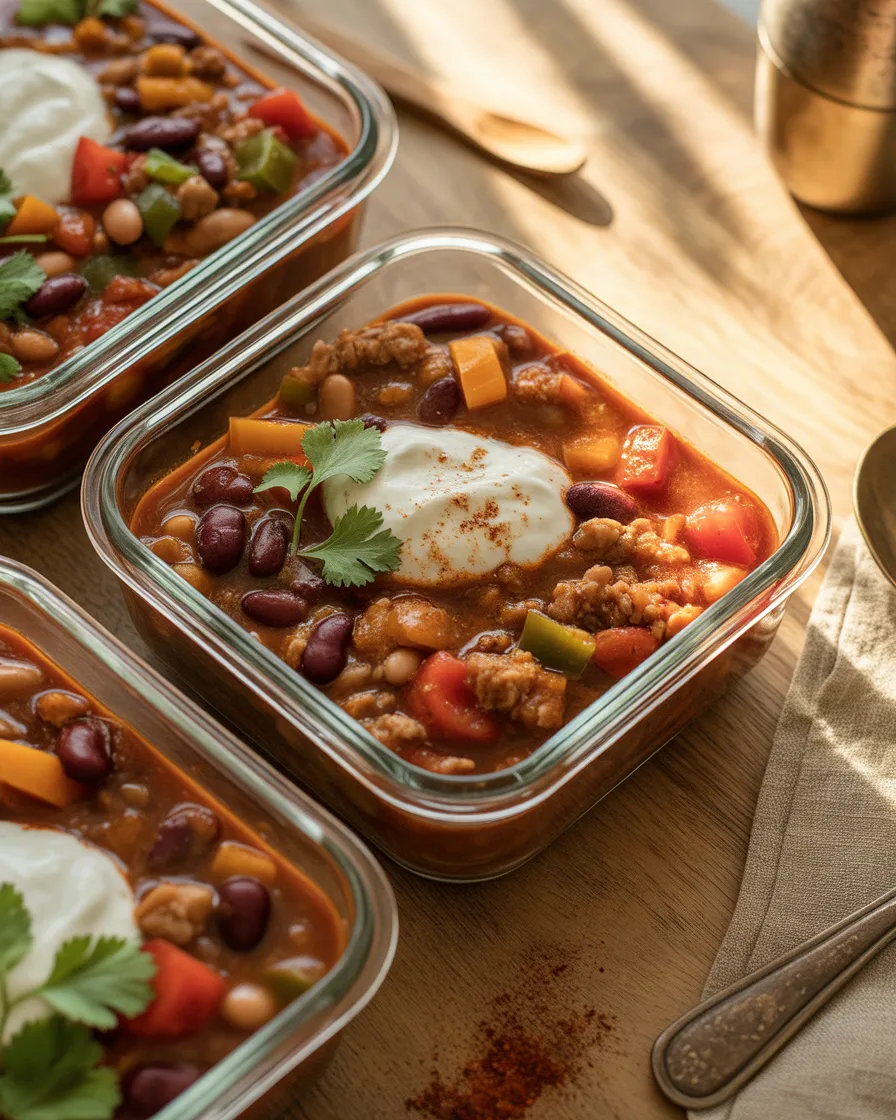
Turkey and bean chili is a comforting meal that can make healthy eating feel satisfying rather than restrictive.
This recipe combines lean ground turkey, kidney beans, tomatoes, onions, and spices in one flavorful pot. Beans provide fiber and plant-based protein, while turkey contributes additional protein.
It is also a convenient option for preparing several dinners without spending hours in the kitchen every evening.
Benefits:
- Lean turkey provides protein.
- Beans contribute fiber and help create a satisfying meal.
- Tomatoes and vegetables add nutritional variety.
- Batch cooking saves preparation time.
- Individual portions can be frozen for future meals.
Practical Tips:
Choose lean ground turkey and use low-sodium canned beans and tomatoes. Add extra vegetables such as carrots, zucchini, and bell peppers to increase the variety of nutrients and make the chili more substantial.
How to Prepare and Use It:
- Cook chopped onions and garlic in a large pot.
- Add lean ground turkey and cook thoroughly.
- Mix in kidney beans, diced tomatoes, and tomato paste.
- Add chili powder, cumin, paprika, and black pepper.
- Add chopped vegetables and a little water or low-sodium broth.
- Simmer until the vegetables are tender and the flavors combine.
- Divide into individual containers once cooked.
Serve with a moderate portion of brown rice or enjoy it with a side salad.
Who It May Suit:
Turkey chili is suitable for families, people who enjoy hearty dinners, budget-conscious meal preppers, and anyone who prefers batch cooking.
Important Considerations:
Watch the sodium content of canned ingredients and seasoning blends. Rinse canned beans when appropriate, and avoid adding large amounts of cheese or sour cream if you are managing your overall calorie intake.
Suggested Image Alt Text: Healthy turkey and bean chili for satisfying weight loss meal prep dinners.
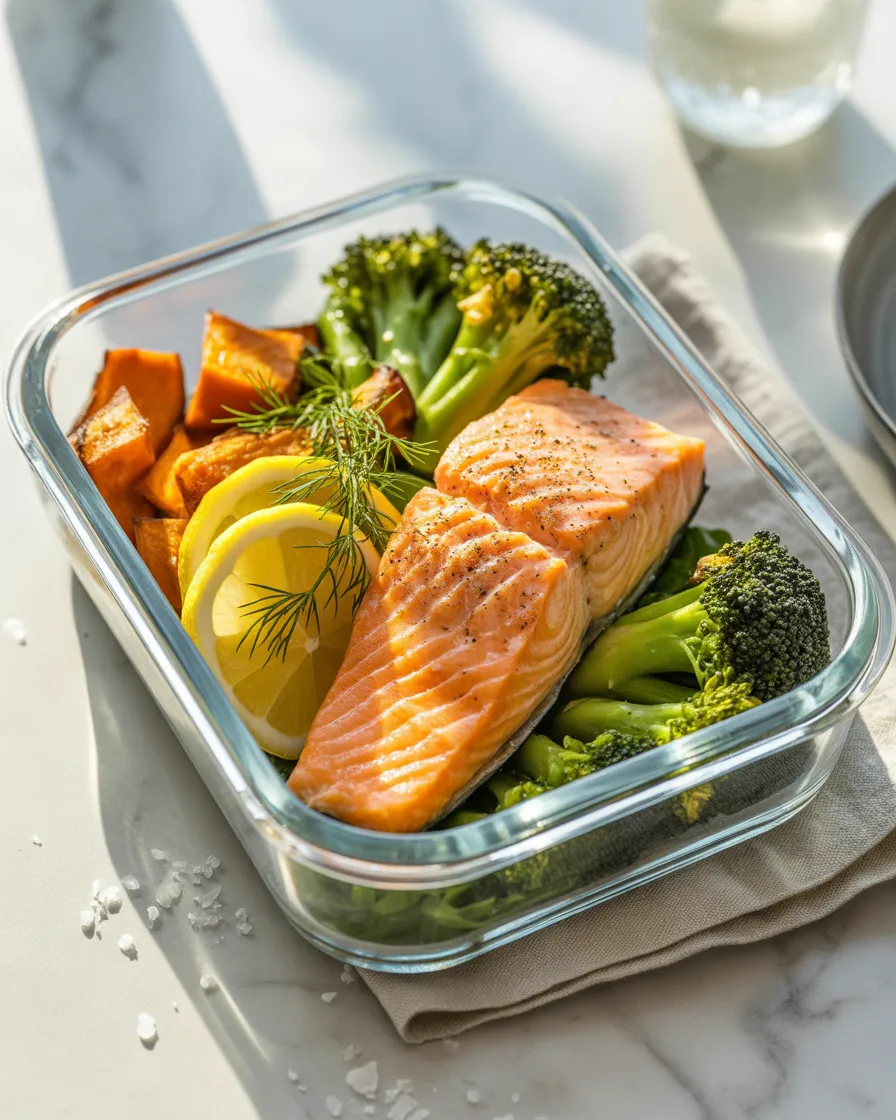
5. Make Salmon, Sweet Potato, and Broccoli Meal Prep Boxes
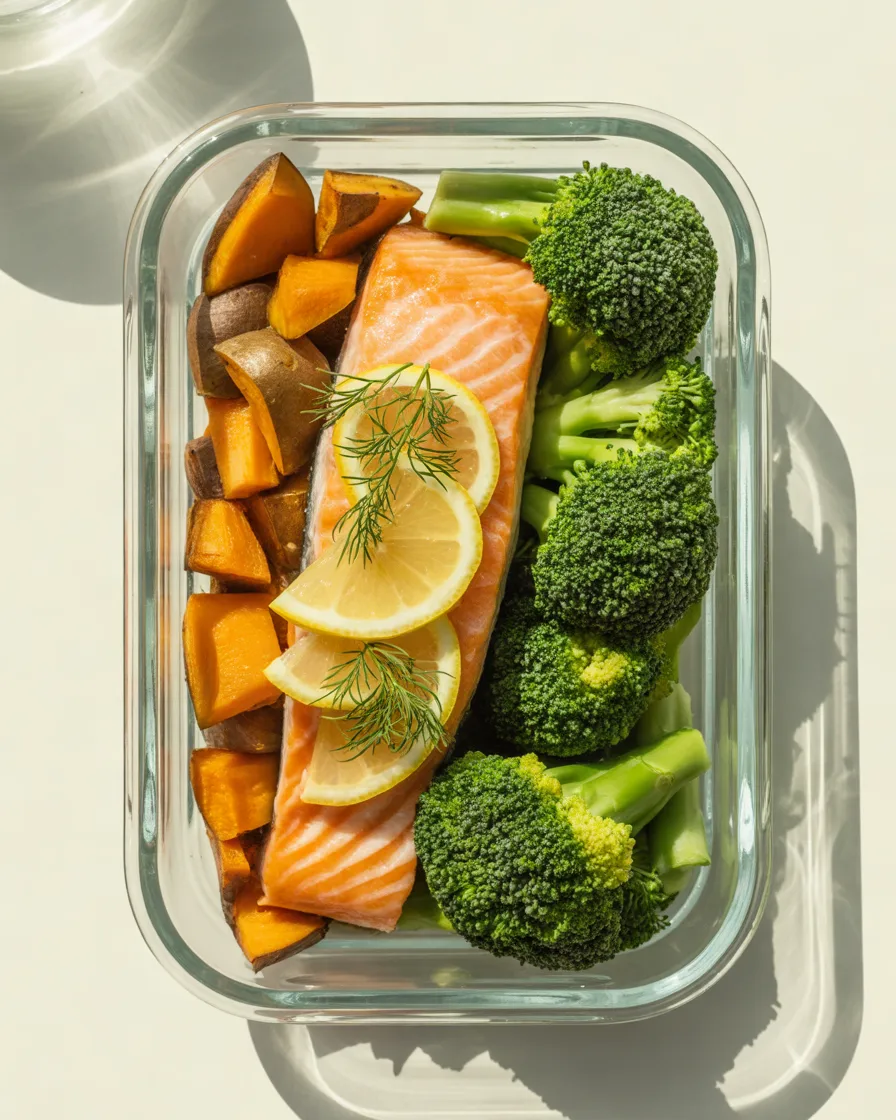
Salmon with roasted sweet potatoes and broccoli offers a balanced combination of protein, healthy fats, carbohydrates, and vegetables.
Salmon is a source of omega-3 fatty acids and high-quality protein. Sweet potatoes provide fiber and carbohydrates, while broccoli contributes vitamins, minerals, and additional fiber.
This combination is useful when you want a nutritious dinner that feels substantial without relying on heavy sauces or deep-fried ingredients.
Benefits:
- Salmon provides protein and omega-3 fats.
- Sweet potatoes offer fiber and complex carbohydrates.
- Broccoli contributes vitamins C and K.
- The combination provides several essential nutrients.
- Roasting multiple ingredients together simplifies cooking.
Practical Tips:
Choose fresh or frozen salmon fillets. Season them with lemon, garlic, black pepper, and dill. Cut sweet potatoes into evenly sized cubes so they cook consistently.
How to Prepare and Use It:
- Preheat the oven to approximately 400°F (200°C).
- Cut sweet potatoes into small cubes.
- Season broccoli with a measured amount of olive oil and black pepper.
- Roast the sweet potatoes until tender.
- Bake salmon with lemon and garlic until it reaches 145°F (63°C).
- Divide the salmon, broccoli, and sweet potatoes into containers.
- Add fresh lemon juice before serving.
Who It May Suit:
This meal is suitable for people who enjoy seafood, want variety in their weekly meal prep, or are looking for nutrient-rich dinners.
Important Considerations:
Salmon contains healthy fats but is still energy-dense. Adjust the portion to your requirements. Refrigerate promptly, and freeze portions that will not be eaten within three to four days.
Suggested Image Alt Text: Salmon, sweet potato, and broccoli meal prep for a balanced weight loss dinner.
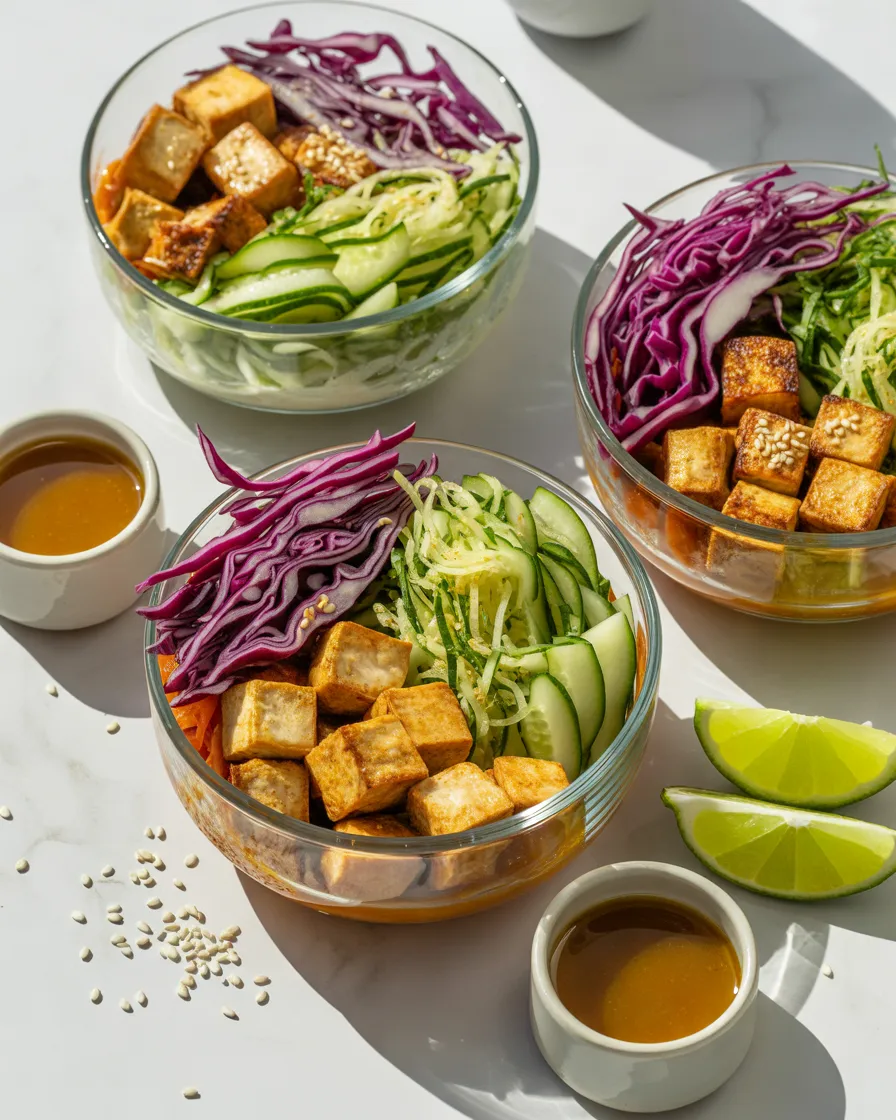
6. Prepare Tofu and Edamame Rice Bowls for Plant-Based Protein
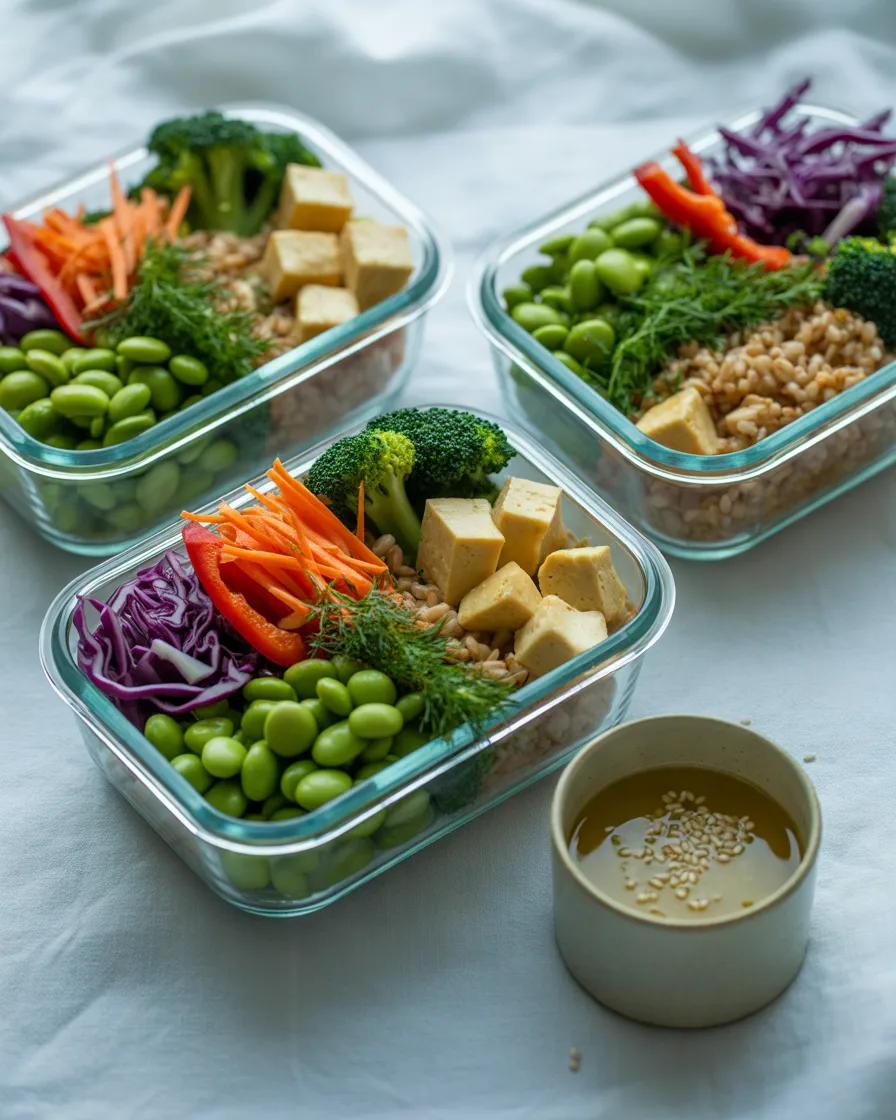
You do not need to eat chicken, fish, or meat every day to create a balanced weight loss meal plan.
Tofu and edamame rice bowls are an excellent plant-based option that combines protein-rich ingredients with vegetables and whole grains.
Tofu absorbs marinades easily, allowing you to create different flavors without relying on heavy sauces.
Benefits:
- Tofu and edamame provide plant-based protein.
- Brown rice contributes fiber and energy.
- Vegetables increase the nutritional variety of the meal.
- The recipe is suitable for vegetarian and vegan eating patterns.
- The ingredients can be prepared in larger batches.
Practical Tips:
Choose firm tofu because it holds its shape during cooking. Use broccoli, carrots, cabbage, and bell peppers. For flavor, combine low-sodium soy sauce, garlic, ginger, and a small amount of sesame oil.
How to Prepare and Use It:
- Press excess water from firm tofu.
- Cut tofu into bite-sized cubes.
- Season with garlic, ginger, and a little low-sodium soy sauce.
- Bake or air-fry until lightly crisp.
- Cook brown rice according to package instructions.
- Steam edamame and vegetables.
- Divide everything into meal prep containers.
- Add the sauce separately before serving.
Who It May Suit:
This option is particularly suitable for vegetarians, vegans, people reducing meat consumption, and anyone looking for more plant-based meal prep recipes.
Important Considerations:
Check the sodium content of soy sauce and packaged marinades. People with soy allergies should choose a different protein source.
Suggested Image Alt Text: Plant-based tofu and edamame bowls for healthy weekly meal prep.
7. Prepare Tuna and Chickpea Salad Boxes for Quick High-Protein Lunches
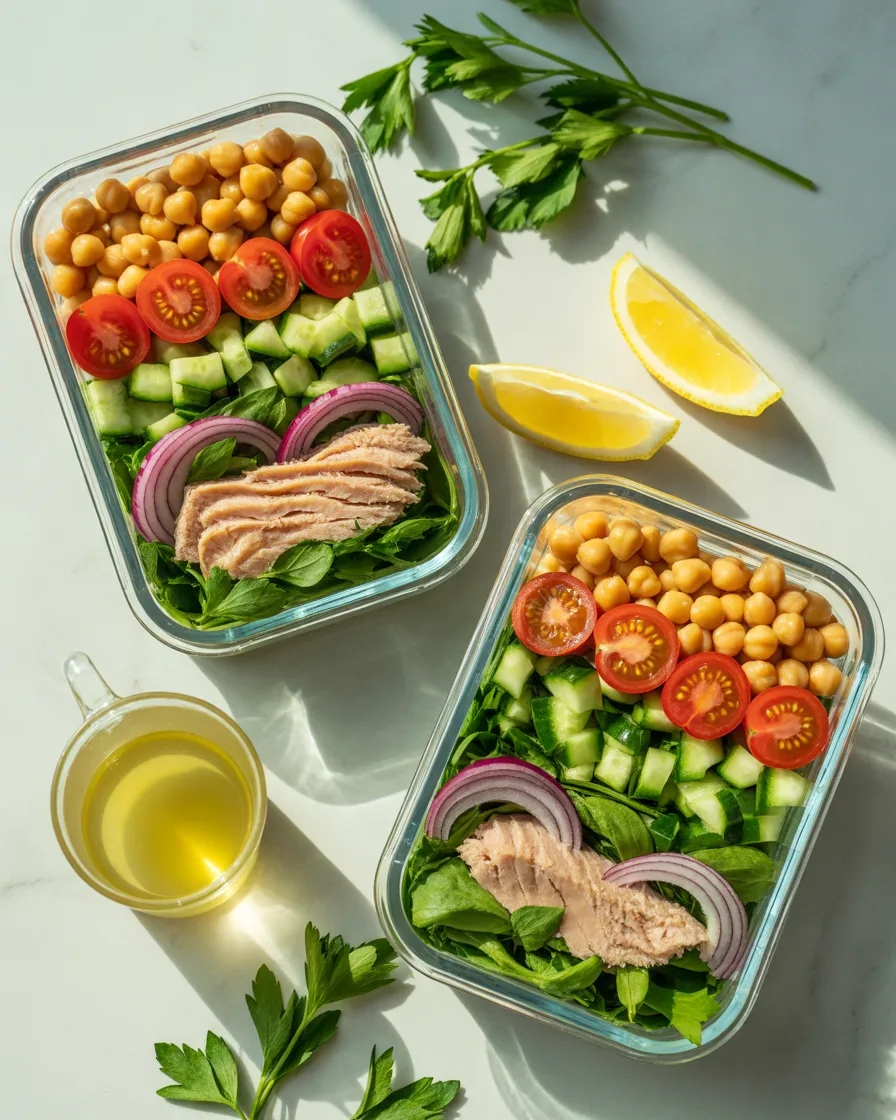
Tuna and chickpea salad is a convenient lunch option that requires very little cooking.
It combines canned tuna, chickpeas, cucumber, tomatoes, red onions, and leafy greens to create a refreshing meal with protein and fiber.
This recipe is particularly useful when you want something lighter than traditional sandwiches but still need a satisfying lunch.
Benefits:
- Tuna provides high-quality protein.
- Chickpeas contribute plant protein and dietary fiber.
- Fresh vegetables increase the volume of the meal.
- The ingredients are relatively affordable and accessible.
- Preparation requires minimal cooking equipment.
Practical Tips:
Choose tuna canned in water or another option that fits your nutritional needs. Use lemon juice, black pepper, parsley, and a small amount of olive oil instead of heavy mayonnaise-based dressing.
How to Prepare and Use It:
- Drain the canned tuna.
- Rinse and drain cooked chickpeas.
- Chop cucumber, cherry tomatoes, and red onions.
- Combine everything in a large bowl.
- Add lemon juice, parsley, and black pepper.
- Divide into individual lunch containers.
- Keep leafy greens and dressing separate until serving.
Serve with whole-grain crackers or a small whole-wheat pita if desired.
Who It May Suit:
This salad is suitable for office workers, people with limited cooking time, students, and anyone who prefers refreshing lunches.
Important Considerations:
Choose tuna varieties according to local fish-consumption advice and vary seafood choices. Some tuna species contain more mercury than others. Refrigerate the prepared salad promptly and do not leave it at room temperature for extended periods.
Suggested Image Alt Text: Tuna and chickpea salad boxes for easy high-protein meal prep.
8. Make Lentil and Vegetable Soup for a Budget-Friendly Healthy Dinner
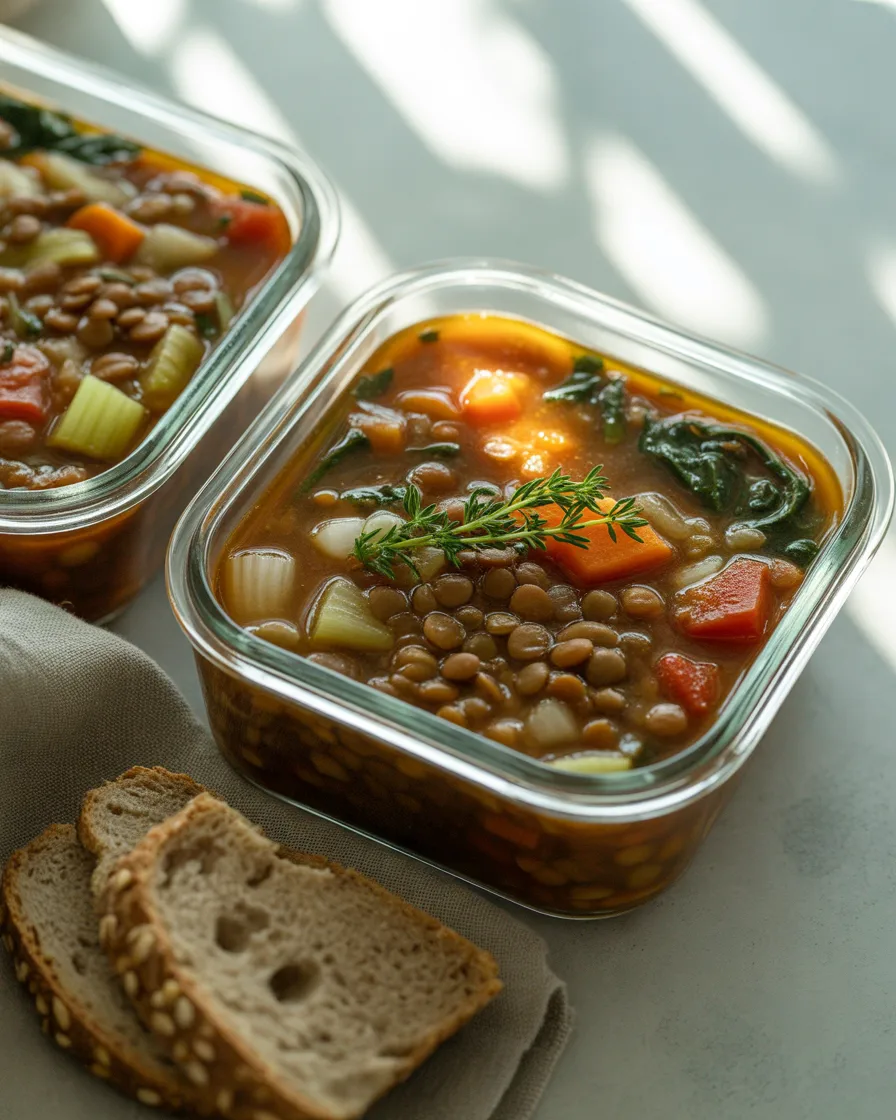
Lentil soup is an affordable and nutritious addition to a weekly meal prep routine.
Lentils contain plant-based protein, fiber, iron, and other important nutrients. When combined with carrots, celery, tomatoes, onions, and leafy greens, they create a hearty meal that is easy to prepare in large quantities.
It is also a useful option for people who want to reduce their grocery spending without relying on highly processed convenience foods.
Benefits:
- Lentils provide protein and fiber.
- Vegetables increase micronutrient intake.
- Soup can help create a filling meal.
- Dry lentils are generally economical.
- The recipe freezes well in individual portions.
Practical Tips:
Use green, brown, or red lentils depending on the texture you prefer. Add cumin, turmeric, garlic, and black pepper for additional flavor.
How to Prepare and Use It:
- Rinse lentils thoroughly.
- Cook onions, carrots, celery, and garlic in a large pot.
- Add lentils, chopped tomatoes, and low-sodium vegetable broth.
- Season with cumin, turmeric, and black pepper.
- Simmer until the lentils become tender.
- Add spinach near the end of cooking.
- Divide the soup into individual containers.
You can serve it with a small whole-grain roll or a side salad.
Who It May Suit:
Lentil soup is suitable for vegetarians, budget-conscious households, people who enjoy warm meals, and anyone looking for convenient freezer-friendly food.
Important Considerations:
Increase fiber intake gradually if you are not accustomed to eating legumes regularly. Drink enough fluids and adjust the recipe if lentils cause digestive discomfort.
Suggested Image Alt Text: Homemade lentil and vegetable soup for budget-friendly weight loss meal prep.
9. Create Healthy Turkey Taco Bowls for Flavorful Weekly Lunches
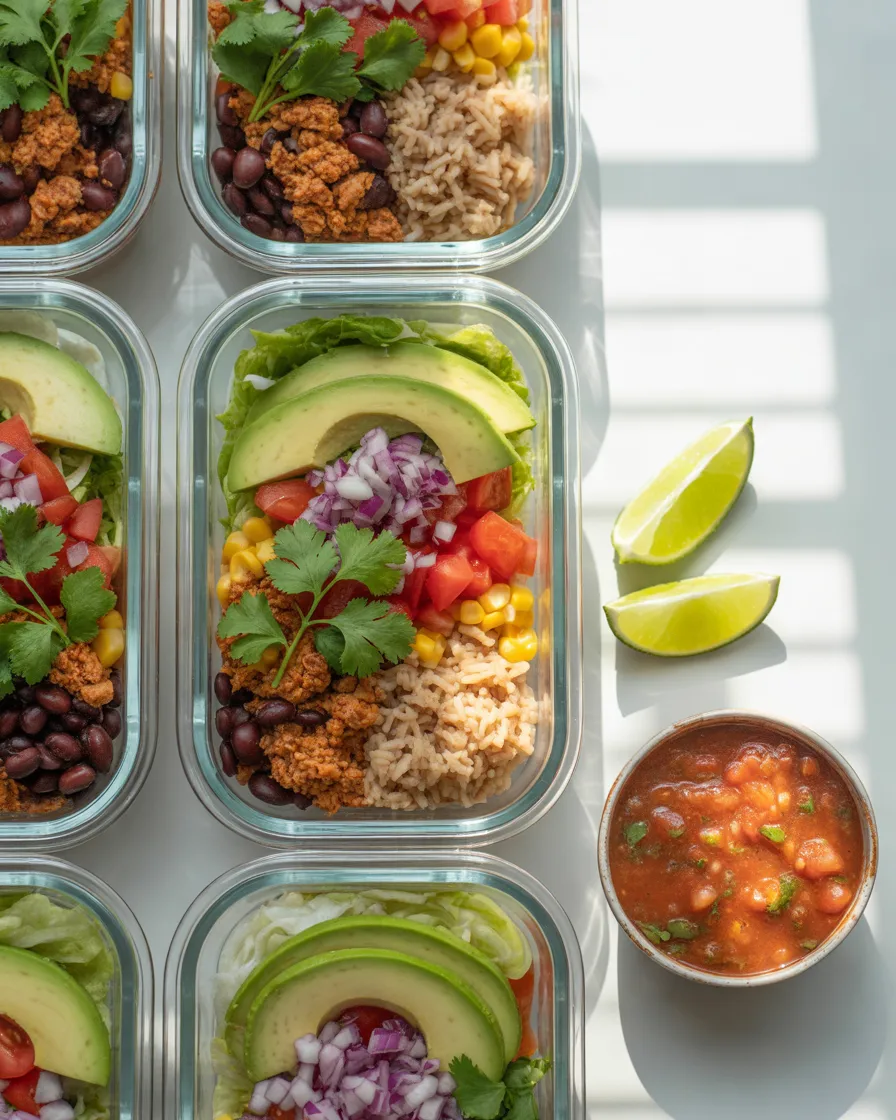
Healthy turkey taco bowls are a great way to enjoy familiar Mexican-inspired flavors while preparing balanced meals at home.
Instead of using oversized tortillas or fried taco shells, this recipe combines seasoned lean turkey, brown rice, black beans, lettuce, tomatoes, and avocado in a convenient bowl.
The ingredients provide a combination of protein, fiber, carbohydrates, and healthy fats.
Benefits:
- Lean turkey provides protein.
- Black beans contribute fiber and plant protein.
- Brown rice provides energy and additional fiber.
- Vegetables add color and nutritional variety.
- Homemade seasoning gives you more control over sodium.
Practical Tips:
Use cumin, paprika, garlic powder, chili powder, and lime juice to season the turkey. Prepare fresh salsa using tomatoes, onions, cilantro, and lime instead of relying entirely on bottled sauces.
How to Prepare and Use It:
- Cook lean ground turkey in a nonstick pan.
- Add taco spices and a little water.
- Prepare brown rice separately.
- Rinse and drain black beans.
- Chop lettuce, tomatoes, and onions.
- Divide the rice, turkey, and beans between containers.
- Store avocado and salsa separately to maintain freshness.
Add a small portion of avocado when serving.
Who It May Suit:
These bowls are suitable for people who enjoy flavorful meals, families, gym-goers, and anyone who finds plain diet food difficult to enjoy.
Important Considerations:
Restaurant-style toppings can increase the calories and sodium of a meal quickly. Pay attention to cheese, sour cream, creamy sauces, and large avocado portions.
Suggested Image Alt Text: Healthy turkey taco bowls for flavorful weight loss meal prep lunches.
10. Prepare Shrimp and Vegetable Stir-Fry for a Quick Low-Calorie Dinner
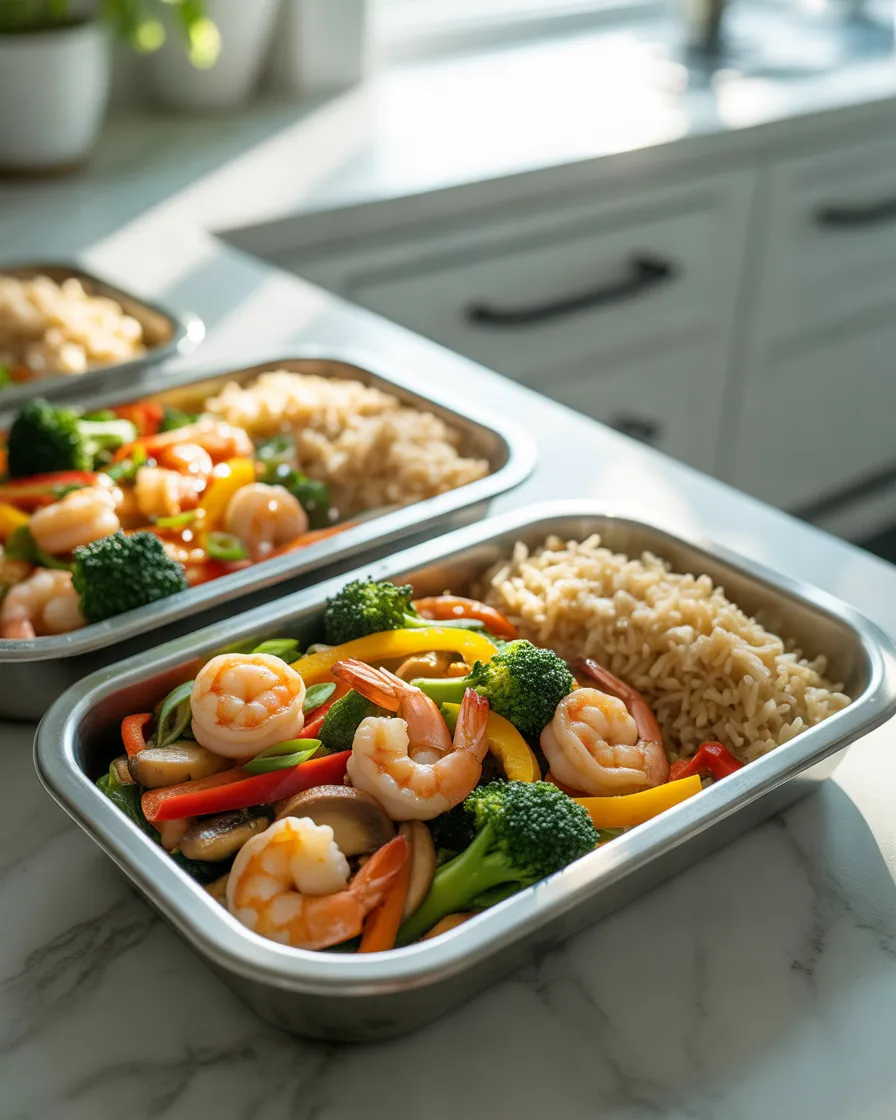
Shrimp and vegetable stir-fry is an excellent choice when you want a flavorful dinner that does not require complicated cooking.
Shrimp provides protein, while vegetables such as broccoli, mushrooms, carrots, and bell peppers contribute fiber and essential nutrients.
Because shrimp cooks quickly, this meal can be prepared in a relatively short amount of time.
Benefits:
- Shrimp provides protein.
- Colorful vegetables increase meal volume.
- Cooking at home allows better control over added oils and sauces.
- The recipe is adaptable to different vegetables.
- It pairs well with brown rice or another whole grain.
Practical Tips:
Use fresh or frozen peeled shrimp. Select a variety of vegetables to make the dish visually appealing. Prepare a light sauce using garlic, ginger, lime juice, and reduced-sodium soy sauce.
How to Prepare and Use It:
- Prepare your vegetables by washing and slicing them.
- Cook shrimp in a nonstick pan until fully cooked.
- Remove the shrimp and stir-fry the vegetables.
- Add garlic, ginger, and a small amount of sauce.
- Return the shrimp to the pan.
- Divide into containers with a suitable portion of brown rice.
Who It May Suit:
This meal works well for seafood lovers, busy professionals, and people who want quick dinners with plenty of vegetables.
Important Considerations:
Shrimp is a common food allergen. Use separate utensils and preparation surfaces when necessary to prevent cross-contact. Keep sauces measured because some commercial stir-fry sauces contain considerable sodium and added sugar.
Suggested Image Alt Text: Healthy shrimp and vegetable stir-fry meal prep for quick dinners.
11. Make Sheet-Pan Chicken Fajita Bowls to Save Cooking Time
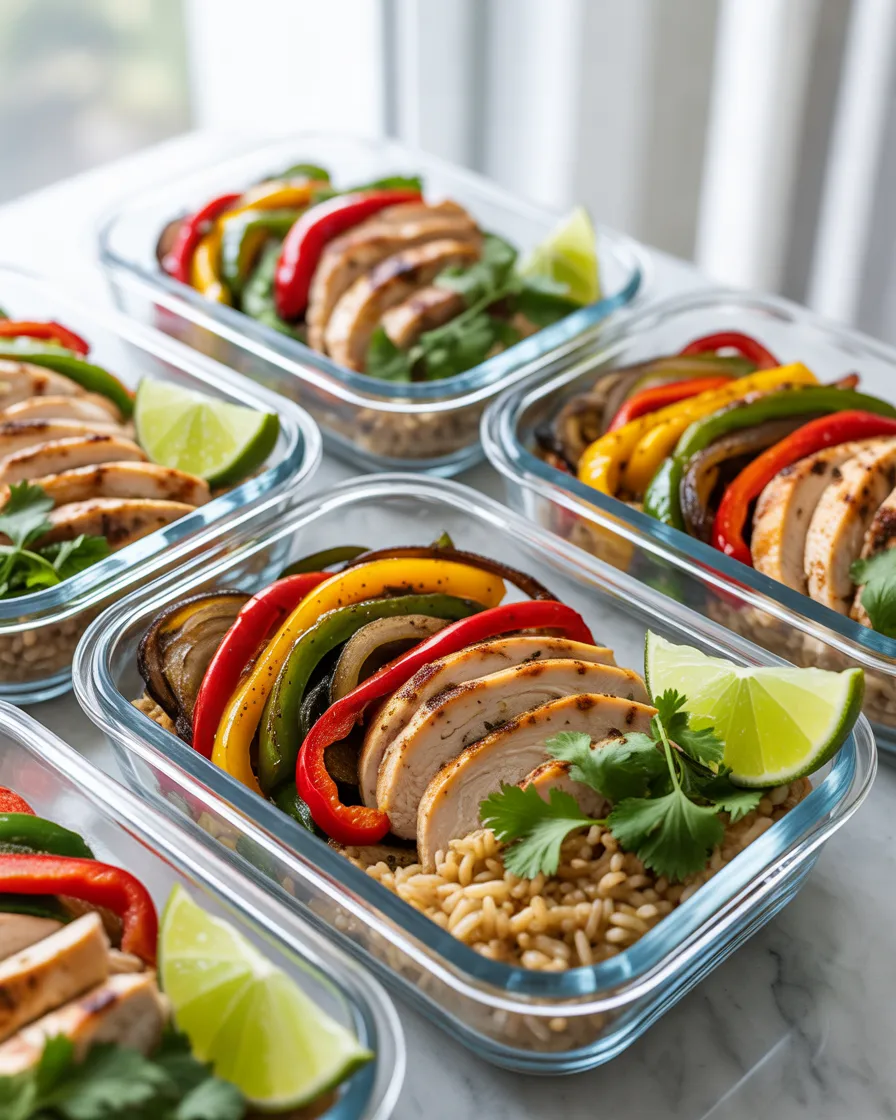
Sheet-pan chicken fajita bowls are ideal for people who want to prepare several meals using minimal kitchen equipment.
The main ingredients are chicken breast, bell peppers, onions, and brown rice. Everything can be seasoned together and roasted on one baking tray, making cleanup easier.
This recipe also offers plenty of opportunities to customize flavors with herbs, spices, and fresh vegetables.
Benefits:
- Chicken provides lean protein.
- Peppers and onions contribute fiber and micronutrients.
- One-pan preparation saves time.
- Individual containers make weekday lunches convenient.
- The recipe can be adapted with different vegetables and grains.
Practical Tips:
Use red, yellow, and green peppers for variety. Season with smoked paprika, cumin, garlic powder, and lime juice. Avoid adding excessive oil when roasting.
How to Prepare and Use It:
- Preheat the oven to 400°F (200°C).
- Slice chicken breast, bell peppers, and onions.
- Combine them with measured olive oil and fajita seasoning.
- Arrange everything in a single layer on a baking sheet.
- Roast until the chicken reaches 165°F (74°C).
- Prepare brown rice separately.
- Divide the chicken, vegetables, and rice into containers.
- Add lime juice and fresh cilantro before serving.
Who It May Suit:
This meal is suitable for families, office workers, people who prefer batch cooking, and beginners who want simple meal prep recipes.
Important Considerations:
Avoid overcrowding the baking tray because this can cause ingredients to steam instead of roast. Use separate preparation equipment for raw chicken and ready-to-eat vegetables.
Suggested Image Alt Text: Sheet-pan chicken fajita bowls for convenient healthy weekly meal prep.
12. Build Healthy Cottage Cheese and Fruit Snack Boxes to Manage Hunger
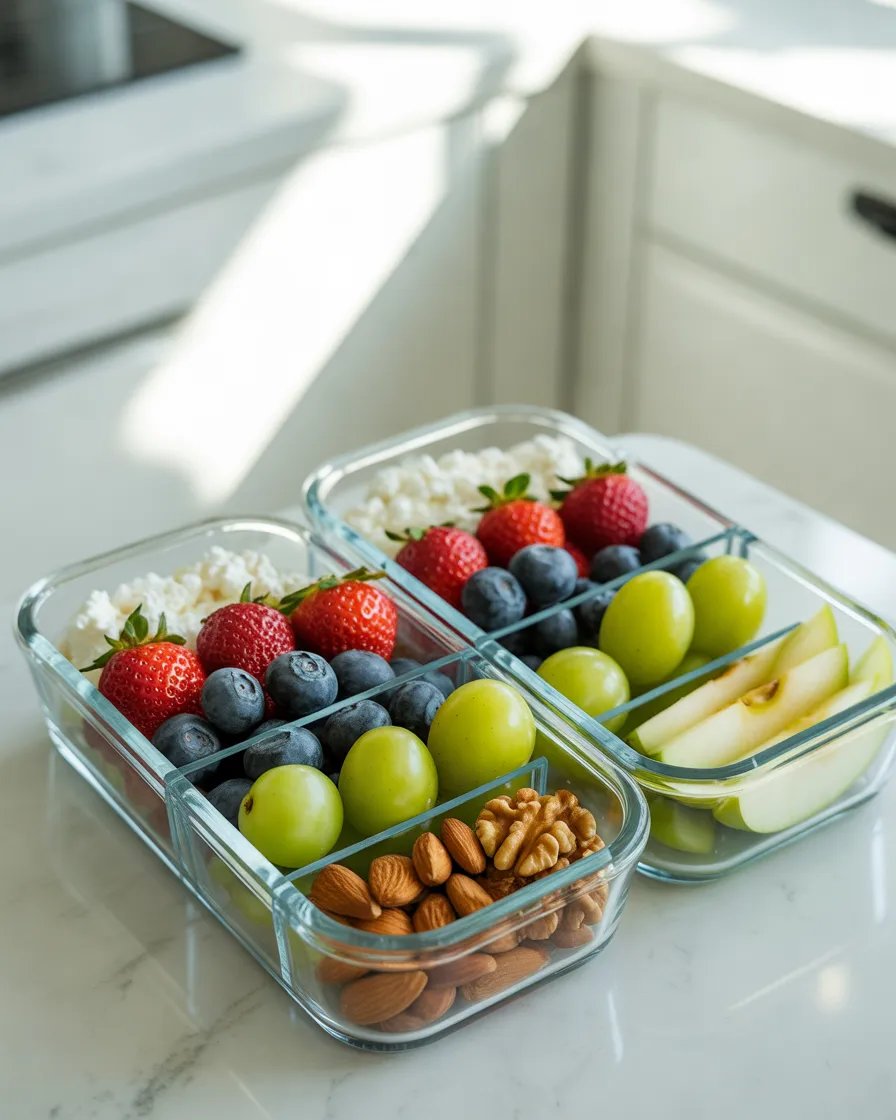
Meal preparation should not focus only on breakfast, lunch, and dinner. Preparing nutritious snacks can also make it easier to maintain consistent eating habits.
Cottage cheese and fruit snack boxes offer protein, calcium, and fiber, depending on the ingredients you choose.
They are especially useful when you experience hunger between meals or need something convenient to take to work.
Benefits:
- Cottage cheese provides protein.
- Fresh fruit contributes fiber and vitamins.
- Nuts and seeds provide healthy fats.
- Individual snack portions can make serving sizes easier to manage.
- Preparing snacks in advance can reduce reliance on sugary packaged foods.
Practical Tips:
Choose plain cottage cheese and pair it with strawberries, blueberries, apple slices, or grapes. Add a small measured portion of almonds or walnuts for additional texture and flavor.
You can also prepare a savory version with cucumber, cherry tomatoes, and whole-grain crackers.
How to Prepare and Use It:
- Divide cottage cheese into small food-safe containers.
- Wash and prepare your preferred fruit.
- Add the fruit to separate compartments.
- Include a small portion of unsalted nuts.
- Store everything in the refrigerator.
- Take one prepared snack box when leaving home.
Who It May Suit:
These snack boxes are suitable for office workers, students, people with busy schedules, and anyone who prefers smaller meals or snacks throughout the day.
Important Considerations:
Cottage cheese can contain considerable sodium, so compare labels and select an appropriate variety. People with dairy allergies or lactose intolerance may need a suitable alternative.
Suggested Image Alt Text: Healthy cottage cheese and fruit snack boxes for weight loss meal prep.
How to Organize Your Weekly Meal Prep to Lose 20 Pounds
Having healthy recipes is a good starting point, but a simple weekly organization system can make your routine much easier.
You do not need to prepare every meal for seven days at once. Start with a few meals and snacks that you genuinely enjoy.
Step 1: Choose Your Meals
Select two breakfast options, two or three lunch options, and two dinner recipes. This provides variety without requiring you to cook an entirely different meal every day.
Step 2: Prepare a Grocery List
Organize your shopping list into categories:
- Protein: chicken, eggs, salmon, Greek yogurt, turkey, tofu, and beans.
- Vegetables: broccoli, spinach, carrots, peppers, cucumbers, and tomatoes.
- Fruits: berries, apples, bananas, and oranges.
- Whole grains: oats, quinoa, brown rice, and whole-grain bread.
- Healthy fats: olive oil, avocado, almonds, chia seeds, and walnuts.
Step 3: Set Aside Preparation Time
Choose one or two convenient preparation days. Many people prefer Sunday and Wednesday.
Cook grains, roast vegetables, prepare proteins, and divide meals into individual containers.
Step 4: Organize Your Portions
A useful starting point for many balanced main meals is to fill approximately half the plate with non-starchy vegetables, one-quarter with protein, and one-quarter with whole grains or other carbohydrate-rich foods.
This is a flexible guide rather than a strict rule. Your actual portions should reflect your energy needs, activity level, health conditions, and appetite.
Step 5: Keep Meals Interesting
Use different sauces, herbs, spices, and vegetables throughout the week. Eating the same plain chicken and rice every day can become boring, making it harder to maintain your routine.
Expert Tips to Make Your Weight Loss Meal Prep More Effective
1. Prioritize Protein Throughout the Day
Protein is an important part of a balanced eating pattern. It supports muscle maintenance and can help make meals more satisfying.
Include foods such as eggs, chicken, fish, lean turkey, beans, lentils, tofu, and Greek yogurt.
You do not need protein supplements to create nutritious meals. Regular foods can provide plenty of variety.
2. Increase Your Fiber Intake Gradually
Fiber-rich foods include vegetables, fruits, oats, beans, lentils, and whole grains.
These foods can support digestive health and help make meals more filling.
If your usual diet contains little fiber, increase it gradually and drink enough fluids to help your digestive system adjust.
3. Pay Attention to Liquid Calories
Sugary coffees, sodas, energy drinks, sweetened juices, and alcoholic beverages can contribute substantial calories without providing the same fullness as many solid foods.
Choose water, sparkling water, unsweetened tea, or other lower-calorie alternatives more often.
You do not need to eliminate every enjoyable drink, but understanding what you consume can help you make informed choices.
4. Measure Calorie-Dense Ingredients
Olive oil, nuts, seeds, avocado, cheese, and dressings can all be part of a nutritious meal.
However, their calorie content can add up quickly.
Use measuring spoons or kitchen scales when learning appropriate portions. This does not mean you need to measure everything permanently.
5. Combine Meal Prep With Regular Physical Activity
Meal preparation supports nutrition, but physical activity is another important part of maintaining a healthy lifestyle.
Walking, cycling, swimming, strength training, and other activities you enjoy can help improve overall fitness.
Adults can work toward at least 150 minutes of moderate-intensity physical activity each week, alongside muscle-strengthening activities on at least two days, adjusting for their abilities and medical circumstances.
6. Get Enough Sleep and Manage Stress
Poor sleep and ongoing stress can influence appetite, food choices, and daily energy levels.
Try to maintain a consistent sleep schedule and develop realistic ways to manage everyday stress.
Remember that successful weight management involves more than food alone.
7. Do Not Treat One Unplanned Meal as Failure
You may occasionally eat restaurant food, attend a celebration, or miss a planned meal.
That does not mean your entire routine has failed.
Return to your normal eating pattern at your next meal instead of skipping food or trying to compensate with excessive exercise.
Consistency over time matters more than perfection.
8. Store Your Meal Prep Food Safely
Food safety is an essential part of weekly preparation.
Refrigerate perishable food within two hours of cooking, or within one hour when temperatures are above 90°F (32°C). Keep your refrigerator at 40°F (4°C) or below.
Use refrigerated cooked leftovers within three to four days. Freeze portions intended for later in the week, and thaw them safely in the refrigerator or using another recommended food-safe method.
Frequently Asked Questions About Meal Prep to Lose 20 Pounds
1. Can Meal Prep Help You Lose 20 Pounds?
Yes, meal preparation can support weight loss by making it easier to plan balanced meals, manage portions, and reduce reliance on convenient high-calorie foods.
However, meal prep alone does not guarantee weight loss. Your overall eating pattern, energy intake, physical activity, sleep, health conditions, and consistency all matter.
2. How Long Does It Take to Lose 20 Pounds With Meal Prep?
The timeline varies from person to person.
A gradual rate of approximately 1–2 pounds per week is a commonly used general guideline for adults who would benefit from weight loss. At that pace, 20 pounds could take approximately 10–20 weeks.
However, progress is not always linear, and slower progress can still represent meaningful improvement.
3. What Are the Best Foods to Meal Prep for Weight Loss?
Some useful choices include:
- Chicken breast and lean turkey.
- Eggs and plain Greek yogurt.
- Salmon and other seafood.
- Tofu, lentils, and beans.
- Broccoli, spinach, carrots, and peppers.
- Berries, apples, and oranges.
- Oats, quinoa, and brown rice.
Combining these foods can help create balanced meals with protein, fiber, and important nutrients.
4. How Many Meals Should I Prepare Each Week?
There is no universal number.
A practical starting point is to prepare breakfast and lunch for three or four days, along with two or three dinner options.
You can gradually increase the number of prepared meals as you become more comfortable with the routine.
5. Is Chicken and Rice Good for Weight Loss Meal Prep?
Chicken and rice can be part of a balanced meal prep plan.
Chicken provides protein, while rice supplies carbohydrates for energy. Adding vegetables and an appropriate portion of healthy fats creates a more complete meal.
Brown rice is one whole-grain option, but white rice can also fit into a balanced eating pattern.
6. Can I Meal Prep for Seven Days at Once?
You can plan seven days of meals, but you should not necessarily keep all cooked meals in the refrigerator for seven days.
Most cooked leftovers should be used within three to four days when properly refrigerated. Freeze portions that will be eaten later and thaw them safely before use.
7. What Is the Cheapest Meal Prep for Weight Loss?
Lentil soup, bean chili, egg muffins, oatmeal, chickpea salads, and rice bowls are often budget-friendly options.
Buying ingredients in larger quantities, choosing seasonal vegetables, and using frozen produce can also help reduce grocery costs.
8. Do I Need to Count Calories When Preparing Meals?
Not necessarily.
Some people find calorie tracking helpful, while others prefer using balanced portions and focusing on food quality.
If you choose to track calories, remember that your nutritional needs depend on several factors, including age, height, weight, sex, activity level, and health circumstances.
A registered dietitian can help you establish an appropriate eating plan.
9. Can I Eat Carbohydrates While Trying to Lose 20 Pounds?
Absolutely.
Carbohydrates are an important source of energy. Foods such as oats, brown rice, quinoa, potatoes, beans, fruits, and whole-grain bread can all fit into a balanced eating plan.
The overall quantity and quality of your diet matter more than eliminating an entire food group.
10. What Should I Do If I Get Hungry Between Prepared Meals?
First, consider whether your main meals provide enough protein, fiber, and overall energy.
You can prepare convenient snacks such as:
- Greek yogurt with berries.
- An apple with a small portion of peanut butter.
- Cottage cheese with fruit.
- Carrots and hummus.
- A boiled egg with whole-grain crackers.
Choose snacks according to your appetite and individual nutritional needs rather than ignoring hunger.
Conclusion
Creating a sustainable meal prep to lose 20 pounds routine does not have to involve complicated recipes, expensive ingredients, or strict food restrictions.
The 12 ideas in this guide provide a practical starting point, from Greek yogurt overnight oats and vegetable egg muffins to grilled chicken bowls, turkey chili, lentil soup, and flavorful shrimp stir-fry.
The most important step is finding meals that you genuinely enjoy and can prepare consistently.
Start with two or three recipes, organize your grocery shopping, prepare manageable portions, and make adjustments as you discover what works best for your schedule and nutritional needs.
Remember that losing 20 pounds is not a guaranteed outcome of following a particular menu. Your results will depend on your individual circumstances and overall habits.
Focus on building a balanced eating pattern, staying physically active, getting enough sleep, and making gradual improvements. Sustainable habits are more valuable than short-term restrictions, and a well-organized meal prep routine can make those habits easier to maintain.