Busy schedules often make healthy eating feel difficult. Between work, family responsibilities, commuting, and daily tasks, many people rely on quick convenience foods because preparing balanced meals feels time-consuming. This is where healthy meal prep ideas can make a real difference.
Meal preparation does not mean eating the same boring meal every day or spending your entire weekend cooking. A practical meal prep routine is about planning ahead, preparing useful ingredients, and creating simple meals that fit your lifestyle.
Whether you want to eat more vegetables, increase your protein intake, manage your portions, reduce food waste, or simply save time during busy weekdays, meal prepping can help create a more organized approach to eating.
A balanced meal usually includes a combination of:
- Protein sources such as eggs, chicken, fish, beans, lentils, tofu, or Greek yogurt
- Complex carbohydrates such as oats, brown rice, quinoa, potatoes, or whole-grain bread
- Healthy fats such as nuts, seeds, olive oil, and avocado
- Colorful fruits and vegetables for fiber, vitamins, and minerals
The best meal prep ideas are realistic. They consider your cooking skills, budget, food preferences, and schedule. A person working long hours may need quick grab-and-go meals, while a parent may prefer family-friendly recipes that can be prepared in larger batches.
This guide shares practical healthy meal prep ideas that are easy to customize for different lifestyles. These ideas are not designed as medical treatments or guaranteed solutions for health conditions, but they can support a balanced eating pattern when combined with overall healthy habits.
1. Protein-Packed Chicken and Vegetable Meal Boxes
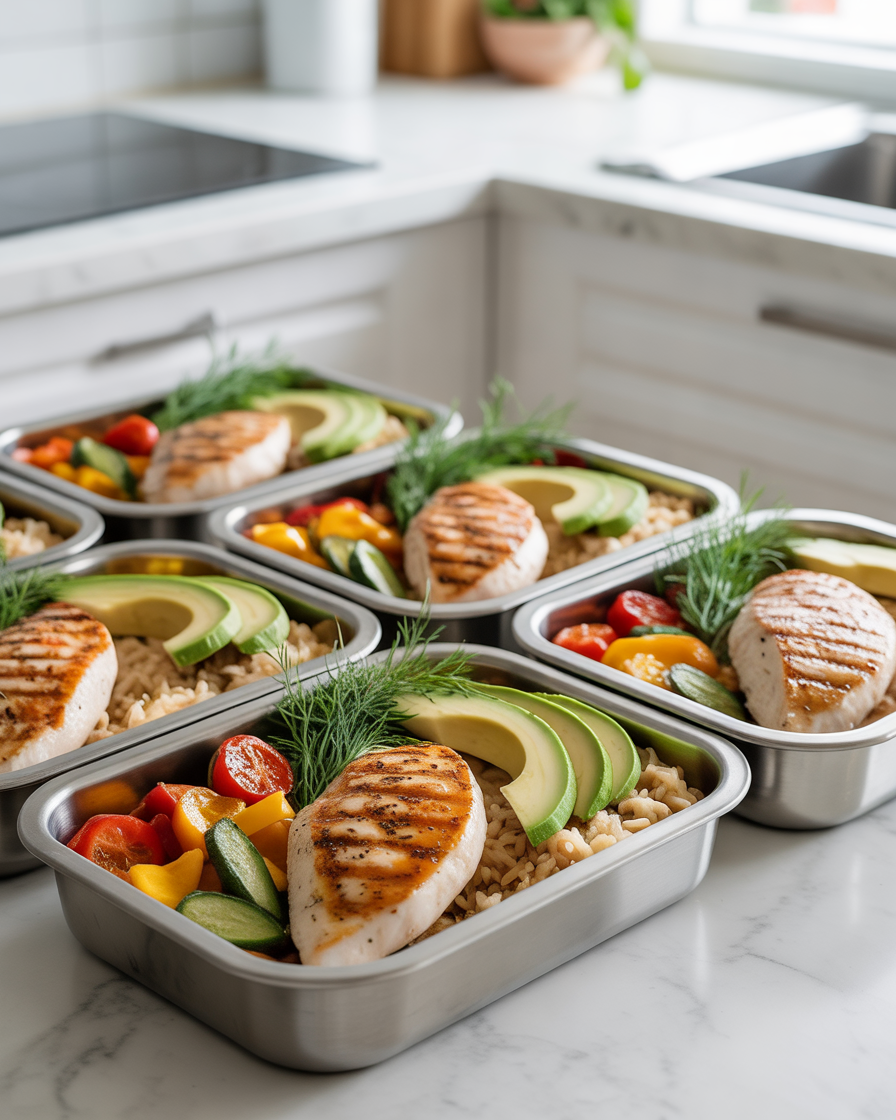
Chicken and vegetable meal boxes are one of the most popular healthy meal prep ideas because they are simple, flexible, and easy to portion. They combine lean protein, vegetables, and carbohydrates into a complete meal that can be prepared several days in advance.
A basic meal box may include grilled chicken breast, roasted vegetables, and a healthy carbohydrate such as brown rice, quinoa, sweet potatoes, or whole-grain pasta.
The best part about meal boxes is customization. You can change the seasoning, vegetables, or carbohydrate source each week to prevent boredom.
Benefits
- Provides a convenient source of protein for busy days
- Helps create balanced portions
- Reduces dependence on takeaway meals
- Makes weekday lunches easier to manage
- Allows better control over ingredients and cooking methods
Protein helps support normal muscle maintenance and overall body functions. Including vegetables and whole grains also adds fiber and important nutrients.
Practical Tips
- Cook chicken in batches instead of preparing individual portions
- Use different seasonings such as lemon herb, garlic, paprika, or Mediterranean spices
- Roast several vegetables together to save cooking time
- Store sauces separately to prevent meals from becoming soggy
- Prepare 3–5 portions depending on your weekly schedule
How to Use or Apply It
Start by dividing your meal container into sections:
Half container: vegetables
Quarter container: protein
Quarter container: carbohydrates
Example meal box:
- Grilled chicken breast
- Brown rice
- Roasted broccoli and carrots
- Small serving of avocado or olive oil dressing
Prepare these meals on your preferred cooking day and refrigerate them properly. Always follow food safety guidelines when storing cooked foods.
Who It May Suit
This meal prep idea may suit:
- Office workers needing easy lunches
- Students with limited cooking time
- People who want structured meals
- Fitness-focused individuals looking for convenient protein sources
- Families preparing weekday dinners
Important Considerations
People with specific dietary needs, allergies, or medical conditions may need to adjust ingredients with guidance from a qualified healthcare professional or dietitian.
Avoid storing cooked chicken for longer than recommended food safety guidelines. When in doubt, check official food safety recommendations.
2. Overnight Oats for a Quick Healthy Breakfast
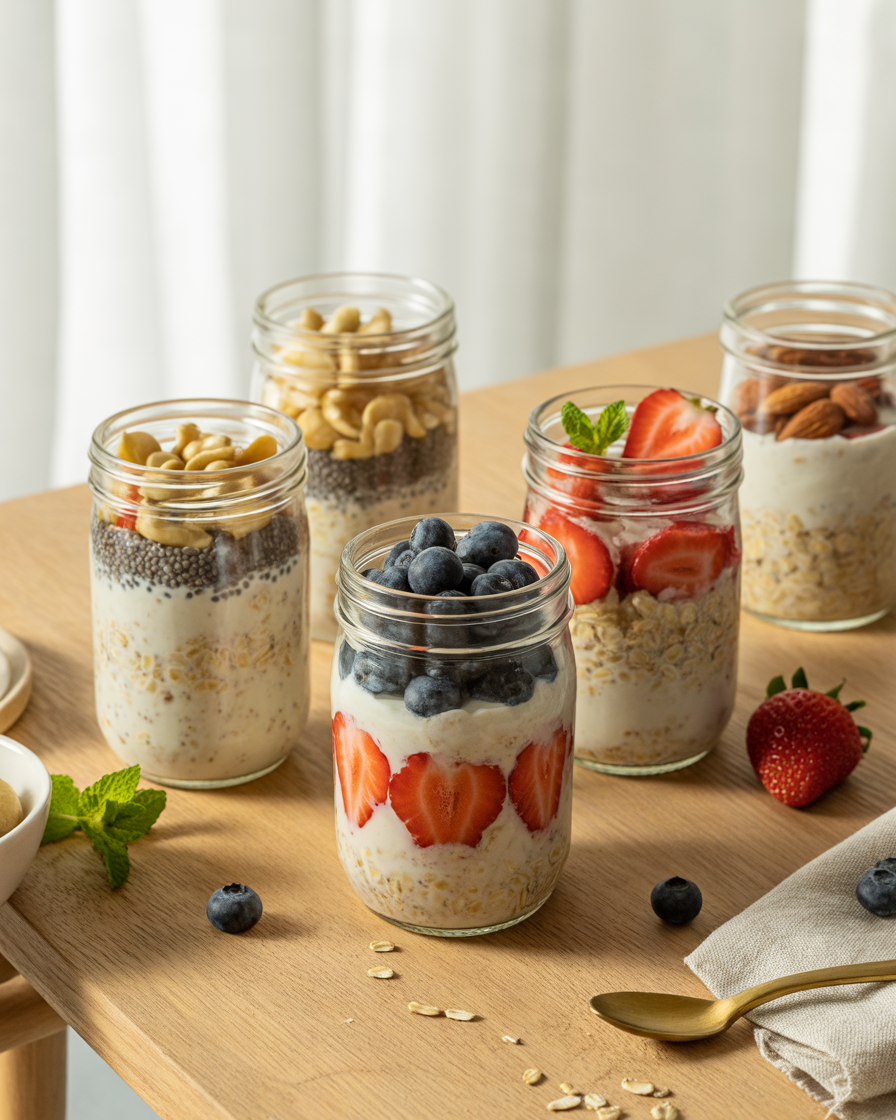
Mornings are often the busiest part of the day, which makes breakfast easy to skip or replace with less nutritious options. Overnight oats are one of the simplest healthy meal prep breakfast ideas because they require minimal preparation and can be customized with different flavors.
The basic recipe combines oats with milk or yogurt and allows the mixture to soften overnight. You can add fruits, nuts, seeds, cinnamon, or nut butter for extra flavor and texture.
Unlike traditional breakfast options that require cooking every morning, overnight oats can be prepared in several jars at once.
Benefits
- Saves time during busy mornings
- Provides a filling breakfast option
- Can include fiber-rich ingredients
- Easy to customize for different tastes
- Requires little cooking equipment
Oats contain soluble fiber, including beta-glucan, which is commonly studied for its role in supporting healthy cholesterol levels as part of an overall balanced diet.
Practical Tips
- Use rolled oats for better texture
- Prepare 3–4 jars at one time
- Add toppings before eating for freshness
- Experiment with flavors:
- Apple cinnamon
- Berry almond
- Banana peanut butter
- Chocolate chia
For extra protein, consider adding Greek yogurt, milk, nuts, or seeds depending on your nutritional preferences.
How to Use or Apply It
Basic overnight oats recipe:
- ½ cup rolled oats
- ½ cup milk of choice
- ¼ cup yogurt
- 1 tablespoon chia seeds
- Fresh fruit topping
Mix ingredients in a jar, refrigerate overnight, and enjoy the next morning.
You can prepare several jars on Sunday and have breakfast ready for the first half of the week.
Who It May Suit
Overnight oats may suit:
- Busy professionals
- Students
- People who prefer quick breakfasts
- Anyone trying to add more whole grains to their meals
Important Considerations
Some people may need gluten-free oats if they avoid gluten. Always check labels carefully if you have allergies or sensitivities.
Portion sizes should match your personal energy needs and lifestyle.
3. Colorful Mediterranean Grain Bowls
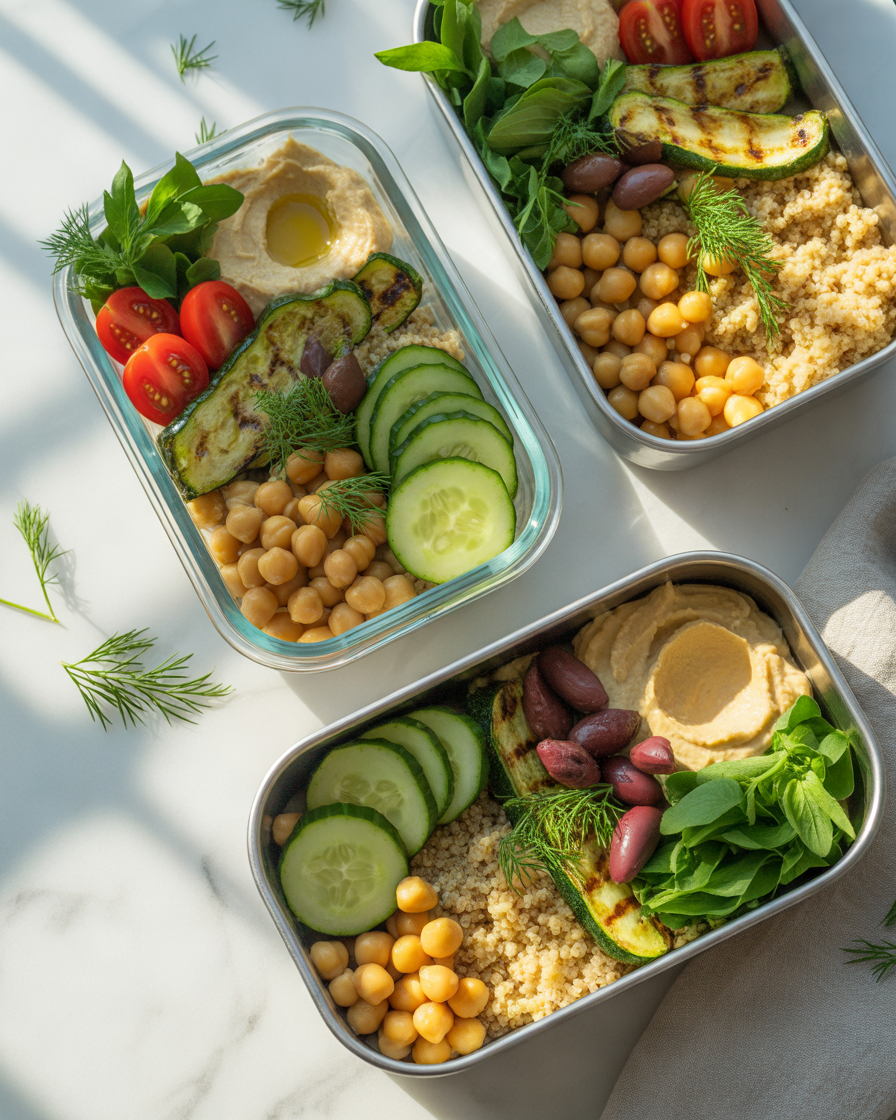
Mediterranean grain bowls are a creative and nutritious addition to your weekly healthy meal prep ideas list. They combine whole grains, vegetables, protein, herbs, and healthy fats into one convenient bowl.
Inspired by Mediterranean-style eating patterns, these bowls focus on simple ingredients with fresh flavors.
A typical bowl may include quinoa or brown rice, chickpeas or grilled chicken, cucumber, tomatoes, leafy greens, olives, hummus, and a light dressing.
Benefits
- Encourages eating a variety of plant-based foods
- Provides a mix of textures and flavors
- Easy to prepare in large batches
- Flexible for different dietary preferences
- Can help create satisfying meals with balanced ingredients
Including a variety of colorful vegetables can increase the range of nutrients in your diet.
Practical Tips
- Cook grains in bulk for multiple meals
- Prepare vegetables ahead of time
- Keep dressing separate until serving
- Use seasonal vegetables for better flavor and affordability
- Add different proteins throughout the week
Example combinations:
Greek-style bowl
- Quinoa
- Chickpeas
- Cucumber
- Tomato
- Feta cheese
- Tzatziki-style dressing
Chicken Mediterranean bowl
- Brown rice
- Grilled chicken
- Roasted peppers
- Greens
- Olive oil dressing
How to Use or Apply It
Prepare each ingredient separately:
- Cook your grain base
- Prepare protein
- Chop vegetables
- Portion ingredients into containers
- Add dressing when ready to eat
This method allows you to create different meals from the same ingredients.
Who It May Suit
Mediterranean bowls may suit:
- Vegetarians
- Busy professionals
- People looking for balanced lunches
- Families wanting customizable meals
- Anyone who enjoys fresh flavors
Important Considerations
Some toppings, such as cheese, sauces, and dressings, can increase calories quickly. Choose portions based on your personal goals and nutritional needs.
People with food allergies should adjust ingredients accordingly.
4. Turkey or Bean Chili Meal Prep for Busy Weekdays
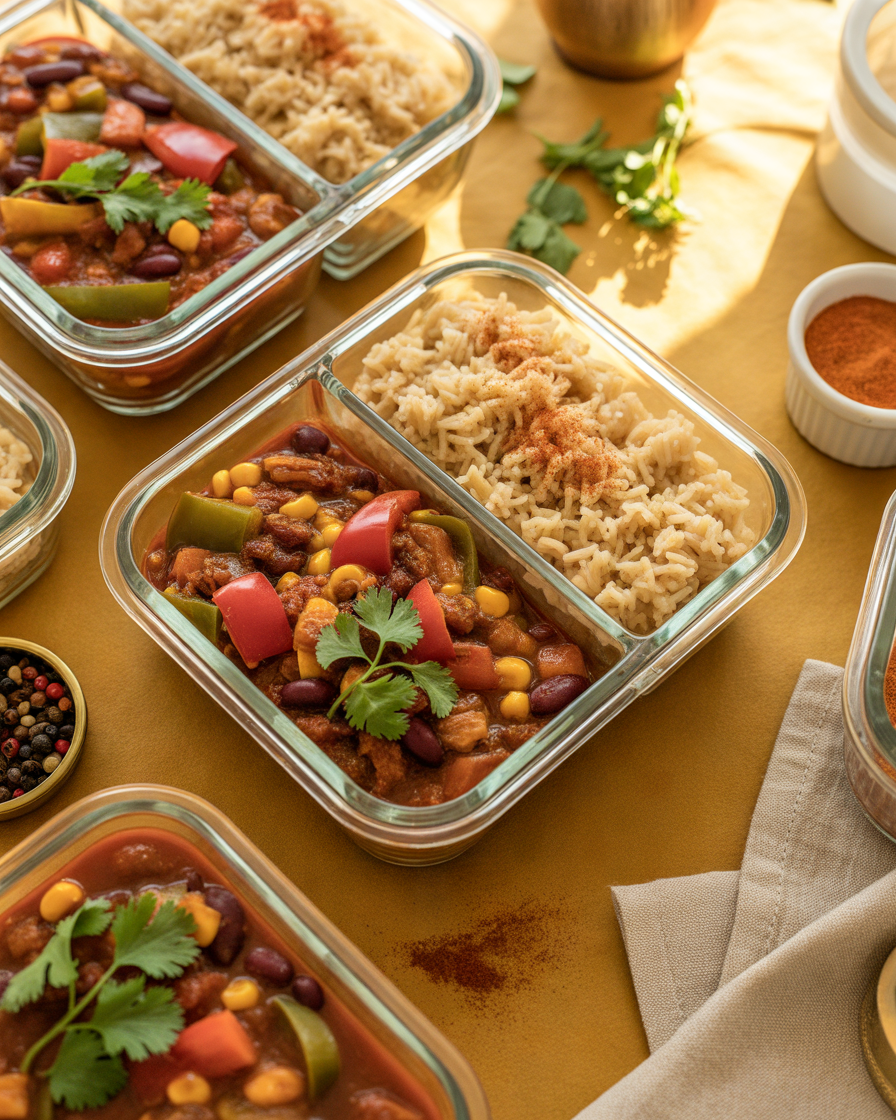
A warm bowl of chili is one of the most practical healthy meal prep ideas because it can be cooked in a large batch, stored easily, and enjoyed in different ways throughout the week.
Traditional chili recipes often include meat, beans, vegetables, and spices. A healthier meal prep version can use lean turkey, chicken, or plant-based proteins such as beans and lentils while keeping the rich flavor people enjoy.
The flexibility of chili makes it ideal for preparing multiple portions at once. You can serve it alone, with whole grains, or alongside a fresh salad.
Benefits
- Easy to cook in large quantities
- Provides protein and fiber from balanced ingredients
- Freezer-friendly for longer storage
- Can be adjusted for different dietary preferences
- Helps reduce last-minute food choices
Beans and vegetables provide fiber, while lean protein sources can contribute to a balanced meal pattern.
Practical Tips
- Use lean ground turkey or chicken for a lighter option
- Add extra vegetables such as peppers, carrots, zucchini, or tomatoes
- Prepare a large pot and divide into individual containers
- Freeze extra portions for future busy weeks
- Adjust spices according to your preference
Flavor variations:
Classic chili
- Lean turkey
- Kidney beans
- Tomatoes
- Onion
- Garlic
- Chili spices
Vegetarian chili
- Black beans
- Chickpeas
- Lentils
- Mixed vegetables
How to Use or Apply It
Prepare chili in one large cooking session:
- Cook your protein or prepare beans
- Add vegetables and spices
- Simmer until flavors combine
- Divide into meal containers
- Refrigerate portions for the week
Serving ideas:
- Chili with brown rice
- Chili over baked potatoes
- Chili with whole-grain bread
- Chili topped with fresh herbs
Who It May Suit
This meal prep option may suit:
- People who prefer batch cooking
- Families needing quick dinners
- Students living independently
- Busy professionals
- Those who enjoy hearty meals
Important Considerations
Some chili recipes can become high in sodium depending on canned ingredients and seasoning mixes. Choose lower-sodium options where possible and adjust ingredients according to your dietary needs.
If you have digestive sensitivities, increase beans gradually and monitor your tolerance.
5. Fresh Salad Jars for Grab-and-Go Lunches
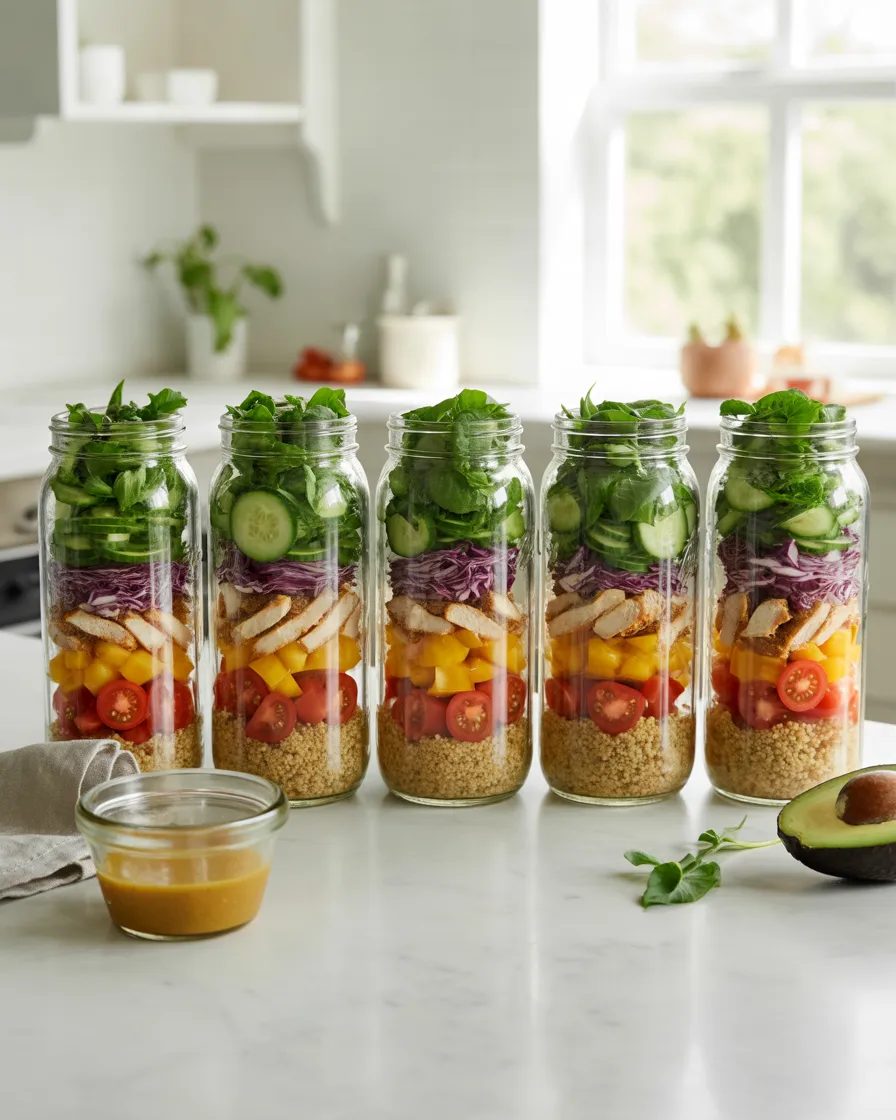
Salad jars are a convenient solution for people who want quick, fresh, and portable lunches. They are among the easiest healthy meal prep lunch ideas because they require minimal cooking and can be prepared several days ahead.
The secret to a good salad jar is layering. By placing ingredients in the correct order, you can keep vegetables crisp and prevent sogginess.
A balanced salad jar usually contains dressing, vegetables, protein, carbohydrates, and leafy greens.
Benefits
- Makes healthy lunches portable
- Encourages more vegetable intake
- Saves preparation time during workdays
- Allows creative ingredient combinations
- Helps reduce expensive takeaway lunches
Salad jars can include a variety of ingredients, making them suitable for different eating preferences.
Practical Tips
Use this layering method:
Bottom layer
- Salad dressing
Second layer
- Hard vegetables:
- Carrots
- Cucumbers
- Bell peppers
Middle layer
- Protein:
- Chicken
- Eggs
- Beans
- Tuna
- Tofu
Top layer
- Leafy greens
Additional toppings:
- Nuts
- Seeds
- Cheese
- Whole grains
Prepare several jars at once and shake before eating.
How to Use or Apply It
Example chicken salad jar:
Layer 1:
- Lemon olive oil dressing
Layer 2:
- Cherry tomatoes
- Cucumber
- Carrots
Layer 3:
- Grilled chicken pieces
Layer 4:
- Quinoa
Layer 5:
- Spinach leaves
When ready to eat, transfer to a bowl or shake the jar thoroughly.
Who It May Suit
Salad jars may suit:
- Office workers
- Travelers
- Students
- People who prefer lighter lunches
- Anyone trying to increase vegetable variety
Important Considerations
Food safety is important when storing prepared salads. Keep ingredients refrigerated and follow recommended storage practices.
Ingredients with shorter shelf lives, such as certain seafood or dairy products, may require extra care.
6. High-Protein Egg Muffins for Easy Breakfast Prep
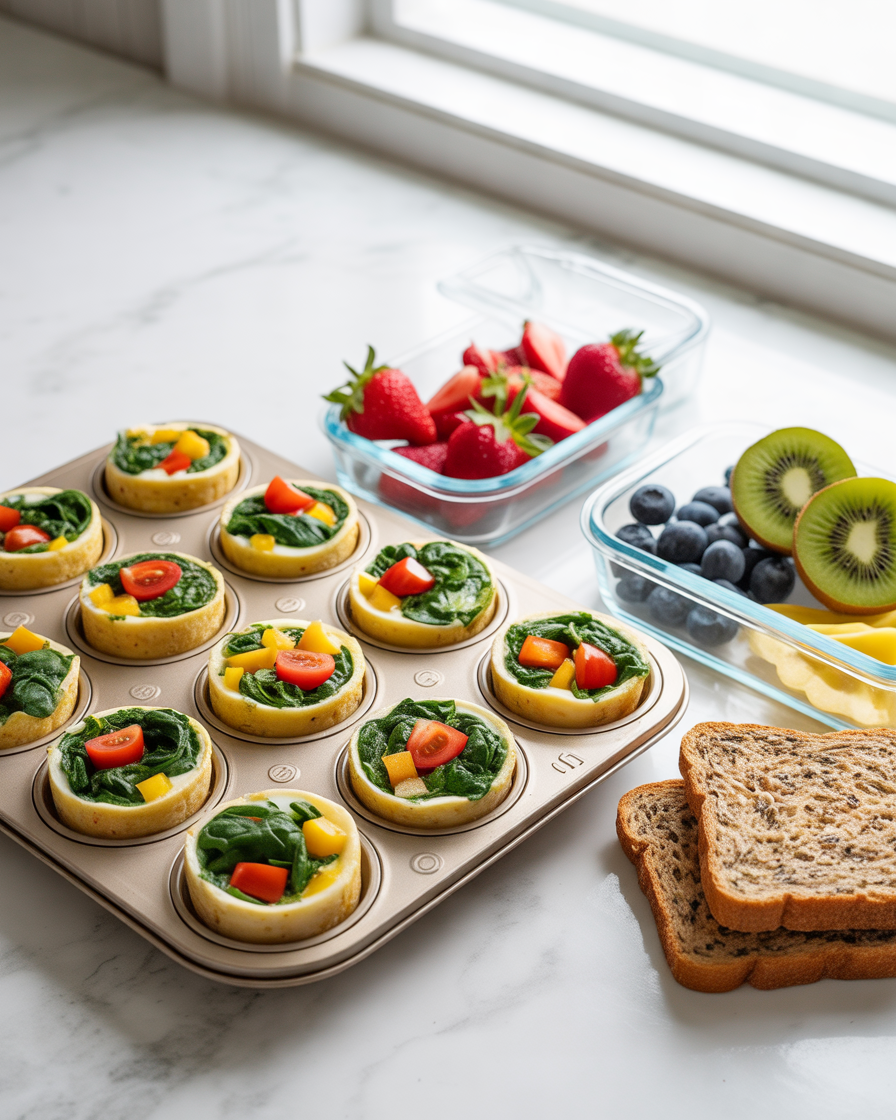
Egg muffins are a simple and versatile breakfast option that can be prepared ahead of time. They work well for people who want a protein-rich meal without cooking every morning.
Similar to mini omelets, egg muffins can include vegetables, herbs, cheese, or lean proteins. They can be stored in the refrigerator and reheated when needed.
These small portions are especially useful for busy mornings when time is limited.
Benefits
- Convenient breakfast preparation
- Provides protein from eggs
- Easy to customize with different ingredients
- Helps reduce breakfast skipping
- Suitable for batch cooking
Eggs provide several nutrients, including protein and essential vitamins. Adding vegetables can increase the nutritional variety of the meal.
Practical Tips
Choose ingredients that store well:
Good additions include:
- Spinach
- Mushrooms
- Bell peppers
- Tomatoes
- Onions
- Turkey pieces
- Cheese in moderate amounts
Preparation tips:
- Use silicone muffin cups for easy removal
- Avoid adding too much watery vegetables
- Prepare a batch for several mornings
- Pair with fruit or whole-grain toast for a more complete meal
How to Use or Apply It
Basic egg muffin preparation:
Ingredients:
- Eggs
- Chopped vegetables
- Herbs
- Optional protein source
Steps:
- Whisk eggs in a bowl
- Add prepared ingredients
- Pour mixture into muffin cups
- Bake until fully cooked
- Cool before storing
Breakfast combination example:
- Two egg muffins
- Fresh fruit
- Whole-grain toast
Who It May Suit
Egg muffins may suit:
- Busy parents
- Early commuters
- Students
- People who enjoy savory breakfasts
- Individuals looking for quick meal options
Important Considerations
People with egg allergies should choose alternative recipes.
If you have dietary restrictions related to cholesterol, heart health, or other medical conditions, discuss your dietary choices with a healthcare professional.
Store cooked egg products safely and reheat properly before eating.
7. Salmon and Roasted Vegetable Meal Prep
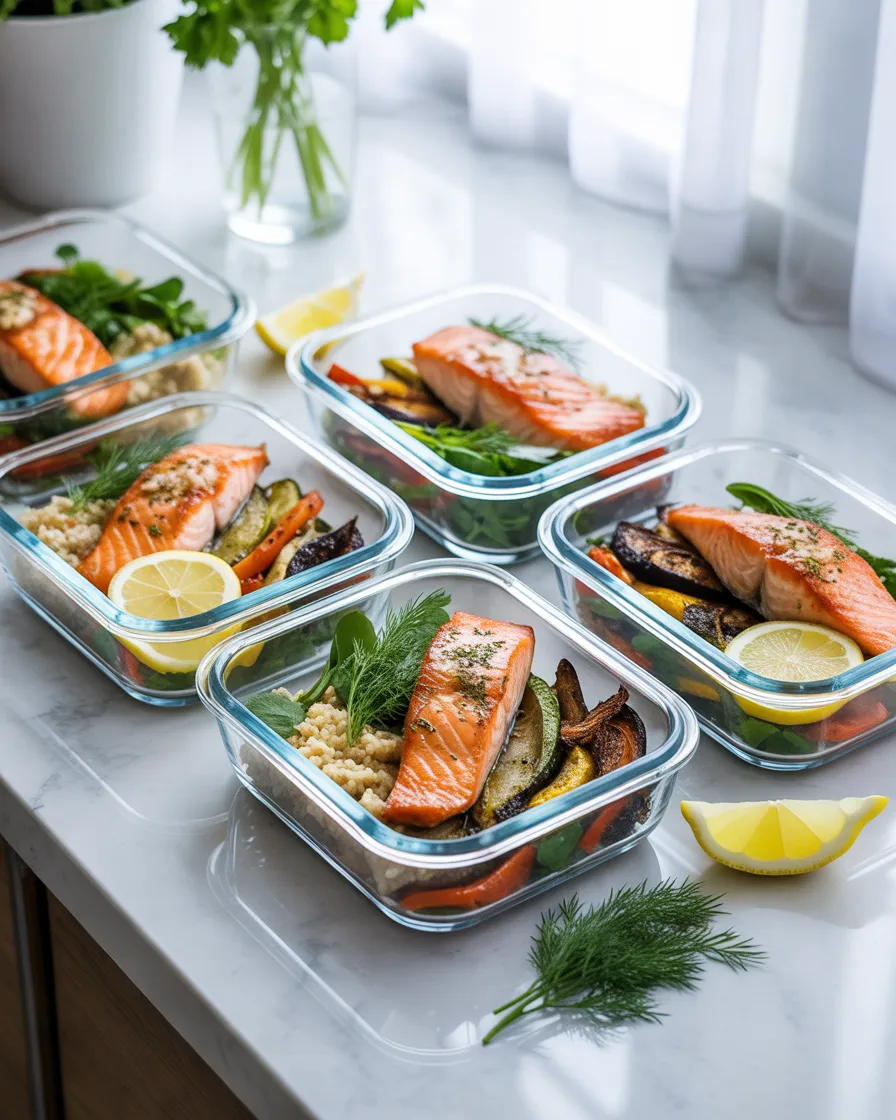
Salmon meal prep is a great option for people who want a nutrient-rich dinner that feels fresh and satisfying. Fish-based meals can sometimes feel difficult to prepare in advance, but with proper storage and simple cooking methods, salmon can become an easy addition to your weekly healthy meal prep ideas routine.
A balanced salmon meal usually combines a protein source with vegetables and a carbohydrate such as sweet potatoes, quinoa, or brown rice.
This type of meal is especially popular among people who prefer whole-food ingredients and simple cooking methods.
Benefits
- Provides a high-quality protein source
- Includes important nutrients found in fatty fish
- Encourages regular seafood consumption
- Works well with a variety of vegetables
- Creates a balanced and filling meal option
Salmon contains omega-3 fatty acids, which are commonly recognized as part of a balanced eating pattern. Including fish in meals may contribute to overall dietary variety.
Practical Tips
- Choose fresh or frozen salmon based on availability and budget
- Season simply with lemon, herbs, garlic, and spices
- Roast vegetables at the same time to save cooking time
- Prepare grains in bulk for multiple meals
- Store fish separately if you prefer reheating different ingredients
Good vegetable pairings:
- Broccoli
- Asparagus
- Green beans
- Brussels sprouts
- Carrots
Healthy carbohydrate options:
- Sweet potatoes
- Brown rice
- Quinoa
- Whole-grain couscous
How to Use or Apply It
Example meal preparation:
Protein
- Oven-baked salmon with lemon and herbs
Vegetables
- Roasted broccoli and carrots
Carbohydrate
- Quinoa or sweet potato cubes
Preparation steps:
- Season salmon portions
- Roast vegetables on a baking tray
- Cook your chosen carbohydrate
- Divide into meal containers
- Refrigerate and use within recommended food safety timeframes
You can also transform leftovers into:
- Salmon salads
- Grain bowls
- Wrap fillings
Who It May Suit
This meal prep idea may suit:
- Seafood lovers
- Busy professionals
- People looking for balanced dinners
- Individuals who enjoy Mediterranean-style meals
- Families wanting more variety
Important Considerations
Some people need to limit or avoid certain fish due to allergies, preferences, pregnancy-related guidance, or other dietary considerations. Choose fish varieties according to trusted nutrition advice.
Avoid leaving cooked seafood at room temperature for extended periods.
8. Freezer-Friendly Healthy Smoothie Packs
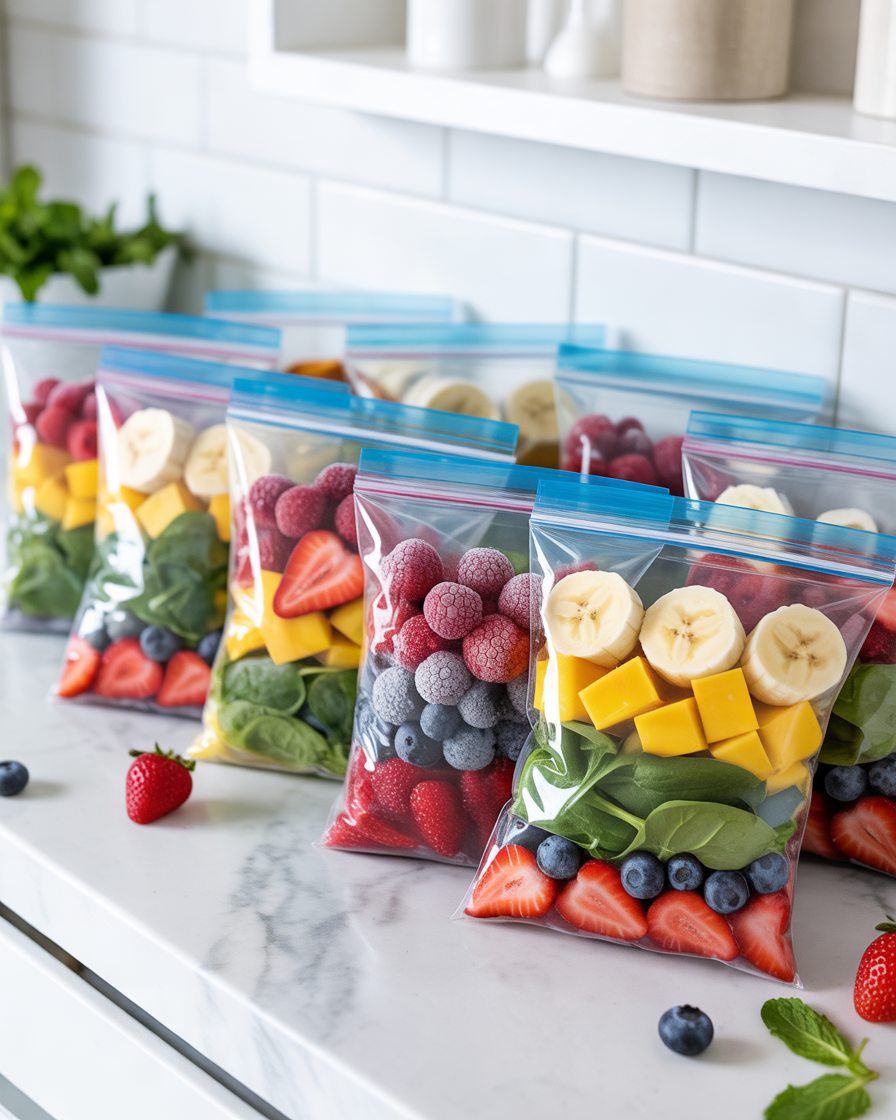
Smoothie packs are one of the easiest healthy meal prep ideas for busy mornings. Instead of preparing ingredients every day, you can portion fruits, vegetables, and other smoothie ingredients ahead of time.
When you are ready to make a smoothie, simply add your prepared ingredients to a blender with your preferred liquid.
This method is especially helpful for people who want a quick breakfast or snack without spending several minutes measuring ingredients.
Benefits
- Saves preparation time
- Makes healthy ingredients more accessible
- Reduces food waste from unused produce
- Allows different flavor combinations
- Provides a convenient option for busy schedules
Smoothies can include a variety of ingredients, allowing people to create options that match their taste and nutritional preferences.
Practical Tips
Prepare smoothie bags with combinations such as:
Berry Protein Smoothie
- Frozen berries
- Spinach
- Greek yogurt
- Chia seeds
Tropical Smoothie
- Mango
- Pineapple
- Banana
- Coconut water
Green Smoothie
- Spinach
- Banana
- Apple
- Ginger
Preparation tips:
- Wash and cut fruits before freezing
- Use airtight freezer bags or containers
- Label each pack with ingredients
- Avoid adding liquid before freezing
How to Use or Apply It
Simple smoothie preparation:
- Remove one frozen smoothie pack
- Add ingredients to a blender
- Add milk, yogurt, or another liquid
- Blend until smooth
For a more balanced smoothie, consider including:
- Protein source
- Fiber-rich ingredients
- Healthy fats
Examples:
- Nut butter
- Seeds
- Greek yogurt
- Protein-rich milk options
Who It May Suit
Smoothie packs may suit:
- People with busy mornings
- Students
- Parents
- Individuals who struggle with breakfast planning
- Anyone who enjoys fruit-based meals
Important Considerations
Smoothies can become high in calories if many energy-dense ingredients are added together. Balance portions according to your personal needs.
People with blood sugar concerns or specific dietary requirements should choose ingredients carefully and seek professional guidance when needed.
9. Healthy Wraps and Sandwich Meal Prep
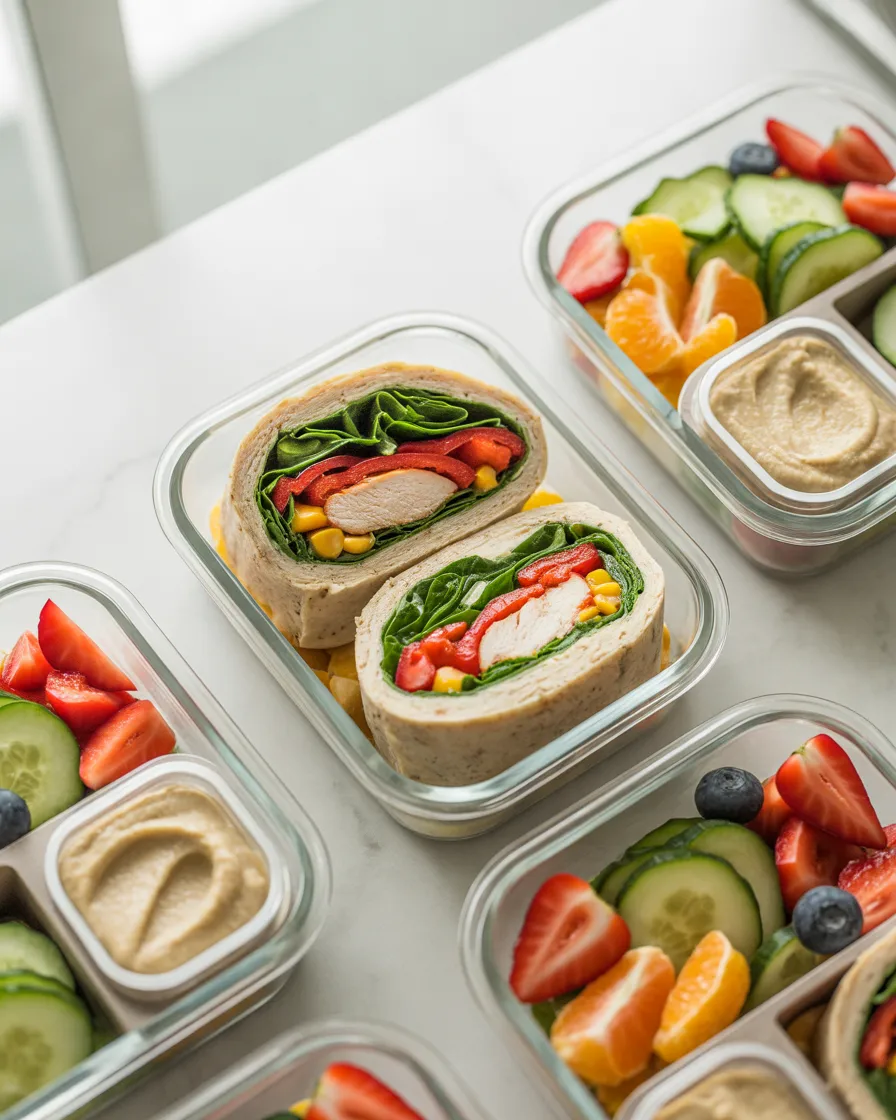
Wraps and sandwiches remain popular lunch choices because they are portable, easy to customize, and convenient for work or school. With thoughtful ingredient choices, they can become practical healthy meal prep lunch ideas.
The key difference between a basic sandwich and a balanced meal prep version is the quality and combination of ingredients.
A healthy wrap may include whole-grain bread or tortillas, protein, vegetables, and a flavorful but balanced spread.
Benefits
- Easy to carry and eat anywhere
- Requires minimal cooking
- Offers endless ingredient combinations
- Suitable for family meal planning
- Helps create structured lunches
A balanced wrap can include several food groups in one convenient meal.
Practical Tips
Choose a combination of:
Protein:
- Grilled chicken
- Turkey
- Eggs
- Tuna
- Hummus
- Beans
Vegetables:
- Lettuce
- Spinach
- Tomatoes
- Cucumber
- Peppers
Healthy spreads:
- Hummus
- Greek yogurt-based sauces
- Avocado spreads
Preparation tips:
- Avoid adding watery vegetables too early
- Wrap tightly using parchment paper
- Prepare fillings separately if making several days ahead
- Use containers to keep ingredients fresh
How to Use or Apply It
Example chicken wrap:
Ingredients:
- Whole-grain tortilla
- Grilled chicken strips
- Lettuce
- Tomato
- Cucumber
- Hummus spread
Steps:
- Prepare fillings in advance
- Assemble wraps when needed
- Store properly in the refrigerator
- Pack with fruit or a small snack for a complete lunch
Alternative ideas:
- Mediterranean chickpea wrap
- Egg and vegetable sandwich
- Turkey avocado wrap
Who It May Suit
Healthy wraps may suit:
- Office workers
- Students
- Travelers
- People needing portable meals
- Families preparing packed lunches
Important Considerations
Some wraps and sandwiches can become less balanced when they include large amounts of processed meats, high-sodium sauces, or oversized portions.
Choose ingredients based on your personal dietary goals and preferences.
10. Balanced Pasta Meal Prep With Vegetables and Lean Protein
Pasta is often considered a comfort food, but it can also be part of a balanced meal plan when prepared with nutritious ingredients. A thoughtfully designed pasta meal prep can provide energy, protein, vegetables, and satisfying flavors.
Instead of relying only on refined pasta with heavy sauces, a healthier approach combines whole-grain pasta or alternative pasta varieties with vegetables, lean proteins, and lighter sauces.
This makes pasta one of the most flexible healthy meal prep ideas for lunch and dinner.
Benefits
- Provides a convenient energy source
- Easy to prepare in large batches
- Can include vegetables and protein
- Stores and reheats well
- Offers many flavor combinations
Carbohydrates from pasta provide energy, while adding protein and vegetables can create a more balanced meal.
Practical Tips
Build a balanced pasta meal using:
Pasta options:
- Whole-grain pasta
- Chickpea pasta
- Lentil pasta
- Regular pasta with extra vegetables
Protein options:
- Grilled chicken
- Turkey
- Tuna
- Beans
- Lentils
- Tofu
Vegetable options:
- Spinach
- Mushrooms
- Bell peppers
- Tomatoes
- Broccoli
Healthy sauce ideas:
- Tomato and herb sauce
- Pesto with vegetables
- Olive oil and garlic dressing
- Greek yogurt-based sauces
How to Use or Apply It
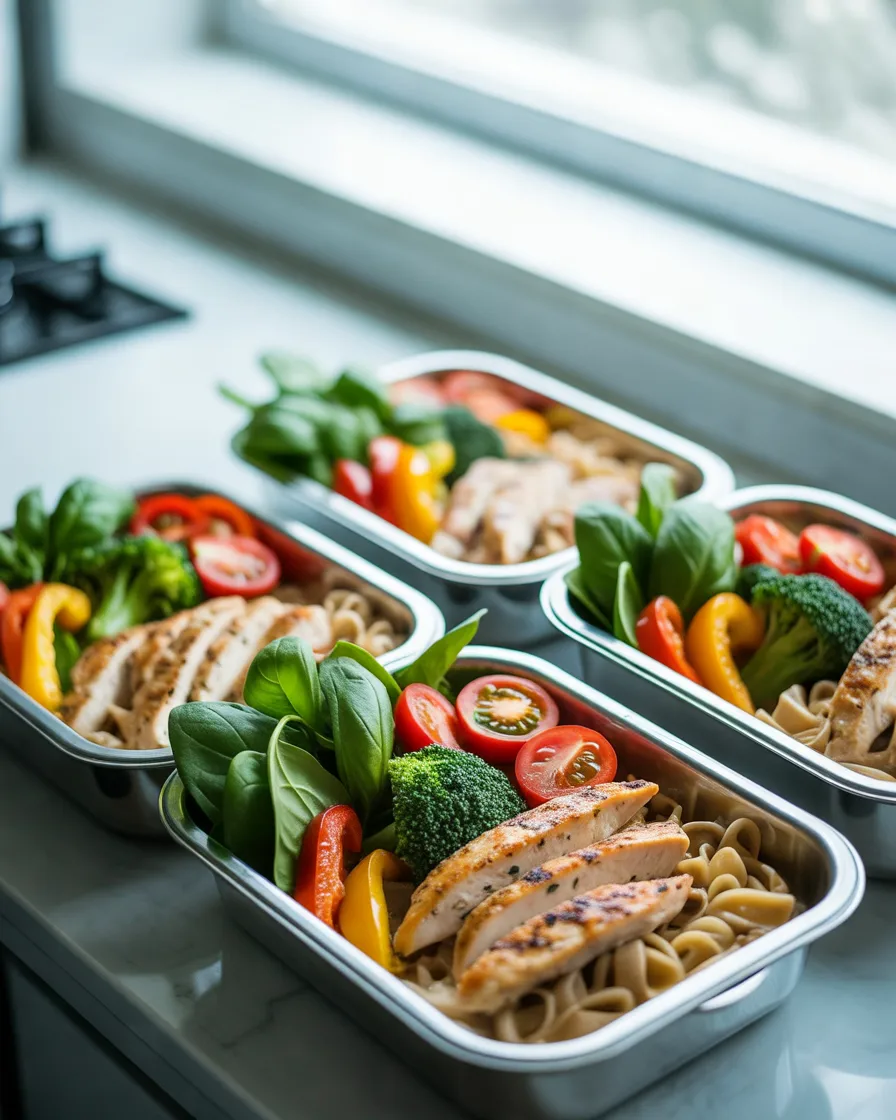
Example meal prep pasta:
Ingredients:
- Whole-grain pasta
- Grilled chicken pieces
- Cherry tomatoes
- Spinach
- Olive oil and herbs
Preparation:
- Cook pasta according to package instructions
- Prepare protein and vegetables
- Mix ingredients together
- Divide into containers
- Add sauce before serving if preferred
You can prepare different versions each week by changing vegetables and seasonings.
Who It May Suit
This meal prep option may suit:
- People with active lifestyles
- Families
- Office workers
- Students
- Anyone who enjoys comforting meals
Important Considerations
Pasta portions can vary depending on individual energy needs. Adding vegetables and protein can help create a more balanced plate.
People following specific dietary plans should choose pasta types and portions that fit their needs.
11. Mason Jar Chia Pudding for a Healthy Snack or Breakfast
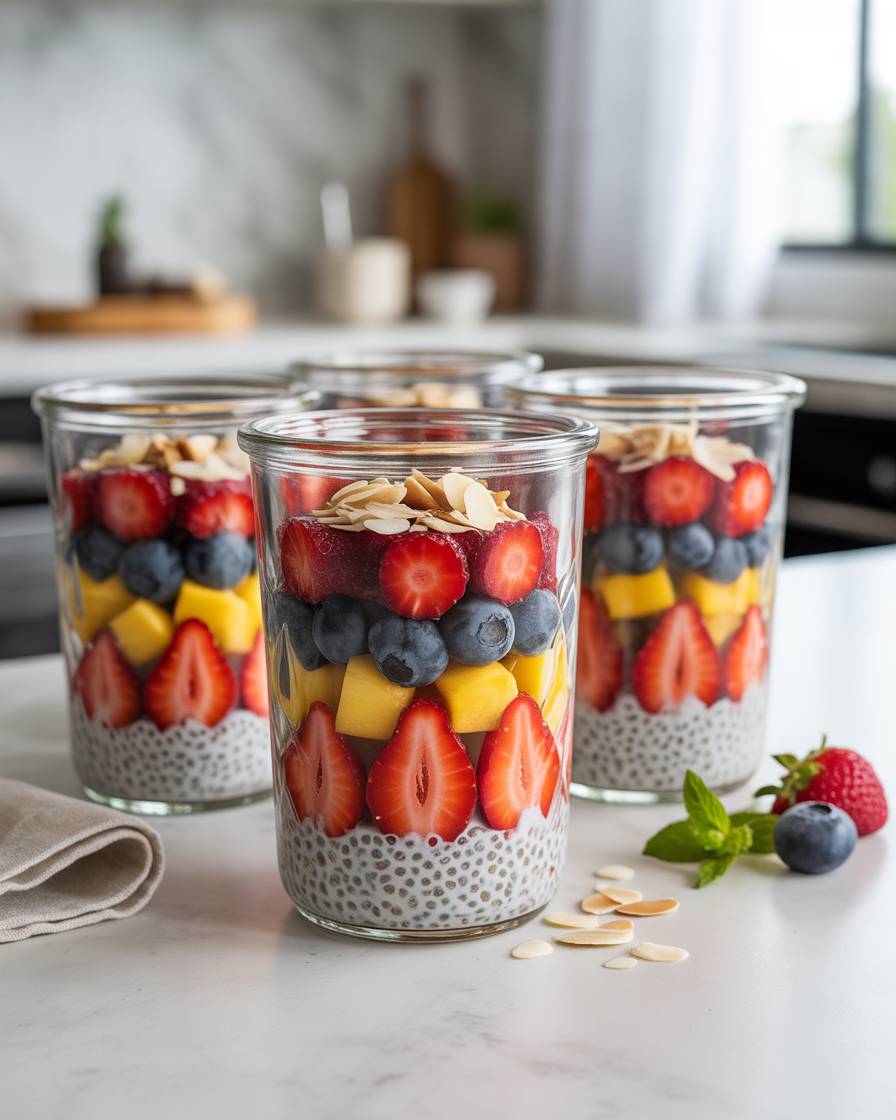
Chia pudding is a simple make-ahead option that has become popular among people looking for easy healthy meal prep breakfast ideas.
Chia seeds absorb liquid and create a pudding-like texture when prepared in advance. They can be combined with milk, yogurt, fruits, nuts, and spices to create different flavors.
Because it requires no cooking, chia pudding is especially useful for beginners who want to start meal prepping.
Benefits
- Requires minimal preparation
- Easy to customize
- Can be prepared several days ahead
- Provides fiber and healthy fats
- Works as breakfast, snack, or dessert alternative
Chia seeds provide nutrients such as fiber and plant-based omega-3 fatty acids. Including them as part of a balanced diet can add variety.
Practical Tips
Flavor combinations:
Strawberry Vanilla Chia Pudding
- Chia seeds
- Milk
- Vanilla
- Strawberries
Chocolate Chia Pudding
- Cocoa powder
- Chia seeds
- Milk
- Banana slices
Tropical Chia Pudding
- Mango
- Coconut milk
- Chia seeds
Preparation tips:
- Stir well initially to prevent clumping
- Allow enough time for the mixture to thicken
- Add fresh toppings before eating
- Use portion-sized jars for convenience
How to Use or Apply It
Basic chia pudding recipe:
- 3 tablespoons chia seeds
- 1 cup milk of choice
- Optional yogurt
- Fruit toppings
Steps:
- Mix chia seeds with liquid
- Refrigerate for several hours or overnight
- Add toppings before serving
You can prepare multiple jars at once for quick breakfasts throughout the week.
Who It May Suit
Chia pudding may suit:
- People who prefer no-cook recipes
- Busy professionals
- Students
- Individuals looking for easy snacks
- Beginner meal preppers
Important Considerations
Chia seeds absorb liquid and expand, so adequate hydration and proper preparation are important.
People with digestive sensitivities may want to introduce high-fiber foods gradually.
12. Sheet Pan Roasted Chicken and Vegetable Prep
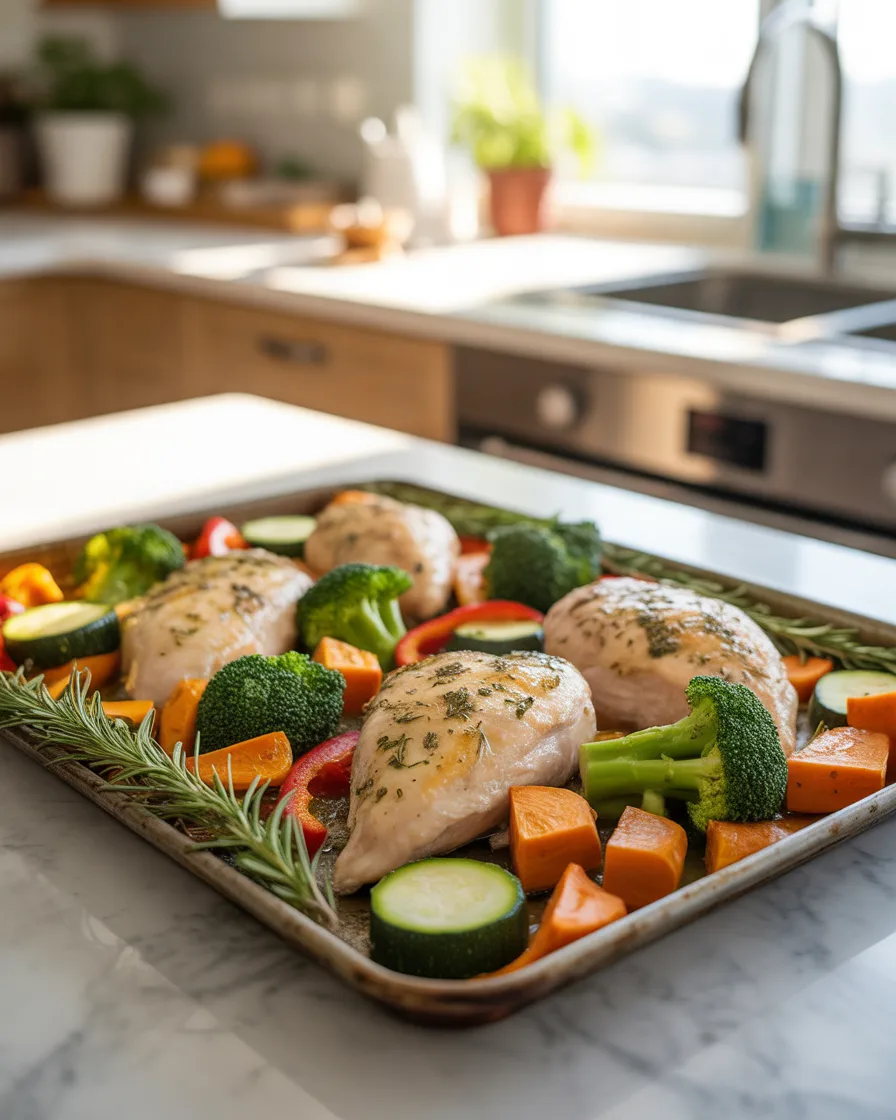
Sheet pan meals are one of the easiest ways to simplify cooking. They require minimal equipment, reduce cleaning time, and allow multiple ingredients to cook together.
A sheet pan meal usually combines protein, vegetables, and seasoning on one tray before roasting. This makes it an excellent option for people searching for practical healthy meal prep ideas for beginners.
Benefits
- Simple cooking method
- Less kitchen cleanup
- Easy batch preparation
- Flexible ingredient choices
- Helps create balanced meals
Roasting vegetables can enhance flavor while maintaining their nutritional value when prepared properly.
Practical Tips
Choose ingredients that cook at similar speeds.
Good combinations:
Chicken and vegetables:
- Chicken breast or thighs
- Broccoli
- Carrots
- Peppers
- Zucchini
Vegetarian option:
- Chickpeas
- Sweet potatoes
- Cauliflower
- Bell peppers
Cooking tips:
- Cut vegetables into similar sizes
- Avoid overcrowding the tray
- Use herbs and spices instead of relying only on sauces
- Prepare extra portions for future meals
How to Use or Apply It
Example sheet pan meal:
Ingredients:
- Chicken breast
- Sweet potatoes
- Broccoli
- Olive oil
- Garlic
- Herbs
Steps:
- Season chicken and vegetables
- Spread ingredients on a baking tray
- Roast until fully cooked
- Divide into meal containers
Serving options:
- Add a side salad
- Serve with quinoa
- Use leftovers in wraps
Who It May Suit
Sheet pan meals may suit:
- Beginners learning meal prep
- Families
- Busy professionals
- People who dislike complicated recipes
- Anyone wanting simple dinners
Important Considerations
Cooking times vary depending on ingredient size and type. Ensure proteins are cooked properly according to food safety recommendations.
Adjust ingredients if you have allergies or specific dietary requirements.
13. Lentil and Vegetable Meal Prep Bowls
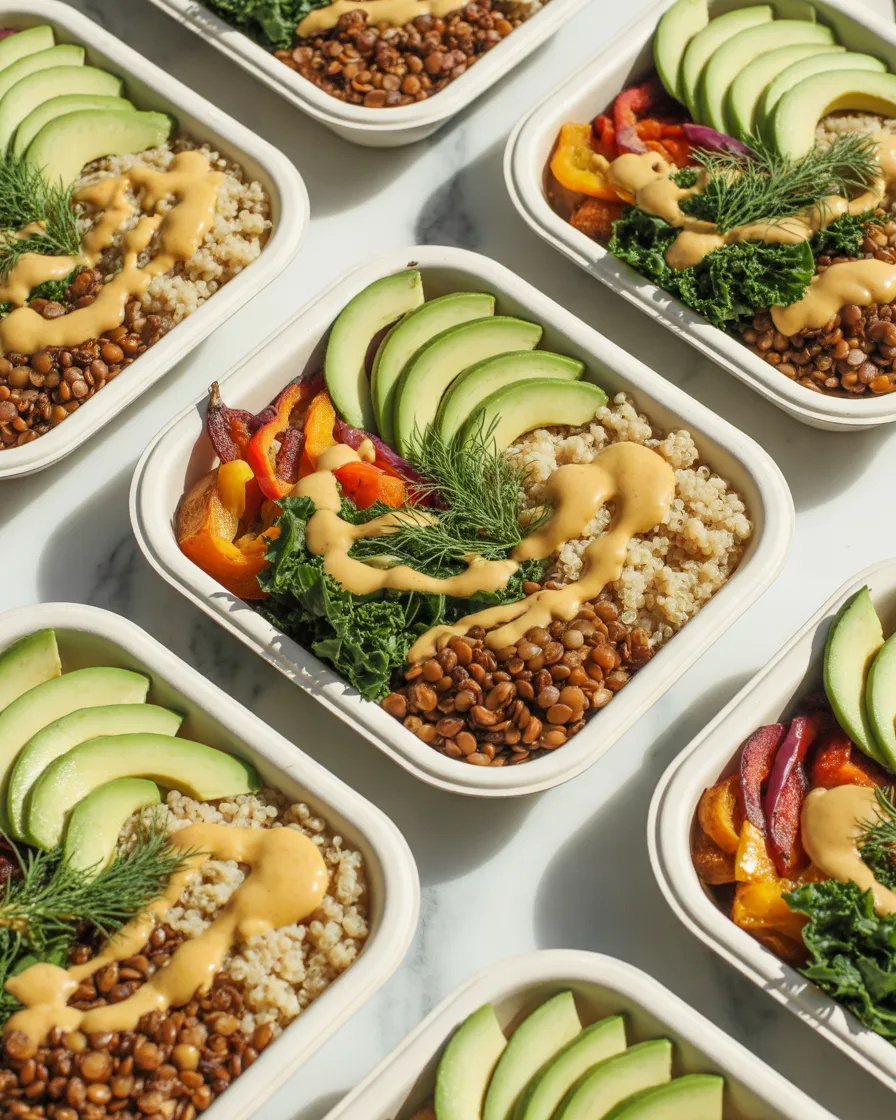
Lentil bowls are an affordable and nutritious addition to your collection of healthy meal prep ideas. They are especially useful for people who want plant-based meals that are filling, budget-friendly, and easy to prepare.
Lentils are versatile ingredients that can be used in salads, bowls, soups, and wraps. When combined with vegetables, whole grains, and healthy fats, they can create a balanced meal suitable for many lifestyles.
A simple lentil meal prep bowl may include cooked lentils, roasted vegetables, quinoa or brown rice, leafy greens, and a flavorful dressing.
Benefits
- Provides plant-based protein
- Adds fiber-rich ingredients to meals
- Budget-friendly compared with many protein sources
- Easy to prepare in large batches
- Suitable for different eating preferences
Lentils contain protein, fiber, and several important nutrients. Including legumes as part of a varied diet can support overall nutritional balance.
Practical Tips
Create different flavor styles:
Mediterranean Lentil Bowl
- Green lentils
- Cucumber
- Tomato
- Parsley
- Olive oil dressing
Indian-Inspired Lentil Bowl
- Lentils
- Roasted vegetables
- Brown rice
- Spices
- Yogurt-based sauce
Mexican Lentil Bowl
- Lentils
- Corn
- Salsa
- Avocado
- Brown rice
Preparation tips:
- Cook a large batch of lentils
- Store grains separately if preparing multiple days ahead
- Add fresh herbs before serving
- Use different spices to avoid repetition
How to Use or Apply It
Example lentil bowl:
Base
- Brown rice or quinoa
Protein source
- Cooked lentils
Vegetables
- Roasted peppers
- Carrots
- Spinach
Flavor
- Lemon dressing
- Herbs
- Spices
Prepare ingredients separately and combine when ready to eat.
Who It May Suit
Lentil bowls may suit:
- Vegetarians
- Budget-conscious households
- Students
- People interested in plant-based meals
- Anyone wanting more variety in their weekly menu
Important Considerations
Some people may experience digestive discomfort when increasing legumes quickly. Introducing them gradually and drinking enough fluids may help improve tolerance.
People with specific food allergies or dietary restrictions should adjust ingredients accordingly.
14. Greek Yogurt Protein Snack Boxes
Snack planning is an important part of successful meal preparation. Many people focus only on breakfast and dinner but forget that unplanned snacks can affect their daily food choices.
Greek yogurt snack boxes are simple healthy meal prep ideas for snacks because they require little preparation and can be customized with fruits, nuts, seeds, or whole-grain options.
They are convenient for work, school, or after-exercise snacks.
Benefits
- Provides a convenient snack option
- Can include protein and fiber-rich ingredients
- Easy to portion in advance
- Helps reduce dependence on highly processed snacks
- Requires minimal preparation
Greek yogurt is commonly used as a protein-rich food choice. Adding fruit and nuts can create a more balanced snack.
Practical Tips
Create different snack box combinations:
Berry Yogurt Box
- Greek yogurt
- Blueberries
- Strawberries
- Almonds
Crunchy Yogurt Box
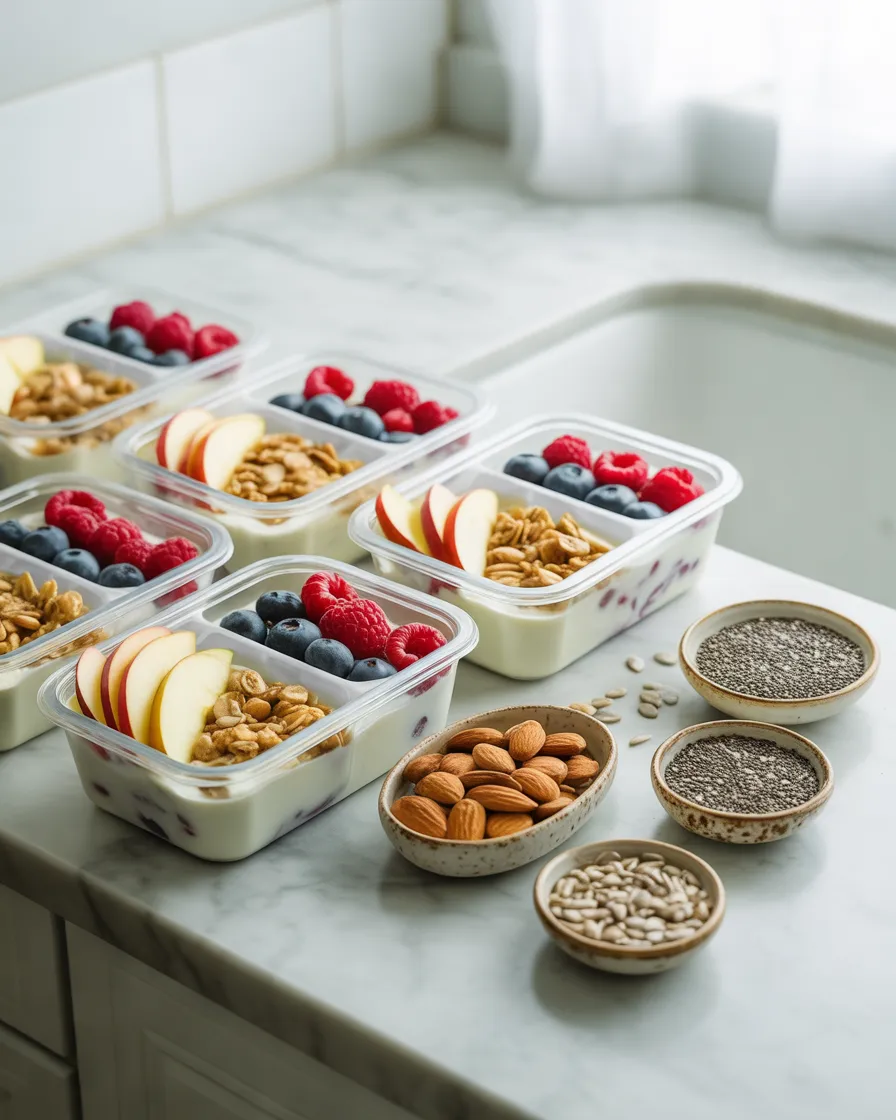
- Greek yogurt
- Granola
- Pumpkin seeds
- Fruit slices
Apple Cinnamon Box
- Greek yogurt
- Apple pieces
- Cinnamon
- Walnuts
Preparation tips:
- Keep crunchy toppings separate until eating
- Use small containers for portion control
- Choose plain yogurt and customize flavor naturally if preferred
How to Use or Apply It
Prepare snack containers with:
- One serving of Greek yogurt
- Fresh fruit
- Nuts or seeds
- Optional whole-grain crackers
Keep refrigerated and take one portion when needed.
These snack boxes work well between meals when you need something convenient.
Who It May Suit
Greek yogurt snack boxes may suit:
- Office workers
- Students
- Parents preparing snacks
- People who prefer simple foods
- Individuals looking for easy portable options
Important Considerations
Some flavored yogurts may contain added sugars. Reading nutrition labels can help you choose options that match your preferences.
People with dairy allergies or lactose intolerance may need suitable alternatives.
15. Slow Cooker Healthy Soup Meal Prep
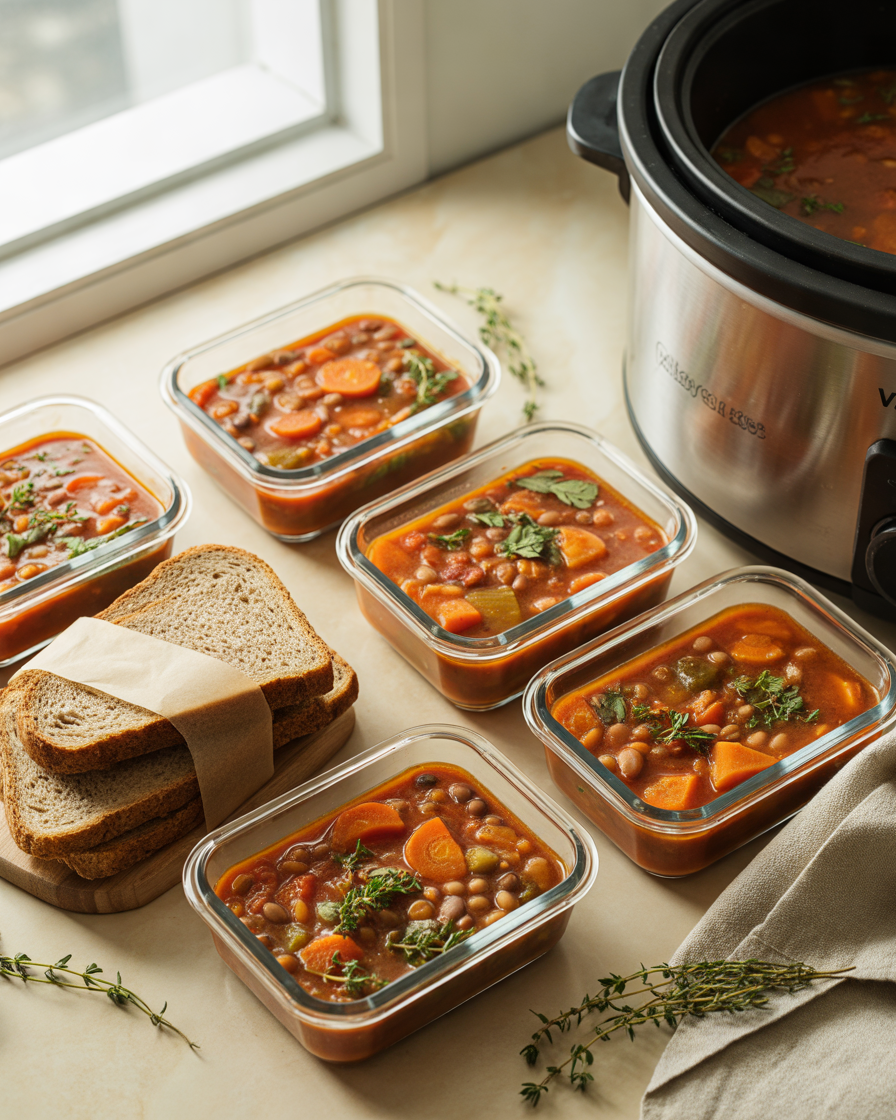
Healthy soups are excellent for batch cooking and are one of the most practical healthy meal prep ideas for cold weather and busy weeks.
A slow cooker allows ingredients to cook gradually, creating flavorful meals with minimal daily effort. Soups can include vegetables, beans, lentils, chicken, or whole grains depending on your preferences.
Preparing a large pot of soup can provide several meals and reduce the need for daily cooking.
Benefits
- Easy batch cooking method
- Convenient freezer-friendly option
- Can include many vegetables
- Provides a comforting meal choice
- Helps reduce food waste
Soup recipes can be adapted to different tastes, budgets, and dietary preferences.
Practical Tips
Healthy soup combinations:
Chicken Vegetable Soup
- Chicken
- Carrots
- Celery
- Beans
- Herbs
Lentil Soup
- Lentils
- Tomatoes
- Spinach
- Spices
Vegetable Bean Soup
- Mixed vegetables
- Beans
- Whole grains
Preparation tips:
- Chop vegetables ahead of time
- Freeze extra portions
- Use herbs and spices for flavor
- Add fresh toppings before eating
How to Use or Apply It
Slow cooker preparation:
- Add ingredients to the slow cooker
- Cook according to recipe instructions
- Cool portions safely
- Store in containers
- Reheat when needed
Soup can be paired with:
- Whole-grain bread
- Side salad
- Protein-rich toppings
Who It May Suit
Soup meal prep may suit:
- Families
- Busy professionals
- Beginner cooks
- People who enjoy batch cooking
- Anyone wanting easy dinners
Important Considerations
Some soups can become high in sodium depending on stock, sauces, or packaged ingredients. Choose ingredients carefully and adjust seasonings according to your needs.
Follow safe cooling and storage practices when preparing large batches.
Expert Tips for Successful Healthy Meal Prep
Creating a sustainable meal prep routine is more about organization than perfection. Many people stop meal prepping because they create complicated plans that are difficult to maintain.
Here are practical tips from a balanced nutrition perspective:
1. Start With Two or Three Meals
You do not need to prepare every meal for the entire week.
Start with:
- Breakfast for busy mornings
- Lunch for workdays
- A few dinner components
A simple routine is easier to maintain.
2. Plan Before Shopping
Before buying groceries:
- Check what ingredients you already have
- Choose recipes for the week
- Create a shopping list
- Avoid buying unnecessary items
Planning helps reduce food waste and saves money.
3. Prepare Ingredients Instead of Complete Meals
Some people prefer preparing components:
- Cooked grains
- Chopped vegetables
- Protein portions
- Sauces
This allows more flexibility during the week.
4. Use Proper Food Storage
Good storage habits improve food quality.
Helpful practices:
- Use clean containers
- Label preparation dates
- Store foods at safe temperatures
- Freeze meals that will not be used soon
5. Keep Variety in Your Routine
Eating the same meal repeatedly can become boring.
Change:
- Seasonings
- Vegetables
- Protein sources
- Cooking styles
Small changes can make meal prep more enjoyable.
Frequently Asked Questions About Healthy Meal Prep Ideas
1. What are the easiest healthy meal prep ideas for beginners?
Beginners can start with simple options such as overnight oats, chicken meal boxes, salad jars, smoothie packs, or sheet pan meals. These recipes require basic cooking skills, minimal equipment, and simple ingredients.
The goal is not to prepare complicated meals but to create a routine that makes healthy choices easier during busy days.
2. How many days ahead should I prepare healthy meals?
Many people prepare meals for around three to five days at a time, depending on the type of food, storage conditions, and personal schedule.
Some meals, such as soups, chili, and cooked grains, may also be suitable for freezing and using later.
Always follow safe food storage practices and keep prepared meals refrigerated when required.
3. Is meal prepping good for weight management?
Meal prepping can support organized eating habits by making balanced meals more available and reducing the need for last-minute food choices.
However, changes in body weight depend on many factors, including overall eating patterns, activity levels, sleep, health conditions, and individual needs.
A balanced approach that focuses on nutritious foods and appropriate portions is generally recommended.
4. Can I meal prep if I have dietary restrictions?
Yes. Meal preparation can be adjusted for many dietary preferences and requirements.
Examples include:
- Vegetarian meal prep
- Gluten-free meal prep
- Dairy-free meal prep
- High-protein meal prep
- Lower-sodium meal options
People managing medical conditions or specific nutritional needs should consider guidance from a qualified healthcare professional or registered dietitian.
5. What foods are best for healthy meal prep?
Foods that commonly work well for meal preparation include:
- Lean proteins such as chicken, fish, eggs, tofu, and beans
- Whole grains such as brown rice, quinoa, and oats
- Fresh and roasted vegetables
- Fruits
- Nuts and seeds
- Yogurt and other nutrient-rich ingredients
The best foods depend on your personal preferences, budget, culture, and lifestyle.
6. How can I stop getting bored with meal prep?
Meal prep becomes easier to maintain when you create variety.
Try changing:
- Seasonings and herbs
- Protein sources
- Vegetable combinations
- Cooking methods
- Meal styles
For example, the same grilled chicken can become a rice bowl, wrap filling, salad topping, or pasta ingredient.
7. What containers are best for meal prep?
Good meal prep containers should be:
- Food-safe
- Leak-resistant
- Easy to clean
- Suitable for refrigeration
- Appropriate for reheating if needed
Glass containers are popular because they are durable, while lightweight reusable containers can be convenient for work and travel.
8. How long can healthy meal prep meals stay fresh?
Storage time depends on the ingredients and preparation method.
Meals containing cooked proteins, vegetables, and grains should be stored safely and consumed within recommended food safety guidelines.
Foods that will not be eaten soon can often be frozen to maintain quality.
Always check food condition before eating and discard anything that appears spoiled.
Conclusion: Build a Healthy Meal Prep Routine That Fits Your Life
The best healthy meal prep ideas are not the most complicated recipes. They are the meals that fit your lifestyle, match your preferences, and make healthy choices easier to maintain.
From protein-packed chicken meal boxes and overnight oats to colorful grain bowls, smoothie packs, lentil meals, and slow cooker soups, there are many ways to prepare nutritious meals ahead of time.
Successful meal preparation is about creating a system that works for you. You do not need to cook every meal for an entire week or follow a strict routine. Even preparing a few breakfasts, lunches, or ingredients ahead can save time and reduce daily stress.
A practical approach includes:
- Planning meals before shopping
- Choosing simple recipes
- Preparing ingredients efficiently
- Using proper food storage methods
- Adding variety to avoid boredom
Remember that healthy eating looks different for everyone. Your ideal meal prep routine depends on your schedule, nutritional needs, cooking skills, and personal goals.
With consistent planning and realistic expectations, healthy meal prep ideas can help make balanced eating a more convenient and enjoyable part of everyday life.