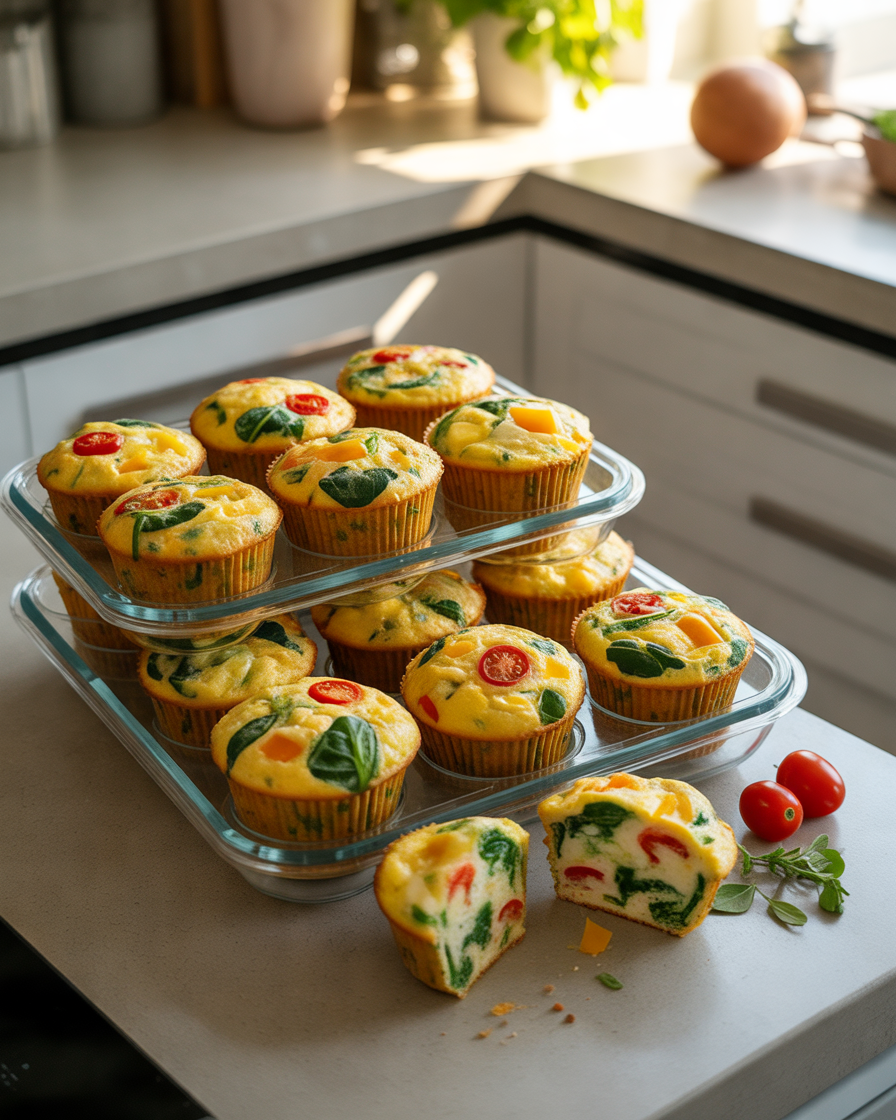
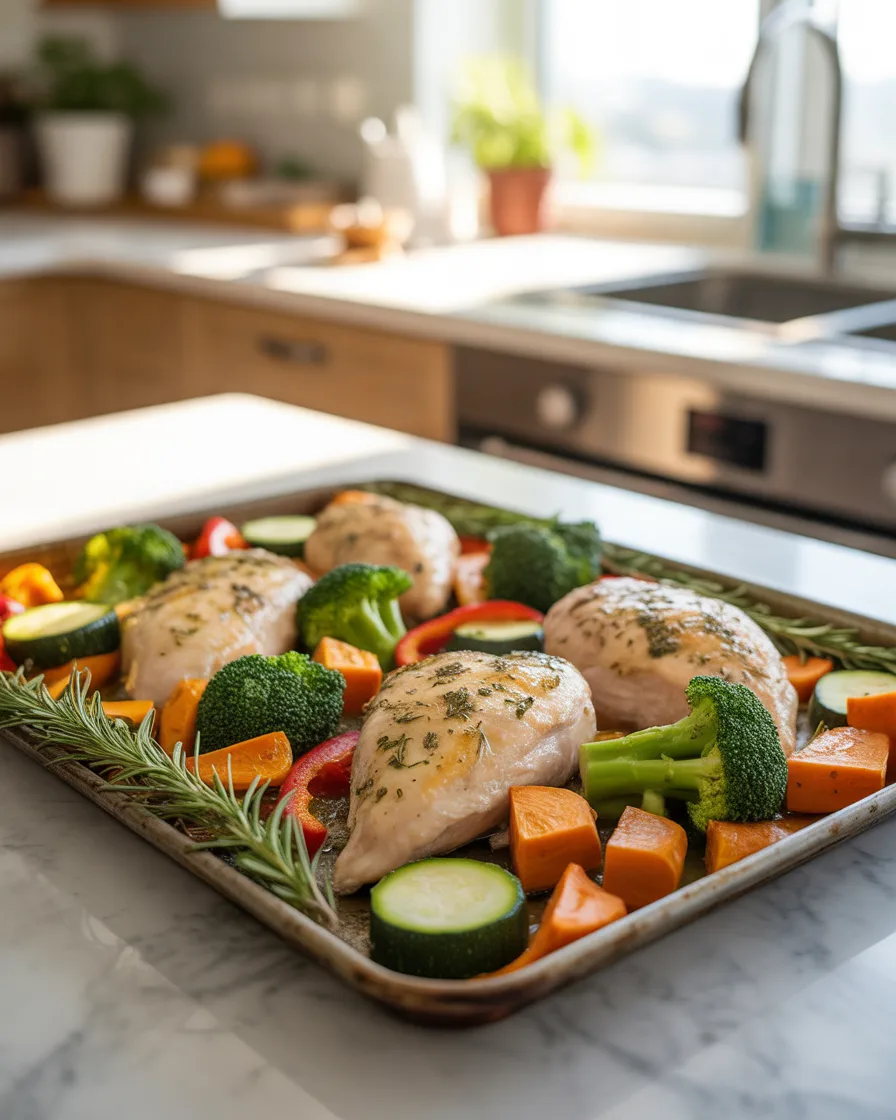
Eating healthy sounds simple until your week gets busy. Between work, family responsibilities, errands, and everything else on your schedule, preparing nutritious meals every day can feel exhausting. That’s where healthy meal prep for the week can make a real difference.
Instead of wondering what to cook every morning or ordering takeout after a long day, imagine opening your refrigerator and finding delicious, ready-to-eat meals waiting for you.
The best part? Weekly meal preparation doesn’t require expensive ingredients, complicated recipes, or spending your entire Sunday in the kitchen.
With a little planning, you can prepare balanced breakfasts, satisfying lunches, and comforting dinners that fit your lifestyle.
A good meal prep routine also gives you more control over ingredients, portions, and food spending. Combining vegetables, whole grains, protein-rich foods, and healthy fats can help support a balanced eating pattern.
Whether you’re preparing meals for yourself, your partner, or your family, these 13 healthy meal prep ideas for the week will help you eat well with less daily cooking.
1. Overnight Oats With Berries and Chia Seeds
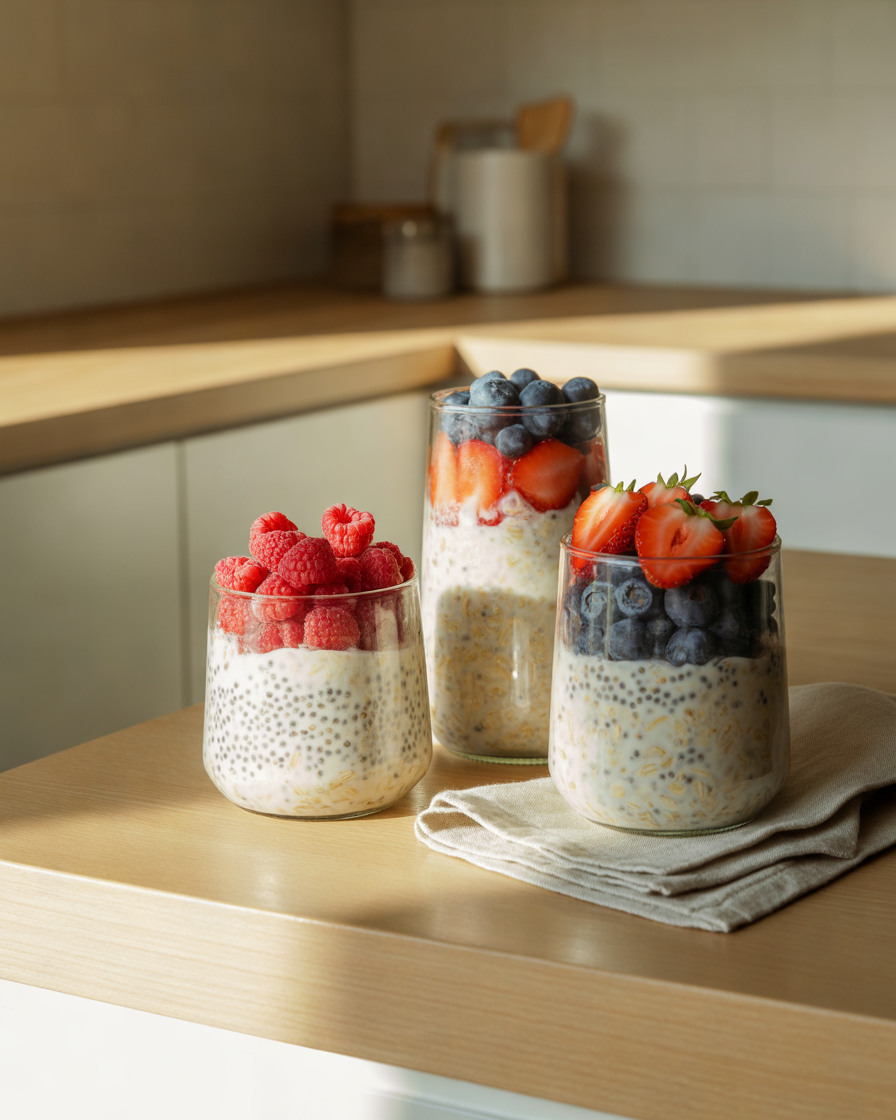
Overnight oats are one of the easiest healthy breakfast meal prep recipes because they require almost no cooking and can be customized to suit different tastes.
This simple breakfast combines rolled oats, milk, chia seeds, Greek yogurt, and fresh or frozen berries. After resting in the refrigerator overnight, the oats become soft and creamy.
Why it’s a healthy choice
Oats provide dietary fiber, including beta-glucan, while chia seeds contribute additional fiber and unsaturated fats. Greek yogurt adds protein and calcium, helping create a more balanced breakfast.
How to prepare it
Combine ½ cup rolled oats, ½ cup milk, ⅓ cup plain Greek yogurt, and 1 tablespoon chia seeds in a jar. Stir well and refrigerate overnight.
Before eating, add blueberries, strawberries, raspberries, or sliced banana.
For extra flavor, try cinnamon, vanilla extract, or a small spoonful of peanut butter.
Practical meal prep tips
Prepare two or three individual jars at once. Keep crunchy toppings separate until serving, and use frozen berries when fresh fruit is expensive.
Who it’s best for: Busy professionals, students, and anyone needing a convenient breakfast before work.
Important considerations: Choose unsweetened yogurt to control added sugar. Use suitable dairy-free alternatives if needed, and keep prepared jars refrigerated.
2. Spinach and Egg Muffins for a Protein-Rich Breakfast
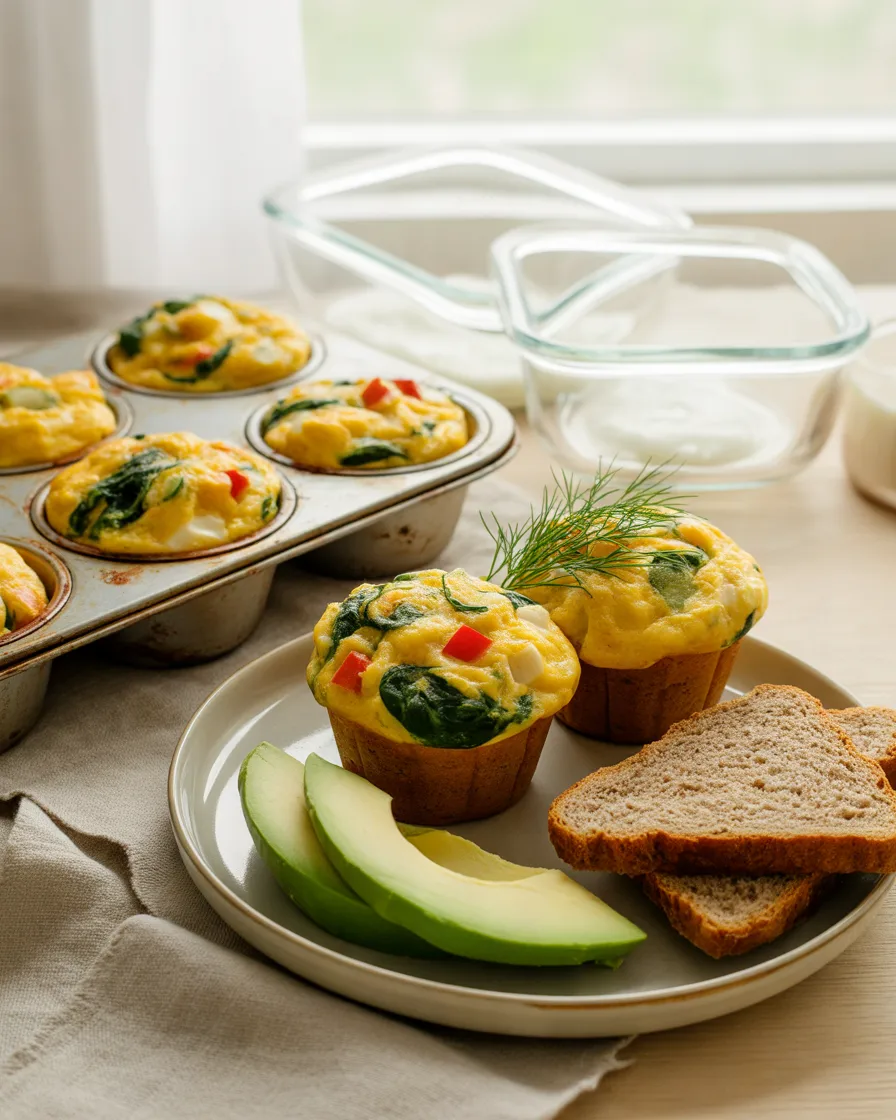
Egg muffins are a convenient alternative to cooking eggs every morning. They’re small, portable, and easy to pair with wholegrain toast or fruit.
Unlike traditional bakery muffins, these savory breakfast bites use eggs, vegetables, herbs, and optional cheese.
Why they’re a healthy choice
Eggs provide protein and several important nutrients, including choline. Spinach and peppers add vegetables, color, and micronutrients without making the recipe complicated.
How to prepare them
Whisk six eggs with chopped spinach, diced bell peppers, and a little black pepper.
Pour the mixture into a lightly greased six-cup muffin tray. Sprinkle with a little grated cheese if desired.
Bake at 350°F (175°C) until the centers are fully set and the eggs are thoroughly cooked.
Serve two muffins with wholegrain toast, avocado, or fresh fruit for a more substantial meal.
Practical meal prep tips
Allow the muffins to cool promptly before storing them in airtight containers. Freeze portions intended for later in the week.
Silicone muffin trays can make removing the cooked eggs easier.
Who it’s best for: People who prefer savory breakfasts, families with busy mornings, and anyone seeking portable meal prep ideas.
Important considerations: Egg muffins contain common allergens, including eggs and potentially dairy. Reheat safely, and avoid keeping a full week’s batch in the refrigerator.
3. Greek Yogurt Parfait Jars With Fruit and Nuts
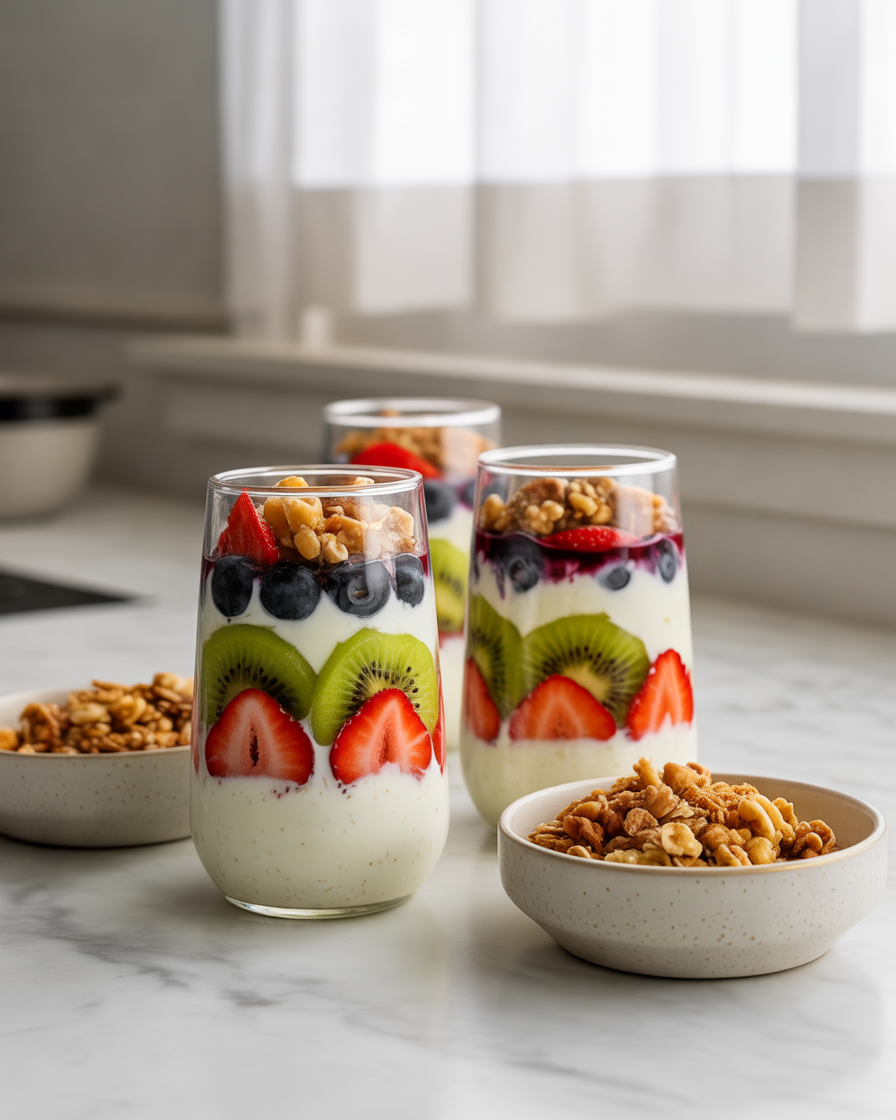
If you enjoy sweet breakfasts but don’t want to spend time cooking, Greek yogurt parfait jars are an excellent weekly meal preparation option.
They combine creamy yogurt, colorful fruit, nuts, and crunchy toppings in individual containers.
Why they’re a healthy choice
Plain Greek yogurt provides protein and calcium, while berries offer fiber and a variety of plant compounds. Nuts contribute unsaturated fats and make the breakfast more satisfying.
How to prepare them
Add approximately ¾ cup plain Greek yogurt to a food-safe container.
Top with sliced strawberries, blueberries, kiwi, or another seasonal fruit.
Pack a small serving of chopped almonds, walnuts, or low-sugar granola separately.
Combine everything immediately before eating to preserve the crunchy texture.
Practical meal prep tips
Prepare the yogurt and fruit portions for the next day or two rather than assembling seven complete jars.
Using frozen fruit is another budget-friendly option, although it releases more liquid as it thaws.
For variety, alternate between berries, peaches, apples, and oranges.
Who it’s best for: People who enjoy cold breakfasts, office workers, and those wanting a no-cook meal prep option.
Important considerations: Flavored yogurt and commercial granola can contain substantial added sugar. Check ingredient labels and keep dairy products appropriately chilled.
4. Lemon Herb Chicken and Quinoa Bowls
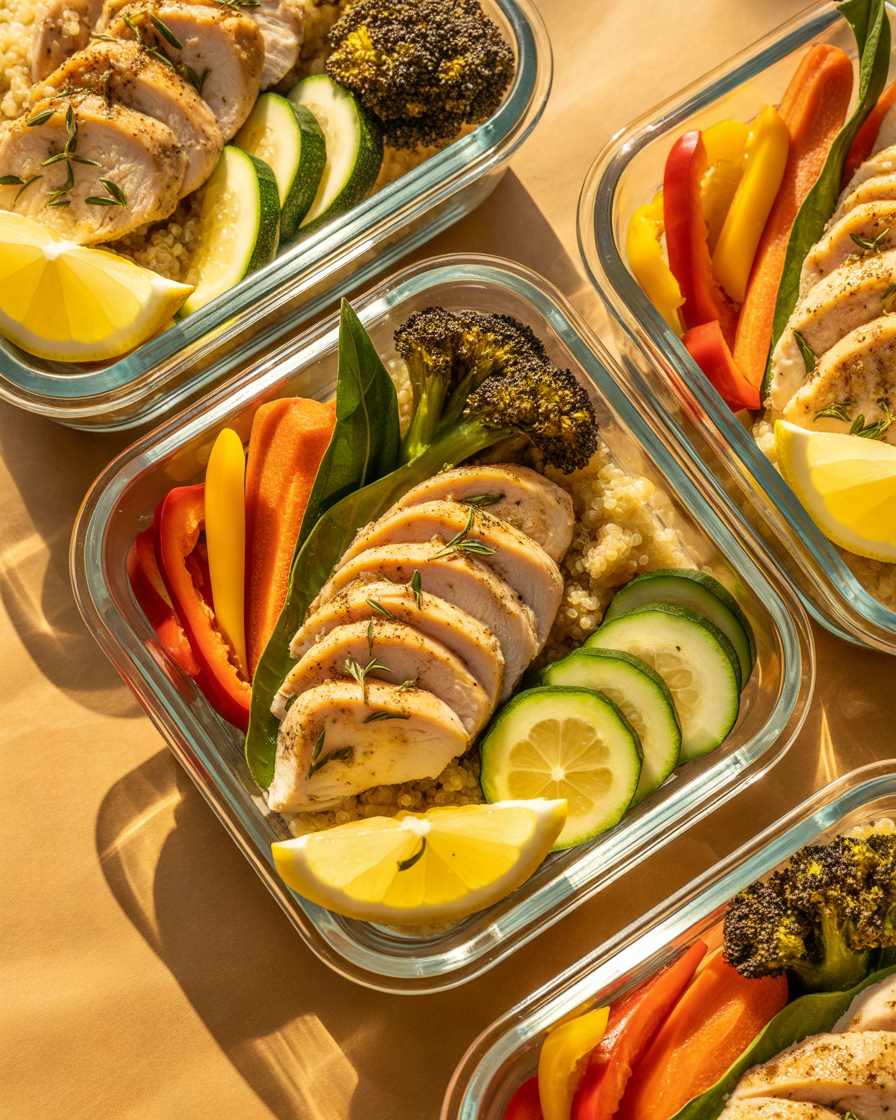
Chicken and quinoa bowls are a reliable choice for anyone looking for a filling, balanced lunch that reheats well.
The combination of tender chicken, fluffy quinoa, roasted vegetables, and a fresh lemon dressing offers variety without requiring complicated cooking techniques.
Why they’re a healthy choice
Chicken supplies protein, quinoa contributes fiber and additional protein, and colorful vegetables provide vitamins, minerals, and other beneficial nutrients.
Olive oil adds unsaturated fats, making the meal both flavorful and satisfying.
How to prepare them
Season boneless chicken breasts with lemon juice, garlic, oregano, olive oil, and black pepper.
Bake or grill until the chicken reaches a safe internal temperature.
Cook quinoa according to the package instructions.
Roast broccoli, carrots, zucchini, and bell peppers until tender.
Divide the quinoa, chicken, and vegetables into individual meal prep containers. Add a lemon and olive oil dressing just before eating.
Practical meal prep tips
Cook a little extra chicken to use in fajitas or salads later in the week.
Use different dressings to create variety. Lemon yogurt dressing, tahini sauce, and a mild herb vinaigrette all work well.
Who it’s best for: Office workers, active adults, and people who prefer substantial lunches.
Important considerations: Portion sizes should reflect individual appetite and activity. Refrigerate promptly and freeze later-week servings rather than keeping them chilled for seven days.
5. Chickpea and Roasted Vegetable Grain Bowls
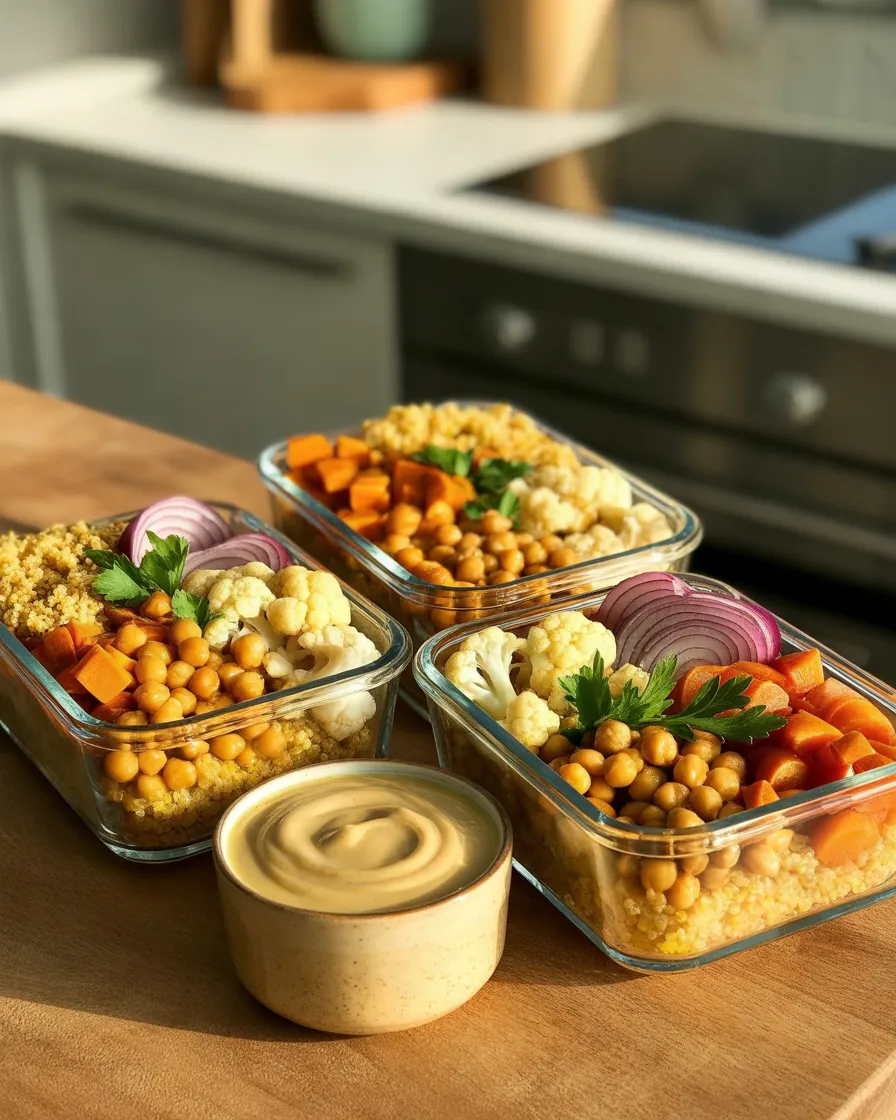
Plant-based meal prep doesn’t have to mean eating plain salads all week. Chickpea and roasted vegetable bowls offer a warm, flavorful alternative that’s easy to customize.
Roasted chickpeas, seasonal vegetables, whole grains, and a creamy tahini dressing create a meal with satisfying textures.
Why they’re a healthy choice
Chickpeas are a source of plant protein and dietary fiber. Whole grains provide additional fiber, while vegetables contribute micronutrients and variety.
This meal also makes it easier to include more legumes in your weekly eating routine.
How to prepare them
Drain and rinse a can of chickpeas.
Chop sweet potatoes, carrots, cauliflower, and red onions into evenly sized pieces.
Toss everything with olive oil, smoked paprika, cumin, and black pepper.
Roast at approximately 400°F (200°C) until the vegetables are tender, usually about 20–30 minutes depending on their size.
Serve with cooked quinoa, bulgur, or another whole grain.
Make a simple dressing using tahini, lemon juice, and water.
Practical meal prep tips
Keep the dressing separate to prevent sogginess. Use frozen vegetables when you’re short on preparation time.
For additional flavor, add fresh parsley or a sprinkle of pumpkin seeds.
Who it’s best for: Vegetarians, flexitarians, and people seeking affordable meat-free lunches.
Important considerations: Tahini contains sesame, a common allergen. Choose gluten-free grains where necessary, and refrigerate cooked ingredients promptly.
6. Turkey and Bean Chili for Easy Weeknight Dinners
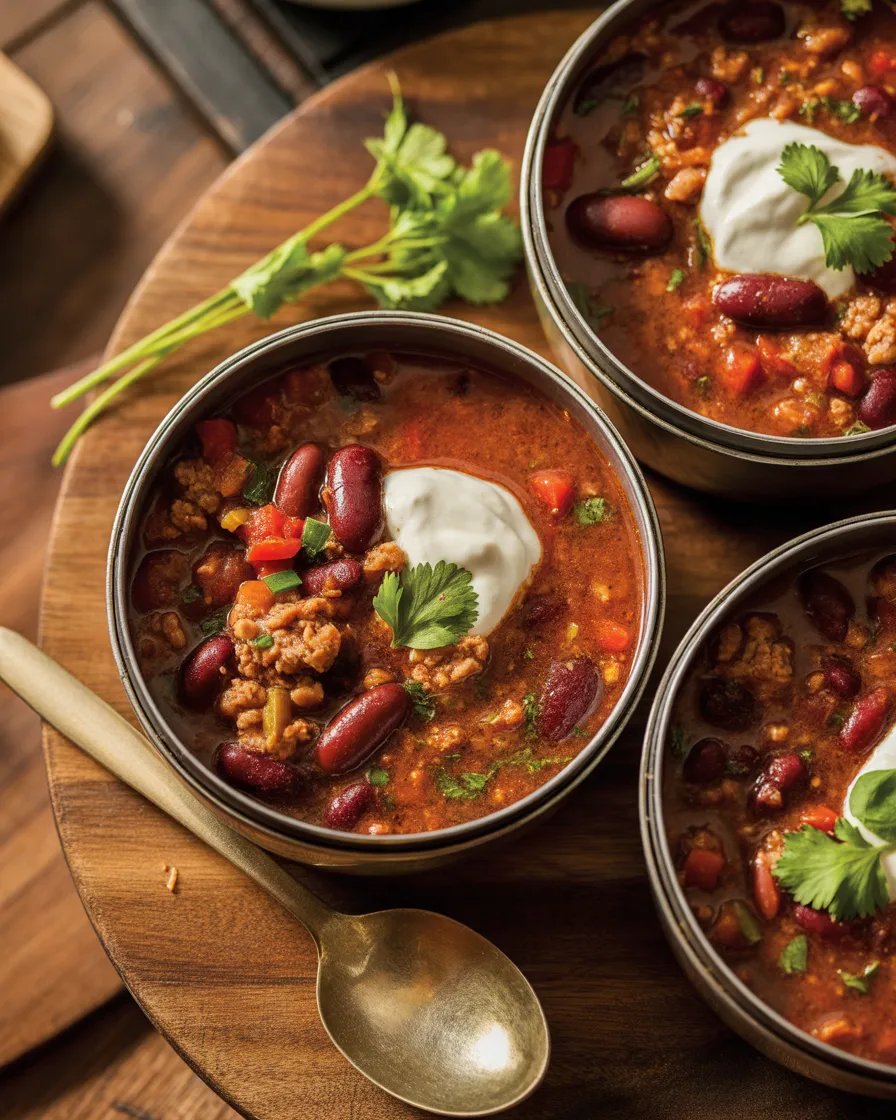
A large pot of homemade chili can become several hearty dinners with very little additional work.
Turkey and bean chili is especially useful for meal prepping because it freezes well and can be served in several ways.
Why it’s a healthy choice
Lean ground turkey provides protein, while beans contribute fiber, plant protein, and minerals. Tomatoes, onions, and peppers add vegetables and flavor.
Using herbs and spices allows you to create a rich-tasting dish without relying heavily on salt.
How to prepare it
Brown approximately 1 pound (450 g) of lean ground turkey with chopped onion and garlic.
Add canned kidney beans, chopped tomatoes, diced peppers, chili powder, cumin, and a little water or reduced-sodium stock.
Simmer for 20–30 minutes, or until the flavors combine and everything is thoroughly cooked.
Serve with a small baked potato, wholegrain bread, or a side salad.
Practical meal prep tips
Divide the finished chili into individual shallow containers so it cools quickly.
Freeze portions for later in the week. This makes homemade dinners available without needing to cook another large meal.
You can also replace turkey with lentils for a vegetarian version.
Who it’s best for: Busy families, budget-conscious cooks, and anyone who enjoys comforting batch-cooked meals.
Important considerations: Adjust spice levels for children or sensitive stomachs. Check canned ingredients for sodium, and reheat leftovers thoroughly.
7. Baked Salmon With Sweet Potatoes and Broccoli
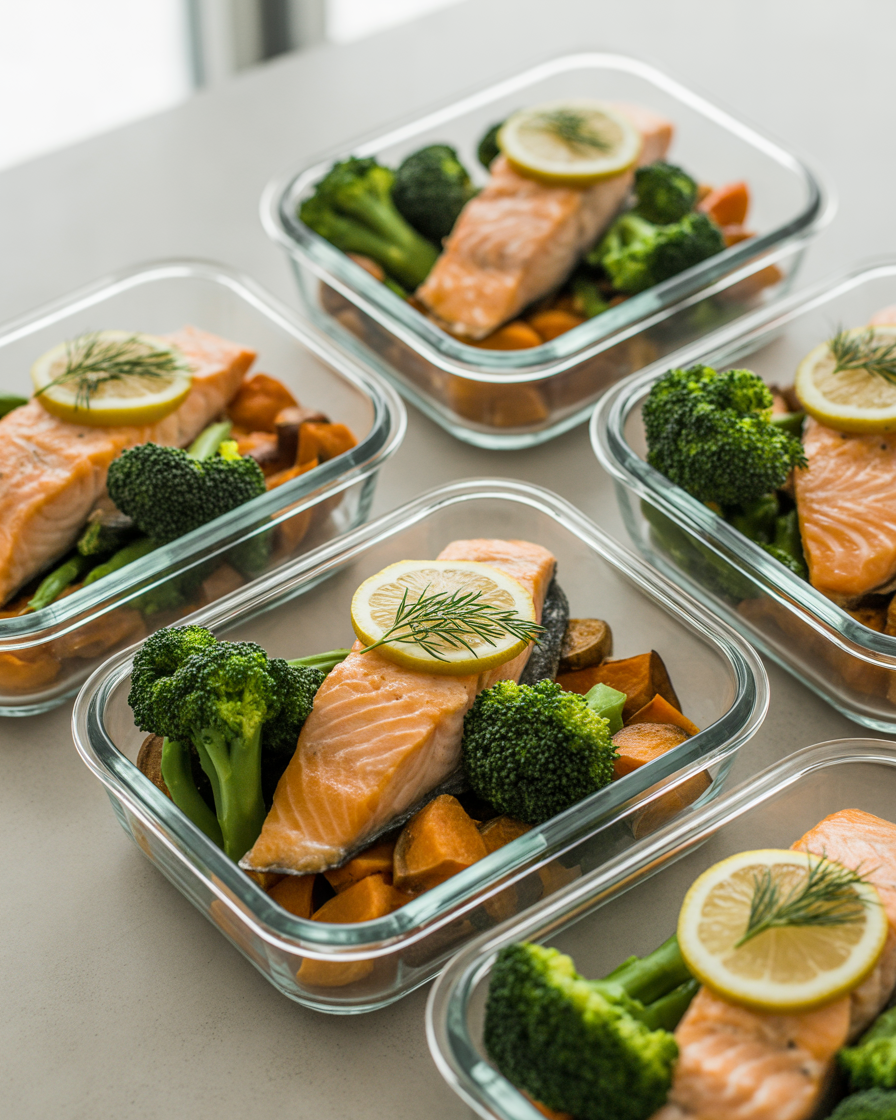
Salmon with roasted vegetables is a practical option when you want something nutritious that feels more like a freshly prepared dinner than typical leftovers.
It’s a particularly good choice for the beginning of the week.
Why it’s a healthy choice
Salmon provides protein and omega-3 fatty acids. Sweet potatoes contribute fiber and beta-carotene, while broccoli offers vitamin C and other nutrients.
Together, these foods create a colorful and balanced meal.
How to prepare it
Place salmon fillets on a lined baking tray.
Season with lemon juice, black pepper, garlic, and a little olive oil.
Cut sweet potatoes into cubes and place them on a separate tray with broccoli florets.
Roast the vegetables until tender. Bake the salmon until it reaches the recommended safe internal temperature.
Pack each portion with vegetables and a lemon wedge.
Practical meal prep tips
Prepare salmon for an early-week dinner instead of assuming cooked fish should last all week.
Alternatively, freeze individual cooked portions promptly and thaw them safely before reheating.
Try adding fresh dill or a small spoonful of yogurt sauce when serving.
Who it’s best for: Seafood lovers and people wanting variety in their weekly protein choices.
Important considerations: Fish is a common allergen. Seafood requires careful temperature control, and reheating can affect its texture. Follow local food-safety guidance.
8. Tofu and Edamame Stir-Fry With Colorful Vegetables
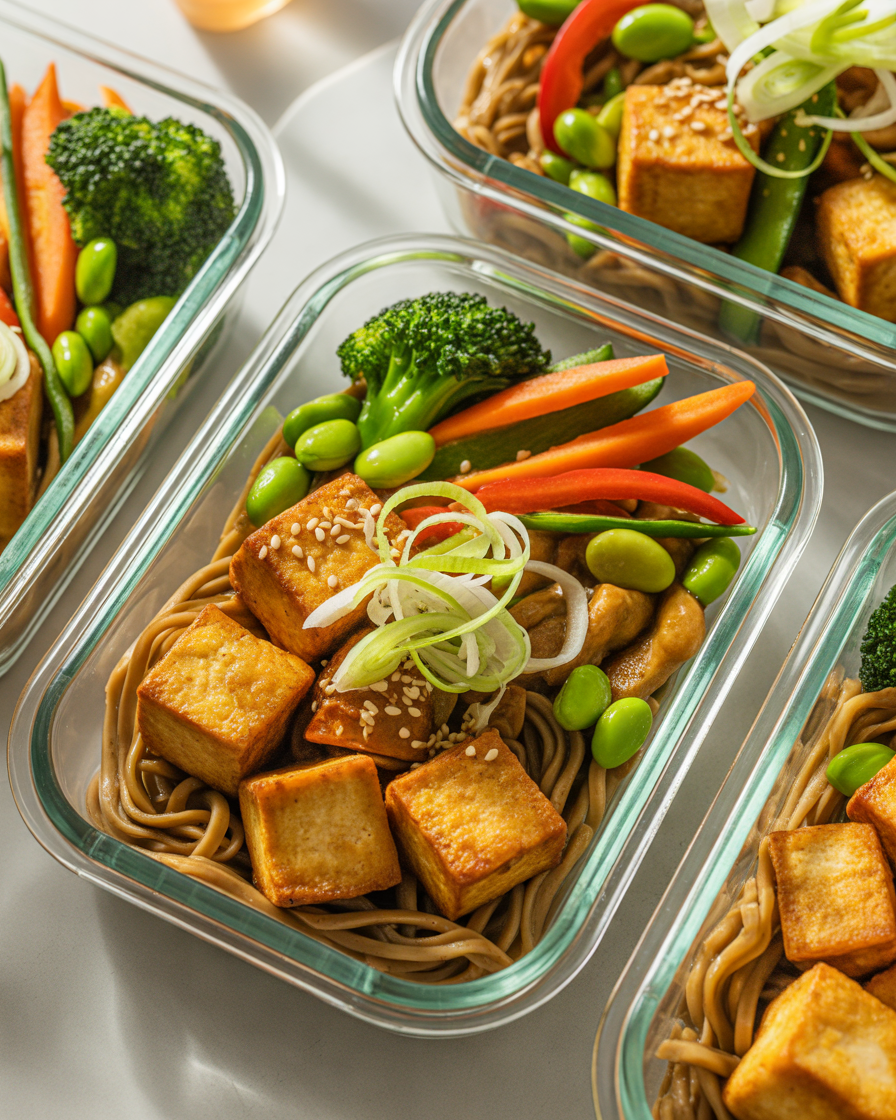
A vegetable-packed tofu stir-fry is a fantastic way to prepare a quick, meat-free dinner without sacrificing flavor.
The dish uses tofu, edamame, broccoli, carrots, and peppers with a simple ginger-garlic sauce.
Why it’s a healthy choice
Tofu and edamame provide plant-based protein. The vegetables contribute dietary fiber and micronutrients, while a modest amount of unsaturated oil adds flavor.
It’s an adaptable option for people looking to include more plant-based meals.
How to prepare it
Press firm tofu to remove excess moisture and cut it into cubes.
Lightly pan-fry the tofu until golden.
In the same pan, cook broccoli, carrots, bell peppers, and shelled edamame until tender-crisp.
Mix reduced-sodium soy sauce, garlic, ginger, and a little sesame oil to create a flavorful sauce.
Combine everything and serve with wholegrain noodles, quinoa, or another grain.
Practical meal prep tips
Keep noodles and sauce separate if you prefer a firmer texture.
Make extra sauce and use it with other vegetables later in the week.
Frozen shelled edamame is convenient and reduces chopping time.
Who it’s best for: Vegetarians, vegans, and anyone wanting a high-protein plant-based dinner.
Important considerations: Soy and sesame are common allergens, and standard soy sauce contains wheat. Choose suitable alternatives for dietary restrictions.
9. Mediterranean Lentil Salad Jars
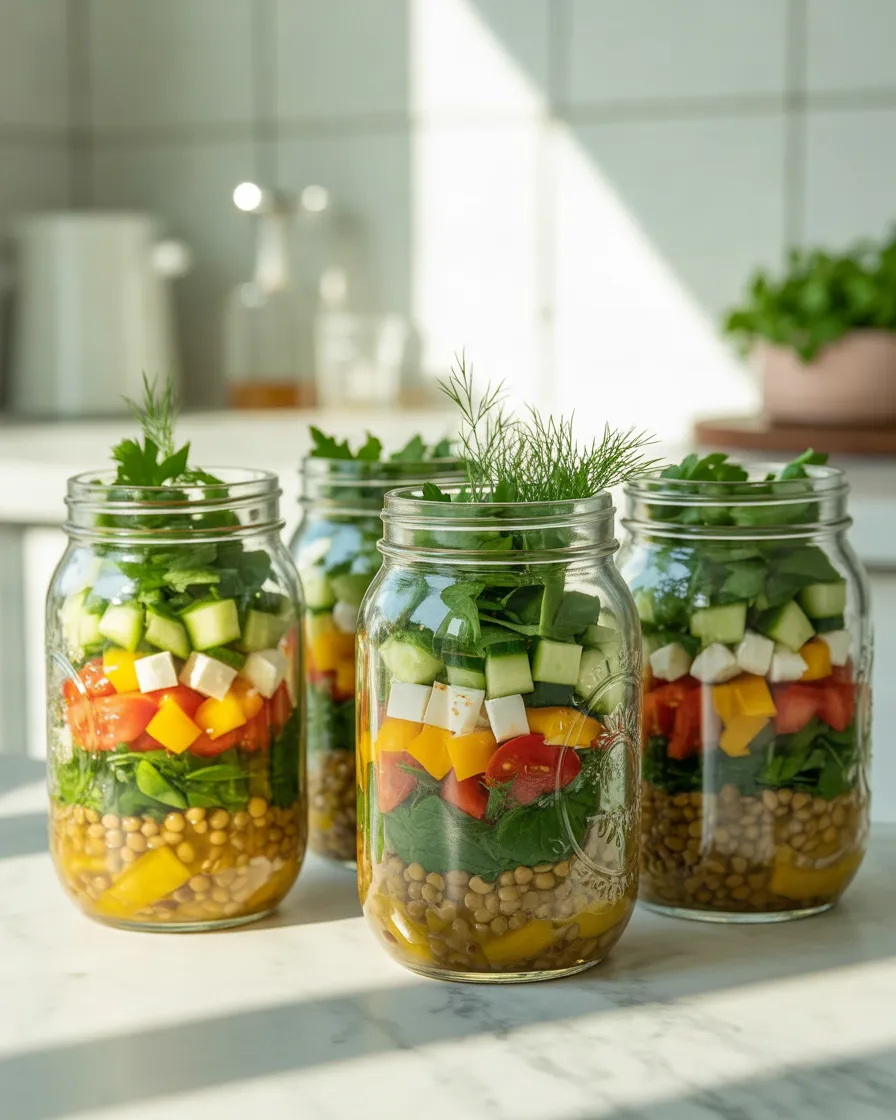
Mediterranean lentil salad jars are ideal for preparing lunches that don’t require reheating.
They offer a fresh combination of crunchy vegetables, lentils, leafy greens, and a zesty dressing.
Why they’re a healthy choice
Lentils provide plant protein and fiber. Tomatoes, cucumbers, peppers, and leafy greens contribute a variety of vitamins and minerals.
Olive oil in the dressing supplies unsaturated fats.
How to prepare them
Start with a clean, food-safe glass jar.
Add a dressing made from olive oil, lemon juice, and oregano at the bottom.
Next, layer diced cucumber, cherry tomatoes, bell peppers, and cooked lentils.
Add optional feta cheese, then finish with chopped lettuce or spinach at the top.
When ready to eat, transfer everything to a bowl and toss together.
Practical meal prep tips
Place sturdy ingredients near the dressing and delicate greens at the top to preserve texture.
Pack wholegrain crackers or bread separately if you want a more filling lunch.
Use canned lentils, thoroughly drained and rinsed, to save preparation time.
Who it’s best for: Office workers without microwave access, vegetarians, and people who prefer fresh lunches.
Important considerations: Feta contains dairy and can increase sodium content. Keep assembled salads refrigerated and prepare smaller batches for freshness and safety.
10. Chicken Fajita Wrap Kits for Quick Lunches
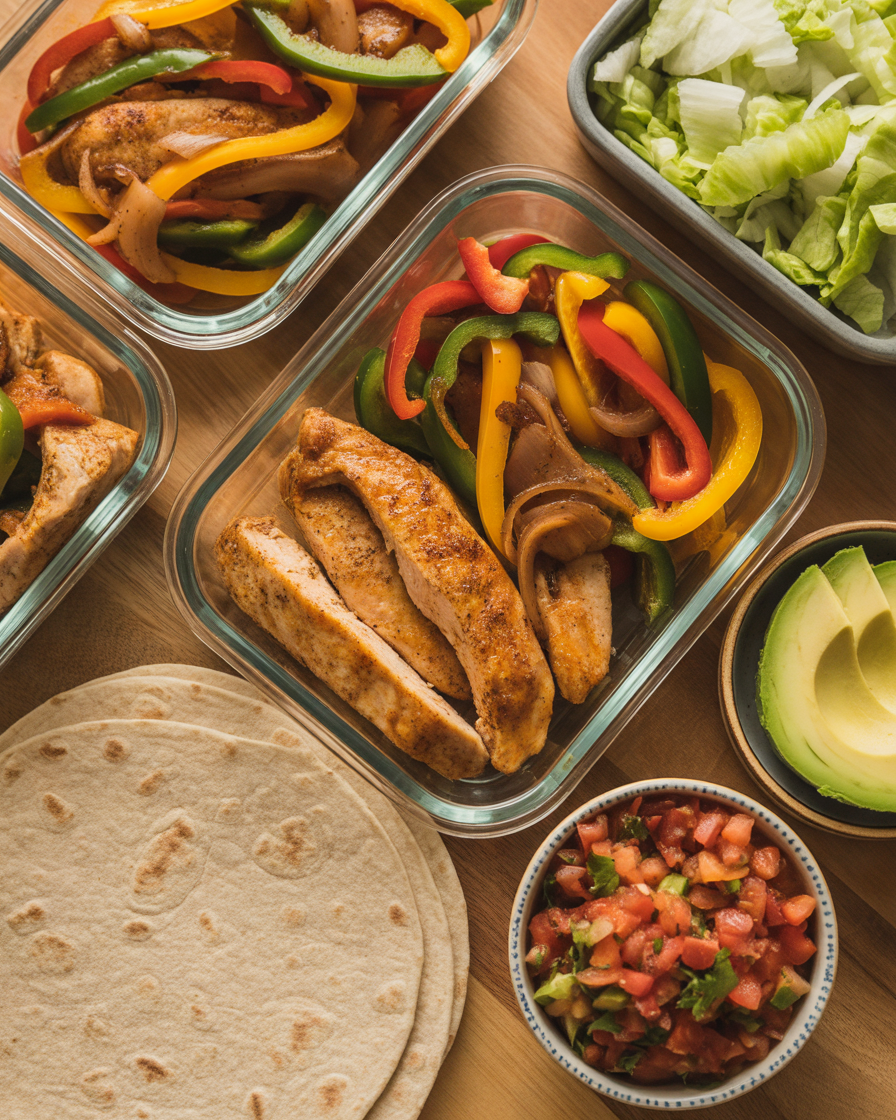
Chicken fajita wrap kits are a clever alternative to assembling every lunch in advance.
Instead of preparing complete wraps that may become soggy, cook the filling and store the components separately.
Why they’re a healthy choice
Chicken provides protein, while peppers and onions supply vegetables and flavor.
Wholegrain tortillas contribute fiber, and optional avocado adds unsaturated fats.
How to prepare them
Slice boneless chicken into thin strips and season with cumin, paprika, garlic, and black pepper.
Cook thoroughly in a skillet.
Add sliced red, yellow, and green peppers along with onions. Cook until the vegetables are tender.
Divide the chicken and vegetable mixture into individual containers.
Pack wholegrain tortillas, chopped lettuce, and salsa separately.
Assemble the wraps just before eating.
Practical meal prep tips
Prepare extra fajita filling to use in grain bowls, salads, or baked potatoes.
For more variety, add black beans or swap chicken for tofu.
Choose tortillas based on your appetite and the meal’s overall balance rather than assuming smaller always means healthier.
Who it’s best for: Families, office lunches, and people who enjoy flexible meals with different serving options.
Important considerations: Tortillas may contain gluten. Cook poultry to a safe temperature and freeze later-week filling portions.
11. Hearty Lentil and Vegetable Soup
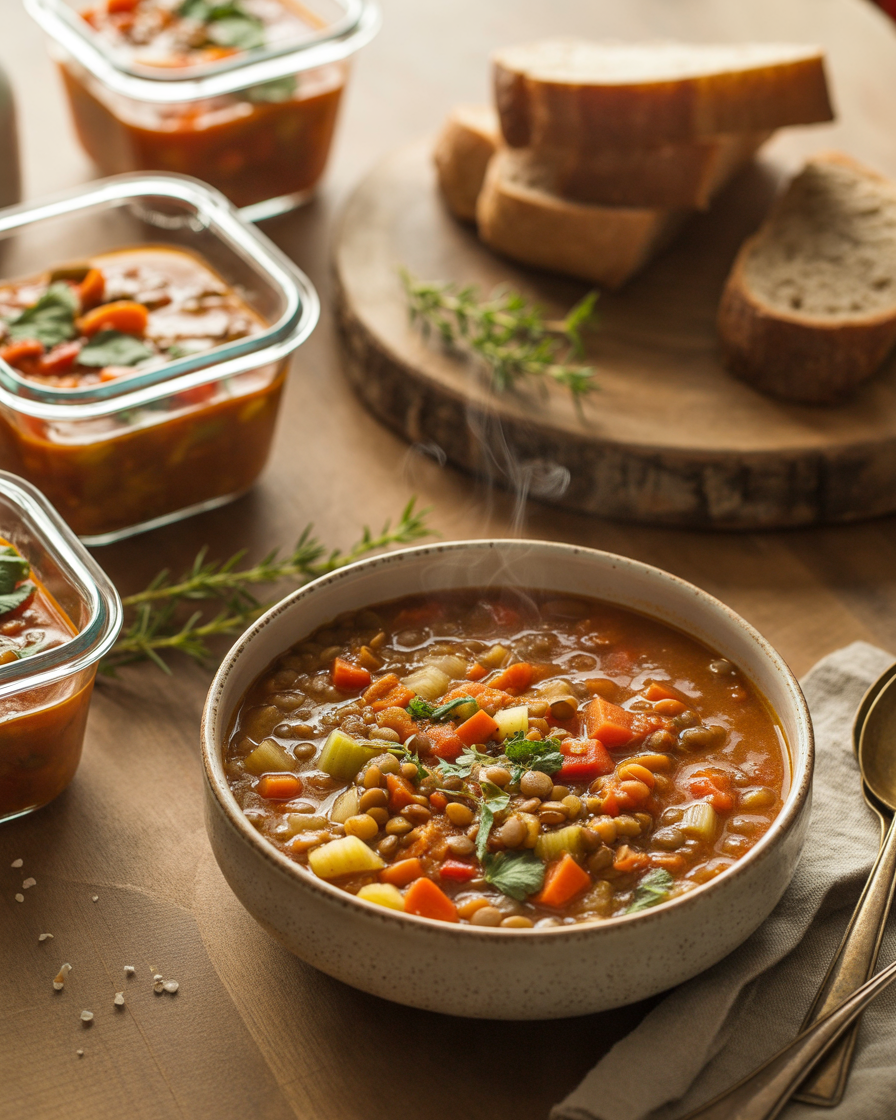
Homemade soup is one of the most practical healthy meal prep ideas for the week, especially during cooler weather.
A large pot of lentil and vegetable soup offers comforting flavors, flexible ingredients, and convenient freezer portions.
Why it’s a healthy choice
Lentils provide fiber and protein, while vegetables contribute vitamins, minerals, and additional fiber.
Soup can also be an affordable way to use vegetables that need to be cooked before they spoil.
How to prepare it
Sauté chopped onion, carrots, celery, and garlic in a little olive oil.
Add rinsed red or green lentils, diced tomatoes, reduced-sodium vegetable stock, and water as needed.
Season with black pepper, cumin, paprika, and dried herbs.
Simmer until the lentils become tender, adding more liquid if necessary.
Serve with wholegrain toast or a small side salad.
Practical meal prep tips
Freeze soup in individual portions so you only thaw what you need.
Label each container with the preparation date.
If you prefer a creamy texture, blend part of the soup while leaving the rest chunky.
Who it’s best for: Budget-conscious families, vegetarians, and anyone seeking freezer-friendly meals.
Important considerations: Very large pots of soup cool slowly. Transfer soup into shallow containers promptly, and reheat it thoroughly before serving.
12. Turkey Meatballs With Wholewheat Pasta
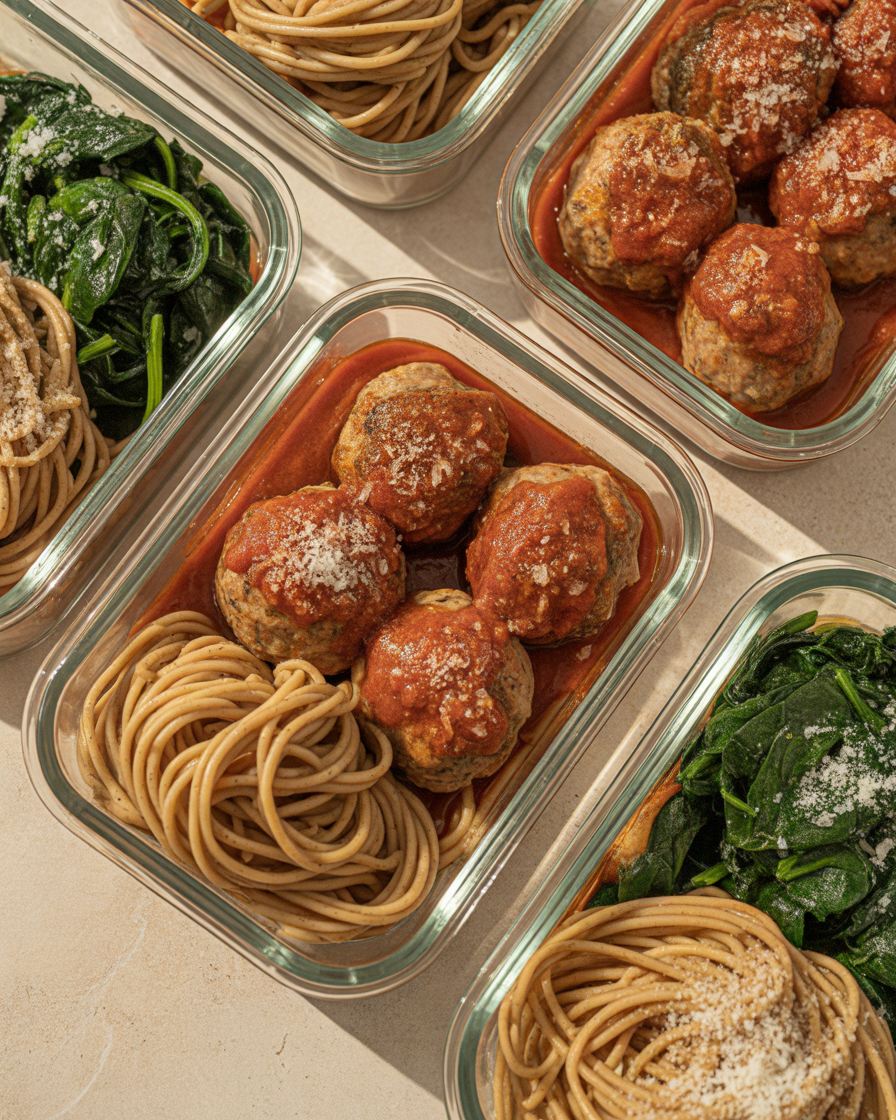
Healthy weekly meal preparation can include familiar comfort foods.
Turkey meatballs with wholewheat pasta are a satisfying alternative when you want something hearty that can be prepared in larger batches.
Why it’s a healthy choice
Lean ground turkey provides protein, while wholewheat pasta offers more fiber than traditional refined pasta.
A tomato-based sauce and added vegetables can improve the meal’s nutritional variety.
How to prepare it
Combine approximately 1 pound (450 g) lean ground turkey with minced garlic, herbs, an egg, and a small amount of wholegrain breadcrumbs.
Shape into evenly sized meatballs and bake until fully cooked.
Prepare wholewheat pasta according to package directions.
Warm a tomato sauce with finely chopped carrots, zucchini, or spinach.
Divide the pasta, meatballs, and sauce into containers.
Practical meal prep tips
Keep some sauce separate to maintain moisture when reheating.
Freeze extra cooked meatballs and sauce in individual portions.
If you prefer less pasta, increase the vegetables instead, while keeping the meal satisfying.
Who it’s best for: Families, pasta lovers, and anyone looking for familiar make-ahead dinners.
Important considerations: Turkey meatballs must be thoroughly cooked. Check for egg, wheat, and dairy allergens depending on the ingredients used.
13. Loaded Sweet Potatoes With Black Beans and Avocado
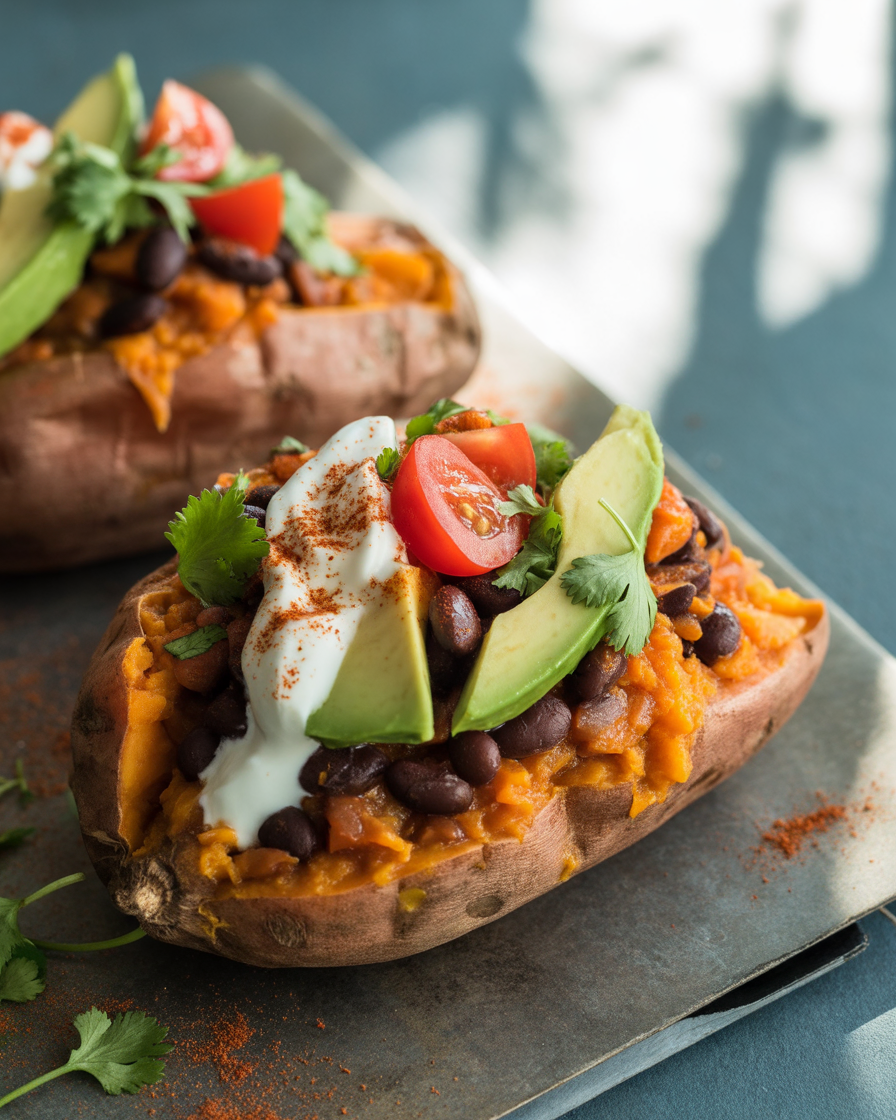
Loaded sweet potatoes are a simple, affordable way to create satisfying lunches or dinners using everyday ingredients.
The combination of soft roasted sweet potato, seasoned black beans, fresh vegetables, and creamy toppings brings together several textures in one meal.
Why it’s a healthy choice
Sweet potatoes provide fiber and beta-carotene. Black beans add plant-based protein and fiber, while avocado contributes unsaturated fats.
The meal can be made vegetarian or vegan with very little adjustment.
How to prepare it
Wash medium sweet potatoes and bake at approximately 400°F (200°C) until tender throughout.
Meanwhile, warm drained black beans with cumin, paprika, garlic, and a little lime juice.
Split each cooked sweet potato and add a generous spoonful of seasoned beans.
Finish with chopped tomatoes, fresh coriander or cilantro, and avocado.
For extra protein, add a spoonful of plain Greek yogurt or another suitable topping.
Practical meal prep tips
Prepare the potatoes and beans in advance, but add avocado shortly before serving to maintain its color and texture.
Keep fresh toppings separate until you’re ready to eat.
For a different flavor, add a small amount of salsa or roasted corn.
Who it’s best for: Vegetarians, budget-conscious households, and anyone wanting a filling meat-free meal.
Important considerations: Store cooked potatoes and beans promptly. Adjust portions based on individual needs and avoid leaving cooked potatoes at room temperature for extended periods.
Expert Tips for Healthy Meal Prep for the Week
Preparing meals in advance is helpful, but the most successful routines are realistic. The goal is to make your everyday eating easier, not to spend hours producing a perfect collection of containers.
1. Start with a manageable number of meals.
If you’re new to meal prepping, begin with two breakfasts, two lunches, and one dinner recipe. Once you’re comfortable with the process, increase the variety.
2. Choose ingredients that work in several recipes.
Chicken can be used in quinoa bowls and fajita wraps. Spinach works in egg muffins, salads, and pasta sauces. Beans can appear in chili, grain bowls, and loaded potatoes.
This approach helps reduce unnecessary shopping and food waste.
3. Aim for balanced meals rather than restrictive portions.
A useful starting point is to include vegetables or fruit, a protein source, a fiber-rich carbohydrate, and some healthy fats.
Portion sizes should be adjusted for age, activity, appetite, and individual nutritional requirements.
4. Prepare for the whole week without refrigerating everything for seven days.
Food safety is especially important for batch cooking. Storage recommendations vary by country and food type.
US guidance generally allows most cooked leftovers to remain refrigerated for three to four days. UK guidance recommends using most refrigerated leftovers within 48 hours, with cooked rice within 24 hours. Health Canada generally recommends two to three days for refrigerated leftovers, while Australian guidance emphasizes using them within a few days.
Freeze later-week portions promptly and follow the relevant local recommendations.
5. Keep sauces and delicate toppings separate.
Salad leaves, crispy toppings, wraps, and fresh avocado are usually better assembled shortly before eating.
6. Use proper food storage practices.
Refrigerate perishable foods promptly in shallow containers, avoid cross-contamination, and use a food thermometer when cooking or reheating foods that require temperature checks.
In the US and Canada, reheated leftovers should reach 165°F (74°C). Follow local guidance elsewhere, including reheating until steaming hot throughout where advised.
7. Leave room for flexibility.
You don’t need every single meal planned. A combination of prepared meals, fresh ingredients, and convenient freezer options may be more sustainable than following a rigid menu.
A Simple 5-Day Healthy Meal Prep Schedule
Here’s one example of how to use the recipes without cooking 13 different meals in a single day.
| Day | Breakfast | Lunch | Dinner |
|---|---|---|---|
| Monday | Overnight oats | Lemon chicken quinoa bowl | Baked salmon and vegetables |
| Tuesday | Egg muffins | Mediterranean lentil salad | Turkey and bean chili |
| Wednesday | Greek yogurt parfait | Chickpea vegetable bowl | Tofu and edamame stir-fry |
| Thursday | Overnight oats, freshly assembled | Chicken fajita wraps | Turkey meatballs and pasta |
| Friday | Fresh yogurt parfait | Lentil vegetable soup | Loaded sweet potato |
Preparation strategy: Cook a few recipes on Sunday, refrigerate meals intended for the next day or two, and freeze suitable portions for later in the week. Assemble fresh salads and toppings closer to serving time. Adapt the schedule to local food-safety recommendations.
Frequently Asked Questions About Healthy Meal Prep for the Week
1. How do I start healthy meal prep for the week as a beginner?
Start by selecting three simple recipes that use overlapping ingredients. For example, prepare overnight oats for breakfast, chicken quinoa bowls for lunch, and lentil soup for dinner.
Write a shopping list, check what you already have, and set aside time to wash produce, cook ingredients, and divide meals into appropriate portions.
There is no need to prepare every meal in advance. Start small and develop a routine that fits your schedule.
2. How long do healthy meal prep meals last in the refrigerator?
It depends on the food, its preparation, storage temperature, and local guidance.
As general examples, US guidance recommends using most cooked leftovers within three to four days, while UK guidance recommends consuming most refrigerated leftovers within 48 hours. Cooked rice needs particular care, and UK guidance recommends using it within 24 hours.
For a full week of meal prep, freezing later portions is usually a safer strategy than refrigerating everything for seven days.
3. Can healthy meal prep help with weight management?
Meal preparation may support weight-management efforts by making balanced meals more accessible and helping people make intentional food choices.
However, meal prepping alone does not guarantee weight loss. Overall eating patterns, portion sizes, individual energy needs, activity, and other factors also matter.
For personalized guidance, especially with medical conditions or specific nutritional needs, consult a registered dietitian or qualified healthcare professional.
4. What are the best foods for budget-friendly healthy meal prep?
Some affordable ingredients include dried or canned beans, lentils, oats, eggs, frozen vegetables, seasonal produce, whole grains, and canned tomatoes.
Buying ingredients that can be used in more than one recipe is often more practical than purchasing specialty products for every meal.
Frozen vegetables can be particularly useful because you can take out only what you need.
5. Is it healthy to eat the same meal every day?
Repeating a balanced meal occasionally can be convenient, but relying on the same limited foods continuously may reduce dietary variety.
Different vegetables, fruits, protein sources, and grains provide different nutrients.
Try changing your vegetables, protein choices, seasonings, and side dishes throughout the week to support a more varied eating pattern.
6. What containers are best for weekly meal prep?
Choose food-safe, leak-resistant containers appropriate for refrigeration and, when necessary, freezing.
Glass containers are useful for reheating when labeled microwave-safe, while lightweight reusable plastic containers may be more convenient for transporting lunches.
Divided containers can help separate foods with different textures. Always check manufacturer instructions before microwaving or freezing any container.
7. How much time should I spend meal prepping each week?
The amount of time depends on the recipes and how many portions you prepare.
A simple meal prep session may take about one to two hours, especially if you roast vegetables while cooking grains and preparing another dish.
You can also divide the work into two shorter sessions during the week. The most practical approach is whichever one you’re likely to maintain.
Conclusion: Make Healthy Meal Prep for the Week Work for Your Lifestyle
Healthy eating doesn’t have to involve complicated recipes, expensive ingredients, or cooking from scratch every day.
With these 13 healthy meal prep for the week ideas, you can create breakfasts, lunches, and dinners that are convenient, flavorful, and easy to adapt to your preferences.
From overnight oats and egg muffins to hearty lentil soup, colorful grain bowls, and homemade turkey chili, there are plenty of ways to make nutritious eating more manageable.
Remember that meal prep should simplify your life rather than become another stressful task. Choose recipes you genuinely enjoy, use ingredients efficiently, and store prepared foods safely.
Most importantly, aim for consistency and variety instead of perfection.
A little preparation can make it much easier to enjoy satisfying, balanced meals throughout your busy week.