Losing weight does not mean eating bland food, skipping your favourite meals, or spending hours in the kitchen. A more practical approach is to plan balanced meals ahead of time, keep satisfying ingredients ready, and make everyday food choices easier. That is where meal prep for weight losing can help.
When you prepare meals in advance, you can manage portions, include more vegetables and protein, and reduce the temptation to rely on takeaway meals when you are busy. You also have more control over ingredients, cooking methods, and the amount of added sugar, salt, and oil in your meals.
The best meal prep plan is not the one with the fewest calories. It is the one that provides enough nourishment, fits your schedule and budget, and is realistic enough to follow consistently. You do not need expensive ingredients, complicated recipes, or separate meals for every day of the week.
In this guide, you will discover 12 healthy meal prep ideas for weight loss, including high-protein breakfasts, filling lunches, balanced dinners, and convenient snacks. Each idea includes practical preparation tips, suggested ways to serve it, who may find it useful, and important considerations to help you build a sustainable routine.
Whether you are preparing meals for work, organising family dinners, or trying to spend less time cooking during the week, these ideas can help you make nutritious eating simpler and more enjoyable.
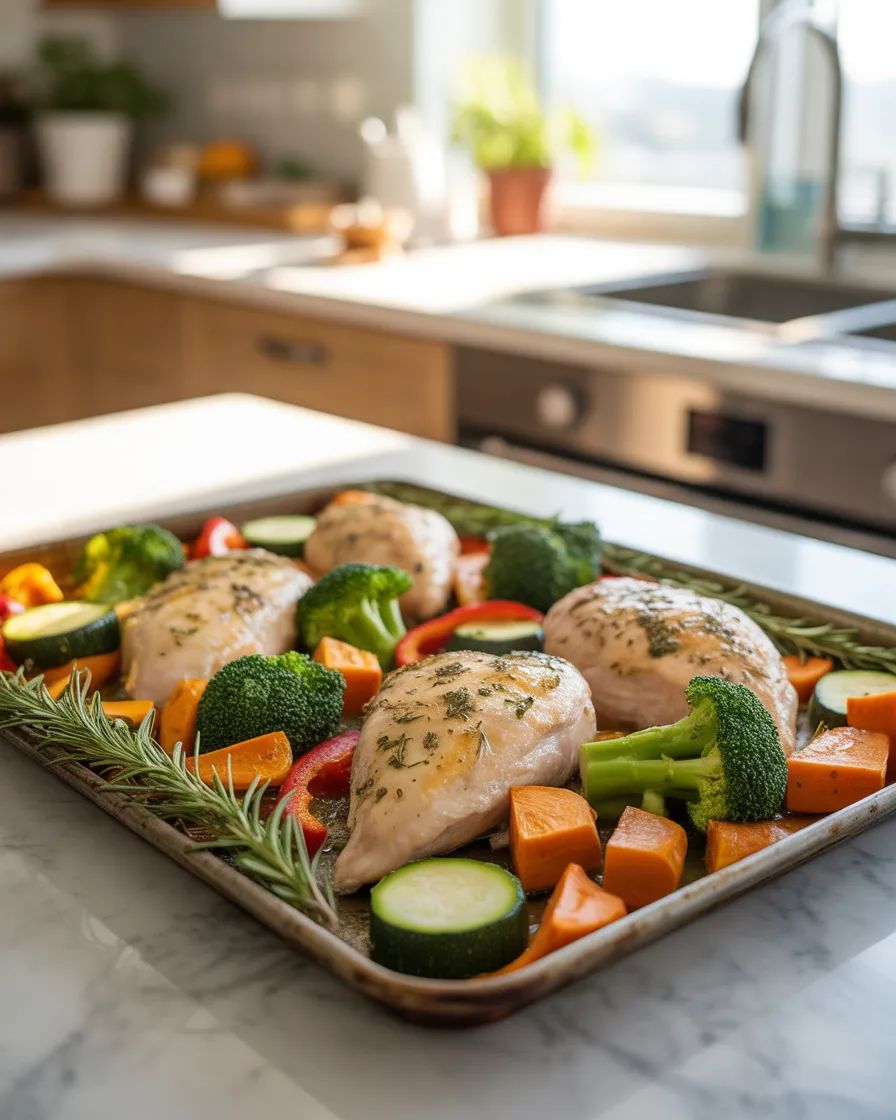
1. Grilled Chicken, Brown Rice, and Roasted Vegetable Bowls
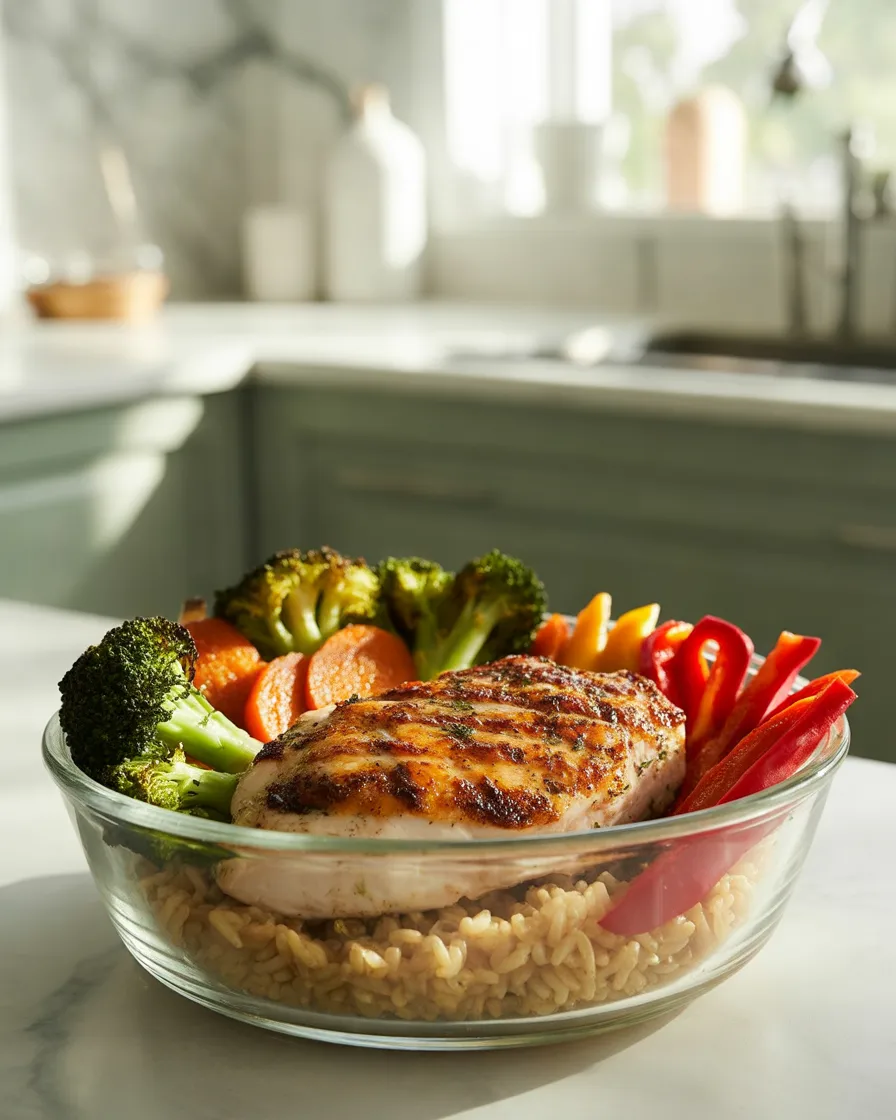
Grilled chicken bowls are one of the most versatile healthy meal prep ideas for weight loss. They combine lean protein, whole grains, and colourful vegetables in a convenient meal that is easy to portion and reheat.
Benefits: Chicken provides protein, while brown rice supplies carbohydrates and vegetables contribute fibre, vitamins, and minerals. Together, these ingredients create a balanced meal that can help you feel satisfied without relying on heavy sauces.
Practical tips: Season chicken breast with garlic, paprika, black pepper, lemon juice, and a little olive oil. Grill or bake it, cook a batch of brown rice, and roast broccoli, carrots, and bell peppers on one tray.
How to use it: Divide the cooked ingredients between containers. Adjust the amount of rice, chicken, and vegetables to your appetite, activity level, and nutritional needs. Add lemon dressing or yoghurt sauce separately before eating.
Who it may suit: Busy professionals, students, gym-goers, and anyone who wants a dependable lunch or dinner for workdays.
Important considerations: Use herbs, citrus, and spices to build flavour rather than relying on large amounts of salty bottled sauces. Refrigerate cooked portions promptly and freeze meals intended for later in the week.
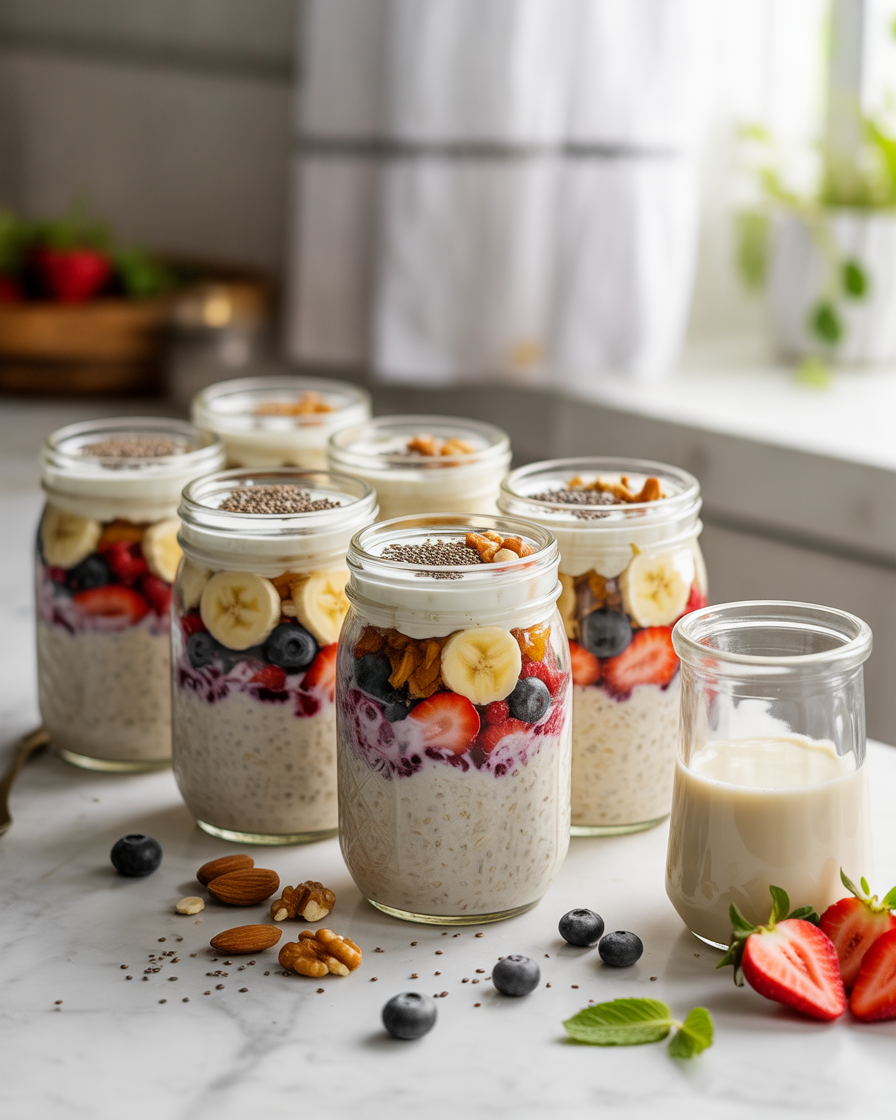
2. Overnight Oats with Greek Yogurt, Berries, and Chia Seeds
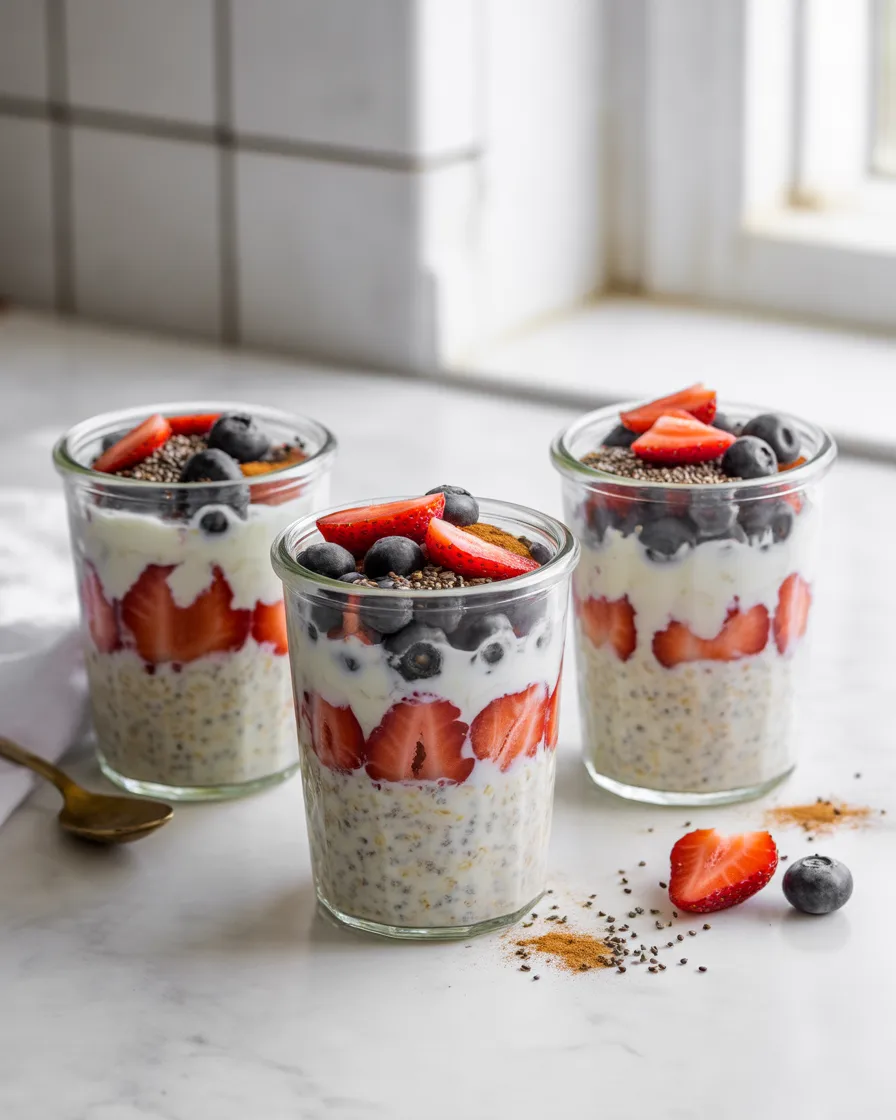
If mornings are rushed, overnight oats can make breakfast easier. Rolled oats soften in milk overnight, creating a creamy base that pairs well with Greek yoghurt, berries, and chia seeds.
Benefits: Oats provide fibre, Greek yoghurt contributes protein, and berries add flavour and micronutrients. This combination can make breakfast more satisfying than a pastry or a highly sweetened cereal.
Practical tips: Combine rolled oats, plain Greek yoghurt, milk or an unsweetened fortified alternative, and chia seeds in a jar. Refrigerate overnight and add fresh or frozen berries before serving.
How to use it: Prepare individual jars for the next few mornings. Adjust the consistency with extra milk and use cinnamon or vanilla for flavour. If you prefer a little sweetness, add a small amount of honey rather than several spoonfuls.
Who it may suit: People who prefer a quick breakfast, commuters, students, and anyone who wants a make-ahead option without cooking in the morning.
Important considerations: Chia seeds absorb liquid, so add enough fluid and allow time for them to soften. Choose yoghurt without added sugar and check the label on flavoured milk alternatives. Use certified gluten-free oats if gluten avoidance is necessary.
3. Turkey and Black Bean Burrito Bowls for Easy Weight Loss Meal Prep
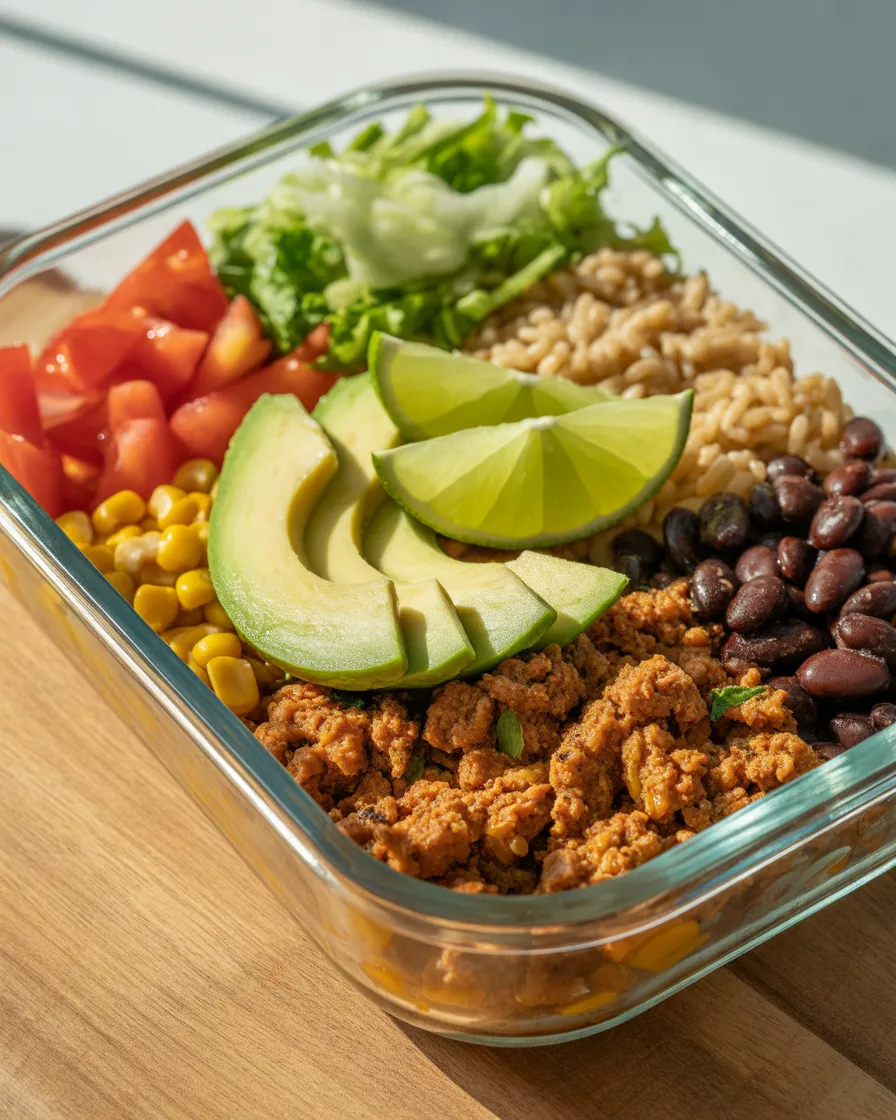
A burrito bowl offers the familiar flavours of Mexican-inspired food without requiring a large tortilla or a heavy restaurant sauce. Ground turkey, black beans, rice, vegetables, and salsa create a flexible lunch or dinner.
Benefits: Turkey supplies protein, black beans add plant protein and fibre, and vegetables provide colour and variety. Beans can also make a meal more filling while helping you reduce the amount of meat you use.
Practical tips: Cook lean ground turkey with cumin, paprika, garlic, and chilli powder. Add rinsed black beans, then prepare brown rice, lettuce, tomatoes, corn, and salsa. Keep avocado or yoghurt dressing separate.
How to use it: Assemble containers with the turkey and beans, rice, and cooked vegetables. Store fresh toppings separately and add them just before eating. You can replace turkey with lentils or crumbled tofu for a meat-free version.
Who it may suit: People who like bold flavours, need packable lunches, or want a meal that can be customised for different family members.
Important considerations: Check the sodium content of canned beans, salsa, and seasoning mixes. Choose reduced-sodium products where available, and adjust chilli according to your tolerance.
4. Baked Salmon with Sweet Potato and Green Vegetables
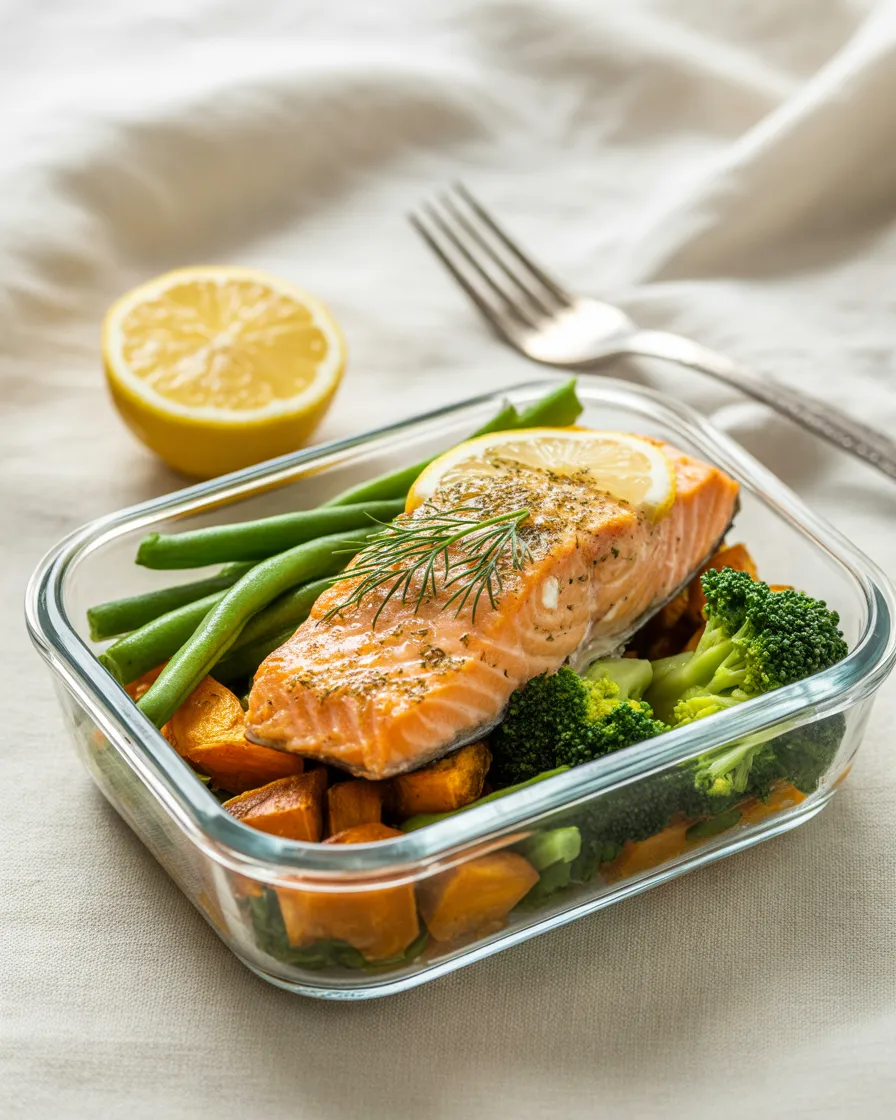
Salmon meal prep is a useful option when you want a protein-rich meal with a different flavour and texture from chicken. Pairing baked salmon with sweet potato and green vegetables creates a colourful, balanced plate.
Benefits: Salmon provides protein and omega-3 fatty acids. Sweet potatoes supply carbohydrates and fibre, while broccoli or green beans contribute additional nutrients and volume.
Practical tips: Season salmon with lemon, garlic, black pepper, and dill. Bake until cooked through, roast cubed sweet potatoes on a separate tray, and steam or roast your preferred green vegetables.
How to use it: Serve the salmon with sweet potato and vegetables for lunch or dinner. Add lemon juice just before eating. If you enjoy variety, prepare two different vegetable combinations using the same batch of fish.
Who it may suit: Seafood lovers, people who want to include oily fish in their weekly meals, and anyone looking for a satisfying alternative to poultry.
Important considerations: Salmon contains beneficial fats but is still an energy-containing food, so choose a portion appropriate for your needs rather than treating it as unlimited. Fish also needs careful storage; freeze portions that will not be eaten within the recommended refrigerated storage period.
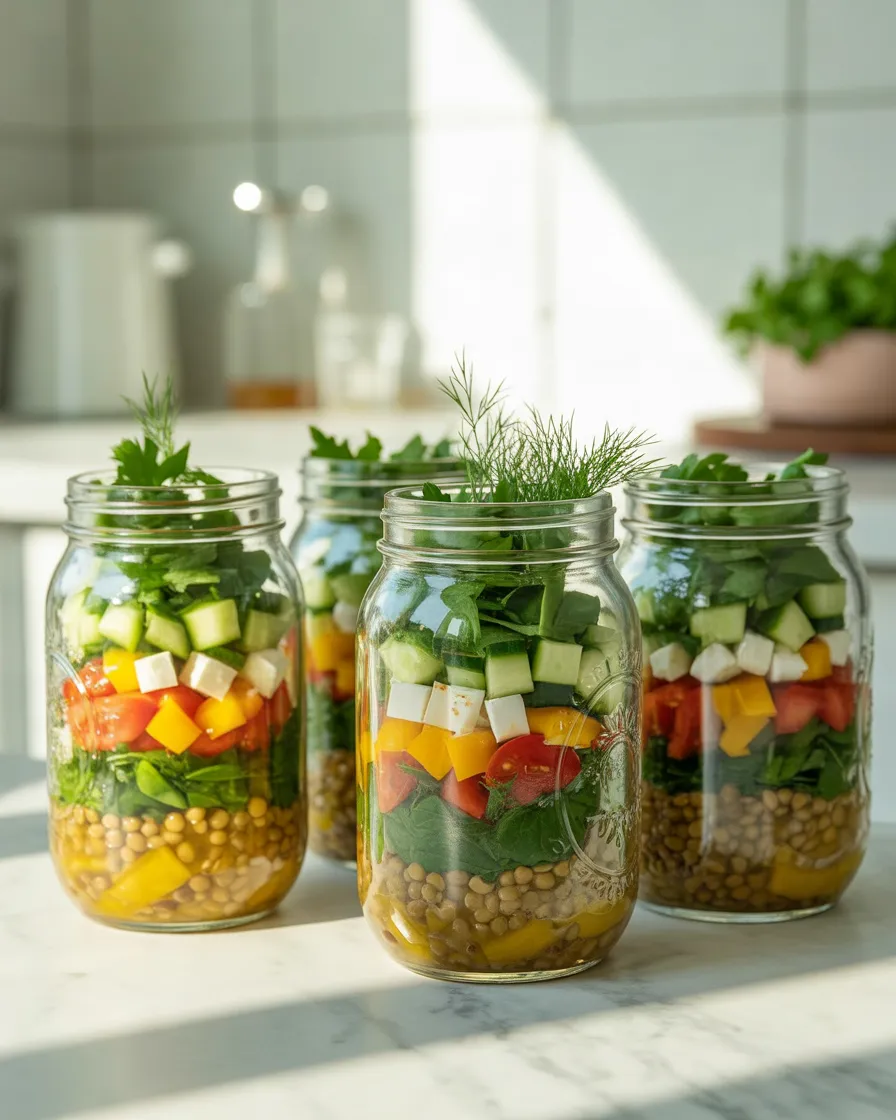
5. Chickpea and Quinoa Salad with Lemon Dressing
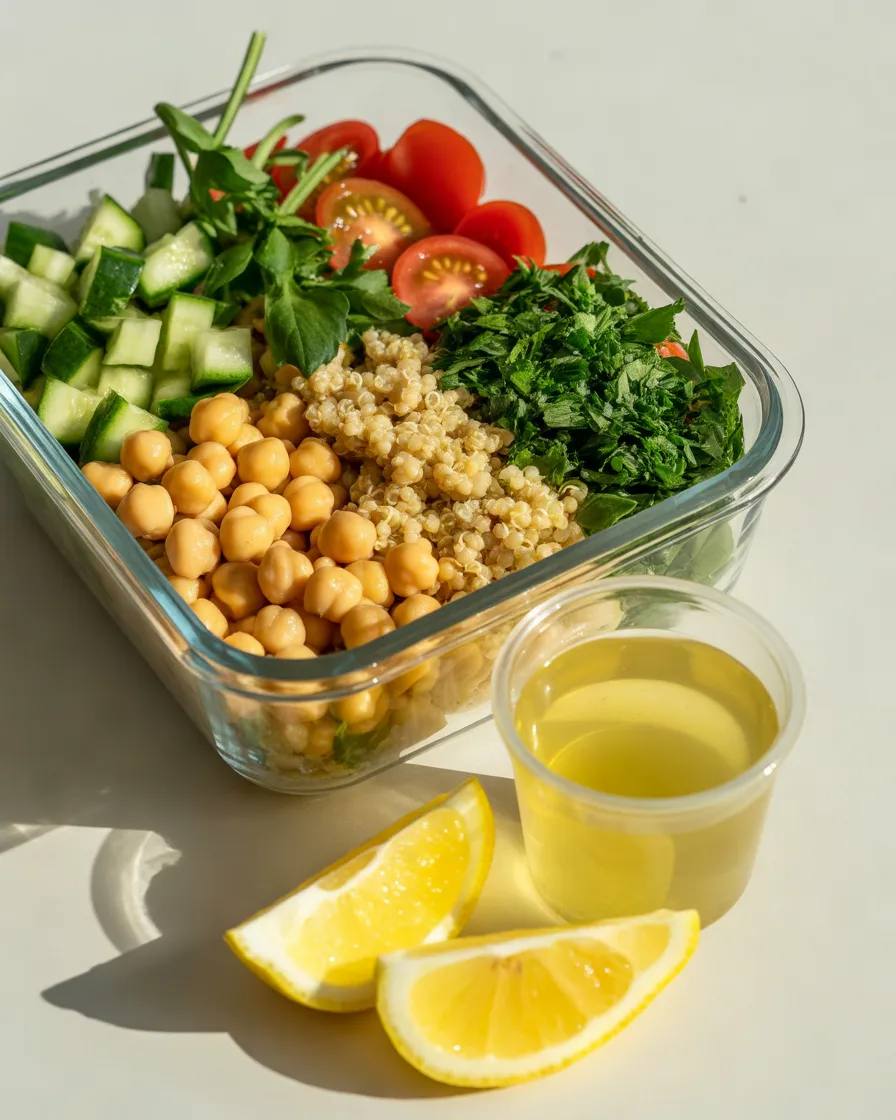
A chickpea and quinoa salad is a practical plant-based option that can be assembled in advance without requiring meat or elaborate cooking. Its Mediterranean-inspired ingredients provide a refreshing alternative to warm lunches.
Benefits: Chickpeas contribute plant protein and fibre, while quinoa provides protein and carbohydrates. Cucumbers, tomatoes, herbs, and leafy greens add freshness and a variety of nutrients.
Practical tips: Cook quinoa according to its package instructions and let it cool. Combine it with rinsed chickpeas, chopped cucumber, tomatoes, parsley, and a dressing made from lemon juice, olive oil, garlic, and black pepper.
How to use it: Portion the salad into containers and keep the dressing separate if you want the vegetables to remain crisp. Add a boiled egg, tofu, or a little feta if you prefer additional protein or a different flavour.
Who it may suit: Vegetarians, people who prefer lighter lunches, and those looking for an affordable meal prep option using pantry staples.
Important considerations: Rinse canned chickpeas to remove some of the surface sodium. If you are not accustomed to eating many legumes, increase the portion gradually and drink enough fluids, as a sudden increase in fibre can cause digestive discomfort.
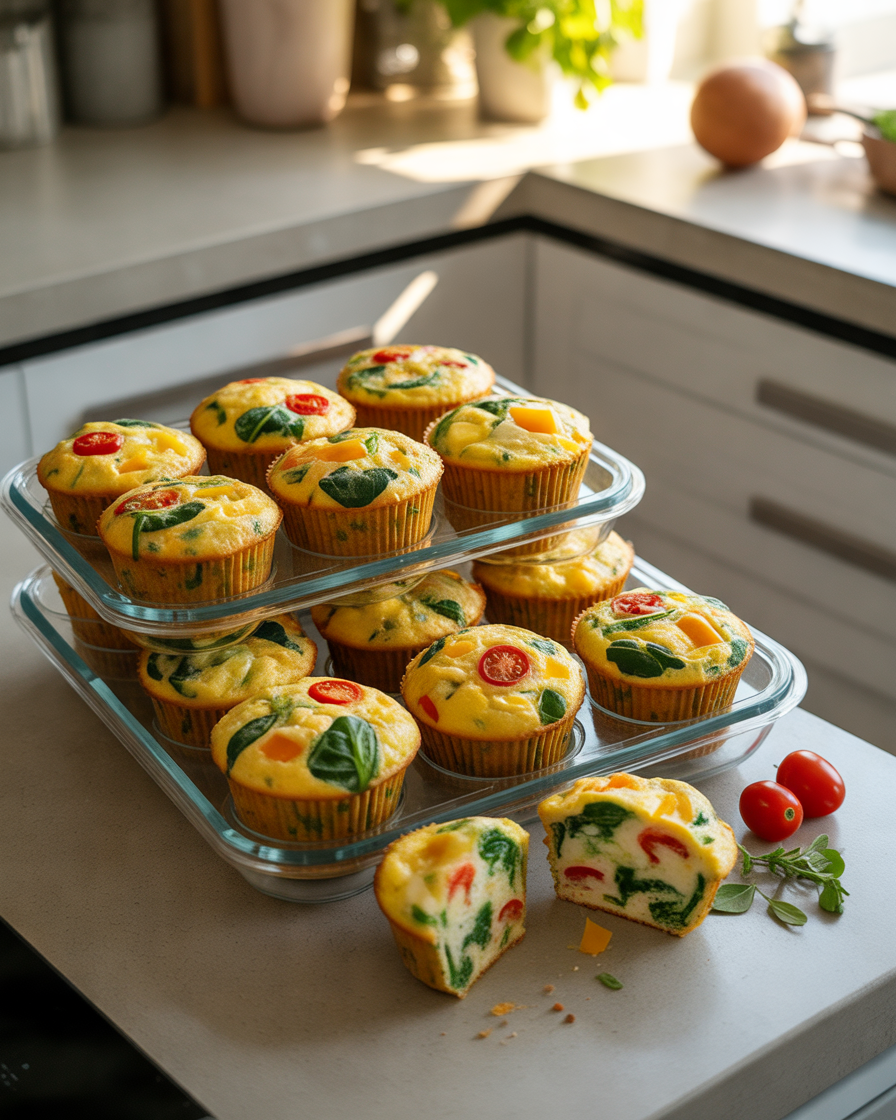
6. Egg Muffins with Spinach, Peppers, and Cheese
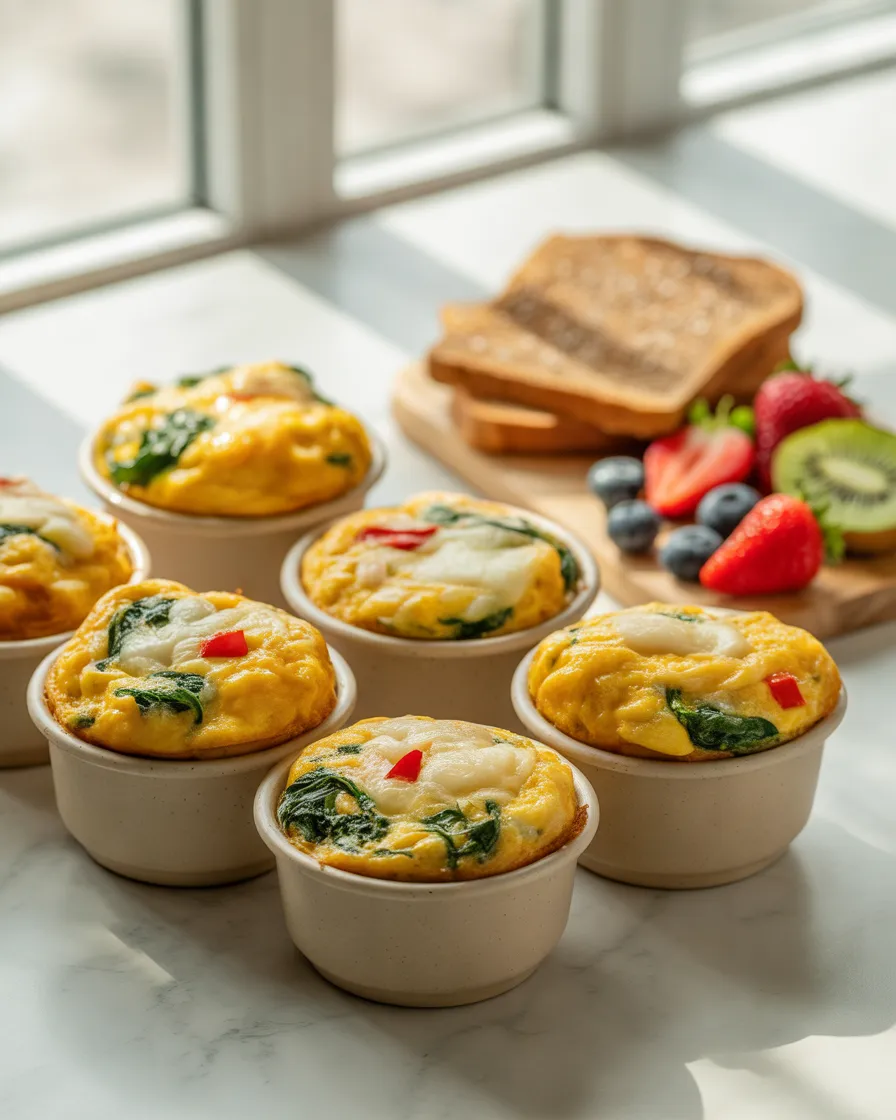
Egg muffins are small baked egg portions made in a muffin tray. They offer the convenience of a cooked breakfast without requiring you to prepare an omelette every morning.
Benefits: Eggs provide protein and several essential nutrients. Spinach and peppers add vegetables, while a modest amount of cheese contributes flavour. You can prepare several portions in one cooking session.
Practical tips: Whisk eggs with chopped spinach, diced peppers, black pepper, and a little grated cheese. Pour the mixture into lightly greased muffin cups and bake until the centres are set.
How to use it: Pack two or more muffins according to your appetite, alongside whole-grain toast or fruit. They can also be a convenient snack when paired with another food that helps meet your nutritional needs.
Who it may suit: People who prefer savoury breakfasts, families preparing food ahead, and anyone who needs a portable option for busy mornings.
Important considerations: Avoid relying on egg muffins alone if they leave you hungry; combine them with other foods when needed. Store cooked egg dishes safely and reheat thoroughly. If you have an egg allergy, choose an appropriate alternative rather than simply removing the eggs without replacing their nutritional contribution.
7. Lentil and Vegetable Soup for Budget-Friendly Meal Prep
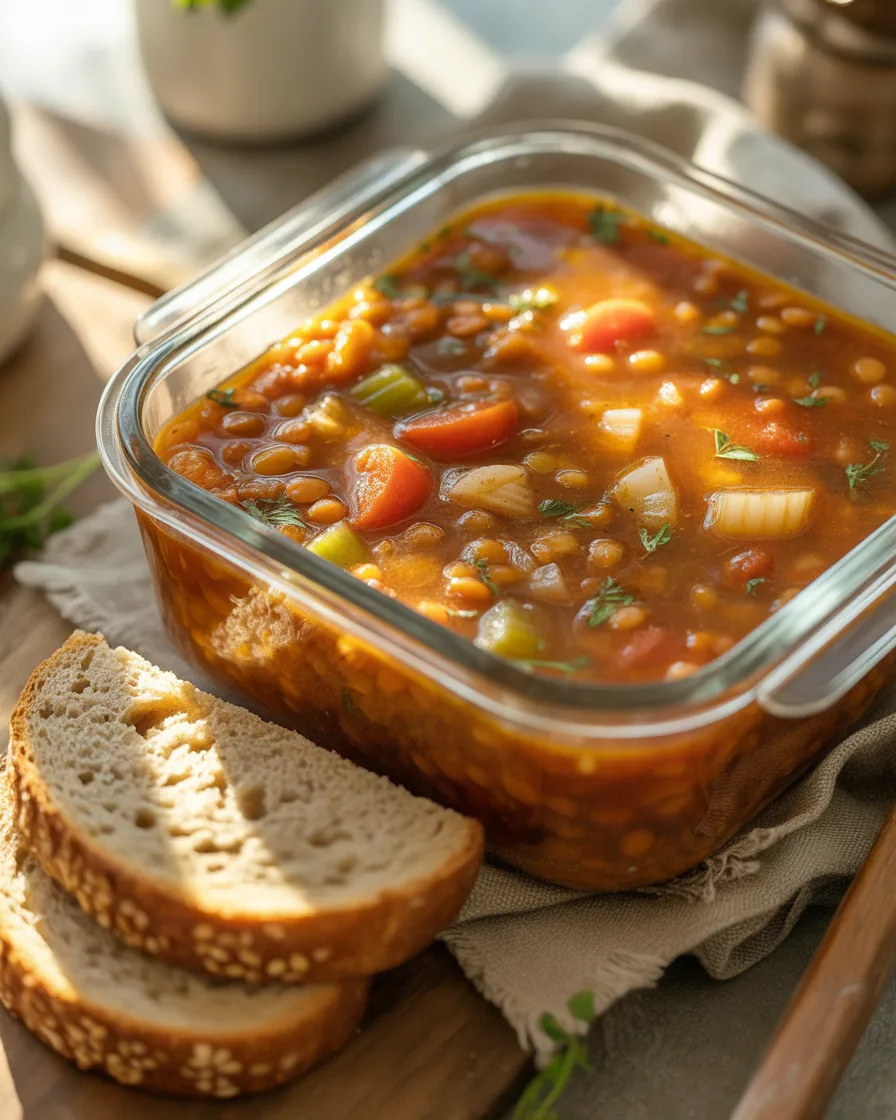
Lentil soup is a comforting, economical meal that works especially well when you want to cook once and save several portions. It can be made with everyday ingredients and adjusted to suit different seasons.
Benefits: Lentils provide plant protein, fibre, and minerals. Vegetables such as carrots, tomatoes, celery, and onions contribute flavour and nutrients without requiring an expensive ingredient list.
Practical tips: Sauté onions, carrots, and celery in a small amount of oil. Add rinsed lentils, chopped tomatoes, low-sodium stock, cumin, and water. Simmer until the lentils are tender, adding more liquid if needed.
How to use it: Portion the soup into individual containers. Serve it with a slice of whole-grain bread or a side salad when you want a more substantial meal. Freeze extra portions for days when cooking is not practical.
Who it may suit: Budget-conscious households, vegetarians, students, and people who prefer warm lunches or easy batch cooking.
Important considerations: Lentils are nutritious, but soup recipes vary in sodium and energy content. Choose lower-sodium stock and adjust the amount of oil and bread to your needs. Increase legumes gradually if they tend to cause bloating.
8. Tofu and Vegetable Stir-Fry with Brown Rice
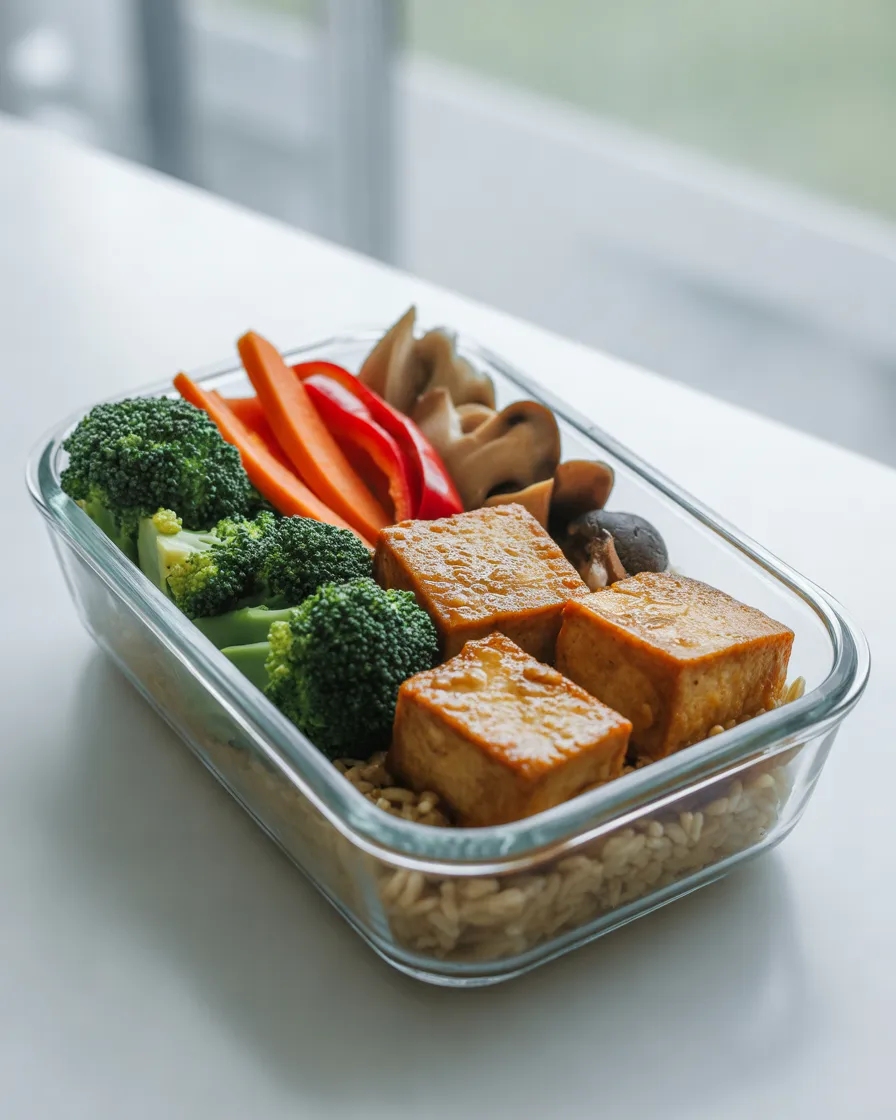
A tofu stir-fry is a flexible plant-based meal that can replace takeaway food when you want something colourful, savoury, and quick to reheat. The ingredients are easy to vary depending on what is available.
Benefits: Tofu provides plant protein, while vegetables add fibre and micronutrients. Brown rice supplies carbohydrates, and a flavourful sauce helps make the meal enjoyable without relying on deep-frying.
Practical tips: Press firm tofu to remove excess moisture, cube it, and bake or pan-cook it until lightly golden. Stir-fry broccoli, carrots, peppers, and mushrooms. Add ginger, garlic, and a measured amount of reduced-sodium soy sauce.
How to use it: Divide the tofu, vegetables, and cooked rice into containers. Keep extra sauce separate if needed and add a little water when reheating to prevent dryness.
Who it may suit: Vegetarians, vegans, people who want meat-free meals, and anyone who enjoys Asian-inspired flavours.
Important considerations: Soy sauce can contain substantial sodium, so use it sparingly or choose a reduced-sodium version. If you have a soy allergy, use a suitable alternative protein and sauce.
9. Greek Yogurt, Apple, and Nut Snack Boxes
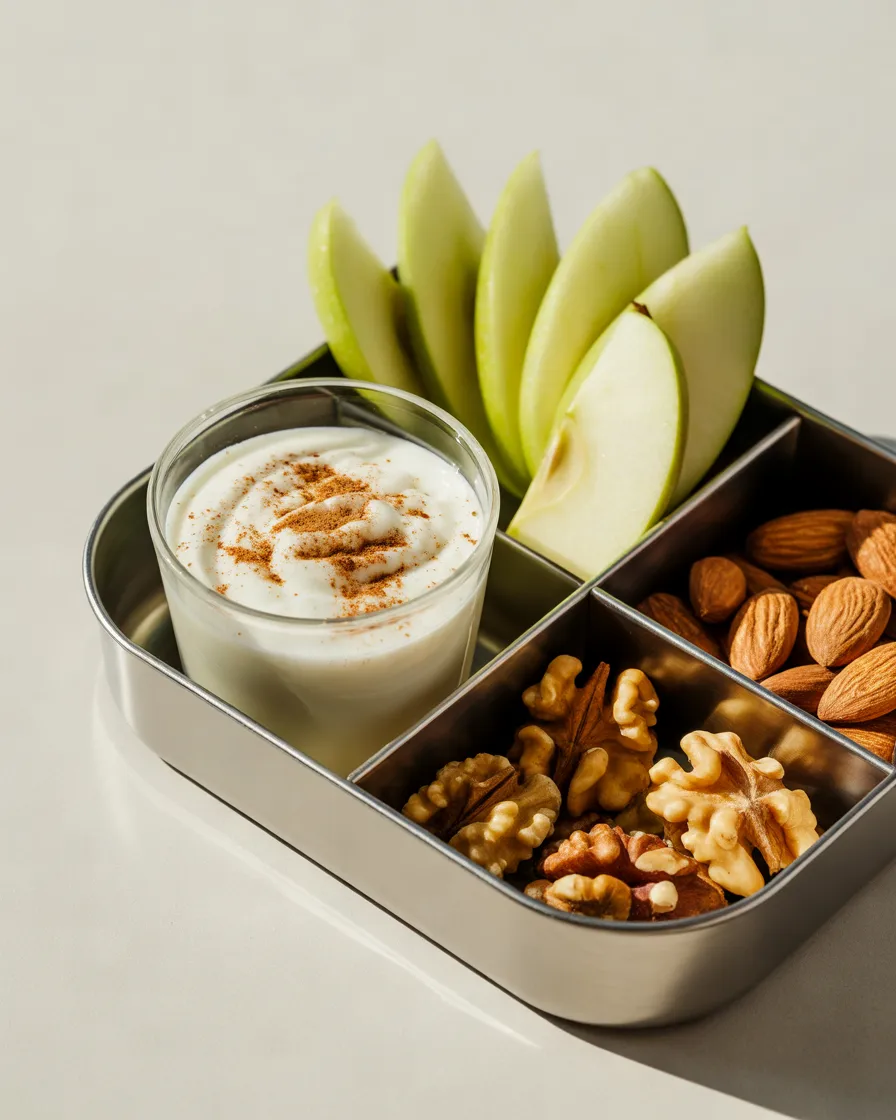
Snacks can fit into a weight-management routine when they respond to hunger and complement your meals. A simple box of plain Greek yoghurt, apple slices, and nuts provides a combination of protein, fibre, and fats.
Benefits: Yoghurt supplies protein and calcium, apples contribute fibre, and nuts contain unsaturated fats. The different textures also make the snack feel more satisfying than eating a single ingredient on its own.
Practical tips: Portion plain yoghurt into a small sealed container. Slice an apple shortly before eating to reduce browning, or pack it whole. Measure a serving of unsalted nuts into a separate compartment.
How to use it: Keep the snack in an insulated lunch bag with an ice pack when taking it to work or school. Eat it between meals if you are hungry, rather than following a rigid schedule that ignores your appetite.
Who it may suit: Office workers, students, travellers, and people who often become hungry between breakfast and lunch or between lunch and dinner.
Important considerations: Nuts and yoghurt contain energy and nutrients, so portion sizes still matter. Check for added sugar in yoghurt and avoid nuts if you have an allergy. Refrigerate dairy products safely.
10. Whole-Wheat Pasta with Chicken, Spinach, and Tomato Sauce
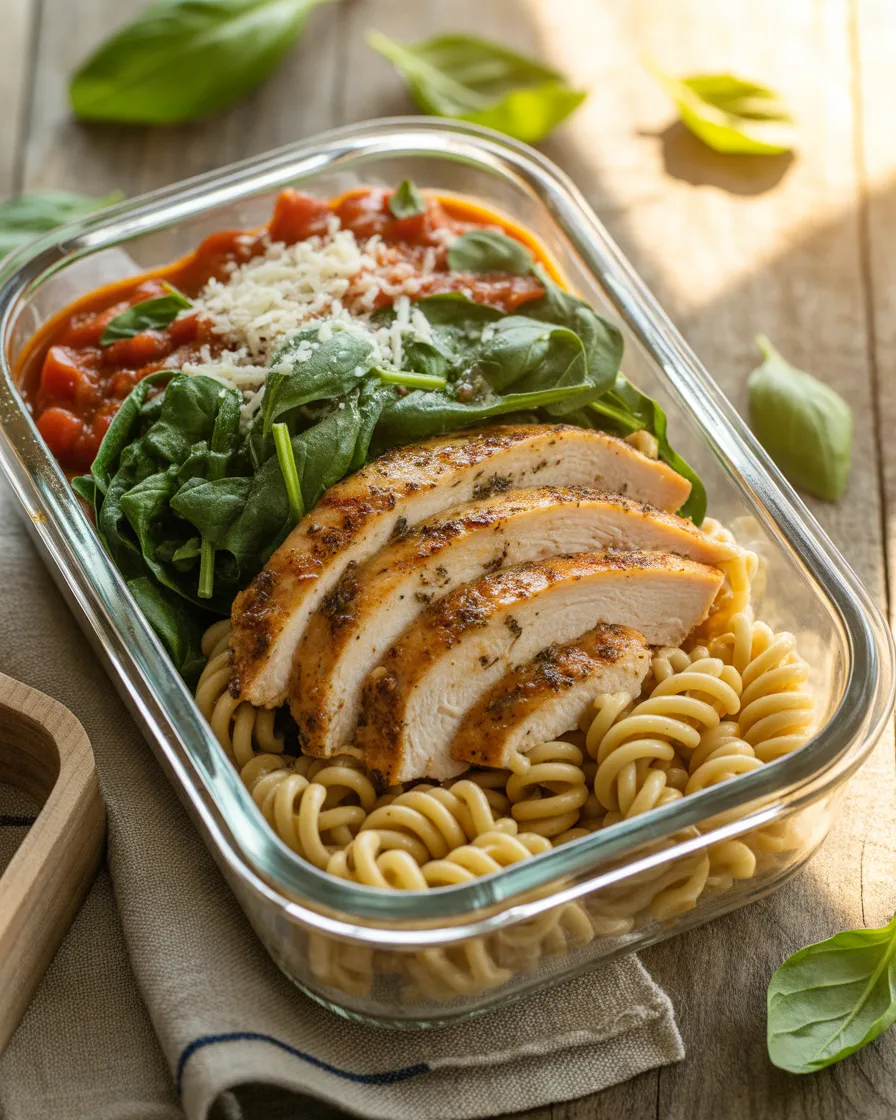
Pasta can be part of a balanced weight-loss meal plan. The key is to build a complete meal around it instead of relying on a large serving of pasta covered in a rich, creamy sauce.
Benefits: Whole-wheat pasta provides carbohydrates and fibre, chicken adds protein, and spinach and tomatoes contribute vegetables and useful nutrients. This combination offers a familiar comfort-food meal that can be prepared ahead.
Practical tips: Cook whole-wheat pasta according to the package instructions. Prepare chicken with garlic and Italian herbs, then simmer chopped tomatoes with onions, spinach, black pepper, and basil. Combine the ingredients with a modest amount of olive oil.
How to use it: Divide the pasta mixture into containers and add extra vegetables if you want more volume. You can replace chicken with white beans or lentils for a meat-free version.
Who it may suit: Pasta lovers, families, office workers, and people who want convenient meals without eliminating carbohydrates.
Important considerations: Pasta portions, cheese, oil, and sauces all contribute to the overall energy content. Measure ingredients consistently if portion management is a goal, but adjust servings to your individual needs.
11. Tuna and White Bean Salad with Whole-Grain Crackers
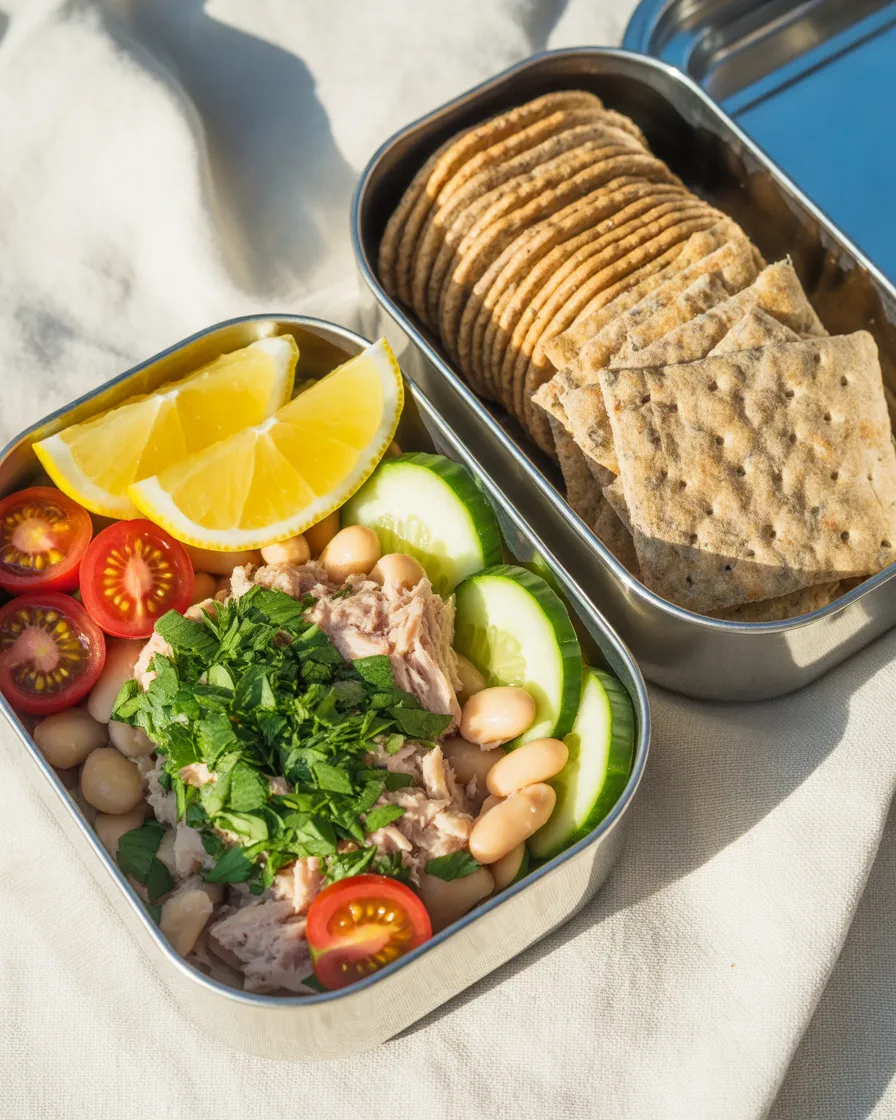
When you do not have time to cook, canned tuna and beans can help you assemble lunch in minutes. This simple salad combines pantry ingredients with fresh vegetables for a convenient, protein-containing meal.
Benefits: Tuna provides protein, white beans contribute fibre and plant protein, and vegetables add freshness. Whole-grain crackers can provide additional carbohydrates and make the meal more substantial.
Practical tips: Drain the tuna and rinse canned white beans. Mix them with diced cucumber, tomatoes, parsley, lemon juice, black pepper, and a small amount of olive oil. Choose tuna packed in water if that suits your preference and nutritional goals.
How to use it: Pack the salad in a sealed container and keep crackers separate to preserve their crunch. You can also serve it over leafy greens or stuff it into a whole-grain wrap.
Who it may suit: People with limited cooking time, students, office workers, and anyone building a low-effort weekly meal plan.
Important considerations: Tuna can contain mercury, and levels vary by species. Follow local guidance on recommended fish choices, particularly during pregnancy or when feeding children. Refrigerate the salad promptly and use it within a safe storage period.
12. Stuffed Sweet Potatoes with Black Beans and Avocado
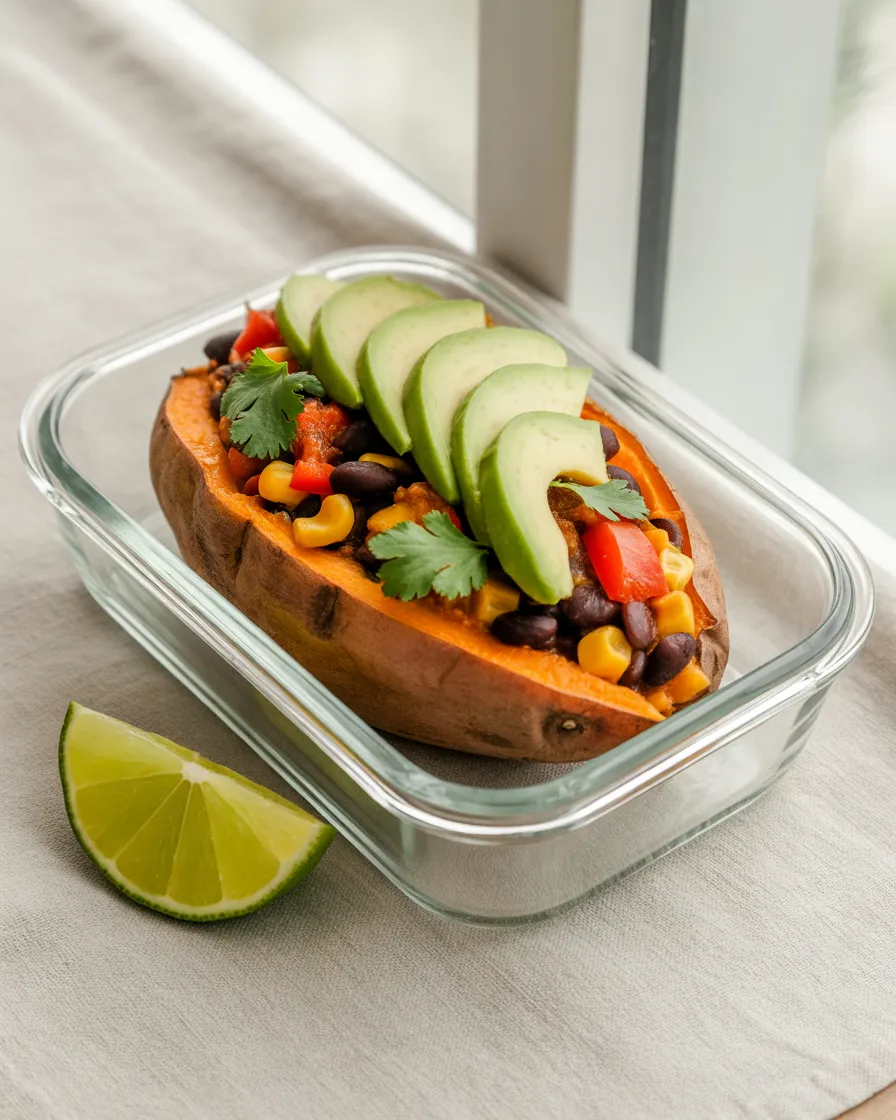
Stuffed sweet potatoes offer a comforting, colourful meal without complicated preparation. Their natural sweetness works well with savoury black beans, tomatoes, spices, and fresh herbs.
Benefits: Sweet potatoes provide carbohydrates, fibre, and beta-carotene. Black beans contribute plant protein and fibre, while tomatoes and peppers add flavour. A little avocado provides unsaturated fat and a creamy texture.
Practical tips: Bake whole sweet potatoes until tender. Prepare a filling with black beans, chopped tomatoes, corn, spices, and lime juice. Keep avocado and fresh coriander separate until serving.
How to use it: Pack each sweet potato with a portion of filling, or store the potato and filling separately if that makes reheating easier. Add avocado just before eating. For a higher-protein variation, include tofu or a side of plain Greek yoghurt.
Who it may suit: Vegetarians, people looking for affordable meal prep recipes, and anyone who enjoys hearty meals made from simple ingredients.
Important considerations: Avocado, like other nutritious foods, still contributes to total energy intake. Adjust the amount according to your preferences and needs. If you are managing blood glucose or another medical condition, ask your healthcare professional how to adapt the carbohydrate portions appropriately.
Expert Tips for Successful Meal Prep for Weight Losing
Choosing good recipes is only part of the process. The way you shop, portion, store, and combine your meals can make the routine easier to maintain.
Build balanced meals instead of chasing the lowest calories
Include a source of protein, vegetables or fruit, a suitable carbohydrate source, and some healthy fat across your meals. Vegetables can occupy a generous part of a main meal, while beans, fish, eggs, lean meat, tofu, whole grains, and dairy foods provide variety. This approach aligns with healthy-eating guidance from the NHS and CDC. (NHS) (CDC)
Prepare ingredients in batches, not necessarily 21 complete meals
You do not need to cook breakfast, lunch, and dinner for seven days at once. Instead, prepare a few versatile ingredients: a tray of vegetables, a pot of rice, cooked chicken or beans, washed salad leaves, and one or two dressings.
You can combine these ingredients differently throughout the week. Chicken and rice can become a lunch bowl one day and a wrap filling the next. This reduces cooking time without making every meal identical.
Plan portions around your real appetite
A container is a convenient serving guide, not a rule that everyone must follow. Your nutritional needs depend on factors such as body size, activity, age, and health. Start with a balanced serving, eat attentively, and adjust it if you are consistently hungry or uncomfortably full.
The goal is to build a routine you can maintain, not to eat as little as possible. (CDC)
Make flavour a priority
Use garlic, ginger, chilli, citrus juice, fresh herbs, vinegar, and spices to add variety. Measure calorie-dense ingredients such as oil, creamy dressings, nut butter, and mayonnaise when portion management is important. You can still enjoy these foods; planning helps you use them intentionally.
Keep convenient foods available
Frozen vegetables, canned beans, plain yoghurt, canned fish, whole-grain bread, and frozen fruit can save time and reduce waste. Choose canned foods with less added salt or sugar when possible, and rinse canned beans when appropriate. Healthy meal prep does not need to rely on fresh, expensive ingredients every day. (CDC)
Store prepared food safely
Food safety matters just as much as nutrition. Refrigerate cooked food in shallow, covered containers promptly rather than leaving it on the counter to cool for hours. USDA guidance advises refrigerating perishables within two hours, or within one hour when the surrounding temperature is above 90°F (32°C). Most cooked leftovers should be used within three to four days when refrigerated at 40°F (4°C) or below. Freeze portions intended for later. Reheat leftovers to 165°F (74°C). (USDA: Leftovers and Food Safety) (USDA: Steps to Keep Food Safe)
Keep a flexible weekly plan
Choose two breakfasts, two lunches, and two dinners that you enjoy, then alternate them. Leave room for leftovers, restaurant meals, and changing preferences. A flexible plan is usually easier to follow than one that requires you to cook a different recipe every day.
A Simple 7-Day Meal Prep Plan for Beginners
You do not have to prepare all 12 recipes in one weekend. Start with a small selection and repeat meals that you enjoy.
| Day | Breakfast | Lunch or dinner |
|---|---|---|
| Monday | Overnight oats | Chicken, brown rice, and vegetables |
| Tuesday | Egg muffins and fruit | Chickpea and quinoa salad |
| Wednesday | Overnight oats | Lentil and vegetable soup |
| Thursday | Greek yoghurt and berries | Turkey and black bean bowl |
| Friday | Egg muffins and whole-grain toast | Salmon, sweet potato, and greens |
| Saturday | Oats with fruit | Tofu stir-fry with brown rice |
| Sunday | Greek yoghurt and apple | Stuffed sweet potato with black beans |
Use the remaining recipes for variety, snacks, or meals when your schedule changes. Refrigerate only the portions you will eat within three to four days and freeze the rest promptly. (USDA: Leftovers and Food Safety)
Frequently Asked Questions About Meal Prep for Weight Losing
1. Does meal prep help with weight loss?
Meal prep can support weight management by making balanced meals more convenient and helping you plan portions in advance. However, preparing food does not automatically cause weight loss. Your overall eating pattern, activity, sleep, health, and individual energy needs also matter. (CDC)
2. How many days of meals should I prepare at once?
For most home-cooked leftovers, prepare enough refrigerated meals for approximately three to four days. Freeze additional portions in suitable containers and thaw them safely when needed. Keep perishable food refrigerated promptly, and do not rely on smell or appearance alone to determine whether food is safe. (USDA: Leftovers and Food Safety)
3. What are the best foods for weight loss meal prep?
Useful choices include chicken, eggs, fish, tofu, beans, lentils, plain yoghurt, vegetables, fruit, oats, brown rice, and whole-grain pasta. There is no single best ingredient. Combining different food groups makes it easier to create varied meals that provide protein, fibre, carbohydrates, fats, vitamins, and minerals.
4. Can I eat rice, potatoes, and pasta while trying to lose weight?
Yes. Rice, potatoes, oats, and pasta can all fit into a balanced eating plan. You do not need to eliminate carbohydrates. Instead, consider your overall portions and combine these foods with protein and vegetables to create satisfying meals. (CDC)
5. Do I need to count calories when meal prepping?
Not necessarily. Some people find calorie tracking useful, while others prefer to focus on balanced meals, appropriate portions, and consistent eating habits. Your approach should suit your needs and avoid unnecessary stress. A registered dietitian can help you determine suitable portions if you need individual guidance.
6. Is meal prep safe for everyone?
Most people can adapt these recipes to their preferences, but individual needs differ. If you have diabetes, kidney disease, food allergies, a prescribed diet, or a history of disordered eating, consult a qualified healthcare professional before making significant dietary changes. Food choices and portions may need to be tailored to your circumstances. (NHS)
Conclusion: Make Meal Prep for Weight Losing Simple and Sustainable
Successful meal prep is not about eating perfectly or preparing a week’s worth of identical meals. It is about making nutritious food easier to access when life gets busy.
Start with two or three recipes from this list, prepare a few ingredients in batches, and keep convenient options such as fruit, yoghurt, beans, and frozen vegetables available. Experiment with seasonings and portion sizes until you find combinations that satisfy your appetite and fit your routine.
Most importantly, remember that healthy weight management is a gradual process. You do not need to eliminate entire food groups, skip meals, or follow an overly restrictive plan. Focus on balanced meals, food safety, variety, and habits you can maintain over time.
With a little planning and flexibility, these 12 meal prep ideas can help you build a practical routine that supports your nutritional needs and makes everyday eating easier.
Trusted Sources for Further Reading
- NHS: Healthy Eating When Trying to Lose Weight — balanced meals, portions, and healthy eating habits.
- CDC: Tips for Healthy Eating for a Healthy Weight — nutrient-rich foods and practical dietary guidance.
- USDA: Leftovers and Food Safety — safe refrigeration, freezing, and reheating of prepared meals.