Eating healthy during a busy week can feel difficult, especially when you are trying to balance protein, carbohydrates, and convenience. After a long day, cooking a complete meal from scratch is not always appealing. That is where high protein low carb meal prep can make everyday eating much easier.
Instead of relying on last-minute takeout or skipping meals, you can prepare satisfying dishes ahead of time. A little planning gives you ready-to-eat lunches, simple dinners, and protein-rich breakfasts without spending hours in the kitchen every day.
The best part? Low-carb meal preparation does not mean eating plain chicken and steamed vegetables all week. You can enjoy flavorful salmon bowls, turkey meatballs, colorful stir-fries, creamy breakfast jars, and delicious Mediterranean-inspired meals.
Protein supports muscle maintenance and repair, while vegetables provide important vitamins, minerals, and fiber. Combining them thoughtfully can help create balanced meals that keep you comfortably satisfied.
Low-carb eating is not the same as eliminating carbohydrates. Your ideal carbohydrate and protein intake depends on your health, activity level, and nutritional needs.
These 12 high protein low carb meal prep ideas focus on everyday ingredients, practical cooking methods, and recipes that fit into real-life schedules.
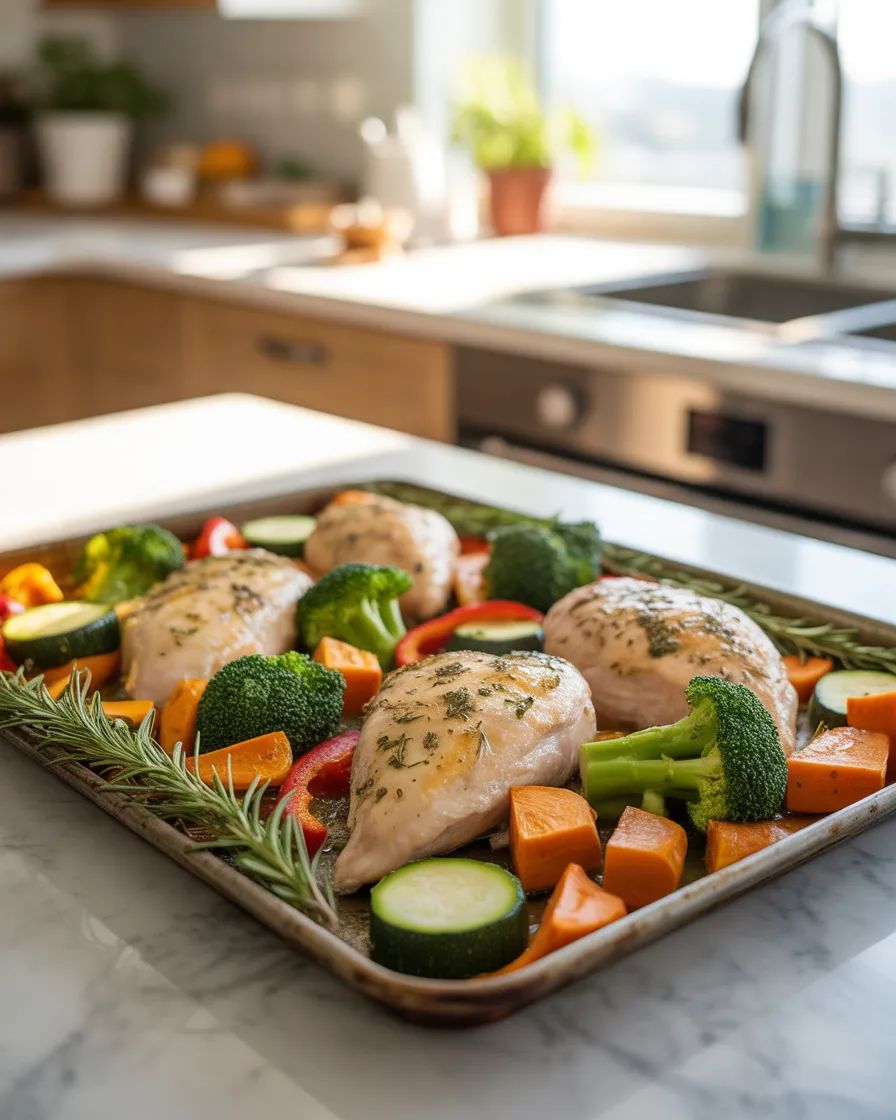
1. Lemon Garlic Chicken with Roasted Broccoli and Cauliflower Rice
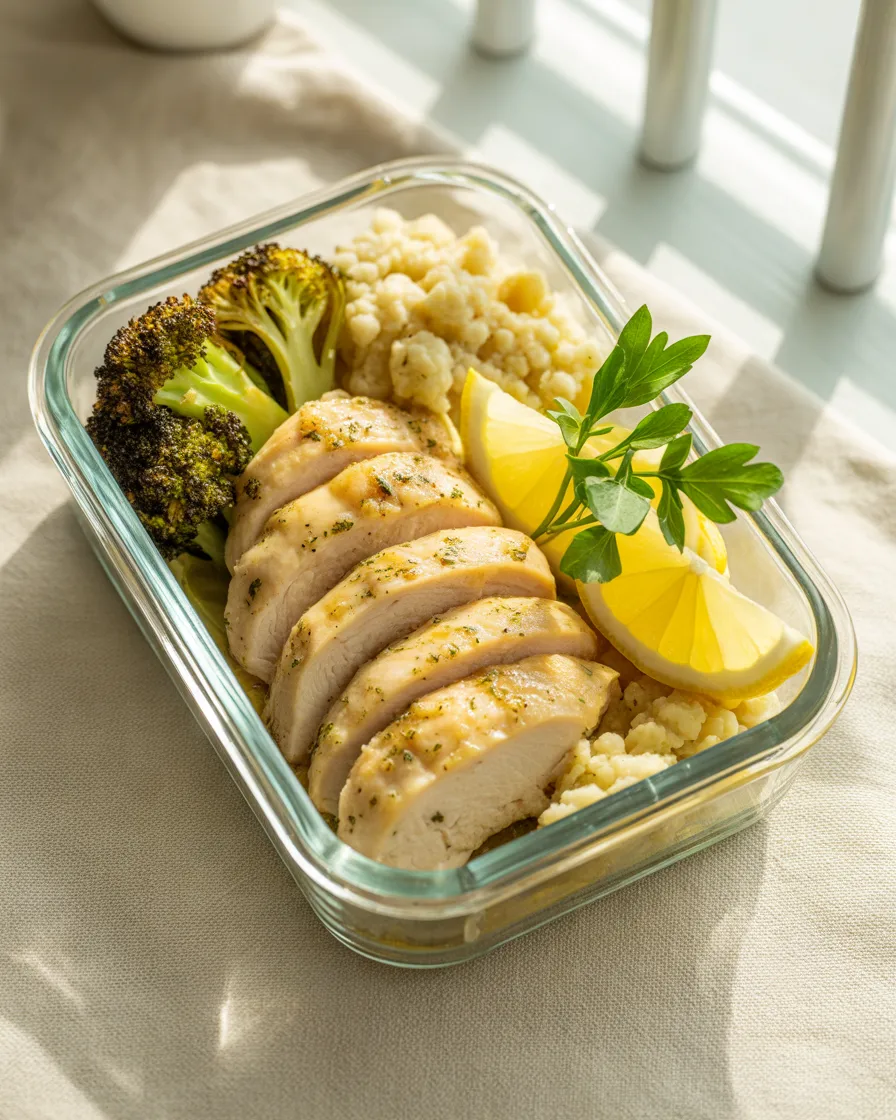
Lemon garlic chicken is one of the easiest high protein low carb meal prep recipes for beginners. It combines tender chicken breast, roasted broccoli, and fluffy cauliflower rice into a fresh, flavorful meal.
Chicken breast provides lean protein, while broccoli contributes fiber and important micronutrients. Cauliflower rice offers a lighter alternative to traditional rice without removing vegetables from your plate.
Ingredients: Boneless chicken breast, broccoli, cauliflower rice, olive oil, garlic, lemon juice, paprika, black pepper, and dried oregano.
How to prepare: Season the chicken with garlic, lemon juice, olive oil, and herbs. Bake at 400°F (200°C) until its internal temperature reaches 165°F (74°C). Roast broccoli alongside it, then sauté cauliflower rice with garlic for several minutes.
Divide everything into airtight meal prep containers.
Practical tip: Keep a little lemon dressing separately and add it after reheating. This helps the chicken taste fresher.
Best for: Busy professionals, beginners, and anyone wanting a straightforward protein-rich lunch.
Consideration: Chicken breast can dry out when repeatedly heated. Add a teaspoon of water before reheating and avoid unnecessary additional cooking.
2. Turkey Taco Bowls with Fresh Vegetables
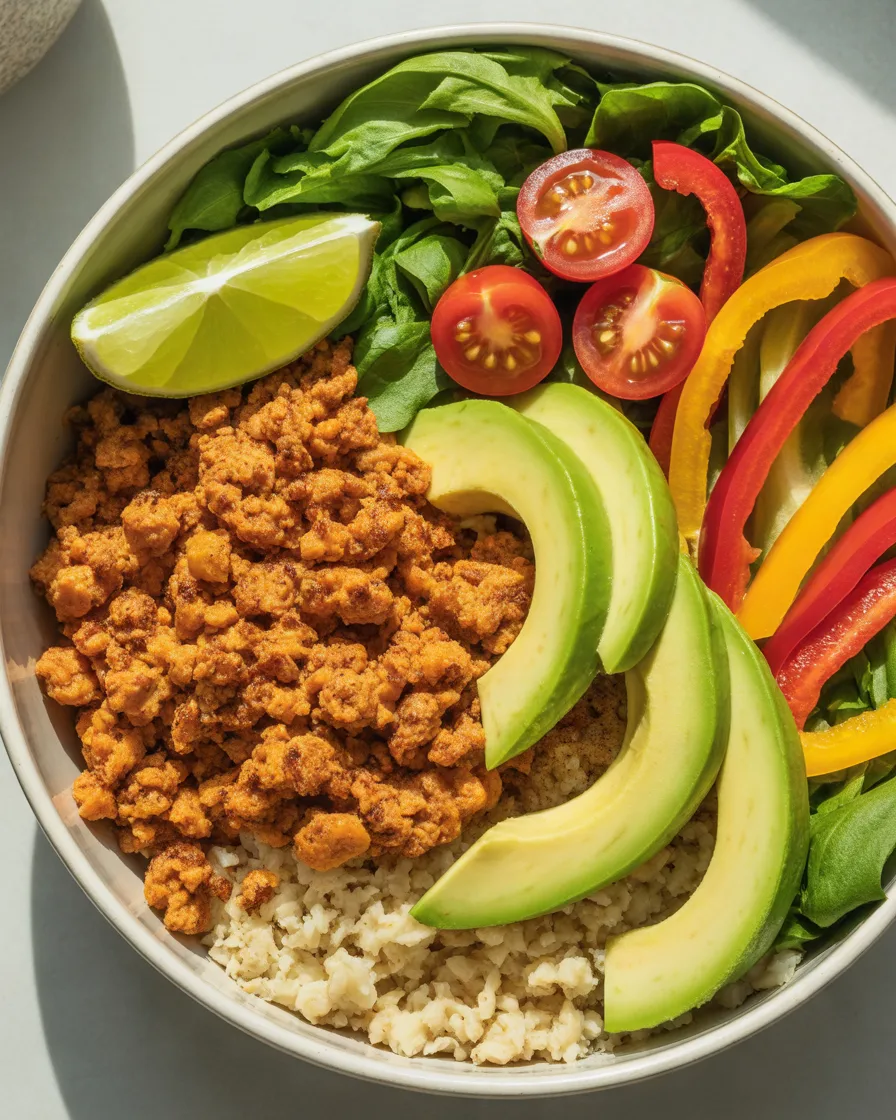
If you enjoy Mexican-inspired flavors, turkey taco bowls are a delicious way to make healthy low carb meal prep more exciting.
Lean ground turkey absorbs spices beautifully, while vegetables add crunch, color, and variety. Using cauliflower rice instead of regular rice can reduce the carbohydrate content.
Ingredients: Lean ground turkey, cauliflower rice, lettuce, bell peppers, tomatoes, taco seasoning, salsa, avocado, and lime.
How to prepare: Brown ground turkey in a skillet with garlic, cumin, paprika, and chili powder. Cook until it reaches 165°F (74°C).
Prepare cauliflower rice separately and portion the turkey into containers with sautéed peppers.
Add lettuce, tomatoes, avocado, and salsa when serving.
Benefits: Provides protein alongside colorful vegetables and can be easily customized with different toppings.
Practical tip: Store lettuce and avocado separately to maintain their texture.
Best for: People who prefer bold flavors and want alternatives to repetitive chicken meals.
Consideration: Check packaged taco seasoning and salsa for sodium and added sugar. Choose products that match your dietary preferences.
3. Garlic Butter Salmon with Asparagus
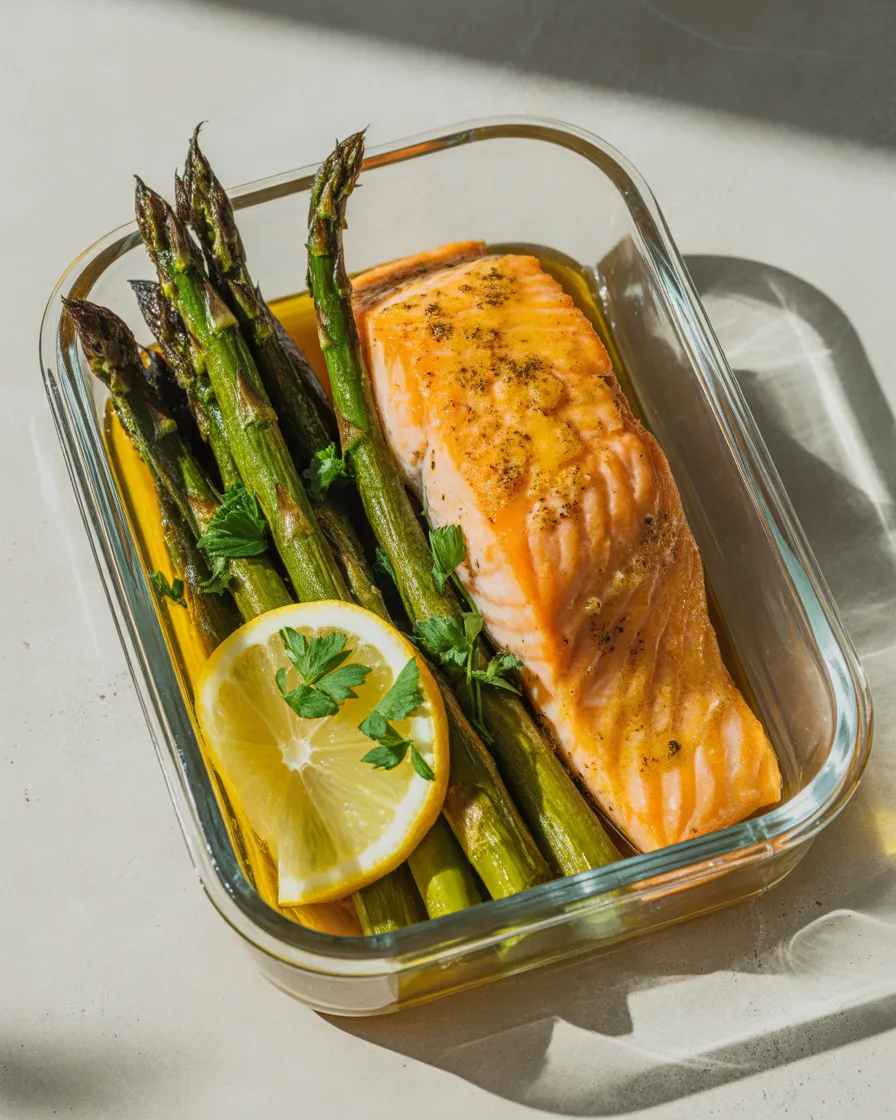
Salmon with asparagus creates an elegant meal that feels restaurant-quality but requires surprisingly little preparation.
Salmon contains protein and omega-3 fatty acids, which contribute to a heart-healthy eating pattern. Asparagus adds fiber, folate, and other useful nutrients.
Ingredients: Salmon fillets, asparagus, garlic, lemon, olive oil, a small amount of butter, parsley, and black pepper.
How to prepare: Arrange salmon and trimmed asparagus on a lined baking tray. Brush with garlic, olive oil, lemon juice, and a little melted butter.
Bake at 400°F (200°C) until the salmon reaches 145°F (63°C), adjusting cooking time for fillet thickness.
Portion the salmon and asparagus into meal containers.
Practical tip: Add fresh lemon after reheating to brighten the flavor.
Best for: Seafood lovers and people seeking protein-rich meals with beneficial unsaturated fats.
Consideration: Salmon tastes best when not overcooked. Refrigerate promptly and freeze portions that will not be eaten within the recommended storage period.
4. Lean Beef and Vegetable Stir-Fry
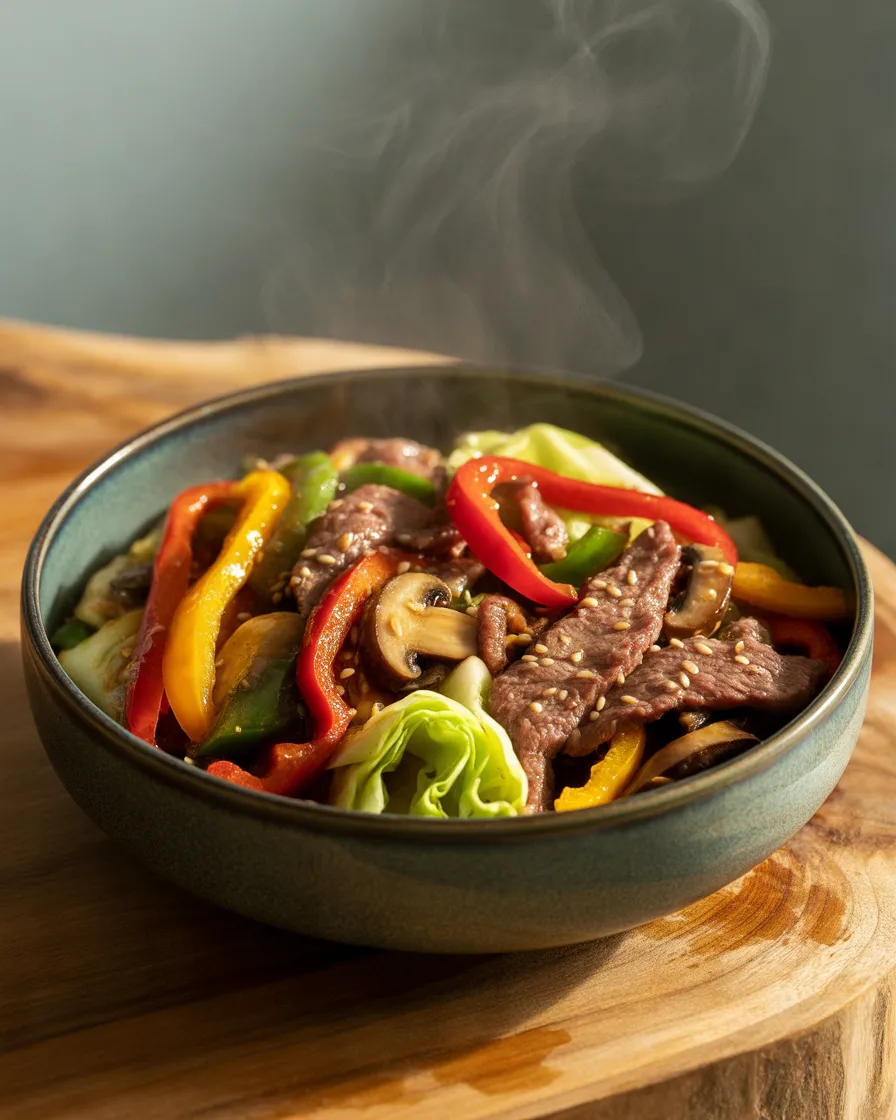
A beef stir-fry is a practical solution when you want something savory, filling, and different from baked meals.
Lean beef provides protein, iron, and vitamin B12. Combining it with cabbage, mushrooms, and bell peppers creates a satisfying meal with fewer carbohydrates than a traditional noodle-based stir-fry.
Ingredients: Lean beef strips, cabbage, mushrooms, bell peppers, garlic, ginger, reduced-sodium soy sauce, and sesame oil.
How to prepare: Slice beef thinly across the grain. Sear it in a hot skillet, then cook the vegetables until tender-crisp.
Return the beef to the pan and toss everything with ginger, garlic, and a modest amount of soy sauce. Cook the beef thoroughly.
Divide into reusable containers.
Benefits: Delivers protein and several vegetables in one dish, with no need for a separate grain-based side.
Practical tip: Cook vegetables slightly less than usual because they will soften during reheating.
Best for: People who enjoy quick skillet dinners.
Consideration: Choose lean cuts and keep serving sizes moderate. Use tamari labeled gluten-free if needed, and check the sodium content of sauces.
5. Spinach and Feta Egg Muffins with Cottage Cheese
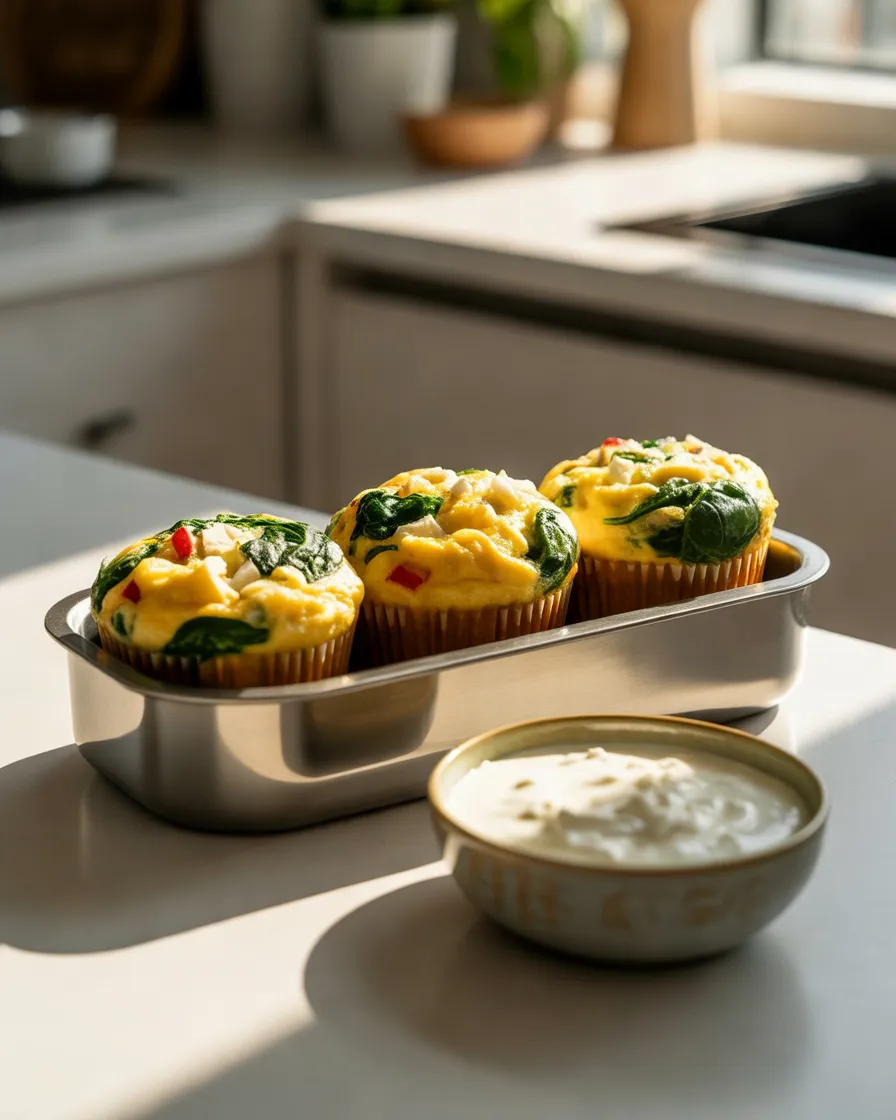
Breakfast can be one of the hardest meals to organize during a busy morning. Egg muffins make it easier to have something nutritious ready before leaving home.
Eggs supply protein and essential nutrients, while spinach provides vegetables without dramatically increasing carbohydrates.
Adding cottage cheese on the side can make breakfast more protein-rich.
Ingredients: Eggs, spinach, bell peppers, feta cheese, milk, black pepper, and plain cottage cheese.
How to prepare: Whisk eggs with a splash of milk. Stir in chopped spinach, peppers, and crumbled feta.
Pour into a greased muffin tin and bake at 350°F (175°C) until fully set and cooked to a safe internal temperature of 160°F (71°C).
Portion several muffins into containers with cottage cheese stored separately.
Practical tip: Use silicone muffin cups for easier removal and cleanup.
Best for: Students, commuters, and people who prefer savory breakfasts.
Consideration: Egg muffins are suitable for short-term refrigeration and can also be frozen. Check dairy and egg allergies before serving.
6. Sesame Ginger Tofu and Edamame Bowls
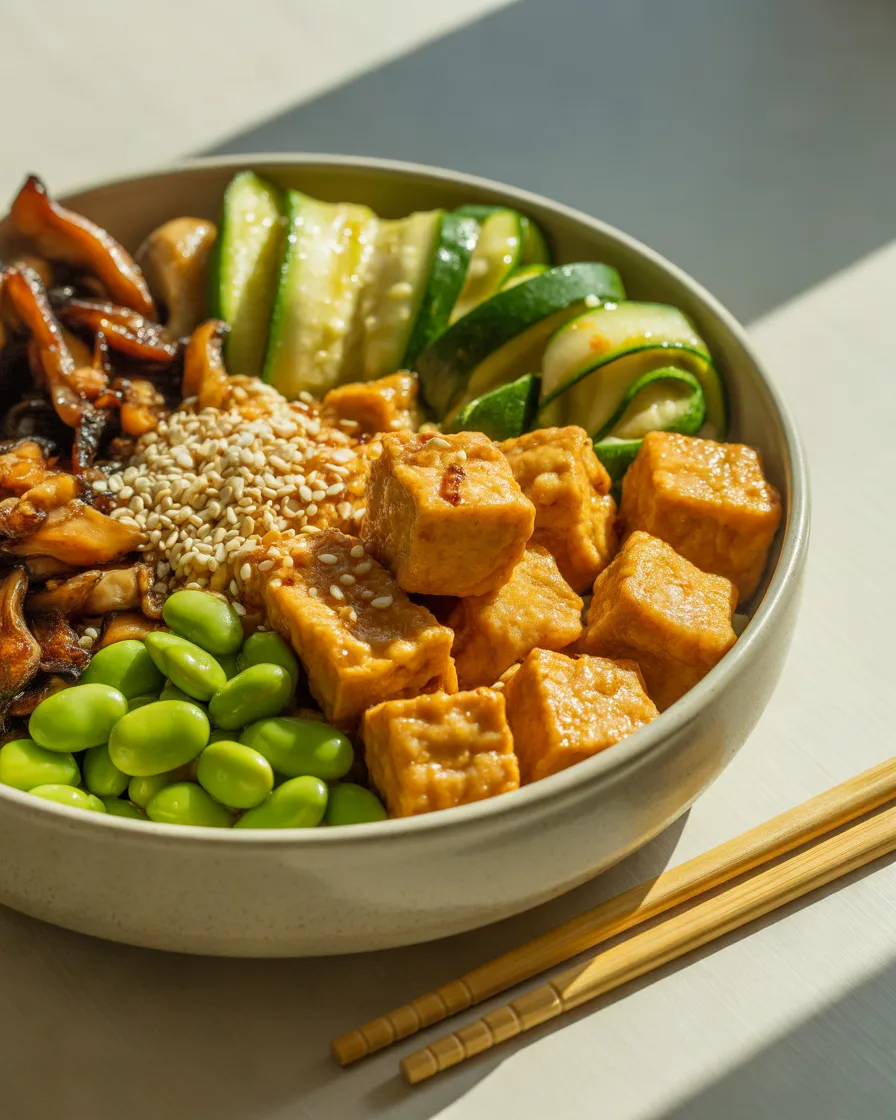
High protein low carb meal prep does not have to depend entirely on meat or seafood.
Tofu and edamame make an excellent plant-based combination. Both come from soybeans and provide protein, while vegetables add texture and color.
Ingredients: Extra-firm tofu, shelled edamame, zucchini, mushrooms, sesame seeds, ginger, garlic, soy sauce, and a small amount of sesame oil.
How to prepare: Press tofu to remove excess moisture, then cut it into cubes.
Bake or pan-sear until lightly golden. Steam the edamame and sauté zucchini and mushrooms.
Combine everything with ginger, garlic, and a little soy sauce.
Benefits: Provides plant protein and a mix of vegetables, making it useful for anyone reducing meat consumption.
Practical tip: Bake tofu separately before mixing it with sauce. This helps preserve a firmer texture.
Best for: Vegetarians, flexitarians, and plant-based eaters.
Consideration: Edamame contributes some carbohydrates as well as fiber. Adjust portions to your goals, and avoid this recipe if you have a soy allergy.
7. Shrimp Fajita Bowls with Lettuce and Avocado
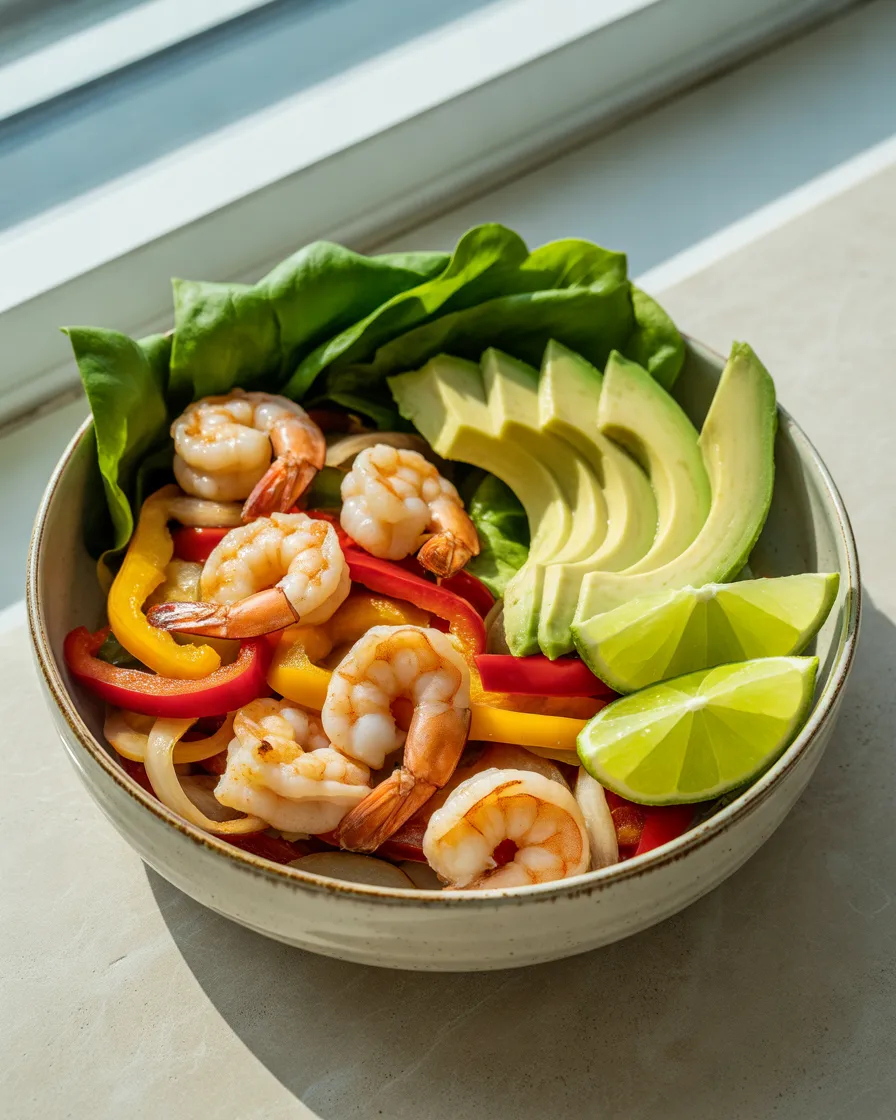
Shrimp fajita bowls are colorful, flavorful, and ideal when you need dinner without a complicated cooking process.
Shrimp provides lean protein, while onions, peppers, lettuce, and avocado contribute different textures and nutrients.
Ingredients: Peeled shrimp, red and yellow bell peppers, onions, lettuce, avocado, lime juice, olive oil, cumin, and paprika.
How to prepare: Toss shrimp with olive oil, lime juice, and fajita spices.
Sauté peppers and onions until softened. Cook shrimp separately until they reach 145°F (63°C).
Pack shrimp and vegetables together, keeping fresh lettuce and avocado separate until serving.
Benefits: Offers a combination of lean protein, vegetables, and fats from avocado.
Practical tip: Use lettuce leaves as wraps or serve everything in a bowl for easier packing.
Best for: Seafood lovers and anyone looking for a quick, colorful lunch.
Consideration: Shrimp can become rubbery when overheated. Freeze later-week portions promptly and thaw safely in the refrigerator. Avoid if you have a shellfish allergy.
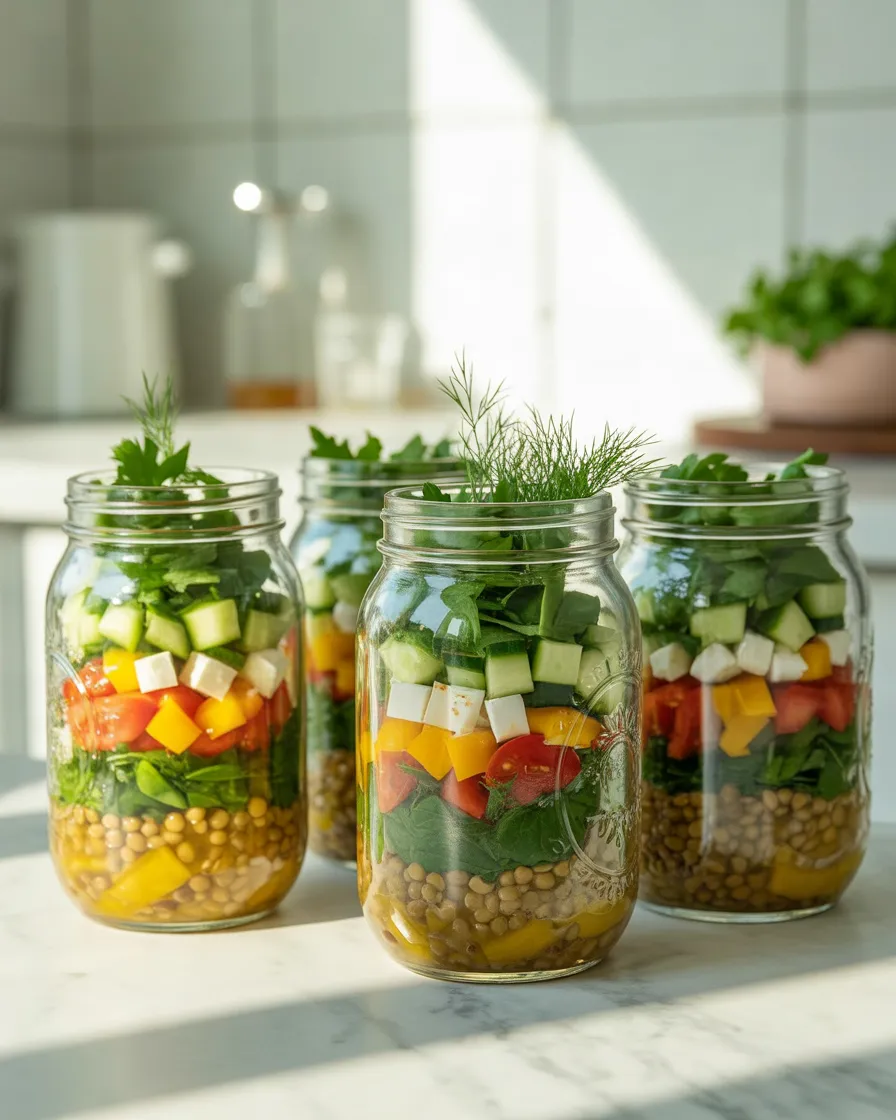
8. Mediterranean Chicken Salad Jars

Mediterranean chicken salad jars are particularly useful when you prefer cold lunches rather than meals that require reheating.
The combination of chicken, cucumber, tomatoes, olives, and a yogurt-based dressing offers a refreshing alternative to heavier lunches.
Ingredients: Cooked chicken breast, cucumber, cherry tomatoes, romaine lettuce, olives, feta cheese, plain Greek yogurt, lemon, and oregano.
How to prepare: Cook and slice chicken breast, checking that it reaches 165°F (74°C).
Mix Greek yogurt with lemon juice, oregano, and pepper to create a creamy dressing.
Layer dressing at the bottom of a wide jar, followed by firmer vegetables, chicken, and leafy greens on top.
Benefits: Combines lean protein, vegetables, and Mediterranean-inspired flavors in a convenient portable meal.
Practical tip: Keep delicate lettuce away from dressing until you are ready to eat.
Best for: Office lunches, warm-weather meals, and people without access to a microwave.
Consideration: Keep chicken and yogurt-based dressing properly chilled during transport, particularly in hot weather.
9. Turkey Meatballs with Zucchini Noodles
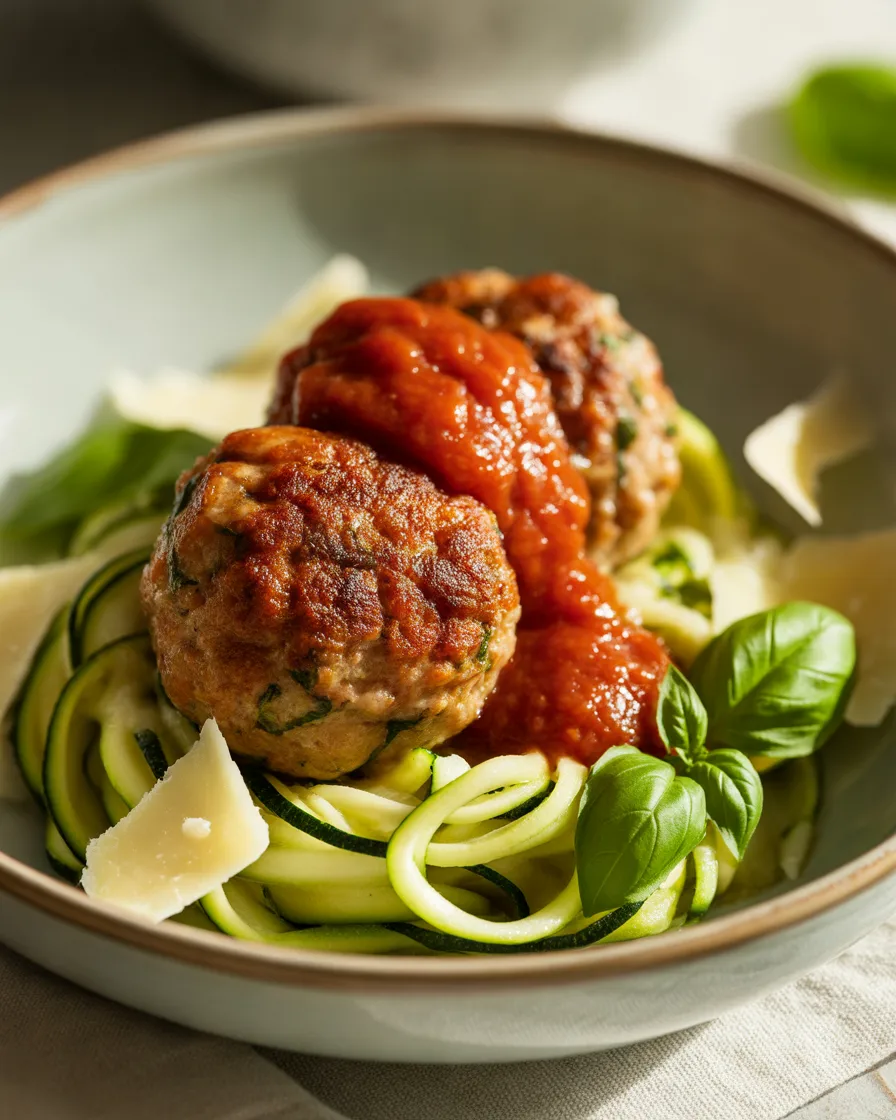
Love pasta but want a lower-carb option? Turkey meatballs with zucchini noodles offer a comforting meal with plenty of flavor.
Zucchini noodles, often called zoodles, replace traditional pasta, while turkey meatballs provide the main protein source.
Ingredients: Lean ground turkey, egg, garlic, Italian seasoning, zucchini, olive oil, Parmesan cheese, and tomato sauce without added sugar.
How to prepare: Combine turkey, egg, garlic, and seasonings. Form into evenly sized meatballs.
Bake at 400°F (200°C) until the centers reach 165°F (74°C).
Spiralize zucchini into noodles and briefly sauté with olive oil. Add warmed tomato sauce and cooked meatballs.
Benefits: Offers protein and vegetables in a familiar pasta-style dish.
Practical tip: Store zucchini noodles separately because they release water during storage.
Best for: Pasta lovers and families adapting favorite meals.
Consideration: Check the tomato sauce label and use Parmesan moderately if limiting sodium or saturated fat.
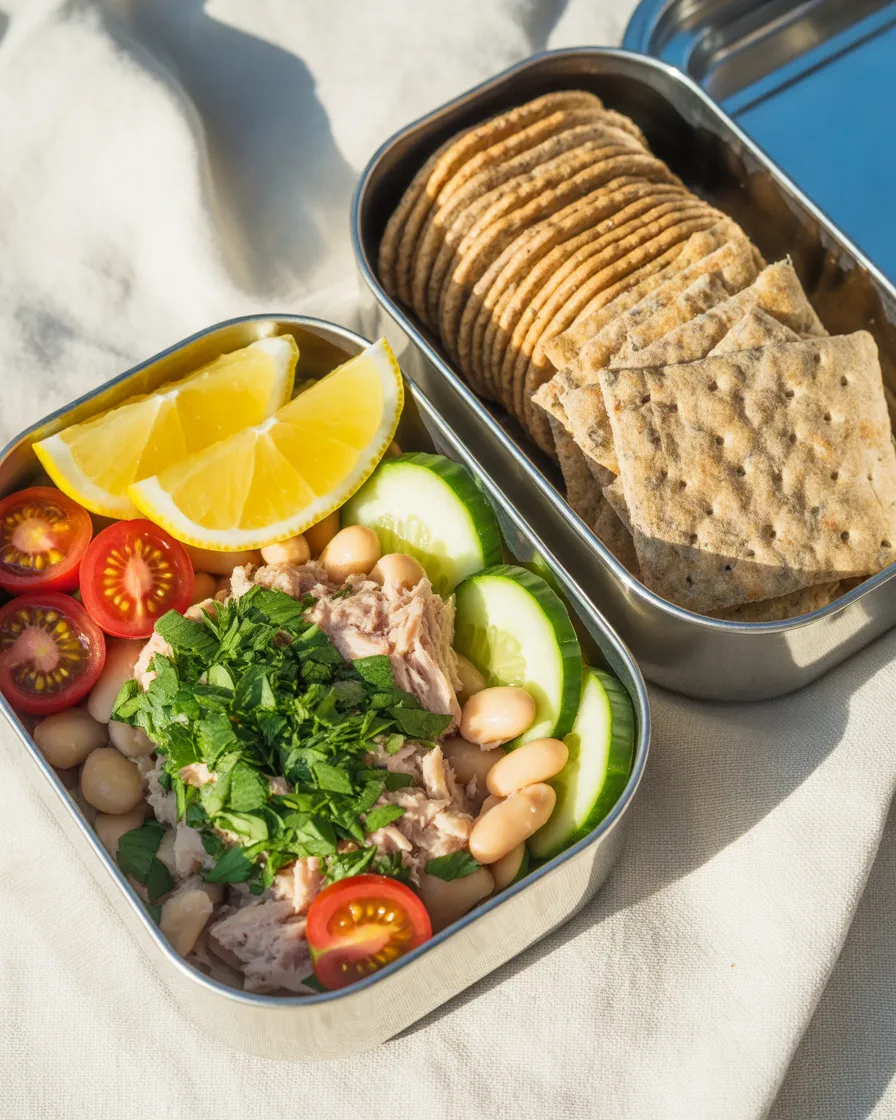
10. Tuna Avocado Cucumber Boats
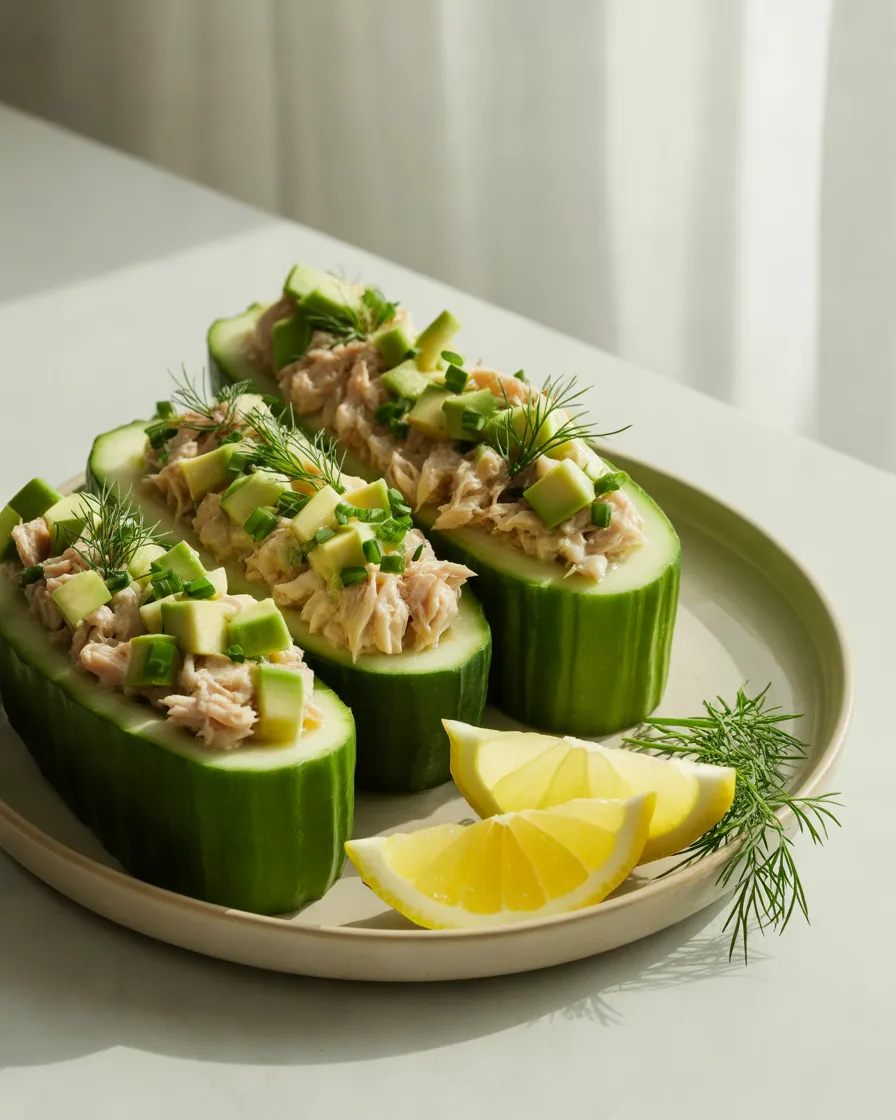
Not every meal prep recipe needs an oven or stove. Tuna avocado cucumber boats offer a refreshing option for days when cooking time is limited.
Canned tuna provides convenient protein, while avocado adds unsaturated fats and cucumber adds crunch.
Ingredients: Canned light tuna in water, avocado, cucumber, plain Greek yogurt, lemon juice, celery, and black pepper.
How to prepare: Drain tuna thoroughly and combine it with Greek yogurt, finely chopped celery, lemon juice, and pepper.
Slice cucumbers lengthwise and scoop out a little of the center to create boats.
Keep the tuna mixture refrigerated and fill the cucumber boats just before eating. Add freshly diced avocado.
Benefits: A convenient no-cook lunch that combines protein with vegetables.
Practical tip: Portion tuna salad into small containers instead of assembling everything in advance.
Best for: People with limited cooking equipment and those who enjoy cold lunches.
Consideration: Canned light tuna is generally a lower-mercury option than albacore. Follow relevant seafood guidance, particularly during pregnancy.
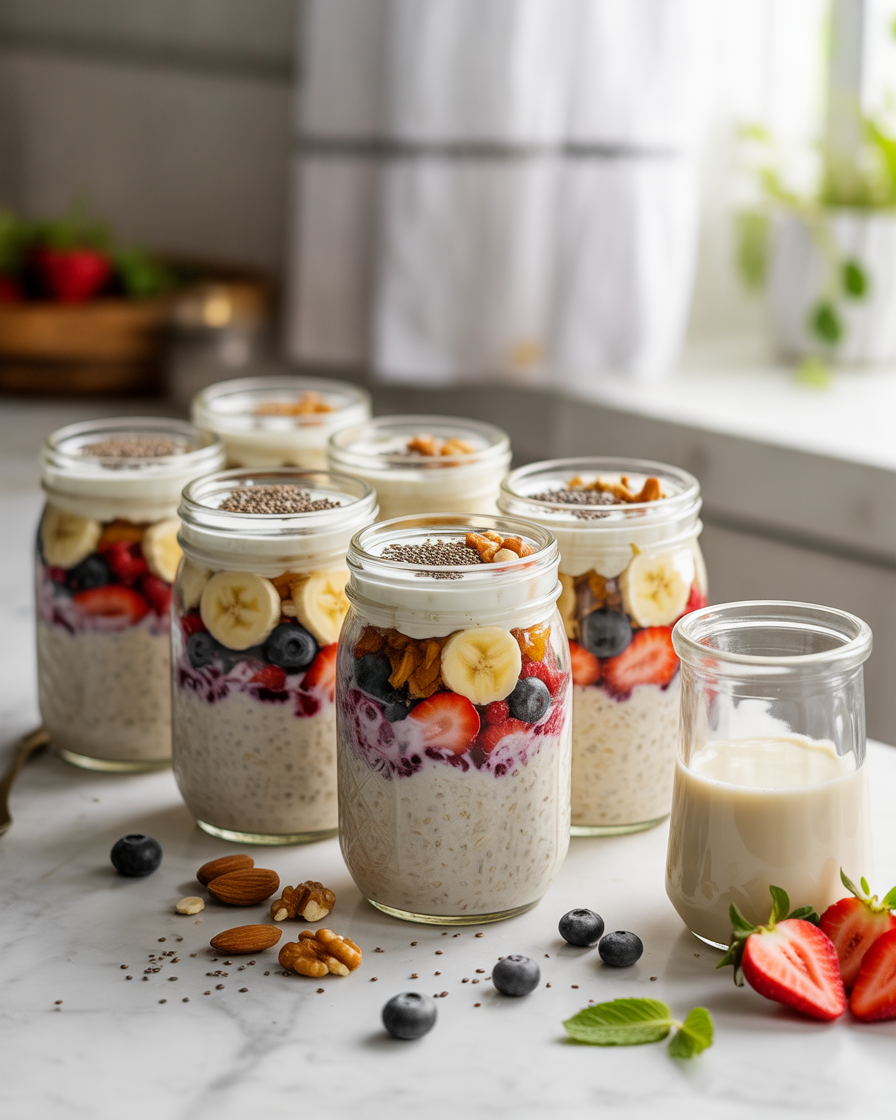
11. Greek Yogurt, Cottage Cheese, and Berry Breakfast Jars
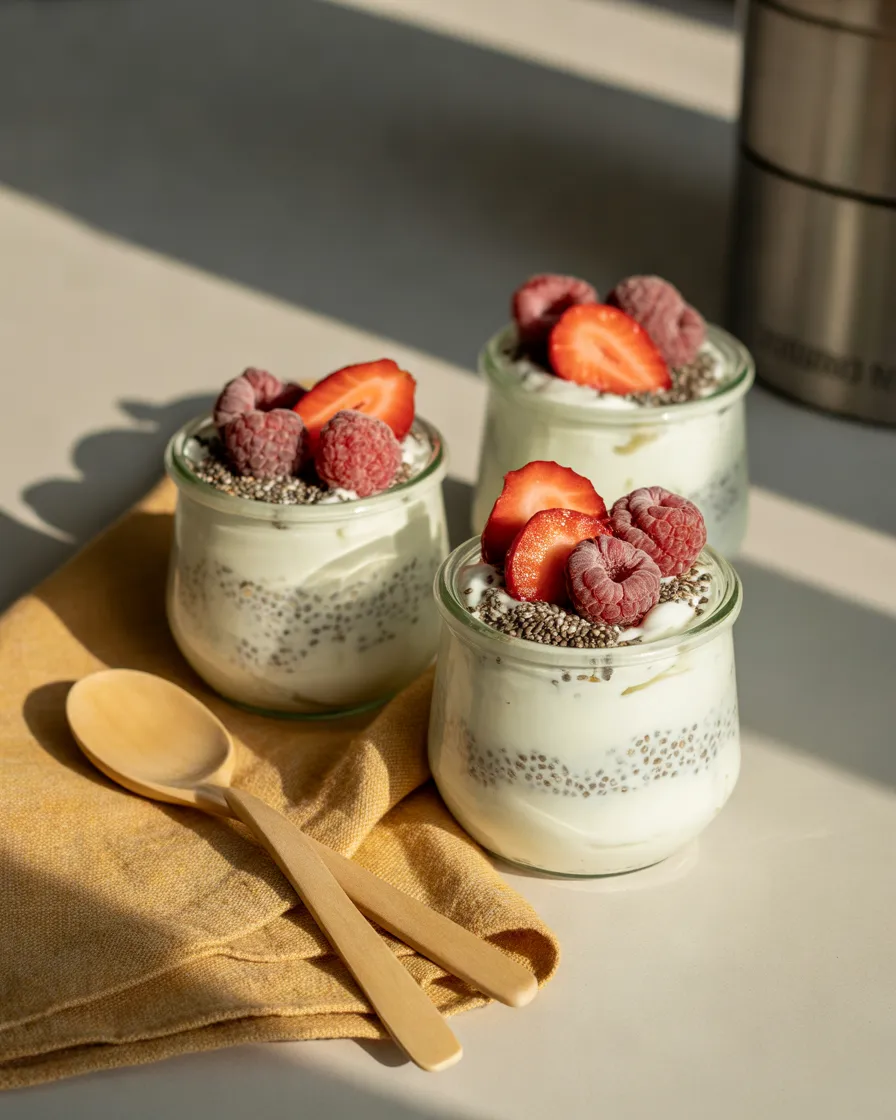
If you prefer something sweet in the morning, these creamy breakfast jars offer a simple alternative to pastries or sugary breakfast cereals.
Plain Greek yogurt and cottage cheese contribute protein, while berries and chia seeds add fiber, flavor, and texture.
Ingredients: Plain Greek yogurt, cottage cheese, strawberries, raspberries, chia seeds, cinnamon, and vanilla extract.
How to prepare: Mix Greek yogurt and cottage cheese until smooth. Add a few drops of vanilla and a pinch of cinnamon.
Spoon the mixture into jars, then top with a modest serving of berries and chia seeds.
Cover and refrigerate until needed.
Benefits: Provides a convenient protein-rich breakfast without requiring morning cooking.
Practical tip: Blend cottage cheese before mixing if you prefer a smoother consistency.
Best for: People who enjoy sweet breakfasts, meal prep beginners, and those needing a portable option.
Consideration: Berries and dairy naturally contain carbohydrates. Choose unsweetened products and adjust portions based on individual needs.
12. Yogurt-Spiced Chicken Curry with Cauliflower Rice
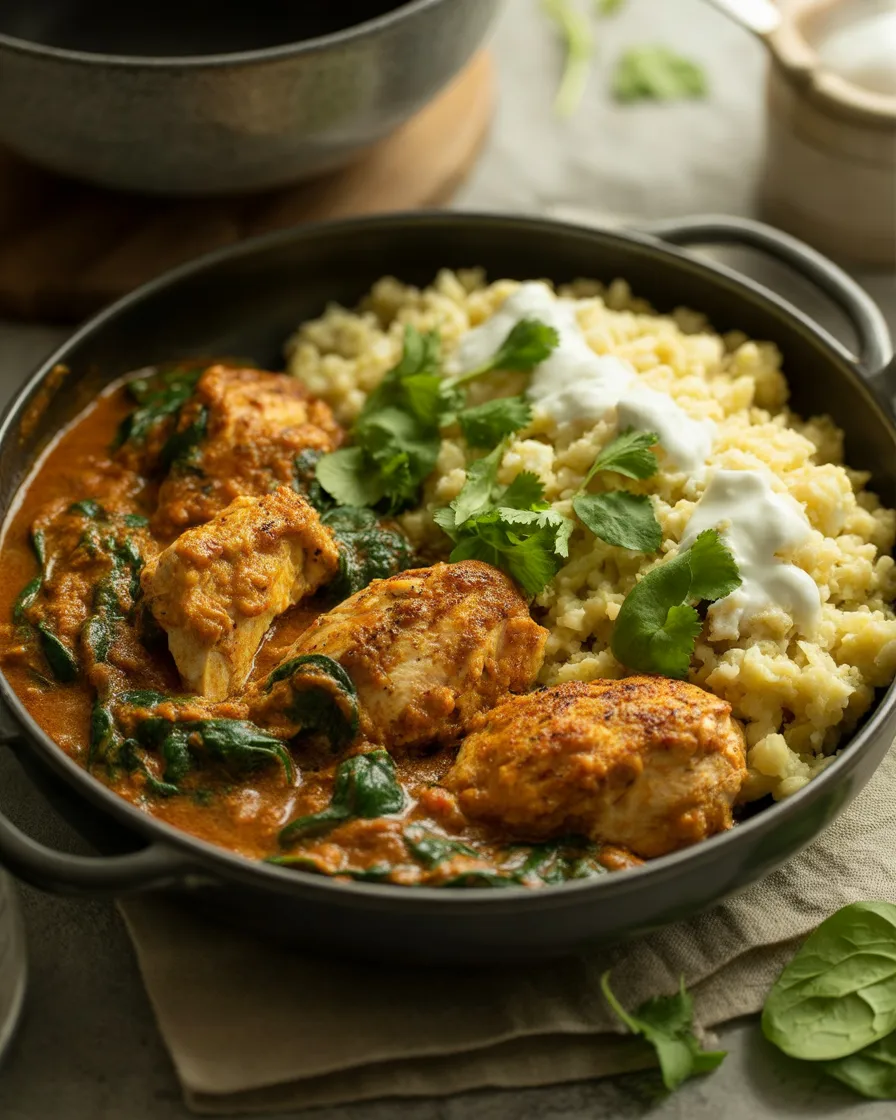
A well-seasoned chicken curry proves that low-carb meal prep can still be comforting and full of flavor.
Using plain yogurt instead of a heavy cream-based sauce can produce a creamy texture while providing additional protein.
Ingredients: Boneless chicken breast or skinless thighs, plain Greek yogurt, tomatoes, spinach, onions, garlic, ginger, curry powder, turmeric, and cauliflower rice.
How to prepare: Sauté onion, ginger, and garlic, then add chicken pieces and spices.
Stir in chopped tomatoes and simmer until the chicken reaches 165°F (74°C).
Lower the heat before adding yogurt to reduce curdling. Fold in spinach and allow it to wilt.
Serve with freshly prepared cauliflower rice.
Benefits: Provides a warm, flavorful protein-rich meal with vegetables and satisfying spices.
Practical tip: Freeze individual curry portions separately from cauliflower rice for easier reheating.
Best for: People who enjoy batch cooking and flavorful make-ahead dinners.
Consideration: Choose unsweetened yogurt, and avoid assuming that every restaurant-style curry sauce is naturally low in carbohydrates.
Expert Tips for Successful High Protein Low Carb Meal Prep
Good meal prep is not simply about cooking more food. It is about choosing meals that remain enjoyable, fit your schedule, and provide balanced nutrition.
1. Choose two main proteins each week. Rather than preparing six complicated recipes, start with two proteins, such as chicken and tofu or turkey and salmon. Change the vegetables, seasonings, and sauces to create variety without doubling your cooking time.
2. Keep vegetables in the plan. Cutting carbohydrates should not mean eliminating nutritious plant foods. Broccoli, leafy greens, mushrooms, peppers, and zucchini provide fiber and micronutrients. Some higher-carbohydrate whole foods may also fit, depending on your personal goals.
3. Build portions around your needs. Protein requirements vary with body size, age, activity, and health. Avoid copying someone else’s portion sizes without considering your own energy requirements.
4. Separate wet and dry ingredients. Keep dressings, sauces, lettuce, and crunchy toppings apart whenever possible. This small habit can improve the texture of prepared meals significantly.
5. Follow safe food storage practices. The USDA advises refrigerating most cooked leftovers for no more than 3–4 days at 40°F (4°C) or below. Freeze additional portions promptly. Refrigerate perishables within two hours, or within one hour when temperatures exceed 90°F (32°C). Reheat cooked leftovers to 165°F (74°C).
6. Avoid relying on processed protein foods. While convenient, processed meats and some ready-made sauces can contain substantial sodium or saturated fat. The American Heart Association recommends choosing a variety of proteins, including plant sources, fish, and lean unprocessed meats.
7. Make a realistic weekly routine. Prepare two or three days of meals for refrigeration and freeze servings for later in the week. Wash produce, portion ingredients, label containers with preparation dates, and leave room for fresh meals.
A practical starting point is to cook one tray of vegetables, one skillet meal, and one breakfast recipe. Once that routine feels manageable, introduce more variety.
Frequently Asked Questions About High Protein Low Carb Meal Prep
What are the best foods for high protein low carb meal prep?
Chicken breast, turkey, eggs, fish, shrimp, tofu, cottage cheese, and plain Greek yogurt are useful protein choices. Combine them with non-starchy vegetables, such as broccoli, spinach, zucchini, cabbage, mushrooms, and cauliflower. Nuts, seeds, and avocado can add flavor and texture, although portions still matter.
How many carbohydrates should a low-carb meal contain?
There is no single carbohydrate target that suits everyone. Diabetes UK commonly describes a low-carbohydrate eating pattern as fewer than 130 grams per day for adults, but individual needs vary. A meal may fit a lower-carb eating pattern without being extremely low in carbohydrates.
How long can high protein meal prep stay in the refrigerator?
Most cooked leftovers can be refrigerated safely for 3–4 days when stored correctly at 40°F (4°C) or below. Certain foods have different guidance. Refrigerate promptly, use airtight containers, and freeze portions intended for later in the week. Do not rely on smell alone to judge food safety.
Can high protein low carb meal prep support weight management?
It may help some people with meal consistency and portion awareness. Protein-rich meals can also contribute to satisfaction after eating. However, weight management depends on overall dietary intake, activity, sleep, health, and other factors. Meal preparation alone does not guarantee weight loss.
Can vegetarians follow a high protein low carb meal prep plan?
Yes. Tofu, tempeh, edamame, eggs, cottage cheese, and Greek yogurt can make useful protein-rich meals. Vegetarian diets require thoughtful planning because many plant protein sources also contain carbohydrates. Those carbohydrates are not automatically unhealthy; legumes and whole grains offer important nutritional benefits.
Is high protein low carb eating suitable for everyone?
Not necessarily. People with kidney disease, diabetes managed with glucose-lowering medications, or other medical conditions may need individualized guidance. Pregnant or breastfeeding individuals and people with specialized nutritional needs should also discuss major dietary changes with a qualified healthcare professional.
Conclusion: Make High Protein Low Carb Meal Prep Simple and Sustainable
Healthy eating becomes easier when your refrigerator contains meals you genuinely enjoy.
These 12 high protein low carb meal prep ideas offer a variety of practical options, from lemon garlic chicken and turkey taco bowls to sesame tofu, salmon, and creamy breakfast jars.
You do not need to prepare every recipe at once. Begin with two or three favorites, use accessible ingredients, and gradually develop a routine that works for your lifestyle.
The goal is not to eliminate carbohydrates or follow an unnecessarily restrictive diet. It is to create satisfying meals with enough protein, plenty of nourishing foods, and a preparation system that makes everyday life easier.
With a little consistency, high protein low carb meal prep can become a useful part of a balanced and enjoyable eating routine.
Relevant Health and Food Safety References: