Finding meals that are nutritious, satisfying, and easy to prepare can be challenging, especially when you have a busy schedule. You want something that tastes good, provides lasting energy, and helps you meet your nutritional needs without spending hours in the kitchen.
This is where high protein bowls can make a difference.
These versatile meals combine protein-rich ingredients with vegetables, whole grains, and healthy fats to create balanced dishes that work for breakfast, lunch, or dinner. Whether you enjoy grilled chicken, salmon, eggs, tofu, beans, or lentils, there are plenty of ways to prepare a delicious bowl that fits your preferences.
One of the biggest advantages of protein bowls is their flexibility. You can change the ingredients based on what is available in your kitchen, your budget, or your dietary requirements. They are also convenient for meal preparation because many ingredients can be cooked ahead of time and assembled when needed.
Protein plays an important role in building and repairing body tissues, supporting muscle maintenance, and carrying out essential bodily functions. Combining protein with fiber-rich vegetables and whole grains can also help make meals more satisfying.
In this guide, you will discover 10 high protein bowls that are easy to prepare and suitable for different eating preferences. Each recipe includes ingredient suggestions, estimated protein content, practical preparation tips, potential benefits, and important considerations.
Whether you are looking for healthy lunch bowls, vegetarian protein meals, or simple high protein dinner ideas, these options can help you build a more varied and enjoyable eating routine.
What Makes a High Protein Bowl a Balanced Meal?
A high protein bowl is more than simply placing chicken or beans over rice. A well-planned bowl combines several food groups to provide a variety of nutrients.
Here are four important components to consider:
1. A protein-rich ingredient
Start with a main protein source such as chicken breast, salmon, shrimp, lean turkey, eggs, tofu, tempeh, cottage cheese, or lentils.
2. A nutritious base
Choose quinoa, brown rice, oats, whole-grain pasta, sweet potatoes, or leafy greens. These ingredients provide energy, fiber, and other nutrients.
3. Colorful vegetables and fruits
Add spinach, broccoli, carrots, cucumber, tomatoes, bell peppers, berries, or avocado. Different colors help introduce a wider variety of vitamins, minerals, and plant compounds.
4. Healthy fats and flavorful toppings
Include ingredients such as olive oil, avocado, pumpkin seeds, almonds, walnuts, or tahini. Use herbs, lemon juice, garlic, and homemade dressings to improve flavor.
The best combination depends on your appetite, nutritional requirements, and personal preferences. You do not need an expensive ingredient list to prepare a satisfying protein bowl.
1. Grilled Chicken and Quinoa Protein Bowl
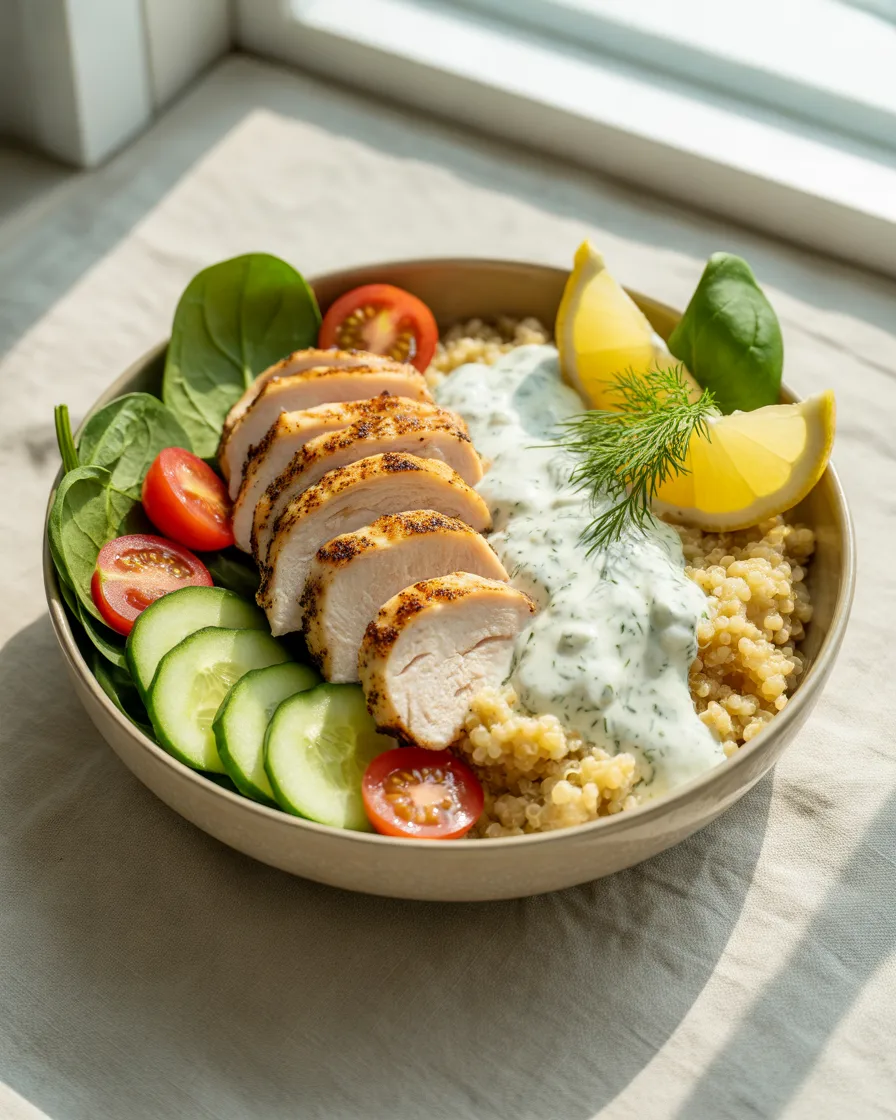
A grilled chicken and quinoa bowl is an excellent starting point if you want a filling, protein-rich lunch or dinner. It combines lean chicken breast with quinoa, fresh vegetables, and a creamy Greek yogurt dressing.
Chicken provides complete protein, while quinoa contributes additional protein and carbohydrates. Vegetables add fiber and important micronutrients.
Estimated protein: 35–38 grams per serving.
Suggested ingredients:
- 3 oz (85 g) grilled chicken breast
- ½ cup cooked quinoa
- ¼ cup plain Greek yogurt
- ½ cup chopped cucumber
- ½ cup cherry tomatoes
- A handful of spinach
- Lemon juice, garlic, black pepper, and paprika
Benefits: This bowl provides protein to support muscle maintenance and tissue repair. Quinoa and vegetables contribute fiber and other nutrients, making it a more balanced option than eating chicken alone.
Practical tips: Marinate the chicken with lemon juice, garlic, paprika, and black pepper before grilling. Cook extra chicken and quinoa if you want to prepare additional servings. Keep the dressing separate until serving to maintain the freshness of the vegetables.
How to prepare and use it: Place the cooked quinoa at the bottom of a bowl. Add sliced grilled chicken, cucumber, tomatoes, and spinach. Mix Greek yogurt with lemon juice and garlic, then drizzle it over the ingredients.
Who it may suit: People looking for healthy meal prep bowls, office lunches, or a convenient post-exercise meal.
Important considerations: Choose skinless chicken and avoid relying on heavily salted marinades or creamy commercial sauces. Adjust the quinoa portion according to your energy needs.
2. Salmon and Edamame Brown Rice Bowl
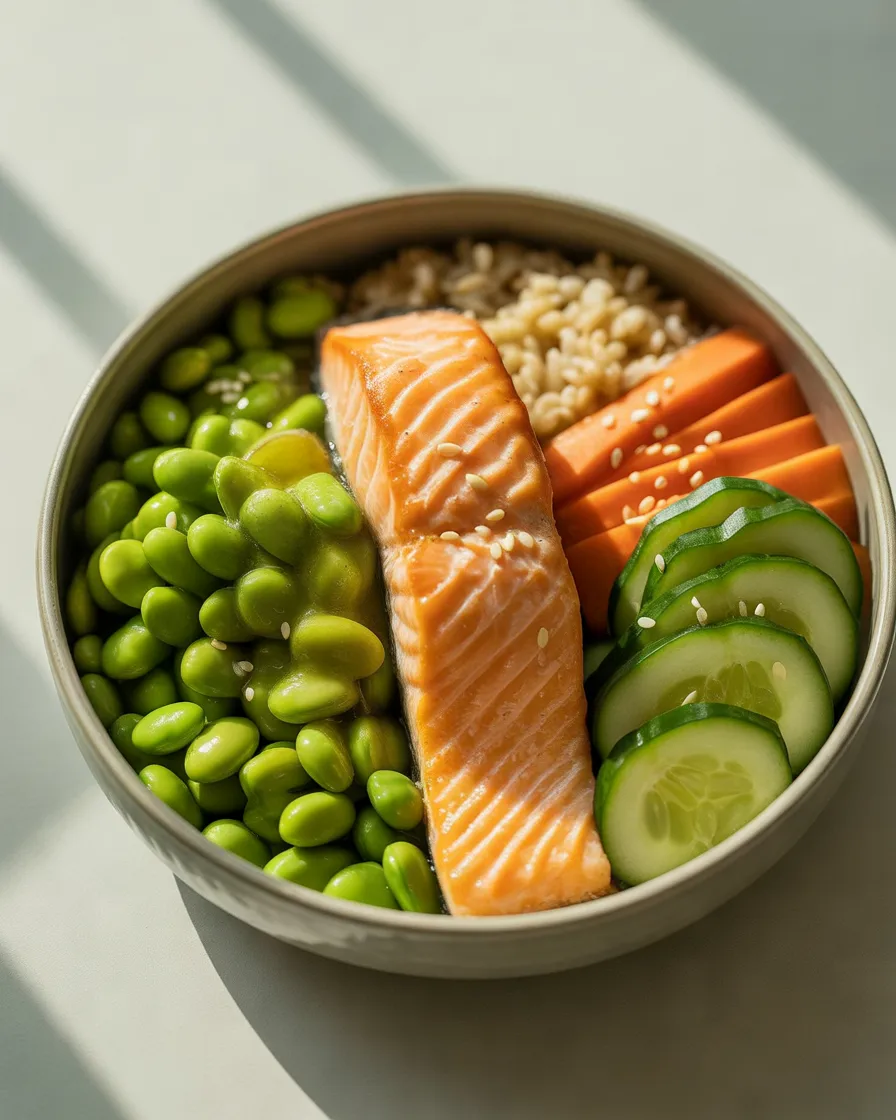
If you enjoy seafood, a salmon and edamame bowl offers a delicious combination of protein, whole grains, and healthy fats.
Salmon provides high-quality protein and omega-3 fatty acids. Edamame, which consists of young soybeans, adds plant-based protein and fiber. Brown rice provides a satisfying carbohydrate base.
Estimated protein: 33–36 grams per serving.
Suggested ingredients:
- 3½ oz (100 g) cooked salmon
- ½ cup cooked edamame
- ½ cup cooked brown rice
- ½ cup shredded carrots
- ½ cup sliced cucumber
- 1 teaspoon sesame seeds
- Lemon juice and a small amount of low-sodium soy sauce
Benefits: Salmon contributes protein and omega-3 fats, while edamame provides additional protein and fiber. Brown rice adds whole-grain carbohydrates, making this bowl suitable for a balanced main meal.
Practical tips: Bake or air-fry the salmon instead of deep-frying it. Prepare the rice and edamame in advance. Add lemon juice and sesame seeds just before serving for extra flavor.
How to prepare and use it: Place brown rice in a serving bowl. Add cooked salmon, shelled edamame, cucumber, and carrots. Finish with lemon juice, sesame seeds, and a small amount of soy sauce.
Who it may suit: Seafood lovers, active individuals, and people looking for a protein-rich lunch or dinner with a variety of nutrients.
Important considerations: Check the sodium content of soy sauce and choose a lower-sodium version when possible. People who are pregnant or breastfeeding should follow appropriate local guidance on fish choices and portions.
3. Turkey Taco Bowl with Black Beans
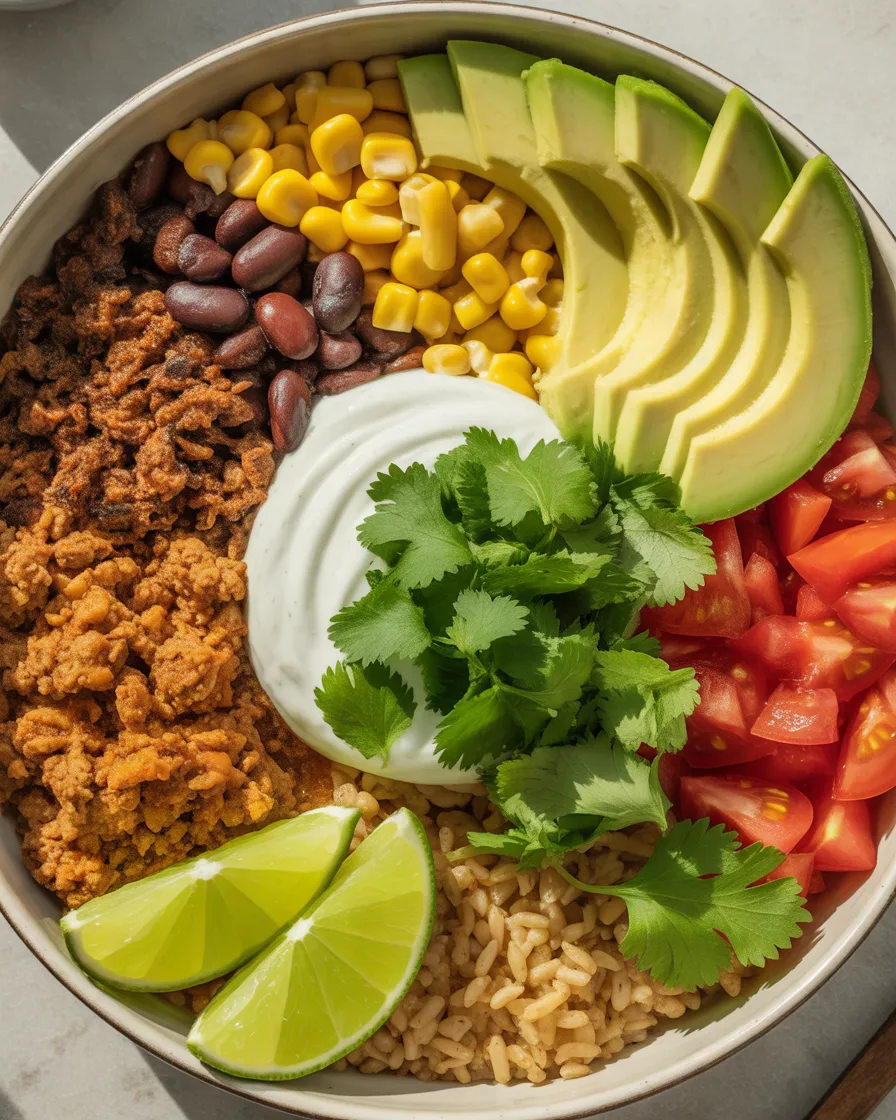
You do not need to give up your favorite Mexican-inspired flavors when preparing nutritious meals. A turkey taco bowl combines lean ground turkey, black beans, vegetables, and brown rice for a flavorful and satisfying dish.
The combination of turkey and black beans provides protein from two different food sources. Black beans also supply fiber, which supports digestive health.
Estimated protein: 36–39 grams per serving.
Suggested ingredients:
- 4 oz (115 g) cooked lean ground turkey
- ½ cup black beans
- ½ cup cooked brown rice
- ¼ cup sweet corn
- ½ cup chopped tomatoes
- ¼ avocado
- 2 tablespoons plain Greek yogurt
- Cumin, paprika, garlic, and lime juice
Benefits: Turkey provides a lean protein source, while black beans contribute protein, fiber, and minerals. Avocado adds unsaturated fats, and tomatoes provide additional vitamins and plant compounds.
Practical tips: Cook the turkey with cumin, paprika, garlic, and a little olive oil. Rinse canned black beans before adding them to reduce excess sodium. Prepare homemade salsa instead of using high-sodium bottled sauces.
How to prepare and use it: Add brown rice to a bowl and arrange the cooked turkey, black beans, corn, and tomatoes on top. Finish with avocado, Greek yogurt, and fresh lime juice.
Who it may suit: People who enjoy Mexican-inspired meals, need convenient lunches, or want an alternative to traditional meat-heavy fast food.
Important considerations: Use lean ground turkey and moderate the amount of cheese, sour cream, and salty seasoning mixes. If you have a sensitive digestive system, introduce beans gradually.
4. Tofu and Edamame Sesame Protein Bowl
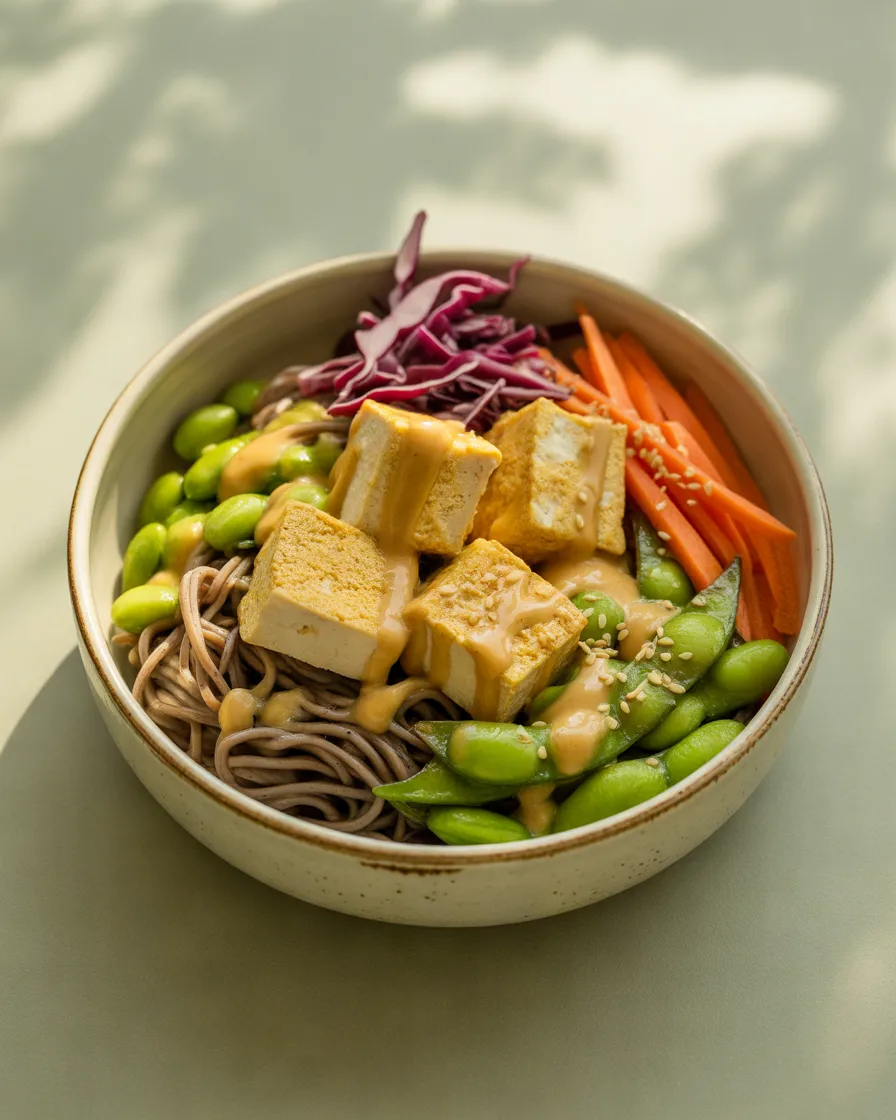
Plant-based eating does not mean sacrificing protein or flavor. A tofu and edamame bowl is a satisfying option for vegetarians and anyone interested in reducing their reliance on meat.
Tofu is made from soybeans and provides protein along with several essential nutrients. Edamame increases the protein content, while soba noodles or brown rice create a filling base.
Estimated protein: 28–32 grams per serving.
Suggested ingredients:
- 150 g firm tofu
- ½ cup cooked edamame
- ½ cup cooked soba noodles
- ½ cup shredded cabbage
- ½ cup sliced carrots
- 1 teaspoon sesame seeds
- 1 tablespoon low-sodium soy sauce
- Fresh ginger and lime juice
Benefits: Tofu and edamame provide plant-based protein. Soy foods are particularly useful because they offer substantial protein without requiring meat or dairy. Vegetables contribute fiber, vitamins, and minerals.
Practical tips: Press tofu before cooking to remove excess moisture. This helps it develop a firmer texture when baked or pan-seared. Use ginger, garlic, lime, and sesame to create a flavorful dressing without adding excessive salt.
How to prepare and use it: Cut tofu into cubes and bake or pan-sear until golden. Arrange cooked soba noodles, edamame, cabbage, and carrots in a bowl. Add tofu and finish with the dressing and sesame seeds.
Who it may suit: Vegetarians, people exploring plant-based diets, and anyone looking for a meat-free high protein meal.
Important considerations: Soy is a common food allergen. Check ingredient labels if you have allergies. Choose lower-sodium soy sauce and make sure soba noodles contain the ingredients you expect, as some varieties include wheat.
5. Shrimp, Avocado, and Quinoa Protein Bowl
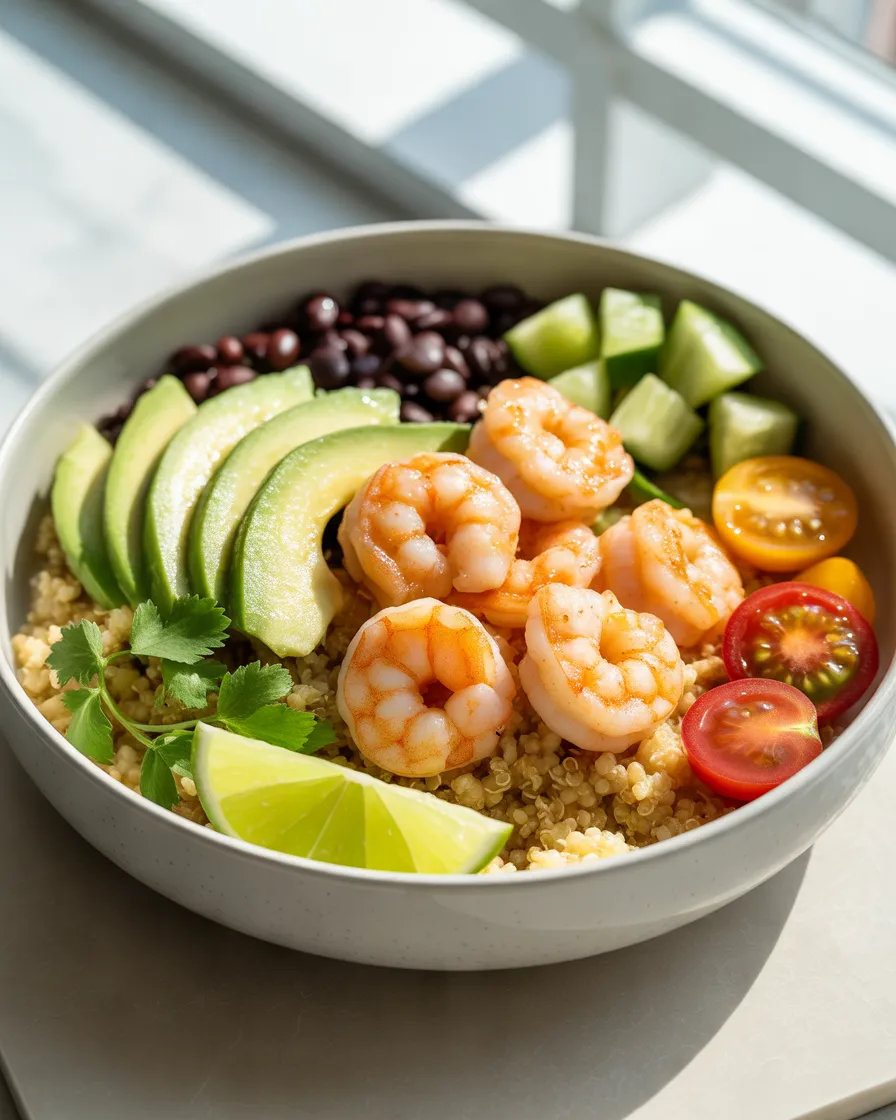
For a light but satisfying meal, consider a shrimp and quinoa bowl with avocado and fresh vegetables.
Shrimp provides high-quality protein and is relatively low in fat. Quinoa adds plant-based protein and carbohydrates, while avocado contributes unsaturated fats and a creamy texture.
Estimated protein: 32–36 grams per serving.
Suggested ingredients:
- 4 oz (115 g) cooked shrimp
- ½ cup cooked quinoa
- ⅓ cup black beans
- ¼ avocado
- ½ cup chopped cucumber
- ½ cup cherry tomatoes
- Fresh lime juice
- Black pepper, garlic, and paprika
Benefits: This combination supplies protein from shrimp, quinoa, and beans. Avocado adds healthy fats, while the vegetables contribute fiber and a refreshing texture.
Practical tips: Use fresh or frozen shrimp without heavy breading. If purchasing frozen shrimp, thaw it safely in the refrigerator. Season with garlic, paprika, and lime rather than relying on salty sauces.
How to prepare and use it: Cook the shrimp until fully done. Place quinoa in a bowl, then add shrimp, black beans, cucumber, tomatoes, and avocado. Finish with fresh lime juice and black pepper.
Who it may suit: Seafood enthusiasts, people who prefer lighter meals, and those looking for quick high protein lunch ideas.
Important considerations: Shrimp is a shellfish allergen. People with shellfish allergies should choose another protein source. Avoid excessive sauces that may increase sodium content.
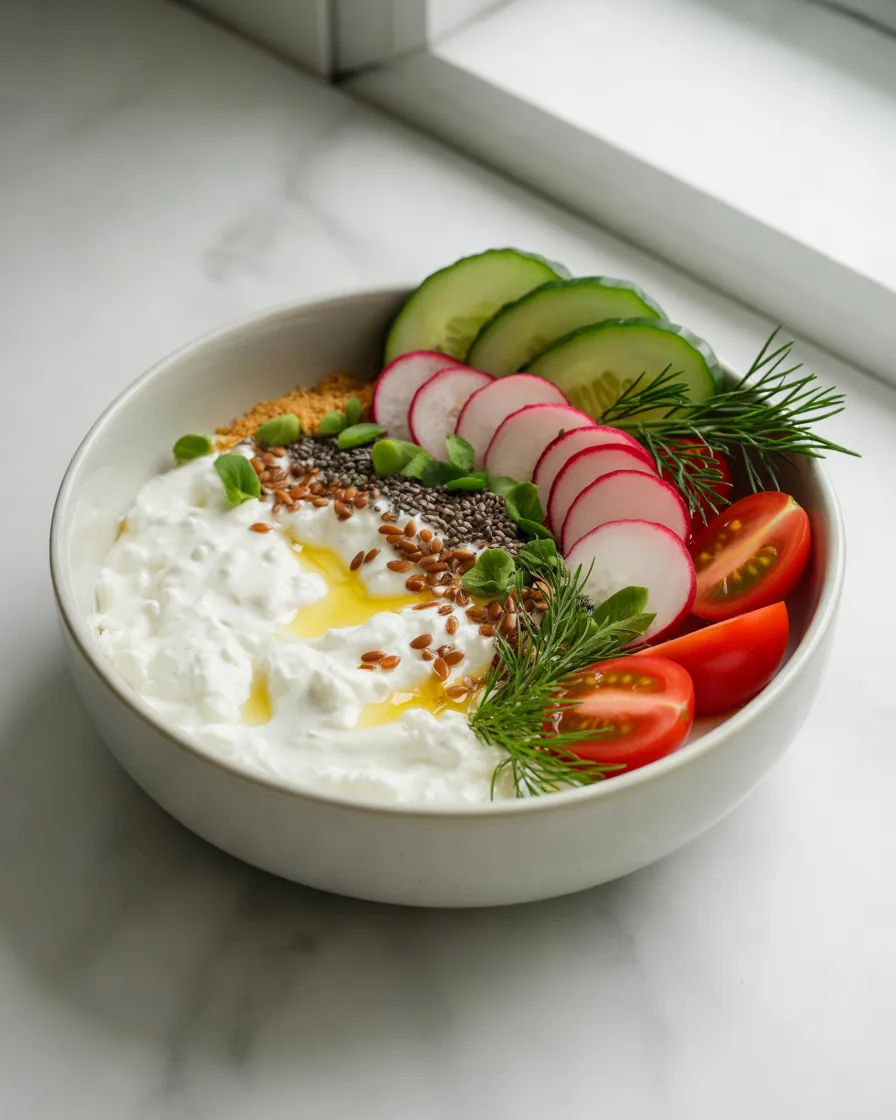
6. Cottage Cheese and Berry Breakfast Protein Bowl
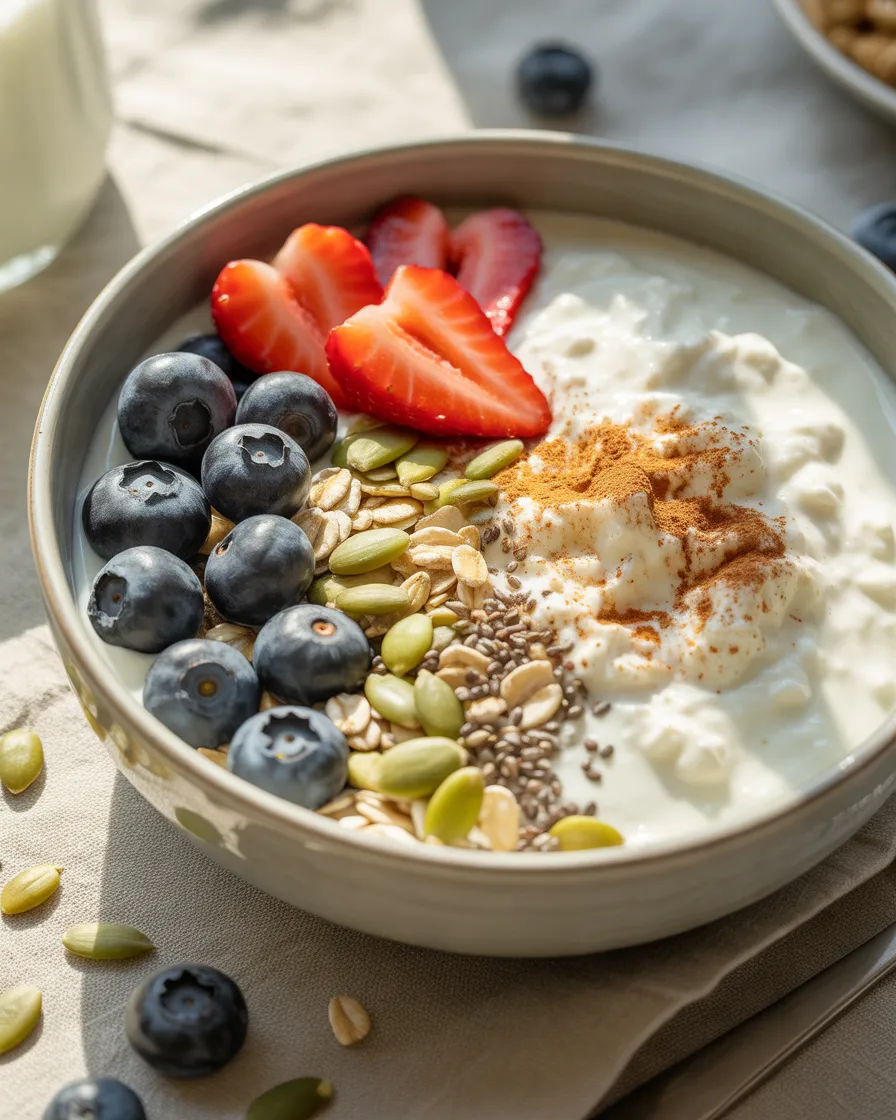
High protein bowls are not limited to lunch and dinner. A cottage cheese breakfast bowl is a convenient way to start the day with protein, fruit, and fiber.
Cottage cheese provides a substantial amount of protein, while oats, berries, and seeds contribute additional nutrients and texture.
Estimated protein: 29–32 grams per serving.
Suggested ingredients:
- 1 cup plain cottage cheese
- ¼ cup rolled oats
- ½ cup blueberries or strawberries
- 1 tablespoon pumpkin seeds
- 1 teaspoon chia seeds
- A small amount of cinnamon
- Optional: a few chopped walnuts
Benefits: Cottage cheese provides protein and calcium. Berries contribute fiber and beneficial plant compounds, while oats provide whole-grain carbohydrates. Pumpkin and chia seeds add healthy fats and additional nutrients.
Practical tips: Choose plain cottage cheese rather than flavored varieties with added sugar. If you prefer a smoother consistency, blend the cottage cheese before adding the toppings. Prepare the dry ingredients in advance for busy mornings.
How to prepare and use it: Add cottage cheese to a bowl. Top with oats, berries, pumpkin seeds, chia seeds, and cinnamon. Allow the mixture to sit for a few minutes if you prefer softer oats.
Who it may suit: Busy professionals, students, people looking for quick breakfasts, and individuals who prefer a sweet alternative to traditional egg-based meals.
Important considerations: Cottage cheese can contain significant sodium depending on the brand. Compare nutrition labels if sodium intake is a concern. Choose lactose-free cottage cheese if you tolerate lactose poorly.
7. Mediterranean Tuna and Chickpea Protein Bowl
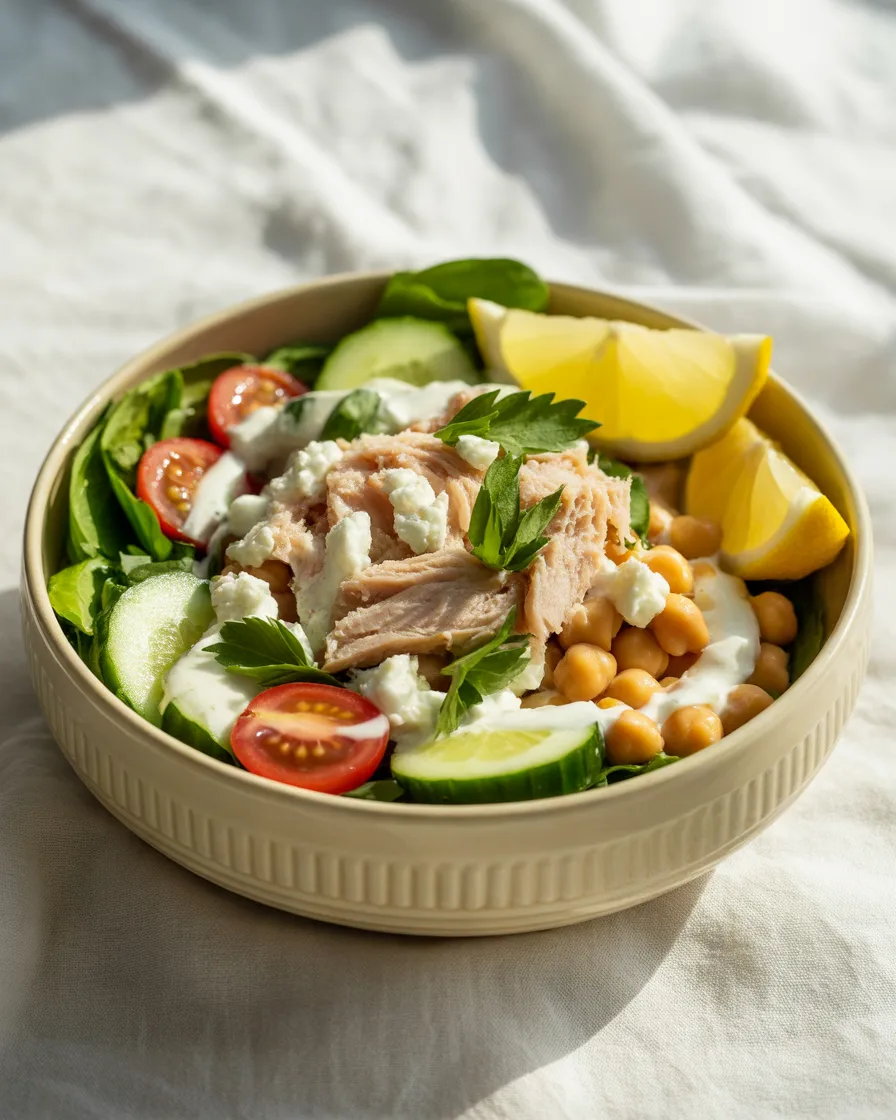
A Mediterranean-inspired bowl is an excellent way to combine seafood, legumes, vegetables, and flavorful ingredients in one meal.
Tuna provides concentrated protein, while chickpeas contribute additional protein and fiber. Fresh vegetables, feta cheese, and a lemon-based dressing complete the dish.
Estimated protein: 33–36 grams per serving.
Suggested ingredients:
- 3 oz (85 g) drained tuna
- ½ cup cooked chickpeas
- ¼ cup plain Greek yogurt
- ½ oz (15 g) feta cheese
- ½ cup chopped cucumber
- ½ cup cherry tomatoes
- A handful of leafy greens
- Lemon juice, parsley, and black pepper
Benefits: Tuna supplies protein, while chickpeas provide fiber and plant-based nutrients. Greek yogurt adds extra protein and creates a creamy dressing without requiring a large amount of mayonnaise.
Practical tips: Choose canned tuna with little or no added sodium. Drain it thoroughly and rinse chickpeas if they come from a can. Use fresh parsley, lemon, and black pepper to enhance the flavor.
How to prepare and use it: Place leafy greens in a bowl. Add tuna, chickpeas, cucumber, and tomatoes. Mix Greek yogurt with lemon juice and parsley, then spoon it over the ingredients. Finish with crumbled feta.
Who it may suit: People who enjoy Mediterranean flavors, need quick lunches, or want an easy meal using pantry ingredients.
Important considerations: Tuna contains varying levels of mercury depending on the species. Follow local seafood consumption guidance, particularly during pregnancy and breastfeeding. Feta and canned tuna can also contribute sodium, so consider the portions.
8. Lentil and Egg Spinach Protein Bowl
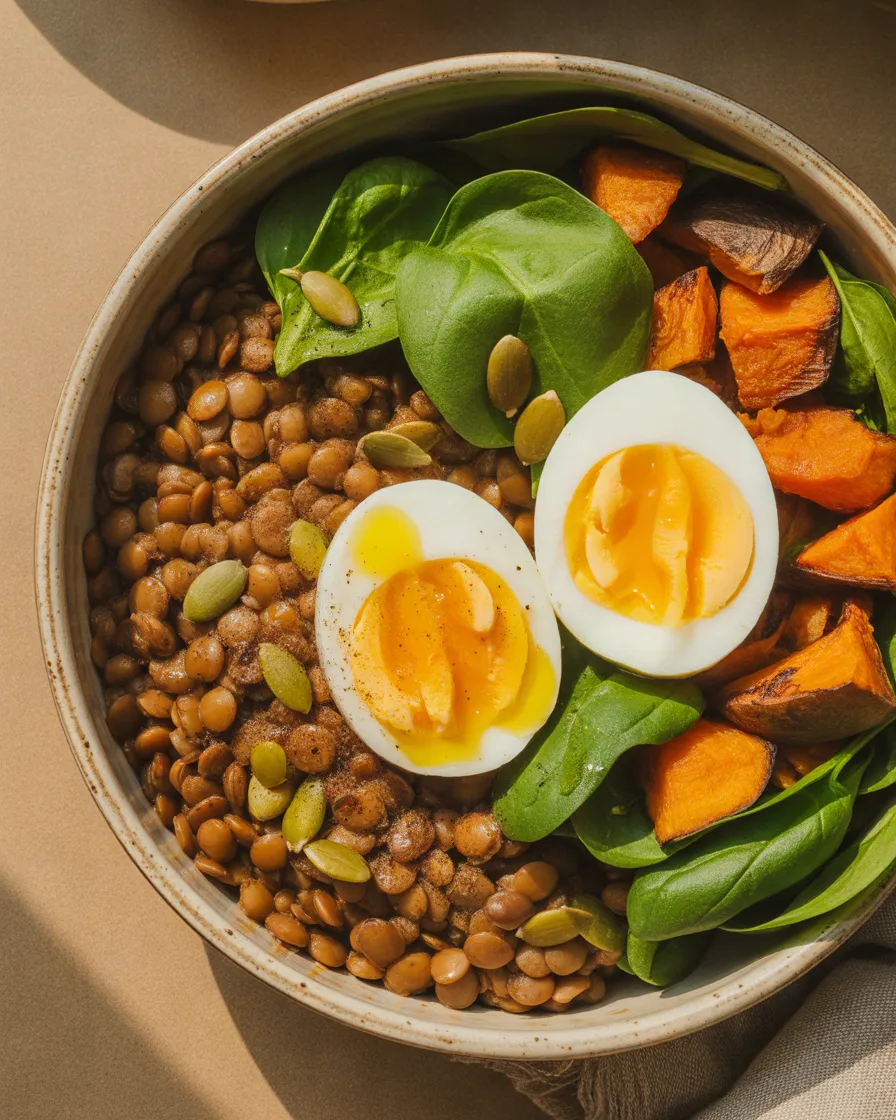
If you want an affordable and nutritious meal without relying on meat, a lentil and egg bowl is worth trying.
Lentils are an excellent source of plant-based protein and fiber. Eggs provide complete protein and several important nutrients. Together, they create a filling meal that can be enjoyed for breakfast, lunch, or dinner.
Estimated protein: 26–29 grams per serving.
Suggested ingredients:
- ¾ cup cooked lentils
- 2 boiled eggs
- 1 cup fresh spinach
- ½ cup roasted sweet potato
- 1 tablespoon pumpkin seeds
- 1 teaspoon olive oil
- Lemon juice, cumin, and black pepper
Benefits: Lentils provide protein, dietary fiber, iron, and other minerals. Eggs contribute protein, vitamin B12, and choline. Spinach and sweet potatoes add a variety of micronutrients.
Practical tips: Cook a larger batch of lentils and refrigerate individual portions promptly. Use brown, green, or black lentils if you want them to maintain their shape. Season with cumin, lemon, and herbs for additional flavor.
How to prepare and use it: Arrange cooked lentils and spinach in a bowl. Add roasted sweet potato and sliced boiled eggs. Sprinkle pumpkin seeds over the top and finish with olive oil and lemon juice.
Who it may suit: Vegetarians who eat eggs, budget-conscious households, and people looking for fiber-rich, protein-containing meals.
Important considerations: People who have difficulty digesting legumes may prefer smaller portions initially. Lentils contain non-heme iron, which is absorbed differently from iron in animal foods. Vitamin C-rich lemon juice or vegetables can help improve its absorption.
9. Lean Steak and Sweet Potato Protein Bowl
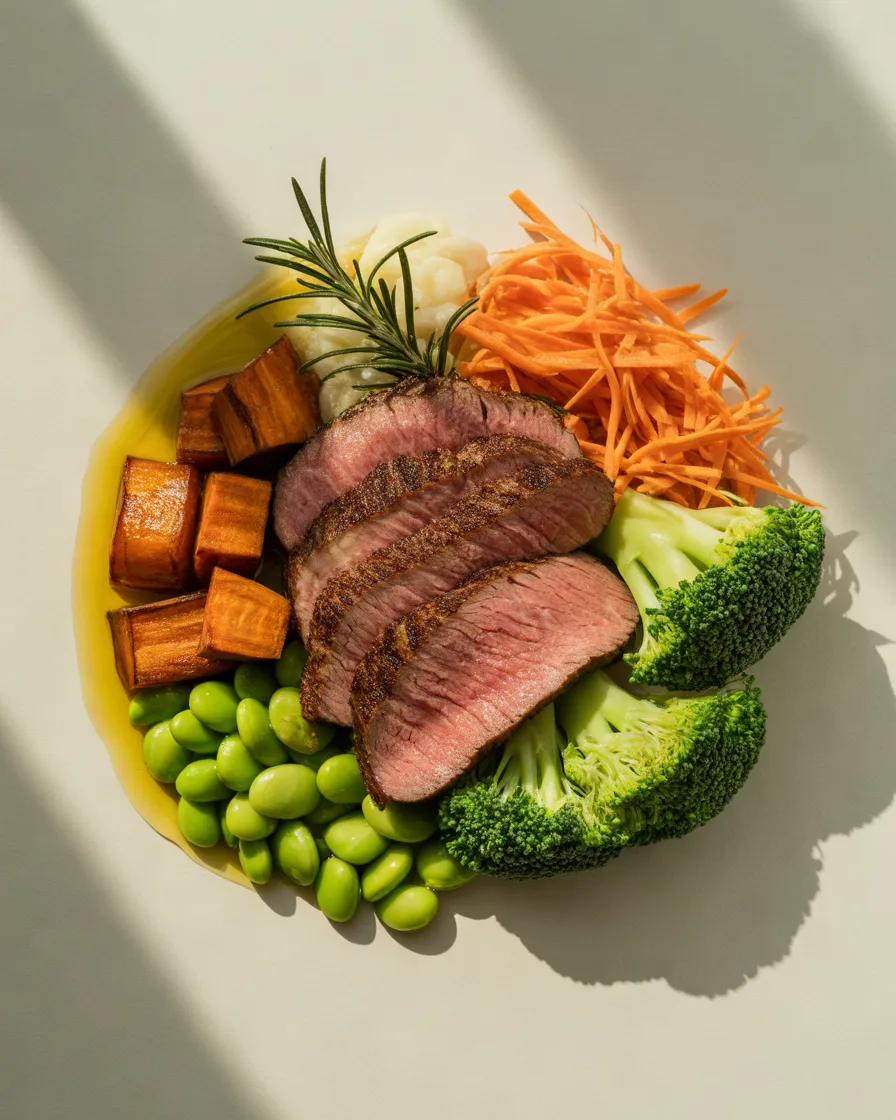
If you enjoy red meat, a lean steak bowl can provide a satisfying alternative to traditional chicken-based meals.
This combination uses lean beef, roasted sweet potatoes, edamame, and fresh vegetables. It provides protein alongside carbohydrates, fiber, and important micronutrients.
Estimated protein: 32–36 grams per serving.
Suggested ingredients:
- 3 oz (85 g) cooked lean steak
- ½ cup cooked edamame
- ½ cup roasted sweet potato
- ½ cup broccoli
- ¼ cup shredded carrots
- 1 teaspoon olive oil
- Garlic, rosemary, and black pepper
Benefits: Lean beef supplies complete protein, iron, zinc, and vitamin B12. Edamame adds plant protein and fiber, while sweet potatoes provide carbohydrates and beta-carotene.
Practical tips: Choose lean cuts such as sirloin and trim visible fat before cooking. Roast sweet potatoes in advance and steam broccoli until tender but not overly soft. Allow the steak to rest before slicing.
How to prepare and use it: Add roasted sweet potato to a bowl with steamed broccoli and edamame. Arrange sliced steak on top and finish with garlic, rosemary, and black pepper.
Who it may suit: People who enjoy beef, want a substantial dinner, or prefer combining animal and plant-based protein sources.
Important considerations: Choose lean, minimally processed beef and keep portions moderate. Red meat does not need to be the main protein source every day. People advised to limit red meat for medical or dietary reasons should select another option.
10. Tempeh and Peanut Brown Rice Protein Bowl
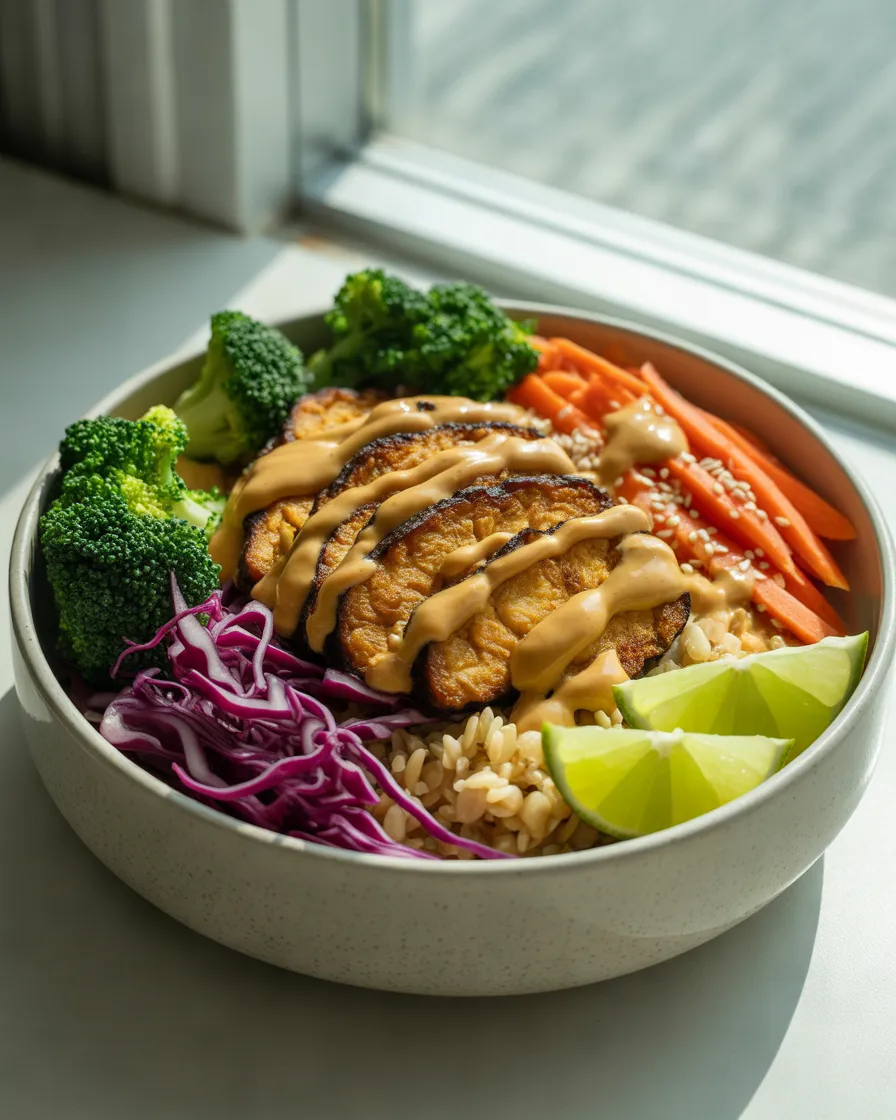
For a flavorful vegan meal, try a tempeh and peanut bowl with brown rice and colorful vegetables.
Tempeh is made from fermented soybeans and offers a concentrated source of plant protein. Peanut butter adds additional protein and healthy fats, while brown rice and vegetables provide carbohydrates and fiber.
Estimated protein: 27–31 grams per serving.
Suggested ingredients:
- 4 oz (115 g) tempeh
- ½ cup cooked brown rice
- 1 tablespoon natural peanut butter
- ½ cup shredded red cabbage
- ½ cup sliced carrots
- ½ cup steamed broccoli
- Fresh lime juice
- Ginger and low-sodium soy sauce
Benefits: Tempeh supplies plant-based protein, while peanuts contribute unsaturated fats and additional protein. Brown rice and vegetables help create a balanced meal with different sources of fiber and micronutrients.
Practical tips: Steam tempeh briefly before marinating if you prefer a milder flavor. Use natural peanut butter without added sugar where possible. Thin the peanut dressing with warm water and lime juice rather than adding large quantities of oil.
How to prepare and use it: Slice tempeh and pan-sear or bake until lightly browned. Place brown rice in a bowl, then add tempeh, cabbage, carrots, and broccoli. Mix peanut butter, ginger, lime juice, and a little soy sauce to create the dressing.
Who it may suit: Vegans, vegetarians, people interested in plant-forward eating, and anyone looking for a filling meat-free dinner.
Important considerations: Tempeh and peanut butter contain common allergens. Check labels for added sodium and sugar. People following a fully vegan diet should also plan for reliable vitamin B12 sources, such as fortified foods or an appropriate supplement.
Expert Tips for Making Better High Protein Bowls
Preparing a nutritious bowl is relatively simple, but a few practical strategies can make your meals more balanced, enjoyable, and convenient.
1. Choose a protein source before adding toppings
Start by deciding what your main protein ingredient will be. It could be chicken, salmon, eggs, tofu, beans, or Greek yogurt. This helps you build the rest of the meal around a clear nutritional foundation.
2. Include plant-based protein regularly
You do not need to rely exclusively on meat to prepare protein-rich meals. Beans, lentils, chickpeas, soybeans, tofu, and tempeh are useful alternatives.
Health Canada recommends including plant-based protein foods regularly. These foods can provide fiber and may contain less saturated fat than some animal-based alternatives.
3. Do not forget vegetables and fiber
A bowl containing only meat and rice may provide protein and energy, but it misses the variety that vegetables offer.
Try adding at least two different vegetables or fruits to your meals. Spinach, broccoli, tomatoes, carrots, and peppers are practical choices.
4. Pay attention to sauces and dressings
A nutritious bowl can become much higher in sodium, added sugar, or calories when covered with large amounts of commercial dressing.
Prepare simple dressings using lemon juice, olive oil, plain yogurt, garlic, herbs, or tahini. Measure ingredients when you are trying to understand the nutritional content of a recipe.
5. Prepare ingredients in advance
Meal preparation can save time during busy weekdays.
Cook grains, roast vegetables, prepare protein ingredients, and wash fresh produce ahead of time. Store different components in separate containers so you can combine them in several ways.
Refrigerate perishable cooked ingredients promptly. The CDC advises refrigerating perishable foods within two hours, or within one hour when temperatures are above 90°F (32°C). Keep your refrigerator at or below 40°F (4°C).
6. Do not assume that more protein is always better
Protein is important, but your body also needs carbohydrates, fats, vitamins, minerals, and fiber.
The American Heart Association identifies 0.8 grams of protein per kilogram of body weight per day as the recommended dietary allowance for most adults. Individual needs can vary with age, activity, pregnancy, breastfeeding, and health conditions.
Focus on a balanced eating pattern instead of automatically trying to maximize the protein content of every meal.
7. Use convenient ingredients without compromising variety
Frozen vegetables, canned beans, canned fish, and pre-cooked grains can make meal preparation easier.
Choose lower-sodium canned products where possible and rinse canned beans before using them. Frozen vegetables can be a nutritious and economical alternative to fresh produce.
Frequently Asked Questions About High Protein Bowls
1. What are the best high protein bowls for a healthy diet?
Some excellent options include grilled chicken and quinoa bowls, salmon and edamame bowls, turkey taco bowls, tofu and vegetable bowls, and lentil and egg bowls.
The best option depends on your nutritional requirements, taste preferences, and dietary restrictions. Choose a variety of protein sources rather than relying on the same meal every day.
2. How much protein should a high protein bowl contain?
There is no universal definition of a high protein bowl. Many practical meal recipes provide approximately 25–40 grams of protein per serving, although the appropriate amount depends on individual needs.
You can estimate protein by checking the nutrition labels of individual ingredients and adding their values together.
Remember that your total daily protein intake matters more than reaching a particular number in every individual meal.
3. Are high protein bowls good for weight management?
They can be a useful part of a balanced eating routine.
Protein-rich ingredients may contribute to fullness, while vegetables, legumes, and whole grains provide fiber. These combinations can make meals more satisfying.
However, weight management depends on several factors, including overall energy intake, physical activity, sleep, and individual health circumstances. A high protein label alone does not guarantee weight loss.
4. Can I make high protein bowls without meat?
Absolutely. Vegetarian and vegan bowls can provide substantial protein.
Some useful ingredients include:
- Tofu
- Tempeh
- Edamame
- Lentils
- Chickpeas
- Black beans
- Kidney beans
- Eggs
- Cottage cheese
- Plain Greek yogurt
For vegan meals, combine different plant protein sources throughout the day and include reliable vitamin B12 sources.
5. What is the best base for a protein bowl?
The best base depends on your preferences and nutritional goals.
Quinoa and brown rice are good whole-grain options. Sweet potatoes provide carbohydrates and fiber, while spinach and other leafy greens create a lighter vegetable-based foundation.
You can also combine ingredients, such as half a serving of brown rice with a generous portion of vegetables.
6. Can I prepare high protein bowls for the entire week?
Yes. Meal preparation is one of the most convenient ways to enjoy protein bowls regularly.
Prepare your grains, vegetables, and protein ingredients separately. Store them in clean, covered containers and refrigerate perishable foods promptly.
For food safety, keep your refrigerator at 40°F (4°C) or below and reheat leftovers to 165°F (74°C). Avoid leaving cooked meals at room temperature for extended periods.
7. Are high protein breakfast bowls better than traditional breakfasts?
Not necessarily. Both can be nutritious depending on their ingredients.
A cottage cheese and berry bowl provides protein, fruit, and fiber. An egg and vegetable breakfast can offer similar nutritional advantages.
Choose a breakfast that satisfies your appetite, fits your schedule, and contributes to your overall nutritional needs.
8. Do I need protein powder to make a high protein bowl?
No. You can prepare many protein-rich meals using ordinary foods such as chicken, fish, eggs, beans, lentils, dairy products, tofu, and tempeh.
Protein powder may be convenient for some individuals, but it is not essential when your regular diet provides adequate protein.
9. Are high protein bowls suitable for people with diabetes?
They may be incorporated into a diabetes-friendly eating plan, but the ingredients and portions matter.
Consider combining protein with non-starchy vegetables, appropriate portions of high-fiber carbohydrates, and unsaturated fats. Monitor carbohydrate portions and choose dressings with little added sugar.
People with diabetes should work with a registered dietitian or healthcare professional to determine suitable meal portions and nutritional targets.
10. Can people with kidney disease eat high protein bowls?
It depends on the type and stage of kidney disease and the individual’s medical needs.
Some people with kidney conditions may need to adjust their protein, sodium, potassium, or phosphorus intake. Not every high protein recipe is appropriate for every person.
Speak with a healthcare professional or renal dietitian before significantly increasing protein intake or adopting a high protein eating plan.
Conclusion: Make Healthy Eating Easier with High Protein Bowls
High protein bowls are a practical way to bring together nutritious ingredients without making meal preparation complicated.
From grilled chicken and quinoa to salmon, tofu, lentils, and tempeh, there are plenty of delicious combinations to explore. Each option offers a different balance of protein, carbohydrates, healthy fats, and other nutrients.
The most important thing is to choose ingredients that suit your preferences and nutritional needs. Include a variety of protein sources, add colorful vegetables, select satisfying whole-grain or vegetable bases, and keep sauces and toppings balanced.
You do not need expensive ingredients or complicated cooking techniques to prepare nutritious meals. A few simple ingredients and some advance preparation can make healthy eating easier throughout the week.
Start with one of these 10 high protein bowls, experiment with different flavors, and find combinations that you genuinely enjoy.
A balanced meal is not about adding as much protein as possible. It is about creating a meal that provides the variety of nutrients your body needs.