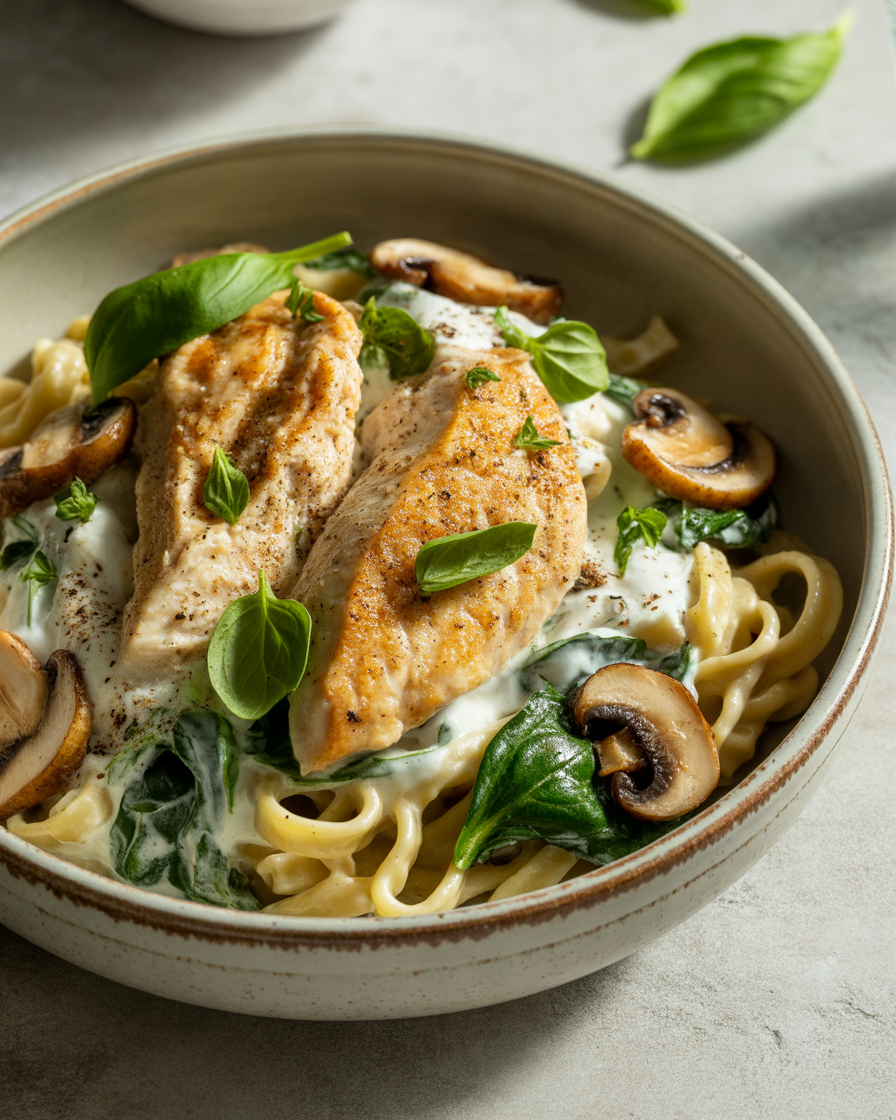
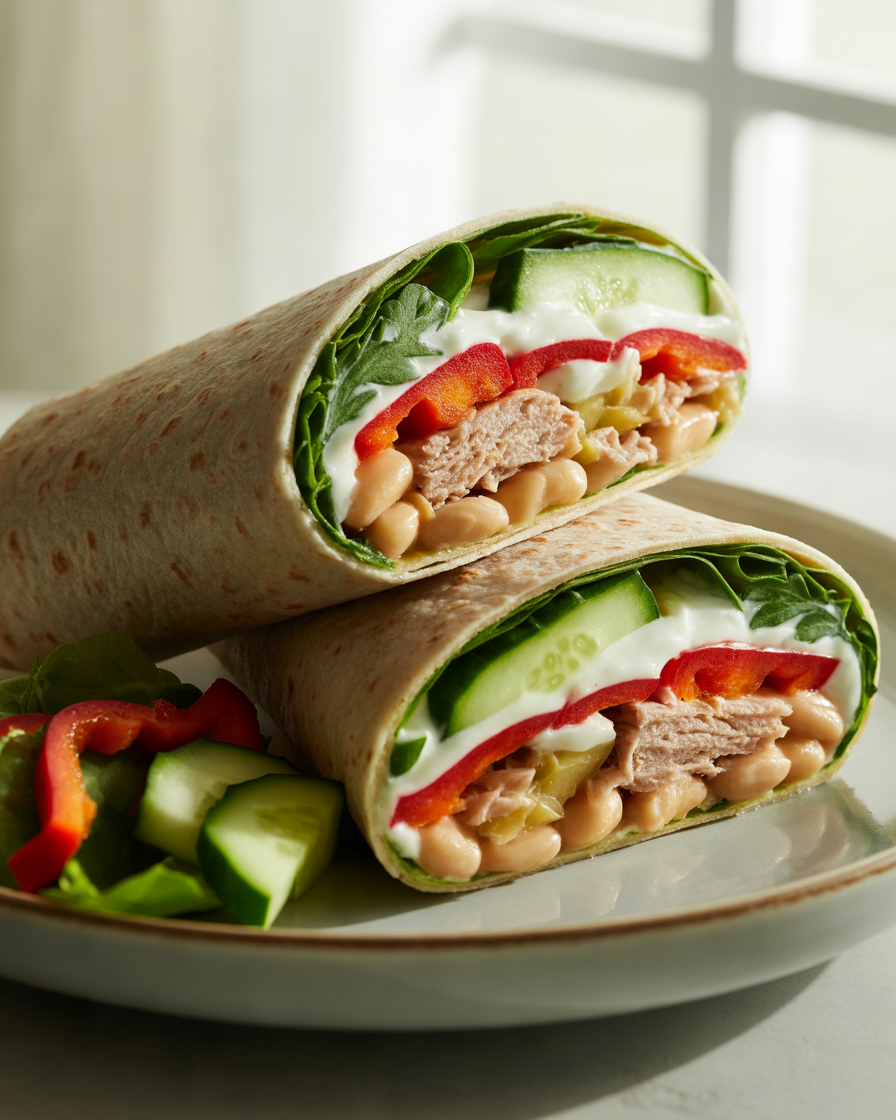
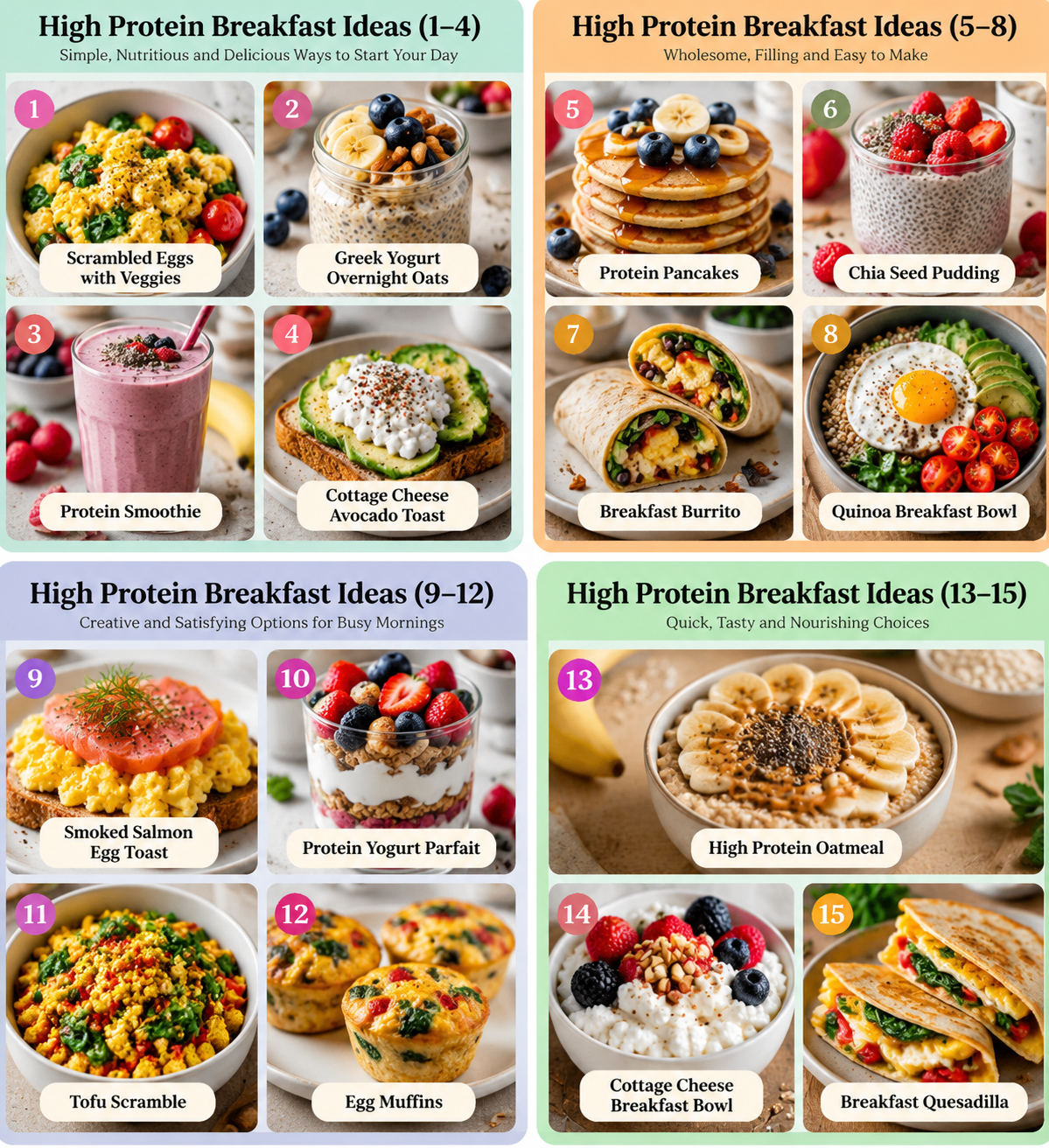
Finding meals that are both satisfying and lower in calories can feel challenging, especially when you want to eat well without spending hours preparing complicated recipes. High protein low calorie meals offer a practical solution by combining protein-rich ingredients with nutrient-dense foods that help create balanced, enjoyable meals.
Protein is an important part of a healthy eating pattern because it helps maintain and repair body tissues, supports normal body functions, and contributes to feelings of fullness after meals. Choosing meals that include lean proteins, vegetables, whole grains, and smart portions of healthy fats can make daily nutrition easier to manage.
Whether you are preparing meals for a busy work schedule, looking for simple healthy meal prep ideas, or trying to add more protein to your diet, these high protein low calorie meals can help you create delicious options without relying on overly restrictive eating habits.
The best part is that eating higher protein meals does not have to mean boring food. With ingredients like chicken breast, eggs, Greek yogurt, fish, legumes, tofu, and vegetables, you can create flavorful recipes that work for breakfast, lunch, dinner, and snacks.
In this guide, you will discover 12 practical high protein low calorie meals that are easy to prepare, adaptable for different lifestyles, and suitable for people who want nutritious meals with balanced calories.
1. Grilled Chicken Breast Bowl With Vegetables and Brown Rice
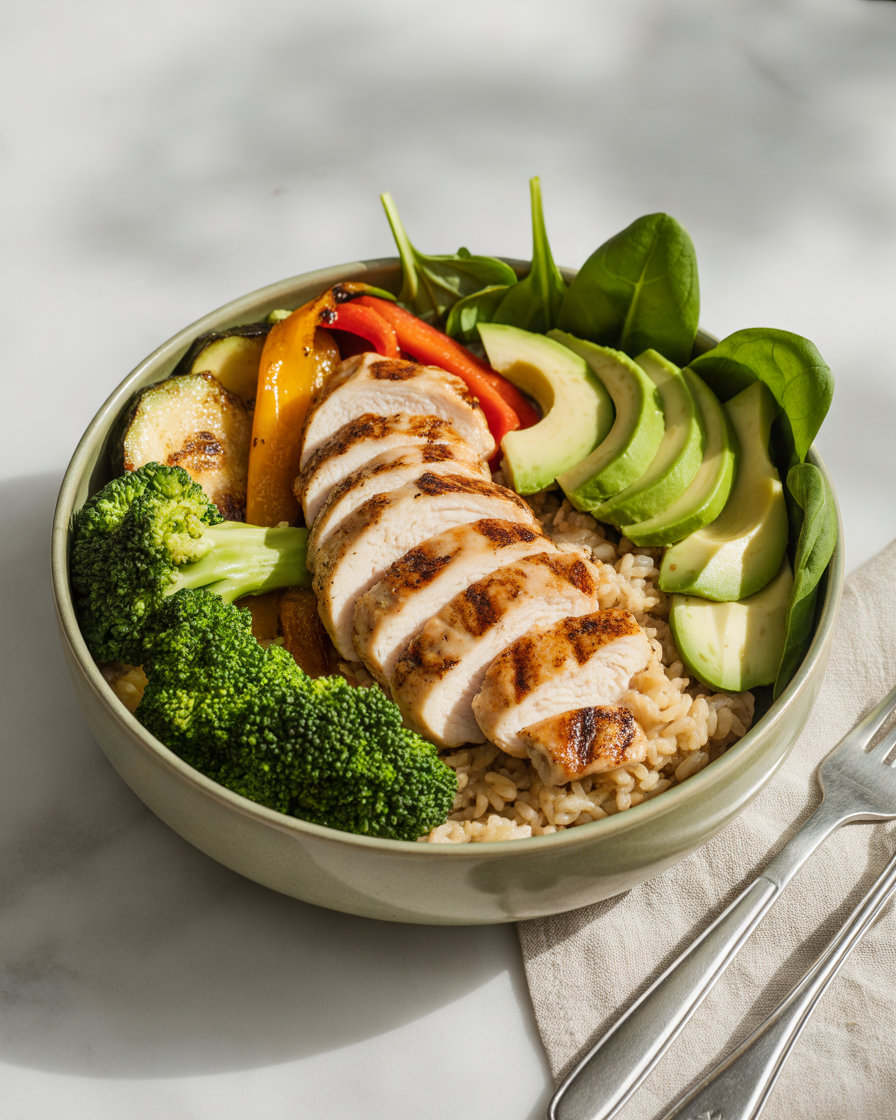
A grilled chicken bowl is one of the most versatile high protein low calorie meals because it combines lean protein, fiber-rich vegetables, and a moderate amount of complex carbohydrates. This meal works well for lunch or dinner and can easily be customized with different vegetables, herbs, and seasonings.
Chicken breast is naturally high in protein while being relatively low in calories when prepared without heavy sauces or excessive oil. Adding vegetables like broccoli, spinach, peppers, or carrots increases the nutritional value while keeping the meal filling.
Benefits
- Provides a high amount of protein to support muscle maintenance and daily nutrition
- Includes vegetables that contribute vitamins, minerals, and dietary fiber
- Offers balanced energy from complex carbohydrates
- Easy to prepare in advance for healthy meal prep
Practical Tips
- Use grilling, baking, or air frying instead of deep frying to keep calories lower
- Add flavor with herbs, garlic, lemon juice, paprika, or black pepper instead of calorie-heavy sauces
- Prepare multiple portions at once for convenient weekday meals
- Choose colorful vegetables to increase variety and nutrients
How to Use or Apply It
For a balanced plate, fill about half your bowl with vegetables, add a portion of grilled chicken, and include a smaller serving of brown rice or another whole grain.
You can also replace brown rice with quinoa, cauliflower rice, or roasted sweet potatoes depending on your preferences.
Who It May Suit
This meal may suit:
- People looking for simple high protein meal prep ideas
- Busy professionals who need convenient lunches
- Individuals who enjoy balanced meals with familiar ingredients
- Anyone wanting a nutrient-rich alternative to fast food options
Important Considerations
Portion sizes matter because even healthy foods contribute calories. People with specific dietary needs, allergies, or medical conditions should adjust ingredients according to guidance from a healthcare professional.
2. Greek Yogurt Protein Bowl With Berries and Nuts
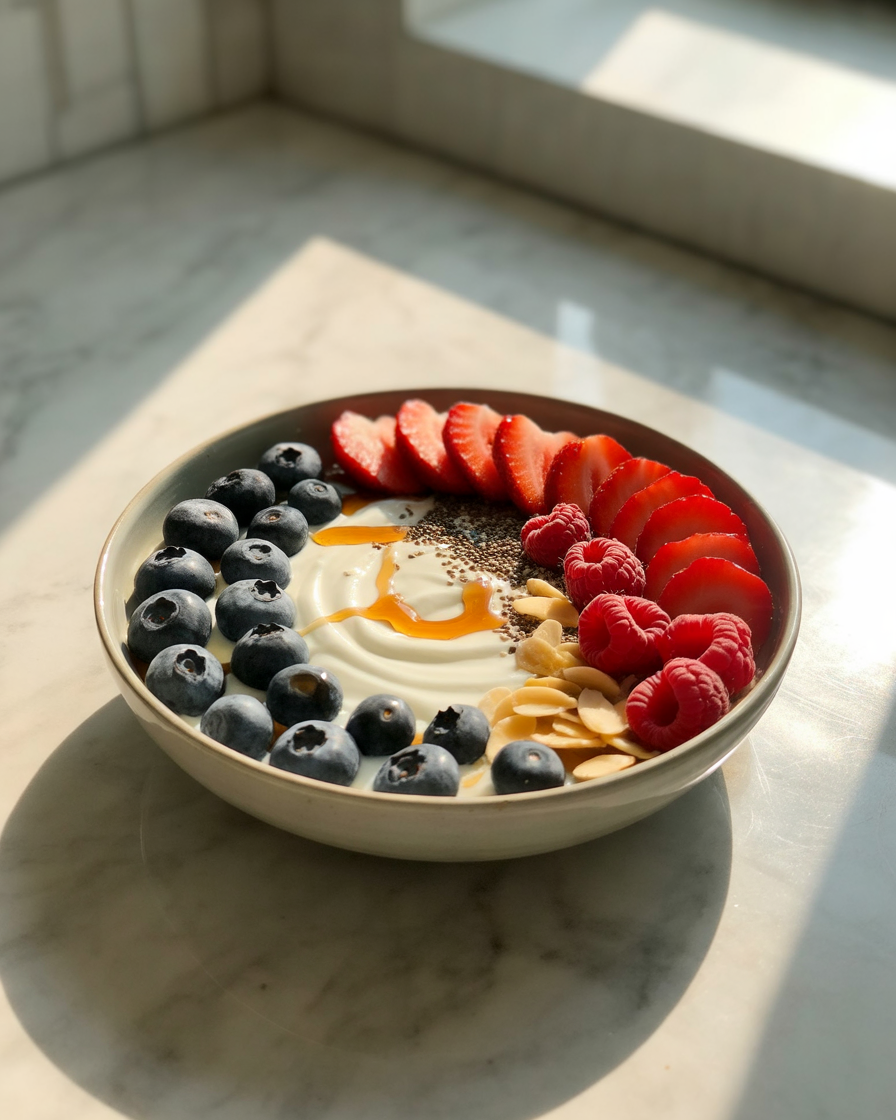
A Greek yogurt protein bowl is a quick and convenient option for breakfast, snacks, or even a light dessert. It combines creamy Greek yogurt with naturally sweet berries and small portions of nuts or seeds for texture and extra nutrients.
Greek yogurt is popular in high protein low calorie meals because it usually contains more protein than traditional yogurt while remaining easy to prepare. Adding fruit provides natural sweetness and antioxidants, while nuts add healthy fats and crunch.
Benefits
- Quick preparation with no complicated cooking required
- Provides protein-rich nutrition for breakfast or snacks
- Includes fruit for flavor and important nutrients
- Can help create a more satisfying snack compared with many processed options
Practical Tips
- Choose plain Greek yogurt and add your own fruit to control added sugars
- Use berries such as strawberries, blueberries, or raspberries for natural sweetness
- Add chia seeds or flaxseeds for extra texture
- Measure nuts carefully because they are nutrient-dense and higher in calories
How to Use or Apply It
Combine Greek yogurt with fresh berries, a small amount of nuts, and optional cinnamon. This meal can be prepared in minutes and stored in the refrigerator for a quick grab-and-go option.
For extra protein, you can mix in a small amount of protein powder if it fits your dietary preferences.
Who It May Suit
This option may suit:
- People who need quick healthy breakfasts
- Students and professionals with busy mornings
- Anyone looking for easy high protein snacks
- People who prefer sweet meals over savory options
Important Considerations
Some flavored yogurts can contain added sugars. Reading nutrition labels can help you choose options that match your goals and preferences.
3. Egg White Vegetable Omelet With Cottage Cheese
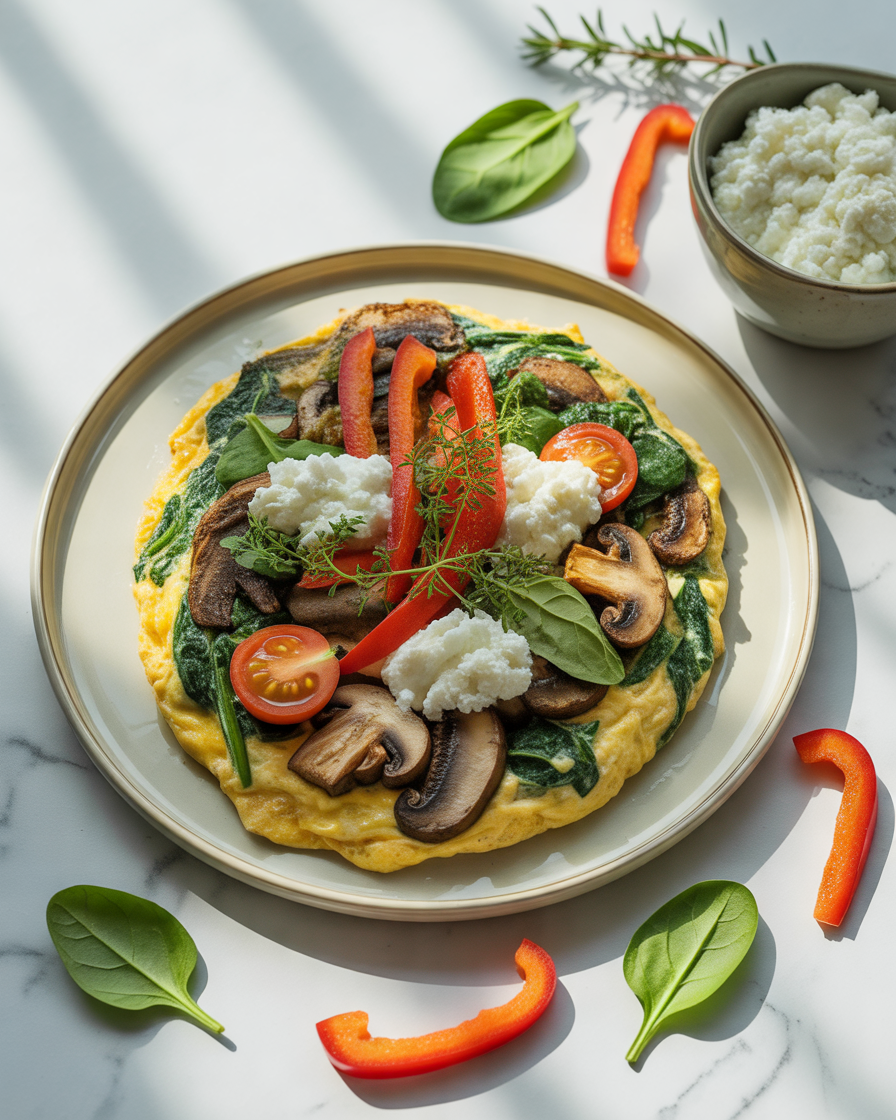
An egg white vegetable omelet is a simple high protein low calorie meal that works especially well for breakfast or a light lunch. Combining egg whites with vegetables and cottage cheese creates a protein-focused meal with plenty of flavor.
Egg whites provide protein with very little fat, while vegetables such as mushrooms, spinach, onions, and peppers add volume and nutrients. Cottage cheese can increase the protein content while creating a creamy texture.
Benefits
- High protein content with controlled calories
- Provides vegetables in an easy breakfast format
- Customizable with different ingredients
- Suitable for meal preparation
Practical Tips
- Add herbs like parsley, basil, or chives for extra flavor
- Cook vegetables before adding eggs to improve texture
- Use non-stick cookware to reduce the need for extra oil
- Include different vegetables to prevent repetitive meals
How to Use or Apply It
Prepare an omelet using egg whites, chopped vegetables, and a side serving of cottage cheese. Pair it with whole-grain toast or fruit if you need additional carbohydrates.
This meal can also be prepared as egg muffins for convenient meal prep.
Who It May Suit
This meal may suit:
- People who enjoy savory breakfasts
- Individuals looking for low calorie breakfast ideas
- Those wanting protein-rich meals without heavy ingredients
- Meal planners who like preparing food ahead
Important Considerations
Egg preferences vary between individuals. Some people may prefer whole eggs because they contain additional nutrients. Choose the option that fits your overall eating pattern.
4. Tuna Salad Lettuce Wraps With Fresh Vegetables
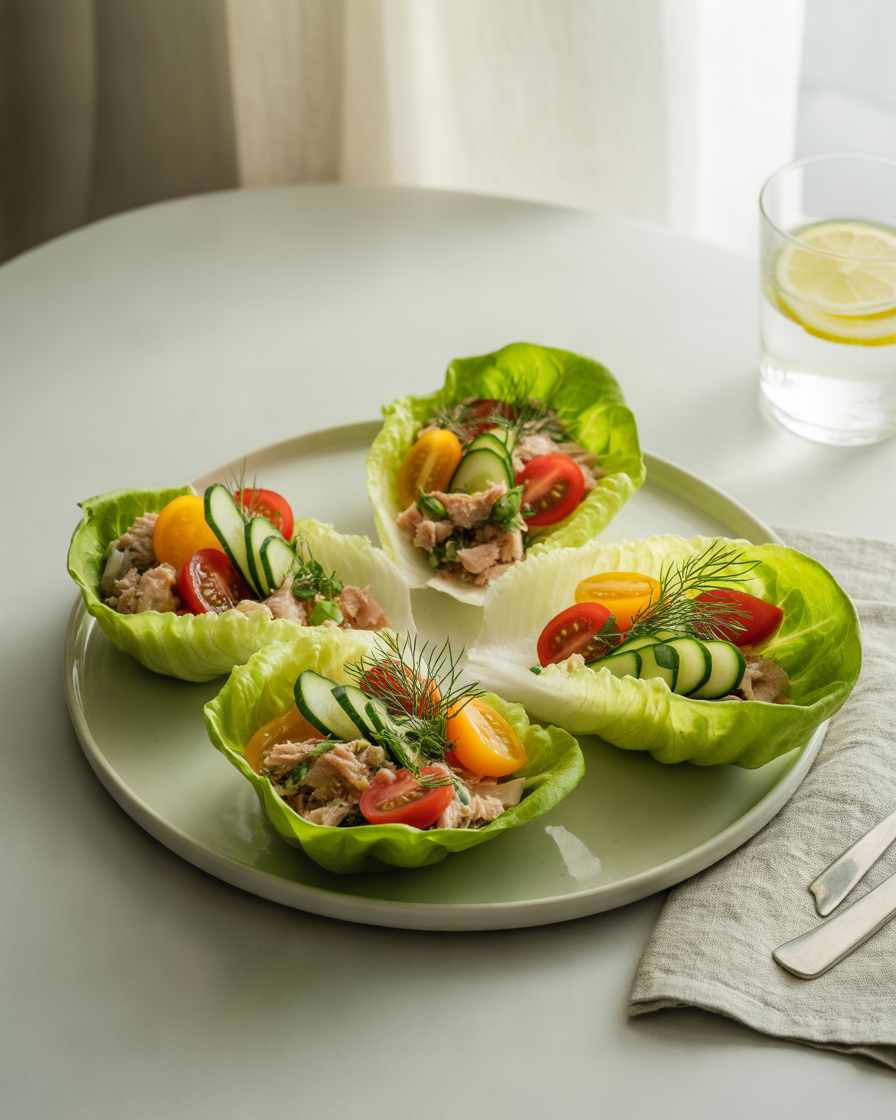
Tuna salad lettuce wraps are a refreshing alternative to traditional sandwiches and are among the easiest high protein low calorie meals to prepare. They provide protein from tuna while using lettuce leaves instead of calorie-dense bread.
This meal is ideal when you want something light, refreshing, and quick. It can be prepared in minutes and adjusted with ingredients such as Greek yogurt dressing, cucumber, celery, or herbs.
Benefits
- High protein option with minimal preparation time
- Lower calorie alternative to traditional sandwiches
- Provides vegetables and freshness
- Convenient for lunches and quick meals
Practical Tips
- Choose tuna packed in water if you prefer a lighter option
- Replace heavy mayonnaise with Greek yogurt-based dressing
- Add crunchy vegetables for better texture
- Prepare the filling ahead and assemble wraps when needed
How to Use or Apply It
Mix tuna with vegetables, seasonings, and your preferred light dressing. Spoon the mixture into large lettuce leaves and serve immediately.
You can also use the tuna mixture with whole-grain crackers or a salad base.
Who It May Suit
This meal may suit:
- People needing quick lunch ideas
- Those who prefer low carbohydrate meals
- Busy individuals looking for easy protein options
- Anyone wanting lighter alternatives to sandwiches
Important Considerations
People who eat seafood regularly may want to consider variety in their protein sources. Pregnant individuals or people with specific health concerns should follow appropriate seafood guidance from healthcare professionals.
5. Baked Salmon With Roasted Vegetables and Sweet Potato
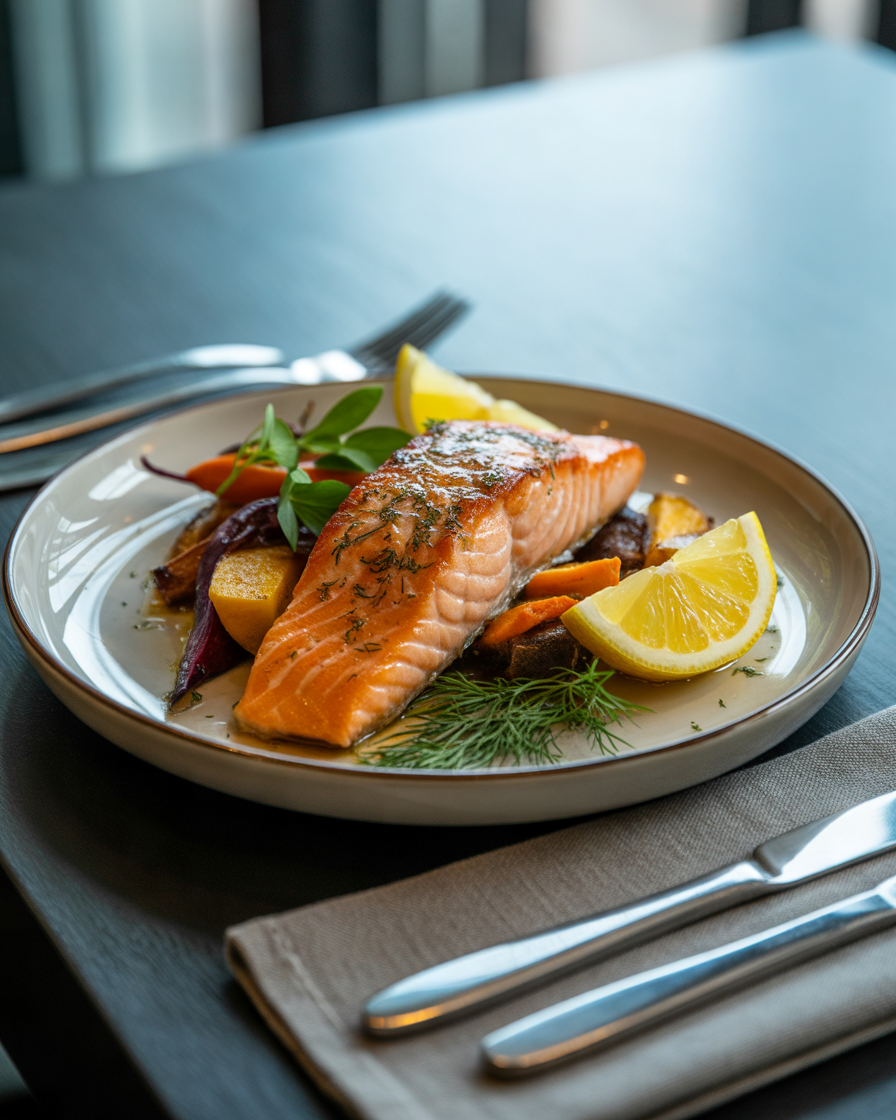
Baked salmon with roasted vegetables is a nutrient-rich option among high protein low calorie meals that combines quality protein, healthy fats, and fiber-rich vegetables. Salmon provides protein along with omega-3 fatty acids, while roasted vegetables and sweet potatoes add flavor, texture, and important nutrients.
This meal is a great example of how healthy eating does not have to feel restrictive. A simple combination of fresh ingredients, herbs, and balanced portions can create a satisfying dinner that feels restaurant-quality while remaining practical for home cooking.
Benefits
- Provides high-quality protein to support normal body functions
- Includes omega-3 fatty acids naturally found in salmon
- Contains fiber-rich vegetables that add volume and texture
- Offers a balanced combination of protein, carbohydrates, and fats
- Works well as a meal prep option
Practical Tips
- Bake salmon with lemon, garlic, dill, or black pepper for extra flavor
- Avoid heavy sauces that can significantly increase calories
- Roast vegetables such as zucchini, asparagus, broccoli, or bell peppers
- Keep sweet potato portions balanced based on your energy needs
- Prepare extra servings for easy lunches during the week
How to Use or Apply It
Season a salmon fillet with herbs and bake until fully cooked. Serve with roasted vegetables and a moderate portion of sweet potato.
For a lower calorie version, increase the amount of vegetables and adjust the sweet potato portion while keeping the protein serving consistent.
Who It May Suit
This meal may suit:
- People looking for healthy high protein dinner ideas
- Individuals who enjoy seafood-based meals
- Those wanting balanced meals with whole foods
- People who prefer simple recipes with minimal ingredients
Important Considerations
Salmon is nutritious, but individual dietary needs vary. People with seafood allergies or specific health concerns should choose appropriate alternatives and seek professional advice when needed.
6. Turkey and Vegetable Stir Fry With Cauliflower Rice
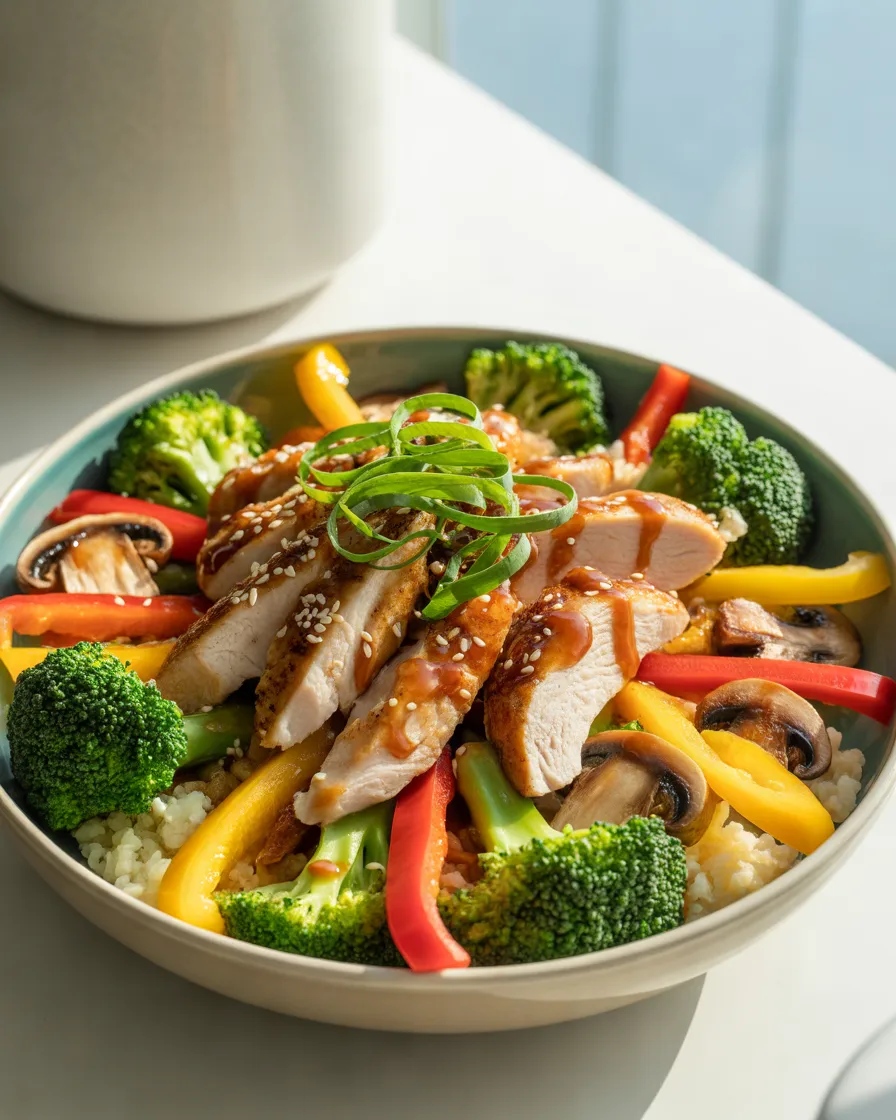
Turkey and vegetable stir fry with cauliflower rice is a flavorful option for anyone searching for high protein low calorie meals that are quick and customizable. Lean turkey provides protein, while vegetables add color, fiber, and satisfying volume.
Using cauliflower rice instead of traditional rice can create a lighter meal while still maintaining the familiar experience of a rice bowl. The combination works well for lunch or dinner and can be adapted with different seasonings and vegetables.
Benefits
- High in protein while keeping calories controlled
- Provides a large serving of vegetables
- Easy to customize with different flavors
- Suitable for quick weeknight meals
- Can be prepared in batches for meal planning
Practical Tips
- Use lean ground turkey to reduce excess fat
- Add vegetables such as broccoli, mushrooms, carrots, and peppers
- Use low-sodium soy sauce or herbs to manage sodium intake
- Cook ingredients separately to maintain better texture
- Add spices like ginger, garlic, or chili flakes for more flavor
How to Use or Apply It
Cook lean turkey with vegetables and seasonings, then serve over cauliflower rice. You can prepare several portions and store them in meal containers for convenient weekday meals.
For additional carbohydrates, you can combine cauliflower rice with a smaller amount of brown rice.
Who It May Suit
This meal may suit:
- People looking for healthy meal prep recipes
- Those who enjoy Asian-inspired flavors
- Individuals wanting lower calorie alternatives to traditional rice dishes
- Busy people who need fast cooking options
Important Considerations
Low calorie does not mean eliminating all carbohydrates. Carbohydrate needs vary depending on activity levels, lifestyle, and individual goals.
7. Lentil and Chicken Protein Soup
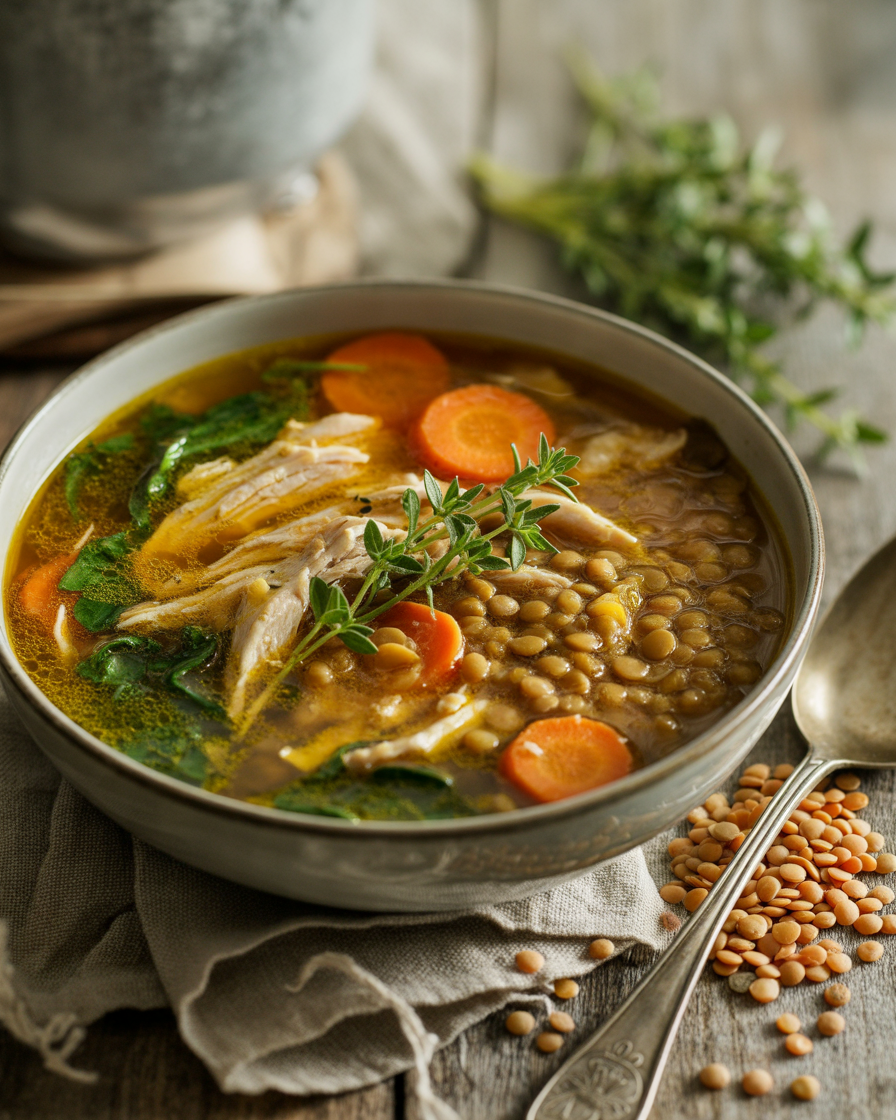
Lentil and chicken protein soup is a comforting meal that combines plant-based and animal-based protein sources. This combination creates a filling dish that works especially well during colder months or whenever you want a warm, satisfying meal.
Lentils provide fiber and plant protein, while chicken adds lean protein and a savory flavor. Together, they create one of the most practical high protein low calorie meals for families and individuals who enjoy batch cooking.
Benefits
- Combines two sources of protein
- Provides fiber that contributes to meal satisfaction
- Easy to prepare in large quantities
- Contains vegetables and nutrients from whole ingredients
- Works well for meal preparation
Practical Tips
- Use skinless chicken breast or lean chicken pieces
- Add vegetables such as carrots, celery, spinach, or tomatoes
- Use herbs and spices instead of excessive salt
- Prepare a large batch and freeze individual portions
- Adjust thickness by changing broth quantity
How to Use or Apply It
Cook lentils, chicken, vegetables, and broth together until the flavors combine. Serve as a complete meal or pair with a side salad for additional vegetables.
This soup can be used as an easy lunch option when you need something warm and filling.
Who It May Suit
This meal may suit:
- Families looking for affordable healthy meals
- People who enjoy comfort foods with balanced nutrition
- Individuals who prefer make-ahead meals
- Anyone wanting more fiber in their diet
Important Considerations
Some people may experience digestive discomfort from increased legumes. Introducing lentils gradually and drinking enough fluids may help some individuals adjust.
8. Cottage Cheese Salad Bowl With Fresh Vegetables
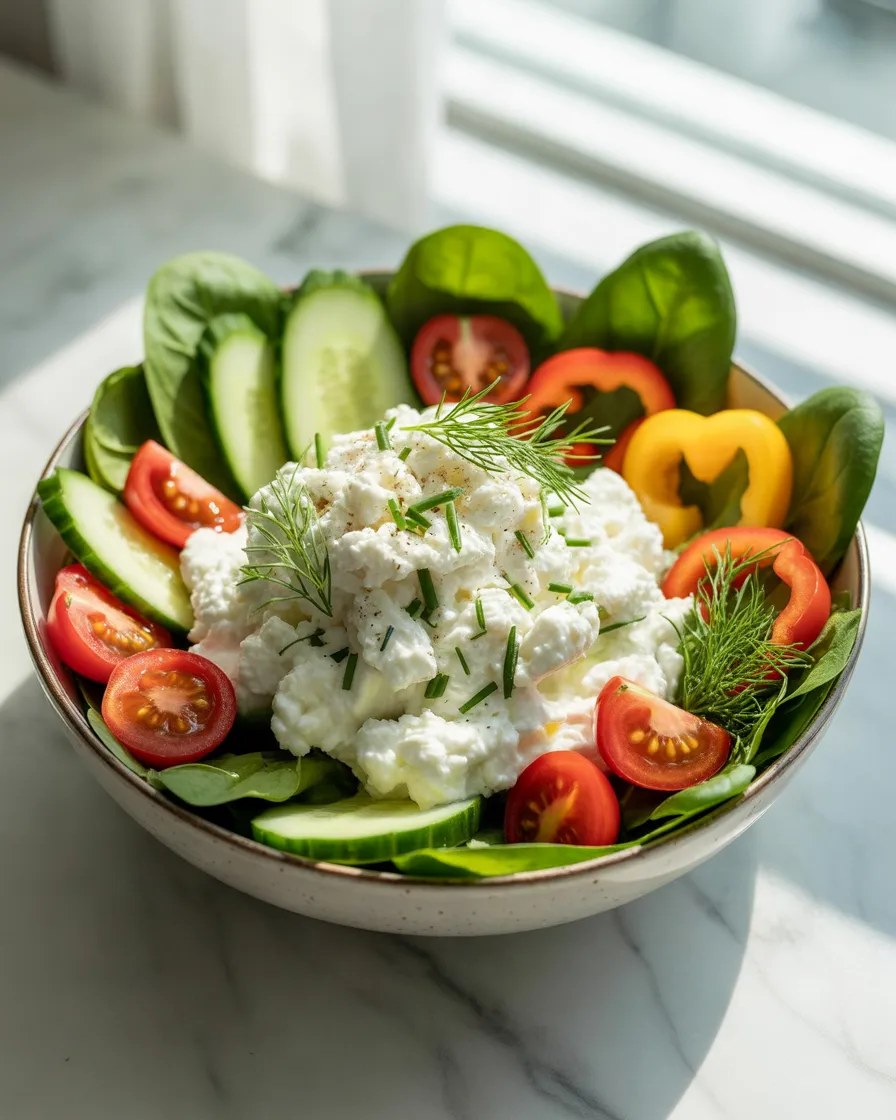
A cottage cheese salad bowl is a simple, refreshing, and protein-rich meal that requires minimal preparation. It combines creamy cottage cheese with fresh vegetables to create a balanced option for breakfast, lunch, or a light dinner.
Cottage cheese is often included in high protein low calorie meals because it provides protein while being versatile enough to pair with both savory and sweet ingredients.
Benefits
- Quick and easy preparation
- Provides protein without complicated cooking
- Includes vegetables for added nutrients and freshness
- Can be customized with different flavors
- Suitable for busy lifestyles
Practical Tips
- Combine cottage cheese with cucumber, tomatoes, spinach, and peppers
- Add herbs like parsley or basil for freshness
- Use black pepper, lemon juice, or spices instead of heavy dressings
- Add chickpeas or grilled chicken if you need extra protein
- Prepare vegetables ahead to save time
How to Use or Apply It
Create a bowl with cottage cheese as the protein base, then add chopped vegetables and seasonings. Mix ingredients together or keep them separated for a visually appealing meal.
For a more complete meal, add a small portion of whole grains or seeds.
Who It May Suit
This meal may suit:
- People who need fast healthy meals
- Individuals who prefer cold meals
- Those looking for high protein snacks or light lunches
- People who enjoy customizable recipes
Important Considerations
Cottage cheese varieties differ in fat and sodium content. Choose a version that fits your dietary preferences and nutritional needs.
Expert Tips for Creating Balanced High Protein Low Calorie Meals
Creating successful high protein low calorie meals is not only about choosing protein-rich foods. The most sustainable approach focuses on balance, variety, and realistic habits.
1. Prioritize Protein at Every Main Meal
Including a protein source at breakfast, lunch, and dinner can make meals more satisfying. Good options include:
- Chicken breast
- Fish
- Eggs
- Greek yogurt
- Cottage cheese
- Lentils
- Beans
- Tofu
- Lean turkey
The right amount of protein varies depending on factors such as age, activity level, body size, and personal health goals.
2. Add High-Volume Foods
Vegetables, salads, and fiber-rich foods can add volume to meals while contributing important nutrients.
Examples include:
- Leafy greens
- Broccoli
- Cauliflower
- Cucumbers
- Peppers
- Mushrooms
These ingredients can make meals feel more complete without relying heavily on calorie-dense foods.
3. Avoid Making Meals Too Restrictive
A low calorie meal should still provide enough nutrition and enjoyment. Extremely restrictive eating patterns may be difficult to maintain.
Focus on creating meals that are:
- Flavorful
- Balanced
- Practical
- Enjoyable long term
4. Prepare Ingredients Ahead of Time
Meal preparation can make healthy choices easier during busy days.
Useful preparation ideas include:
- Cooking chicken or turkey in batches
- Washing vegetables in advance
- Preparing grains ahead
- Portioning snacks
5. Focus on Overall Eating Patterns
One meal does not determine health outcomes. A balanced approach considers your overall eating habits, lifestyle, activity level, and individual needs.
Frequently Asked Questions About High Protein Low Calorie Meals
What Are High Protein Low Calorie Meals?
High protein low calorie meals are meals designed to provide a significant amount of protein while keeping overall calories balanced. They usually include lean proteins, vegetables, and nutrient-rich ingredients.
Are High Protein Low Calorie Meals Good for Weight Management?
These meals may support weight management efforts because protein-rich foods can contribute to feelings of fullness. However, individual results depend on overall diet, activity level, and personal circumstances.
What Foods Are Best for High Protein Low Calorie Meals?
Common options include:
- Chicken breast
- Fish
- Eggs
- Greek yogurt
- Cottage cheese
- Lentils
- Tofu
- Lean meats
- Seafood
Can Vegetarians Eat High Protein Low Calorie Meals?
Yes. Vegetarians can choose options such as tofu, lentils, beans, Greek yogurt, cottage cheese, eggs, and other plant-based protein sources.
How Can I Make My Meals Higher in Protein?
You can increase protein by adding ingredients such as:
- Extra lean meat
- Greek yogurt
- Eggs
- Legumes
- Tofu
- Protein-rich dairy products
Are These Meals Suitable for Everyone?
Many people can enjoy balanced high protein meals, but individual needs differ. People with medical conditions, allergies, or specific dietary restrictions should consult a qualified healthcare professional or registered dietitian.
Conclusion: Making High Protein Low Calorie Meals Part of Everyday Life
High protein low calorie meals can make healthy eating simpler, more enjoyable, and more practical. From chicken bowls and seafood dishes to vegetarian options and quick smoothies, there are many ways to create meals that support balanced nutrition.
The key is choosing quality ingredients, maintaining variety, and building meals that fit your lifestyle. Instead of focusing on extreme restrictions, aim for realistic choices that you can enjoy consistently.
By combining protein-rich foods with vegetables, whole grains, and mindful portions, you can create satisfying meals that support your personal health goals while still being delicious and enjoyable.