Protein is an important part of a balanced diet, but choosing the right foods can sometimes feel confusing. You might want to build muscle, stay satisfied between meals, support healthy ageing, or simply improve your everyday eating habits. The good news is that you do not need expensive supplements or complicated recipes to enjoy more protein.
Many everyday foods provide meaningful amounts of protein, from roasted chicken and eggs to lentils, tofu, Greek yogurt, and seeds. Including a variety of these foods can help you meet your nutritional needs while providing other valuable nutrients.
This guide explores 14 high-protein foods, including their approximate protein content, nutritional benefits, preparation ideas, and important considerations. Whether you prefer animal-based protein, follow a vegetarian diet, or want more plant-based options, you will find practical ideas for breakfast, lunch, dinner, and snacks.
Protein supports muscle maintenance, tissue repair, and the production of enzymes and other essential body components. However, a healthy diet involves more than protein alone. Fibre, healthy fats, carbohydrates, vitamins, and minerals also matter. Choosing nutritious protein sources and eating a varied diet is generally more useful than focusing on protein numbers alone. (Harvard Health)
The protein amounts below are estimates for common serving sizes. Actual values vary with the food variety, cooking method, preparation, and brand.
1. Chicken Breast: A Lean, Versatile High-Protein Food
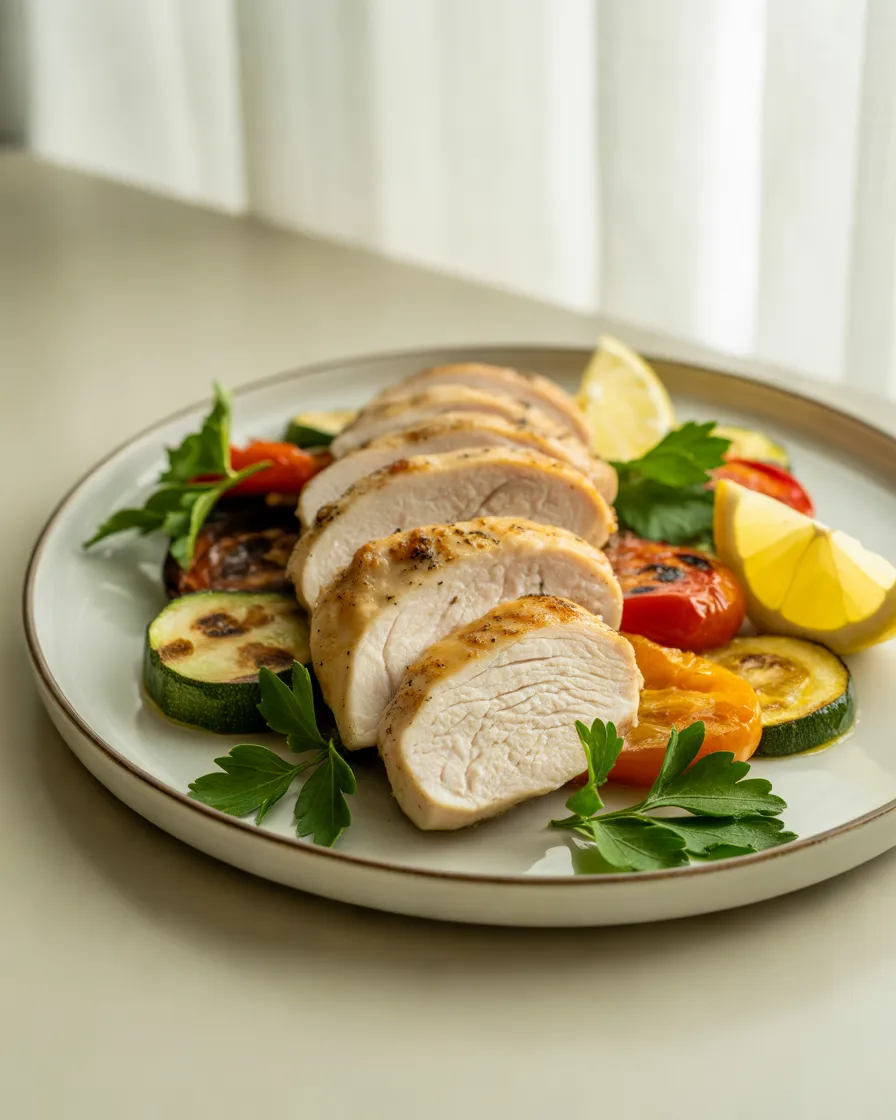
Chicken breast is a popular choice for people looking for a protein-rich food that fits easily into everyday meals.
Protein content: Approximately 26 grams per 3-ounce (85-gram) serving of cooked, skinless chicken breast.
Benefits: Chicken provides complete protein, meaning it contains all nine essential amino acids. It can help support muscle maintenance and recovery when combined with adequate overall nutrition and physical activity. Skinless chicken breast is also relatively low in saturated fat compared with many fattier meat cuts.
Practical tips: Season chicken with garlic, black pepper, paprika, lemon juice, or herbs instead of relying on salty marinades. Bake, grill, poach, or air-fry it using a moderate amount of oil.
How to use it: Add sliced chicken to salads, whole-wheat wraps, grain bowls, sandwiches, or vegetable stir-fries. Cook extra portions to make quick lunches for the next day.
Who it may suit: Active adults, people who enjoy meal preparation, and anyone seeking an easy animal-based protein source.
Important considerations: Choose fresh or minimally processed chicken when possible. Cook it thoroughly and avoid cross-contamination with raw poultry. Vegetarian readers can use tofu or tempeh in similar recipes.
2. Turkey Breast: A Simple Source of Lean Protein

Turkey breast is another useful option when you want to increase protein without making a meal unnecessarily heavy.
Protein content: Approximately 25–26 grams per 3-ounce (85-gram) serving of cooked turkey breast.
Benefits: Turkey provides complete protein and nutrients such as vitamin B12 and selenium. Its relatively lean profile makes it suitable for balanced meals, particularly when prepared without excessive added fat.
Practical tips: Roast turkey breast with herbs, garlic, and lemon. If you buy packaged turkey, compare nutrition labels because deli slices and other processed products may contain considerable sodium.
How to use it: Serve roasted turkey with brown rice and vegetables, add it to sandwiches, or prepare a turkey and bean salad for lunch. Leftovers can also be added to soups.
Who it may suit: People who enjoy poultry, want alternatives to chicken, or need convenient protein options for meal preparation.
Important considerations: Fresh roasted turkey and processed turkey products are not nutritionally identical. Choose minimally processed versions more often, and keep portions consistent with your appetite and nutritional needs.
3. Salmon: Protein Plus Beneficial Omega-3 Fats
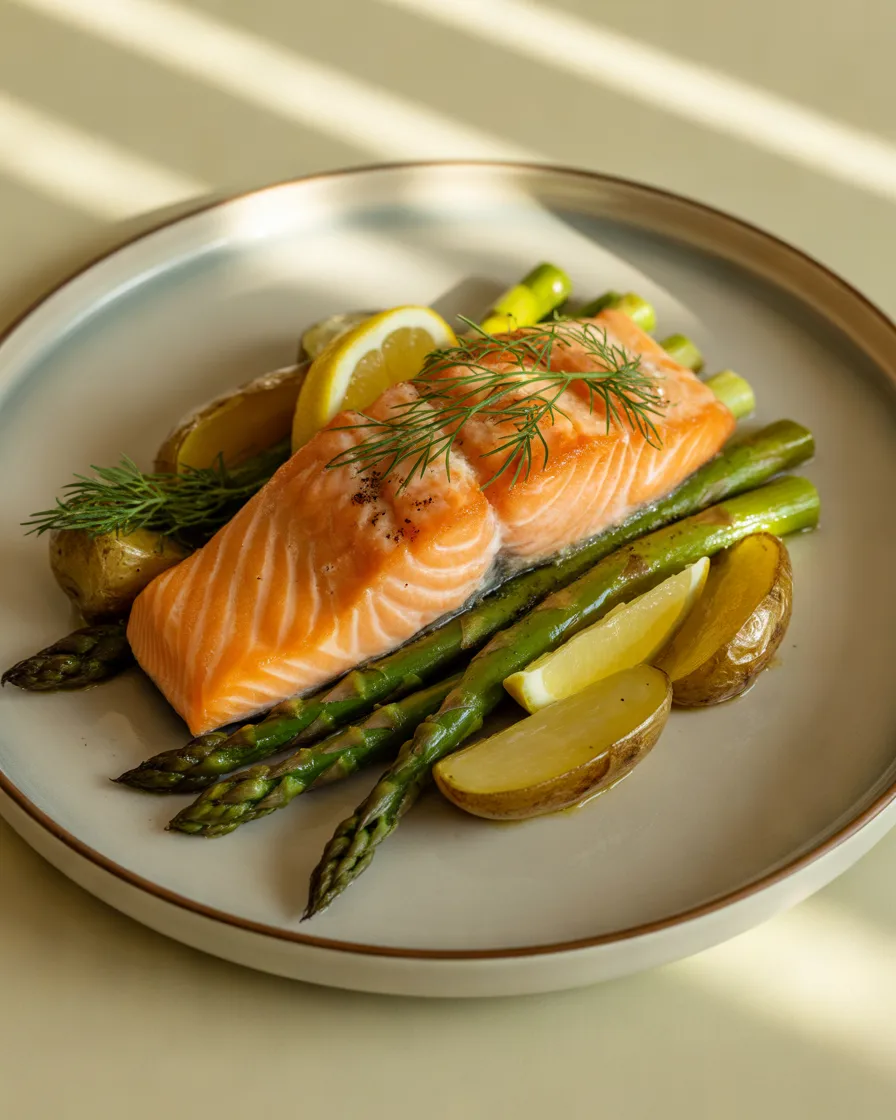
Salmon is a valuable high-protein food because it supplies protein alongside beneficial unsaturated fats.
Protein content: Approximately 19–22 grams per 3-ounce (85-gram) serving of cooked salmon, depending on the species and preparation.
Benefits: Salmon provides complete protein and long-chain omega-3 fatty acids, particularly EPA and DHA. These fats support normal cell function and are associated with cardiovascular benefits when salmon replaces less healthful food choices within a balanced diet.
Practical tips: Bake salmon with lemon, dill, black pepper, and a small amount of olive oil. Cooking it in foil can help retain moisture without requiring heavy sauces.
How to use it: Serve salmon with roasted vegetables and potatoes, add chilled cooked salmon to a salad, or make a salmon grain bowl with brown rice and cucumber.
Who it may suit: People who eat fish and want a protein source that also provides omega-3 fats.
Important considerations: Fish allergies require avoidance of the relevant fish. Pregnant or breastfeeding individuals should follow local advice about fish selection and mercury exposure. People who dislike salmon can consider other appropriate fish or plant-based protein sources.
4. Canned Tuna: Convenient Protein for Busy Days
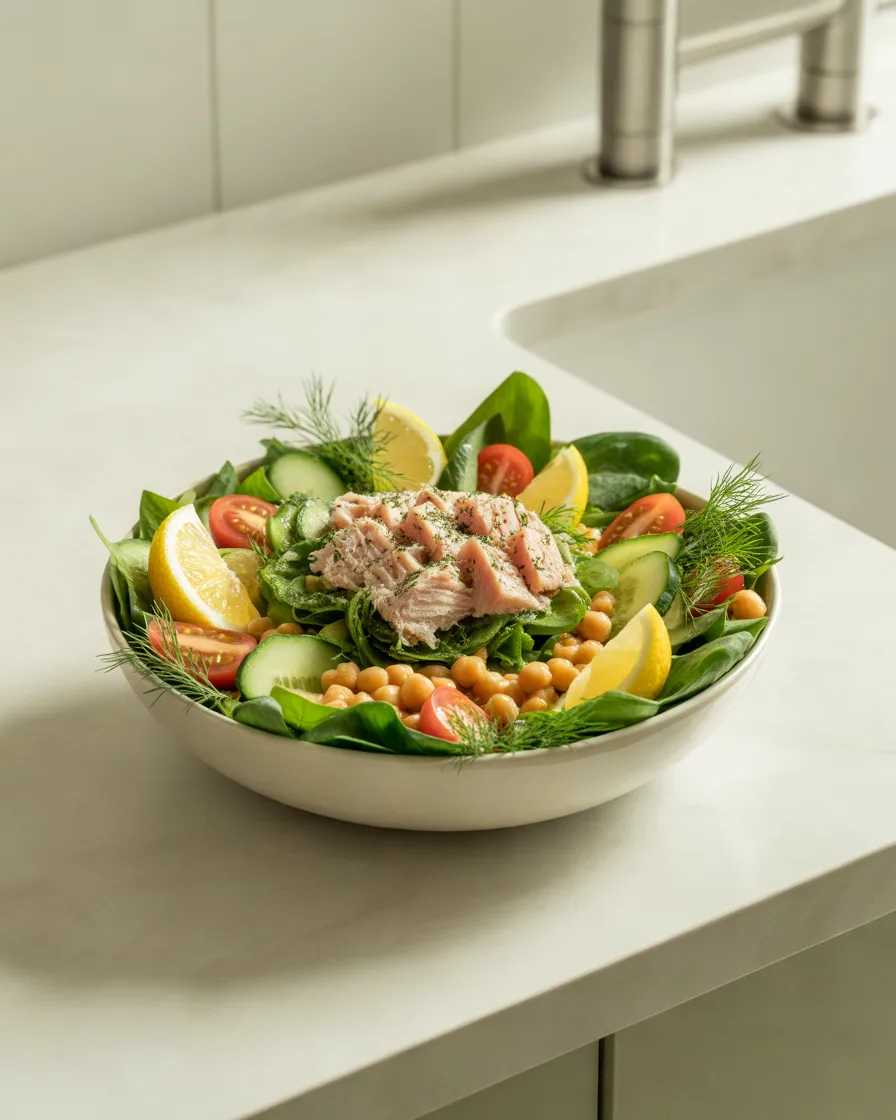
Canned tuna is a practical pantry staple that can help make a protein-rich lunch without extensive cooking.
Protein content: Approximately 20–22 grams per 3-ounce (85-gram) serving of drained tuna, depending on the product.
Benefits: Tuna supplies complete protein and is often relatively low in saturated fat when packed in water. It can be useful when you need a quick meal and have limited time for preparation.
Practical tips: Keep canned tuna available for busy weekdays. Compare labels for sodium, and choose water-packed varieties if you prefer to limit added oil.
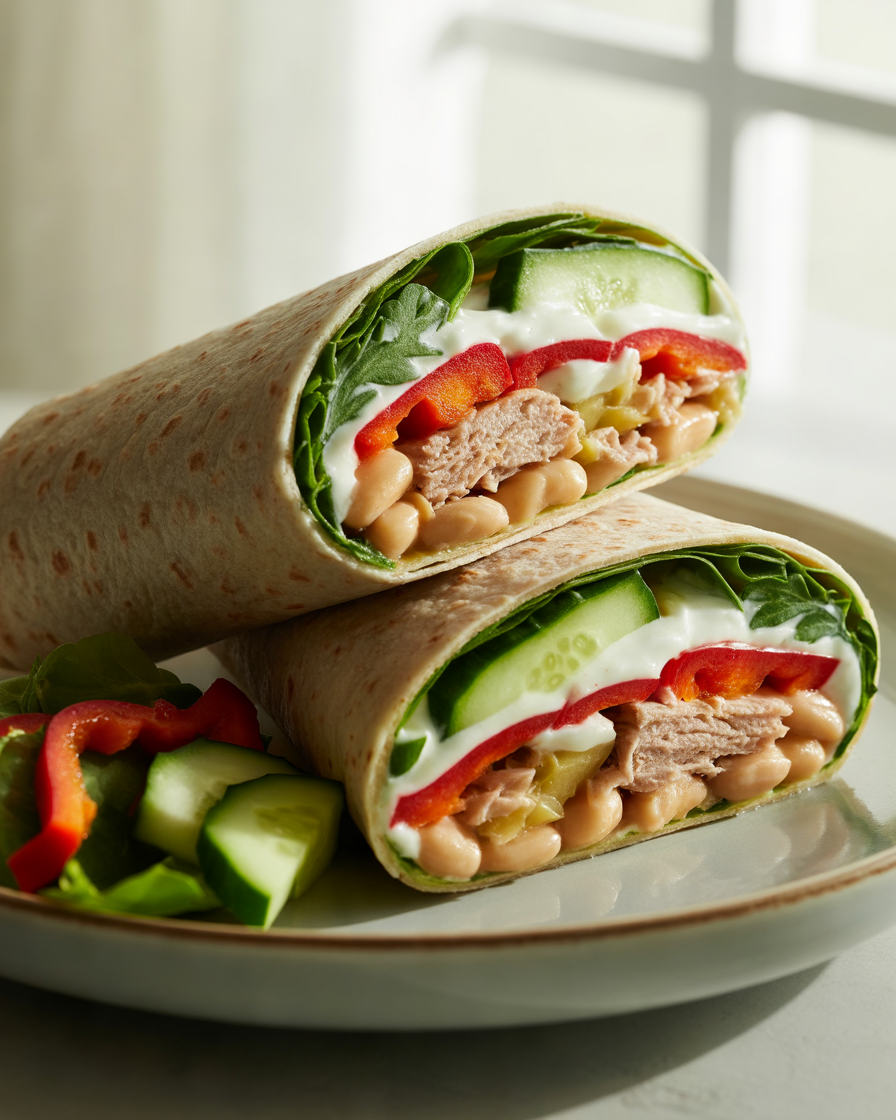
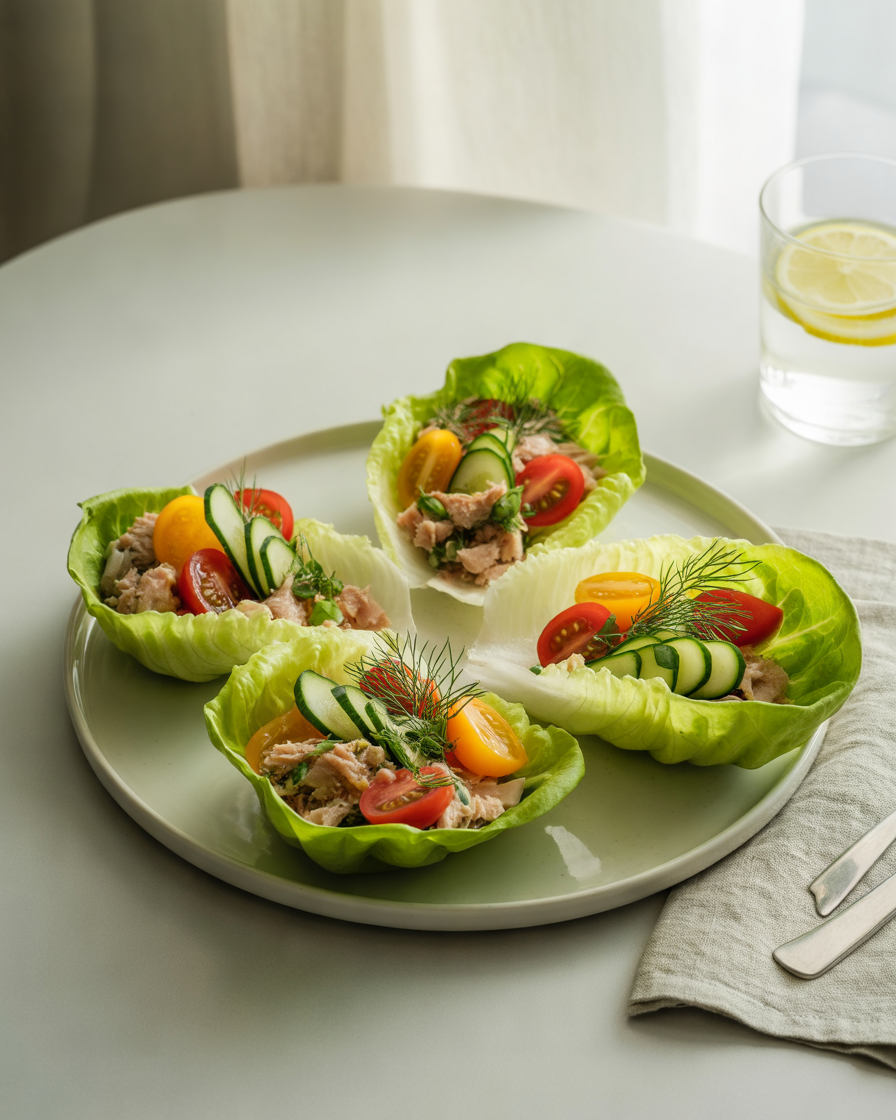
How to use it: Mix tuna with plain yogurt, lemon juice, mustard, and chopped celery for a sandwich filling. Alternatively, combine it with chickpeas, tomatoes, and leafy greens.
Who it may suit: Students, office workers, travellers, and people who want a convenient source of protein.
Important considerations: Tuna contains mercury, and levels vary by species. Choose lower-mercury options and follow local recommendations, especially during pregnancy and breastfeeding. Do not rely on tuna as your only fish choice; variety is preferable.
5. Eggs: An Affordable and Flexible Protein Source
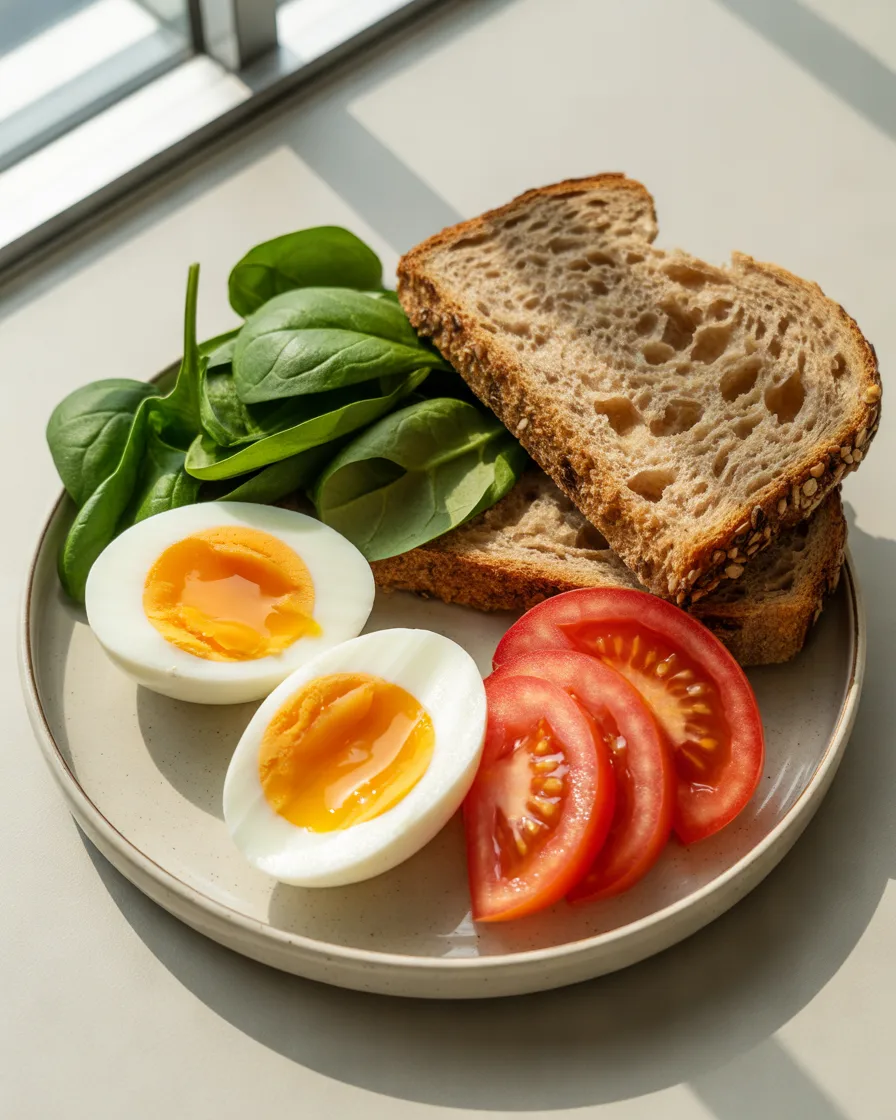
Eggs are easy to prepare, widely available, and suitable for several meals throughout the day.
Protein content: Approximately 12–13 grams in two large eggs.
Benefits: Eggs provide complete protein, vitamin B12, choline, and other nutrients. Their versatility makes them useful for people who want a straightforward protein source without elaborate meal preparation.
Practical tips: Boil several eggs ahead of time for convenient snacks. Scramble or poach eggs using a moderate amount of oil, and add vegetables to increase the variety of nutrients in the meal.
How to use it: Prepare an omelette with spinach and mushrooms, serve boiled eggs with whole-grain toast, or add a sliced egg to a salad.
Who it may suit: People looking for affordable breakfast options, students, and those who prefer simple meals.
Important considerations: Eggs are unsuitable for people with an egg allergy. Their suitability for individuals managing specific cholesterol or cardiovascular concerns depends on the overall diet and personal medical circumstances. Use safe storage and cooking practices.
6. Greek Yogurt: A Protein-Rich Breakfast and Snack
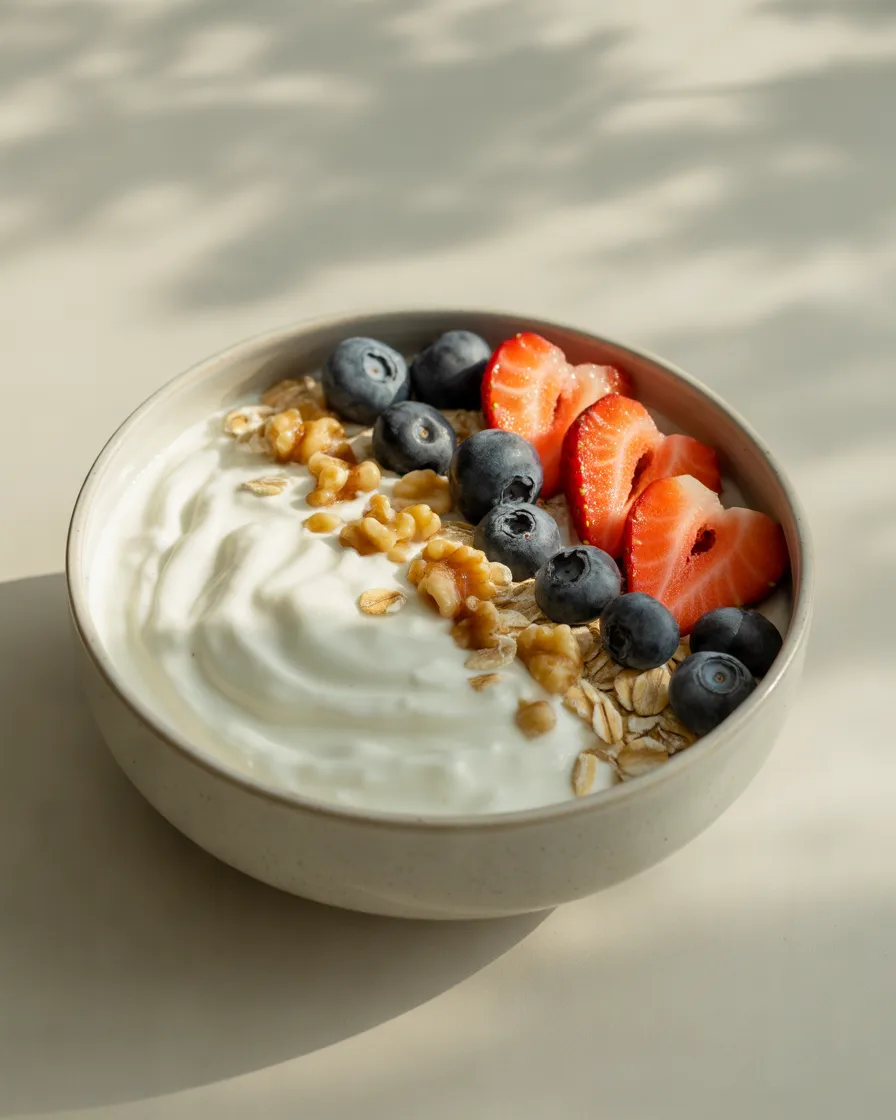
Plain Greek yogurt is often higher in protein than regular yogurt because of the way it is strained, although the amount varies by product.
Protein content: Approximately 17–20 grams per 170-gram serving of plain Greek yogurt, depending on the brand and formulation.
Benefits: Greek yogurt supplies complete protein and calcium. Products containing live cultures may also provide beneficial microorganisms, depending on the cultures used and the product’s processing.
Practical tips: Choose plain yogurt and add fresh fruit, cinnamon, oats, or a small portion of nuts. This approach lets you control added sugar while improving flavour and texture.
How to use it: Make a breakfast bowl with berries and oats, blend it into a smoothie, or use it as a base for a cucumber-and-herb dip.
Who it may suit: People who want a convenient breakfast, a protein-rich snack, or an alternative to sweetened desserts.
Important considerations: Check the nutrition label because protein levels and added sugars vary. People with lactose intolerance may tolerate some yogurt better than milk, but tolerance differs. Anyone with a milk allergy must avoid dairy yogurt.
7. Cottage Cheese: An Easy Addition to Meals and Snacks
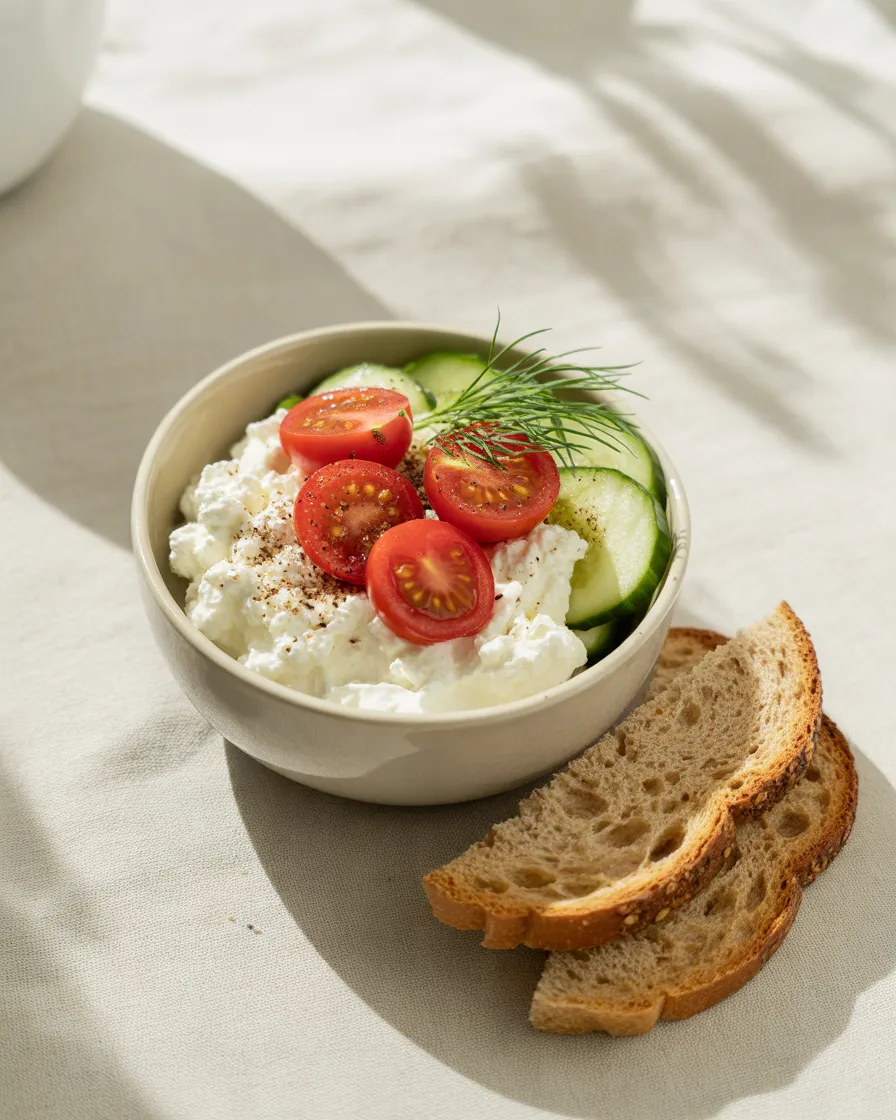
Cottage cheese offers a convenient way to add protein without needing to cook another main dish.
Protein content: Approximately 12–14 grams per half-cup serving, depending on the product.
Benefits: Cottage cheese supplies complete protein and calcium. Its soft texture makes it easy to incorporate into both savoury and sweet foods.
Practical tips: Compare labels for sodium and saturated fat. Choose a fat level that fits your overall dietary preferences rather than assuming every low-fat product is automatically the best option.
How to use it: Pair cottage cheese with tomatoes and black pepper, spread it on whole-grain toast, or serve it with berries and cinnamon. It can also be blended into dips for a smoother texture.
Who it may suit: People who want a quick snack, a simple breakfast, or another source of dairy protein.
Important considerations: Cottage cheese contains dairy and may not suit people with milk allergies. Sodium content can be significant in some products, so checking the label is useful if you need to limit sodium.
8. Lentils: A Budget-Friendly Plant-Based Protein
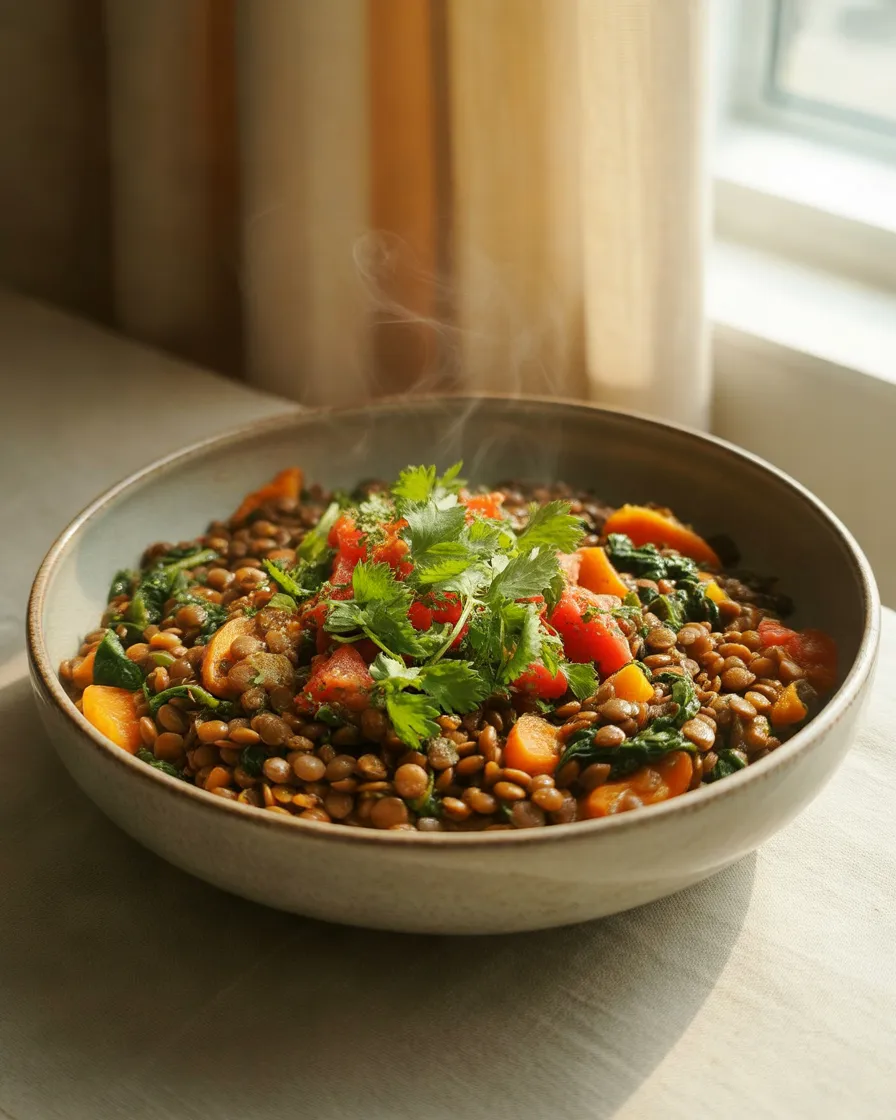
Lentils are one of the most useful foods for anyone building a diet around plant-based protein.
Protein content: Approximately 18 grams per cup of cooked lentils.
Benefits: Lentils provide protein, dietary fibre, folate, iron, and other minerals. Their fibre can support digestive health, while meals containing lentils may be satisfying because they provide both protein and carbohydrates.
Practical tips: Cook a batch at the beginning of the week and refrigerate portions for quick meals. Red lentils soften rapidly and work well in soups, while green and brown lentils often hold their shape better.
How to use it: Make lentil curry, prepare a vegetable and lentil soup, or mix cooked lentils into salads and rice dishes. Combining lentils with whole grains creates varied meals with complementary nutrients.
Who it may suit: Vegetarians, vegans, budget-conscious households, and anyone looking to eat more fibre-rich foods.
Important considerations: Increase fibre intake gradually if you are not used to legumes, and drink enough fluids. Rinse canned lentils to reduce excess sodium when needed. Lentils contain iron, but plant-based iron is absorbed differently from iron in meat.
9. Chickpeas: A Versatile Protein Food for Everyday Cooking
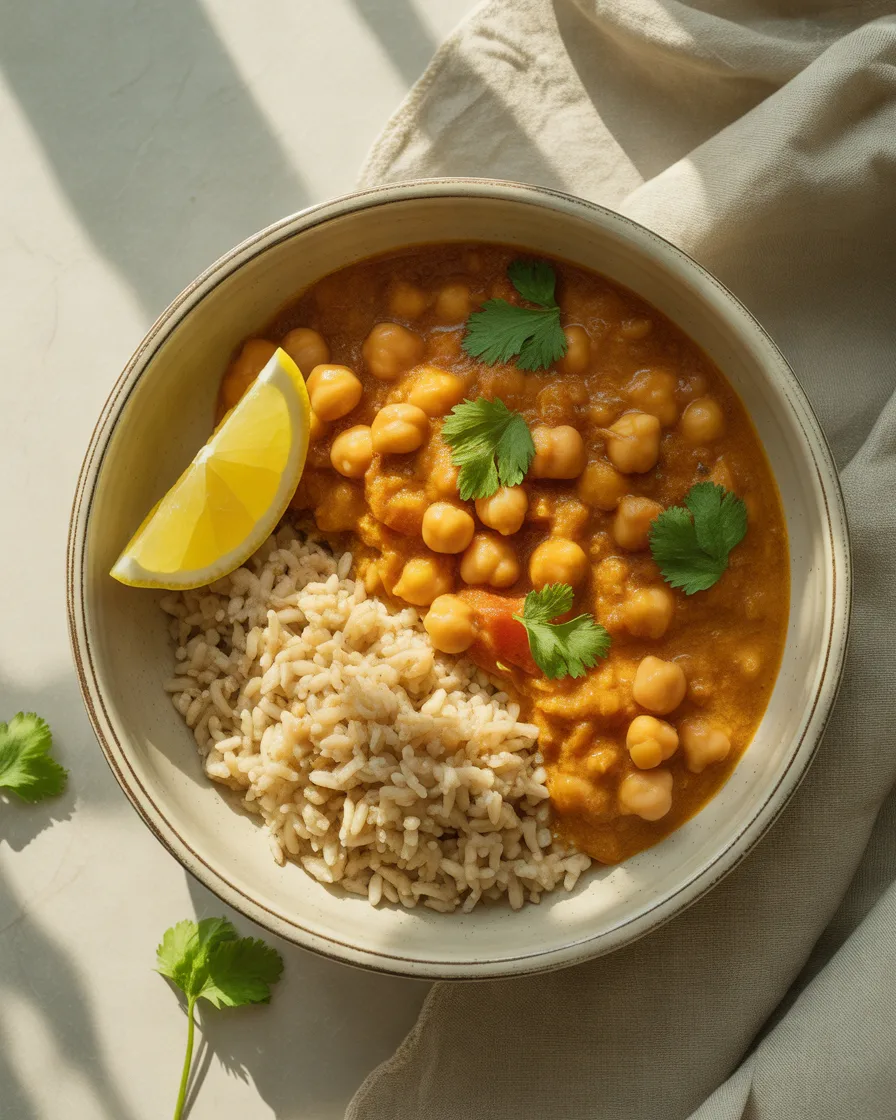
Chickpeas, also called garbanzo beans, are affordable, adaptable, and easy to use in different cuisines.
Protein content: Approximately 14–15 grams per cup of cooked chickpeas.
Benefits: Chickpeas provide plant protein, fibre, folate, and minerals. Their combination of protein and fibre can help make meals more satisfying, particularly when eaten with vegetables and whole grains.
Practical tips: Canned chickpeas are convenient when time is limited. Drain and rinse them, then add spices, lemon juice, or fresh herbs to improve flavour.
How to use it: Blend chickpeas into hummus, add them to salads, prepare chickpea curry, or roast them with paprika for a crunchy snack. You can also mash chickpeas with yogurt and herbs for a sandwich filling.
Who it may suit: Vegetarians, vegans, people who enjoy Mediterranean or South Asian dishes, and anyone seeking inexpensive protein-rich foods.
Important considerations: Chickpeas may cause gas or bloating in some people. Begin with smaller portions if necessary. If you use canned products, compare sodium levels and choose no-added-salt versions when available.
10. Black Beans: Protein and Fibre in One Food
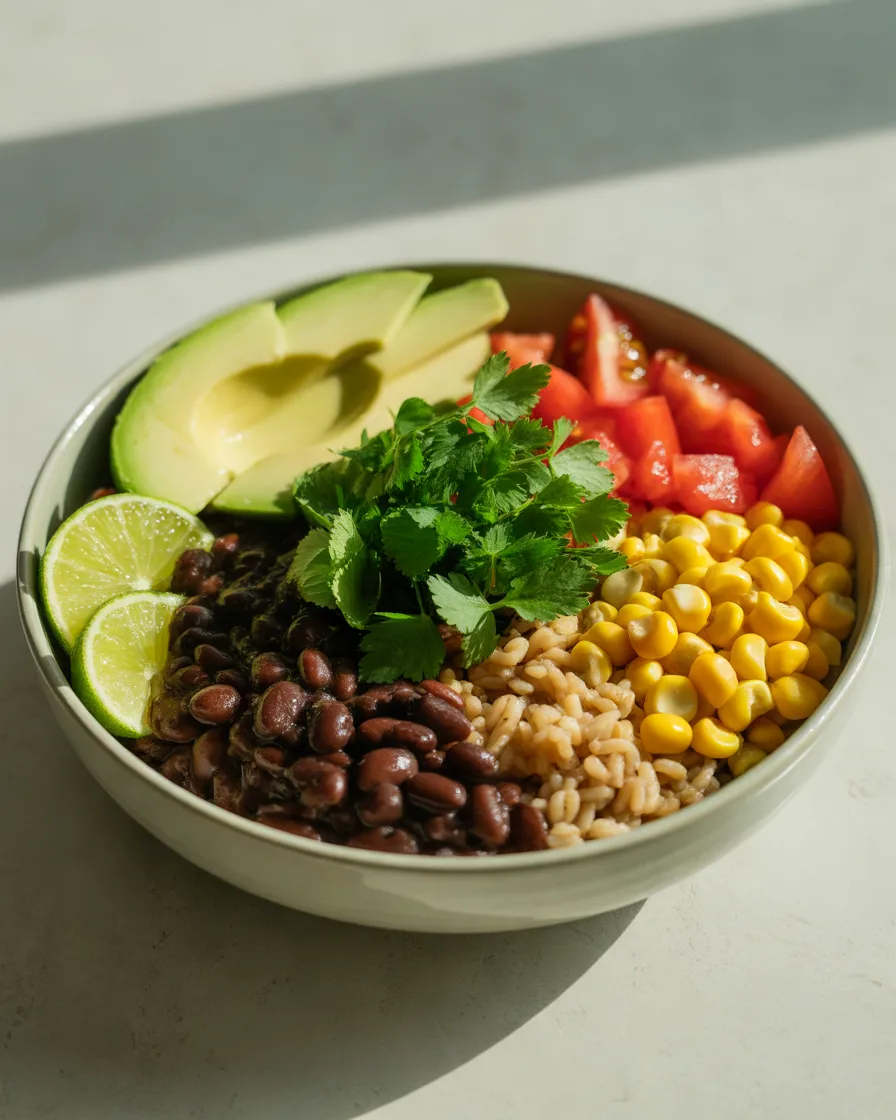
Black beans provide a useful combination of plant protein, fibre, and carbohydrates, making them a practical ingredient for balanced meals.
Protein content: Approximately 15 grams per cup of cooked black beans.
Benefits: Black beans contribute fibre, folate, potassium, and iron. Their nutrients can support a varied diet, and their texture makes them suitable for replacing some or all of the meat in certain recipes.
Practical tips: Keep canned black beans in the cupboard for quick meal preparation. Drain and rinse them, and season with cumin, garlic, chilli, lime, or coriander.
How to use it: Add black beans to burrito bowls, vegetable chilli, soups, tacos, or salads. Mash them with spices to make a filling for wraps or a base for homemade bean patties.
Who it may suit: People who want affordable plant-based protein, particularly those preparing vegetarian meals or reducing their meat intake.
Important considerations: Beans provide less protein per gram than many cooked meats, so serving sizes matter when comparing protein amounts. They are also rich in fibre, which may require a gradual increase for people who are not accustomed to legumes.
11. Edamame: A Complete Plant-Based Protein
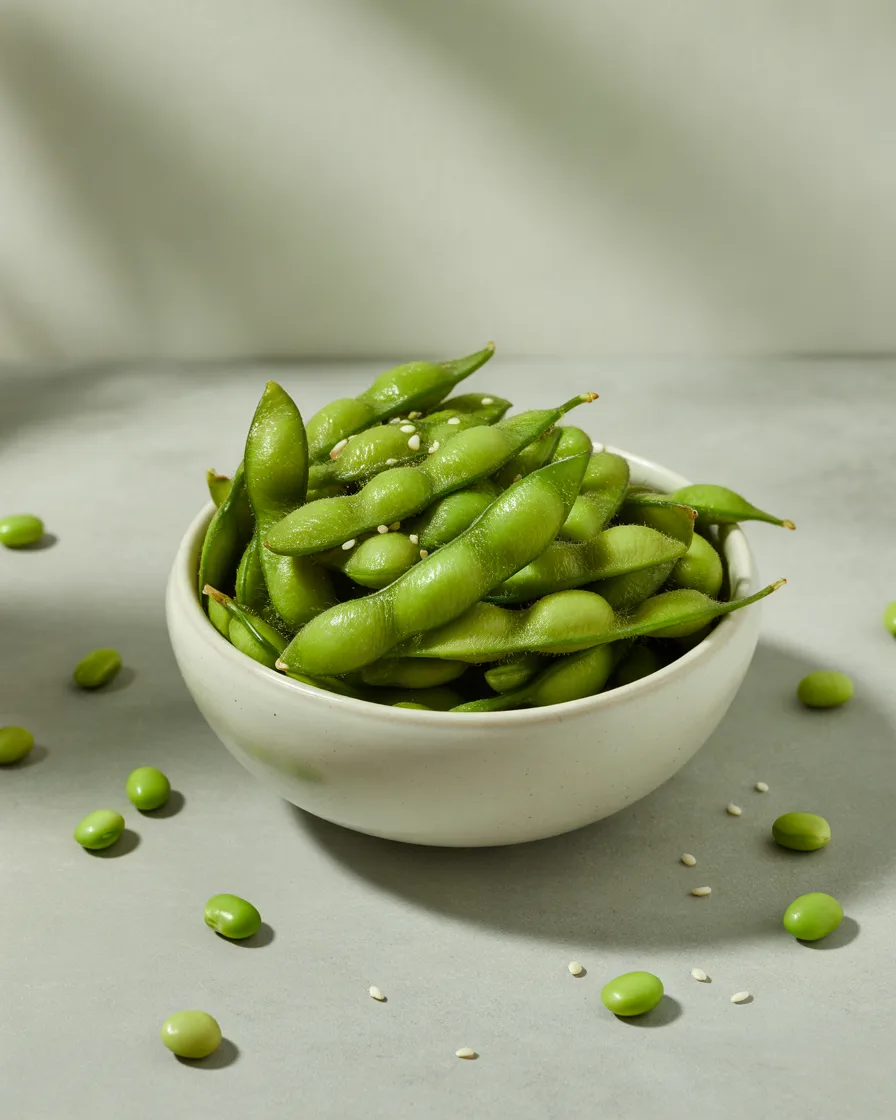
Edamame are young soybeans harvested before they become fully mature. They are an especially useful option for people seeking protein from plant foods.
Protein content: Approximately 18 grams per cup of cooked, shelled edamame.
Benefits: Edamame provides complete protein, fibre, folate, and other nutrients. Soy foods can help people following vegetarian or vegan diets obtain protein without relying on meat, fish, eggs, or dairy.
Practical tips: Frozen shelled edamame is convenient and usually requires only brief cooking. Season it with lemon, garlic, black pepper, or a small amount of sesame oil.
How to use it: Serve edamame as a snack, mix it into fried rice, add it to noodle bowls, or combine it with cucumber and carrots for a colourful salad.
Who it may suit: Vegetarians, vegans, active adults, and anyone interested in expanding their range of plant-based protein sources.
Important considerations: Avoid edamame if you have a soy allergy. If you have been advised to follow a specialised diet for a medical condition, ask a qualified healthcare professional whether particular soy foods suit your needs.
12. Tofu: A Flexible Protein Source for Meat-Free Meals
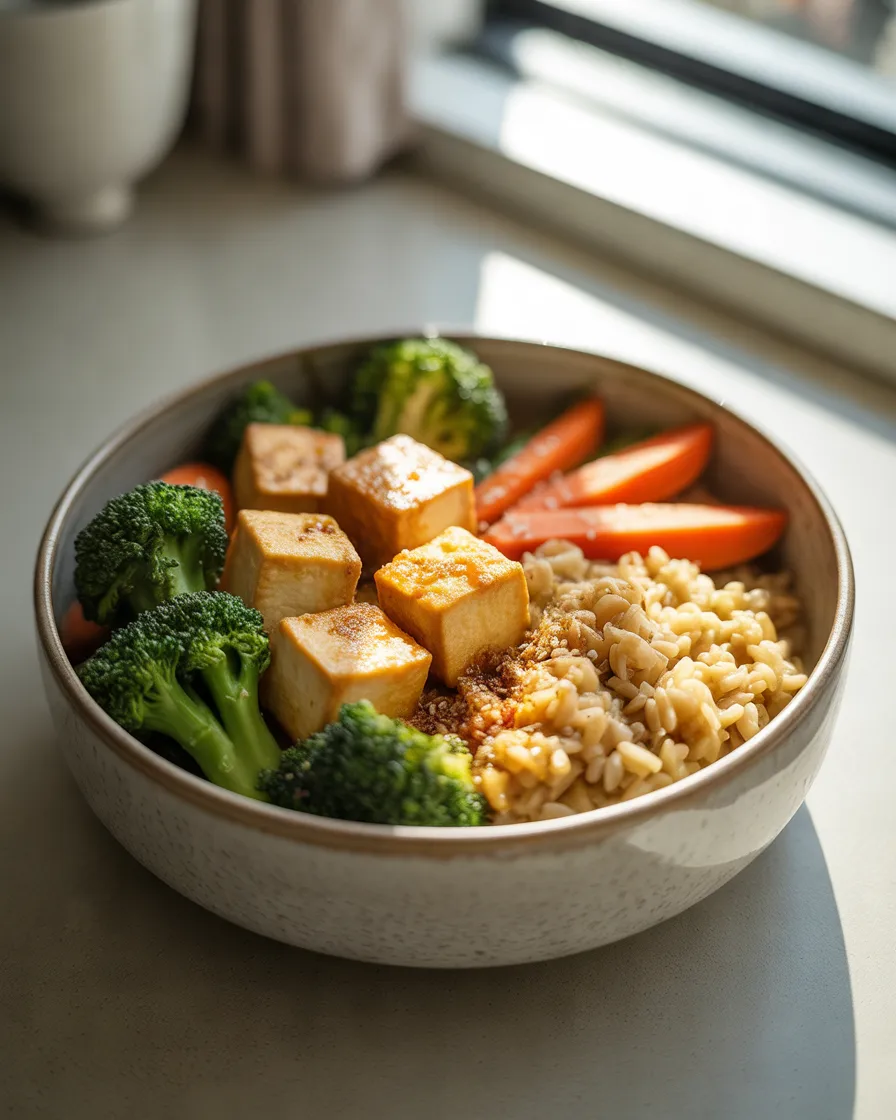
Tofu is made from soybeans and can take on the flavours of sauces, spices, and marinades. Its texture varies from soft to extra-firm.
Protein content: Approximately 12–17 grams per 100 grams of firm tofu, depending on the brand and type.
Benefits: Tofu provides complete plant protein and may also supply calcium or iron, depending on how it is made. It can replace meat in many dishes while providing a different nutritional profile.
Practical tips: Press firm tofu to remove excess moisture before cooking if you want a crispier texture. Marinate it with soy sauce, ginger, garlic, and lemon or vinegar, adjusting the sodium to your preferences.
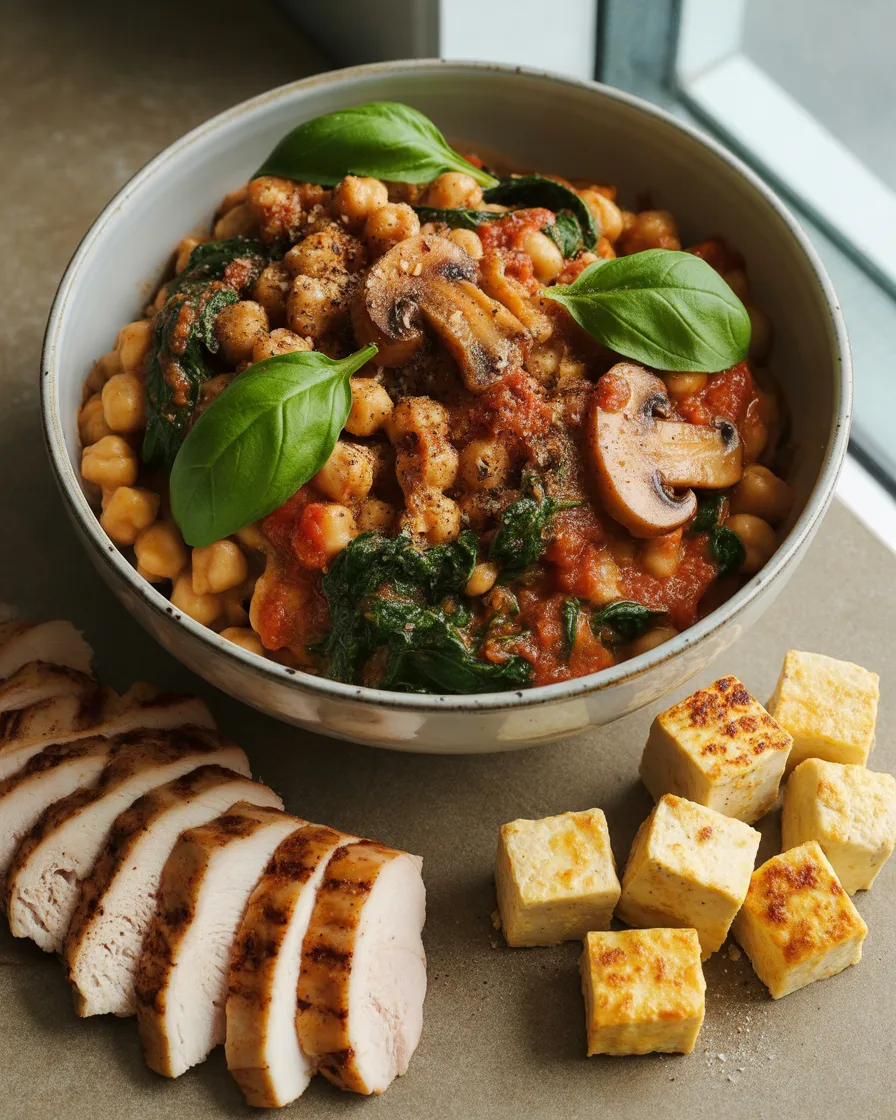
How to use it: Bake tofu cubes, add them to vegetable stir-fries, crumble them into a scramble, or blend silken tofu into creamy sauces.
Who it may suit: Vegetarians, vegans, people reducing meat consumption, and cooks looking for a versatile ingredient.
Important considerations: Protein content varies considerably by firmness and brand, so check the nutrition label. Tofu is not suitable for people with a soy allergy. Calcium content also depends on the coagulant used during production.
13. Tempeh: A Protein-Rich Alternative to Meat
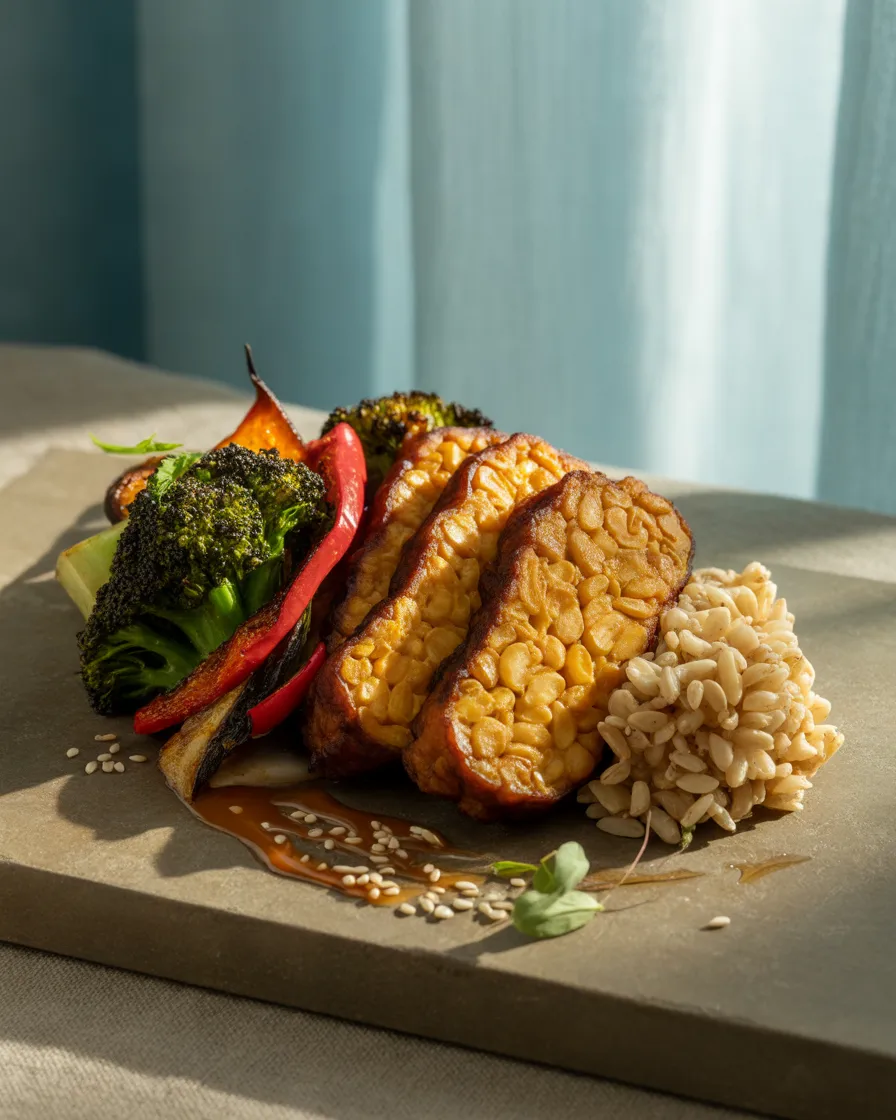
Tempeh is a fermented soybean food with a firm texture and a nutty, earthy flavour. It is often more substantial than softer tofu varieties.
Protein content: Approximately 18–20 grams per 100 grams, depending on the product.
Benefits: Tempeh provides complete plant protein, fibre, and minerals. Because it has a firm texture, it works particularly well in meals where you might otherwise use strips or chunks of meat.
Practical tips: Slice tempeh thinly and marinate it before baking, grilling, or pan-cooking. Garlic, ginger, paprika, and citrus-based marinades can improve its flavour.
How to use it: Add tempeh to sandwiches, grain bowls, salads, or vegetable curries. Crumbled tempeh can also replace some of the minced meat in sauces and fillings.
Who it may suit: People following plant-based diets and anyone wanting to experiment with different protein-rich ingredients.
Important considerations: Tempeh is a soy product, so it is unsuitable for people with soy allergies. Some varieties contain added salt or other ingredients. Check the label and prepare the product according to its packaging instructions.
14. Pumpkin Seeds: A Convenient Protein-Rich Topping
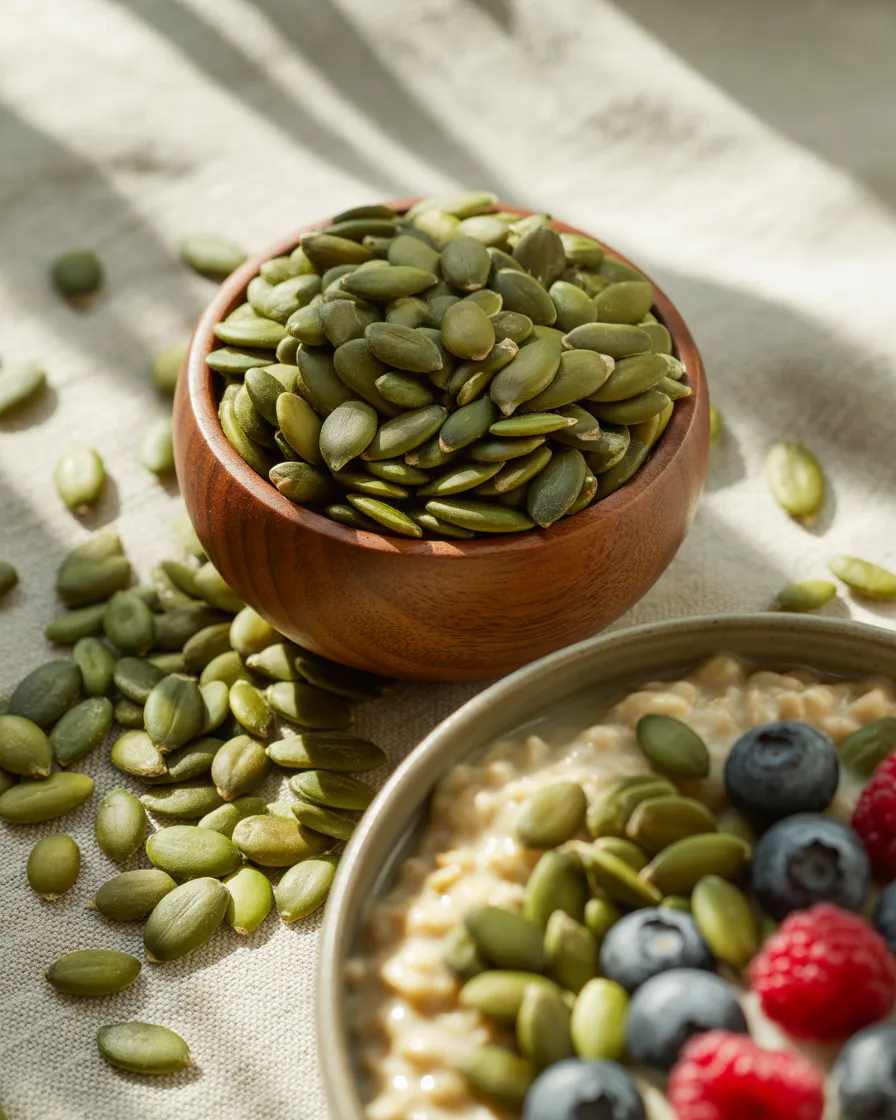
Pumpkin seeds, sometimes sold as pepitas, provide protein in a small serving and are easy to add to meals.
Protein content: Approximately 8–9 grams per 1-ounce (28-gram) serving of pumpkin seeds.
Benefits: Pumpkin seeds supply protein, unsaturated fats, magnesium, zinc, and other nutrients. They add crunch and flavour to meals while contributing to a varied diet.
Practical tips: Choose unsalted or lightly salted seeds if you are watching your sodium intake. Measure a small portion into a container for convenient snacks rather than eating directly from a large bag.
How to use it: Sprinkle pumpkin seeds over oatmeal, salads, soups, yogurt, or roasted vegetables. You can also blend them into pesto or use them in homemade seed mixes.
Who it may suit: Vegetarians, vegans, people seeking convenient toppings, and anyone wanting to add texture to meals.
Important considerations: Pumpkin seeds are energy-dense because they contain fat, so portion size matters if you are monitoring your overall calorie intake. Avoid them if you have a relevant seed allergy, and consider unsalted versions when appropriate.
Expert Tips for Choosing and Eating More High-Protein Foods
Spread Protein Across Your Meals
Rather than trying to eat most of your protein at dinner, include a source at breakfast, lunch, and dinner. For example, Greek yogurt at breakfast, lentils at lunch, and chicken or tofu at dinner can create a more balanced daily pattern.
Your total daily intake matters more than following a rigid meal schedule. Choose a pattern that suits your appetite, budget, and routine.
Prioritise Variety Instead of One Favourite Food
No single protein source provides every nutrient your body needs. Combine foods such as fish, eggs, dairy, legumes, soy foods, seeds, vegetables, and whole grains throughout the week.
This approach helps you obtain different vitamins, minerals, fats, and types of fibre while avoiding unnecessary dependence on one food.
Choose the Whole Nutritional Package
Two foods can contain similar amounts of protein but differ in sodium, saturated fat, fibre, and added sugar. For example, plain Greek yogurt may be a more useful everyday choice than a heavily sweetened product, while fresh roasted poultry may contain less sodium than processed deli meat.
Read nutrition labels and consider the food as a whole, not just its protein number. (Harvard Health)
Plan Protein-Rich Meals in Advance
Meal preparation does not need to involve cooking every meal from scratch. Keep boiled eggs, cooked lentils, rinsed canned beans, plain yogurt, or cooked chicken available when practical.
Prepare ingredients in batches, store them safely, and combine them with vegetables and whole grains when you are ready to eat. This can make nutritious choices easier on busy days.
Understand Your Personal Protein Needs
For many healthy adults, the recommended dietary allowance is approximately 0.8 grams of protein per kilogram of body weight per day. This is a general baseline, not a universal target for every situation. Needs can vary with age, activity level, pregnancy, recovery, and other individual circumstances. (Harvard Health)
For example, someone weighing 70 kilograms would calculate a baseline of approximately 56 grams per day using this general guideline. This does not mean that everyone should aim for exactly that amount, nor that eating more is automatically better.
People with kidney disease or other conditions requiring dietary management should discuss their protein intake with a qualified healthcare professional or registered dietitian before making substantial changes.
Remember That Protein Supplements Are Optional
Protein powders and bars can be convenient, but most people can obtain protein from ordinary foods. If you use a supplement, check its ingredients, serving size, added sugars, and potential allergens.
Food-first planning is a sensible starting point because whole foods can supply protein alongside other nutrients.
Frequently Asked Questions About High-Protein Foods
What Is the Best High-Protein Food to Eat Every Day?
There is no single best choice for everyone. Chicken, eggs, Greek yogurt, fish, lentils, beans, tofu, and tempeh can all contribute to a healthy diet. The best option depends on your nutritional needs, preferences, budget, allergies, and dietary pattern.
Rotating several protein sources throughout the week is generally more useful than relying on just one food.
Which High-Protein Foods Are Best for Vegetarians and Vegans?
Lentils, chickpeas, black beans, edamame, tofu, tempeh, and pumpkin seeds are useful plant-based options. Vegetarians who eat dairy or eggs can also include Greek yogurt, cottage cheese, and eggs.
A well-planned vegetarian or vegan diet can provide adequate protein. Variety and sufficient total food intake are important.
Can High-Protein Foods Help With Weight Management?
Protein can contribute to feelings of fullness and supports the maintenance of body tissues. Including protein in balanced meals may help some people manage hunger, but no particular food guarantees weight loss.
Overall energy intake, food quality, physical activity, sleep, and individual circumstances also matter. Choose protein sources that fit your eating pattern rather than relying on one nutrient alone.
How Can I Add More Protein to Breakfast?
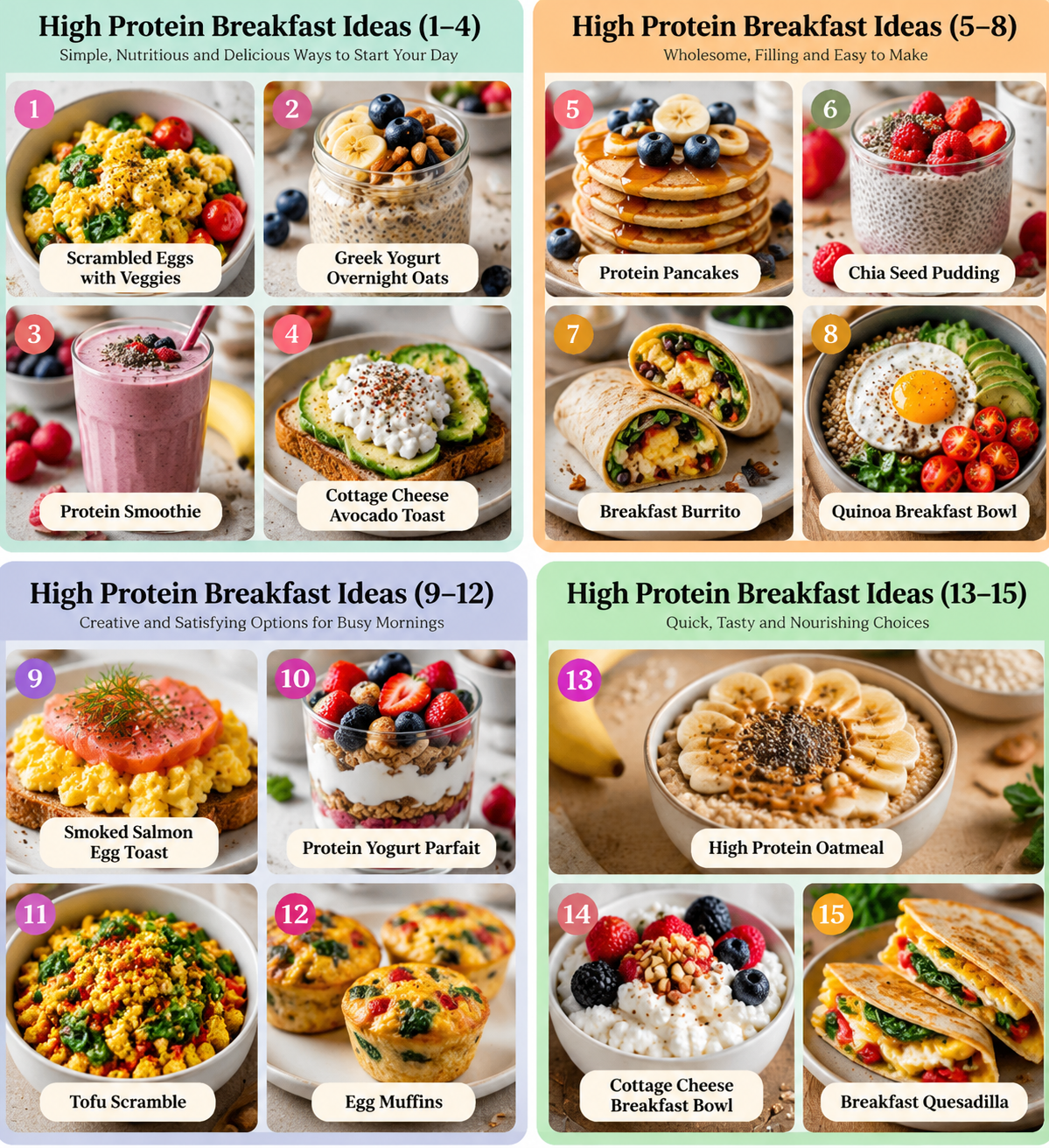
Try eggs with whole-grain toast, Greek yogurt with oats and berries, or cottage cheese with fruit. If you prefer savoury breakfasts, leftover chicken or tofu can be added to a vegetable wrap.
Choose an option you enjoy and can prepare consistently. Breakfast does not need to be complicated to provide useful protein.
Are Plant-Based Protein Foods as Good as Animal Protein?
Many plant foods provide substantial protein, and soy foods such as tofu and edamame contain all nine essential amino acids. Other plant foods can contribute different amino acids and nutrients as part of a varied diet.
Animal foods such as eggs, dairy, fish, and poultry also provide complete protein. Both plant-based and animal-based foods can fit into a healthy eating pattern.
Can You Eat Too Much Protein?
More protein is not always better. Excessive focus on protein may crowd out other important nutrients, and people with certain medical conditions may need individualised guidance. Protein requirements also differ from person to person.
If you plan to make a substantial change to your diet, particularly if you have kidney disease or another condition affecting nutrition, seek advice from a healthcare professional or registered dietitian.
Conclusion: Make High-Protein Foods Part of a Balanced Diet
Adding more protein to your meals can be straightforward when you know which foods to choose. Chicken, turkey, salmon, tuna, eggs, Greek yogurt, cottage cheese, lentils, chickpeas, black beans, edamame, tofu, tempeh, and pumpkin seeds all offer practical ways to increase your intake.
The most useful approach is to select foods that suit your preferences, budget, and nutritional needs. Combine protein-rich ingredients with vegetables, whole grains, fruits, and healthy fats to create balanced meals that are enjoyable and sustainable.
Start with one small change, such as adding eggs to breakfast, lentils to lunch, or tofu to dinner. Over time, these simple habits can help you build a varied, nourishing eating pattern without relying on expensive products or complicated recipes.
Health note: This article provides general nutrition information, not personalised medical advice. Consult a qualified healthcare professional or registered dietitian if you need an individualised protein target or have a medical condition affecting your diet.