A good breakfast should do more than fill your stomach for an hour. It should provide useful nutrients, help you feel satisfied, and fit comfortably into your daily routine. If you want to eat more protein without consuming too many calories, choosing the right breakfast ingredients can make a noticeable difference to your overall eating habits.
A high protein low calorie breakfast combines protein-rich foods with ingredients that provide fiber, vitamins, minerals, and other essential nutrients. Examples include Greek yogurt with berries, eggs with vegetables, cottage cheese toast, tofu scramble, and protein-packed overnight oats. These meals can be prepared quickly, customized to different tastes, and adjusted to suit vegetarian or plant-based diets.
Protein is important for maintaining muscle, supporting normal body functions, and helping you feel full after eating. Meanwhile, vegetables, fruit, and whole grains add fiber and valuable micronutrients. Combining these foods can help create a balanced breakfast without relying on oversized portions or heavily sweetened products.
However, low calorie does not mean eating as little as possible. Your ideal breakfast depends on your appetite, activity level, health needs, and total daily energy requirements. Someone with an active morning may need a more substantial meal than someone who prefers a light breakfast.
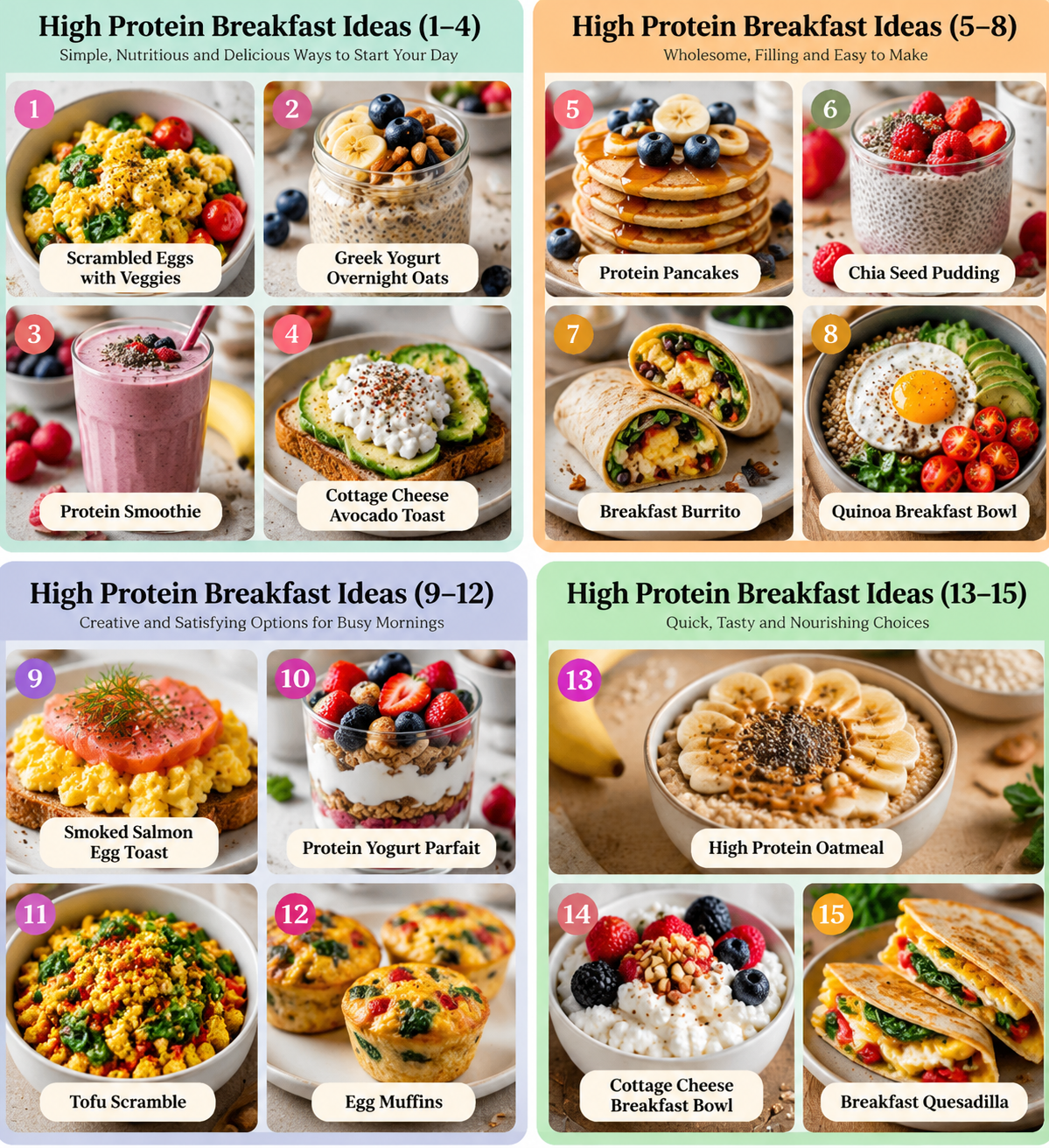
This guide explores 13 practical high-protein, low-calorie breakfast ideas, including estimated calories, protein content, preparation tips, and suggestions for different dietary preferences. You will also find expert-informed meal-planning advice and simple ways to make these breakfasts part of your everyday routine.
1. Greek Yogurt Bowl With Fresh Berries
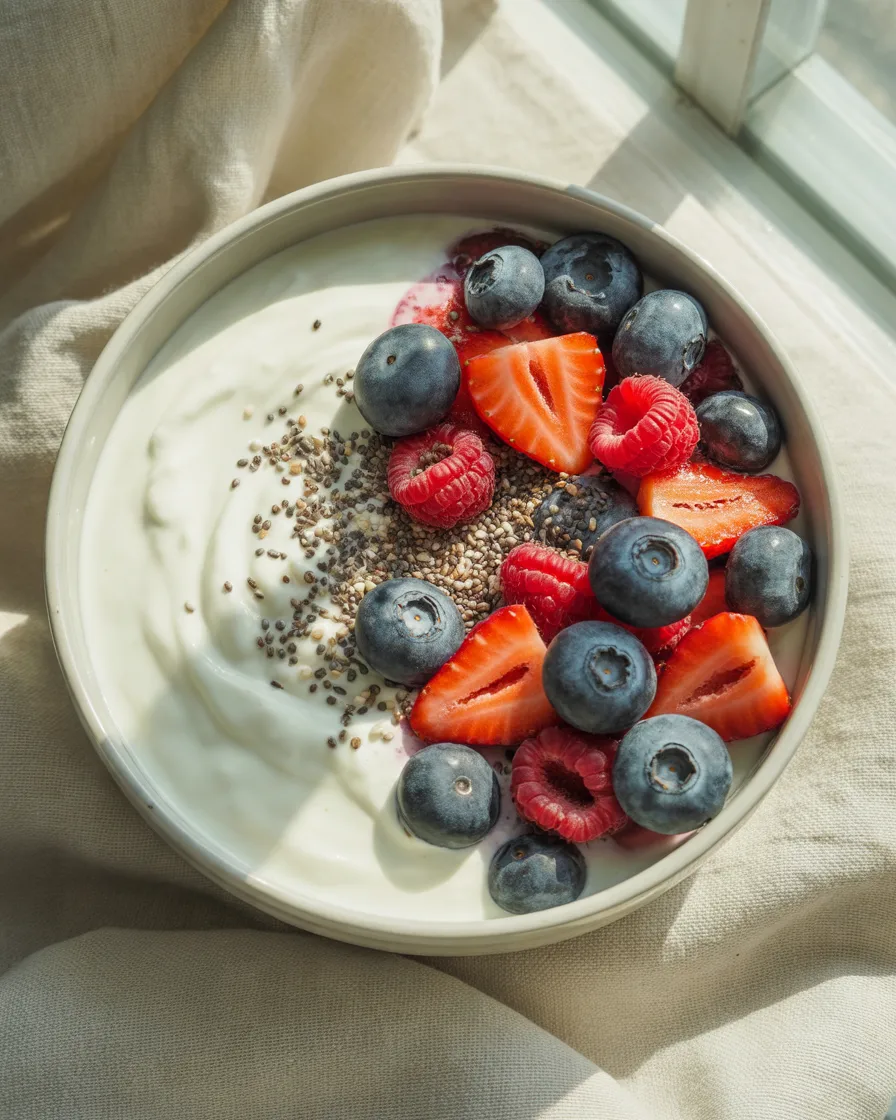
Greek yogurt with berries is one of the easiest high-protein, low-calorie breakfast options. It requires almost no preparation and combines creamy texture with the natural sweetness of fruit.
Estimated nutrition: 200–280 calories and 20–25 grams of protein per serving.
Benefits: Plain Greek yogurt provides protein and calcium, while strawberries, blueberries, or raspberries contribute fiber and beneficial plant compounds. This combination offers a convenient breakfast that feels satisfying without requiring a large amount of food.
Practical tips: Choose plain, unsweetened Greek yogurt and add approximately half a cup of mixed berries. If you want extra texture, sprinkle on a teaspoon of chia seeds or a small amount of chopped almonds. Measure calorie-dense toppings because nuts, seeds, and granola can quickly increase the total.
How to use it: Prepare the bowl in five minutes. For busy mornings, portion the yogurt into a container the night before and add the berries just before eating.
Who it may suit: Busy professionals, students, people who prefer cold breakfasts, and anyone looking for a simple breakfast with around 20 grams of protein.
Important considerations: Dairy-free alternatives vary considerably in protein content. If you use plant-based yogurt, check the nutrition label rather than assuming it provides the same protein as Greek yogurt.
2. Egg White and Spinach Omelet
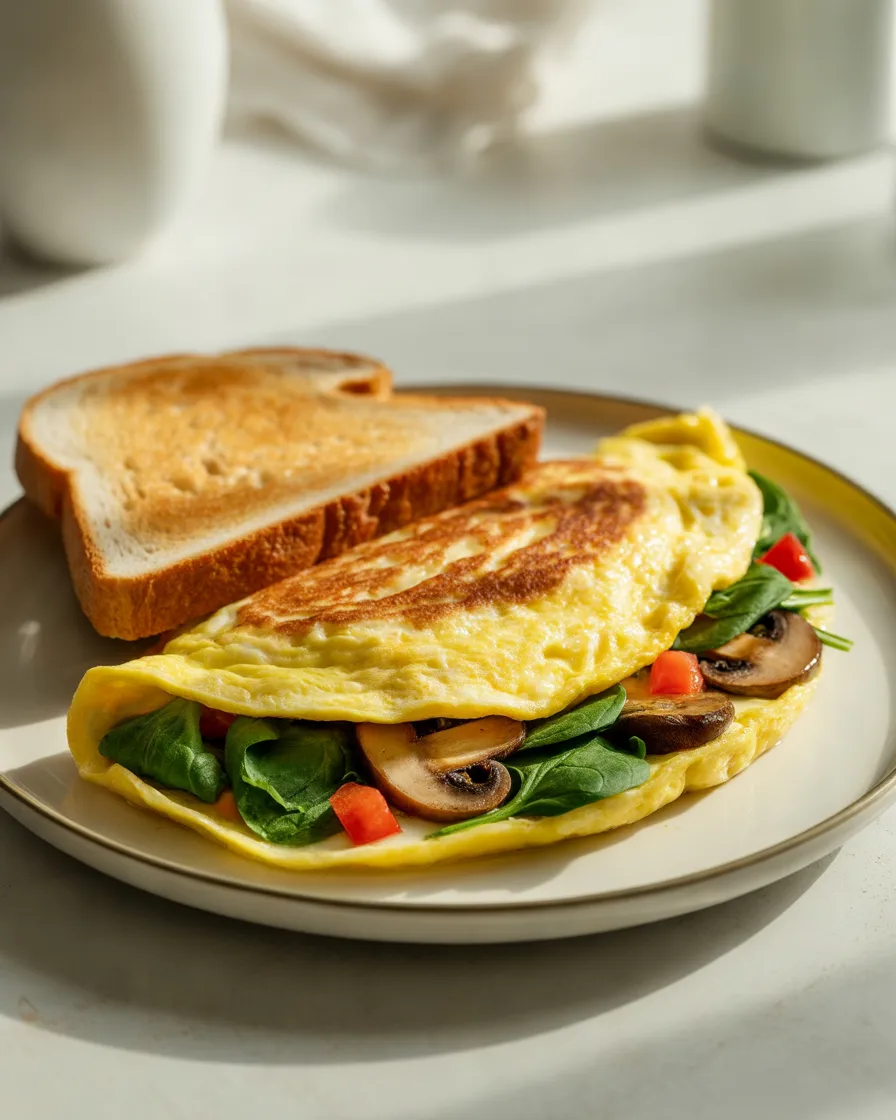
An egg white omelet with spinach is a useful choice when you want a protein-rich breakfast that keeps calories relatively low. Adding one whole egg provides extra flavor and nutrients while the egg whites increase the protein content.
Estimated nutrition: 180–240 calories and 20–25 grams of protein per serving.
Benefits: Eggs supply high-quality protein, while spinach adds folate and other micronutrients. Tomatoes, mushrooms, and peppers can increase the portion size and provide additional nutrients without adding many calories.
Practical tips: Combine one whole egg with three egg whites, a handful of chopped spinach, mushrooms, and black pepper. Cook in a nonstick pan using a small amount of oil or cooking spray. Avoid adding large quantities of butter or cheese if keeping calories low is a priority.
How to use it: Cook the vegetables first, pour in the beaten eggs, and gently fold the omelet once set. Serve with whole-grain toast if you need extra energy for a busy morning.
Who it may suit: People who enjoy savory breakfasts, prefer freshly cooked meals, or want a straightforward high-protein breakfast recipe.
Important considerations: You do not need to remove every egg yolk to eat healthfully. Whole eggs provide nutrients too, and your overall dietary pattern matters more than treating individual foods as automatically good or bad.
3. Cottage Cheese Toast With Tomato
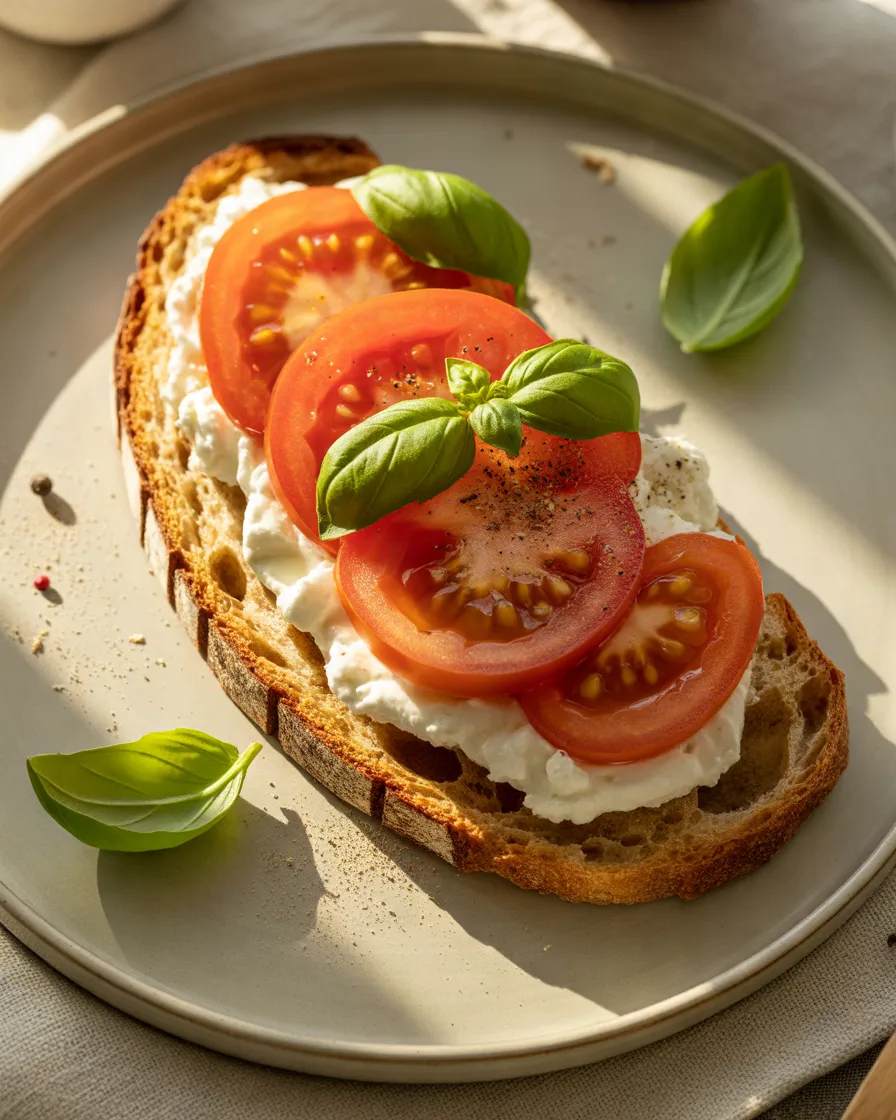
Cottage cheese toast is a convenient alternative to traditional buttered toast. It combines protein-rich cottage cheese with whole-grain bread and fresh vegetables for a balanced, savory breakfast.
Estimated nutrition: 220–300 calories and 20–28 grams of protein per serving.
Benefits: Cottage cheese provides protein and calcium, while whole-grain bread contributes carbohydrates and fiber. Tomatoes add freshness, and herbs such as basil or chives make the meal flavorful without needing heavy sauces.
Practical tips: Toast one slice of whole-grain bread and top it with approximately three-quarters of a cup of cottage cheese, sliced tomato, black pepper, and fresh herbs. Choose a cottage cheese variety that suits your sodium and calorie preferences.
How to use it: Assemble the toast immediately before eating to prevent the bread from becoming soggy. For a more substantial meal, add cucumber slices or a piece of fruit.
Who it may suit: People who prefer savory breakfasts, need something quick before work, or want a simple alternative to eggs.
Important considerations: Cottage cheese can contain considerable sodium, depending on the brand. If you are watching your sodium intake, compare labels and choose a lower-sodium option when available.
4. Protein Overnight Oats With Greek Yogurt
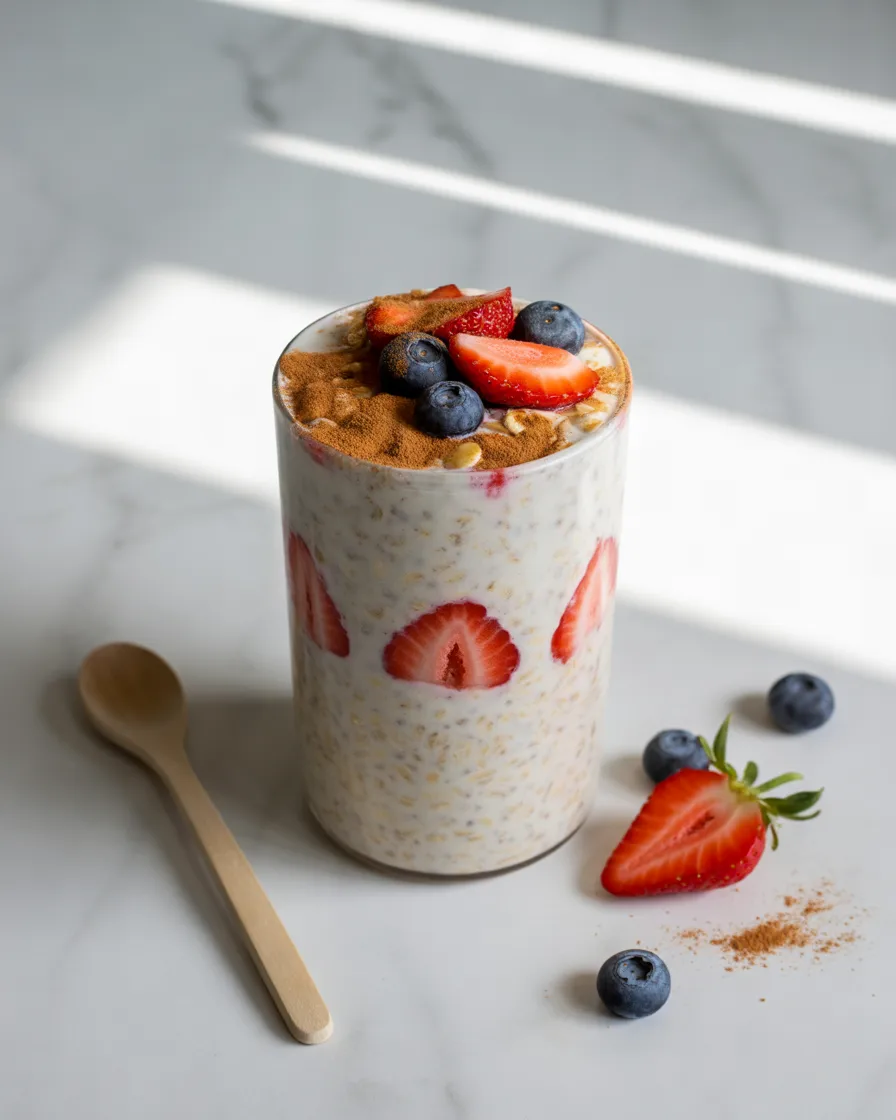
Overnight oats are ideal when you want breakfast ready before you wake up. Adding Greek yogurt and milk increases the protein content, while oats provide carbohydrates and soluble fiber.
Estimated nutrition: 300–360 calories and 25–30 grams of protein per serving.
Benefits: This combination provides protein, fiber, and energy in one convenient meal. The oats absorb liquid overnight, creating a creamy texture without cooking. It is also easy to prepare several portions at once.
Practical tips: Mix one-third cup of rolled oats with half a cup of plain Greek yogurt, half a cup of milk, and a small portion of berries. Adjust the liquid to achieve your preferred consistency. Use unsweetened milk and yogurt to manage added sugars.
How to use it: Stir the ingredients together in a sealed container and refrigerate overnight. Add fresh fruit in the morning. If you need more protein, adjust the yogurt portion or use a suitable higher-protein milk.
Who it may suit: Meal-preppers, commuters, students, and anyone who dislikes preparing breakfast early in the morning.
Important considerations: Protein powder is optional rather than essential. If you add it, check the serving size and nutrition information because different products contribute different amounts of calories and protein.
5. Tofu Scramble With Colorful Vegetables
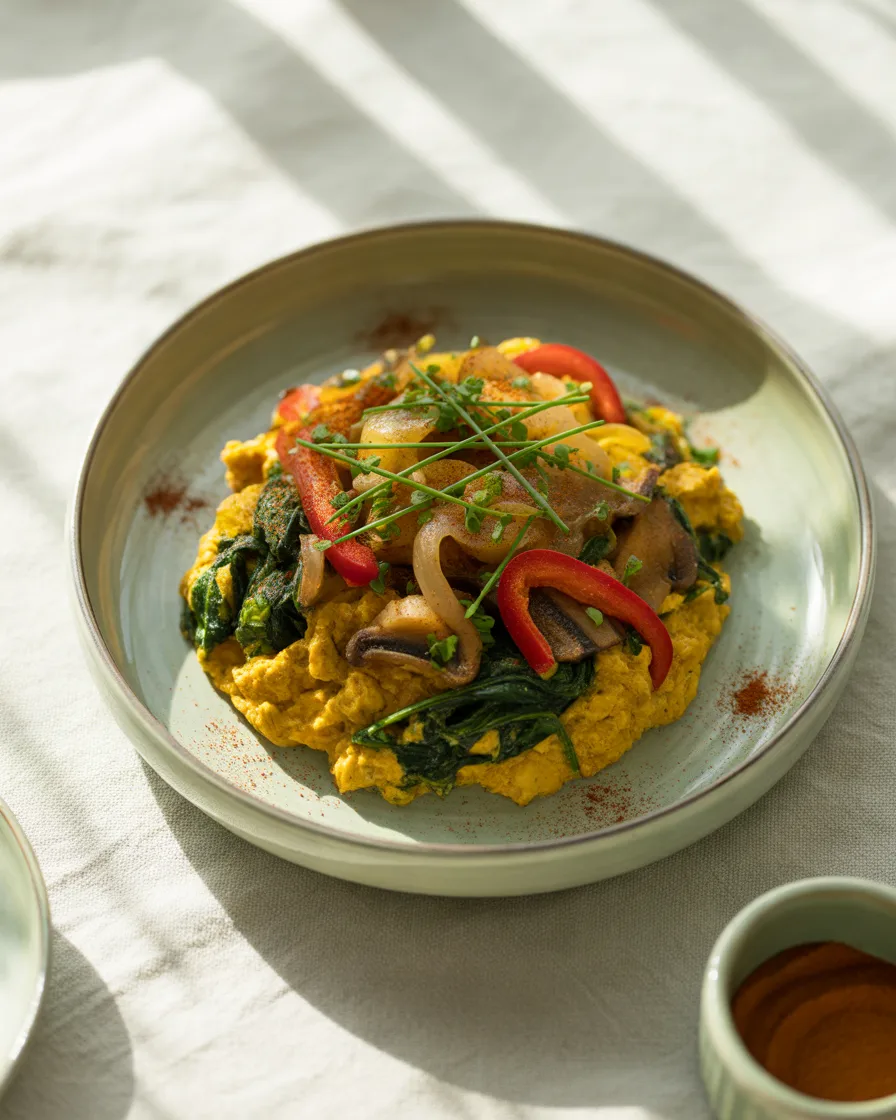
A tofu scramble is a satisfying plant-based alternative to scrambled eggs. Crumbled firm tofu takes on the flavor of the seasonings and vegetables, making it suitable for people who want a dairy-free, high-protein breakfast.
Estimated nutrition: 220–300 calories and 18–23 grams of protein per serving.
Benefits: Tofu provides plant protein and may supply calcium, depending on how it is made. Bell peppers, spinach, mushrooms, and onions add fiber and micronutrients while creating a generous, colorful portion.
Practical tips: Crumble approximately 150–180 grams of firm tofu into a pan with mushrooms, spinach, and peppers. Season with turmeric, black pepper, garlic, and a little salt. Use a small amount of oil and avoid relying on large quantities of calorie-dense sauces.
How to use it: Cook the vegetables until softened, add the tofu, and heat until lightly golden. Serve alone for a lighter meal or with one slice of whole-grain toast for extra energy.
Who it may suit: Vegetarians, vegans, people avoiding eggs, and anyone interested in adding more plant-based meals to their routine.
Important considerations: Tofu’s protein content varies by firmness and brand. Check the label when calculating your meal’s nutrition, particularly if you have a specific protein target.
6. Smoked Salmon and Egg Whole-Grain Toast
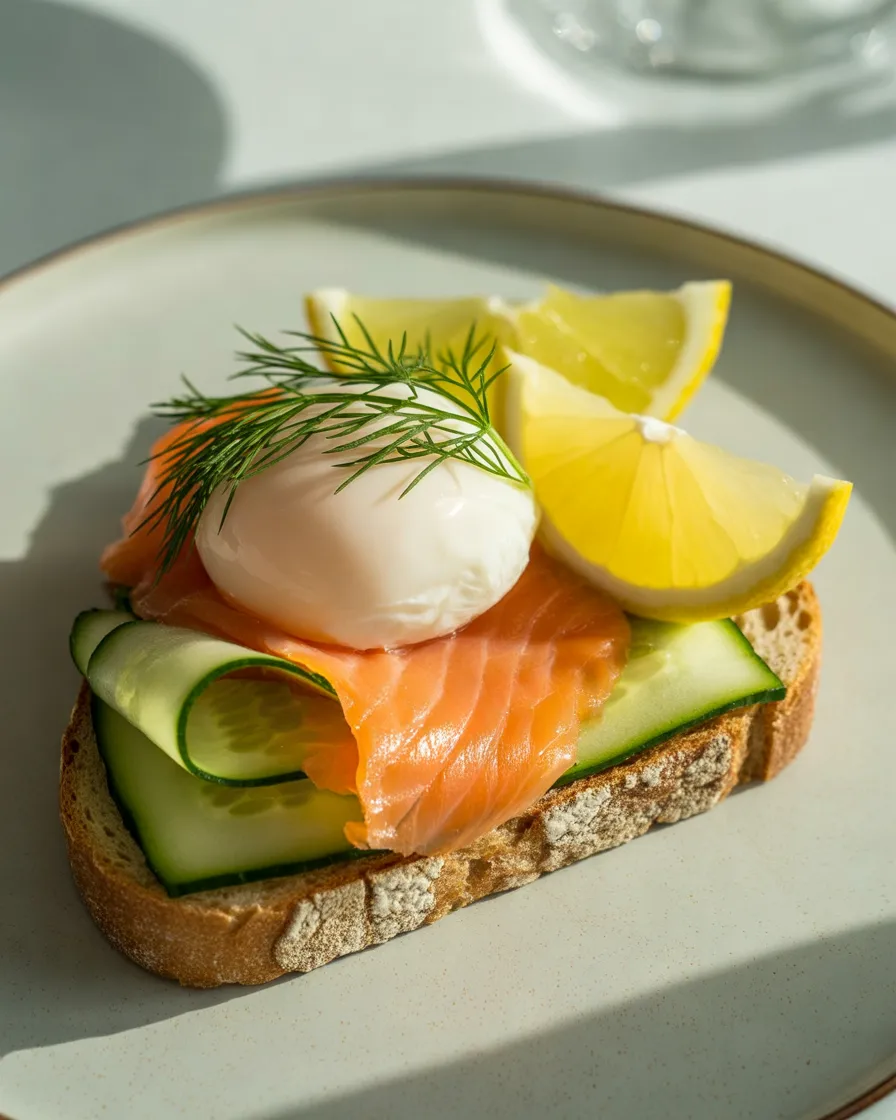
Smoked salmon and egg toast offers a combination of protein, flavor, and healthy fats. It feels more substantial than a plain slice of toast while remaining relatively moderate in calories when portions are controlled.
Estimated nutrition: 280–350 calories and 22–28 grams of protein per serving.
Benefits: Salmon provides protein and omega-3 fatty acids. Eggs add additional protein and nutrients, while whole-grain bread supplies carbohydrates and fiber. This combination can be especially appealing to people who prefer savory breakfasts.
Practical tips: Top one slice of whole-grain toast with a cooked egg and approximately 40–50 grams of smoked salmon. Add cucumber, dill, lemon juice, or a thin layer of plain yogurt instead of a generous serving of cream cheese.
How to use it: Prepare the egg to your preferred level of doneness and assemble the toast just before eating. Add sliced tomatoes or fresh greens for extra volume.
Who it may suit: People who enjoy fish, want variety beyond ordinary egg breakfasts, or prefer a more filling morning meal.
Important considerations: Smoked salmon can be high in sodium. It is also a refrigerated ready-to-eat fish product, so food-safety guidance is particularly important during pregnancy and for people at increased risk from foodborne illness. Choose suitable alternatives when advised by a healthcare professional.
7. High-Protein Cottage Cheese Pancakes
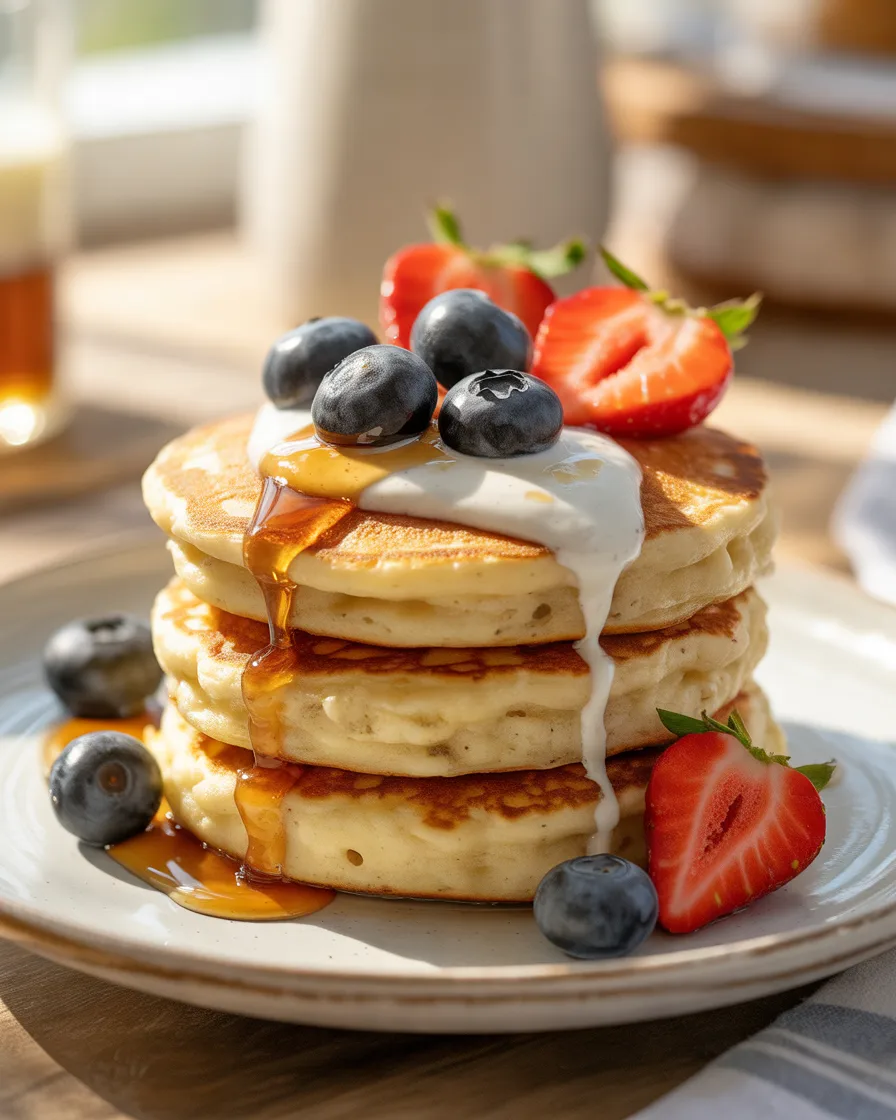
Pancakes can fit into a balanced breakfast when their ingredients and toppings are chosen thoughtfully. Cottage cheese and eggs increase the protein content, creating a softer pancake without requiring a large amount of added sugar.
Estimated nutrition: 250–330 calories and 22–28 grams of protein per serving.
Benefits: These pancakes provide protein alongside carbohydrates for energy. They also offer a practical way to enjoy a familiar breakfast while reducing the need for syrup-heavy toppings.
Practical tips: Blend approximately half a cup of cottage cheese with one egg, a small portion of oats or oat flour, and a little baking powder. Cook small pancakes in a nonstick pan using minimal oil. Adjust the mixture with a splash of milk if it becomes too thick.
How to use it: Serve two or three small pancakes with fresh berries and a spoonful of plain yogurt. Measure honey or syrup rather than pouring it freely.
Who it may suit: Families, people who enjoy sweet breakfasts, and anyone who wants an alternative to conventional flour-based pancakes.
Important considerations: The nutritional values depend on the flour, cottage cheese, and toppings used. If you need a gluten-free version, choose certified gluten-free oats or another suitable flour.
8. Turkey and Spinach Egg Muffins

Egg muffins are small baked portions made with eggs, vegetables, and optional lean meat. They are particularly useful when weekday mornings leave little time for cooking.
Estimated nutrition: 180–250 calories and 20–27 grams of protein for two or three small muffins, depending on ingredients.
Benefits: Eggs and lean turkey provide protein, while spinach and peppers contribute nutrients and flavor. Making several portions together can simplify breakfast planning and reduce reliance on less nutritious convenience foods.
Practical tips: Whisk eggs or a mixture of whole eggs and egg whites with cooked lean turkey, chopped spinach, and diced peppers. Divide the mixture into lightly greased muffin cups and bake until the centers are fully set.
How to use it: Prepare a batch for the next few days. Refrigerate cooked muffins promptly in a covered container and reheat thoroughly before serving. Freeze portions if you need to store them longer, following appropriate food-safety guidance.
Who it may suit: Busy parents, office workers, students, and people who prefer portable breakfast options.
Important considerations: Use lean, minimally processed turkey when possible. Processed deli meats can be high in sodium, so compare labels and avoid assuming that every turkey product is equally nutritious.
9. High-Protein Breakfast Smoothie
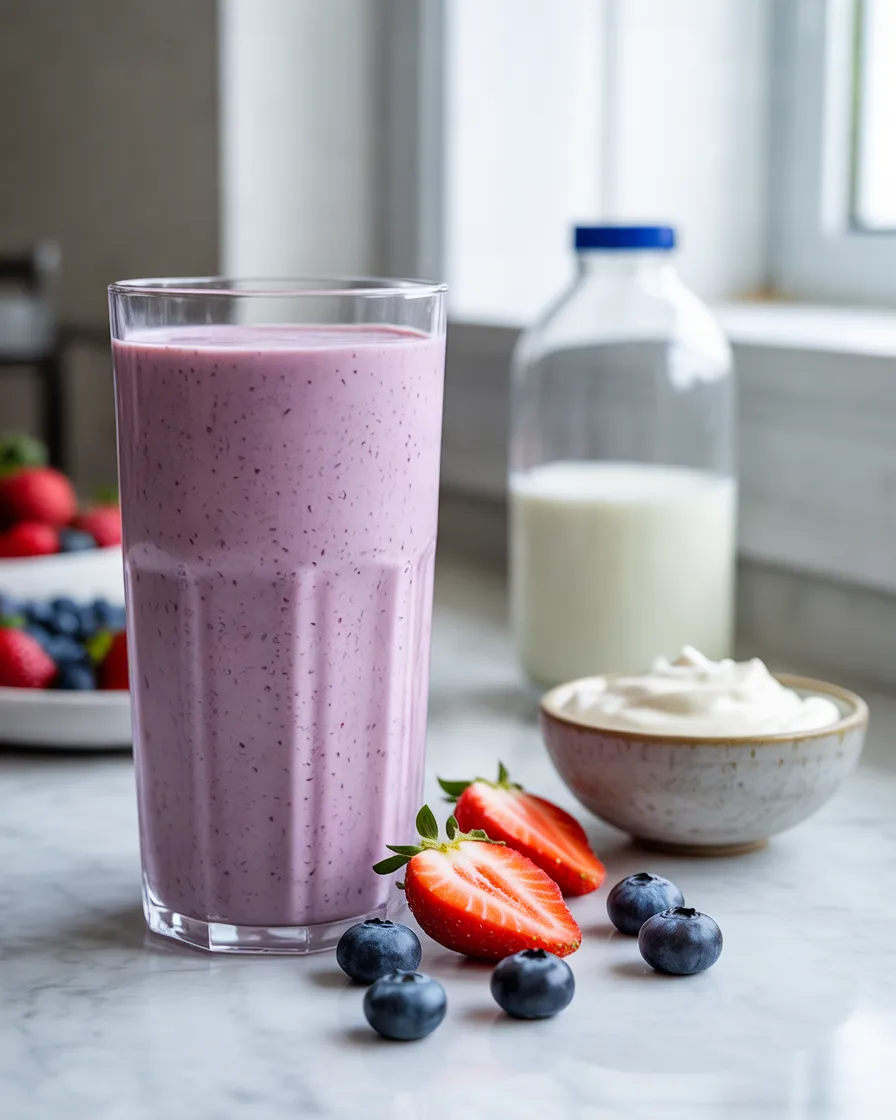
A smoothie can be a convenient option when solid food is unappealing or you need breakfast on the go. The key is to combine protein with sensible portions of fruit and other nutritious ingredients.
Estimated nutrition: 250–350 calories and 25–35 grams of protein per serving.
Benefits: A smoothie can provide protein, calcium, and vitamins in a few minutes. Depending on the ingredients, it may also supply fiber and healthy fats.
Practical tips: Blend plain Greek yogurt or a suitable protein powder with unsweetened milk, half a banana, and a small handful of berries. Add ice for thickness. Avoid automatically adding fruit juice, sweetened yogurt, honey, and nut butter together, as these extras can raise calories quickly.
How to use it: Blend immediately before drinking, or refrigerate briefly in a sealed container. Pair the smoothie with whole fruit or a small serving of oats if you prefer a more substantial breakfast.
Who it may suit: Commuters, people with limited preparation time, and those who prefer drinking breakfast.
Important considerations: Liquid meals may feel less filling than solid meals for some people. If you become hungry quickly, try eating a spoonable smoothie bowl or pairing your drink with a small solid food.
10. Skyr With Apple and Cinnamon
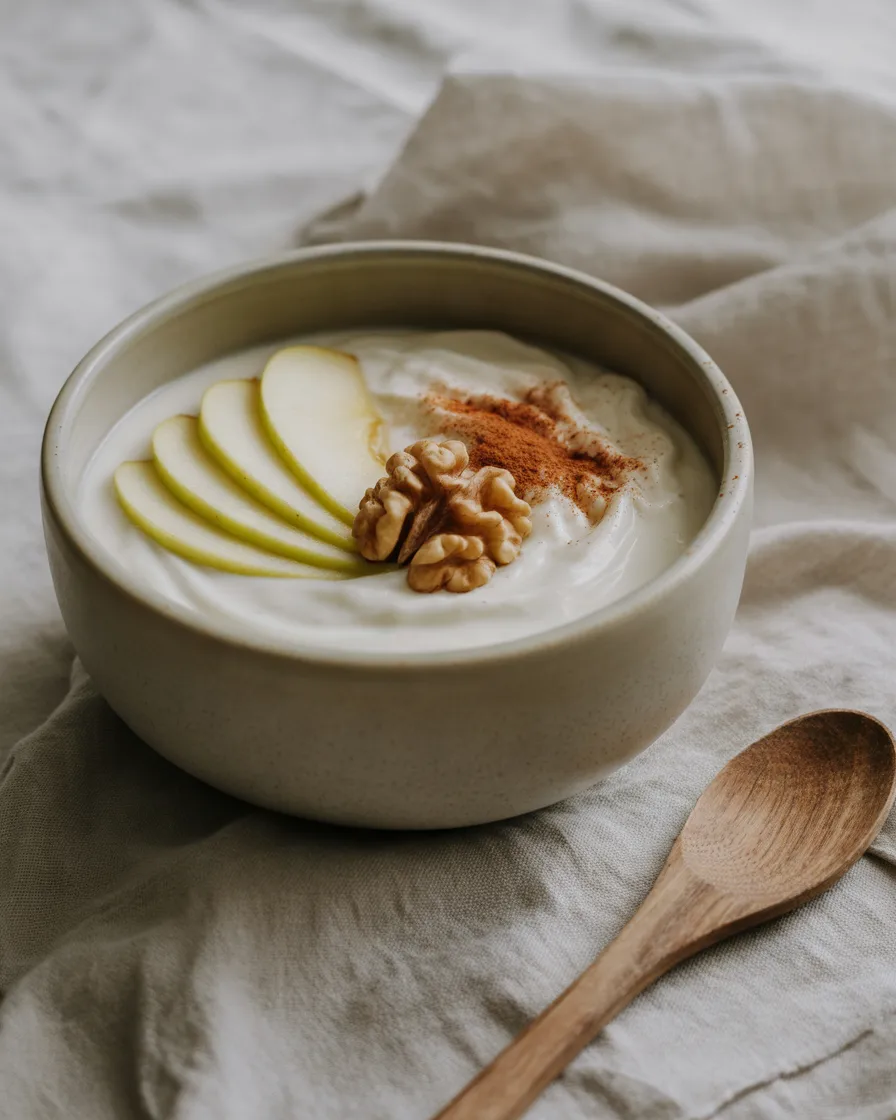
Skyr is an Icelandic-style cultured dairy product that is often high in protein and relatively low in fat. Combined with apple and cinnamon, it creates a simple breakfast with a naturally sweet flavor.
Estimated nutrition: 200–280 calories and 20–25 grams of protein per serving.
Benefits: Skyr provides protein and calcium, while apples contribute fiber and a pleasant crunch. Cinnamon adds flavor without requiring added sugar.
Practical tips: Serve approximately 170–200 grams of plain skyr with half a chopped apple and a sprinkle of cinnamon. Add a teaspoon of chopped walnuts if desired, adjusting the portion to your energy needs.
How to use it: Prepare the bowl in minutes, or pack the skyr and apple separately for work. If you prefer softer fruit, chop the apple the night before and refrigerate it in a sealed container.
Who it may suit: People who prefer a light, cold breakfast or want a high-protein option that requires virtually no cooking.
Important considerations: Skyr products vary in sweetness and protein content. Choose plain varieties when you want to limit added sugar, and check the label if dairy causes digestive discomfort.
11. Chickpea Flour Vegetable Pancakes
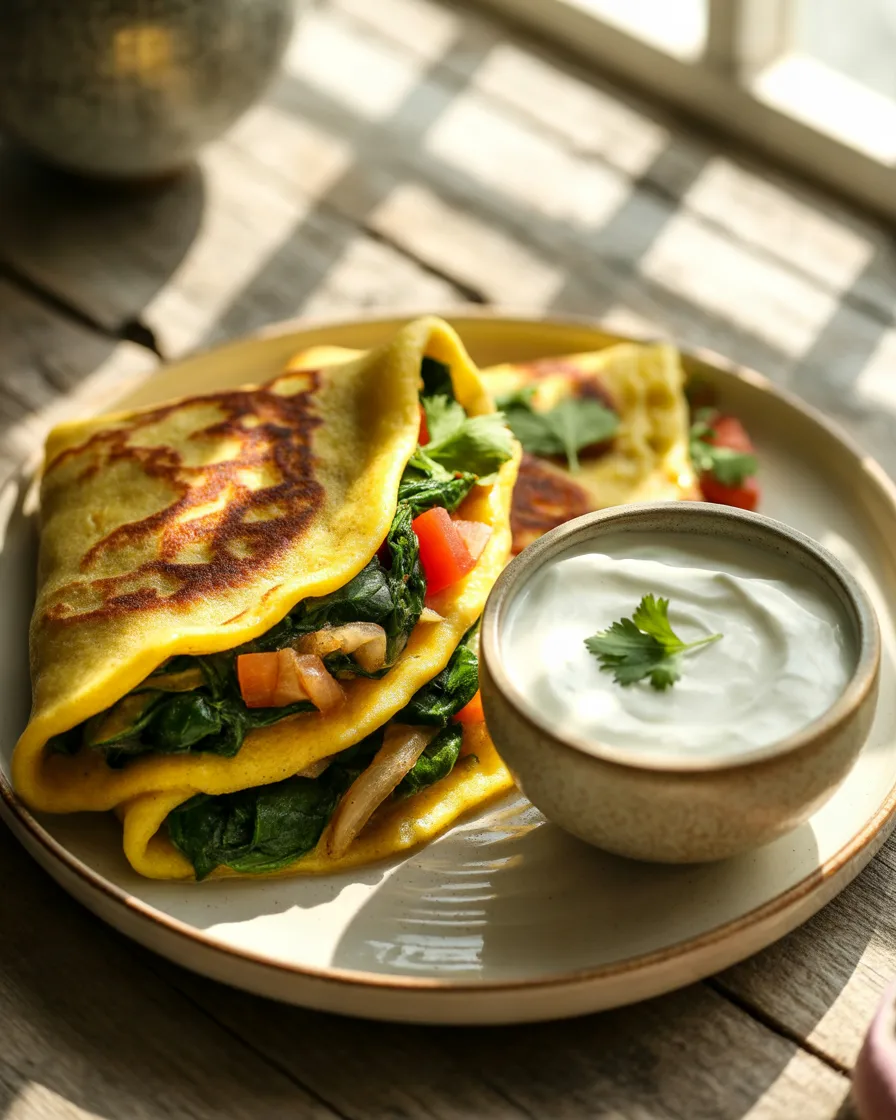
Chickpea flour pancakes, sometimes called besan chilla, offer a savory, plant-based breakfast with a different flavor from conventional pancakes. They work particularly well with onions, tomatoes, spinach, and herbs.
Estimated nutrition: 250–330 calories and 15–20 grams of protein per serving, including a small portion of plain high-protein yogurt.
Benefits: Chickpea flour supplies plant protein, fiber, and carbohydrates. Vegetables contribute additional nutrients, while yogurt can increase the meal’s overall protein content.
Practical tips: Mix chickpea flour with water, chopped onions, tomatoes, spinach, cumin, and coriander. Cook a thin pancake in a nonstick pan with a small amount of oil. Serve with plain Greek yogurt or another suitable high-protein accompaniment.
How to use it: Prepare the batter just before cooking, adjusting the water until it pours easily. Make small pancakes for quicker, more even cooking.
Who it may suit: Vegetarians, people interested in South Asian breakfasts, and anyone who wants a savory alternative to oats or eggs.
Important considerations: Protein levels depend on the flour quantity and yogurt used. Chickpeas are naturally gluten-free, but check product labels and cross-contact warnings if you have celiac disease or need strict gluten avoidance.
12. Black Bean and Egg Breakfast Tacos
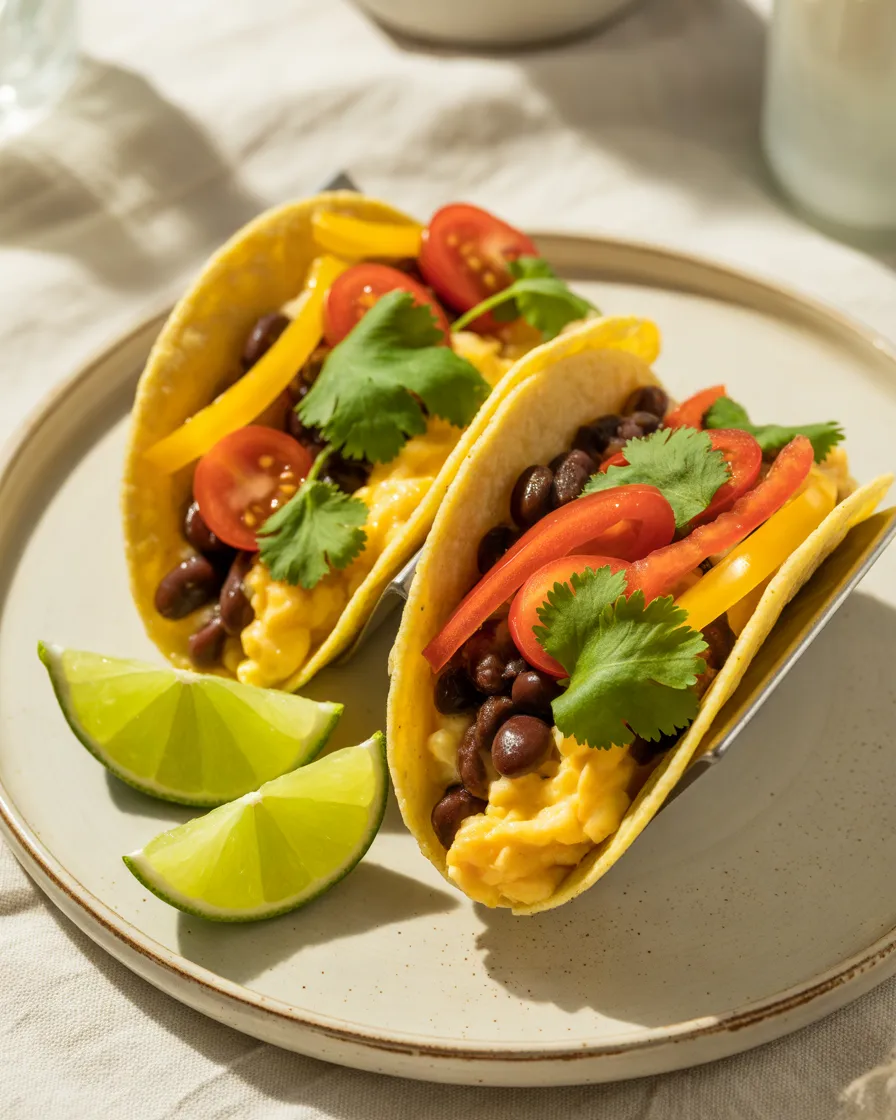
Breakfast tacos combine eggs, black beans, and vegetables in small tortillas. They offer a flavorful way to bring protein and fiber together without needing a large breakfast portion.
Estimated nutrition: 280–350 calories and 20–25 grams of protein for two small tacos, depending on fillings and tortilla size.
Benefits: Eggs provide complete protein, while black beans contribute plant protein and fiber. Tomatoes, onions, and peppers add freshness and texture. This combination can help create a balanced meal that is easy to customize.
Practical tips: Fill two small corn tortillas with one scrambled egg, additional egg whites if desired, a modest portion of black beans, and chopped tomatoes. Season with cumin, coriander, lime juice, and fresh cilantro. Use salsa instead of calorie-heavy sauces.
How to use it: Warm the tortillas, prepare the egg filling, and assemble immediately before eating. For meal prep, store the cooked filling separately and warm it thoroughly when needed.
Who it may suit: People who like savory breakfasts, enjoy Mexican-inspired flavors, or want a change from toast and cereal.
Important considerations: Larger tortillas, cheese, sour cream, and generous cooking oil can increase the calorie content. Adjust these ingredients to suit your appetite rather than eliminating them automatically.
13. Quinoa and Edamame Breakfast Bowl
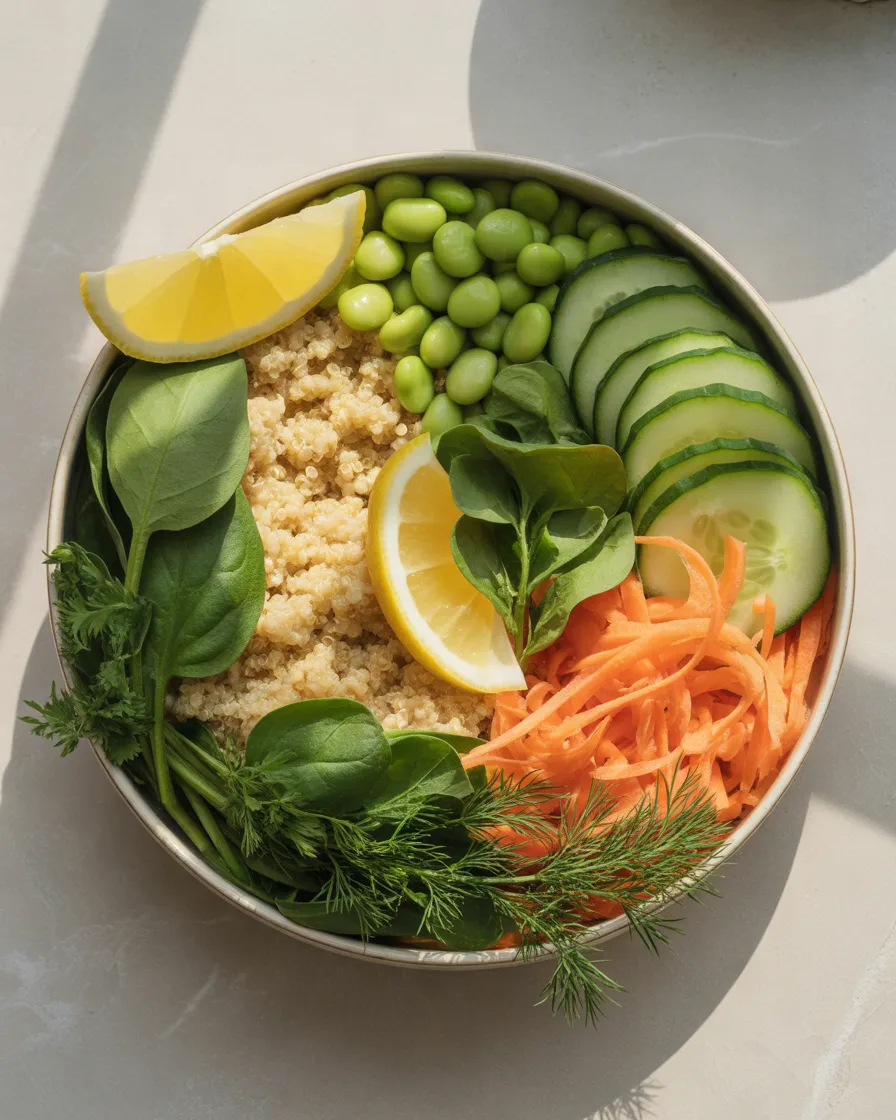
A quinoa and edamame bowl offers a plant-forward alternative for people who want something more substantial than yogurt but different from a conventional cooked breakfast. It combines grains, legumes, and vegetables in one meal.
Estimated nutrition: 300–380 calories and 20–27 grams of protein per serving, depending on the quantities and toppings.
Benefits: Edamame provides plant protein and fiber, while quinoa contributes protein, carbohydrates, and minerals. Adding vegetables improves the variety of nutrients and textures in the meal.
Practical tips: Combine half a cup of cooked quinoa with approximately three-quarters of a cup of shelled edamame, spinach, and chopped cucumber. Add lemon juice, black pepper, and herbs for flavor. A small amount of sesame seeds can provide extra texture.
How to use it: Cook the quinoa in advance and refrigerate it promptly. In the morning, combine it with cooked edamame and vegetables, serving the bowl chilled or reheated. If you need more protein, adjust the edamame portion.
Who it may suit: Vegetarians, vegans, meal-preppers, and people who prefer savory grain bowls to sweet breakfast foods.
Important considerations: Quinoa is nutritious, but it is not as protein-dense as some legumes. Use edamame as a major protein source rather than relying on quinoa alone. Follow safe storage and reheating practices for cooked grains.
Expert Tips for Building a High-Protein, Low-Calorie Breakfast
Start With a Reliable Protein Source
Choose a protein source first, then build the rest of the meal around it. Eggs, plain Greek yogurt, cottage cheese, skyr, tofu, edamame, lean poultry, and fish can all work well.
You do not need protein powder to create a high-protein breakfast. Ordinary foods can provide substantial amounts of protein, and combining several ingredients often improves the meal’s nutritional variety.
As a practical starting point, some adults may find a breakfast containing approximately 20–30 grams of protein useful. This is not a universal requirement, however. Individual needs depend on body size, activity, age, health status, and overall dietary intake.
Add Fiber and Produce
Protein is only one part of a nutritious breakfast. Include fruit, vegetables, oats, beans, or whole-grain bread to add fiber and other important nutrients.
For example, Greek yogurt becomes a more varied meal when paired with berries and a small portion of oats. Similarly, eggs become more balanced when served with spinach, tomatoes, and whole-grain toast.
Watch the Ingredients That Increase Calories Quickly
Healthy ingredients can still be calorie-dense. Nuts, seeds, nut butter, cooking oil, granola, cheese, and sweetened sauces can all contribute useful nutrients, but portion sizes matter when you are trying to manage total energy intake.
Rather than removing these foods completely, use measured portions and choose the ingredients that provide the most enjoyment and nutritional value for you.
Prepare Breakfast Ahead of Time
Meal preparation makes healthy choices easier on busy mornings. Overnight oats, egg muffins, cooked quinoa, and pre-portioned yogurt bowls can reduce the amount of work required before leaving home.
Plan only a few breakfasts at first. Preparing two or three options that you genuinely enjoy is often more practical than attempting a completely different recipe every day.
Refrigerate perishable foods promptly, keep cold foods appropriately chilled, and reheat cooked foods thoroughly when necessary.
Choose Foods That Match Your Dietary Needs
Vegetarians can use eggs, Greek yogurt, cottage cheese, tofu, and edamame. Vegans can build meals around tofu, soy products, legumes, and suitable fortified plant-based alternatives.
If you avoid gluten, choose appropriately labelled gluten-free oats, bread, or tortillas. If you have lactose intolerance, consider lactose-free dairy products or suitable plant-based alternatives, checking their protein and calcium content.
People with food allergies, kidney disease, or other conditions requiring specific nutritional management should seek individualized guidance from a qualified healthcare professional or registered dietitian.
Frequently Asked Questions
What Is the Best High-Protein, Low-Calorie Breakfast?
There is no single best breakfast for everyone. Greek yogurt with berries, an egg white omelet, cottage cheese toast, and tofu scramble are all practical choices.
The best option is one that provides enough protein for your needs, includes other nutritious foods, suits your dietary preferences, and keeps you satisfied. Convenience matters too: a breakfast you can prepare consistently may be more useful than a complicated recipe you rarely make.
What Can I Eat for Breakfast With 30 Grams of Protein and Few Calories?
Try plain Greek yogurt with a measured serving of protein powder and berries, or an egg-based meal made with one whole egg and several egg whites. The exact protein and calorie totals depend on the portions and products used.
Check nutrition labels rather than relying on estimates alone. You can increase protein by adjusting the main protein source without automatically increasing every other ingredient.
Are Eggs Good for a Low-Calorie, High-Protein Breakfast?
Yes. Eggs are a convenient source of high-quality protein and several essential nutrients. Combining one or two whole eggs with additional egg whites and vegetables can increase protein while keeping the meal relatively moderate in calories.
However, there is no need for everyone to avoid egg yolks. Consider your overall diet and any individual advice you have received from your healthcare professional.
Can I Eat a High-Protein Breakfast Every Day?
For many healthy adults, eating a protein-rich breakfast daily can fit comfortably into a balanced diet. Variety remains important, so rotate protein sources and include different fruits, vegetables, whole grains, and other nutrient-rich foods.
If you have a medical condition that affects protein requirements, ask your healthcare professional for advice tailored to your circumstances.
Is a High-Protein Breakfast Helpful for Weight Management?
It may be helpful for some people. Protein can support satiety, and a balanced breakfast may make it easier to manage hunger and plan meals throughout the day.
However, weight change depends on many factors, including total energy intake, physical activity, sleep, health conditions, and medications. No individual breakfast guarantees weight loss.
What Are Some Quick High-Protein Breakfasts for Busy Mornings?
Greek yogurt with berries, cottage cheese toast, skyr with apple, overnight oats, and prepared egg muffins are convenient options.
Choose one or two recipes that require little morning preparation. Keeping suitable ingredients available at home can make it easier to eat breakfast without relying on less balanced convenience foods.
Can I Have a High-Protein Breakfast Without Eggs or Dairy?
Absolutely. Tofu scramble, chickpea flour pancakes, and quinoa with edamame are useful alternatives. Soy-based foods are particularly helpful because many provide substantial amounts of protein.
If you use plant-based yogurt or milk, compare labels carefully. Some alternatives contain very little protein, while fortified soy products may provide a more comparable nutritional profile.
How Many Calories Should a Healthy Breakfast Contain?
There is no universal calorie target for breakfast. The appropriate amount depends on your overall energy requirements, appetite, activity, and how you distribute food across the day.
Instead of aiming for the lowest possible number, focus on a balanced meal with adequate protein, fiber, and other nutrients. If you regularly feel hungry, tired, or unable to concentrate after breakfast, your meal may need adjustment.
Conclusion
Finding a high protein low calorie breakfast does not require expensive ingredients, complicated recipes, or strict food rules. Simple options such as Greek yogurt with berries, egg and vegetable omelets, cottage cheese toast, overnight oats, tofu scramble, and chickpea pancakes can all fit into a balanced eating pattern.
The most practical approach is to begin with a protein-rich ingredient, add fruit or vegetables, and include an appropriate portion of whole grains or other energy-providing foods when needed. Pay attention to preparation methods and serving sizes, but remember that nutritious foods can still have a place in your routine even when they contain more calories.
Try two or three of these breakfast ideas this week and notice which ones are easiest to prepare and keep you satisfied. Over time, a flexible rotation of enjoyable, nutritious meals can make healthy eating more manageable than following a rigid breakfast plan.