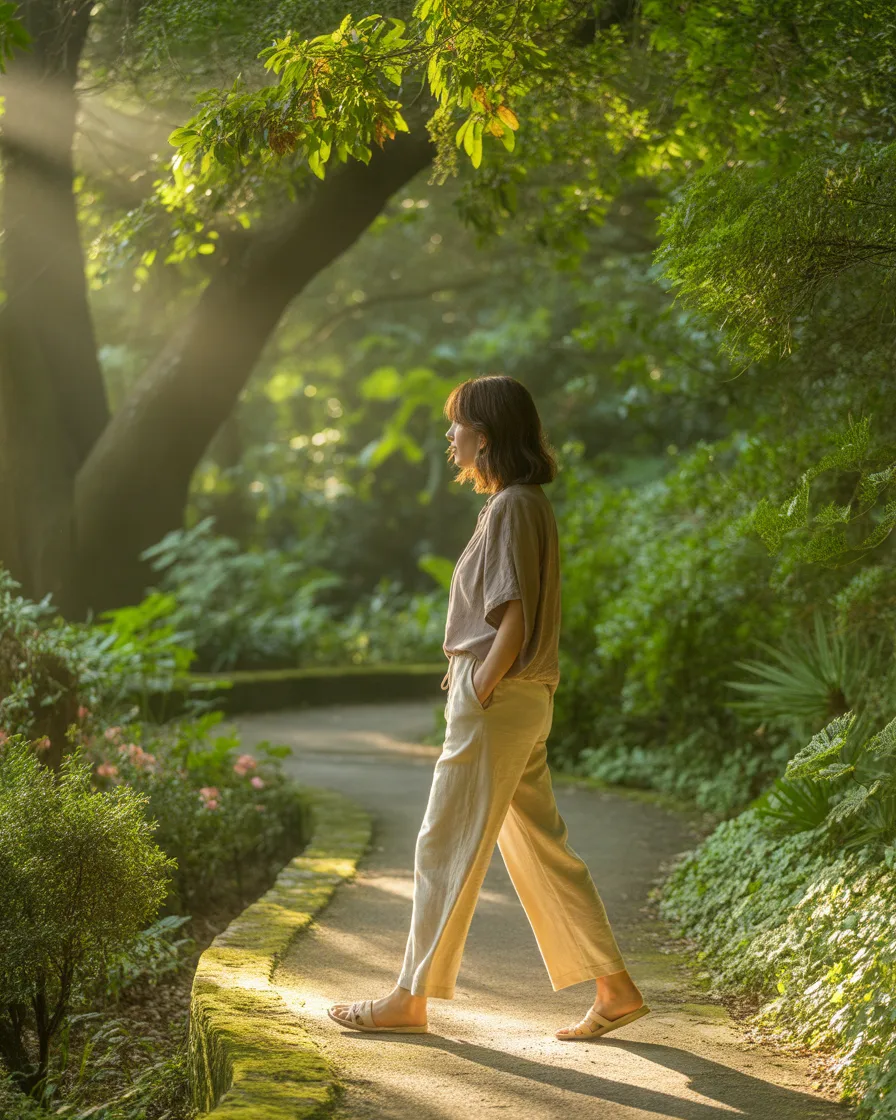
A healthy girl lifestyle aesthetic is about creating everyday habits that make you feel good, support your well-being, and bring a little more beauty and intention into your daily routine. Think of a sunlit bedroom, a nourishing breakfast, a peaceful morning walk, a water bottle on your desk, and a journal filled with personal goals. These small details can make ordinary days feel more enjoyable while encouraging healthier choices.
However, a healthy lifestyle is about much more than attractive photographs, matching workout sets, or perfectly organized routines. Real wellness includes getting enough sleep, eating a variety of foods, moving your body in ways you enjoy, maintaining meaningful relationships, and making space for rest. You do not need expensive skincare, trendy supplements, or a complete bedroom makeover to build a lifestyle that works for you.
The best healthy girl lifestyle aesthetic combines visual inspiration with realistic wellness habits. Whether you are a student, a busy professional, or someone looking to develop a more balanced routine, small changes can help you create a lifestyle that feels personal and sustainable.
In this guide, you will discover 10 practical healthy girl lifestyle ideas, including morning routines, balanced meals, movement, self-care, organization, and mindful living. Each idea includes its potential benefits, simple ways to apply it, important considerations, and an Ideogram prompt for creating beautiful lifestyle images.
1. Create a Calm and Refreshing Morning Routine
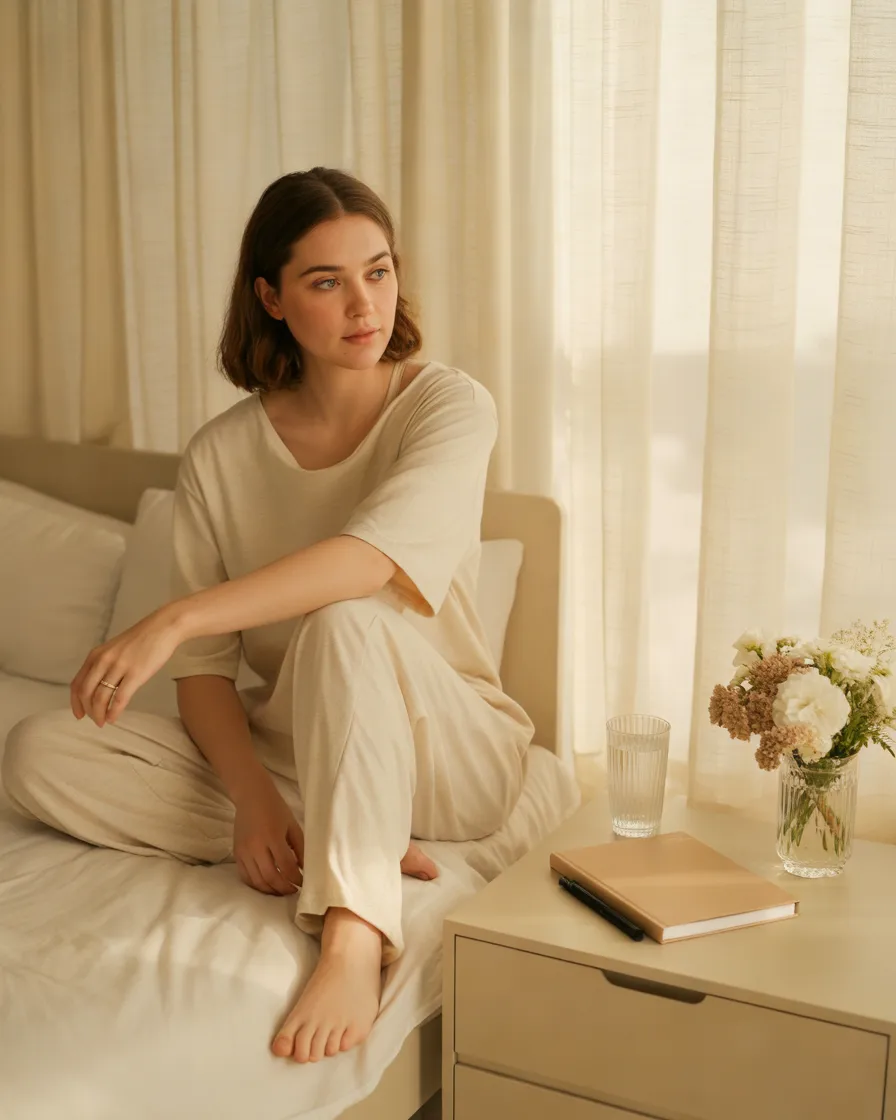
A peaceful morning routine can help you begin the day with greater intention instead of immediately feeling overwhelmed by notifications, unfinished tasks, or a busy schedule. A healthy morning does not have to start at 5 a.m. or involve an hour of complicated wellness rituals. The goal is to find a few simple activities that help you feel ready for the day.
For a soft, healthy girl lifestyle aesthetic, imagine natural morning light, fresh bedding, a glass of water, a comfortable outfit, and a short to-do list. These visual details can make a morning routine feel inviting, but the habits themselves are what matter most.
Benefits: A consistent morning routine may help you feel more organized, reduce decision fatigue, and create a smoother transition into work, study, or other responsibilities.
Practical tips: Start with three manageable habits. For example, open your curtains, drink water when you feel thirsty, and spend five minutes reviewing your priorities. If you have more time, add stretching, reading, or a relaxed breakfast.
How to apply it: Prepare your outfit and bag the night before. Keep your phone away from your bed if checking notifications tends to distract you. Build a routine that fits your actual wake-up time rather than copying someone else’s schedule.
Who it may suit: Students, professionals, parents, and anyone who wants a more structured start to the day.
Important considerations: You do not need to complete every habit each morning. Sleep should remain a priority, so avoid waking up earlier than necessary simply to follow an aesthetic routine.
2. Build a Balanced and Beautiful Breakfast Habit
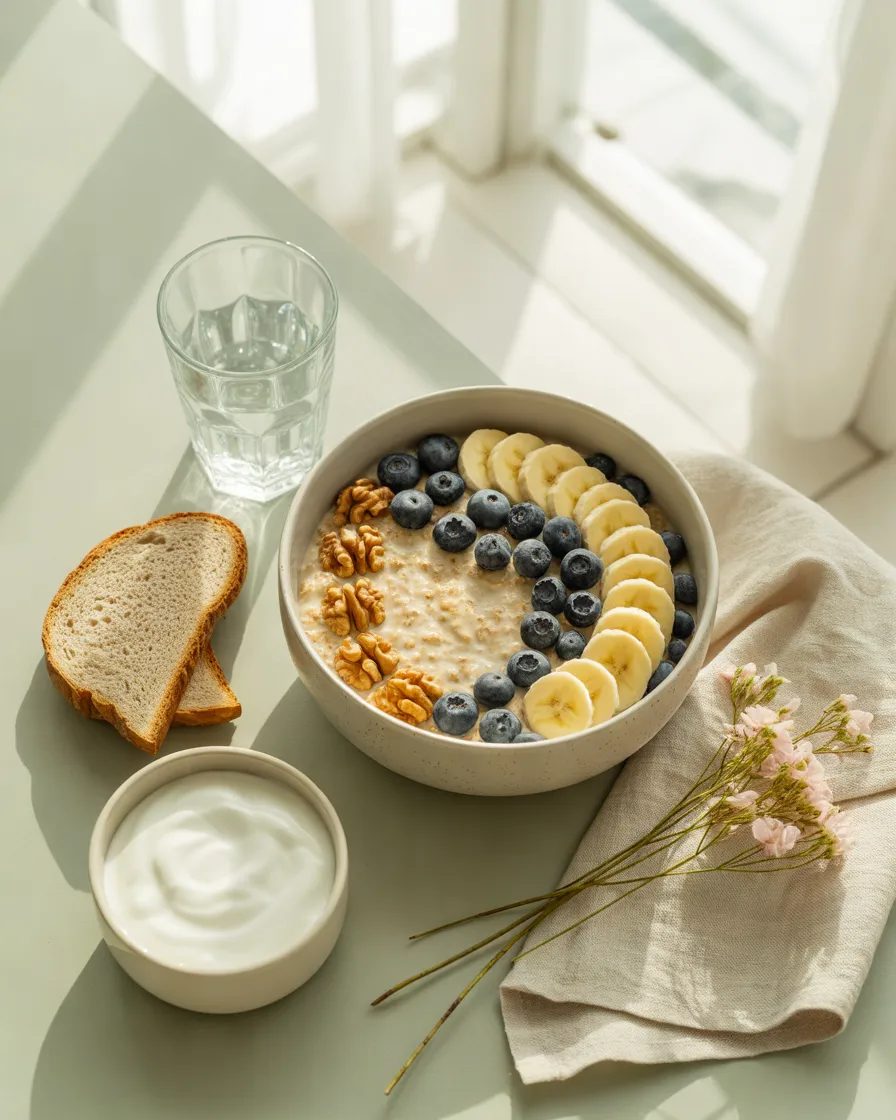
A nourishing breakfast can be an enjoyable part of a healthy girl lifestyle aesthetic, especially when it combines satisfying food with a relaxed eating environment. You do not need elaborate smoothie bowls or expensive superfoods to make breakfast appealing. Simple, familiar ingredients can provide a practical balance of nutrients.
Consider oatmeal with fruit and nuts, eggs with whole-grain toast, Greek yogurt with berries, or a bean-based breakfast with vegetables. Combining protein, fiber-rich carbohydrates, and healthy fats can help make a meal more satisfying.
Benefits: A balanced breakfast can provide energy and important nutrients. Depending on your appetite and schedule, it may also help you feel satisfied throughout the morning.
Practical tips: Keep easy ingredients available, such as oats, eggs, fruit, yogurt, whole-grain bread, and nuts. Prepare overnight oats in advance or wash fruit the night before. Choose meals you genuinely enjoy rather than forcing yourself to eat foods that look good online.
How to apply it: Create a small breakfast corner with a reusable mug, a plate you like, and a clean space to eat. Rotate two or three favorite breakfasts during the week to make shopping and preparation easier.
Who it may suit: Anyone who enjoys a calmer morning, wants convenient meal ideas, or needs a more consistent eating routine.
Important considerations: Breakfast is not compulsory for every adult. Appetite, medical needs, cultural preferences, and daily schedules differ. If you skip breakfast, focus on meeting your nutritional needs throughout the day rather than feeling guilty about a particular meal.
3. Make Daily Movement Part of Your Lifestyle
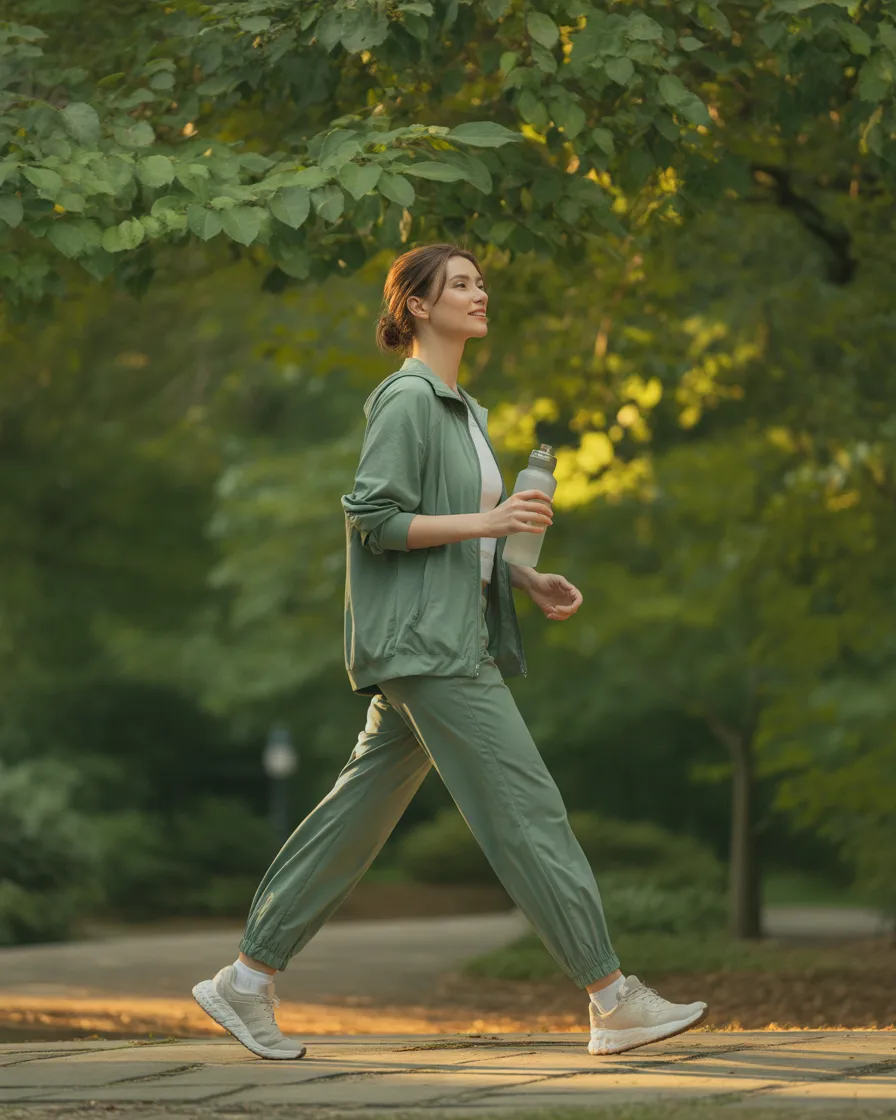
Movement can be one of the most empowering elements of a healthy girl lifestyle aesthetic. Instead of treating exercise as punishment or focusing only on appearance, think about how physical activity can support strength, mobility, cardiovascular health, mood, and everyday function.
Your movement routine does not need to happen in a luxury gym. Walking outdoors, dancing in your room, following a beginner workout, cycling, swimming, or practicing gentle yoga are all possible options.
Benefits: Regular physical activity can support heart health, muscle strength, balance, sleep, and mental well-being. The best activity is often one that feels enjoyable enough to continue.
Practical tips: Begin with a manageable amount of movement. Take a short walk during lunch, stretch after sitting for long periods, or schedule a few weekly strength-training sessions. Comfortable clothes, supportive footwear, and a playlist you enjoy can make the experience more appealing.
How to apply it: Create a simple weekly movement plan that includes activities you like. For example, walk on Monday and Wednesday, try a beginner strength workout on Friday, and choose a relaxed weekend activity. Adjust the plan to your fitness level and energy.
Who it may suit: Beginners, students, people who work at a desk, and anyone who wants to build a more active daily routine.
Important considerations: Increase exercise gradually and allow time for recovery. Stop if you experience concerning symptoms such as chest pain, faintness, or unusual shortness of breath. If you have a medical condition or significant physical limitations, seek appropriate professional guidance.
4. Develop a Simple and Consistent Skincare Routine
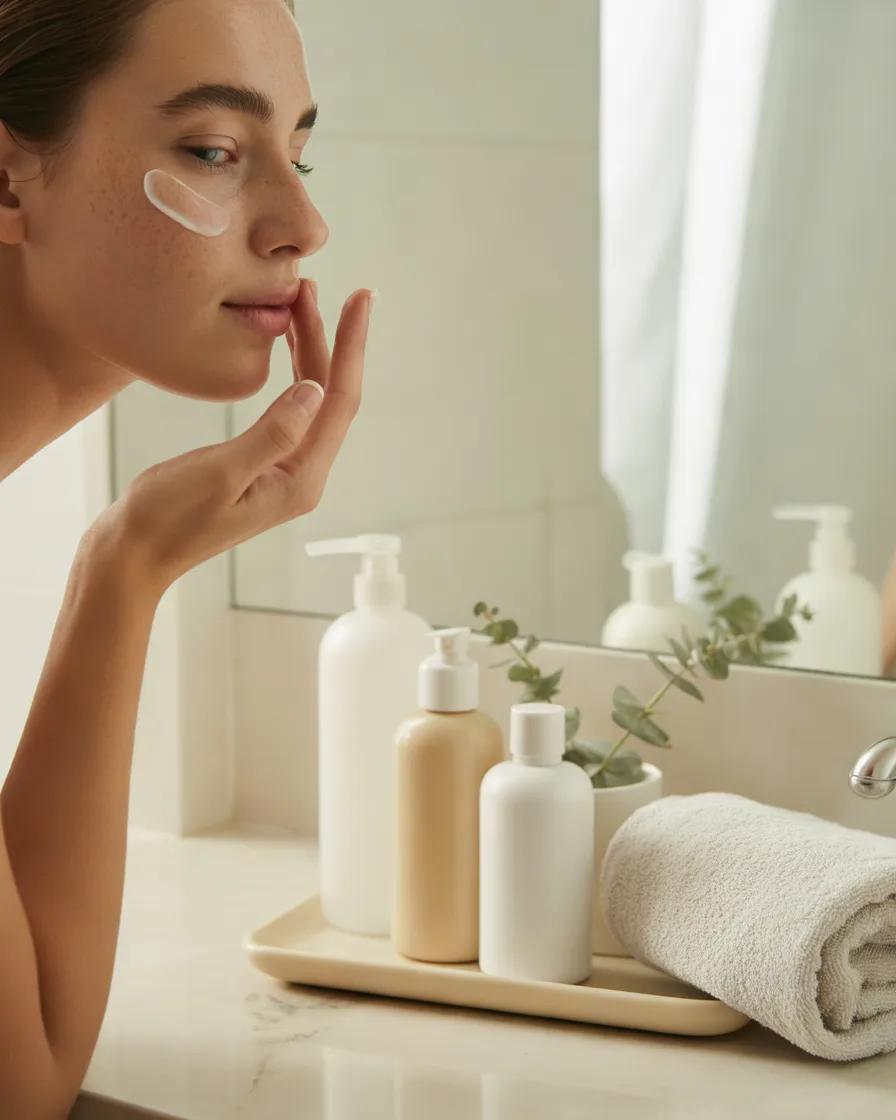
Skincare can be a relaxing part of personal care, but healthy-looking skin does not require a large collection of expensive products. A simple routine that suits your skin and can be maintained consistently is usually a more practical starting point than following every trending product recommendation.
For a clean and calming aesthetic, keep your products organized on a small tray, use a clean face towel, and create a routine that feels comfortable rather than complicated.
Benefits: A suitable skincare routine can help maintain the skin barrier, remove everyday dirt and sunscreen, and address individual concerns. Daily sun protection also helps reduce UV-related skin damage.
Practical tips: Start with a gentle cleanser, moisturizer, and broad-spectrum sunscreen with SPF 30 or higher during daytime. Introduce additional products only when needed, following their instructions.
How to apply it: Cleanse gently, moisturize, and apply sunscreen as directed. At night, remove sunscreen and makeup before applying moisturizer. Keep products you use daily within easy reach to encourage consistency.
Who it may suit: Anyone who wants a straightforward personal-care routine, from skincare beginners to people simplifying an existing collection.
Important considerations: Skin types and concerns differ. New products can cause irritation, so introduce them gradually and patch-test when appropriate. Seek advice from a qualified healthcare professional or dermatologist for persistent acne, painful rashes, unusual skin changes, or suspected allergic reactions. Avoid unregulated skin-lightening products and unnecessary aggressive treatments.
5. Design a Cozy and Organized Personal Space
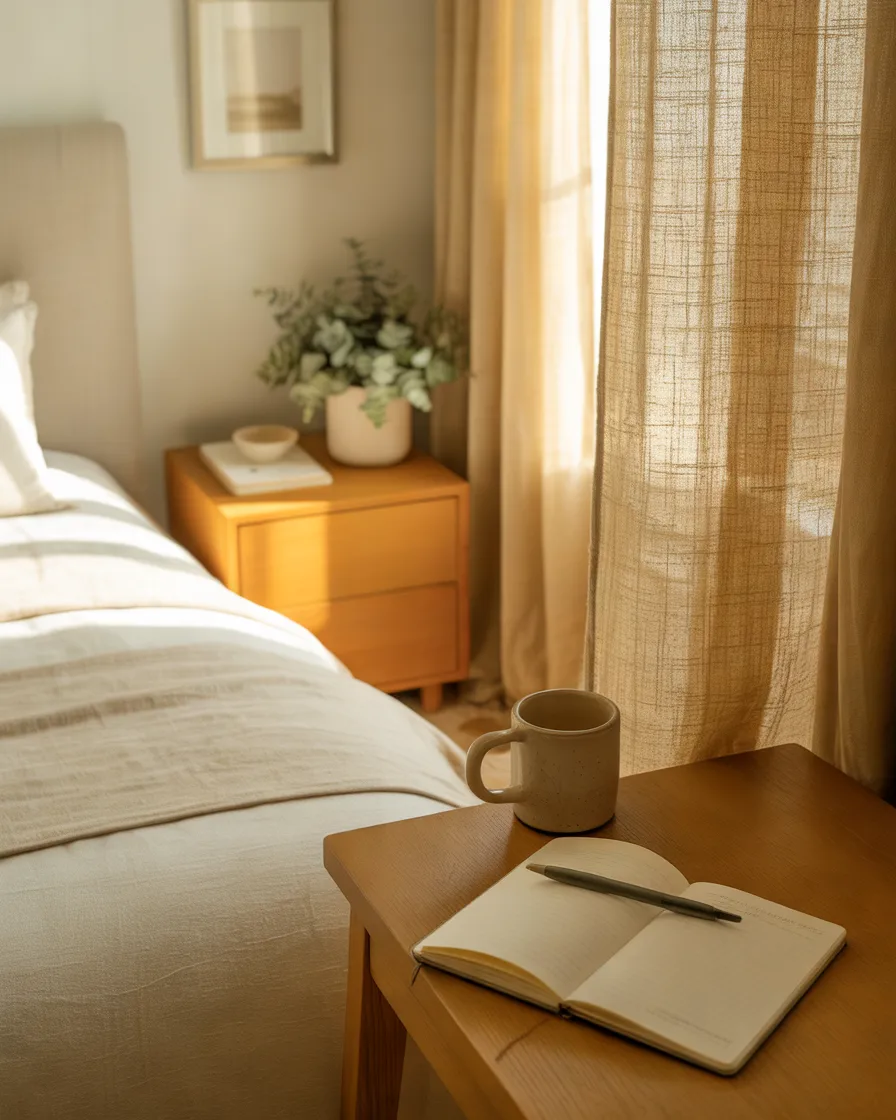
Your surroundings can influence how easily you complete everyday tasks and how comfortable you feel at home. A tidy, welcoming bedroom or study area can support routines such as reading, preparing for the next day, journaling, or relaxing before sleep.
The healthy girl lifestyle aesthetic often features neutral bedding, soft lighting, a few plants, and an organized desk. You can create a similar feeling without buying a complete set of matching furniture.
Benefits: An organized space may reduce everyday distractions, make belongings easier to find, and encourage activities you want to practice regularly. A comfortable bedroom can also support a relaxing bedtime routine.
Practical tips: Clear one surface at a time. Use a basket for frequently used items, keep your desk free from unnecessary clutter, and choose lighting that suits each activity. Add personal touches such as photographs, artwork, or a favorite book.
How to apply it: Spend five to ten minutes resetting your room in the evening. Put laundry away, return items to their usual places, and prepare your desk for tomorrow. Choose a small area to improve each week instead of trying to reorganize the entire home at once.
Who it may suit: Students, remote workers, people in small apartments, and anyone who wants a more comfortable living environment.
Important considerations: Organization should make life easier, not become another source of pressure. You do not need a perfectly styled room, costly decor, or a minimalist home to practice healthy habits.
6. Practice Journaling and Mindful Self-Reflection
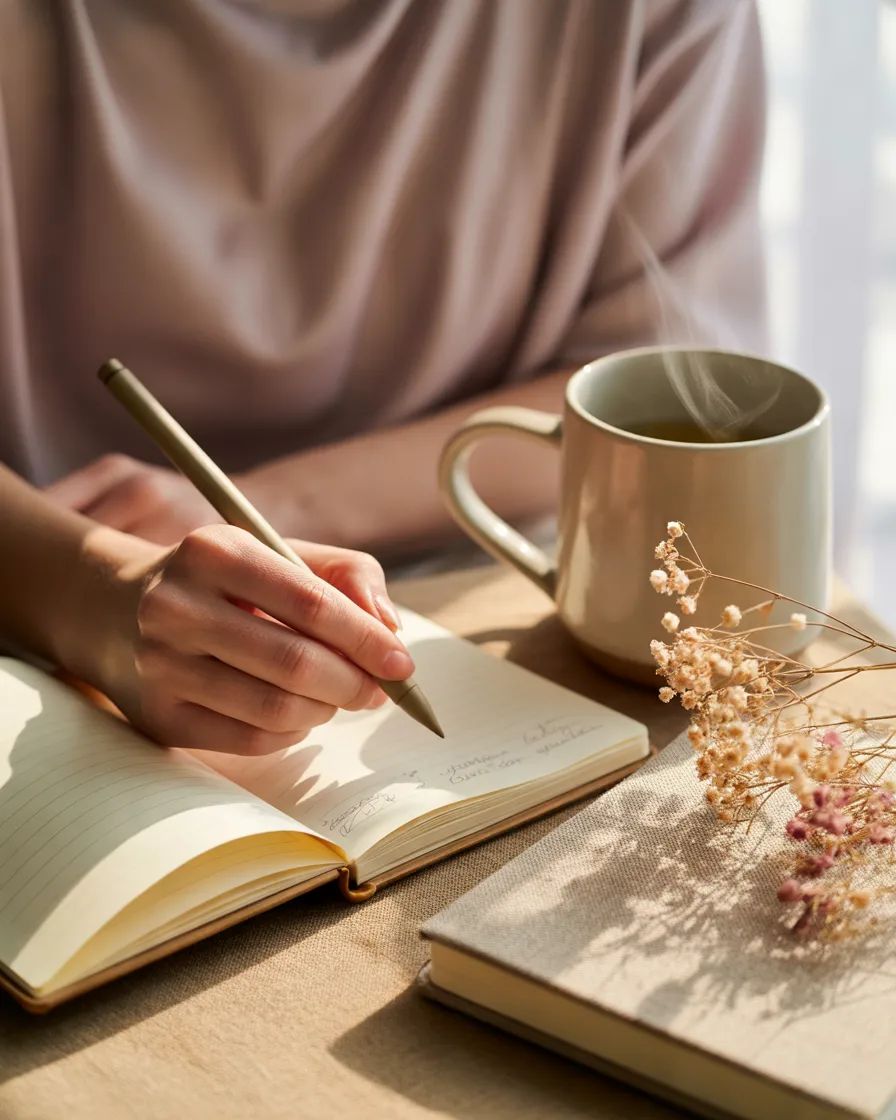
Journaling offers a simple way to pause, notice your feelings, and reflect on the choices you make each day. It can fit naturally into a healthy lifestyle routine without requiring beautiful handwriting, expensive stationery, or long pages of writing.
Your journal can be practical rather than purely inspirational. You might record three priorities, note something you appreciated, or reflect on what made the day easier or more difficult.
Benefits: Writing may help some people organize thoughts, recognize patterns, clarify goals, and reflect on stressful situations. A regular check-in can also help you identify when your schedule needs more rest or flexibility.
Practical tips: Keep your journal somewhere visible. Use short prompts such as “What do I need today?”, “What went well?”, and “What would make tomorrow easier?” A few honest sentences are enough.
How to apply it: Spend five minutes writing after breakfast or before bed. At the beginning of each week, choose one or two realistic intentions, such as preparing lunches in advance or taking regular walking breaks. Review your progress with curiosity rather than judgment.
Who it may suit: People who enjoy reflection, students managing multiple responsibilities, or anyone trying to develop clearer personal goals.
Important considerations: Journaling is not a replacement for professional mental health support. If writing makes distressing thoughts feel more intense, change your approach or stop. You can also use voice notes, drawing, or a brief conversation with someone you trust.
7. Prioritize Quality Sleep and a Relaxing Evening Routine
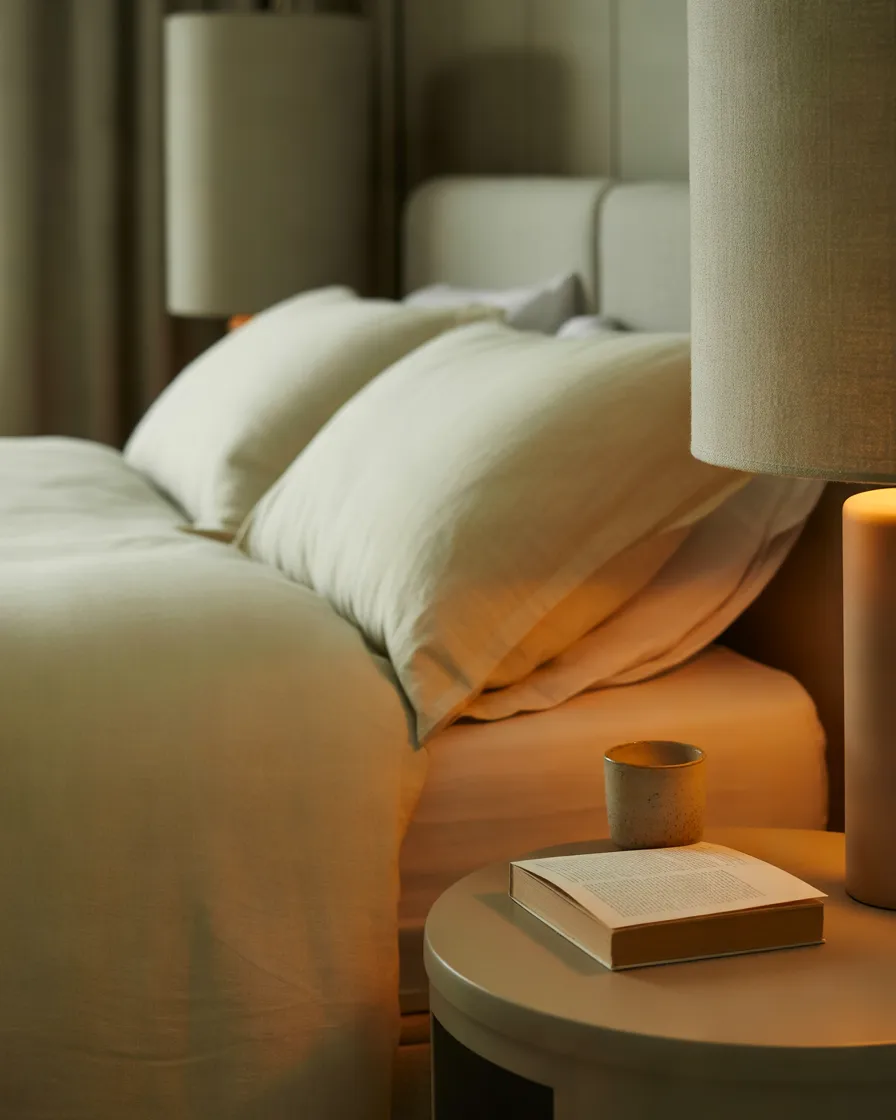
A beautiful nighttime routine should help you unwind, not create a long checklist that keeps you awake. Sleep is an essential part of overall health, supporting attention, mood, recovery, and daily functioning.
For many adults, a regular sleep schedule and a comfortable bedroom are more useful than expensive nighttime products or elaborate rituals.
Benefits: Adequate sleep supports physical and mental well-being. A consistent wind-down routine may help you transition from a busy day to rest, especially when it reduces stimulating activities close to bedtime.
Practical tips: Keep your wake-up time reasonably consistent, dim bright lights in the evening, and make your bedroom quiet and comfortable. Choose relaxing activities such as reading, taking a warm shower, gentle stretching, or listening to calm music.
How to apply it: Create a 20- to 30-minute wind-down period when your schedule allows. Prepare tomorrow’s essentials, put your phone aside if it interferes with sleep, and follow a familiar sequence of relaxing activities. Most adults should aim for at least seven hours of sleep per night, although individual needs vary.
Who it may suit: Busy professionals, students, people with irregular evening habits, and anyone wanting to make bedtime more consistent.
Important considerations: Avoid turning sleep into a performance target. If you regularly struggle to fall asleep, wake frequently, or remain excessively sleepy during the day, speak with a healthcare professional. Persistent sleep problems may need assessment rather than additional lifestyle products.
8. Create a Colorful and Practical Healthy Eating Routine
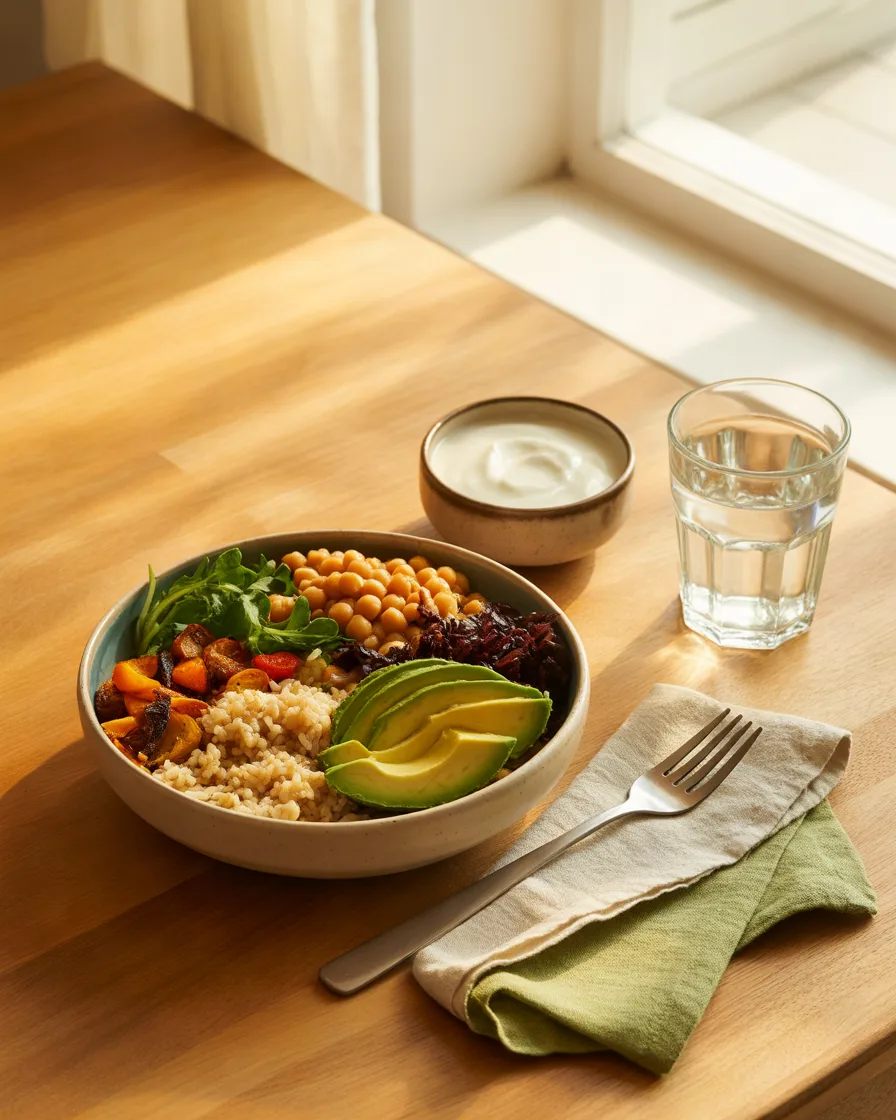
A healthy girl lifestyle aesthetic can include attractive meals, but the real goal is to make balanced eating enjoyable, flexible, and realistic. You do not need to follow restrictive food rules or label foods as morally good or bad to care for your nutrition.
A practical eating routine includes a variety of foods, such as vegetables, fruit, whole grains, protein-rich foods, and sources of unsaturated fats. The right combination depends on your needs, preferences, culture, budget, and activity level.
Benefits: A varied eating pattern can provide essential nutrients and support general health. Planning meals can also reduce last-minute stress and make grocery shopping more efficient.
Practical tips: Choose colorful produce when available, keep convenient protein sources on hand, and cook larger portions of meals you enjoy. Frozen vegetables, canned beans, eggs, lentils, and seasonal fruit can all be useful budget-friendly options.
How to apply it: Plan a few meals before shopping. For lunch, you might combine rice or another whole grain with lentils, vegetables, and yogurt. For dinner, try baked fish or tofu with potatoes and a side salad. Keep satisfying snacks available if you get hungry between meals.
Who it may suit: People with busy schedules, beginner home cooks, students, and anyone who wants to make everyday meals more organized.
Important considerations: Avoid extreme calorie restriction, unnecessary food elimination, or comparing your portions with those shown on social media. Food allergies, medical conditions, pregnancy, and specific nutritional needs may require individualized advice from a registered dietitian or qualified healthcare professional.
9. Make Hydration and Small Wellness Breaks Part of Your Day
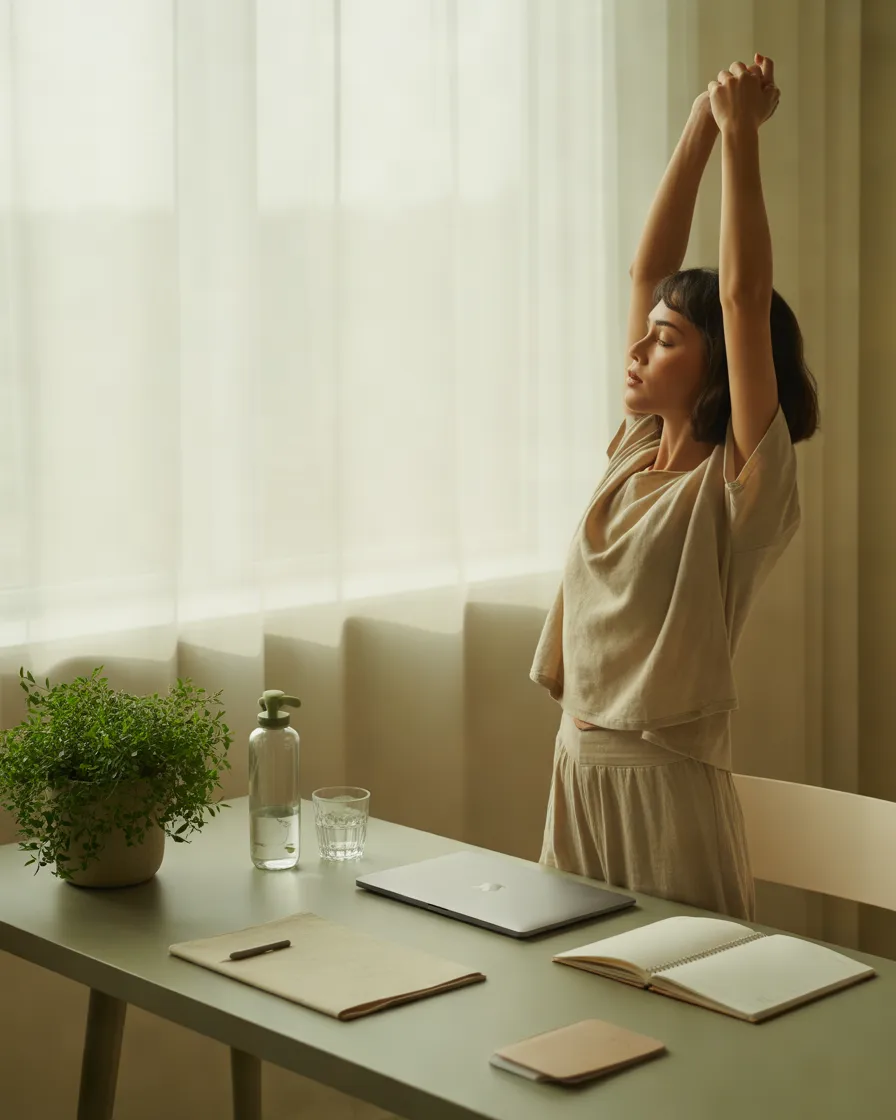
Wellness does not have to involve dramatic lifestyle changes. Small actions, such as keeping water nearby, taking movement breaks, stepping outside for fresh air, or pausing between tasks, can make daily life feel more manageable.
The visual side of this habit might include a reusable water bottle, a tidy desk, natural light, and a short break away from a screen. The important part is responding to your body’s needs rather than following a rigid hydration target.
Benefits: Adequate hydration helps the body regulate temperature, transport nutrients, and perform normal functions. Short breaks from prolonged sitting can also create opportunities for movement and mental rest.
Practical tips: Keep a water bottle within reach, drink regularly throughout the day, and include water-rich foods such as fruit and vegetables. If you work at a desk, use natural transitions—such as finishing a meeting—to stand, stretch, or walk briefly.
How to apply it: Pair hydration with an existing habit, such as drinking water with meals or refilling your bottle before leaving home. Set a gentle reminder to take a break if you regularly lose track of time while studying or working.
Who it may suit: Office workers, students, remote workers, and people who spend long periods sitting.
Important considerations: Fluid needs vary with activity, climate, diet, and health. Do not force excessive amounts of water or assume that everyone needs the same daily quantity. People with certain kidney or heart conditions may have individualized fluid recommendations from their healthcare team.
10. Build a Sustainable Self-Care and Personal Growth Routine
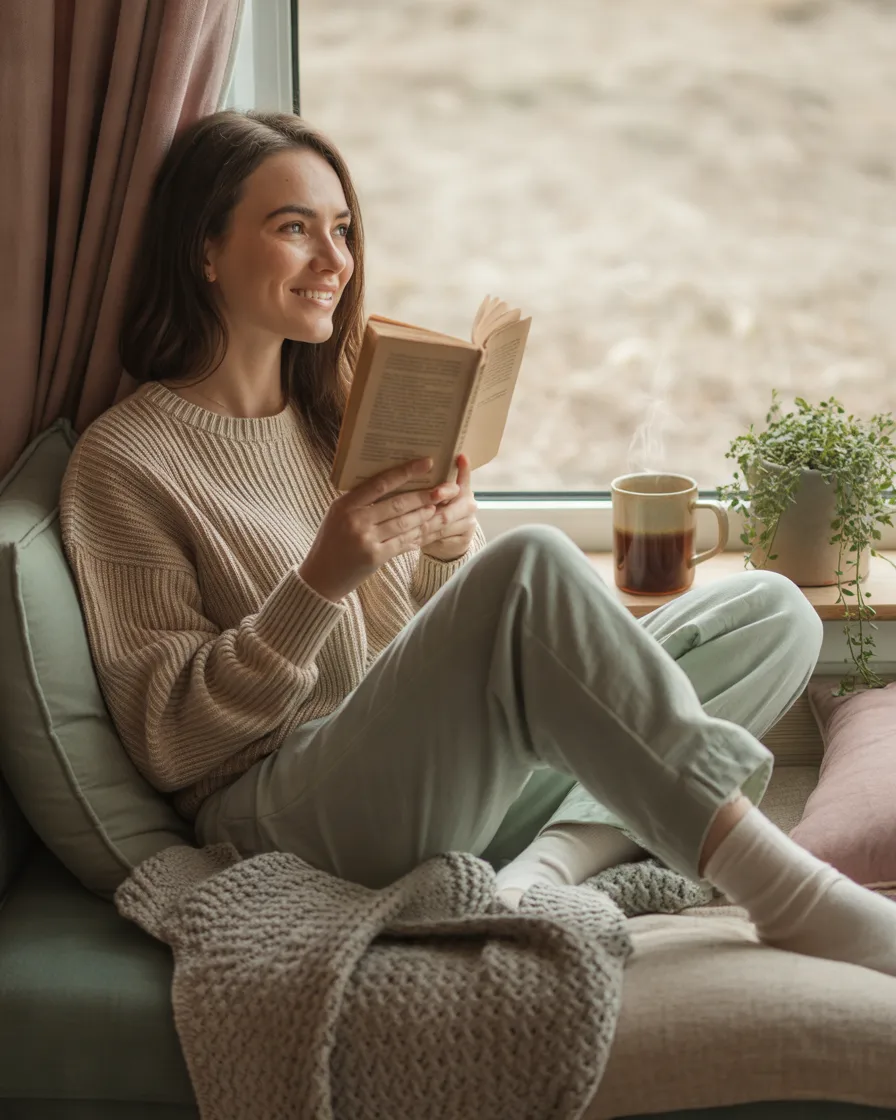
Self-care is not limited to face masks, candles, or shopping for new products. It also means recognizing your limits, setting boundaries, making time for relationships, learning new skills, and asking for help when you need it.
A sustainable healthy girl lifestyle aesthetic makes room for both personal growth and ordinary enjoyment. That could mean reading a few pages of a book, spending time with friends, learning to cook, exploring a creative hobby, or taking an evening off without feeling that you must be productive.
Benefits: Regular enjoyable activities may support emotional well-being, provide a sense of accomplishment, and help create a better balance between responsibilities and leisure. Maintaining social connections can also be an important part of overall wellness.
Practical tips: Choose self-care activities that meet your actual needs. If you feel mentally tired, try quiet time. If you feel isolated, contact a friend. If you feel overwhelmed, identify one task you can postpone or ask someone to help with.
How to apply it: Schedule one or two small activities each week that are just for you. You could read on Sunday afternoon, call a family member during a walk, attend a class, or spend time on a creative hobby. Keep the plan flexible enough to change when life becomes busy.
Who it may suit: Anyone juggling work, study, family responsibilities, or personal goals who wants to create a more balanced lifestyle.
Important considerations: Self-care should not become another expensive obligation. It does not require a perfect routine or constant self-improvement. Rest, connection, and ordinary moments of enjoyment count, even when they are not visually impressive.
Expert Tips for Maintaining a Healthy Girl Lifestyle Aesthetic
The most effective wellness routine is one that fits your life and can adapt as your needs change. Use these expert-informed principles to make your habits practical rather than overwhelming.
Start with one or two changes. Trying to overhaul your sleep, diet, exercise, skincare, and organization at the same time can be difficult to maintain. Choose the habits that would make the biggest difference to your current routine and build from there.
Focus on consistency, not perfection. Missing a workout, eating takeaway, or sleeping later than planned does not undo your progress. Return to your usual habits when it feels practical instead of compensating with extreme restrictions or extra exercise.
Make healthy choices convenient. Put walking shoes near the door, prepare ingredients before a busy week, keep a book beside your bed, or leave your journal on your desk. Small environmental changes can reduce the effort required to follow through.
Use social media for inspiration, not comparison. Lifestyle photographs often show carefully selected moments. They rarely capture financial constraints, difficult days, family responsibilities, or the work behind a polished image. Adapt ideas to your circumstances rather than copying someone else’s entire lifestyle.
Protect your budget. You can create a beautiful routine with ordinary items you already own. Clean bedding, a reused glass jar for flowers, a notebook, comfortable walking shoes, and simple home-cooked meals can be enough.
Listen to your body. Rest when you need rest, eat enough to meet your needs, and adjust physical activity according to your ability. Wellness practices should support your health, not create ongoing guilt or anxiety.
Seek professional advice when necessary. General lifestyle information cannot replace individualized medical care. Speak with an appropriate healthcare professional about persistent symptoms, nutritional concerns, sleep problems, or exercise limitations.
Frequently Asked Questions About the Healthy Girl Lifestyle Aesthetic
1. What is a healthy girl lifestyle aesthetic?
A healthy girl lifestyle aesthetic combines everyday wellness habits with an environment and personal style that feel calming and enjoyable. It may include balanced meals, regular movement, skincare, good sleep habits, journaling, organization, and meaningful self-care. The emphasis should be on well-being rather than achieving a particular appearance.
2. How can I start a healthy girl lifestyle on a budget?
Begin with habits that cost little or nothing. Walk outdoors, prepare simple meals at home, use a notebook you already own, organize your bedroom, and establish a consistent sleep schedule. You do not need expensive gym memberships, matching accessories, premium skincare, or wellness subscriptions to develop healthier habits.
3. What should a healthy girl morning routine include?
A realistic morning routine might include getting up after sufficient sleep, opening the curtains, washing your face, eating breakfast if you are hungry, reviewing your priorities, and moving your body briefly. Adjust the timing to your schedule. There is no single ideal morning routine for everyone.
4. How do I maintain a healthy lifestyle when I am busy?
Focus on habits that fit naturally into your existing day. Prepare a few meals ahead of time, take short walking breaks, keep convenient foods available, and choose a simple bedtime routine. Small actions performed regularly can be more manageable than an elaborate plan that requires hours of free time.
5. Do I need to buy special products to achieve this aesthetic?
No. A healthy lifestyle aesthetic is not dependent on particular brands or purchases. Natural light, a clean space, a reusable water bottle, comfortable clothing, and a simple journal can create a visually appealing environment. Prioritize products that solve a real need rather than buying items because they are trending.
6. Can I follow a healthy girl lifestyle without going to the gym?
Yes. Walking, dancing, cycling, home workouts, bodyweight exercises, and other activities can contribute to an active lifestyle. Choose options appropriate for your fitness level and gradually build a routine. A gym is one possible setting for exercise, not a requirement for healthy living.
7. How long does it take to develop healthy lifestyle habits?
There is no universal timeline. Some habits become familiar relatively quickly, while others take longer, especially when schedules or circumstances change. Begin with achievable actions, repeat them when possible, and adjust your approach when something is not working. Sustainable progress matters more than a fixed deadline.
8. Is the healthy girl lifestyle aesthetic suitable for beginners?
Absolutely. Beginners can start with one simple habit, such as preparing a balanced breakfast, taking a short walk, or putting their phone aside before bed. Add other habits gradually as they become comfortable. You do not need to be highly organized, fit, or experienced to begin.
9. How can I avoid becoming obsessed with a perfect wellness routine?
Set flexible goals, allow yourself rest, and avoid treating ordinary choices as failures. Notice whether your habits improve your quality of life or create excessive guilt and anxiety. If food, exercise, body image, or wellness rules begin to interfere with daily functioning, consider seeking support from a qualified healthcare or mental health professional.
Conclusion: Create a Healthy Girl Lifestyle That Feels Like You
A healthy girl lifestyle aesthetic is most meaningful when it reflects how you want to feel, not just how you want your life to look in photographs. A peaceful morning, a balanced meal, a regular walk, a comfortable bedroom, a few minutes of journaling, and a relaxing bedtime routine can all contribute to a more intentional everyday life.
Start with the habits that suit your current needs, time, and budget. You might organize your desk this week, experiment with a new breakfast next week, or begin taking short walks during your lunch break. Small changes can help you discover what works for you without creating unnecessary pressure.
Remember that wellness is personal. Your routine does not need to look like anyone else’s, and a healthy day does not have to be perfectly productive. Make room for flexibility, relationships, rest, and enjoyment.
Ultimately, the best healthy girl lifestyle aesthetic is one that supports your well-being, feels realistic in everyday life, and gives you the freedom to be yourself.