
Imagine waking up in a bright, peaceful bedroom, opening the curtains to let in natural light, enjoying a nourishing breakfast, and starting your day without immediately reaching for your phone. Your surroundings feel calm, your routine feels manageable, and you have enough time to care for yourself.
That is the idea behind a healthy aesthetic lifestyle.
A healthy aesthetic lifestyle combines everyday wellness habits with an environment and routine that feel beautiful, comfortable, and personal. It might include preparing colorful meals, creating a tidy living space, enjoying a relaxing evening ritual, spending time outdoors, or choosing clothes that make you feel confident.
However, this lifestyle is not about achieving a perfect appearance, buying expensive products, or following a strict social media routine. It is about making healthy choices enjoyable enough to maintain in real life.
The best approach combines physical well-being, mental wellness, personal style, and a comfortable environment. Small changes can make ordinary activities feel more intentional without adding unnecessary pressure to your day.
Whether you are interested in a minimalist wellness routine, cozy self-care habits, or practical healthy lifestyle inspiration, these 13 ideas can help you create a routine that suits your needs, budget, and schedule.
1. Create a Peaceful and Sunlit Morning Routine

A peaceful morning can help you begin the day with greater intention. Instead of rushing through the first few minutes after waking, create a simple routine that includes natural light, gentle movement, hydration, and a little time away from digital distractions.
You do not need a complicated five-step ritual or an early wake-up time to enjoy a more mindful morning.
Benefits: A consistent morning routine can provide structure, encourage healthy habits, and help you feel more organized. Getting natural light during the morning also supports your body’s circadian rhythm, which helps regulate sleep and wakefulness.
Practical tips: Open your curtains, make your bed, drink water according to your thirst, and spend a few minutes stretching or sitting quietly. Prepare breakfast or choose your clothes the night before if mornings tend to feel rushed.
How to apply it: Start with a 10-minute routine. For example, spend two minutes opening the curtains, three minutes stretching, and five minutes preparing for the day. Add other activities only when they feel useful.
Who it may suit: Students, remote workers, busy parents, and anyone who wants a calmer start to the day.
Important considerations: You do not need to wake up at 5 a.m. to be healthy. Adequate sleep matters more than following an aesthetically pleasing morning schedule.
2. Build a Colorful and Balanced Healthy Eating Routine
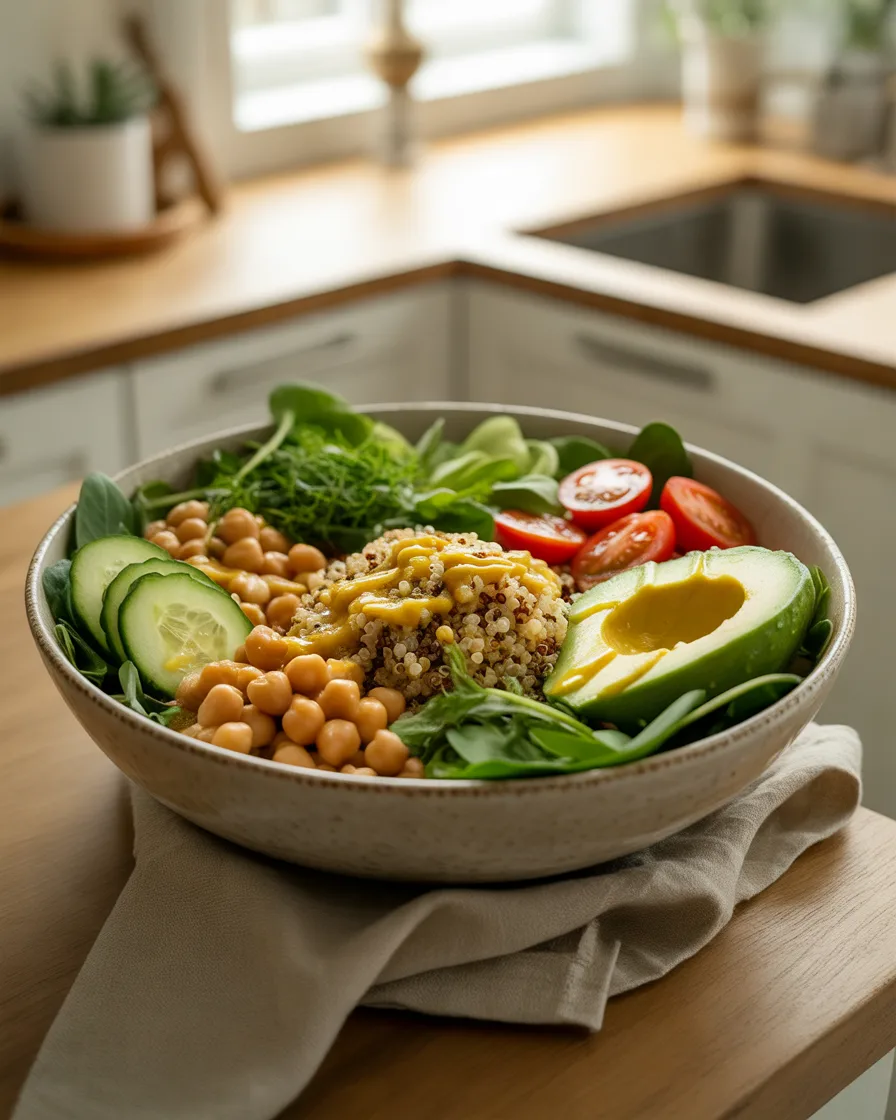
Healthy food can be beautiful without becoming complicated. A colorful bowl of vegetables, a nourishing breakfast, or a thoughtfully prepared lunch can make everyday eating more enjoyable while helping you meet your nutritional needs.
The goal is to focus on variety, balance, and satisfaction rather than making every meal look perfect.
Benefits: Balanced meals can provide protein, fiber, vitamins, minerals, and energy to support everyday activities. Eating a variety of foods also makes it easier to obtain a broad range of nutrients.
Practical tips: Combine vegetables or fruit with protein-rich foods, whole grains, and sources of healthy fats. Try overnight oats with berries, a chickpea and quinoa bowl, or whole-grain toast with eggs and avocado.
How to apply it: Choose two or three easy meals you enjoy and prepare some ingredients in advance. Use colorful produce, attractive bowls, and simple plating techniques to make meals visually appealing.
Who it may suit: People who want practical nutrition habits, beginners learning to cook, and anyone looking to make home-prepared meals more enjoyable.
Important considerations: No single food or meal guarantees better health. Avoid restrictive eating rules based on appearance, and adapt your food choices to your allergies, medical needs, cultural preferences, and budget.
3. Turn Your Bedroom Into a Calm and Comfortable Space
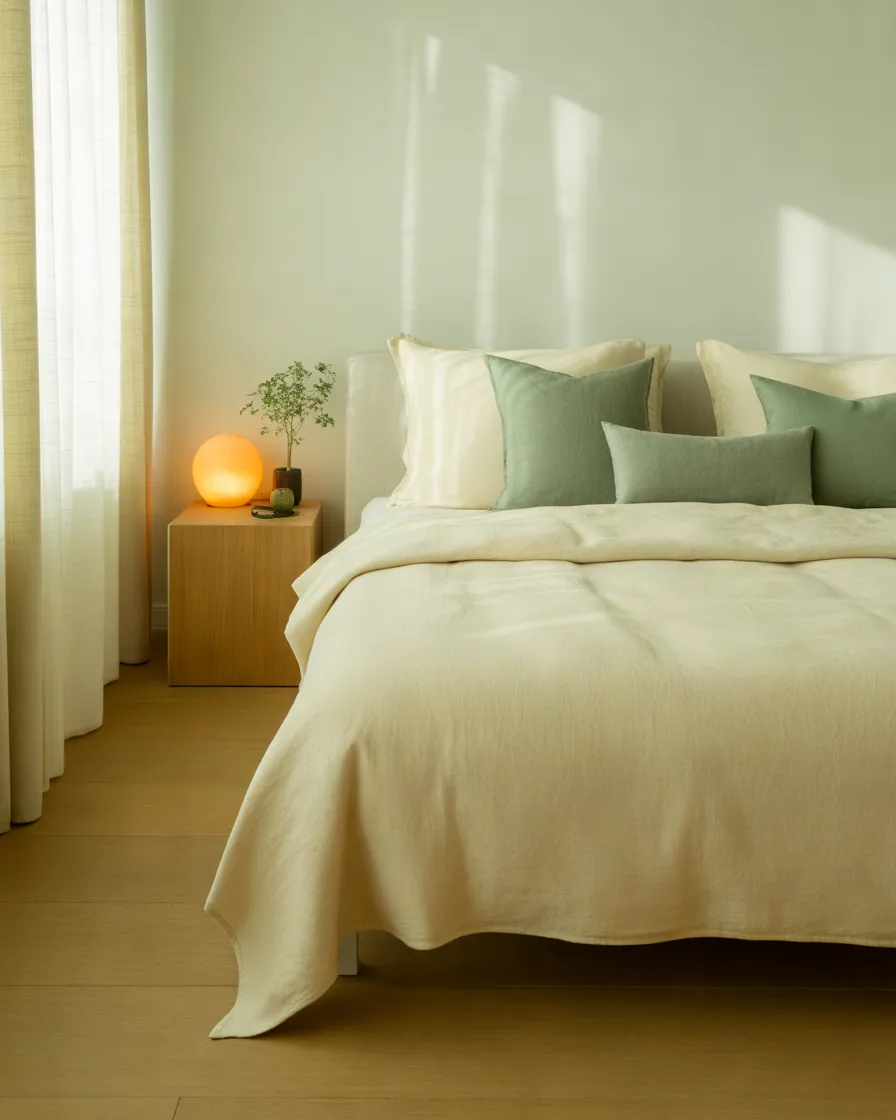
Your bedroom should support rest rather than constantly remind you of unfinished tasks. A clean, comfortable, visually soothing room can make winding down easier and help establish a consistent bedtime routine.
You do not need expensive furniture or a complete room makeover. A few thoughtful changes can create a noticeable difference in how your space feels.
Benefits: A comfortable bedroom, reduced clutter, and a suitable sleep environment can support better sleep habits and relaxation. A room that feels pleasant to use may also encourage you to maintain a more consistent evening routine.
Practical tips: Keep your bedside table simple, wash bedding regularly, reduce unnecessary clutter, and choose comfortable lighting. Soft bedding, neutral colors, and a few meaningful decorative items can create a cozy atmosphere.
How to apply it: Begin with one area, such as your bedside table. Remove items you rarely use, keep essentials nearby, and make sure your mattress and pillows provide suitable comfort.
Who it may suit: People who work or study from home, anyone living in a small apartment, and those who want a more relaxing bedroom.
Important considerations: Aesthetic preferences differ. Avoid buying unnecessary products just to reproduce a bedroom seen online. Keep pathways clear and choose washable, practical materials.
4. Develop a Gentle and Consistent Skincare Routine
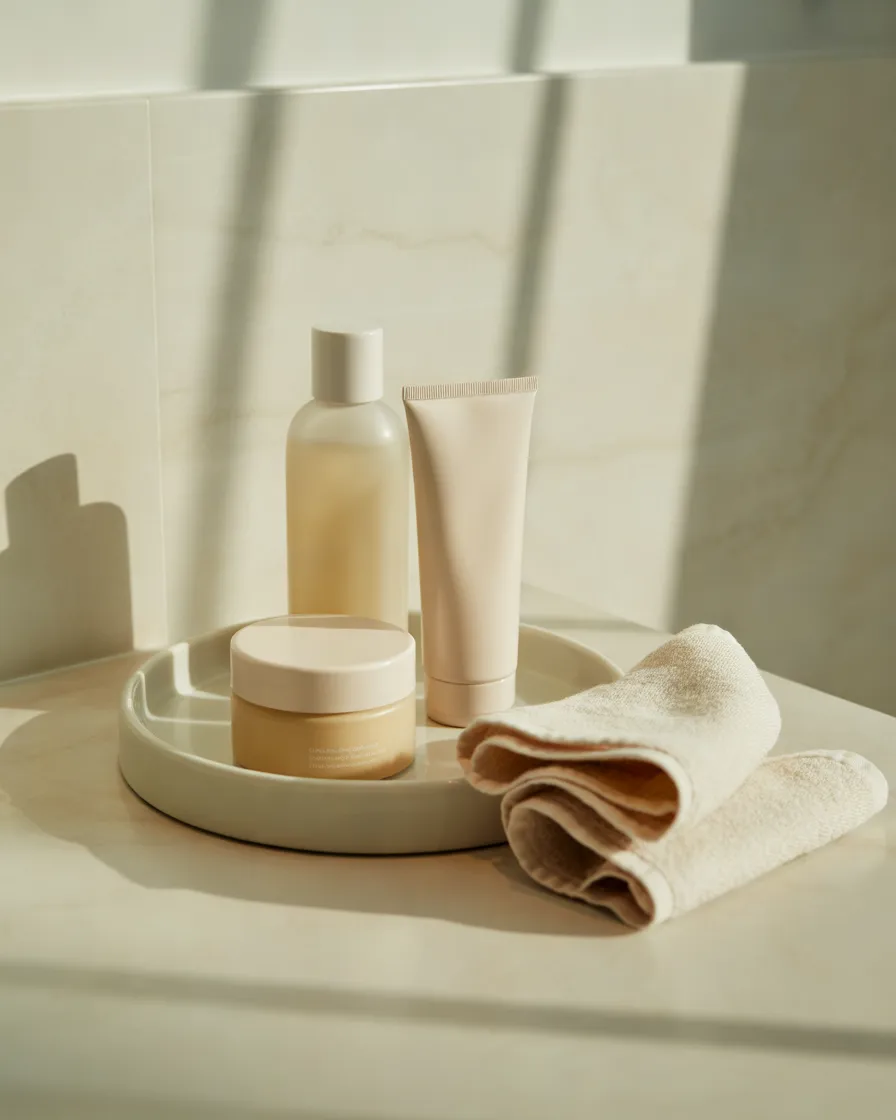
Skincare can be a useful part of a healthy aesthetic lifestyle when the focus is on skin comfort, protection, and consistency rather than achieving flawless skin.
A practical routine is often easier to maintain than a shelf full of complicated products. It should also reflect your skin type, climate, and individual concerns.
Benefits: Gentle cleansing helps remove sweat, oil, and dirt. Moisturizers support the skin barrier, while broad-spectrum sunscreen helps protect exposed skin from harmful ultraviolet radiation.
Practical tips: Start with a gentle cleanser, a suitable moisturizer, and broad-spectrum sunscreen with SPF 30 or higher during daytime exposure. Introduce new products gradually and avoid adding several active ingredients at once.
How to apply it: Use a simple morning and evening routine. Cleanse as appropriate for your skin, moisturize, and apply sunscreen to exposed skin during the day, following the product instructions and reapplying as directed.
Who it may suit: Beginners, people seeking a simple self-care ritual, and anyone who wants to establish consistent skin-protection habits.
Important considerations: More products do not necessarily mean better results. Fragrance and certain active ingredients may irritate sensitive skin. Seek professional advice for persistent rashes, painful acne, or other ongoing skin problems.
5. Make Daily Movement Enjoyable and Visually Inspiring
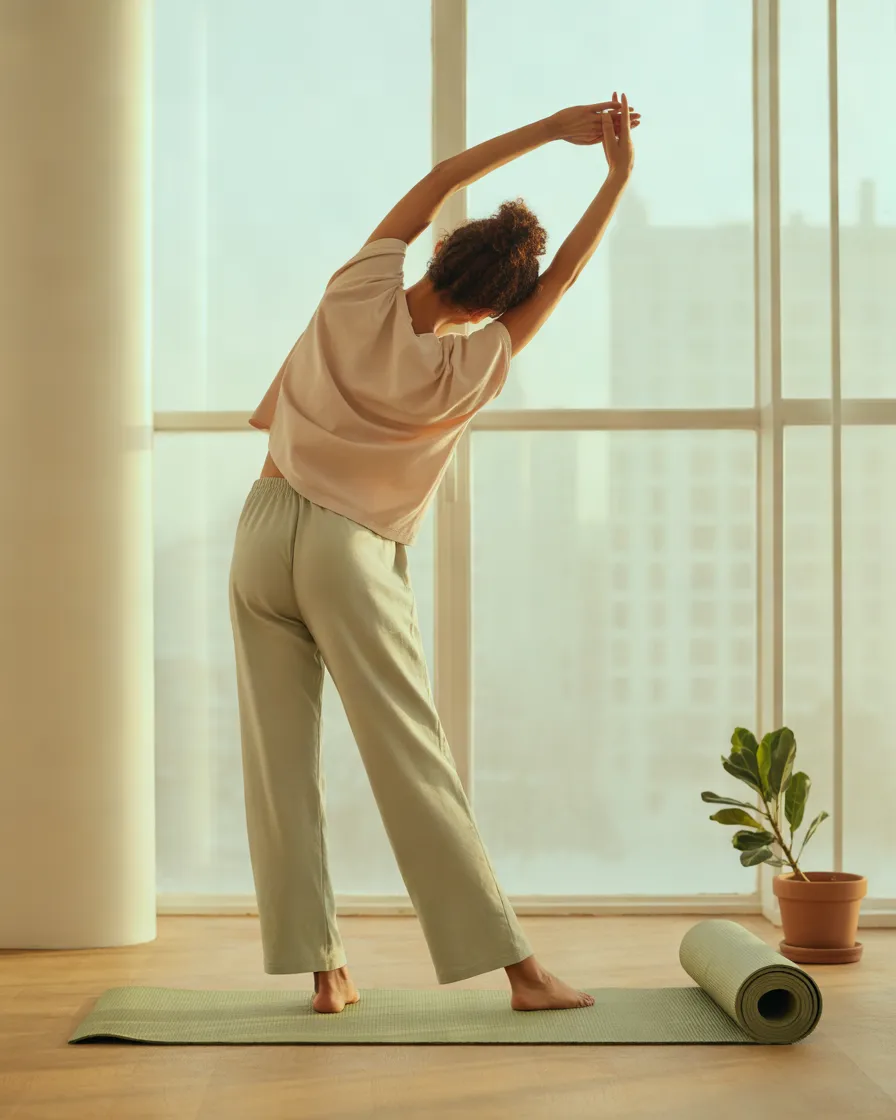
Movement does not have to happen in a crowded gym or follow an intense training program. Walking through a green park, stretching beside a window, dancing to favorite music, or following a simple strength routine can all be part of a wellness-focused lifestyle.
The most useful form of exercise is one you can perform safely and return to regularly.
Benefits: Regular physical activity supports cardiovascular health, muscle strength, mobility, mood, and overall well-being. It can also help people spend less time sitting.
Practical tips: Keep comfortable walking shoes near the door, create a small stretching area, or prepare a playlist for home workouts. If you enjoy outdoor settings, explore a nearby walking route.
How to apply it: Schedule short movement breaks during your day. Begin with 10-minute walks or gentle mobility exercises and gradually build toward public-health recommendations that suit your fitness level.
Who it may suit: Beginners, desk workers, students, and people who prefer flexible exercise options.
Important considerations: Exercise should not be punishment for eating or a requirement to achieve a particular body shape. Adapt activity to your abilities and seek medical guidance before starting strenuous exercise if you have relevant health concerns.
6. Stay Hydrated With a Simple Everyday System
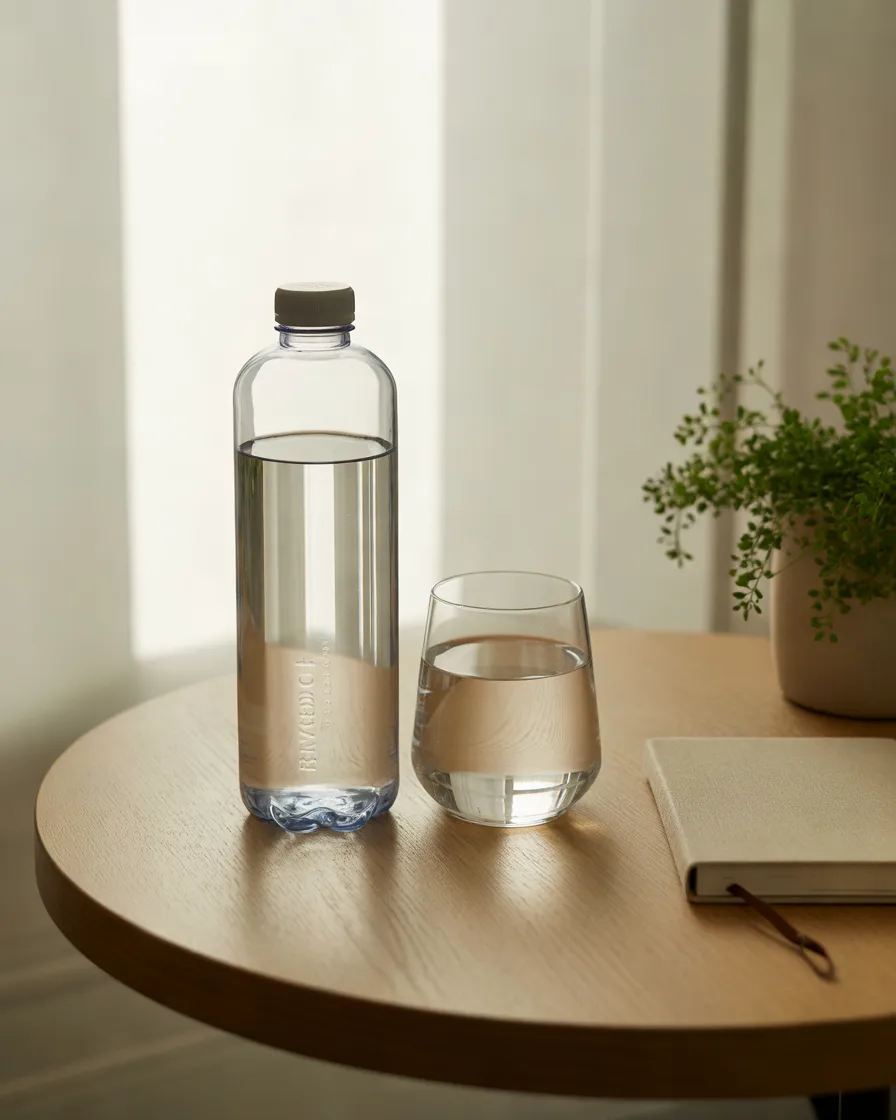
A reusable water bottle, a glass of water beside your workspace, and regular opportunities to drink can make hydration easier to remember. The aesthetic element is optional; the practical habit is what matters.
Hydration needs vary according to activity, temperature, diet, body size, and health conditions.
Benefits: Water supports normal body temperature regulation, digestion, circulation, and other essential bodily functions. Adequate fluid intake can also help prevent dehydration.
Practical tips: Keep water within reach, drink with meals, and take water breaks during long work or study sessions. Water-rich foods such as cucumbers, oranges, and melons can also contribute to fluid intake.
How to apply it: Connect drinking water to existing habits, such as having a glass with breakfast or refilling your bottle before leaving home. Increase fluid intake when appropriate during hot weather or physical activity.
Who it may suit: Office workers, students, travelers, and people who frequently forget to drink during busy days.
Important considerations: There is no single daily water target that suits everyone. Do not force excessive amounts of water, and follow medical advice if you have a condition requiring fluid restrictions.
7. Practice Mindful Journaling for Mental Wellness

A journal can provide a quiet place to organize thoughts, acknowledge feelings, and reflect on everyday experiences. It can be as simple as a notebook and a few minutes of uninterrupted time.
Mindful journaling is not about writing something inspirational every day. Honest, ordinary observations are just as useful.
Benefits: Reflective writing may help some people clarify their thoughts, identify patterns, recognize priorities, and approach daily challenges more deliberately.
Practical tips: Keep a notebook near your bed or workspace. Use short prompts such as “What is taking up my attention today?”, “What went well?” or “What is one thing I can make easier tomorrow?”
How to apply it: Write for five minutes in the morning or evening. If writing feels difficult, list three thoughts, describe one concern, or make a short plan for the following day.
Who it may suit: People who enjoy reflection, students managing multiple responsibilities, and anyone seeking a screen-free personal ritual.
Important considerations: Journaling is not a replacement for professional mental health care. If writing intensifies distress, pause or change your approach. You do not have to maintain a daily streak for the practice to be worthwhile.
8. Build a Sustainable Wardrobe That Reflects Your Style
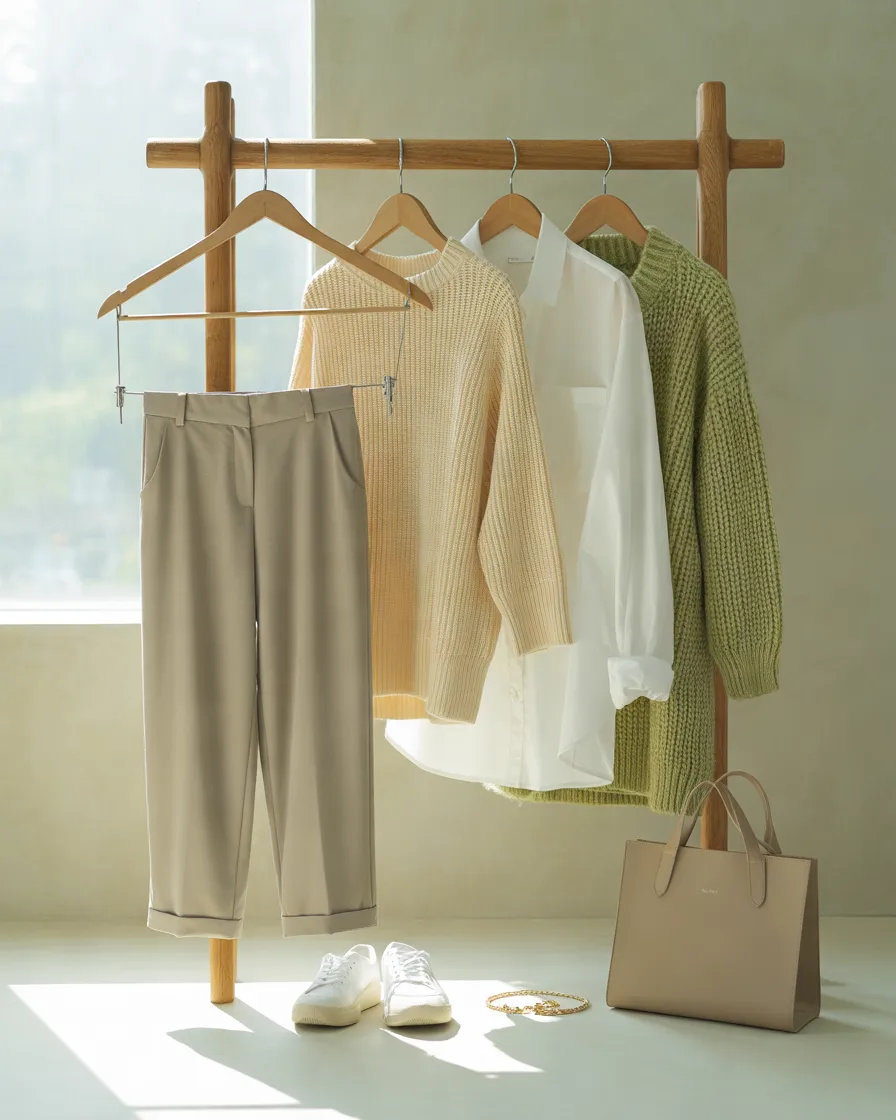
Clothing can influence comfort, confidence, and how prepared you feel for the day. A healthy aesthetic wardrobe focuses on personal expression, practical fit, and versatility rather than buying every new trend.
A small collection of items you genuinely enjoy wearing can be more useful than a crowded wardrobe full of pieces that rarely leave the hanger.
Benefits: Planning outfits can reduce morning decisions, encourage thoughtful spending, and make everyday dressing more convenient.
Practical tips: Identify colors you enjoy, keep frequently worn items accessible, and choose clothes suitable for your climate and daily activities. Comfortable shoes and well-fitting basics are often useful starting points.
How to apply it: Review your current wardrobe before shopping. Build a few combinations using items you already own, and make a short list of genuine gaps rather than purchasing an entirely new collection.
Who it may suit: Students, professionals, people simplifying their routines, and anyone interested in a minimalist lifestyle.
Important considerations: You do not need expensive brands, a specific body type, or a particular color palette to look put together. Choose clothing that fits your budget, identity, mobility needs, and comfort.
9. Spend More Time Outdoors in Natural Settings

A healthy aesthetic lifestyle can extend beyond your home. A neighborhood walk, a quiet garden, a local trail, or a few minutes sitting outside can create space away from screens and everyday responsibilities.
You do not need a scenic destination or a long hike to enjoy the outdoors.
Benefits: Outdoor activity can combine movement, daylight exposure, and a change of environment. Spending time in natural settings may also support relaxation and subjective well-being.
Practical tips: Choose a nearby park, walk during daylight when convenient, or have a snack outside. Notice the trees, sounds, weather, and other details around you instead of focusing entirely on your phone.
How to apply it: Plan a short outdoor break several times a week. Attach it to an existing routine, such as walking after lunch or spending a few minutes on a balcony in the morning.
Who it may suit: Remote workers, students, people with sedentary routines, and anyone who enjoys nature.
Important considerations: Adapt outdoor activities to local weather, air quality, allergies, and personal safety. Use appropriate sun protection and avoid extreme heat or other hazardous conditions.
10. Create a Cozy Evening Routine That Supports Better Sleep
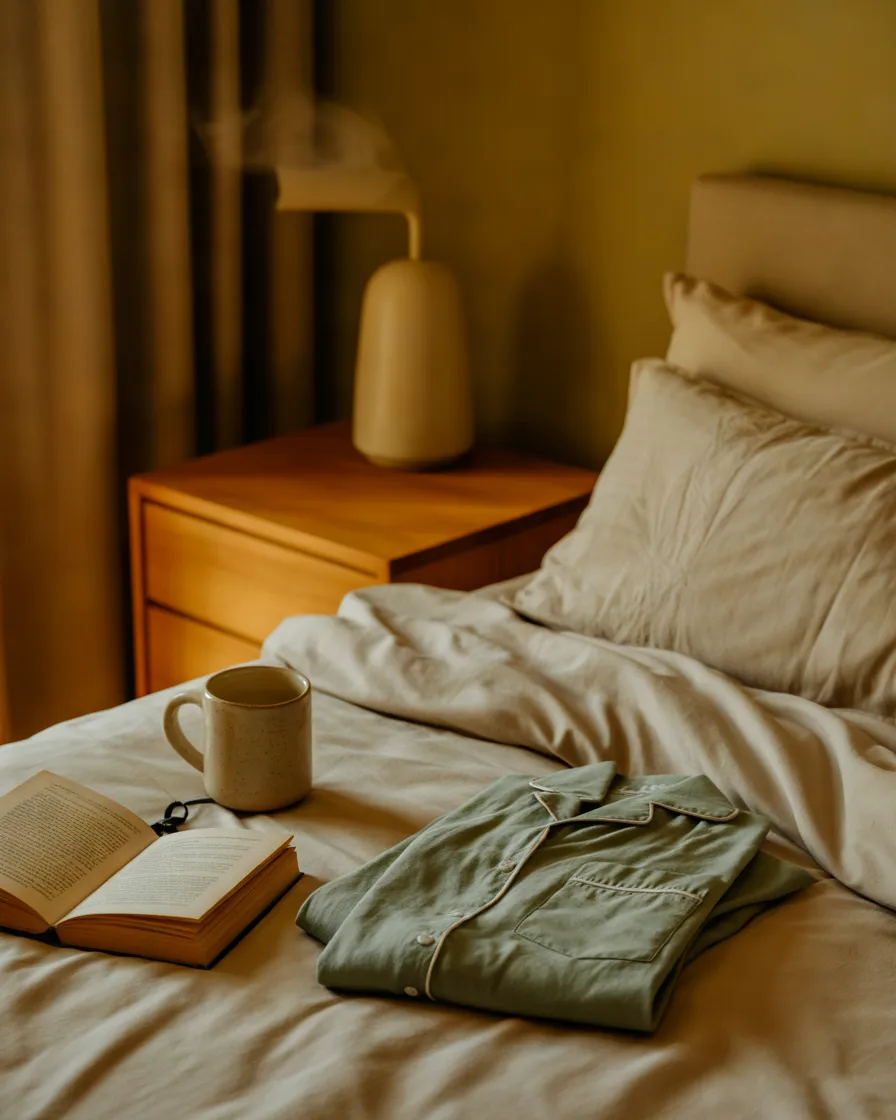
The way you spend the final part of your day can influence how easily you transition into sleep. A cozy evening routine helps you reduce unnecessary stimulation and create a predictable signal that it is time to wind down.
It does not need to involve candles, expensive pajamas, or an elaborate skincare ritual.
Benefits: Consistent sleep and wake times, a comfortable bedroom, and relaxing pre-bed activities can support healthy sleep habits and daytime functioning.
Practical tips: Dim bright lights, prepare your belongings for tomorrow, take a warm shower if you enjoy one, and read a book or listen to quiet audio. Limit late caffeine if it affects your sleep.
How to apply it: Set aside 20–30 minutes before bed for a few repeatable activities. Keep your wake-up time reasonably consistent and allow enough time for sleep.
Who it may suit: People with busy schedules, students, remote workers, and those who find it difficult to disconnect at night.
Important considerations: Sleep requirements differ, although most adults need at least seven hours regularly. If persistent insomnia, loud snoring, or daytime sleepiness affects your life, consult a healthcare professional.
11. Keep Your Living Space Organized Without Chasing Perfection
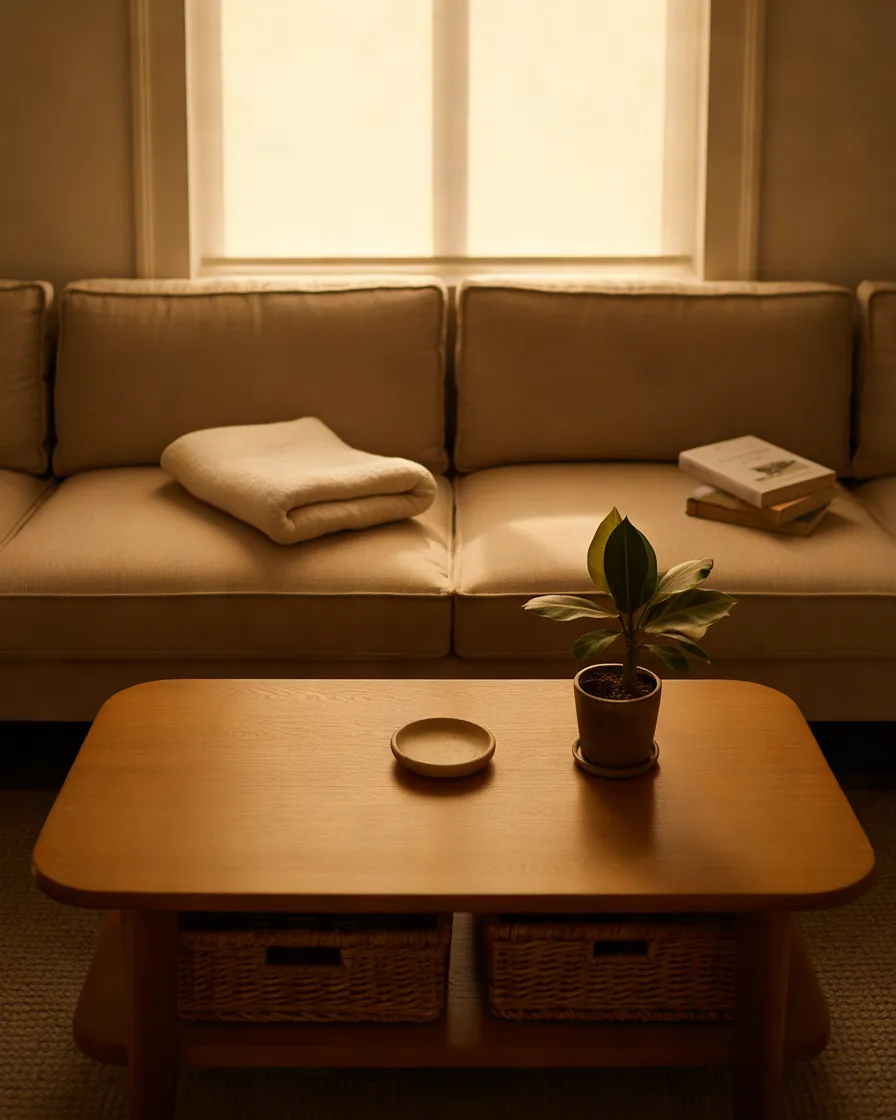
An organized environment can make daily activities easier and help you find what you need. However, healthy organization is not the same as maintaining a spotless home at all times.
The aim is to make your space functional, comfortable, and easy to reset after normal daily use.
Benefits: Reducing unnecessary clutter can simplify cleaning, save time spent searching for belongings, and make work or relaxation areas more usable.
Practical tips: Give frequently used items a designated place, keep a small basket for loose belongings, and clear one surface before bed. Use storage you already have before buying new organizers.
How to apply it: Choose a five-minute reset for one area each day. For example, return books to a shelf, put laundry in a basket, and clear your desk before finishing work.
Who it may suit: People living in small spaces, families managing shared areas, students, and anyone who feels overwhelmed by household tasks.
Important considerations: A tidy home is not a measure of personal worth or mental health. Shared living arrangements, disabilities, caregiving responsibilities, and limited space can all affect how much organization is practical.
12. Improve Your Digital Wellness and Protect Your Attention

A healthy lifestyle includes how you use technology. Constant notifications, endless scrolling, and comparing your everyday life with carefully edited online images can leave you feeling distracted or dissatisfied.
Digital wellness means using devices intentionally instead of allowing them to control every available moment.
Benefits: Reducing unnecessary interruptions may improve concentration, protect time for hobbies, and create more opportunities for face-to-face connection, movement, and rest.
Practical tips: Disable nonessential notifications, unfollow accounts that consistently make you feel inadequate, and avoid keeping your phone within immediate reach during meals or focused work.
How to apply it: Select one daily activity to make screen-free, such as breakfast, a short walk, or the first 15 minutes after waking. Review your screen-time report to identify patterns without judging yourself.
Who it may suit: Heavy social media users, students, remote workers, and people who want more time for offline activities.
Important considerations: Technology is also a valuable source of connection, accessibility, education, and support. The goal is not to eliminate screens but to establish boundaries that fit your life.
13. Make Time for Meaningful Relationships and Enjoyable Hobbies

A healthy aesthetic lifestyle should feel fulfilling, not simply look attractive in photographs. Relationships, creative interests, and enjoyable activities can give your routine meaning beyond productivity and appearance.
This could mean cooking with a friend, tending a small garden, painting on weekends, reading for pleasure, or spending unhurried time with family.
Benefits: Supportive relationships can contribute to emotional well-being and a sense of belonging. Hobbies provide opportunities for creativity, enjoyment, and learning outside work or study.
Practical tips: Choose activities you genuinely like rather than those that look impressive online. Invite someone for a walk, keep art supplies accessible, or set aside time for a favorite book.
How to apply it: Reserve one small block of time each week for a social activity or hobby. Start with 20 minutes and allow your interests to develop naturally.
Who it may suit: Busy professionals, students, people working from home, and anyone who wants a more balanced routine.
Important considerations: Meaningful connection does not require a large social circle or constant availability. Respect your energy, personal boundaries, budget, and need for solitude.
Expert Tips for Maintaining a Healthy Aesthetic Lifestyle
The most effective wellness routine is one that works on ordinary days, including busy mornings, stressful weeks, and times when motivation is low. Use these principles to make your new habits more sustainable.
Start with function before appearance. Make your bedroom comfortable before buying decorative items. Choose nutritious meals before investing in special tableware. Prioritize comfort, safety, and usefulness.
Choose one or two habits at a time. Trying to change your sleep, diet, exercise, skincare, wardrobe, and home organization in one week can become overwhelming. Build consistency with a manageable starting point.
Use what you already own. A clean glass can serve as a water glass, an existing notebook can become a journal, and ordinary household items can help organize your space. A wellness lifestyle should not create financial pressure.
Focus on routines rather than perfect results. Missing a walk, ordering takeaway, or having an untidy room occasionally does not mean you have failed. Return to your normal habits when circumstances allow.
Make nutrition flexible. Include a variety of foods, enjoy meals that suit your preferences, and avoid treating foods as morally good or bad. If you have specific dietary or medical needs, a registered dietitian or other qualified healthcare professional can provide personalized guidance.
Protect rest and recovery. Wellness is not another productivity challenge. Adequate sleep, rest days, enjoyable activities, and realistic expectations are important parts of a balanced routine.
Remember that social media shows a selected version of life. Beautiful interiors and carefully arranged meals can provide inspiration, but they do not show every expense, inconvenience, or ordinary moment behind the image.
Frequently Asked Questions About a Healthy Aesthetic Lifestyle
What Is a Healthy Aesthetic Lifestyle?
A healthy aesthetic lifestyle combines practical wellness habits with a comfortable, visually appealing personal environment. It may include balanced meals, movement, skincare, good sleep habits, mindful routines, and an organized living space. The focus is on well-being and personal enjoyment rather than perfection.
How Can I Start a Healthy Aesthetic Lifestyle on a Budget?
Start by improving habits that cost little or nothing. Open your curtains in the morning, walk outdoors, prepare meals at home, use an existing notebook for journaling, organize one small area, and establish a consistent bedtime routine. You do not need expensive skincare, designer clothing, or matching home accessories.
What Does a Healthy Aesthetic Morning Routine Include?
A simple routine might include getting natural light, drinking water according to your needs, washing your face, eating breakfast, stretching, and reviewing your priorities for the day. Choose activities that help you feel prepared without reducing your sleep or creating unnecessary stress.
Can a Healthy Aesthetic Lifestyle Improve Mental Well-Being?
Some parts of this lifestyle, such as regular physical activity, sufficient sleep, enjoyable hobbies, supportive relationships, and time outdoors, may support mental well-being. However, individual experiences vary, and an aesthetic routine is not a treatment for mental health conditions. Seek professional support when emotional difficulties persist or interfere with daily life.
Do I Need to Follow a Minimalist Lifestyle to Look Aesthetic?
No. Minimalism is one possible style, not a requirement. Some people prefer neutral colors and uncluttered rooms, while others enjoy vibrant interiors, colorful clothing, and expressive decorations. A healthy aesthetic lifestyle should reflect your preferences and remain practical.
What Foods Fit Into a Healthy Aesthetic Lifestyle?
Meals can include colorful vegetables, fruit, whole grains, beans, lentils, nuts, seeds, eggs, fish, dairy products, or suitable alternatives. The right combination depends on your preferences and nutritional needs. A visually attractive meal can be nutritious, but appearance alone does not determine its nutritional quality.
How Long Does It Take to Build a Healthy Lifestyle Routine?
There is no fixed timeline. Some habits become familiar within a few weeks, while others take longer. The time required depends on the habit, your circumstances, and how consistently you practice it. Begin with realistic changes and adjust them as needed.
Conclusion: Create a Healthy Aesthetic Lifestyle That Feels Like You
A healthy aesthetic lifestyle is not about copying someone else’s morning routine, buying a perfect set of skincare products, or maintaining a home that always looks ready for a photograph.
It is about creating an everyday life that feels comfortable, balanced, and meaningful.
Start with a few simple changes: make your bedroom more restful, prepare a nourishing meal, take a walk, reduce unnecessary screen time, or spend five minutes journaling. Notice which habits make your day easier and which ones feel like additional pressure.
As you build consistency, you can gradually add other ideas that match your needs and interests.
The best version of a healthy aesthetic lifestyle is one that supports your well-being, respects your budget, and leaves room for real life. You do not have to make every moment beautiful. You can simply make your everyday habits a little healthier, more enjoyable, and more your own.