A warm bowl of soup can do more than satisfy your appetite. With the right ingredients, it can provide vegetables, protein, fiber, and fluids in a convenient meal that is easy to prepare at home. Whether you need a quick lunch between meetings, a comforting dinner on a chilly evening, or a meal you can prepare ahead of time, healthy soup recipes offer plenty of flexibility.
The secret is choosing ingredients that contribute to a balanced meal. Vegetables add color and variety, beans and lentils provide plant-based protein and fiber, and ingredients such as chicken, fish, tofu, and whole grains can make soup more filling. Herbs, spices, garlic, and lemon juice add flavor without requiring large amounts of salt.
You also do not need expensive ingredients or complicated cooking techniques. Frozen vegetables, canned beans, and pantry staples can make nutritious homemade soups more affordable and convenient.
In this guide, you will discover 15 healthy soup recipes, including vegetarian options, high-protein meals, creamy soups without heavy cream, and hearty choices for meal preparation. Each recipe includes simple cooking instructions, practical tips, serving suggestions, and an image-generation prompt for food photography.
1. Hearty Lentil and Vegetable Soup for a Fiber-Rich Meal
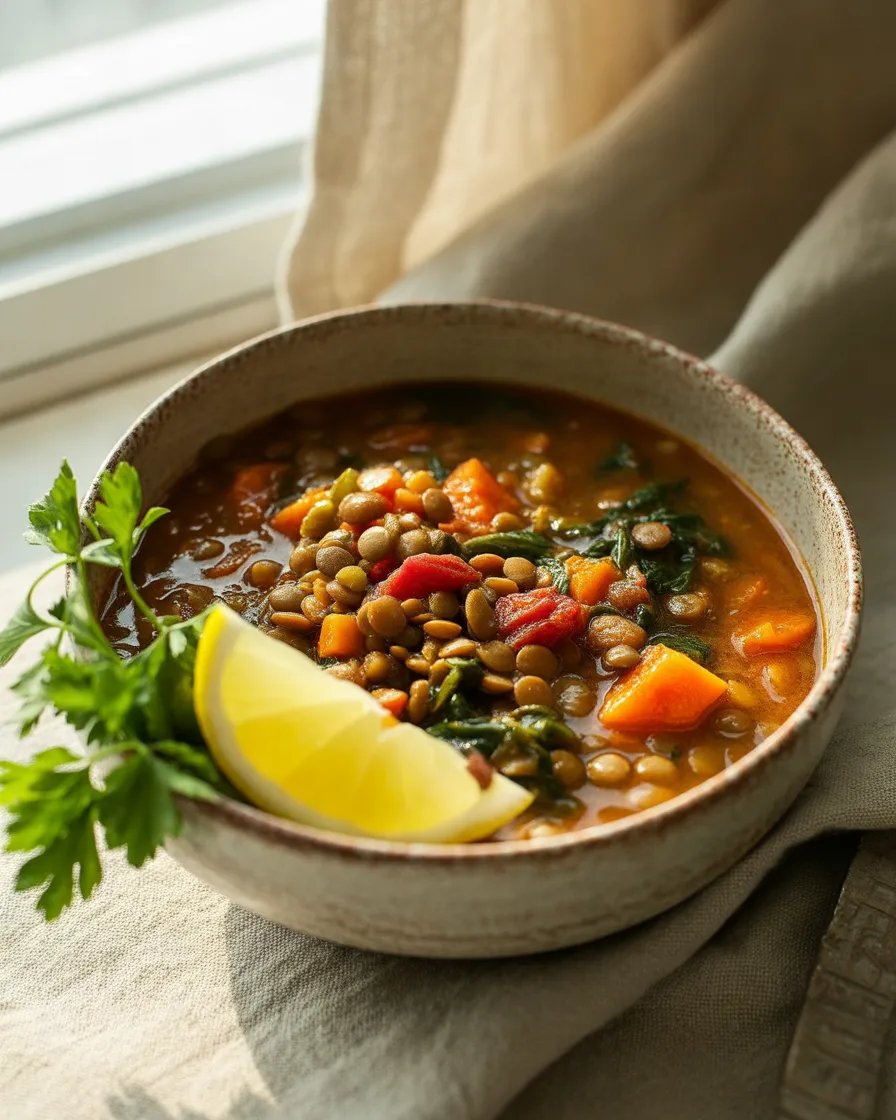
Lentil and vegetable soup is an excellent starting point if you want a nutritious, affordable meal made with everyday ingredients. Lentils cook into a satisfying soup while carrots, celery, tomatoes, and spinach add flavor, color, and variety.
Preparation: 10 minutes | Cooking: 30 minutes | Serves: 4
Ingredients: 1 cup dried brown or green lentils, rinsed; 1 chopped onion; 2 diced carrots; 2 celery stalks; 2 minced garlic cloves; 1 can chopped tomatoes; 5 cups low-sodium vegetable broth; 1 teaspoon ground cumin; 2 handfuls spinach; and lemon juice.
How to make it: Soften the onion, carrots, and celery in a little olive oil. Add garlic, cumin, lentils, tomatoes, and broth. Simmer until the lentils are tender, approximately 25–30 minutes, adding water if necessary. Stir in spinach near the end and finish with lemon juice.
Benefits: Lentils provide plant-based protein, fiber, and several essential nutrients. The vegetables contribute additional fiber and variety.
Practical tip: Make a large batch and freeze individual portions for convenient lunches.
How to serve it: Enjoy a bowl on its own or with whole-grain bread.
Who it may suit: Vegetarians, budget-conscious households, and people looking for filling plant-based meals.
Considerations: Check that the lentils are thoroughly cooked. Increase the broth if you prefer a lighter consistency.
2. Healthy Chicken and Vegetable Soup for a Simple, Balanced Dinner
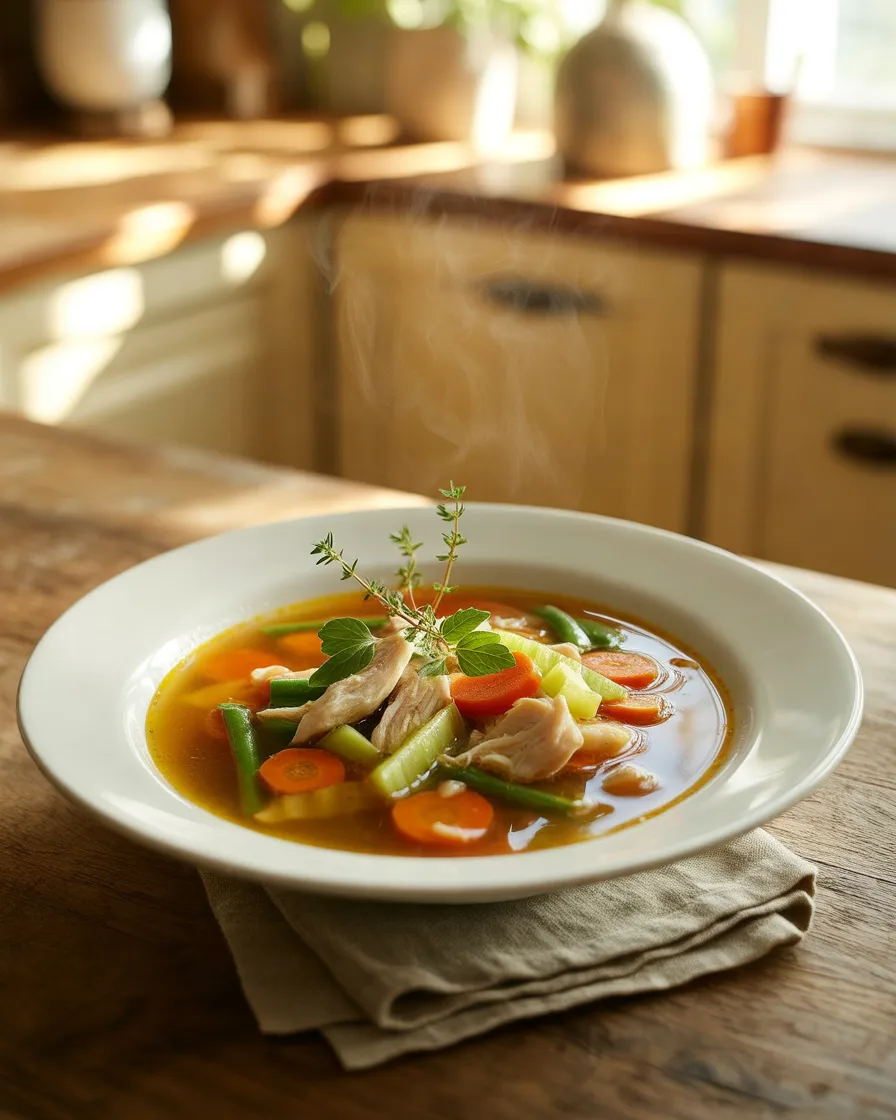
Chicken and vegetable soup is a familiar comfort food that can also make a balanced everyday meal. Lean chicken provides protein, while vegetables and broth create a light but satisfying base.
Preparation: 15 minutes | Cooking: 25 minutes | Serves: 4
Ingredients: 350 g boneless skinless chicken breast, diced; 1 onion; 2 carrots; 2 celery stalks; 1 cup green beans; 2 minced garlic cloves; 6 cups low-sodium chicken broth; 1 teaspoon dried thyme; and black pepper.
How to make it: Cook the onion, carrots, and celery in a little olive oil until softened. Add garlic, thyme, broth, and chicken. Simmer until the chicken reaches a safe internal temperature of 165°F (74°C). Add green beans and cook until tender.
Benefits: Chicken supplies protein, and the vegetables contribute different vitamins, minerals, and fiber. The broth also adds fluid to the meal.
Practical tip: Use leftover cooked chicken to shorten preparation time, adding it toward the end so it does not become dry.
How to serve it: Pair with whole-grain toast or a small side salad.
Who it may suit: Families, busy professionals, and anyone wanting a straightforward homemade dinner.
Considerations: Refrigerate leftovers promptly. Choose reduced-sodium broth if you are watching your salt intake.
3. Tomato and White Bean Soup for a Quick Plant-Based Lunch
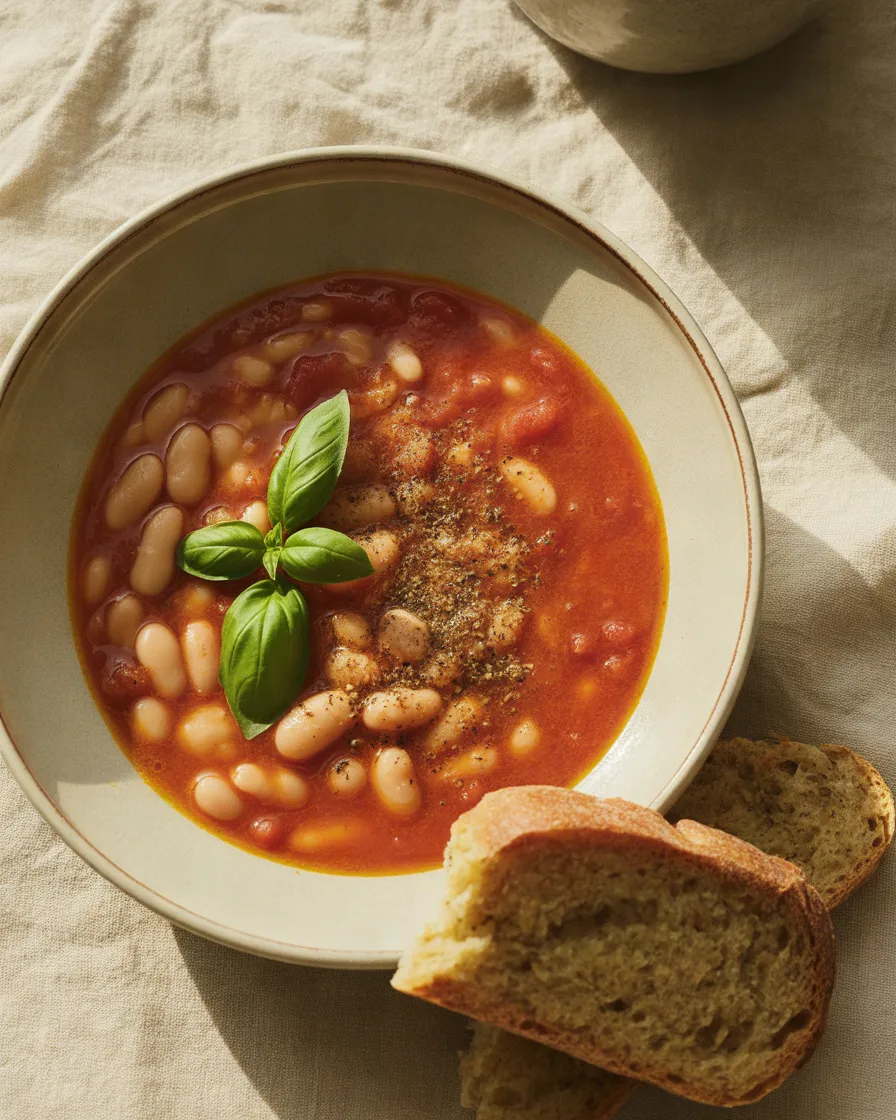
Tomato and white bean soup combines the bright flavor of tomatoes with the creamy texture of cannellini beans. It is a practical choice when you want a filling lunch without spending much time cooking.
Preparation: 10 minutes | Cooking: 20 minutes | Serves: 4
Ingredients: 1 chopped onion; 2 garlic cloves; 2 cans chopped tomatoes; 2 cans cannellini beans, drained and rinsed; 3 cups low-sodium vegetable broth; 1 teaspoon dried oregano; and fresh basil.
How to make it: Soften the onion in olive oil, then add garlic and oregano. Stir in tomatoes, beans, and broth. Simmer for 15–20 minutes. Mash some of the beans against the side of the pot to thicken the soup naturally.
Benefits: Beans contribute plant protein and fiber. Tomatoes provide flavor and contain lycopene, a naturally occurring antioxidant.
Practical tip: Use no-added-salt canned beans where available, or rinse regular canned beans thoroughly.
How to serve it: Add fresh basil and a little black pepper. Whole-grain toast makes a useful accompaniment.
Who it may suit: Vegetarians, people cooking on a budget, and anyone who needs a pantry-friendly meal.
Considerations: Beans can cause digestive discomfort for some people. Increase portions gradually if you are not accustomed to eating them.
4. Vegetable Minestrone Soup for a Colorful, Wholesome Meal
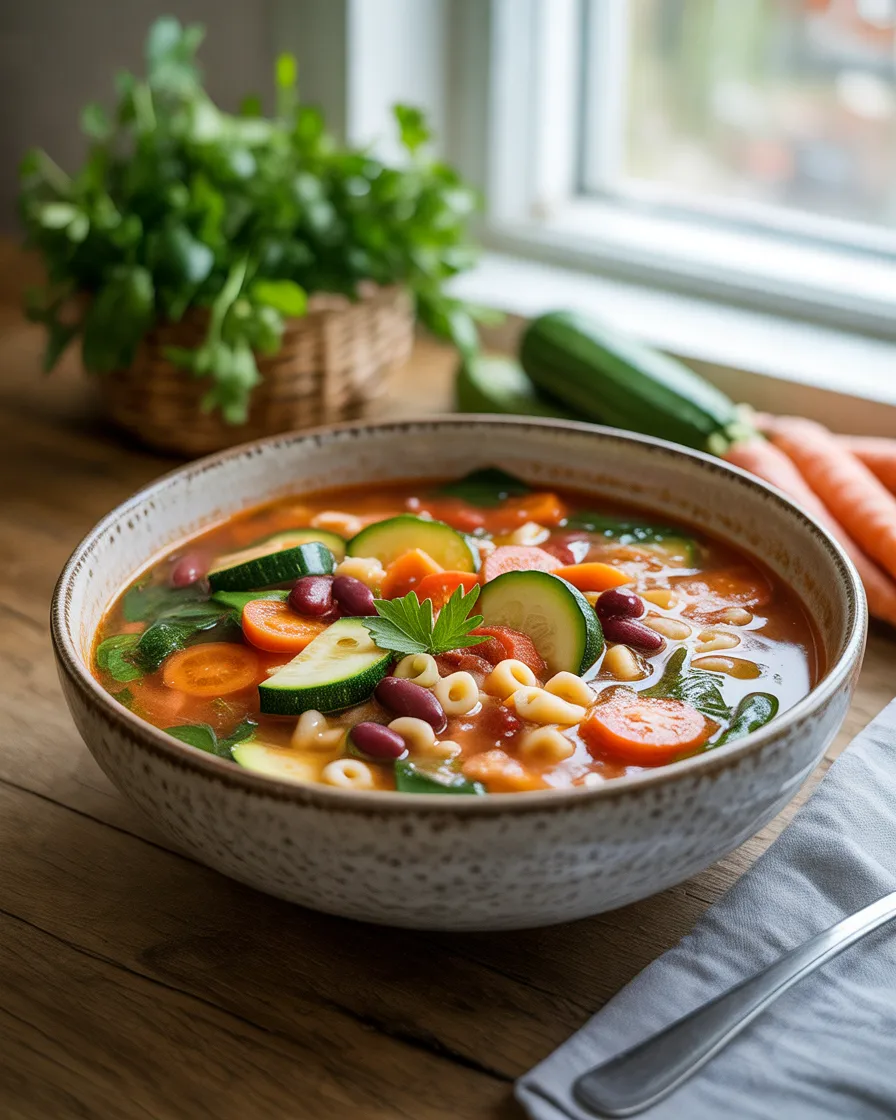
Minestrone is a flexible Italian-inspired vegetable soup that can turn a collection of everyday ingredients into a complete meal. Beans add protein, while pasta and vegetables provide substance and variety.
Preparation: 15 minutes | Cooking: 30 minutes | Serves: 4–6
Ingredients: 1 onion; 2 carrots; 2 celery stalks; 1 zucchini; 1 can chopped tomatoes; 1 can kidney or cannellini beans; 5 cups low-sodium vegetable broth; ¾ cup small whole-wheat pasta; and a handful of spinach.
How to make it: Soften the onion, carrots, and celery. Add the zucchini, tomatoes, beans, and broth. Simmer for 15 minutes, add pasta, and cook according to the packet instructions. Stir in spinach before serving.
Benefits: This soup combines vegetables, beans, and grains, providing a range of nutrients and making it more substantial than broth alone.
Practical tip: If you plan to freeze portions, cook and store the pasta separately to prevent it from becoming overly soft.
How to serve it: Finish with chopped parsley or a small sprinkle of Parmesan.
Who it may suit: Families, meal preppers, and anyone who enjoys adaptable vegetable soup recipes.
Considerations: Choose gluten-free pasta if needed and check packaged broth for sodium content.
5. Butternut Squash and Carrot Soup for a Naturally Creamy Texture
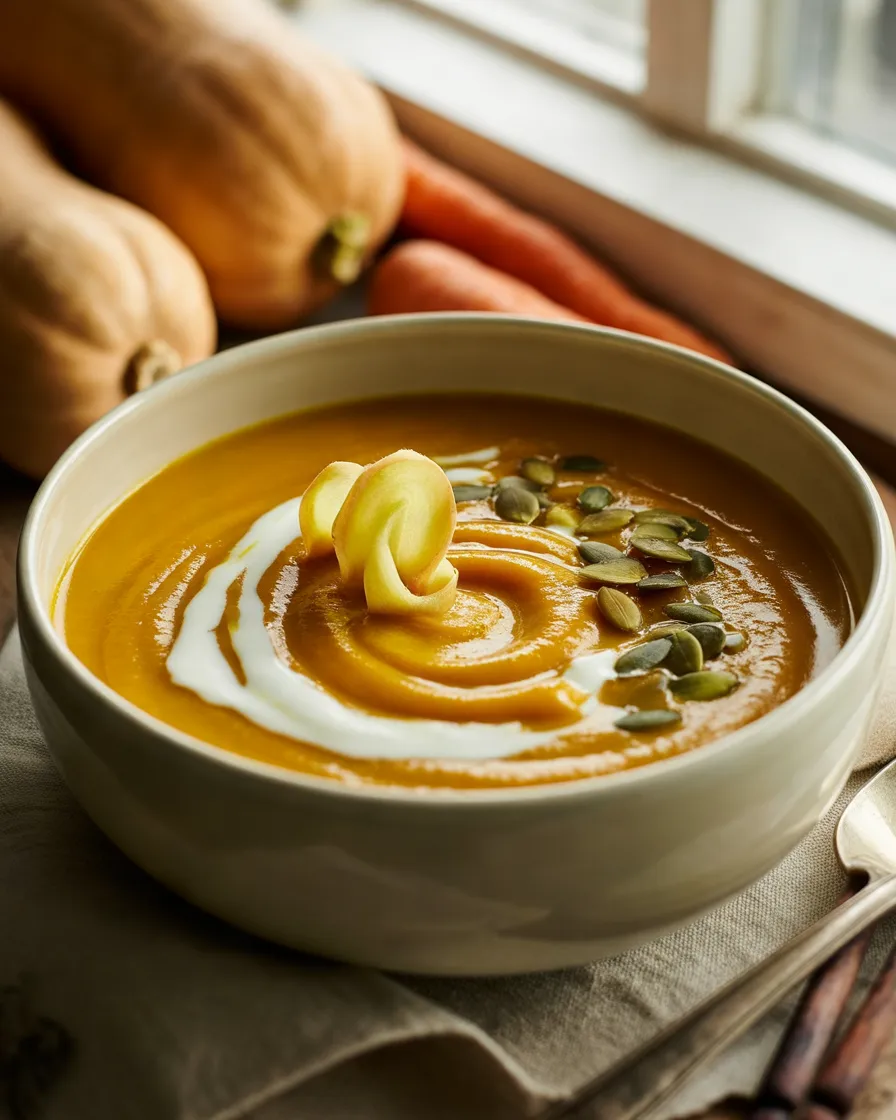
Butternut squash and carrot soup offers a smooth, mildly sweet flavor without relying on heavy cream. Roasting the vegetables first brings out their natural sweetness and creates a deeper flavor.
Preparation: 15 minutes | Cooking: 30–35 minutes | Serves: 4
Ingredients: 1 medium butternut squash, peeled and cubed; 3 carrots; 1 onion; 3 cups low-sodium vegetable broth; 1 teaspoon grated ginger; olive oil; and black pepper.
How to make it: Roast the squash, carrots, and onion with a light coating of olive oil until tender. Transfer them to a pot with broth and ginger. Simmer for five minutes, then blend until smooth. Add extra broth if needed.
Benefits: Squash and carrots contribute fiber and carotenoids, including beta-carotene, which the body can convert into vitamin A.
Practical tip: Blend in small batches if using a countertop blender, allowing hot liquid to cool slightly first and following the manufacturer’s instructions.
How to serve it: Add toasted pumpkin seeds or a spoonful of plain yogurt.
Who it may suit: Vegetarians and people who prefer smooth, gently flavored soups.
Considerations: Seeds and yogurt are optional. Use vegetable broth and skip dairy toppings for a vegan version.
6. Black Bean and Sweet Potato Soup for a Hearty, Meat-Free Meal
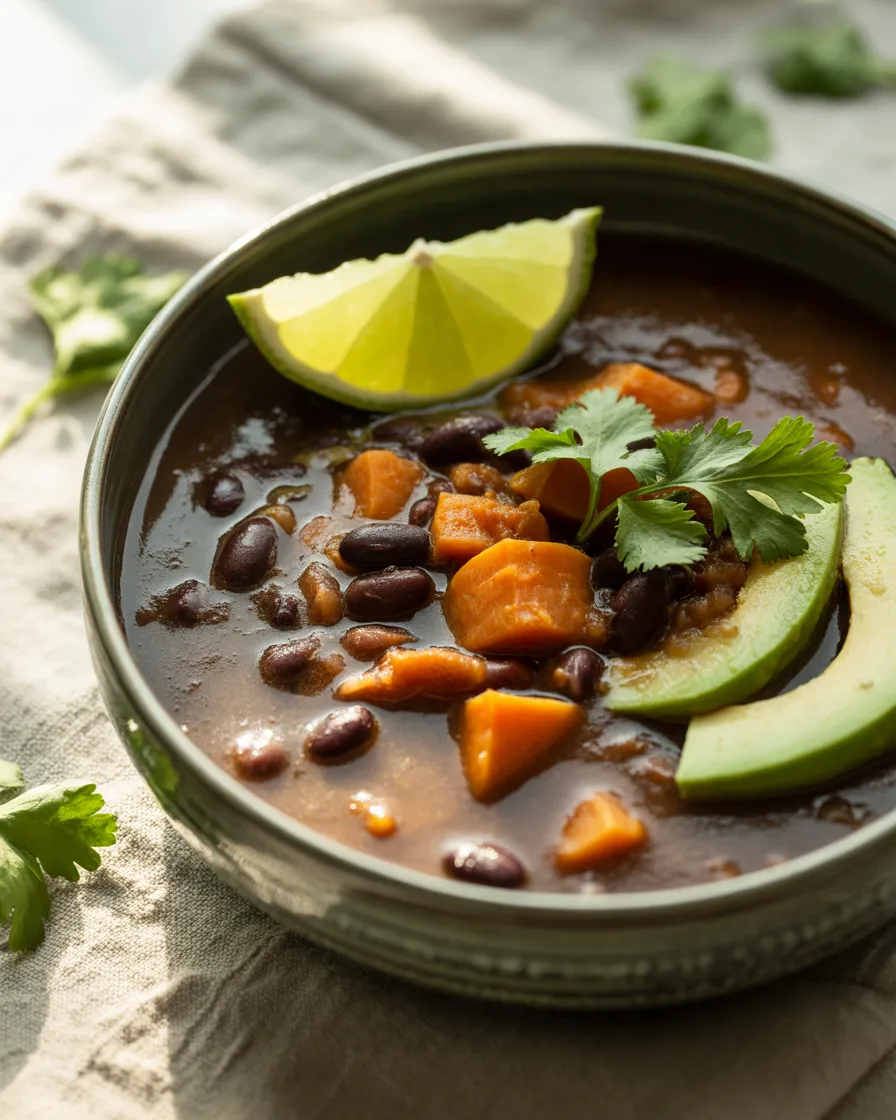
Black bean and sweet potato soup brings together creamy beans, tender sweet potatoes, tomatoes, and warming spices. It is a useful alternative to meat-based stews when you want a substantial plant-based dinner.
Preparation: 10 minutes | Cooking: 25 minutes | Serves: 4
Ingredients: 2 cans black beans, drained and rinsed; 1 large diced sweet potato; 1 onion; 1 can chopped tomatoes; 4 cups low-sodium vegetable broth; 1 teaspoon cumin; and ½ teaspoon smoked paprika.
How to make it: Cook the onion until soft. Add the sweet potato, tomatoes, beans, spices, and broth. Simmer for 20–25 minutes, or until the sweet potato is tender. Mash a few beans to thicken the broth.
Benefits: Black beans provide fiber and plant protein. Sweet potatoes contribute fiber and beta-carotene.
Practical tip: Add a squeeze of lime at the end to brighten the earthy flavors.
How to serve it: Top with fresh coriander, plain yogurt, or sliced avocado.
Who it may suit: Vegetarians, people seeking meatless dinners, and households that prefer affordable pantry ingredients.
Considerations: Start with a smaller serving if beans tend to cause bloating. Adjust chili or spices to your preference.
7. Chickpea, Spinach, and Lemon Soup for a Fresh Mediterranean-Inspired Meal
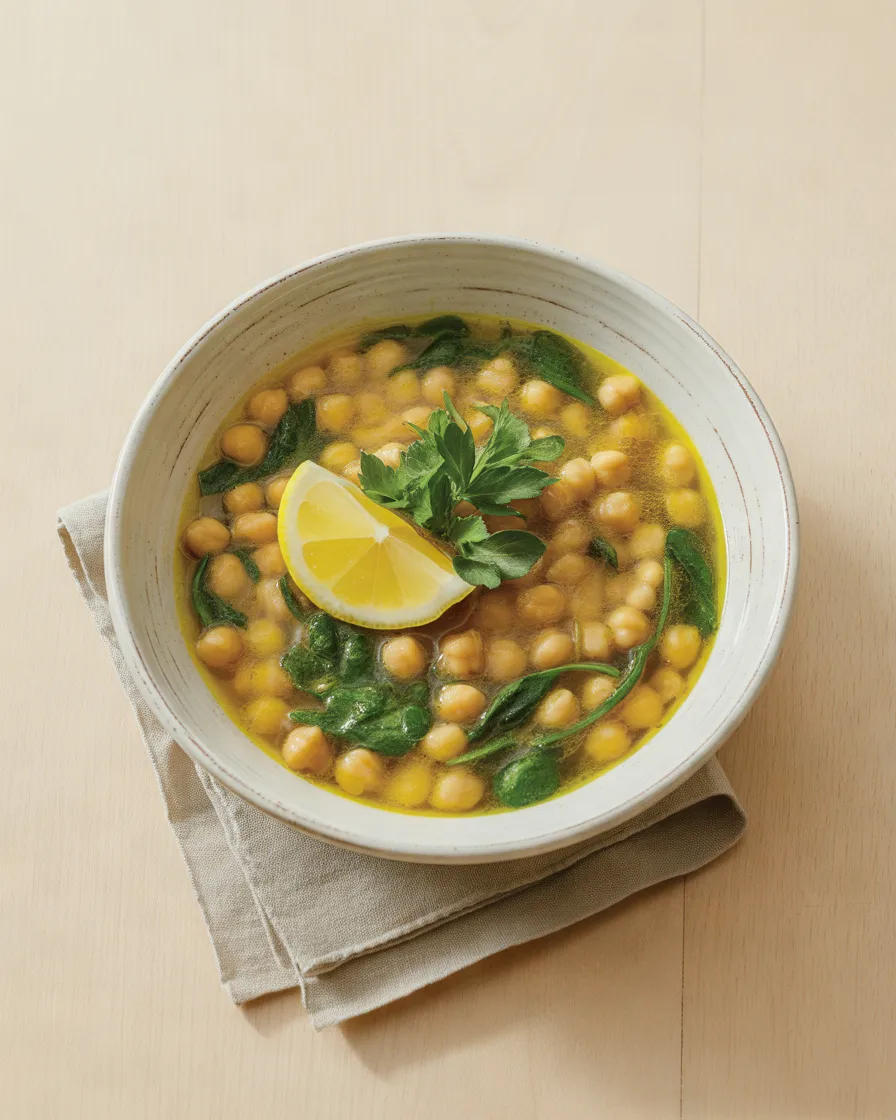
Chickpea, spinach, and lemon soup is light in flavor but substantial enough for lunch or a simple dinner. Lemon lifts the taste of chickpeas, while spinach adds color and variety.
Preparation: 10 minutes | Cooking: 20 minutes | Serves: 4
Ingredients: 2 cans chickpeas, drained and rinsed; 1 onion; 2 garlic cloves; 5 cups low-sodium vegetable broth; 3 handfuls spinach; 1 teaspoon dried oregano; and the juice of 1 lemon.
How to make it: Soften the onion, add garlic and oregano, then stir in chickpeas and broth. Simmer for 15 minutes. Mash a portion of the chickpeas for a thicker consistency. Add spinach and lemon juice just before serving.
Benefits: Chickpeas contribute fiber and plant protein. Spinach adds folate and other micronutrients.
Practical tip: Keep the lemon juice until the end so the soup tastes fresh rather than flat.
How to serve it: Add black pepper and a little olive oil. Serve with whole-grain pita or toast.
Who it may suit: Vegetarians, Mediterranean-inspired meal planners, and people looking for easy healthy soup recipes.
Considerations: Rinse canned chickpeas to help reduce some of the added sodium. Use fresh lemon to control the flavor.
8. Mushroom and Barley Soup for a Satisfying, Earthy Lunch
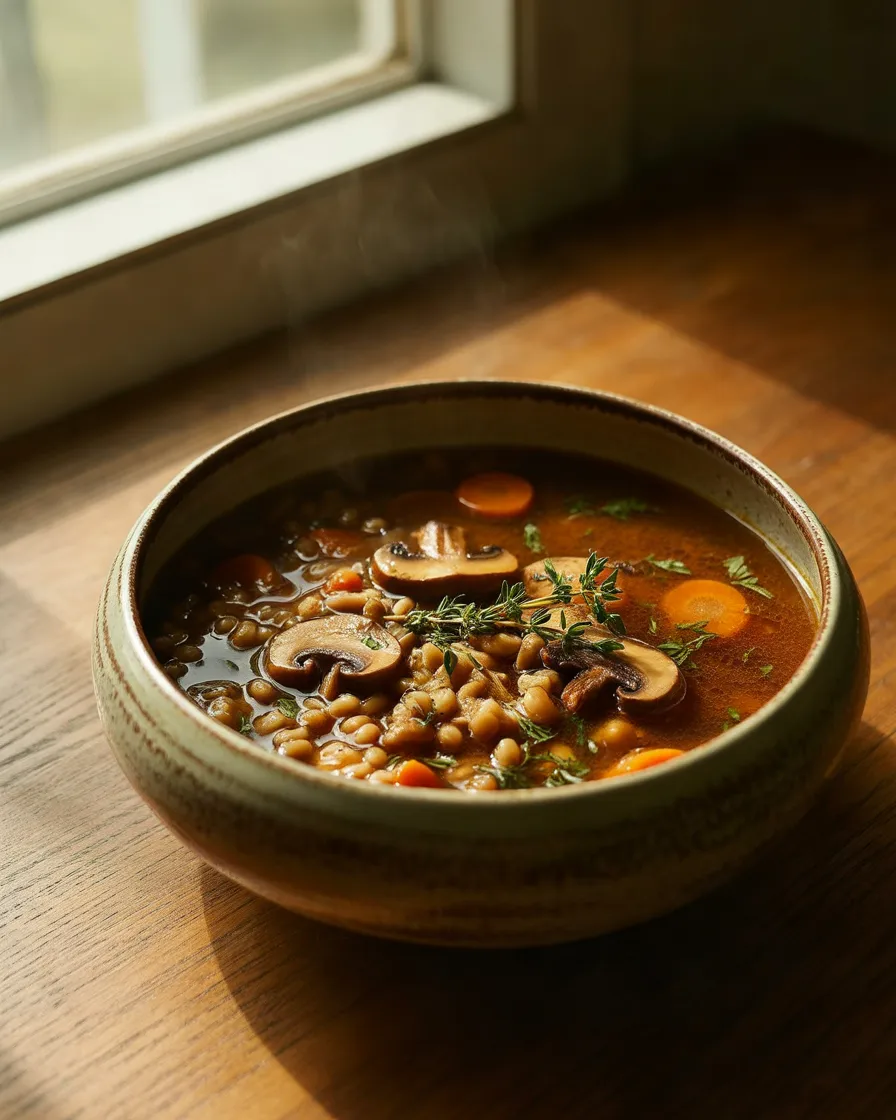
Mushroom and barley soup has a rich, savory flavor and a pleasantly chewy texture. Barley adds substance, while mushrooms provide an earthy taste that makes the soup satisfying without needing cream.
Preparation: 15 minutes | Cooking: 35–40 minutes | Serves: 4
Ingredients: 300 g sliced mushrooms; ¾ cup pearl barley; 1 onion; 2 carrots; 2 garlic cloves; 6 cups low-sodium vegetable broth; thyme; and black pepper.
How to make it: Cook the onion, carrots, and mushrooms until softened. Add garlic, thyme, barley, and broth. Simmer until the barley is tender, following the packet’s cooking guidance. Add water if the soup becomes too thick.
Benefits: Barley provides fiber, including beta-glucan, while mushrooms contribute flavor and several micronutrients. The combination creates a substantial meat-free meal.
Practical tip: Cook the barley separately if you want to control the final texture or plan to store portions for several days.
How to serve it: Add fresh parsley and serve with a side salad.
Who it may suit: Vegetarians and people who enjoy hearty, savory soups.
Considerations: Barley contains gluten, so use a suitable gluten-free grain and verify the broth ingredients if avoiding gluten.
9. Broccoli and White Bean Soup for a Creamy, Dairy-Free Option
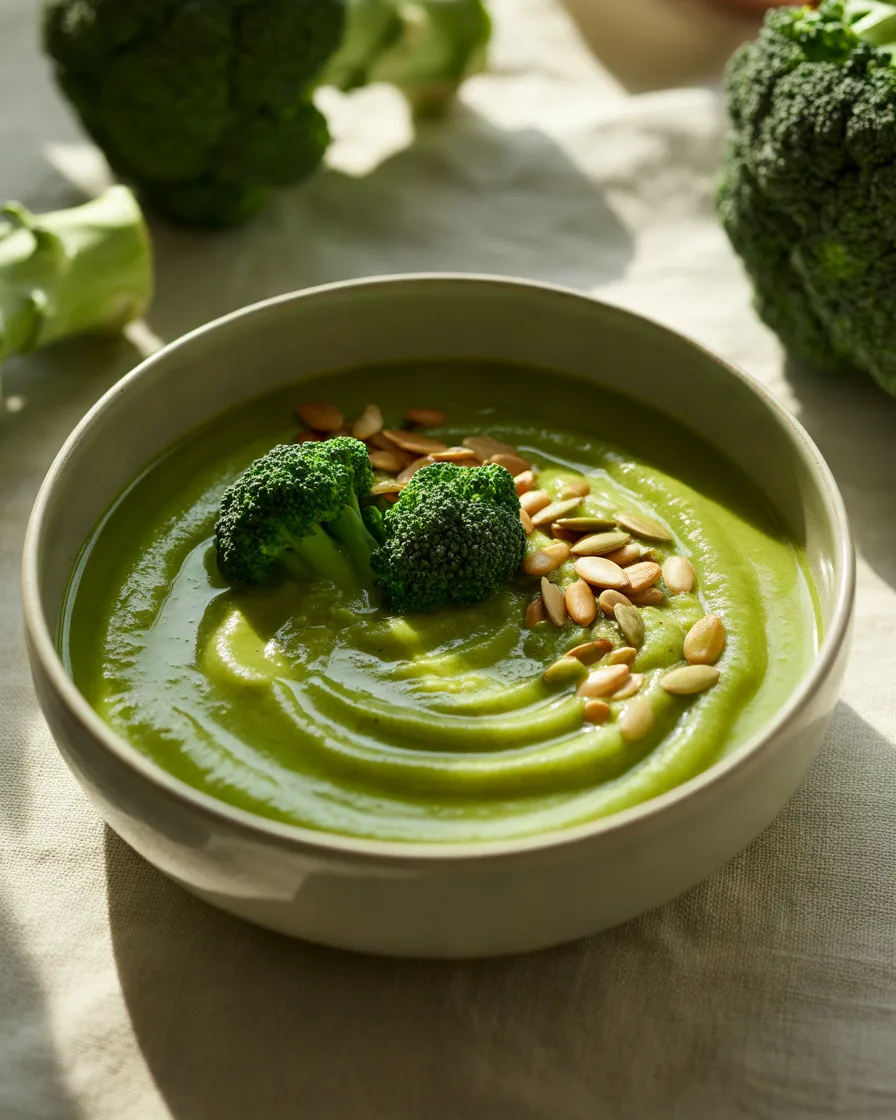
Broccoli and white bean soup creates a creamy consistency without needing cream or large amounts of cheese. The beans blend smoothly and make the vegetable soup more substantial.
Preparation: 10 minutes | Cooking: 20 minutes | Serves: 4
Ingredients: 2 broccoli heads, chopped; 1 can cannellini beans, drained and rinsed; 1 onion; 2 garlic cloves; 4 cups low-sodium vegetable broth; and lemon juice.
How to make it: Soften the onion, add garlic and broccoli, then pour in the broth. Simmer until the broccoli is tender. Add the beans and cook for another five minutes. Blend until smooth, then add lemon juice and black pepper.
Benefits: Broccoli contributes fiber and vitamin C, while white beans provide plant protein and additional fiber.
Practical tip: Reserve a few small broccoli florets before blending and add them back afterward for texture.
How to serve it: Finish with toasted seeds or a small drizzle of olive oil.
Who it may suit: Vegetarians, dairy-free eaters, and anyone who enjoys smooth soups.
Considerations: Avoid overcooking the broccoli, which can dull its color and flavor. Adjust the broth for your preferred thickness.
10. Light Salmon, Potato, and Corn Chowder for Protein and Comfort

Chowder does not have to be heavy. Salmon, potatoes, corn, and milk can create a creamy-tasting soup with a satisfying combination of protein and carbohydrates.
Preparation: 15 minutes | Cooking: 25 minutes | Serves: 4
Ingredients: 350 g skinless salmon fillet, cut into chunks; 2 potatoes, diced; 1 cup corn; 1 onion; 4 cups low-sodium fish or vegetable broth; 1 cup milk; and chopped dill.
How to make it: Cook the onion and potatoes in the broth until the potatoes are nearly tender. Add corn and salmon, then simmer gently until the fish is cooked through. Stir in milk and dill, warming the soup without boiling it vigorously.
Benefits: Salmon provides protein and omega-3 fatty acids. Potatoes contribute carbohydrates, and corn adds fiber and flavor.
Practical tip: Add salmon near the end to help keep the pieces moist and intact.
How to serve it: Pair with a simple green salad or whole-grain crackers.
Who it may suit: People who eat fish and want a comforting, protein-rich meal.
Considerations: Check carefully for fish bones and account for fish or dairy allergies. Use a suitable alternative if either ingredient is unsuitable.
11. Turkey and Cabbage Soup for a Lean, Vegetable-Packed Dinner
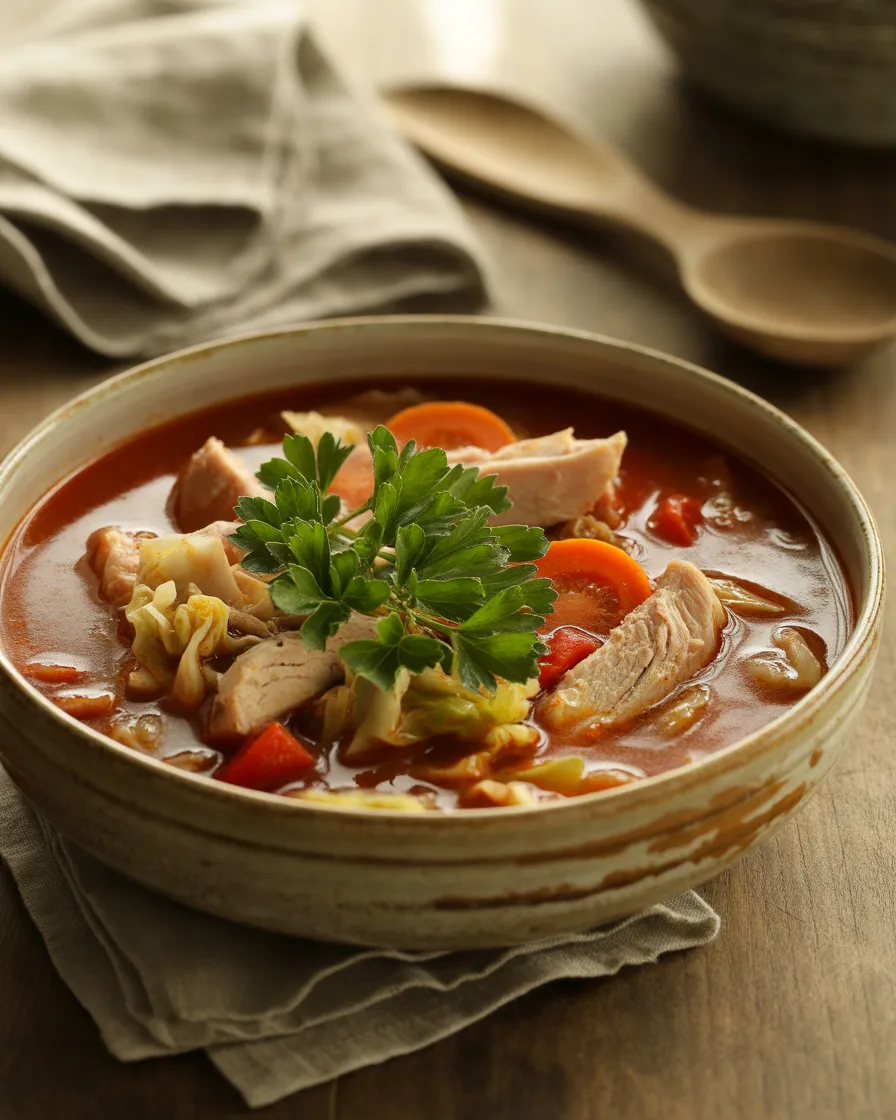
Turkey and cabbage soup is a practical way to combine lean meat, vegetables, and a flavorful tomato broth. It can be made with ground turkey or leftover cooked turkey.
Preparation: 10 minutes | Cooking: 25 minutes | Serves: 4
Ingredients: 350 g lean ground turkey; 3 cups shredded cabbage; 2 carrots; 1 onion; 1 can chopped tomatoes; 4 cups low-sodium chicken broth; 2 garlic cloves; and dried oregano.
How to make it: Cook the turkey in a large pot until browned and fully cooked. Add the onion, carrots, cabbage, and garlic. Stir in the tomatoes, broth, and oregano. Simmer until the vegetables are tender.
Benefits: Turkey supplies protein, while cabbage and carrots contribute fiber and a range of micronutrients.
Practical tip: Use a lean turkey mince and drain excess fat if needed. Add extra cabbage gradually because it reduces in volume as it cooks.
How to serve it: Finish with parsley and black pepper. A small serving of brown rice can make the meal more substantial.
Who it may suit: Families, people who enjoy tomato-based soups, and those looking for an alternative to beef-based stews.
Considerations: Ground turkey should reach 165°F (74°C). Check packaged broth for sodium and season gradually.
12. Miso, Tofu, and Mushroom Soup for a Quick Plant-Based Meal
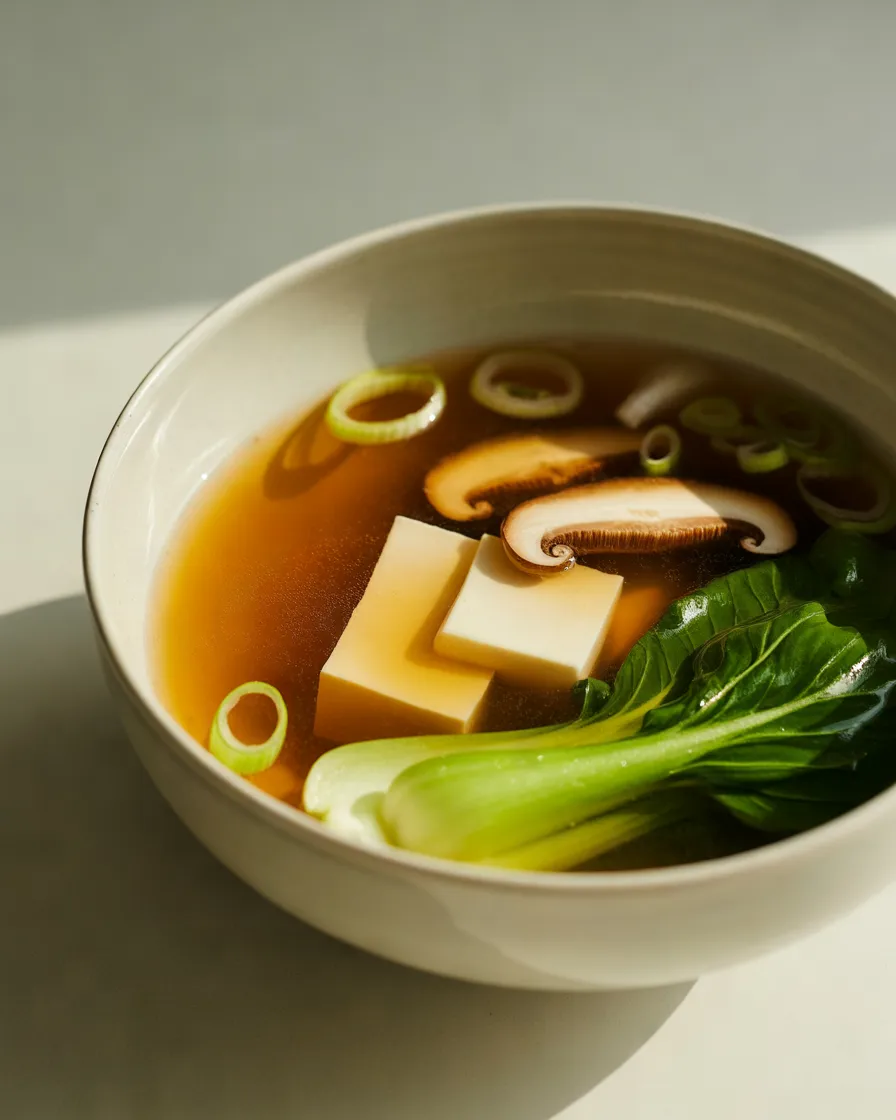
Miso soup can be expanded into a more substantial meal with tofu, mushrooms, and vegetables. This version combines savory flavor with ingredients that cook quickly, making it suitable for busy evenings.
Preparation: 10 minutes | Cooking: 15 minutes | Serves: 4
Ingredients: 200–250 g firm tofu, cubed; 150 g sliced mushrooms; 1 cup chopped bok choy; 4 cups water or low-sodium vegetable broth; 2–3 tablespoons miso paste; and sliced spring onions.
How to make it: Simmer the mushrooms and bok choy until tender. Add tofu and warm gently. Remove a little hot broth to a small bowl, whisk in the miso paste until smooth, and stir it back into the pot. Avoid boiling the soup vigorously after adding the miso.
Benefits: Tofu provides plant protein, mushrooms contribute flavor, and bok choy adds vegetables.
Practical tip: Add cooked brown rice or soba noodles if you need a more filling meal.
How to serve it: Finish with spring onions and a small amount of sesame seeds.
Who it may suit: Vegetarians, people who enjoy Japanese-inspired flavors, and anyone seeking a quick soup.
Considerations: Miso can be high in sodium. Check labels, adjust the quantity, and use gluten-free miso if required.
13. Split Pea and Mint Soup for a Budget-Friendly Plant-Based Option
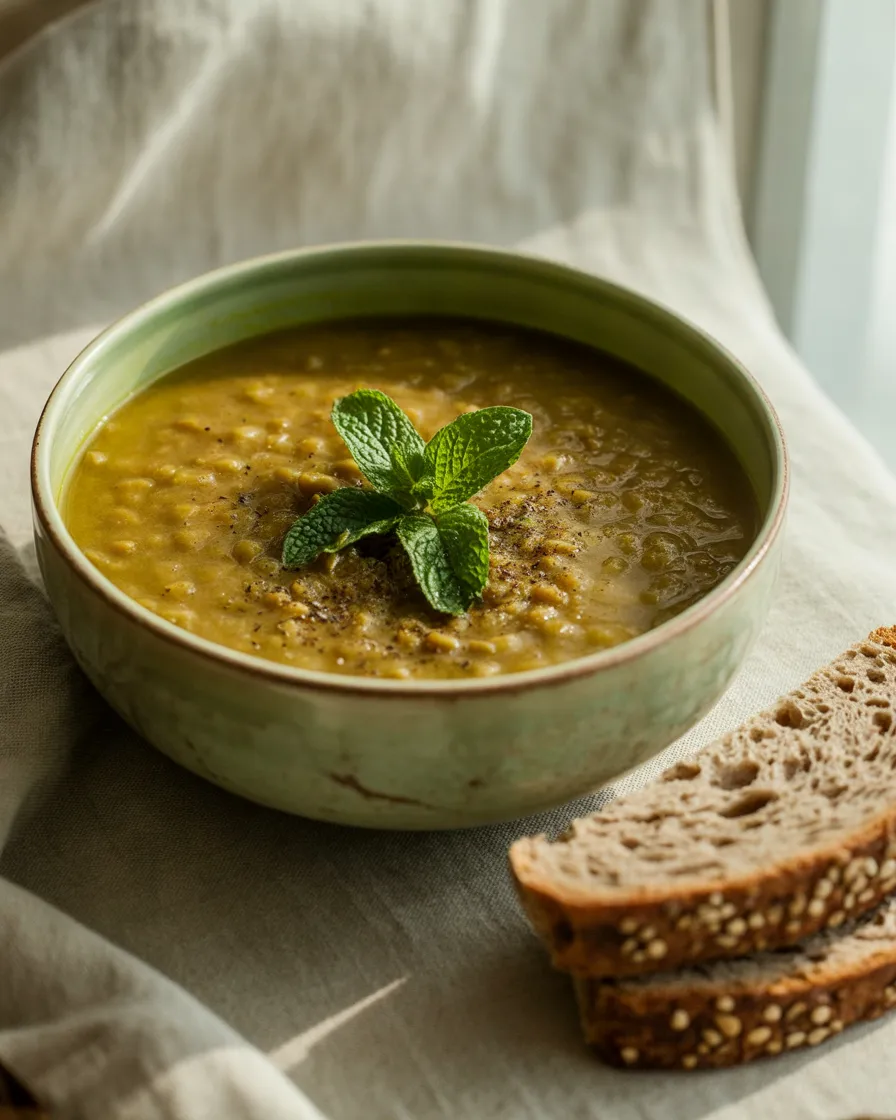
Split pea soup is known for its thick consistency and earthy flavor. Fresh mint adds brightness to this version, making it feel lighter than a traditional, heavily seasoned pea soup.
Preparation: 10 minutes | Cooking: 45–55 minutes | Serves: 4–6
Ingredients: 1 cup dried split peas, rinsed; 1 onion; 2 carrots; 2 celery stalks; 6 cups low-sodium vegetable broth; a handful of fresh mint; and black pepper.
How to make it: Combine the split peas, chopped vegetables, and broth in a pot. Bring to a boil, then reduce the heat and simmer until the peas are soft, stirring occasionally. Add more water if needed. Blend part or all of the soup, then stir in finely chopped mint.
Benefits: Split peas provide plant protein, fiber, and several minerals. Their thick texture makes the soup satisfying without cream.
Practical tip: Make extra portions because dried split peas are inexpensive and the soup reheats well.
How to serve it: Add mint, black pepper, and a little lemon juice.
Who it may suit: Vegetarians, budget-conscious cooks, and people who prefer thick soups.
Considerations: Cooking time varies by the age and type of split peas. Follow the package instructions and cook until completely tender.
14. Red Lentil and Coconut Curry Soup for Warming Flavor

Red lentils break down as they cook, naturally thickening this soup. A modest amount of coconut milk adds creaminess, while curry spices create depth without requiring complicated ingredients.
Preparation: 10 minutes | Cooking: 25 minutes | Serves: 4
Ingredients: 1 cup red lentils, rinsed; 1 onion; 2 garlic cloves; 1 teaspoon grated ginger; 1 teaspoon curry powder; 1 can chopped tomatoes; 4 cups vegetable broth; and ½ cup light coconut milk.
How to make it: Soften the onion, then add garlic, ginger, and curry powder. Stir in the lentils, tomatoes, and broth. Simmer until the lentils are soft, usually around 20 minutes. Stir in the coconut milk near the end.
Benefits: Red lentils provide plant protein and fiber. The spices contribute flavor, allowing you to create a satisfying meal without relying on salty seasoning mixes.
Practical tip: Add spinach or frozen cauliflower during the final minutes for more vegetable variety.
How to serve it: Finish with lime juice and fresh coriander.
Who it may suit: Vegetarians, people who enjoy South Asian-inspired flavors, and anyone looking for an easy meat-free dinner.
Considerations: Coconut milk contributes saturated fat, so choose the amount that fits your preferences and overall dietary needs.
15. Lemon Chicken and Quinoa Soup for a Fresh, Protein-Rich Meal
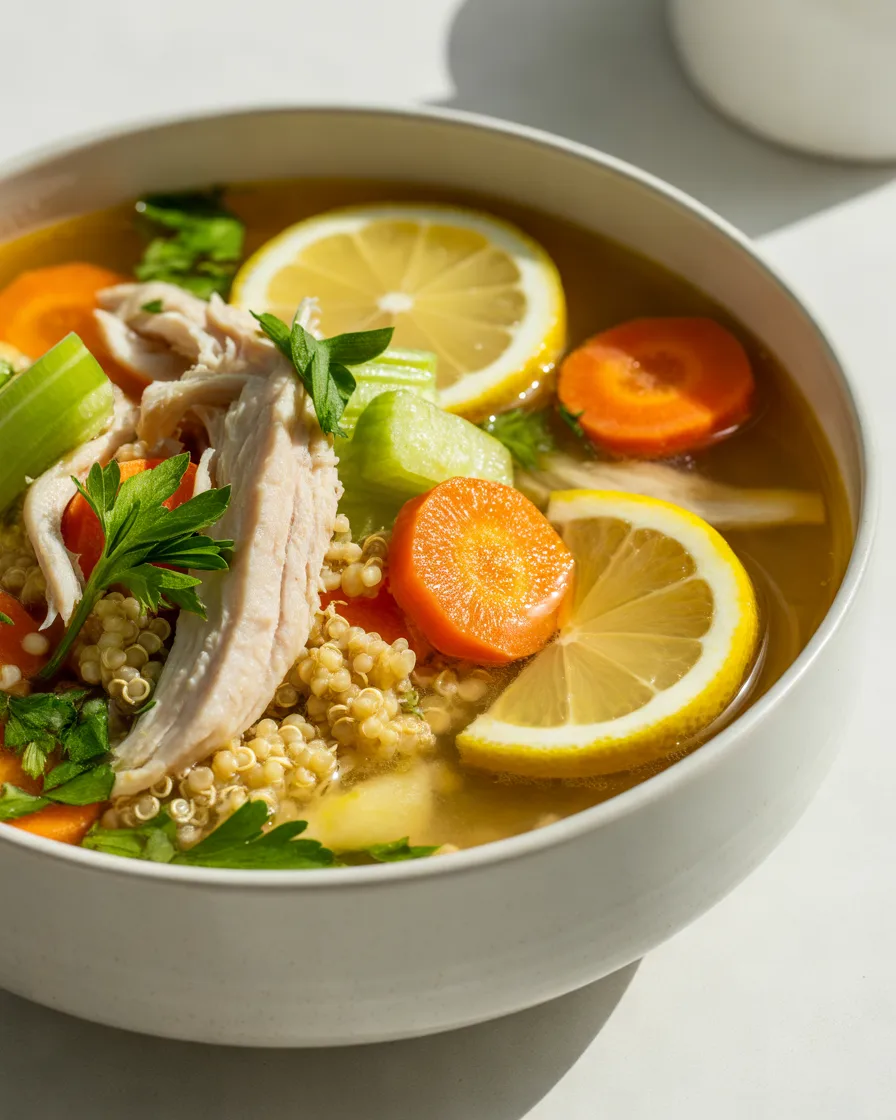
Lemon chicken and quinoa soup is a fresh alternative to traditional chicken noodle soup. Quinoa adds texture, while lemon and herbs create a bright flavor that works throughout the year.
Preparation: 15 minutes | Cooking: 25 minutes | Serves: 4
Ingredients: 300–350 g chicken breast; ½ cup rinsed quinoa; 1 onion; 2 carrots; 2 celery stalks; 5 cups low-sodium chicken broth; 1 lemon; and chopped parsley.
How to make it: Soften the onion, carrots, and celery in a little olive oil. Add broth, quinoa, and chicken. Simmer until the quinoa is tender and the chicken reaches 165°F (74°C). Remove and shred the chicken if desired, return it to the pot, and finish with lemon juice and parsley.
Benefits: Chicken supplies protein, quinoa provides carbohydrates and additional protein, and vegetables contribute fiber and micronutrients.
Practical tip: Add the lemon juice at the end so its fresh flavor remains noticeable.
How to serve it: Enjoy as a complete lunch or dinner, with extra vegetables if desired.
Who it may suit: People who want a hearty chicken soup without traditional pasta.
Considerations: Rinse quinoa before cooking. If preparing ahead, note that quinoa absorbs broth during storage, so add extra liquid when reheating.
Expert Tips for Making Healthy Homemade Soups More Nutritious
Choosing a good recipe is only the first step. Small cooking and shopping decisions can make your homemade soups more balanced, flavorful, and convenient.
1. Build flavor before adding the broth. Gently cook onions, garlic, carrots, celery, and spices in a little olive oil. This creates a flavorful base without needing large amounts of salt.
2. Include a protein source. Beans, lentils, tofu, chicken, fish, and lean turkey can make soup more substantial. If your soup contains only vegetables and broth, consider adding beans or serving it with a protein-rich side.
3. Watch the sodium content. Stock cubes, canned ingredients, miso, and ready-made broths can contribute significant amounts of sodium. Choose reduced-sodium products, compare labels, and taste before adding salt. The NHS recommends that adults consume no more than 6 g of salt daily. Individual medical advice may differ. (nhs.uk)
4. Use frozen and canned vegetables confidently. These can make healthy soup recipes easier to prepare when fresh produce is unavailable or expensive. Choose options without added salt or sugar when possible.
5. Create creamy textures without relying on cream. Blended beans, lentils, potatoes, and roasted squash can thicken soup naturally. A small amount of milk, yogurt, or coconut milk is another option, depending on the recipe.
6. Make meal preparation easier. Prepare a large batch, then divide it into individual portions. Cook pasta, quinoa, or other grains separately if they are likely to absorb too much liquid during storage.
7. Store soup safely. Refrigerate perishable leftovers within two hours, using shallow containers to cool them quickly. Keep the refrigerator at 40°F (4°C) or below, use refrigerated leftovers within three to four days, and reheat them to 165°F (74°C). Freeze portions you will not eat in time. (foodsafety.gov)
Frequently Asked Questions About Healthy Soup Recipes
1. What are the healthiest soups to make at home?
There is no single healthiest soup for everyone. Lentil soup, bean soup, vegetable minestrone, chicken and vegetable soup, and tofu soup can all contribute to a balanced eating pattern. Look for a combination of vegetables, protein, and suitable carbohydrates, while paying attention to sodium and portion sizes.
2. Are homemade soups healthier than canned soups?
Homemade soup gives you more control over ingredients, seasoning, and portion sizes. However, canned soups can also be convenient options. Compare nutrition labels, particularly sodium, and choose products that fit your dietary needs.
3. Which healthy soup recipes are high in protein?
Chicken and vegetable soup, salmon chowder, turkey and cabbage soup, lentil soup, black bean soup, and tofu soup can provide useful amounts of protein. The amount per serving depends on the ingredients and portion size.
4. Can healthy soup recipes help with weight management?
Soup can fit into a weight-management plan, but no particular soup guarantees weight loss. Vegetable-rich soups containing beans, lean protein, and fiber may help you feel satisfied. Ingredients such as cream, cheese, oil, and large portions of pasta can increase the energy content, so consider the complete recipe rather than the name alone.
5. How can I make soup flavorful without adding too much salt?
Start with onion, garlic, herbs, spices, black pepper, ginger, or citrus juice. Choose lower-sodium broth and rinse canned beans. Add salt gradually and taste before serving. Lemon juice and fresh herbs are particularly useful for brightening the flavor of bean and vegetable soups.
6. Can I freeze homemade soup?
Many homemade soups freeze well, particularly bean, lentil, tomato, and vegetable soups. Cream-based soups, potatoes, and cooked pasta may change texture after freezing. For the best results, freeze soup in suitable airtight containers with space for expansion, label each portion with the date, and thaw safely in the refrigerator.
7. Are healthy soup recipes suitable for vegetarians and vegans?
Yes. Lentil, chickpea, black bean, vegetable, and tofu soups can all be prepared without meat. For vegan versions, use vegetable broth and avoid dairy toppings. Check packaged ingredients such as stock cubes, curry pastes, and miso because their ingredients vary.
8. Can I eat soup every day?
Soup can be part of a daily eating pattern if you enjoy it and your overall diet provides enough variety. Alternate ingredients across the week and include adequate protein, vegetables, healthy fats, and suitable sources of carbohydrates. Avoid relying exclusively on thin vegetable broth if it leaves you hungry or does not meet your nutritional needs.
Conclusion: Find the Healthy Soup Recipes That Work for You
Healthy eating does not have to involve complicated recipes, expensive ingredients, or hours in the kitchen. With a few basic cooking techniques, you can make soups that combine vegetables, protein, fiber, and satisfying flavors.
Start with a lentil and vegetable soup if you want an affordable plant-based meal, choose chicken and quinoa soup for a protein-rich dinner, or try roasted squash soup when you prefer a smooth, naturally creamy texture.
The best healthy soup recipes are the ones that suit your taste, budget, cooking routine, and nutritional needs. Experiment with herbs, vegetables, beans, grains, and different protein sources to discover combinations you will enjoy making regularly.
Official Sources for Nutrition and Food Safety Guidance
For publication, these reliable resources can support the article’s general nutrition and food-handling guidance:
- NHS: Salt in Your Diet
- NHS: 5 A Day
- FoodSafety.gov: Four Steps to Food Safety
- USDA: Leftovers and Food Safety
Editorial note: These recipes are general food suggestions, not medical treatments. Readers with food allergies, swallowing difficulties, kidney disease, or other conditions requiring individualized nutrition advice should consult an appropriately qualified healthcare professional or registered dietitian.