Eating healthy does not mean giving up delicious meals or spending hours in the kitchen. Sometimes, all you need is a few fresh ingredients, a little creativity, and a simple protein that cooks quickly. Shrimp is an excellent option for making satisfying meals without complicated preparation.
Whether you want a light lunch, a filling dinner, or something different for your weekly meal prep, healthy shrimp recipes offer plenty of choices. Shrimp has a naturally mild flavor, so it works well with garlic, lemon, fresh herbs, vegetables, whole grains, and many other ingredients.
It is also a source of protein and provides nutrients such as vitamin B12, selenium, and iodine. When prepared with balanced ingredients and sensible portions, shrimp can fit into many different eating patterns.
The best part is its cooking time. Most medium-sized shrimp cook in just a few minutes, making them especially useful when you need dinner on the table quickly.
In this guide, you will discover 12 delicious and practical ways to prepare shrimp. From Mediterranean salads and grilled shrimp tacos to comforting pasta and colorful rice bowls, these ideas offer something for different tastes and lifestyles.
Let’s explore these easy, healthy shrimp recipes and find your next favorite meal.
1. Garlic Lemon Shrimp with Zucchini Noodles
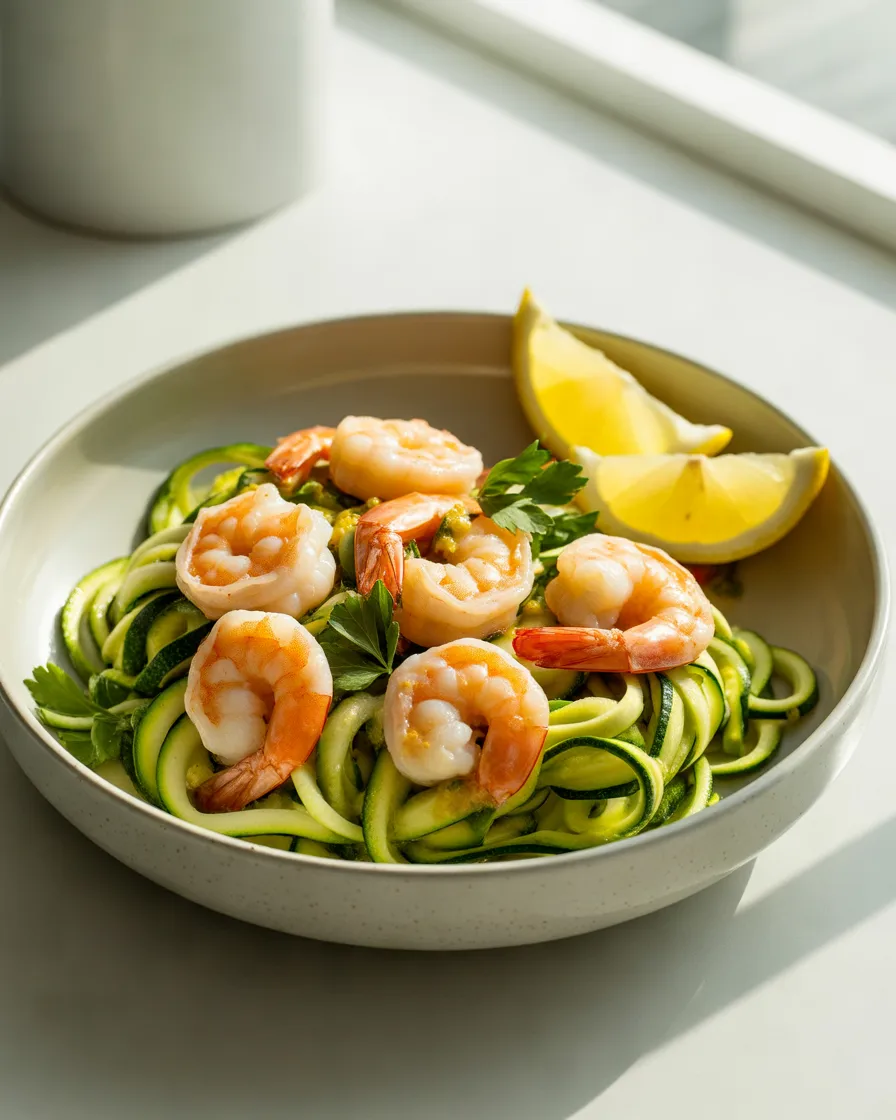
Garlic lemon shrimp with zucchini noodles is a refreshing meal for anyone who enjoys light dinners with plenty of flavor. Instead of traditional pasta, this recipe uses spiralized zucchini to create a vegetable-based alternative.
The combination of garlic, lemon juice, olive oil, and tender shrimp creates a simple sauce without requiring heavy cream or large amounts of butter.
Ingredients:
- 1 pound (450 g) peeled and deveined shrimp
- 2 medium zucchini, spiralized
- 3 garlic cloves, minced
- 1 tablespoon olive oil
- Juice of 1 lemon
- 1 tablespoon chopped fresh parsley
- ½ teaspoon paprika
- Black pepper to taste
- A small pinch of salt
Preparation:
- Heat olive oil in a large skillet over medium heat.
- Add minced garlic and cook briefly until fragrant.
- Add shrimp, paprika, black pepper, and a little salt.
- Cook for approximately 2–3 minutes per side, depending on size.
- Add lemon juice and parsley.
- Remove the shrimp and briefly toss the zucchini noodles in the same skillet.
- Return the shrimp to the pan and serve immediately.
Benefits: Shrimp provides protein, while zucchini contributes fiber, water, and several vitamins. Lemon and garlic add flavor without requiring a heavy sauce.
Practical Tips: Avoid cooking zucchini noodles for too long. They release water and can become soft. One to two minutes is usually enough.
How to Use It: Serve this dish as a quick lunch or dinner. You can also add cherry tomatoes or spinach for more vegetables.
Who It May Suit: People looking for a vegetable-focused meal, anyone who enjoys lighter dinners, and those following a lower-carbohydrate eating pattern.
Important Considerations: Zucchini noodles do not provide the same energy or carbohydrates as traditional pasta. If you need a more filling meal, add whole-grain bread or a serving of quinoa.
2. Mediterranean Shrimp and Quinoa Power Bowl
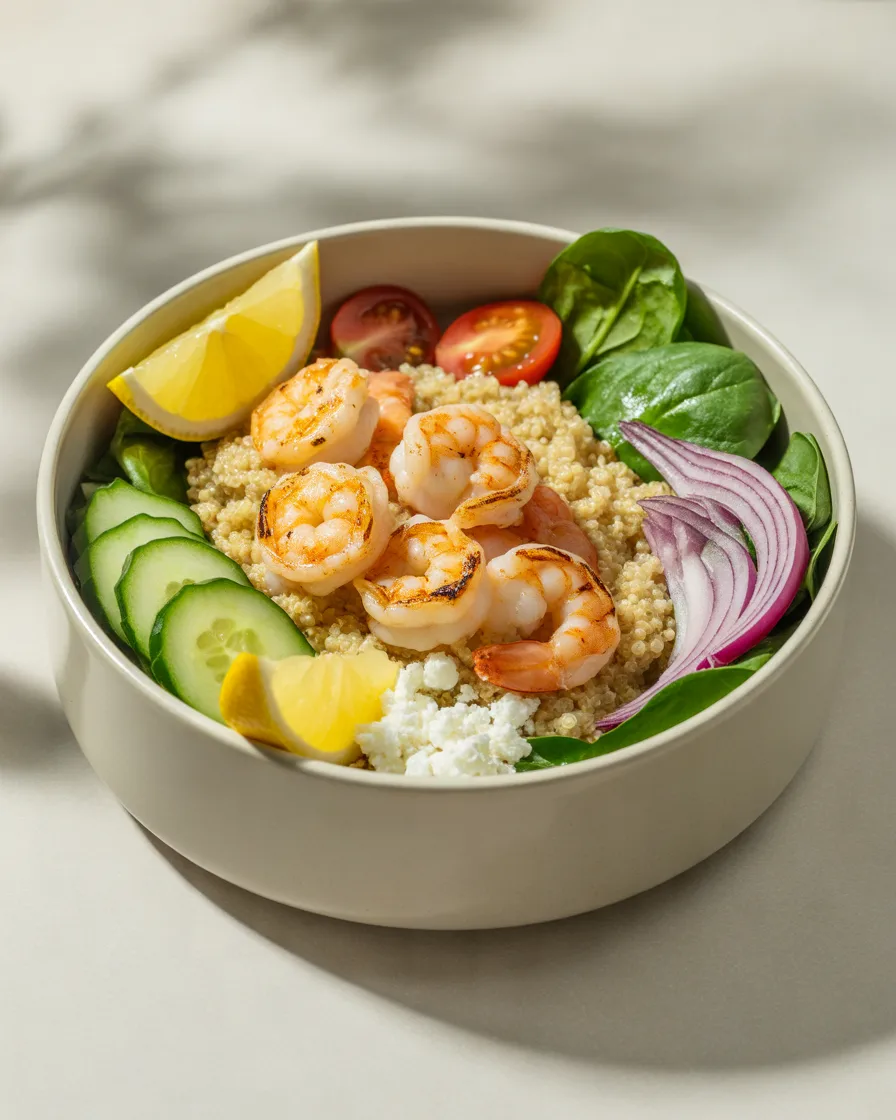
A Mediterranean shrimp and quinoa bowl is a balanced meal that combines protein, whole grains, and fresh vegetables. It is particularly useful when you want something nutritious that can also be prepared ahead of time.
Quinoa provides carbohydrates, fiber, and plant-based protein, while shrimp adds another source of protein. Cucumber, tomatoes, and leafy greens bring freshness and different textures.
Ingredients:
- 1 pound (450 g) peeled shrimp
- 1 cup uncooked quinoa
- 1 cucumber, chopped
- 1 cup cherry tomatoes, halved
- ½ red onion, finely sliced
- 2 cups fresh spinach
- 1 tablespoon olive oil
- Juice of ½ lemon
- ½ teaspoon dried oregano
- Black pepper to taste
- Optional: a small amount of feta cheese
Preparation:
- Rinse quinoa under cold water.
- Cook according to the package instructions.
- Season shrimp with oregano and black pepper.
- Heat olive oil in a skillet and cook shrimp until opaque and fully cooked.
- Divide cooked quinoa between serving bowls.
- Add cucumber, tomatoes, spinach, and red onion.
- Arrange shrimp on top.
- Finish with lemon juice and a little feta if desired.
Benefits: This bowl combines protein, fiber, vegetables, and whole-grain carbohydrates. Quinoa provides sustained meal energy, while the vegetables contribute different vitamins and minerals.
Practical Tips: Cook a larger batch of quinoa at the beginning of the week. Store it safely in the refrigerator and assemble fresh bowls when needed.
How to Use It: Enjoy it as a filling lunch, post-workout meal, or easy dinner. You can also pack the ingredients separately for work.
Who It May Suit: Busy professionals, students, meal-prep enthusiasts, and people who want balanced meals with minimal preparation.
Important Considerations: Feta, olives, and prepared dressings can increase sodium. Adjust their quantities if you are monitoring your salt intake.
3. Fresh Mediterranean Shrimp Salad
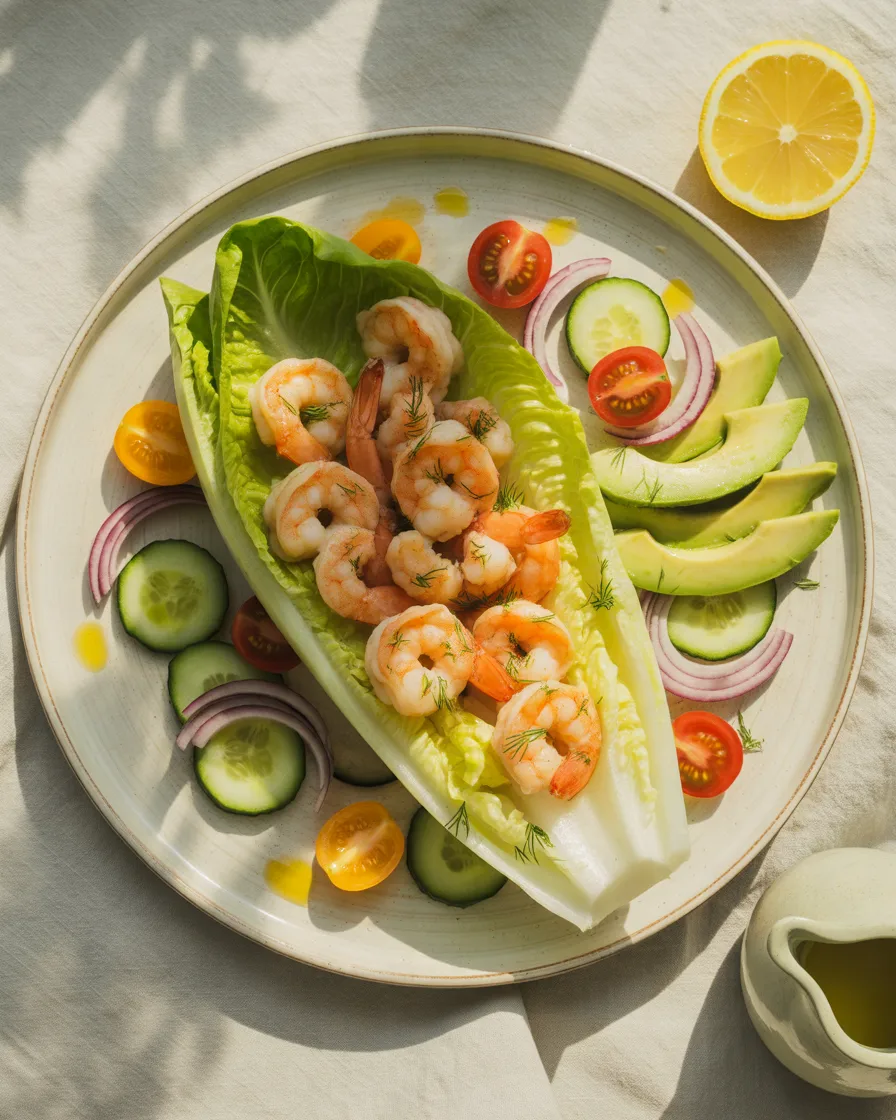
When the weather is warm or you simply want something refreshing, Mediterranean shrimp salad is a wonderful option. It combines tender shrimp with crunchy vegetables, leafy greens, and a homemade lemon dressing.
Unlike many restaurant salads, this version does not depend on creamy dressings or fried toppings. Instead, fresh ingredients provide most of the flavor.
Ingredients:
- 1 pound (450 g) cooked shrimp
- 4 cups mixed lettuce or romaine
- 1 cucumber, sliced
- 1 cup cherry tomatoes
- ½ red onion, thinly sliced
- ½ avocado, sliced
- 1 tablespoon extra-virgin olive oil
- 1 tablespoon lemon juice
- 1 teaspoon Dijon mustard
- Black pepper to taste
- Fresh dill or parsley
Preparation:
- Wash and dry the lettuce and vegetables.
- Arrange lettuce in a large salad bowl.
- Add cucumber, tomatoes, onion, and avocado.
- Place cooked, chilled shrimp over the vegetables.
- Mix olive oil, lemon juice, Dijon mustard, and black pepper.
- Drizzle the dressing over the salad.
- Finish with fresh dill or parsley.
Benefits: This salad provides protein from shrimp, healthy unsaturated fats from avocado and olive oil, and fiber from vegetables. It is also a convenient way to include several colorful plant foods in one meal.
Practical Tips: Dry the lettuce properly before assembling the salad. Excess water can dilute the dressing and make the vegetables less appealing.
How to Use It: Serve as a complete lunch or pair with whole-grain toast for a more substantial dinner.
Who It May Suit: People who enjoy fresh meals, those looking for easy lunch ideas, and anyone who prefers meals that require little cooking.
Important Considerations: If using pre-cooked shrimp, check the package instructions and storage conditions. Keep the salad refrigerated until serving.
4. Sheet Pan Shrimp with Broccoli and Sweet Potatoes
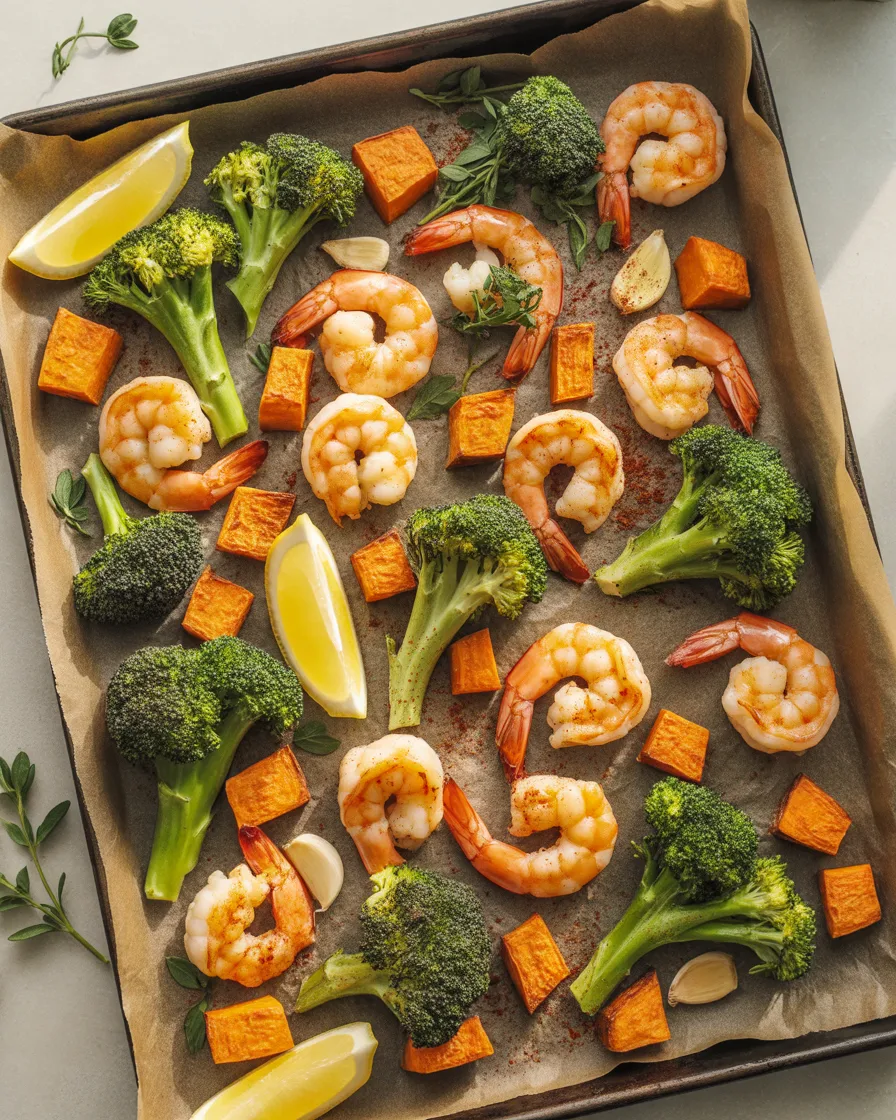
Sheet pan shrimp with broccoli and sweet potatoes is an excellent choice when you want a complete dinner without washing several cooking pans.
Everything is prepared using one baking tray, although the vegetables need a little more cooking time than shrimp. Sweet potatoes provide carbohydrates, broccoli adds fiber, and shrimp supplies protein.
Ingredients:
- 1 pound (450 g) peeled and deveined shrimp
- 2 medium sweet potatoes, cubed
- 2 cups broccoli florets
- 1 tablespoon olive oil
- ½ teaspoon garlic powder
- ½ teaspoon paprika
- ½ teaspoon dried oregano
- Black pepper
- Lemon wedges
Preparation:
- Preheat the oven to 425°F (220°C).
- Place sweet potato cubes on a lined baking sheet.
- Toss them with olive oil, paprika, and black pepper.
- Roast for approximately 15–20 minutes until they begin to soften.
- Add broccoli florets and seasoned shrimp.
- Return the tray to the oven for another 6–10 minutes, until the shrimp are opaque and fully cooked.
- Finish with fresh lemon juice.
Benefits: This meal includes protein, vegetables, and complex carbohydrates. Sweet potatoes provide potassium and beta-carotene, while broccoli contains vitamin C and fiber.
Practical Tips: Cut sweet potatoes into similarly sized cubes so they cook evenly. Keep shrimp in a single layer rather than piling them together.
How to Use It: Divide the cooked ingredients into meal-prep containers. Refrigerate promptly and use within 3–4 days.
Who It May Suit: Families, busy workers, people preparing weekday lunches, and anyone who appreciates simple oven-based meals.
Important Considerations: Shrimp cooks much faster than sweet potatoes. Adding it too early can make it rubbery. Always check that the thickest shrimp has reached a safe internal temperature.
5. Healthy Shrimp Tacos with Creamy Greek Yogurt Slaw
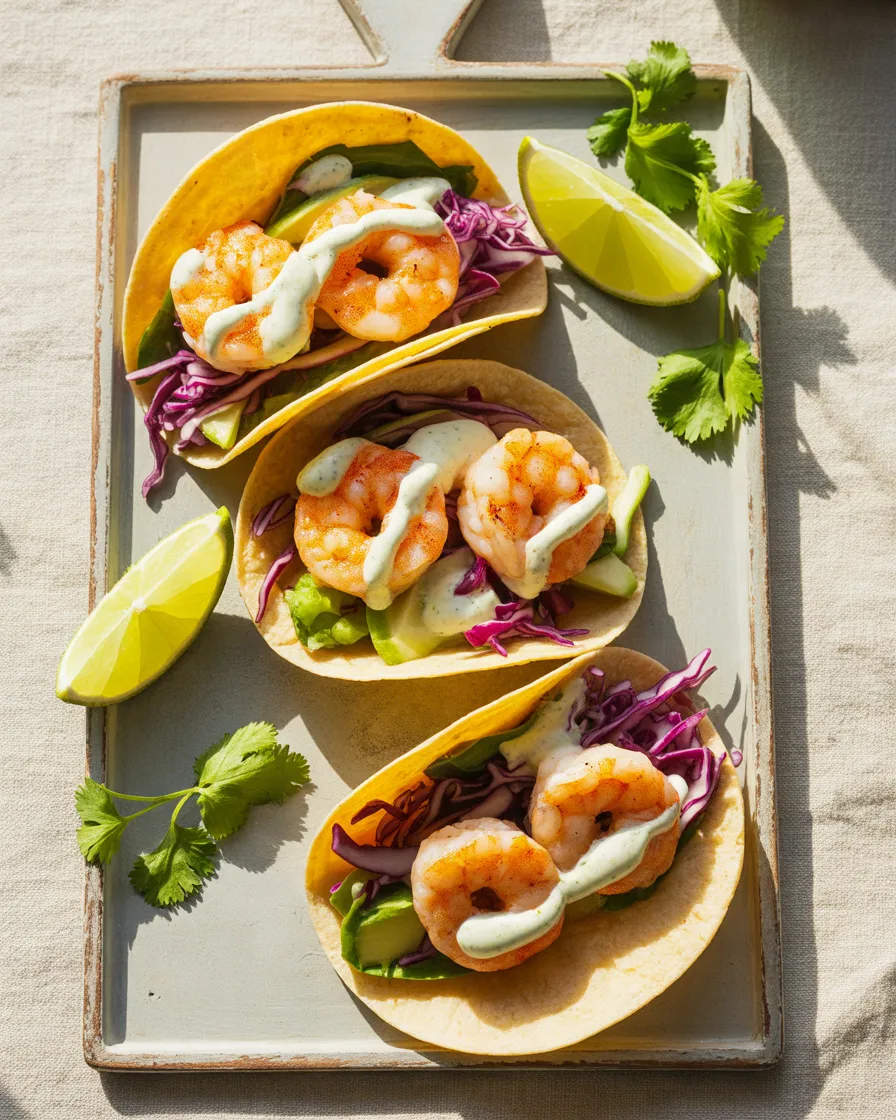
Shrimp tacos are a fun way to enjoy seafood without relying on deep-fried fillings or heavy sauces. This version uses lightly seasoned shrimp, crunchy cabbage, and a creamy dressing made with Greek yogurt.
The result is a colorful meal that works well for lunch, dinner, or a casual family gathering.
Ingredients:
- 1 pound (450 g) peeled shrimp
- 8 small corn or whole-wheat tortillas
- 2 cups shredded cabbage
- ½ cup plain Greek yogurt
- Juice of 1 lime
- 1 teaspoon olive oil
- ½ teaspoon cumin
- ½ teaspoon paprika
- ½ teaspoon garlic powder
- Fresh cilantro
- Black pepper
Preparation:
- Season shrimp with cumin, paprika, garlic powder, and black pepper.
- Heat olive oil in a skillet.
- Cook shrimp for approximately 2–3 minutes per side.
- Combine shredded cabbage, Greek yogurt, and lime juice in a bowl.
- Warm tortillas according to package directions.
- Add cabbage slaw and shrimp to each tortilla.
- Finish with chopped cilantro and extra lime.
Benefits: Shrimp provides protein, cabbage contributes fiber and vitamin C, and Greek yogurt adds protein and a creamy texture. Using yogurt instead of a mayonnaise-heavy sauce can reduce the amount of saturated fat.
Practical Tips: Warm tortillas in a dry skillet for a few seconds on each side. This improves their texture and makes them easier to fold.
How to Use It: Serve two tacos per person with a side of black beans, corn, or fresh salsa.
Who It May Suit: Families, people who enjoy Mexican-inspired meals, and anyone looking for a flavorful alternative to traditional fried tacos.
Important Considerations: Check tortilla labels for sodium and fiber content. Some prepared taco seasonings and sauces can contain considerable amounts of salt.
6. Light Coconut Lime Shrimp with Brown Rice
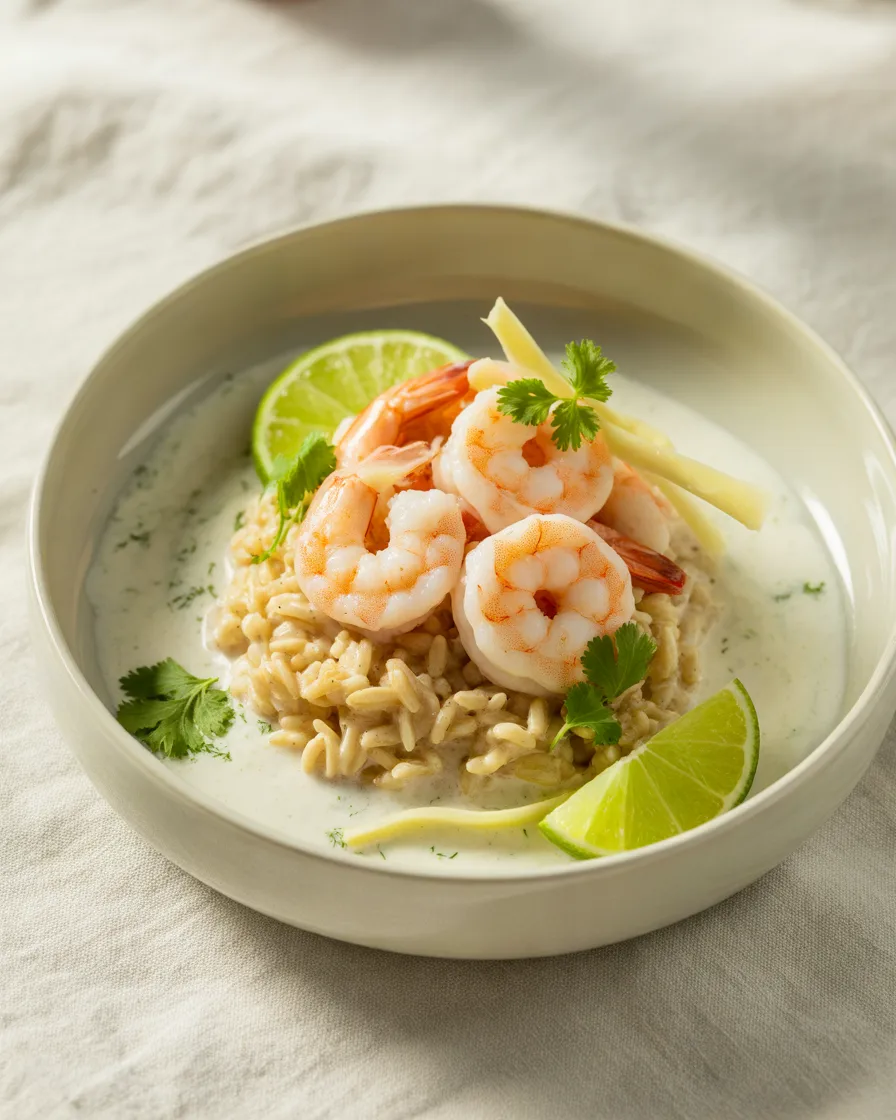
If you enjoy creamy seafood dishes but prefer to avoid heavy cream-based sauces, coconut lime shrimp is worth trying.
Light coconut milk creates a smooth sauce, while lime juice and ginger add freshness. Brown rice makes the meal more filling and provides whole-grain carbohydrates.
Ingredients:
- 1 pound (450 g) peeled shrimp
- 1 cup uncooked brown rice
- ½ cup light coconut milk
- 2 garlic cloves, minced
- 1 teaspoon grated fresh ginger
- Juice of 1 lime
- 1 teaspoon olive oil
- ½ teaspoon turmeric
- Fresh cilantro
- Black pepper
Preparation:
- Cook brown rice according to package directions.
- Heat olive oil in a skillet.
- Add garlic and ginger and cook briefly.
- Add coconut milk, turmeric, and black pepper.
- Simmer gently for 2–3 minutes.
- Add shrimp and cook until opaque and fully cooked.
- Finish with lime juice and cilantro.
- Serve over warm brown rice.
Benefits: Shrimp provides protein, brown rice contributes fiber and carbohydrates, and ginger and lime bring flavor without needing additional heavy sauces.
Practical Tips: Use light coconut milk rather than coconut cream for a lighter texture. Avoid boiling the sauce aggressively because it may separate.
How to Use It: Serve immediately as a comforting dinner. Add steamed green beans or spinach to increase the vegetable content.
Who It May Suit: People who enjoy tropical flavors, seafood lovers, and anyone wanting a change from traditional tomato-based shrimp dishes.
Important Considerations: Coconut milk contains saturated fat. Even light coconut milk should be used in reasonable portions, particularly by people monitoring saturated fat intake.
7. Garlic Tomato Shrimp with Whole-Wheat Pasta
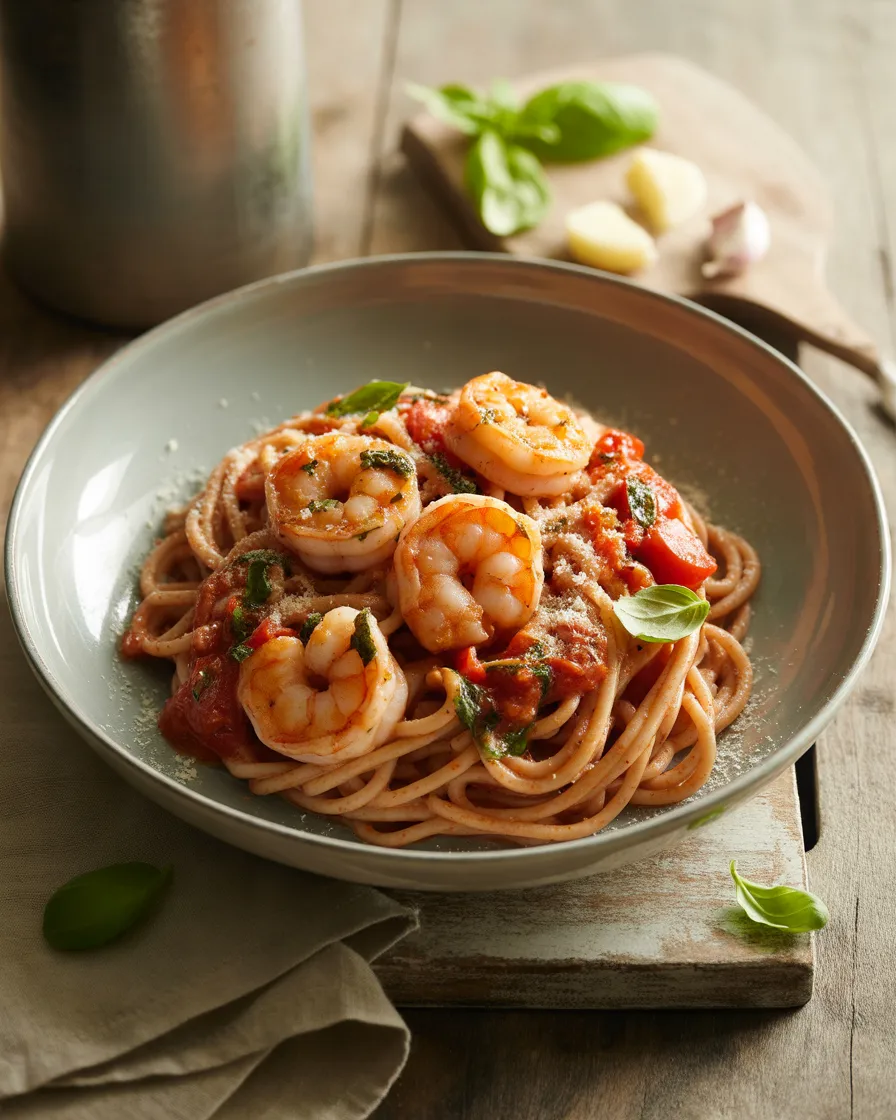
Pasta lovers do not need to avoid their favorite meals to eat more healthfully. The key is choosing suitable ingredients and paying attention to portion sizes.
This garlic tomato shrimp pasta uses whole-wheat pasta, fresh tomatoes, garlic, and herbs to create a flavorful meal without requiring a rich cream sauce.
Ingredients:
- 1 pound (450 g) peeled shrimp
- 8 ounces (225 g) whole-wheat pasta
- 2 cups chopped fresh tomatoes
- 3 garlic cloves, minced
- 1 tablespoon olive oil
- ½ teaspoon red pepper flakes
- 1 teaspoon dried basil
- Fresh parsley
- Black pepper
- A little reserved pasta water
Preparation:
- Cook whole-wheat pasta according to package directions.
- Reserve a small amount of pasta water before draining.
- Heat olive oil in a large skillet.
- Add garlic and red pepper flakes.
- Add tomatoes and dried basil.
- Simmer for approximately 5–7 minutes.
- Add shrimp and cook until opaque.
- Add the pasta and a little reserved water.
- Toss everything together and finish with parsley.
Benefits: Whole-wheat pasta contributes fiber, shrimp supplies protein, and tomatoes provide vitamin C and lycopene. The tomato-based sauce also avoids the need for heavy cream.
Practical Tips: Do not overcook the pasta. Slightly firm pasta holds its shape better when tossed with the sauce.
How to Use It: Enjoy as a family dinner or divide into individual containers for next-day lunches.
Who It May Suit: Pasta enthusiasts, families, and people who want a more balanced version of a traditional seafood pasta meal.
Important Considerations: Use moderate portions of pasta and add a side salad if you want more vegetables. Watch the amount of added salt and cheese.
8. Quick Shrimp and Vegetable Stir-Fry
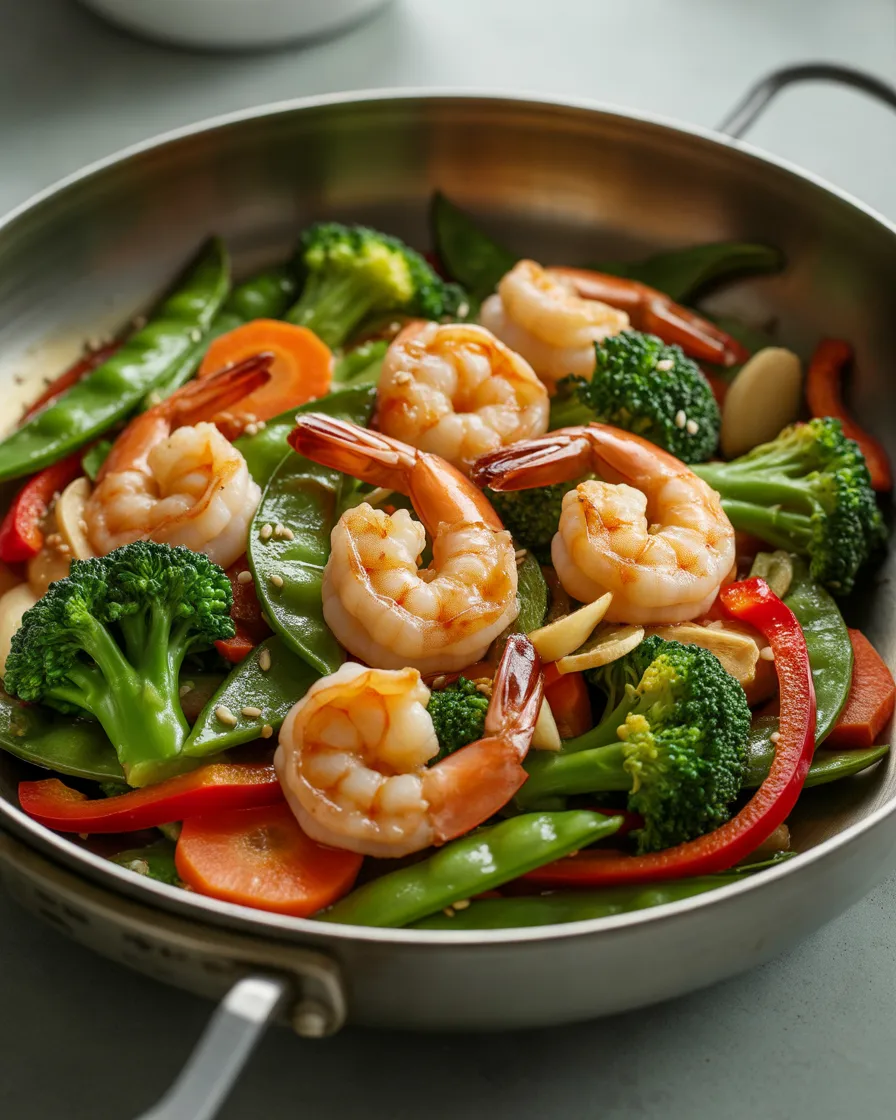
A shrimp and vegetable stir-fry is one of the most practical options for busy evenings. It cooks quickly, uses everyday ingredients, and allows you to include different vegetables based on what is available.
The secret is preparing everything before turning on the stove because stir-frying happens quickly.
Ingredients:
- 1 pound (450 g) peeled shrimp
- 1 red bell pepper, sliced
- 1 cup broccoli florets
- 1 carrot, thinly sliced
- 1 cup snap peas
- 2 garlic cloves, minced
- 1 teaspoon grated ginger
- 1 tablespoon low-sodium soy sauce
- 1 teaspoon sesame oil
- 1 teaspoon olive oil
- 1 teaspoon sesame seeds
Preparation:
- Wash and prepare all vegetables.
- Heat olive oil in a large skillet or wok.
- Add carrots and broccoli and stir-fry for 2–3 minutes.
- Add bell pepper and snap peas.
- Add garlic and ginger.
- Add shrimp and cook until opaque.
- Stir in low-sodium soy sauce and sesame oil.
- Sprinkle with sesame seeds and serve.
Benefits: This recipe combines shrimp protein with a variety of colorful vegetables. Broccoli provides fiber and vitamin C, while carrots contribute beta-carotene.
Practical Tips: Avoid overcrowding the pan. Cook in batches if necessary to prevent the shrimp and vegetables from steaming instead of browning.
How to Use It: Serve with brown rice, quinoa, or whole-grain noodles for a complete meal.
Who It May Suit: Busy households, students, meal-prep enthusiasts, and people who want a flexible dinner recipe.
Important Considerations: Even reduced-sodium soy sauce contains sodium. Adjust the amount according to your dietary needs, and avoid adding extra salt before tasting.
9. Shrimp Lettuce Wraps with Mango and Avocado
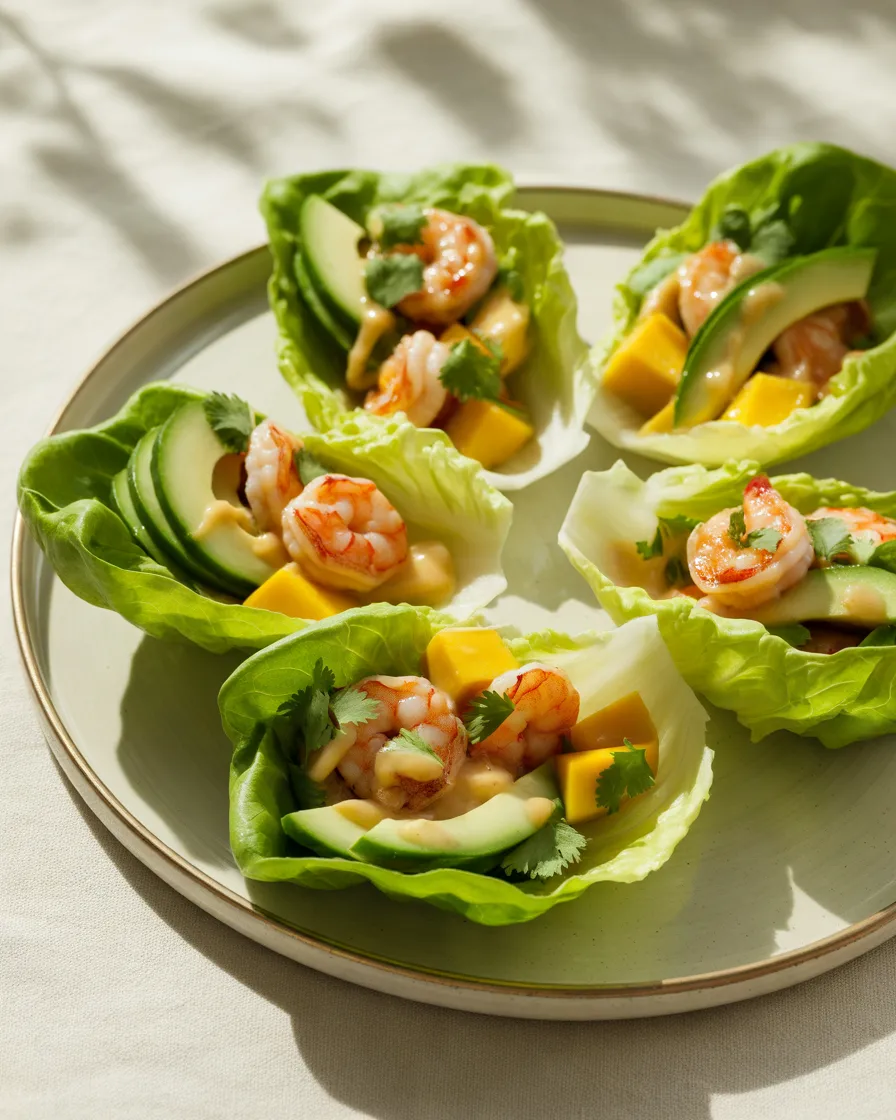
Shrimp lettuce wraps are a fresh and colorful option for anyone who enjoys meals with contrasting flavors and textures.
Sweet mango, creamy avocado, and seasoned shrimp create a satisfying filling, while crisp lettuce leaves provide a light alternative to traditional wraps.
Ingredients:
- 1 pound (450 g) peeled shrimp
- 8 large butter lettuce leaves
- 1 ripe mango, diced
- 1 avocado, diced
- ½ cucumber, chopped
- 1 tablespoon lime juice
- 1 teaspoon olive oil
- ½ teaspoon paprika
- Fresh cilantro
- Black pepper
Preparation:
- Season shrimp with paprika and black pepper.
- Heat olive oil in a skillet.
- Cook shrimp until opaque and fully cooked.
- Combine mango, avocado, cucumber, and lime juice.
- Wash and dry lettuce leaves.
- Place shrimp inside each lettuce leaf.
- Add the mango and avocado mixture.
- Garnish with cilantro and serve.
Benefits: Shrimp supplies protein, mango provides vitamin C, and avocado contributes unsaturated fats and fiber. Cucumber adds freshness and crunch.
Practical Tips: Choose firm lettuce leaves that can hold the filling without tearing. Prepare the mango mixture shortly before serving to keep the avocado looking fresh.
How to Use It: Serve three or four small wraps as a light lunch, or pair them with brown rice for a more filling dinner.
Who It May Suit: People who enjoy fresh, colorful food, those looking for lunch alternatives, and anyone interested in lower-carbohydrate meal ideas.
Important Considerations: Lettuce wraps are less substantial than grain-based meals. Add a suitable side dish if you need more energy or a larger portion.
10. Healthy Shrimp Stuffed Bell Peppers
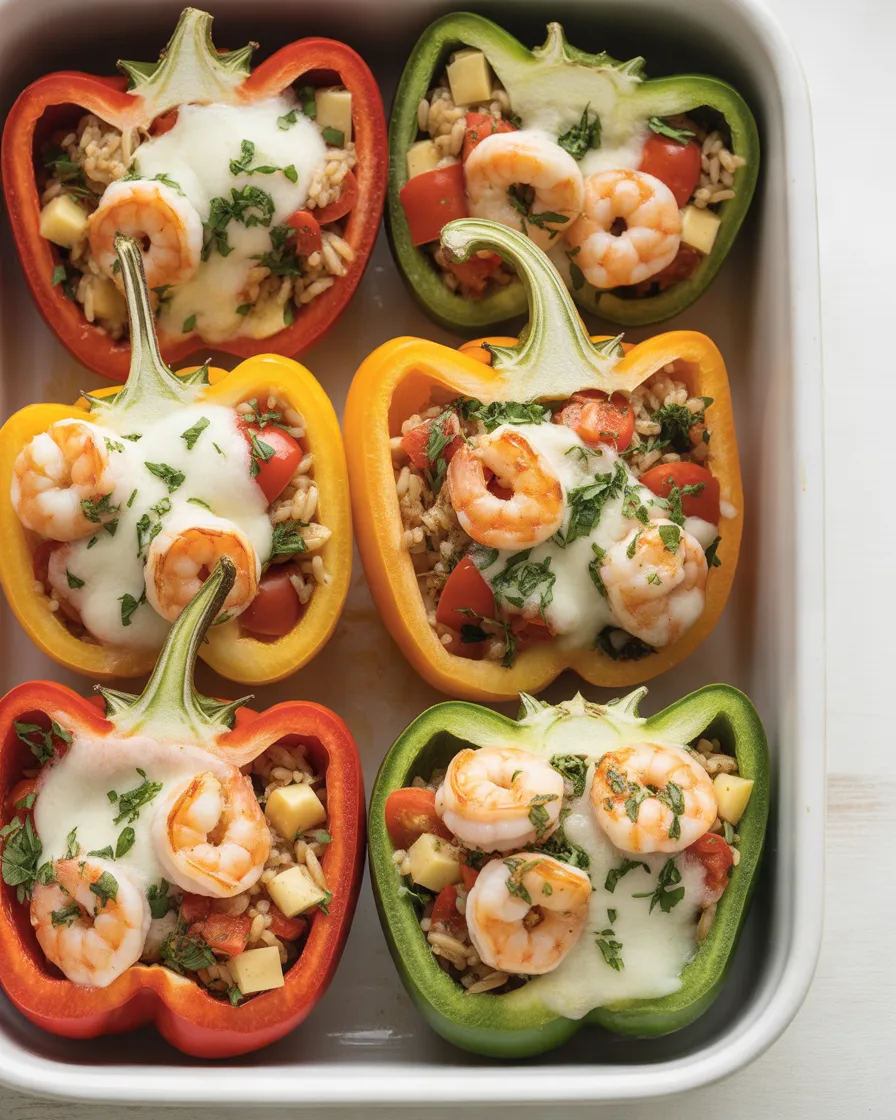
Stuffed bell peppers are an attractive way to turn simple ingredients into a complete meal. Their natural shape makes them ideal for holding a filling of shrimp, brown rice, tomatoes, and vegetables.
This recipe is also easy to customize depending on your family’s preferences.
Ingredients:
- 4 medium bell peppers
- 1 pound (450 g) peeled shrimp, chopped
- 1 cup cooked brown rice
- 1 cup chopped tomatoes
- ½ onion, finely diced
- 2 garlic cloves, minced
- 1 teaspoon olive oil
- ½ teaspoon paprika
- ½ teaspoon dried oregano
- Black pepper
- Optional: a small amount of shredded mozzarella
Preparation:
- Preheat the oven to 375°F (190°C).
- Cut the tops off the peppers and remove the seeds.
- Place peppers in a baking dish and bake for approximately 10 minutes.
- Heat olive oil in a skillet.
- Cook onion and garlic until softened.
- Add chopped shrimp, tomatoes, paprika, and oregano.
- Cook until the shrimp are opaque.
- Mix with cooked brown rice.
- Fill the peppers with the mixture.
- Add a little mozzarella if desired and bake for another 10–15 minutes, until the peppers are tender and the filling is hot.
Benefits: This recipe combines shrimp protein, brown rice carbohydrates, and vegetables in one convenient serving. Bell peppers also provide vitamin C.
Practical Tips: Choose peppers with flat bottoms so they stand upright in the baking dish. Prepare the rice in advance to reduce cooking time.
How to Use It: Serve one or two stuffed peppers depending on their size. They can also be prepared for family dinners.
Who It May Suit: Families, people who enjoy baked meals, and anyone looking for a creative way to include vegetables in dinner.
Important Considerations: Avoid overfilling the peppers because the mixture may spill during baking. Ensure the filling reaches a safe temperature throughout.
11. One-Pan Shrimp and White Bean Skillet
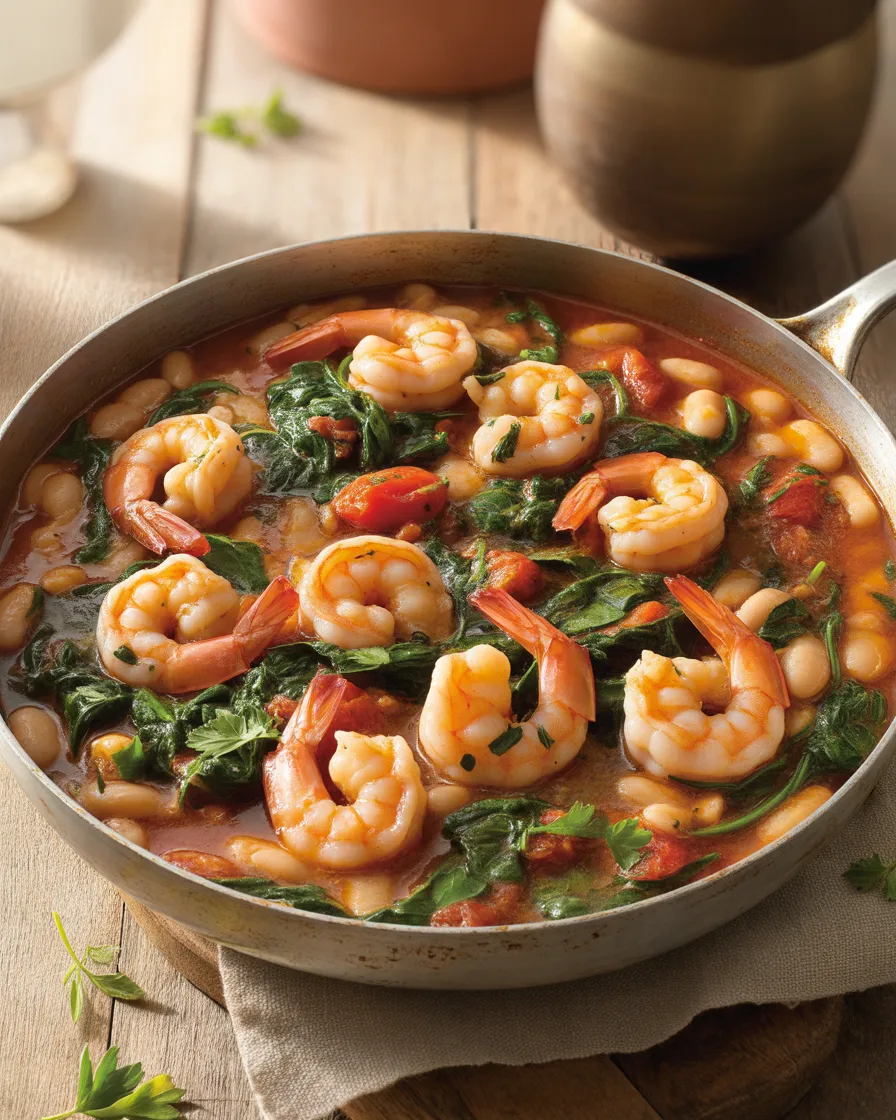
If you prefer comforting meals that do not require many ingredients, try a shrimp and white bean skillet.
White beans add plant-based protein and fiber, while shrimp provides additional protein. Tomatoes, garlic, and spinach create a flavorful base that brings everything together.
Ingredients:
- 1 pound (450 g) peeled shrimp
- 1 can (15 ounces/425 g) low-sodium white beans, drained and rinsed
- 2 cups fresh spinach
- 1 cup chopped tomatoes
- 3 garlic cloves, minced
- 1 tablespoon olive oil
- ½ teaspoon paprika
- ½ teaspoon dried oregano
- ½ cup low-sodium vegetable broth
- Black pepper
- Fresh parsley
Preparation:
- Heat olive oil in a large skillet.
- Add garlic and cook until fragrant.
- Add tomatoes, oregano, paprika, and vegetable broth.
- Simmer for approximately 5 minutes.
- Add rinsed white beans and stir gently.
- Add shrimp and cook until opaque and fully cooked.
- Fold in spinach until wilted.
- Finish with parsley and black pepper.
Benefits: White beans contribute dietary fiber, plant protein, and minerals. Shrimp provides protein and vitamin B12, while spinach adds folate and vitamin K.
Practical Tips: Rinse canned beans under running water to remove some of the added sodium. Use cannellini or great northern beans for a soft, creamy texture.
How to Use It: Serve in a bowl with whole-grain bread or alongside a fresh green salad. It also works well as a simple weeknight dinner.
Who It May Suit: People who enjoy Mediterranean-inspired dishes, families, and anyone looking for a protein-rich meal with beans and vegetables.
Important Considerations: Beans contain fermentable carbohydrates that may cause digestive discomfort in some people. Start with a comfortable portion if you are not accustomed to eating them.
12. Healthy Shrimp Fried Cauliflower Rice
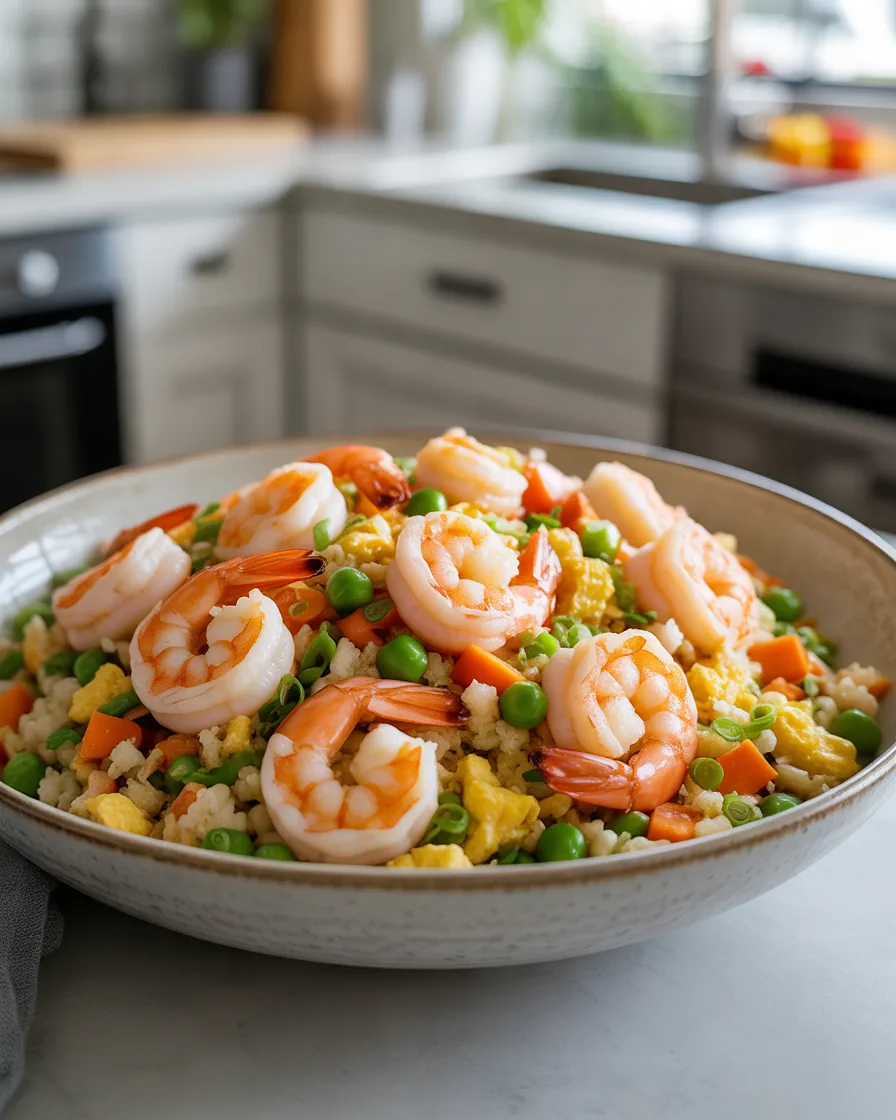
Traditional fried rice is a popular comfort food, but you can create a vegetable-focused alternative using cauliflower rice.
This recipe combines shrimp, eggs, mixed vegetables, and cauliflower rice for a quick skillet meal. It delivers familiar fried-rice flavors while increasing the amount of vegetables in your meal.
Ingredients:
- 1 pound (450 g) peeled shrimp
- 4 cups cauliflower rice
- 2 eggs
- ½ cup peas and carrots
- 2 green onions, chopped
- 2 garlic cloves, minced
- 1 tablespoon low-sodium soy sauce
- 1 teaspoon sesame oil
- 1 teaspoon olive oil
- Black pepper
Preparation:
- Heat olive oil in a large skillet.
- Add shrimp and cook until opaque and fully cooked.
- Remove shrimp and set aside.
- Scramble eggs in the same pan.
- Add garlic, peas, and carrots.
- Stir in cauliflower rice and cook for approximately 4–5 minutes.
- Add soy sauce and sesame oil.
- Return shrimp to the skillet.
- Mix everything together and garnish with green onions.
Benefits: Shrimp and eggs provide protein, while cauliflower and mixed vegetables contribute fiber and micronutrients. Cauliflower rice is also lower in carbohydrates than regular rice.
Practical Tips: If using frozen cauliflower rice, thaw it and remove excess moisture before cooking. This helps prevent a watery result.
How to Use It: Enjoy as a quick lunch or dinner. Add extra vegetables such as mushrooms, bell peppers, or spinach for variety.
Who It May Suit: People who enjoy Asian-inspired meals, those looking for lower-carbohydrate alternatives, and anyone who wants a quick vegetable-based dinner.
Important Considerations: Cauliflower rice is not nutritionally identical to regular rice. It provides less energy and fewer carbohydrates, so people with higher energy requirements may prefer mixing it with ordinary brown rice.
Expert Tips for Making Healthy Shrimp Recipes
Preparing shrimp is relatively simple, but a few techniques can make a noticeable difference in taste, texture, and food safety.
1. Choose the Right Shrimp
Fresh and frozen shrimp can both be good choices. Frozen shrimp are often convenient because they are cleaned and packaged quickly after harvesting.
Look for shrimp with intact packaging and no signs of freezer damage. If buying fresh shrimp, choose a reputable seller and check that they have been stored properly.
2. Avoid Overcooking
One of the most common shrimp-cooking mistakes is leaving them on the heat for too long.
Shrimp generally cook quickly. They should become opaque and pearly white with a firm texture. Their shape often curls into a loose C. A tightly curled, rubbery texture can indicate overcooking.
For food safety, cook shrimp to an internal temperature of 145°F (63°C), measured with a food thermometer.
3. Use Healthy Cooking Methods
Grilling, baking, steaming, poaching, and light sautéing are useful cooking methods.
You do not need to deep-fry shrimp to make them delicious. Garlic, lemon, herbs, ginger, paprika, and black pepper can provide plenty of flavor.
4. Include Vegetables
Shrimp provides protein, but a meal made only with shrimp may lack important food groups.
Combine it with broccoli, spinach, tomatoes, zucchini, peppers, carrots, or other vegetables. Different colors often indicate different plant nutrients.
5. Watch the Sauces
Prepared sauces can contain considerable amounts of sodium, added sugar, or saturated fat.
Instead, experiment with homemade dressings using lemon juice, olive oil, fresh herbs, garlic, plain Greek yogurt, or a small amount of low-sodium soy sauce.
6. Make Meal Preparation Easier
Prepare vegetables, grains, and homemade sauces ahead of time. Keep raw shrimp separate from ready-to-eat ingredients.
You can prepare quinoa, brown rice, and chopped vegetables in advance, then cook shrimp shortly before serving.
7. Store Shrimp Safely
Thaw frozen shrimp in the refrigerator rather than leaving them on the kitchen counter. If you need a faster method, place the shrimp in a sealed bag under cold running water and cook promptly.
Refrigerate cooked shrimp within two hours, or within one hour when temperatures exceed 90°F (32°C). Use refrigerated cooked leftovers within 3–4 days.
Never leave seafood at room temperature for extended periods.
8. Pay Attention to Allergies
Shrimp is a shellfish and can trigger serious allergic reactions in people with shellfish allergies.
People with known shellfish allergies should avoid shrimp and foods that may contain cross-contact. Anyone who experiences breathing difficulties, throat swelling, or other signs of a severe allergic reaction should seek emergency medical assistance.
Frequently Asked Questions About Healthy Shrimp Recipes
1. Is shrimp healthy to eat regularly?
Shrimp can be part of a balanced eating pattern. It provides protein, vitamin B12, selenium, and iodine. However, overall health depends on the complete diet, portion sizes, preparation methods, and individual nutritional needs.
2. What is the healthiest way to cook shrimp?
Grilling, baking, steaming, poaching, and light sautéing are practical options. These methods allow you to prepare shrimp without large amounts of added fat. Season with garlic, lemon, herbs, and spices for additional flavor.
3. Are shrimp recipes good for weight management?
Shrimp is relatively low in calories compared with many protein-rich foods and provides protein. Meals containing shrimp, vegetables, and suitable portions of whole grains may support a balanced eating plan. However, no single food guarantees weight loss.
4. Can I use frozen shrimp for healthy recipes?
Yes. Frozen shrimp are convenient and can work in almost all the recipes in this article. Thaw them safely in the refrigerator or under cold running water in a sealed bag before cooking.
5. What vegetables go best with shrimp?
Broccoli, zucchini, spinach, bell peppers, asparagus, carrots, tomatoes, cabbage, and green beans pair particularly well with shrimp. Choose vegetables based on the flavor and texture you prefer.
6. Are shrimp recipes suitable for meal prep?
Many shrimp dishes are suitable for meal preparation, including quinoa bowls, stir-fries, stuffed peppers, and shrimp with brown rice. Refrigerate cooked food promptly and consume within 3–4 days.
For the best texture, avoid overcooking shrimp during the initial preparation, especially if you plan to reheat it.
7. How much shrimp should I eat in one serving?
A common serving of cooked seafood is approximately 3 ounces (85 g), although individual needs can differ. The appropriate amount depends on your overall diet, appetite, activity level, and health requirements.
8. Can I eat shrimp while following a low-carb diet?
Yes. Shrimp naturally contains very little carbohydrate. Pair it with vegetables such as zucchini, broccoli, cauliflower, and lettuce for lower-carbohydrate meals.
9. Is shrimp better than chicken for protein?
Both shrimp and chicken provide high-quality protein. Their nutritional profiles differ, and the best option depends on your preferences, dietary requirements, and the overall meal. Both can fit into a balanced diet.
10. How do I know when shrimp is fully cooked?
Fully cooked shrimp should have an opaque, pearly appearance and a firm texture. For a reliable food-safety check, use a thermometer to confirm an internal temperature of 145°F (63°C).
11. Can I use pre-cooked shrimp in these recipes?
Yes. Pre-cooked shrimp can be added to salads, wraps, and cold bowls. For warm meals, add it near the end of cooking and heat it thoroughly without cooking it for too long.
12. Are healthy shrimp recipes suitable for children?
Many shrimp dishes can be adapted for children by using mild seasonings, smaller portions, and familiar ingredients such as rice, vegetables, and whole-wheat pasta. However, shrimp is a common food allergen. Introduce it appropriately and seek medical guidance if your child has a known or suspected food allergy.
Conclusion
Healthy shrimp recipes make it easier to prepare delicious meals without spending too much time in the kitchen. Shrimp is versatile, cooks quickly, and pairs well with vegetables, whole grains, fresh herbs, and different homemade sauces.
From garlic lemon shrimp with zucchini noodles to Mediterranean quinoa bowls and shrimp tacos, these 12 ideas offer plenty of ways to enjoy seafood throughout the week.
The key is to focus on balanced ingredients, sensible portions, and healthier cooking methods. Include a variety of vegetables, choose whole grains when appropriate, and use flavorful seasonings instead of relying heavily on salt or rich sauces.
You do not have to follow complicated recipes to eat well. Start with one or two dishes from this list, experiment with ingredients you already enjoy, and gradually build a collection of easy meals that suit your lifestyle.
Which of these healthy shrimp recipes would you like to try first? Choose your favorite, gather a few fresh ingredients, and enjoy making a nutritious homemade meal.