Healthy snacking doesn’t have to mean eating plain vegetables or spending hours preparing complicated recipes. Sometimes, all you need is a handful of everyday ingredients and a few minutes in the kitchen to make something genuinely delicious.
Whether you’re looking for a quick afternoon pick-me-up, a nutritious after-school treat, or something satisfying to enjoy between meals, these healthy snacks recipes offer plenty of choices.
The best homemade snacks often combine ingredients that provide protein, fiber, healthy fats, and important vitamins or minerals. For example, pairing fruit with yogurt, whole grains with beans, or vegetables with hummus can create a more balanced snack than eating a single ingredient alone.
Making snacks at home also allows you to adjust sweetness, salt, ingredients, and portions to suit your preferences.
Below, you’ll discover 15 easy homemade snack recipes, including sweet treats, crunchy savory options, protein-rich bites, and make-ahead favorites. Most require minimal preparation, and several can be adapted for vegetarian, vegan, or gluten-free diets.
1. Greek Yogurt Berry Bark – A Refreshing High-Protein Snack
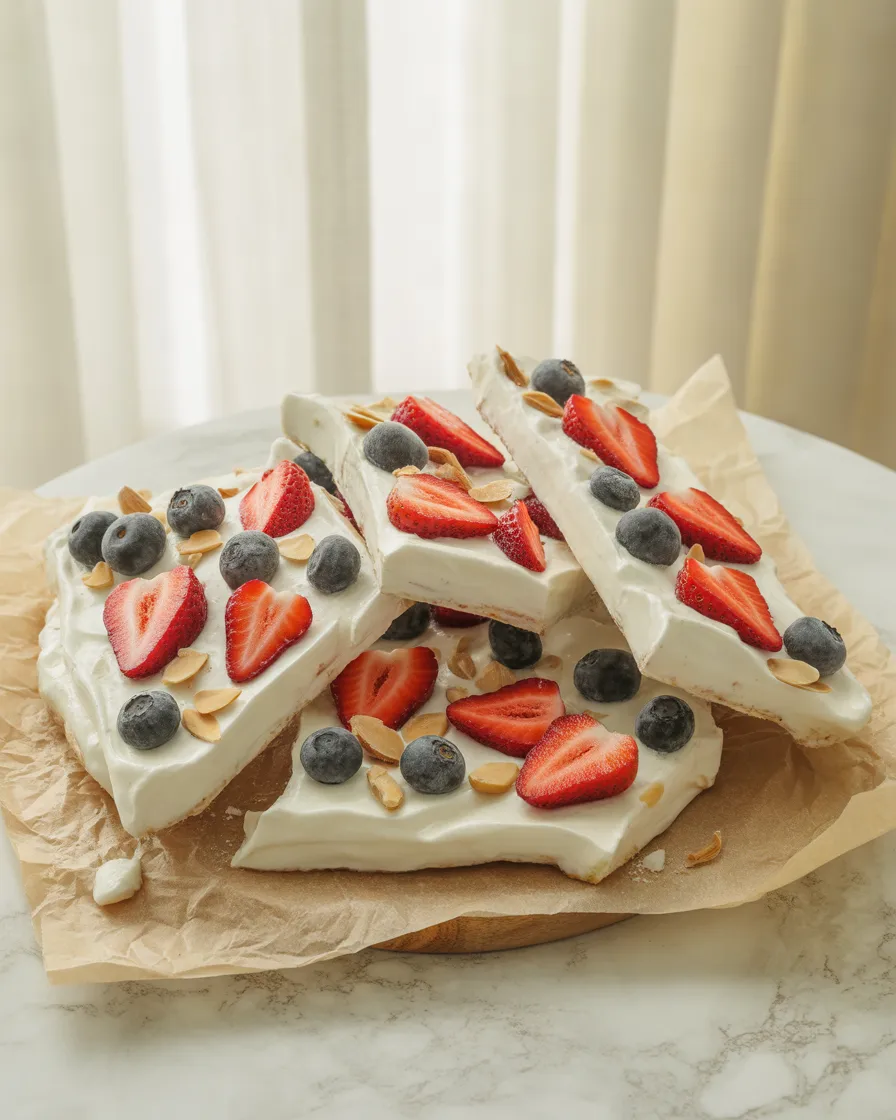
Greek yogurt berry bark is a refreshing alternative to conventional frozen desserts. It combines creamy yogurt, naturally sweet berries, and crunchy toppings into a colorful frozen treat.
Ingredients:
- 1 cup plain Greek yogurt
- ½ cup mixed strawberries and blueberries
- 1 tablespoon chopped almonds
- 1 teaspoon honey or maple syrup (optional)
How to prepare: Mix yogurt with your optional sweetener. Spread it onto a parchment-lined tray, scatter the berries and almonds over the surface, and freeze for 2–3 hours until solid. Break into bite-sized pieces.
Health benefits: Greek yogurt provides protein and calcium, while berries contribute fiber and vitamin C. Almonds add unsaturated fats and texture.
Practical tip: Use thick yogurt to keep the bark from becoming overly icy. Store pieces in a sealed freezer container.
Best for: Adults, students, and anyone wanting a cool, make-ahead snack.
Considerations: Choose unsweetened yogurt to control added sugar. Use seed or nut-free toppings when necessary. Keep frozen until serving.
2. Crispy Roasted Chickpeas – A Crunchy Savory Snack
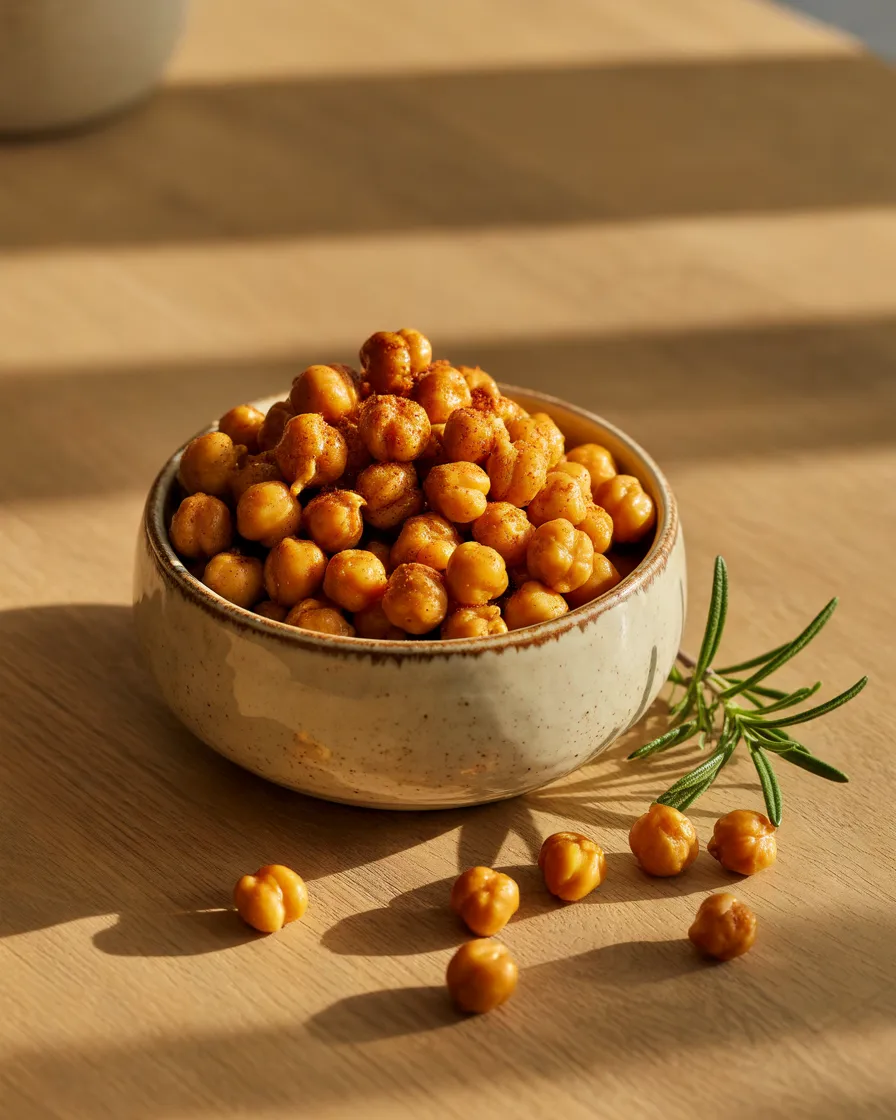
If you love crunchy snacks, roasted chickpeas make a tasty homemade alternative to many packaged savory snacks.
They have a slightly nutty flavor and can be seasoned with anything from smoked paprika to garlic powder.
Ingredients:
- 1 can (15 oz/425 g) chickpeas, drained
- 1 teaspoon olive oil
- ½ teaspoon smoked paprika
- ¼ teaspoon garlic powder
- Pinch of salt
How to prepare: Rinse and thoroughly dry the chickpeas. Toss with oil and seasonings, then roast at 400°F (200°C) for 25–35 minutes, stirring occasionally, until golden and crisp.
Health benefits: Chickpeas supply plant-based protein, fiber, and minerals. Roasting them at home gives you control over the oil and salt.
Practical tip: Drying chickpeas before roasting is essential for a crisp finish. Allow them to cool before eating.
Best for: Vegetarians, office workers, and people craving something salty and crunchy.
Considerations: Chickpeas may cause digestive discomfort for people sensitive to legumes. Their crunchy texture makes them unsuitable for young children at risk of choking.
3. Apple and Peanut Butter Sandwiches – A Naturally Sweet Snack
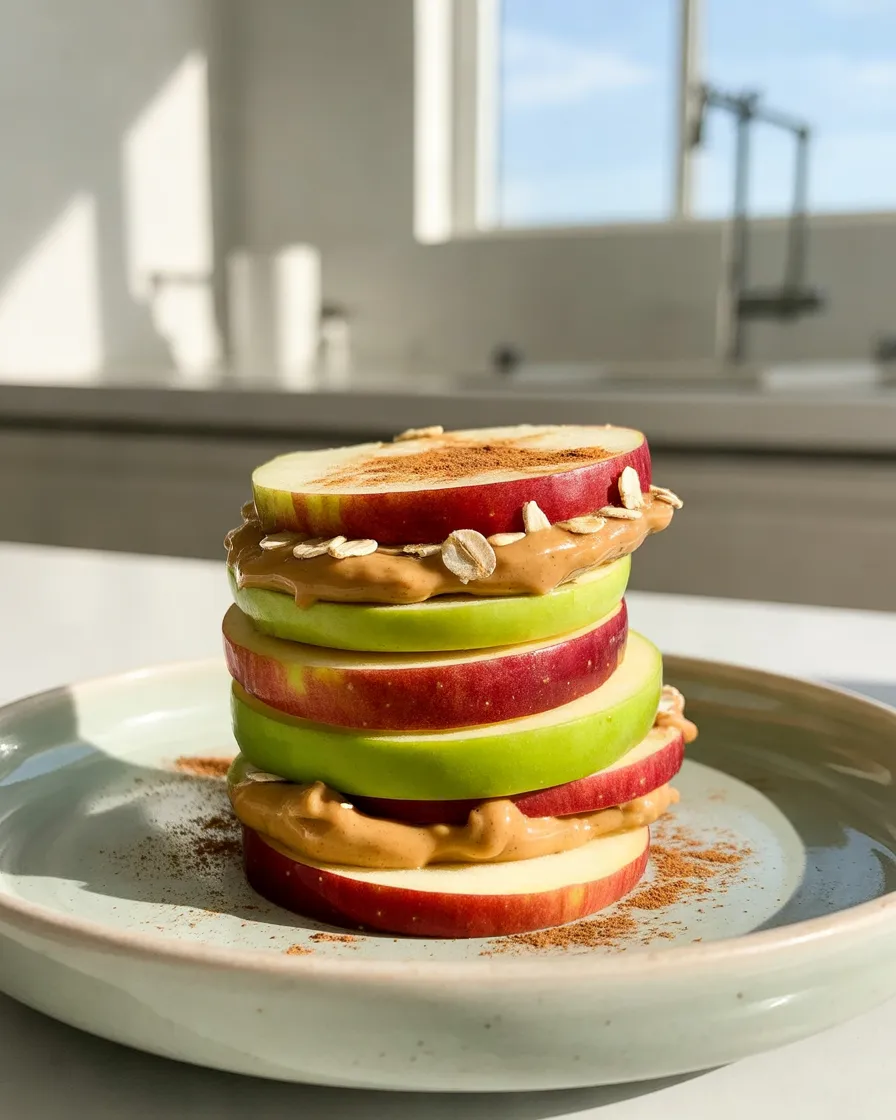
Apple and peanut butter sandwiches are perfect when you want something sweet without baking. The combination of crisp fruit and creamy nut butter offers a satisfying contrast in texture.
Ingredients:
- 1 large apple
- 2 tablespoons unsweetened peanut butter
- 1 tablespoon rolled oats
- A pinch of cinnamon
How to prepare: Slice the apple into thin rounds and remove the cores. Spread peanut butter over half the slices, sprinkle with oats and cinnamon, then top with the remaining apple slices.
Health benefits: Apples contribute fiber, while peanut butter provides protein and unsaturated fats. Oats add whole grains and additional fiber.
Practical tip: A light squeeze of lemon juice can help slow browning if you’re packing these for later.
Best for: Busy adults, students, and older children who enjoy fruit-based snacks.
Considerations: Peanut allergies require a suitable alternative, such as sunflower seed butter. For young children, raw apple pieces and thick peanut butter can present choking hazards.
4. Cucumber Hummus Boats – A Fresh Low-Prep Healthy Snack
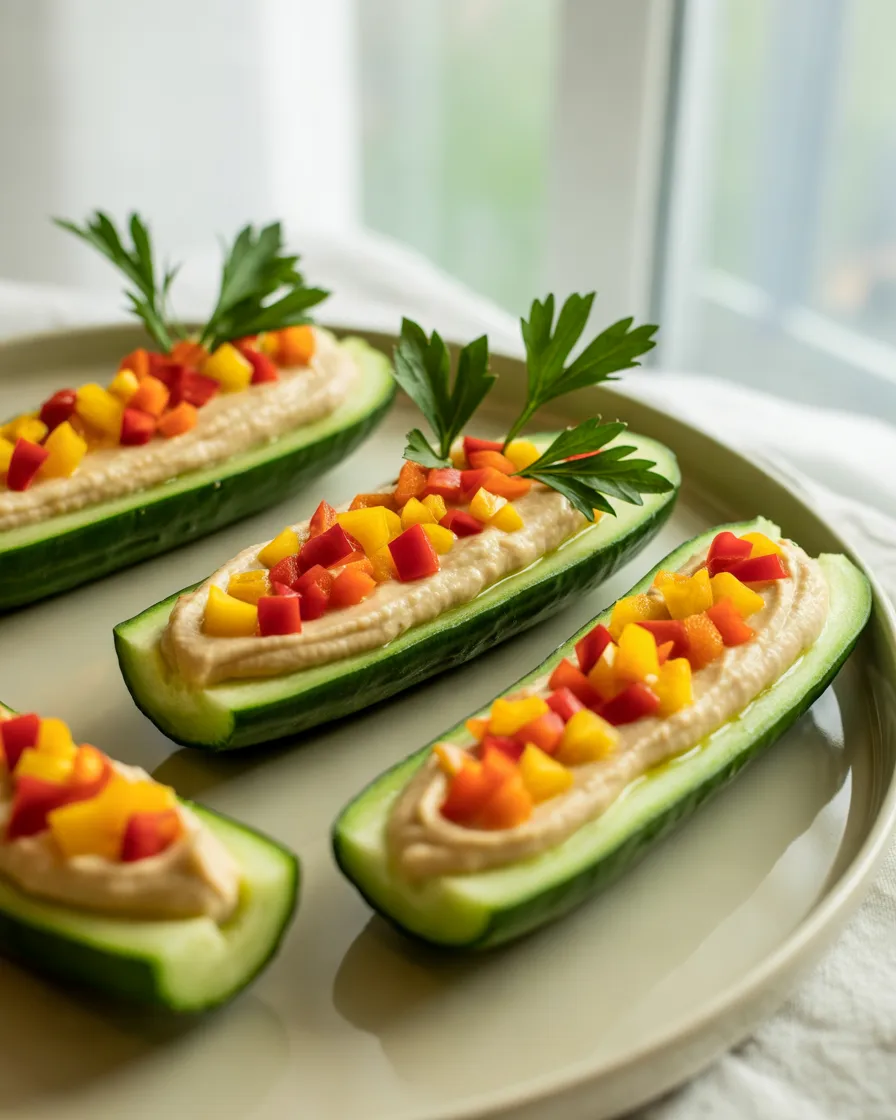
Cucumber hummus boats are light, crisp, and especially appealing on warmer days. They require no cooking and turn ordinary vegetables into a colorful, satisfying snack.
Ingredients:
- 1 medium cucumber
- ¼ cup hummus
- 2 tablespoons finely diced bell peppers
- Fresh parsley
- Black pepper to taste
How to prepare: Slice the cucumber lengthwise and gently scoop out some seeds to create space. Fill each half with hummus, add diced peppers, and finish with parsley and pepper. Cut into manageable portions.
Health benefits: Cucumbers contribute fluid, while hummus offers fiber, plant protein, and fats from chickpeas and tahini.
Practical tip: Pat the cucumber dry before adding hummus. This helps the filling stay in place.
Best for: Vegetarians, people seeking lighter savory snacks, and anyone avoiding cooking during busy days.
Considerations: Traditional hummus contains sesame, a common allergen. Prepare shortly before serving to prevent sogginess.
5. Mini Spinach and Egg Muffins – A Protein-Rich Make-Ahead Snack
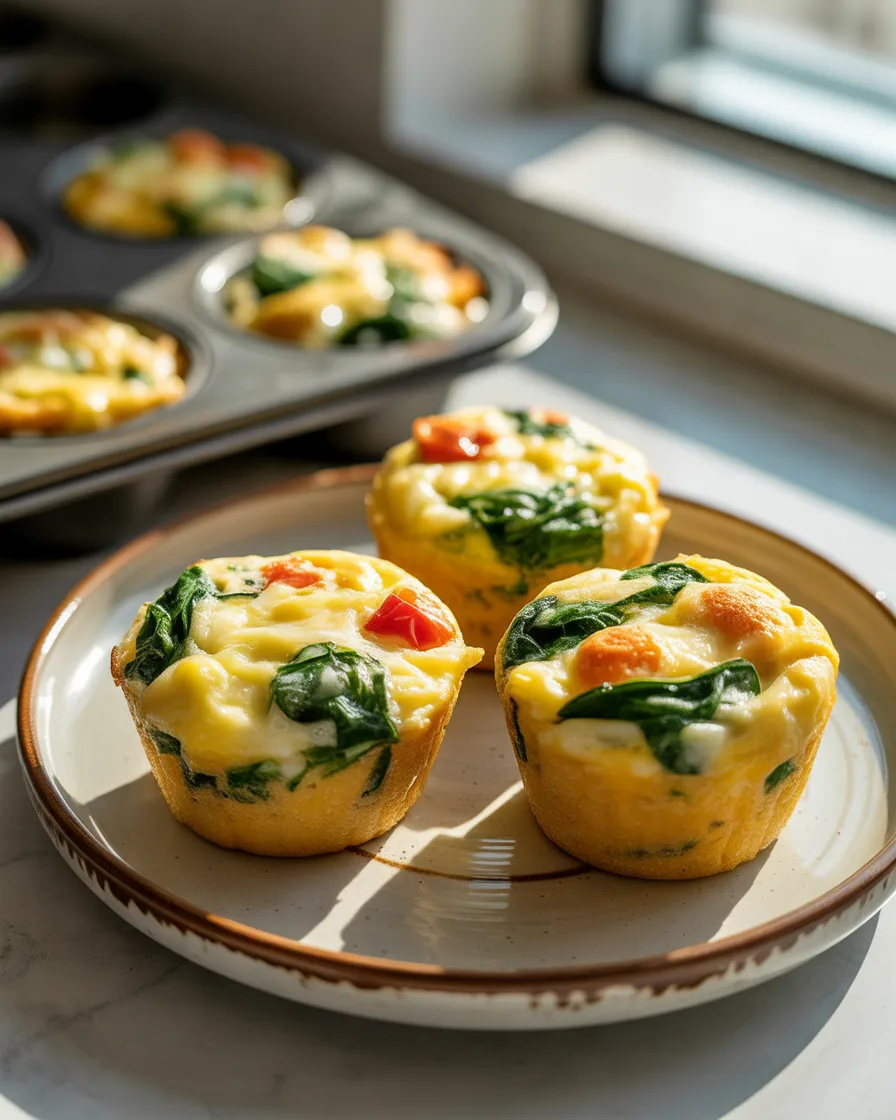
These savory egg muffins are an excellent option for people who prefer something substantial between meals. They are easy to prepare in batches and taste delicious warm or chilled.
Ingredients:
- 4 large eggs
- ½ cup chopped spinach
- ¼ cup diced bell pepper
- 2 tablespoons grated cheese
- Black pepper to taste
How to prepare: Whisk the eggs, stir in the vegetables and cheese, and pour into six lightly greased muffin cups. Bake at 350°F (180°C) for approximately 15–20 minutes, until the centers are fully set.
Health benefits: Eggs provide high-quality protein and choline, while spinach contributes folate and other nutrients.
Practical tip: Use silicone muffin molds to make removal easier. Refrigerate promptly and use within 3–4 days.
Best for: Meal preppers, working professionals, and people who prefer savory breakfasts or snacks.
Considerations: Contains eggs and dairy. Cook the muffins thoroughly and transport them in an insulated lunch bag with a cold pack.
6. Banana Oatmeal Mini Muffins – A Healthy Snack Without Refined Flour
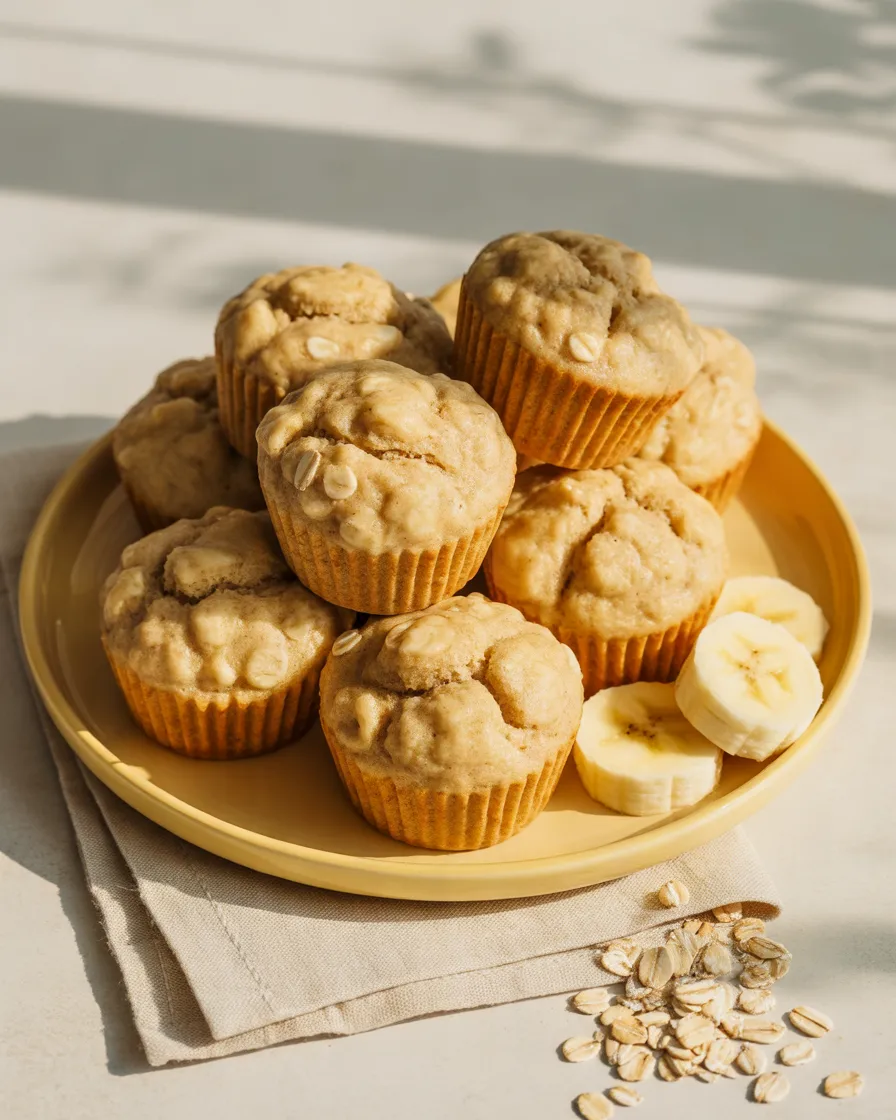
Banana oatmeal muffins are naturally sweet, soft, and ideal for preparing ahead. Ripe bananas provide much of the sweetness, making these mini muffins enjoyable with little or no added sugar.
Ingredients:
- 2 ripe bananas
- 1 cup oat flour
- 1 egg
- 1 teaspoon baking powder
- ½ teaspoon cinnamon
How to prepare: Mash the bananas, add the egg, and mix in the remaining ingredients. Spoon into a greased mini muffin tray. Bake at 350°F (175°C) for 15–18 minutes, until cooked through.
Health benefits: Oats contribute fiber, while bananas provide potassium and carbohydrates for energy.
Practical tip: Use bananas with brown spots for more natural sweetness. Add a few blueberries for variety.
Best for: Families, busy mornings, and people who prefer homemade baked snacks.
Considerations: Contains eggs. Use certified gluten-free oats if needed. Cool completely before storing.
7. Chocolate Chia Seed Pudding – A Creamy Make-Ahead Treat
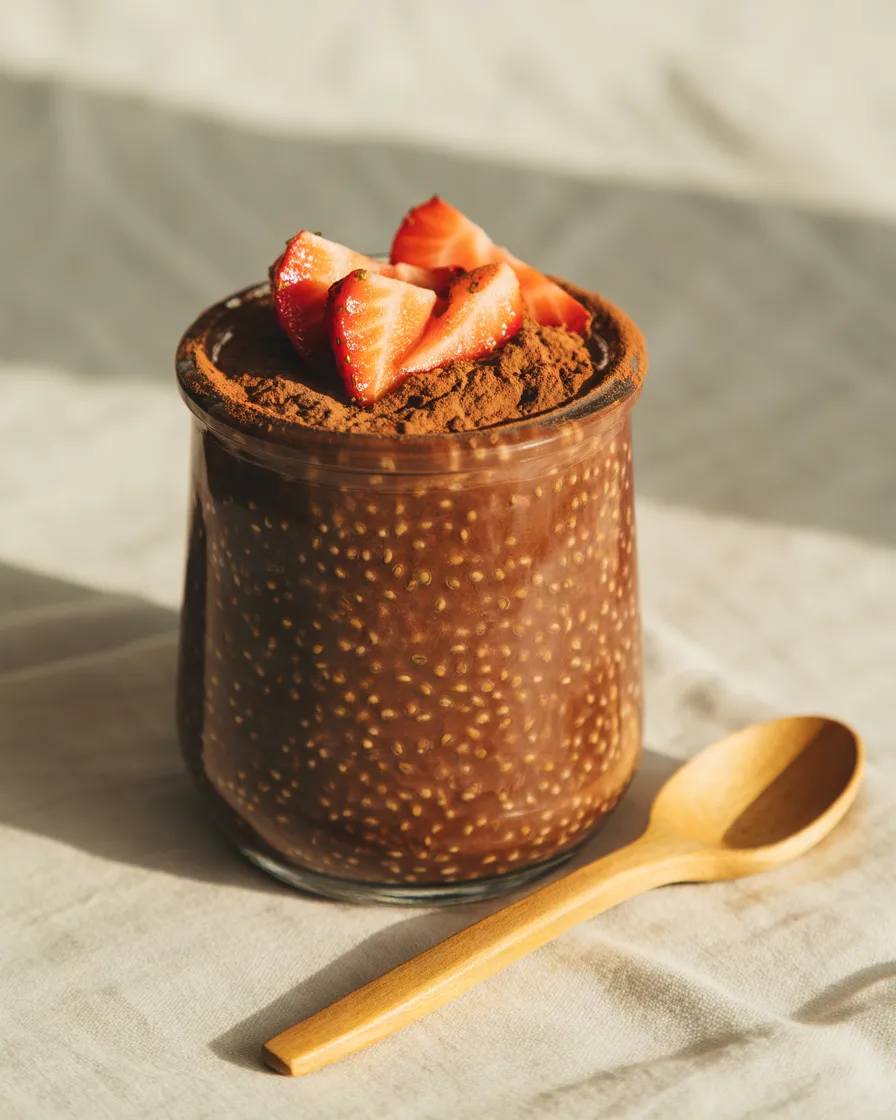
Chocolate chia pudding offers the flavor of a creamy dessert with a short ingredient list. It works particularly well when prepared the night before.
Ingredients:
- 2 tablespoons chia seeds
- ½ cup milk or fortified soy milk
- 1 teaspoon unsweetened cocoa powder
- 1 teaspoon maple syrup (optional)
- Fresh strawberries
How to prepare: Stir the chia seeds, milk, cocoa, and optional sweetener together. Refrigerate for at least two hours, stirring again after the first 10 minutes to prevent clumping. Top with strawberries.
Health benefits: Chia seeds provide fiber and plant-based omega-3 fats, while milk or fortified alternatives add other nutrients.
Practical tip: For a smoother consistency, blend the finished pudding briefly.
Best for: Adults looking for meal-prep snacks and those who enjoy chocolate-flavored desserts.
Considerations: Chia seeds absorb considerable liquid, so allow them to hydrate fully. People with swallowing difficulties should seek appropriate dietary advice.
8. Cinnamon Baked Pears with Walnuts – A Naturally Sweet Warm Snack
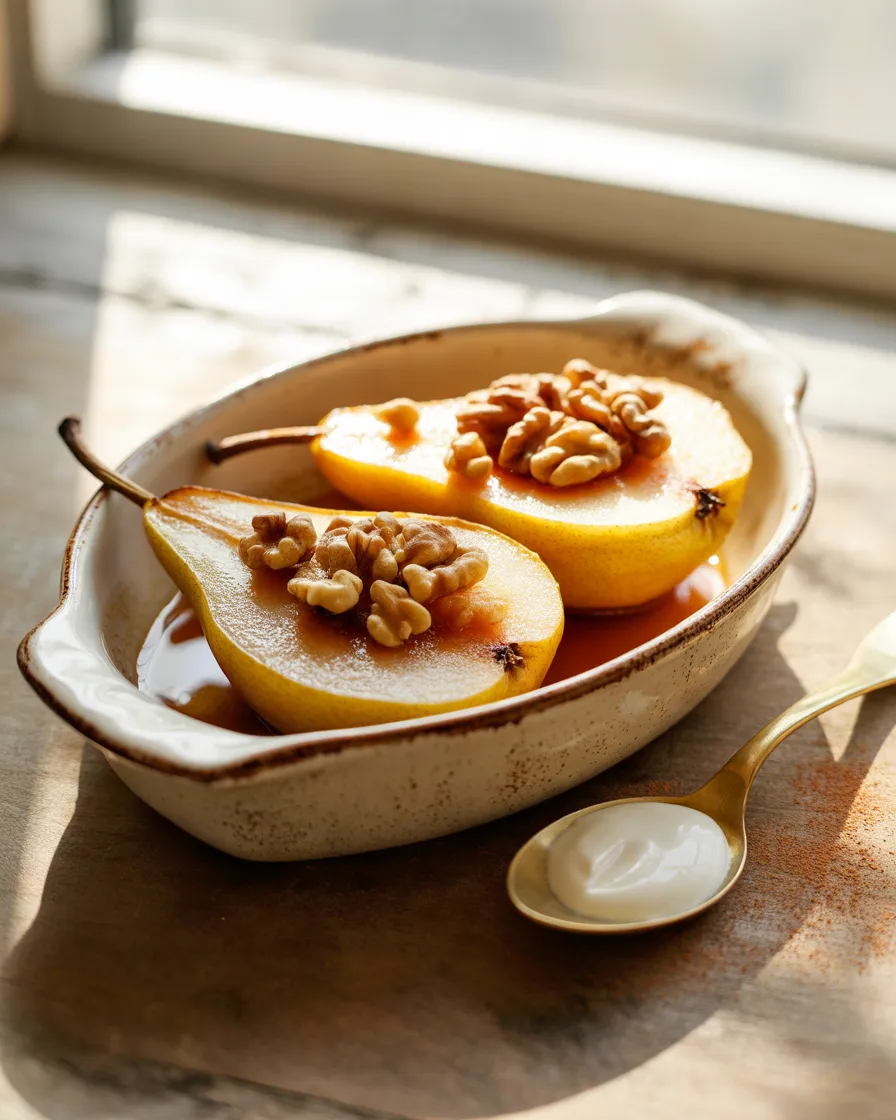
Baked pears are an excellent choice when you’re craving something warm and comforting. The fruit becomes tender in the oven, while cinnamon brings out its natural sweetness.
Ingredients:
- 2 ripe pears
- 2 tablespoons chopped walnuts
- ½ teaspoon cinnamon
- 2 tablespoons water
- Plain yogurt for serving (optional)
How to prepare: Halve and core the pears. Place cut-side up in a baking dish, sprinkle with cinnamon and walnuts, and add water to the dish. Bake at 350°F (180°C) for 20–25 minutes, until tender.
Health benefits: Pears provide dietary fiber, while walnuts contribute unsaturated fats and plant nutrients.
Practical tip: Choose pears that are ripe but still firm enough to hold their shape.
Best for: People looking for warm, fruit-based desserts and seasonal autumn snacks.
Considerations: Walnuts are a common allergen. Omit them when necessary, and let the pears cool slightly before serving.
9. Avocado and White Bean Toast – A Filling Fiber-Rich Snack
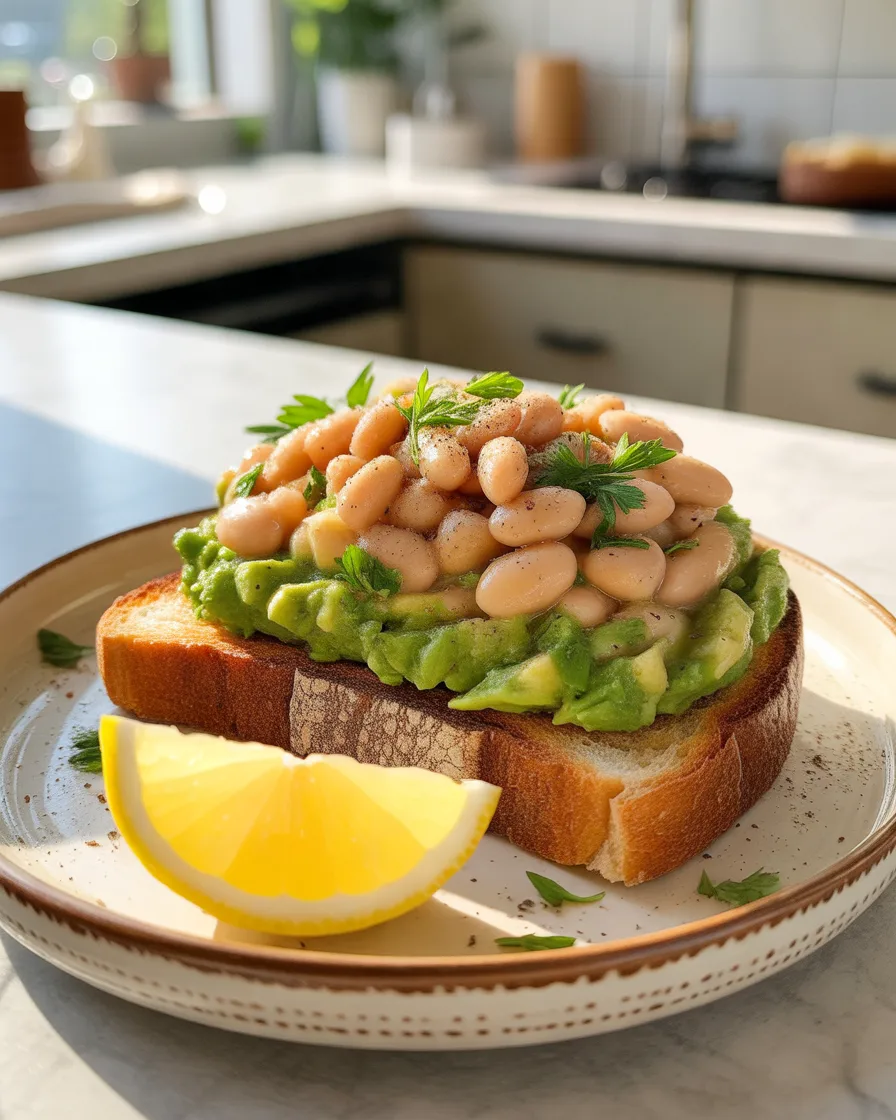
Avocado toast becomes more substantial when you add mashed white beans. This combination creates a creamy topping with a refreshing lemon flavor.
Ingredients:
- 1 slice whole-grain bread
- ¼ ripe avocado
- ¼ cup cooked white beans
- 1 teaspoon lemon juice
- Black pepper and chopped parsley
How to prepare: Mash the avocado and white beans together. Add lemon juice and pepper, spread over toasted bread, and garnish with parsley.
Health benefits: White beans contribute fiber and plant protein, while avocado provides monounsaturated fats.
Practical tip: Lightly mash the beans rather than blending them completely. A little texture makes the toast more interesting.
Best for: Vegetarians, people seeking a substantial afternoon snack, and anyone wanting an alternative to plain avocado toast.
Considerations: Avocado browns after cutting, so this snack is best assembled shortly before eating. Choose gluten-free bread when required.
10. Cottage Cheese Stuffed Bell Peppers – A Colorful High-Protein Snack

Sweet bell peppers make convenient edible cups for creamy cottage cheese. This recipe is crunchy, refreshing, and requires only a few minutes of preparation.
Ingredients:
- 1 large bell pepper
- ½ cup cottage cheese
- 1 teaspoon chopped chives
- Pinch of paprika
- Freshly ground black pepper
How to prepare: Cut the pepper into wide sections and remove the seeds. Fill each section with cottage cheese, then sprinkle with chives, paprika, and pepper.
Health benefits: Cottage cheese is a useful source of protein and calcium, while bell peppers provide vitamin C.
Practical tip: Red and orange peppers generally taste sweeter than green varieties, making them particularly pleasant to eat raw.
Best for: People who want quick savory snacks without cooking.
Considerations: Cottage cheese contains dairy and can be relatively high in sodium. Compare labels if you’re monitoring salt intake.
11. Peanut Butter Date Energy Bites – A Convenient No-Bake Snack
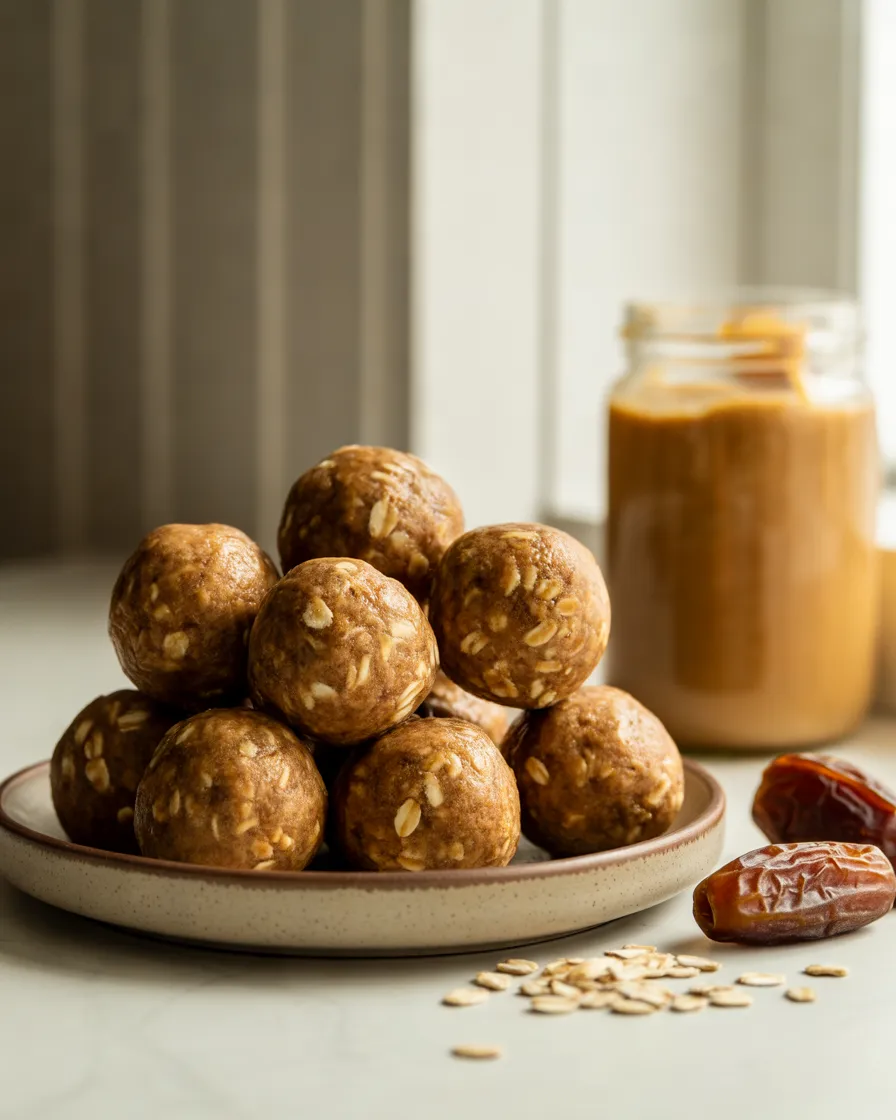
These small energy bites combine the natural sweetness of dates with oats and peanut butter. They’re particularly useful when you need a portable snack for an active day.
Ingredients:
- 4 soft, pitted dates
- ⅓ cup rolled oats
- 2 tablespoons peanut butter
- 1–2 teaspoons water, if necessary
- Pinch of cinnamon
How to prepare: Blend the dates, oats, peanut butter, and cinnamon until sticky. Add a little water if needed, then roll into approximately eight small balls. Refrigerate until firm.
Health benefits: Oats and dates provide carbohydrates and fiber, while peanut butter adds protein and unsaturated fats.
Practical tip: Soak firm dates in warm water for five minutes, then drain before blending.
Best for: Active adults, commuters, and people wanting an easily portioned homemade snack.
Considerations: These bites are energy-dense and contain peanuts. Their sticky texture may be unsuitable for young children.
12. Air-Fryer Sweet Potato Wedges – A Healthier Homemade Savory Treat

Sweet potato wedges offer a flavorful alternative to heavily salted packaged snacks. An air fryer helps create lightly crisp edges while keeping the centers tender.
Ingredients:
- 1 medium sweet potato
- 1 teaspoon olive oil
- ½ teaspoon paprika
- ¼ teaspoon garlic powder
- Black pepper
How to prepare: Wash the sweet potato and cut it into evenly sized wedges. Toss with oil and seasonings. Air-fry at 400°F (200°C) for approximately 15–20 minutes, turning halfway through, until tender and lightly browned.
Health benefits: Sweet potatoes provide beta-carotene, which the body can convert into vitamin A, along with fiber and potassium.
Practical tip: Avoid overcrowding the air-fryer basket so the wedges cook more evenly.
Best for: People who enjoy warm savory snacks and homemade alternatives to fries.
Considerations: Cooking times depend on wedge thickness and appliance size. Let the wedges cool before serving.
13. Lemon Herb Edamame – A Simple Plant-Based Protein Snack
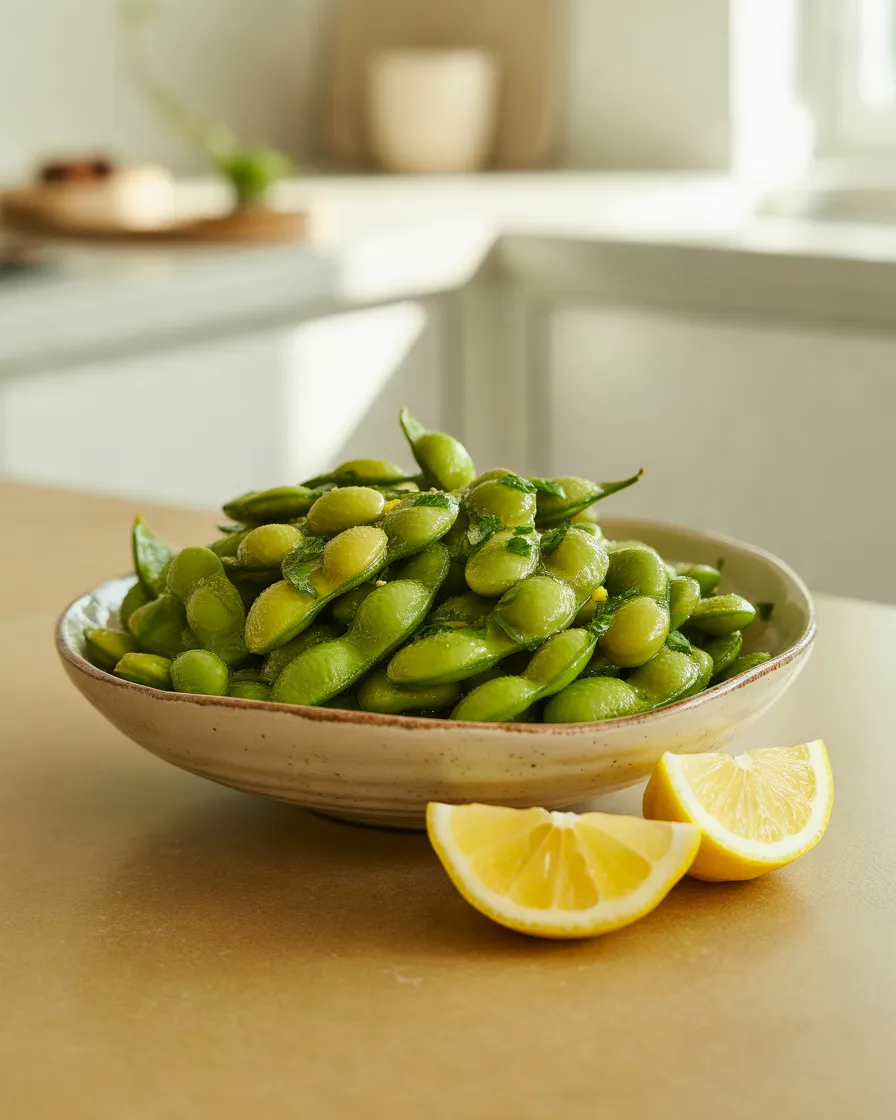
Edamame is a convenient ingredient to keep in the freezer. With lemon and herbs, these young soybeans become a fresh, flavorful snack that takes very little preparation.
Ingredients:
- 1 cup frozen shelled edamame
- 1 teaspoon olive oil
- 1 teaspoon lemon juice
- 1 tablespoon chopped parsley
- Pinch of black pepper
How to prepare: Cook edamame according to the package directions. Drain well and toss with olive oil, lemon juice, parsley, and black pepper.
Health benefits: Edamame supplies plant protein, fiber, folate, and other nutrients.
Practical tip: Add lemon zest for a stronger citrus flavor without adding extra salt.
Best for: Vegans, vegetarians, and adults seeking a savory protein-containing snack.
Considerations: Edamame contains soy, a common allergen. Use fully cooked beans and follow the package’s preparation instructions.
14. Strawberry Yogurt Popsicles – A Refreshing Homemade Frozen Snack
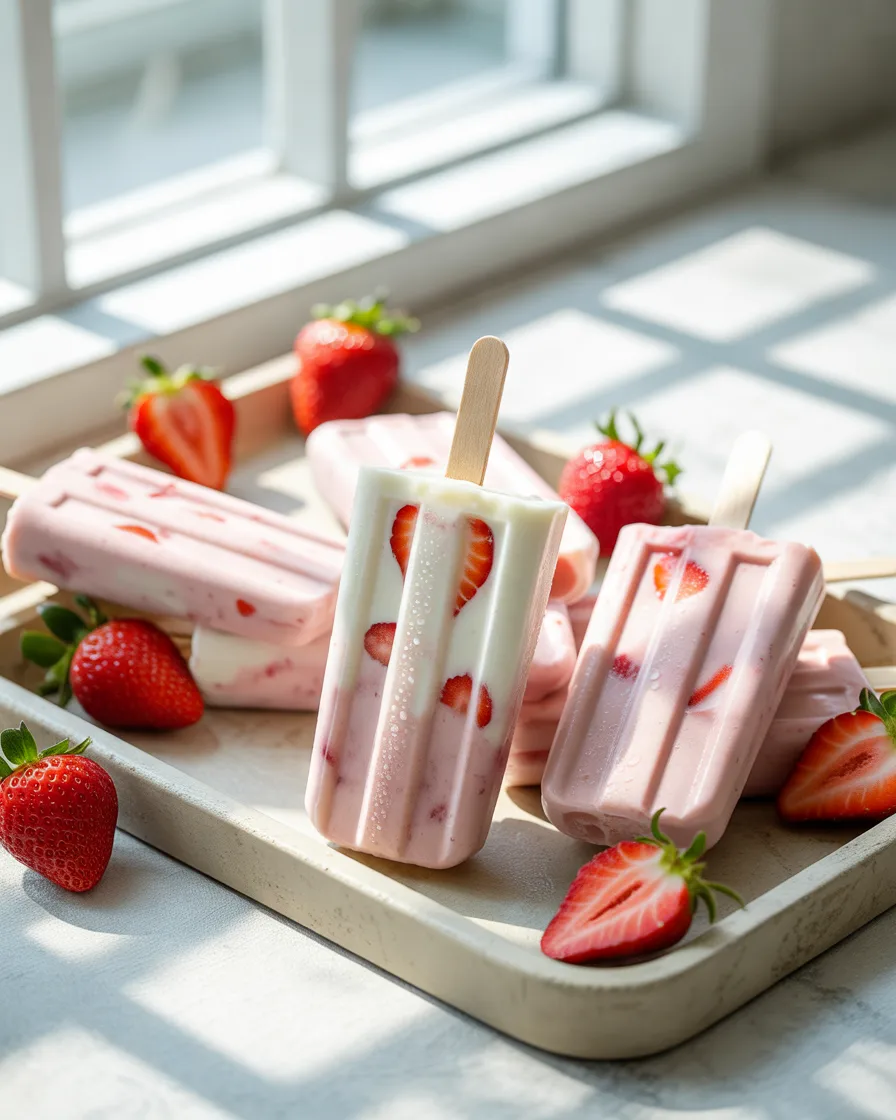
Homemade strawberry yogurt popsicles are a great way to enjoy a creamy frozen treat using just a few ingredients.
Unlike many packaged frozen desserts, you can decide exactly how much sweetener goes into them.
Ingredients:
- 1 cup fresh or frozen strawberries
- ¾ cup plain yogurt
- 1 teaspoon maple syrup (optional)
- A splash of milk, if needed
How to prepare: Blend the strawberries, yogurt, and optional sweetener until smooth. Pour into popsicle molds and freeze for approximately 4–6 hours, or until completely firm.
Health benefits: Strawberries provide vitamin C, while yogurt contributes protein and calcium.
Practical tip: Leave a few tiny strawberry pieces in the mixture for a more interesting texture.
Best for: Families, summer gatherings, and anyone craving something cold and fruity.
Considerations: Use a suitable dairy-free yogurt for people avoiding dairy. Offer age-appropriate portions to children.
15. Rosemary Parmesan Popcorn – A Light and Crunchy Whole-Grain Snack
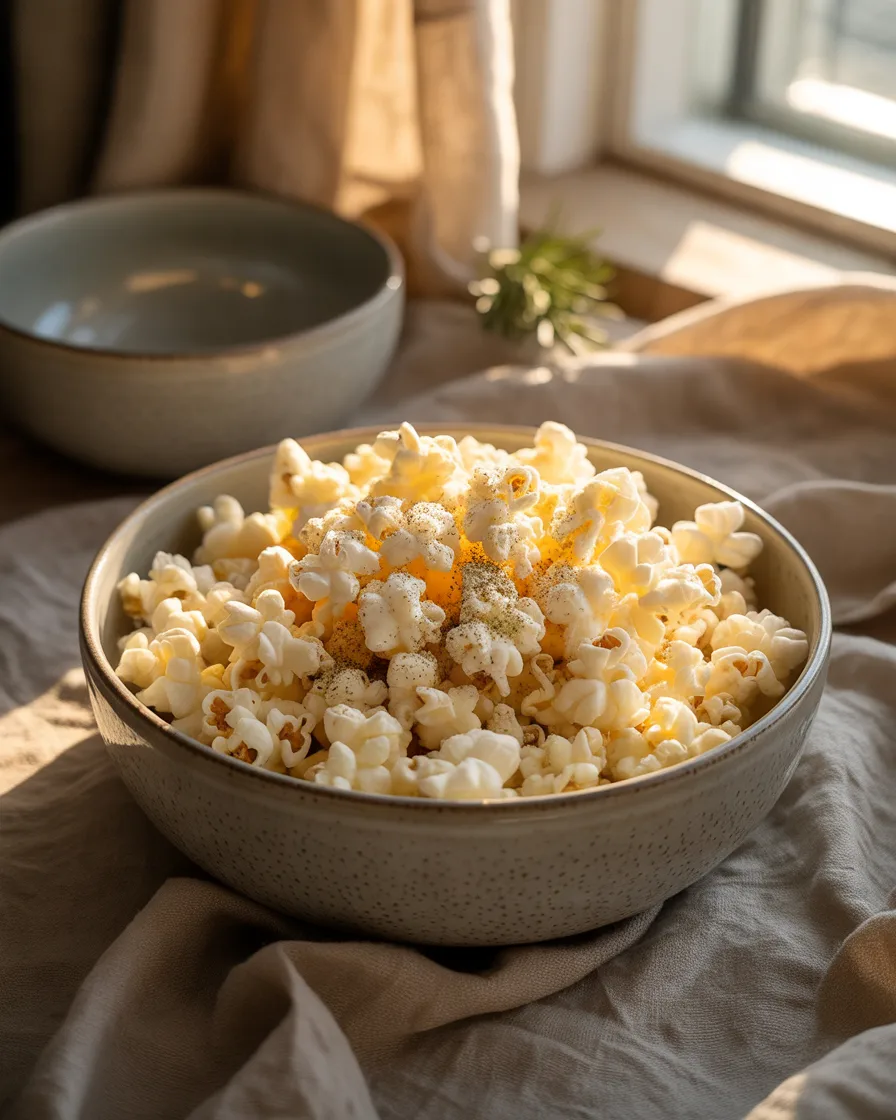
Popcorn doesn’t have to be covered in butter or excessive salt to taste good. This homemade version uses herbs and a little Parmesan for plenty of savory flavor.
Ingredients:
- 4 cups plain air-popped popcorn
- 1 teaspoon olive oil
- 1 tablespoon finely grated Parmesan
- ¼ teaspoon dried rosemary, finely crushed
- Pinch of black pepper
How to prepare: Place freshly popped popcorn in a large bowl. Toss with olive oil, Parmesan, rosemary, and pepper until lightly coated.
Health benefits: Plain popcorn is a whole-grain food that contains fiber. Using herbs can add flavor without relying entirely on salt.
Practical tip: Crush dried rosemary finely to distribute the flavor and avoid unpleasantly sharp pieces.
Best for: Adults and older children enjoying movie nights or afternoon snacks.
Considerations: Popcorn is a choking hazard for young children. Parmesan also contains dairy and adds sodium.
Expert Tips for Making Healthy Snacks Recipes More Nutritious
Healthy snacking is about more than replacing cookies with vegetables. The goal is to choose foods that fit your appetite, preferences, and daily nutritional needs.
Combine food groups for a more balanced snack. Rather than eating crackers alone, try whole-grain crackers with hummus. Pair fruit with yogurt or add beans to toast. The USDA’s healthy-snacking guidance supports combining food groups and planning snacks ahead.
Keep preparation realistic. You don’t need to make 15 different recipes every week. Prepare one baked option, one crunchy snack, and one fresh snack. This provides variety without making meal preparation overwhelming.
Pay attention to ingredient labels. Choose plain yogurt when possible, compare sodium levels in cheese and canned foods, and check for added sugars in nut butters. Ingredients and serving sizes matter more than marketing claims on the front of a package.
Prepare produce before you’re hungry. Wash berries, chop suitable vegetables, and portion hummus into reusable containers. Having ingredients ready can make nutritious choices easier when you’re busy.
Store homemade snacks safely. Refrigerate perishable foods promptly at 40°F (4°C) or below. Most cooked leftovers should be used within 3–4 days, and perishable foods generally should not remain at room temperature longer than two hours.
Consider allergies and age-related risks. Nuts, seeds, soy, eggs, dairy, and sesame appear in several of these recipes. For young children, foods such as whole nuts, popcorn, thick nut butter, and hard raw produce can be choking hazards. Modify recipes according to developmental needs.
Finally, keep portions flexible. A small snack may be enough before dinner, while someone who has exercised or missed a meal may need something more substantial.
Frequently Asked Questions About Healthy Snacks Recipes
1. What are the healthiest homemade snacks?
There isn’t one snack that’s healthiest for everyone. Good everyday choices include Greek yogurt with fruit, hummus with vegetables, whole-grain toast with beans, and roasted chickpeas. Look for variety, useful nutrients, and ingredients that fit your dietary needs.
2. What healthy snacks recipes can I make in five minutes?
Apple and peanut butter sandwiches, cucumber hummus boats, cottage cheese stuffed peppers, and avocado white bean toast are convenient choices. They require little more than chopping, spreading, or mixing.
3. Are homemade snacks better than store-bought snacks?
Not automatically. Homemade recipes let you control ingredients and portions, but nutritious packaged snacks can also be convenient. Plain yogurt, unsalted nuts, fruit, and minimally seasoned whole-grain crackers can all fit into a balanced eating pattern.
4. Which healthy snacks are suitable for weight management?
Snacks containing fiber and protein, such as yogurt with berries or edamame, may help some people feel satisfied between meals. However, weight management depends on overall eating patterns, activity, and individual needs rather than any particular snack.
5. Can I prepare healthy snacks for an entire week?
Yes, with appropriate storage. Freeze yogurt bark, popsicles, and portions of suitable baked goods. Refrigerate cooked egg muffins and other perishable foods promptly, following recommended storage times. Assemble fresh snacks, such as avocado toast, closer to serving.
6. What are some healthy snacks recipes for kids?
Banana oatmeal muffins, yogurt popsicles, and age-appropriate soft fruit snacks can work well. Adjust ingredients, textures, and serving sizes for the child’s developmental stage, and take allergies into account.
7. What can I use instead of peanuts or dairy?
Sunflower seed butter can replace peanut butter in some recipes. Fortified soy yogurt can be a substitute for dairy yogurt, while hummus and beans offer additional plant-based options. Always check ingredient labels for allergens and cross-contact warnings.
Conclusion: Enjoy Healthy Homemade Snacks Without Complicating Your Routine
Healthy eating becomes easier when nutritious food is convenient, enjoyable, and affordable.
These 15 healthy snacks recipes show that homemade snacking doesn’t require special equipment, expensive ingredients, or complicated techniques.
From refreshing Greek yogurt bark and fruity popsicles to roasted chickpeas and savory egg muffins, there’s something for different tastes and schedules.
Start with two or three recipes that match your routine. Keep the ingredients available, prepare what you can in advance, and experiment with flavors that you genuinely enjoy.
Remember that a balanced diet is built from your overall food choices, not a single snack. If you have diabetes, food allergies, swallowing difficulties, or other medical dietary needs, seek individualized guidance from a qualified healthcare professional.