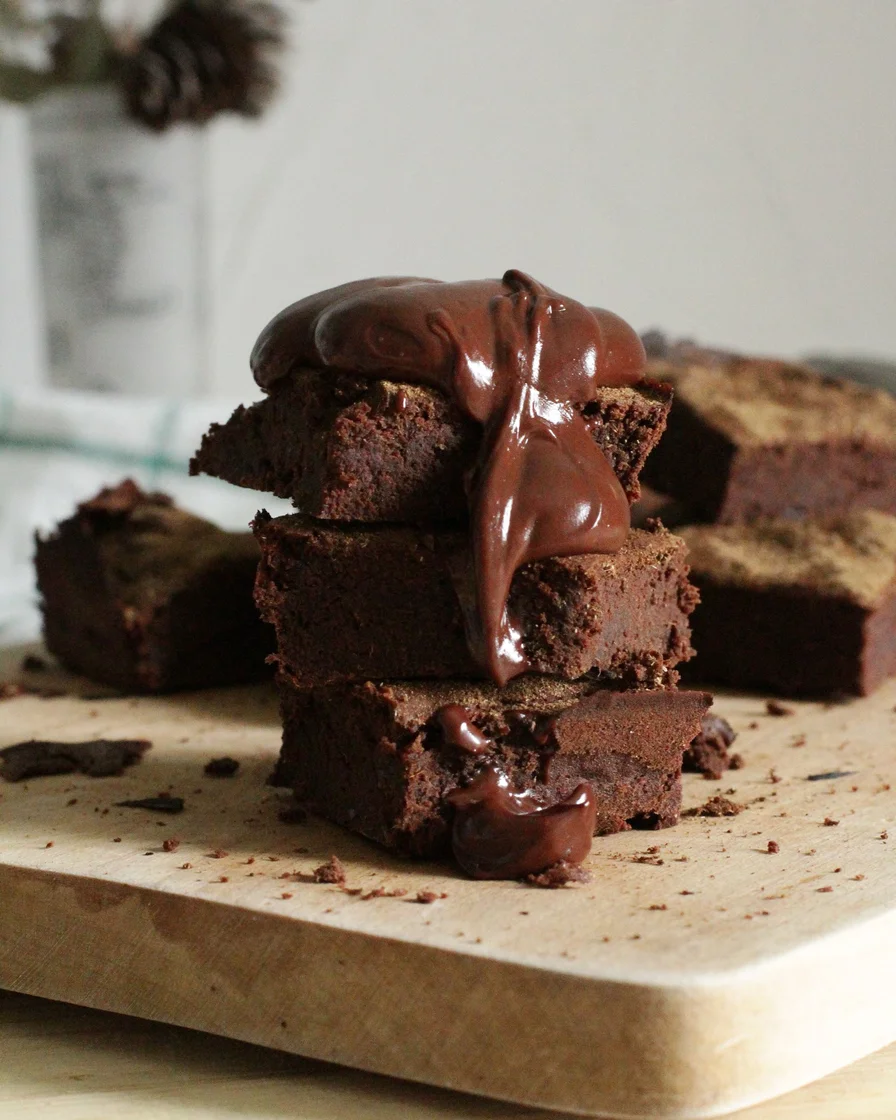
Cake brings a particular kind of joy, and healthy cake recipes let you enjoy that pleasure without the heavy, sugar-loaded feeling that follows a rich slice. A lighter cake still smells wonderful from the oven and still tastes like a treat with a cup of tea — it simply leans on fruit, yogurt, whole grains and nuts instead of piles of butter and sugar.
Twelve healthy cake recipes follow here, from banana oat and lemon yogurt to almond orange and dark chocolate zucchini, each baked with everyday ingredients and a lighter touch. Every recipe explains what makes it lighter and how to bake it well, so you can pick the one that fits your afternoon.
1. Banana Oat Cake — One of the Best Healthy Cake Recipes
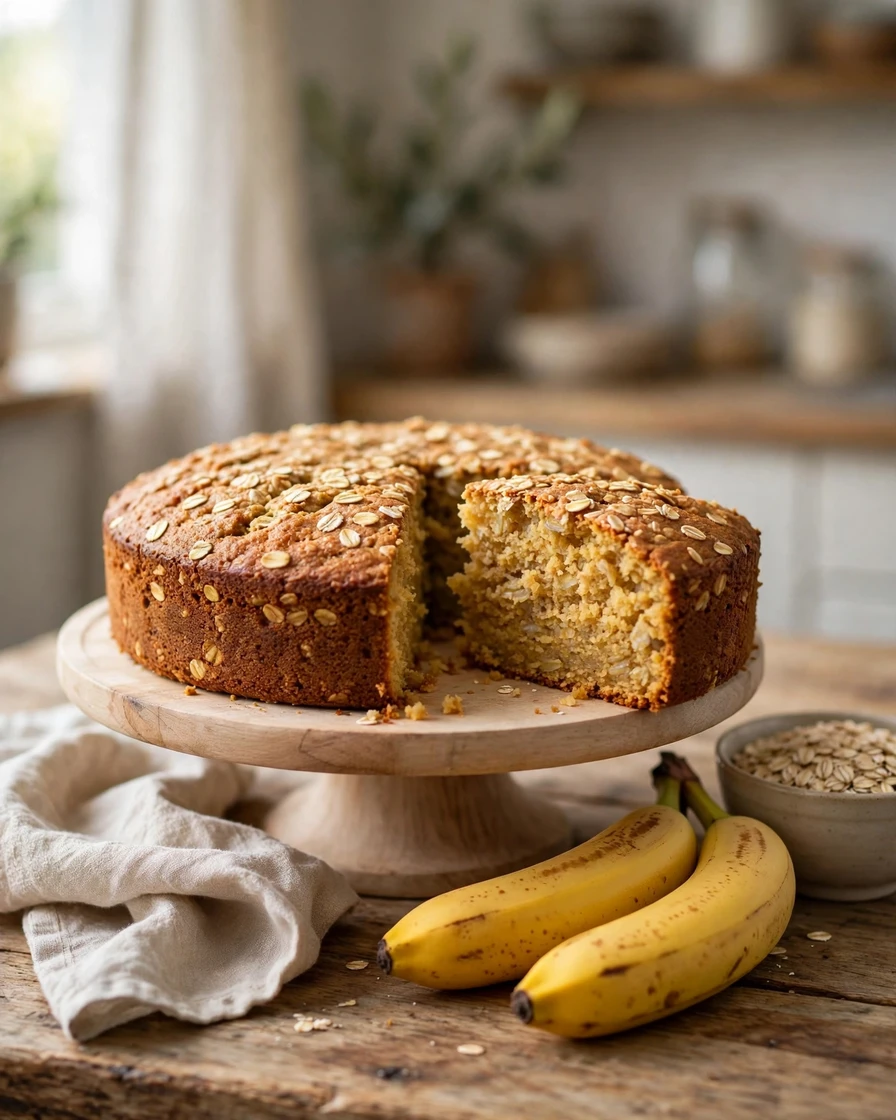
Banana oat cake is the natural place to start, because ripe bananas do so much of the work for you. Mash three very ripe bananas and fold them into a batter of rolled oats, whole-wheat flour, eggs and a little oil, with cinnamon and a pinch of salt for depth. The bananas add sweetness and moisture, so the cake needs far less added sugar, and the oats give it a soft, hearty crumb. Bake in a round tin until golden and a skewer comes out clean, then cool on a rack before slicing.
This cake suits breakfast, lunchboxes and afternoon tea, and it may help you use up bananas that would otherwise go to waste. Oats add fibre, which can support steady energy, though the cake is still a treat rather than a health food. If you love baking with bananas, our healthy banana recipes offer more ways to use ripe fruit. Use certified gluten-free oats if you need the cake to be gluten-free, and keep it in an airtight container for up to three days.
Quick Tip: The darker and softer the bananas, the sweeter and moister the cake — speckled skins are exactly what you want.
2. Apple Cinnamon Whole-Wheat Cake
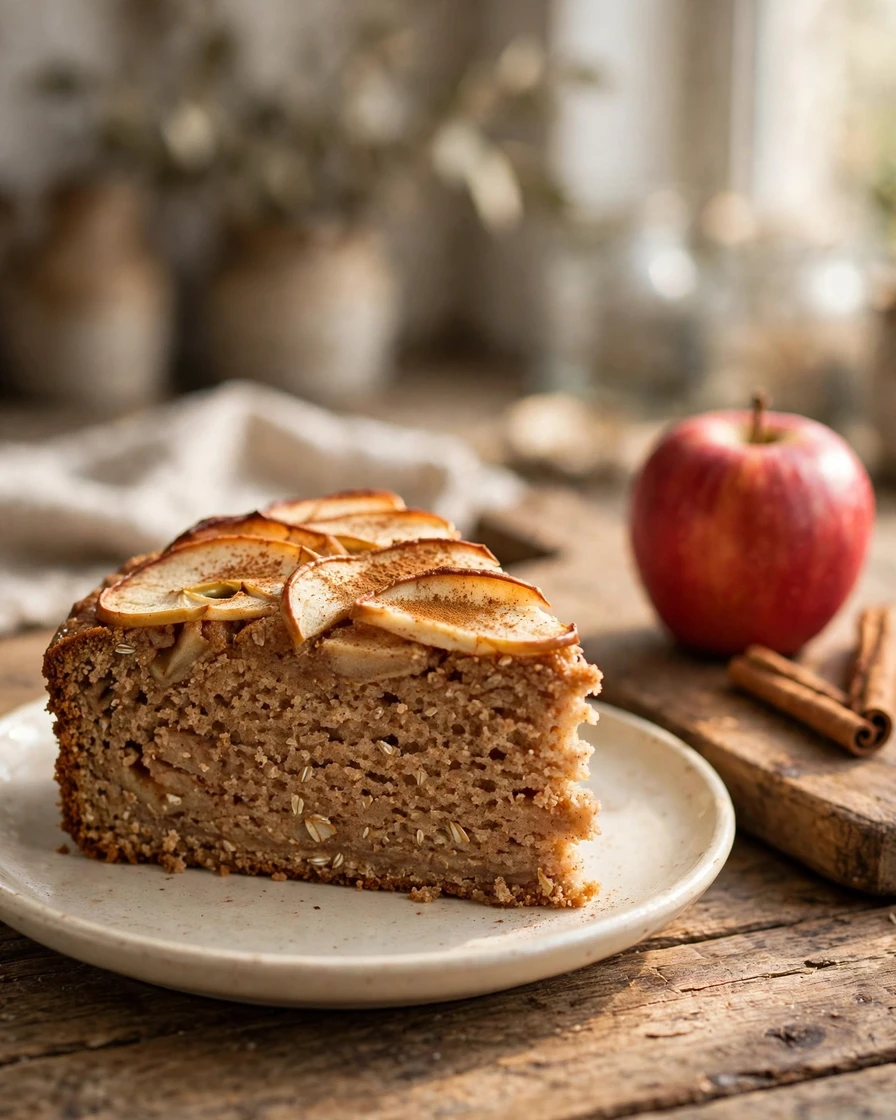
Apple cinnamon cake tastes like autumn in a slice, and whole-wheat flour gives it a nutty depth that white flour never quite reaches. Fold grated apple and diced apple into a batter of whole-wheat flour, eggs, oil and a modest amount of sugar, with plenty of ground cinnamon and a little nutmeg. The apple keeps the crumb moist for days, and thin slices fanned across the top bake into a pretty golden layer. Serve it warm from the oven or at room temperature with a spoonful of plain yogurt.
Apples add natural sweetness and fibre, and cinnamon brings warmth without any extra sugar, which can make a modest slice feel satisfying. This cake suits family teas, packed lunches and anyone who likes a not-too-sweet bake. Choose a firm, sweet apple like Gala or Fuji so the pieces hold their shape, and peel them if you prefer a smoother crumb. The cake contains wheat and eggs, so it is not suitable for people with those allergies unless you swap in tested alternatives.
Quick Tip: Toss the diced apple in a spoonful of flour before folding it in — it stops the pieces from sinking to the bottom.
3. Lemon Yogurt Cake

Lemon yogurt cake is light, bright and endlessly useful, the kind of cake that fits a spring lunch as easily as a quiet afternoon cup of tea. Whisk plain yogurt with eggs, lemon zest, lemon juice, a little oil and just enough sugar to balance the citrus, then fold in flour and baking powder. The yogurt keeps the crumb tender and moist while replacing much of the butter, and a thin lemon glaze made from juice and a little icing sugar gives the top a gentle shine. Bake until pale gold and springy to the touch.
Yogurt adds protein and a gentle tang, and the lemon flavour means a small slice can feel refreshing rather than heavy. This cake suits people who prefer citrus bakes and anyone looking for a lighter everyday cake. It contains dairy, wheat and eggs, so check for allergies before serving it to guests. Keep it covered at room temperature for two days, or in the fridge for up to four, and bring it back to room temperature before serving for the best flavour.
Quick Tip: Zest the lemons before you juice them, and use unwaxed lemons if you can — the zest carries most of the flavour.
4. Carrot Cake with Yogurt Frosting
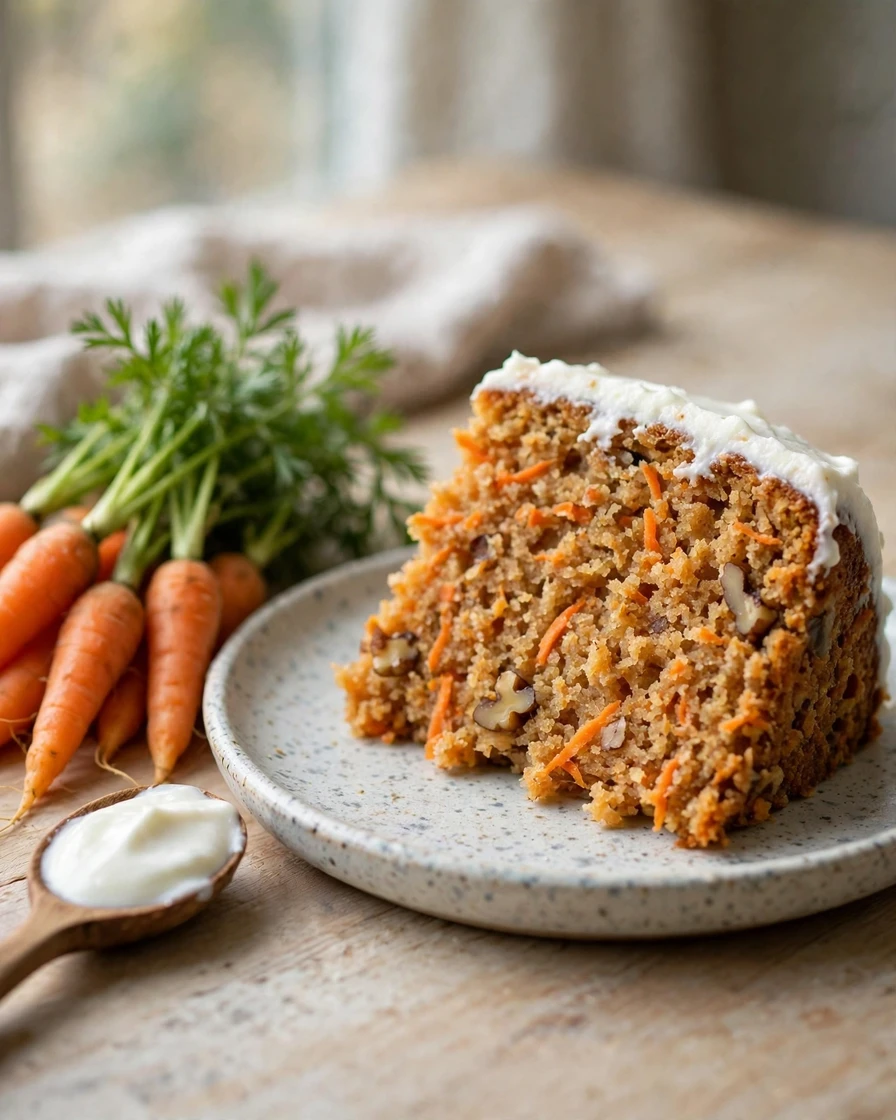
Carrot cake is a classic for good reason, and a yogurt frosting keeps this version lighter than the usual thick cream cheese topping. Grate three medium carrots and fold them into a spiced whole-wheat batter with eggs, oil, cinnamon and a handful of chopped walnuts, then bake until a skewer comes out clean. For the frosting, stir thick Greek yogurt with a little honey and vanilla until smooth, and spread a thin layer over the cooled cake. The result is moist, gently spiced and far less heavy than a bakery carrot cake.
Carrots add natural sweetness, colour and fibre, and the walnuts bring crunch and healthy fats, though the cake is still best enjoyed in a modest slice. This one suits birthdays, Easter tables and anyone who wants a familiar favourite with a lighter touch. It contains wheat, eggs, dairy and tree nuts, so it is not suitable for people with those allergies. Store it in the fridge because of the yogurt frosting, and eat it within three days.
Quick Tip: Grate the carrots finely by hand rather than in a food processor — fine shreds melt into the crumb and keep it moist.
5. Almond Flour Orange Cake
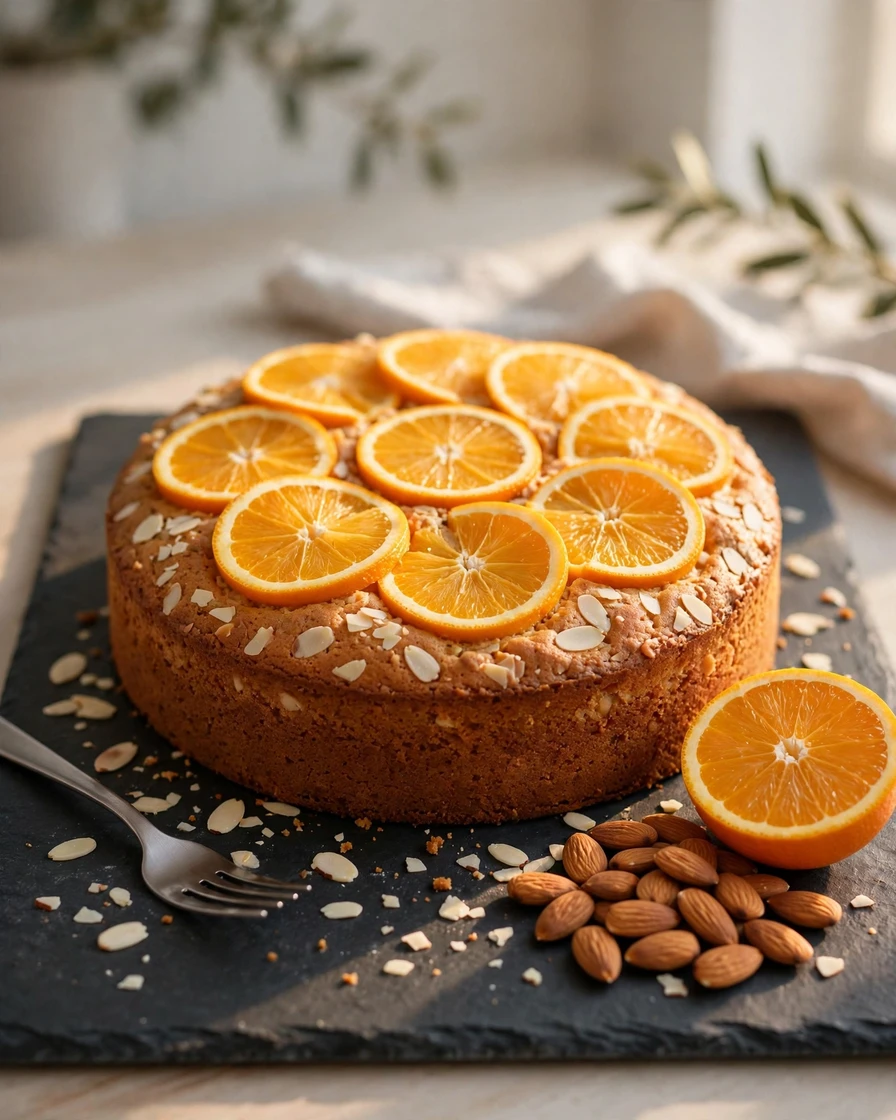
Almond flour orange cake is naturally gluten-free and rich in a way that feels indulgent without being heavy. Blend whole oranges, skin and all, with almond flour, eggs and a modest amount of sugar until smooth, then bake the batter low and slow until the top is golden and the centre is just set. The oranges give the cake a deep citrus flavour and a moist, dense crumb, while the almonds bring protein and healthy fats. Serve thin slices with a spoonful of yogurt or a few fresh berries.
This cake suits people who avoid gluten and anyone who loves a dense, fragrant bake with coffee. Almonds are tree nuts, so this cake is not suitable for anyone with a nut allergy, and it is fairly energy-dense, so a small slice goes a long way. Use a food processor to blend the oranges until completely smooth, and line the tin well, as almond flour cakes can stick. It keeps in the fridge for up to five days and tastes even better the next day.
Quick Tip: Boil the oranges for about an hour before blending if you have time — it softens the pith and removes any bitterness.
6. Sweet Potato Spice Cake
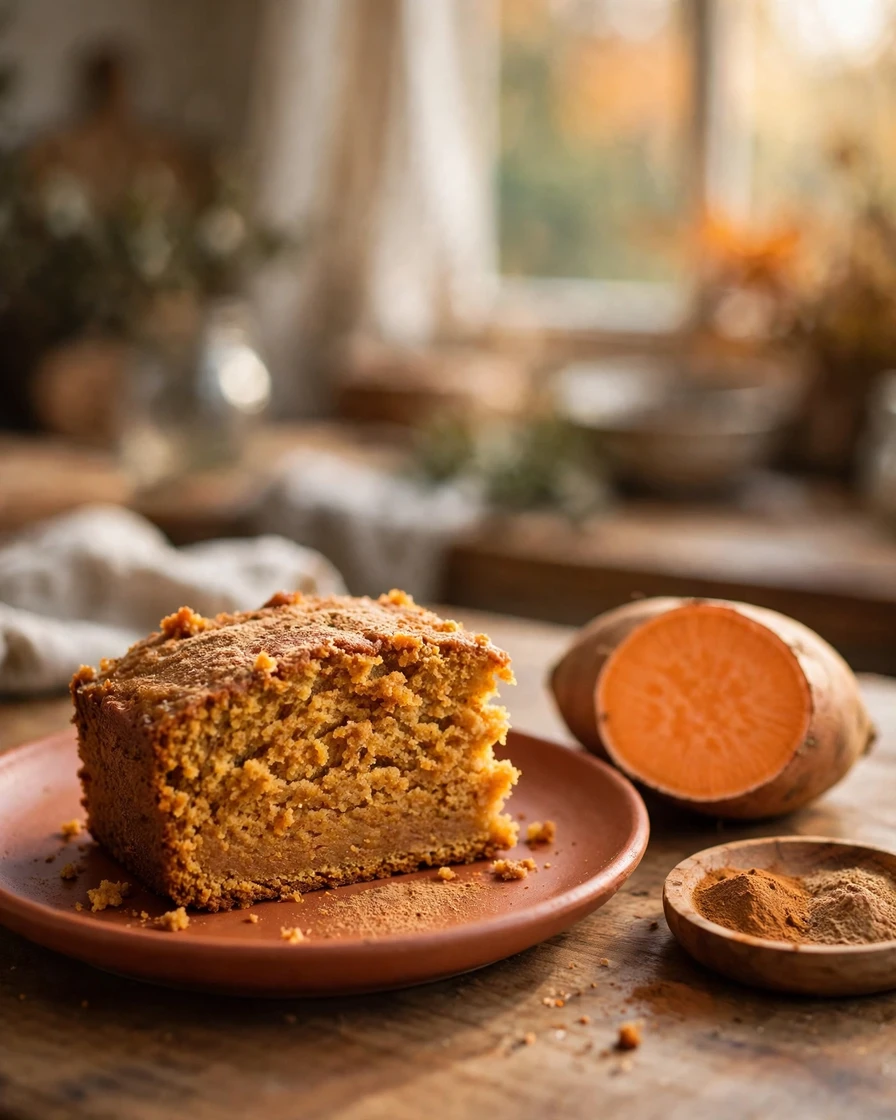
Sweet potato spice cake is warm, golden and quietly nourishing, with mashed sweet potato doing the job that butter usually does. Roast or steam sweet potatoes until very soft, mash them smooth, and fold the puree into a batter of whole-wheat flour, eggs, oil and warm spices — cinnamon, nutmeg and a little ginger. The sweet potato keeps the crumb moist for days and adds a gentle earthy sweetness, so the cake needs less added sugar. A light dusting of cinnamon on top is all the decoration it needs.
Sweet potatoes add fibre and vitamin A, and their natural sweetness can support a lighter bake, though the cake is still a treat. Sweet potatoes work in more than cakes — see our healthy sweet potato recipes for savoury ideas too. This cake suits autumn baking, family gatherings and anyone who likes spiced, homely flavours. It contains wheat and eggs, and it keeps well in an airtight container for three days or in the fridge for five.
Quick Tip: Roast the sweet potatoes instead of boiling them — roasting concentrates the flavour and keeps the puree from getting watery.
7. Dark Chocolate Zucchini Cake
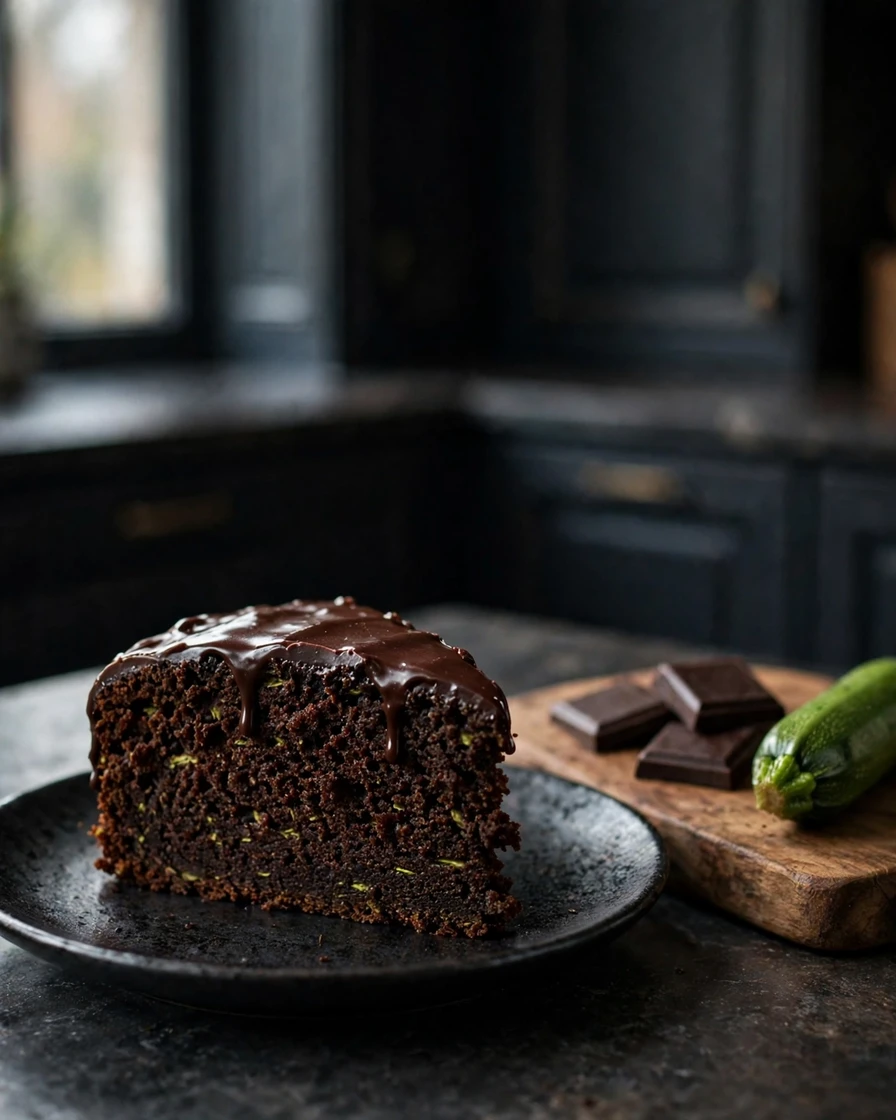
Dark chocolate zucchini cake sounds unlikely until you taste it, and then it makes perfect sense. Grated zucchini disappears into a rich cocoa batter, adding moisture without any vegetable flavour, while whole-wheat flour and a modest amount of sugar keep the cake lighter than a standard chocolate cake. Use good cocoa powder and a little strong coffee to deepen the chocolate flavour, then finish with a thin glaze of melted dark chocolate. Serve it in small slices — it is rich enough that a little goes a long way.
This cake suits chocolate lovers who want a lighter option, and it is a clever way to use up a glut of summer zucchini. For more lighter treats, browse our healthy sweets recipes. Cocoa brings a deep flavour with little fat, though the cake still contains sugar, so portion size matters. It contains wheat and eggs; leave out the coffee if you are serving it to children. Keep it covered for up to three days, or freeze slices for up to a month.
Quick Tip: Squeeze the grated zucchini in a clean tea towel before adding it — too much liquid can make the crumb soggy.
8. Blueberry Oat Crumb Cake
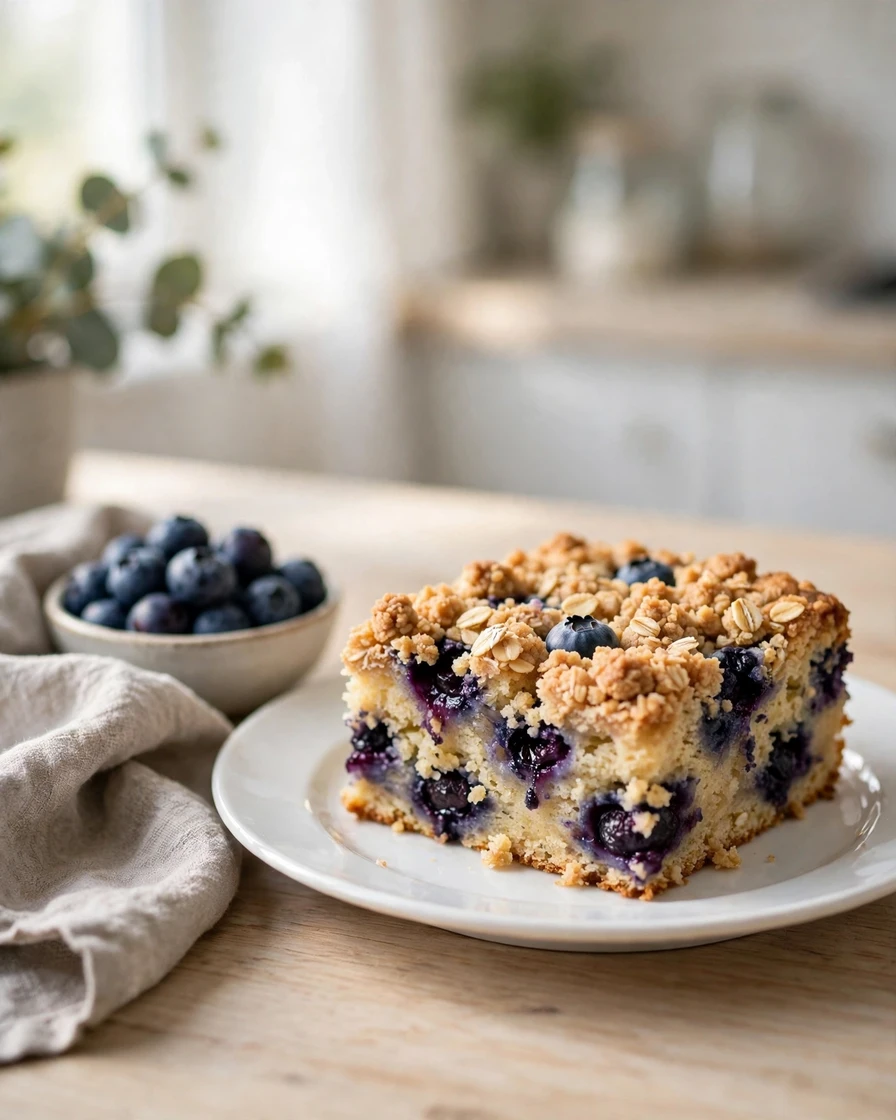
Blueberry oat crumb cake is the kind of bake that works for breakfast as happily as for dessert. Fold fresh blueberries into a light whole-wheat batter, pour it into a square tin, and scatter over a crumb made from rolled oats, a little flour, a pinch of cinnamon and a drizzle of oil. As it bakes, the berries burst into soft purple pockets and the topping turns crisp and golden. Serve it warm in squares, plain or with a spoonful of yogurt.
Blueberries add natural sweetness, colour and fibre, and the oat topping gives a satisfying crunch without a heavy frosting. This cake suits weekend brunches, picnics and anyone who likes fruit-forward bakes. Fresh berries work best, but frozen ones are fine if you fold them in straight from the freezer so they do not stain the batter. It contains wheat and may contain gluten from the oats, so use certified gluten-free oats if needed. It keeps for two days at room temperature.
Quick Tip: Toss the blueberries in a spoonful of flour before folding them in — it helps them stay evenly spread through the cake.
9. Pumpkin Spice Cake
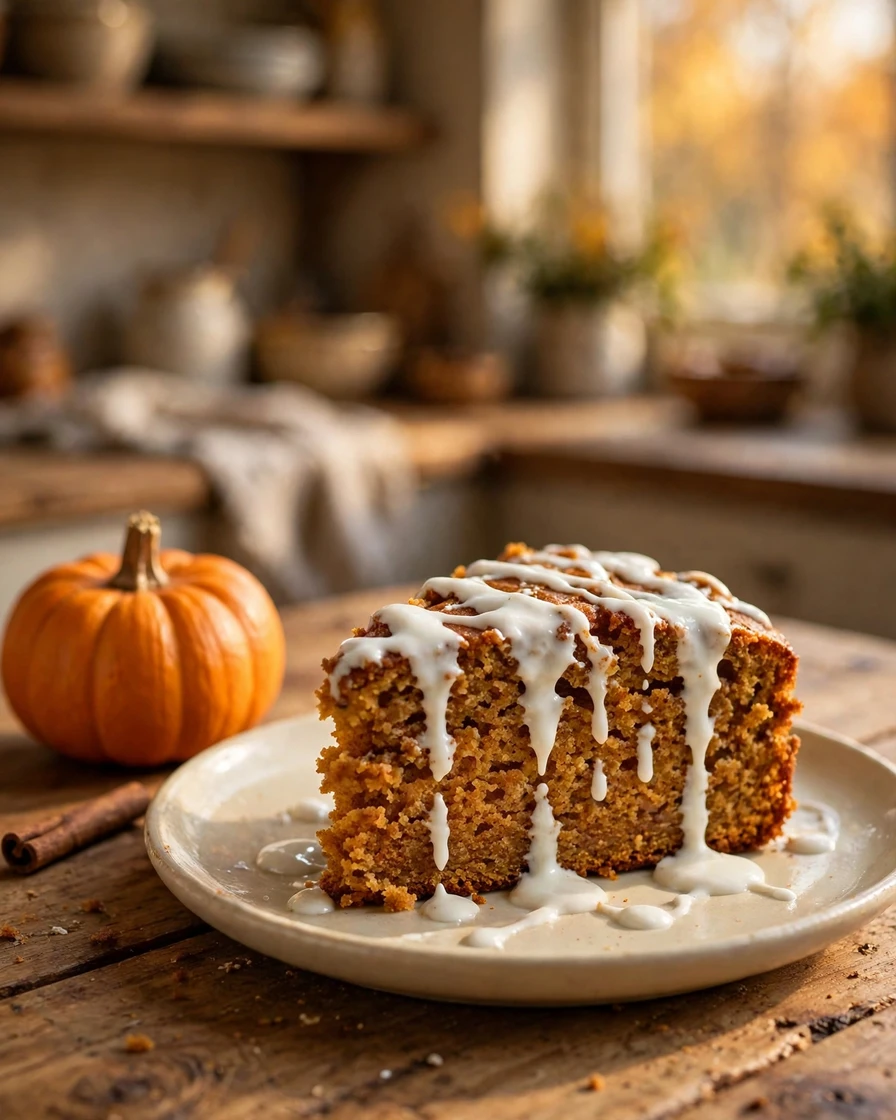
Pumpkin spice cake brings the flavours of autumn into a soft, golden bake that stays moist for days. Stir pumpkin puree into a batter of whole-wheat flour, eggs, oil and warm spices — cinnamon, ginger and nutmeg — then bake until a skewer comes out clean. A thin yogurt drizzle over the top adds a fresh tang that balances the spice. Use plain canned pumpkin puree, not pumpkin pie filling, which already contains sugar and spices.
Pumpkin adds fibre and a gentle sweetness, and its smooth puree keeps the crumb tender with less fat than a butter-heavy cake. This cake suits autumn gatherings, Halloween teas and anyone who loves spiced bakes. It contains wheat and eggs, and the yogurt drizzle means it should be stored in the fridge and eaten within three days. If you are watching your blood sugar, keep portions small and check with a healthcare professional about what fits your eating plan.
Quick Tip: Make your own spice mix from cinnamon, ginger and nutmeg so you can adjust the warmth to your taste.
10. Pear and Ginger Cake
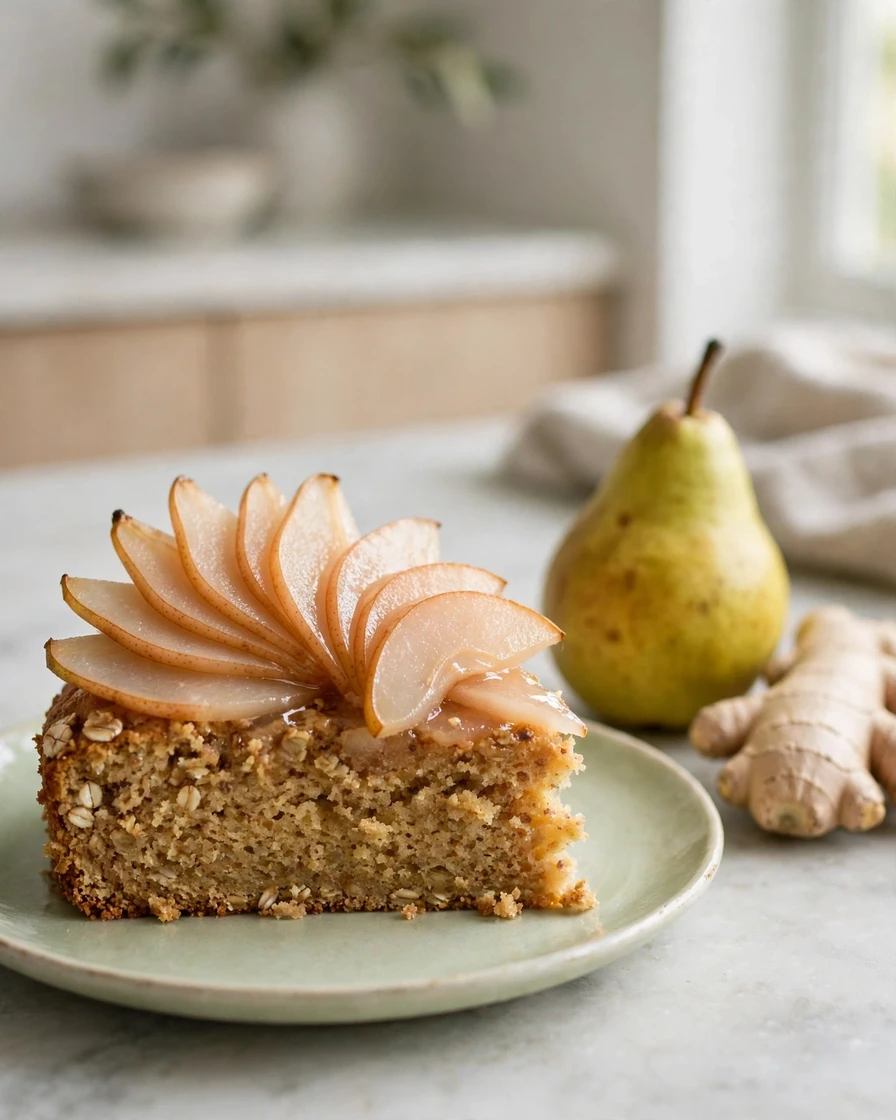
Pear and ginger cake is a quiet, elegant bake, the kind that suits a slow Sunday afternoon. Fold diced ripe pears and finely grated fresh ginger into a whole-wheat batter with eggs, oil and a modest amount of honey, then fan thin pear slices across the top before baking. The pears soften into sweet, tender pockets, and the ginger gives a warm lift that keeps the cake from tasting flat. Serve it warm or at room temperature with a spoonful of plain yogurt.
Pears add gentle sweetness and fibre, while ginger brings warmth and a fresh bite without any extra sugar. This cake suits people who prefer subtle, fruity flavours over rich chocolate or heavy spice. It contains wheat and eggs, and honey means it is not suitable for babies under one year old. Choose pears that give slightly when pressed — underripe pears stay hard in the oven, and overripe ones turn mushy. It keeps for three days in an airtight container.
Quick Tip: Grate the ginger on the fine side of a box grater so it spreads evenly through the batter without stringy bits.
11. Coconut Lime Cake
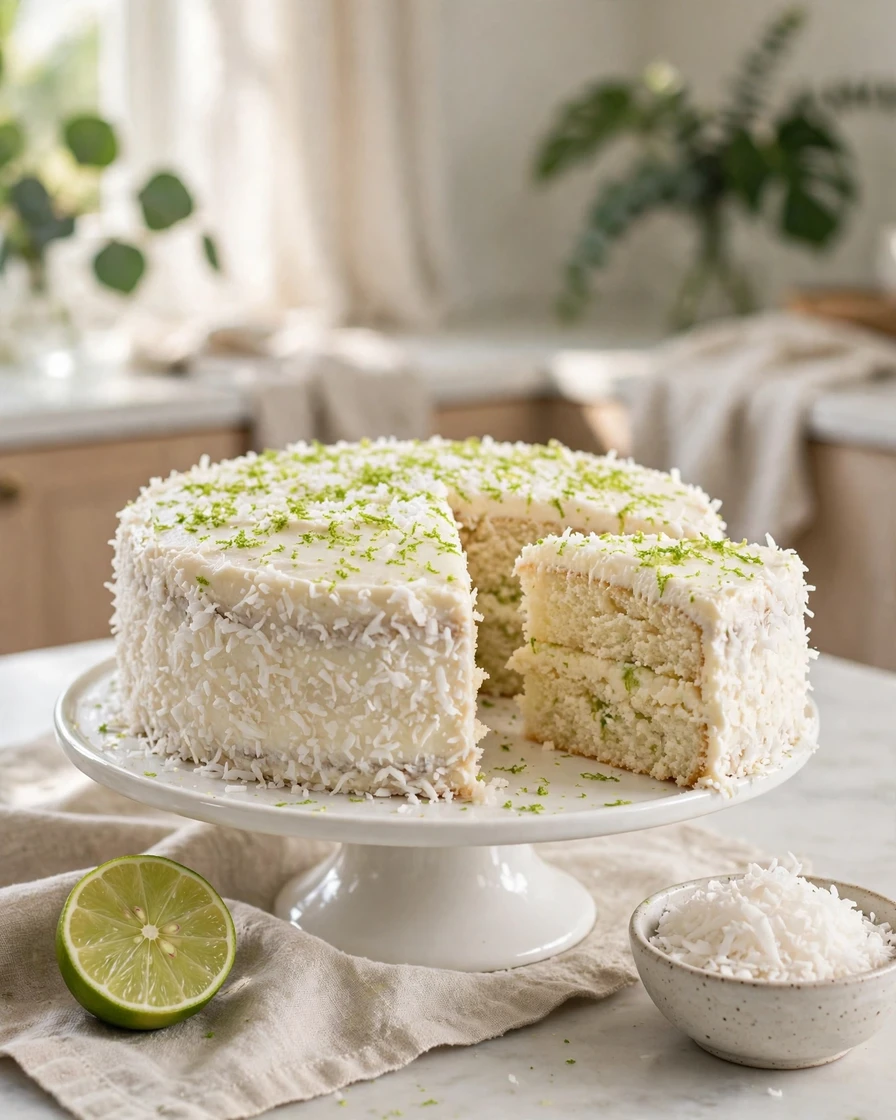
Coconut lime cake is light, fragrant and sunny, a bake that tastes like a small holiday. Fold desiccated coconut and lime zest into a batter of flour, eggs, yogurt and a little oil, then bake in layers and spread with a thin yogurt frosting. Press coconut flakes onto the outside and scatter over extra lime zest for a fresh, bright finish. The lime keeps the coconut from tasting too rich, and the yogurt frosting is far lighter than buttercream.
Coconut adds texture and flavour, though it is high in saturated fat, so this cake is best enjoyed in modest slices as an occasional treat. It suits summer parties, birthdays and anyone who loves tropical flavours. Coconut is a tree nut for allergy labelling in some countries, so check before serving it to anyone with a nut allergy. The cake contains wheat, dairy and eggs, and it keeps in the fridge for up to four days because of the yogurt frosting.
Quick Tip: Toast a little of the coconut in a dry pan for the topping — it adds colour and a deeper flavour with no extra effort.
12. Strawberry Yogurt Cake — A Fresh Take on Healthy Cake Recipes

Strawberry yogurt cake is the freshest bake in this collection, all soft pink berries and a light, tender crumb. Fold halved strawberries into a batter of flour, plain yogurt, eggs, a little oil and just enough sugar to let the berries shine, then bake until pale gold. The yogurt keeps the crumb moist and light, and the strawberries soften into jammy pockets as the cake bakes. Serve slices with a dollop of plain yogurt and a few extra berries on the side.
Strawberries add natural sweetness, colour and vitamin C, and the yogurt adds protein while keeping the cake lighter than a butter-based sponge. This cake suits spring and summer gatherings, children’s parties and anyone who wants a simple, fruity bake. It contains wheat, dairy and eggs, so it is not suitable for people with those allergies. Because of the fresh fruit, it is best eaten within two days and stored in the fridge.
Quick Tip: Pat the strawberries dry before folding them in — wet berries can leave soggy pockets in the crumb.
Expert Tips
- Measure fruit and vegetables by weight: A cup of grated carrot or mashed banana can vary a lot, and too much moisture can sink a lighter cake. A kitchen scale gives steady results every time.
- Do not overmix the batter: Stir just until the flour disappears, then stop. Overmixing develops the gluten in whole-wheat flour and can make a lighter cake tough instead of tender.
- Cut sugar gradually: Try reducing the sugar in a recipe by a quarter first, and let fruit, spices and citrus carry the flavour. A sudden big cut can leave a cake dry and flat.
- Let lighter cakes cool fully: Whole-grain and fruit-based cakes firm up as they cool, and slicing too soon can crush the crumb. Give the cake at least thirty minutes in the tin, then cool on a rack.
- Store by the topping: Plain cakes keep at room temperature for two to three days, but any cake with a yogurt frosting or fresh fruit should go straight into the fridge and be eaten within three days.
Final Thoughts
Healthy cake recipes are not about giving up cake — they are about baking it with a lighter hand, so a slice feels like a pleasure rather than a regret. Fruit, yogurt, whole grains and nuts can carry most of the flavour and moisture that butter and sugar usually provide, and the results are cakes you can happily bake for family, friends and yourself.
Pick one recipe from this list and try it this week, starting with the flavour you love most. Once you have a favourite, it may become the cake you reach for whenever there is something worth celebrating, or simply an afternoon that deserves a slice.
Are healthy cakes actually good for you?
Healthy cakes are lighter treats, not health foods, and that distinction matters. They use whole grains, fruit, yogurt and less sugar than standard cakes, which can make a slice a better choice, but they still contain sugar and calories, so portion size and how often you eat them matter most.
Can I make these cakes gluten-free?
Yes, several of these recipes adapt well to gluten-free baking with a few swaps. The almond flour orange cake is naturally gluten-free, and the oat cakes work with certified gluten-free oats and a gluten-free flour blend, though the texture may be a little denser than the original.
How do I reduce sugar in a cake recipe without ruining it?
Start by cutting the sugar by about a quarter and adding extra flavour from fruit, spices, citrus zest or vanilla. Ripe bananas, applesauce and sweet potato puree add natural sweetness and moisture, so the cake stays tender even with less added sugar.
How should I store a lighter homemade cake?
Store plain cakes in an airtight container at room temperature for two to three days, and refrigerate any cake with a yogurt frosting or fresh fruit. Most of these cakes freeze well in slices for up to a month — wrap each slice separately and thaw it at room temperature.
Can people with diabetes eat these cakes?
People with diabetes can sometimes enjoy a small slice of a lighter cake, but these recipes still contain natural and added sugars that can affect blood glucose. Portion size matters, and it is worth talking with a healthcare professional or dietitian about what fits your individual eating plan.