Eating more protein doesn’t have to mean spending hours in the kitchen, following complicated recipes, or eating plain chicken every day. In fact, some of the best easy high protein meals use everyday ingredients that you may already have in your fridge or pantry.
Whether you’re trying to build a balanced eating routine, support muscle maintenance, or prepare more satisfying meals, protein-rich recipes can make healthy eating more practical.
Protein helps your body build and repair tissues, maintain muscles, and carry out many essential functions. When combined with fiber-rich vegetables, whole grains, and healthy fats, it can also contribute to meals that leave you feeling comfortably satisfied.
The good news? You don’t need expensive supplements or specialty ingredients to get started.
From creamy breakfast bowls and protein-packed wraps to colorful stir-fries and comforting one-pot dinners, these 13 easy high protein meals offer something for different tastes, schedules, and budgets.
Most require around 10–30 minutes of hands-on preparation, especially when using convenient ingredients such as canned beans, frozen vegetables, or precooked grains.
A quick nutrition note: Protein estimates are approximate per serving and depend on ingredient brands, quantities, and cooking methods. These recipes are intended as flexible meal ideas rather than individualized dietary prescriptions.
1. Greek Yogurt Overnight Oats for an Easy High Protein Breakfast
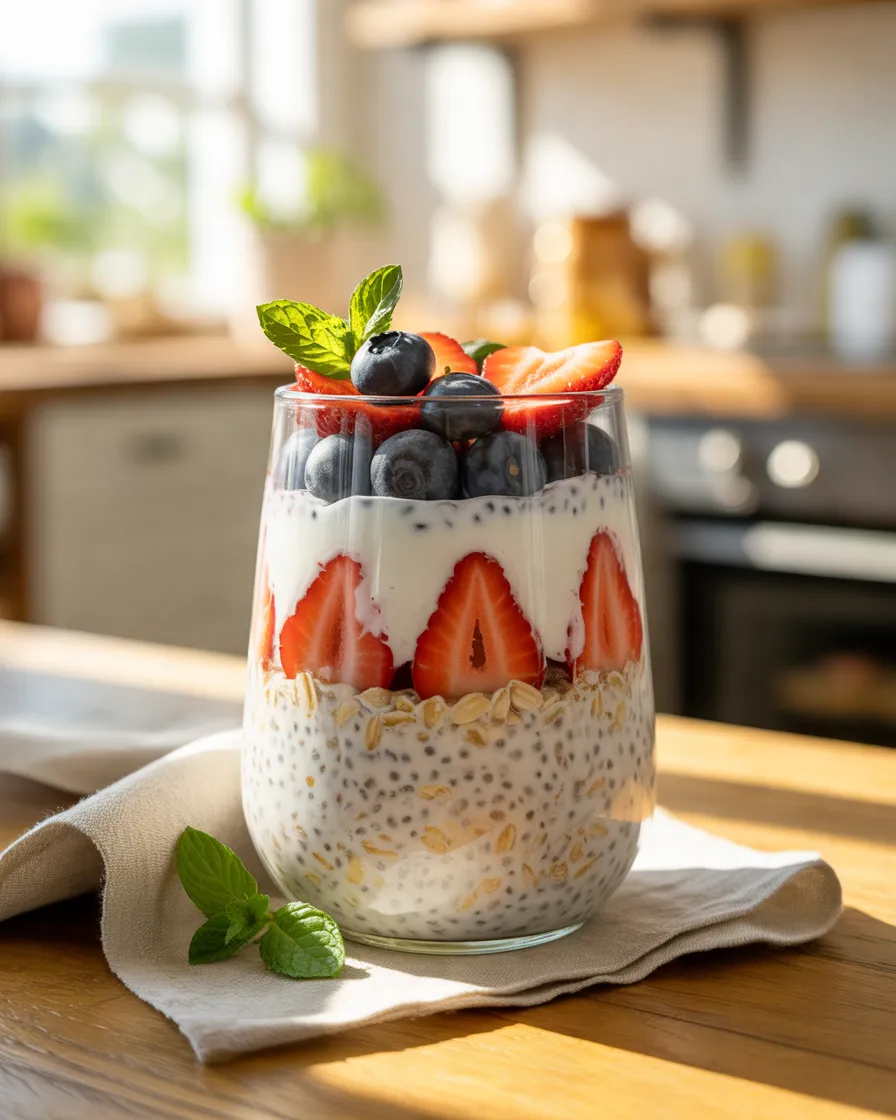
Preparation time: 5 minutes, plus overnight chilling
Estimated protein: 25–30 grams per serving
If your mornings usually involve rushing out the door, Greek yogurt overnight oats can make breakfast significantly easier.
This creamy, slightly sweet meal combines rolled oats, thick Greek yogurt, milk, chia seeds, and fresh berries. Instead of cooking everything in the morning, you prepare it the night before and allow the oats to soften in the refrigerator.
Greek yogurt provides a generous amount of protein, while oats and chia seeds contribute fiber. Berries add natural sweetness and variety without requiring much preparation.
Ingredients for one serving:
- ¾ cup plain Greek yogurt
- ½ cup rolled oats
- ½ cup milk
- 1 teaspoon chia seeds
- ½ cup strawberries or blueberries
- Cinnamon or vanilla extract to taste
How to make it: Combine the yogurt, oats, milk, and chia seeds in a covered jar. Refrigerate overnight, then add the berries before eating.
For extra flavor, try cinnamon, sliced banana, or a small spoonful of peanut butter.
Best for: Busy professionals, students, and anyone looking for a high protein breakfast without morning cooking.
Important consideration: Greek yogurt brands vary considerably in protein and sugar content. Choose plain yogurt when possible, and use fortified soy yogurt and milk for a dairy-free alternative, checking their protein labels.
2. Spinach and Cottage Cheese Scrambled Eggs
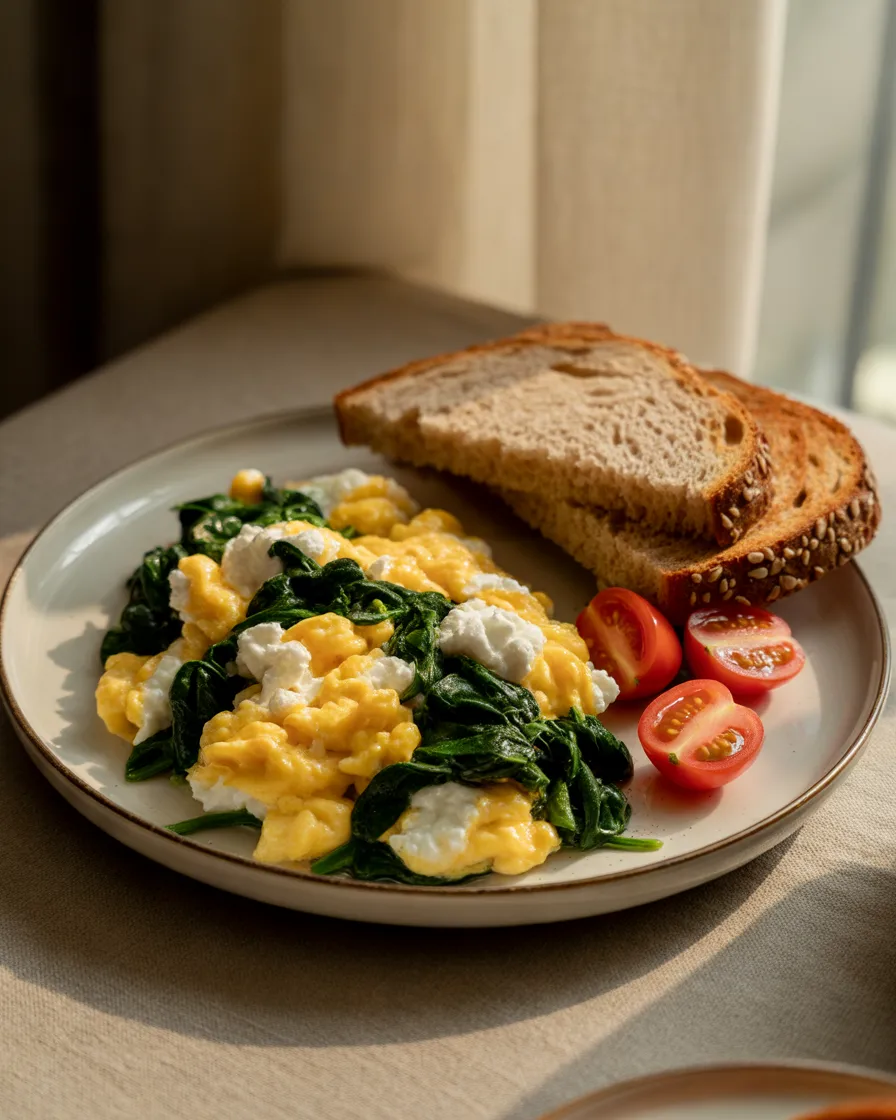
Preparation time: 10 minutes
Estimated protein: 24–28 grams per serving
Scrambled eggs are already a convenient breakfast, but adding cottage cheese gives them an extra protein boost and a softer, creamier texture.
This recipe works particularly well when you want something warm and savory without making a full breakfast spread.
Eggs provide high-quality protein and several essential nutrients, including choline. Cottage cheese adds more protein, while fresh spinach contributes folate and other micronutrients.
Ingredients for one serving:
- 2 large eggs
- ½ cup cottage cheese
- 1 cup fresh spinach
- 1 teaspoon olive oil
- Black pepper and garlic powder
- Optional cherry tomatoes
How to make it: Heat the olive oil in a nonstick skillet and briefly wilt the spinach. Whisk the eggs, add them to the pan, and stir gently over low heat. Fold in the cottage cheese and continue cooking until the eggs are fully set.
Serve with sliced tomatoes or whole-grain toast for a more substantial breakfast.
Practical tip: Use small-curd cottage cheese for a smoother texture. Keeping the heat low helps prevent the eggs from becoming rubbery.
Best for: People who prefer savory breakfasts and want an easy alternative to protein shakes.
Important consideration: Cottage cheese can be high in sodium. Compare labels if you’re monitoring salt intake, and cook eggs thoroughly for food safety.
3. Tuna and White Bean Wrap for a Quick High Protein Lunch
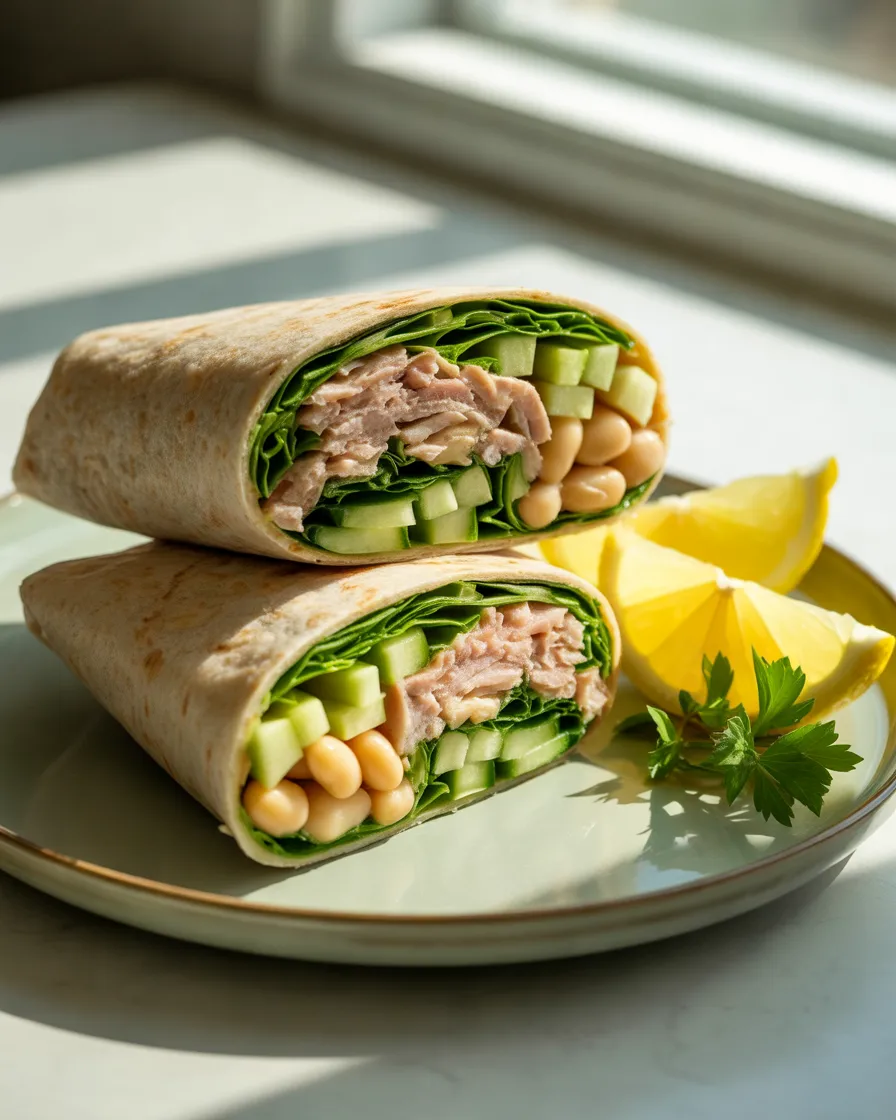
Preparation time: 10 minutes
Estimated protein: 32–38 grams per serving
When lunch needs to happen quickly, canned tuna and white beans are a surprisingly useful combination.
The tuna supplies concentrated protein, while the beans add fiber and make the filling more substantial. A little lemon juice, Greek yogurt, and crunchy vegetables turn these simple ingredients into a fresh, satisfying wrap.
Unlike a traditional tuna salad loaded with mayonnaise, this version uses Greek yogurt for creaminess.
Ingredients for one serving:
- 1 small can light tuna, drained (around 100 g)
- ½ cup canned white beans, rinsed
- 1 tablespoon plain Greek yogurt
- 1 whole-wheat tortilla
- Chopped cucumber and celery
- Lemon juice, black pepper, and parsley
How to make it: Mash some of the beans with a fork, then stir in tuna, yogurt, lemon juice, and chopped vegetables. Spoon the mixture into the tortilla, fold the sides, and roll tightly.
For a lighter option, serve the filling over leafy greens instead.
Practical tip: Drain the beans and tuna thoroughly so the wrap doesn’t become soggy. If packing lunch, keep the filling chilled until ready to eat.
Best for: Office lunches, quick home meals, and people who don’t want to cook meat during the day.
Important consideration: Tuna contains mercury, with amounts varying by species. Canned light tuna is generally a lower-mercury choice than albacore. Follow local fish-consumption recommendations, especially during pregnancy.
4. Lemon Garlic Chicken and Quinoa Bowl

Preparation time: 25 minutes with precooked quinoa
Estimated protein: 35–40 grams per serving
A chicken and quinoa bowl is one of those meals that feels substantial without being complicated.
The appeal comes from combining a flavorful protein source with a whole grain and plenty of vegetables. Quinoa contributes additional protein, fiber, and minerals, while chicken breast makes the overall meal protein-rich.
Fresh lemon and garlic keep the flavor lively without requiring a heavy sauce.
Ingredients for one serving:
- 100 g cooked chicken breast
- ¾ cup cooked quinoa
- 1 cup broccoli or mixed vegetables
- 1 teaspoon olive oil
- 1 garlic clove, minced
- Lemon juice, paprika, and black pepper
How to make it: Season the chicken with garlic, paprika, pepper, and lemon. Cook it in a skillet until it reaches a safe internal temperature of 165°F (74°C).
Meanwhile, steam the vegetables and reheat the cooked quinoa. Arrange everything in a bowl and finish with a squeeze of lemon.
Practical tip: Prepare several portions of quinoa at once and freeze extras in single-meal containers. This saves time without forcing you to eat identical meals all week.
Best for: Meal-prep lunches, post-workout meals, and busy weeknight dinners.
Important consideration: Chicken portions are measured after cooking. If using precooked chicken, follow appropriate refrigeration and reheating guidance.
5. Baked Salmon and Chickpea Sheet-Pan Dinner
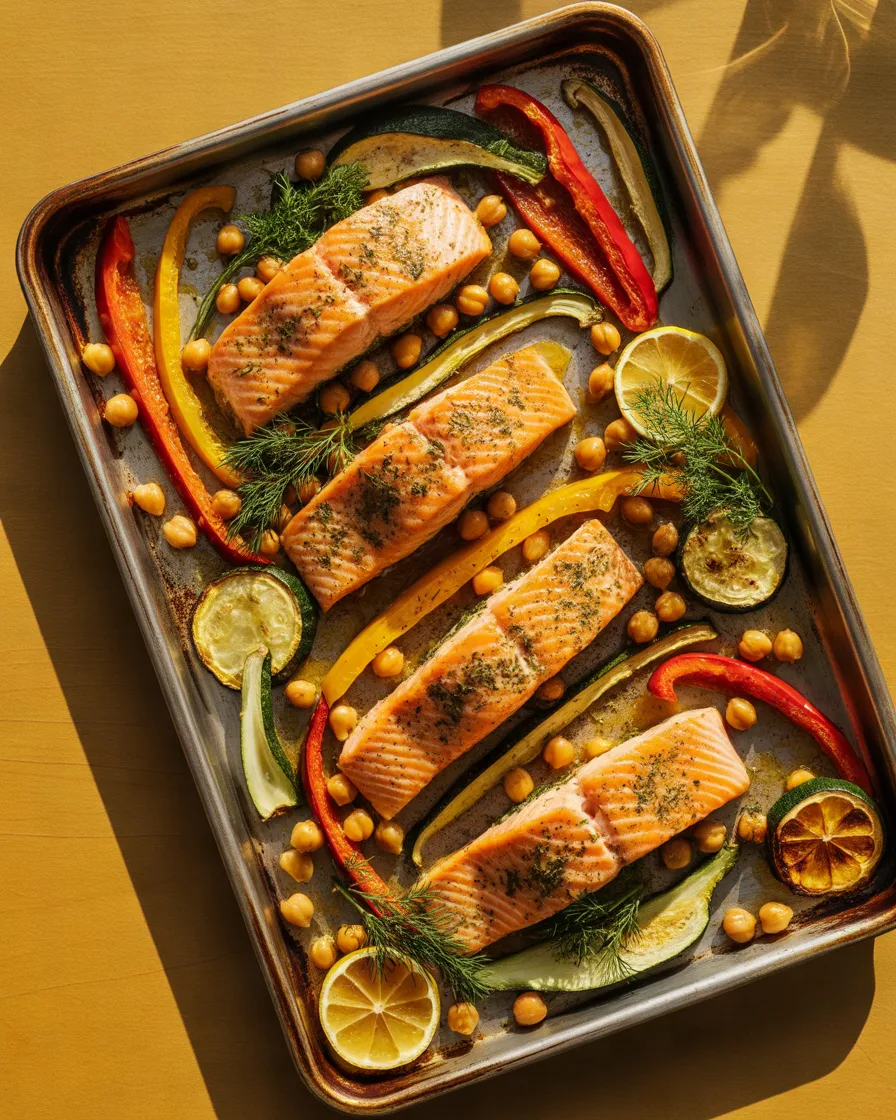
Preparation time: 25–30 minutes
Estimated protein: 32–38 grams per serving
Sheet-pan recipes are especially helpful when you want a nutritious dinner without creating a pile of dirty dishes.
This salmon and chickpea combination requires minimal preparation and offers a useful mix of protein, fiber, and healthy fats.
Salmon provides omega-3 fatty acids, while chickpeas contribute plant protein and fiber. Roasted vegetables add color, texture, and nutrients.
Ingredients for one serving:
- 120 g salmon fillet
- ½ cup cooked or canned chickpeas
- 1 cup chopped zucchini and bell peppers
- 2 teaspoons olive oil
- Lemon slices
- Smoked paprika, garlic powder, and herbs
How to make it: Preheat the oven to 400°F (200°C). Toss the chickpeas and vegetables with olive oil and seasonings. Spread on a baking sheet and roast for about 10 minutes.
Add the salmon and continue roasting until the fish reaches 145°F (63°C), checking with a food thermometer. Cooking time will depend on its thickness.
Practical tip: Pat canned chickpeas dry before roasting. This improves their texture and prevents the vegetables from becoming excessively watery.
Best for: Family dinners, Mediterranean-style meals, and people who enjoy fish.
Important consideration: Salmon is unsuitable for anyone with a fish allergy. Frozen fillets work well, but thaw them safely before cooking.
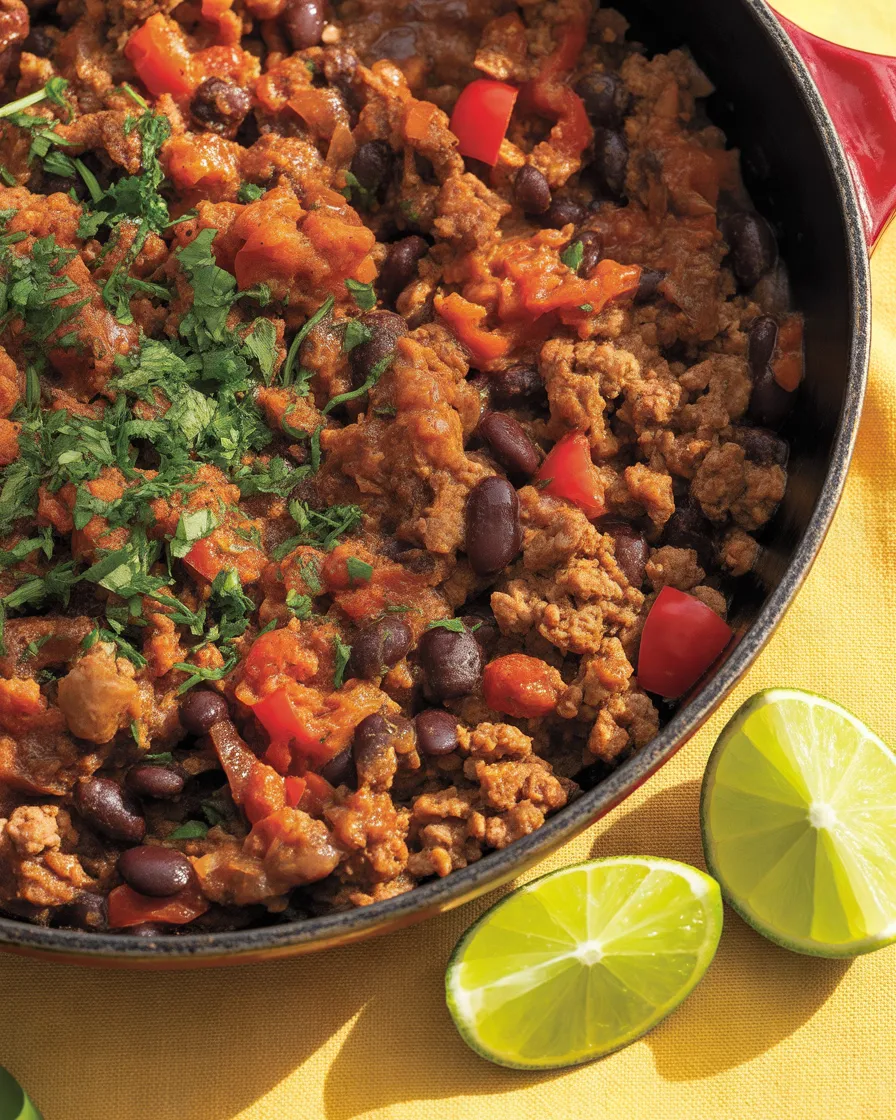
6. Ground Turkey and Black Bean Skillet
Preparation time: 20 minutes
Estimated protein: 30–36 grams per serving
This easy high protein meal brings together the satisfying flavors of taco night with the convenience of a one-pan dinner.
Lean ground turkey cooks quickly and absorbs seasonings well. Black beans add fiber and help stretch the recipe, making it a practical option for households trying to manage grocery costs.
You can serve it in a bowl, spoon it into tortillas, or add it to a baked sweet potato.
Ingredients for one serving:
- 100 g cooked lean ground turkey
- ½ cup canned black beans, rinsed
- ½ cup diced tomatoes
- ¼ cup chopped onion
- ½ bell pepper
- Cumin, paprika, and chili powder
- Fresh cilantro or coriander leaves
How to make it: Brown the ground turkey in a skillet, breaking it into small pieces. Add the onion and pepper, then stir in tomatoes, black beans, and spices.
Simmer briefly until everything is hot and the flavors combine. Ensure the turkey reaches 165°F (74°C).
Practical tip: Use the same filling for tacos one evening and a rice bowl the next day. Add toppings separately to keep the leftovers versatile.
Best for: Budget-conscious families and anyone who enjoys Mexican-inspired flavors.
Important consideration: Prepared taco seasonings can contain significant sodium. Making your own spice mixture gives you more control.
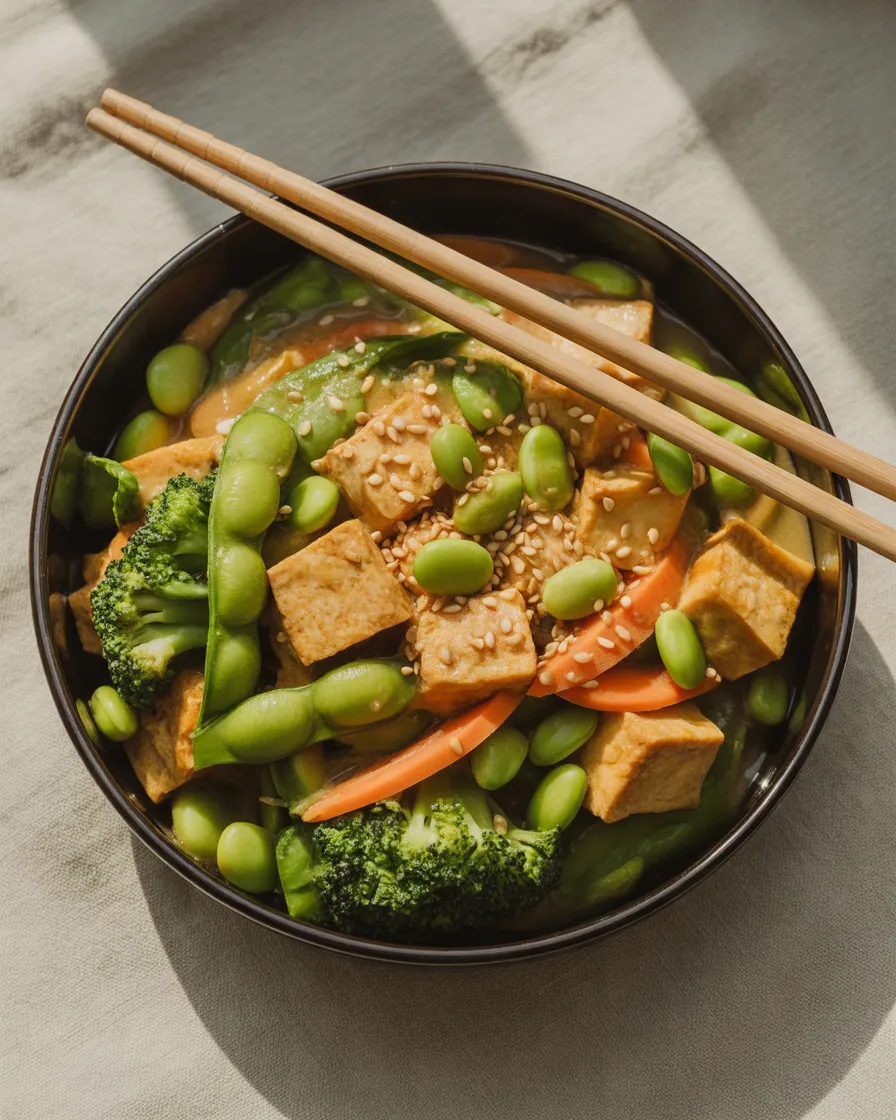
7. Crispy Tofu and Edamame Stir-Fry
Preparation time: 20–25 minutes
Estimated protein: 27–34 grams per serving
Plant-based meals can provide substantial protein without depending on meat substitutes or protein powders.
This colorful tofu and edamame stir-fry is a good example. Both tofu and edamame come from soybeans and provide high-quality plant protein.
The combination works particularly well with broccoli, carrots, and a light ginger-garlic sauce.
Ingredients for one serving:
- 150 g extra-firm tofu
- ½ cup shelled edamame
- 1 cup broccoli and sliced carrots
- 1 teaspoon sesame oil
- 1 tablespoon reduced-sodium soy sauce
- Fresh ginger and minced garlic
- Optional brown rice
How to make it: Pat the tofu dry and cut it into cubes. Cook in a nonstick skillet with a little oil until golden on several sides.
Add the vegetables and cooked edamame. Stir-fry until tender-crisp, then add ginger, garlic, and soy sauce.
Practical tip: Pressing tofu briefly between clean kitchen towels helps remove excess moisture and encourages better browning.
Best for: Vegetarians, vegans, and anyone interested in eating more plant-based protein.
Important consideration: Soy is a common allergen, and sauces may contain wheat. Check labels for dietary restrictions. Protein content also varies with tofu firmness.
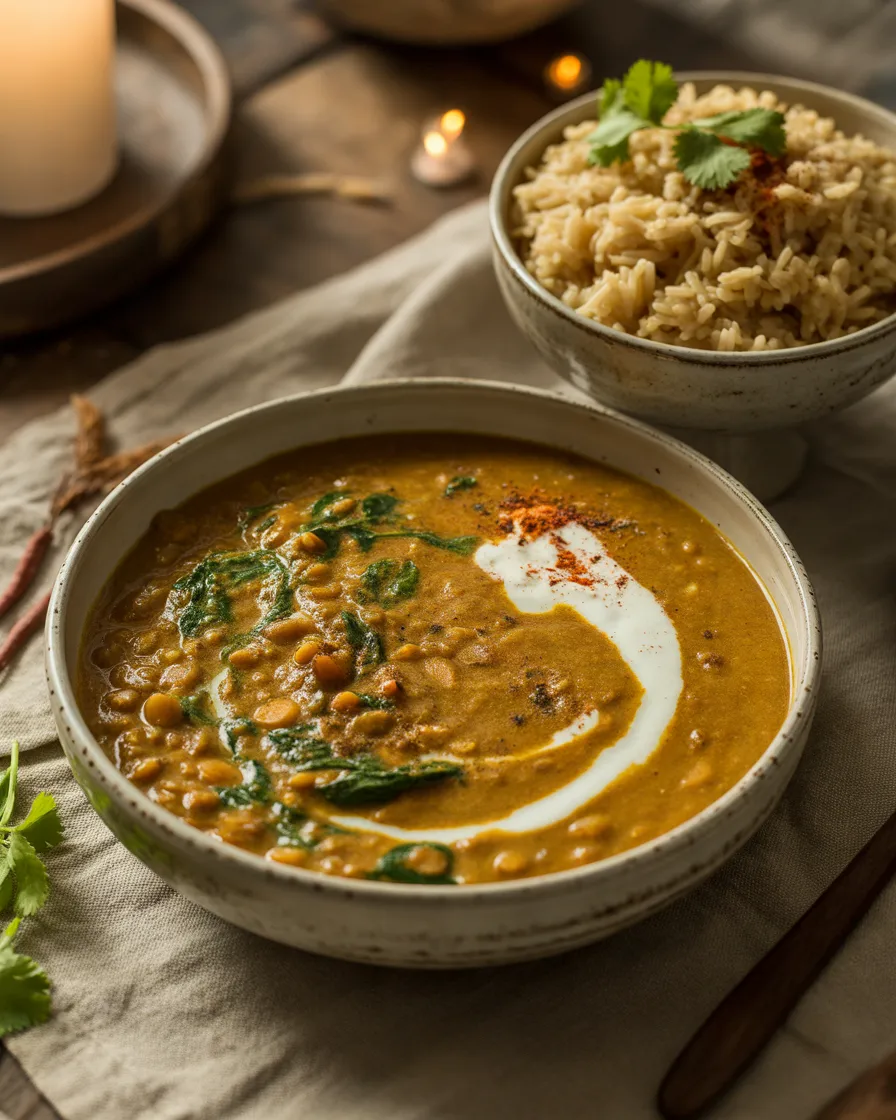
8. Creamy Red Lentil and Spinach Curry
Preparation time: 25–30 minutes using cooked lentils
Estimated protein: 23–28 grams per serving
Lentils deserve a regular place in a list of easy high protein meals because they’re inexpensive, versatile, and easy to combine with other ingredients.
This comforting curry uses red lentils, spinach, tomatoes, and warming spices to create a flavorful dinner.
Lentils supply plant protein, fiber, and iron. Spinach contributes additional nutrients, while yogurt can provide creaminess and extra protein.
Ingredients for one serving:
- 1 cup cooked red lentils
- ½ cup chopped tomatoes
- 1 cup spinach
- ¼ cup plain Greek yogurt
- ½ teaspoon curry powder
- Garlic, ginger, and cumin
- ½ cup cooked brown rice
How to make it: Heat the tomatoes with garlic, ginger, and spices in a saucepan. Add the cooked lentils and a splash of water.
Simmer until thick and creamy. Stir in spinach until wilted. Remove from the heat before adding Greek yogurt to reduce the chance of curdling.
Serve with brown rice.
Practical tip: Cook red lentils in bulk and freeze portions. They soften quickly and work as a base for soups, curries, and savory sauces.
Best for: Vegetarian households, inexpensive meal planning, and comforting weeknight dinners.
Important consideration: Lentils are high in fiber, which may cause digestive discomfort if introduced suddenly. Start with smaller portions if necessary.
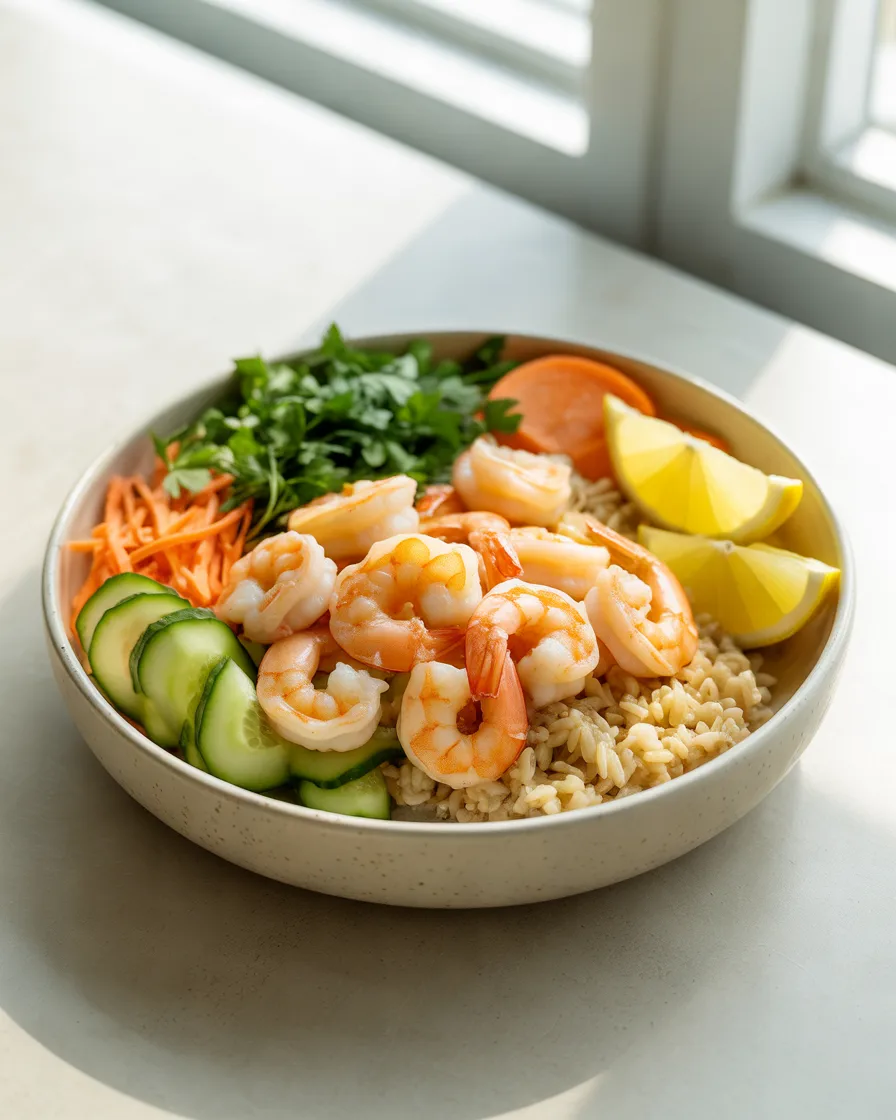
9. Garlic Shrimp and Brown Rice Power Bowl
Preparation time: 15–20 minutes with precooked rice
Estimated protein: 30–35 grams per serving
Shrimp, also called prawns in many countries, is one of the quickest seafood proteins to prepare.
When paired with brown rice and crunchy vegetables, it becomes a simple meal that feels fresh rather than heavy.
Shrimp provides protein with relatively little saturated fat. Brown rice contributes carbohydrates for energy, and the vegetables add fiber and variety.
Ingredients for one serving:
- 120 g cooked, peeled shrimp
- ½ cup cooked brown rice
- ½ cup sliced cucumber
- ½ cup shredded carrots
- 1 teaspoon olive oil
- Minced garlic
- Lemon juice and parsley
How to make it: Heat olive oil in a skillet and briefly cook the garlic. If using raw shrimp, add it and cook until the flesh is pearly and opaque.
Place warmed rice in a bowl, add the shrimp and vegetables, and finish with lemon juice.
Practical tip: Keep frozen, peeled shrimp in your freezer. Thaw safely in the refrigerator so a quick dinner is always within reach.
Best for: Fast weekday meals and people who prefer lighter seafood dishes.
Important consideration: Shrimp is a shellfish allergen. Also be aware that packaged shrimp may contain added sodium.
10. Creamy Cottage Cheese and Tomato Protein Pasta

Preparation time: 20 minutes
Estimated protein: 27–32 grams per serving
Pasta doesn’t need to disappear from the menu when you’re trying to increase your protein intake.
One practical trick is to blend cottage cheese into a tomato-based sauce. It creates a creamy texture without needing a large amount of cream.
Using whole-wheat pasta and green peas adds extra protein and fiber, making this a more balanced version of a familiar comfort food.
Ingredients for one serving:
- 2 oz (about 56 g) dry whole-wheat pasta
- ¾ cup cottage cheese
- ½ cup tomato passata or plain tomato sauce
- ½ cup peas
- 1 garlic clove
- Dried basil and black pepper
How to make it: Cook the pasta according to the package directions. Meanwhile, blend the cottage cheese with the tomato sauce until smooth.
Warm the sauce gently in a pan, adding garlic and herbs. Stir in the peas and cooked pasta. Add a little pasta water if needed.
Practical tip: Avoid boiling the blended cottage cheese sauce aggressively. Gentle heat helps maintain a smoother consistency.
Best for: Pasta lovers, teenagers, and households seeking familiar high protein dinner ideas.
Important consideration: This recipe contains dairy and wheat. Choose suitable alternatives for allergies or intolerances, and check the protein content of substitutions.
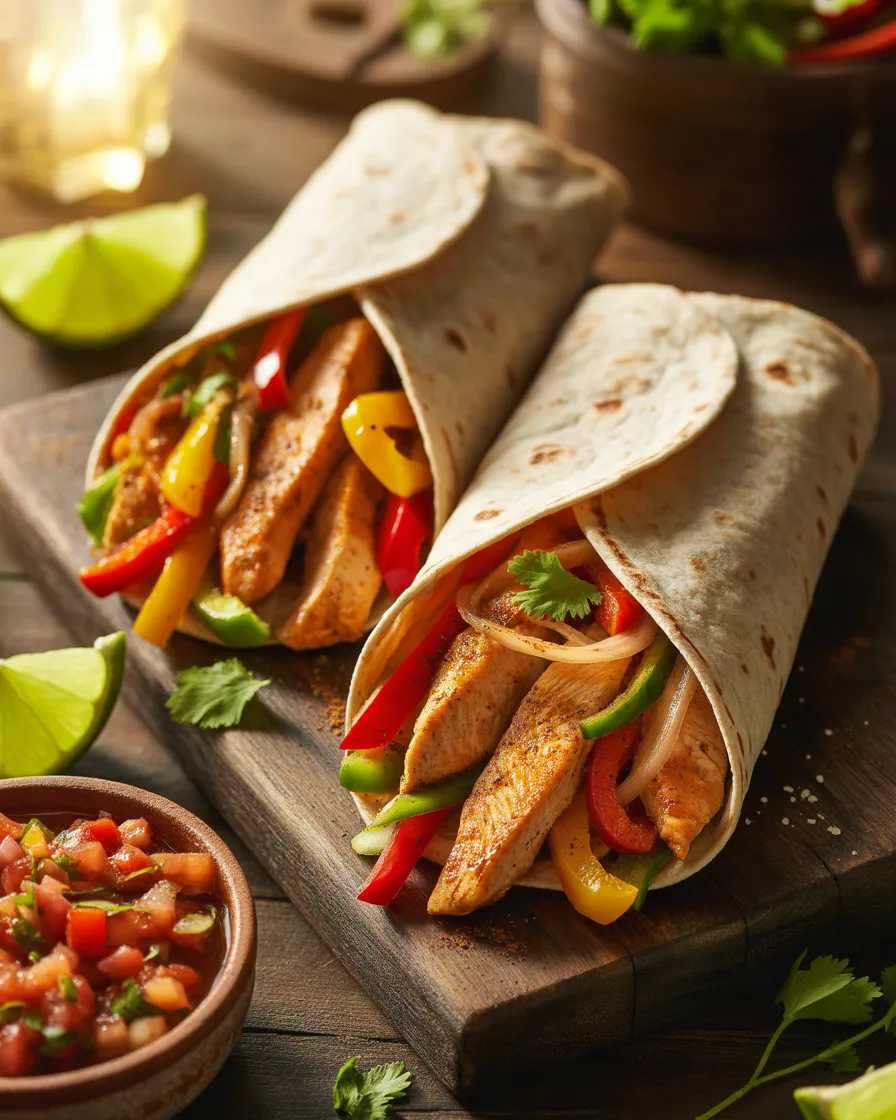
11. Chicken Fajita Wraps with Colorful Peppers
Preparation time: 20–25 minutes
Estimated protein: 34–40 grams per serving
Chicken fajita wraps are a convenient option when you want a protein-rich dinner that doesn’t feel like traditional meal-prep food.
The key is using plenty of bell peppers and onions along with well-seasoned chicken. This creates a satisfying mix of juicy, crunchy, and savory textures.
Ingredients for one serving:
- 100 g cooked chicken breast, sliced
- 2 small whole-wheat tortillas
- ½ red bell pepper
- ½ yellow bell pepper
- ¼ onion
- 1 teaspoon olive oil
- Paprika, cumin, and garlic powder
- Optional salsa or Greek yogurt
How to make it: Slice the chicken and vegetables into strips. Cook the vegetables in a hot skillet until slightly softened.
Add the chicken and seasonings, heating everything thoroughly. Divide between warmed tortillas and add your preferred toppings.
For raw chicken, cook it fully to 165°F (74°C) before serving.
Practical tip: Slice peppers and onions ahead of time, but store them separately from raw chicken.
Best for: Family dinners, packed lunches, and people who enjoy handheld meals.
Important consideration: Tortilla sizes and protein content differ by brand. Check labels if you’re following a specific nutrition plan.
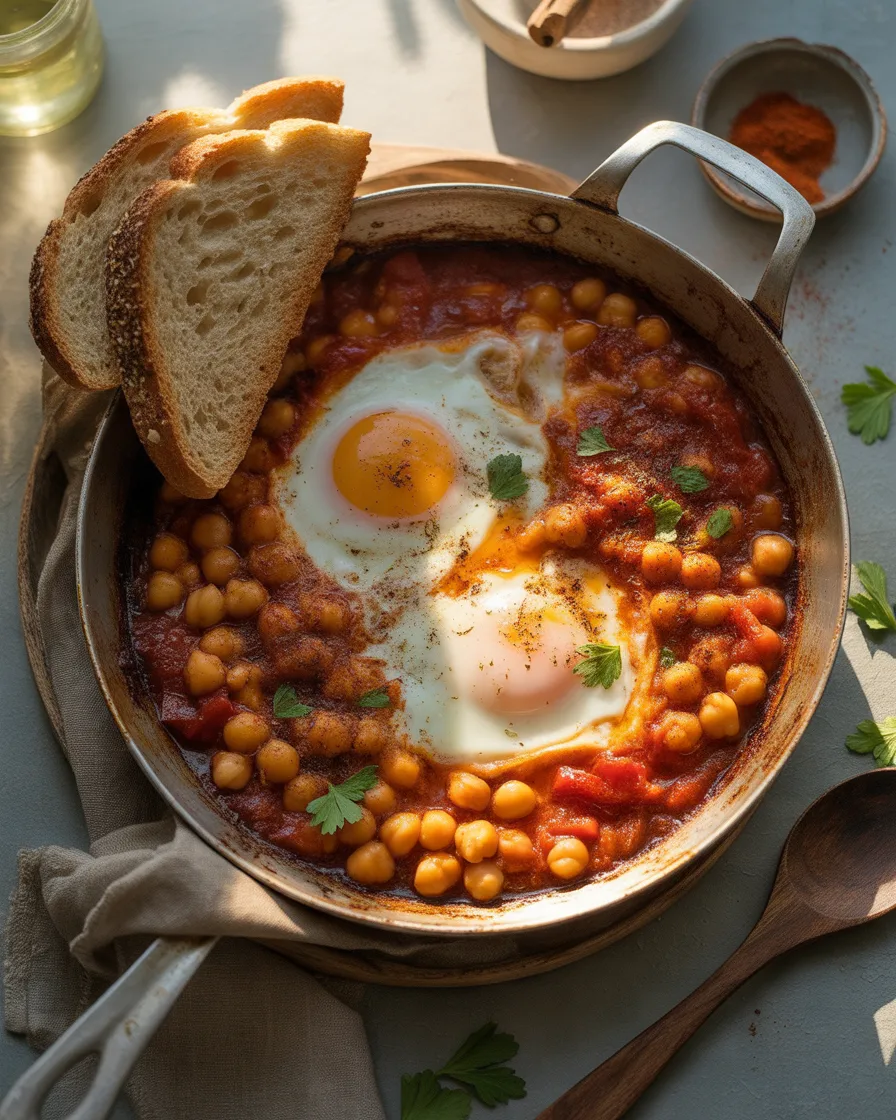
12. Chickpea and Egg Shakshuka
Preparation time: 20–25 minutes
Estimated protein: 25–29 grams per serving
Shakshuka is a comforting skillet meal built around eggs cooked in a flavorful tomato and pepper sauce.
Adding chickpeas makes it more substantial and increases both protein and fiber.
This recipe is especially useful when your refrigerator is nearly empty but you still have eggs, canned tomatoes, and beans available.
Ingredients for one serving:
- 2 large eggs
- ¾ cup canned chickpeas, rinsed
- ½ cup crushed tomatoes
- ½ red bell pepper
- ¼ onion
- 1 teaspoon olive oil
- Cumin, paprika, and black pepper
- 1 slice whole-grain toast
How to make it: Sauté the onion and pepper in olive oil. Add tomatoes, chickpeas, and spices, then simmer for several minutes.
Make two small wells in the sauce and crack an egg into each. Cover and cook until the whites and yolks are fully set.
Serve with whole-grain toast.
Practical tip: A small skillet works better for one serving because it keeps the eggs surrounded by sauce instead of spreading everything too thin.
Best for: Weekend brunch, meat-free dinners, and inexpensive pantry-based cooking.
Important consideration: Cook eggs thoroughly, particularly for people at higher risk of foodborne illness. Use low-sodium canned ingredients when appropriate.
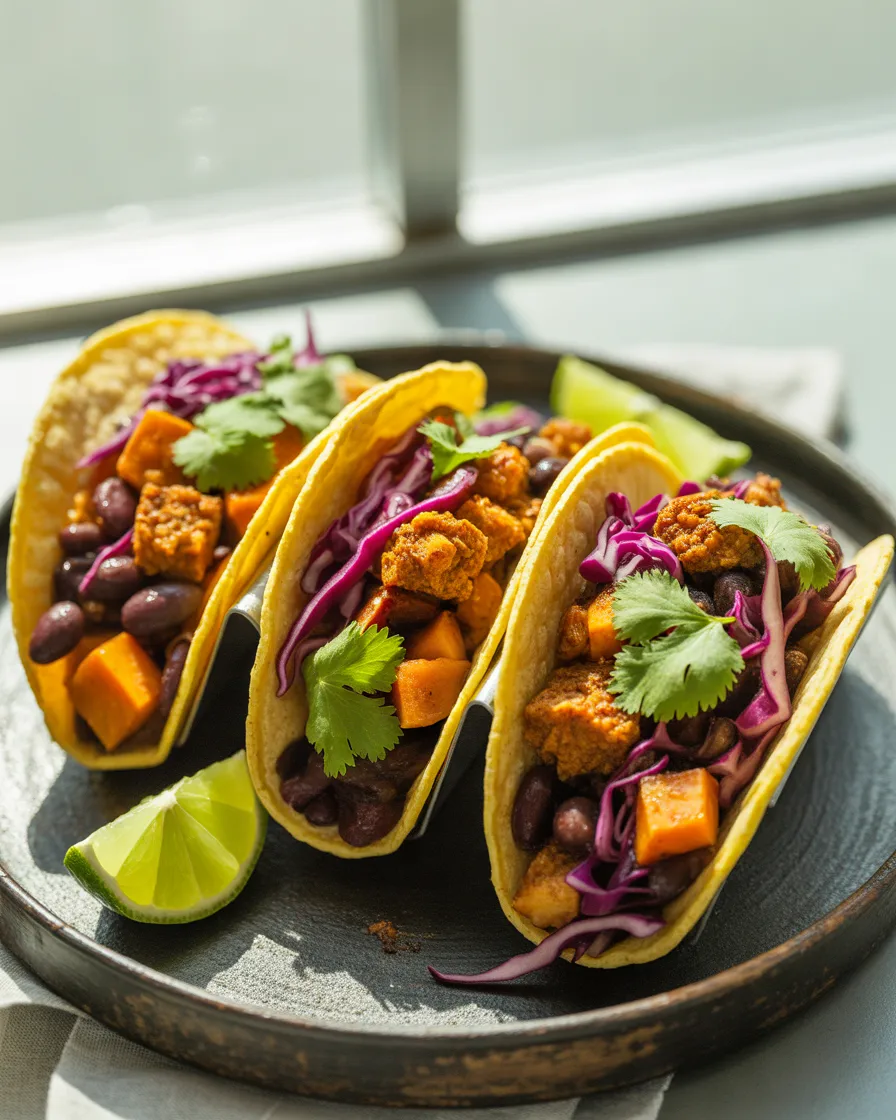
13. Tempeh and Sweet Potato Protein Tacos
Preparation time: 25–30 minutes
Estimated protein: 28–34 grams per serving
For a plant-based dinner with plenty of texture, tempeh tacos offer something a little different from the usual bean bowl.
Tempeh is a fermented soybean food with a firm texture and nutty flavor. It can be crumbled into small pieces and seasoned similarly to taco meat.
Pairing it with black beans and roasted sweet potatoes creates a colorful, satisfying meal.
Ingredients for one serving:
- 100 g plain tempeh
- ½ cup cooked black beans
- ½ small sweet potato, diced
- 2 small corn tortillas
- 1 teaspoon olive oil
- Cumin, smoked paprika, and garlic powder
- Shredded cabbage and lime juice
How to make it: Roast the diced sweet potato at 425°F (220°C) until tender, usually around 20–25 minutes.
Meanwhile, crumble the tempeh and sauté with olive oil and spices. Stir in the black beans until heated through.
Fill the tortillas with tempeh, beans, sweet potato, and crunchy cabbage. Finish with fresh lime juice.
Practical tip: Steam tempeh briefly before sautéing if you prefer a milder flavor. Make extra filling to use in grain bowls the following day.
Best for: Vegans, vegetarians, and anyone exploring different plant protein sources.
Important consideration: Tempeh usually contains soy and may contain other allergens depending on the product. Check packaging carefully.
Expert Tips for Making Easy High Protein Meals Healthier and More Convenient
Choosing high-protein ingredients is only part of the process. How you organize your meals and balance different food groups can make just as much difference to your everyday eating routine.
1. Spread protein across your meals. Instead of concentrating most of your protein at dinner, include meaningful sources at breakfast and lunch. Eggs, yogurt, beans, fish, and tofu are all practical options.
2. Think beyond protein numbers. A meal with 35 grams of protein isn’t automatically healthier than one with 25 grams. Consider vegetables, fiber, saturated fat, sodium, and overall portion size. The Harvard T.H. Chan School of Public Health emphasizes the importance of the complete nutritional package that comes with protein-rich foods.
3. Keep convenient ingredients available. Canned beans, frozen edamame, eggs, Greek yogurt, whole grains, and frozen fish can turn an ordinary pantry into a source of quick high protein meals.
4. Cook components instead of identical meals. Prepare a batch of grains, roasted vegetables, and a protein source. Combine them with different sauces or seasonings throughout the week. This provides variety while reducing daily preparation.
5. Use flavor to prevent boredom. Lemon, garlic, ginger, cumin, smoked paprika, fresh herbs, and vinegar can transform simple ingredients without requiring complicated cooking techniques.
6. Follow food-safety basics. Use a food thermometer for meat and fish. Refrigerate perishables within two hours, or within one hour when temperatures exceed 90°F (32°C). Most properly refrigerated cooked leftovers should be used within three to four days, and leftovers should be reheated to 165°F (74°C).
7. Personalize your protein intake. Protein needs vary by body size, age, activity level, and health status. If you have kidney disease, a medically prescribed diet, or another condition affecting nutrition, ask a registered dietitian or healthcare professional before substantially changing your intake.
A sustainable eating routine should offer enough variety that you genuinely enjoy the food, rather than treating every meal as a nutrition calculation.
Frequently Asked Questions About Easy High Protein Meals
1. What are the easiest high protein meals for beginners?
Greek yogurt overnight oats, scrambled eggs with cottage cheese, tuna wraps, and chicken quinoa bowls are great starting points.
They require relatively few ingredients, use straightforward cooking techniques, and can be adjusted to suit your preferences.
For the quickest option, choose meals that rely on ready-to-eat or precooked ingredients.
2. How much protein should I eat in one meal?
There isn’t one ideal amount for everyone. Some people find that meals providing around 20–40 grams help them distribute their daily protein intake conveniently, but this isn’t a universal requirement.
For context, the commonly cited adult Recommended Dietary Allowance is approximately 0.8 grams of protein per kilogram of body weight daily. Individual needs can be higher or different, especially with certain activity levels, life stages, or health conditions.
3. Can I make high protein meals without meat?
Absolutely. Lentils, beans, tofu, tempeh, edamame, eggs, dairy products, and soy foods can all contribute substantial protein.
Plant-based meals are particularly useful because legumes and many whole grains also add fiber.
You don’t need to combine every type of plant protein in the same meal, but eating a variety throughout the day helps support adequate essential amino acid intake.
4. Are easy high protein meals good for weight management?
They can fit into a balanced weight-management routine. Protein may help with fullness, which can make meals feel more satisfying.
However, overall eating patterns, portions, energy intake, physical activity, sleep, and individual health needs also matter.
Simply adding more protein doesn’t guarantee weight loss.
5. What are some cheap high protein meal ideas?
Lentil curry, chickpea shakshuka, black bean skillets, cottage cheese eggs, and tofu stir-fries are good budget-friendly choices.
Dried lentils, eggs, canned beans, and frozen vegetables can often reduce grocery costs while providing nutritious meals.
Buying ingredients that work across several recipes also helps prevent food waste.
6. Can high protein meals be prepared in advance?
Yes. Chicken and quinoa bowls, lentil curry, turkey skillets, and tofu stir-fries are practical meal-prep options.
Store prepared foods promptly in sealed containers, refrigerate at 40°F (4°C) or below, and freeze portions you won’t eat within the recommended storage period.
For the best texture, add delicate vegetables, crunchy toppings, and fresh dressings just before eating.
7. Do I need protein powder to prepare high protein meals?
No. Many everyday ingredients provide substantial protein on their own.
Greek yogurt, chicken, fish, eggs, beans, and soy foods can make it possible to reach an appropriate intake through regular meals.
Protein powders may be convenient in some circumstances, but they aren’t essential for everyone.
8. What is the best high protein meal for dinner?
The best option depends on your tastes, schedule, and nutritional requirements.
Salmon with chickpeas offers protein and omega-3 fats, chicken quinoa bowls are convenient for meal preparation, and tofu edamame stir-fry provides a substantial plant-based alternative.
Choose meals you can prepare consistently and enjoy alongside vegetables and other nutrient-rich foods.
Conclusion: Make Healthy Eating Easier With Simple High Protein Meals
Healthy eating becomes more manageable when your meals are practical, affordable, and enjoyable.
These 13 easy high protein meals show that you don’t need complicated recipes or expensive specialty foods to make protein a regular part of breakfast, lunch, and dinner.
From creamy Greek yogurt oats to satisfying lentil curry, colorful chicken bowls, and plant-based tacos, each recipe offers a flexible starting point for a more balanced eating routine.
Begin with two or three recipes that fit your schedule, keep their ingredients available, and experiment with different seasonings and vegetables.
Over time, small cooking habits can make preparing delicious, protein-rich meals feel like a natural part of everyday life.
Nutrition and food-safety references