Healthy bowl recipes are everywhere, filling cafe menus, meal-prep blogs, and weeknight dinner tables with color. The idea is simple: one bowl, one base, and a handful of fresh toppings you can mix and match to suit your mood. Bowls have become the way many people eat well without a strict plan, because the formula is flexible and the food still feels like a meal.
Thirteen bowls follow here, covering rice, quinoa, noodles, greens, and oats, with chicken, salmon, tofu, chickpeas, eggs, beef, and shrimp as the stars. Each recipe gives simple amounts and clear steps, so you can build a breakfast, lunch, or dinner bowl in minutes and change the toppings to fit what you have at home.
1. Chicken Burrito Bowl — A Healthy Bowl Recipe
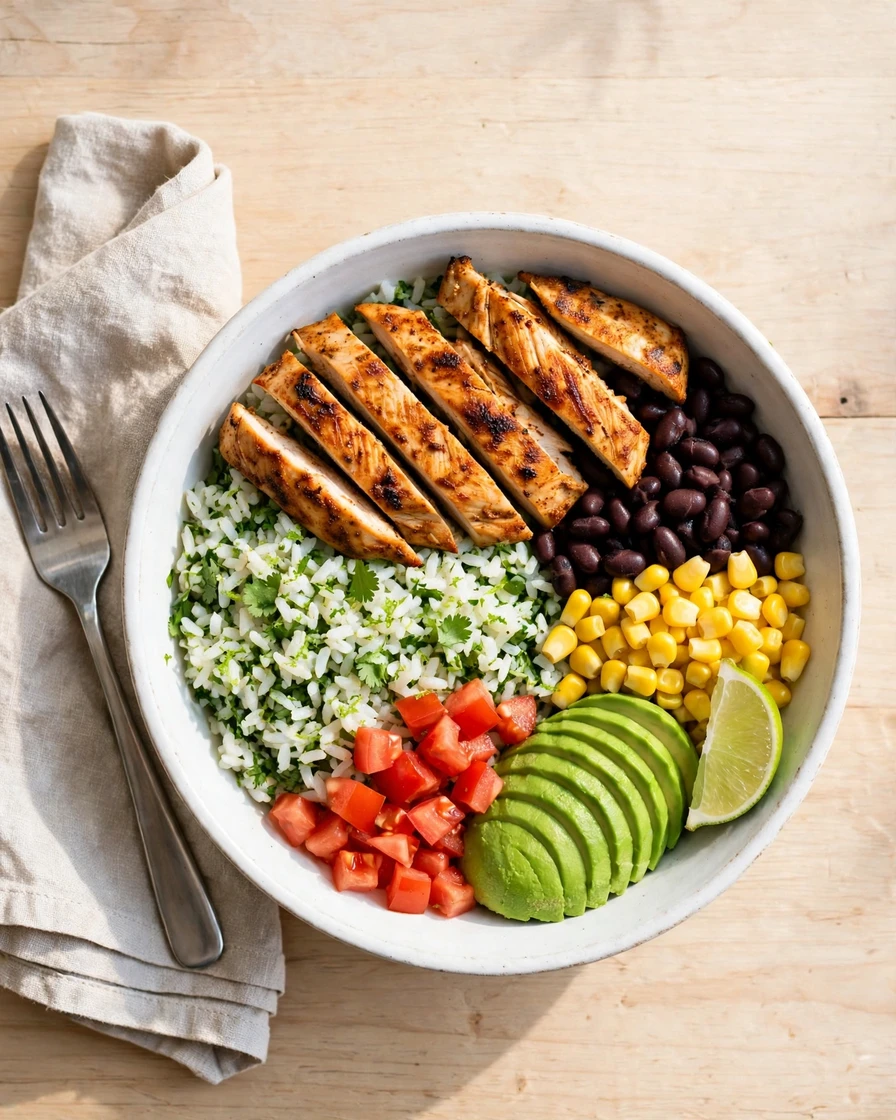
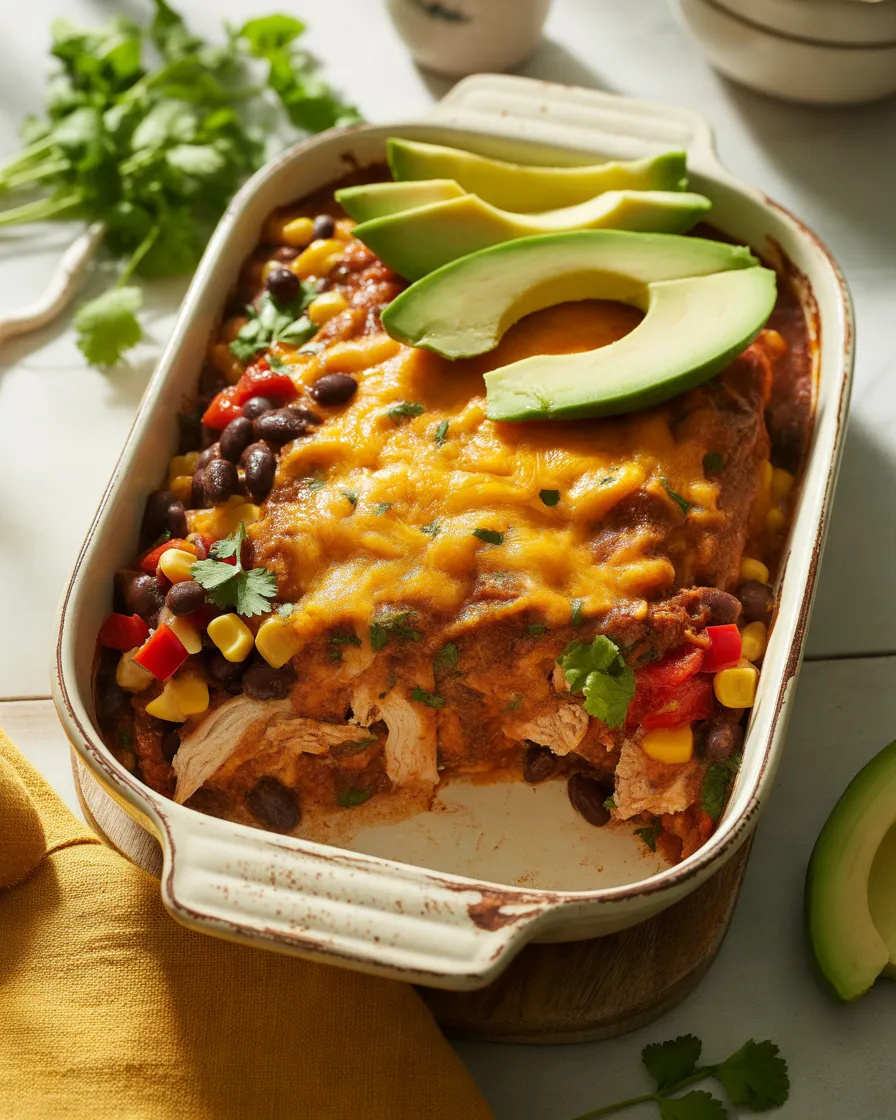
A chicken burrito bowl takes everything you love about a burrito and serves it in a bowl. Start with a cup of cooked rice tossed with lime juice and chopped cilantro, then add sliced grilled chicken breast, half a cup of black beans, sweetcorn, diced tomatoes, and fanned avocado. Season the chicken with smoked paprika, cumin, garlic powder, and a pinch of salt before cooking it in a hot pan for five to six minutes per side, then rest it for five minutes before slicing. A lime wedge lets everyone brighten their own bowl.
Chicken adds lean protein that can help you feel full for hours, while black beans bring fiber and plant protein to the same bowl. Avocado adds creamy texture and healthy fats, and the tomatoes and corn add color and crunch without much effort. This bowl suits busy weeknight dinners and meal prep alike, since the rice, beans, and chicken all keep well in the fridge for a few days. If you watch your sodium, rinse canned beans well and season with herbs and lime instead of extra salt.
Quick Tip: Cook a double batch of chicken on Sunday — sliced, it tops bowls, salads, and wraps all week.
2. Salmon Poke Bowl

A salmon poke bowl is a Hawaiian classic built on sushi rice and fresh, cubed fish. Start with a cup of warm sushi rice in a wide bowl, then arrange cubes of sushi-grade salmon on top with edamame pods, cucumber ribbons, sliced avocado, and shredded red cabbage. Toss the salmon first in a spoonful of soy sauce, a little sesame oil, and a squeeze of lime, and scatter sesame seeds over the finished bowl. Keep everything chilled until you build the bowl, and use a sharp knife for neat cubes.
Salmon is rich in omega-3 fats and protein, which may help support heart health. Edamame adds plant protein and fiber, while avocado and cabbage bring creaminess and crunch. This bowl suits light lunches and warm evenings, when you want something fresh without turning on the oven. Raw fish carries a food safety risk, so buy sushi-grade salmon from a trusted fishmonger, eat the bowl straight away, and skip raw fish if you are pregnant or have a weakened immune system — cooked salmon works just as well. If you are unsure, ask a healthcare professional.
Quick Tip: Chill the bowl in the fridge for ten minutes before building — cold bowls keep raw fish fresher for longer.
3. Mediterranean Chickpea Quinoa Bowl
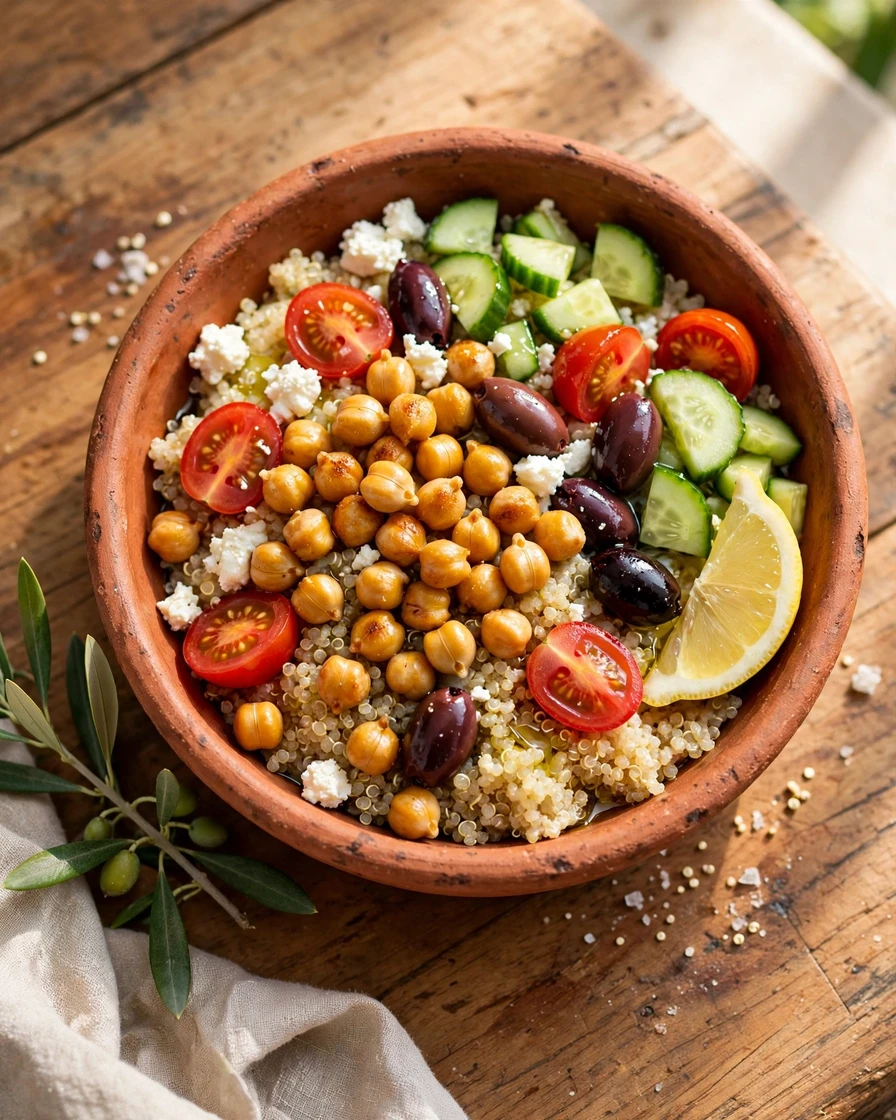
A Mediterranean chickpea quinoa bowl is sunny, filling, and easy to scale up for the week. Cook one cup of quinoa in two cups of water for about fifteen minutes, then fluff it and let it cool a little. Toss a can of drained chickpeas with olive oil, paprika, and cumin, and roast them at 200°C for twenty minutes until crisp at the edges. Build the bowl with quinoa, the roasted chickpeas, halved cherry tomatoes, cucumber, kalamata olives, crumbled feta, and a lemon wedge to squeeze over the top.
Quinoa brings complete protein and fiber, while chickpeas add more plant protein that can help the bowl keep you full. Olives and olive oil add healthy fats, and the tomatoes, cucumber, and lemon keep every bite fresh. This bowl suits packed lunches, since it tastes good at room temperature and holds up in the fridge for three days. Feta adds salt, so taste before adding more, and rinse canned chickpeas to cut the sodium. Skip the feta or use a dairy-free crumble if dairy does not suit you.
Quick Tip: Roast a double batch of chickpeas — the extras make a crunchy snack on their own.
4. Tofu and Vegetable Noodle Bowl

A tofu and vegetable noodle bowl is warm, comforting, and ready in about twenty minutes. Press a block of firm tofu, cut it into cubes, and pan-fry them in a little oil for three to four minutes per side until golden. Cook wheat noodles in a light vegetable broth with broccoli florets, shredded carrot, and snap peas, then ladle the noodles and vegetables into a deep bowl. Top with the tofu cubes, a splash of soy sauce, and a pinch of sesame seeds, and serve with chopsticks and a spoon.
Tofu is a complete plant protein that soaks up the flavor of the broth, while the vegetables add fiber, color, and crunch. The warm broth feels comforting on cold evenings, and the bowl stays light enough for lunch. This one suits new tofu cooks, because firm tofu holds its shape in the pan and forgives a little extra cooking time. Press the tofu well so it crisps instead of steaming, and keep the vegetables in the broth for just a few minutes so they stay bright. Soy sauce adds salt quickly, so start with a small splash and taste.
Quick Tip: Freeze firm tofu once, then thaw and press it — the texture turns chewier and soaks up more flavor.
5. Berry Almond Overnight Oats Bowl

A berry almond overnight oats bowl is breakfast made the night before, with no cooking at all. Stir half a cup of rolled oats with half a cup of milk, two spoonfuls of yogurt, and a teaspoon of chia seeds in a bowl or jar, then cover and chill it overnight. In the morning, the oats will be soft and creamy. Top with sliced strawberries, a handful of blueberries, sliced almonds, and a light drizzle of honey, and eat it cold from the fridge, or let it sit for ten minutes first.
Oats are rich in soluble fiber, which may help support healthy digestion and steady energy through the morning. Berries add natural sweetness and color, while almonds bring crunch and healthy fats. This bowl suits busy mornings and anyone who dislikes cooking before coffee, since the work happens the night before. It keeps in the fridge for two to three days, so you can make a few jars at once. If you watch your blood sugar, keep the honey to a light drizzle or skip it — ripe berries are often sweet enough on their own.
Quick Tip: Use frozen berries in winter — they thaw into the oats overnight and cost less than fresh.
6. Beef and Broccoli Rice Bowl — A Healthy Bowl Recipe
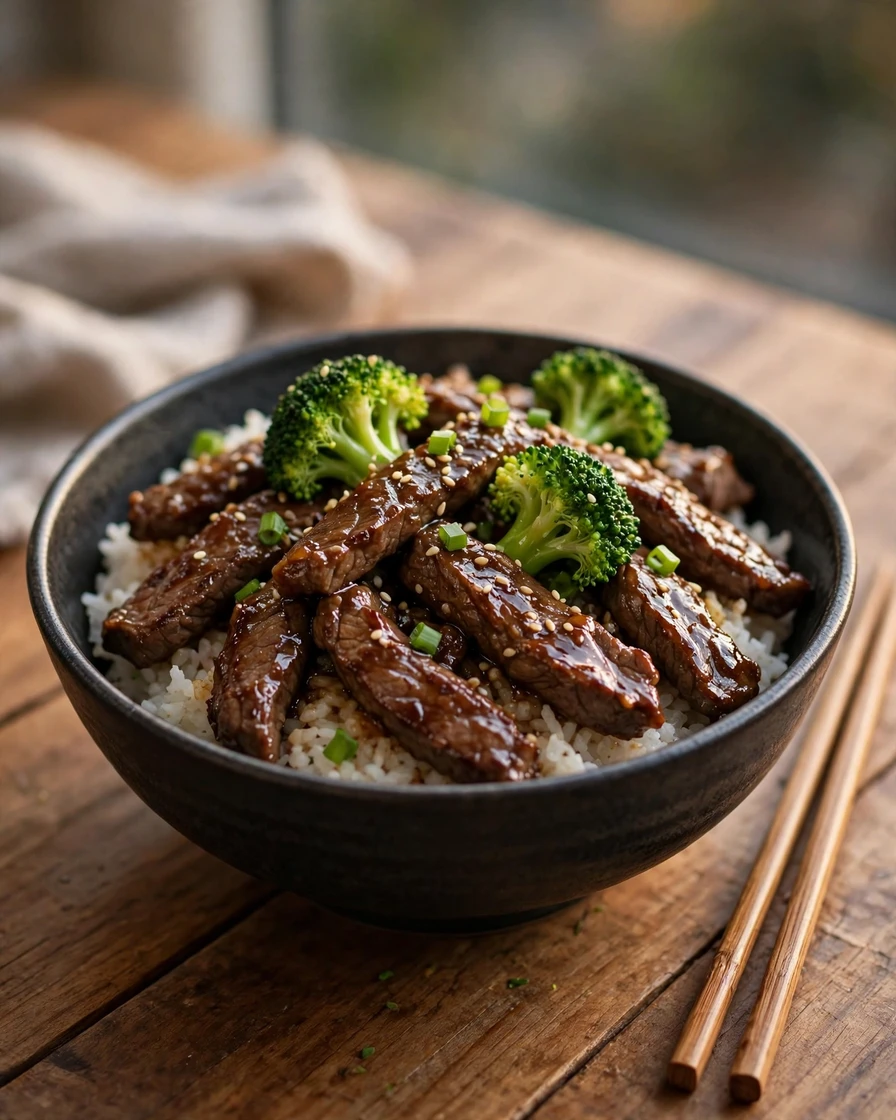
A beef and broccoli rice bowl brings a takeout favorite home, with a lighter sauce you control yourself. Slice lean beef thinly against the grain, then stir-fry it in a hot pan with a little oil for two to three minutes until just browned. Add broccoli florets and a splash of water, cover for two minutes so the broccoli turns bright green, then stir in a sauce of soy sauce, garlic, ginger, and a teaspoon of honey. Serve the beef and broccoli over a cup of steamed rice, scattered with sesame seeds and chopped spring onions.
Beef adds protein and iron, while broccoli brings fiber, vitamin C, and a satisfying bite. Cooking the sauce at home keeps sugar and salt lower than a takeout version, which may help this bowl fit a balanced weeknight routine. It suits quick dinners, since the dish comes together in twenty minutes and reheats well for lunch the next day. Slice the beef while it is partly frozen for the thinnest strips, and do not crowd the pan or the beef will steam instead of browning. If red meat is limited in your diet, ask a healthcare professional about portions.
Quick Tip: Brown rice works here too — cook it ahead, since it takes longer than white rice.
7. Shrimp and Mango Rice Bowl

A shrimp and mango rice bowl tastes like summer, with sweet fruit against smoky grilled shrimp. Cook a cup of rice and let it cool slightly, then grill or pan-fry peeled shrimp for two minutes per side until pink and curled. Arrange the shrimp over the rice with mango cubes, sliced avocado, thin red onion, and fresh cilantro leaves. Squeeze half a lime over the bowl just before serving, and add a pinch of chili flakes if you like a little heat.
Shrimp is a lean protein that cooks in minutes, and mango adds natural sweetness plus vitamin C. Avocado brings creamy healthy fats, while red onion and cilantro add a fresh bite. This bowl suits light lunches and warm evenings, and it works well for guests because the colors look bright on the table. Choose a mango that gives slightly when pressed and smells sweet near the stem. Shrimp cooks fast, so watch it closely — it turns tough if left on the heat too long. Skip shrimp entirely if you have a shellfish allergy, and use grilled chicken instead.
Quick Tip: Frozen mango works in a pinch — thaw it first and drain any extra juice.
8. Spicy Tofu Cauliflower Rice Bowl

A spicy tofu cauliflower rice bowl is a lighter take on fried rice, with crisp tofu and a gentle chili kick. Make cauliflower rice by pulsing cauliflower florets in a food processor until they look like grains, then stir-fry them in a little oil for four to five minutes. Toss tofu cubes in cornstarch and chili flakes, pan-fry until crisp and golden, and pile them over the cauliflower rice with red pepper strips, spring onions, and sesame seeds. Serve with chili sauce on the side so each person can set their own heat.
Cauliflower rice gives you the feel of a grain bowl with far fewer carbs, which may suit anyone cutting back on rice. Tofu adds plant protein, and the chili flakes bring warmth without added sugar. This bowl suits quick weeknight dinners and anyone who likes bold flavors, and it reheats well for lunch the next day. Do not overcook the cauliflower or it turns soft — a few minutes in a hot pan is enough. If chili heat bothers your stomach, use sweet paprika instead and skip the sauce. Press the tofu first so it crisps properly in the pan.
Quick Tip: Buy frozen cauliflower rice to skip the food processor — it cooks straight from frozen.
9. Sweet Potato and Egg Breakfast Bowl
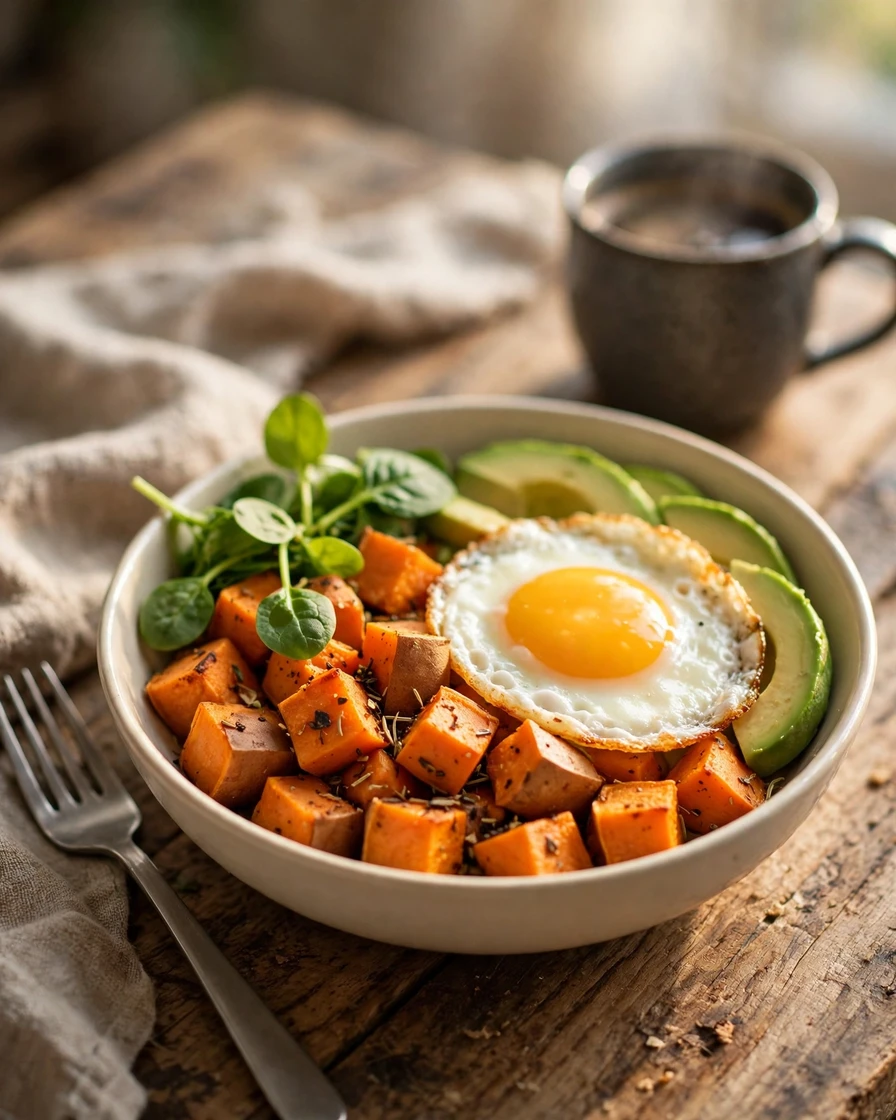
A sweet potato and egg breakfast bowl is warm, filling, and a good reason to get up in the morning. Toss two cups of sweet potato cubes with olive oil, salt, and a pinch of dried herbs, then roast at 200°C for twenty to twenty-five minutes until the edges brown. Fry an egg sunny-side up in the same pan while the sweet potato rests, then build the bowl with the roasted cubes, the egg, sliced avocado, and a handful of baby spinach.
Sweet potato adds fiber and natural sweetness, along with beta-carotene that your body can turn into vitamin A. The egg brings protein that can help you feel full until lunch, and avocado adds creamy healthy fats. This bowl suits slow weekend mornings, though roasted sweet potato from the night before makes it fast enough for weekdays too. Cook the egg just until the white sets so the yolk stays runny for mixing through the bowl. If eggs are limited in your diet, ask a healthcare professional about how often they fit for you.
Quick Tip: Roast sweet potato cubes in a big batch — they reheat in minutes and work in salads too.
10. Green Goddess Chicken Salad Bowl

A green goddess chicken salad bowl is crisp, herby, and bright enough to make lunch feel special. Grill a chicken breast for six to seven minutes per side, rest it for five minutes, then slice it into strips. Fill a wide bowl with mixed salad greens, cucumber ribbons, sliced avocado, and thin green apple slices, then lay the chicken on top. Whisk a dressing of yogurt, lemon juice, olive oil, and chopped fresh herbs, and drizzle it over the bowl just before serving, with a little extra on the side.
Chicken adds lean protein, while the greens, cucumber, and apple add fiber and crunch with very few calories. Avocado brings healthy fats, and the yogurt dressing keeps the bowl creamy without a heavy bottled sauce. This bowl suits light lunches and warm days, when a hot meal feels like too much. Keep the dressing separate until you eat, so the leaves stay crisp, and slice the apple at the last minute so it does not brown. A squeeze of lemon over the apple helps, and leftover chicken from dinner works just as well.
Quick Tip: Use a vegetable peeler to make the cucumber ribbons — it takes seconds and looks lovely.
11. Turkey Meatball and Zucchini Noodle Bowl

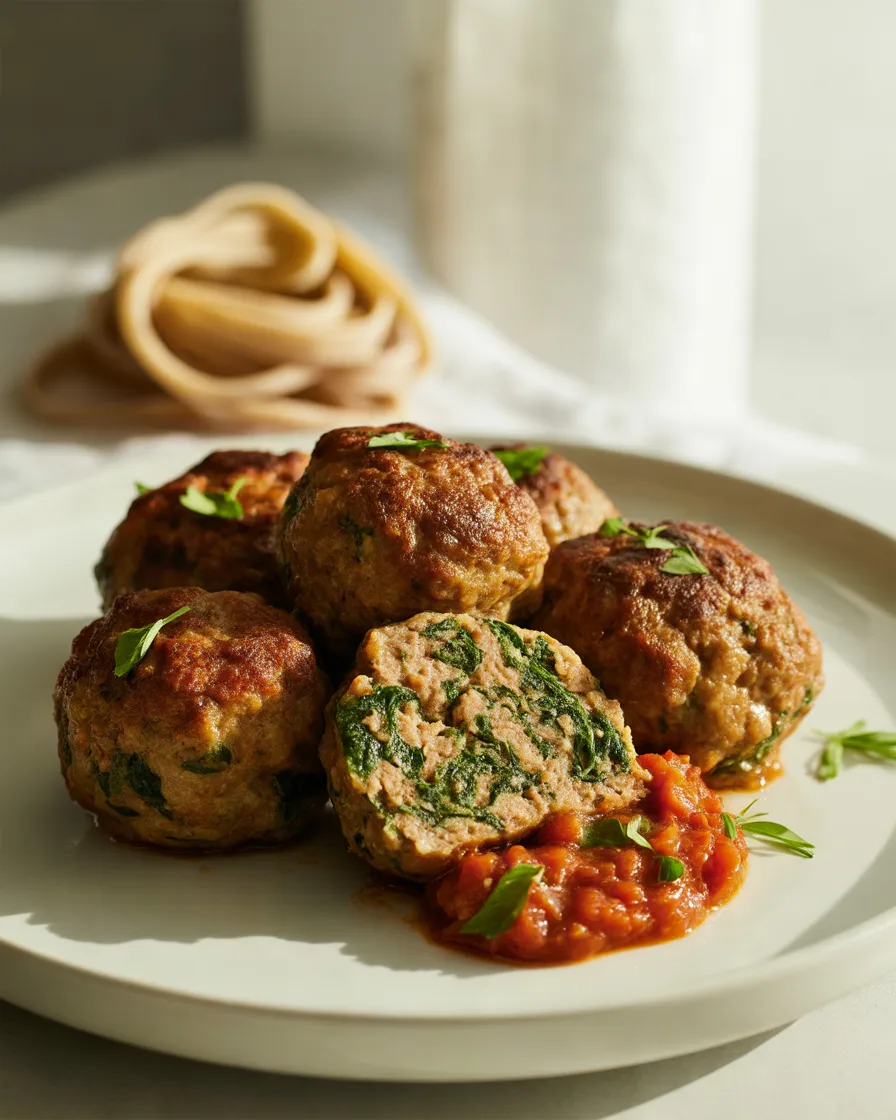
A turkey meatball and zucchini noodle bowl gives you the comfort of pasta night with a lighter base. Mix ground turkey with breadcrumbs, a beaten egg, garlic, and dried oregano, shape it into small meatballs, and bake them at 200°C for eighteen to twenty minutes. Warm a simple tomato sauce in a pan, then toss in spiralized zucchini noodles for just two minutes so they stay firm. Pile the noodles into a deep bowl, add the meatballs and sauce, and finish with fresh basil and a sprinkle of grated parmesan.
Turkey is a lean protein that stays juicy in meatballs, while zucchini noodles add fiber and water content that can help the meal feel filling without heaviness. Tomato sauce brings lycopene and a rich flavor that needs little seasoning. This bowl suits family dinners and anyone cutting back on pasta, since the noodles still twirl on a fork. Do not cook the zucchini noodles too long or they turn watery — two minutes is plenty. If you need a gluten-free version, use gluten-free breadcrumbs and check the sauce label for hidden gluten.
Quick Tip: No spiralizer? A julienne peeler makes fine zucchini noodles too.
12. Egg and Avocado Breakfast Bowl — A Healthy Bowl Recipe
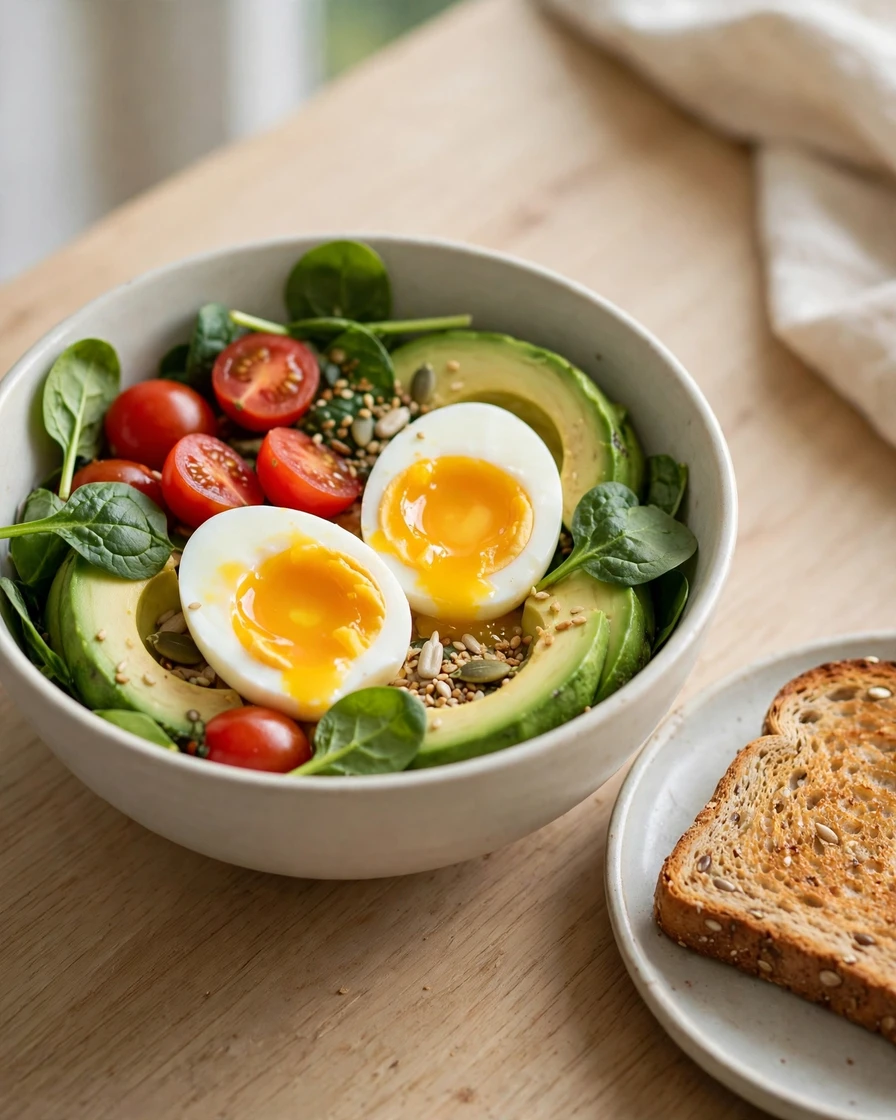
An egg and avocado breakfast bowl is simple, quick, and kind to slow mornings. Boil two eggs for six and a half minutes for soft, golden yolks, then cool them under cold water and peel. Fill a bowl with baby spinach, halved cherry tomatoes, and sliced avocado, then add the halved eggs and a sprinkle of toasted pumpkin and sunflower seeds. Serve with a slice of seeded toast on the side, and a pinch of salt and cracked pepper over the eggs.
Eggs add high-quality protein and a range of vitamins, which may help this bowl keep you full well into the morning. Avocado adds healthy fats and creaminess, while spinach and tomatoes bring color, fiber, and crunch. This bowl suits anyone who wants a proper breakfast in under fifteen minutes, with no frying pan to wash. The seeds add a pleasant crunch and extra minerals, so keep a small jar of mixed toasted seeds in the cupboard. Cook the eggs a minute longer if you prefer firm yolks, and check with a healthcare professional if eggs are limited in your diet.
Quick Tip: Boil a few extra eggs on Sunday — peeled, they keep in the fridge for quick breakfasts.
13. Black Bean and Corn Fiesta Bowl
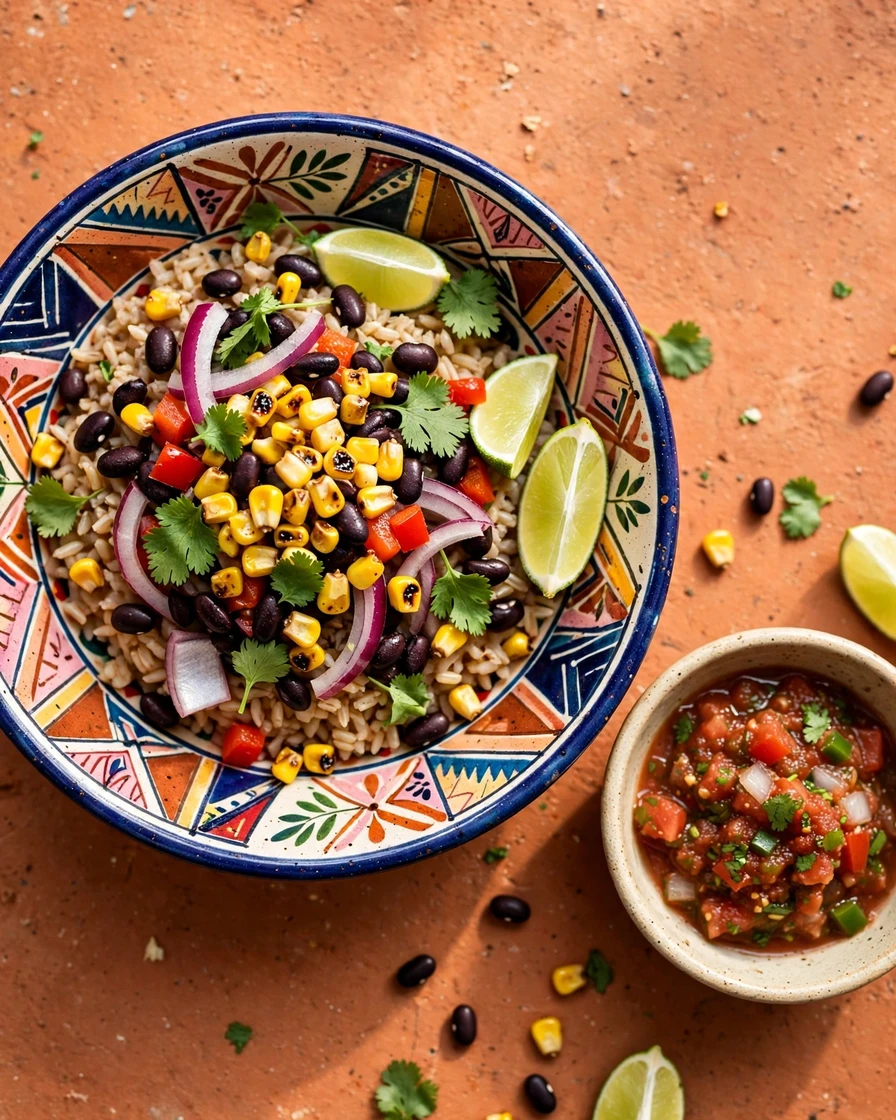
A black bean and corn fiesta bowl is bold, colorful, and happily meat-free. Cook a cup of brown rice until tender, then char corn kernels in a dry hot pan for three to four minutes until a few edges blacken. Build the bowl with the rice, a cup of rinsed black beans, the charred corn, diced red pepper, and thin red onion slices. Scatter fresh cilantro over the top, add lime wedges, and serve with a small bowl of fresh salsa for spooning over each serving.
Black beans add plant protein and fiber that can help this bowl feel hearty without meat, while brown rice adds slow-release energy. Corn brings sweetness, and the lime and salsa keep the flavors bright. This bowl suits family dinners and meat-free Mondays, and it travels well in a lunchbox with the salsa packed separately. Rinse canned beans well to cut the salt, and char the corn in a single layer so it browns instead of steaming. If beans cause bloating for you, start with a smaller portion and increase it slowly over a few weeks.
Quick Tip: Frozen corn chars well too — thaw and pat it dry first so it browns in the pan.
Expert Tips
- Build in layers: Start with the base, add protein, then vegetables, then a sauce or dressing on top. Layers keep textures separate and make the bowl easy to eat.
- Prep the base ahead: Cook rice, quinoa, or roasted vegetables in a batch on the weekend. A ready base turns any bowl into a ten-minute meal.
- Balance the flavors: Every good bowl has something salty, something fresh, and something creamy. A squeeze of citrus or a spoonful of yogurt can lift a flat bowl.
- Keep sauces separate: Dressings and salsas stay fresher in their own container, and they keep greens and grains from going soft before you eat.
- Swap freely: Use whatever protein and vegetables you have. The bowl formula works with almost any combination, so let the fridge decide.
Final Thoughts
Healthy bowl recipes make eating well feel easy, not strict. Thirteen bowls is plenty to start with, and most of them come together in twenty minutes or less from ingredients you already have.
Pick one bowl to try this week, build it your way, and see how it fits your routine. Once you find a favorite, it may become the easiest healthy habit you keep.
Are healthy bowl recipes good for weight loss?
They can be, because bowls make portions easy to see and balance. Fill half the bowl with vegetables, a quarter with protein, and a quarter with a grain or starchy base, and keep dressings light. A bowl built this way can help you feel full without overeating. For personal weight goals, ask a healthcare professional for advice.
Can I meal prep healthy bowl recipes?
Yes, most bowls prep well for three to four days in the fridge. Cook the base and protein ahead, store vegetables and sauces separately, and build each bowl fresh when you eat. Keep avocado, dressings, and crunchy toppings apart until serving so they stay fresh. Raw fish bowls like poke are the exception — eat those the same day.
What is the best base for a healthy bowl?
It depends on the meal and what you enjoy. Rice and quinoa suit hearty dinners, greens suit light lunches, and oats suit breakfast bowls. Cauliflower rice and sweet potato are good swaps when you want fewer grains. Mix bases through the week so you get a range of nutrients and never get bored of the same bowl.
How much protein should a healthy bowl have?
A good target is one palm-sized portion of protein per bowl. That might be a chicken breast, a salmon fillet, a cup of chickpeas, or two eggs. Protein helps the bowl keep you full, so it is worth including at every meal. Ask a healthcare professional about your protein needs if you have kidney problems.
Can kids eat these healthy bowl recipes?
Yes, bowls are great for kids because they can pick their own toppings. Let children build their own bowl from a few safe choices, keep spicy sauces and raw fish off their portions, and cut grapes, cherry tomatoes, and other round foods in half. Bowls also make it easy to try new foods in small amounts without pressure.