Healthy instant pot recipes make busy weeknights feel calmer, because dinner cooks with little hands-on time while you get on with the rest of your evening. A pot of soup, a tray of grains, or a pan of chicken can simmer away under pressure, and the result lands on the table warm and ready to serve.
The thirteen recipes below cover soups, stews, grains, chicken, lentils, beans, salmon, eggs, oats, curry, chili, pasta and vegetables, with plenty of meat-free choices among them. Each one gives simple amounts and clear steps, plus safety notes for pressure cooking, so you can pick a dish and start with confidence tonight.
1. Lentil Soup — A Healthy Instant Pot Recipe
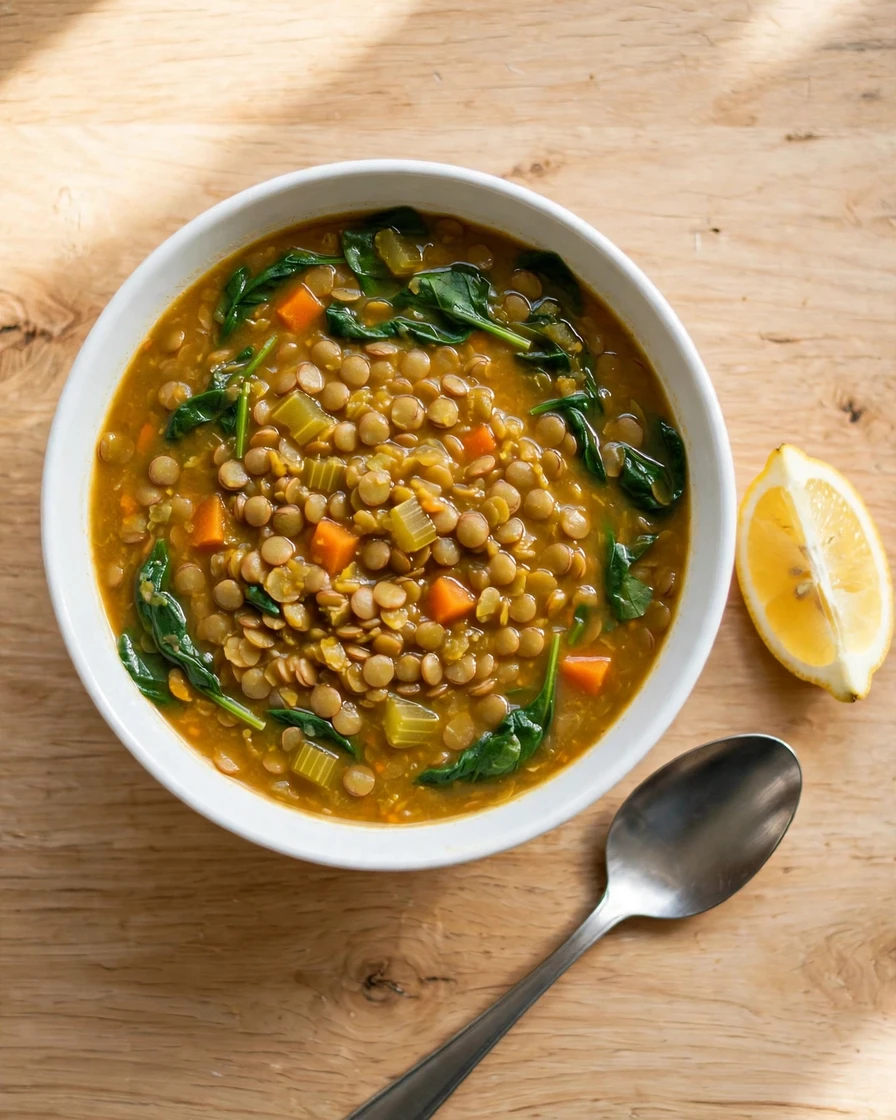
A lentil soup is a gentle way to start with pressure cooking, and it needs no soaking at all. Rinse one cup of brown or green lentils, then add them to the pot with a chopped onion, two carrots, two celery sticks, three garlic cloves, a teaspoon of cumin, and four cups of low-salt vegetable stock. Lock the lid, set the valve to sealing, and cook on high pressure for twelve minutes, then let the pressure drop on its own for ten minutes before you open the valve.
Stir in a handful of spinach and a squeeze of lemon, and taste for salt before you serve. Lentils bring plant protein and fiber that may help you feel full for hours, while the carrots and celery add gentle sweetness and color. This soup suits meat-free Mondays, packed lunches, and cold evenings alike, and it keeps in the fridge for four days. Do not fill the pot past the max line, and never force the lid open while steam is still inside. If lentils cause bloating for you, start with a small bowl and build up slowly.
Quick Tip: Cook a double batch and freeze half in single portions — it thaws fast for a quick lunch.
2. Chicken and Brown Rice Dinner

A chicken and brown rice dinner is a full meal from one pot, with little washing up after. Season four chicken thighs with salt, pepper, garlic powder, and paprika, then brown them on saute for three minutes per side. Lift them out, add one cup of rinsed brown rice, one and a quarter cups of low-salt chicken stock, a chopped onion, and two sliced carrots, then set the chicken on top. Cook on high pressure for twenty-two minutes, then let the pressure drop on its own for ten minutes.
Rest the chicken for five minutes before you slice it, and fluff the rice with a fork. Chicken adds lean protein that can help the meal keep you full, while brown rice brings fiber and slow-release energy. This dinner suits busy families, since the pot does most of the work and the leftovers reheat well for lunch. Cook chicken to a safe internal temperature of 74°C, and check the thickest part with a food thermometer. If you prefer chicken breast, cut the cooking time by a few minutes so it stays moist.
Quick Tip: Add a cup of frozen peas after cooking — the heat of the rice warms them through in a minute.
3. Steel-Cut Oats with Apple and Cinnamon

Steel-cut oats with apple and cinnamon turn a slow breakfast into a hands-off one. Add one cup of steel-cut oats, three cups of water, a pinch of salt, and a teaspoon of cinnamon to the pot, then stir in one diced apple. Cook on high pressure for four minutes, then let the pressure drop on its own for ten minutes before you open the valve. The oats will look loose at first, so stir them and rest the pot for five minutes until they thicken.
Serve with a spoonful of yogurt, a few chopped walnuts, and a drizzle of honey if you like. Oats are rich in soluble fiber, which may help support steady energy through the morning, while apple adds natural sweetness and walnuts bring crunch. This breakfast suits slow mornings and meal prep alike, since a batch keeps in the fridge for four days. Heat single portions with a splash of milk, and keep the pot below the max line, since oats can foam as they cook. If you watch your blood sugar, skip the honey and let the apple do the sweetening.
Quick Tip: Make a big batch on Sunday — portion it into jars for quick weekday breakfasts.
4. Vegetable and Bean Stew
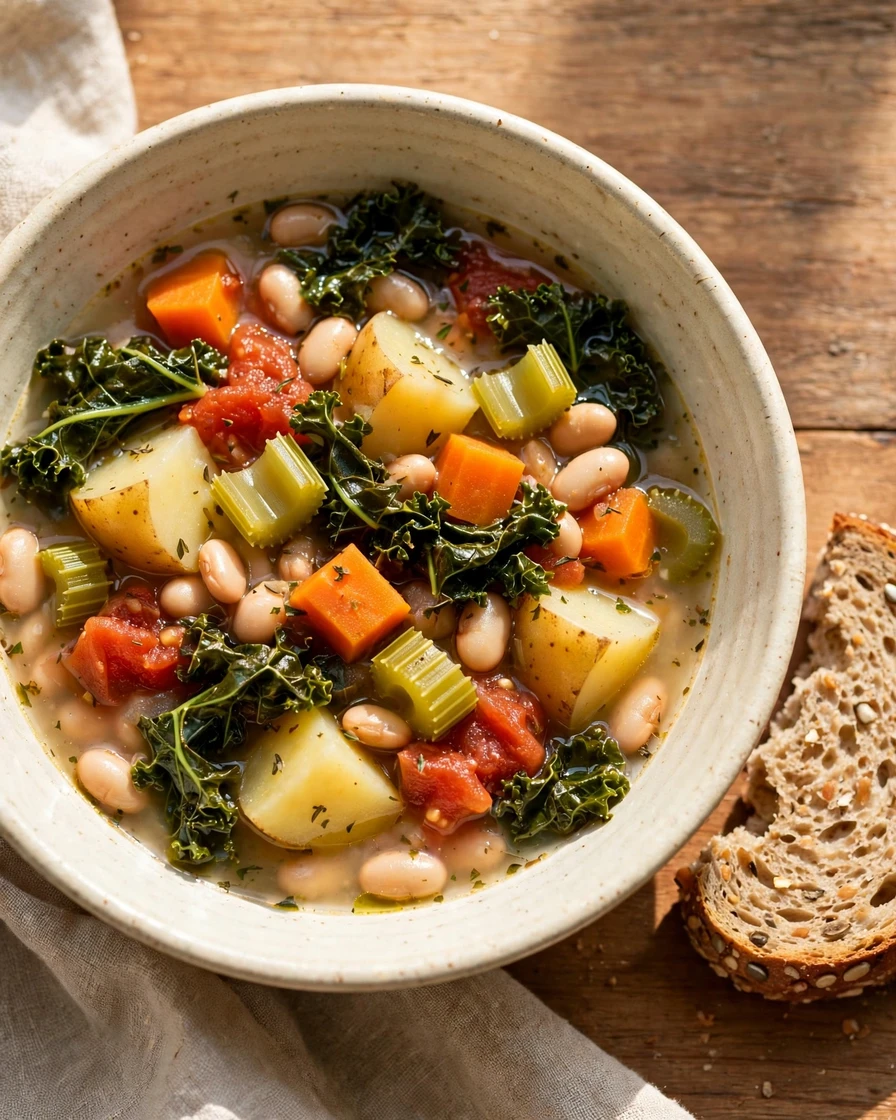
A vegetable and bean stew is a warm, filling bowl that uses up whatever vegetables you have. Add a chopped onion, three carrots, two potatoes, two celery sticks, a can of drained white beans, a can of chopped tomatoes, three garlic cloves, a teaspoon of smoked paprika, and two cups of low-salt vegetable stock to the pot. Cook on high pressure for eight minutes, then let the pressure drop on its own for five minutes before you open the valve.
Stir in a handful of chopped kale and let it wilt in the heat for two minutes. Beans bring plant protein and fiber that may help the stew feel hearty without meat, while the potatoes add comfort and the tomatoes keep the flavors bright. This stew suits meat-free evenings, packed lunches, and cold days, and it tastes even better the next day. Do not fill the pot past the max line, and let the steam out fully before you lift the lid. If beans cause bloating for you, start with a smaller portion and increase it slowly over a few weeks.
Quick Tip: Serve with a slice of wholegrain bread — it is made for soaking up the sauce.
5. Salmon with Lemon and Dill — A Healthy Instant Pot Recipe
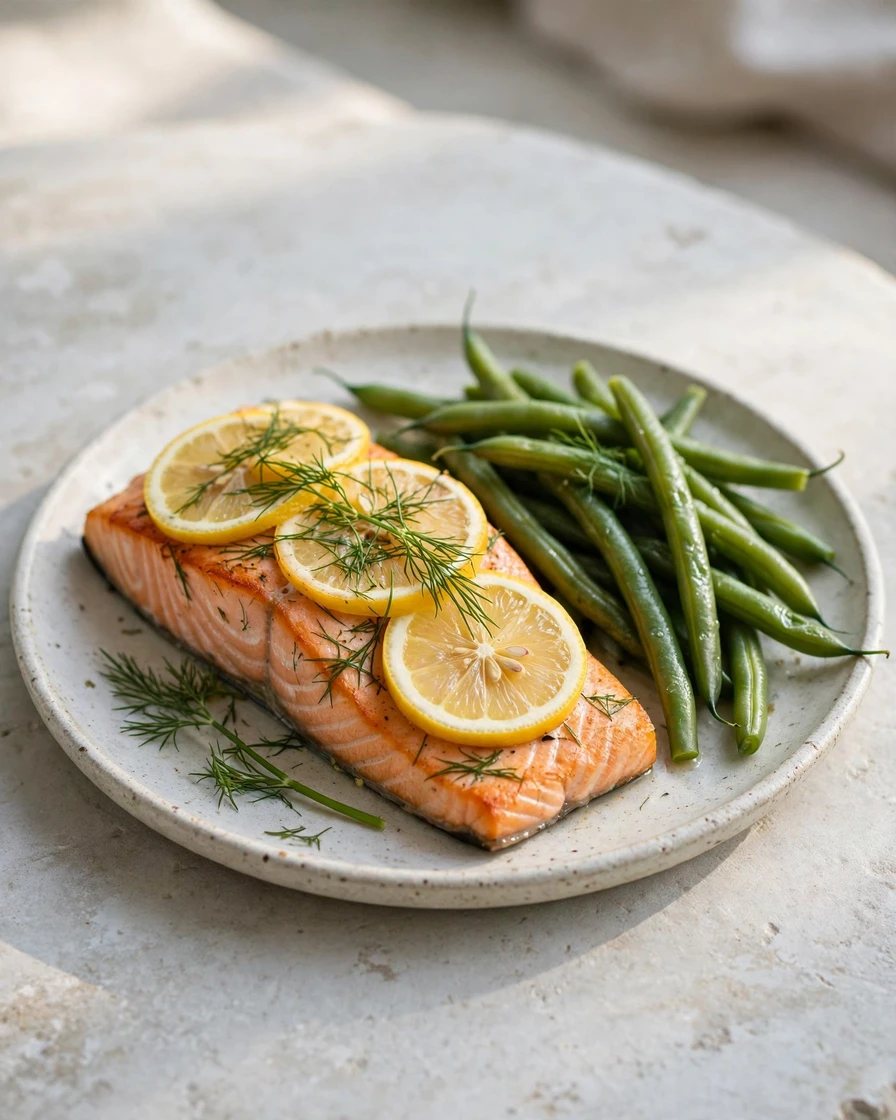
Salmon with lemon and dill cooks fast in the pot, and it stays moist if you do not overcook it. Pour one cup of water into the pot, set the trivet inside, and lay four salmon fillets on the trivet, skin side down. Top each fillet with a lemon slice, a pinch of salt and pepper, and a little fresh dill, then cook on high pressure for three minutes. Use a quick pressure release, and lift the lid away from your face when the steam stops.
Serve with steamed green beans or a simple salad, and squeeze the cooked lemon over the fish. Salmon is rich in omega-3 fats and protein, which may help support heart health, while lemon and dill keep the flavor fresh without a heavy sauce. This dish suits light dinners and warm evenings, when you want something good on the table in minutes. Cook fish to a safe internal temperature of 63°C, and check that the flesh flakes easily with a fork. If you are pregnant or have a weakened immune system, ask a healthcare professional about fish portions.
Quick Tip: Line the trivet with a piece of foil — it stops the skin from sticking and makes cleanup easy.
6. Egg Bites with Spinach and Feta
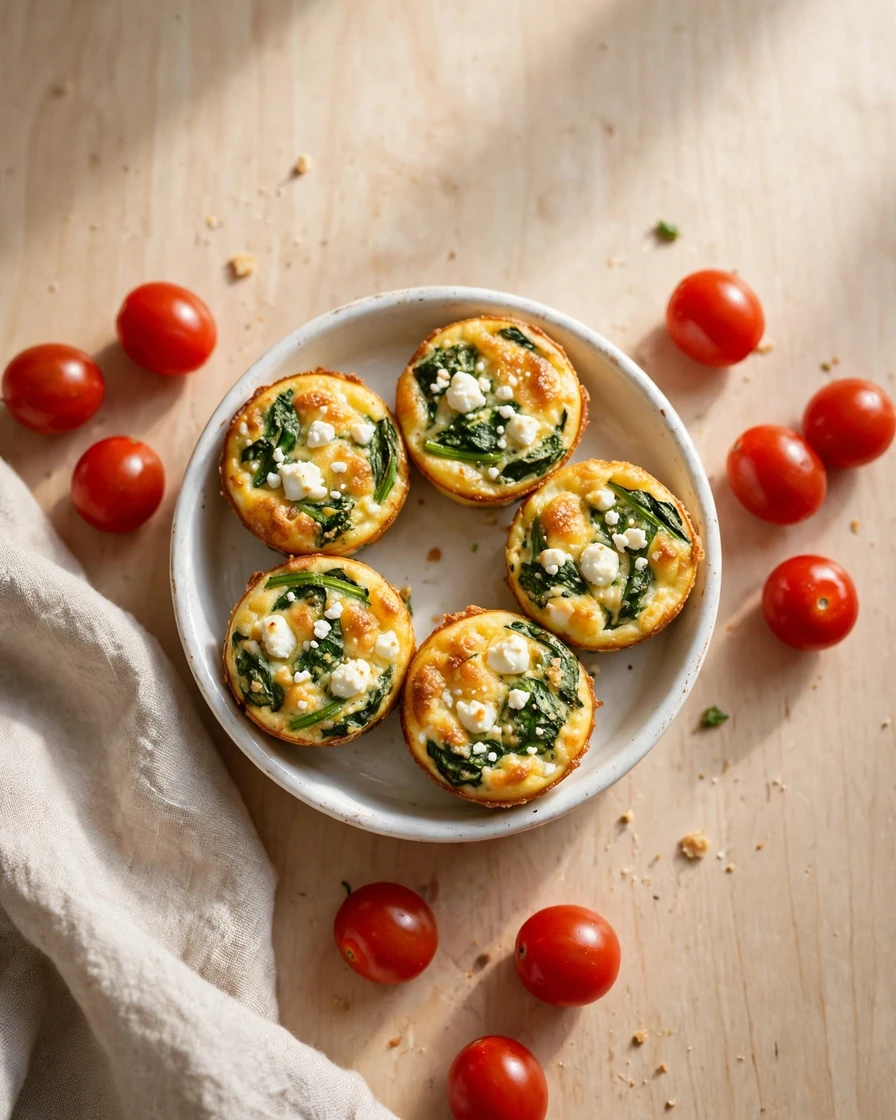
Egg bites with spinach and feta are a protein-rich breakfast you can grab and go. Whisk six eggs with a quarter cup of milk, a pinch of salt, and a little black pepper, then stir in a cup of chopped spinach and a third of a cup of crumbled feta. Pour the mix into silicone egg bite molds, cover them loosely with foil, and set them on the trivet over one cup of water. Cook on high pressure for eight minutes, then let the pressure drop on its own for five minutes.
Let the bites cool for a few minutes before you turn them out of the molds. Eggs add high-quality protein that may help you feel full well into the morning, while spinach brings color and feta adds a salty bite. These bites suit busy weekday mornings, packed lunches, and snacks alike, and they keep in the fridge for four days. Cook eggs until they are set right through, and reheat them until they are hot all the way to the center. If dairy does not suit you, use a dairy-free crumble or skip the feta and add chopped peppers instead.
Quick Tip: Make a double batch on Sunday — the extras reheat in the microwave in under a minute.
7. Chickpea Curry with Coconut Milk

Chickpea curry with coconut milk is creamy, spiced, and kind to a busy evening. Heat a spoonful of oil on saute, then cook a chopped onion, three garlic cloves, and a spoonful of grated ginger for three minutes. Stir in two teaspoons of curry powder, a can of drained chickpeas, a can of chopped tomatoes, and half a cup of coconut milk, then cook on high pressure for ten minutes. Let the pressure drop on its own for five minutes, then stir in a handful of spinach.
Serve over brown rice or with warm flatbread, and add a squeeze of lime at the table. Chickpeas bring plant protein and fiber that may help the curry feel filling, while coconut milk adds creaminess and the spices bring warmth without heat. This curry suits meat-free dinners and batch cooking, since it keeps in the fridge for four days and freezes well. Do not fill the pot past the max line, and let the steam out fully before you lift the lid. If spicy food bothers your stomach, use a mild curry powder and skip any chili.
Quick Tip: Use light coconut milk if you want a lighter sauce — the flavor stays rich and the dish feels less heavy.
8. Instant Pot Lentil and Bean Chili

Instant pot lentil and bean chili is a hearty bowl with no meat and plenty of flavor. Heat a spoonful of oil on saute, then cook a chopped onion, a diced pepper, and three garlic cloves for three minutes. Add a cup of rinsed red lentils, a can of drained kidney beans, a can of chopped tomatoes, two cups of low-salt vegetable stock, and two teaspoons of chili powder. Cook on high pressure for twelve minutes, then let the pressure drop on its own for ten minutes.
Stir the chili well and taste for salt, then serve with a spoonful of yogurt and a lime wedge. Lentils and beans bring plant protein and fiber that may help the chili keep you full for hours, while tomatoes and peppers add color and gentle sweetness. This chili suits family dinners, game nights, and batch cooking, since it freezes well for up to three months. Do not fill the pot past the max line, and never force the lid open while steam is still inside. If you like more heat, add chili flakes at the table rather than in the pot.
Quick Tip: Make it the day before — the flavors deepen overnight and the chili tastes even better reheated.
9. Turkey and Sweet Potato Soup
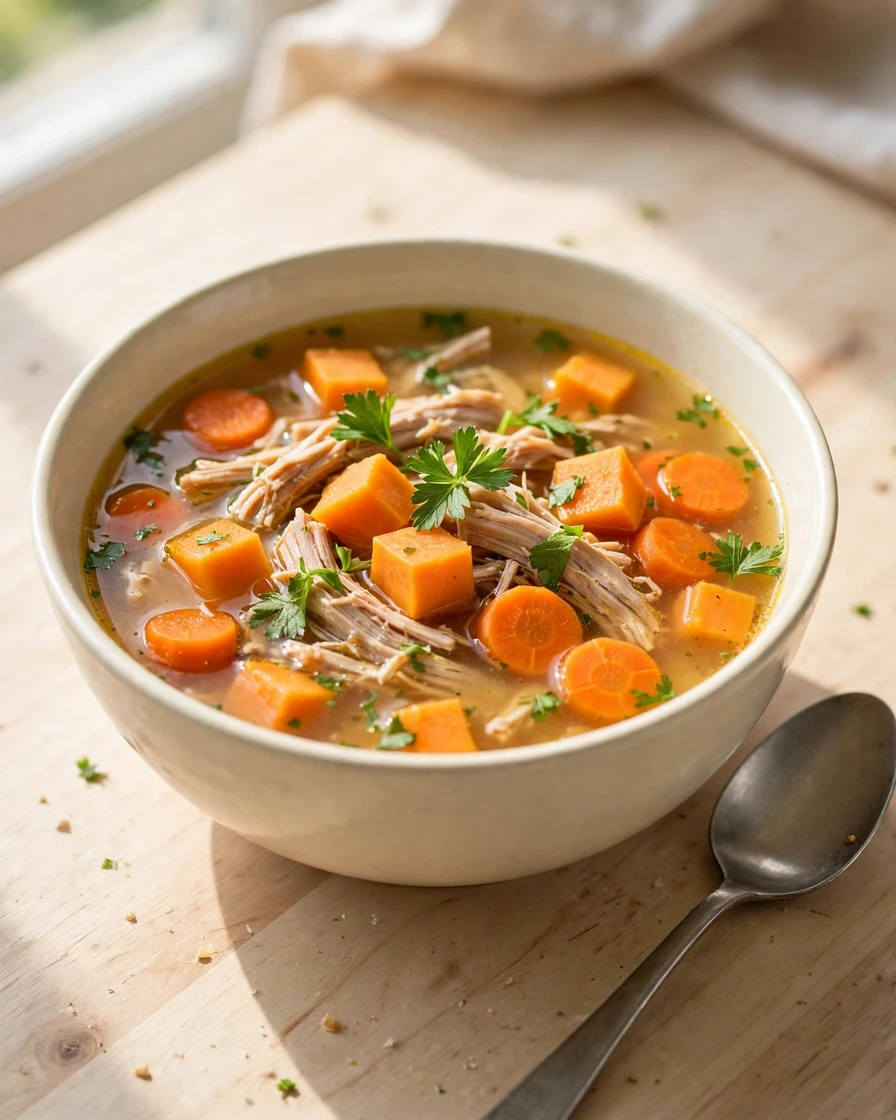
Turkey and sweet potato soup is a light, warming bowl that works well with leftover turkey too. Add a chopped onion, two carrots, two celery sticks, two cups of cubed sweet potato, two cups of cooked shredded turkey, three garlic cloves, a teaspoon of dried thyme, and four cups of low-salt chicken stock to the pot. Cook on high pressure for ten minutes, then let the pressure drop on its own for ten minutes before you open the valve.
Stir the soup gently and taste for salt, then serve with a sprinkle of fresh parsley. Turkey adds lean protein, while sweet potato brings fiber and natural sweetness, along with beta-carotene that your body can turn into vitamin A. This soup suits cold evenings, packed lunches, and days after a roast, when leftover turkey needs a new home. Cook fresh turkey to a safe internal temperature of 74°C, and reheat leftover soup until it is steaming hot all the way through. If you use raw turkey, cut it small so it cooks evenly in the pot.
Quick Tip: Freeze leftover turkey in portions — it drops straight into this soup from frozen with a few extra minutes.
10. Whole Wheat Pasta with Tomato and Basil
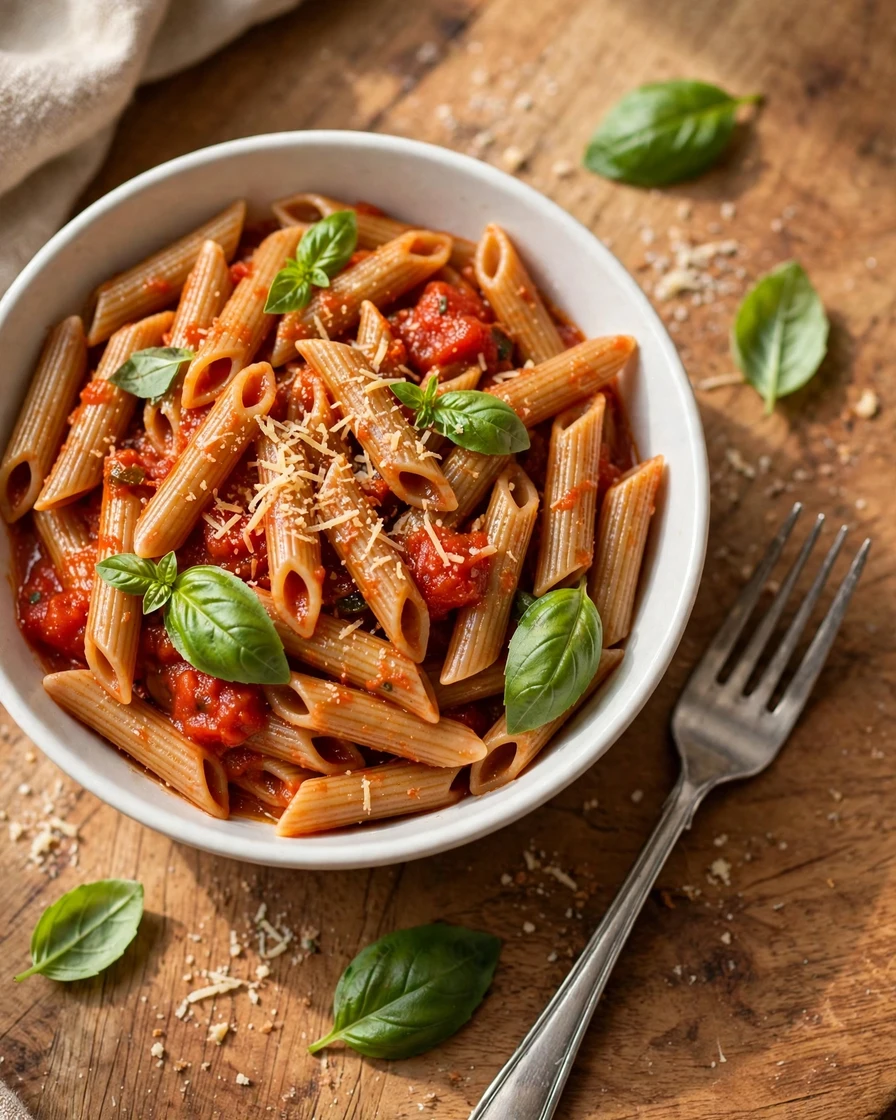
Whole wheat pasta with tomato and basil is a quick dinner that cooks in one pot, sauce and all. Add two cups of whole wheat penne, a can of chopped tomatoes, two cups of water, three garlic cloves, a teaspoon of dried oregano, and a pinch of salt to the pot, and stir so the pasta sits under the liquid. Cook on high pressure for four minutes, then use a quick pressure release and stir the pasta well. Let it rest for two minutes so the sauce thickens around the pasta.
Top with fresh basil and grated parmesan, and serve straight away. Whole wheat pasta brings fiber that may help you feel full for longer, while tomatoes bring a rich flavor that needs little seasoning. This pasta suits quick weeknight dinners and family meals, since it comes together in about fifteen minutes with one pot to wash. Do not fill the pot past the max line, and open the valve with care, since starchy pasta can spit a little steam. If you need a gluten-free version, use gluten-free pasta and check the cooking time on the pack.
Quick Tip: Stir in a handful of baby spinach after cooking — it wilts in the heat and adds color with no extra pot.
11. Quinoa and Black Bean Pilaf
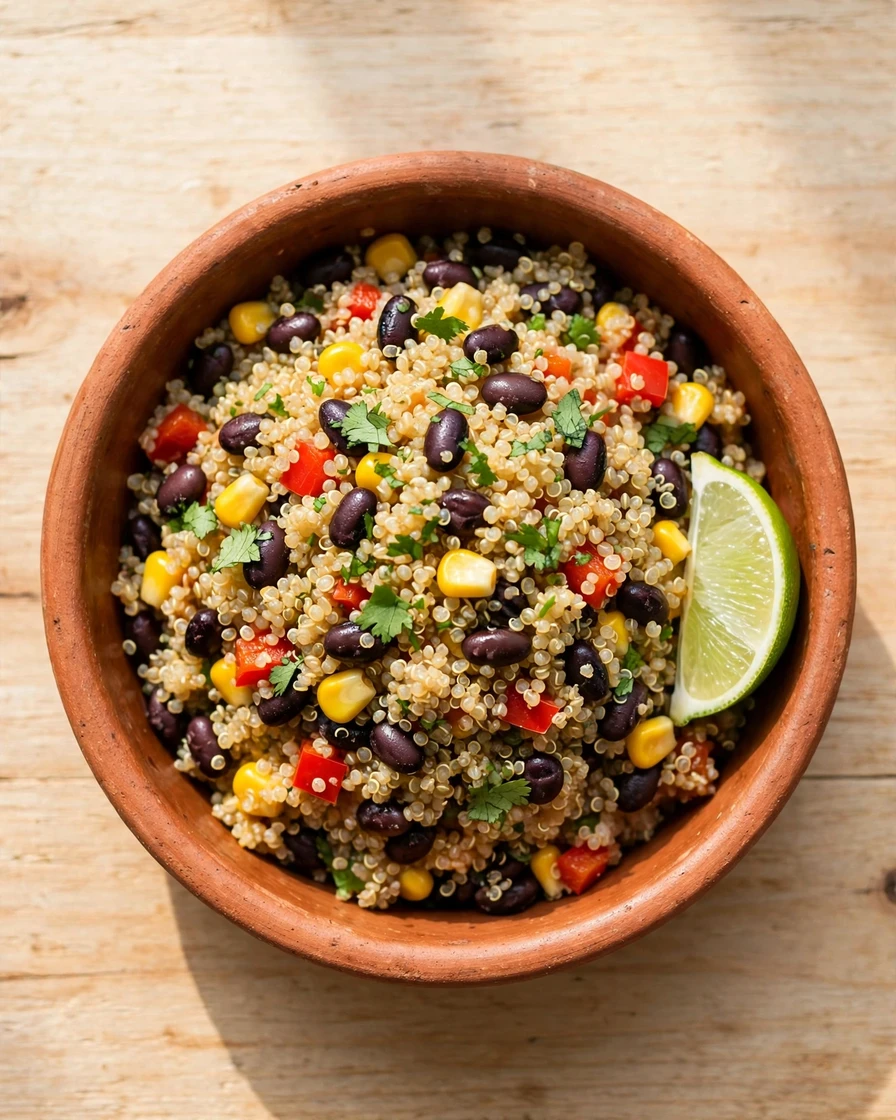
Quinoa and black bean pilaf is a simple grain dish with a mild, nutty flavor. Rinse one cup of quinoa well, then add it to the pot with one and a quarter cups of water, a can of drained black beans, a cup of frozen corn, a diced pepper, a teaspoon of cumin, and a pinch of salt. Cook on high pressure for one minute, then let the pressure drop on its own for ten minutes before you open the valve. Fluff with a fork, then stir in lime juice and chopped cilantro.
Serve warm as a main dish or a side. Quinoa brings complete protein and fiber, while black beans add plant protein that may help the pilaf keep you full. Corn and pepper add sweetness and crunch, and the lime keeps every bite fresh. This pilaf suits packed lunches, since it tastes good at room temperature and holds up in the fridge for three days. Rinse canned beans to cut the salt, and rinse quinoa first so it does not taste bitter. If beans cause bloating for you, start with a smaller portion and build up slowly.
Quick Tip: Toast the quinoa in the pot on saute for a minute first — it brings out a warm, nutty flavor.
12. Beef and Barley Stew
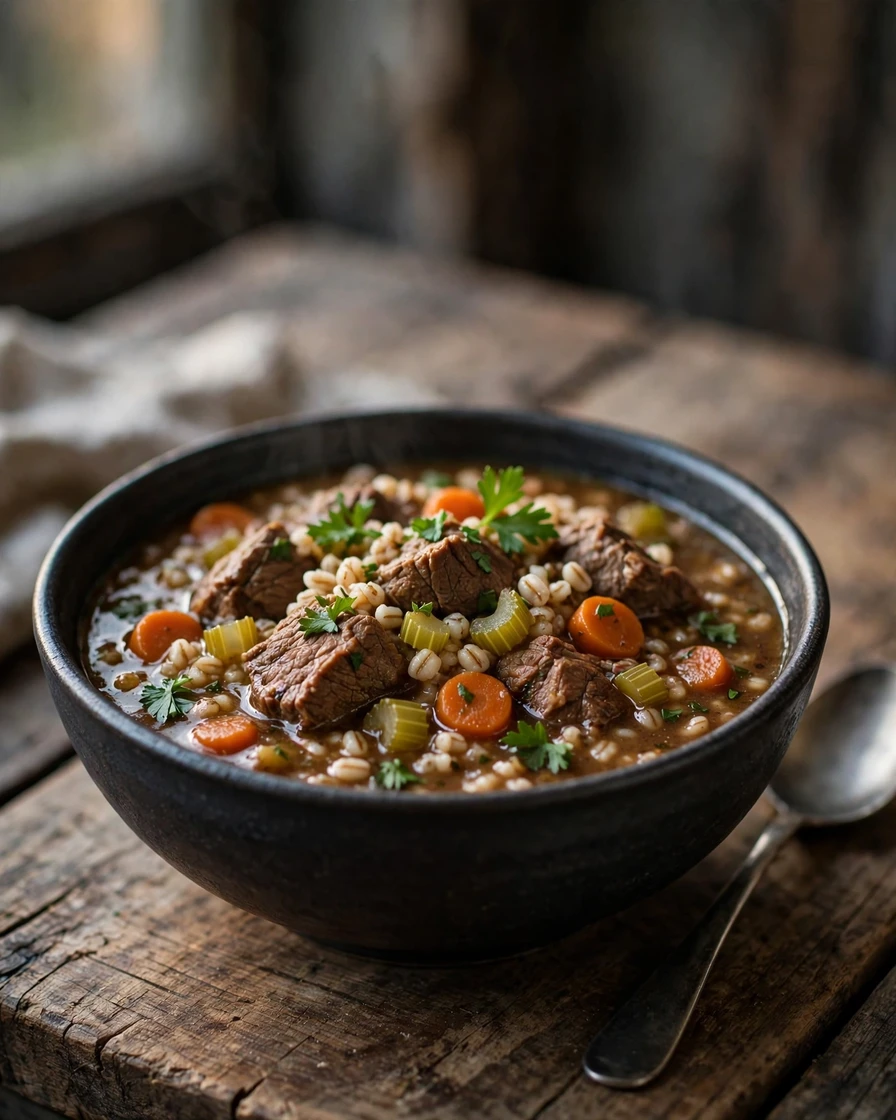
Beef and barley stew is a rich, warming dinner that the pot makes tender in under an hour. Cut lean beef into chunks, season with salt and pepper, and brown it on saute for four minutes, working in batches so the pan stays hot. Add a chopped onion, three carrots, two celery sticks, three garlic cloves, three quarters of a cup of pearl barley, a spoonful of tomato paste, and four cups of low-salt beef stock. Cook on high pressure for twenty-five minutes, then let the pressure drop on its own for ten minutes.
Stir the stew and taste for salt, then serve with a sprinkle of fresh parsley. Beef adds protein and iron, while barley brings fiber and a chewy texture that may help the stew feel filling. This stew suits cold evenings and slow Sundays, and it keeps in the fridge for three days. Cook beef to a safe internal temperature of 63°C for a medium finish, and let the stew rest for a few minutes before you serve it. Do not fill the pot past the max line, and never force the lid open while steam is still inside.
Quick Tip: Brown the beef well — those browned edges are where most of the stew flavor comes from.
13. Broccoli and Cauliflower with Garlic
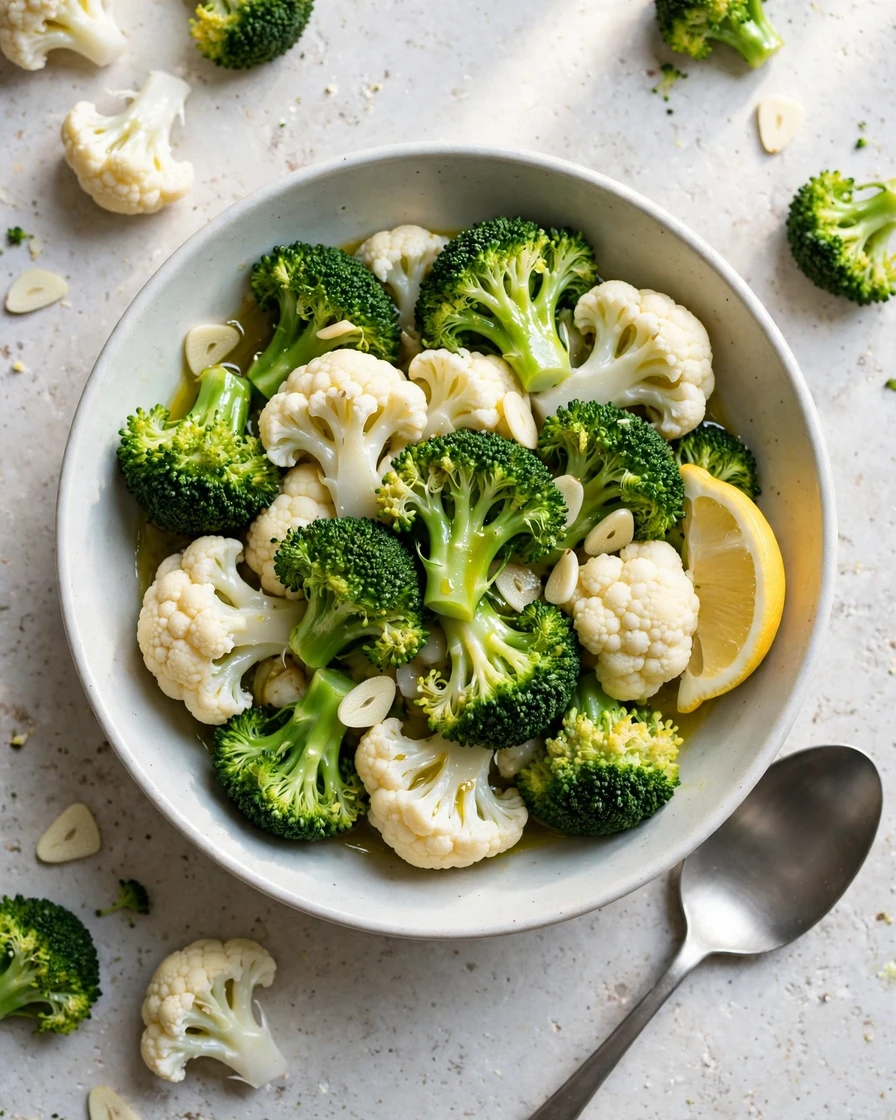
Broccoli and cauliflower with garlic is a quick side dish that stays bright and firm in the pot. Pour one cup of water into the pot, set the steamer basket inside, and add three cups of broccoli florets and three cups of cauliflower florets. Scatter over three sliced garlic cloves and a pinch of salt, then cook on high pressure for one minute. Use a quick pressure release straight away, so the vegetables do not go soft, and lift the lid away from your face when the steam stops.
Toss with olive oil, lemon juice, and cracked pepper before serving. Broccoli and cauliflower bring fiber and a range of vitamins, which may help support a balanced plate, while garlic and lemon add flavor without a heavy sauce. This side suits almost any dinner, from roast chicken to fish, and it takes about ten minutes from start to finish. Do not overcook the vegetables, since one extra minute can turn them soft, and serve them straight away for the best texture. If you like a little heat, add a pinch of chili flakes at the table.
Quick Tip: Cut the florets to a similar size — even pieces cook evenly and none of them turn soft first.
Expert Tips
- Let pressure drop on its own for soups and beans: Natural release keeps liquid inside the pot and stops hot soup from spitting through the valve.
- Brown meat first on saute: A few minutes of browning builds flavor that pressure cooking alone cannot make, so do not skip this step for stews.
- Keep the pot below the max line: Soups, beans, grains, and oats can foam and rise as they cook, so leave room and never fill past the line.
- Use quick release for fish and vegetables: Salmon, pasta, broccoli, and cauliflower go soft fast, so open the valve as soon as the timer ends.
- Check temperatures with a thermometer: Chicken should reach 74°C and fish 63°C at the thickest part, since times can vary with the size of the pieces.
Final Thoughts
Healthy instant pot recipes make good food feel easy on a busy night. Thirteen dishes is plenty to start with, and most of them need little more than a chop, a stir, and a press of a button.
Pick one recipe to try this week, follow the safety notes, and see how it fits your routine. Once you find a favorite, it may become the easiest healthy habit you keep.
Are healthy instant pot recipes good for beginners?
Yes, they are a good place to start, because the pot controls the heat and time for you. Follow the recipe amounts, lock the lid properly, and let the steam out fully before you open it. Start with a soup or a grain dish, then try meat and fish once you feel sure of the steps.
Is it safe to cook chicken in an Instant Pot?
Yes, it is safe when you follow the steps and check the temperature. Cook chicken to a safe internal temperature of 74°C at the thickest part, let the pressure drop as the recipe says, and never force the lid open. If you are unsure about a step, ask a healthcare professional or check the manual for your model.
Can I cook frozen meat in an Instant Pot?
Yes, you can cook some frozen meat in the pot, but it takes longer than fresh meat. Add extra cooking time, skip the browning step, and always check the center with a food thermometer. Frozen chicken and beef work best in soups and stews, where the liquid helps them cook evenly through.
How do I stop food from sticking in an Instant Pot?
Use a little oil on saute first, add enough liquid, and stir well before you lock the lid. Foods with starch, like rice and pasta, stick more, so rinse grains first and do not overcook them. A quick soak in warm soapy water after cooking lifts most stuck bits with ease.
Can I meal prep healthy instant pot recipes?
Yes, most of these recipes prep well for three to four days in the fridge. Cook the dish, cool it quickly, and store it in sealed containers, then reheat single portions until they are hot all the way through. Soups, stews, chili, and curry freeze well too, so make a double batch when you have time.