Fiber is one of the most important parts of a healthy eating pattern, yet many people do not get enough of it in their everyday meals. Unlike carbohydrates, fats, and proteins, dietary fiber is not fully broken down by the digestive system. Instead, it moves through the body and plays an important role in supporting normal digestion, helping you feel satisfied after meals, and contributing to overall nutritional balance.
The good news is that adding more high fiber foods to your diet does not require complicated meal plans or expensive ingredients. Simple foods like beans, oats, berries, vegetables, seeds, and whole grains can naturally increase your fiber intake while also providing vitamins, minerals, and plant-based nutrients.
A fiber-rich diet can be helpful for people looking to build healthier eating habits, manage hunger between meals, or create more balanced plates. However, increasing fiber gradually is important because a sudden increase may cause digestive discomfort for some people. Drinking enough fluids and introducing new fiber sources slowly can help your body adjust.
In this guide, we will explore some of the best high fiber foods, how they can fit into everyday meals, who may benefit from them, and practical ways to enjoy them without making your diet feel restrictive.
1. Chia Seeds: A Small Food With Powerful Fiber Content
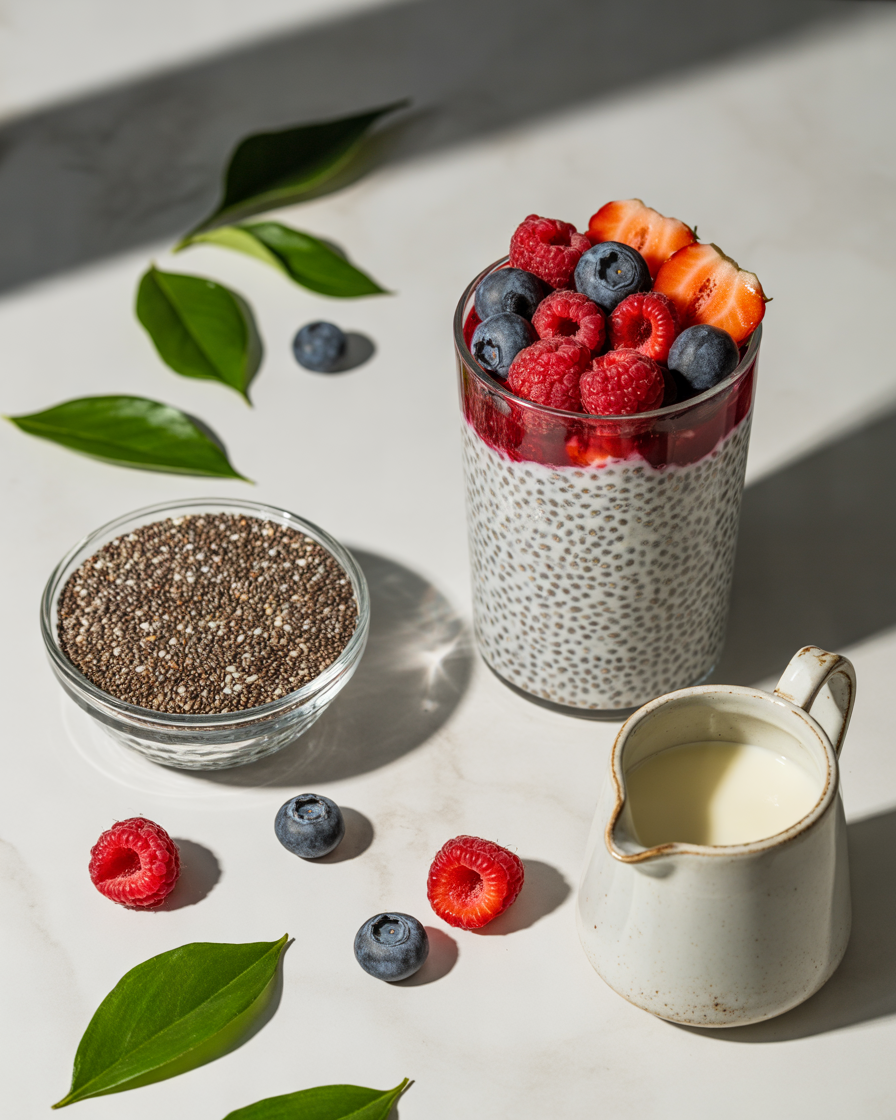
Chia seeds are tiny nutrient-dense seeds that have become popular as one of the easiest high fiber foods to add to modern diets. Despite their small size, they contain a significant amount of dietary fiber along with healthy fats, minerals, and plant-based protein.
When chia seeds are mixed with liquid, they absorb water and develop a gel-like texture. This unique property makes them useful in foods like overnight oats, smoothies, and homemade puddings.
Benefits of Chia Seeds
Chia seeds provide both soluble and insoluble fiber. Soluble fiber absorbs water and forms a gel-like substance, while insoluble fiber adds bulk to food moving through the digestive system.
Including chia seeds in meals may help:
- Support regular digestive habits
- Increase meal satisfaction
- Add plant-based nutrients to the diet
- Improve the overall fiber content of meals
- Provide a convenient option for people with busy lifestyles
Chia seeds also contain omega-3 fatty acids, calcium, magnesium, and other nutrients that contribute to a balanced diet.
Practical Tips for Using Chia Seeds
Many people find chia seeds easier to consume when they are soaked. Dry chia seeds can absorb liquid after eating, so pairing them with enough fluids is a good practice.
Easy ways to use chia seeds include:
- Adding one or two tablespoons to smoothies
- Mixing them into yogurt
- Creating overnight chia pudding
- Sprinkling them over oatmeal or cereal
- Adding them to homemade energy bites
How to Apply Chia Seeds in Daily Meals
A simple breakfast idea is combining chia seeds with milk or a plant-based alternative, adding fruit, and leaving the mixture overnight. The next morning, you have a fiber-rich breakfast that requires almost no preparation.
They can also be blended into smoothies with berries, spinach, and yogurt for a nutrient-packed drink.
Who May Benefit From Chia Seeds?
Chia seeds may suit:
- People who want easy ways to increase fiber intake
- Individuals following plant-based diets
- Busy professionals looking for quick meal additions
- People trying to create more balanced breakfasts
Important Considerations
Start with a small amount if you are not used to eating high fiber foods. Increasing fiber too quickly may cause bloating or gas.
People with swallowing difficulties should avoid consuming large amounts of dry chia seeds because they expand when exposed to liquid. Soaking them before eating is often a better approach.
2. Lentils: A Budget-Friendly High Fiber Food Packed With Nutrition
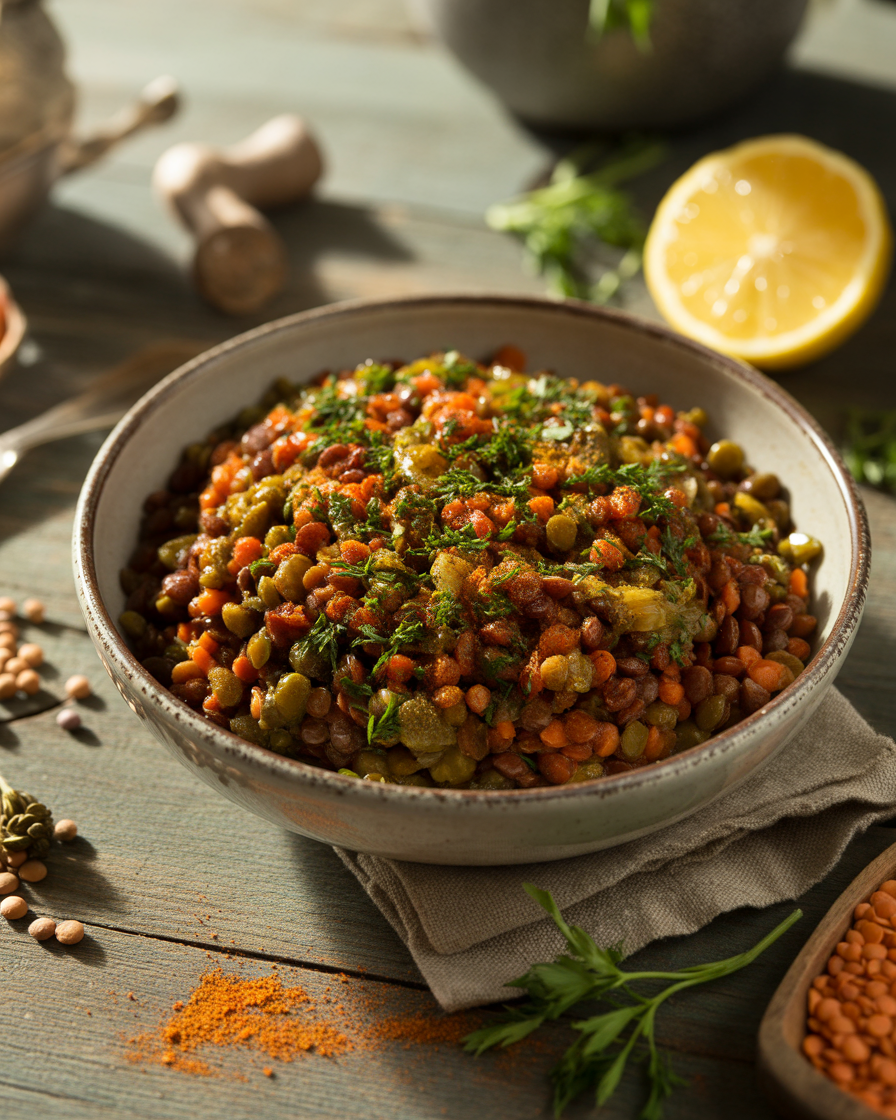
Lentils are one of the most affordable and versatile high fiber foods available. They are widely used around the world and can easily be added to soups, salads, curries, and plant-based meals.
These small legumes provide a combination of fiber, plant-based protein, vitamins, and minerals, making them a valuable ingredient for people who want nutritious meals without relying on expensive foods.
Benefits of Lentils
Lentils contain both soluble and insoluble fiber, which makes them a useful addition to a balanced diet.
Adding lentils to meals can help:
- Increase daily fiber intake
- Create more filling meals
- Provide plant-based protein
- Support balanced nutrition
- Add variety to everyday cooking
Because lentils contain protein and fiber together, they can help meals feel more satisfying compared with lower-fiber options.
Practical Tips for Cooking Lentils
Lentils are easy to prepare compared with many other legumes because most varieties do not require long soaking.
Helpful tips include:
- Rinse lentils before cooking
- Add spices and herbs for better flavor
- Cook a large batch and store portions for later
- Combine lentils with vegetables for a complete meal
Different types of lentils, such as red, green, brown, and black lentils, offer slightly different textures and flavors.
How to Use Lentils in Everyday Meals
Some simple ideas include:
- Lentil soup with vegetables
- Lentil curry served with whole grains
- Lentil salad with fresh vegetables
- Lentil-based pasta sauces
- Adding cooked lentils to wraps or bowls
For example, replacing part of the meat in a recipe with lentils can increase fiber while keeping the meal satisfying.
Who May Benefit From Lentils?
Lentils may be suitable for:
- People wanting affordable nutritious foods
- Vegetarians and vegans looking for plant protein sources
- Families preparing healthy meals on a budget
- Anyone trying to include more whole foods
Important Considerations
Some people experience gas or bloating when they first add legumes to their diet. Increasing portions slowly and drinking enough water may help.
People with specific digestive conditions should discuss major dietary changes with a healthcare professional.
3. Oats: A Simple Breakfast Choice Rich in Soluble Fiber
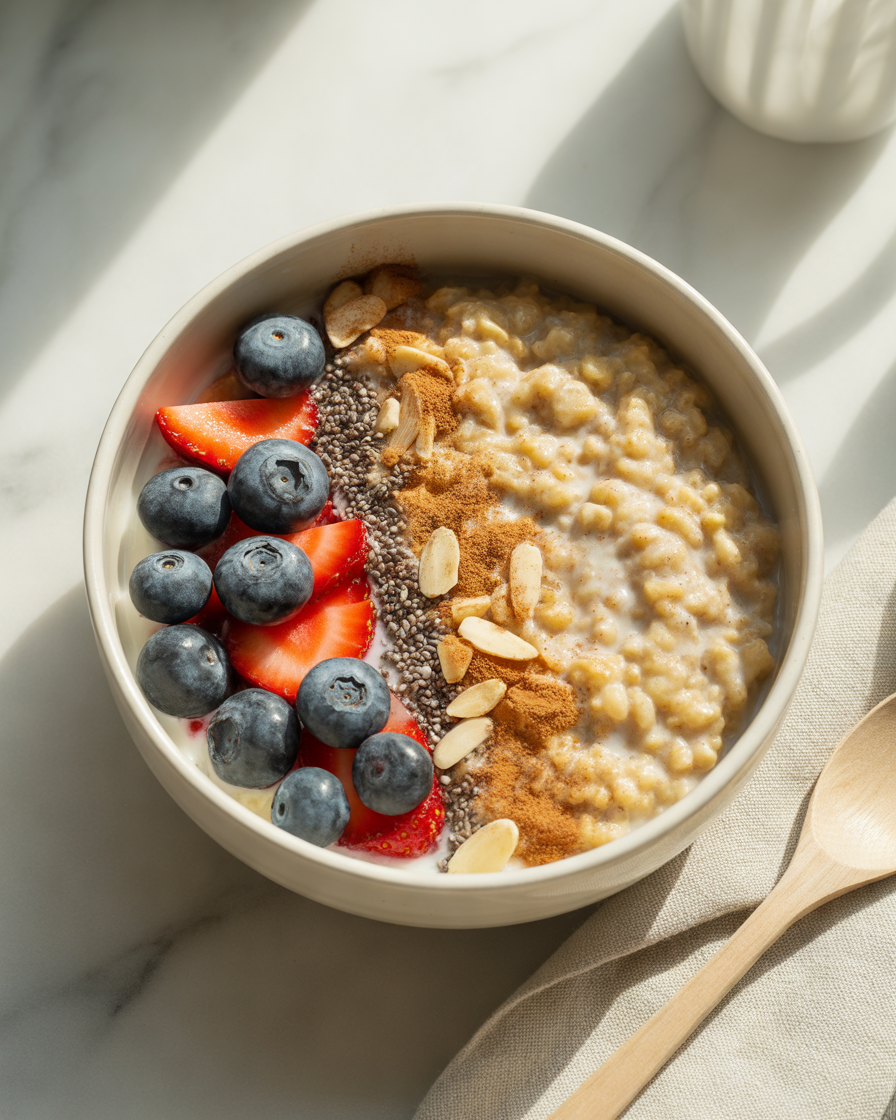
Oats are among the most popular high fiber foods because they are affordable, easy to prepare, and suitable for many different meal styles. They contain a special type of soluble fiber called beta-glucan, which is naturally found in oats.
From traditional oatmeal to overnight oats and baked recipes, oats can be used in many ways beyond a basic breakfast bowl.
Benefits of Oats
Oats provide fiber along with important nutrients such as manganese, phosphorus, magnesium, and plant-based compounds.
Including oats regularly may help:
- Increase fiber intake in a convenient way
- Create satisfying breakfast options
- Support balanced meal choices
- Replace lower-fiber refined breakfast foods
The soluble fiber in oats has been studied for its role in supporting healthy dietary patterns.
Practical Tips for Eating More Oats
To make oats more nutritious:
- Add fresh berries for extra fiber
- Mix in nuts or seeds
- Choose plain oats instead of heavily sweetened varieties
- Combine oats with protein sources like yogurt or milk
Avoid relying only on flavored instant oat products because some may contain added sugars.
How to Use Oats in Your Diet
Easy options include:
- Overnight oats with fruit and seeds
- Warm oatmeal with cinnamon
- Homemade oat bars
- Oat-based smoothies
- Using ground oats in baking recipes
A simple overnight oats recipe can include oats, milk, chia seeds, berries, and yogurt prepared the night before.
Who May Benefit From Oats?
Oats can be useful for:
- People looking for quick breakfasts
- Students and professionals with busy schedules
- Families wanting affordable whole grains
- Individuals trying to replace refined grains
Important Considerations
Choose oats according to your preference and dietary needs. People with gluten-related conditions should select oats that are specifically labeled gluten-free because regular oats may be processed in facilities that handle gluten-containing grains.
4. Black Beans: A Fiber-Rich Plant Food for Balanced Meals
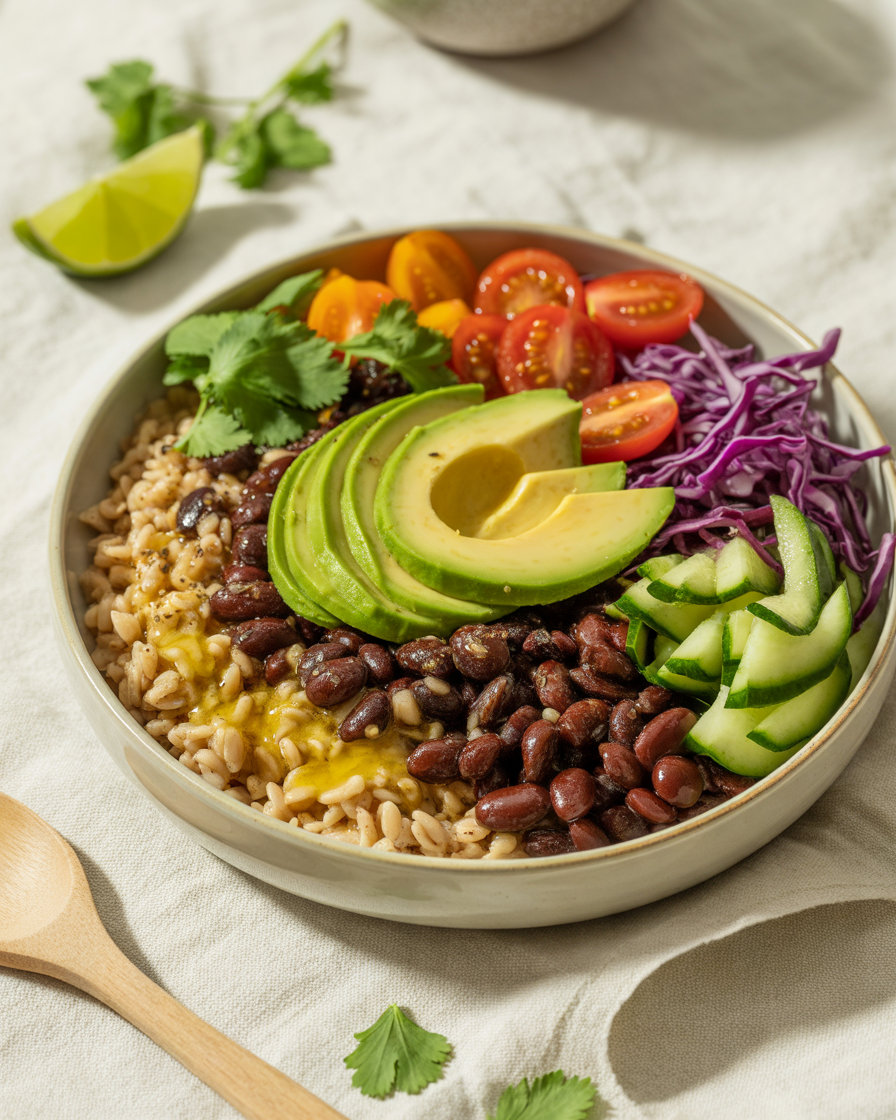
Black beans are another excellent example of high fiber foods that combine nutrition, affordability, and versatility. Common in many cuisines, black beans can be used in everything from salads and soups to wraps and rice dishes.
They provide a combination of fiber and plant-based protein, making them a popular choice for people building healthier meals.
Benefits of Black Beans
Black beans contain substantial dietary fiber along with nutrients such as iron, magnesium, potassium, and folate.
Adding black beans to meals may help:
- Increase fiber consumption
- Make meals more satisfying
- Add plant-based protein
- Improve meal variety
- Support a balanced eating pattern
Their rich texture also makes them a useful replacement or addition to many recipes.
Practical Tips for Using Black Beans
For convenience:
- Use canned beans with low sodium when needed
- Rinse canned beans before eating
- Cook dried beans in batches
- Add spices such as cumin, garlic, and paprika for flavor
How to Include Black Beans in Meals
Try adding black beans to:
- Burrito bowls
- Vegetable soups
- Salads
- Whole-grain wraps
- Rice dishes
- Homemade bean spreads
A simple meal idea is combining black beans with brown rice, vegetables, salsa, and avocado for a balanced fiber-rich bowl.
Who May Benefit From Black Beans?
Black beans may suit:
- People following vegetarian diets
- Individuals wanting affordable protein options
- Families looking for nutritious meal ingredients
- Anyone trying to increase fiber naturally
Important Considerations
If canned beans are used frequently, checking sodium content can be helpful. People who are not used to legumes should introduce them gradually to allow digestion to adjust.
5. Avocado: A Creamy High Fiber Food Full of Healthy Nutrients
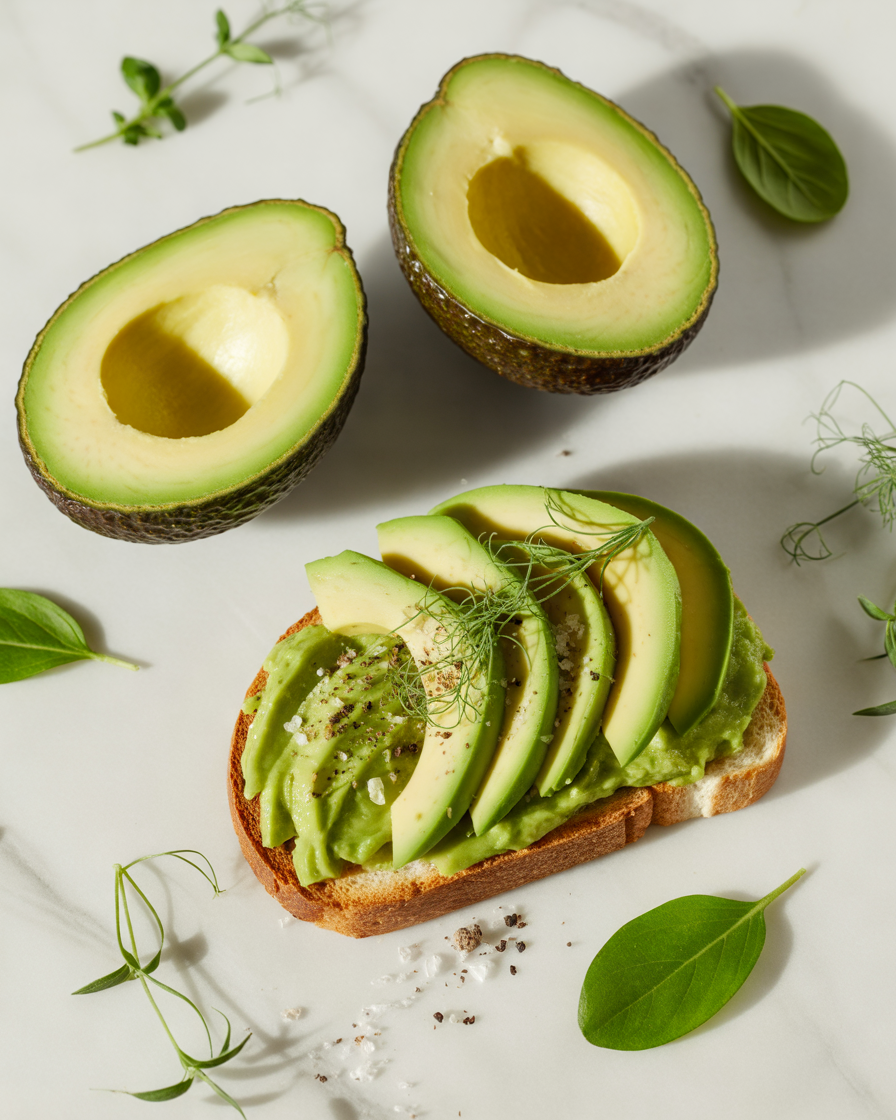
Avocado is often recognized for its creamy texture and healthy fat content, but it is also an excellent source of dietary fiber. Unlike many fruits that are mainly known for natural sugars, avocados provide a combination of fiber, healthy fats, vitamins, and minerals.
This versatile fruit can easily fit into different eating styles and can make meals more satisfying when combined with other nutrient-rich foods.
Benefits of Avocado
Avocados contain both soluble and insoluble fiber, which contributes to their role as one of the most useful high fiber foods for everyday meals.
Adding avocado to your diet may help:
- Increase daily fiber intake
- Make meals more satisfying
- Provide heart-friendly unsaturated fats
- Add important nutrients like potassium and folate
- Improve the texture and flavor of healthy meals
The healthy fats in avocado also help the body absorb fat-soluble nutrients from foods like vegetables.
Practical Tips for Eating Avocado
Many people only use avocado for toast, but there are many other options:
- Add sliced avocado to salads
- Blend it into smoothies for creaminess
- Use mashed avocado as a sandwich spread
- Add it to grain bowls
- Mix it into homemade dips
Choose avocados that are slightly soft when gently pressed. Overly soft avocados may have brown spots inside.
How to Use Avocado in Daily Meals
A simple fiber-rich breakfast idea is whole-grain toast topped with mashed avocado, seeds, and vegetables.
For lunch, avocado can be added to a salad with beans, leafy greens, and whole grains to create a balanced meal.
You can also create a nutritious dip by combining avocado with lime juice, herbs, and spices.
Who May Benefit From Avocado?
Avocado may suit:
- People wanting more plant-based foods
- Individuals looking for satisfying meal additions
- Those following Mediterranean-style eating patterns
- People who enjoy flexible healthy ingredients
Important Considerations
Avocado is nutrient-rich but also calorie-dense, so portion size matters, especially for people monitoring their overall calorie intake.
People with food allergies or sensitivities should avoid foods that cause reactions and consult healthcare professionals when needed.
6. Raspberries: A Naturally Sweet Fruit With High Fiber Content
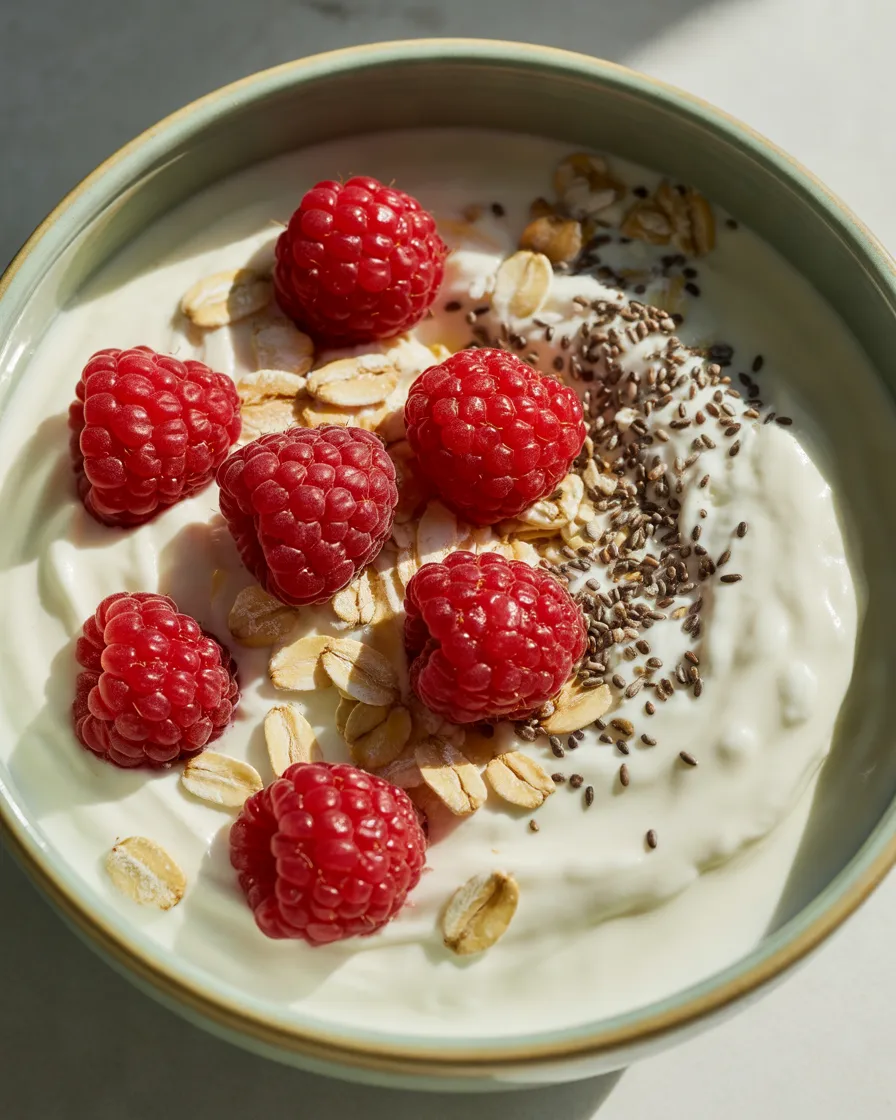
Raspberries are one of the most fiber-rich fruits available, making them an excellent choice for anyone looking for naturally sweet high fiber foods. Their bright color comes from plant compounds, while their tiny seeds contribute to their impressive fiber content.
Unlike many sweet snacks that provide little nutritional value, raspberries offer sweetness along with fiber, vitamins, and antioxidants.
Benefits of Raspberries
Adding raspberries to your diet may help:
- Increase fruit-based fiber intake
- Add natural sweetness to meals
- Provide vitamin C and plant nutrients
- Support a more balanced snack routine
- Increase variety in fruit choices
Because raspberries contain water and fiber together, they can be a refreshing addition to meals.
Practical Tips for Eating Raspberries
Fresh and frozen raspberries can both be useful options.
Try:
- Adding them to oatmeal
- Mixing them with yogurt
- Blending them into smoothies
- Using them as a topping for whole-grain pancakes
- Adding them to chia pudding
Frozen raspberries are often convenient because they can be stored longer and used throughout the year.
How to Use Raspberries in Everyday Meals
For breakfast, combine Greek yogurt, oats, chia seeds, and raspberries for a fiber-rich bowl.
For snacks, pair raspberries with nuts or seeds to create a combination of fiber, healthy fats, and protein.
They can also be used in homemade sauces or blended into naturally flavored drinks.
Who May Benefit From Raspberries?
Raspberries may be suitable for:
- People who enjoy fruit-based snacks
- Families looking for healthier dessert options
- Individuals increasing their intake of plant foods
- People wanting more variety in their fruit choices
Important Considerations
Some people with sensitive digestion may notice discomfort from eating large amounts of high-fiber fruits. Start with moderate portions and increase gradually.
Wash fresh berries properly before consumption.
7. Broccoli: A Fiber-Rich Vegetable for Everyday Healthy Eating
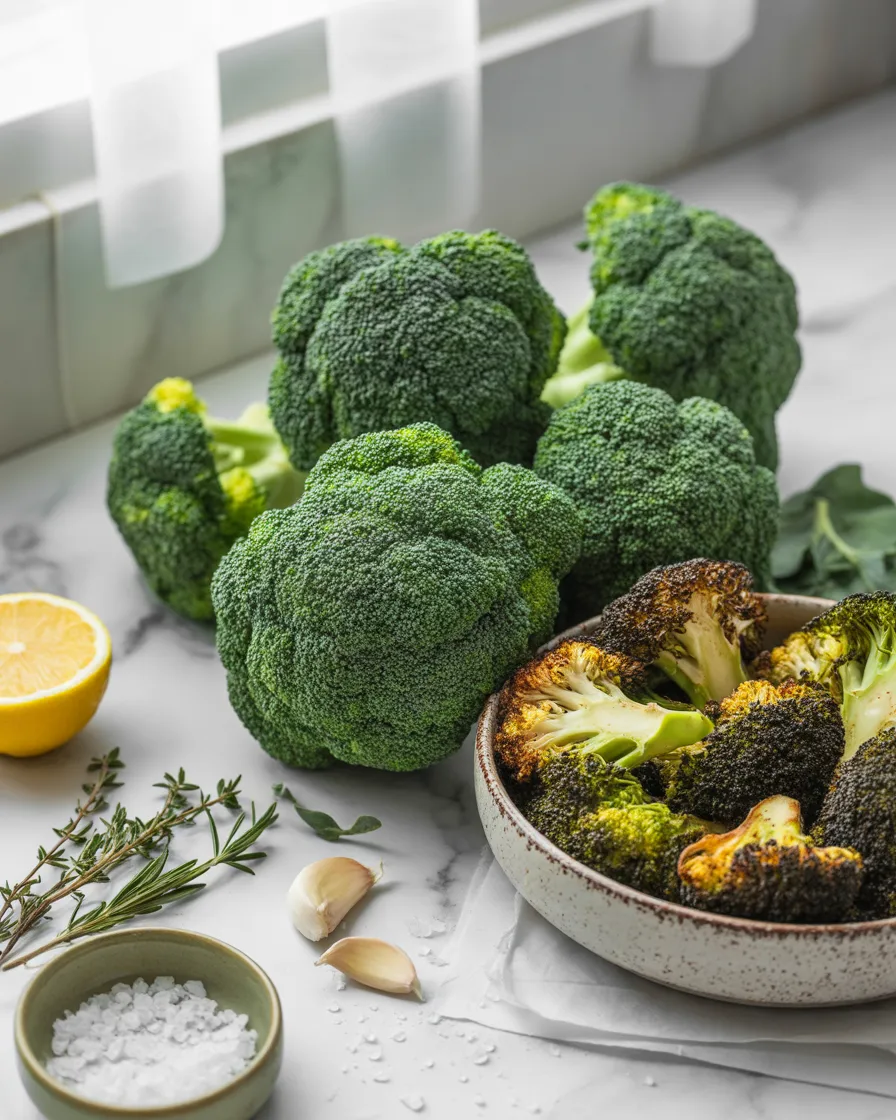
Broccoli is a popular vegetable that combines fiber with important vitamins, minerals, and plant compounds. As one of the most practical high fiber foods, broccoli can be added to meals in many different ways without requiring complicated preparation.
Its crunchy texture and mild flavor make it suitable for everything from simple side dishes to complete meals.
Benefits of Broccoli
Broccoli provides dietary fiber along with nutrients such as vitamin C, vitamin K, folate, and potassium.
Including broccoli in meals may help:
- Increase vegetable intake
- Improve dietary variety
- Add important nutrients to meals
- Support a balanced eating pattern
- Provide a filling low-calorie food option
A diet containing a variety of vegetables can contribute to overall nutritional quality.
Practical Tips for Preparing Broccoli
To enjoy broccoli more often:
- Steam lightly to maintain texture
- Roast with herbs and spices
- Add chopped broccoli to omelets
- Mix into pasta dishes
- Include it in stir-fries
Both fresh and frozen broccoli can be convenient choices.
How to Include Broccoli in Your Diet
A simple dinner option is roasted broccoli with olive oil, garlic, and spices served alongside a protein source and whole grains.
You can also add broccoli florets to soups, vegetable bowls, or casseroles.
For people who do not enjoy plain vegetables, combining broccoli with flavorful sauces or seasonings can make it more appealing.
Who May Benefit From Broccoli?
Broccoli may suit:
- People trying to eat more vegetables
- Families creating balanced meals
- Individuals looking for nutrient-rich side dishes
- Anyone wanting more variety in plant-based foods
Important Considerations
Some people experience gas after eating cruciferous vegetables like broccoli. Cooking it well and increasing intake gradually may improve tolerance.
Individuals with specific digestive concerns should discuss dietary changes with a healthcare professional.
8. Quinoa: A High Fiber Whole Grain Alternative With Plant-Based Protein
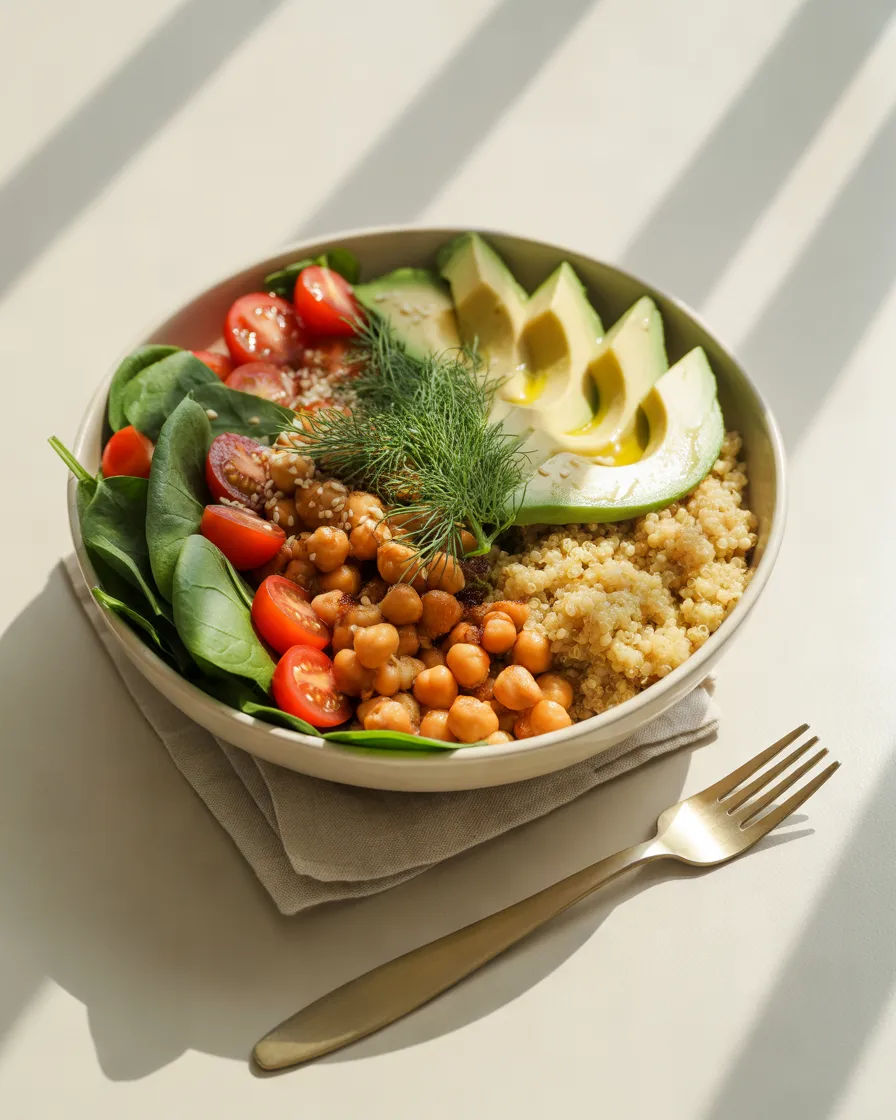
Quinoa is often described as a whole grain, although technically it is a seed. It has gained popularity because it provides fiber along with plant-based protein and several important minerals.
As one of the more versatile high fiber foods, quinoa works well in breakfast bowls, salads, side dishes, and meal-prep recipes.
Benefits of Quinoa
Quinoa offers:
- Dietary fiber
- Plant-based protein
- Magnesium
- Iron
- Manganese
- A naturally gluten-free option for many people
Including quinoa may help create meals that are more balanced and satisfying.
Practical Tips for Cooking Quinoa
Before cooking:
- Rinse quinoa under water to remove its natural coating, which can create a bitter taste
- Use a simple water-to-quinoa cooking ratio
- Prepare extra portions for quick meals during the week
Adding herbs, vegetables, and spices can improve its flavor.
How to Use Quinoa in Everyday Meals
Quinoa can be used in many ways:
- Breakfast quinoa bowls with fruit and nuts
- Vegetable quinoa salads
- Stuffed peppers
- Grain bowls with beans and vegetables
- As a replacement for refined grains in some recipes
A meal-prep idea is preparing quinoa at the beginning of the week and combining it with different vegetables and proteins for several meals.
Who May Benefit From Quinoa?
Quinoa may be useful for:
- People looking for alternatives to refined grains
- Vegetarians and vegans seeking plant-based protein options
- Individuals who enjoy meal preparation
- People wanting more variety in their carbohydrate choices
Important Considerations
Although quinoa is naturally gluten-free, people with gluten-related disorders should choose products processed in gluten-free facilities if cross-contamination is a concern.
As with all high fiber foods, increase intake gradually if your current diet is low in fiber.
9. Chickpeas: A Versatile High Fiber Food for Balanced Meals


Chickpeas, also known as garbanzo beans, are one of the most popular high fiber foods because they are affordable, versatile, and easy to include in everyday cooking. They are commonly used in Mediterranean, Middle Eastern, and South Asian cuisines and can be transformed into many different meals.
Along with fiber, chickpeas provide plant-based protein, vitamins, minerals, and complex carbohydrates, making them a valuable ingredient for creating satisfying meals.
Benefits of Chickpeas
Chickpeas contain a combination of soluble and insoluble fiber that supports overall dietary quality.
Including chickpeas in meals may help:
- Increase daily fiber intake
- Create more filling meals
- Provide plant-based protein
- Add variety to healthy eating patterns
- Support balanced carbohydrate choices
The combination of fiber and protein makes chickpeas a useful option for people who want meals that keep them satisfied for longer.
Practical Tips for Using Chickpeas
Chickpeas can be purchased dried or canned.
Helpful preparation tips include:
- Rinse canned chickpeas before use
- Cook dried chickpeas thoroughly
- Add spices such as cumin, paprika, turmeric, or garlic
- Prepare larger batches and store portions for quick meals
Roasting chickpeas with herbs and spices can create a crunchy snack alternative.
How to Use Chickpeas in Daily Meals
There are many simple ways to include chickpeas:
- Add them to salads
- Blend them into hummus
- Mix them into vegetable curries
- Add them to wraps and sandwiches
- Use them in grain bowls
- Roast them as a snack
A simple lunch idea is a chickpea salad made with cucumber, tomatoes, greens, olive oil, and herbs.
Who May Benefit From Chickpeas?
Chickpeas may suit:
- People following vegetarian or plant-based diets
- Families looking for affordable nutrition
- Individuals wanting more fiber-rich meals
- People interested in meal preparation
Important Considerations
Some people may experience digestive discomfort when adding chickpeas or other legumes quickly. Start with smaller servings and increase gradually.
Drinking enough water alongside increased fiber intake is important for digestive comfort.
10. Sweet Potatoes: A Naturally Nutritious High Fiber Food

Sweet potatoes are a colorful root vegetable that provides fiber, vitamins, and minerals while offering a naturally sweet flavor. They are one of the easiest high fiber foods to add to meals because they can replace many refined carbohydrate options.
Unlike processed carbohydrate foods, whole sweet potatoes contain the skin and natural nutrients that contribute to their fiber content.
Benefits of Sweet Potatoes
Sweet potatoes provide:
- Dietary fiber
- Beta-carotene
- Vitamin C
- Potassium
- Other plant-based nutrients
Adding sweet potatoes to meals may help:
- Increase vegetable intake
- Create more balanced plates
- Provide long-lasting energy
- Add variety to carbohydrate choices
Keeping the skin on when appropriate can increase fiber content.
Practical Tips for Preparing Sweet Potatoes
Healthy preparation methods include:
- Baking
- Roasting
- Steaming
- Air frying
- Adding them to soups
Avoid covering them with excessive sugar or high-calorie toppings if your goal is a balanced meal.
How to Use Sweet Potatoes in Your Diet
Simple ideas include:
- Baked sweet potato topped with beans and vegetables
- Sweet potato cubes added to salads
- Mashed sweet potatoes as a side dish
- Sweet potato soups
- Roasted vegetable trays
For breakfast, roasted sweet potato pieces can be paired with eggs or yogurt for a balanced meal.
Who May Benefit From Sweet Potatoes?
Sweet potatoes may suit:
- People looking for whole-food carbohydrate sources
- Families wanting nutrient-rich vegetables
- Active individuals needing energy-rich foods
- People replacing refined carbohydrate options
Important Considerations
Sweet potatoes are nutritious but still contribute carbohydrates and calories. Portion size should match individual dietary needs and activity levels.
People managing specific health conditions should discuss dietary choices with a qualified healthcare professional.
11. Almonds: A Convenient Fiber-Rich Snack Option
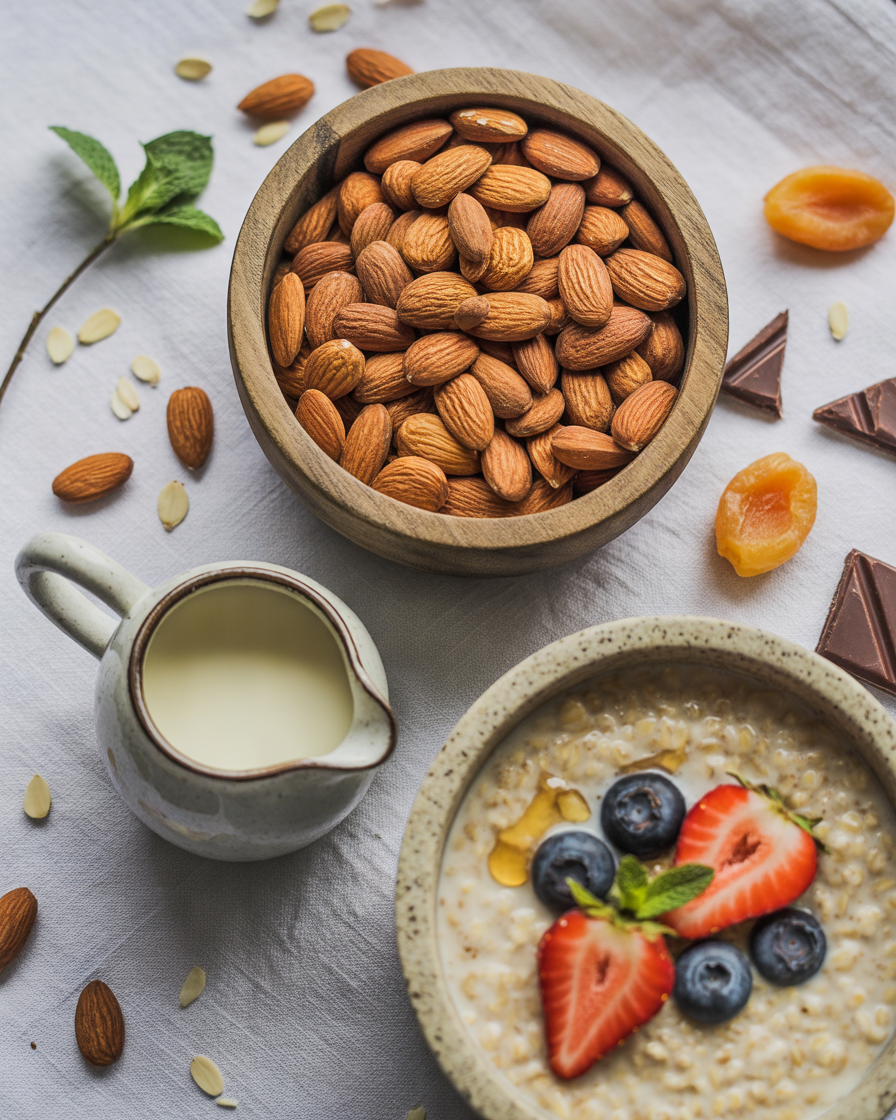
Almonds are well known for their healthy fats and protein, but they are also a useful source of dietary fiber. Because they require no preparation and are easy to carry, almonds are among the most convenient high fiber foods for busy lifestyles.
A small portion can add nutrients and texture to many meals.
Benefits of Almonds
Almonds provide:
- Dietary fiber
- Healthy unsaturated fats
- Plant-based protein
- Vitamin E
- Magnesium
Including almonds in a balanced diet may help:
- Increase fiber intake between meals
- Add nutritional value to snacks
- Create more satisfying food combinations
- Provide a convenient whole-food option
Practical Tips for Eating Almonds
Good ways to enjoy almonds include:
- Eating a small handful as a snack
- Adding chopped almonds to oatmeal
- Mixing them into yogurt
- Adding them to salads
- Combining them with fruit
Choosing plain or lightly roasted almonds is often preferable to heavily salted or sugar-coated varieties.
How to Use Almonds in Daily Meals
A simple snack combination is almonds with fresh fruit.
For breakfast, chopped almonds can be added to oatmeal, chia pudding, or smoothie bowls.
They can also provide a crunchy texture when sprinkled over vegetable dishes.
Who May Benefit From Almonds?
Almonds may be useful for:
- People needing portable snack options
- Individuals wanting more plant-based foods
- Those who enjoy adding texture to meals
- Busy professionals and students
Important Considerations
Almonds are nutrient-dense but also high in calories, so portion awareness is important.
People with nut allergies should avoid almonds and choose alternative fiber sources.
12. Pears: A Fiber-Rich Fruit for Natural Sweetness
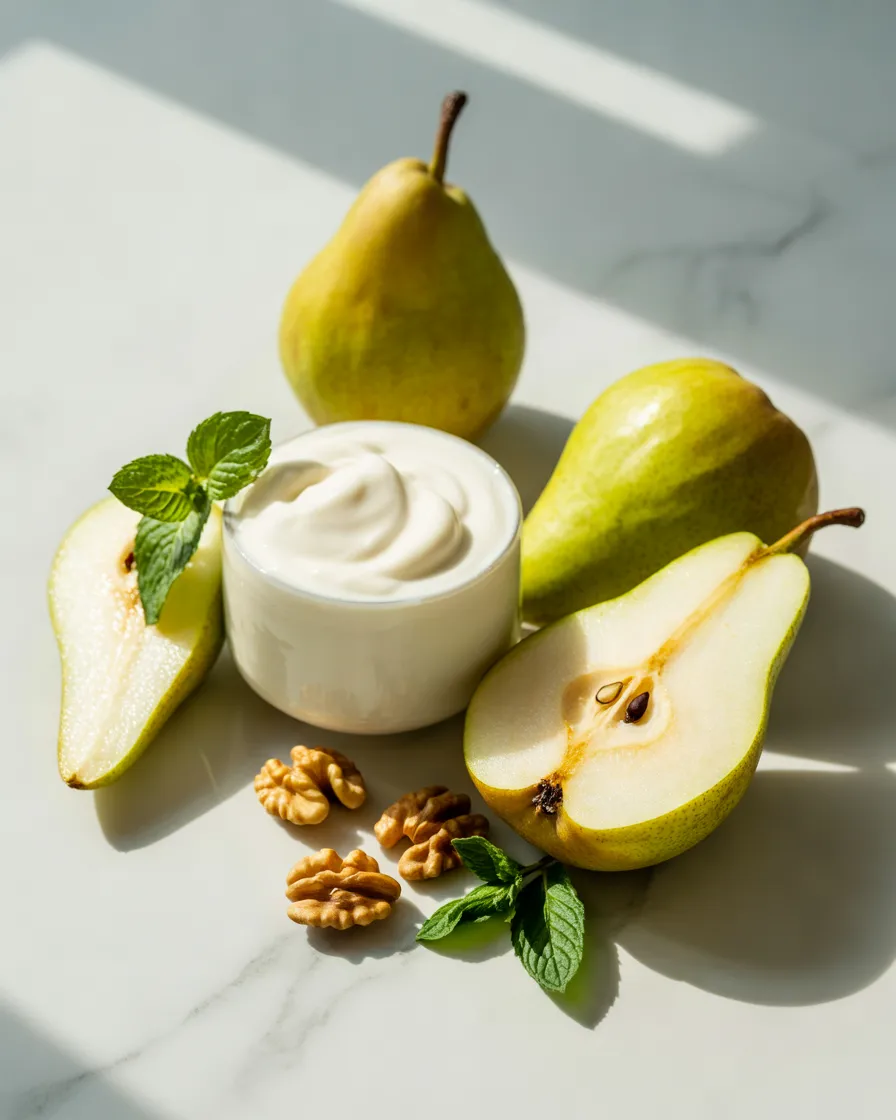
Pears are a simple and delicious fruit that can contribute to daily fiber intake. They are especially known for containing fiber in their skin, which is why eating washed pears with the peel can provide additional nutritional value.
As one of the most accessible high fiber foods, pears can be enjoyed as a snack, dessert alternative, or meal addition.
Benefits of Pears
Pears provide:
- Dietary fiber
- Vitamin C
- Water content
- Natural plant compounds
Including pears may help:
- Increase fruit intake
- Add natural sweetness to meals
- Support a varied diet
- Replace lower-fiber sweet snacks
Their combination of water and fiber makes them a refreshing option.
Practical Tips for Eating Pears
To enjoy pears:
- Wash thoroughly before eating
- Keep the skin when suitable
- Pair with protein-rich foods
- Add sliced pears to meals
Good combinations include:
- Greek yogurt
- Nuts
- Nut butter
- Cheese
- Oatmeal
How to Use Pears in Everyday Meals
Ideas include:
- Sliced pear with breakfast oats
- Pear and walnut salad
- Homemade fruit bowls
- Healthy dessert alternatives
- Smoothies with pears and greens
A simple snack is a sliced pear paired with almonds or yogurt for a more balanced option.
Who May Benefit From Pears?
Pears may suit:
- People wanting more fruit variety
- Families looking for healthier snacks
- Individuals increasing fiber intake naturally
- People who enjoy sweet foods from whole-food sources
Important Considerations
Some people may be sensitive to certain fruits and experience digestive discomfort. Introduce new foods gradually if you are increasing fiber significantly.
Expert Tips for Adding More High Fiber Foods to Your Diet
Increasing fiber intake works best when it becomes a natural part of your daily routine rather than a short-term change. Small adjustments can make a significant difference over time.
1. Increase Fiber Slowly
If your current diet is low in fiber, adding many fiber-rich foods at once may cause bloating or discomfort.
A better approach is:
- Add one new high fiber food at a time
- Increase portions gradually
- Allow your digestive system time to adjust
2. Drink Enough Fluids
Fiber works together with adequate hydration. When increasing fiber intake, make sure you are drinking enough water throughout the day.
Good hydration habits may help your body handle increased fiber more comfortably.
3. Choose Whole Foods More Often
Instead of focusing only on fiber supplements, try building meals around naturally fiber-rich foods such as:
- Vegetables
- Fruits
- Beans
- Lentils
- Whole grains
- Nuts and seeds
Whole foods provide fiber along with other important nutrients.
4. Build Balanced Meals
A high-fiber meal does not need to be complicated.
A simple balanced plate can include:
- Half vegetables or fruits
- A source of protein
- A whole grain or fiber-rich carbohydrate
- Healthy fats
For example, a quinoa bowl with vegetables, chickpeas, and avocado combines several high fiber foods in one meal.
5. Read Food Labels Carefully
Packaged foods may advertise added fiber, but it is still important to consider the overall nutritional quality.
Look for products with:
- Whole grain ingredients
- Moderate added sugars
- Simple ingredient lists
A balanced diet should include a variety of naturally fiber-rich foods.
Frequently Asked Questions About High Fiber Foods
What Are High Fiber Foods?
High fiber foods are foods that naturally contain significant amounts of dietary fiber. Fiber is a type of carbohydrate that the body does not fully digest. Instead, it passes through the digestive system and contributes to overall dietary balance.
Common examples of high fiber foods include:
- Beans and lentils
- Fruits such as raspberries and pears
- Vegetables like broccoli
- Whole grains such as oats and quinoa
- Nuts and seeds like almonds and chia seeds
Including a variety of these foods can help create a more nutrient-rich eating pattern.
How Much Fiber Should You Eat Each Day?
Fiber needs can vary depending on factors such as age, sex, overall diet, and individual health needs.
Many adults benefit from gradually working toward a higher fiber intake through a combination of:
- Fruits
- Vegetables
- Whole grains
- Legumes
- Nuts and seeds
Instead of focusing only on a specific number, it can be helpful to improve the overall quality and variety of fiber-rich foods in your meals.
What Are the Best High Fiber Foods for Breakfast?
Breakfast is an easy time to add more fiber because many traditional breakfast foods can be improved with simple additions.
Some high fiber breakfast ideas include:
- Oatmeal topped with berries and chia seeds
- Greek yogurt with raspberries and almonds
- Whole-grain toast with avocado
- Smoothies containing fruits, seeds, and oats
- Quinoa breakfast bowls
Combining fiber with protein and healthy fats can create a more balanced meal.
Can High Fiber Foods Help With Feeling Full?
High fiber foods often add bulk and texture to meals, which may help some people feel satisfied after eating.
Foods such as beans, lentils, oats, vegetables, and fruits can contribute to meals that feel more filling because they contain fiber along with water and nutrients.
However, individual experiences vary, and overall eating patterns are more important than one single food.
Should I Increase Fiber Intake Quickly?
It is usually better to increase fiber gradually.
A sudden increase in high fiber foods may cause temporary digestive discomfort, including:
- Gas
- Bloating
- Changes in bowel habits
Adding fiber slowly while drinking enough fluids can help your body adjust more comfortably.
Are High Fiber Foods Suitable for Weight Management?
High fiber foods can be part of a balanced eating pattern for people working toward weight management goals because many fiber-rich foods provide volume and nutrients.
Examples include:
- Vegetables
- Fruits
- Beans
- Lentils
- Whole grains
However, weight changes depend on many factors, including total calorie intake, activity level, sleep, and individual health circumstances.
Are Fiber Supplements Better Than High Fiber Foods?
Fiber supplements can be useful in certain situations, but whole foods usually provide additional nutrients such as vitamins, minerals, antioxidants, and plant compounds.
Whenever possible, building a diet around naturally high fiber foods is a practical approach.
People considering fiber supplements should discuss options with a healthcare professional, especially if they have digestive conditions or take medications.
Can Children Eat High Fiber Foods?
Children can benefit from age-appropriate fiber-rich foods as part of a balanced diet.
Good options may include:
- Fruits
- Vegetables
- Whole grains
- Beans
- Nuts and seeds when safe and appropriate
Fiber intake should match the child’s age, eating habits, and individual needs.
Conclusion: Make High Fiber Foods Part of Your Everyday Lifestyle
Adding more high fiber foods to your diet does not require major changes. Small choices, such as adding chia seeds to breakfast, replacing refined grains with oats or quinoa, including beans in meals, or choosing fruit instead of processed snacks, can gradually improve the quality of your eating pattern.
The best approach is variety. No single food provides everything your body needs, so combining different fiber sources creates a more balanced and enjoyable diet.
Foods like lentils, chickpeas, berries, vegetables, whole grains, nuts, and seeds offer practical ways to increase fiber while enjoying different flavors and textures.
Remember that everyone’s nutritional needs are different. If you have a digestive condition, medical concern, or are planning a major dietary change, consider speaking with a qualified healthcare professional for personalized guidance.
A fiber-rich lifestyle is built through consistent daily choices, not perfection. By making simple swaps and adding more whole foods, you can create meals that are both nutritious and enjoyable.