Finding meals that are low in calories but still satisfying can feel challenging. Many people associate low calorie eating with small portions, bland food, or feeling hungry shortly after eating. However, a well-planned low calorie meal can be flavorful, nutrient-rich, and filling when it includes the right balance of protein, fiber, healthy fats, and whole foods.
The goal of low calorie meals is not simply to reduce food intake. Instead, it is about choosing ingredients that provide more nutrition for fewer calories. Foods such as vegetables, lean proteins, legumes, whole grains, and fruits can help create meals that support a balanced lifestyle while still being enjoyable.
Whether you want quick weekday lunches, simple dinners, meal prep options, or lighter meals for busy days, there are many ways to create healthy low calorie meals without sacrificing taste.
In this guide, you will discover practical low calorie meal ideas that are suitable for different lifestyles. Each recipe concept includes benefits, preparation tips, ways to use it, who it may suit, and important considerations to help you make informed food choices.
Remember that calorie needs vary from person to person. Factors such as age, activity level, health conditions, and personal goals influence how much energy your body requires. If you have specific dietary concerns or medical conditions, consider discussing your nutrition choices with a qualified healthcare professional or registered dietitian.
1. Grilled Chicken and Vegetable Bowl
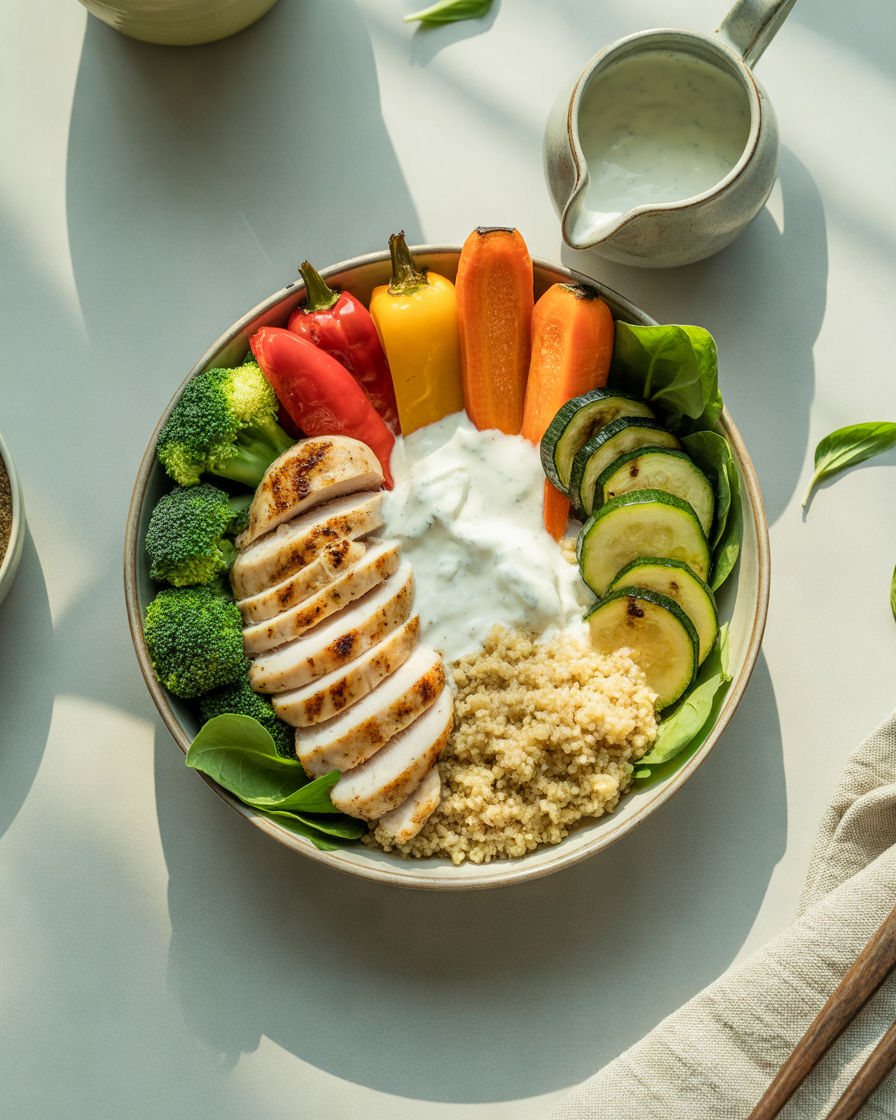
A grilled chicken and vegetable bowl is one of the most versatile low calorie meals because it combines lean protein, colorful vegetables, and customizable ingredients in one balanced dish. It is ideal for lunch or dinner when you want something filling without relying on heavy sauces or excessive calories.
This meal typically includes grilled chicken breast, roasted or steamed vegetables, leafy greens, and a small portion of healthy carbohydrates such as brown rice, quinoa, or sweet potato.
Why This Low Calorie Meal Works
Chicken breast is a lean source of protein that can help support muscle maintenance and improve meal satisfaction. Vegetables add volume, fiber, vitamins, and minerals while keeping calories relatively low.
A balanced bowl helps avoid the common problem of feeling hungry soon after eating a lighter meal because it includes multiple food groups.
Benefits
- Provides high-quality protein for daily nutrition
- Includes fiber-rich vegetables for better fullness
- Easy to customize with different flavors
- Suitable for meal preparation
- Helps create balanced portions
Practical Tips
- Use herbs, spices, lemon juice, garlic, or yogurt-based marinades instead of high-calorie sauces.
- Fill half your bowl with vegetables to increase volume.
- Choose grilled or baked chicken instead of fried chicken.
- Prepare several portions at once for easy weekday meals.
How to Use or Apply It
For a quick meal:
- Grill or bake chicken breast with your favorite seasoning.
- Add a variety of colorful vegetables such as broccoli, peppers, carrots, spinach, or zucchini.
- Include a moderate serving of whole grains if desired.
- Add a light dressing or homemade sauce.
This meal can work as:
- A quick office lunch
- A healthy dinner option
- A meal prep recipe for busy weeks
Who It May Suit
This low calorie meal may suit:
- People looking for balanced everyday meals
- Individuals who prefer high-protein options
- Busy professionals needing meal prep ideas
- Those who enjoy customizable meals
Important Considerations
Although chicken bowls can be healthy, calories can increase quickly through large portions of rice, cheese, creamy sauces, or excessive oils. Portion balance is important.
People following vegetarian or vegan diets can replace chicken with tofu, beans, lentils, or chickpeas.
2. Greek Yogurt Protein Breakfast Bowl
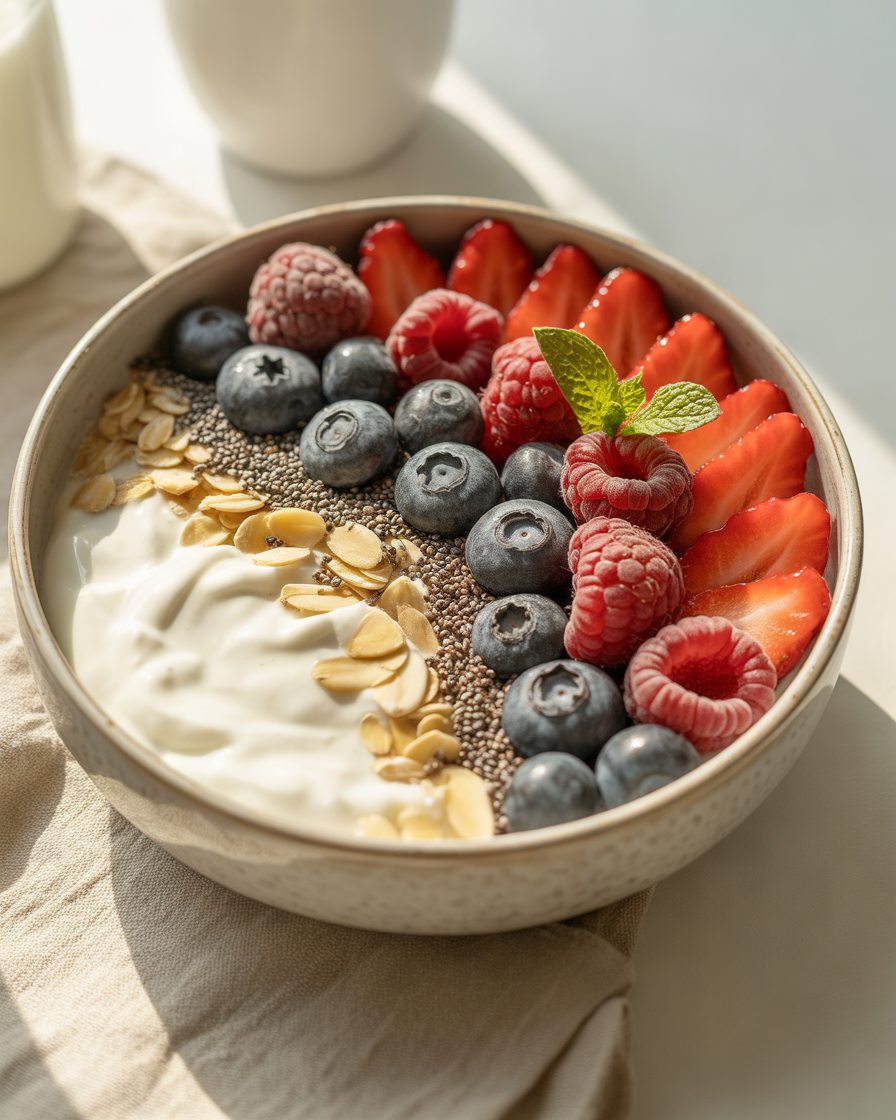
A Greek yogurt protein breakfast bowl is a simple low calorie meal idea that works well for busy mornings. It combines protein-rich Greek yogurt with fruits, seeds, and other nutrient-dense toppings to create a satisfying breakfast without excessive calories.
Many traditional breakfast options contain high amounts of added sugar and refined carbohydrates. A yogurt bowl offers a more balanced approach by combining protein, fiber, and healthy fats.
Why This Low Calorie Breakfast Works
Greek yogurt provides protein that may help you feel satisfied throughout the morning. Adding berries, chia seeds, nuts, or oats improves texture and increases nutritional value.
The meal can be adjusted depending on your calorie needs and preferences.
Benefits
- Quick preparation with minimal cooking
- Provides protein for morning energy
- Contains fiber from fruits and seeds
- Easy to customize
- Works well for meal planning
Practical Tips
- Choose plain Greek yogurt and add natural sweetness from fruit.
- Use berries because they add flavor and color without many calories.
- Measure calorie-dense toppings like nuts and granola.
- Add cinnamon or vanilla extract for extra flavor.
How to Use or Apply It
A simple combination:
- 1 serving plain Greek yogurt
- Fresh berries
- 1 teaspoon chia seeds
- Small amount of oats
- A few nuts for texture
Prepare it the night before for a convenient grab-and-go breakfast.
It can also be used as:
- A post-workout meal
- A healthy snack
- A light evening option
Who It May Suit
This meal may suit:
- People who prefer quick breakfasts
- Individuals increasing protein intake
- Students and professionals with busy schedules
- Those who enjoy sweet breakfast options
Important Considerations
Some flavored yogurts contain significant added sugar. Check nutrition labels and choose options that fit your personal goals.
People with dairy intolerance can explore unsweetened plant-based yogurt alternatives with suitable protein content.
3. Turkey Lettuce Wraps
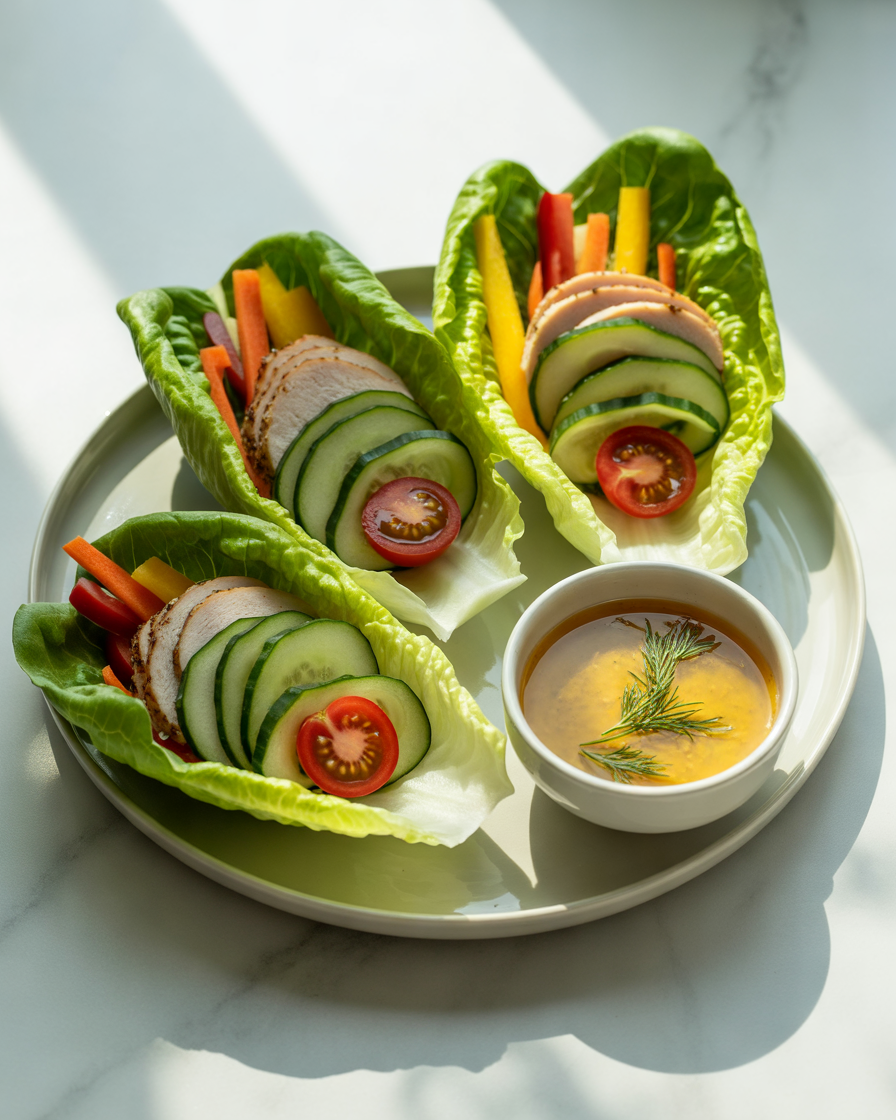
Turkey lettuce wraps are a fresh and crunchy low calorie meal option that replaces traditional high-calorie bread or tortillas with crisp lettuce leaves. They are perfect for lunch, light dinners, or quick snacks when you want something flavorful but lower in calories.
This meal uses lean turkey, vegetables, and a light sauce wrapped inside lettuce leaves to create a satisfying combination of protein and fresh ingredients.
Why This Low Calorie Meal Works
Traditional sandwiches and wraps can become calorie-heavy due to large portions of bread, cheese, mayonnaise, and sauces. Lettuce wraps provide the same handheld convenience while reducing calories and increasing vegetable intake.
Lean turkey adds protein, while vegetables contribute important nutrients and texture.
Benefits
- Lower calorie alternative to traditional wraps
- High in protein
- Easy to prepare
- Portable and convenient
- Naturally lower in refined carbohydrates
Practical Tips
- Use large lettuce leaves such as romaine or butter lettuce.
- Add crunchy vegetables like cucumber, carrots, and peppers.
- Use mustard, salsa, or Greek yogurt sauces instead of heavy dressings.
- Prepare ingredients separately for quick assembly.
How to Use or Apply It
Preparation:
- Place seasoned turkey slices or cooked ground turkey on lettuce leaves.
- Add vegetables such as cucumber, tomato, onions, and peppers.
- Add a light sauce.
- Roll or fold the lettuce wrap and serve.
It works well for:
- Quick lunches
- Meal prep
- Light dinners
- High-protein snacks
Who It May Suit
Turkey lettuce wraps may suit:
- People wanting lighter lunch options
- Those reducing refined carbohydrates
- Busy individuals needing quick meals
- Anyone who enjoys fresh, crunchy foods
Important Considerations
Processed turkey products can sometimes contain higher sodium levels. Choose fresh turkey or lower-sodium options when possible.
Adding too many sauces, cheese, or calorie-dense toppings can increase the total calorie content.
4. Vegetable Egg White Omelet With Whole Grain Toast
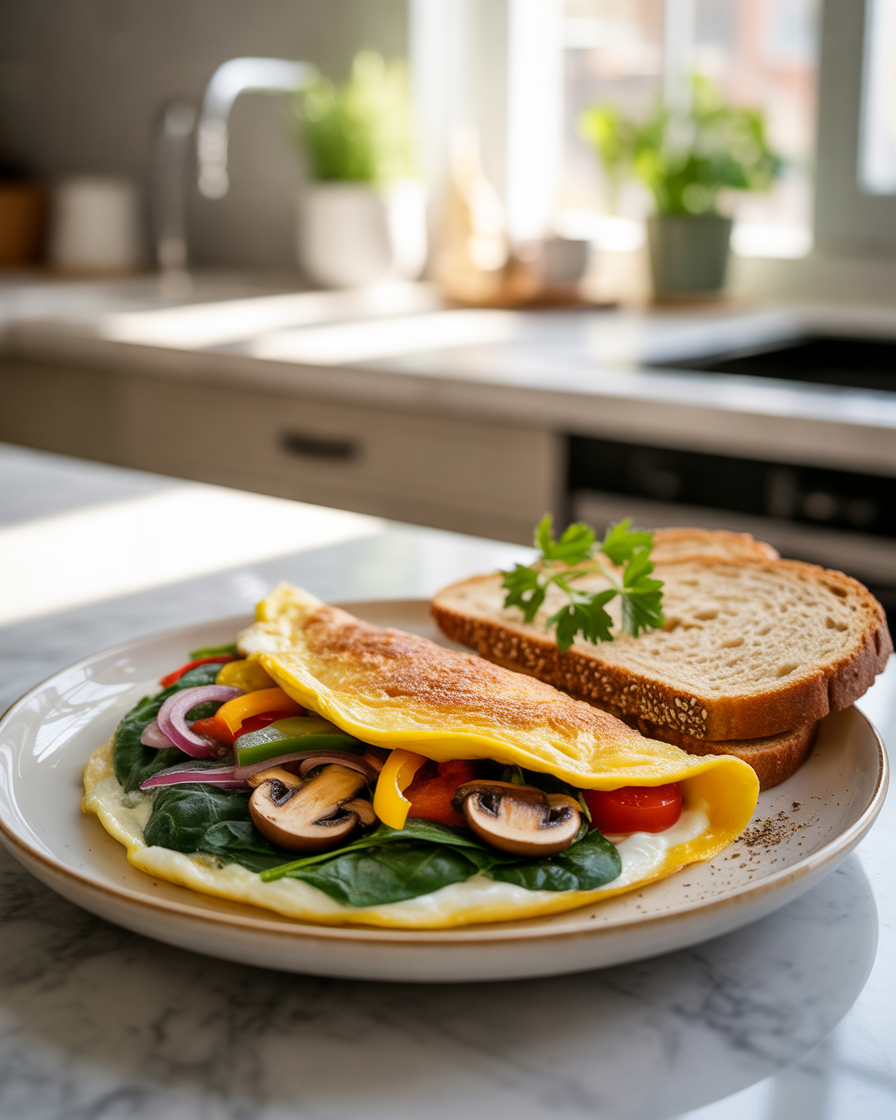
A vegetable egg white omelet is a simple, protein-rich low calorie meal that works well for breakfast, lunch, or even a light dinner. By combining egg whites with vegetables, you can create a filling meal that provides protein while keeping calories controlled.
Adding a small serving of whole grain toast can make this meal more balanced by providing complex carbohydrates and additional fiber.
Why This Low Calorie Meal Works
Egg whites are naturally low in calories and provide protein, while vegetables add volume, color, and nutrients. Ingredients like spinach, mushrooms, tomatoes, onions, and peppers increase the size of the meal without significantly increasing calories.
Unlike many breakfast foods that rely heavily on refined carbohydrates, this meal focuses on nutrient-dense ingredients.
Benefits
- High in protein and relatively low in calories
- Provides important vitamins and minerals from vegetables
- Easy to prepare in less than 15 minutes
- Helps create a satisfying breakfast
- Can be customized with different vegetables and herbs
Practical Tips
- Add vegetables before the eggs so they soften and release flavor.
- Use herbs such as parsley, basil, or chives for extra taste.
- Avoid excessive butter or oil during cooking.
- Add one slice of whole grain toast for extra fiber and energy.
How to Use or Apply It
A simple preparation method:
- Whisk egg whites with seasoning.
- Cook vegetables such as spinach, mushrooms, peppers, and tomatoes.
- Add egg whites and cook until firm.
- Serve with whole grain toast and fresh fruit if desired.
This meal can be used as:
- A healthy breakfast before work
- A post-exercise meal
- A quick evening meal
Who It May Suit
This meal may suit:
- People looking for protein-focused breakfasts
- Individuals who prefer savory meals
- Busy people needing quick recipes
- Those who enjoy vegetable-based dishes
Important Considerations
Egg whites remove most of the fat and cholesterol found in egg yolks, but whole eggs can also be part of a balanced diet for many people. Individual dietary needs vary.
People with specific health conditions should follow advice from their healthcare professional.
5. Salmon and Avocado Salad
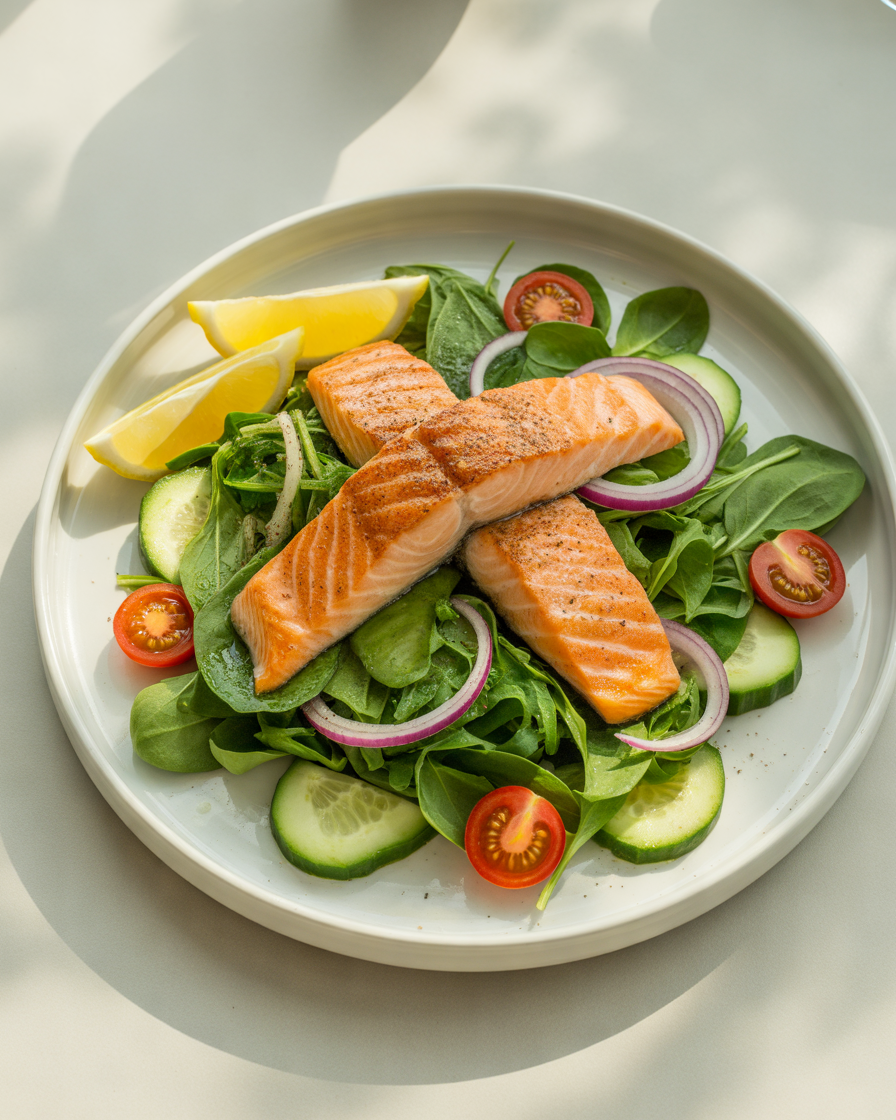
A salmon and avocado salad is a nutrient-rich low calorie meal that combines lean protein, healthy fats, and fresh vegetables. It is a great option for people who want a satisfying meal with a restaurant-style feel while keeping portions balanced.
This salad combines grilled salmon, leafy greens, vegetables, and a small amount of avocado for a flavorful and nourishing meal.
Why This Low Calorie Meal Works
Salmon provides high-quality protein and naturally occurring healthy fats. Vegetables add fiber and volume, while avocado contributes texture and flavor.
The key to keeping this meal lower in calories is controlling portion sizes of calorie-dense ingredients like avocado, nuts, and dressings.
Benefits
- Provides protein and essential nutrients
- Includes healthy fats from salmon and avocado
- Rich in colorful vegetables
- Suitable for lunch or dinner
- Offers a satisfying alternative to heavier meals
Practical Tips
- Grill or bake salmon instead of frying.
- Use a large vegetable base with leafy greens.
- Measure avocado portions because healthy fats are calorie-dense.
- Create homemade dressings using lemon juice, herbs, and yogurt.
How to Use or Apply It
Preparation steps:
- Cook salmon with herbs, lemon, and spices.
- Prepare a salad base using lettuce, cucumber, tomatoes, and greens.
- Add sliced avocado and salmon.
- Finish with a light dressing.
This meal works well as:
- A healthy work lunch
- A weekend dinner
- A meal preparation option
Who It May Suit
This meal may suit:
- People who enjoy seafood
- Individuals wanting balanced meals
- Those looking for high-protein salads
- People who prefer fresh food options
Important Considerations
Salmon and avocado are nutritious but contain more calories compared with many vegetables. Portion control helps maintain the goal of a low calorie meal.
People with seafood allergies should choose alternative protein sources.
6. Lentil Vegetable Soup
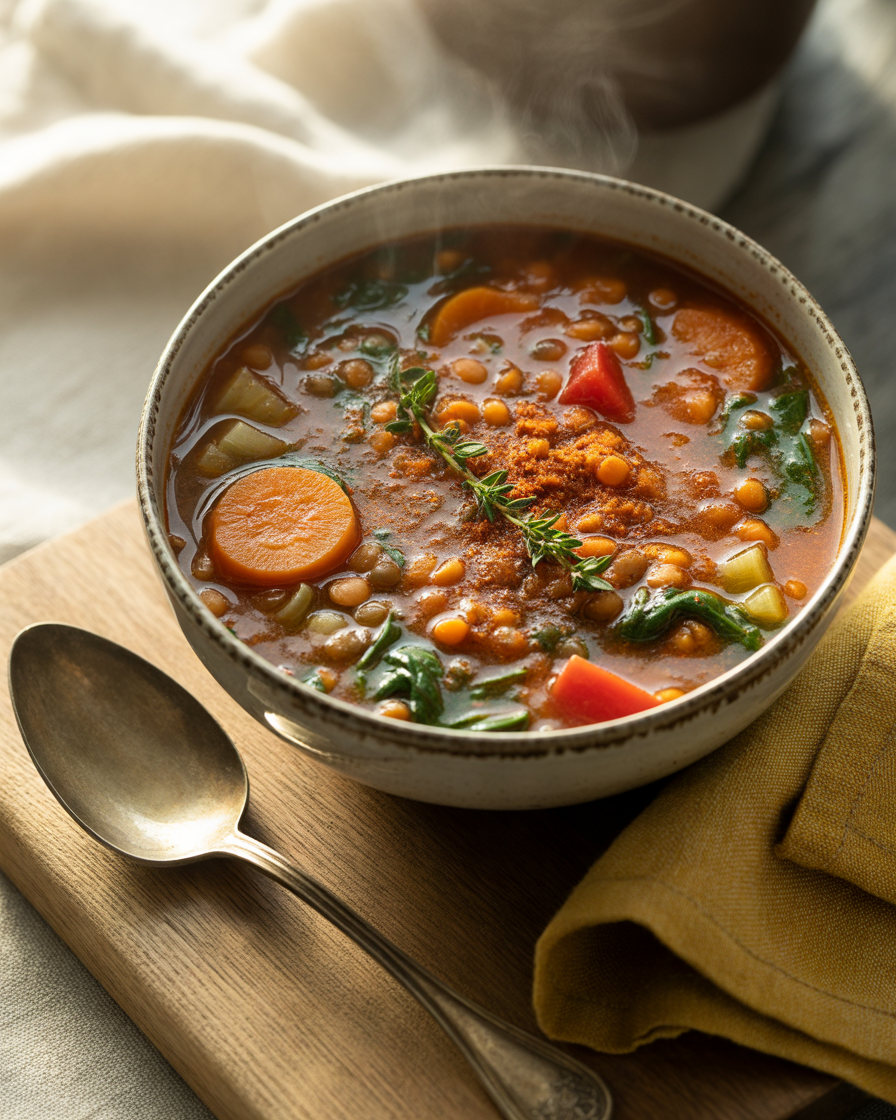
Lentil vegetable soup is a comforting low calorie meal that provides warmth, nutrition, and lasting fullness. It is especially useful during colder months or when you want an affordable meal that can be prepared in large batches.
Lentils are rich in plant-based protein and fiber, while vegetables increase the nutritional value without adding many calories.
Why This Low Calorie Meal Works
Many soups are naturally lower in calories because they contain a high water content, which increases meal volume. Lentils make this soup more satisfying by providing protein and fiber.
Unlike creamy soups that often contain added fats, vegetable-based lentil soup can remain light while still being flavorful.
Benefits
- High in plant-based protein
- Provides dietary fiber
- Budget-friendly meal option
- Easy to prepare in bulk
- Freezer-friendly for future meals
Practical Tips
- Use different vegetables for variety.
- Add spices like cumin, turmeric, paprika, or black pepper.
- Avoid adding large amounts of cream or cheese.
- Prepare a large batch for convenient meals throughout the week.
How to Use or Apply It
Basic preparation:
- Cook lentils with onions, garlic, and spices.
- Add vegetables such as carrots, celery, tomatoes, and spinach.
- Simmer until the lentils become soft.
- Adjust seasoning and serve warm.
You can enjoy it as:
- A complete light dinner
- A healthy lunch
- A meal prep recipe
Who It May Suit
This meal may suit:
- Vegetarians and people reducing meat intake
- Families looking for affordable healthy meals
- People who prefer warm comfort foods
- Anyone wanting more fiber-rich meals
Important Considerations
Some people may experience digestive discomfort when increasing lentil intake quickly. Gradually increasing fiber and drinking enough fluids may help.
Individuals with specific dietary restrictions should adjust ingredients according to their needs.
7. Tuna Cucumber Chickpea Salad
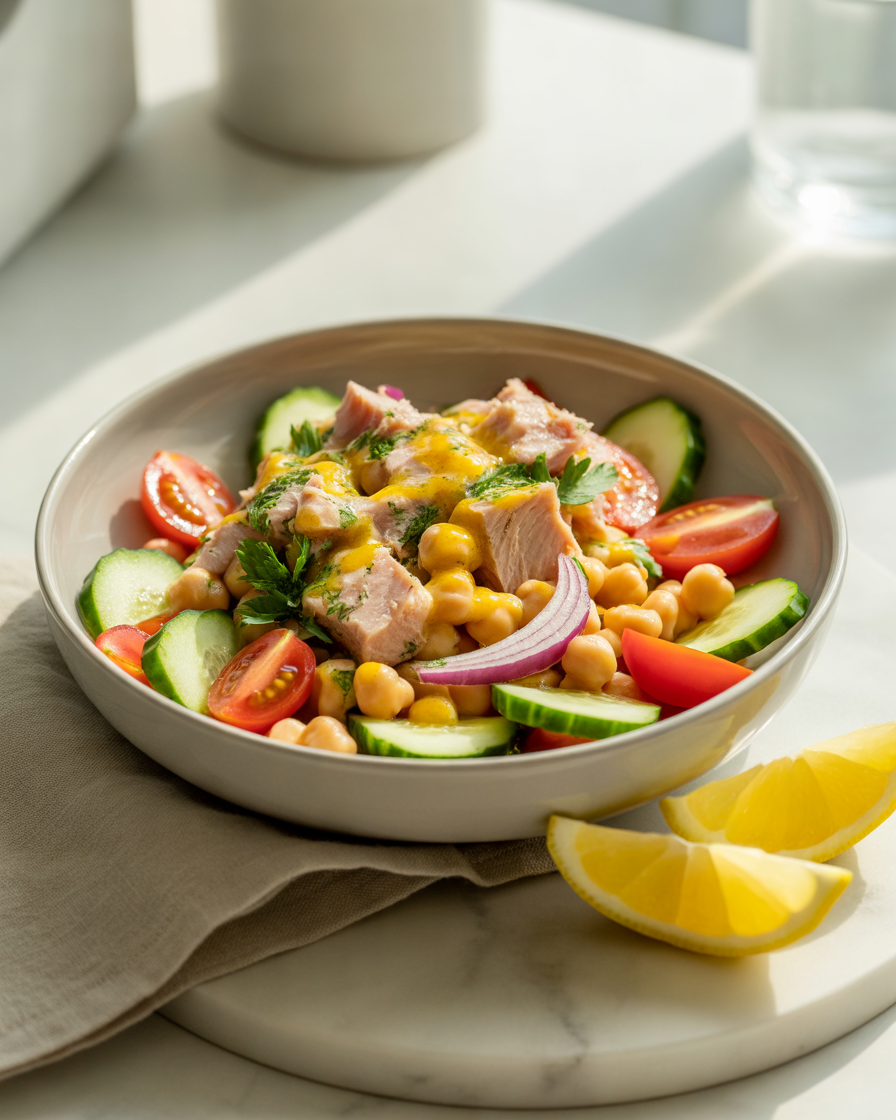
Tuna cucumber chickpea salad is a refreshing low calorie meal that combines lean seafood protein with fiber-rich vegetables and legumes. It is quick to prepare and works well for busy days when you need a nutritious meal without extensive cooking.
Why This Low Calorie Meal Works
Tuna provides protein, while chickpeas add fiber and plant-based nutrients. Cucumbers and fresh vegetables increase volume and freshness.
The combination helps create a balanced meal that is more satisfying than a simple salad made only from vegetables.
Benefits
- Quick preparation time
- High in protein and fiber
- Refreshing and light
- Easy to pack for work or travel
- Requires minimal cooking
Practical Tips
- Choose tuna packed in water if you want a lighter option.
- Rinse canned chickpeas to reduce excess sodium.
- Add lemon juice and herbs instead of heavy mayonnaise.
- Include colorful vegetables for more variety.
How to Use or Apply It
Preparation:
- Mix tuna with chickpeas, cucumber, tomatoes, and onions.
- Add lemon juice, herbs, and seasoning.
- Serve chilled or at room temperature.
Suitable for:
- Office lunches
- Quick dinners
- Picnic meals
- Meal preparation
Who It May Suit
This meal may suit:
- Busy professionals
- People seeking high-protein meals
- Those who enjoy cold salads
- Individuals wanting simple recipes
Important Considerations
Canned tuna can contain sodium, so choose suitable options if you need to monitor salt intake.
People avoiding seafood can replace tuna with beans, tofu, or grilled chicken.
8. Zucchini Noodles With Turkey Tomato Sauce
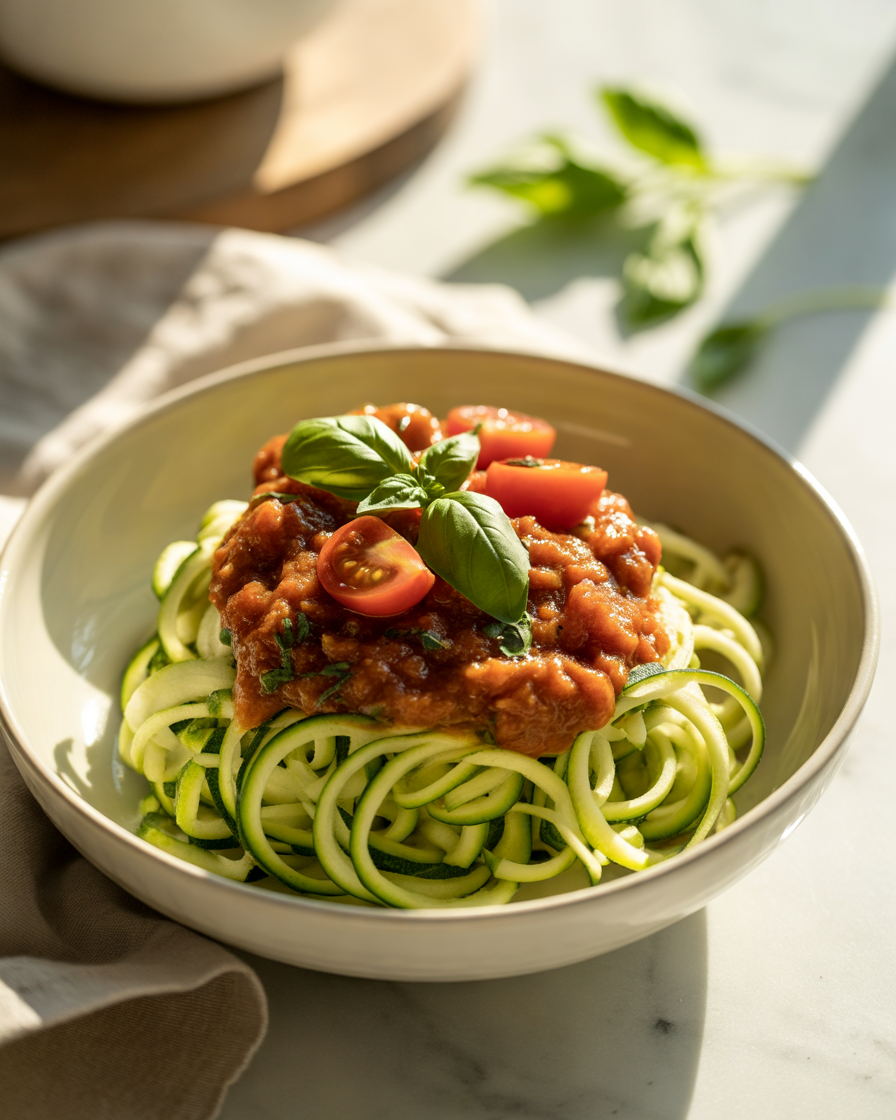
Zucchini noodles, often called “zoodles,” are a creative low calorie meal alternative to traditional pasta dishes. They provide the same comforting experience of noodles while increasing vegetable intake and reducing calories from refined carbohydrates.
When paired with lean turkey tomato sauce, this meal becomes a balanced combination of protein, vegetables, and rich flavors.
Why This Low Calorie Meal Works
Traditional pasta meals can become calorie-heavy because of large portions of pasta, creamy sauces, cheese, and oils. Zucchini noodles create a lighter base while still allowing you to enjoy familiar Italian-inspired flavors.
Lean ground turkey adds protein, while tomato-based sauce provides taste without requiring heavy ingredients.
Benefits
- Lower calorie alternative to traditional pasta
- Higher vegetable intake
- Provides protein from lean turkey
- Easy way to include more fiber-rich foods
- Suitable for healthy meal preparation
Practical Tips
- Use a spiralizer or vegetable peeler to create zucchini noodles.
- Avoid overcooking zucchini because it can become watery.
- Add herbs such as basil, oregano, and garlic for flavor.
- Choose lean turkey and drain excess fat after cooking.
How to Use or Apply It
Simple preparation:
- Spiralize fresh zucchini into noodle shapes.
- Cook lean turkey with tomatoes, garlic, onions, and herbs.
- Lightly sauté zucchini noodles.
- Combine with the turkey sauce and serve.
This meal works well as:
- A healthy dinner option
- A lighter pasta replacement
- A meal prep recipe
Who It May Suit
This low calorie meal may suit:
- People who enjoy pasta flavors
- Individuals increasing vegetable intake
- Those looking for lighter dinner options
- People interested in balanced meal choices
Important Considerations
Zucchini noodles have a different texture compared with traditional pasta. If you prefer more carbohydrates, you can add a small portion of whole grain pasta or another healthy carbohydrate source.
People with food allergies or dietary restrictions should adjust ingredients according to their needs.
9. Chicken Vegetable Stir Fry With Brown Rice
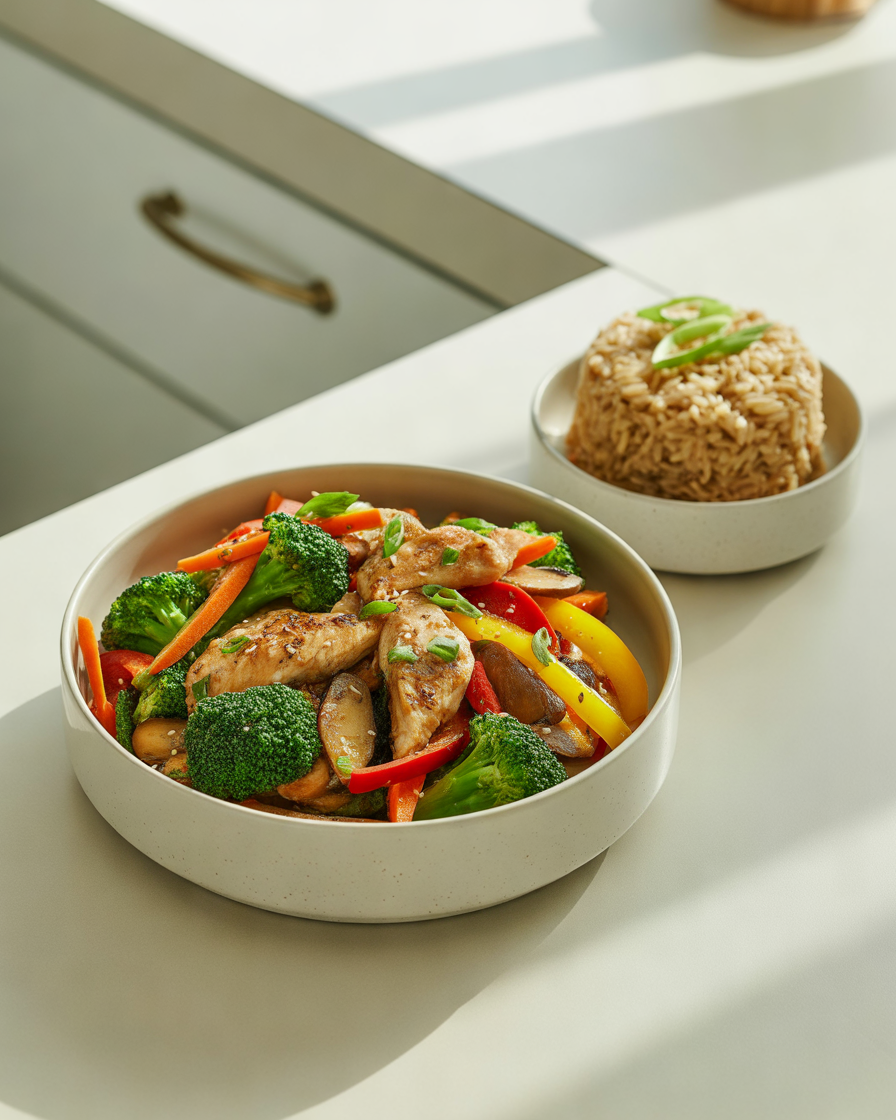
Chicken vegetable stir fry with brown rice is a practical low calorie meal that combines lean protein, colorful vegetables, and whole grains. It is an excellent option for people who want a quick homemade meal with restaurant-style flavors.
This meal can be prepared in one pan, making it convenient for busy schedules and weekly meal preparation.
Why This Low Calorie Meal Works
Stir fry meals are naturally flexible because you can include a large variety of vegetables while controlling the amount of oil and sauce used.
Chicken provides protein, vegetables add volume and nutrients, and brown rice provides longer-lasting energy through complex carbohydrates.
Benefits
- Quick and easy preparation
- Includes multiple food groups
- High in protein and vegetables
- Suitable for meal prepping
- Customizable with different flavors
Practical Tips
- Use a non-stick pan to reduce the need for extra oil.
- Add vegetables that cook at different speeds at the correct time.
- Choose low-sodium sauces when possible.
- Keep rice portions moderate and increase vegetables.
How to Use or Apply It
Preparation steps:
- Cut chicken into small pieces.
- Cook chicken with garlic, ginger, and spices.
- Add vegetables such as broccoli, carrots, peppers, and mushrooms.
- Serve with a controlled portion of brown rice.
You can prepare several servings and store them for weekday lunches.
Who It May Suit
This meal may suit:
- Families looking for healthy dinners
- Busy professionals
- People who enjoy Asian-inspired flavors
- Those interested in meal preparation
Important Considerations
Stir fry sauces can sometimes contain high amounts of sodium or added sugar. Homemade sauces using ingredients like garlic, ginger, lemon, and herbs can help control the nutritional profile.
10. Shrimp Tacos With Cabbage Slaw
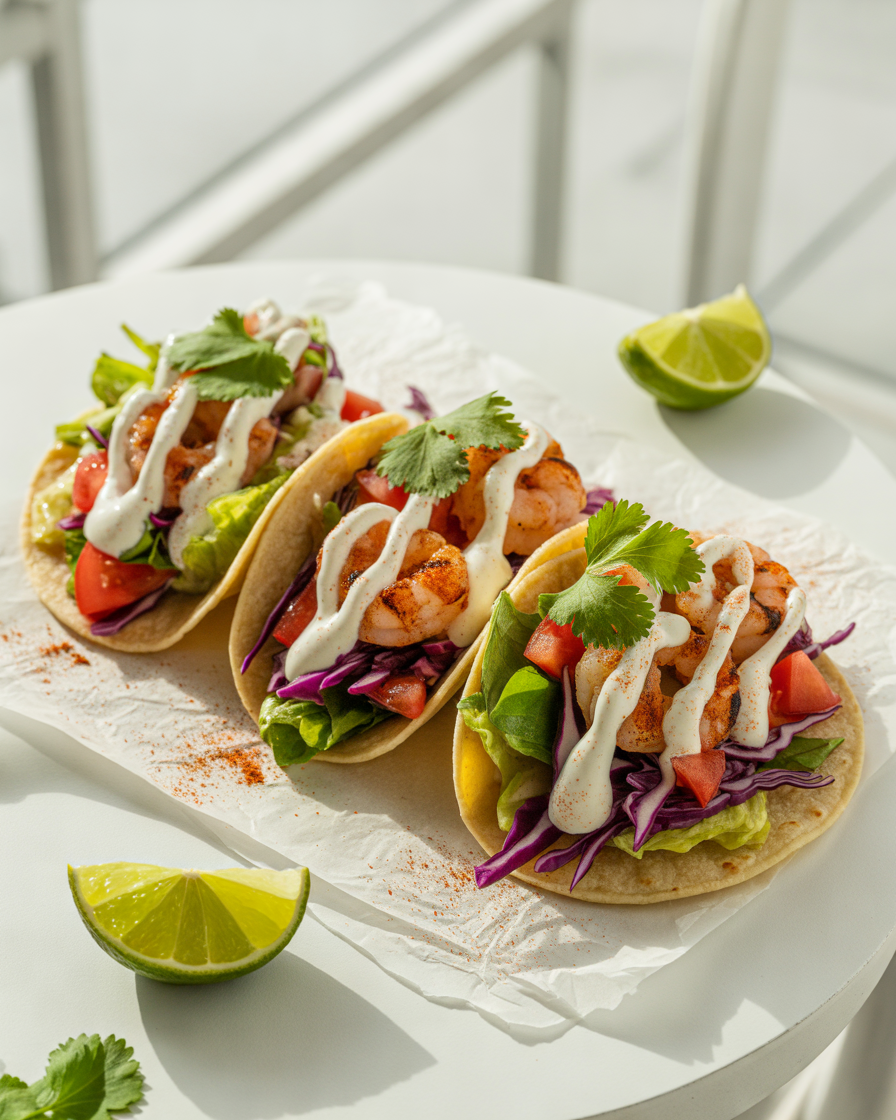
Shrimp tacos with cabbage slaw are a flavorful low calorie meal that proves healthy eating does not need to be boring. By using grilled shrimp, fresh vegetables, and lighter toppings, tacos can become a balanced meal option.
This recipe provides a combination of protein, vegetables, and satisfying flavors while keeping calories controlled through smart ingredient choices.
Why This Low Calorie Meal Works
Shrimp is naturally lean and provides protein without many calories. Fresh cabbage slaw adds crunch, fiber, and volume, while whole grain or corn tortillas provide a satisfying base.
Using lighter sauces instead of heavy creamy toppings helps maintain a lower calorie profile.
Benefits
- High protein seafood option
- Fresh and flavorful
- Easy to customize
- Includes vegetables
- Quick cooking time
Practical Tips
- Grill or sauté shrimp instead of frying.
- Add lime juice, chili, garlic, and herbs for flavor.
- Use Greek yogurt-based sauces instead of heavy creams.
- Add plenty of vegetables for extra volume.
How to Use or Apply It
Preparation:
- Season shrimp with spices and lime juice.
- Cook until tender.
- Fill tortillas with shrimp and cabbage slaw.
- Add fresh toppings such as tomatoes, cilantro, or avocado.
This meal works well for:
- Healthy family dinners
- Weekend meals
- Quick lunches
Who It May Suit
Shrimp tacos may suit:
- Seafood lovers
- People wanting lighter Mexican-inspired meals
- Individuals who enjoy flavorful food
- Those needing quick recipes
Important Considerations
People with shellfish allergies should avoid shrimp and choose alternatives such as chicken, beans, or tofu.
Portion sizes of tortillas, cheese, and sauces can significantly affect total calories.
11. Chickpea Mediterranean Bowl
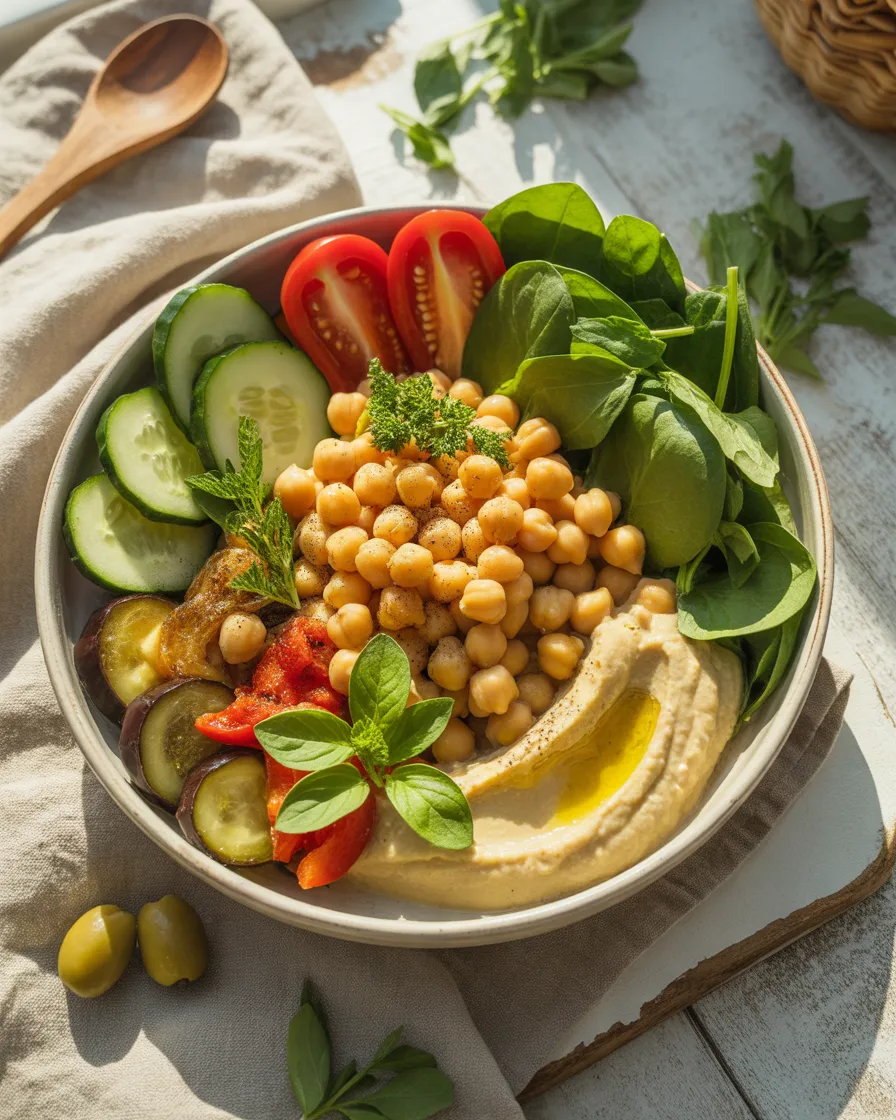
A chickpea Mediterranean bowl is a plant-based low calorie meal packed with vegetables, legumes, herbs, and wholesome ingredients. It is a great option for people who want a meat-free meal that still feels satisfying and complete.
This bowl combines chickpeas with fresh vegetables, greens, and a light dressing inspired by Mediterranean flavors.
Why This Low Calorie Meal Works
Chickpeas provide plant-based protein and fiber, helping create a meal that feels filling. Vegetables add nutrients and volume, while herbs and spices provide strong flavor without relying on high-calorie sauces.
Benefits
- Plant-based protein source
- Rich in fiber
- Easy to customize
- Affordable ingredients
- Suitable for meal preparation
Practical Tips
- Add cucumber, tomatoes, spinach, and roasted vegetables.
- Use lemon juice and herbs for flavor.
- Control portions of hummus, nuts, and oils.
- Prepare ingredients separately for quick assembly.
How to Use or Apply It
Create the bowl by combining:
- Chickpeas
- Fresh vegetables
- Leafy greens
- Small amount of hummus
- Lemon herb dressing
It can be used as:
- A vegetarian lunch
- A healthy dinner
- A meal prep option
Who It May Suit
This meal may suit:
- Vegetarians
- People reducing meat intake
- Those who enjoy Mediterranean flavors
- Budget-conscious healthy eaters
Important Considerations
Although chickpeas are nutritious, large portions can increase calories. Balance the bowl with plenty of vegetables.
People with digestive sensitivities may need to gradually increase their intake of legumes.
12. Cottage Cheese Fruit Protein Bowl
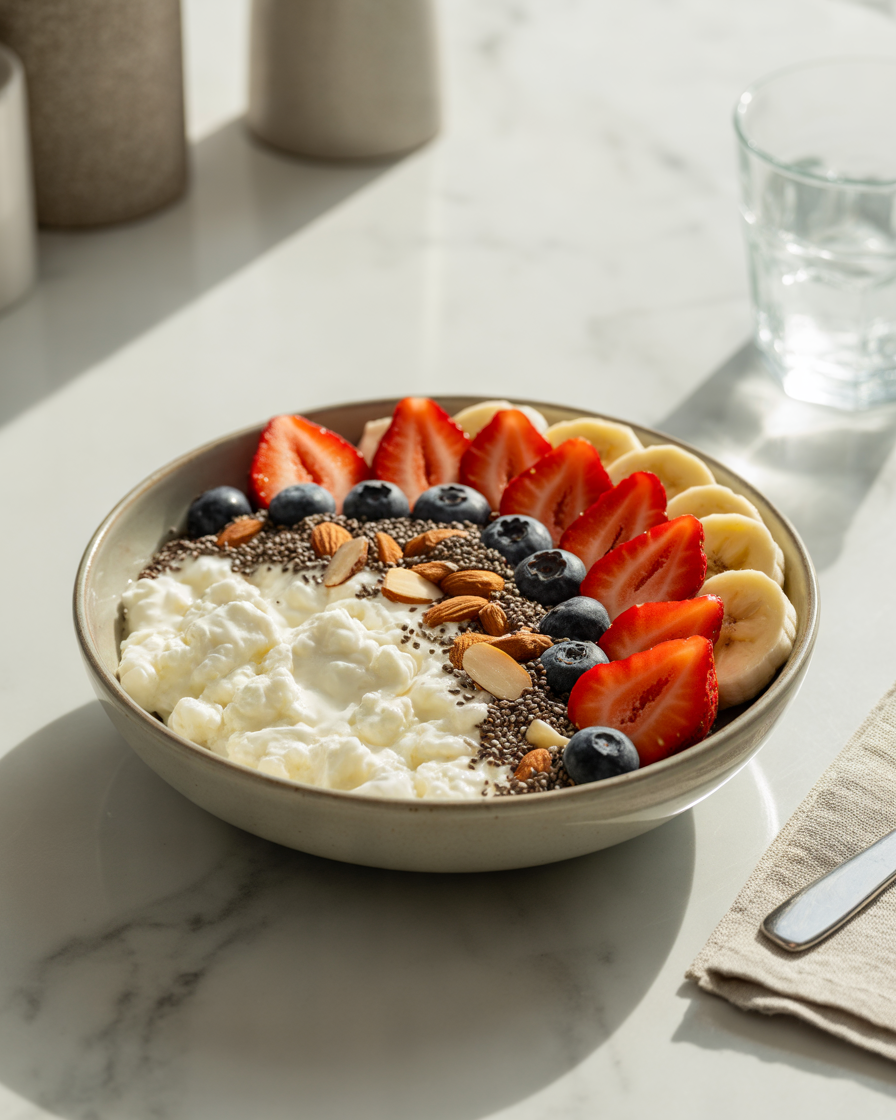
A cottage cheese fruit protein bowl is a simple low calorie meal that works well as breakfast, a snack, or a light meal. It combines protein-rich cottage cheese with fresh fruit and nutritious toppings.
This option is especially useful for people who want a quick meal without complicated preparation.
Why This Low Calorie Meal Works
Cottage cheese provides protein and a creamy texture, while fruits add natural sweetness, vitamins, and fiber. Choosing appropriate portions of toppings keeps the meal balanced.
Benefits
- High protein content
- Requires minimal preparation
- Naturally sweet option
- Easy to customize
- Convenient for busy lifestyles
Practical Tips
- Choose plain cottage cheese to control added sugar.
- Add berries, apple slices, or peaches.
- Use seeds instead of large amounts of nuts.
- Add cinnamon for extra flavor.
How to Use or Apply It
Simple preparation:
- Add cottage cheese to a bowl.
- Top with fresh fruit.
- Add chia seeds, flaxseeds, or a small amount of nuts.
- Serve immediately.
Useful for:
- Breakfast
- Afternoon snack
- Light evening meal
Who It May Suit
This meal may suit:
- People needing quick protein options
- Busy workers and students
- Those who prefer sweet meals
- Individuals preparing simple meals
Important Considerations
Some people may not enjoy the texture of cottage cheese. Greek yogurt or other protein-rich alternatives can be used depending on preference.
Those with dairy intolerance should choose suitable alternatives.
Expert Tips for Creating Successful Low Calorie Meals
Creating healthy low calorie meals is not only about reducing calories. The quality of the ingredients, meal balance, portion size, and consistency all play important roles. A meal that is too restrictive may become difficult to maintain, while a balanced approach can make healthy eating more enjoyable.
Here are practical tips that can help you build satisfying low calorie meals at home.
1. Prioritize Protein in Every Meal
Protein is an important part of balanced nutrition because it helps create satisfying meals. Including protein sources such as chicken, fish, eggs, Greek yogurt, tofu, beans, lentils, or lean meats can help make meals more complete.
Examples:
- Add grilled chicken to salads
- Include eggs at breakfast
- Add lentils or chickpeas to plant-based meals
- Use Greek yogurt as a protein-rich snack
A meal with protein, vegetables, and healthy carbohydrates is often more satisfying than a meal focused only on reducing calories.
2. Increase Vegetable Volume
Vegetables are naturally nutrient-rich and many varieties are relatively low in calories. Adding more vegetables can make meals larger and more visually satisfying.
Try adding:
- Leafy greens
- Broccoli
- Mushrooms
- Cucumbers
- Bell peppers
- Tomatoes
- Zucchini
A useful approach is filling a significant portion of your plate with vegetables while balancing the rest with protein and carbohydrates.
3. Choose High-Fiber Ingredients
Fiber-rich foods can contribute to a more balanced meal pattern. Foods such as beans, lentils, vegetables, fruits, and whole grains provide fiber along with important nutrients.
Examples of high-fiber additions:
- Oats instead of sugary cereals
- Brown rice instead of refined grains
- Chickpeas in salads
- Fresh fruit instead of processed snacks
4. Be Careful With Hidden Calories
Many healthy foods are nutritious but calorie-dense. Ingredients like oils, nuts, cheese, dressings, and sauces can increase calories quickly.
This does not mean avoiding them completely. Instead:
- Measure cooking oils
- Use lighter dressings
- Control portions of nuts and seeds
- Choose homemade sauces when possible
Small adjustments can make a significant difference.
5. Prepare Meals in Advance
Meal preparation can make healthy eating easier during busy weeks.
Simple preparation ideas:
- Cook chicken or other proteins in batches
- Wash and cut vegetables ahead of time
- Prepare soups or grain bowls for several days
- Store ingredients separately for quick meals
Having healthy options available reduces dependence on convenient high-calorie foods.
6. Focus on Long-Term Eating Habits
Low calorie meals should support a sustainable lifestyle rather than temporary restriction.
A balanced approach includes:
- Enjoying different foods
- Eating enough nutrients
- Adjusting portions based on personal needs
- Allowing flexibility
Individual calorie requirements vary depending on factors such as age, body size, activity level, and health goals.
7. Read Nutrition Labels
Packaged foods can sometimes appear healthy while containing added sugars, excess sodium, or large calorie amounts.
When checking labels, consider:
- Serving size
- Protein content
- Fiber content
- Added sugars
- Sodium levels
Making informed choices can help you create better meal combinations.
Frequently Asked Questions About Low Calorie Meals
What Are Low Calorie Meals?
Low calorie meals are meals designed to provide fewer calories while still delivering important nutrients such as protein, fiber, vitamins, and minerals.
A healthy low calorie meal usually includes nutrient-dense foods like vegetables, lean proteins, fruits, legumes, and whole grains.
The exact calorie amount depends on individual needs and dietary goals.
Are Low Calorie Meals Good for Weight Management?
Low calorie meals can be part of a balanced approach to weight management because they may help create an appropriate calorie balance when combined with healthy habits.
However, successful weight management depends on many factors, including overall eating patterns, physical activity, sleep, and individual health conditions.
Can Low Calorie Meals Still Be Filling?
Yes. Low calorie meals can be filling when they include:
- Protein-rich foods
- High-fiber vegetables
- Whole foods
- Adequate portions
For example, a large vegetable bowl with grilled chicken may provide more satisfaction than a small processed snack with similar calories.
What Are Some Easy Low Calorie Meals for Busy Days?
Some quick options include:
- Greek yogurt with fruit
- Tuna cucumber salad
- Turkey lettuce wraps
- Lentil soup
- Chicken vegetable bowls
- Egg white omelets
Meal preparation can make these options even easier during busy schedules.
How Many Calories Should a Low Calorie Meal Have?
There is no universal calorie number because nutritional needs differ from person to person.
Factors that influence calorie requirements include:
- Age
- Height
- Weight
- Activity level
- Health goals
- Medical conditions
A healthcare professional or registered dietitian can provide personalized guidance when needed.
Can Vegetarians Eat Low Calorie Meals?
Yes. Many vegetarian foods can create balanced low calorie meals.
Examples include:
- Lentil soup
- Chickpea bowls
- Vegetable stir fry
- Tofu salads
- Bean-based meals
Combining plant-based proteins with vegetables and whole grains can create satisfying meals.
Are Low Calorie Meals Suitable for Everyone?
Low calorie meals can fit many healthy eating patterns, but individual needs vary.
Children, pregnant individuals, athletes, older adults, and people with certain medical conditions may have different nutritional requirements.
Consulting a healthcare professional can help determine appropriate dietary choices.
Conclusion: Making Low Calorie Meals Simple and Enjoyable
Low calorie meals do not have to be boring, complicated, or restrictive. With the right combination of protein, vegetables, fiber-rich ingredients, and balanced portions, it is possible to create meals that are both nutritious and enjoyable.
The best approach is choosing foods that support your lifestyle and preferences. Whether you prefer grilled chicken bowls, plant-based meals, seafood recipes, or quick breakfast options, there are many ways to build satisfying meals while keeping calories in mind.
Remember that healthy eating is not about perfection. Consistency, balance, and choosing nourishing foods most of the time are key parts of developing long-term habits.
Use these low calorie meal ideas as inspiration, adjust ingredients according to your needs, and create meals that help you enjoy a healthier relationship with food.