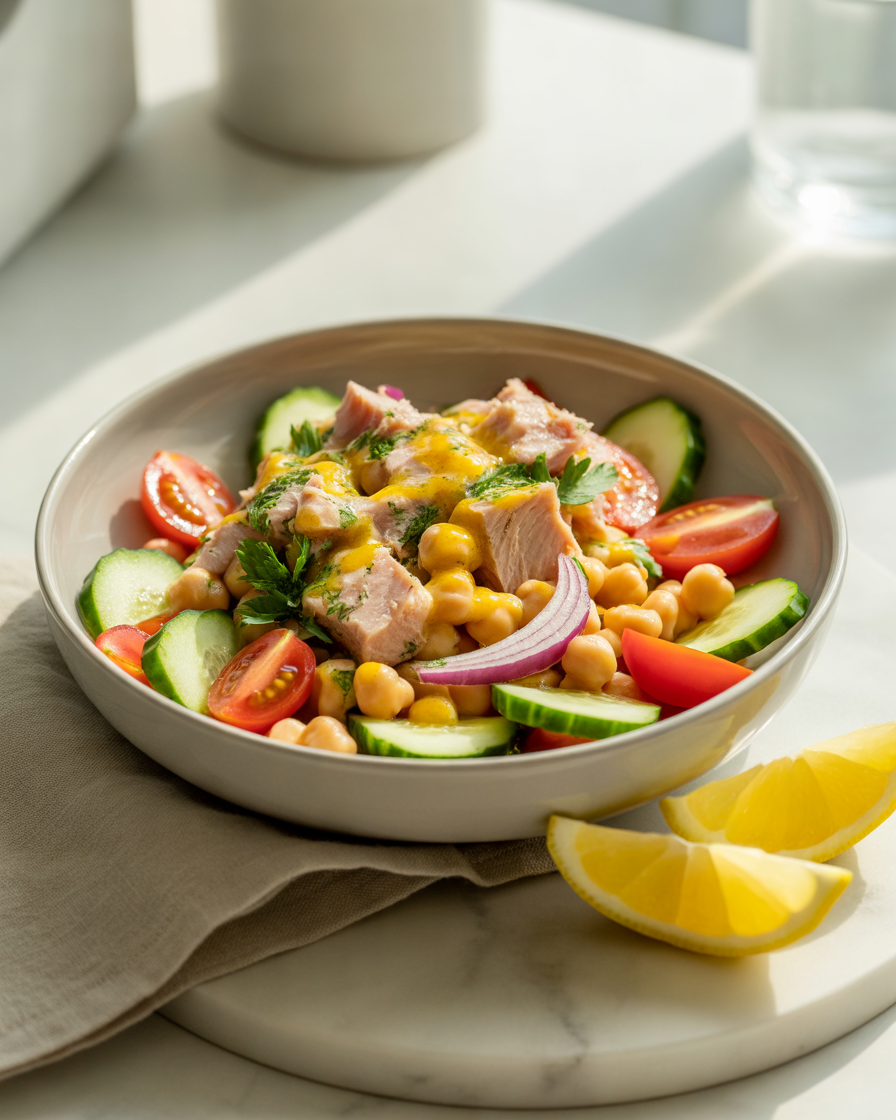
Introduction: Simple Low Calorie Recipes for Healthy Everyday Eating
Finding meals that are both satisfying and lower in calories can feel challenging. Many people assume that eating fewer calories means eating bland salads, tiny portions, or giving up their favorite flavors. However, well-planned low calorie recipes can be colorful, enjoyable, and packed with nutrients while still supporting balanced eating habits.
The key to creating a satisfying low calorie meal is not simply reducing food quantity. Instead, it involves choosing ingredients that provide more volume, fiber, protein, and essential nutrients without adding excessive calories. Foods such as vegetables, lean proteins, whole grains, legumes, and healthy seasonings can help create meals that keep you feeling satisfied.
Whether your goal is maintaining a healthy lifestyle, managing portion sizes, improving your daily eating habits, or simply discovering new meal ideas, these easy low calorie recipes offer practical solutions for breakfast, lunch, dinner, and snacks.
This collection includes simple recipes suitable for busy professionals, families, students, and anyone looking for nutritious meals that fit into a balanced diet. Each recipe includes preparation ideas, benefits, practical tips, and considerations to help you choose meals that work best for your lifestyle.
Remember that calorie needs vary from person to person depending on age, activity level, health status, and individual goals. If you have specific medical conditions or dietary restrictions, consider discussing your nutrition choices with a qualified healthcare professional or registered dietitian.
1. Mediterranean Chickpea Salad Bowl: A Fresh High-Fiber Low Calorie Recipe
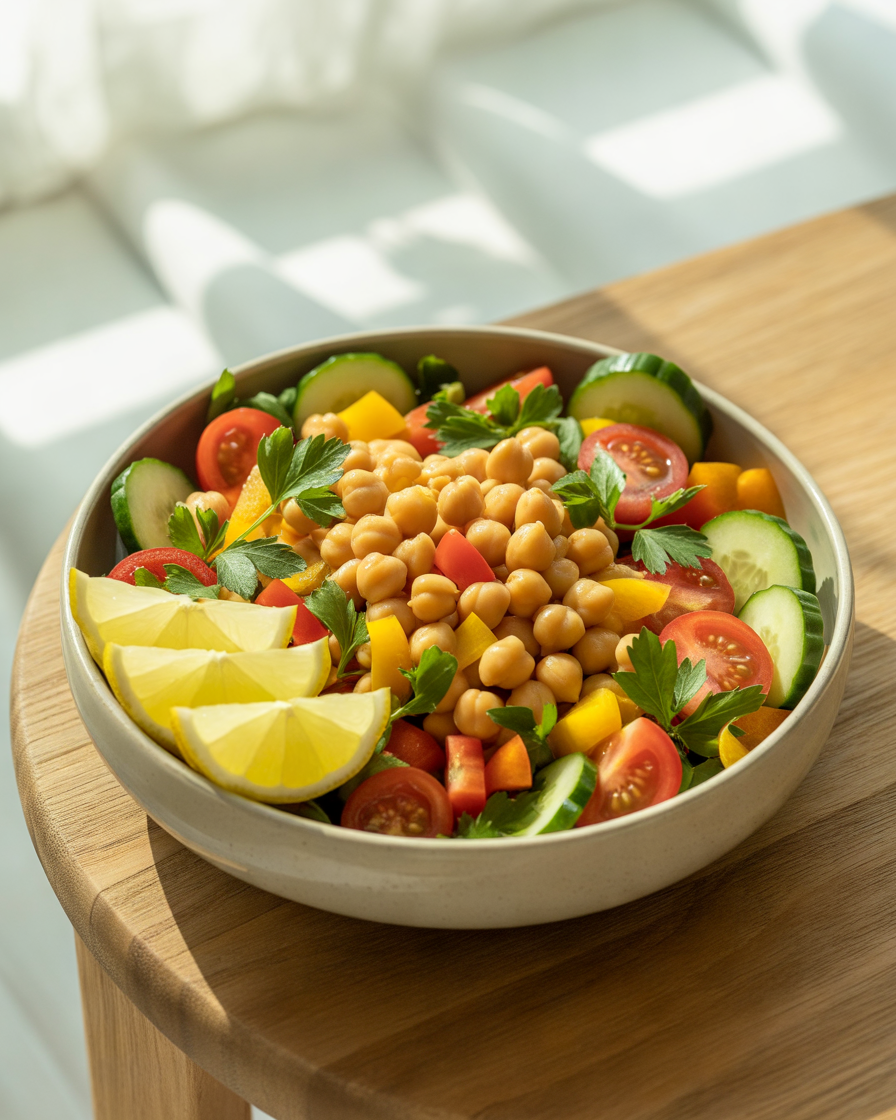
A Mediterranean chickpea salad bowl is one of the easiest low calorie recipes for a quick lunch or light dinner. It combines protein-rich chickpeas with fresh vegetables, herbs, and a simple dressing to create a meal that feels satisfying without being heavy.
Unlike many traditional salads that leave people hungry shortly after eating, chickpeas provide plant-based protein and dietary fiber, which can contribute to a feeling of fullness. The variety of colors and textures also makes this recipe enjoyable and visually appealing.
Ingredients
- 1 cup cooked chickpeas
- 1 cup chopped cucumber
- 1 cup cherry tomatoes
- ½ cup bell peppers
- Fresh parsley or mint
- 1 tablespoon lemon juice
- 1 teaspoon olive oil
- Black pepper and herbs
Benefits
- Provides plant-based protein and fiber
- Includes a variety of vitamins and minerals from vegetables
- Helps add more vegetables to daily meals
- A convenient option for meal preparation
- Naturally suitable for vegetarian eating patterns
Practical Tips
- Prepare the vegetables in advance and store them separately for quick assembly.
- Add grilled chicken, tofu, or boiled eggs if you need additional protein.
- Use fresh herbs instead of heavy sauces to increase flavor without adding many calories.
- Keep the dressing separate if preparing meals for several days.
How to Use or Apply It
This salad works well as:
- A quick office lunch
- A light evening meal
- A side dish with grilled foods
- A meal-prep option for busy weekdays
For a balanced plate, combine this salad with an additional protein source if your daily needs require more protein.
Who It May Suit
This recipe may suit:
- Vegetarians looking for filling meals
- People wanting more fiber-rich foods
- Busy individuals needing quick meal options
- Anyone trying to include more plant-based ingredients
Important Considerations
Although chickpeas are nutritious, portion sizes still matter because legumes contain calories and carbohydrates. People managing specific dietary conditions should adjust ingredients according to their nutritional needs.
2. Grilled Chicken Lettuce Wraps: A Protein-Packed Low Calorie Lunch Idea
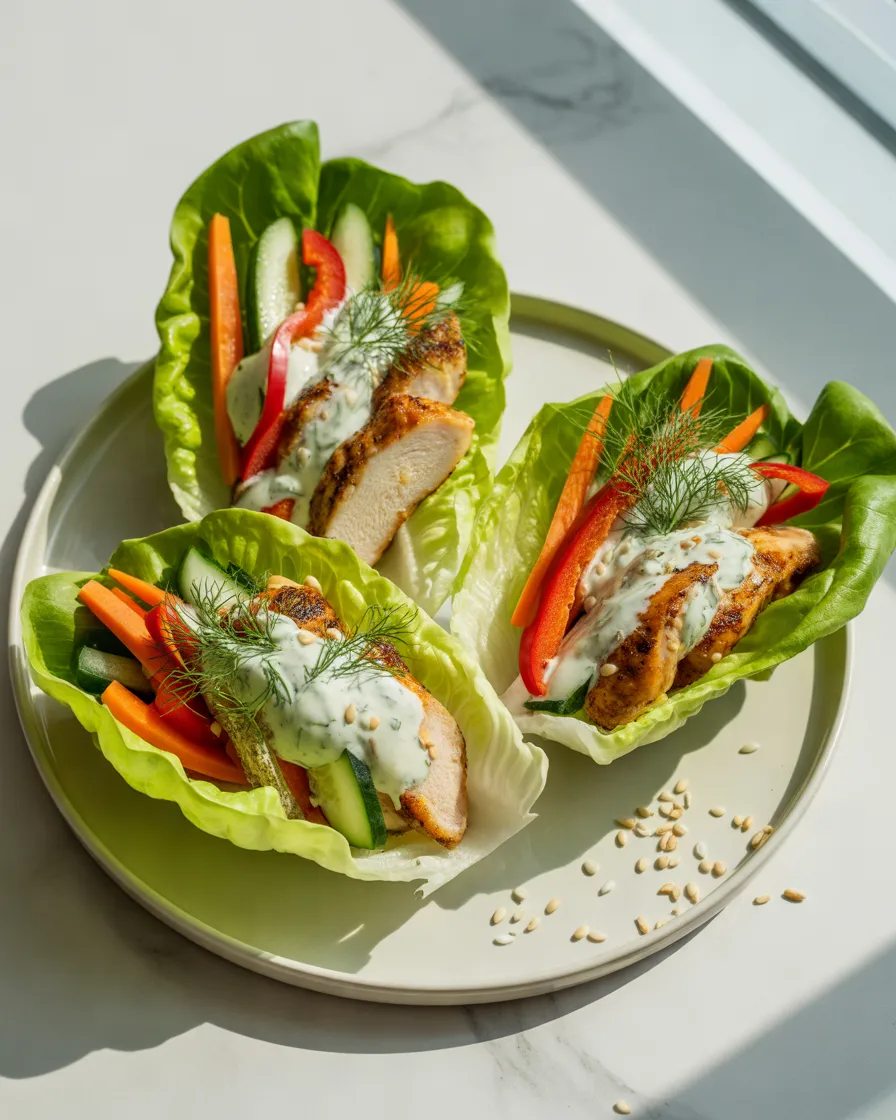
Grilled chicken lettuce wraps are a simple alternative to traditional sandwiches or heavy wraps. By replacing high-calorie bread or tortillas with crisp lettuce leaves, this recipe provides a lighter meal while maintaining flavor and protein content.
This recipe is especially useful for people who want easy low calorie lunch recipes that can be prepared quickly and customized with different vegetables and seasonings.
Ingredients
- 150 grams grilled chicken breast
- Large lettuce leaves
- Sliced cucumber
- Shredded carrots
- Bell peppers
- Greek yogurt-based sauce
- Herbs and spices
Benefits
- High in lean protein
- Lower in calories compared with many traditional wraps
- Easy way to increase vegetable intake
- Portable and convenient for work or school meals
- Can be customized with different flavors
Practical Tips
- Marinate chicken with lemon juice, garlic, paprika, and herbs before grilling.
- Avoid creamy sauces that can significantly increase calories.
- Prepare extra chicken pieces and store them for future meals.
- Add crunchy vegetables for better texture and satisfaction.
How to Use or Apply It
These lettuce wraps can be used as:
- A quick lunch option
- A light dinner
- A party-friendly healthy snack
- A meal-prep recipe
You can also replace chicken with tofu, turkey, or beans depending on your preferences.
Who It May Suit
This recipe may suit:
- People looking for higher protein meals
- Individuals reducing refined carbohydrate intake
- Fitness-focused individuals
- Anyone needing quick healthy meals
Important Considerations
Protein requirements differ among individuals. Those with kidney-related health concerns or specific medical conditions should discuss protein intake with a healthcare professional.
3. Vegetable Egg White Omelet: A Simple Low Calorie Breakfast Recipe
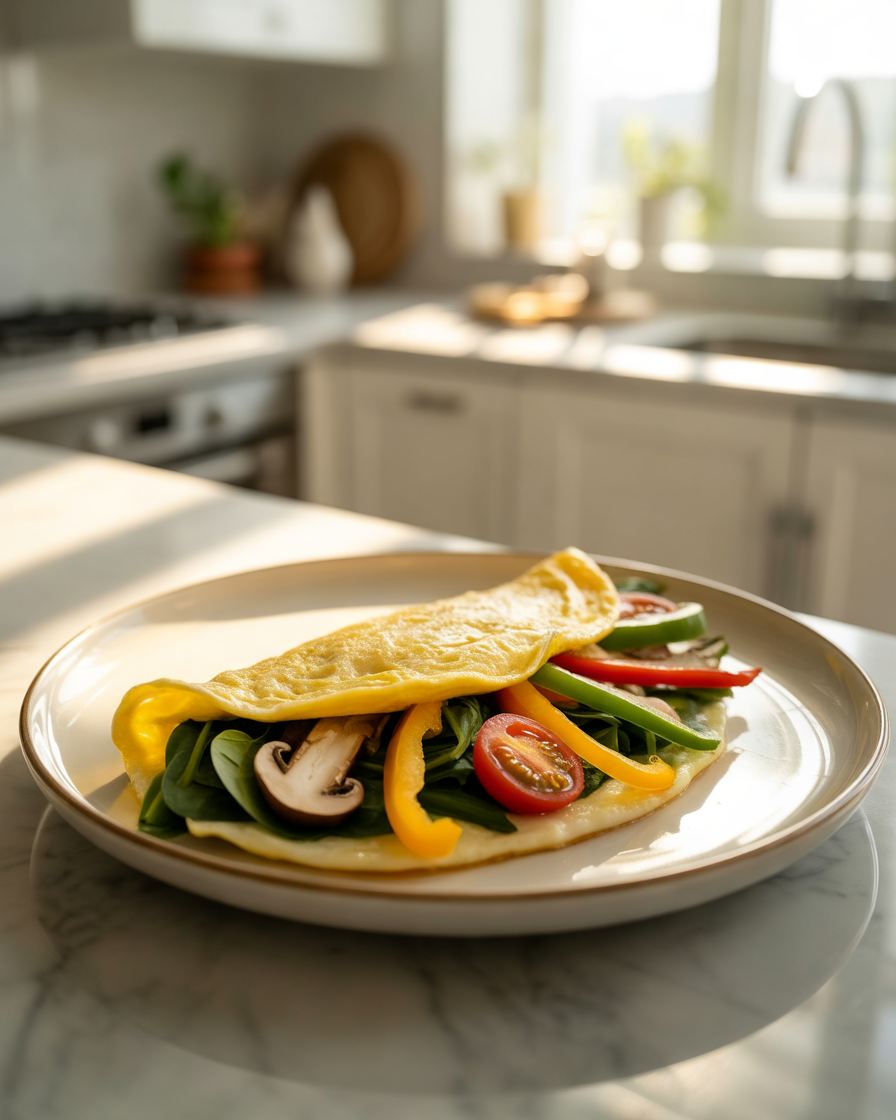
A vegetable egg white omelet is a practical choice for anyone searching for a nutritious breakfast that is light yet satisfying. Eggs provide high-quality protein, while vegetables add volume, flavor, and important nutrients.
This recipe demonstrates that healthy breakfasts do not need to be complicated. With a few simple ingredients, you can create a balanced morning meal in minutes.
Ingredients
- 4 egg whites
- 1 whole egg (optional)
- Spinach
- Mushrooms
- Tomatoes
- Onion
- Bell peppers
- Black pepper and herbs
Benefits
- Provides protein to support daily nutrition
- Helps add vegetables to breakfast
- Quick preparation time
- Easy to customize
- Suitable for different flavor preferences
Practical Tips
- Add vegetables with high water content such as mushrooms and spinach for more volume.
- Use a non-stick pan to reduce the need for extra oil.
- Add herbs like basil, coriander, or parsley for extra flavor.
- Pair with fruit or whole-grain toast if you need a more complete breakfast.
How to Use or Apply It
Enjoy this omelet as:
- A weekday breakfast
- A post-workout meal
- A weekend brunch option
- A quick protein-rich snack
It can also be prepared ahead and reheated when needed.
Who It May Suit
This recipe may suit:
- People wanting easy breakfast ideas
- Individuals increasing protein intake
- Busy workers and students
- Those looking for lighter morning meals
Important Considerations
Egg preferences vary based on dietary needs and health conditions. People with specific cholesterol concerns should discuss dietary choices with their healthcare provider.
4. Zucchini Noodles With Tomato Garlic Sauce: A Light Low Calorie Dinner Recipe
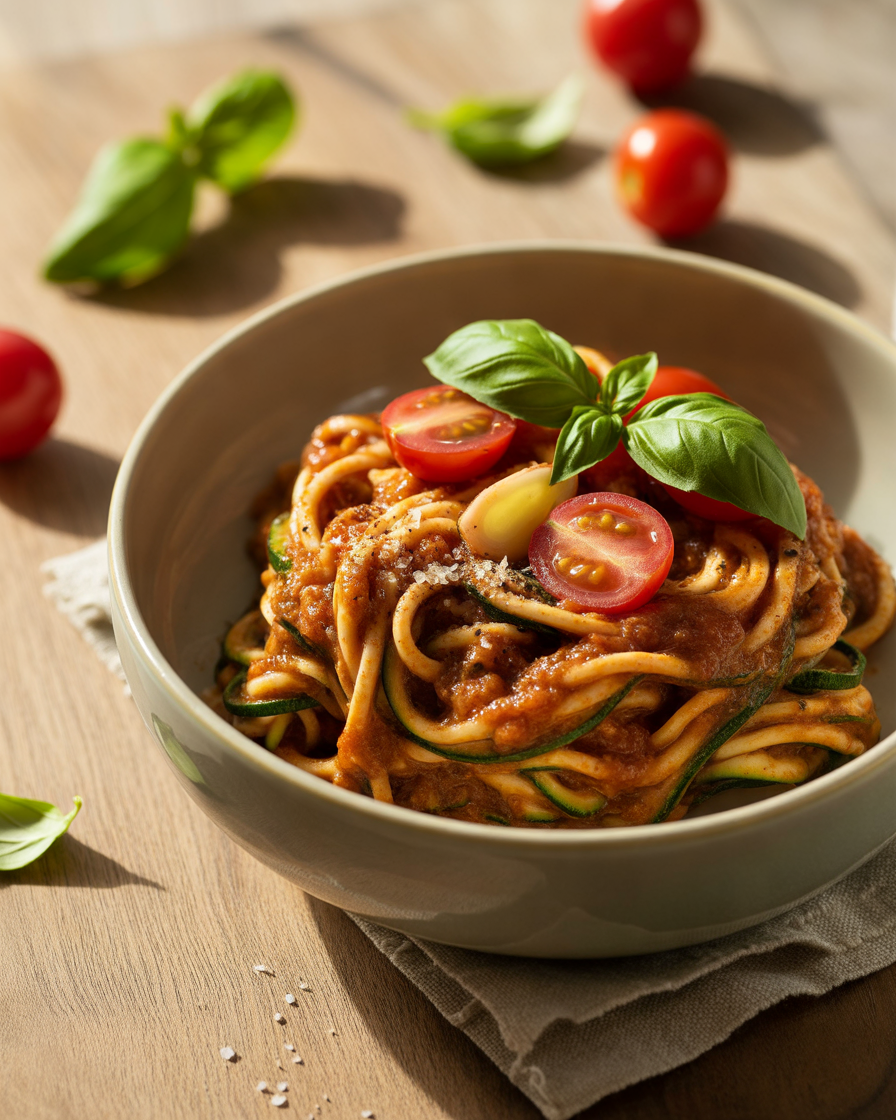
Zucchini noodles, often called “zoodles,” are a creative way to enjoy a pasta-style meal while increasing vegetable intake. This recipe replaces traditional pasta with spiralized zucchini and combines it with a simple homemade tomato garlic sauce.
It is one of the most popular low calorie dinner recipes because it offers familiar comfort-food flavors with a lighter ingredient approach.
Ingredients
- 2 medium zucchinis
- Fresh tomatoes or low-sodium tomato sauce
- Garlic
- Basil leaves
- Black pepper
- Small amount of olive oil
- Optional grilled chicken or tofu
Benefits
- Increases vegetable consumption
- Provides a lighter alternative to traditional pasta
- Contains antioxidants from vegetables and herbs
- Easy to modify for different diets
- Quick cooking time
Practical Tips
- Avoid overcooking zucchini because it can release too much water.
- Use fresh herbs for stronger flavor without extra calories.
- Add lean protein if you need a more filling meal.
- Make homemade tomato sauce when possible to control added ingredients.
How to Use or Apply It
Serve zucchini noodles as:
- A light dinner
- A side dish
- A meal-prep option
- A healthier comfort-food alternative
For a balanced meal, combine with protein and a small amount of healthy fat.
Who It May Suit
This recipe may suit:
- People wanting more vegetable-based meals
- Those reducing refined carbohydrates
- Individuals looking for quick dinners
- Families wanting healthier alternatives
Important Considerations
Vegetable noodles may not provide the same calories or carbohydrates as traditional pasta. People with higher energy requirements may need additional ingredients to meet their nutritional needs.
5. Tuna and Avocado Cucumber Boats: A Refreshing Low Calorie High-Protein Meal
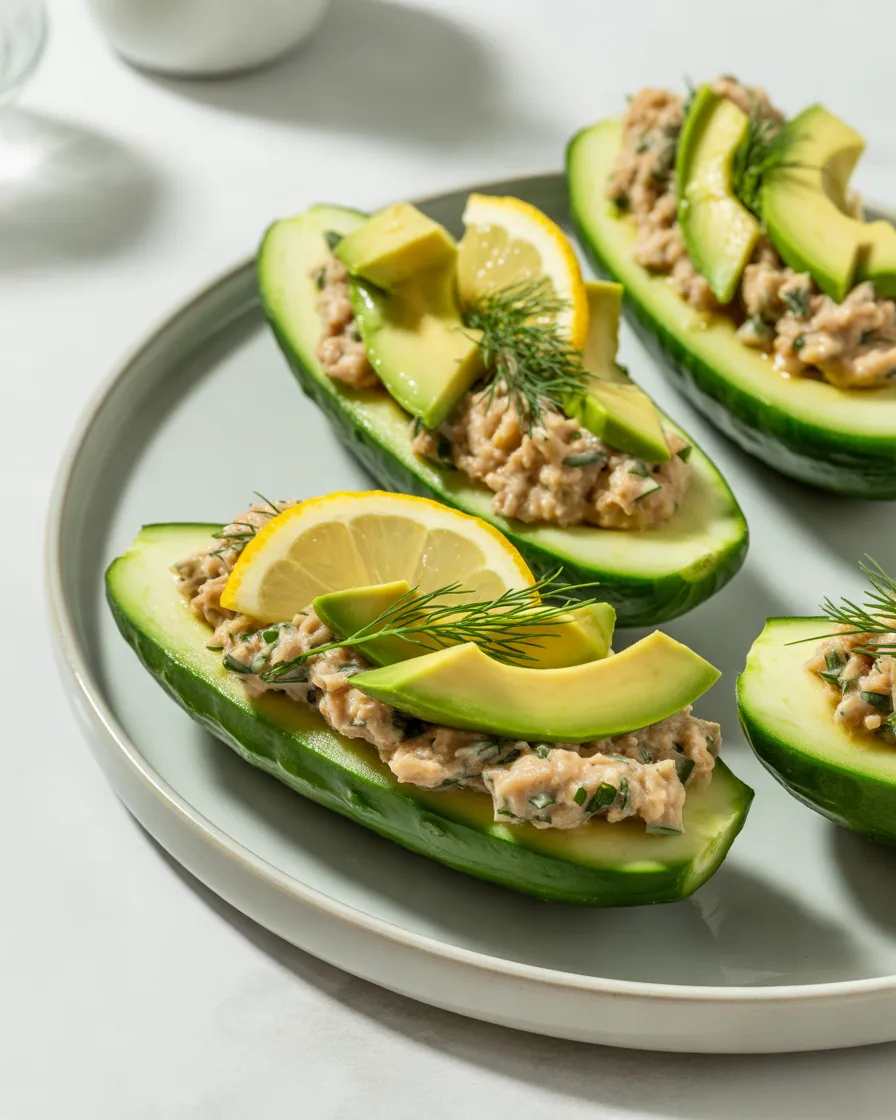
Tuna and avocado cucumber boats are a creative option for people who want a quick, refreshing meal without spending much time in the kitchen. Instead of using bread or crackers as a base, hollowed cucumber pieces create a crisp, hydrating alternative.
This recipe combines lean protein from tuna with healthy fats from avocado. It is a simple example of how low calorie recipes can still include satisfying ingredients and enjoyable flavors.
Ingredients
- 1 large cucumber
- 1 can tuna in water (drained)
- ¼ avocado
- Greek yogurt or light dressing
- Lemon juice
- Fresh herbs such as parsley or dill
- Black pepper
- Optional chopped celery or onions
Benefits
- Provides protein from tuna
- Includes healthy fats from avocado
- Adds extra vegetables to your meals
- Requires minimal preparation time
- Suitable for quick lunches and snacks
The combination of protein, fiber, and healthy fats may help create a more satisfying meal compared with many highly processed snack options.
Practical Tips
- Choose tuna packed in water if you want a lighter option.
- Use Greek yogurt instead of mayonnaise for a creamy texture with a different nutritional profile.
- Add herbs and lemon juice to increase flavor without relying on heavy sauces.
- Prepare the tuna mixture in advance and assemble when ready to eat.
How to Use or Apply It
Tuna cucumber boats can be used as:
- A light lunch
- An afternoon snack
- A picnic-friendly meal
- A protein-rich appetizer
For a more complete meal, pair it with a small serving of whole grains or additional vegetables.
Who It May Suit
This recipe may suit:
- Busy individuals needing quick meals
- People who enjoy seafood-based recipes
- Those looking for lower-calorie snack alternatives
- Anyone wanting more fresh vegetables in their diet
Important Considerations
People with seafood allergies should avoid tuna and choose another protein source. Individuals monitoring sodium intake should check canned tuna labels and select lower-sodium options when available.
6. Turkey and Vegetable Stir-Fry: A Quick Low Calorie Dinner Recipe
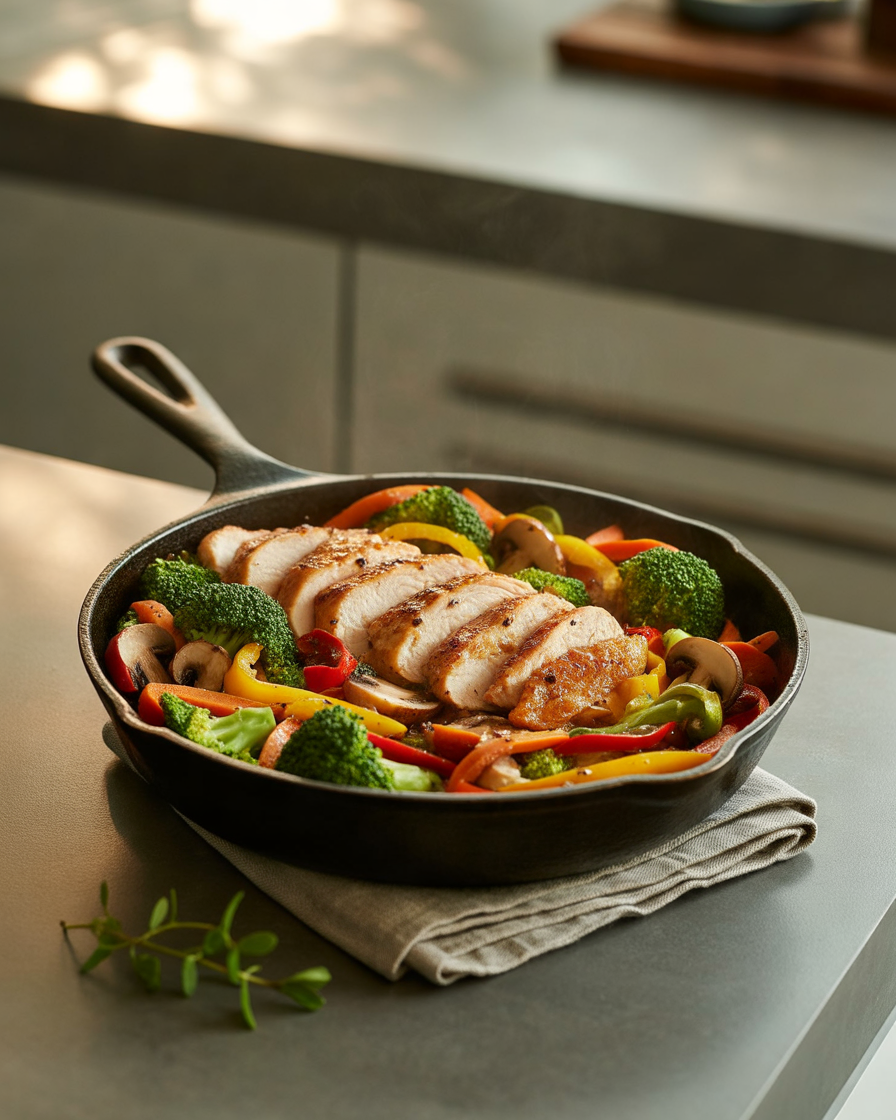
Turkey and vegetable stir-fry is an excellent choice for anyone looking for a flavorful meal that can be prepared quickly. By combining lean turkey with colorful vegetables, this recipe creates a balanced dish without relying on heavy sauces or excessive oil.
Many people struggle with healthy eating because they associate nutritious meals with complicated preparation. Stir-fry recipes solve this problem by offering flexibility, speed, and variety.
Ingredients
- 150 grams lean turkey breast strips
- Broccoli
- Bell peppers
- Carrots
- Mushrooms
- Garlic
- Ginger
- Low-sodium soy sauce
- Small amount of sesame oil
Benefits
- Provides lean protein
- Includes multiple servings of vegetables
- Can be prepared in one pan
- Easy to customize with seasonal produce
- Suitable for meal preparation
Vegetables contribute volume and texture, making meals feel more satisfying while keeping calories controlled.
Practical Tips
- Cut vegetables into similar sizes so they cook evenly.
- Cook turkey separately first to maintain texture.
- Use sauces carefully because many packaged sauces can contain added sugar and sodium.
- Prepare extra portions for easy weekday meals.
How to Use or Apply It
Turkey stir-fry works well as:
- A healthy dinner
- A work lunch
- A meal-prep recipe
- A family-friendly meal
You can serve it with:
- Brown rice
- Quinoa
- Cauliflower rice
- Whole-grain noodles
depending on your energy needs and preferences.
Who It May Suit
This recipe may suit:
- People seeking high-protein meals
- Families wanting quick dinners
- Fitness enthusiasts
- Individuals reducing reliance on takeaway food
Important Considerations
Calorie content depends on ingredients and portion sizes. Added oils, sauces, and side dishes can significantly change the overall nutrition profile.
7. Greek Yogurt Berry Parfait: A Healthy Low Calorie Dessert Alternative
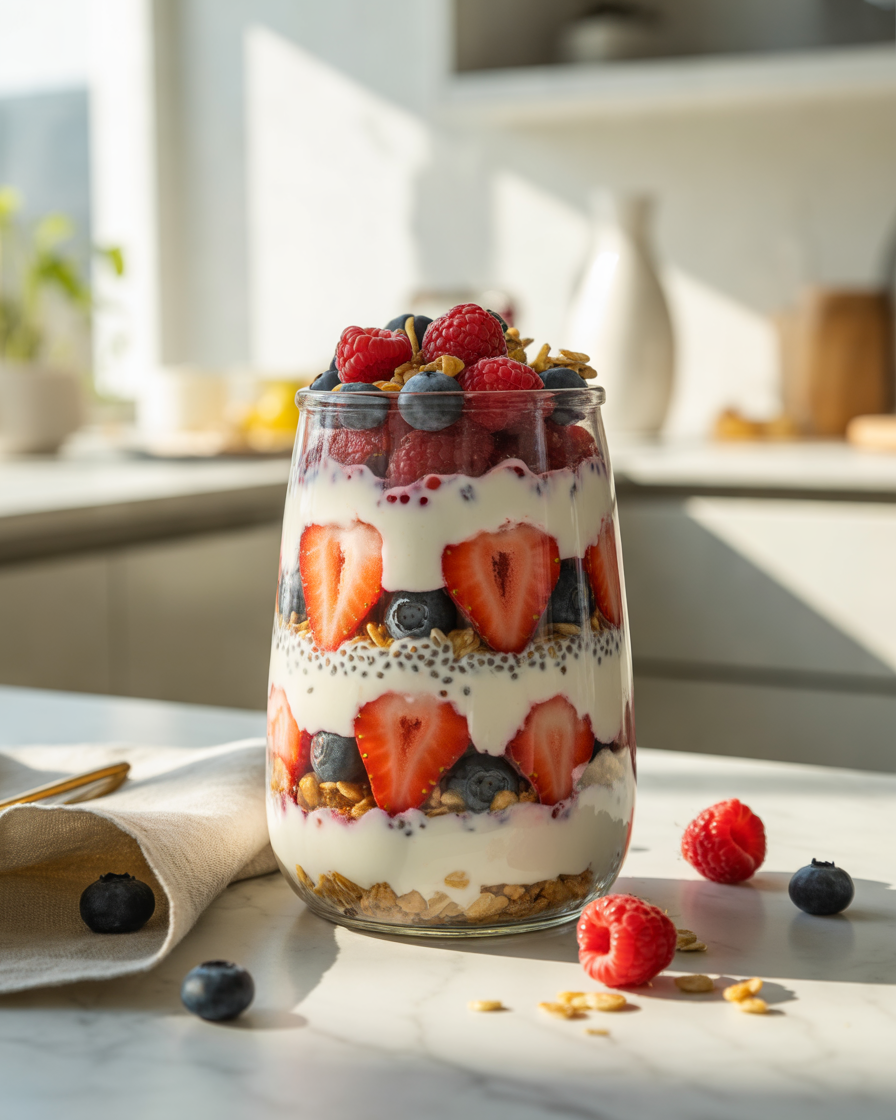
Craving something sweet does not mean you have to completely avoid desserts. A Greek yogurt berry parfait is a simple way to enjoy a naturally sweet treat while including protein-rich ingredients.
This recipe is a practical example of how low calorie recipes can satisfy cravings by focusing on nutrient-rich ingredients rather than highly processed foods.
Ingredients
- 1 cup low-fat Greek yogurt
- Mixed berries (blueberries, strawberries, raspberries)
- 1 tablespoon chia seeds
- Small amount of granola
- Cinnamon or vanilla extract
Benefits
- Provides protein from Greek yogurt
- Contains antioxidants from berries
- Offers fiber from fruit and seeds
- Can replace high-sugar desserts
- Easy to prepare without cooking
This dessert option can be adjusted according to personal taste and nutritional needs.
Practical Tips
- Choose plain Greek yogurt and add natural sweetness with fruit.
- Measure granola portions because it can add calories quickly.
- Use frozen berries when fresh options are unavailable.
- Prepare individual jars for convenient grab-and-go snacks.
How to Use or Apply It
Enjoy this parfait as:
- Breakfast
- A post-workout snack
- An afternoon dessert
- A healthier sweet option after dinner
It can also be prepared overnight for a convenient morning meal.
Who It May Suit
This recipe may suit:
- People wanting healthier desserts
- Busy individuals needing quick breakfasts
- Families looking for simple snack ideas
- Anyone increasing protein and fruit intake
Important Considerations
Even nutritious ingredients contain calories. Portion sizes of yogurt, granola, and toppings should match individual goals.
People managing blood sugar levels should consider their overall carbohydrate intake and choose ingredients according to their dietary requirements.
8. Lentil Vegetable Soup: A Comforting Low Calorie Recipe for Any Season
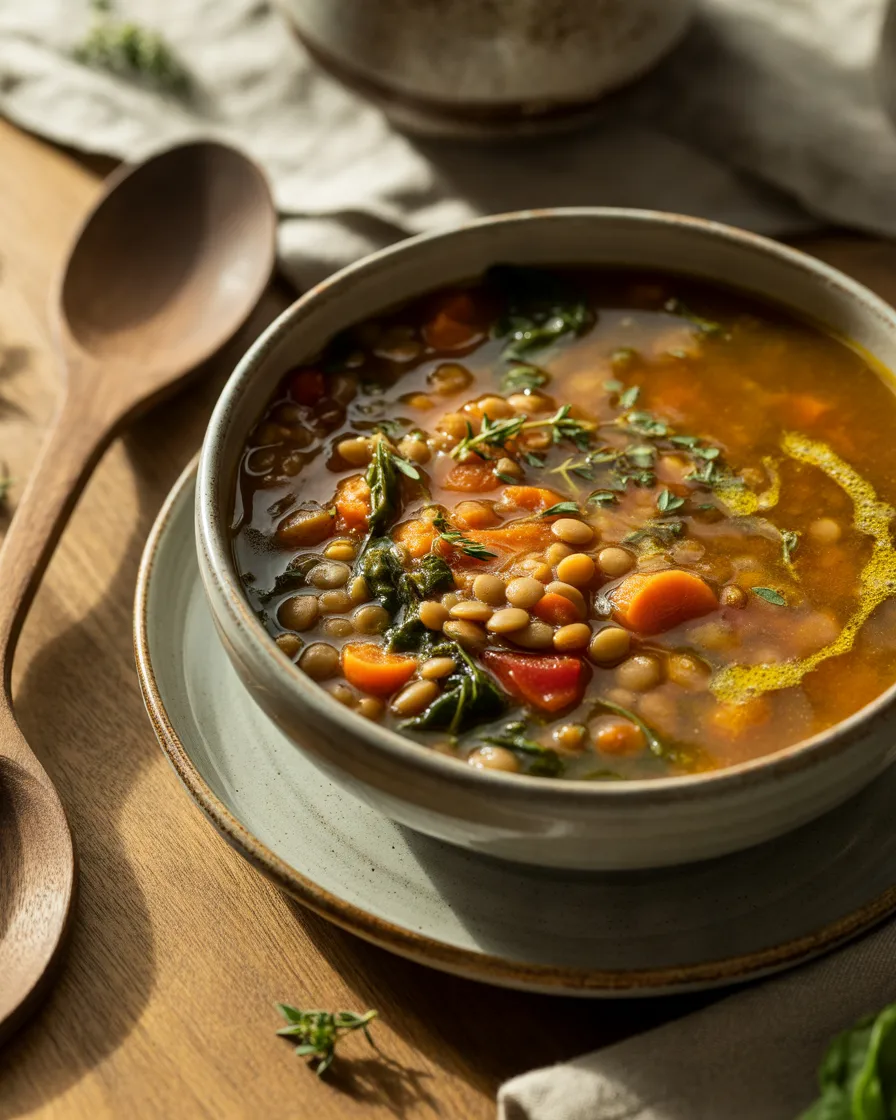
Lentil vegetable soup is a classic example of a filling meal that can be both economical and nutritious. Lentils provide plant-based protein and fiber, while vegetables add flavor, color, and essential nutrients.
Unlike many creamy soups that rely on high-calorie ingredients, this version focuses on simple whole foods while maintaining a satisfying texture.
Ingredients
- 1 cup cooked lentils
- Carrots
- Celery
- Tomatoes
- Spinach
- Onion
- Garlic
- Vegetable broth
- Herbs and spices
Benefits
- Provides plant-based protein
- Contains dietary fiber
- Supports a balanced eating pattern
- Budget-friendly meal option
- Easy to prepare in large batches
Lentil soup is particularly useful for people who want meals that remain satisfying for longer periods.
Practical Tips
- Cook a large batch and freeze individual portions.
- Add different vegetables depending on the season.
- Use herbs and spices instead of excessive salt.
- Blend part of the soup for a thicker texture without adding cream.
How to Use or Apply It
Lentil vegetable soup can be served as:
- Lunch
- Dinner
- A starter meal
- A meal-prep option
Pair it with a side salad or whole-grain bread if you need additional energy.
Who It May Suit
This recipe may suit:
- Vegetarians and plant-based eaters
- Families looking for affordable meals
- People wanting more fiber-rich foods
- Anyone who enjoys comforting homemade dishes
Important Considerations
Lentils contain carbohydrates as well as protein. People following specific dietary plans should consider their total nutritional needs when planning portions.
9. Salmon and Roasted Vegetable Plate: A Nutrient-Rich Low Calorie Dinner Recipe
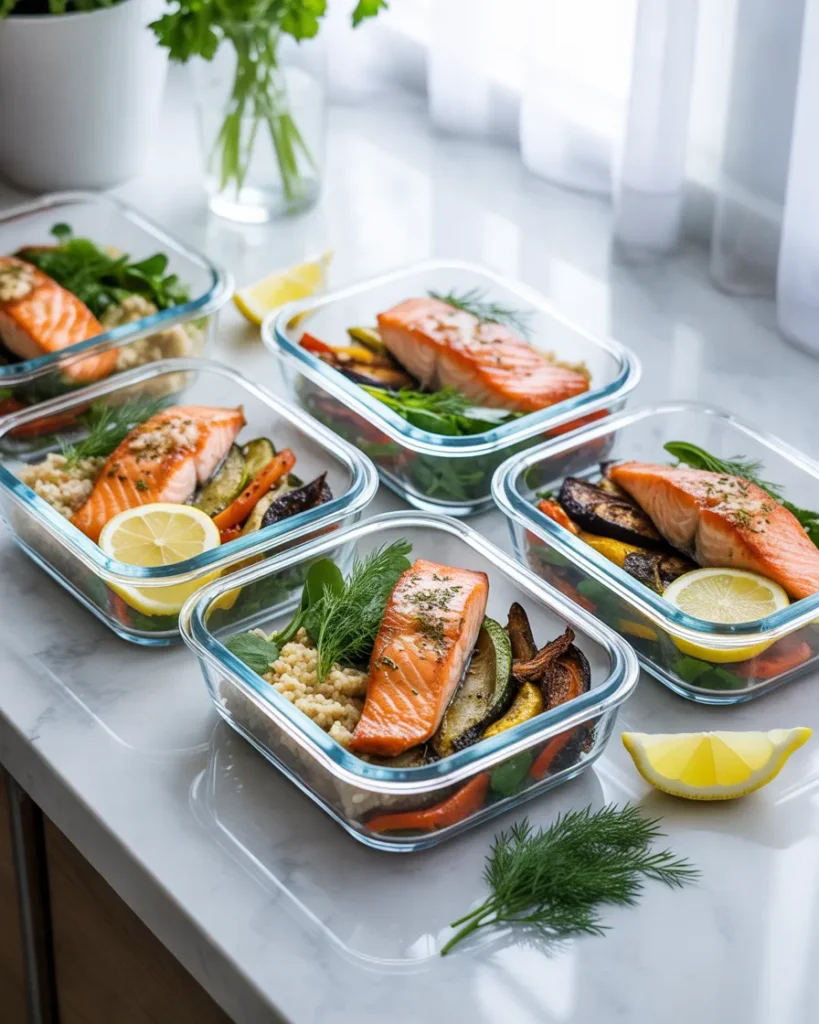
A salmon and roasted vegetable plate is a flavorful option for people who want a balanced dinner with quality protein, vegetables, and healthy fats. Salmon provides important nutrients, while roasted vegetables add natural sweetness, texture, and variety.
This recipe shows that low calorie dinner recipes do not need to be boring or restrictive. By focusing on nutrient-dense ingredients and proper portions, you can create a meal that feels satisfying and enjoyable.
Ingredients
- 120–150 grams salmon fillet
- Broccoli
- Zucchini
- Bell peppers
- Cherry tomatoes
- Lemon juice
- Garlic
- Black pepper
- Small amount of olive oil
- Fresh herbs
Benefits
- Provides high-quality protein
- Contains healthy fats from salmon
- Adds multiple servings of vegetables
- Offers a satisfying combination of flavors and textures
- Supports a balanced eating pattern
Including fish in meals can be a useful way to add variety to protein sources. However, overall dietary patterns and individual needs are more important than any single food.
Practical Tips
- Use herbs, lemon, and spices to enhance flavor without heavy sauces.
- Roast vegetables until slightly caramelized for better taste.
- Choose portion sizes according to your energy requirements.
- Prepare extra roasted vegetables to use in future meals.
How to Use or Apply It
This salmon plate can be served as:
- A healthy dinner
- A weekend meal
- A meal-prep option
- A special occasion dish with a lighter approach
You can adjust the vegetables based on seasonal availability.
Who It May Suit
This recipe may suit:
- Seafood lovers
- People wanting protein-rich meals
- Individuals looking for balanced dinner options
- Those trying to include more vegetables
Important Considerations
People with fish allergies should choose another protein source. Those with specific health concerns related to seafood consumption should consult a healthcare professional for personalized advice.
10. Cauliflower Fried Rice: A Creative Low Calorie Recipe Alternative
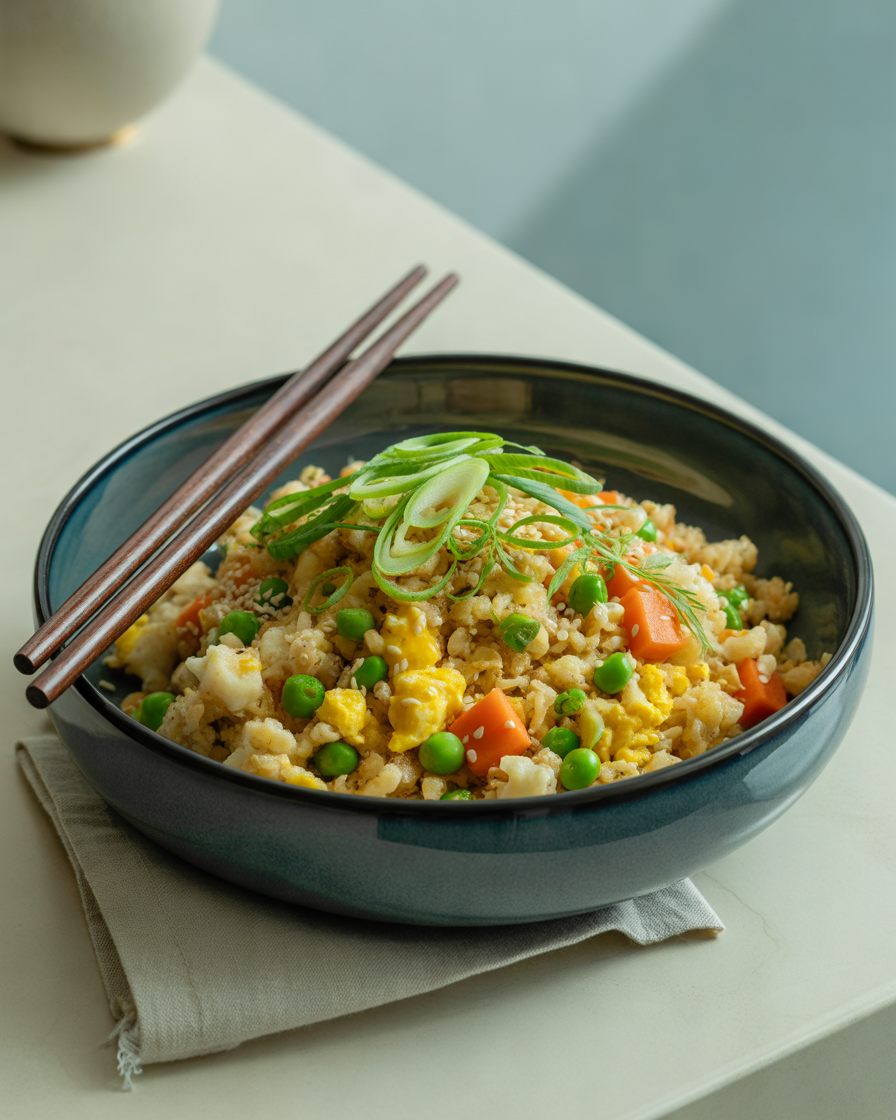
Cauliflower fried rice is a lighter version of traditional fried rice that replaces some or all of the rice with finely chopped cauliflower. It provides a familiar comfort-food experience while increasing vegetable intake.
This recipe is popular among people searching for easy low calorie recipes because it is quick, flexible, and suitable for different dietary preferences.
Ingredients
- 2 cups grated cauliflower
- Carrots
- Peas
- Bell peppers
- Eggs or tofu
- Garlic
- Ginger
- Low-sodium soy sauce
- Green onions
Benefits
- Increases vegetable consumption
- Provides a lower-calorie alternative to traditional fried rice
- Quick preparation
- Customizable with different proteins
- Suitable for meal preparation
The recipe focuses on adding more vegetables while maintaining the flavors people enjoy from classic dishes.
Practical Tips
- Remove excess moisture from cauliflower before cooking.
- Avoid using too much oil during stir-frying.
- Add protein such as eggs, chicken, shrimp, or tofu for a more complete meal.
- Use fresh garlic and ginger for stronger flavor.
How to Use or Apply It
Cauliflower fried rice can be used as:
- A quick lunch
- A light dinner
- A side dish
- A meal-prep recipe
It can replace traditional rice occasionally or be combined with regular rice depending on personal preferences.
Who It May Suit
This recipe may suit:
- People wanting more vegetable-based meals
- Busy home cooks
- Individuals looking for lighter comfort food options
- Families experimenting with healthier recipes
Important Considerations
Cauliflower-based meals may not provide the same energy as traditional rice. People with higher calorie needs may need additional ingredients to create a more suitable meal.
11. Chicken Vegetable Soup: A Simple Comforting Low Calorie Meal
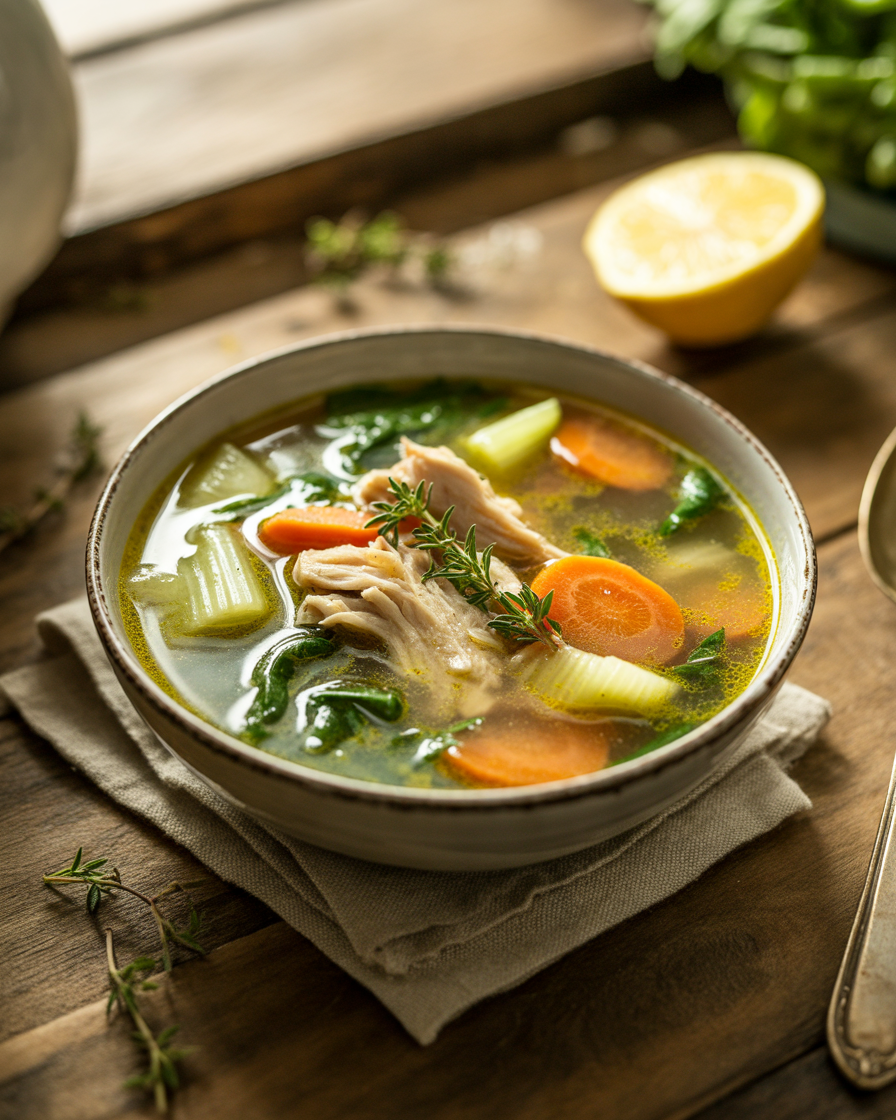
Chicken vegetable soup is a classic homemade meal that combines lean protein with vegetables in a warm, satisfying dish. It is especially useful during colder months when many people prefer comforting meals.
Unlike many store-bought soups that may contain high sodium levels or heavy ingredients, homemade versions allow better control over what goes into your bowl.
Ingredients
- 150 grams chicken breast
- Carrots
- Celery
- Onion
- Spinach
- Garlic
- Chicken broth
- Herbs and spices
Benefits
- Provides lean protein
- Helps increase vegetable intake
- Easy to prepare in batches
- Suitable for different age groups
- Can be adjusted according to preferences
Soup can be a useful meal option because it combines hydration, vegetables, and protein in one dish.
Practical Tips
- Use homemade broth when possible to control ingredients.
- Remove visible fat from chicken before cooking.
- Add herbs like thyme or parsley for extra flavor.
- Prepare larger portions and store safely for future meals.
How to Use or Apply It
Chicken vegetable soup can be enjoyed as:
- Lunch
- Dinner
- A light meal between larger meals
- A meal-prep option
Add whole grains or additional vegetables if you need a more filling meal.
Who It May Suit
This recipe may suit:
- Families wanting simple meals
- People who enjoy warm comfort foods
- Busy individuals needing easy preparation
- Those increasing protein intake
Important Considerations
Soup nutrition varies depending on ingredients. Cream, excessive oil, and high-sodium ingredients can increase calories and sodium levels.
12. Overnight Oats With Fresh Fruit: An Easy Low Calorie Breakfast Recipe
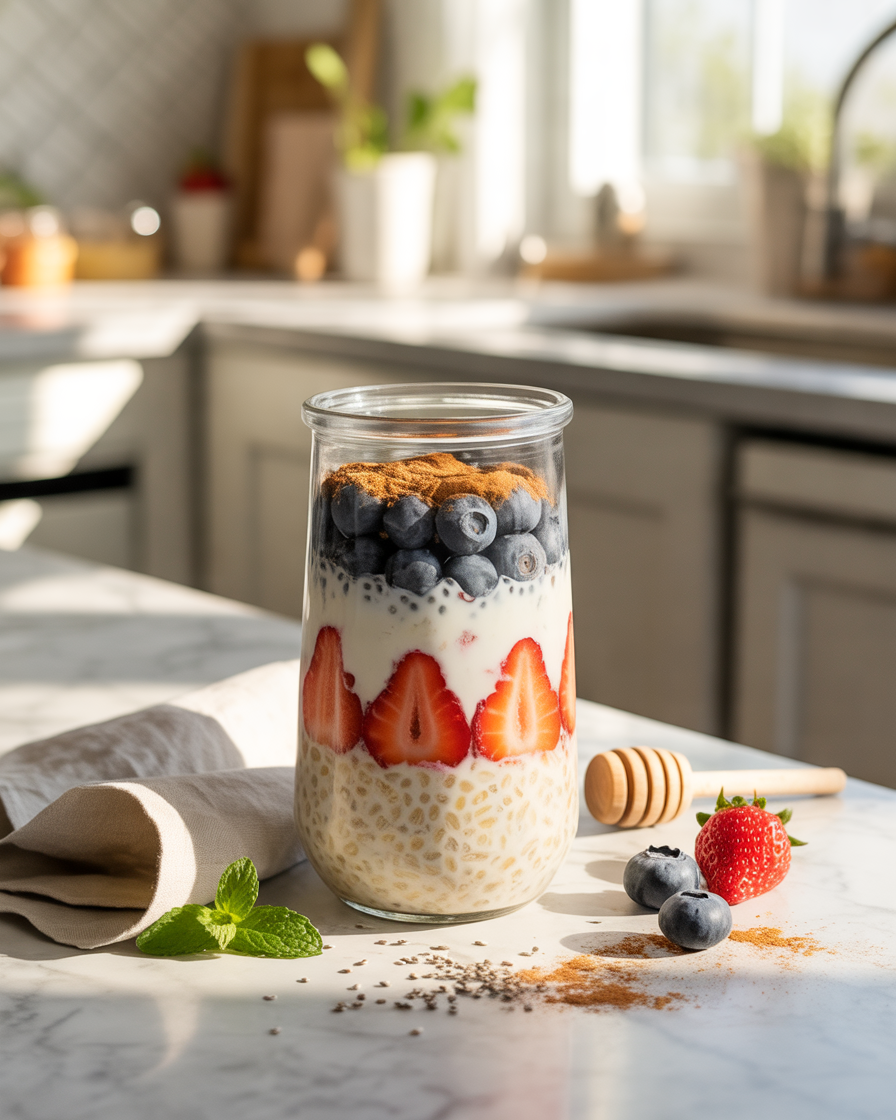
Overnight oats are one of the most convenient low calorie breakfast recipes for busy mornings. The preparation requires minimal effort, and the ingredients can be customized with different fruits, seeds, and flavors.
This recipe is ideal for people who want a nutritious breakfast ready before the day begins.
Ingredients
- ½ cup rolled oats
- Low-fat milk or unsweetened plant milk
- Greek yogurt (optional)
- Fresh berries or banana slices
- Chia seeds
- Cinnamon
- Small amount of nuts
Benefits
- Provides fiber from oats
- Easy make-ahead breakfast
- Can include protein-rich ingredients
- Helps create a consistent morning routine
- Customizable with seasonal fruits
Practical Tips
- Prepare jars for several days at once.
- Choose unsweetened milk options to control added sugars.
- Add fruit before serving for fresher texture.
- Measure nuts and toppings because small portions can add significant calories.
How to Use or Apply It
Overnight oats work well as:
- Breakfast before work
- A quick student meal
- A post-exercise meal option
- A portable breakfast
Experiment with flavors such as:
- Apple cinnamon
- Chocolate banana
- Berry vanilla
- Peanut butter style
Who It May Suit
This recipe may suit:
- Busy professionals
- Students
- People who prefer meal preparation
- Anyone wanting easy breakfast ideas
Important Considerations
Oats are nutritious but calorie-containing. Portion sizes and added toppings should match personal nutrition goals.
People with gluten sensitivity should choose certified gluten-free oats if needed.
Expert Tips for Creating Better Low Calorie Recipes
1. Focus on Food Quality Instead of Just Reducing Calories
A healthy eating pattern is not only about eating fewer calories. The quality of those calories matters. Choose foods that provide protein, fiber, vitamins, minerals, and satisfying flavors.
Examples include:
- Vegetables instead of highly processed snacks
- Lean proteins instead of heavily fried foods
- Whole grains instead of refined alternatives
2. Include Protein in Your Meals
Protein can help meals feel more satisfying and supports many important body functions. Include options such as:
- Eggs
- Chicken
- Fish
- Greek yogurt
- Beans
- Lentils
- Tofu
3. Add More Volume With Vegetables
Vegetables can increase meal size while contributing relatively fewer calories compared with many processed foods.
Simple ideas:
- Add spinach to eggs
- Add vegetables to soups
- Include salads with lunch
- Mix vegetables into stir-fries
4. Plan Meals Before You Get Hungry
Meal planning can make healthy choices easier. Preparing ingredients ahead of time reduces dependence on convenience foods.
Helpful preparation steps:
- Wash vegetables in advance
- Cook protein portions ahead
- Prepare healthy snacks
- Store ingredients properly
5. Avoid Hidden Calories
Small additions can increase calories quickly:
- Large amounts of oil
- Sugary sauces
- High-calorie dressings
- Oversized portions
Use herbs, spices, lemon juice, and homemade sauces to improve flavor.
Frequently Asked Questions About Low Calorie Recipes
What Are Low Calorie Recipes?
Low calorie recipes are meals designed with ingredients and portions that provide fewer calories compared with many traditional versions while still offering important nutrients. They often include vegetables, lean proteins, whole grains, and balanced ingredients.
Are Low Calorie Recipes Good for Weight Management?
Low calorie recipes can support a balanced eating pattern when combined with appropriate portions, regular activity, and healthy lifestyle habits. Individual results vary depending on many factors.
Can Low Calorie Meals Still Be Filling?
Yes. Meals containing protein, fiber-rich foods, vegetables, and healthy fats can often feel more satisfying than meals made mostly from refined carbohydrates or processed ingredients.
What Foods Are Commonly Used in Low Calorie Recipes?
Common ingredients include:
- Vegetables
- Lean meats
- Fish
- Eggs
- Legumes
- Greek yogurt
- Whole grains
- Fresh fruits
Can I Eat Low Calorie Recipes Every Day?
Many people include lower-calorie meals regularly as part of a balanced diet. However, calorie needs vary, so meals should provide enough energy and nutrients for your individual lifestyle.
Are Low Calorie Recipes Suitable for Everyone?
Not necessarily. Children, athletes, pregnant individuals, older adults, and people with certain medical conditions may have different nutritional requirements. Professional guidance may be helpful when needed.
Conclusion: Enjoy Simple and Satisfying Low Calorie Recipes Every Day
Healthy eating does not have to mean sacrificing taste or enjoyment. The best low calorie recipes focus on balance, variety, and practical ingredients that fit into real lifestyles.
From colorful salads and protein-packed wraps to comforting soups and creative vegetable-based meals, there are countless ways to prepare satisfying dishes while being mindful of calorie intake.
The most effective approach is to build meals around nutritious foods, practice mindful portions, and create habits that are realistic for your daily routine.
Whether you are preparing breakfast, lunch, dinner, or snacks, these recipes can provide inspiration for creating meals that are flavorful, simple, and supportive of a balanced lifestyle.