Finding a dinner that tastes delicious, keeps you satisfied, and provides enough protein does not have to be difficult. Whether you want to eat healthier, support muscle recovery, manage your weight, or simply prepare more balanced meals, choosing the right ingredients can make a big difference.
A healthy high protein dinner combines protein-rich foods with vegetables, fibre-rich carbohydrates, and healthy fats. You do not need expensive ingredients or complicated cooking techniques to prepare nutritious meals. Simple options such as grilled chicken, salmon, lean turkey, shrimp, eggs, tofu, beans, and lentils can help you create satisfying dinners at home.
The best part is that you can prepare many of these meals in less than 40 minutes. Some are ideal for busy weeknights, while others work well for family dinners or weekend meal preparation.
In this guide, you will discover 12 healthy high protein dinner ideas that are practical, flavourful, and easy to customise. Each idea includes its nutritional benefits, preparation tips, serving suggestions, and important considerations.
1. Grilled Chicken Breast with Roasted Vegetables
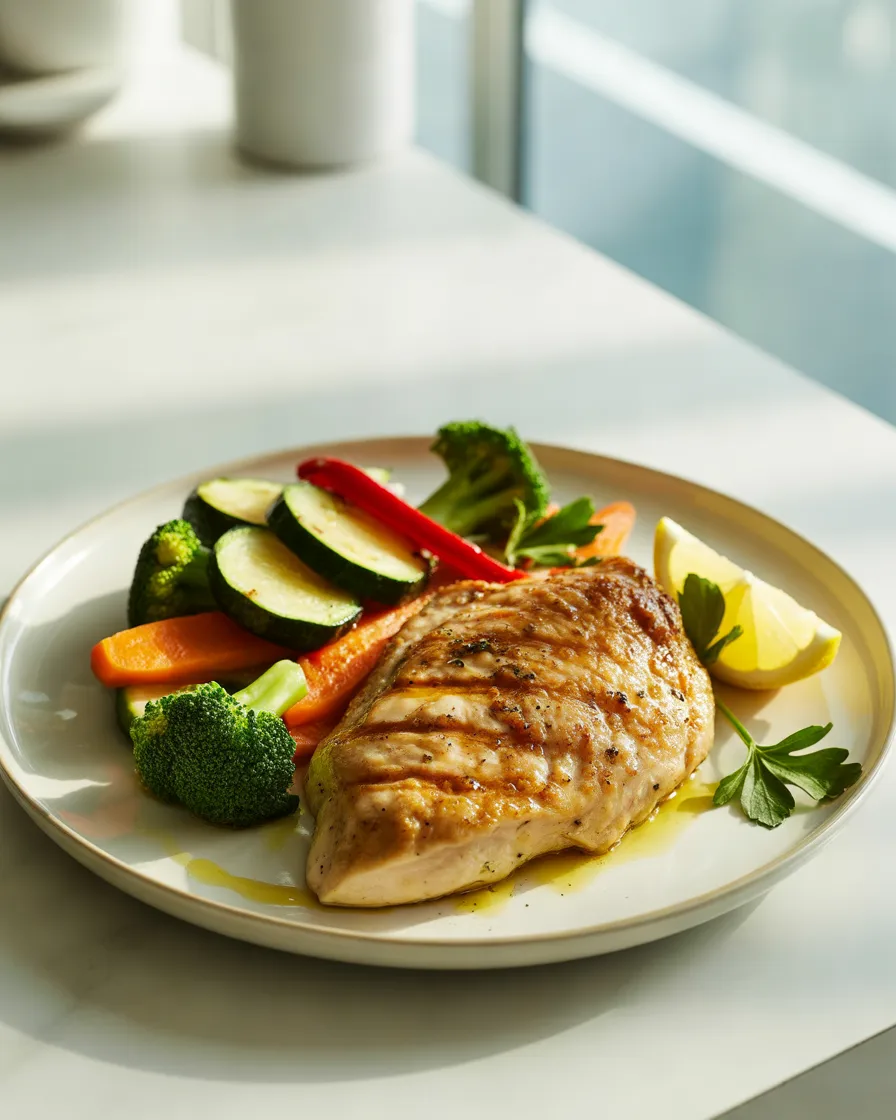
Grilled chicken breast with roasted vegetables is one of the easiest healthy high protein dinner options. It combines lean protein with colourful vegetables to create a balanced meal without requiring complicated ingredients.
Chicken breast is naturally rich in protein and relatively low in fat, especially when prepared without heavy sauces or excessive oil. Adding vegetables such as broccoli, carrots, zucchini, and bell peppers provides fibre, vitamins, and minerals.
Estimated protein: 40–45 grams per serving.
Benefits:
- Provides lean protein to support muscle maintenance and recovery.
- Supplies important nutrients from different vegetables.
- Offers a balanced combination of protein, fibre, and carbohydrates.
- Can be prepared in batches for convenient weekday meals.
- Allows easy portion and ingredient adjustments.
Practical cooking tips:
Marinate chicken breast with olive oil, lemon juice, garlic, black pepper, paprika, and a little salt. Allow it to rest in the marinade for approximately 20–30 minutes if time permits.
Grill the chicken until its thickest part reaches an internal temperature of 165°F (74°C). Meanwhile, roast broccoli, carrots, and zucchini with olive oil and your favourite seasonings.
How to use this dinner idea:
Serve one grilled chicken breast with a generous portion of roasted vegetables. Add a small serving of brown rice, quinoa, or baked potatoes if you need additional energy.
You can also prepare several portions in advance and store them in individual meal-prep containers.
Who it may suit: People looking for easy high protein dinners, active individuals, families, and anyone who enjoys simple meal preparation.
Important considerations: Avoid relying on large amounts of butter, creamy dressings, or sugary marinades. Chicken should always be cooked thoroughly.
2. Baked Salmon with Quinoa and Steamed Broccoli
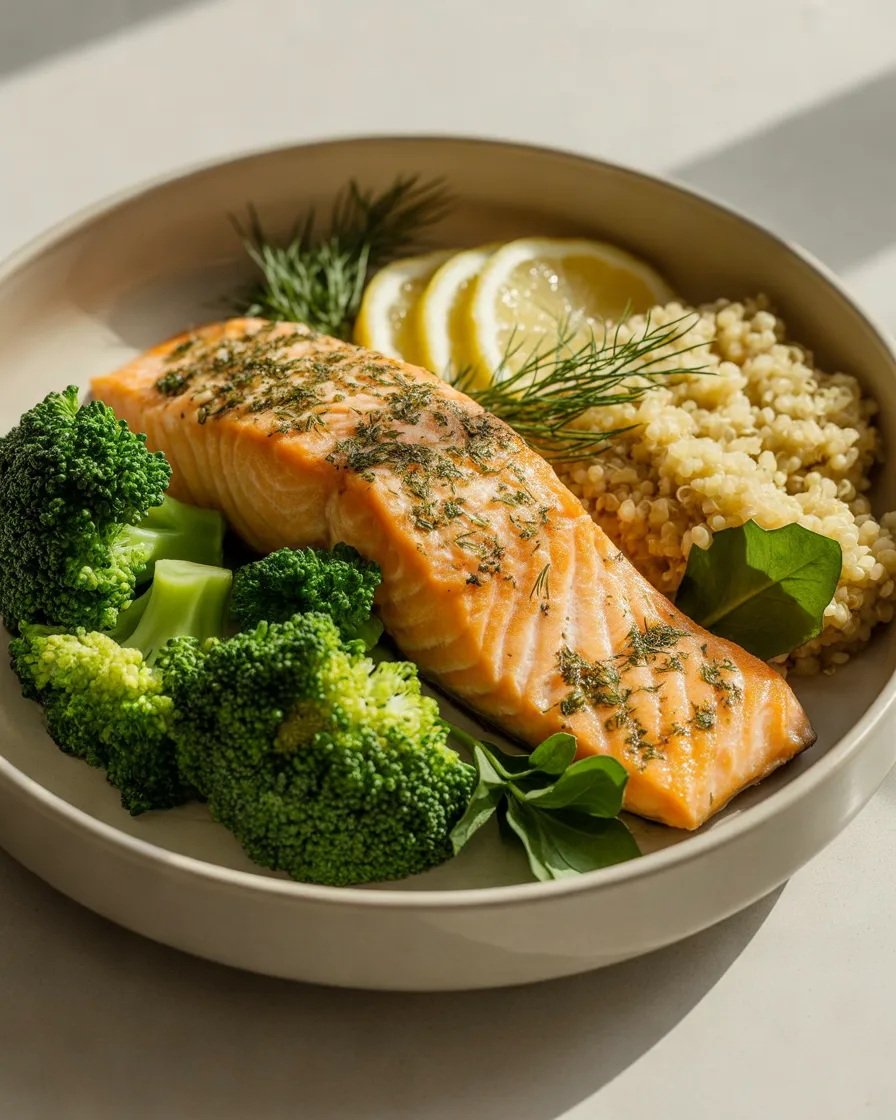
Baked salmon with quinoa and broccoli is an excellent choice when you want a nutritious, protein-rich dinner with minimal preparation.
Salmon provides high-quality protein and omega-3 fatty acids, particularly EPA and DHA. These fats support normal cardiovascular and brain function as part of a balanced diet. Quinoa adds plant-based protein, fibre, and carbohydrates, while broccoli contributes vitamin C and other valuable nutrients.
Estimated protein: 40–45 grams per serving.
Benefits:
- Salmon supplies complete protein containing all nine essential amino acids.
- Omega-3 fatty acids support overall health.
- Quinoa contributes additional protein and fibre.
- Broccoli provides vitamins, minerals, and antioxidants.
- Baking requires relatively little added oil.
Practical cooking tips:
Place a salmon fillet on a baking tray. Season it with lemon juice, garlic, black pepper, paprika, and a small amount of olive oil.
Bake at 400°F (200°C) until the fish reaches an internal temperature of 145°F (63°C), or follows the recommended local food-safety guidance.
Prepare quinoa according to the package instructions and steam broccoli until tender but still slightly crisp.
How to use this dinner idea:
Arrange the salmon, quinoa, and broccoli together in a bowl. Finish with fresh lemon juice and chopped parsley.
For a different flavour, add a spoonful of plain Greek yogurt mixed with dill and lemon as a light sauce.
Who it may suit: Seafood lovers, people looking for heart-conscious meal choices, and anyone interested in a nutritious high protein dinner.
Important considerations: Choose fresh or frozen salmon from a reliable source. People who need to limit seafood because of allergies or medical dietary restrictions should select an alternative protein.
3. Lean Turkey and Black Bean Stuffed Bell Peppers
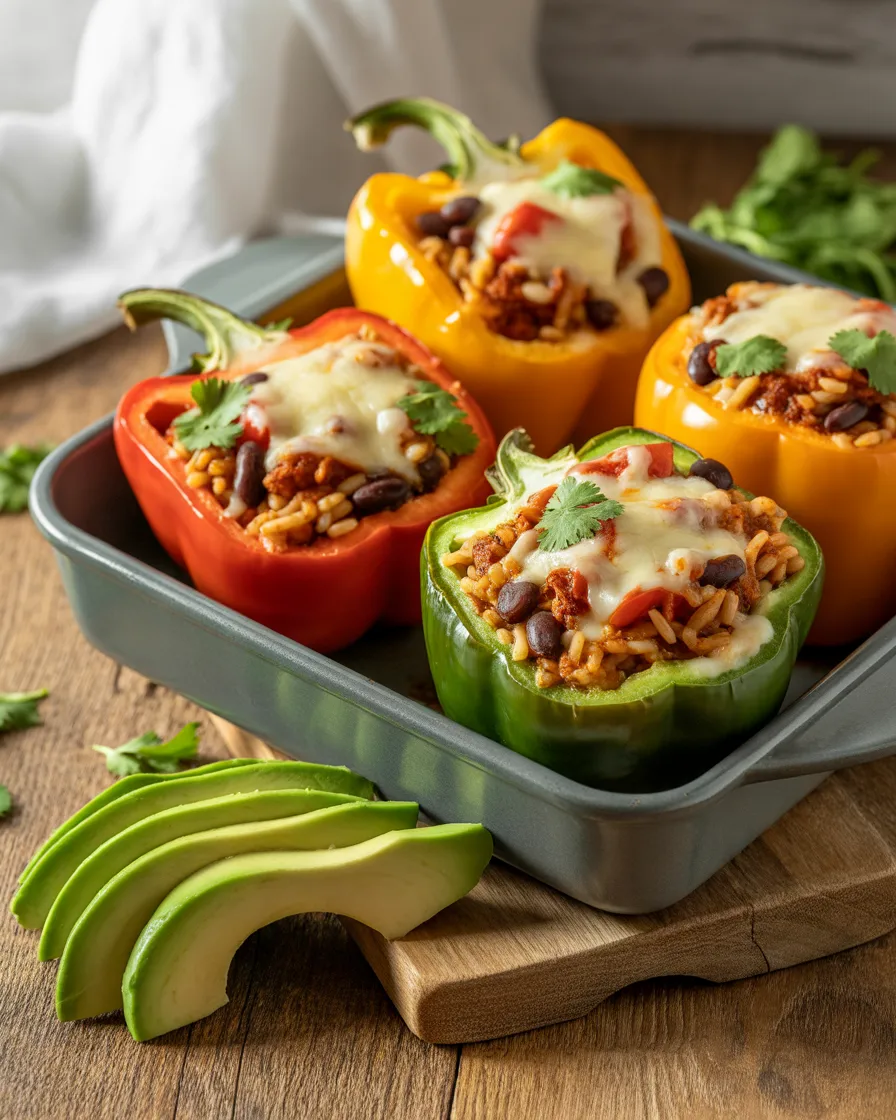
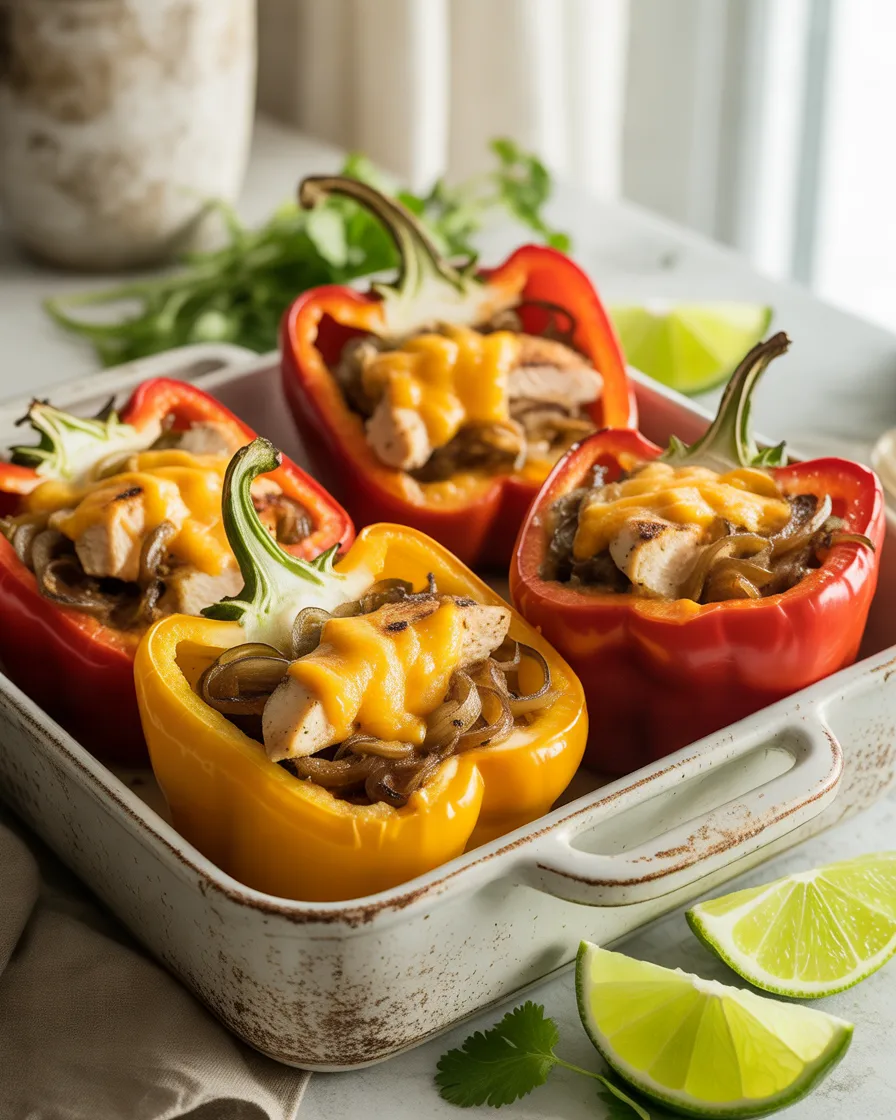
Lean turkey and black bean stuffed peppers offer a colourful way to enjoy a protein-rich dinner while including more vegetables and fibre.
Ground turkey is a useful source of lean protein, while black beans contribute plant protein, fibre, iron, and other nutrients. Bell peppers provide vitamin C and a natural sweetness that works well with the savoury filling.
This recipe is particularly useful when you want something different from traditional chicken or rice dinners.
Estimated protein: 35–40 grams per serving, depending on the portion size and turkey used.
Benefits:
- Combines animal and plant-based protein.
- Black beans provide dietary fibre for digestive health.
- Bell peppers contribute vitamin C.
- Can be prepared ahead of time.
- Makes portion control straightforward.
Practical cooking tips:
Cut bell peppers in half and remove their seeds. Cook lean ground turkey in a pan with chopped onions, garlic, cumin, paprika, and black pepper.
Add cooked black beans, diced tomatoes, and a small portion of brown rice. Mix everything thoroughly.
Fill the pepper halves and bake at 375°F (190°C) until the peppers soften and the filling is thoroughly cooked. Add a little reduced-fat cheese during the final few minutes if desired.
How to use this dinner idea:
Serve two stuffed pepper halves with a fresh green salad. You can also add plain Greek yogurt, avocado, or fresh coriander as toppings.
Prepare extra portions and refrigerate them for convenient lunches or dinners.
Who it may suit: Families, people who enjoy Mexican-inspired flavours, and anyone looking for a high protein dinner with vegetables and beans.
Important considerations: Choose lean ground turkey and check the seasoning in canned beans. Rinse canned beans to reduce excess sodium.
4. Garlic Shrimp with Brown Rice and Green Vegetables
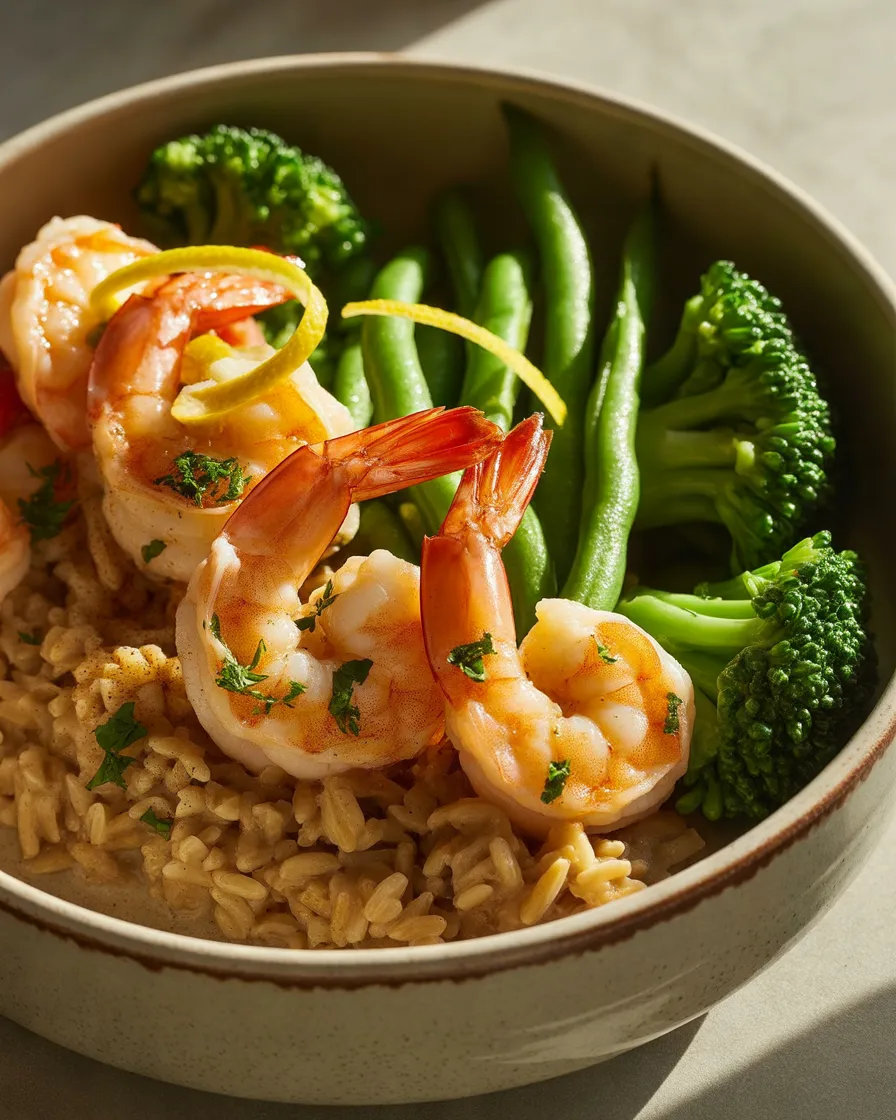
Garlic shrimp with brown rice is a practical dinner for people who want a protein-rich meal without spending a long time in the kitchen.
Shrimp is relatively low in calories and provides substantial protein. It also contains nutrients such as selenium, iodine, and vitamin B12. Pairing it with brown rice and green vegetables creates a balanced meal with protein, carbohydrates, and fibre.
Estimated protein: 35–40 grams per serving.
Benefits:
- Shrimp provides high-quality protein.
- Brown rice supplies energy and dietary fibre.
- Green vegetables contribute vitamins and minerals.
- Cooking time is generally short.
- Ingredients are easy to customise.
Practical cooking tips:
Pat peeled shrimp dry before cooking. Heat a small amount of olive oil in a pan and add minced garlic.
Add shrimp, paprika, black pepper, and lemon juice. Cook until the shrimp turn opaque and reach an internal temperature of 145°F (63°C), following food-safety guidance.
Serve with cooked brown rice and steamed spinach, green beans, or broccoli.
How to use this dinner idea:
Place brown rice in a bowl and arrange the garlic shrimp and vegetables on top. Add fresh lemon juice and chopped parsley for extra flavour.
For a slightly spicy version, add chilli flakes or cayenne pepper.
Who it may suit: Busy professionals, seafood lovers, and people who want easy high protein dinners that require limited cooking time.
Important considerations: Shrimp is a common food allergen. Use fresh or properly thawed shrimp, and avoid overcooking because it can become rubbery.
5. High Protein Chicken and Greek Yogurt Pasta
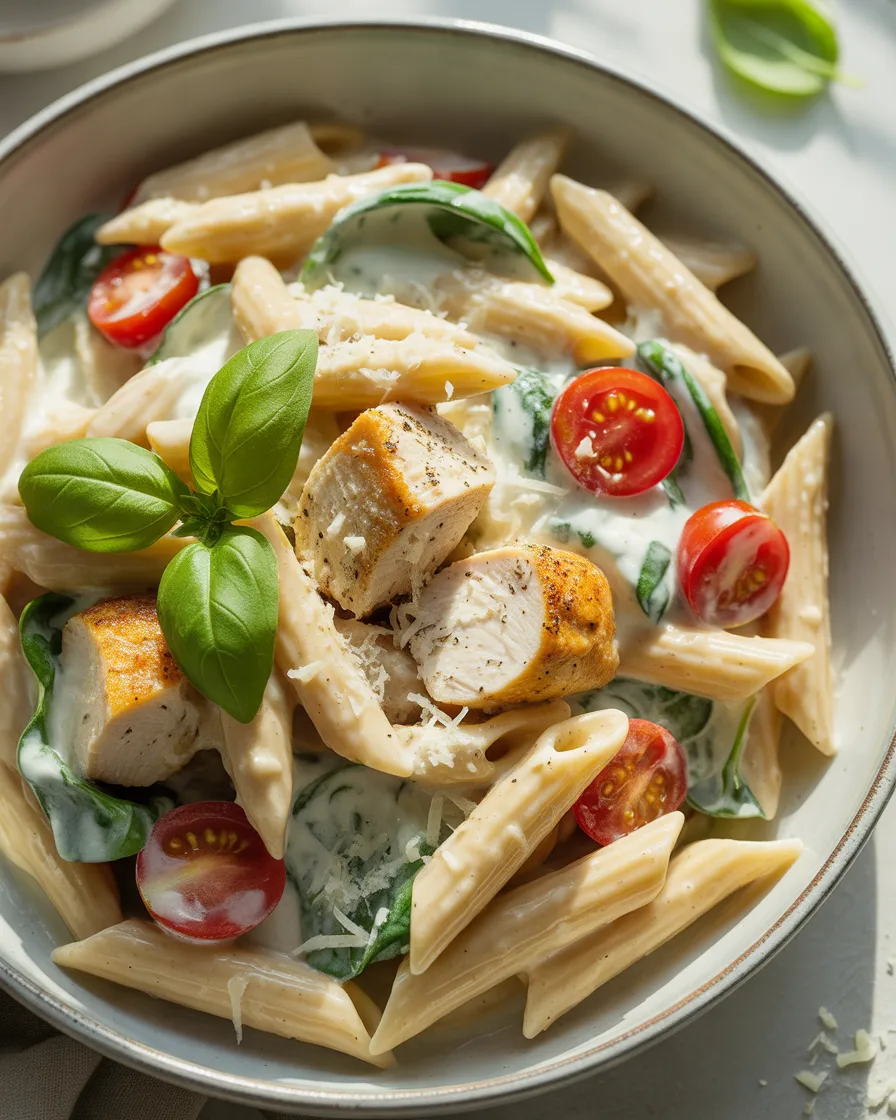
Chicken and Greek yogurt pasta is a delicious alternative to traditional creamy pasta dishes. Instead of relying on large amounts of heavy cream, this version uses plain Greek yogurt to create a smooth and satisfying sauce.
Chicken breast adds lean protein, while Greek yogurt provides additional protein and a creamy texture. Whole-wheat pasta can contribute more fibre than regular refined pasta.
Estimated protein: 40–50 grams per serving.
Benefits:
- Combines two convenient protein sources.
- Greek yogurt provides calcium and protein.
- Whole-wheat pasta contributes dietary fibre.
- Can satisfy pasta cravings while offering a balanced nutritional profile.
- Works well for meal preparation.
Practical cooking tips:
Cook whole-wheat pasta according to the package instructions. Meanwhile, season diced chicken breast with garlic, oregano, paprika, and black pepper.
Cook the chicken thoroughly in a non-stick pan. Add spinach, cherry tomatoes, and a little pasta water.
Turn off the heat and allow the pan to cool slightly. Mix plain Greek yogurt with garlic, lemon juice, and a little pasta water to make a smooth sauce. Stir it into the pasta gently.
Avoid boiling the yogurt sauce because high heat may cause it to separate.
How to use this dinner idea:
Combine the pasta, chicken, vegetables, and yogurt sauce. Finish with fresh basil and a small amount of Parmesan cheese.
Who it may suit: Pasta lovers, students, families, and people who want a filling high protein dinner that is easy to prepare.
Important considerations: Choose plain, unsweetened Greek yogurt. If dairy causes digestive discomfort or allergies, use a suitable alternative.
6. Tofu and Edamame Stir-Fry with Brown Rice
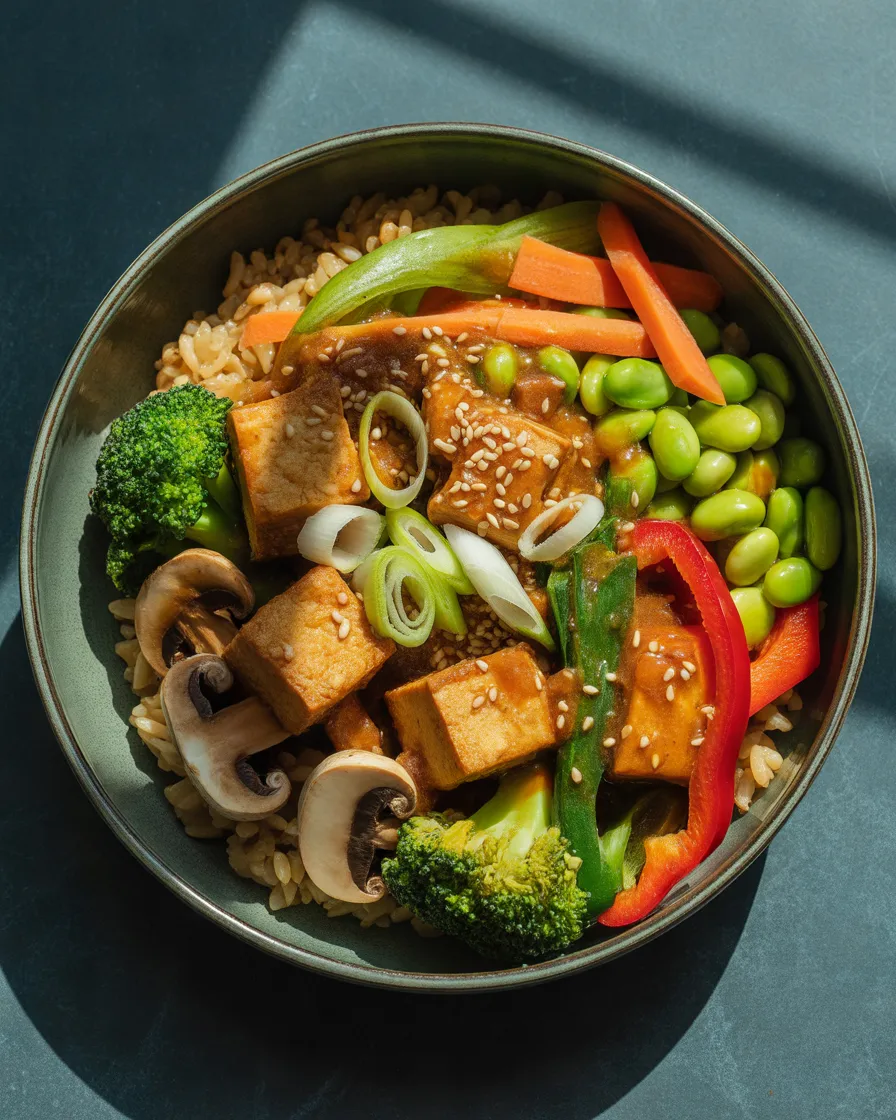
A tofu and edamame stir-fry is an excellent vegetarian high protein dinner. It provides plant-based protein while bringing different textures and flavours to the dinner table.
Tofu is made from soybeans and contains all nine essential amino acids. Edamame also provides protein, fibre, and several important micronutrients.
Adding vegetables such as broccoli, carrots, mushrooms, and bell peppers makes this dish colourful and nutritious.
Estimated protein: 30–35 grams per serving.
Benefits:
- Provides complete plant-based protein from soy.
- Edamame adds extra protein and fibre.
- Vegetables contribute important micronutrients.
- Suitable for vegetarian and vegan eating patterns.
- Can be adjusted with different sauces and vegetables.
Practical cooking tips:
Use firm or extra-firm tofu. Press it to remove excess moisture and cut it into small cubes.
Cook the tofu in a non-stick pan or air fryer until lightly golden. Add edamame, broccoli, carrots, mushrooms, and bell peppers.
Prepare a simple sauce using reduced-sodium soy sauce, fresh ginger, garlic, lime juice, and a little sesame oil.
Combine everything and cook until the vegetables are tender-crisp.
How to use this dinner idea:
Serve the stir-fry over brown rice or quinoa. Add sesame seeds and spring onions for extra flavour.
For additional protein, increase the tofu or edamame portions.
Who it may suit: Vegetarians, vegans, people reducing their meat intake, and anyone interested in healthy plant-based dinner recipes.
Important considerations: Soy is a common allergen. Check sauces for added sodium and sugar, especially if you are monitoring your intake.
7. Lean Beef and Sweet Potato Dinner Bowl
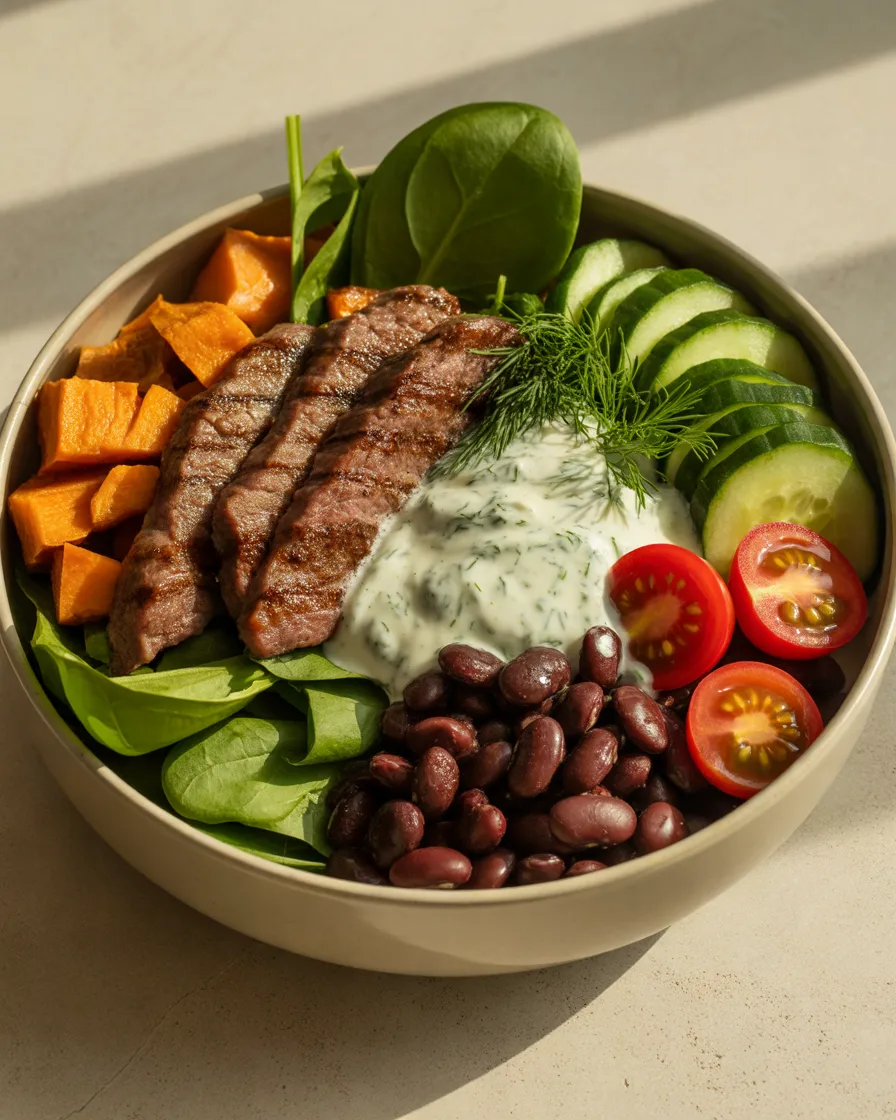
Lean beef with roasted sweet potatoes is a satisfying dinner that combines high-quality protein with nutrient-rich carbohydrates.
Lean beef supplies complete protein, iron, zinc, and vitamin B12. Sweet potatoes provide carbohydrates, fibre, and beta-carotene, which the body can convert into vitamin A.
This combination is particularly useful when you want a substantial dinner that does not rely on highly processed ingredients.
Estimated protein: 35–40 grams per serving.
Benefits:
- Lean beef provides complete protein.
- Iron supports normal oxygen transport in the body.
- Sweet potatoes contribute fibre and beta-carotene.
- Provides a combination of protein and energy.
- Can be prepared as an easy meal-prep bowl.
Practical cooking tips:
Choose lean beef strips or lean ground beef. Season with garlic, paprika, black pepper, and a little olive oil.
Cut sweet potatoes into cubes and roast at 400°F (200°C) until soft and lightly caramelised.
Cook the beef in a hot pan until it reaches a safe internal temperature appropriate for the cut and preparation method.
Prepare spinach, cucumber, and tomatoes as additional vegetables.
How to use this dinner idea:
Arrange the sweet potatoes, beef, and fresh vegetables in a bowl. Add a spoonful of plain Greek yogurt mixed with lemon juice and herbs.
For extra fibre, include a small serving of black beans.
Who it may suit: Active individuals, people who enjoy hearty dinners, and anyone looking for a balanced protein-rich meal.
Important considerations: Choose lean cuts and moderate the amount of added oil. People advised to limit red meat should discuss suitable portions and alternatives with their healthcare professional.
8. Mediterranean Chicken and Chickpea Salad Bowl
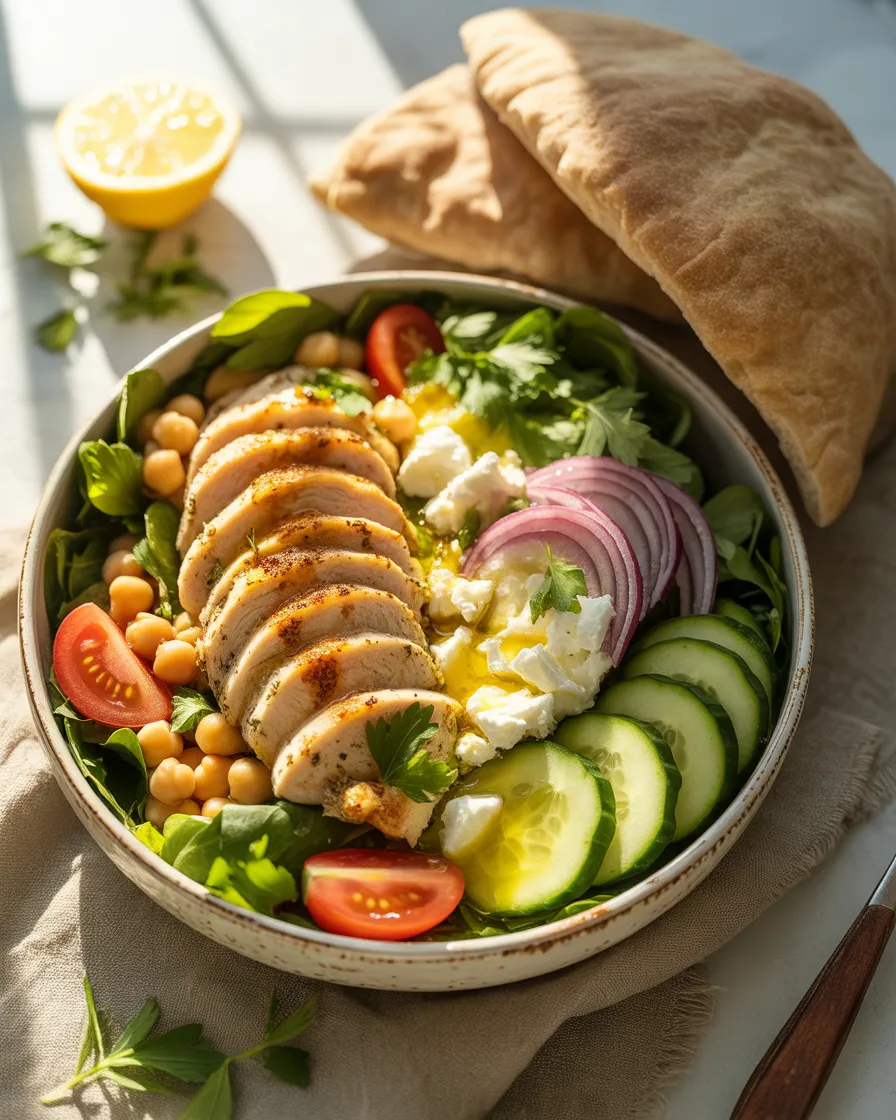
A Mediterranean chicken and chickpea bowl is a refreshing dinner option that combines lean protein, plant protein, vegetables, and healthy fats.
Grilled chicken provides high-quality protein, while chickpeas contribute plant protein and fibre. Cucumber, tomatoes, red onions, and leafy greens add freshness and variety.
A small amount of feta cheese and olive oil can bring additional flavour without making the meal complicated.
Estimated protein: 40–45 grams per serving.
Benefits:
- Combines animal and plant protein.
- Chickpeas provide fibre for digestive health.
- Olive oil contributes unsaturated fats.
- Fresh vegetables provide different vitamins and minerals.
- Offers a satisfying alternative to traditional heavy dinners.
Practical cooking tips:
Season chicken breast with oregano, lemon juice, garlic, paprika, and black pepper. Grill or pan-cook until it reaches 165°F (74°C).
Rinse canned chickpeas and drain them thoroughly.
Prepare cucumber, cherry tomatoes, red onion, lettuce, and parsley. Mix olive oil, lemon juice, garlic, and oregano to make a simple dressing.
How to use this dinner idea:
Place the vegetables and chickpeas in a large bowl. Add sliced grilled chicken, a little feta cheese, and the dressing.
You can serve it with whole-grain pita bread or a small portion of quinoa.
Who it may suit: People who enjoy fresh meals, Mediterranean-inspired food, and convenient high protein dinner recipes.
Important considerations: Feta cheese and prepared dressings may contain considerable sodium. Adjust portions according to your dietary needs.
9. Egg White and Cottage Cheese Vegetable Frittata
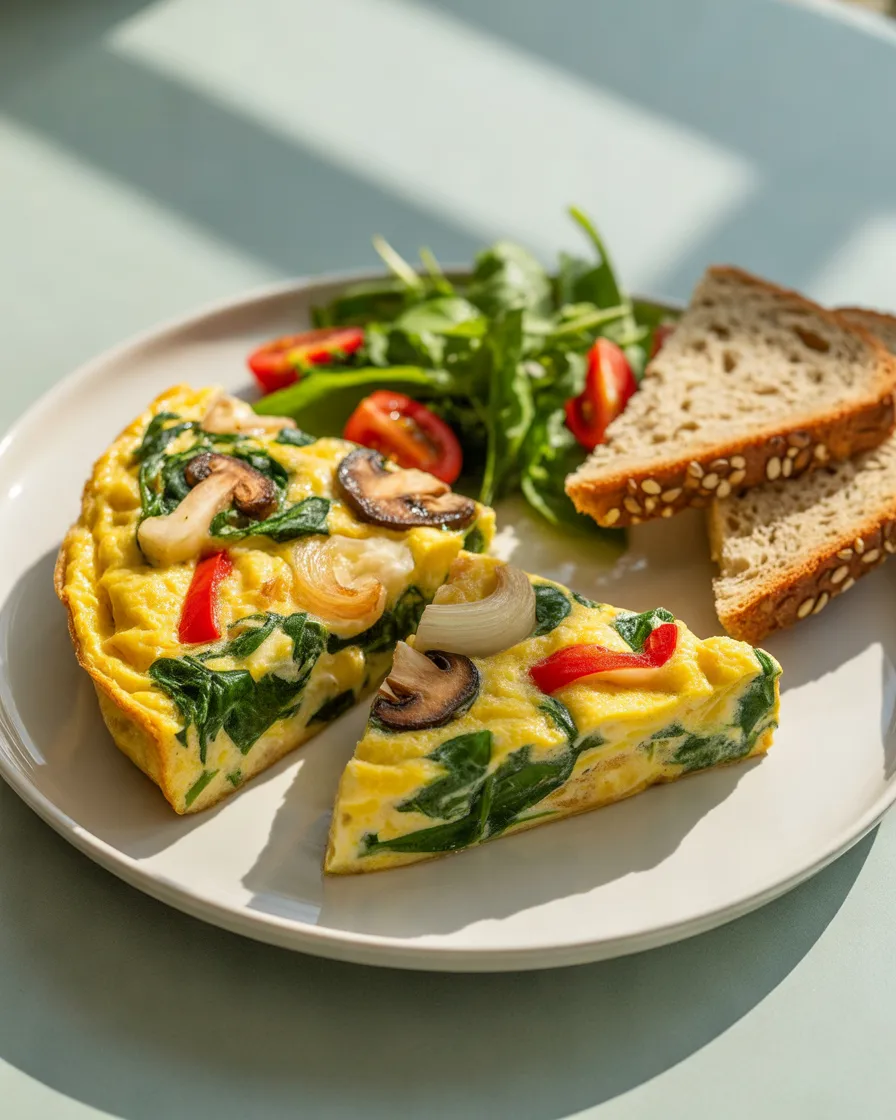
Egg white and cottage cheese frittata is a simple way to prepare a protein-rich dinner without using meat or seafood.
Egg whites provide protein with very little fat, while cottage cheese adds protein, calcium, and a soft creamy texture. Whole eggs can also be included to provide additional nutrients and flavour.
Adding spinach, mushrooms, onions, and bell peppers improves the nutritional variety of this meal.
Estimated protein: 30–35 grams per serving.
Benefits:
- Provides protein from eggs and cottage cheese.
- Vegetables add fibre and micronutrients.
- Requires relatively inexpensive ingredients.
- Can be prepared in advance.
- Works as a meat-free dinner option.
Practical cooking tips:
Whisk egg whites with one or two whole eggs, depending on your preference. Add cottage cheese, black pepper, garlic powder, and a little salt.
Sauté spinach, mushrooms, onions, and bell peppers in a non-stick oven-safe pan.
Pour in the egg mixture and cook gently until the edges begin to set. Transfer to an oven and bake at 350°F (175°C) until the centre is fully cooked.
How to use this dinner idea:
Cut the frittata into slices and serve with a fresh green salad and whole-grain toast.
For a higher-protein portion, serve it with an additional spoonful of cottage cheese.
Who it may suit: Vegetarians who eat eggs and dairy, busy households, and people looking for a simple high protein dinner.
Important considerations: Eggs and dairy are common allergens. Choose pasteurised dairy products and cook the egg mixture thoroughly.
10. Baked Cod with Lentils and Roasted Asparagus
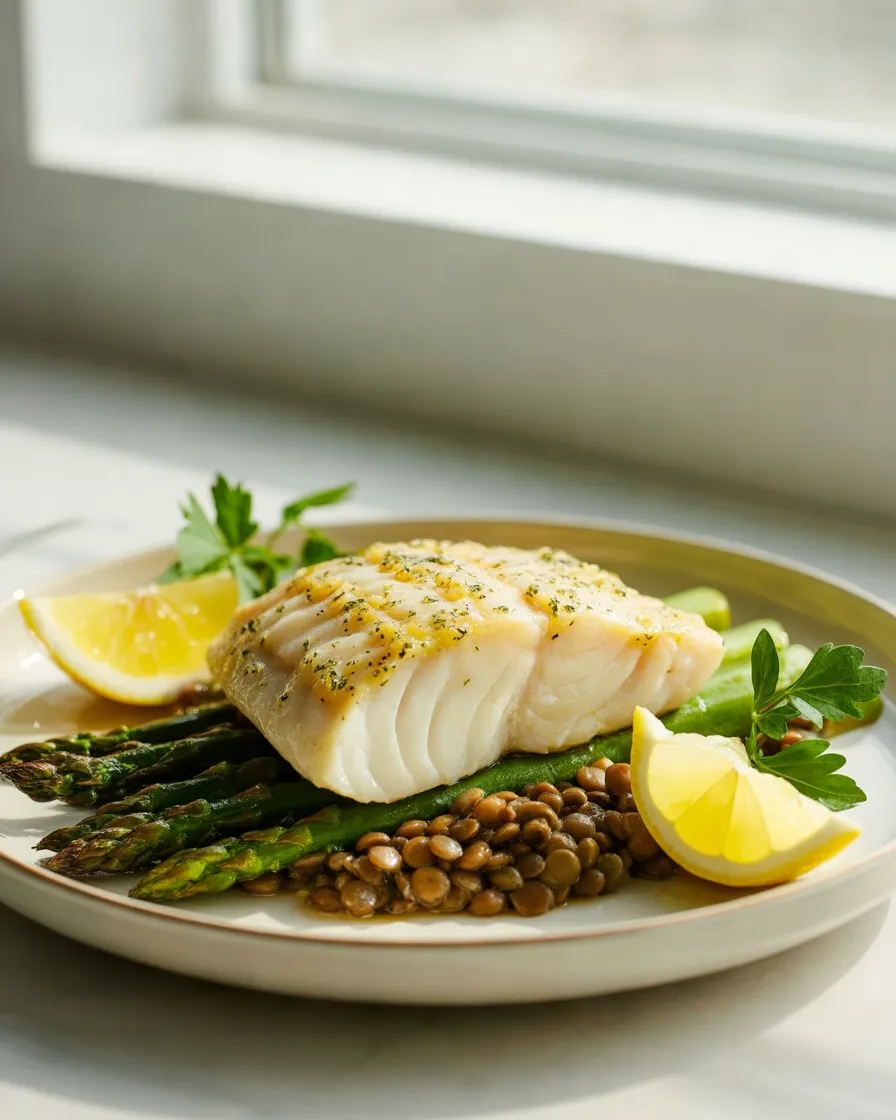
Baked cod with lentils and asparagus is a nutritious dinner for people who enjoy mild-flavoured seafood.
Cod is a lean fish that provides high-quality protein. Lentils contribute additional plant protein, fibre, folate, and minerals. Asparagus adds texture and nutrients while keeping the meal fresh and colourful.
This combination is particularly useful when you want a lighter seafood dinner with enough substance to feel satisfying.
Estimated protein: 35–40 grams per serving.
Benefits:
- Cod provides lean, complete protein.
- Lentils contribute plant protein and dietary fibre.
- Asparagus provides folate and other micronutrients.
- Baking requires minimal added fat.
- The ingredients offer variety in texture and flavour.
Practical cooking tips:
Season cod fillets with lemon juice, garlic, paprika, black pepper, and a little olive oil.
Bake at 400°F (200°C) until the fish reaches 145°F (63°C), following food-safety guidance.
Meanwhile, cook lentils until tender but not mushy. Roast asparagus with olive oil and garlic for approximately 10–15 minutes, depending on thickness.
How to use this dinner idea:
Serve one cod fillet with a portion of lentils and roasted asparagus. Add fresh lemon wedges and parsley.
For extra flavour, mix Dijon mustard with lemon juice and herbs to create a light dressing.
Who it may suit: Seafood lovers, people who prefer lighter dinners, and anyone looking for a protein-rich alternative to chicken.
Important considerations: Check fish for bones and purchase it from a reliable supplier. Lentils contain fermentable carbohydrates that may cause digestive discomfort in some people.
11. Chicken and Red Lentil Curry with Brown Rice
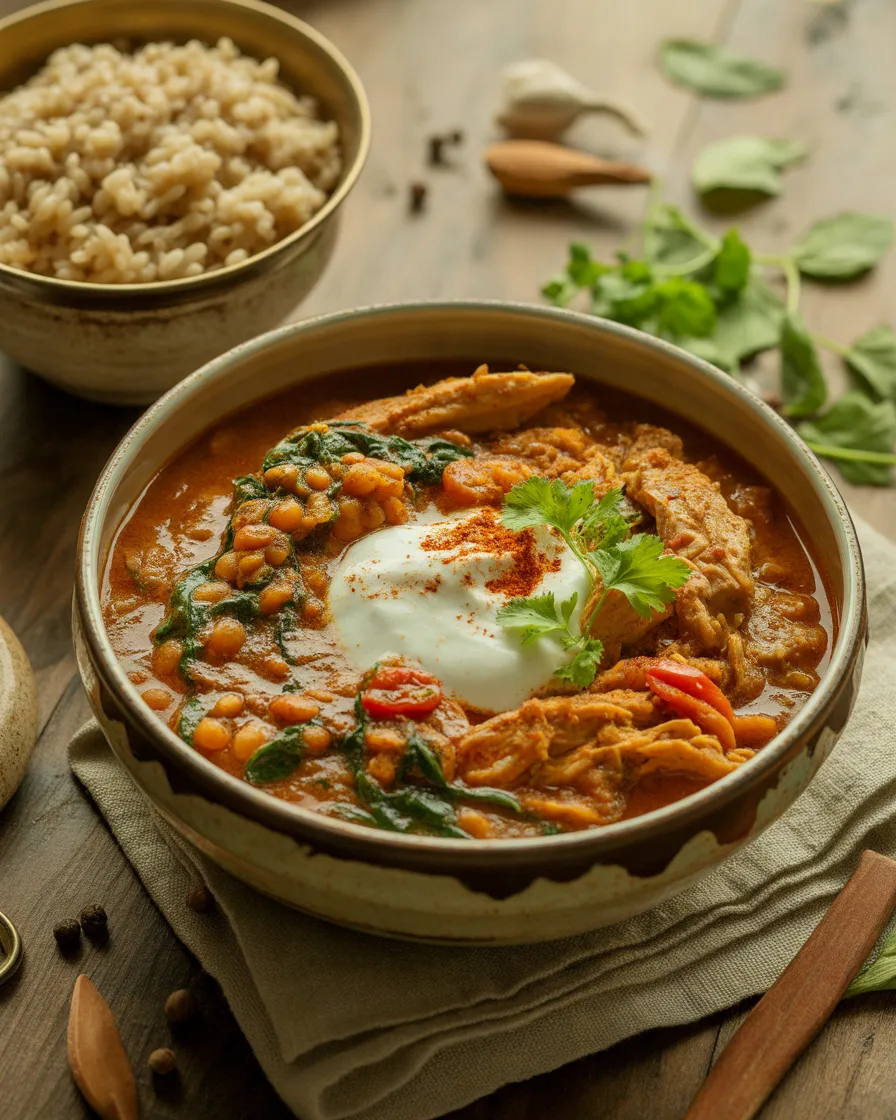
Chicken and red lentil curry is a comforting dinner that brings together animal and plant-based protein.
Chicken provides complete protein, while red lentils contribute protein, fibre, folate, and iron. Tomatoes, onions, garlic, ginger, and spices create a rich flavour without requiring excessive oil or heavy cream.
This is also a useful meal for families because the ingredients are affordable and easy to find.
Estimated protein: 40–45 grams per serving.
Benefits:
- Combines two protein-rich ingredients.
- Lentils contribute fibre and plant nutrients.
- Spices add flavour without depending on heavy sauces.
- Provides a satisfying combination of protein and carbohydrates.
- Can be prepared in larger batches.
Practical cooking tips:
Heat a small amount of olive oil in a saucepan. Add chopped onions, garlic, ginger, cumin, turmeric, coriander, and paprika.
Add diced chicken breast and cook until the outside is no longer pink. Stir in washed red lentils, chopped tomatoes, and water or low-sodium stock.
Simmer until the lentils soften and the chicken is thoroughly cooked. Add spinach near the end for extra vegetables.
How to use this dinner idea:
Serve the curry with a moderate portion of brown rice or whole-wheat roti.
You can also add a spoonful of plain Greek yogurt for a cooling effect and additional protein.
Who it may suit: Families, people who enjoy Indian-inspired meals, and anyone looking for affordable healthy high protein dinner recipes.
Important considerations: Adjust chilli according to personal preference. Choose lower-sodium stock and avoid adding excessive oil or coconut cream.
12. High Protein Turkey Meatballs with Zucchini Noodles
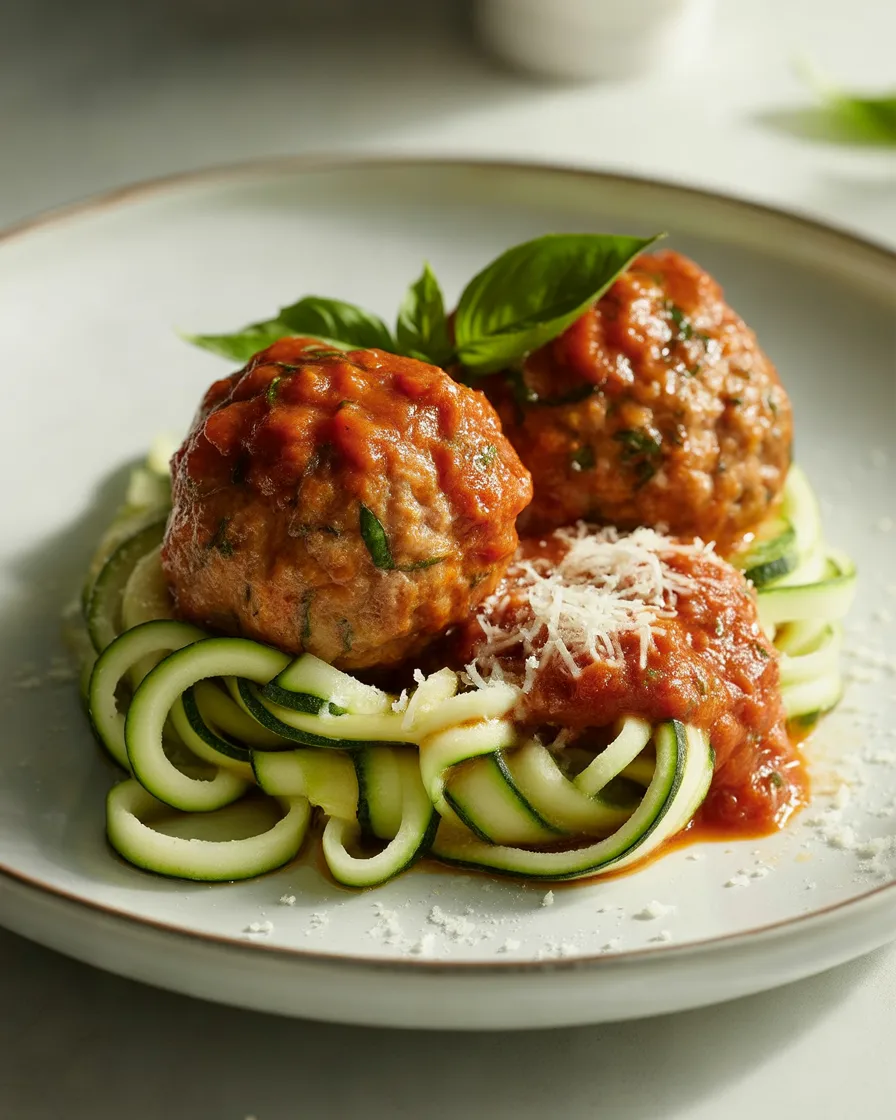
Turkey meatballs with zucchini noodles are a delicious alternative to traditional meatball pasta.
Lean ground turkey supplies high-quality protein, while zucchini noodles offer a vegetable-based alternative to regular pasta. A homemade tomato sauce adds flavour, and a little Parmesan cheese can provide additional taste.
You can also combine zucchini noodles with whole-wheat spaghetti if you prefer a more substantial meal.
Estimated protein: 35–40 grams per serving.
Benefits:
- Lean turkey provides complete protein.
- Zucchini contributes fibre, vitamin C, and water.
- Homemade tomato sauce can reduce added sugar and sodium.
- Provides a flexible alternative to traditional pasta dinners.
- Can be prepared in advance for busy evenings.
Practical cooking tips:
Combine lean ground turkey with minced garlic, chopped parsley, oregano, black pepper, and a small amount of whole-wheat breadcrumbs.
Shape the mixture into small meatballs. Bake at 400°F (200°C) until the centre reaches 165°F (74°C).
Meanwhile, prepare a tomato sauce using crushed tomatoes, garlic, onions, and Italian herbs.
Use a spiralizer to create zucchini noodles. Cook them briefly in a pan so they remain slightly firm.
How to use this dinner idea:
Arrange zucchini noodles on a plate and top with turkey meatballs and homemade tomato sauce. Finish with fresh basil and a little Parmesan.
For extra carbohydrates, mix in whole-wheat spaghetti.
Who it may suit: People looking for lower-refined-carbohydrate meal options, families, and anyone who enjoys Italian-inspired dinners.
Important considerations: Do not overcook zucchini noodles because they release water and can become soft. Check the sodium content of prepared tomato sauces.
Expert Tips for Making Healthy High Protein Dinners
Preparing nutritious dinners becomes easier when you understand how to combine different food groups. You do not need to follow complicated meal plans. A few practical habits can help you build balanced meals throughout the week.
1. Include a quality protein source in every dinner
Start by choosing your main protein ingredient. Chicken, turkey, fish, eggs, lean beef, tofu, lentils, and Greek yogurt are useful options.
Choose a portion that suits your nutritional needs, activity level, and overall daily protein intake.
2. Combine animal and plant protein
You do not have to choose between animal and plant-based ingredients. Combining chicken with chickpeas, fish with lentils, or tofu with edamame can increase the variety of nutrients in your dinner.
Plant foods also contribute fibre, which is important for digestive health.
3. Do not forget vegetables
Vegetables should be an important part of a balanced dinner. Include broccoli, spinach, carrots, peppers, tomatoes, zucchini, or asparagus.
Using different colours throughout the week helps you enjoy a wider variety of vitamins, minerals, and beneficial plant compounds.
4. Choose carbohydrates that provide useful nutrients
Carbohydrates are not something you automatically need to avoid at dinner.
Brown rice, quinoa, sweet potatoes, oats, whole-wheat pasta, and beans can provide energy and fibre. The appropriate portion depends on your individual requirements.
5. Prepare ingredients in advance
Meal preparation can save time during busy weekdays.
For example, you can cook chicken breast, prepare brown rice, wash vegetables, and portion cooked beans ahead of time.
Store prepared foods safely in the refrigerator and reheat leftovers thoroughly.
6. Pay attention to cooking methods
Grilling, baking, roasting, steaming, and air-frying are useful cooking methods.
They allow you to prepare flavourful meals without depending on excessive oil or deep-frying.
7. Use healthy ingredients for sauces
A nutritious meal can become much heavier when it contains large quantities of creamy dressings or sugary sauces.
Try lemon juice, fresh herbs, plain Greek yogurt, garlic, mustard, tomatoes, and small amounts of olive oil to add flavour.
8. Understand your individual protein requirements
Protein needs are not identical for everyone. Age, body weight, activity level, health status, and personal goals can influence daily requirements.
For healthy adults, the general recommended dietary allowance is 0.8 grams of protein per kilogram of body weight per day. People who exercise regularly or have specific health goals may require different amounts.
Anyone with kidney disease or another condition affecting protein intake should seek personalised guidance from a qualified healthcare professional or registered dietitian.
Frequently Asked Questions About Healthy High Protein Dinner
1. What Is the Best Healthy High Protein Dinner?
Grilled chicken breast with roasted vegetables is one of the simplest choices. It provides high-quality protein, vitamins, minerals, and fibre.
However, baked salmon, turkey meatballs, tofu stir-fry, and chicken with lentils are also nutritious options. The best choice depends on your preferences, nutritional needs, and dietary restrictions.
2. What Can I Eat for a High Protein Dinner Without Chicken?
There are plenty of alternatives to chicken.
You can prepare baked salmon, garlic shrimp, lean beef bowls, turkey meatballs, egg and cottage cheese frittata, tofu stir-fry, or lentil curry.
These foods provide different amounts of protein and can be combined with vegetables and whole grains to create balanced dinners.
3. What Is a Good High Protein Dinner for Weight Management?
Meals containing lean protein, vegetables, and fibre-rich carbohydrates can help support fullness and make balanced eating easier.
Good options include grilled chicken with vegetables, baked fish with lentils, tofu stir-fry, and Mediterranean chicken salad.
However, weight management depends on overall eating habits, physical activity, sleep, and other individual factors rather than one particular dinner.
4. Can I Eat High Protein Meals Every Night?
Most healthy adults can include protein-rich foods in their daily meals, provided their overall diet is balanced and their protein intake is appropriate.
You can alternate between chicken, fish, eggs, dairy products, beans, lentils, and tofu to enjoy nutritional variety.
People with medical conditions that require protein restrictions should follow their healthcare professional’s advice.
5. What Are Some Cheap Healthy High Protein Dinner Ideas?
You do not need expensive ingredients to prepare nutritious meals.
Affordable options include:
- Chicken and lentil curry.
- Egg and cottage cheese frittata.
- Black bean and turkey stuffed peppers.
- Tofu and vegetable stir-fry.
- Lentil bowls with brown rice.
- Canned tuna with whole-grain pasta.
Buying ingredients in larger quantities and preparing meals at home can also help control food costs.
6. How Much Protein Should a Healthy Dinner Contain?
There is no single protein target that works for everyone.
Some people may prefer a dinner containing 25–30 grams of protein, while others may need more depending on their overall daily requirements.
Consider your total protein intake across breakfast, lunch, dinner, and snacks rather than focusing on one meal alone.
7. Are Vegetarian High Protein Dinners Healthy?
Yes. Vegetarian dinners can provide plenty of protein when they include suitable ingredients.
Tofu, tempeh, edamame, lentils, chickpeas, beans, cottage cheese, Greek yogurt, and eggs are useful choices.
Combining different plant-based protein sources throughout the day can help provide all the essential amino acids your body needs.
8. Can I Prepare High Protein Dinners in Advance?
Absolutely. Many protein-rich meals are suitable for meal preparation.
Grilled chicken, turkey meatballs, lentil curry, cooked quinoa, brown rice, and roasted vegetables can be prepared in advance.
Refrigerate perishable cooked food within two hours, use suitable airtight containers, and generally consume refrigerated leftovers within three to four days. Freeze portions that you will not eat within that period.
Conclusion
Preparing a healthy high protein dinner does not have to be complicated, expensive, or time-consuming. With the right ingredients, you can create delicious meals that provide protein, fibre, vitamins, minerals, and other important nutrients.
From grilled chicken and baked salmon to tofu stir-fry, lentil curry, and turkey meatballs, there are plenty of options to suit different tastes and dietary preferences.
The key is to choose a variety of protein sources, include vegetables, select nutritious carbohydrates, and use balanced cooking methods.
Start with two or three recipes from this list and gradually introduce more options into your weekly meal plan. Small, practical changes can make healthy home cooking easier to maintain over time.