Finding meals that are nutritious, satisfying, and easy to prepare can be challenging when you have a busy schedule. You want something that tastes delicious without requiring complicated cooking techniques or a long list of ingredients. Salmon is an excellent option because it is versatile, cooks relatively quickly, and works well with vegetables, whole grains, fresh herbs, and flavorful sauces.
These healthy salmon recipes offer practical ways to enjoy salmon throughout the week without preparing the same dinner repeatedly. Whether you prefer oven-baked fish, crispy air-fryer salmon, Mediterranean-inspired bowls, or fresh grilled meals, there is an option for different tastes and cooking preferences.
Salmon naturally provides high-quality protein and omega-3 fatty acids, including EPA and DHA. It also contains important nutrients such as vitamin B12, vitamin D, and selenium. Including salmon as part of a balanced eating pattern can help contribute to overall nutritional needs. Fish is also included in dietary guidance because eating fish as part of a healthy diet may support heart health.
The best part is that you do not need complicated recipes to enjoy these benefits. Pairing salmon with colorful vegetables, fiber-rich whole grains, and moderate amounts of healthy fats can create satisfying meals.
Below, you will find 10 healthy salmon recipes, including ingredient suggestions, preparation instructions, nutritional benefits, practical cooking tips, and ideas for incorporating each dish into your weekly routine.
1. Lemon Garlic Baked Salmon with Roasted Asparagus

Lemon garlic baked salmon is one of the easiest healthy salmon recipes for anyone who wants a flavorful dinner without spending too much time in the kitchen. The combination of fresh lemon, garlic, olive oil, and herbs enhances the natural taste of salmon without requiring heavy sauces or excessive seasoning.
Why This Recipe Is a Healthy Choice
Salmon provides protein and omega-3 fats, while asparagus contributes fiber, folate, and vitamin K. Lemon and garlic add freshness and flavor without relying on large amounts of salt.
Ingredients:
- 4 salmon fillets
- 1 bunch fresh asparagus
- 2 tablespoons olive oil
- 3 garlic cloves, minced
- Juice of 1 lemon
- 1 teaspoon lemon zest
- ½ teaspoon black pepper
- ½ teaspoon paprika
- Fresh parsley
How to Prepare It:
- Preheat the oven to 400°F (200°C).
- Arrange the salmon fillets and trimmed asparagus on a lined baking tray.
- Mix olive oil, minced garlic, lemon juice, lemon zest, paprika, and black pepper.
- Brush the mixture over the salmon and lightly coat the asparagus.
- Bake until the salmon is cooked through and the asparagus is tender.
- Garnish with fresh parsley and additional lemon slices.
Benefits: This meal combines protein, omega-3 fats, and vegetables in one convenient dish. It is also relatively easy to portion for balanced dinners.
Practical Tips: Choose salmon fillets of similar thickness so they cook more evenly. Avoid overbaking, as salmon can become dry when cooked for too long.
How to Use It: Serve with quinoa, brown rice, or roasted baby potatoes. Leftovers can be flaked into a lunch salad.
Who It May Suit: Busy professionals, families, and anyone looking for simple weeknight dinners.
Important Considerations: Cooking time depends on fillet thickness. Use a food thermometer and follow safe seafood cooking guidance.
2. Honey Mustard Glazed Salmon with Roasted Broccoli
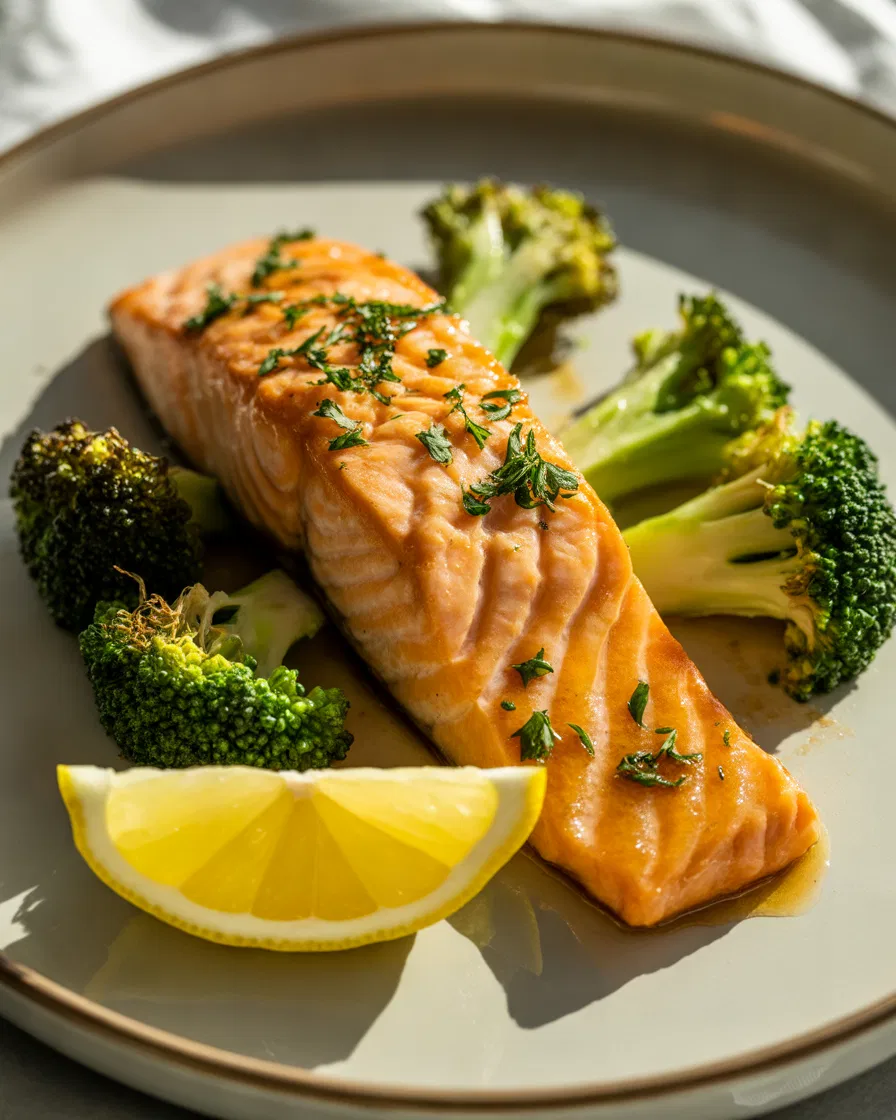
If you enjoy a combination of sweet and tangy flavors, honey mustard salmon is a delicious option. The glaze creates a flavorful coating while allowing the natural taste of the fish to remain the focus.
This recipe is particularly useful when you want to make a healthy dinner feel more exciting without preparing a complicated sauce.
Why This Recipe Is a Healthy Choice
Salmon supplies protein and omega-3 fatty acids, while broccoli provides fiber and vitamins C and K. Using a moderate amount of honey adds sweetness without needing a large quantity of refined sugar.
Ingredients:
- 4 salmon fillets
- 2 cups broccoli florets
- 1 tablespoon honey
- 1 tablespoon Dijon mustard
- 1 tablespoon olive oil
- 1 teaspoon lemon juice
- 2 garlic cloves, minced
- Black pepper to taste
- A small pinch of salt
How to Prepare It:
- Preheat the oven to 400°F (200°C).
- Combine honey, Dijon mustard, olive oil, lemon juice, garlic, and black pepper.
- Place salmon fillets on a baking tray and spread the glaze evenly over them.
- Arrange broccoli around the salmon and lightly coat it with olive oil.
- Bake until the broccoli is tender and the salmon is fully cooked.
- Brush any remaining glaze over the salmon before serving.
Benefits: This meal offers a combination of protein, healthy fats, and fiber. Broccoli also adds color, texture, and variety to your plate.
Practical Tips: Use Dijon mustard for a balanced tangy flavor. If the glaze tastes too sweet, add a little more lemon juice.
How to Use It: Serve with brown rice or a small baked sweet potato. It also works well as a meal-prep dinner for the following day.
Who It May Suit: People who enjoy sweet-and-savory meals, families, and beginners learning to cook fish.
Important Considerations: Honey contributes added sugar, so keep the quantity moderate. Check the ingredient label of prepared mustard if you need to manage sodium.
3. Mediterranean Salmon Quinoa Bowls
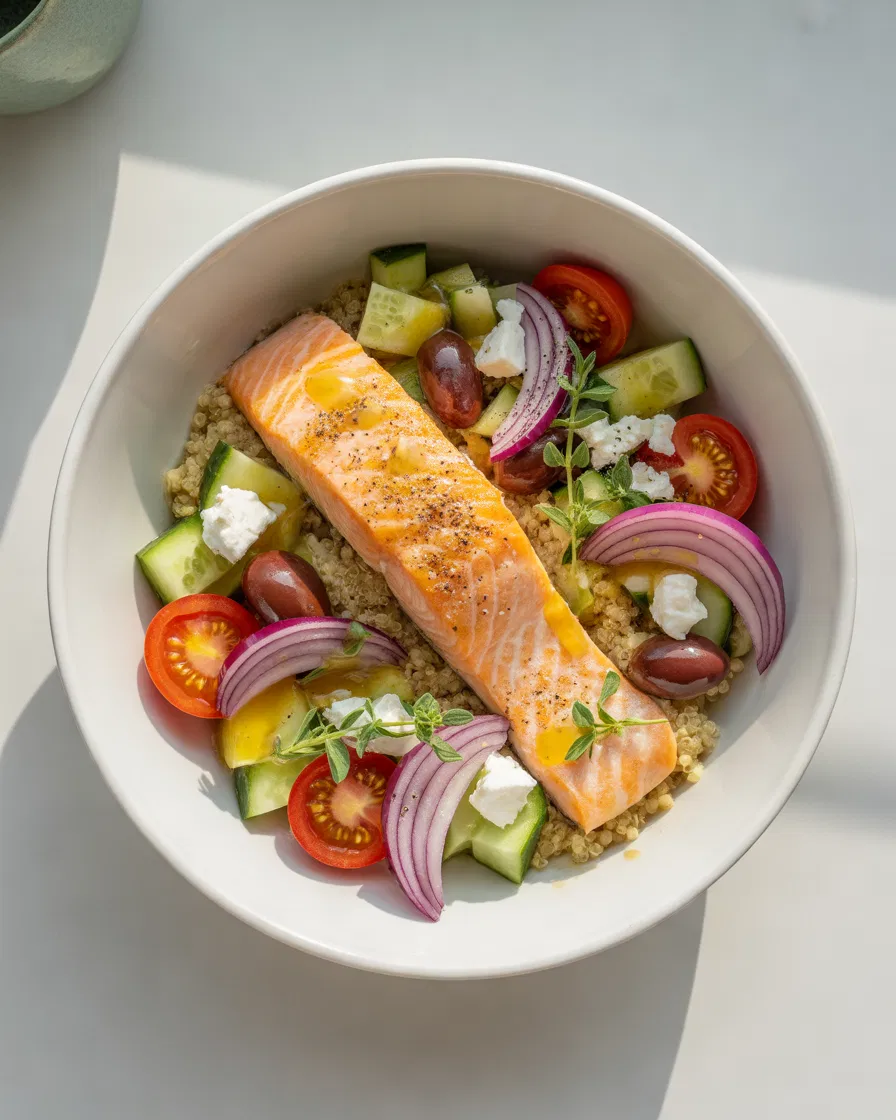
Mediterranean salmon quinoa bowls are a convenient way to combine several nutritious ingredients in one colorful meal. The recipe brings together tender salmon, fluffy quinoa, cucumber, tomatoes, olives, and a refreshing lemon dressing.
It is particularly useful for people who want a filling lunch or dinner that can be prepared ahead of time.
Why This Recipe Is a Healthy Choice
Quinoa provides plant-based protein and fiber, while vegetables contribute different vitamins and minerals. Salmon adds high-quality protein and omega-3 fats. Together, these ingredients create a balanced and satisfying meal.
Ingredients:
- 4 salmon fillets
- 1 cup uncooked quinoa
- 1 cucumber, chopped
- 1 cup cherry tomatoes, halved
- ½ red onion, thinly sliced
- ¼ cup olives
- ¼ cup crumbled feta cheese
- 2 tablespoons olive oil
- Juice of 1 lemon
- Fresh oregano
- Black pepper
How to Prepare It:
- Rinse quinoa and cook according to the package instructions.
- Season salmon with black pepper, oregano, lemon juice, and a little olive oil.
- Bake or pan-cook the salmon until safely cooked.
- Prepare the vegetables by chopping cucumber, tomatoes, and red onion.
- Divide quinoa between four serving bowls.
- Add vegetables, olives, and feta cheese.
- Place one salmon fillet on each bowl and finish with lemon dressing.
Benefits: This bowl combines protein, fiber, vegetables, and healthy fats. It offers different textures and flavors, making a nutritious meal more enjoyable.
Practical Tips: Cook quinoa in advance and store it in the refrigerator. Keep the dressing separate until serving to maintain freshness.
How to Use It: Prepare the ingredients in separate containers for easy weekday lunches. Assemble individual bowls when needed.
Who It May Suit: Meal-prep enthusiasts, office workers, and people who enjoy Mediterranean-inspired meals.
Important Considerations: Feta and olives can contribute considerable sodium. Adjust their portions if you are watching your salt intake.
4. Healthy Salmon Tacos with Cabbage Slaw and Avocado
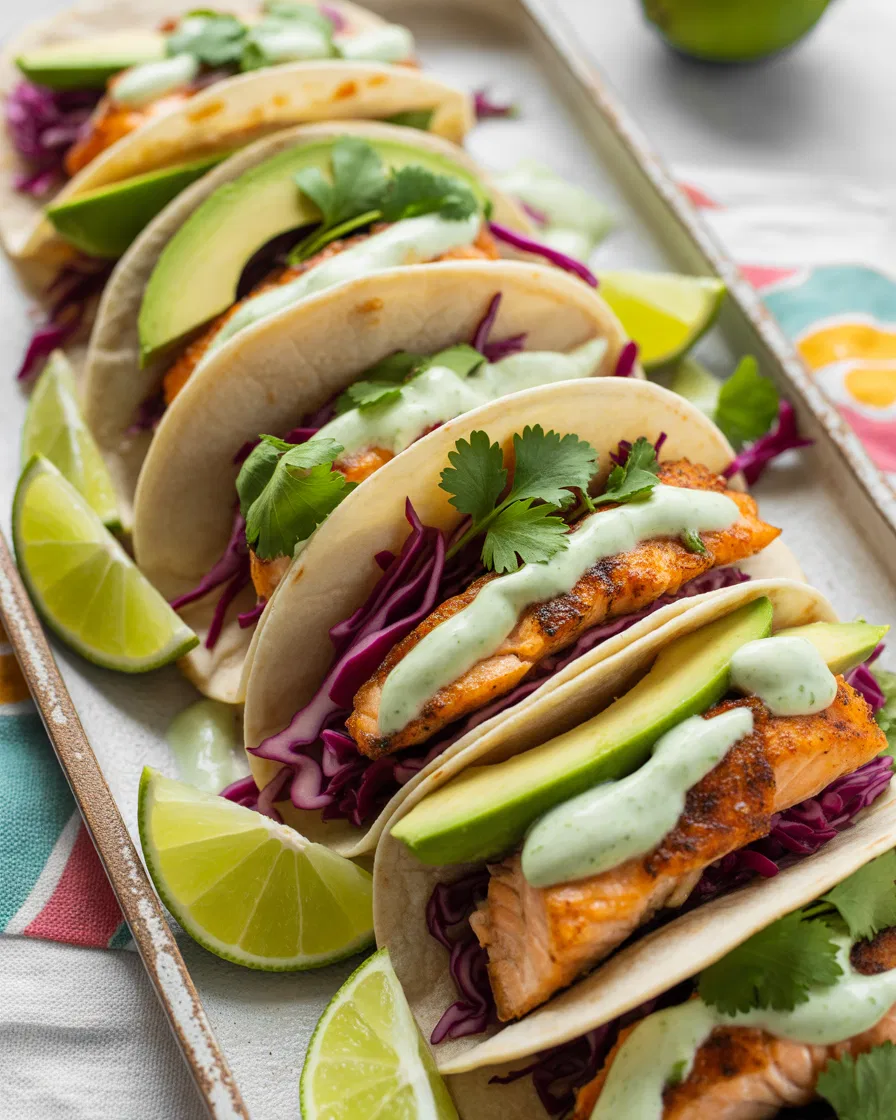
Healthy salmon tacos offer a fresh alternative to traditional fried fish tacos. They combine seasoned salmon with crunchy cabbage, creamy avocado, lime juice, and soft whole-wheat tortillas.
The contrast between warm salmon and cool vegetables creates a satisfying meal that is easy to customize.
Why This Recipe Is a Healthy Choice
Salmon provides protein and omega-3 fats. Cabbage contributes fiber and vitamin C, while avocado supplies unsaturated fats. Whole-wheat tortillas can provide more fiber than their refined-flour alternatives.
Ingredients:
- 4 salmon fillets
- 8 small whole-wheat tortillas
- 2 cups shredded purple cabbage
- 1 avocado, sliced
- ½ cup plain Greek yogurt
- Juice of 2 limes
- 1 teaspoon paprika
- ½ teaspoon cumin
- ½ teaspoon garlic powder
- Fresh coriander
- Black pepper
How to Prepare It:
- Season salmon with paprika, cumin, garlic powder, black pepper, and lime juice.
- Bake or pan-cook the salmon until fully cooked.
- Mix shredded cabbage with lime juice and chopped coriander.
- Combine Greek yogurt with a little lime juice to create a creamy dressing.
- Warm the tortillas in a dry skillet.
- Break the salmon into large pieces and divide it between the tortillas.
- Add cabbage slaw, avocado slices, and yogurt dressing.
Benefits: These tacos offer protein, vegetables, fiber, and unsaturated fats. They also provide a practical way to include more vegetables in a family meal.
Practical Tips: Keep the cabbage slightly crunchy rather than allowing it to become watery. Prepare the toppings separately so everyone can customize their tacos.
How to Use It: Serve two tacos per person with a side of black beans or fresh corn salad.
Who It May Suit: Families, people who enjoy Mexican-inspired food, and anyone looking for a fun alternative to conventional salmon dinners.
Important Considerations: Choose whole-wheat tortillas when available and check their sodium content. Adjust the yogurt dressing according to your taste.
5. Homemade Teriyaki Salmon with Brown Rice and Edamame
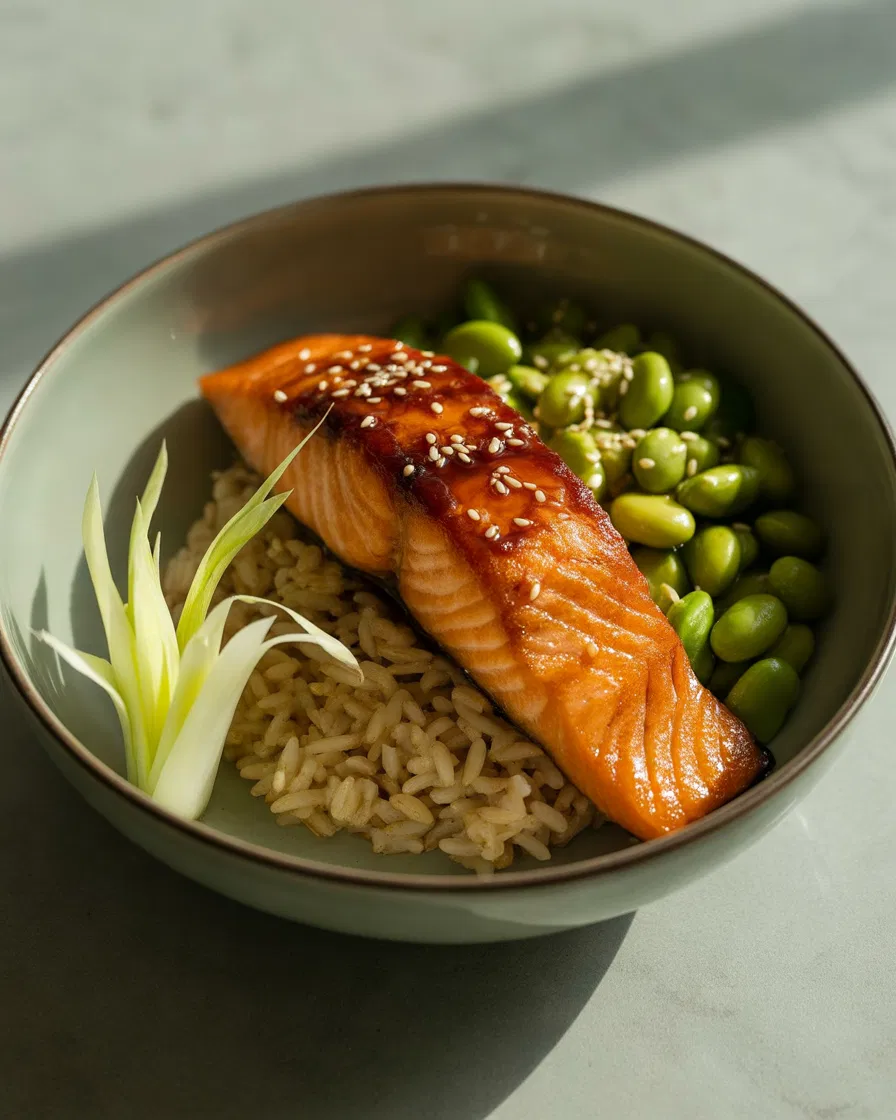
Teriyaki salmon is a popular dinner choice because it combines savory, slightly sweet, and rich flavors. Making the sauce at home allows you to control the ingredients and reduce the amount of added sugar and sodium compared with some bottled sauces.
Pairing it with brown rice and edamame creates a satisfying meal inspired by Japanese-style flavors.
Why This Recipe Is a Healthy Choice
Salmon provides protein and omega-3 fats. Brown rice contributes whole-grain carbohydrates and fiber, while edamame provides additional plant protein and fiber.
Ingredients:
- 4 salmon fillets
- 2 cups cooked brown rice
- 1 cup shelled edamame
- 2 tablespoons reduced-sodium soy sauce
- 1 tablespoon honey
- 1 teaspoon fresh ginger, grated
- 2 garlic cloves, minced
- 1 tablespoon rice vinegar
- 1 teaspoon sesame seeds
- 2 spring onions, sliced
How to Prepare It:
- Mix soy sauce, honey, ginger, garlic, and rice vinegar in a small bowl.
- Place salmon fillets in a baking dish and brush with the homemade teriyaki mixture.
- Bake until the salmon is cooked through, brushing with additional sauce during cooking if desired.
- Steam the edamame until tender.
- Divide brown rice between serving bowls.
- Add edamame and the cooked salmon.
- Garnish with sesame seeds and spring onions.
Benefits: The combination provides protein from two sources, fiber from brown rice and edamame, and omega-3 fats from salmon.
Practical Tips: Prepare extra brown rice for future meals. Use reduced-sodium soy sauce and avoid adding excessive sauce to keep the dish balanced.
How to Use It: Serve as a complete lunch or dinner. You can also add steamed carrots, broccoli, or bok choy.
Who It May Suit: People who enjoy Asian-inspired flavors, active individuals, and anyone looking for convenient meal-prep options.
Important Considerations: Soy sauce contains sodium, even in reduced-sodium versions. People with soy allergies should use an appropriate alternative.
6. One-Pan Pesto Salmon with Cherry Tomatoes and Zucchini

One-pan pesto salmon is an excellent choice when you want a delicious dinner with minimal washing up. The combination of basil pesto, juicy tomatoes, and tender zucchini creates a fresh, aromatic dish.
Everything cooks together on one tray, making this recipe particularly convenient for busy evenings.
Why This Recipe Is a Healthy Choice
Salmon provides protein and omega-3 fats. Zucchini and tomatoes contribute fiber, vitamins, and antioxidants. Basil pesto adds flavor, although its oil and cheese content means portion control is useful.
Ingredients:
- 4 salmon fillets
- 2 medium zucchini, sliced
- 1½ cups cherry tomatoes
- 3 tablespoons basil pesto
- 1 tablespoon olive oil
- 1 tablespoon lemon juice
- ½ teaspoon black pepper
- Fresh basil leaves
How to Prepare It:
- Preheat the oven to 400°F (200°C).
- Arrange sliced zucchini and cherry tomatoes on a lined baking tray.
- Drizzle with olive oil and season with black pepper.
- Place salmon fillets among the vegetables.
- Spread a moderate amount of pesto over each fillet.
- Add lemon juice and bake until the salmon is cooked through and the vegetables are tender.
- Garnish with fresh basil.
Benefits: This recipe combines fish protein, omega-3 fats, and colorful vegetables. It is also an easy way to increase vegetable variety without preparing separate side dishes.
Practical Tips: Avoid adding too much pesto because its flavor is concentrated. Cut zucchini into similar-sized pieces for more even cooking.
How to Use It: Serve with whole-grain couscous, quinoa, or a small portion of whole-wheat pasta.
Who It May Suit: Busy households, people who prefer simple cooking methods, and fans of Mediterranean-inspired food.
Important Considerations: Commercial pesto may contain substantial sodium, cheese, or nuts. Check labels for dietary restrictions and allergies.
7. Crispy Air Fryer Salmon Bites with Greek Yogurt Dill Dip
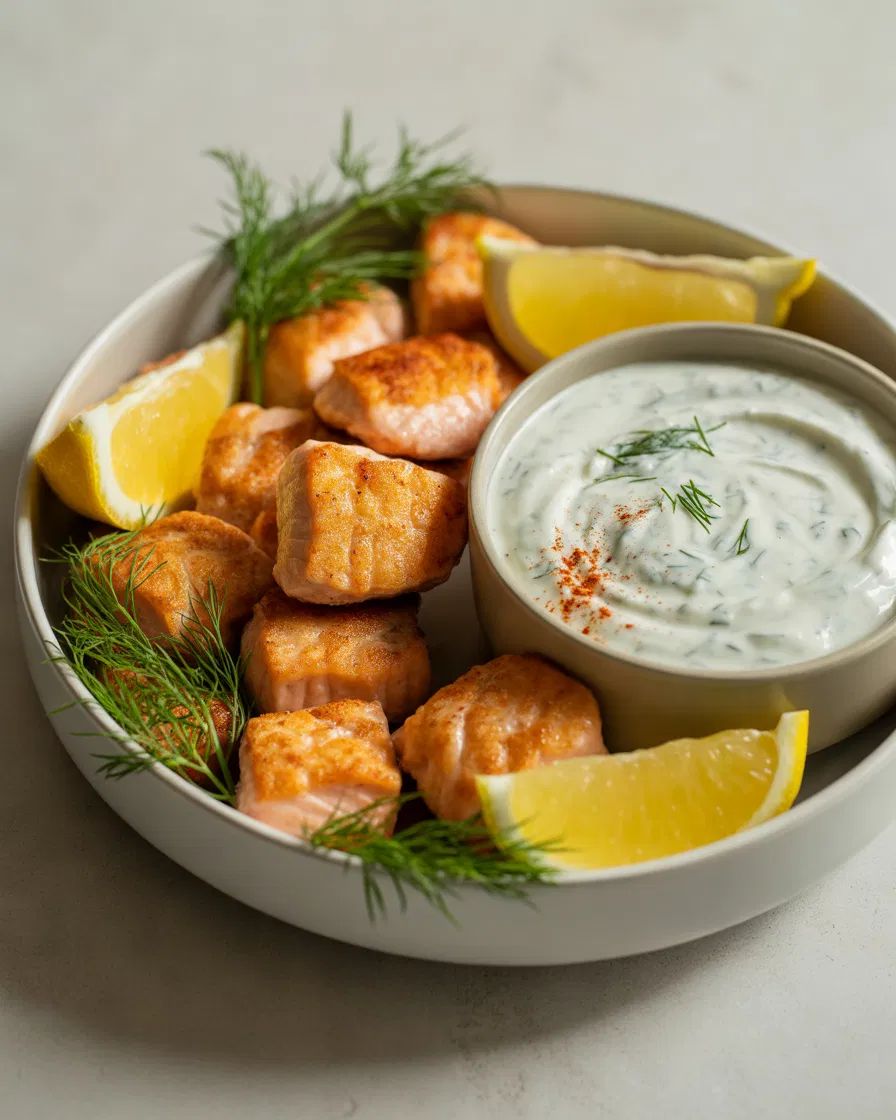
Air fryer salmon bites are a convenient alternative to traditional fried fish. They have lightly crisped edges and tender centers, making them ideal for quick lunches, dinner bowls, or family-style meals.
The accompanying Greek yogurt dill dip adds a refreshing creamy element without relying on a heavy mayonnaise-based sauce.
Why This Recipe Is a Healthy Choice
Salmon bites provide protein and omega-3 fats. Greek yogurt contributes additional protein and calcium, while dill and lemon add flavor without requiring large amounts of salt.
Ingredients:
- 500 g skinless salmon fillet
- 1 tablespoon olive oil
- ½ teaspoon paprika
- ½ teaspoon garlic powder
- ½ teaspoon black pepper
- ½ teaspoon dried oregano
For the Dip:
- ½ cup plain Greek yogurt
- 1 tablespoon fresh dill
- 1 teaspoon lemon juice
- ½ teaspoon garlic powder
How to Prepare It:
- Cut the salmon into evenly sized cubes.
- Combine olive oil, paprika, garlic powder, pepper, and oregano.
- Toss salmon cubes gently in the seasoning mixture.
- Arrange the pieces in a single layer in the air fryer basket.
- Cook at approximately 390°F (200°C), checking for doneness according to their size.
- Mix Greek yogurt, dill, lemon juice, and garlic powder to prepare the dip.
- Serve the salmon bites with the chilled yogurt dip.
Benefits: This meal offers protein, omega-3 fats, and a lighter alternative to deep-fried fish snacks. The yogurt dip also provides a source of protein.
Practical Tips: Avoid overcrowding the air fryer basket. Cook in batches if necessary so hot air can circulate around the salmon.
How to Use It: Add the salmon bites to a salad, grain bowl, or whole-wheat wrap. They can also be served with roasted vegetables.
Who It May Suit: Busy individuals, families, and people who enjoy quick air-fryer meals.
Important Considerations: Air fryer temperatures and cooking times vary between appliances. Check that the thickest pieces reach a safe internal temperature.
8. Sheet Pan Salmon with Sweet Potatoes and Green Beans

Sheet pan salmon with sweet potatoes and green beans is a practical dinner that combines protein, vegetables, and satisfying carbohydrates. It is especially useful when you want a complete meal without preparing several separate dishes.
The natural sweetness of roasted sweet potatoes complements the savory salmon, while green beans add freshness and texture.
Why This Recipe Is a Healthy Choice
Salmon supplies protein and omega-3 fats. Sweet potatoes provide fiber, potassium, and beta-carotene, while green beans contribute additional fiber and vitamins.
Ingredients:
- 4 salmon fillets
- 2 medium sweet potatoes, cubed
- 2 cups fresh green beans
- 2 tablespoons olive oil
- 1 teaspoon paprika
- ½ teaspoon garlic powder
- ½ teaspoon black pepper
- Juice of 1 lemon
- Fresh parsley
How to Prepare It:
- Preheat the oven to 425°F (220°C).
- Toss sweet potato cubes with olive oil, paprika, garlic powder, and black pepper.
- Roast the sweet potatoes until they begin to soften.
- Add green beans and arrange salmon fillets on the same tray.
- Season the salmon with lemon juice and a little black pepper.
- Continue roasting until the vegetables are tender and the salmon is fully cooked.
- Finish with fresh parsley before serving.
Benefits: This recipe combines protein, vegetables, and fiber-rich carbohydrates. It provides a satisfying alternative to dinners based mainly on refined carbohydrates.
Practical Tips: Cut sweet potatoes into relatively small, even cubes so they cook efficiently. Add the salmon later because it generally requires less cooking time than the potatoes.
How to Use It: Serve as a complete dinner or divide into individual containers for convenient lunches.
Who It May Suit: Families, meal-prep beginners, and people who prefer hearty but balanced meals.
Important Considerations: Sweet potatoes are nutritious but still contribute carbohydrates. Adjust portions according to your individual energy requirements.
9. Creamy Salmon and Spinach Whole-Wheat Pasta
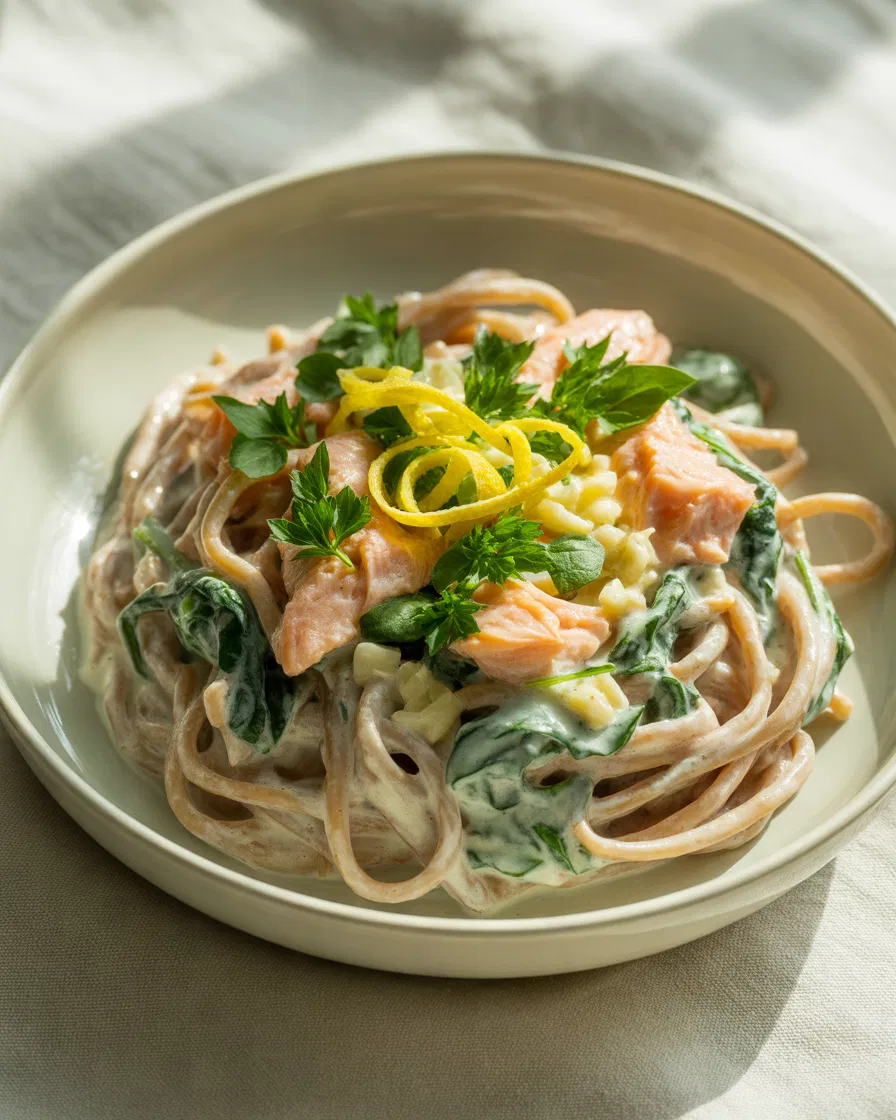
Creamy salmon and spinach pasta offers the comfort of a traditional pasta dinner with ingredients that contribute protein, vegetables, and whole grains.
Instead of using a heavy cream-based sauce, this version uses plain Greek yogurt and a little milk to create a creamy texture. It is a practical option for people who enjoy rich-tasting meals but want to experiment with lighter ingredients.
Why This Recipe Is a Healthy Choice
Whole-wheat pasta provides more fiber than conventional refined pasta. Salmon adds protein and omega-3 fats, while spinach contributes folate, vitamin K, and other nutrients.
Ingredients:
- 300 g whole-wheat pasta
- 350 g salmon fillet
- 2 cups fresh spinach
- ½ cup plain Greek yogurt
- ¼ cup milk
- 2 garlic cloves, minced
- 1 tablespoon olive oil
- 1 tablespoon lemon juice
- Black pepper
- Fresh parsley
How to Prepare It:
- Cook whole-wheat pasta according to the package instructions.
- Reserve a small amount of pasta water before draining.
- Cook the salmon in a skillet with olive oil until fully cooked.
- Remove the salmon and gently break it into large pieces.
- Add garlic and spinach to the same skillet.
- Mix Greek yogurt and milk separately, then add them over low heat.
- Add pasta and a little reserved pasta water to loosen the sauce.
- Fold in salmon, lemon juice, and black pepper.
- Garnish with parsley and serve warm.
Benefits: This recipe combines protein, whole grains, vegetables, and healthy fats. The spinach and whole-wheat pasta also contribute fiber and micronutrients.
Practical Tips: Lower the heat before adding Greek yogurt to reduce the chance of curdling. Add pasta water gradually until the sauce reaches your preferred consistency.
How to Use It: Serve as a complete dinner with a side salad. For meal preparation, keep portions refrigerated and reheat gently.
Who It May Suit: Pasta lovers, families, and people looking for a balanced comfort-food alternative.
Important Considerations: Dairy-free Greek yogurt alternatives may behave differently when heated. Check the nutritional labels of your chosen pasta and yogurt.
10. Grilled Salmon with Fresh Mango Avocado Salsa

Grilled salmon with mango avocado salsa is a colorful meal that brings together savory fish and naturally sweet tropical ingredients. The fresh salsa adds brightness and texture, making this recipe particularly enjoyable during warmer months.
It is also a useful option when you want something different from conventional baked salmon dinners.
Why This Recipe Is a Healthy Choice
Salmon supplies protein and omega-3 fats. Mango contributes vitamin C, while avocado provides unsaturated fats. Fresh tomatoes and lime add flavor and variety.
Ingredients:
- 4 salmon fillets
- 1 tablespoon olive oil
- Juice of 1 lime
- ½ teaspoon paprika
- ½ teaspoon black pepper
For the Salsa:
- 1 ripe mango, diced
- 1 avocado, diced
- ½ cup cherry tomatoes, chopped
- ¼ red onion, finely chopped
- 2 tablespoons fresh coriander
- Juice of 1 lime
How to Prepare It:
- Mix olive oil, lime juice, paprika, and black pepper.
- Brush the mixture over the salmon fillets.
- Heat a grill or grill pan to medium heat.
- Cook salmon until it reaches a safe internal temperature, turning carefully if needed.
- Combine mango, avocado, tomatoes, onion, coriander, and lime juice in a bowl.
- Mix gently to avoid crushing the avocado.
- Serve the grilled salmon with a generous spoonful of fresh salsa.
Benefits: This meal combines protein, omega-3 fats, fiber, and a variety of vitamins and minerals. The fresh salsa adds flavor without requiring a heavy dressing.
Practical Tips: Use a ripe but firm mango to maintain the salsa’s texture. Prepare the salsa shortly before serving to keep the avocado looking fresh.
How to Use It: Serve with grilled vegetables, quinoa, brown rice, or a fresh green salad.
Who It May Suit: People who enjoy tropical flavors, outdoor grilling, and colorful summer dinners.
Important Considerations: Keep raw salmon and ready-to-eat salsa ingredients separate during preparation. Refrigerate the salsa until serving.
Expert Tips for Preparing Healthy Salmon Recipes Successfully
Preparing salmon well is not only about choosing good ingredients. A few simple cooking techniques can improve flavor, texture, food safety, and convenience.
1. Choose Fresh or Properly Frozen Salmon
Fresh salmon should have a clean, mild smell and firm flesh. If you purchase frozen salmon, check that the packaging is intact and follow the storage instructions.
Frozen salmon can be a convenient alternative to fresh fish. Thaw it safely in the refrigerator rather than leaving it at room temperature.
2. Avoid Overcooking Salmon
One of the most common cooking mistakes is leaving salmon in the oven or pan for too long. Overcooked salmon becomes dry and loses its tender texture.
Use a food thermometer to check the thickest section. US food-safety guidance recommends cooking fish to 145°F (63°C). Fish should also be opaque and separate easily with a fork.
3. Use Fresh Ingredients for Better Flavor
Lemon, garlic, ginger, parsley, dill, coriander, and basil can make salmon more flavorful without requiring large amounts of salt or heavy sauces.
Fresh herbs are particularly useful when preparing simple baked or grilled salmon.
4. Include Vegetables and Whole Grains
Salmon provides valuable nutrients, but a balanced meal should include more than fish alone.
Try combining it with:
- Broccoli and brown rice.
- Spinach and quinoa.
- Sweet potatoes and green beans.
- Cucumber and tomatoes.
- Whole-wheat pasta and zucchini.
This approach creates variety and contributes fiber, vitamins, and minerals.
5. Prepare Ingredients in Advance
If you have a busy schedule, prepare some ingredients before cooking day.
For example, cook quinoa, wash vegetables, prepare homemade sauces, and portion ingredients into separate containers.
Salmon can then be cooked fresh while the other ingredients are ready to use.
6. Pay Attention to Sauce Portions
Sauces can significantly change the nutritional profile of an otherwise balanced meal.
Honey, bottled teriyaki sauce, pesto, soy sauce, and creamy dressings can contain added sugar, sodium, or concentrated fats.
You do not need to eliminate these ingredients. Instead, use moderate portions and make homemade versions when practical.
7. Store and Reheat Salmon Safely
Refrigerate cooked salmon promptly in a covered container. A general food-safety guideline is to refrigerate perishable leftovers within two hours, or within one hour when temperatures exceed 90°F (32°C).
Use refrigerated leftovers within 3–4 days and reheat thoroughly. Discard food that has been stored improperly.
Frequently Asked Questions About Healthy Salmon Recipes
1. What Is the Healthiest Way to Cook Salmon?
Baking, grilling, steaming, and air frying are practical cooking methods for salmon. They allow you to prepare flavorful meals without deep-frying.
The healthiest approach depends on the overall recipe. Using moderate amounts of oil, adding vegetables, and avoiding excessive salt and added sugar can help create a balanced meal.
2. Are Healthy Salmon Recipes Good for Weight Management?
Salmon can fit into a balanced eating pattern for people managing their weight. It provides protein and can make meals satisfying.
However, weight management depends on overall eating habits, portion sizes, physical activity, and individual energy requirements.
Choose recipes with vegetables, whole grains, and moderate amounts of sauces rather than relying on calorie-heavy additions.
3. Can I Eat Salmon for Dinner Every Day?
Salmon is a nutritious fish, but eating a variety of protein sources is generally a sensible approach.
You can alternate salmon with other fish, eggs, beans, lentils, chicken, and other suitable protein sources.
People who are pregnant, breastfeeding, or feeding young children should follow the fish-consumption recommendations relevant to their country.
4. Is Baked Salmon Healthier Than Fried Salmon?
Baked salmon is often a convenient option because it generally requires less added oil than deep-fried preparations.
However, the overall nutritional value depends on the ingredients, cooking method, and portion size.
A baked salmon recipe with a heavy cream sauce may contain more calories than a lightly pan-cooked version with vegetables.
5. What Should I Serve with Healthy Salmon Recipes?
Salmon pairs well with many nutritious side dishes.
Some practical combinations include:
- Roasted broccoli and quinoa.
- Sweet potatoes and green beans.
- Brown rice and edamame.
- Cucumber and tomato salad.
- Whole-wheat couscous and grilled vegetables.
- Spinach and whole-wheat pasta.
Choose combinations that provide a mixture of protein, vegetables, fiber, and carbohydrates.
6. Can I Use Frozen Salmon for These Recipes?
Yes. Frozen salmon can work well in baked, grilled, and air-fryer recipes.
For the best results, thaw it in the refrigerator overnight. Pat the surface dry before seasoning to help prevent excess moisture from affecting the texture.
Always follow the packaging instructions and ensure the fish is cooked safely.
7. How Can I Make Salmon More Flavorful Without Adding Too Much Salt?
Use ingredients that naturally provide strong flavors.
Lemon juice, garlic, black pepper, ginger, paprika, fresh dill, coriander, and fresh parsley are excellent choices.
Homemade yogurt-based sauces and fresh fruit salsas can also add flavor without requiring excessive salt.
8. Is Salmon a Good Source of Protein and Omega-3 Fatty Acids?
Yes. Salmon is a source of high-quality protein and long-chain omega-3 fatty acids, particularly EPA and DHA.
It also supplies nutrients such as vitamin B12, vitamin D, and selenium. The exact nutritional content varies according to the salmon type, serving size, and preparation method.
9. Can I Prepare Salmon Meals in Advance?
Yes. Many salmon recipes work well for meal preparation.
You can prepare vegetables, cook whole grains, and make sauces in advance. Cooked salmon can also be portioned into airtight containers and refrigerated.
For the best texture, store fresh toppings and dressings separately and add them just before serving.
10. Is Salmon Safe During Pregnancy?
Salmon is classified as a lower-mercury fish and is included among the FDA and EPA’s recommended Best Choices.
However, pregnant and breastfeeding individuals should follow their country’s seafood recommendations and avoid raw or undercooked fish.
The FDA recommends 8–12 ounces of a variety of lower-mercury seafood per week during pregnancy and breastfeeding. Individual medical circumstances may require personalized advice.
Conclusion: Make Healthy Salmon Recipes Part of Your Weekly Routine
Healthy salmon recipes are an excellent way to introduce more variety into everyday meals. From lemon garlic baked salmon and Mediterranean quinoa bowls to crispy air-fryer bites and grilled salmon with mango salsa, there are plenty of ways to enjoy this versatile fish.
The key is to focus on balanced ingredients, practical cooking methods, and flavors that make nutritious meals enjoyable.
You do not need to prepare complicated dishes or purchase expensive ingredients. Start with one or two recipes, experiment with different vegetables and seasonings, and gradually build a collection of meals that suit your schedule and preferences.
With a little preparation, these 10 healthy salmon recipes can make everyday lunches and dinners more delicious, satisfying, and nutritious.
Health disclaimer: This article provides general nutrition and food-preparation information. It is not a substitute for individualized medical or dietary advice. Consult a qualified healthcare professional or registered dietitian if you have specific dietary requirements, food allergies, or medical concerns.