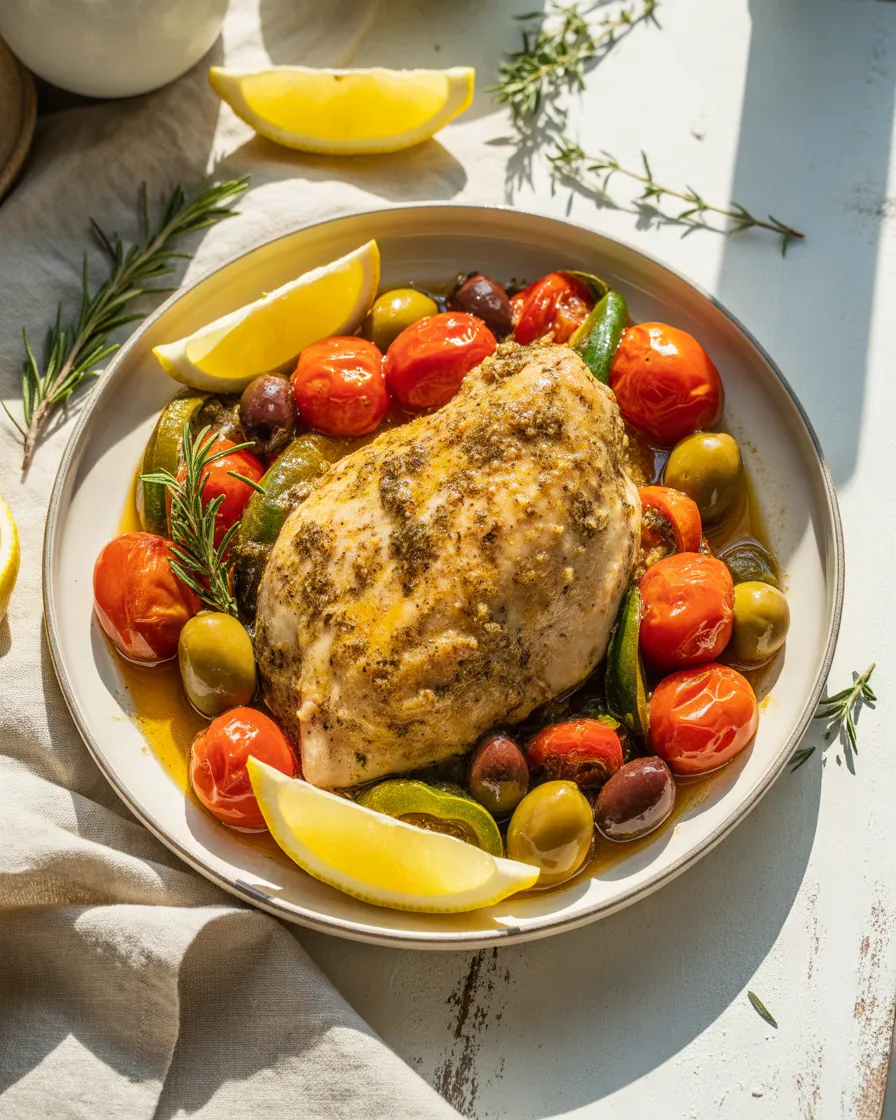
Healthy muffin recipes are the easiest way to have a wholesome breakfast or snack ready when you need one. A batch takes about half an hour, keeps well for days, and freezes beautifully — so one quiet Sunday afternoon can cover the whole week.
The best healthy muffins use whole grains, fruit for sweetness, and a light hand with sugar and fat. They are soft, flavourful, and satisfying — nothing like the dry, worthy health muffins you might be imagining.
In this guide, you will find 12 healthy muffin recipes, from sweet breakfast muffins to a savoury lunchbox option, each with clear ingredients, practical tips, and honest notes on who each one may suit.
1. Banana Oat Muffins

These are the muffins to make when bananas go spotty. Oats replace some of the flour, giving a hearty texture, and the bananas do most of the sweetening.
Benefits: Oats add fibre and slow-release energy, bananas provide potassium, and the muffins are naturally sweet with very little added sugar.
How to make it: Mash 3 ripe bananas, mix with 2 eggs, 60 ml oil, and 2 tablespoons honey, then fold in 150 g oats, 100 g whole wheat flour, baking soda, and cinnamon. Spoon into a lined muffin tin and bake at 180°C for 20–22 minutes.
Practical tips: Use very ripe bananas — the browner, the better. Add a handful of dark chocolate chips or walnuts if you like.
Who it may suit: A great breakfast muffin and a good lunchbox option for all ages.
Things to keep in mind: They keep for 3 days in an airtight container or freeze for up to 3 months. Do not overbake — they dry out quickly.
2. Blueberry Almond Muffins

Blueberries and almonds are a classic pairing. These muffins have a tender crumb, bursts of juicy berries, and a gentle crunch from flaked almonds on top.
Benefits: Blueberries add vitamin C and colour, almonds bring protein and healthy fats, and almond flour keeps the muffins moist.
How to make it: Whisk 2 eggs with 80 ml honey and 60 ml oil, then fold in 150 g almond flour, 100 g whole wheat flour, baking powder, and 150 g blueberries. Top with flaked almonds and bake at 180°C for 20–22 minutes.
Practical tips: Toss the blueberries in flour first so they do not sink. Frozen blueberries work well — do not thaw them first.
Who it may suit: A lovely weekend muffin and a good gluten-free option if you use all almond flour.
Things to keep in mind: Almond flour is pricier than wheat flour, so this is a treat bake for many. They keep best in the fridge after day two.
3. Carrot Walnut Muffins

These muffins taste like a lighter, portable carrot cake. Grated carrot keeps them moist, walnuts add crunch, and warm spices do the rest.
Benefits: Carrots add fibre and natural sweetness, walnuts provide healthy fats, and the muffins are filling enough for breakfast.
How to make it: Mix 200 g whole wheat flour, 2 grated carrots, 2 eggs, 60 ml oil, 80 g honey, cinnamon, and 80 g chopped walnuts. Spoon into a muffin tin and bake at 180°C for 20–22 minutes.
Practical tips: Grate the carrots finely so they blend into the crumb. A little orange zest brightens the flavour.
Who it may suit: A good breakfast or coffee-break muffin, and popular with children.
Things to keep in mind: They keep for 3 days in an airtight tin. Toast the walnuts first for extra flavour.
4. Apple Cinnamon Muffins

Diced apple and cinnamon make these muffins smell wonderful as they bake. The apple keeps the crumb moist, and the cinnamon adds warmth without extra sugar.
Benefits: Apples add fibre and natural sweetness, cinnamon brings flavour with no calories, and oats in the mix make them more filling.
How to make it: Mix 150 g whole wheat flour, 100 g oats, 2 diced apples, 2 eggs, 60 ml oil, 60 g honey, and cinnamon. Spoon into a muffin tin and bake at 180°C for 20–22 minutes.
Practical tips: Use a firm, sweet apple such as Gala or Fuji. Dice the apple small so it bakes evenly.
Who it may suit: An autumn favourite and a good lunchbox muffin.
Things to keep in mind: They are best eaten within 3 days. A sprinkle of oats on top before baking adds crunch.
5. Pumpkin Spice Muffins

Pumpkin puree makes these muffins incredibly moist, and the spice mix — cinnamon, ginger, nutmeg — gives them a warm, cosy flavour that suits any season.
Benefits: Pumpkin is rich in vitamin A and fibre, and the puree replaces much of the fat. The spices add flavour without sugar.
How to make it: Mix 200 g pumpkin puree with 2 eggs, 60 ml oil, and 80 g honey, then fold in 200 g whole wheat flour, baking soda, and mixed spice. Spoon into a muffin tin and bake at 180°C for 20–22 minutes.
Practical tips: Use plain pumpkin puree, not sweetened pie filling. Pumpkin seeds on top add crunch and look lovely.
Who it may suit: A great autumn bake and a good way to use up a tin of pumpkin puree.
Things to keep in mind: Canned pumpkin varies in sweetness — taste the batter and adjust the honey if needed.
6. Zucchini Chocolate Muffins
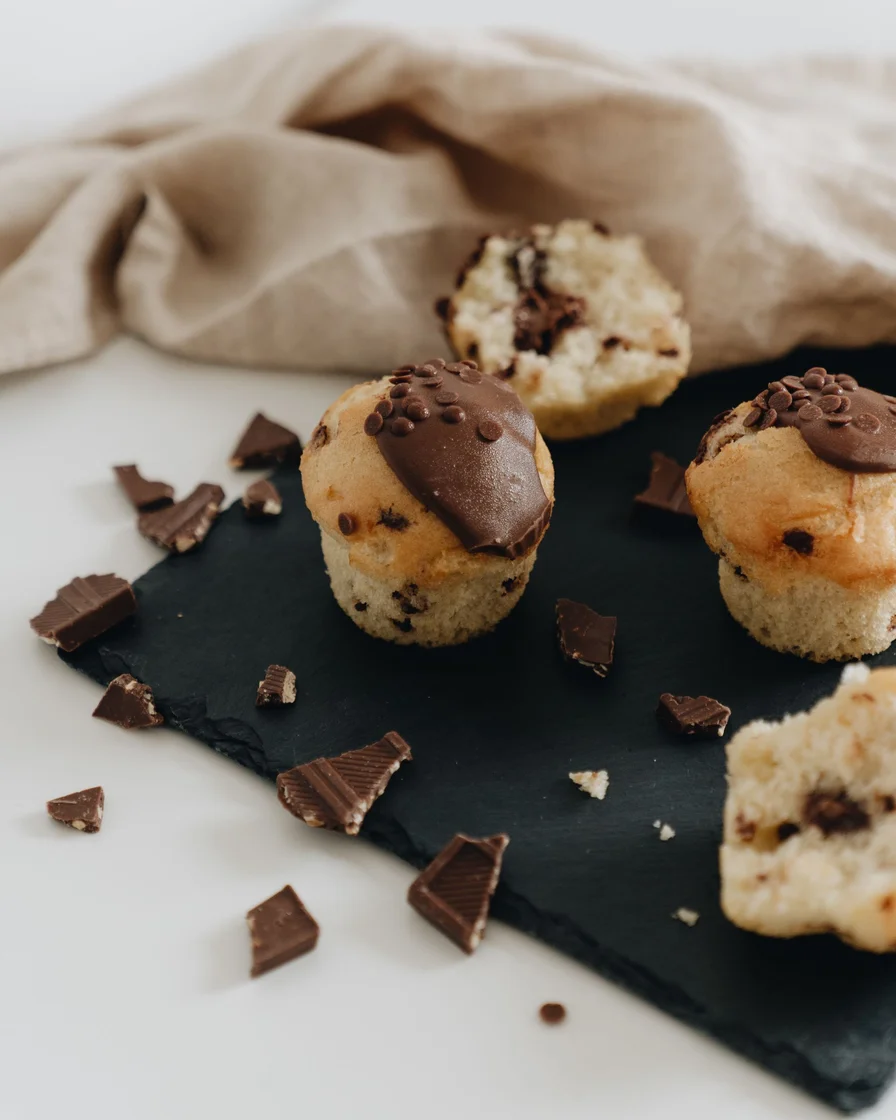
Zucchini disappears into these chocolate muffins, leaving only moisture behind. They taste like a rich chocolate muffin — nobody guesses there is a vegetable inside.
Benefits: Zucchini adds moisture and fibre with very few calories, and cocoa gives deep chocolate flavour with little fat.
How to make it: Mix 150 g whole wheat flour, 40 g cocoa powder, 1 grated zucchini (squeezed dry), 2 eggs, 60 ml oil, and 80 g honey. Spoon into a muffin tin and bake at 180°C for 20–22 minutes.
Practical tips: Squeeze the zucchini dry in a clean cloth or the muffins will be soggy. A few dark chocolate chips make them feel like a real treat.
Who it may suit: A clever way to get vegetables into fussy eaters, and a good chocolate fix.
Things to keep in mind: They keep for 3 days in an airtight container. Use a good-quality cocoa for the best flavour.
7. Light Lemon Poppy Seed Muffins

These muffins are bright, light, and gently tangy, with lemon zest and juice doing most of the work. Poppy seeds add a delicate crunch and a pretty speckled look.
Benefits: Lemon brings fresh flavour with no added sugar, yogurt keeps the crumb light, and the muffins are lower in fat than most citrus bakes.
How to make it: Whisk 2 eggs with 100 g sugar and 150 g Greek yogurt, then fold in 200 g flour, baking powder, lemon zest and juice, and 2 tablespoons poppy seeds. Bake at 180°C for 20–22 minutes.
Practical tips: Use unwaxed lemons if you can, and zest before juicing. A thin lemon glaze is optional but lovely.
Who it may suit: Anyone who likes citrus bakes, and a good afternoon-tea muffin.
Things to keep in mind: They are best within 2 days. Keep them covered so they do not dry out.
8. Berry Yogurt Muffins

Mixed berries and yogurt make these muffins soft, tangy, and colourful. They are a good way to use whatever berries you have, fresh or frozen.
Benefits: Berries add vitamin C and fibre, yogurt provides protein and keeps the muffins moist, and the muffins are lightly sweet.
How to make it: Mix 200 g whole wheat flour, 150 g Greek yogurt, 2 eggs, 60 ml oil, 60 g honey, and 150 g mixed berries. Spoon into a muffin tin and bake at 180°C for 20–22 minutes.
Practical tips: Frozen berries work well — fold them in frozen so they do not bleed colour through the batter.
Who it may suit: A good breakfast muffin and a nice change from banana-based recipes.
Things to keep in mind: Berry muffins can be slightly damp in the centre — check with a skewer before taking them out.
9. Sweet Potato Muffins
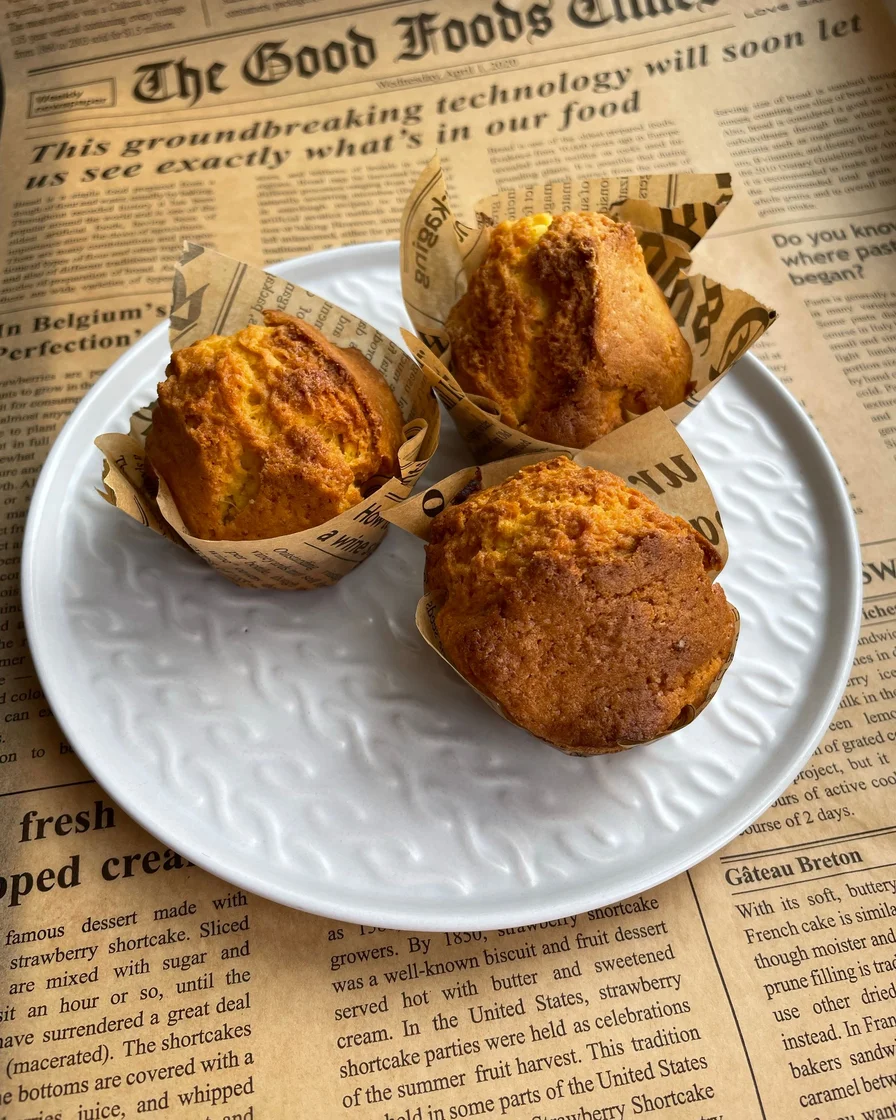
Cooked sweet potato gives these muffins a soft, golden crumb and a gentle natural sweetness. Warm spices make them taste like autumn in a muffin tin.
Benefits: Sweet potato is rich in vitamin A and fibre, and it replaces much of the fat and sugar in the recipe.
How to make it: Mix 200 g mashed cooked sweet potato with 2 eggs, 60 ml oil, and 60 g honey, then fold in 200 g whole wheat flour, baking soda, cinnamon, and nutmeg. Bake at 180°C for 20–22 minutes.
Practical tips: Roast the sweet potato rather than boiling it — roasting concentrates the flavour. A little orange zest works nicely too.
Who it may suit: A good autumn muffin and a nice option for anyone who likes earthy, warming flavours.
Things to keep in mind: Let them cool fully before storing, or condensation will make them soggy.
10. Peanut Butter Banana Muffins
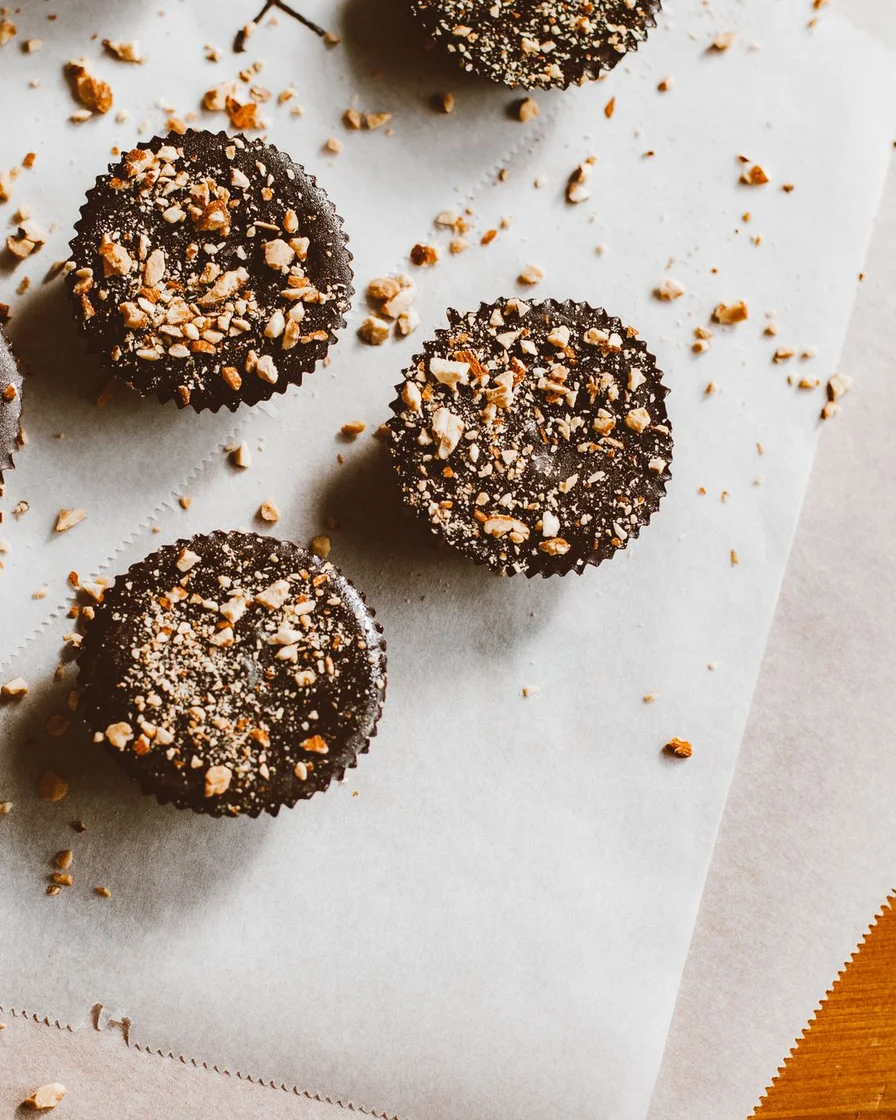
Peanut butter and banana are a natural match, and together they make a rich, satisfying muffin that keeps you full for hours. These are the muffins to bake before a busy week.
Benefits: Peanut butter adds protein and healthy fats, bananas bring natural sweetness, and oats make them filling.
How to make it: Mix 150 g peanut butter, 2 mashed bananas, 2 eggs, and 60 g honey, then fold in 100 g oats and 100 g whole wheat flour. Spoon into a muffin tin and bake at 180°C for 20–22 minutes.
Practical tips: Use natural peanut butter with no added sugar. A few chocolate chips on top make them feel like a treat.
Who it may suit: A filling breakfast muffin and a good post-workout snack.
Things to keep in mind: They contain peanuts, so they are not suitable for nut-free settings. They keep for 4 days in an airtight tin.
11. Spinach Feta Savoury Muffins

Not every muffin has to be sweet. These savoury muffins mix spinach and feta into a soft, cheesy crumb — perfect for lunchboxes, picnics, or alongside soup.
Benefits: Spinach adds iron and folate, feta brings protein and a salty tang, and the muffins are a good savoury snack without added sugar.
How to make it: Mix 200 g whole wheat flour, 2 eggs, 100 ml milk, 60 ml oil, 100 g chopped spinach (squeezed dry), and 100 g crumbled feta. Spoon into a muffin tin and bake at 180°C for 20–22 minutes.
Practical tips: Squeeze the spinach dry or the muffins will be wet. A little black pepper and a pinch of nutmeg suit them well.
Who it may suit: Anyone who wants a savoury option, and a good lunchbox change from sandwiches.
Things to keep in mind: They keep for 2 days in the fridge and reheat well. They are not suitable for freezing as well as sweet muffins.
12. Chocolate Avocado Muffins
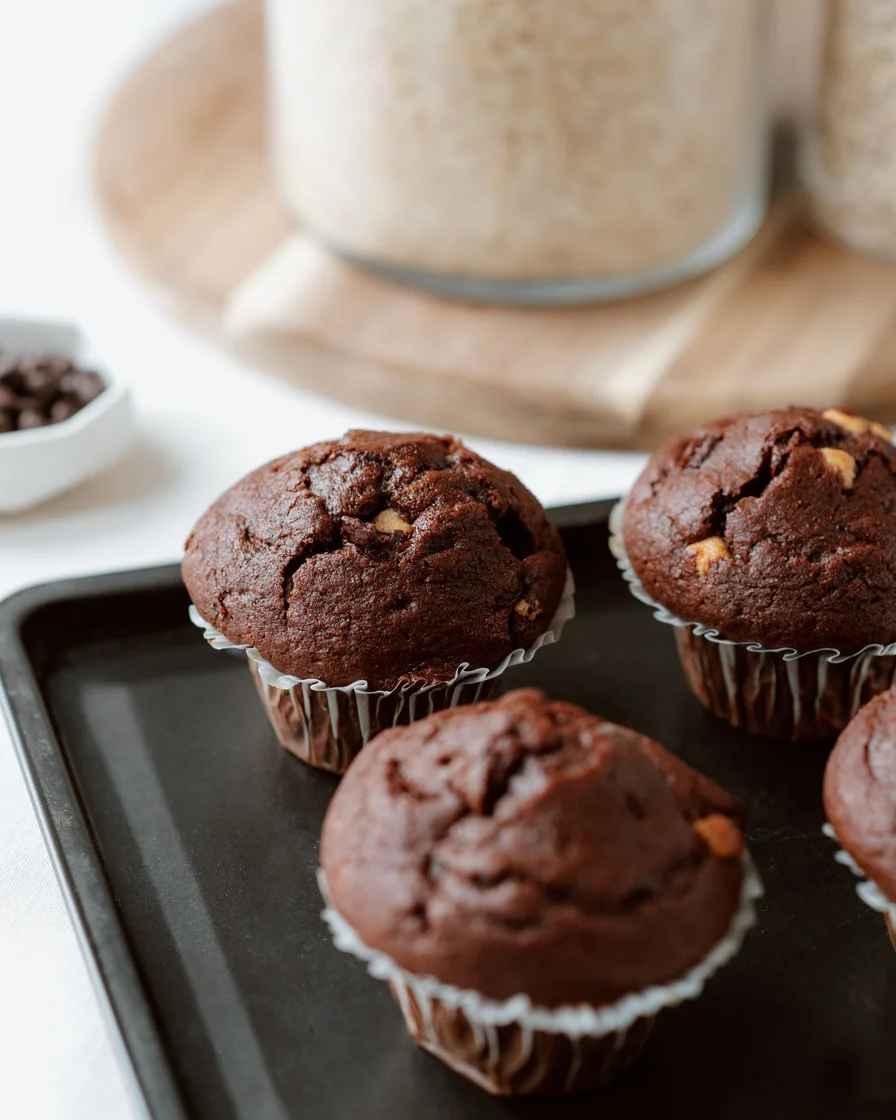
Avocado replaces the butter in these chocolate muffins, giving a rich, moist crumb with healthy fats. The chocolate flavour is so strong that nobody tastes the avocado.
Benefits: Avocado provides monounsaturated fats and fibre, cocoa adds deep flavour, and the muffins need no butter at all.
How to make it: Blend 1 ripe avocado with 2 eggs, 80 g honey, and 1 teaspoon vanilla until smooth, then fold in 150 g whole wheat flour, 40 g cocoa powder, and baking soda. Bake at 180°C for 20–22 minutes.
Practical tips: Use a very ripe avocado — it should give easily when pressed. Dark chocolate chips on top are a nice touch.
Who it may suit: Chocolate lovers who want a lighter muffin, and a good dairy-free option.
Things to keep in mind: They are best eaten within 2 days. The avocado flavour is undetectable once baked, but the muffins do not keep as long as butter-based ones.
Expert Tips for Better Healthy Muffins
These tips apply to every recipe in this list and will help you bake lighter muffins without losing flavour.
- Do not overmix. Stir the batter only until the flour disappears — overmixing makes muffins tough and dense.
- Fill the tin two-thirds full. This gives muffins room to rise without spilling over, and keeps portions sensible.
- Use ripe fruit. Ripe bananas, soft pears, and sweet berries need less added sugar.
- Try yogurt for moisture. Greek yogurt replaces some of the oil in many recipes and adds protein.
- Cool in the tin for 5 minutes, then move to a rack. Leaving muffins in a hot tin makes the bases soggy.
- Freeze in a single layer first. Once frozen solid, transfer to a bag — they will not stick together.
- Reheat gently. A cold muffin comes back to life with 10 seconds in the microwave or a few minutes in a warm oven.
- Label your freezer bags. Muffins all look alike once frozen — write the flavour and date on the bag.
Frequently Asked Questions
Are homemade muffins healthier than shop-bought ones?
Usually, yes. Shop-bought muffins are often large and high in sugar and fat, while homemade ones let you control the ingredients, the sweetness, and the size. A homemade muffin made with whole grains and fruit is a very different food from a cafe muffin.
Can I make these muffins gluten-free?
Yes — almond flour, oat flour, or a gluten-free flour blend work in most of these recipes. Use certified gluten-free oats if it matters for you, and check that your baking powder is gluten-free.
Why did my muffins turn out dense?
The most common cause is overmixing the batter, which develops the gluten and makes muffins tough. Stir only until the dry ingredients are just combined — a few small lumps are fine.
How long do healthy muffins keep?
Most muffins keep 3 to 4 days in an airtight container, or up to 3 months in the freezer. Savoury muffins and those with fresh cheese are best refrigerated and eaten within 2 days.
Can I reduce the sugar further?
Yes, in most recipes you can cut the honey or sugar by a third without ruining the texture, especially when the recipe already includes sweet fruit like banana. The muffins will be less sweet but still moist.
Conclusion
These 12 healthy muffin recipes show that muffins can be both a treat and a sensible choice. With whole grains, fruit, and a light hand with sugar, you can bake a batch that covers breakfasts and snacks for the whole week.
Start with the banana oat muffins if you are new to baking — they are forgiving and use ingredients you probably already have. Once you are confident, try the savoury spinach and feta muffins for something different.
Bake a double batch when you have time, freeze the extras, and you will always have a wholesome homemade option within reach.