Getting enough protein does not have to mean eating chicken breast at every meal or relying on protein shakes. With the right combination of everyday ingredients, you can prepare healthy high protein meals that taste delicious, keep you satisfied, and fit into a busy lifestyle.
Protein plays an important role in building and maintaining muscle, repairing body tissues, and supporting many normal body functions. Combining protein-rich foods with vegetables, whole grains, healthy fats, and fibre can also help create balanced meals that provide lasting energy and support overall wellbeing.
Whether you want easy high protein meals for lunch, nutritious dinners for the family, vegetarian recipes, or simple meal-prep ideas, there are plenty of options to explore. You can use eggs, chicken, fish, Greek yogurt, beans, lentils, tofu, and other affordable ingredients to build meals that suit your preferences.
The following 13 healthy high protein meals offer practical ways to add more protein to your daily routine without making cooking complicated. Each idea includes its potential benefits, preparation tips, serving suggestions, and considerations to help you choose the options that work best for you.
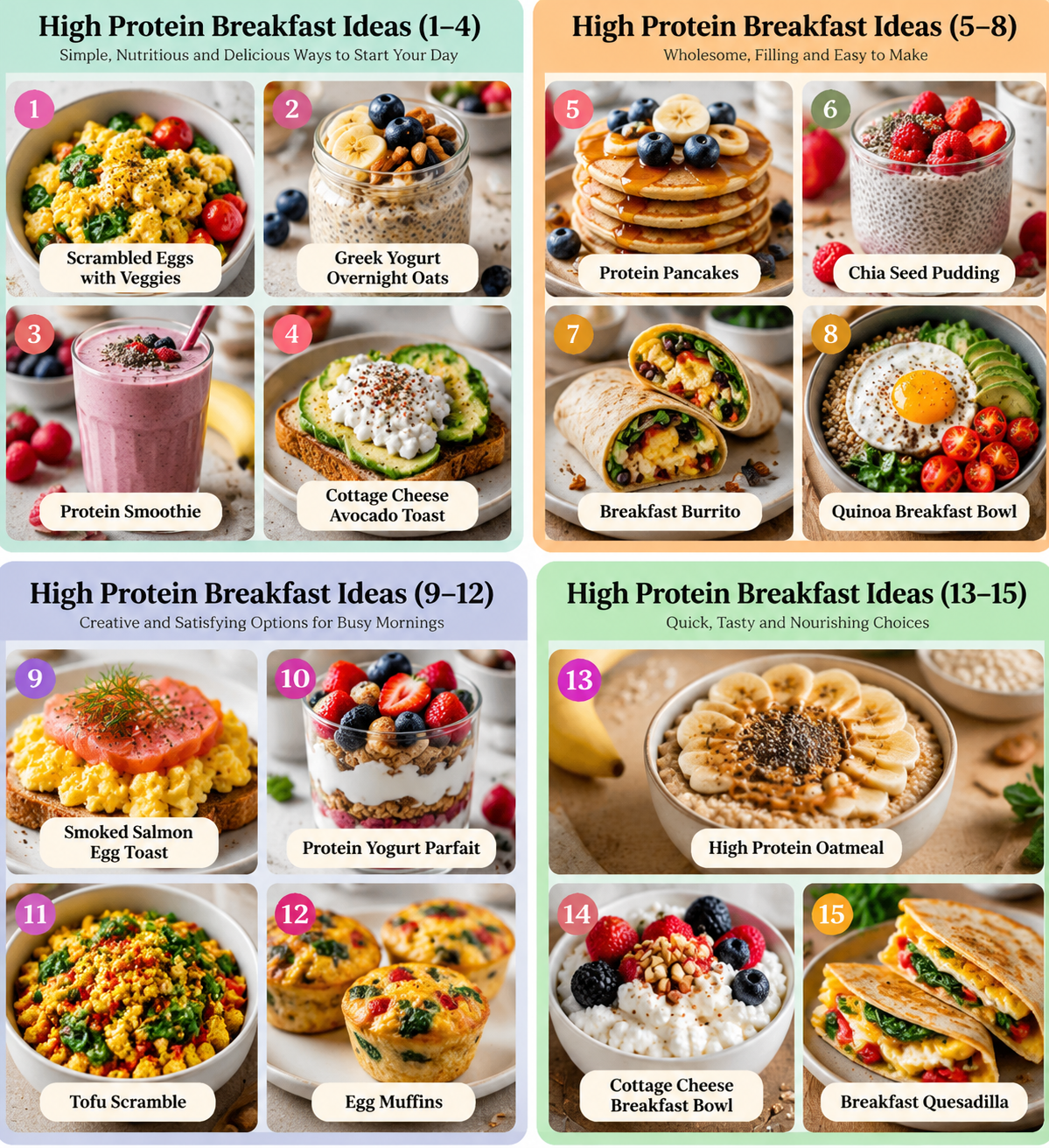
1. Greek Yogurt Overnight Oats for a Protein-Rich Breakfast
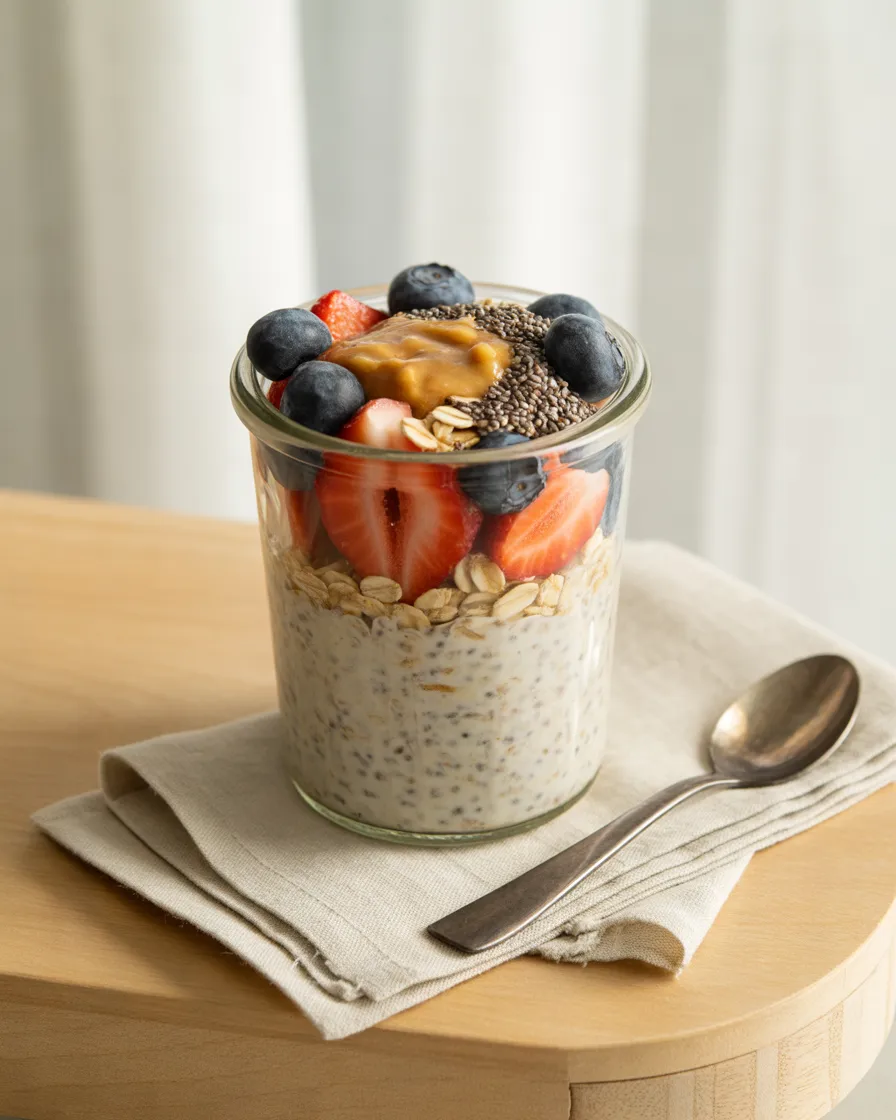
Overnight oats are a convenient choice when you want a nutritious breakfast without cooking in the morning. Rolled oats, plain Greek yogurt, milk, and chia seeds create a creamy, satisfying meal that can be prepared the night before. Add berries or sliced banana for natural sweetness and extra flavour.
Benefits: Greek yogurt supplies protein, while oats provide carbohydrates and fibre. Chia seeds contribute fibre and healthy fats. Together, these ingredients make a balanced breakfast that can support normal muscle maintenance and help you feel satisfied throughout the morning.
Practical tips: Choose plain Greek yogurt rather than a heavily sweetened variety. Mix approximately half a cup of oats with three-quarters of a cup of Greek yogurt, a little milk, and a teaspoon of chia seeds. Refrigerate overnight and adjust the consistency in the morning.
How to use it: Prepare two or three jars at once for convenient weekday breakfasts. Top each serving with berries, cinnamon, or a small spoonful of peanut butter.
Who it may suit: Busy professionals, students, families, and anyone who prefers a make-ahead breakfast.
Important considerations: Dairy-free yogurt products vary considerably in protein content, so check the label if you need a higher-protein alternative. People with coeliac disease should select certified gluten-free oats.
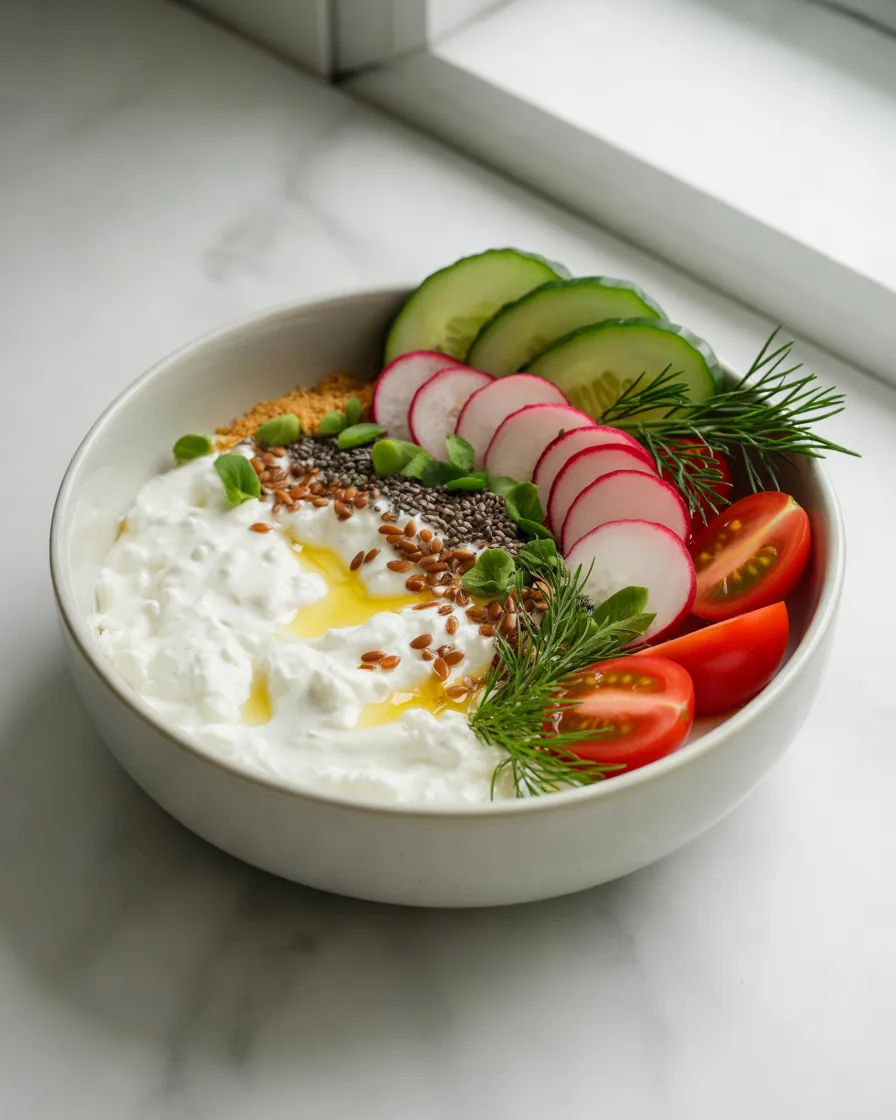
2. Spinach and Cottage Cheese Scrambled Eggs
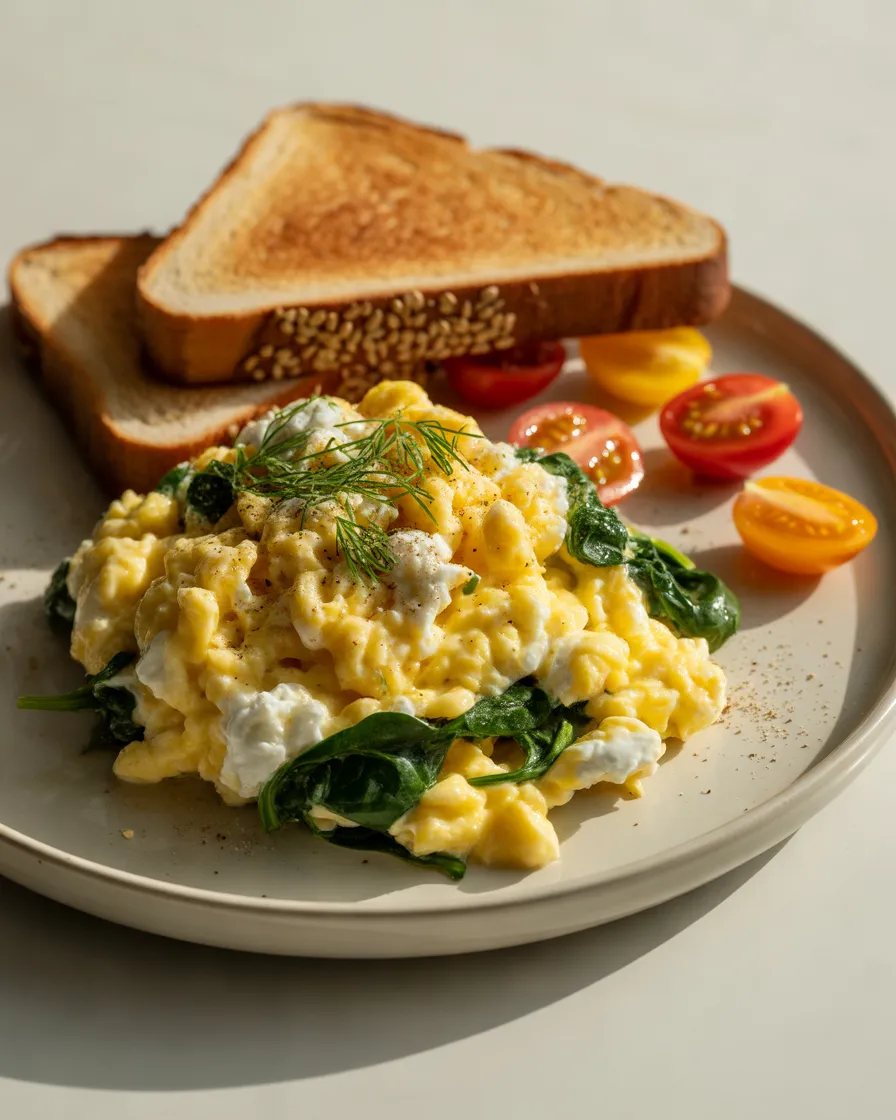
Scrambled eggs become an especially protein-rich meal when paired with cottage cheese and fresh spinach. This simple combination is suitable for breakfast, brunch, or a quick evening meal when you need something nourishing without spending much time in the kitchen.
Benefits: Eggs provide complete protein, meaning they contain all nine essential amino acids. Cottage cheese adds more protein, while spinach contributes folate, vitamin K, and other nutrients. Using a non-stick pan can also reduce the amount of oil needed.
Practical tips: Whisk two eggs with two tablespoons of cottage cheese. Cook gently in a non-stick pan, then fold in a handful of chopped spinach until wilted. Season with black pepper, herbs, and a modest amount of salt.
How to use it: Serve with whole-grain toast, sliced tomatoes, or avocado. For a more substantial meal, add mushrooms or roasted peppers.
Who it may suit: People seeking easy high protein breakfasts, individuals who prefer savoury meals, and those who want a flexible recipe using common ingredients.
Important considerations: Cook eggs thoroughly, particularly when preparing food for pregnant people, older adults, or anyone with a weakened immune system. Cottage cheese and eggs both contribute dietary cholesterol, so people managing specific dietary restrictions should follow their clinician’s advice.
3. Grilled Chicken and Quinoa Power Bowl
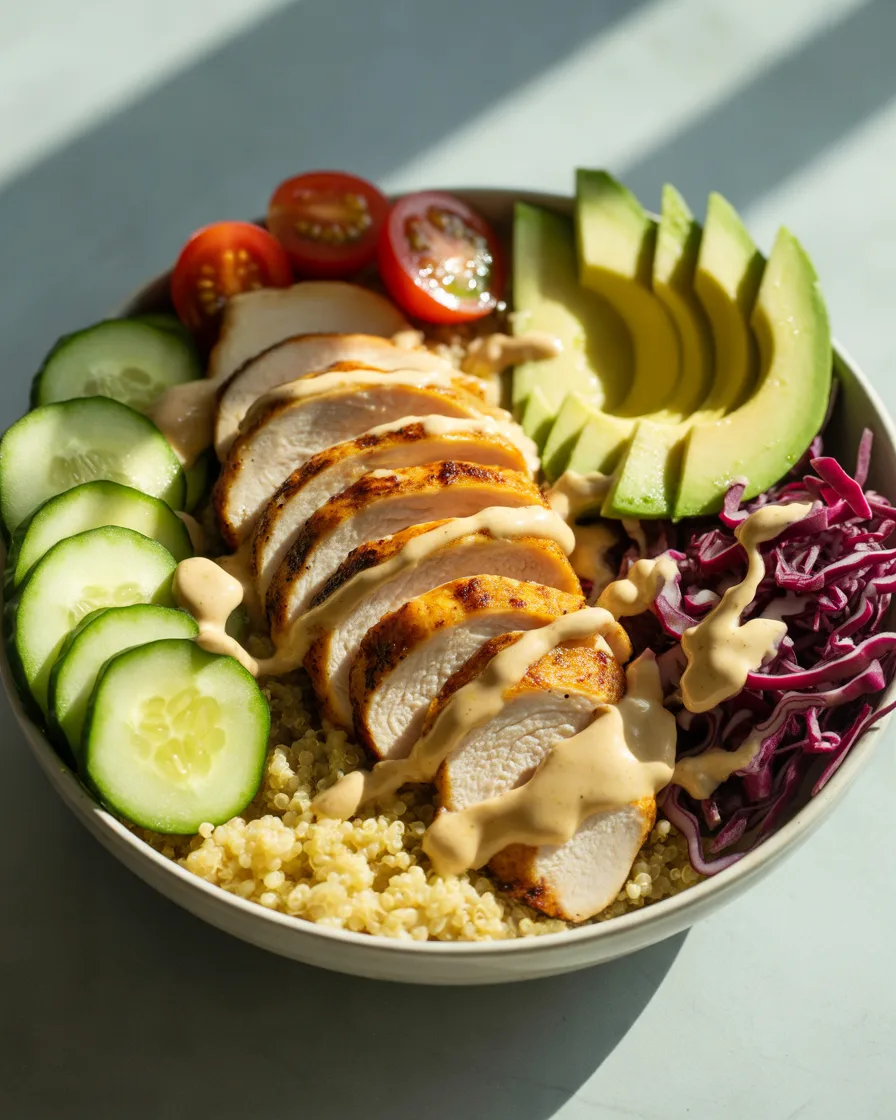
A grilled chicken and quinoa bowl is one of the most versatile healthy high protein meals for lunch or dinner. It combines lean poultry with a whole grain, colourful vegetables, and a flavourful dressing. You can change the seasonings and vegetables to create several different meals from the same basic ingredients.
Benefits: Chicken supplies high-quality protein, while quinoa contributes additional protein, carbohydrates, fibre, and minerals. Vegetables add vitamins and texture, making the bowl more balanced than a meal built around meat alone.
Practical tips: Season a chicken breast with paprika, garlic, black pepper, lemon juice, and a little olive oil. Grill or bake until the thickest part reaches a safe internal temperature of 165°F (74°C). Cook quinoa according to the package instructions and prepare vegetables such as cucumber, tomatoes, and bell peppers.
How to use it: Assemble the ingredients in a bowl and finish with lemon-tahini dressing or plain yogurt mixed with herbs. For meal preparation, store the components separately and add the dressing just before eating.
Who it may suit: People who exercise regularly, office workers who bring lunch from home, and anyone seeking a dependable meal-prep recipe.
Important considerations: Keep cooked chicken refrigerated promptly and avoid cross-contamination between raw poultry and ready-to-eat ingredients. Choose dressing portions according to your nutritional needs.
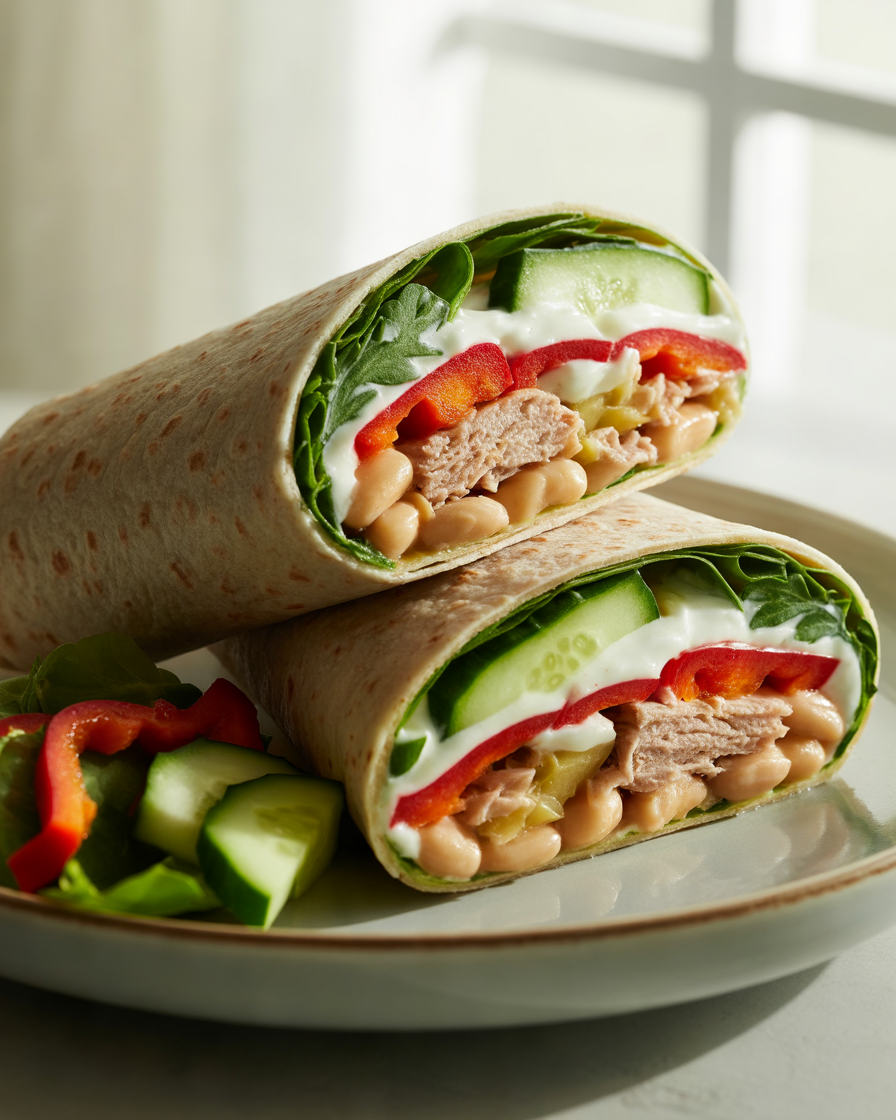
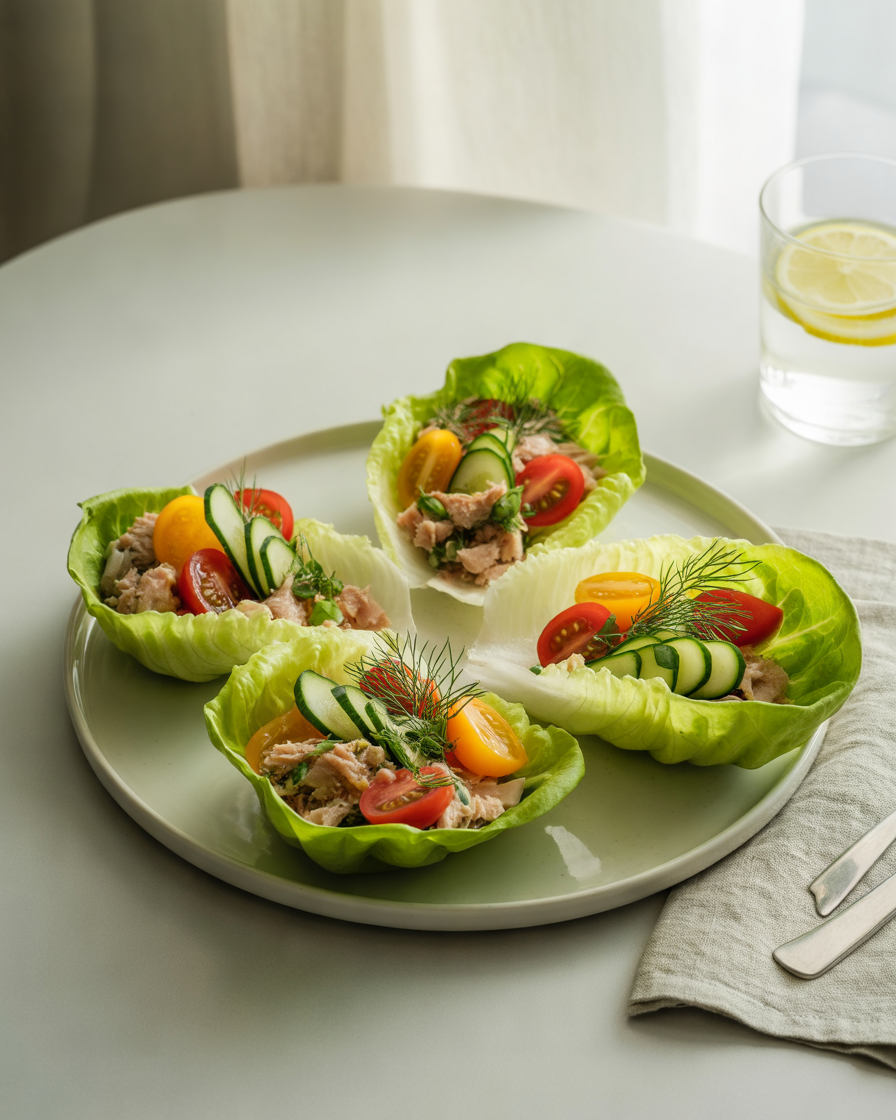
4. Tuna and White Bean Salad With Lemon Dressing
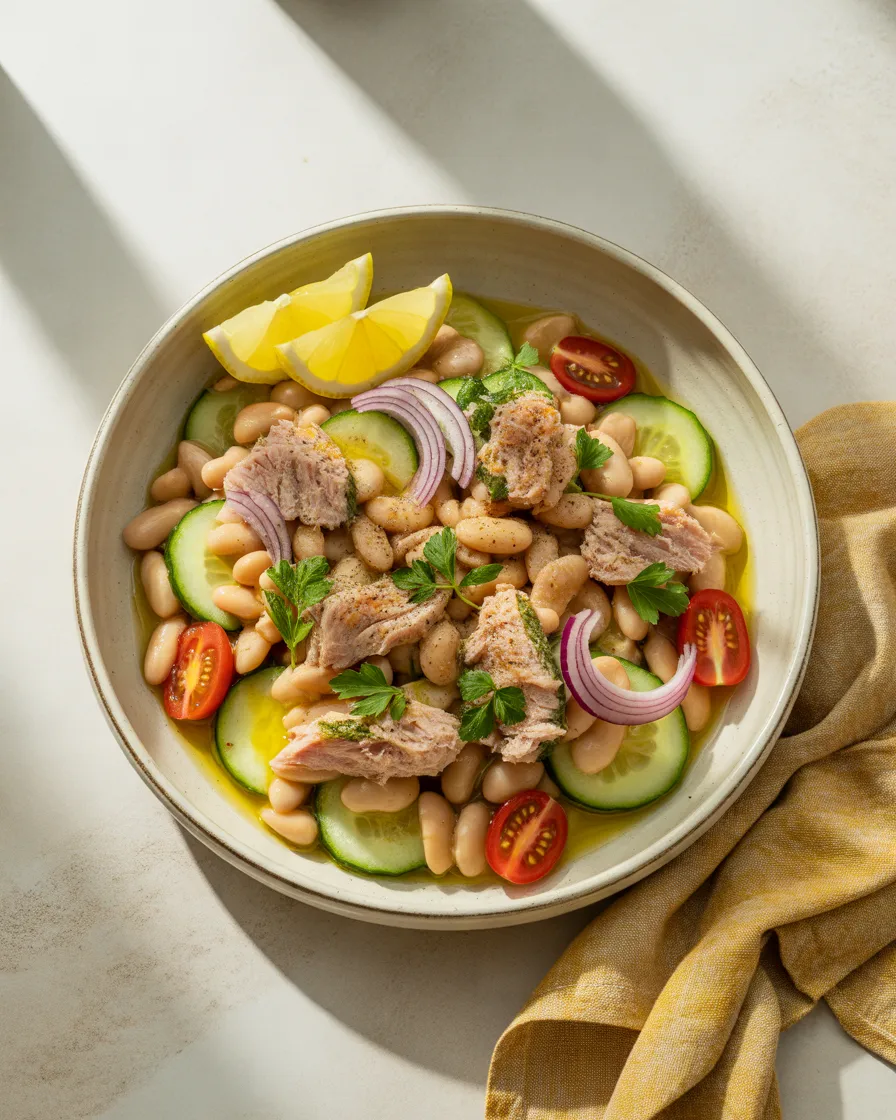
Tuna and white bean salad is a practical no-fuss meal for days when you do not want to turn on the stove. Canned tuna provides convenient protein, while white beans add fibre, plant protein, and a creamy texture. Fresh vegetables and lemon dressing keep the dish bright and refreshing.
Benefits: This combination supplies protein from both fish and beans. Beans also provide fibre, which supports digestive health, while tuna contributes nutrients such as vitamin B12 and selenium.
Practical tips: Combine drained canned tuna with rinsed cannellini beans, chopped cucumber, red onion, parsley, and cherry tomatoes. Dress with lemon juice, olive oil, black pepper, and a little Dijon mustard. Choose tuna packed in water if you prefer a lighter option.
How to use it: Serve the salad on its own, over leafy greens, or with whole-grain crackers. You can also spoon it into a whole-wheat pita for a portable lunch.
Who it may suit: Busy adults, students, people preparing lunches in advance, and anyone looking for an affordable alternative to freshly cooked meat.
Important considerations: Tuna contains mercury, and levels vary by species. Pregnant people and others who need to limit mercury exposure should follow local seafood guidance and vary their fish choices. Refrigerate prepared salad promptly.
5. Lentil and Tofu Curry With Brown Rice
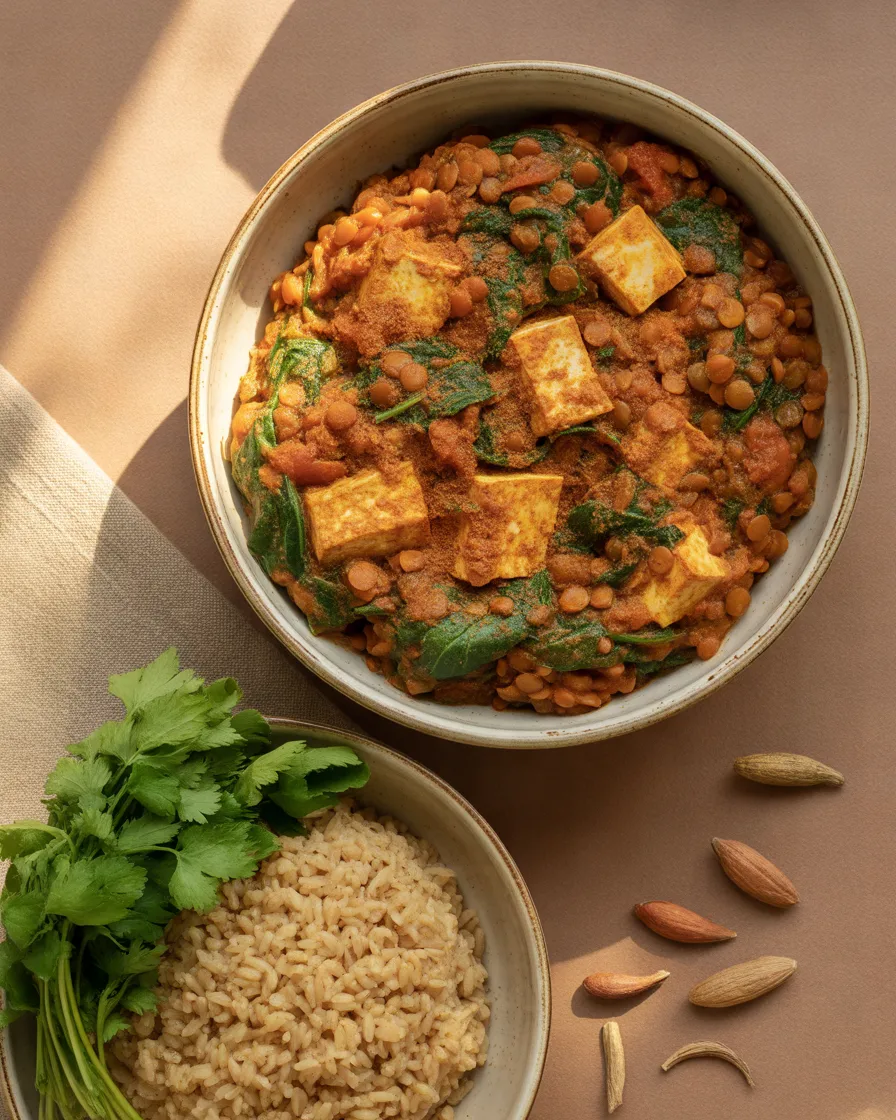
A lentil and tofu curry is a hearty vegetarian meal that combines two useful sources of plant protein. Lentils create a thick, comforting sauce, while tofu absorbs the flavour of spices. Served with brown rice and vegetables, this dish offers a satisfying alternative to meat-based dinners.
Benefits: Lentils provide protein, fibre, folate, and iron. Tofu adds protein and, depending on the product, calcium. Brown rice contributes whole-grain carbohydrates. The combination can make it easier for people following plant-based diets to build filling meals.
Practical tips: Sauté onion, garlic, and ginger with cumin, turmeric, and curry powder. Add rinsed lentils, chopped tomatoes, and vegetable stock, then simmer until tender. Stir in cubed firm tofu near the end and cook until heated through.
How to use it: Serve with brown rice, steamed spinach, or roasted cauliflower. Make a larger batch and portion it into containers for future lunches.
Who it may suit: Vegetarians, vegans when all ingredients are plant-based, budget-conscious households, and people who enjoy batch cooking.
Important considerations: Plant proteins can comfortably contribute to daily protein needs when eaten in adequate amounts as part of a varied diet. If you are new to high-fibre foods, increase portions gradually and drink enough fluids. People with soy allergies should omit tofu and use another suitable protein source.
6. Baked Salmon With Sweet Potato and Broccoli
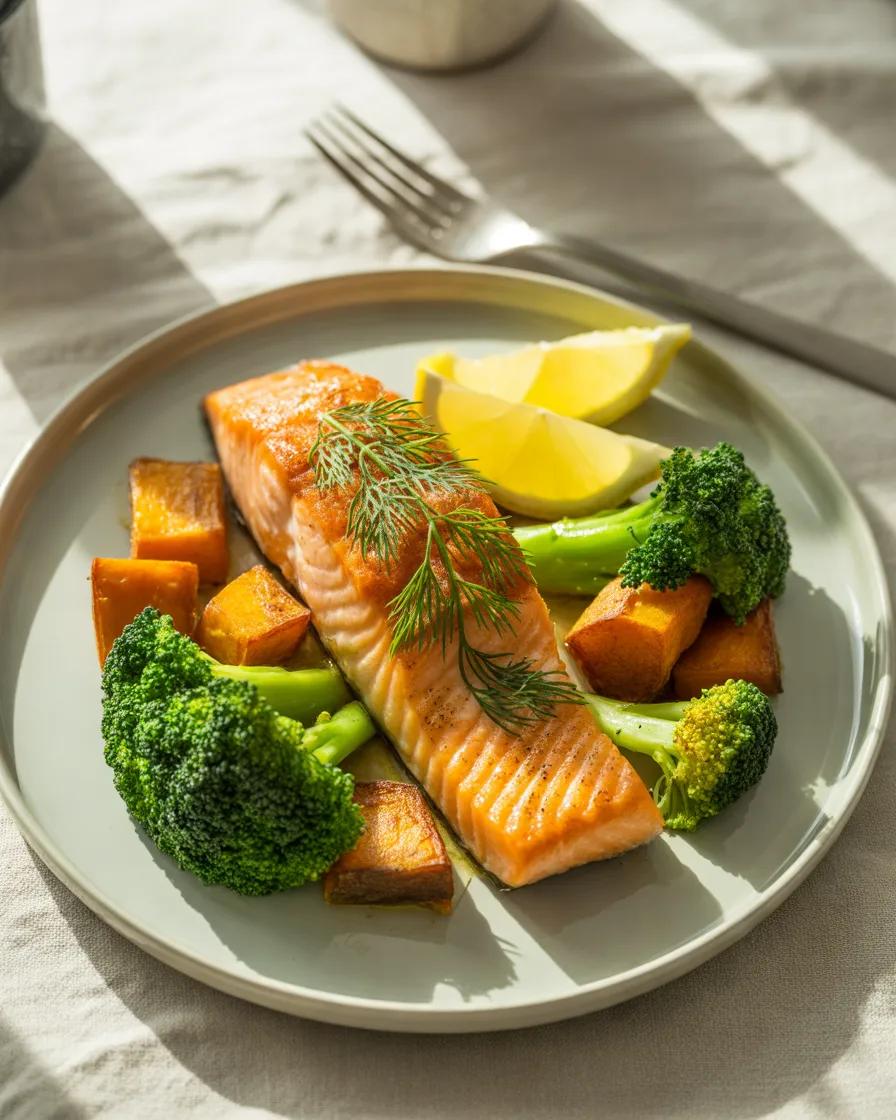
Baked salmon served with sweet potato and broccoli is a balanced dinner that combines protein, vegetables, and satisfying carbohydrates. The ingredients require relatively little preparation, and most of the cooking can happen in the oven, making this a useful option for busy evenings.
Benefits: Salmon provides high-quality protein and omega-3 fatty acids, which support normal cardiovascular and other bodily functions. Sweet potatoes contribute carbohydrates, fibre, and beta-carotene, while broccoli supplies vitamin C, folate, and other nutrients.
Practical tips: Place a salmon fillet on a lined baking tray and season with lemon, garlic, dill, and black pepper. Cut sweet potatoes into small cubes so they cook evenly, and add broccoli florets during the final part of roasting. Cook the fish until it reaches a safe internal temperature of 145°F (63°C).
How to use it: Serve with lemon wedges and a yogurt-herb sauce. Prepare extra vegetables for the following day’s lunch.
Who it may suit: Families, people looking for nutritious dinners, and anyone wanting to include oily fish in a balanced eating pattern.
Important considerations: Check carefully for bones before serving. People with fish allergies should choose an alternative such as chicken, tofu, or beans. Follow local advice regarding fish choices during pregnancy.
7. Turkey and Black Bean Stuffed Bell Peppers
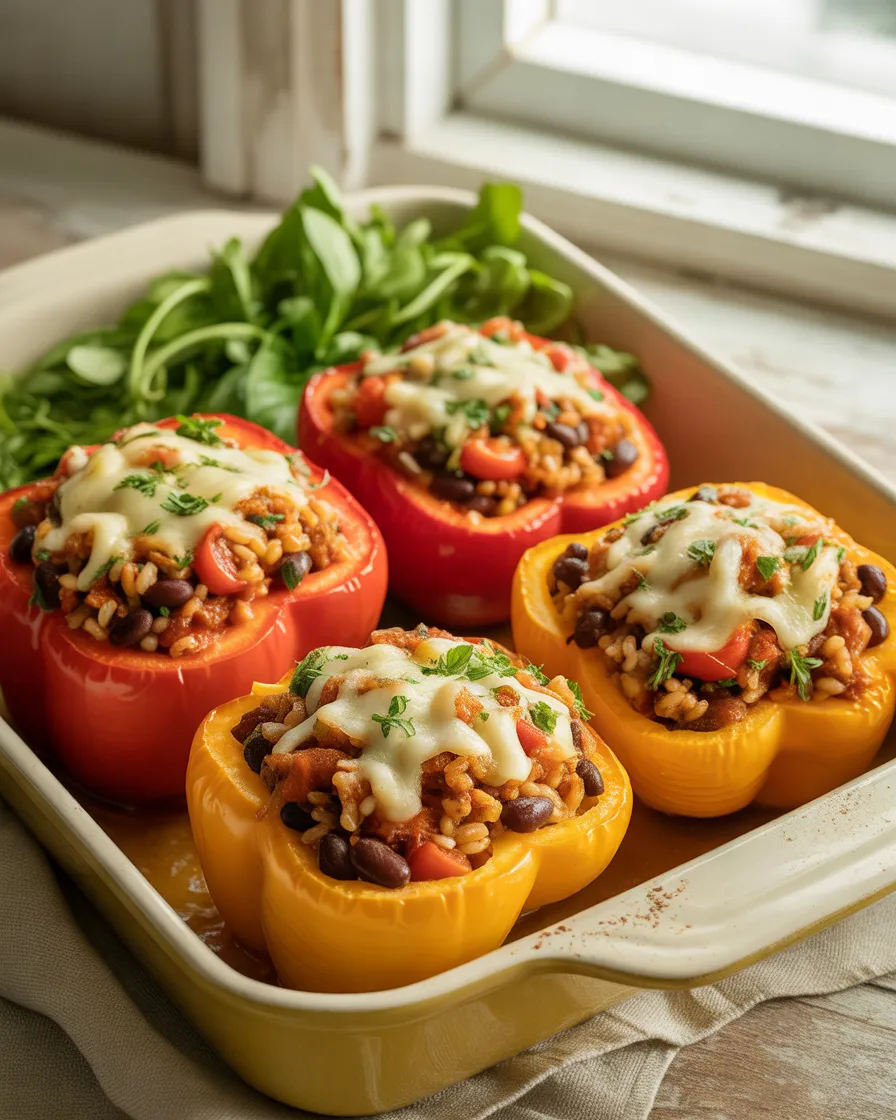
Stuffed bell peppers turn familiar ingredients into a colourful, portion-friendly meal. Lean ground turkey, black beans, tomatoes, and brown rice create a flavourful filling, while the peppers become tender and slightly sweet during baking.
Benefits: Turkey supplies complete protein, while black beans contribute additional plant protein and fibre. Bell peppers provide vitamin C, and brown rice adds whole grains. The meal can be adapted to suit different spice preferences.
Practical tips: Cook ground turkey with onion, garlic, cumin, paprika, black beans, and diced tomatoes. Mix with cooked brown rice, spoon into halved bell peppers, and bake until the peppers soften and the filling is thoroughly cooked. If desired, add a small amount of grated cheese.
How to use it: Serve two pepper halves with a leafy green salad or roasted vegetables. Prepare several peppers at once for easy weekday dinners.
Who it may suit: Families, people seeking high protein meal-prep recipes, and anyone who wants to add more beans and vegetables to familiar dishes.
Important considerations: Ground turkey should reach 165°F (74°C) internally. For a vegetarian variation, replace turkey with crumbled tofu or additional beans. Adjust cheese and added salt to suit your dietary needs.
8. Shrimp and Whole-Wheat Pasta With Garlic
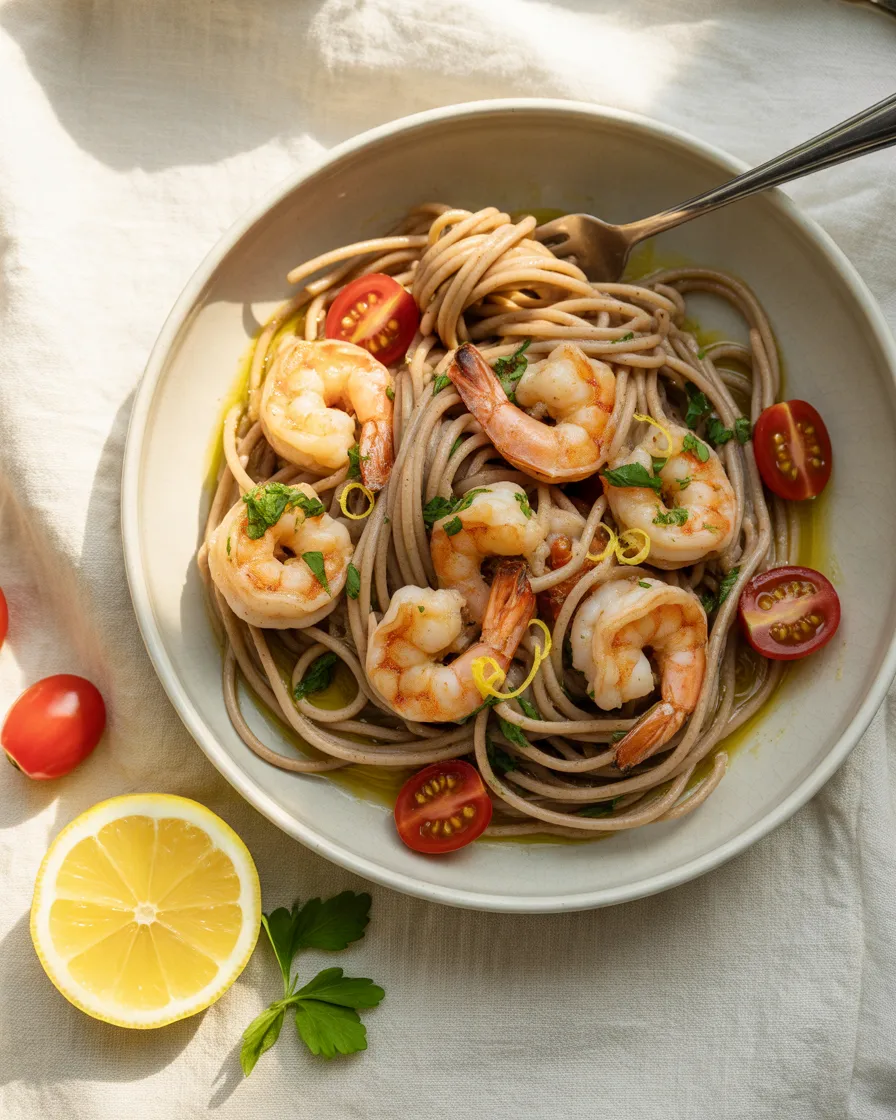
Shrimp and whole-wheat pasta make a quick dinner for people who want a protein-rich meal without a long cooking process. Garlic, lemon, parsley, and cherry tomatoes create plenty of flavour without requiring a heavy cream sauce.
Benefits: Shrimp is a lean source of protein and supplies nutrients including selenium and vitamin B12. Whole-wheat pasta contributes fibre and carbohydrates, while tomatoes and herbs add flavour and variety.
Practical tips: Boil whole-wheat pasta according to the package directions. Sauté garlic in a small amount of olive oil, add shrimp, and cook until opaque and thoroughly cooked. Toss with halved cherry tomatoes, lemon zest, parsley, and a little pasta water to bring everything together.
How to use it: Serve with steamed green beans or a mixed salad. For meal prep, slightly undercook the pasta before storing and reheat it with a splash of water to help maintain its texture.
Who it may suit: Seafood lovers, busy households, and people who want an alternative to chicken-based dinners.
Important considerations: Shrimp is a common food allergen. Keep raw seafood separate from other ingredients and cook it thoroughly. Whole-wheat pasta may not suit people with coeliac disease unless a suitable gluten-free alternative is used.
9. Tofu and Edamame Vegetable Stir-Fry
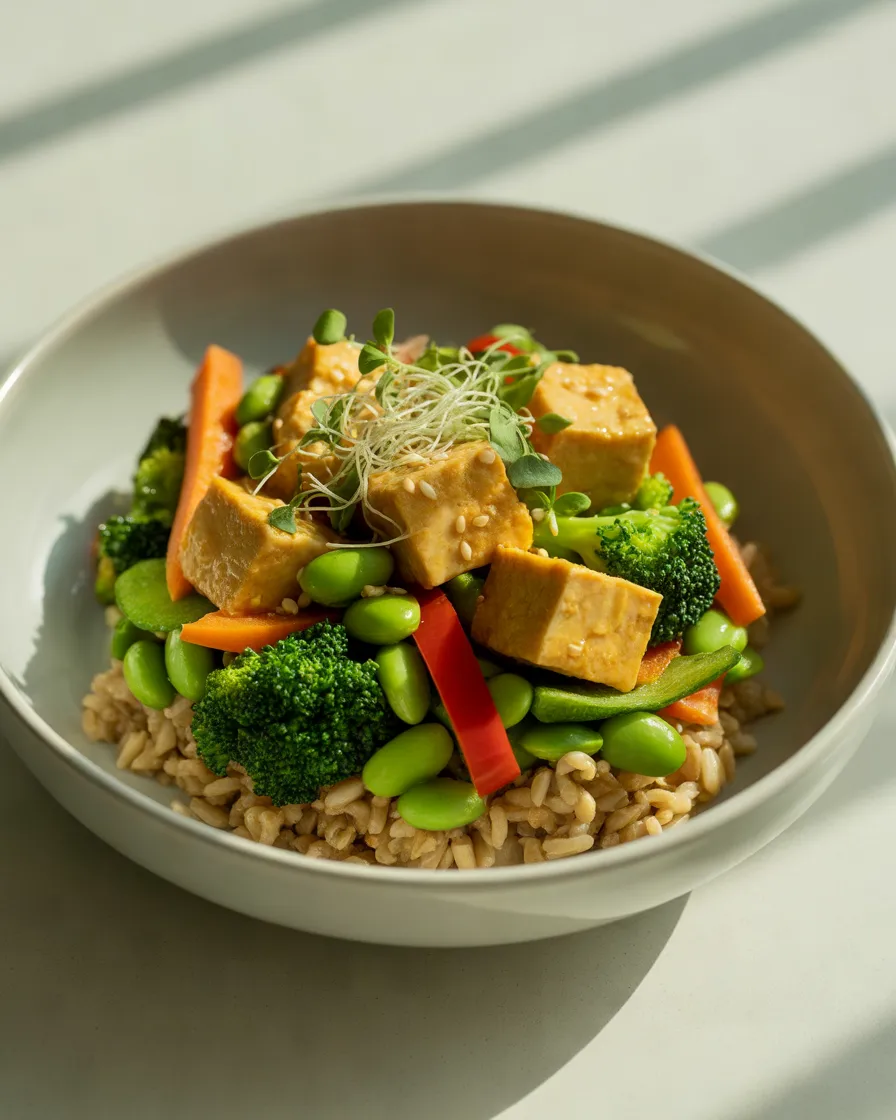
A tofu and edamame stir-fry is a flexible plant-based meal that can be made with whatever vegetables you have available. Firm tofu develops a golden exterior when cooked properly, while edamame adds extra protein and a pleasant, slightly sweet flavour.
Benefits: Tofu and edamame are soy-based protein sources containing all nine essential amino acids. Vegetables contribute fibre, vitamins, minerals, and colour. Serving the stir-fry with brown rice can make it a more complete and satisfying meal.
Practical tips: Press firm tofu to remove excess water, cut it into cubes, and brown it in a non-stick pan. Add broccoli, carrots, peppers, and shelled edamame. Finish with garlic, ginger, a little reduced-sodium soy sauce, and rice vinegar.
How to use it: Serve over brown rice or whole-grain noodles. Prepare the sauce separately if you are making portions for several days, then add it when reheating.
Who it may suit: Vegetarians, vegans, people seeking meat-free meal ideas, and home cooks who want a flexible way to use leftover vegetables.
Important considerations: Soy is a common allergen. Check sauce labels because some products contain substantial amounts of sodium. If you dislike tofu’s soft texture, try baking or air-frying the cubes before adding them to the stir-fry.
10. Chicken and Hummus Whole-Wheat Wrap
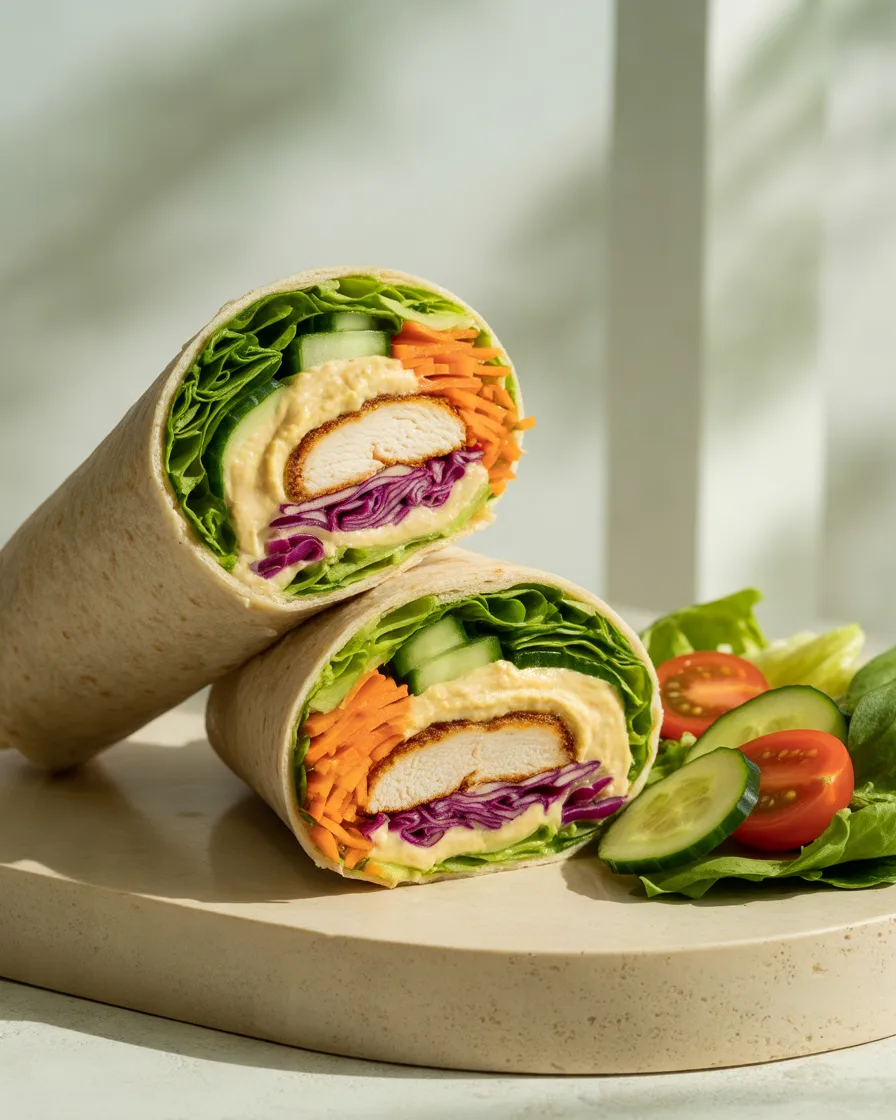
A chicken and hummus wrap is an excellent option when you need a portable lunch that is easy to assemble. Tender chicken, creamy hummus, crunchy vegetables, and a whole-wheat tortilla combine familiar flavours with useful amounts of protein and fibre.
Benefits: Chicken provides protein, while hummus contributes some plant protein, fibre, and unsaturated fats from chickpeas and tahini. Whole-wheat tortillas offer more fibre than many refined-flour alternatives.
Practical tips: Use freshly cooked chicken or safely refrigerated leftovers. Spread hummus over a whole-wheat tortilla, then add sliced chicken, lettuce, grated carrot, cucumber, and red cabbage. Avoid overfilling the wrap so it stays together when rolled.
How to use it: Cut the wrap in half and serve with fruit or a side salad. For lunchboxes, keep wet ingredients away from the tortilla until assembly to reduce sogginess.
Who it may suit: Office workers, students, travellers, and anyone looking for healthy high protein lunches that do not require reheating.
Important considerations: Refrigerate chicken-based wraps promptly, especially in warm weather. Choose a gluten-free wrap if necessary and check hummus ingredients for potential allergens, including sesame.
11. Cottage Cheese and Black Bean Baked Potato
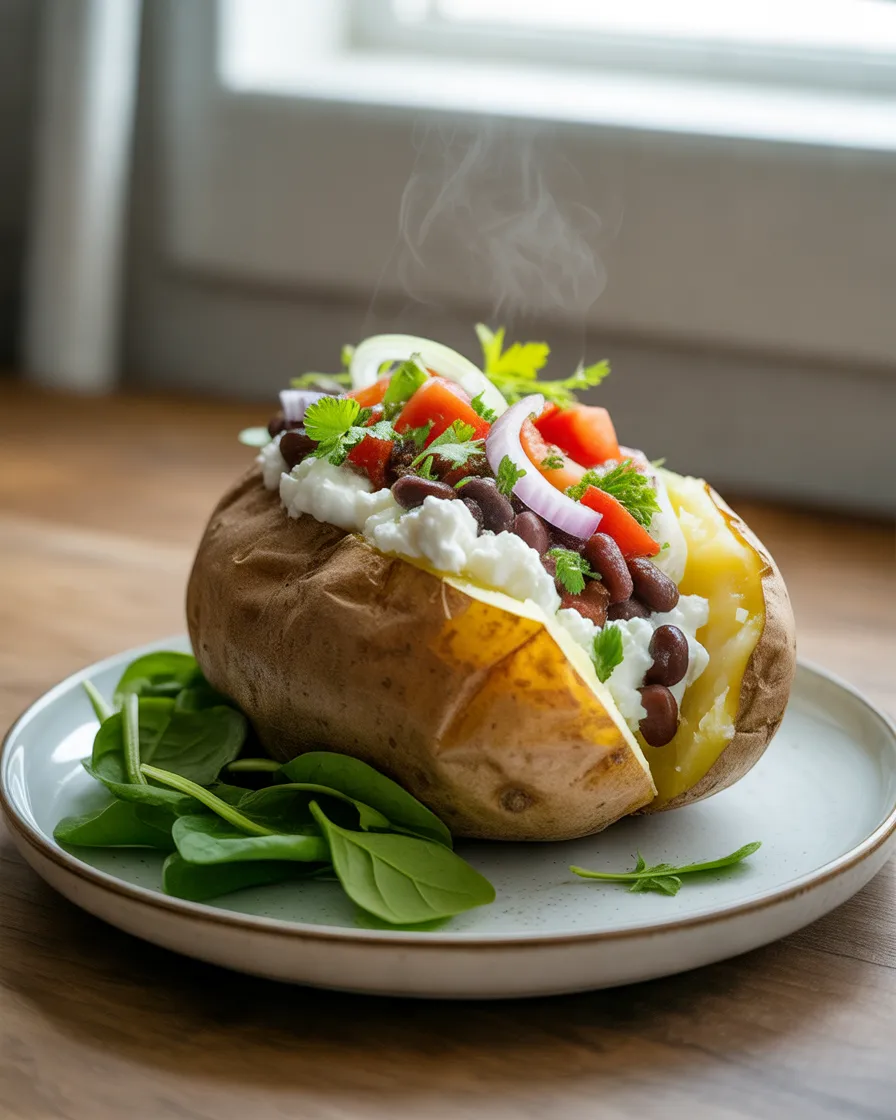
A baked potato topped with cottage cheese and black beans is a simple way to create a filling meal from affordable ingredients. The potato provides a comforting base, cottage cheese adds dairy protein, and beans contribute plant protein and fibre.
Benefits: This combination offers a useful mix of protein, carbohydrates, fibre, and micronutrients. Potatoes provide potassium and vitamin C, while black beans contribute folate and iron. Using plain cottage cheese instead of a large amount of cheese sauce can keep the preparation straightforward.
Practical tips: Bake a medium potato until tender. Split it open and top with cottage cheese, rinsed black beans, chopped spring onions, and black pepper. Add salsa or fresh tomatoes for flavour.
How to use it: Serve with a side of leafy greens for lunch or dinner. For extra protein, add a boiled egg or a little leftover chicken if you enjoy a non-vegetarian version.
Who it may suit: Budget-conscious households, vegetarians, students, and people who prefer uncomplicated meals.
Important considerations: A large potato may require a longer cooking time. If using a microwave, follow the appliance instructions and check that the potato is tender throughout. People monitoring sodium intake should select lower-sodium beans and cottage cheese where available.
12. Lean Beef Burrito Bowl With Brown Rice
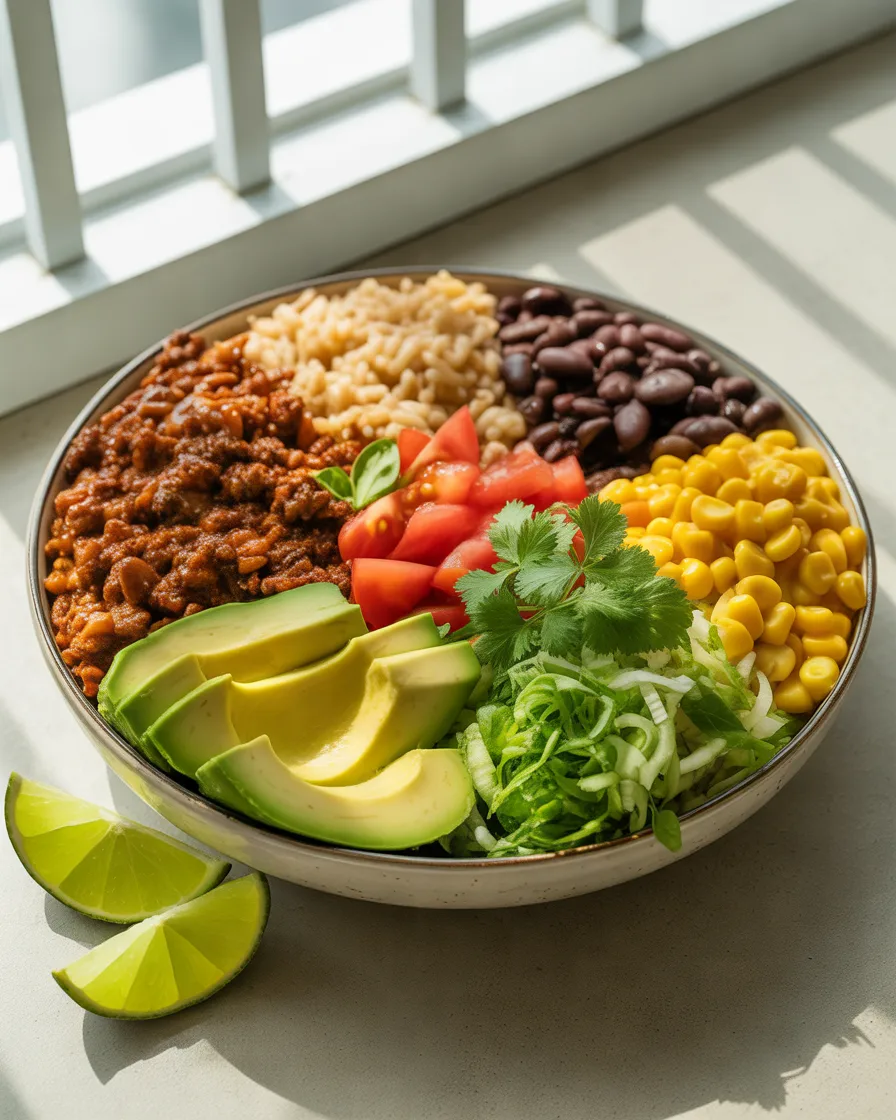
A lean beef burrito bowl offers the familiar flavours of a Mexican-inspired meal in a flexible, easy-to-portion format. Seasoned beef, brown rice, black beans, vegetables, and avocado create a satisfying combination that can be adjusted to different appetites.
Benefits: Lean beef provides high-quality protein, vitamin B12, zinc, and bioavailable iron. Black beans add fibre and plant protein, while brown rice supplies whole grains. Avocado contributes unsaturated fats.
Practical tips: Cook lean ground beef with cumin, paprika, garlic, and a modest amount of salt. Serve over brown rice with black beans, lettuce, tomatoes, corn, and sliced avocado. Use lime juice, salsa, or plain Greek yogurt instead of relying on large amounts of creamy dressing.
How to use it: Set up a build-your-own bowl station for family dinners. Store each component separately for meal prep, allowing everyone to choose their preferred combination.
Who it may suit: People who enjoy hearty lunches, families with different food preferences, and those who want a meal that can be assembled in advance.
Important considerations: Choose lean cuts and keep portions consistent with your overall dietary needs. Red meat can fit into a balanced diet, but it is sensible to vary protein sources with fish, poultry, beans, lentils, and tofu throughout the week.
13. High-Protein Chickpea Pasta With Chicken or Tofu
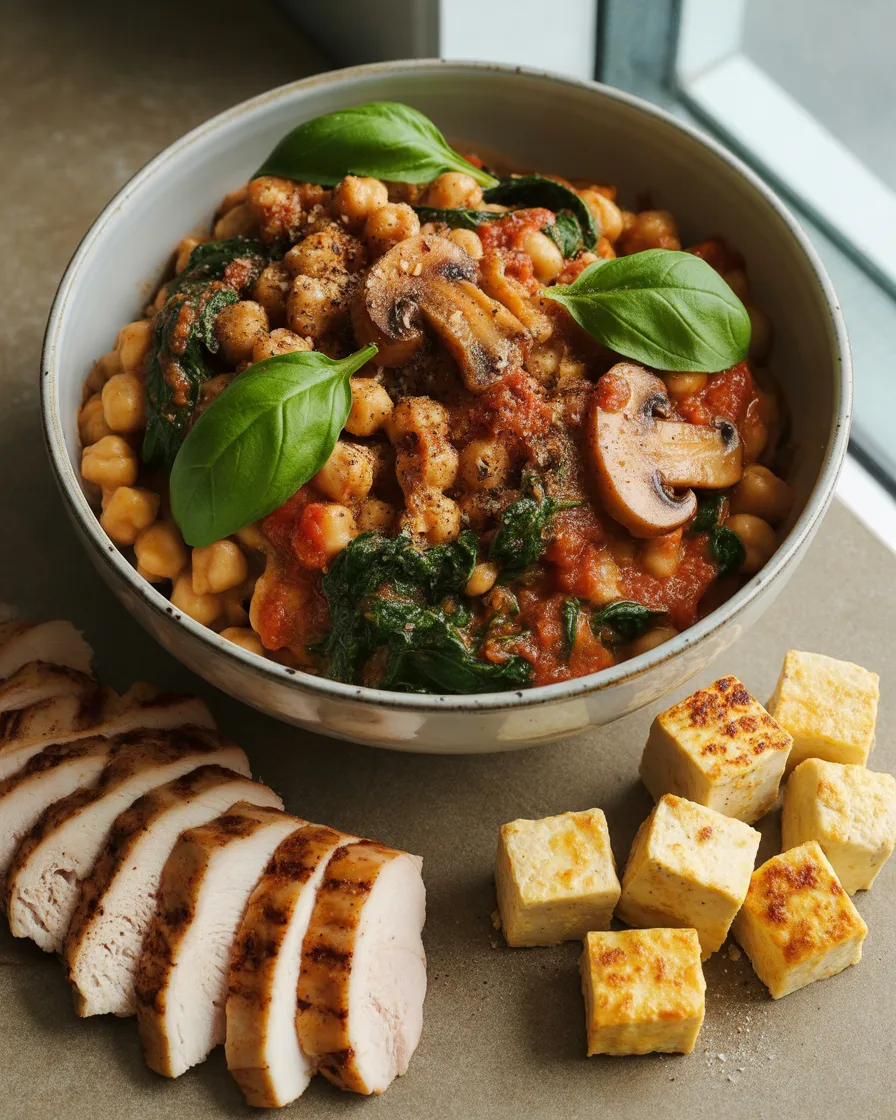
Chickpea pasta is a useful alternative to traditional wheat pasta for people who want more protein and fibre from their carbohydrate source. Pairing it with chicken or tofu, vegetables, and a tomato-based sauce creates a balanced dinner that can be adapted to different eating preferences.
Benefits: Chickpea pasta generally contains more protein and fibre than conventional pasta, although nutrition varies by brand. Adding chicken increases the meal’s animal protein content, while tofu provides a plant-based alternative. Vegetables and tomato sauce contribute additional nutrients and flavour.
Practical tips: Cook chickpea pasta according to the packet instructions, checking it early because some varieties soften faster than wheat pasta. Prepare a simple sauce with garlic, tomatoes, mushrooms, and spinach. Stir in cooked chicken or browned tofu before combining everything with the pasta.
How to use it: Make a double batch of sauce and freeze individual portions. Add fresh herbs or a little grated cheese when serving.
Who it may suit: People who want variety in their pasta meals, families, and anyone interested in incorporating more legumes into their diet.
Important considerations: Chickpea pasta is naturally gluten-free in many cases, but check packaging for cross-contamination warnings if you have coeliac disease. Some people experience digestive discomfort when increasing legume intake, so begin with a comfortable portion.
Expert Tips for Preparing Healthy High Protein Meals
Build Each Meal Around a Reliable Protein Source
Start by choosing the main protein ingredient rather than adding protein as an afterthought. Eggs, fish, chicken, Greek yogurt, tofu, beans, lentils, and cottage cheese all provide useful options. Rotating between animal and plant sources can improve dietary variety and prevent meals from becoming repetitive.
Include Vegetables and Fibre-Rich Foods
Protein is important, but it is not the only nutritional priority. Add vegetables, fruit, beans, or whole grains to supply fibre, vitamins, minerals, and other beneficial nutrients. A chicken bowl with quinoa and vegetables, for example, is generally more balanced than chicken alone.
Understand Your Individual Protein Needs
Protein requirements depend on factors such as age, body size, activity level, health status, and personal goals. For many healthy adults, the standard recommended dietary allowance is approximately 0.8 grams of protein per kilogram of body weight daily. People who train intensely, are older, or are recovering from illness may have different requirements.
This figure is a general reference, not a personalised target. People with kidney disease or other conditions affecting protein metabolism should seek individual guidance from a healthcare professional or registered dietitian.
Make Meal Prep Work for Your Schedule
Preparing food in advance can make nutritious choices easier on busy days. Cook a batch of chicken, lentils, quinoa, or brown rice, then combine these ingredients with different vegetables and sauces throughout the week. Store cooked food in shallow containers and refrigerate promptly. As a general food-safety guideline, most cooked leftovers should be used within three to four days when properly refrigerated at 40°F (4°C) or below.
Check Protein Labels Without Overcomplicating Your Diet
Food labels help you compare products such as Greek yogurt, cottage cheese, tofu, and packaged meat alternatives. Compare protein per serving alongside sodium, added sugars, fibre, and serving size. A product marketed as high-protein is not automatically the best choice for every meal.
Keep Meals Enjoyable and Sustainable
You do not need expensive ingredients, specialist powders, or complicated recipes to eat more protein. Herbs, spices, citrus, garlic, and homemade sauces can make basic ingredients appealing. Choose meals you genuinely enjoy, account for your budget, and make gradual changes that you can maintain.
Frequently Asked Questions About Healthy High Protein Meals
What Are the Best Healthy High Protein Meals for Everyday Eating?
Some practical options include grilled chicken and quinoa bowls, baked salmon with vegetables, Greek yogurt overnight oats, tofu stir-fries, lentil curry, and tuna and bean salad. The best choices depend on your preferences, budget, dietary needs, and the variety of foods you eat throughout the week.
What Are Some Easy High Protein Meals for Busy Days?
Overnight oats, chicken wraps, cottage cheese baked potatoes, tuna and white bean salad, and prepared burrito bowls are convenient choices. Preparing ingredients ahead of time can reduce cooking and cleanup during the week.
Can I Get Enough Protein Without Eating Meat?
Yes. Beans, lentils, tofu, tempeh, edamame, Greek yogurt, cottage cheese, eggs, and other suitable foods can contribute to daily protein intake. People following a vegan diet can meet their protein needs through a varied diet with adequate energy and a combination of plant-based protein sources.
Are High Protein Meals Helpful for Building Muscle?
Protein provides the amino acids needed for muscle repair and growth. However, muscle development also depends on appropriate resistance training, sufficient overall energy intake, recovery, and sleep. Simply eating more protein does not guarantee muscle growth.
Are Healthy High Protein Meals Good for Weight Management?
Protein-rich foods can contribute to fullness, and meals that combine protein, vegetables, fibre, and appropriate portions may help some people manage hunger. However, weight changes depend on overall dietary intake, activity, health, and other individual factors. No single meal or ingredient guarantees weight loss.
How Much Protein Should One Meal Contain?
There is no universal protein target for every meal. Needs vary with body weight, activity, age, and health. Instead of chasing a single number, consider your overall daily intake and include a meaningful source of protein at meals. A registered dietitian can help establish a suitable target if you need more specific guidance.
Can I Prepare Healthy High Protein Meals in Advance?
Yes. Many meals, including chicken bowls, lentil curry, stuffed peppers, and burrito bowls, work well for meal prep. Refrigerate cooked food promptly in suitable containers and generally consume leftovers within three to four days. Freeze portions you will not use in that period and reheat them thoroughly.
Are Plant-Based High Protein Meals as Useful as Meat-Based Meals?
Plant-based meals can supply the protein needed for normal body functions when portions and overall intake are adequate. Tofu, soybeans, lentils, chickpeas, beans, and certain higher-protein grains are useful options. Plant-based diets also benefit from variety to help meet needs for nutrients such as iron, vitamin B12, calcium, and omega-3 fats.
Conclusion: Make Healthy High Protein Meals Part of Your Routine
Healthy high protein meals can be simple, affordable, and enjoyable. From overnight oats and scrambled eggs to salmon dinners, chicken wraps, and hearty lentil curries, there are plenty of ways to add protein to your everyday diet without relying on the same ingredients repeatedly.
The most practical approach is to combine a protein source with vegetables, whole grains, or other fibre-rich foods, then adjust portions and ingredients to your needs. Preparing a few ingredients ahead of time can make balanced meals easier to enjoy even on busy days.
Start with two or three recipes from this list, experiment with flavours you like, and gradually build a collection of reliable meals. Consistency, variety, and an overall balanced eating pattern matter more than finding one perfect recipe.
A note on health: These meal ideas provide general nutrition information and are not a substitute for individual medical advice. If you have a medical condition, food allergy, or specific dietary requirement, consult a qualified healthcare professional or registered dietitian for personalised guidance.