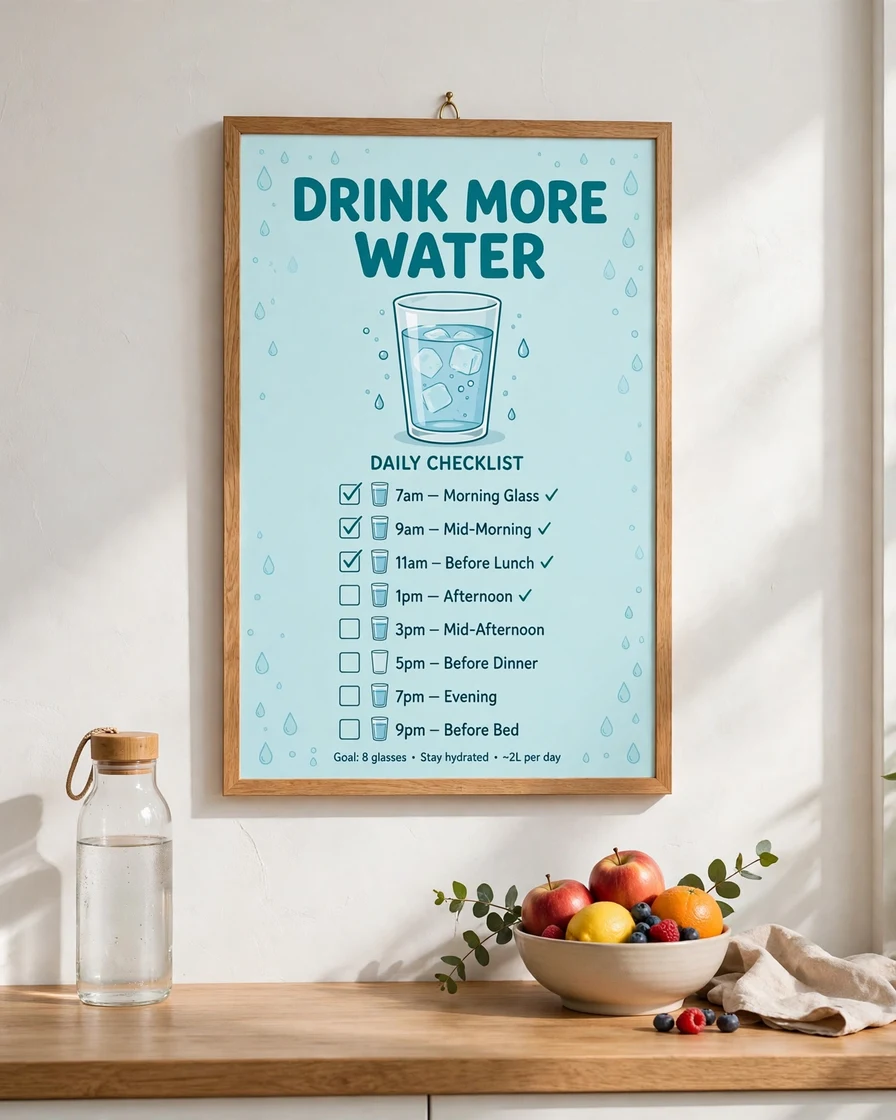
Somewhere between the alarm and the first email, the day slips away — and by evening it can feel like you lived it on autopilot. Healthy living does not have to mean a total overhaul or a strict new regime. Sometimes it is simply a handful of small, repeatable habits that make ordinary days feel calmer, lighter, and more like your own.
That is what healthy lifestyle inspo is really about: practical ideas you can borrow, adapt, and fit around real life. The twelve ideas below are not rules or quick fixes. They are gentle changes to mornings, meals, movement, rest, and connection — the small building blocks of a daily routine that may support your energy, mood, and overall wellbeing.
Each idea comes with simple steps you can try this week, notes on who it may suit, and honest considerations to keep in mind. Pick one or two that feel doable, try them for a few days, and build from there.
1. A Calm Morning Routine That Sets the Tone

The first hour of the day quietly shapes the rest of it. A calm morning routine is not about waking at dawn or following a rigid schedule — it is about giving yourself a few unhurried minutes before the demands of the day begin. Even fifteen minutes of calm can make the morning feel less rushed and may help you start the day with a clearer head.
How to make it: Choose two or three small anchors and keep them the same each morning. For example, open the curtains for daylight, drink a glass of water, and sit with a coffee or tea for five minutes before checking your phone. A short journal entry — one line about how you feel, or one thing you would like to focus on today — can add a sense of direction without taking much time.
Who it may suit: Anyone whose mornings feel chaotic or who reaches for their phone the moment they wake. Good to know: Keep it short and realistic. A routine you can keep on a busy weekday is worth far more than an ambitious one you abandon by Thursday. If you have a sleep condition or regularly feel exhausted despite enough sleep, consider speaking with a healthcare professional.
2. A Sunday Meal-Prep Hour

Weeknight dinners are where good intentions often fall apart. A Sunday meal-prep hour takes the pressure off the rest of the week by getting the basics ready in advance. Cooked grains, roasted vegetables, and a simple protein, portioned into containers, mean lunch and dinner start half-finished — and reaching for something balanced becomes the easy option.
How to make it: Pick one hour on a weekend and keep the menu simple: one grain such as rice or quinoa, one protein such as chicken, beans, or lentils, and two or three vegetables you can roast or chop in bulk. Cook them at the same time, cool everything fully, and store in sealed containers in the fridge. Add sauces, herbs, or dressings at serving time so the same base can become different meals across the week.
Who it may suit: Busy workers, parents, and anyone who eats takeout more often than they would like. Good to know: Most cooked meals keep safely in the fridge for three to four days, so plan for the first half of the week and freeze the rest. Label containers with the date. If you follow a special diet, a registered dietitian can help you plan balanced prep menus.
3. A Daily Walk Without a Destination

Not every walk needs a step target or a fitness goal. A daily walk without a destination is simply time outside, moving gently, with no purpose beyond the walk itself. It is one of the simplest habits on this list, and it is free. Regular walking may support heart health, mood, and sleep, and many people find that a walk helps them think more clearly or unwind after a long day.
How to make it: Start with ten to fifteen minutes a day, at whatever time fits — a loop around the block after lunch, or a slow stroll before dinner. Leave the headphones off sometimes and notice what is around you: the trees, the light, the sounds of the street. If the weather is poor, a walk around a shopping centre or a few laps of a large indoor space still counts.
Who it may suit: Almost everyone, including people who dislike structured exercise. Good to know: Wear comfortable shoes and choose well-lit routes. If you have a heart condition, joint problems, or another health issue that affects walking, check with your doctor about a suitable pace and distance.
4. A Hydration Habit That Actually Sticks
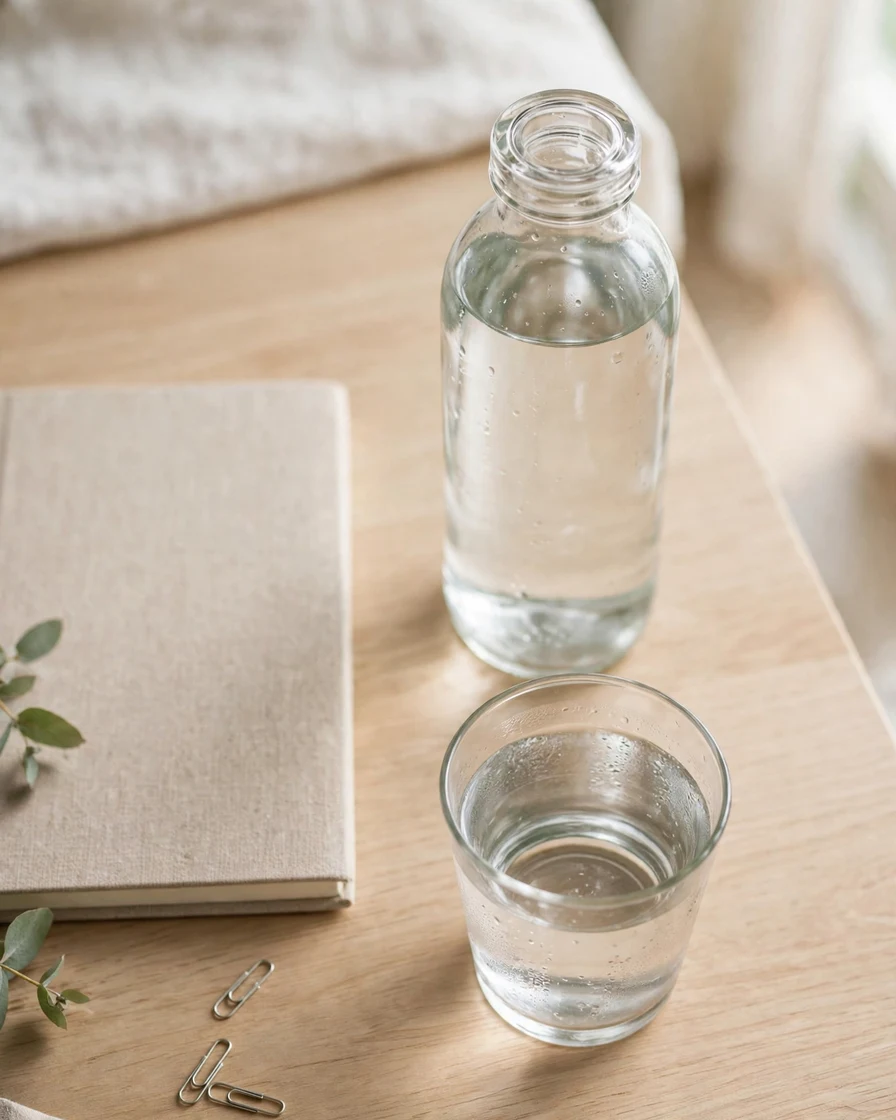
Most people know they should drink more water — and most people forget by mid-morning. A hydration habit works best when it is built into your surroundings rather than left to willpower. Keeping water visible and within reach turns drinking into something you do without thinking, and staying well hydrated may support concentration, energy, and digestion.
How to make it: Choose a bottle you genuinely like using and keep it filled on your desk, in your bag, or by the kitchen sink. Link drinking to existing habits: a glass of water when you wake up, one with each meal, and one during your afternoon break. If plain water bores you, add slices of lemon, cucumber, or mint, or try sparkling water. In hot weather or after exercise, you may need more than usual.
Who it may suit: Office workers, students, and anyone who often reaches the end of the day having drunk very little. Good to know: Needs vary with age, activity, climate, and health, so there is no single number that fits everyone. If you have a condition that affects fluid intake, such as kidney or heart disease, follow your doctor’s guidance on how much to drink.
5. A Wind-Down Hour Before Bed

Good sleep rarely starts the moment your head hits the pillow — it starts an hour earlier. A wind-down hour is a gentle buffer between the busyness of the day and sleep: lights dimmed, screens set aside, and something calm in their place. A regular wind-down routine may help your body recognise that bedtime is near, which can support better sleep over time.
How to make it: Pick a time about an hour before bed and treat it as a soft boundary. Swap bright overhead lights for a warm lamp, change into comfortable clothes, and choose one calming activity: a warm shower, a cup of herbal tea, a few pages of a book, or gentle stretching. Keep the bedroom cool, dark, and quiet, and try to keep similar bed and wake times each day.
Who it may suit: Anyone who lies awake with a racing mind or wakes up feeling unrested. Good to know: If sleep problems persist for more than a few weeks, or you snore heavily or feel very sleepy during the day, speak with a healthcare professional — these can be signs of a sleep condition that needs proper assessment.
6. A Weekly Digital Sunset

A digital sunset is a regular time when screens go off — not forever, just for an evening or a few hours. Constant notifications keep the mind in a low-level state of alert, and stepping away, even briefly, can feel surprisingly restful. Many people find that a weekly break from screens leaves more room for conversation, hobbies, and rest.
How to make it: Choose one evening a week and set a start time, such as 7 p.m. Put your phone in a basket or a drawer — out of sight really does help — and let close contacts know you will be offline. Plan something to do instead so the evening does not feel empty: cook a slow meal, play a board game, take a bath, or go for a walk.
Who it may suit: Anyone who feels drained by scrolling, checks their phone out of habit, or struggles to switch off in the evening. Good to know: This is about balance, not guilt. Screens are part of modern life and work, and a short weekly break is a reset, not a rule. If you need to stay reachable for family or work, set your phone to allow calls from key contacts only.
7. A Movement Snack Between Tasks

A movement snack is a tiny burst of activity — two or three minutes — slotted between tasks during the day. Stand up and stretch, walk to the farthest tap for water, do a few gentle squats, or roll your shoulders while the kettle boils. These small breaks can help counteract long hours of sitting, may ease stiffness, and often give your focus a small reset before the next task.
How to make it: Tie movement to something that already happens: stand and stretch every time you finish a call, walk around while a file downloads, or do five minutes of gentle stretching at lunchtime. Set a quiet hourly reminder if you tend to forget. Keep the movements gentle and comfortable — this is not a workout, it is a break.
Who it may suit: Desk workers, remote workers, students, and anyone who sits for most of the day. Good to know: Move within your comfort level and stop if anything hurts. If you have a musculoskeletal condition, recent surgery, or balance problems, ask a healthcare professional or physiotherapist which movements are safe for you.
8. A Simple Whole-Food Breakfast Formula
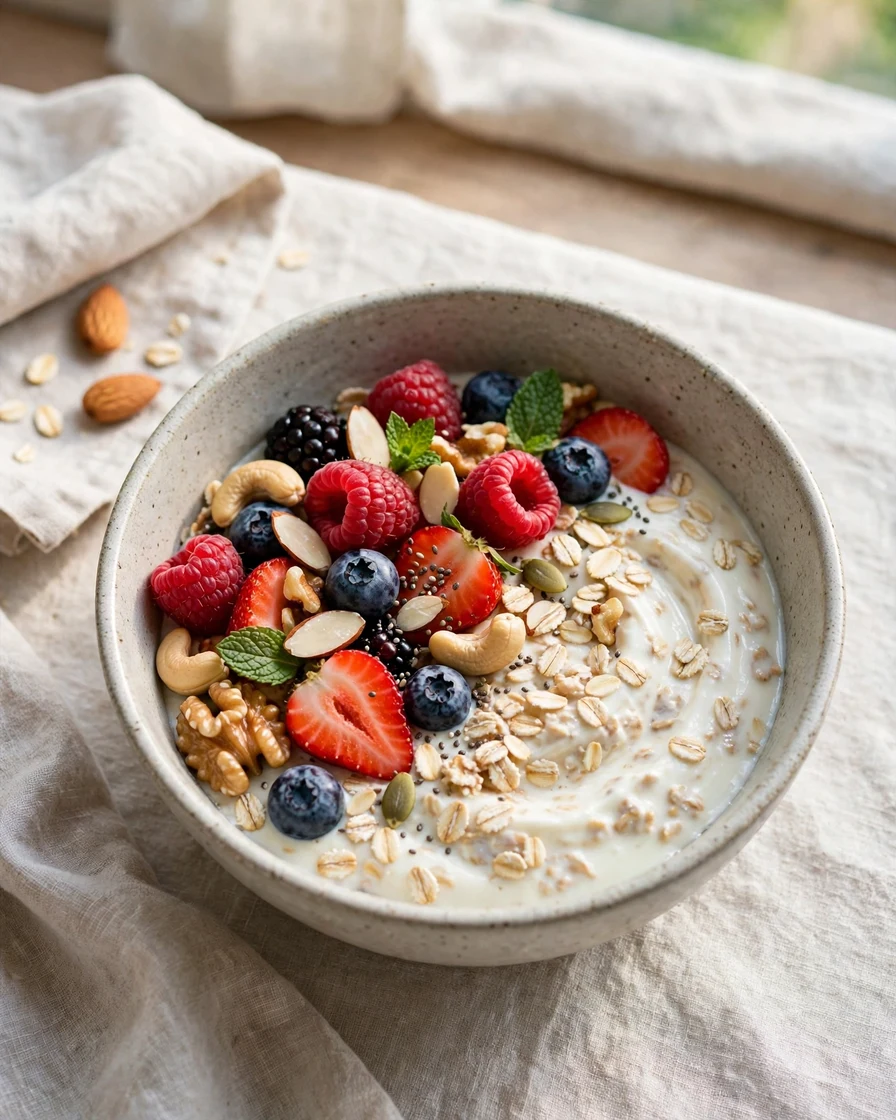
Breakfast does not need to be elaborate to be nourishing. A simple whole-food formula — something with fibre, some protein, and a piece of fruit — can keep you fuller for longer and may help you avoid the mid-morning crash that follows a sugary start. The formula stays the same while the ingredients change, so breakfast takes almost no thought on busy mornings.
How to make it: Build your bowl from three parts: a base such as oats, whole-grain toast, or yoghurt; a protein such as eggs, nuts, seeds, or Greek yoghurt; and fruit such as berries, banana, or apple. Overnight oats with yoghurt, berries, and a spoonful of nuts takes two minutes to prepare the night before. On weekends, scrambled eggs on whole-grain toast with tomato uses the same pattern. Keep the ingredients on hand so the healthy choice is also the easy one.
Who it may suit: Anyone who skips breakfast or starts the day on pastries and coffee alone. Good to know: Breakfast is personal — some people feel better eating later in the morning, and that is fine. If you have diabetes or another condition that affects blood sugar, talk to your doctor or dietitian about breakfast choices that suit you.
9. A Five-Minute Journaling Check-In

Journaling sounds like a big commitment, but five minutes is enough. A short daily check-in — a few honest lines about how you feel or what is on your mind — can help you notice patterns in your mood and energy. Writing worries down may also make them feel more manageable.
How to make it: Keep a notebook and pen somewhere you will see them, such as the bedside table or the kitchen counter. Each day, answer three quick prompts: one word for how you feel, one thing that went well today, and one small thing you are looking forward to. There is no right way to write it, and nobody else needs to read it.
Who it may suit: Anyone who feels mentally cluttered, overthinks at night, or wants a simple way to track their mood. Good to know: Journaling can support reflection, but it is not a treatment for anxiety, depression, or other mental health conditions. If low mood or worry persists, please reach out to a healthcare professional or a mental health service for support.
10. A Tidy Space, A Clearer Mind
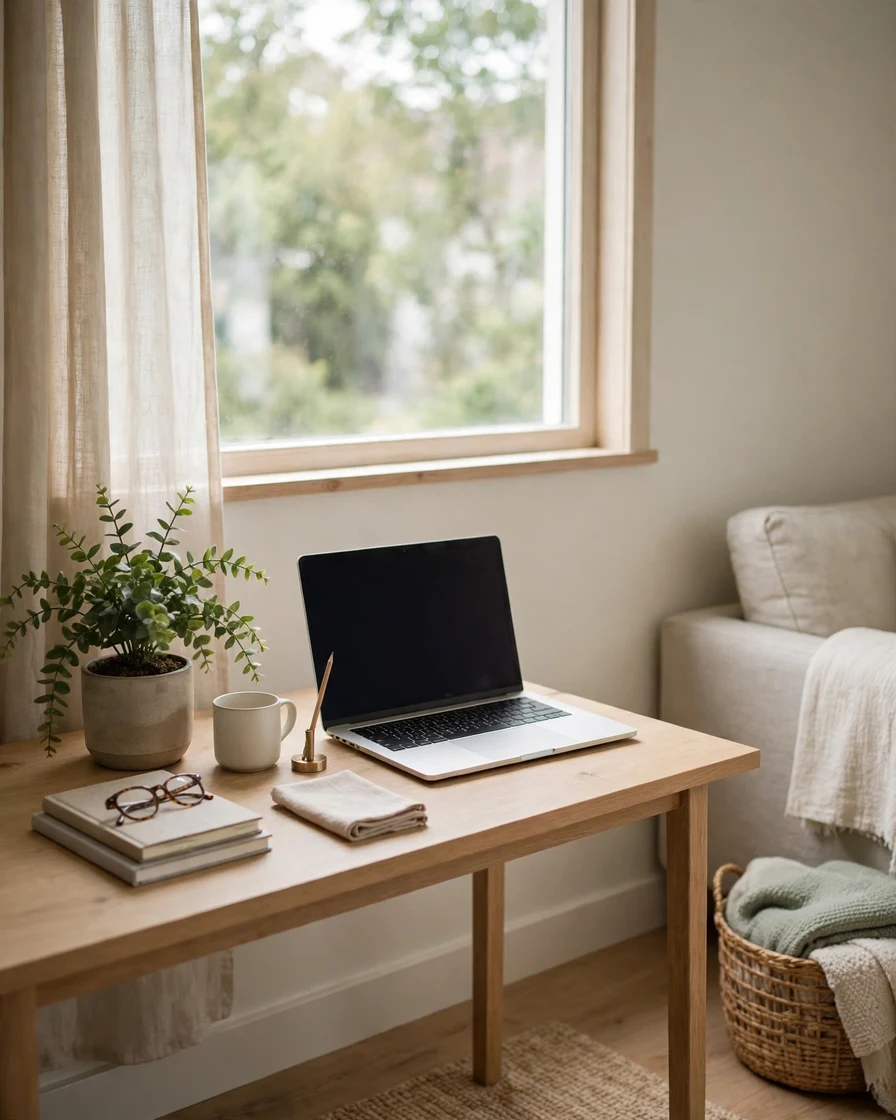
Clutter is rarely just about mess — it is a dozen small decisions waiting to be made, and every one of them competes for your attention. A tidy space does not mean a perfect home. It means the surfaces you use most are clear enough that you can find what you need and sit down without first clearing a spot. Many people find that a calmer space helps them feel calmer too.
How to make it: Start with one surface, not the whole house: clear the desk, the kitchen counter, or the bedside table. Give everything a home — a tray for keys, a basket for chargers, a hook for bags — so tidying becomes a one-minute habit instead of a weekend project. Spend ten minutes each evening resetting the main living space, and tackle one drawer or shelf a week. Open a window and let in daylight and fresh air while you work.
Who it may suit: Anyone whose home feels chaotic, people who work from home, and anyone who loses things regularly. Good to know: Go gently with yourself. A home that is lived in will never look like a showroom, and that is not the goal. If clutter feels overwhelming or is affecting your daily life, there is no shame in asking a friend or a professional organiser for help.
11. A Weekly Nature Reset

Most of the week is spent indoors, under artificial light, looking at screens. A weekly nature reset is a deliberate trip back outside — a walk in the woods, a morning in the park, time in the garden, or even sitting under a tree with a book. Time in green spaces may support mood and stress levels, and many people find that nature helps them slow down in a way that nothing indoors quite manages.
How to make it: Block out one slot each week, even an hour, and treat it like an appointment you keep. Choose somewhere green and within easy reach: a local park, a riverside path, a community garden, or a forest trail. Leave the phone in your pocket as much as you can, and let the walk be slow rather than brisk.
Who it may suit: City dwellers, office workers, and anyone who realises they have not been outside all week. Good to know: Dress for the weather, wear suitable footwear, and tell someone where you are going if you head somewhere remote. Check local guidance on ticks or sun protection where relevant, and take care on uneven paths if balance is a concern.
12. A Small Daily Act of Kindness

Kindness is often left off lists about healthy living, but connection is part of wellbeing. A small daily act — a genuine compliment, a message to check in on a friend, sharing a meal with a neighbour — costs little and can lift the mood of both the giver and the receiver.
How to make it: Keep it small and specific. Text a friend you have not spoken to in a while, thank a colleague properly, hold a door, or drop off a portion of dinner to a neighbour. One act a day is enough — the point is regularity, not grandeur.
Who it may suit: Everyone — and especially anyone who feels isolated or stuck in their own head. Good to know: Kindness should feel good, not like another obligation. If you are running on empty yourself, rest comes first; you cannot pour from an empty cup. And if loneliness or low mood is a regular experience, consider talking to someone you trust or a healthcare professional.
Expert Tips for Building a Healthy Lifestyle That Lasts
Start with one habit, not twelve. Pick the idea that feels easiest and do it for two weeks before adding another. Habits that survive are usually the ones that felt almost too easy at the start.
Anchor new habits to old ones. Attach a new habit to something you already do every day — stretch while the kettle boils, journal after brushing your teeth, walk after lunch. The existing habit becomes the reminder.
Design your environment first. A water bottle on your desk, fruit on the counter, walking shoes by the door, and a phone basket by the bed do more quiet work than willpower ever will.
Track gently, not obsessively. A simple tick on a calendar is enough.
Expect off days and plan for them. Missing a day does not erase the habit. The goal is not a perfect streak; it is returning to the habit the next day without judgement. If you have a health condition, check with your doctor or a registered dietitian before making significant changes to your diet, exercise, or sleep routine.
FAQs About Healthy Lifestyle Inspo
What does healthy lifestyle inspo mean?
Healthy lifestyle inspo means ideas and inspiration for living in a healthier way — simple habits around sleep, food, movement, rest, and connection that you can adapt to your own life. It is not a single diet or programme, but a collection of small, practical changes that may support your wellbeing over time.
How do I start a healthy lifestyle without feeling overwhelmed?
Start with one small change that fits easily into your current routine, such as a ten-minute walk after lunch or a glass of water with each meal. Practise it for a couple of weeks until it feels automatic, then add one more. Small steps are easier to keep, and they tend to add up to bigger change than an ambitious plan that is hard to follow.
How long does it take for a new healthy habit to stick?
There is no fixed number of days that works for everyone — research suggests it varies widely depending on the habit and the person. A simple habit done in the same context each day may start to feel automatic within a few weeks, while bigger changes can take longer. Consistency matters more than speed, so focus on repeating the habit rather than counting days.
Can small lifestyle changes really make a difference?
Small changes can make a real difference when they are repeated regularly, because their effects add up over weeks and months. A daily walk, better sleep habits, and home-cooked meals may support energy, mood, and general health, but they are not a cure for illness. If you have a health condition, speak with a healthcare professional about the changes that are right for you.
Conclusion
A healthy lifestyle is not built in a single weekend of grand resolutions. It is built quietly, in the small choices of ordinary days: a calm morning, a walk with nowhere to be, a meal cooked at home, an hour without screens, a kind word to a neighbour. None of these ideas is dramatic on its own, and that is exactly why they work — they are small enough to actually do.
Choose one idea from this list and try it this week. Give it a few days, notice how it feels, and then add another when you are ready. Over time, those small choices become a routine — and a routine that feels good is one you will want to keep.