Mac and cheese is one of those comfort foods that is difficult to resist. Its creamy cheese sauce, tender pasta, and rich flavour make it a favourite for children and adults alike. However, traditional mac and cheese is often made primarily with refined pasta, butter, milk, and cheese. Although these ingredients create a delicious meal, they may not provide as much protein or fibre as some people want from a balanced lunch or dinner.
The good news is that you do not have to give up your favourite comfort food to make a more protein-rich meal. With a few thoughtful ingredient swaps, you can prepare high protein mac and cheese that remains creamy, flavourful, and satisfying.
There are several easy ways to increase the protein content. Cottage cheese and Greek yogurt can create smooth, creamy sauces, while chicken, turkey, tuna, shrimp, beans, and tofu can turn a simple pasta dish into a more complete meal. Choosing chickpea, lentil, or other protein-enriched pasta can also make a difference.
These changes are useful for people who want convenient meals that support their everyday nutritional needs. They can also help busy families prepare filling lunches, post-workout meals, and easy weeknight dinners without complicated cooking techniques.
In this guide, you will discover 12 healthy high protein mac and cheese recipes. Each idea includes its main ingredients, preparation instructions, potential benefits, practical cooking tips, serving suggestions, and an AI image-generation prompt for creating attractive food photography.
Protein amounts are approximate per serving and will vary depending on ingredient brands, quantities, and portion sizes.
1. Classic Cottage Cheese High Protein Mac and Cheese
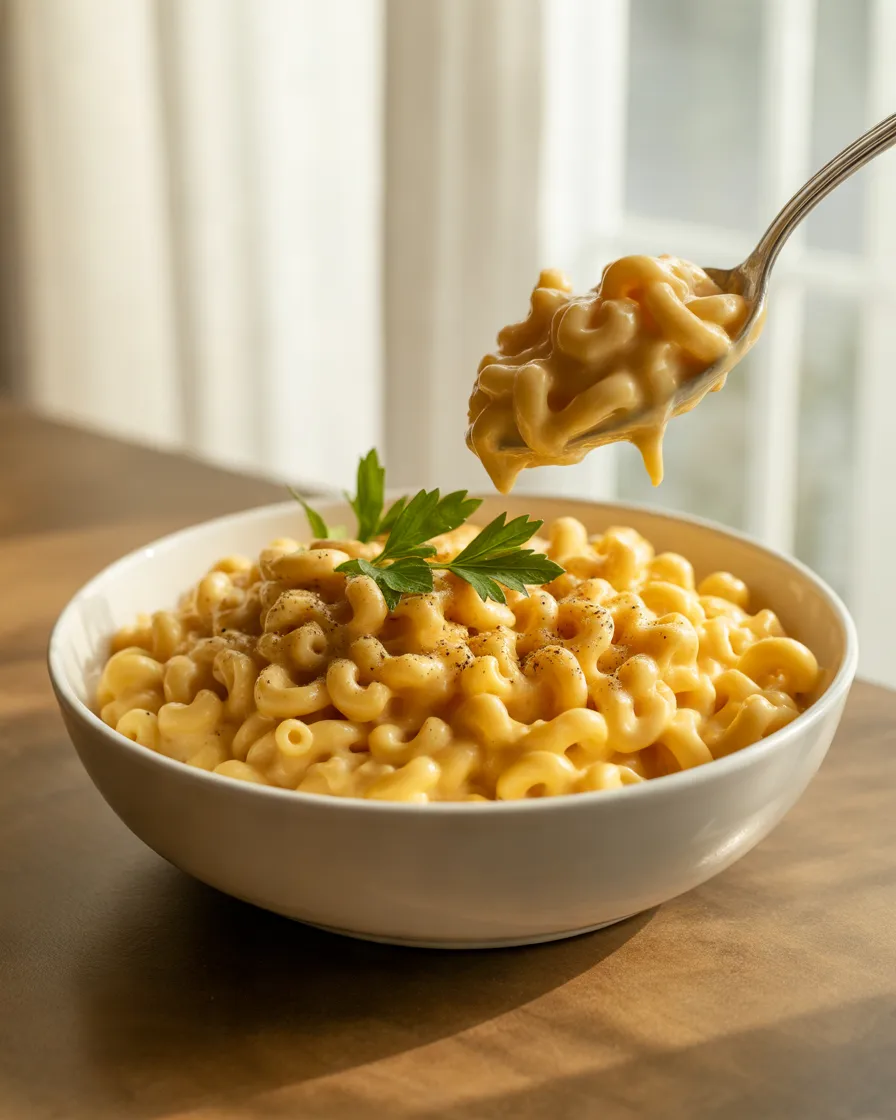
Cottage cheese mac and cheese is an excellent starting point if you want a healthier version of traditional comfort food without changing its familiar flavour too much. Cottage cheese blends into a creamy sauce that pairs beautifully with cheddar, milk, and elbow macaroni.
The best part is that you can prepare this recipe using everyday supermarket ingredients.
Main Ingredients:
- 2 cups cooked elbow macaroni
- ¾ cup low-fat cottage cheese
- ½ cup shredded sharp cheddar cheese
- ¼ cup milk
- ½ teaspoon garlic powder
- ½ teaspoon mustard powder
- Black pepper and salt to taste
How to Prepare It:
Blend the cottage cheese and milk until completely smooth. Transfer the mixture to a saucepan over low heat. Add cheddar, garlic powder, mustard powder, and black pepper. Stir until the cheese melts and the sauce becomes creamy.
Add the cooked macaroni and gently mix until every piece is coated. Warm for another two minutes and serve immediately.
Benefits: Cottage cheese contributes protein and calcium, while cheddar provides the familiar cheesy flavour. Blending cottage cheese also creates a creamy texture without requiring a large amount of heavy cream.
Practical Tips: Use a blender or food processor to remove the grainy texture of cottage cheese. Avoid boiling the sauce because excessive heat can make dairy-based sauces separate.
How to Use It: Serve it as a quick lunch, a family dinner, or a side dish alongside roasted vegetables.
Who It May Suit: This recipe may suit busy families, students, and people looking for an easy introduction to protein-enriched comfort food.
Important Considerations: Check the sodium content of cottage cheese and cheddar if you are watching your salt intake.
Estimated Protein: 25–30 grams per serving, depending on the pasta and dairy products used.
2. High Protein Chicken Mac and Cheese
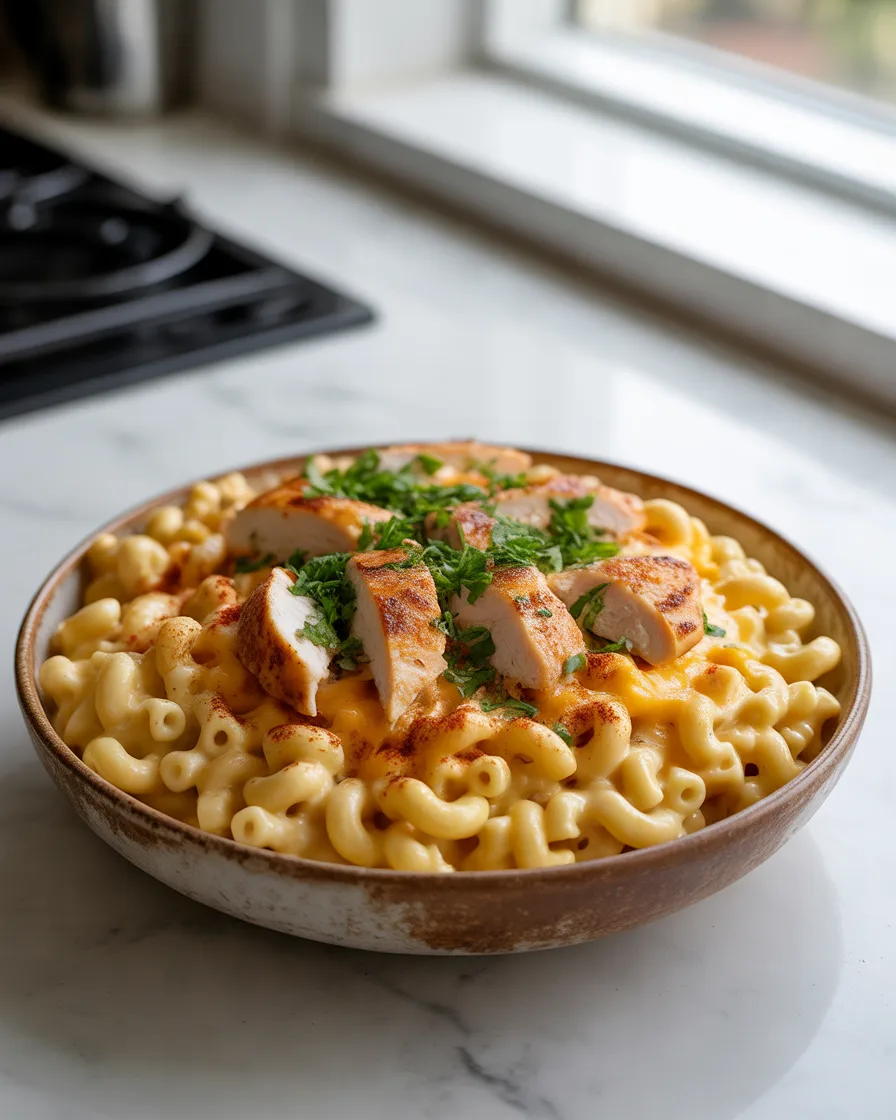
Chicken mac and cheese is a practical option when you want to turn a simple pasta dish into a substantial meal. Chicken breast is naturally rich in protein, and its mild flavour works well with cheddar, mozzarella, and a creamy sauce.
This recipe is particularly useful for preparing meals in advance because cooked chicken can be added to pasta throughout the week.
Main Ingredients:
- 2 cups cooked elbow macaroni
- 1 cup cooked chicken breast, diced
- ½ cup shredded cheddar cheese
- ¼ cup mozzarella cheese
- ½ cup low-fat milk
- ¼ cup Greek yogurt
- ½ teaspoon paprika
- ½ teaspoon garlic powder
How to Prepare It:
Season the chicken with paprika, garlic powder, and black pepper. Cook it in a lightly oiled pan until fully cooked, reaching an internal temperature of 165°F (74°C).
In another saucepan, warm the milk and cheddar over low heat. Once the cheese melts, remove the pan from direct heat and stir in Greek yogurt. Add cooked macaroni and diced chicken. Finish with mozzarella and mix until everything is evenly combined.
Benefits: Chicken adds substantial protein, while Greek yogurt contributes additional protein and a creamy texture. This combination makes the recipe suitable for people who want a more filling pasta meal.
Practical Tips: Use leftover roasted chicken or batch-cooked chicken breast to save preparation time. Cut the chicken into small pieces so it distributes evenly throughout the pasta.
How to Use It: Enjoy it as a post-exercise meal, a packed lunch, or an easy weeknight dinner.
Who It May Suit: This recipe may suit active adults, people with higher protein requirements, and families who enjoy chicken-based meals.
Important Considerations: Choose lean chicken breast if you want to keep the saturated fat content relatively moderate. Refrigerate cooked chicken promptly and reheat leftovers thoroughly.
Estimated Protein: 38–43 grams per serving.
3. Tuna and Cheddar High Protein Mac and Cheese
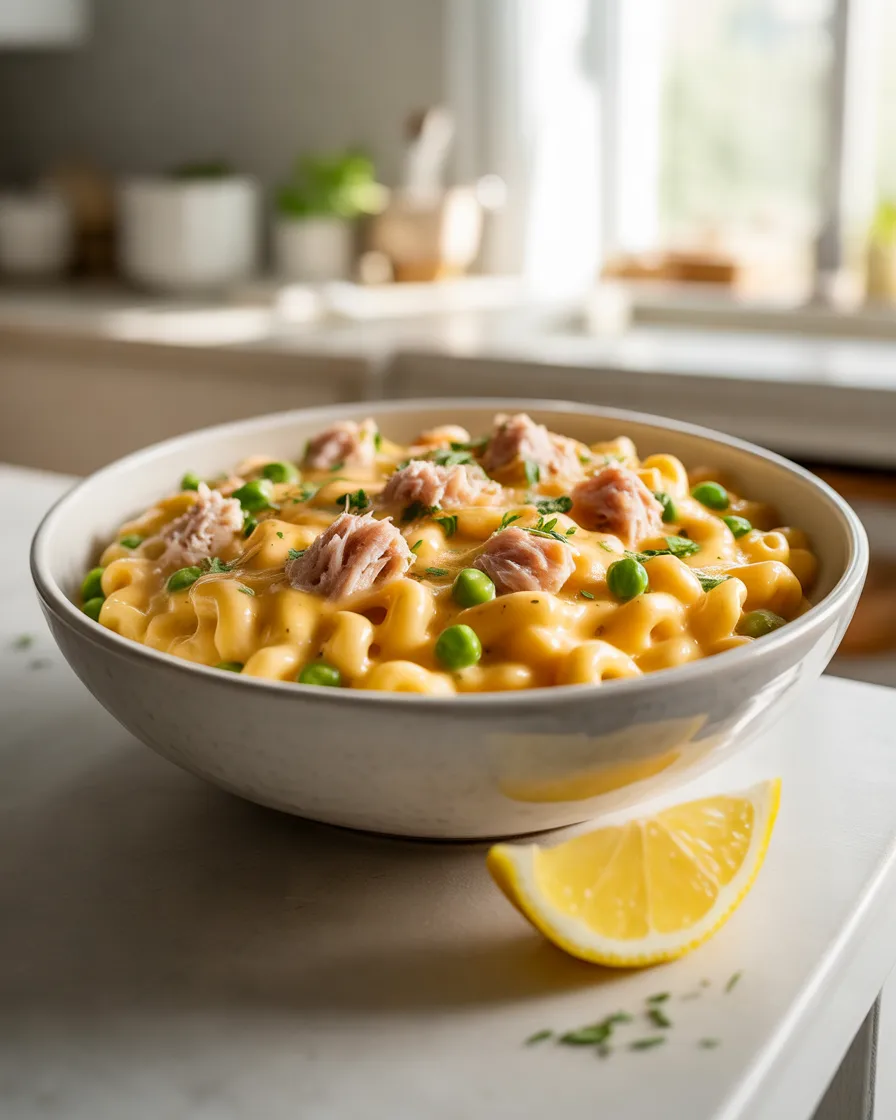
Tuna mac and cheese is a convenient way to combine protein-rich seafood with a familiar pasta dish. Canned tuna is affordable, easy to store, and requires very little preparation.
Adding green peas gives the recipe extra colour, texture, and fibre, while cheddar provides the traditional mac and cheese flavour.
Main Ingredients:
- 2 cups cooked macaroni
- 1 can tuna in water, drained
- ½ cup shredded cheddar
- ½ cup green peas
- ¼ cup milk
- ¼ cup plain Greek yogurt
- ½ teaspoon garlic powder
- Black pepper and lemon juice
How to Prepare It:
Warm the milk and cheddar in a saucepan over low heat. Stir until the cheese melts. Remove from the heat and mix in Greek yogurt.
Fold in the cooked macaroni, drained tuna, and green peas. Add garlic powder, black pepper, and a small squeeze of lemon juice. Return to low heat briefly until everything is warmed through.
Benefits: Tuna contributes protein and provides nutrients such as vitamin B12 and selenium. Peas add fibre and plant-based nutrients, making the dish more varied than traditional mac and cheese.
Practical Tips: Drain canned tuna thoroughly to prevent excess liquid from thinning the sauce. Use tuna in water for a lighter option, or choose a lower-sodium variety when available.
How to Use It: Serve it for lunch, prepare it as a quick dinner, or divide it into individual containers for convenient weekday meals.
Who It May Suit: This recipe may suit students, busy professionals, and anyone looking for an affordable protein-rich meal.
Important Considerations: Tuna contains mercury, so follow local and national seafood consumption guidance, particularly for pregnant people and children. Choose appropriate tuna varieties and serving frequencies.
Estimated Protein: 32–37 grams per serving.
4. Turkey Taco High Protein Mac and Cheese
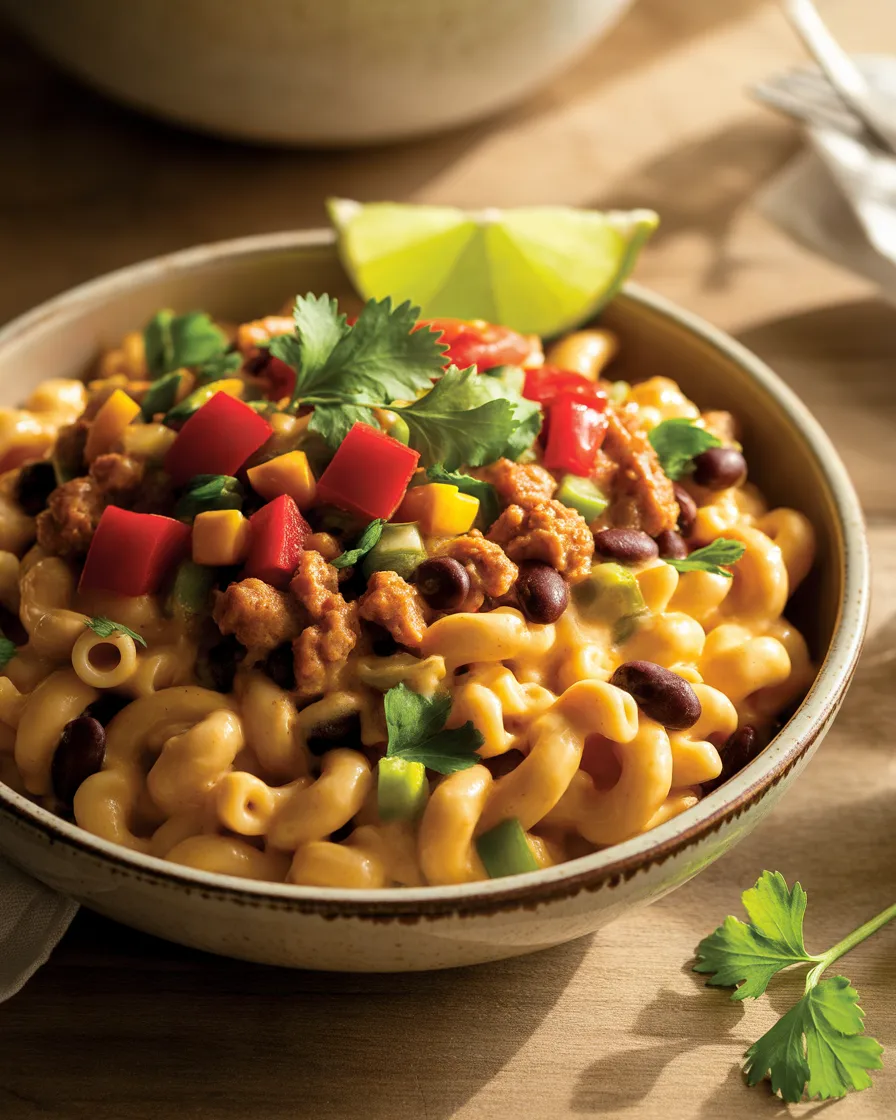
If you enjoy Mexican-inspired flavours, turkey taco mac and cheese offers a delicious alternative to traditional cheesy pasta. Lean ground turkey, taco seasoning, cheddar, and black beans create a flavourful combination with plenty of protein.
It is also a useful way to introduce different ingredients into a familiar family meal.
Main Ingredients:
- 2 cups cooked elbow macaroni
- 1 cup lean ground turkey
- ½ cup black beans, rinsed
- ½ cup shredded cheddar
- ¼ cup milk
- ¼ cup tomato salsa
- 1 teaspoon taco seasoning
- Chopped coriander
How to Prepare It:
Cook the ground turkey in a non-stick pan until browned and fully cooked. Add taco seasoning and salsa, stirring until evenly combined.
Prepare the cheese sauce by warming the milk and cheddar in a separate saucepan. Add the cooked macaroni, turkey mixture, and black beans. Stir gently until everything is coated in the sauce.
Finish with chopped coriander and serve warm.
Benefits: Turkey provides lean protein, while black beans contribute additional protein and dietary fibre. Beans also add texture and help make the meal more substantial.
Practical Tips: Use mild salsa for children or people who prefer less spice. Add diced bell peppers or sweetcorn for extra vegetables and colour.
How to Use It: Serve it as a complete lunch or dinner. It also works well for family meal preparation.
Who It May Suit: This recipe may suit people who enjoy Tex-Mex flavours and want something different from conventional cheese pasta.
Important Considerations: Check the sodium content of taco seasoning, salsa, and canned beans. Rinse canned beans to remove some of the added sodium.
Estimated Protein: 34–39 grams per serving.
5. Lentil Pasta High Protein Mac and Cheese with Spinach
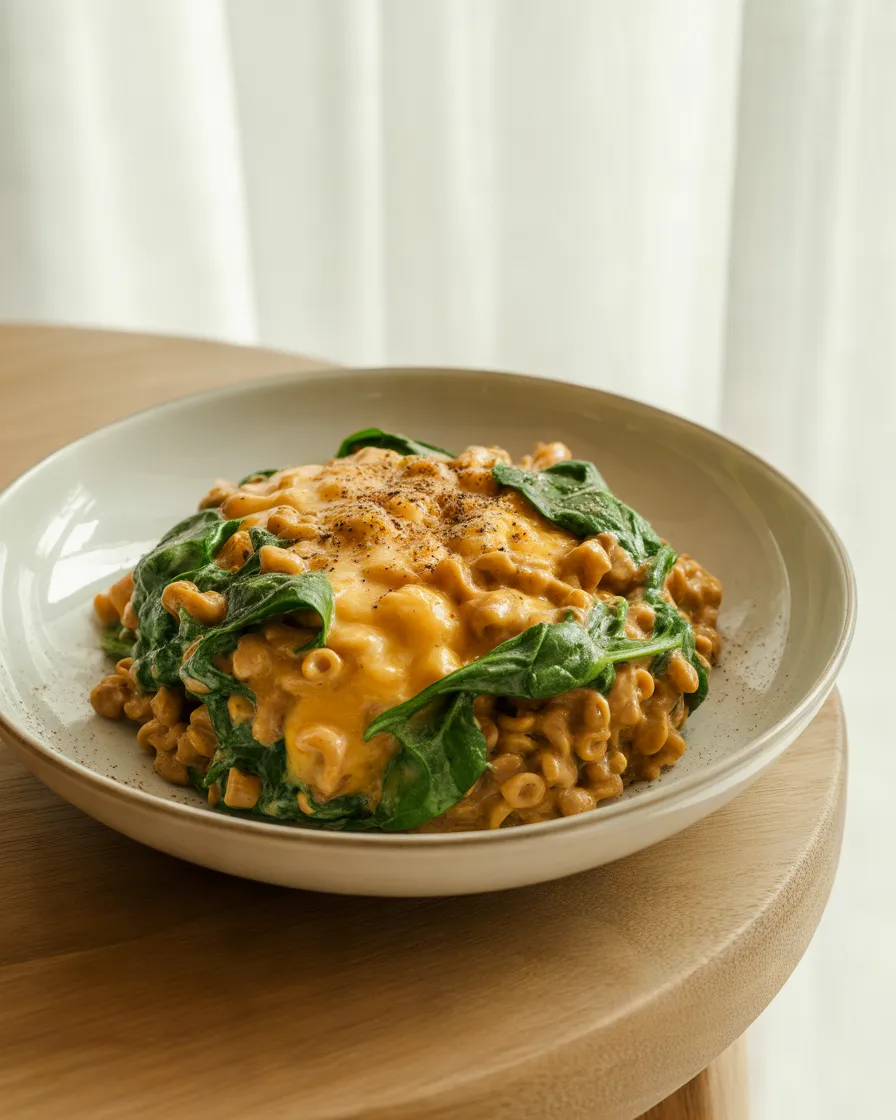
Lentil pasta is a useful alternative to conventional wheat pasta because it naturally contains more protein and fibre in many varieties. Combining it with spinach and a homemade cheese sauce creates a colourful meal that is both comforting and practical.
This recipe is especially helpful if you want to increase the plant-based ingredients in your regular meals.
Main Ingredients:
- 2 cups cooked red lentil pasta
- 1 cup fresh spinach
- ½ cup shredded cheddar
- ¼ cup cottage cheese
- ¼ cup milk
- ½ teaspoon garlic powder
- A pinch of nutmeg
- Black pepper
How to Prepare It:
Cook the lentil pasta according to the package instructions. Avoid overcooking because some lentil pasta varieties become soft quickly.
Blend the cottage cheese and milk until smooth. Heat the mixture gently with cheddar, garlic powder, nutmeg, and black pepper.
Add spinach and allow it to wilt. Fold in the cooked lentil pasta and stir until the sauce coats everything evenly.
Benefits: Lentil pasta contributes plant protein and fibre, while spinach provides folate, vitamin K, and other nutrients. Cottage cheese and cheddar increase the overall protein content.
Practical Tips: Reserve a little pasta water before draining. Adding a tablespoon at a time can help adjust the sauce consistency without using extra cream.
How to Use It: Serve it as a vegetarian lunch or dinner, or pair it with a fresh tomato salad.
Who It May Suit: This dish may suit vegetarians and people looking to include more legumes in their diets.
Important Considerations: Lentil pasta can have a different texture from conventional macaroni. Check the cooking instructions and adjust the sauce thickness as needed.
Estimated Protein: 27–32 grams per serving.
6. High Protein Mac and Cheese with Edamame and Broccoli
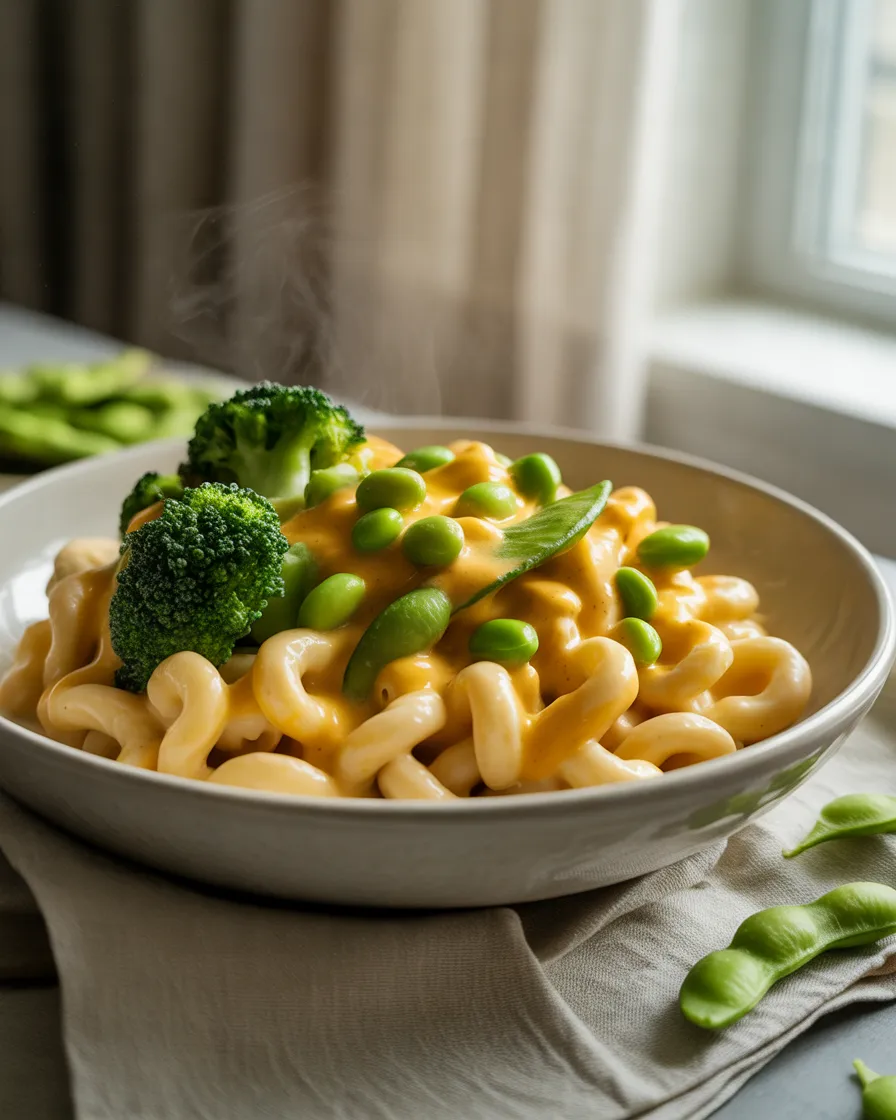
Edamame and broccoli offer a simple way to add more plant-based ingredients to mac and cheese. Edamame provides plant protein, while broccoli contributes fibre, vitamin C, and other important nutrients.
The combination creates a colourful dish that works particularly well for people who prefer vegetarian meals.
Main Ingredients:
- 2 cups cooked high-protein macaroni
- ½ cup shelled edamame
- 1 cup broccoli florets
- ½ cup shredded cheddar
- ¼ cup Greek yogurt
- ¼ cup milk
- ½ teaspoon garlic powder
- Black pepper
How to Prepare It:
Steam or boil the broccoli until tender but still slightly firm. Cook the edamame according to the package instructions.
Warm the milk and cheddar in a saucepan until the cheese melts. Remove from heat and stir in Greek yogurt. Add the cooked macaroni, broccoli, and edamame.
Mix gently and season with garlic powder and black pepper.
Benefits: Edamame contributes plant protein and fibre, while broccoli adds important micronutrients. Using high-protein pasta can increase the protein content further.
Practical Tips: Avoid overcooking the broccoli. Keeping it slightly firm helps maintain its texture when mixed with the warm cheese sauce.
How to Use It: Enjoy this recipe as a vegetarian main meal or serve it alongside grilled tofu.
Who It May Suit: It may suit vegetarians and people who want more vegetables in their everyday meals.
Important Considerations: If using frozen edamame, cook it thoroughly according to the package directions. Check the ingredients of flavoured protein pasta if you have food allergies.
Estimated Protein: 27–33 grams per serving.
7. Shrimp Parmesan High Protein Mac and Cheese
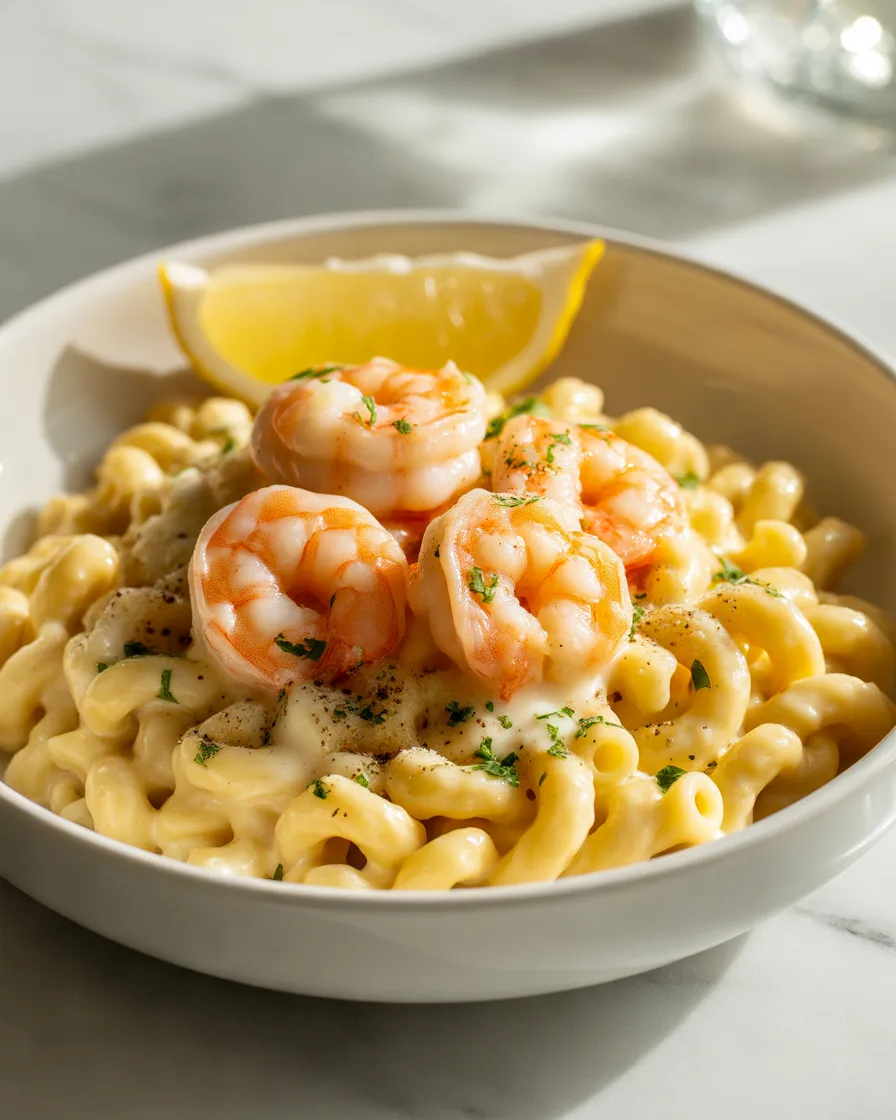
Shrimp parmesan mac and cheese brings a restaurant-inspired flavour to a simple homemade meal. Shrimp cooks quickly and provides high-quality protein, making it a practical ingredient when you want a satisfying dinner without spending too much time in the kitchen.
Parmesan gives the sauce a rich, savoury taste, while a little lemon helps balance the creaminess.
Main Ingredients:
- 2 cups cooked macaroni
- 150 grams peeled shrimp
- ¼ cup grated Parmesan
- ½ cup shredded mozzarella
- ½ cup milk
- ¼ cup plain Greek yogurt
- 1 garlic clove, minced
- Lemon juice and black pepper
How to Prepare It:
Cook the shrimp in a lightly oiled pan with garlic until opaque and fully cooked. Avoid overcooking because shrimp can become rubbery.
In another pan, warm the milk and mozzarella. Stir in Parmesan until melted. Remove from direct heat and add Greek yogurt.
Combine the macaroni and cheese sauce, then fold in the shrimp. Finish with lemon juice and black pepper.
Benefits: Shrimp provides protein along with nutrients such as iodine and selenium. Parmesan and mozzarella add flavour, while Greek yogurt helps create a creamy sauce.
Practical Tips: Pat fresh shrimp dry before cooking to prevent excess water from entering the sauce. Frozen shrimp can also be used after thawing and draining properly.
How to Use It: Serve it as a special weekend lunch or a quick seafood-inspired dinner.
Who It May Suit: This recipe may suit seafood lovers who want a protein-rich alternative to chicken or beef pasta.
Important Considerations: Shrimp is a common food allergen. Cook seafood thoroughly and use fresh ingredients stored at appropriate temperatures.
Estimated Protein: 34–40 grams per serving.
8. White Bean Pesto High Protein Mac and Cheese
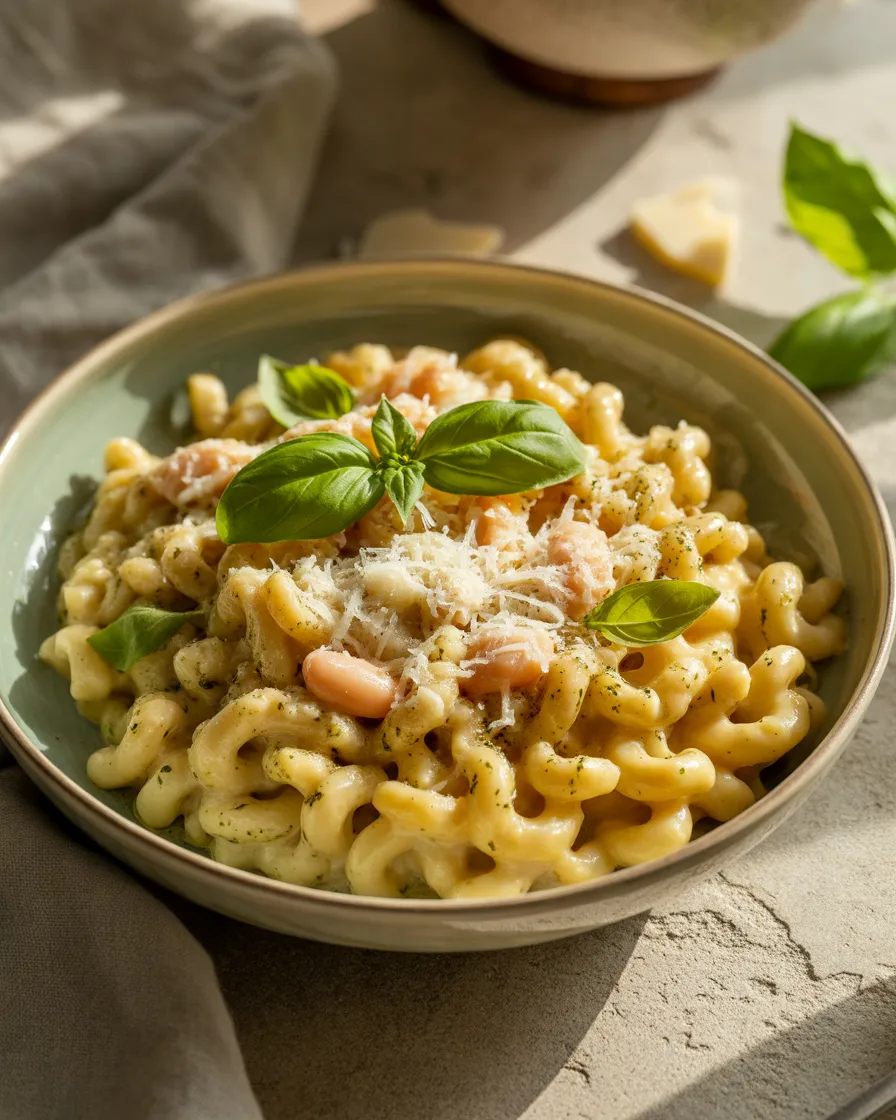
White bean pesto mac and cheese is a creative vegetarian option that combines creamy beans with aromatic basil pesto. White beans blend into a smooth sauce and provide additional plant protein and fibre.
The pesto introduces a fresh, herbaceous flavour that makes this recipe different from conventional cheddar-heavy mac and cheese.
Main Ingredients:
- 2 cups cooked macaroni
- ½ cup cannellini beans
- ¼ cup basil pesto
- ½ cup shredded mozzarella
- ¼ cup milk
- 2 tablespoons grated Parmesan
- Black pepper
- Fresh basil leaves
How to Prepare It:
Blend the white beans and milk until smooth. Transfer the mixture to a saucepan and warm gently.
Add mozzarella and Parmesan, stirring until melted. Mix in the basil pesto and black pepper.
Add the cooked macaroni and stir until the pasta is coated. Finish with fresh basil leaves.
Benefits: White beans provide plant protein and dietary fibre. Basil pesto contributes herbs and flavour, while mozzarella adds dairy protein.
Practical Tips: Use low-sodium canned beans and rinse them before blending. If the sauce becomes too thick, add a little milk or reserved pasta water.
How to Use It: Serve as a vegetarian dinner, a packed lunch, or a side dish with grilled vegetables.
Who It May Suit: It may suit vegetarians and people who enjoy Mediterranean-inspired flavours.
Important Considerations: Traditional pesto often contains nuts and cheese. Check its ingredients carefully if preparing food for someone with allergies or following a dairy-free diet.
Estimated Protein: 25–30 grams per serving.
9. Baked Greek Yogurt High Protein Mac and Cheese
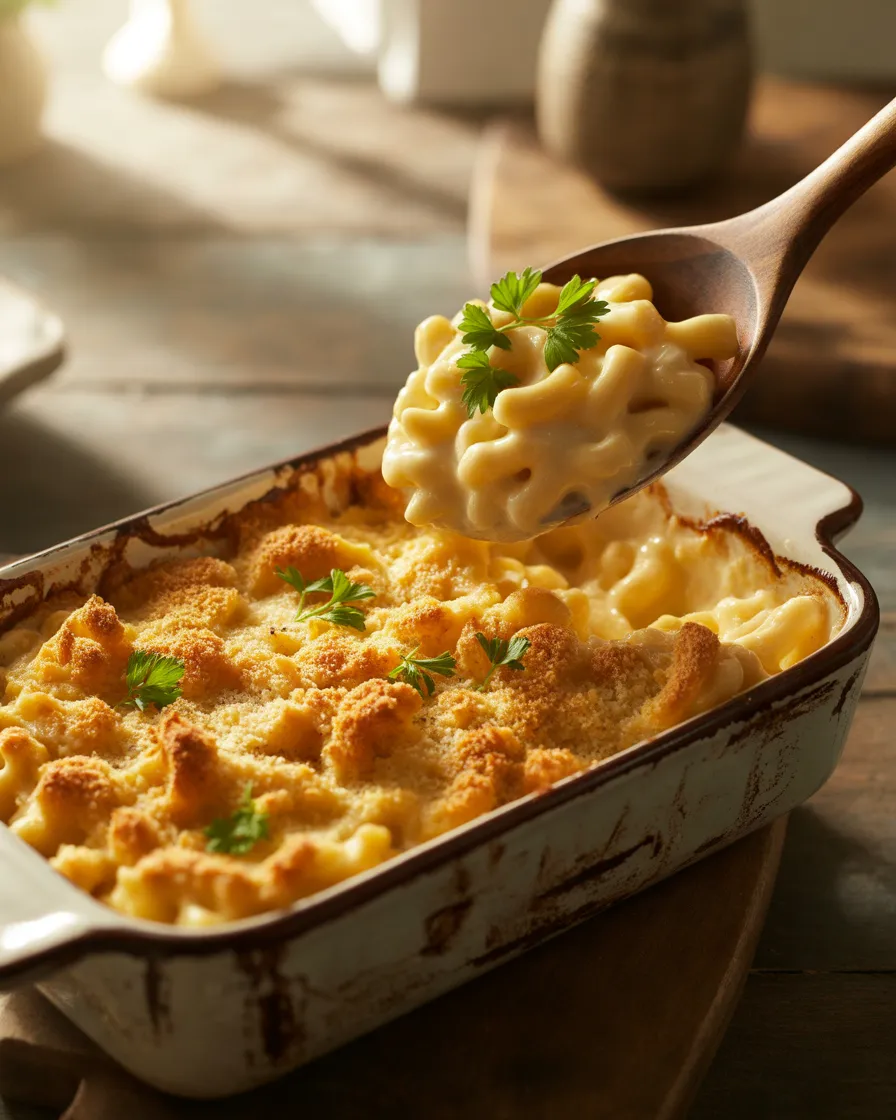
Baked mac and cheese is popular because its soft interior and golden, lightly crisp topping create an appealing contrast. Greek yogurt can be incorporated into the cheese mixture to increase protein while maintaining a creamy texture.
This version is particularly suitable when you want to prepare a larger dish for several people.
Main Ingredients:
- 2 cups cooked elbow macaroni
- ½ cup plain Greek yogurt
- ½ cup shredded cheddar
- ¼ cup mozzarella
- ¼ cup milk
- 2 tablespoons wholegrain breadcrumbs
- ½ teaspoon paprika
- Black pepper
How to Prepare It:
Preheat the oven to 375°F (190°C). Mix the Greek yogurt, milk, cheddar, paprika, and black pepper in a bowl.
Fold in the cooked macaroni and transfer everything into a lightly greased baking dish. Sprinkle mozzarella and breadcrumbs over the top.
Bake for approximately 15–20 minutes until heated through and lightly golden. Allow it to rest briefly before serving.
Benefits: Greek yogurt contributes protein and calcium, while the combination of cheddar and mozzarella creates a rich flavour. Baking also gives the dish a different texture without requiring complicated ingredients.
Practical Tips: Use plain, unsweetened Greek yogurt. Avoid baking for too long because the yogurt-based sauce can become dry or separate.
How to Use It: This recipe works well for family dinners, weekend meal preparation, or gatherings.
Who It May Suit: It may suit people who enjoy traditional oven-baked comfort food.
Important Considerations: Greek yogurt can react to high heat. Mixing it with the other sauce ingredients and baking gently helps improve the texture.
Estimated Protein: 26–31 grams per serving.
10. Salmon Dill High Protein Mac and Cheese
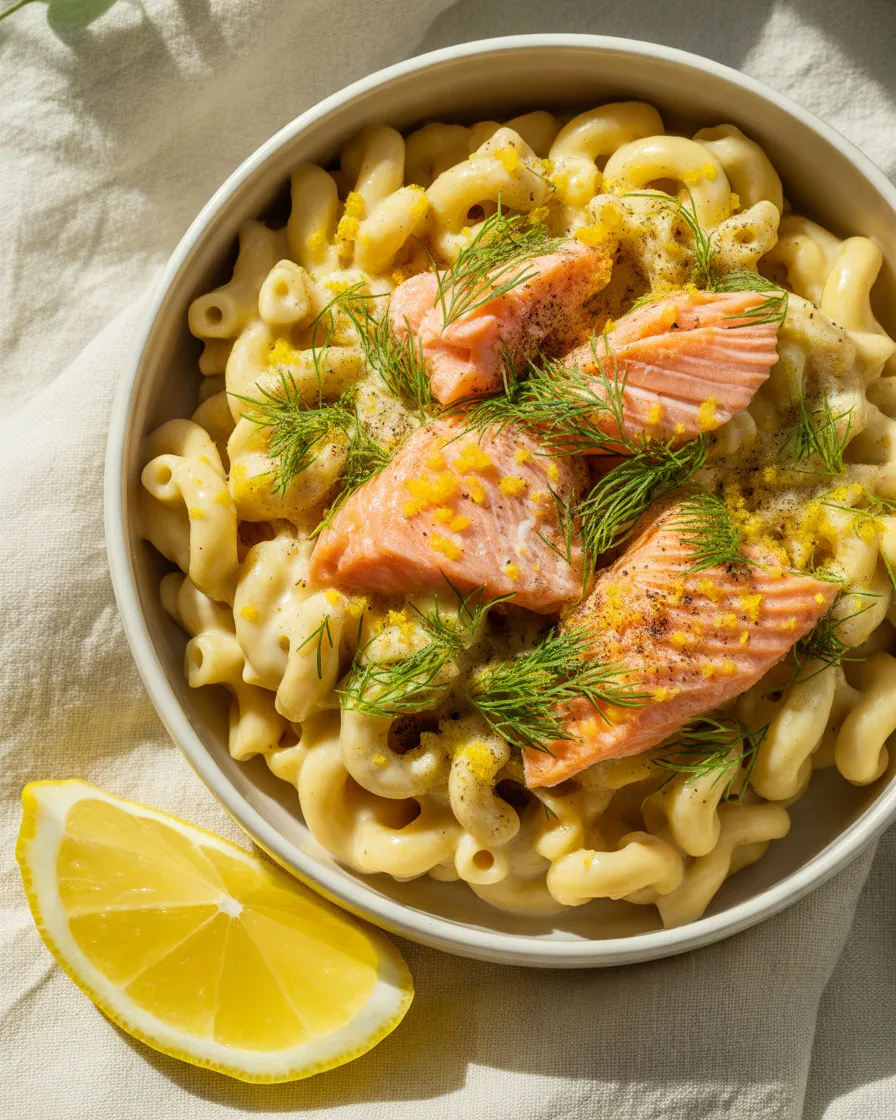
Salmon and dill are a natural flavour combination that works surprisingly well with creamy macaroni. Salmon provides protein and omega-3 fatty acids, while fresh dill and lemon bring a refreshing flavour to the cheese sauce.
This recipe offers a slightly more sophisticated approach to everyday mac and cheese.
Main Ingredients:
- 2 cups cooked macaroni
- 150 grams cooked salmon, flaked
- ½ cup shredded cheddar
- ¼ cup Greek yogurt
- ¼ cup milk
- 1 tablespoon fresh dill
- ½ teaspoon garlic powder
- Lemon zest and black pepper
How to Prepare It:
Cook the salmon using your preferred method until it reaches an internal temperature of 145°F (63°C), or use properly cooked leftover salmon.
Warm the milk and cheddar in a saucepan. Remove from heat and stir in Greek yogurt, dill, garlic powder, lemon zest, and black pepper.
Add the cooked macaroni and gently fold in the flaked salmon. Avoid breaking the salmon into very small pieces.
Benefits: Salmon contributes high-quality protein and omega-3 fatty acids, particularly EPA and DHA. Dill and lemon add flavour without requiring additional heavy sauces.
Practical Tips: Remove any visible bones before adding salmon. Fresh dill provides the best flavour, but dried dill can be used in a smaller quantity.
How to Use It: Serve it as a balanced lunch or dinner with steamed green vegetables.
Who It May Suit: This dish may suit seafood enthusiasts and people looking to include oily fish in their weekly meal rotation.
Important Considerations: Check salmon carefully for bones and follow local seafood safety recommendations. People with fish allergies should avoid this recipe.
Estimated Protein: 32–37 grams per serving.
11. Lean Beef and Mushroom High Protein Mac and Cheese
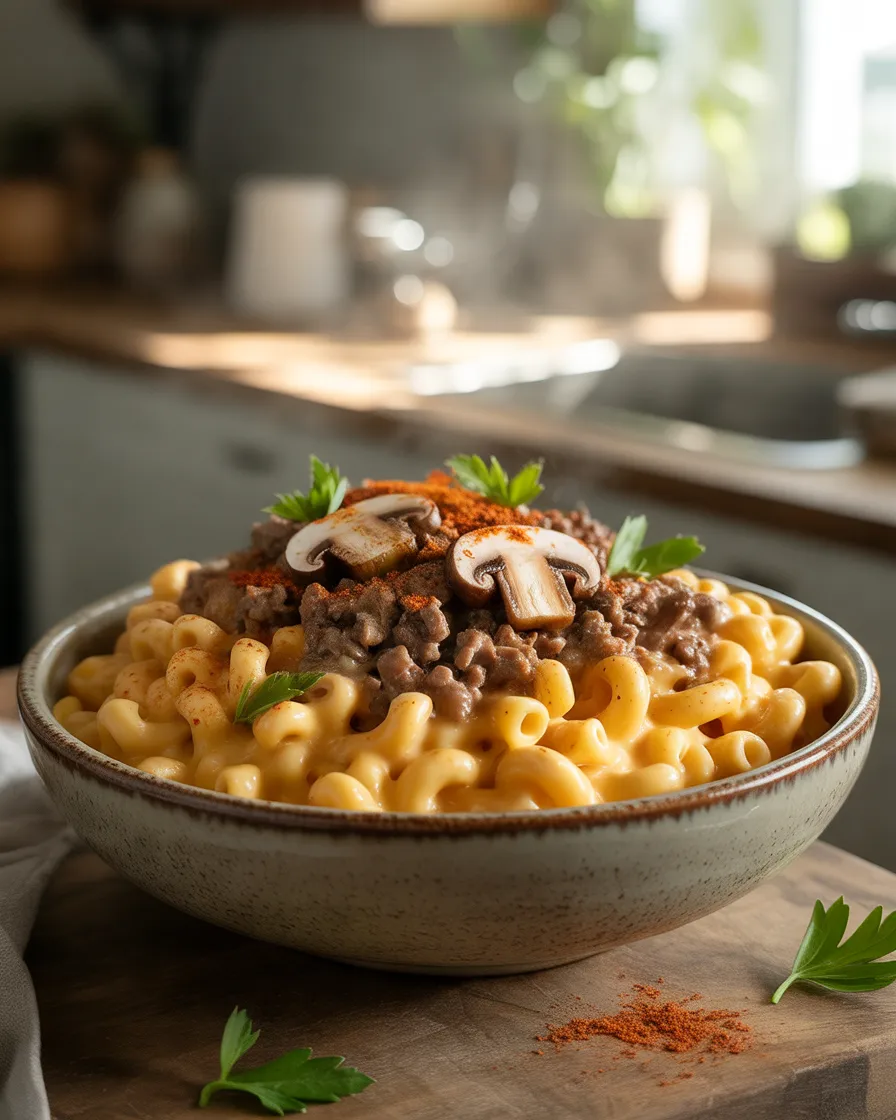
Lean beef and mushroom mac and cheese is a hearty option for people who enjoy savoury, rich meals. Ground beef provides protein, while mushrooms add an earthy flavour that complements cheddar and garlic.
Using lean ground beef helps keep the recipe practical for everyday cooking without relying on excessively fatty ingredients.
Main Ingredients:
- 2 cups cooked macaroni
- 150 grams lean ground beef
- ½ cup sliced mushrooms
- ½ cup shredded cheddar
- ¼ cup milk
- ¼ cup cottage cheese
- ½ teaspoon garlic powder
- Black pepper and paprika
How to Prepare It:
Cook the ground beef in a non-stick pan until browned and fully cooked. Add sliced mushrooms and cook until softened.
Blend cottage cheese and milk until smooth. Warm the mixture in a separate saucepan and add cheddar, paprika, garlic powder, and black pepper.
Combine the cooked macaroni, beef, and mushrooms with the cheese sauce. Stir gently and serve warm.
Benefits: Lean beef contributes protein, vitamin B12, and iron. Mushrooms provide additional flavour and useful micronutrients, while cottage cheese helps increase the protein content of the sauce.
Practical Tips: Choose lean ground beef and drain excess fat after cooking. Slice mushrooms evenly so they cook at a similar rate.
How to Use It: Enjoy this recipe as a filling dinner, especially during colder months when warm comfort food is appealing.
Who It May Suit: It may suit people who prefer beef-based meals and want a more substantial alternative to plain macaroni.
Important Considerations: Ground beef should be cooked to a safe internal temperature of 160°F (71°C). People limiting red meat or saturated fat may prefer smaller portions or a leaner protein alternative.
Estimated Protein: 33–38 grams per serving.
12. Vegan High Protein Mac and Cheese with Tofu and Nutritional Yeast
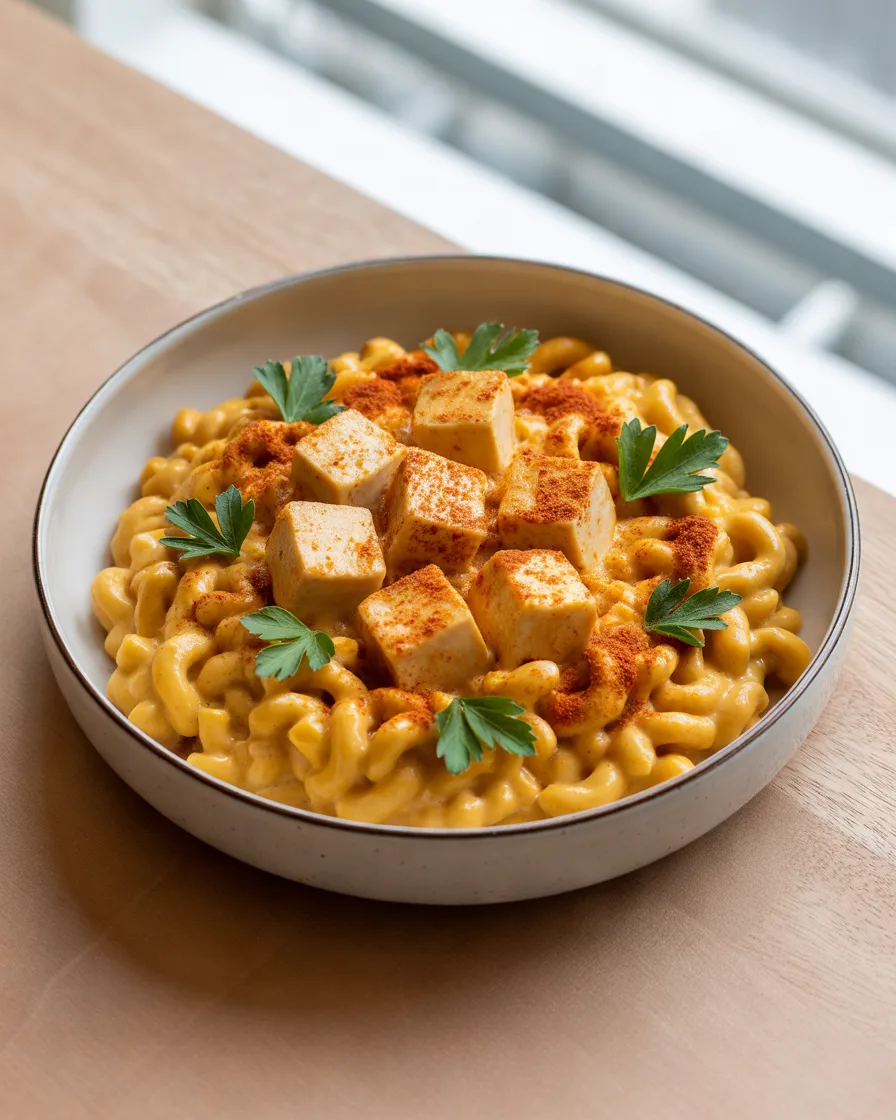
You do not need dairy products to prepare a protein-rich mac and cheese. A vegan version made with tofu, soy milk, nutritional yeast, and chickpea pasta can deliver a creamy texture while keeping the recipe entirely plant-based.
This recipe is also a useful option for people who want to experiment with different protein sources.
Main Ingredients:
- 2 cups cooked chickpea pasta
- 150 grams firm silken tofu
- ½ cup unsweetened soy milk
- 3 tablespoons nutritional yeast
- ½ teaspoon garlic powder
- ½ teaspoon smoked paprika
- 1 teaspoon lemon juice
- Black pepper and salt to taste
How to Prepare It:
Blend the tofu, soy milk, nutritional yeast, garlic powder, smoked paprika, and lemon juice until completely smooth.
Transfer the mixture to a saucepan and warm gently over low heat. Stir continuously until the sauce reaches your preferred consistency.
Add the cooked chickpea pasta and mix until every piece is coated. Adjust the seasoning and serve immediately.
Benefits: Tofu and soy milk contribute plant-based protein, while chickpea pasta provides additional protein and fibre. Nutritional yeast adds a savoury, cheese-like flavour without using dairy.
Practical Tips: Choose unsweetened, fortified soy milk for the best savoury flavour. If the sauce becomes too thick, add a small amount of soy milk.
How to Use It: Serve as a vegan lunch or dinner. You can also add steamed broccoli, spinach, or roasted peppers.
Who It May Suit: This recipe may suit vegans, people avoiding dairy, and anyone interested in plant-based protein meals.
Important Considerations: Check nutritional yeast and pasta labels for added sodium. People with soy or legume allergies should select suitable alternatives.
Estimated Protein: 28–33 grams per serving.
Expert Tips for Making the Best High Protein Mac and Cheese
Preparing protein-rich mac and cheese is not just about adding more ingredients. The goal is to maintain a delicious texture while creating a meal that fits your nutritional needs.
Here are some practical tips to help you get better results.
1. Choose the Right Protein Pasta
Chickpea pasta, lentil pasta, and some specially formulated protein-enriched pastas can provide more protein than conventional macaroni. However, their textures and cooking times differ.
Always check the nutrition label instead of assuming every alternative pasta has the same protein content.
2. Blend Cottage Cheese for a Smooth Sauce
Cottage cheese is one of the easiest ingredients to use in high protein mac and cheese. However, its natural texture can be slightly grainy.
Blending it with milk before heating creates a smoother consistency and makes it easier to incorporate into the cheese sauce.
3. Use Greek Yogurt Carefully
Plain Greek yogurt adds protein and a creamy texture. However, it should generally be stirred into the sauce after removing the pan from direct heat.
Excessive heat can cause yogurt to separate, affecting the appearance and consistency of your meal.
4. Include More Than One Protein Source
Combining chicken with Greek yogurt or lentil pasta with cottage cheese can increase the overall protein content.
You do not need to use every protein source in one dish. Choose combinations that complement each other and suit your preferences.
5. Add Vegetables Without Compromising Flavour
Broccoli, spinach, peas, mushrooms, and bell peppers work particularly well in mac and cheese.
They add colour, fibre, and different nutrients while making the dish more varied. Start with small quantities if you are cooking for children or people who prefer traditional flavours.
6. Pay Attention to Portion Sizes
A recipe may contain plenty of protein, but the amount you actually consume depends on the serving size.
Divide a larger batch into equal portions to make nutrition tracking more consistent. Use the nutrition information on your specific ingredients when calculating protein.
7. Do Not Overheat the Cheese Sauce
High heat can cause cheese sauces to become oily, thick, or separated.
Use low to medium-low heat and stir regularly. If the sauce becomes too thick, add a little milk or reserved pasta water.
8. Make Meal Preparation Easier
Cook pasta and protein ingredients in advance, then store them separately in airtight containers in the refrigerator.
Prepare the sauce shortly before serving for the best texture. Refrigerate cooked food within two hours and generally use refrigerated leftovers within three to four days.
Frequently Asked Questions About High Protein Mac and Cheese
1. Is high protein mac and cheese healthy?
High protein mac and cheese can be part of a balanced diet. Its nutritional value depends on the ingredients, portion size, and preparation method.
Using lean chicken, cottage cheese, Greek yogurt, beans, vegetables, or protein-enriched pasta can increase its protein content. However, it is still important to consider sodium, saturated fat, and overall calorie intake.
2. How can I add more protein to mac and cheese?
There are several simple ways to increase protein. You can add cooked chicken, tuna, shrimp, lean ground turkey, tofu, or beans.
Another option is to replace regular macaroni with chickpea or lentil pasta. Blended cottage cheese and plain Greek yogurt can also increase protein while creating a creamy sauce.
3. Is cottage cheese good for high protein mac and cheese?
Yes. Cottage cheese is a convenient ingredient because it provides protein and creates a creamy consistency when blended.
For the best results, blend it with a little milk until smooth. Add it to the sauce over low heat or after removing the pan from direct heat.
4. Can I make high protein mac and cheese without protein powder?
Absolutely. Protein powder is not necessary for making protein-rich mac and cheese.
Everyday ingredients such as chicken, fish, beans, tofu, cottage cheese, Greek yogurt, and lentil pasta can provide substantial amounts of protein.
5. What is the best pasta for high protein mac and cheese?
Chickpea and lentil pasta are popular options because they generally contain more protein and fibre than conventional wheat pasta.
However, traditional whole-wheat macaroni and specially formulated protein-enriched pasta can also work. Compare nutrition labels to find an option that suits your needs.
6. Can I prepare high protein mac and cheese ahead of time?
Yes. You can cook the pasta and protein ingredients in advance and refrigerate them in separate airtight containers.
For the best texture, prepare or finish the cheese sauce shortly before serving. If the completed dish becomes thick during refrigeration, add a small amount of milk when reheating.
7. Can I make high protein mac and cheese without dairy?
Yes. Use chickpea pasta, tofu, unsweetened soy milk, and nutritional yeast to prepare a dairy-free version.
These ingredients create a creamy sauce while providing plant-based protein. Always check ingredient labels if you have a dairy allergy or other dietary restrictions.
8. How much protein should high protein mac and cheese contain?
There is no single official definition of high protein mac and cheese.
Many of the recipes in this guide provide approximately 25–40 grams per serving, depending on the ingredients and portion size. Individual protein needs vary according to factors such as age, body size, activity level, and health circumstances.
9. Is high protein mac and cheese suitable after a workout?
It can be a convenient post-workout meal because it combines protein with carbohydrates.
Chicken, tuna, Greek yogurt, or tofu can increase the protein content, while pasta provides carbohydrates. The appropriate meal size depends on your overall dietary needs and exercise routine.
10. Can children eat high protein mac and cheese?
Most of these recipes can be adapted for children, provided the ingredients are age-appropriate and there are no relevant food allergies.
Mild cheddar, small pieces of cooked chicken, and finely chopped vegetables are useful starting points. Be mindful of sodium levels and adjust seasoning to suit children’s preferences.
Conclusion: Enjoy Your Favourite Comfort Food with More Protein
You do not have to sacrifice flavour to make your favourite comfort food more nutritious. With the right ingredients, high protein mac and cheese can become a satisfying meal that offers more variety and flexibility than traditional recipes.
From classic cottage cheese mac and cheese to chicken, tuna, turkey taco, lentil pasta, shrimp, and vegan tofu versions, there are plenty of ways to experiment with different flavours and protein sources.
The easiest approach is to start with a recipe you already enjoy and make one or two simple changes. Try blending cottage cheese into your sauce, adding grilled chicken, or replacing conventional macaroni with chickpea pasta.
Remember that a balanced meal involves more than protein alone. Include vegetables, choose ingredients that suit your dietary needs, and pay attention to portion sizes.
With these 12 ideas, you can enjoy creamy, delicious mac and cheese while making more thoughtful choices about your everyday meals.