Finding a breakfast that is both satisfying and nutritious can be challenging, especially when you want to keep your calorie intake in check. Many traditional breakfast options contain plenty of refined carbohydrates and added sugar but relatively little protein. The good news is that a few simple ingredient changes can make your morning meal more balanced.
A low calorie high protein breakfast combines protein-rich ingredients with sensible portions of fruits, vegetables, whole grains, and healthy fats. These meals can help you meet your daily protein needs while providing important nutrients to start your day. Depending on the ingredients and portion sizes, many options can be prepared with approximately 180–300 calories and 15–26 grams of protein.
You also do not need complicated recipes or expensive ingredients. Everyday foods such as eggs, cottage cheese, Greek yogurt, tofu, oats, lentils, and lean turkey can become delicious breakfast meals with very little preparation.
Whether you prefer a quick smoothie, a warm egg breakfast, or something you can prepare the night before, these 12 low calorie high protein breakfast ideas offer practical choices for different tastes and lifestyles.
A quick nutrition note: All calorie and protein figures in this article are approximate estimates for one serving. Actual values depend on ingredient brands, portion sizes, and cooking methods. A low-calorie breakfast is not automatically suitable for everyone; your overall energy and nutritional requirements should guide your portions.
1. Greek Yogurt and Fresh Berry Protein Bowl
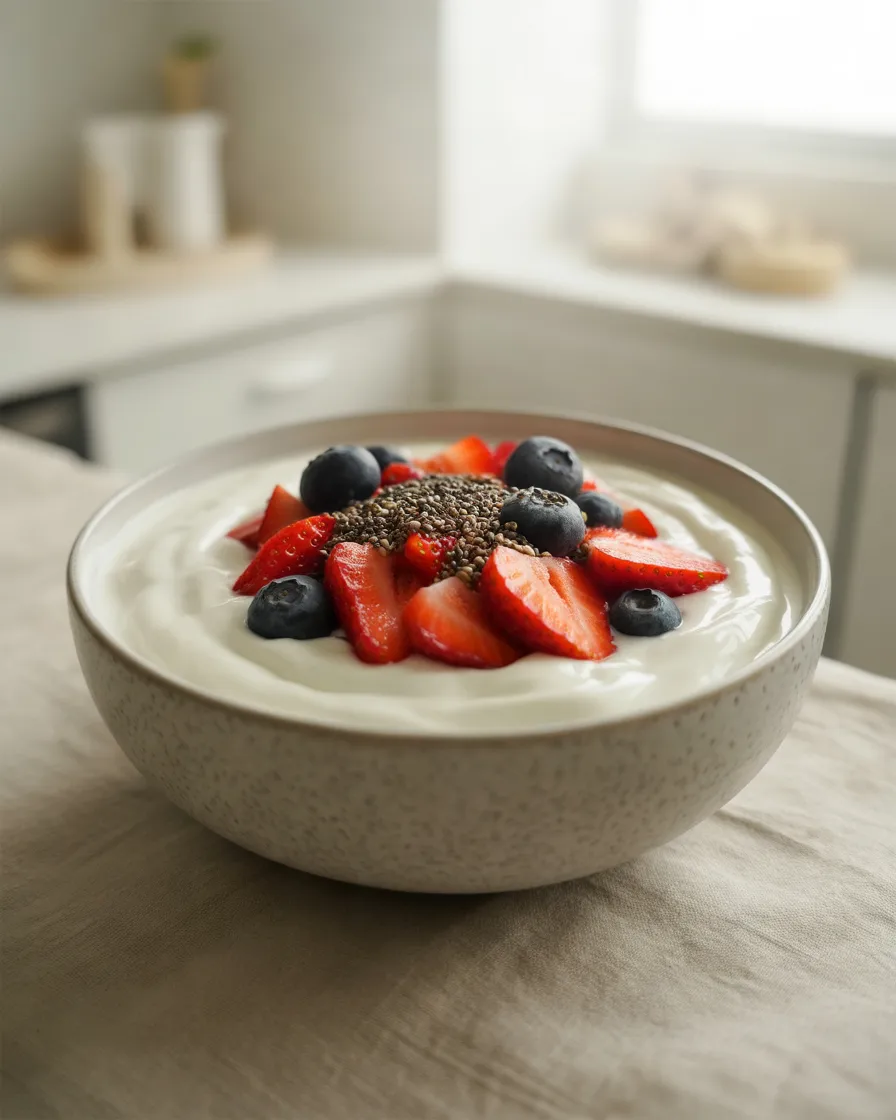
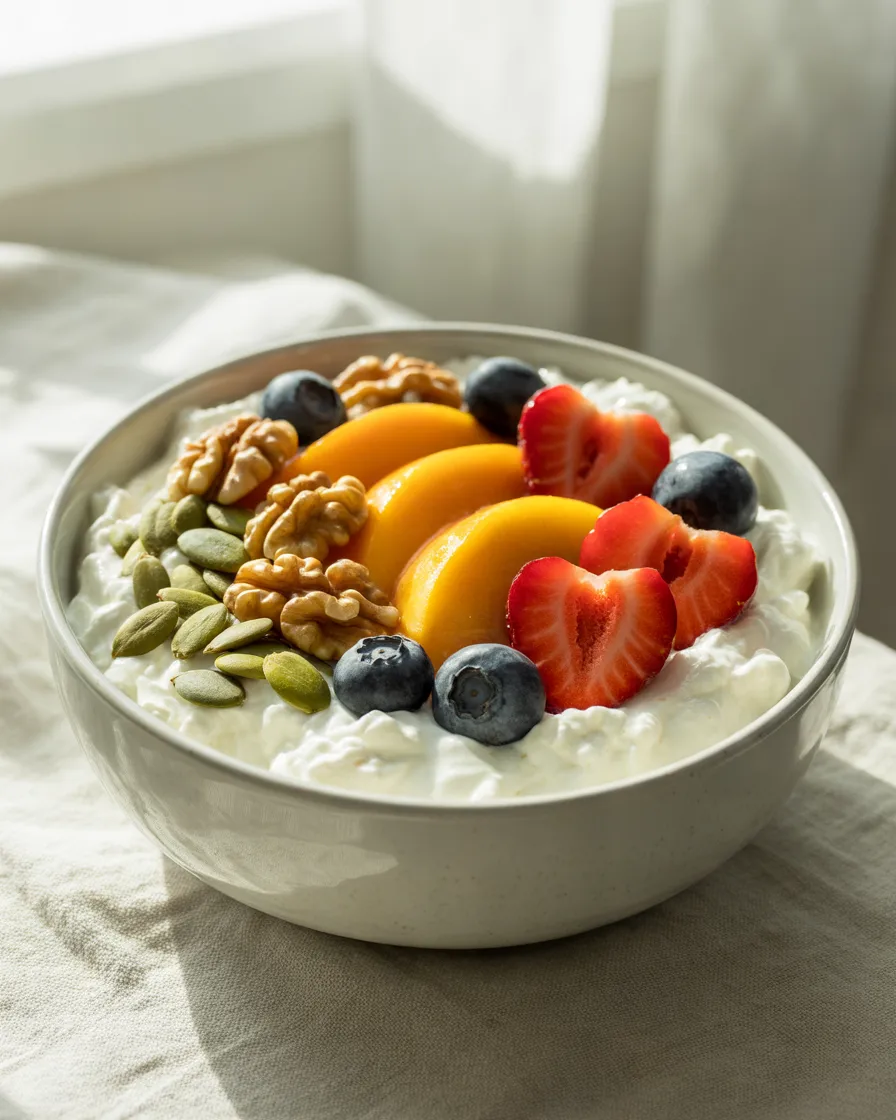
A Greek yogurt and berry bowl is one of the easiest ways to prepare a high protein breakfast without spending time cooking. Plain, nonfat Greek yogurt provides concentrated protein, while fresh berries contribute natural sweetness, fiber, and beneficial plant compounds.
For one serving, combine approximately 170 grams of plain nonfat Greek yogurt with half a cup of strawberries and blueberries. Add one tablespoon of chia seeds for additional fiber and a little texture. Cinnamon or a few drops of vanilla extract can provide extra flavor without adding much energy.
Estimated nutrition: 200 calories and 19–20 grams of protein.
Benefits: Greek yogurt provides protein and calcium, while berries contribute vitamin C and other nutrients. Chia seeds add fiber and plant-based omega-3 fats. Together, these ingredients create a convenient breakfast that can be satisfying without requiring a large portion.
Practical tips: Choose unsweetened Greek yogurt rather than flavored varieties with added sugar. Frozen berries work just as well as fresh ones and are often more economical.
How to use it: Add the yogurt to a bowl, arrange the berries on top, and finish with chia seeds. Prepare it in a sealed container the night before if your mornings are busy.
Who it may suit: People looking for a quick, vegetarian, high protein breakfast or an easy option for office mornings.
Important considerations: Check dairy tolerance and choose lactose-free Greek yogurt if needed. If you have a seed allergy, leave out the chia seeds.
2. Egg White and Spinach Scramble With Cottage Cheese
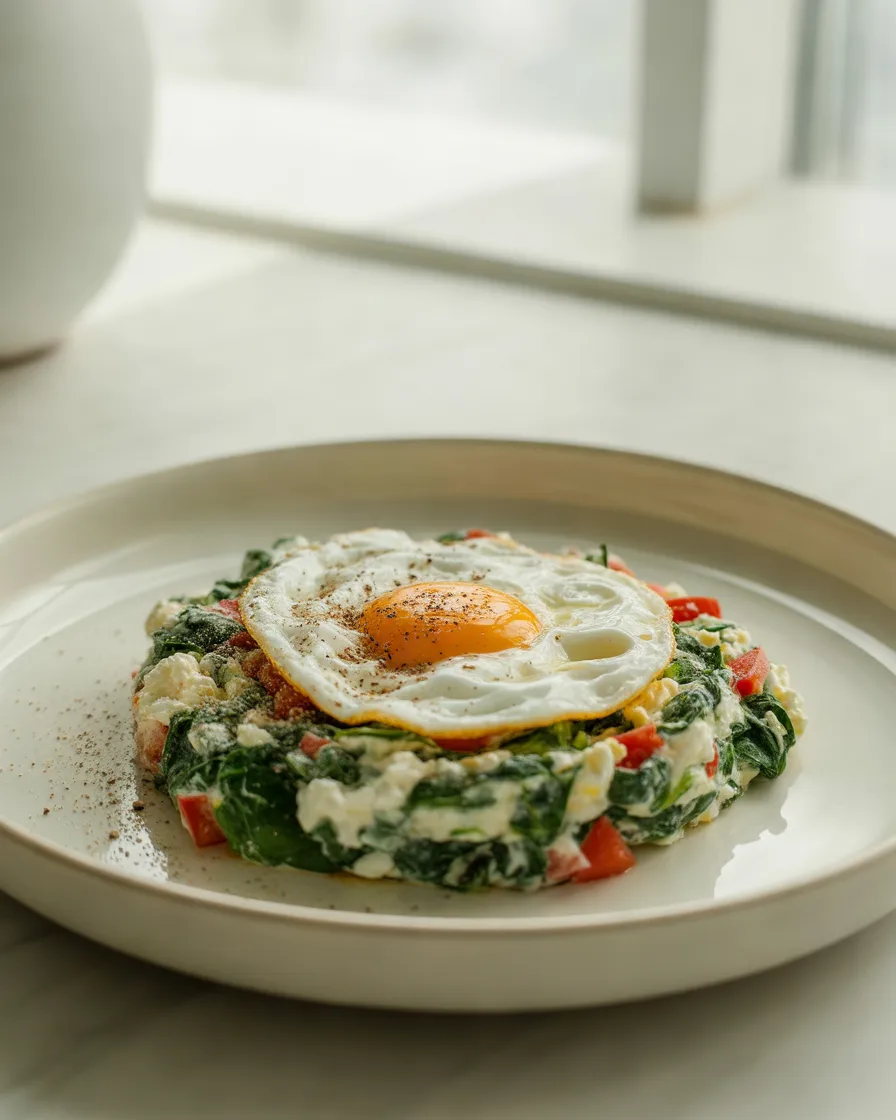
Eggs are a familiar breakfast staple, but combining whole eggs with egg whites and cottage cheese can create a protein-rich meal while keeping portions of calorie-dense ingredients controlled.
For this recipe, use one whole egg, three egg whites, and approximately one-quarter cup of low-fat cottage cheese. Add fresh spinach, chopped tomatoes, black pepper, and a little garlic powder. Cook the vegetables in a nonstick pan using a light cooking spray, then add the eggs and cottage cheese.
Estimated nutrition: 185 calories and approximately 24 grams of protein.
Benefits: Eggs provide high-quality protein and several essential nutrients. Egg whites contribute additional protein, while cottage cheese adds protein and calcium. Spinach and tomatoes increase the vegetable content of the meal.
Practical tips: Avoid adding large amounts of butter or cooking oil. Fresh herbs, paprika, chili flakes, and black pepper can add flavor without substantially increasing calories.
How to use it: Serve the scramble on its own for a lighter breakfast or add a slice of whole-grain toast when you need additional energy.
Who it may suit: People who enjoy savory breakfasts, want an easy low calorie egg breakfast, or prefer a meal that takes less than 10 minutes to prepare.
Important considerations: Cook eggs thoroughly, especially for pregnant people and anyone at increased risk of foodborne illness. People with egg allergies should choose another protein source.
3. Overnight Protein Oats With Greek Yogurt
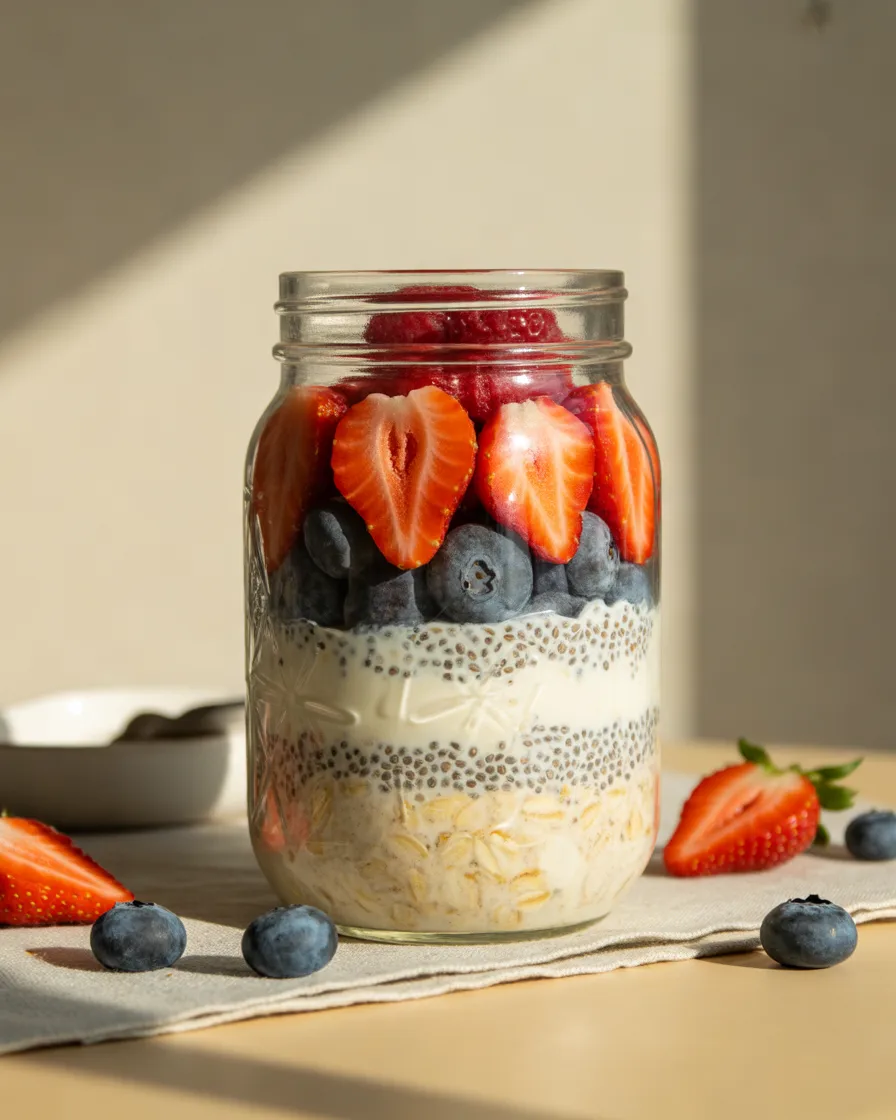
Overnight oats are an excellent choice when you want breakfast ready before you wake up. Instead of cooking oats in the morning, you combine them with milk and yogurt and allow them to soften overnight.
Use one-third cup of rolled oats, half a cup of plain nonfat Greek yogurt, one-third cup of skim milk, one teaspoon of chia seeds, and a small handful of berries. Mix everything in a jar and refrigerate for at least six hours.
Estimated nutrition: 245 calories and approximately 19 grams of protein.
Benefits: Oats provide complex carbohydrates and soluble fiber, while Greek yogurt and milk increase the protein content. The combination offers a balance of carbohydrates, protein, and fiber in one convenient meal.
Practical tips: Use plain oats rather than flavored instant packets. These often contain added sugar. Adjust the thickness by adding a little more milk before serving.
How to use it: Prepare two or three jars at once for convenient breakfasts during the working week. Add fresh berries immediately before eating for better texture.
Who it may suit: Students, professionals, busy parents, and anyone who prefers meal prep breakfast options.
Important considerations: Oats are not naturally gluten-free in every case because of possible cross-contact during processing. Choose certified gluten-free oats if you need to avoid gluten.
4. Cottage Cheese and Whole-Grain Avocado Toast
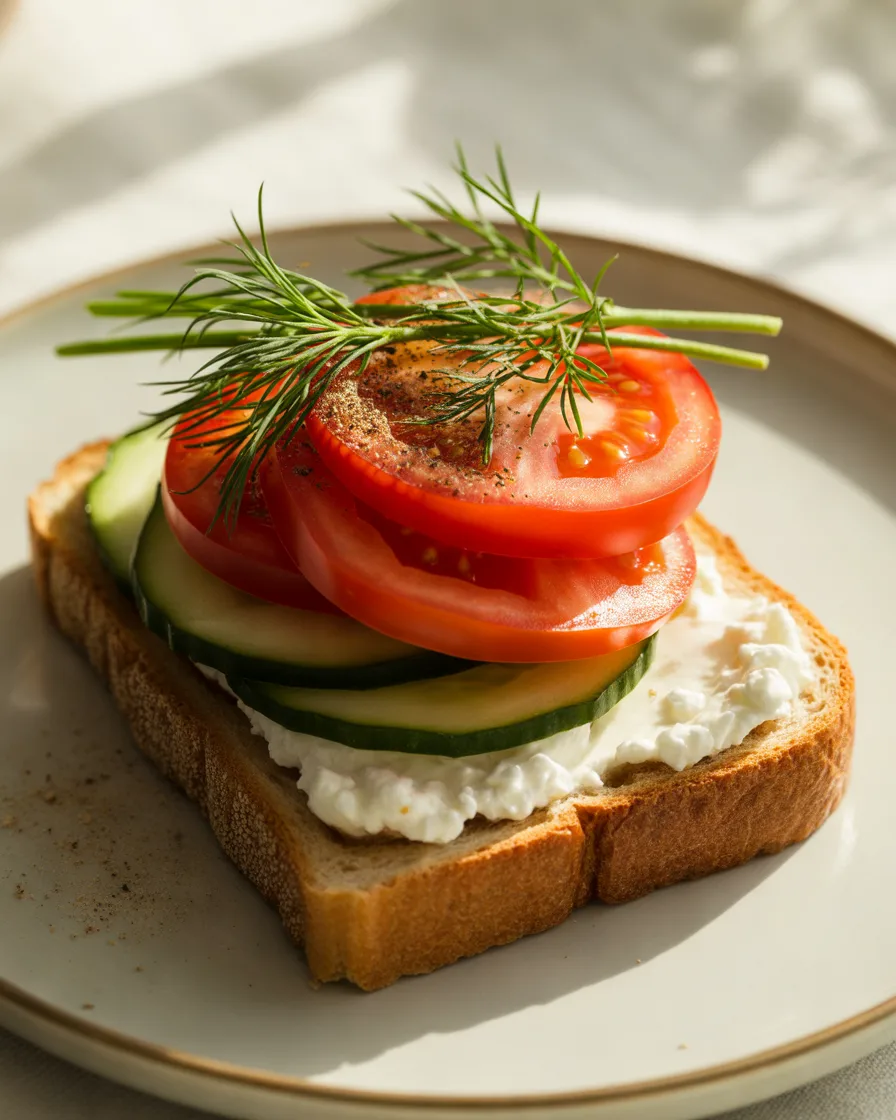
Avocado toast can be made more protein-rich by using cottage cheese as the main topping. This combination provides a creamy texture, satisfying flavor, and a useful amount of protein without requiring a complicated recipe.
Take one slice of whole-grain bread and spread approximately half a cup of low-fat cottage cheese over it. Add thin tomato and cucumber slices, black pepper, and a little lemon juice. You can include a small amount of mashed avocado for extra creaminess.
Estimated nutrition: 205 calories and approximately 16 grams of protein without additional avocado.
Benefits: Cottage cheese supplies protein and calcium, while whole-grain bread contributes fiber and carbohydrates. Fresh vegetables provide additional vitamins and minerals.
Practical tips: Look for whole-grain bread with a good fiber content. If you add avocado, remember that the calories increase, so use a modest portion if you are monitoring energy intake.
How to use it: Toast the bread until lightly crisp, spread the cottage cheese evenly, and arrange the vegetables on top. Serve immediately.
Who it may suit: People who prefer a savory breakfast, vegetarians, and anyone who wants a quick alternative to traditional egg-based meals.
Important considerations: Cottage cheese can contain significant sodium depending on the brand. Compare nutrition labels and choose a lower-sodium variety when appropriate.
5. Tofu Scramble With Colorful Vegetables
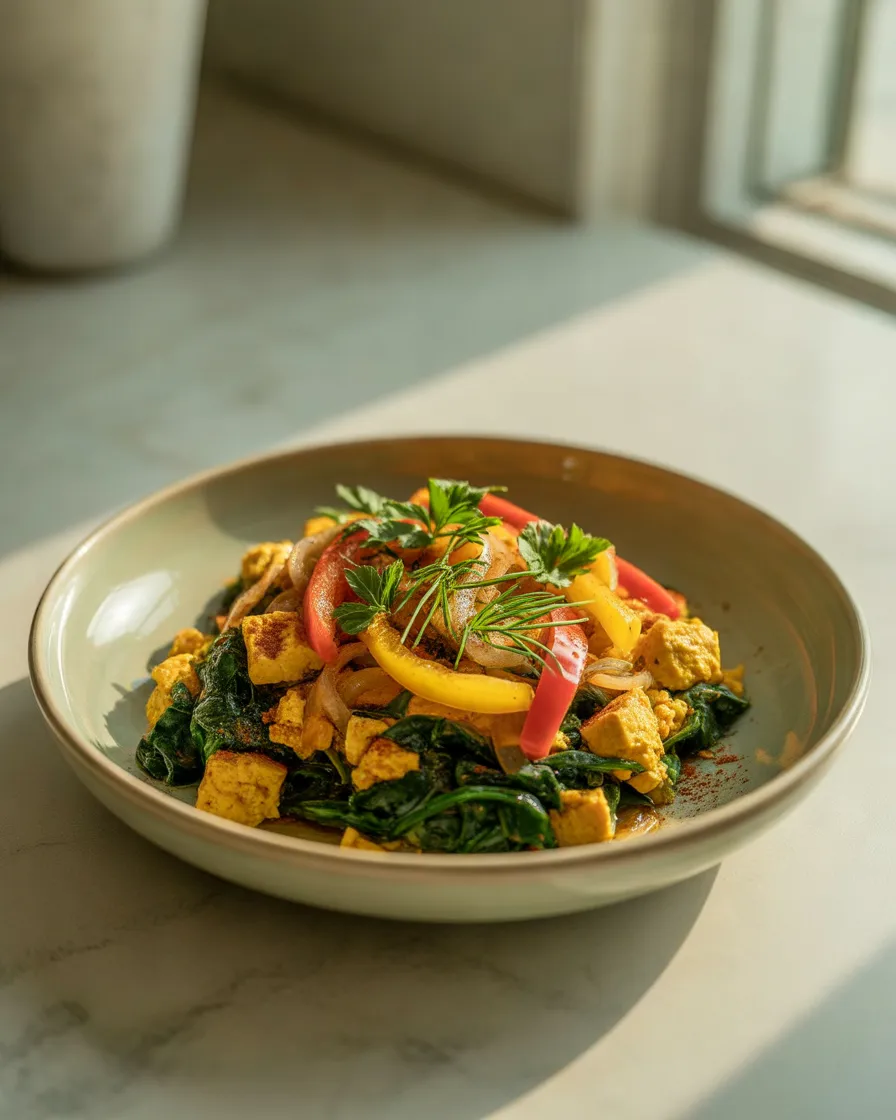
A tofu scramble is a practical plant-based alternative to scrambled eggs. Firm tofu provides protein and absorbs the flavors of spices and vegetables, making it a versatile option for people who prefer dairy-free or vegetarian breakfasts.
For one serving, crumble approximately 150 grams of firm tofu into a nonstick frying pan. Add chopped bell peppers, spinach, onions, turmeric, garlic powder, and black pepper. Cook until the vegetables soften and the tofu becomes lightly golden. A tablespoon of nutritional yeast can add a savory flavor and additional protein.
Estimated nutrition: 170–190 calories and approximately 16 grams of protein, depending on the tofu and nutritional yeast used.
Benefits: Tofu is a source of plant-based protein and contains minerals such as iron and calcium, although the amounts vary by product. Vegetables add color, fiber, and micronutrients.
Practical tips: Press excess water from the tofu before cooking to improve its texture. Use turmeric for color and smoked paprika for a deeper flavor.
How to use it: Serve the scramble in a bowl or alongside one small whole-wheat tortilla. You can also prepare the vegetables in advance to reduce cooking time.
Who it may suit: Vegetarians, vegans, people avoiding eggs, and anyone looking for a plant-based high protein breakfast.
Important considerations: Check the tofu label for calcium content and sodium levels. People with soy allergies should avoid this recipe.
6. Smoked Salmon and Egg Whole-Grain Toast
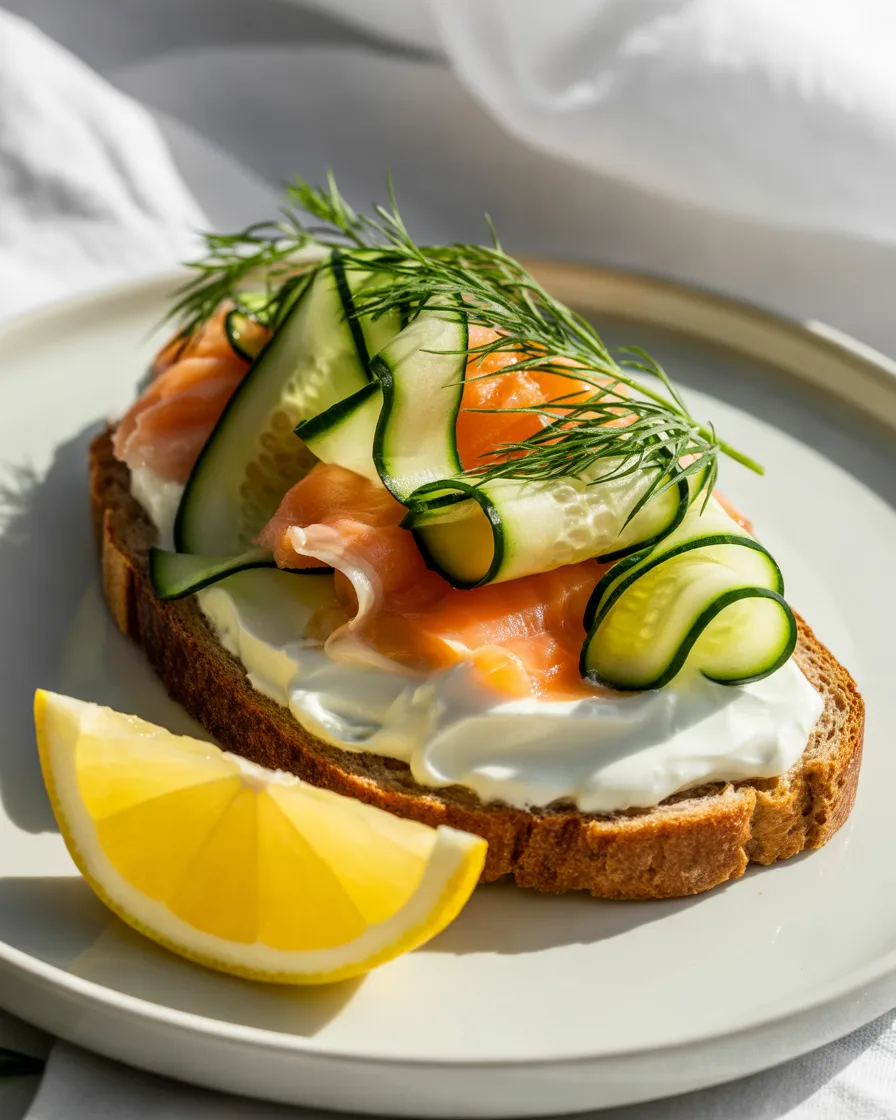
For a breakfast that feels a little more special without becoming overly complicated, try smoked salmon with egg on whole-grain toast. Salmon offers protein and omega-3 fatty acids, while eggs provide additional protein and important nutrients.
Use one slice of whole-grain toast, one cooked egg, and approximately 40 grams of smoked salmon. Add cucumber slices and a tablespoon of plain low-fat Greek yogurt seasoned with lemon juice and black pepper.
Estimated nutrition: 230–240 calories and approximately 20 grams of protein.
Benefits: Salmon contains protein and long-chain omega-3 fats. Eggs add protein, while whole-grain toast contributes carbohydrates and fiber. The cucumber provides freshness and additional volume.
Practical tips: A thin layer of seasoned Greek yogurt can replace heavier cream cheese spreads. Use fresh dill, lemon zest, and black pepper to enhance the flavor.
How to use it: Toast the bread, add the yogurt spread, arrange the salmon and cooked egg on top, and finish with cucumber and herbs.
Who it may suit: People who enjoy savory breakfasts, seafood lovers, and those looking for a protein-rich meal with healthy fats.
Important considerations: Smoked salmon can be high in sodium. Pregnant people should follow food-safety guidance regarding refrigerated smoked seafood and choose thoroughly cooked alternatives when advised by their healthcare professional.
7. Banana and Spinach Protein Smoothie
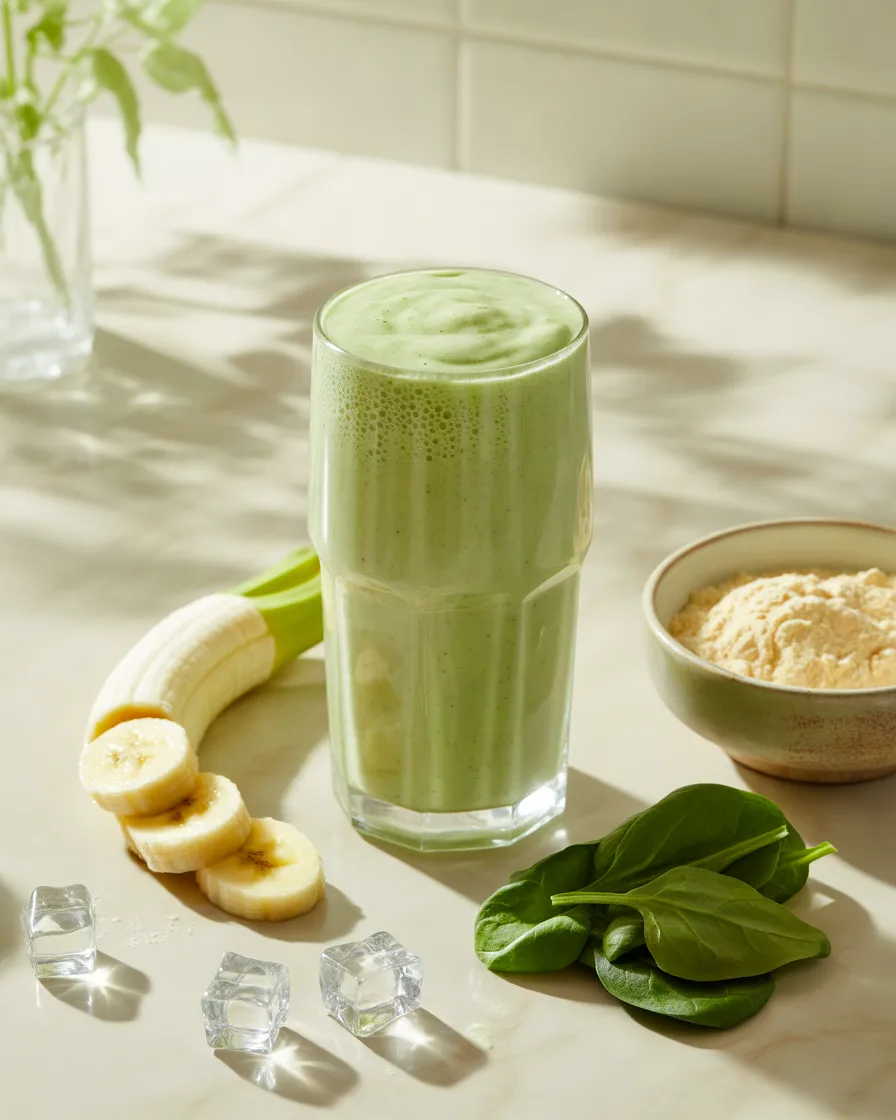
A protein smoothie is one of the most convenient breakfast options for people who have very little time in the morning. It can also be useful when you do not feel like eating a large solid meal immediately after waking up.
Blend one serving of protein powder containing approximately 25 grams of protein with one cup of unsweetened almond milk, half a banana, a handful of fresh spinach, and ice. Blend until smooth.
Estimated nutrition: Approximately 195–210 calories and 25–26 grams of protein, depending on the protein powder.
Benefits: Protein powder provides a concentrated source of protein, while banana contributes carbohydrates and potassium. Spinach adds folate and other micronutrients. The smoothie is easy to customize according to your dietary preferences.
Practical tips: Choose an unsweetened protein powder with a clearly listed ingredient profile. Whey isolate and suitable plant-based protein powders are both options. Check the serving size rather than assuming every scoop contains the same amount of protein.
How to use it: Blend the ingredients for approximately 30–45 seconds. Drink immediately for the best texture. If you need additional fiber, add a small amount of ground flaxseed.
Who it may suit: Busy professionals, active adults, and people who prefer drinkable breakfasts.
Important considerations: Protein supplements are not essential for everyone. People with kidney disease, relevant allergies, or medical dietary restrictions should discuss appropriate protein intake and supplement use with a healthcare professional.
8. Lean Turkey and Egg White Breakfast Wrap

A breakfast wrap is a convenient way to combine protein, vegetables, and whole grains in a portable meal. It can be prepared in advance and reheated when needed, making it especially practical for busy mornings.
Use one small whole-wheat tortilla, approximately 60 grams of freshly cooked lean turkey breast, one egg white, a handful of spinach, and a spoonful of fresh salsa. Cook the egg white and spinach in a nonstick pan, then add the sliced turkey.
Estimated nutrition: Approximately 210 calories and 24 grams of protein.
Benefits: Turkey provides lean protein, while the egg white adds more protein without many additional calories. Whole-wheat tortillas contribute carbohydrates and some fiber, and spinach increases the vegetable content.
Practical tips: Choose freshly cooked turkey instead of relying on processed deli meat. Compare tortilla labels because calories and fiber content vary considerably between brands.
How to use it: Place the cooked ingredients in the center of the tortilla, add salsa, fold the sides, and roll tightly. Toast briefly in a dry pan if you prefer a crisp exterior.
Who it may suit: People who need a portable breakfast, enjoy savory food, or want an alternative to traditional sandwiches.
Important considerations: Check the sodium content of packaged turkey and tortillas. Refrigerate prepared wraps promptly and reheat thoroughly when necessary.
9. Savory Red Lentil Protein Pancakes
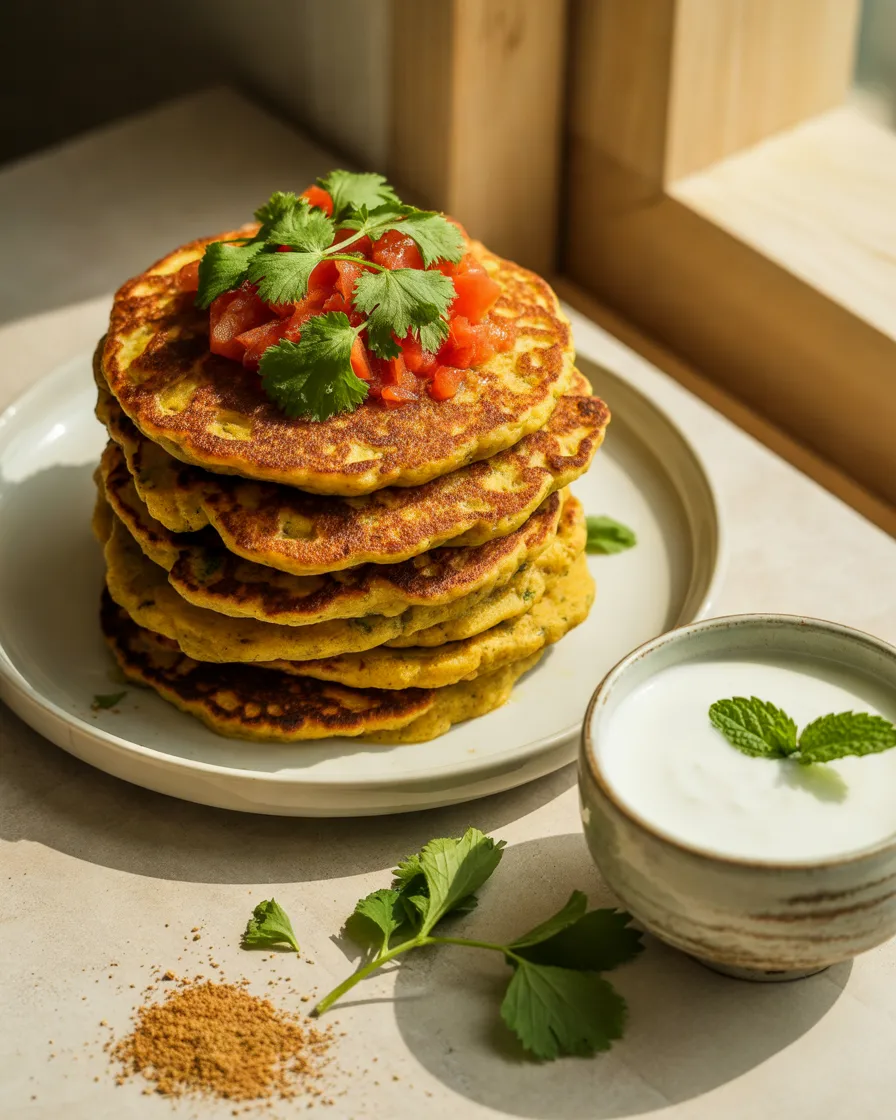
Pancakes do not always have to be sweet. Red lentil pancakes are a nutritious savory alternative that combines plant-based protein with additional protein from egg whites.
Soak approximately one-quarter cup of dry red lentils until softened. Drain them and blend with two egg whites, a little water, grated vegetables, cumin, black pepper, and a pinch of salt. Cook small pancakes in a nonstick pan using minimal cooking spray.
Estimated nutrition: Approximately 210–220 calories and 18–19 grams of protein.
Benefits: Red lentils provide plant protein, fiber, folate, and other minerals. Egg whites increase the protein content, while vegetables add variety and texture.
Practical tips: Allow the lentils to soak properly before blending. Adjust the water gradually until the batter reaches a pourable consistency. Fresh coriander and green chilies can add flavor.
How to use it: Make two or three small pancakes and serve with a spoonful of plain yogurt or fresh tomato salsa. They can also be packed as a savory breakfast for later.
Who it may suit: People looking for vegetarian protein breakfast ideas, those who enjoy savory pancakes, and anyone interested in adding more legumes to their diet.
Important considerations: Lentils contain fermentable carbohydrates that may cause bloating in some people. Start with a comfortable portion if you are not accustomed to eating legumes.
10. High Protein Chia Pudding With Skyr
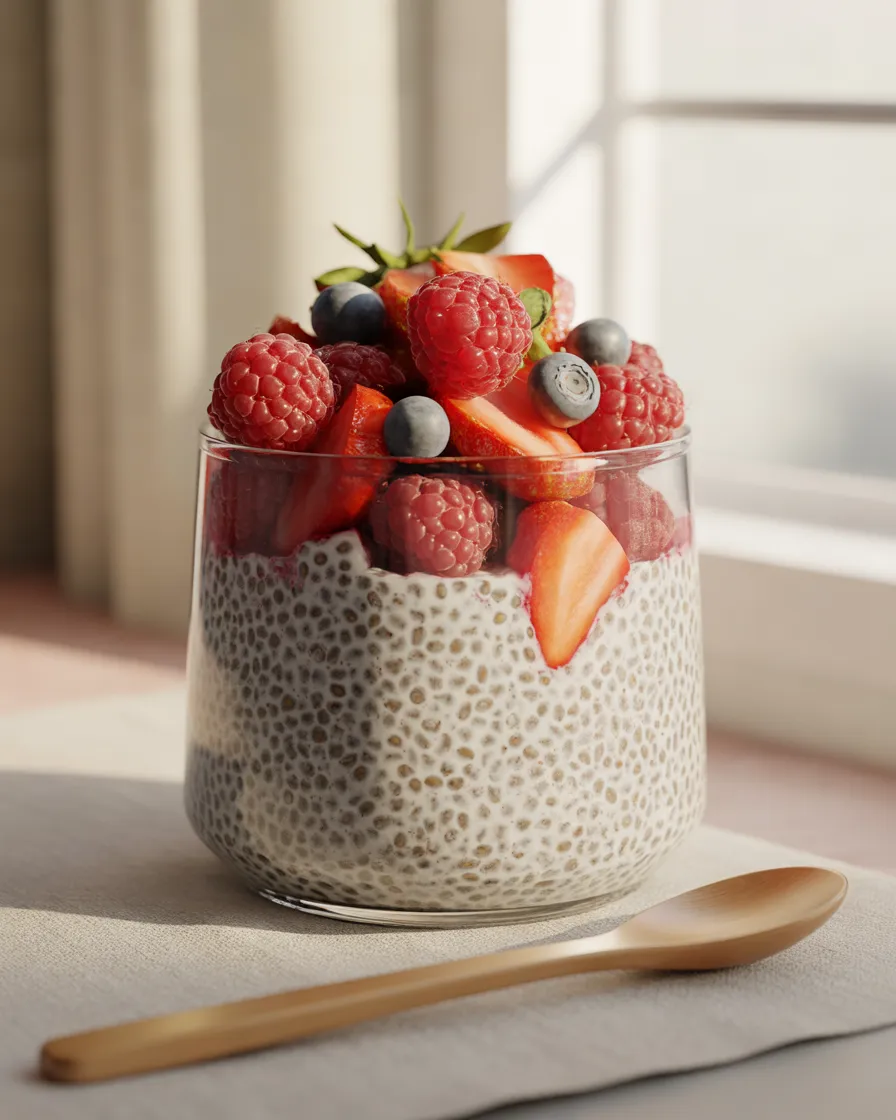
Chia pudding is another breakfast that requires almost no cooking. When combined with skyr, a thick cultured dairy product containing substantial protein, it becomes a more protein-rich meal than traditional chia pudding made with milk alone.
For one serving, mix 150 grams of plain nonfat skyr with one tablespoon of chia seeds and half a cup of unsweetened almond milk. Stir thoroughly and refrigerate for several hours or overnight. Add fresh raspberries or strawberries before serving.
Estimated nutrition: Approximately 180–190 calories and 19 grams of protein.
Benefits: Skyr provides protein and calcium, while chia seeds contribute fiber and plant-based omega-3 fats. Berries add natural sweetness and useful micronutrients.
Practical tips: Stir the mixture again after approximately 10 minutes to prevent the seeds from clumping. Add more almond milk if the pudding becomes too thick.
How to use it: Divide the mixture into individual jars for convenient meal preparation. Top with fruit immediately before eating.
Who it may suit: People who prefer make-ahead breakfast recipes, enjoy creamy textures, or want a simple alternative to overnight oats.
Important considerations: Chia seeds absorb liquid and expand, so mix them thoroughly and allow sufficient hydration. People with swallowing difficulties should seek appropriate dietary advice before consuming thick seed-based mixtures.
11. Edamame and Egg Breakfast Protein Bowl
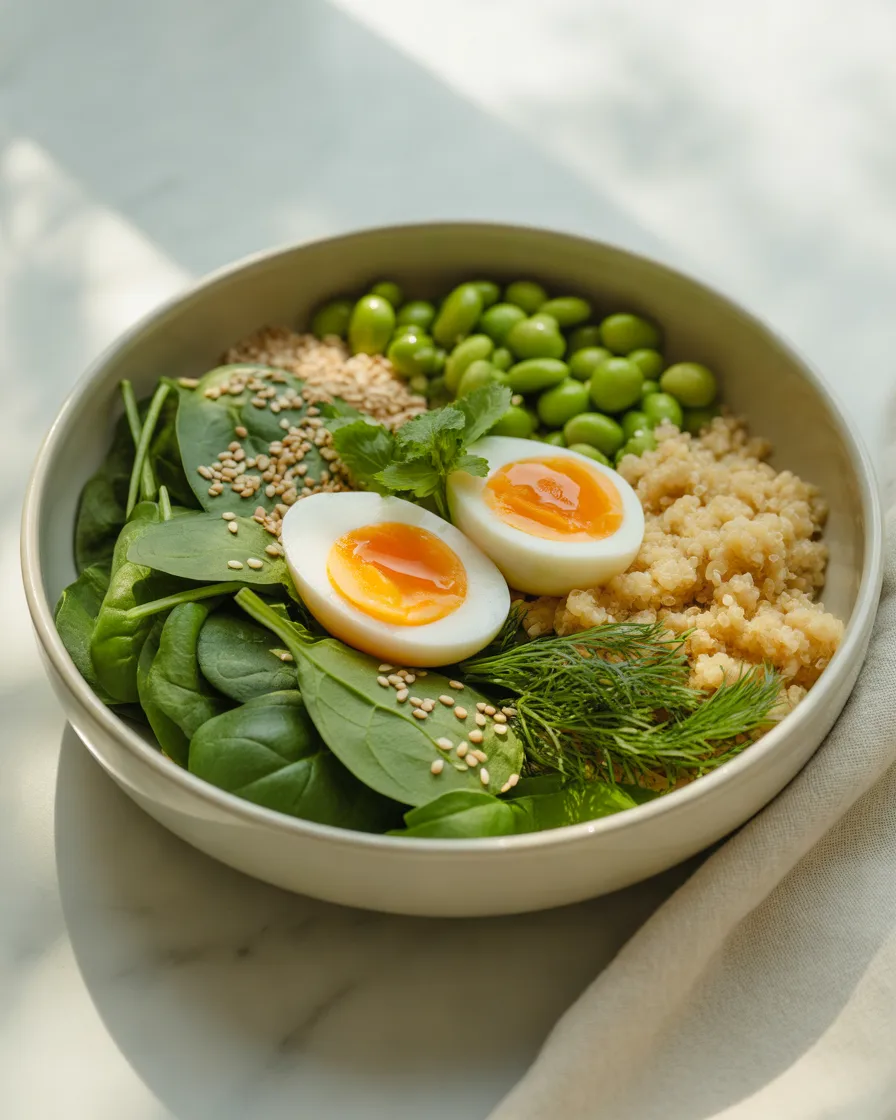
If you prefer something different from traditional Western breakfast foods, an edamame and egg bowl is a practical option. It combines plant-based protein with eggs, vegetables, and a small portion of whole grains.
For one serving, combine one cooked egg, half a cup of shelled edamame, a handful of spinach, and one-quarter cup of cooked quinoa. Add a little low-sodium soy sauce, lemon juice, and black pepper.
Estimated nutrition: Approximately 230–240 calories and 18 grams of protein.
Benefits: Edamame provides plant protein, fiber, and several essential nutrients. Eggs add additional protein, while quinoa contributes carbohydrates and a small amount of extra protein.
Practical tips: Frozen shelled edamame is convenient and easy to prepare. Cook it according to package instructions, then drain thoroughly. Prepare quinoa in advance to save time.
How to use it: Arrange the ingredients in a bowl, slice the cooked egg in half, and finish with a light dressing of lemon juice and low-sodium soy sauce.
Who it may suit: People interested in plant-forward eating, those who enjoy savory breakfast bowls, and anyone who wants a change from conventional cereal or toast.
Important considerations: Soy sauce can increase sodium intake, so use a small amount. People with soy allergies should avoid edamame.
12. Cottage Cheese and Banana Oat Pancakes
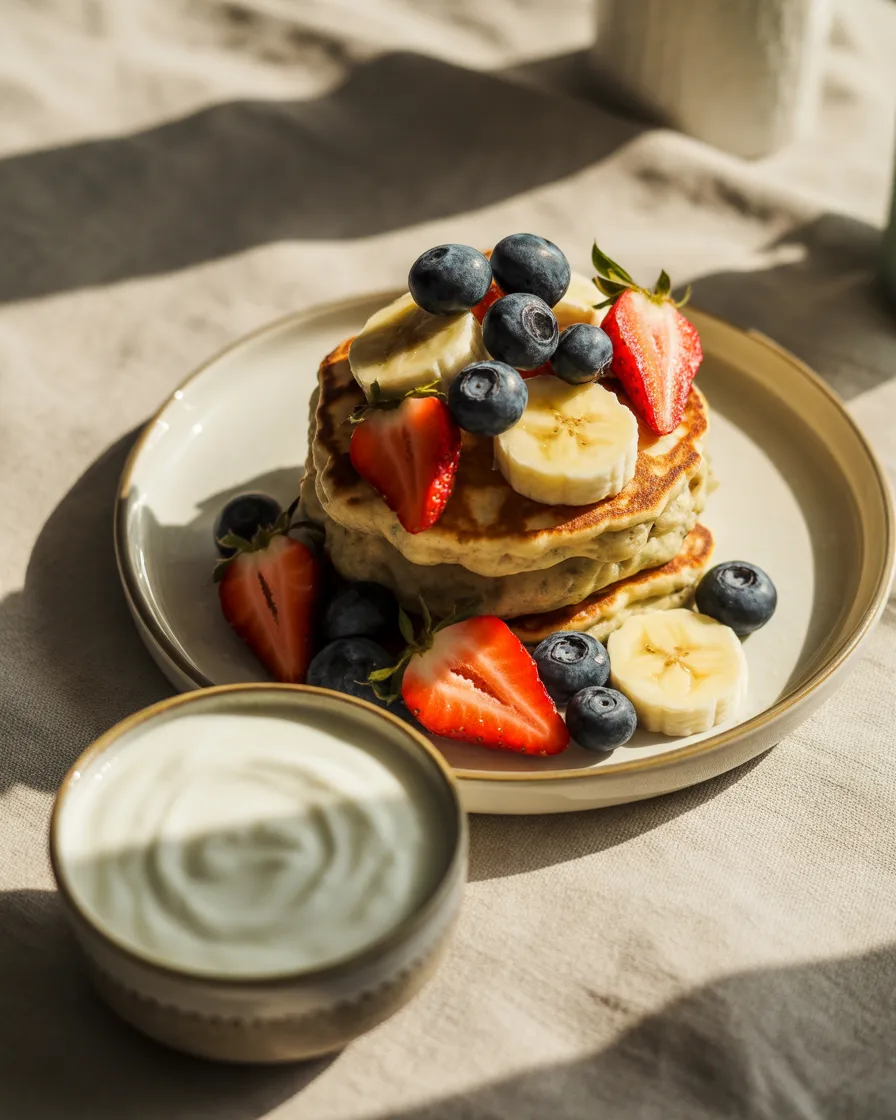
If you enjoy sweet breakfasts but want something more balanced than traditional pancakes, cottage cheese and banana oat pancakes are worth trying. They use simple ingredients and provide protein from cottage cheese and eggs.
For one serving, blend half a cup of low-fat cottage cheese, one egg, one-quarter cup of rolled oats, half a banana, cinnamon, and a little baking powder. Blend until smooth and cook small pancakes in a nonstick pan.
Estimated nutrition: Approximately 285–300 calories and 20–21 grams of protein.
Benefits: Cottage cheese and eggs provide protein, while oats contribute fiber and carbohydrates. Banana adds natural sweetness, reducing the need for additional sugar or syrup.
Practical tips: Cook the pancakes over medium-low heat because the batter can brown quickly. Make smaller pancakes so they are easier to flip without breaking.
How to use it: Serve with fresh strawberries, blueberries, or a small spoonful of plain Greek yogurt. If you use maple syrup or honey, keep the portion modest.
Who it may suit: People who enjoy sweet breakfasts, families looking for homemade alternatives, and anyone who wants a protein-rich breakfast without using protein powder.
Important considerations: Portion size and toppings affect the final calorie count. Choose low-fat cottage cheese if you want to keep the estimated calories closer to the suggested range.
Expert Tips for Making a Low Calorie High Protein Breakfast More Nutritious
Choosing protein-rich foods is a useful starting point, but the overall quality of your breakfast also matters. A balanced morning meal should provide more than protein alone.
Here are some practical ways to improve your breakfast routine.
1. Choose protein sources that suit your lifestyle.
You do not need to eat eggs or meat every morning to increase protein intake. Greek yogurt, cottage cheese, tofu, lentils, edamame, and suitable protein supplements can all contribute to your daily protein intake.
Rotate different sources throughout the week to add variety.
2. Do not remove carbohydrates unnecessarily.
Oats, whole-grain bread, fruit, and quinoa can provide useful energy and fiber. A high protein breakfast does not need to be completely carbohydrate-free. Focus on food quality and appropriate portions instead of eliminating entire food groups without a reason.
3. Pay attention to added sugar.
Flavored yogurt, sweetened breakfast cereals, packaged smoothies, and commercial granola can contain substantial amounts of added sugar. Read ingredient lists and nutrition labels when choosing packaged products.
4. Include fruits or vegetables.
Adding spinach to scrambled eggs, berries to yogurt, or tomatoes to a breakfast wrap can improve the variety of nutrients in your meal.
A useful general approach is to include vegetables or fruit, a protein source, and a suitable whole-grain option. Harvard’s Healthy Eating Plate provides a helpful framework for building balanced meals.
5. Prepare breakfast ingredients in advance.
Meal preparation does not need to involve cooking every meal on Sunday. You can simply wash berries, portion yogurt, cook quinoa, prepare lentils, or chop vegetables in advance.
Having ingredients ready makes it easier to choose a nutritious breakfast when you have limited time.
6. Avoid making calories the only priority.
A breakfast with very few calories may not provide enough energy or nutrients for everyone. Consider your activity level, appetite, health requirements, and overall daily intake rather than choosing the lowest-calorie option automatically.
7. Choose protein powder carefully.
Protein powder can be convenient, but it is not essential if you already obtain enough protein through food. If you use a supplement, check the protein content, added sugars, allergens, and ingredient information.
8. Drink enough water.
Water supports normal body functions and can be a practical addition to your morning routine. Unsweetened tea and coffee can also fit into a balanced breakfast, depending on individual preferences and caffeine tolerance.
How to Build Your Own High Protein Breakfast
You do not have to follow a recipe every morning. Once you understand the basic components, you can create different meals using ingredients already available in your kitchen.
Consider this simple combination:
- Protein: Eggs, Greek yogurt, cottage cheese, tofu, turkey, or lentils.
- Fiber-rich foods: Berries, spinach, oats, chia seeds, or whole-grain bread.
- Healthy fats: Small portions of chia seeds, flaxseed, nuts, or avocado.
- Flavor: Lemon, cinnamon, herbs, garlic, black pepper, or fresh salsa.
For example, you could combine cottage cheese with whole-grain toast on Monday, prepare overnight oats on Tuesday, and enjoy a tofu scramble on Wednesday.
This approach provides variety without requiring an entirely different shopping list every day.
Frequently Asked Questions About Low Calorie High Protein Breakfast
1. What Is the Best Low Calorie High Protein Breakfast?
Greek yogurt with fresh berries, egg white and cottage cheese scramble, and protein smoothies are excellent options. They provide a useful amount of protein without requiring large portions or complicated preparation.
The best choice depends on your food preferences, nutritional requirements, and daily routine.
2. How Much Protein Should a Healthy Breakfast Contain?
There is no universal protein target for breakfast. Your total daily protein requirement depends on factors such as body weight, age, physical activity, and health status.
For context, the general recommended dietary allowance for healthy adults is approximately 0.8 grams of protein per kilogram of body weight per day. Some individuals may have different requirements, so a healthcare professional or registered dietitian can help establish an appropriate target.
3. Can I Eat Eggs Every Morning for Breakfast?
Eggs can be part of a balanced breakfast because they provide high-quality protein and several nutrients. However, dietary needs and cholesterol considerations vary between individuals.
You can also alternate whole eggs with egg whites, Greek yogurt, cottage cheese, tofu, and other protein sources to add variety.
People with specific cholesterol concerns or medical dietary restrictions should discuss their individual requirements with a healthcare professional.
4. What Are Some Quick High Protein Breakfast Ideas?
If you have limited time, consider these options:
- Greek yogurt with berries and chia seeds.
- Cottage cheese on whole-grain toast.
- A banana and spinach protein smoothie.
- Overnight oats prepared the previous evening.
- A boiled egg with a small serving of edamame.
Most of these options require very little preparation and can fit into a busy morning routine.
5. Are High Protein Breakfasts Good for Weight Management?
A protein-rich breakfast can help some people feel satisfied after eating and make it easier to build a balanced eating routine. However, eating more protein does not automatically lead to weight loss.
Long-term weight management depends on several factors, including overall food intake, physical activity, sleep, health conditions, and sustainable lifestyle habits.
Choose nutritious portions that meet your energy needs rather than relying on extremely restrictive breakfasts.
6. What Can Vegetarians Eat for a Low Calorie High Protein Breakfast?
Vegetarians have several convenient options, including:
- Greek yogurt and berry bowls.
- Cottage cheese toast.
- Tofu scrambles.
- Red lentil pancakes.
- Skyr chia pudding.
- Cottage cheese oat pancakes.
These meals combine different protein sources with fruits, vegetables, and whole grains.
Vegans can choose tofu, soy-based yogurt, edamame, lentils, and suitable plant-based protein products.
7. Can I Prepare High Protein Breakfasts the Night Before?
Yes. Overnight oats, chia pudding, Greek yogurt bowls, and cooked breakfast wraps are convenient make-ahead choices.
Store prepared meals in clean, covered containers in the refrigerator. Keep perishable ingredients properly chilled and follow appropriate food-safety and storage guidance.
For the best texture, add fresh fruit and crunchy toppings shortly before eating.
8. Are Low Calorie Breakfasts Suitable for Everyone?
Not necessarily. People have different energy and nutritional requirements. Athletes, growing teenagers, pregnant or breastfeeding individuals, and people recovering from illness may need additional energy or specific nutrients.
People with diabetes, kidney disease, food allergies, or other medical dietary requirements should seek individualized advice from a qualified healthcare professional.
Conclusion
Eating a nutritious breakfast does not have to mean choosing between delicious food and balanced nutrition. With the right ingredients, it is possible to prepare meals that provide substantial protein while keeping portions and calorie content appropriate for your needs.
These 12 low calorie high protein breakfast ideas offer something for almost every preference, from Greek yogurt bowls and overnight oats to savory lentil pancakes and tofu scrambles.
Start with two or three recipes that appeal to you, prepare ingredients ahead of time, and gradually introduce more variety into your morning routine. Focus on protein, fiber, fruits, vegetables, and whole foods rather than simply counting calories.
The most effective breakfast routine is one that is nutritious, enjoyable, practical, and sustainable over time.
Suggested Authoritative Nutrition References
For an E-E-A-T-friendly health article, these sources are useful for editorial fact-checking and further reading:
- Harvard T.H. Chan School of Public Health – Healthy Eating Plate: https://nutritionsource.hsph.harvard.edu/healthy-eating-plate/
- American Heart Association – Protein and Heart Health: https://www.heart.org/en/healthy-living/healthy-eating/eat-smart/nutrition-basics/protein-and-heart-health
- CDC – Healthy Eating Tips: https://www.cdc.gov/nutrition/features/healthy-eating-tips.html
- USDA – FoodData Central: https://fdc.nal.usda.gov/