Eating more vegetables does not mean giving up delicious meals or spending hours preparing food. In fact, some of the most satisfying dishes are made with simple ingredients such as beans, lentils, fresh vegetables, whole grains, nuts, and dairy products. With a little creativity, you can prepare meals that are colorful, filling, flavorful, and suitable for everyday eating.
Whether you are a lifelong vegetarian, trying to reduce your meat consumption, or simply looking for healthier meal ideas, having a collection of reliable recipes makes planning much easier. The best healthy vegetarian recipes combine different food groups, offering a practical balance of fiber, protein, healthy fats, vitamins, and minerals.
Another advantage of vegetarian cooking is its flexibility. You can prepare quick breakfasts before work, pack nutritious lunches for school, or make comforting dinners for the whole family. Many recipes can also be adjusted to accommodate vegan, dairy-free, and gluten-free preferences.
In this guide, you will discover 12 healthy vegetarian recipes that use accessible ingredients and straightforward cooking methods. From Mediterranean chickpea bowls and sweet potato tacos to creamy lentil soup and homemade vegetable pasta, each idea includes preparation tips, potential benefits, serving suggestions, and important considerations.
1. Mediterranean Chickpea and Quinoa Bowl for a Protein-Rich Vegetarian Lunch
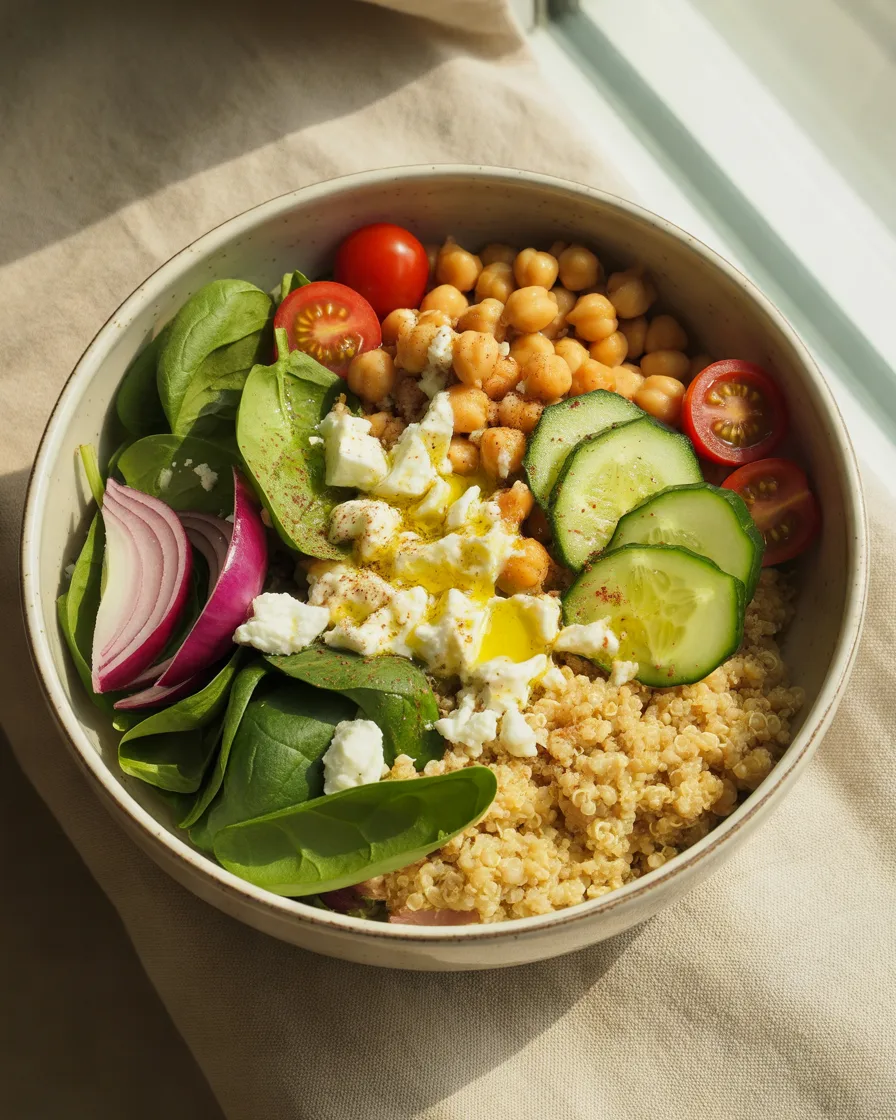
A Mediterranean chickpea and quinoa bowl is an excellent choice when you want a refreshing, filling, and colorful meal. It combines fluffy quinoa with chickpeas, cucumber, tomatoes, leafy greens, and a simple lemon dressing. The ingredients create a satisfying combination of textures and flavors without requiring complicated cooking techniques.
Ingredients (2 servings):
- 1 cup cooked quinoa
- 1 cup cooked chickpeas
- 1 small cucumber, chopped
- 1 cup cherry tomatoes, halved
- 2 cups fresh spinach or mixed greens
- ¼ red onion, finely sliced
- 2 tablespoons crumbled feta cheese
- 1 tablespoon olive oil
- 1 tablespoon lemon juice
- Black pepper and dried oregano
Preparation: Divide the cooked quinoa between two bowls. Add chickpeas, cucumber, tomatoes, spinach, and red onion. Mix olive oil, lemon juice, oregano, and black pepper in a small bowl. Pour the dressing over the ingredients and finish with crumbled feta.
Benefits: Quinoa contributes protein and fiber, while chickpeas provide plant-based protein, carbohydrates, and fiber. Fresh vegetables add variety and important micronutrients. Olive oil contributes unsaturated fats.
Practical tips: Cook quinoa in advance and refrigerate it in individual portions. Add avocado, roasted peppers, or pumpkin seeds when you want additional variety.
How to use it: Enjoy this bowl as a weekday lunch, light dinner, or meal-prep option. Keep the dressing separate until serving to maintain the vegetables’ freshness.
Who it may suit: Vegetarians, busy professionals, students, and anyone looking for a convenient plant-based lunch.
Important considerations: Feta contains dairy, so use a dairy-free alternative if needed. Check packaged chickpeas for added sodium and rinse canned varieties before use.
2. Creamy Spinach and Mushroom Egg Muffins for a Healthy Vegetarian Breakfast

If your mornings are usually busy, spinach and mushroom egg muffins are a practical breakfast to prepare ahead of time. These small baked portions combine eggs with vegetables to create a savory meal that can be enjoyed at home or taken to work.
Ingredients (6 muffins):
- 4 large eggs
- ½ cup chopped fresh spinach
- ½ cup finely chopped mushrooms
- ¼ cup diced red bell pepper
- 2 tablespoons milk
- ¼ cup shredded cheddar cheese
- ½ teaspoon olive oil
- Black pepper and a pinch of paprika
Preparation: Preheat the oven to 180°C or 350°F. Lightly grease a six-cup muffin tin. Heat olive oil in a pan and cook the mushrooms and bell pepper until softened. Add spinach and cook briefly. Whisk eggs, milk, pepper, and paprika. Divide the vegetables between the muffin cups, add the egg mixture, and sprinkle with cheese. Bake for approximately 18–22 minutes, until the centers are set.
Benefits: Eggs provide protein and several essential nutrients, while spinach and mushrooms contribute vitamins, minerals, and additional variety. The individual portions also make breakfast planning easier.
Practical tips: Add finely chopped broccoli, zucchini, or spring onions. Avoid overfilling the muffin cups because the mixture expands during baking.
How to use it: Serve two muffins with whole-grain toast or fresh fruit. Refrigerate leftovers promptly and reheat thoroughly before eating.
Who it may suit: People who prefer savory breakfasts, families, and anyone who wants a convenient make-ahead vegetarian meal.
Important considerations: This recipe contains eggs and dairy. Egg allergies require an alternative recipe rather than simply removing the eggs, because they provide the structure of the muffins.
3. Sweet Potato and Black Bean Tacos for a Fiber-Rich Vegetarian Dinner
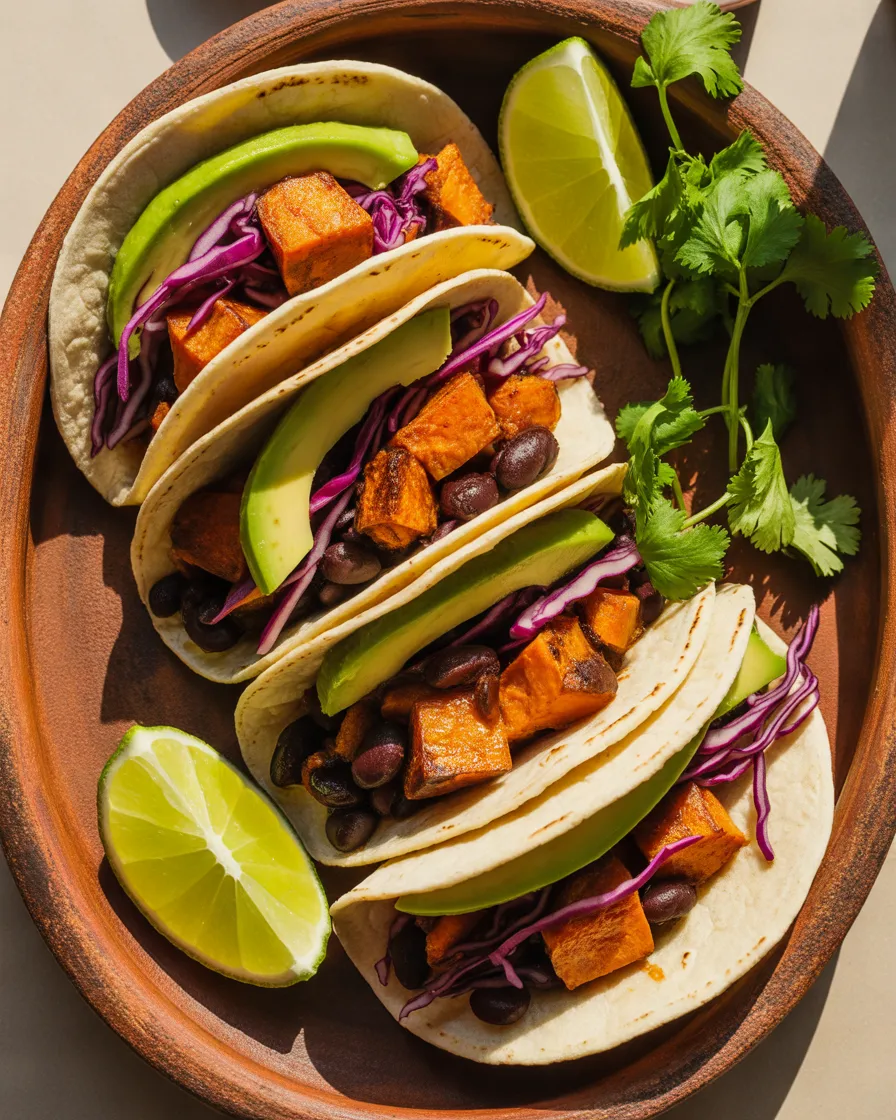
Sweet potato and black bean tacos are a delicious way to bring more vegetables and legumes into your weekly meal plan. The natural sweetness of roasted sweet potatoes works beautifully with the earthy flavor of black beans, fresh avocado, lime, and crunchy cabbage.
Ingredients (4 tacos):
- 1 medium sweet potato, peeled and cubed
- 1 cup cooked black beans
- 4 small whole-wheat or corn tortillas
- ½ avocado, sliced
- 1 cup shredded cabbage
- 1 tablespoon olive oil
- ½ teaspoon ground cumin
- ½ teaspoon smoked paprika
- Lime juice
- Fresh coriander
Preparation: Preheat the oven to 200°C or 400°F. Toss sweet potato cubes with olive oil, cumin, and smoked paprika. Roast for approximately 20–25 minutes until tender and lightly browned. Warm the black beans in a small saucepan. Heat the tortillas, then fill them with roasted sweet potatoes, black beans, cabbage, and avocado. Finish with lime juice and fresh coriander.
Benefits: Sweet potatoes provide fiber and beta-carotene, while black beans contribute plant protein, fiber, and minerals. Avocado adds unsaturated fats.
Practical tips: Roast a larger batch of sweet potatoes for other meals. Add plain Greek yogurt as a creamy topping or use a dairy-free alternative.
How to use it: Serve two tacos per person with a simple vegetable salad. These also work well for casual family dinners and vegetarian gatherings.
Who it may suit: Families, students, and people interested in meat-free meals with satisfying flavors.
Important considerations: Choose whole-grain tortillas when available. Check seasoning blends and canned beans for added sodium.
4. Tofu and Broccoli Stir-Fry with Brown Rice for a Balanced Plant-Based Meal
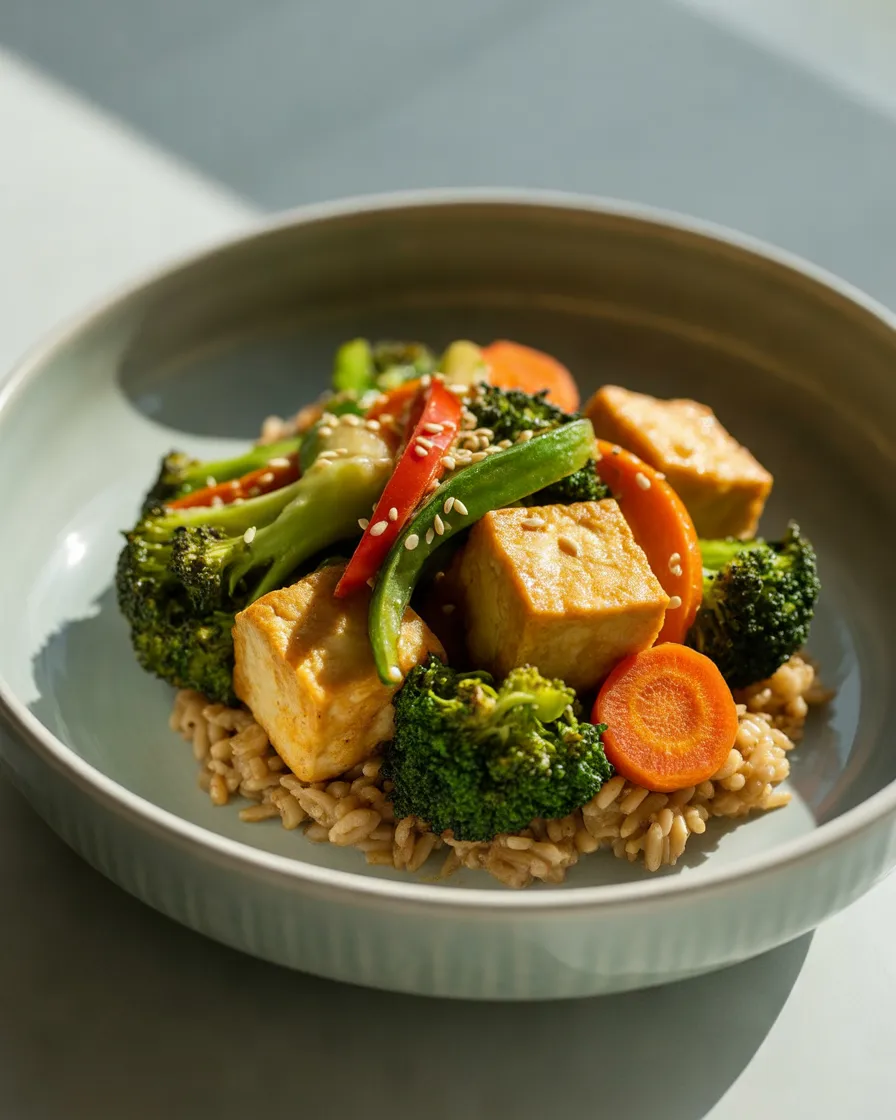
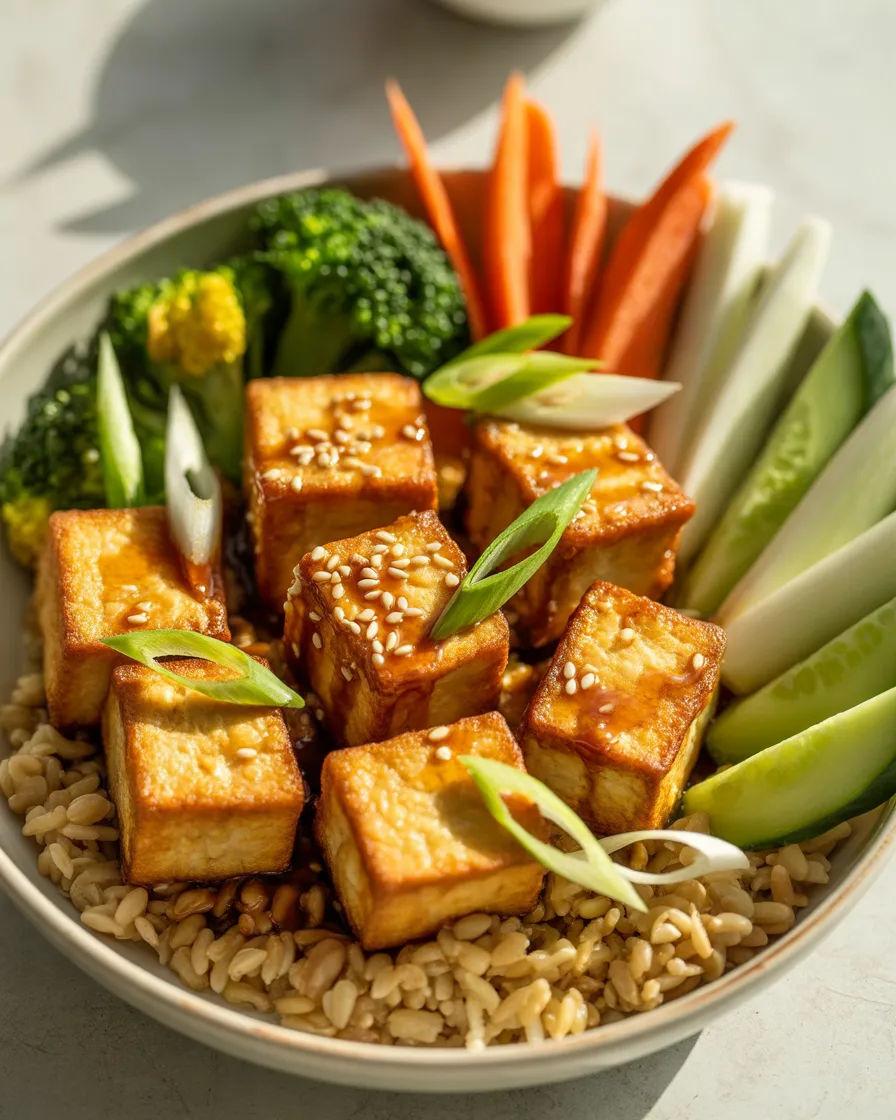
A tofu and broccoli stir-fry is a useful recipe when you need something nutritious without spending too much time in the kitchen. Firm tofu absorbs flavorful sauces, while broccoli, carrots, and bell peppers provide color and crunch. Brown rice makes the dish more substantial.
Ingredients (2 servings):
- 200 g firm tofu, cubed
- 2 cups broccoli florets
- 1 medium carrot, sliced
- ½ red bell pepper, sliced
- 1½ cups cooked brown rice
- 1 tablespoon olive oil or sesame oil
- 1 tablespoon reduced-sodium soy sauce
- 1 teaspoon grated fresh ginger
- 1 garlic clove, minced
- 1 teaspoon sesame seeds
Preparation: Press the tofu gently with a clean towel to remove excess moisture. Heat oil in a large pan and cook tofu until golden on several sides. Remove and set aside. Add broccoli, carrot, bell pepper, garlic, and ginger. Stir-fry for approximately 4–5 minutes. Return the tofu to the pan, add soy sauce, and toss until everything is heated through. Serve over cooked brown rice and sprinkle with sesame seeds.
Benefits: Tofu provides plant-based protein, while broccoli contributes fiber and vitamins. Brown rice adds whole-grain carbohydrates.
Practical tips: Use extra-firm tofu for better texture. A little lemon juice or rice vinegar can brighten the sauce without requiring extra sugar.
How to use it: Serve as a complete lunch or dinner. Divide into meal-prep containers with rice and refrigerate promptly.
Who it may suit: People following vegetarian or vegan diets, busy households, and anyone who enjoys Asian-inspired meals.
Important considerations: Soy is a common food allergen. Use gluten-free tamari instead of regular soy sauce if gluten avoidance is necessary.
5. Red Lentil and Tomato Soup for a Comforting High-Fiber Lunch
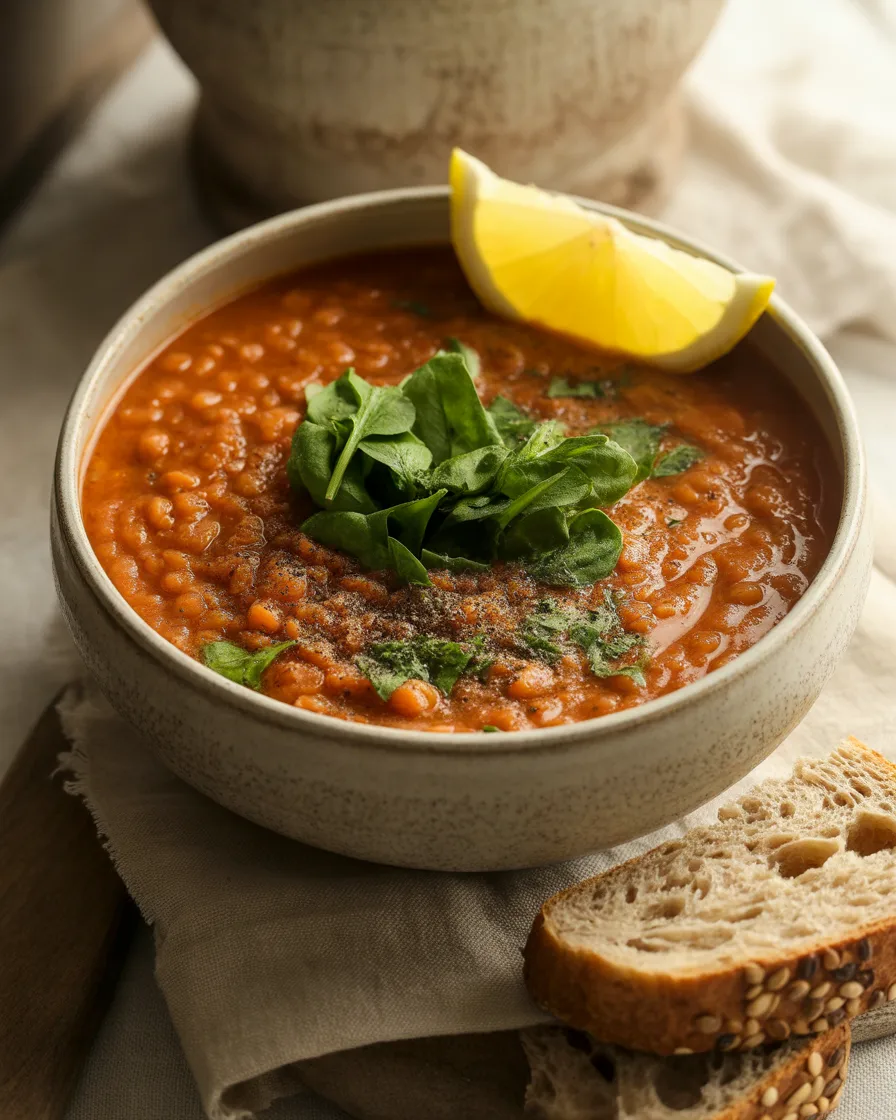
Red lentil and tomato soup is a comforting vegetarian meal that works particularly well on cooler days. Red lentils soften during cooking, creating a naturally thick texture without requiring cream or butter. Tomatoes, onions, carrots, and spices bring additional flavor.
Ingredients (4 servings):
- 1 cup dried red lentils, rinsed
- 1 can chopped tomatoes (approximately 400 g)
- 1 small onion, chopped
- 1 carrot, diced
- 2 garlic cloves, minced
- 4 cups vegetable broth
- 1 tablespoon olive oil
- ½ teaspoon ground cumin
- ½ teaspoon paprika
- Black pepper
- Fresh lemon juice
Preparation: Heat olive oil in a large pot. Add onion and carrot and cook until softened. Stir in garlic, cumin, and paprika. Add rinsed lentils, chopped tomatoes, and vegetable broth. Bring to a boil, then reduce the heat and simmer for approximately 20–25 minutes, stirring occasionally. Once the lentils are soft, blend a portion of the soup if you prefer a smoother consistency. Finish with lemon juice.
Benefits: Lentils provide plant-based protein, dietary fiber, iron, and folate. Tomatoes add flavor and contain lycopene. The combination makes a satisfying meal with relatively inexpensive ingredients.
Practical tips: Add spinach during the final few minutes of cooking. If the soup becomes too thick, add a little water or vegetable broth.
How to use it: Serve with whole-grain bread, a side salad, or roasted vegetables. Prepare a larger batch for convenient lunches during the week.
Who it may suit: Families, budget-conscious cooks, vegetarians, and people looking for a warm, filling lunch.
Important considerations: Use low-sodium vegetable broth if you are monitoring sodium intake. People who are not accustomed to eating legumes regularly may prefer starting with smaller portions.
6. Whole-Wheat Vegetable and Hummus Wrap for an Easy Healthy Lunch
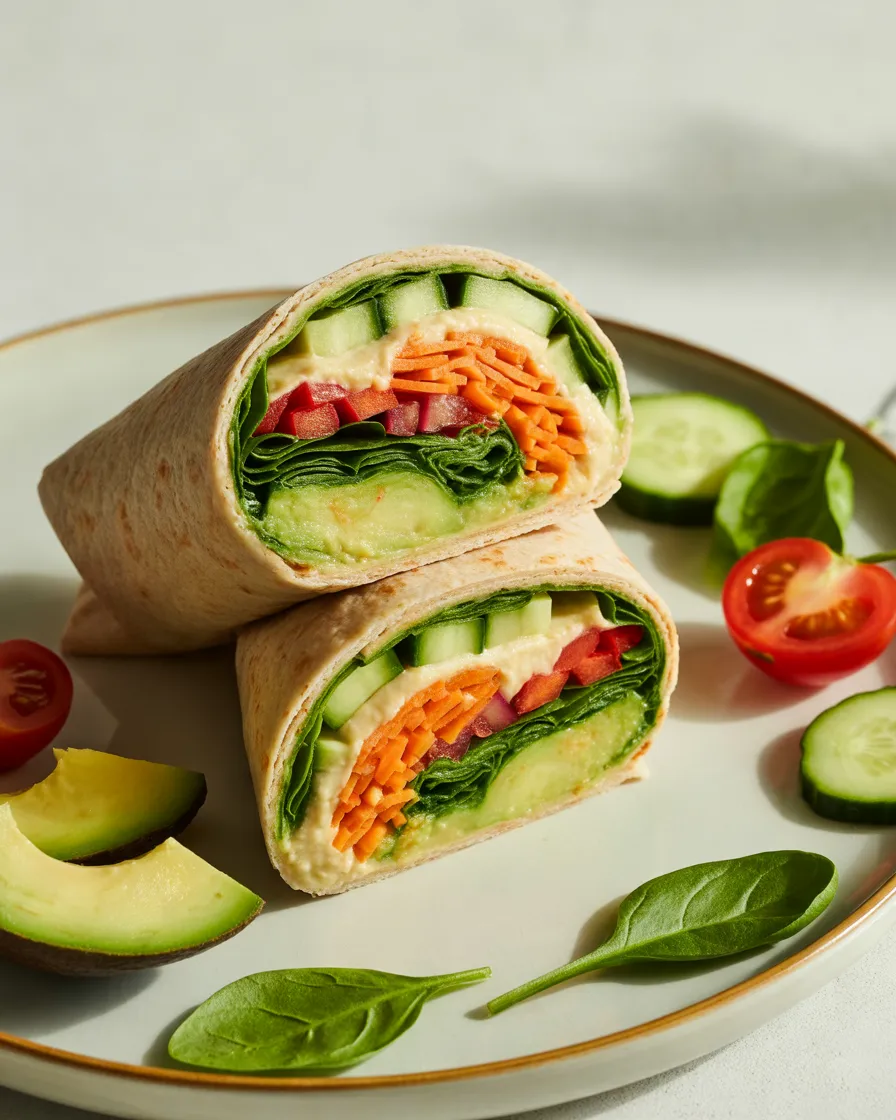
A vegetable and hummus wrap is one of the easiest healthy vegetarian recipes to prepare when you need a portable lunch. It combines creamy hummus with crunchy vegetables and whole-wheat flatbread, creating a convenient alternative to heavily processed takeaway sandwiches.
Ingredients (2 wraps):
- 2 whole-wheat tortillas
- ½ cup hummus
- ½ cucumber, cut into thin strips
- 1 small carrot, grated
- ½ red bell pepper, sliced
- 1 cup baby spinach
- ¼ avocado, sliced
- A little lemon juice
- Black pepper
Preparation: Place the tortillas on a clean surface. Spread a generous layer of hummus across the center of each tortilla. Arrange spinach, cucumber, carrot, bell pepper, and avocado on top. Add lemon juice and black pepper. Fold the sides inward and roll tightly. Cut each wrap diagonally before serving.
Benefits: Hummus provides chickpeas and tahini, contributing plant protein, fiber, and unsaturated fats. Whole-wheat tortillas provide whole grains, while the vegetables add color and texture.
Practical tips: Use roasted vegetables instead of raw vegetables for a different flavor. Add cooked lentils or edamame if you want more protein.
How to use it: Pack the wrap for work, school, picnics, or travel. Keep it refrigerated until eating, particularly if prepared several hours in advance.
Who it may suit: Busy professionals, students, families, and people who prefer meals that require little or no cooking.
Important considerations: Check hummus ingredients for allergens such as sesame. Choose a tortilla that suits your dietary needs and check its sodium content.
7. Spinach and Paneer Curry for a Nutritious Vegetarian Dinner
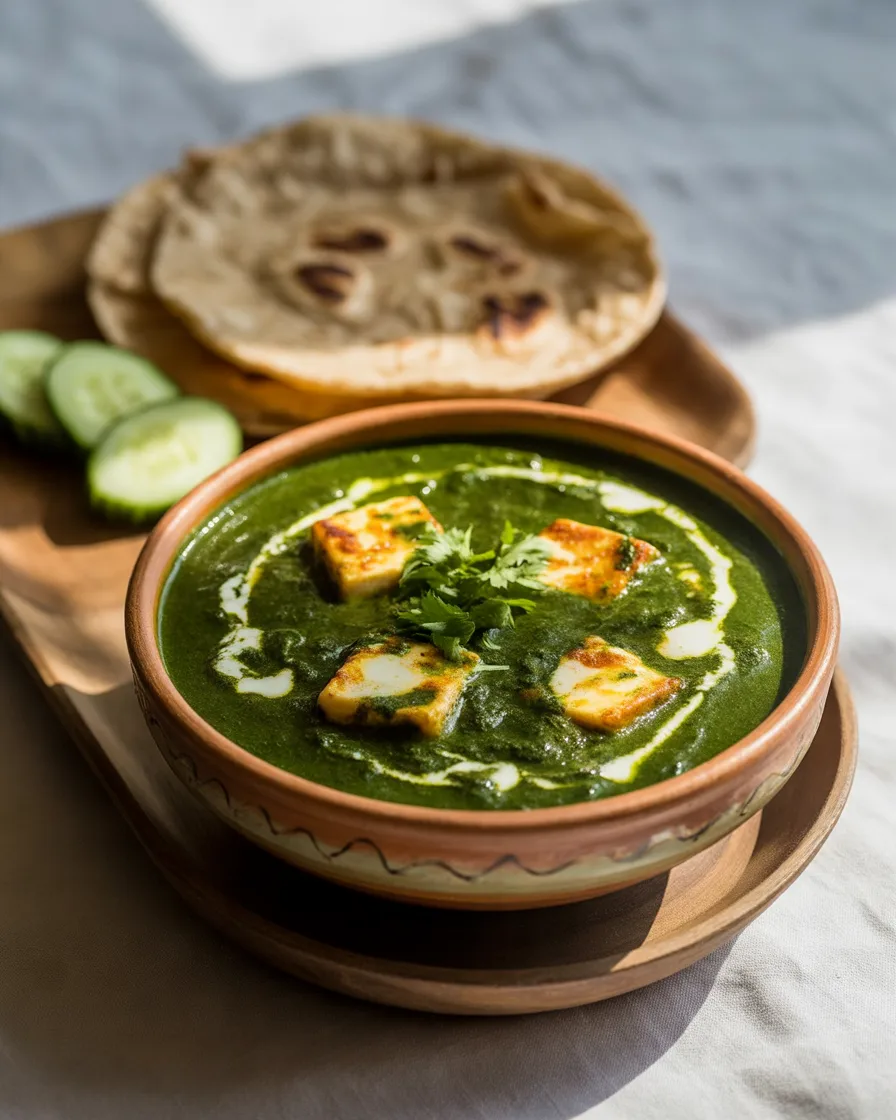
Spinach and paneer curry, commonly known as palak paneer, is a flavorful vegetarian dish that combines leafy greens with soft Indian cottage-style cheese. It is a practical way to include spinach in a comforting dinner while enjoying traditional spices and a creamy texture.
Ingredients (3 servings):
- 200 g paneer, cubed
- 4 cups fresh spinach
- 1 medium onion, chopped
- 2 tomatoes, chopped
- 2 garlic cloves
- 1 teaspoon grated ginger
- ½ teaspoon cumin
- ½ teaspoon ground coriander
- ½ teaspoon turmeric
- 1 tablespoon olive oil
- 2 tablespoons plain yogurt (optional)
- Black pepper and a little salt
Preparation: Blanch spinach briefly in boiling water, then transfer it to cold water. Drain and blend into a smooth puree. Heat oil in a pan and add cumin, onion, garlic, and ginger. Cook until fragrant. Add tomatoes and remaining spices. Cook until softened. Stir in the spinach puree and simmer gently. Add paneer cubes and cook for another 4–5 minutes. Stir in yogurt if desired.
Benefits: Spinach contributes folate, vitamin K, and other micronutrients. Paneer provides protein and calcium, although its fat content varies depending on the type.
Practical tips: Use moderate amounts of oil and choose a lighter paneer when available. Add peas for extra texture and variety.
How to use it: Serve with whole-wheat roti, brown rice, or a small portion of basmati rice alongside a fresh salad.
Who it may suit: Vegetarian households, people who enjoy Indian cuisine, and anyone seeking a flavorful way to include leafy vegetables.
Important considerations: Paneer contains dairy and may be relatively high in saturated fat and sodium. Portion size and product choice matter when planning a balanced diet.
8. White Bean and Vegetable Whole-Wheat Pasta for a Filling Vegetarian Meal
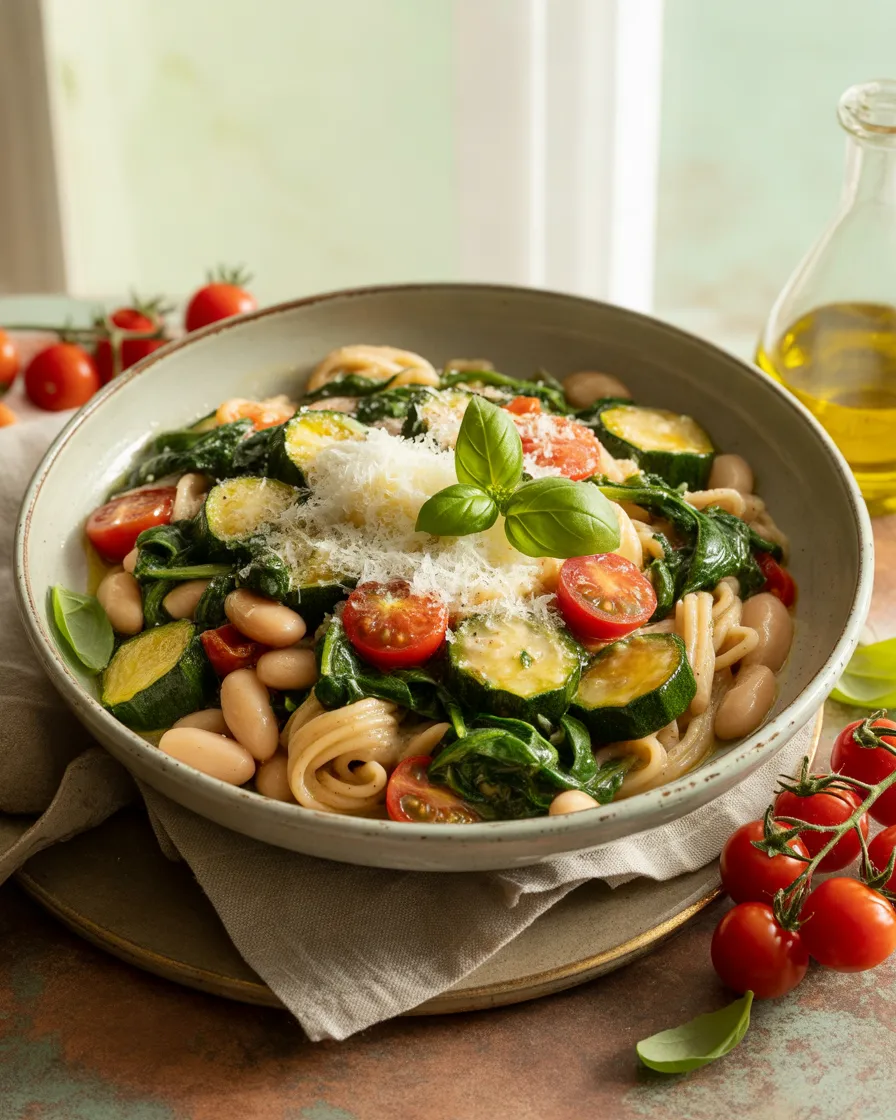
Pasta can be part of a balanced vegetarian diet, especially when paired with vegetables, beans, and a flavorful homemade sauce. White bean and vegetable pasta combines familiar comfort food with additional fiber and plant-based protein.
Ingredients (3 servings):
- 200 g whole-wheat pasta
- 1 cup cooked cannellini or butter beans
- 1 zucchini, diced
- 1 cup cherry tomatoes
- 1 cup chopped spinach
- 2 garlic cloves, minced
- 1 tablespoon olive oil
- ½ teaspoon dried oregano
- 2 tablespoons grated Parmesan
- Black pepper
Preparation: Cook pasta according to the package instructions and reserve a little cooking water. Heat olive oil in a pan. Add garlic and zucchini and cook until softened. Add cherry tomatoes, beans, oregano, and black pepper. Cook until the tomatoes begin to break down. Stir in spinach until wilted. Add the cooked pasta and a splash of reserved water. Toss everything together and finish with Parmesan.
Benefits: Whole-wheat pasta contributes whole grains and fiber. White beans add plant-based protein and additional fiber, while spinach and tomatoes provide micronutrients.
Practical tips: Use seasonal vegetables to keep costs manageable. Add fresh basil or lemon zest for a brighter flavor.
How to use it: Serve warm as a main meal or pack a portion for lunch. It can also be enjoyed chilled as a pasta salad.
Who it may suit: Families, pasta lovers, vegetarians, and anyone looking for a filling alternative to traditional meat-based pasta dishes.
Important considerations: This recipe contains gluten unless gluten-free pasta is used. Parmesan may contain animal-derived rennet, so check for vegetarian-certified cheese if strict vegetarian suitability matters.
9. Quinoa and Black Bean Stuffed Bell Peppers for a Colorful Vegetarian Dinner
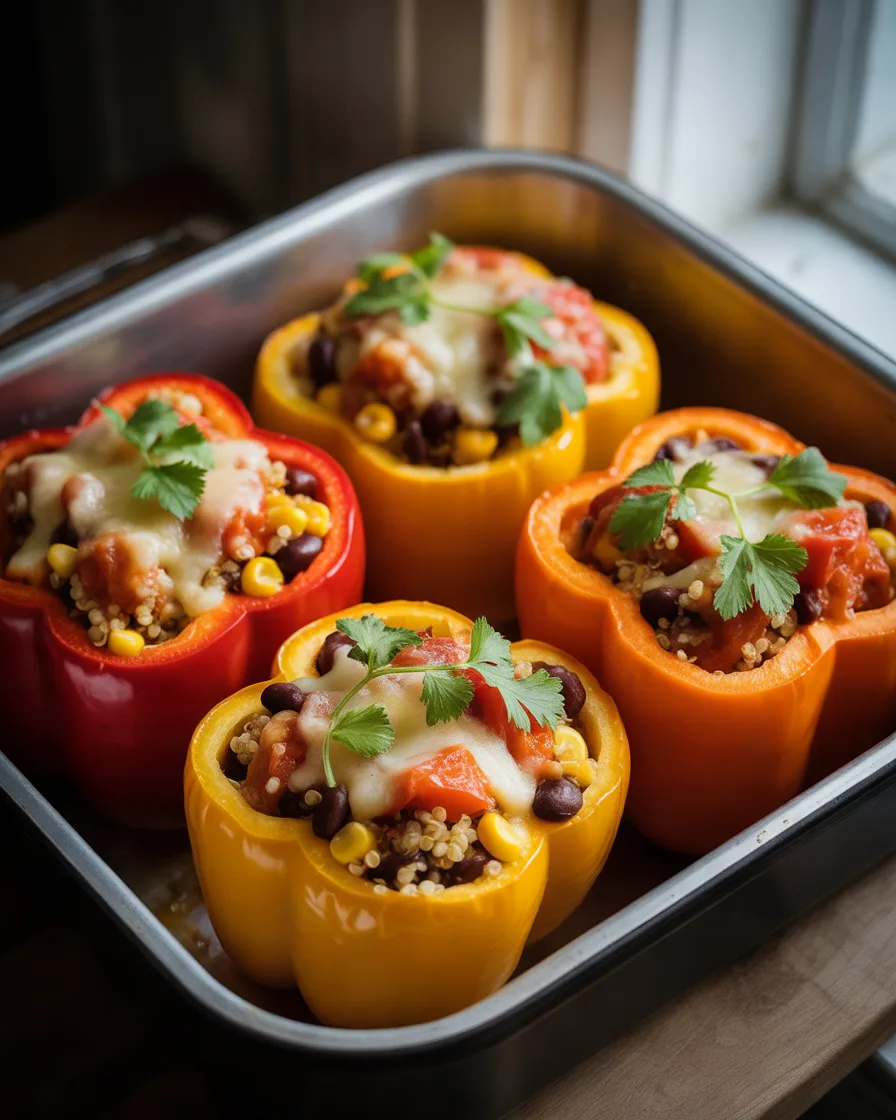
Stuffed bell peppers are an attractive and practical way to serve a complete vegetarian meal. Their natural shape makes them perfect for holding a mixture of quinoa, black beans, vegetables, and herbs. Baking brings out the peppers’ sweetness while allowing the filling to absorb the seasonings.
Ingredients (4 servings):
- 4 medium bell peppers
- 1 cup cooked quinoa
- 1 cup cooked black beans
- ½ cup corn kernels
- ½ cup diced tomatoes
- ¼ cup chopped onion
- ½ teaspoon cumin
- ½ teaspoon paprika
- ¼ cup shredded cheddar cheese (optional)
- Fresh coriander
Preparation: Preheat the oven to 190°C or 375°F. Cut the tops off the peppers and remove the seeds. Mix quinoa, black beans, corn, tomatoes, onion, cumin, and paprika in a bowl. Spoon the mixture into the peppers and arrange them in a baking dish. Cover loosely with foil and bake for approximately 25 minutes. Remove the foil, add cheese if desired, and bake for another 5–10 minutes until the peppers are tender.
Benefits: Quinoa and black beans provide complementary plant-based protein sources, while the vegetables contribute fiber and micronutrients. Bell peppers are also a source of vitamin C.
Practical tips: Prepare the filling in advance and refrigerate it separately. Use different pepper colors to make the dish visually appealing.
How to use it: Serve one or two stuffed pepper halves with a leafy green salad. Leftover filling can be used in wraps or grain bowls.
Who it may suit: Families, meal-prep enthusiasts, vegetarians, and people who enjoy colorful oven-baked meals.
Important considerations: Check canned beans and seasonings for sodium. If adding cheese, consider the amount according to your dietary preferences.
10. Edamame and Soba Noodle Salad for a Fresh Plant-Based Lunch
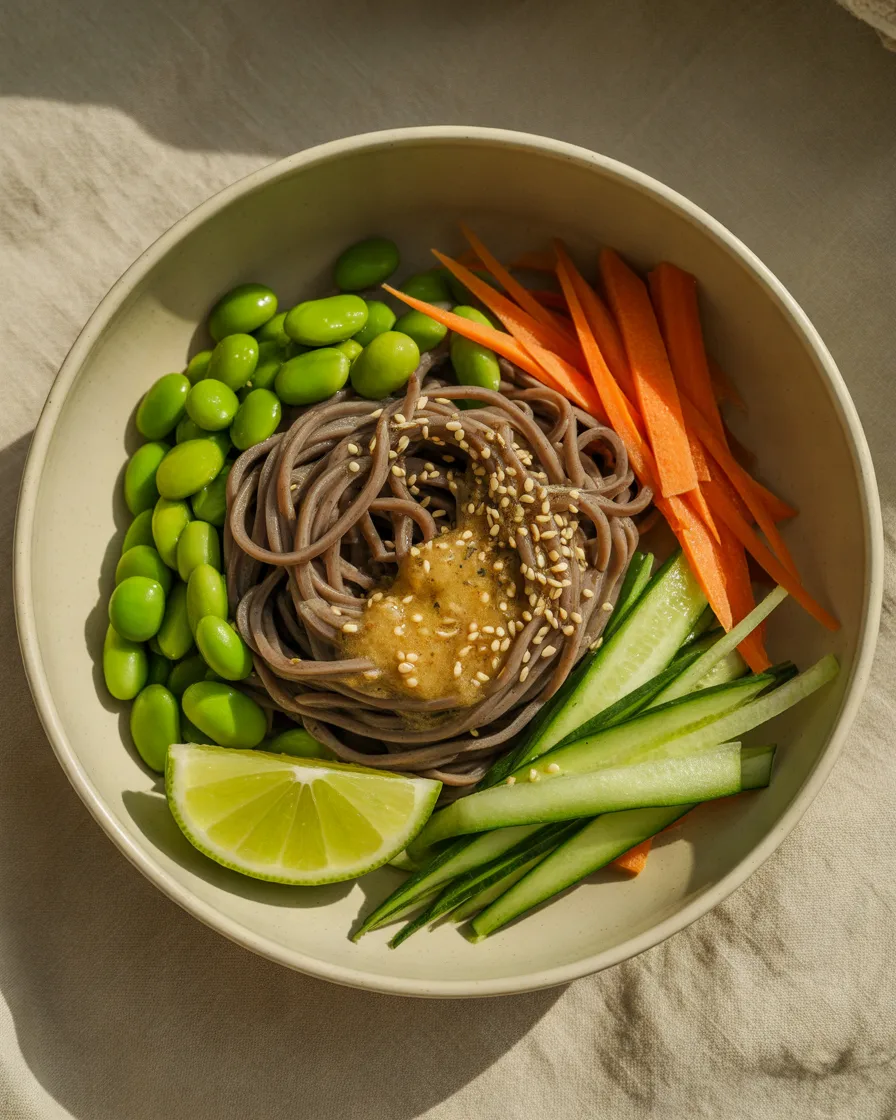
Edamame and soba noodle salad is a refreshing option when you want something different from traditional sandwiches or grain bowls. It combines buckwheat noodles with edamame, crunchy vegetables, and a light sesame dressing. The result is a convenient lunch that can be served cold or slightly warm.
Ingredients (2 servings):
- 150 g soba noodles
- 1 cup shelled edamame
- 1 small carrot, julienned
- ½ cucumber, thinly sliced
- 1 spring onion, chopped
- 1 tablespoon sesame seeds
- 1 tablespoon reduced-sodium soy sauce or tamari
- 1 teaspoon sesame oil
- 1 tablespoon lime juice
- ½ teaspoon grated ginger
Preparation: Cook soba noodles according to the package instructions. Drain and rinse under cold water to prevent sticking. Cook edamame according to its package instructions. Mix soy sauce, sesame oil, lime juice, and ginger to make the dressing. Combine noodles, edamame, carrot, cucumber, and spring onion in a large bowl. Pour over the dressing and toss gently. Finish with sesame seeds.
Benefits: Edamame provides plant-based protein and fiber. Buckwheat noodles contribute carbohydrates, while the vegetables add crunch and variety.
Practical tips: Add shredded cabbage, red pepper, or fresh coriander. Use 100% buckwheat soba if you want a gluten-free option, but always check the label.
How to use it: Serve chilled for lunch or as a side dish with tofu. Keep the dressing separate if preparing the salad ahead.
Who it may suit: People who enjoy Asian-inspired food, busy professionals, and anyone looking for a fresh vegetarian lunch.
Important considerations: Edamame and soy sauce contain soy. Some soba noodles contain wheat, so they are not automatically gluten-free.
11. Greek Yogurt and Berry Overnight Oats for a Healthy Vegetarian Breakfast
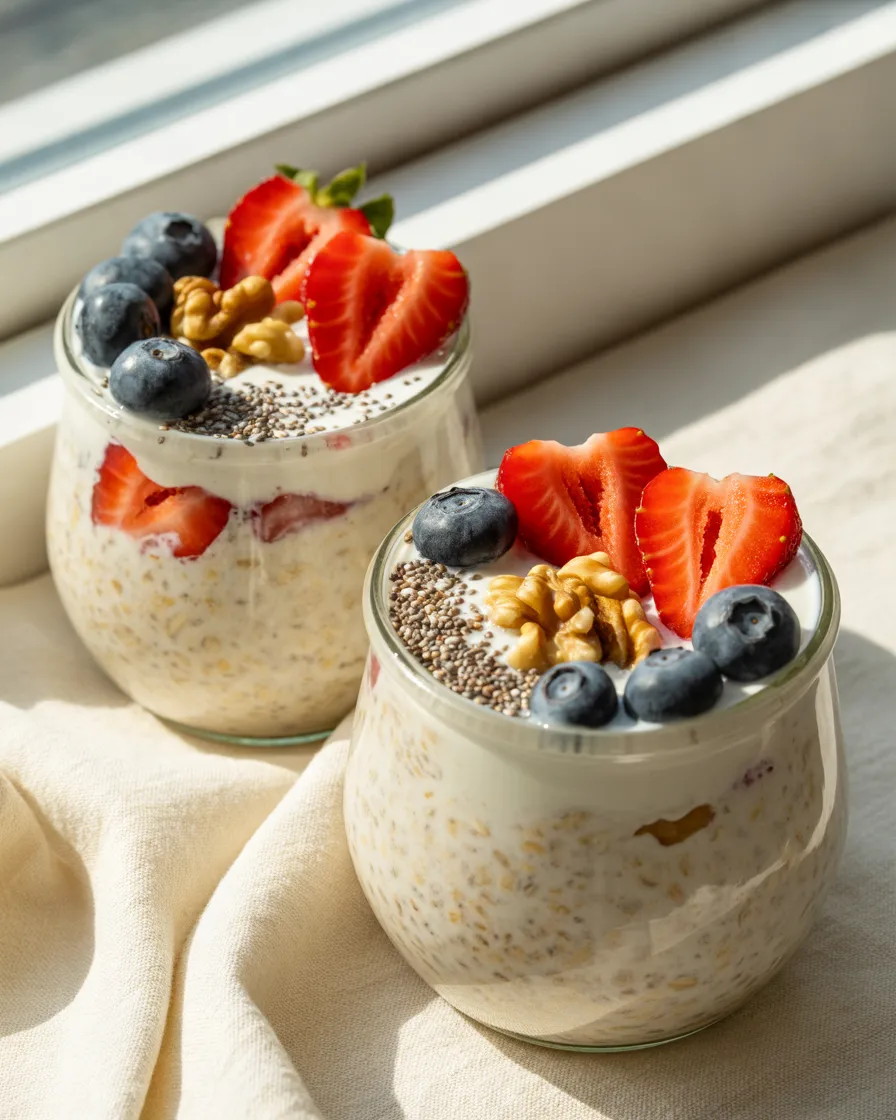
Overnight oats are an easy breakfast solution for people who prefer preparing meals in advance. This version combines rolled oats, Greek yogurt, milk, chia seeds, and fresh berries. After resting in the refrigerator, the mixture develops a creamy texture that is ready to eat in the morning.
Ingredients (2 servings):
- 1 cup rolled oats
- ½ cup plain Greek yogurt
- ¾ cup milk
- 1 tablespoon chia seeds
- ½ cup mixed strawberries and blueberries
- ½ teaspoon cinnamon
- 1 teaspoon honey or maple syrup (optional)
- 1 tablespoon chopped walnuts
Preparation: Divide the oats between two jars or containers. Add Greek yogurt, milk, chia seeds, and cinnamon. Stir thoroughly to distribute the ingredients. Cover and refrigerate for at least 6 hours or overnight. In the morning, stir again and add berries, walnuts, and a small amount of honey if desired. Add extra milk if the consistency is too thick.
Benefits: Oats provide whole-grain carbohydrates and soluble fiber. Greek yogurt adds protein and calcium, while berries contribute fiber and naturally occurring plant compounds. Walnuts provide unsaturated fats.
Practical tips: Use frozen berries if fresh ones are expensive or unavailable. Prepare two or three portions at a time while keeping them properly refrigerated.
How to use it: Enjoy straight from the refrigerator for breakfast or a convenient morning snack. Add banana slices or pumpkin seeds for variety.
Who it may suit: Students, office workers, families, and people who prefer quick breakfasts without morning cooking.
Important considerations: Dairy-free yogurt and fortified plant milk can be used, although their protein and calcium content may differ. Check labels for added sugars.
12. Mushroom and Lentil Shepherd’s Pie for a Healthy Vegetarian Comfort Meal
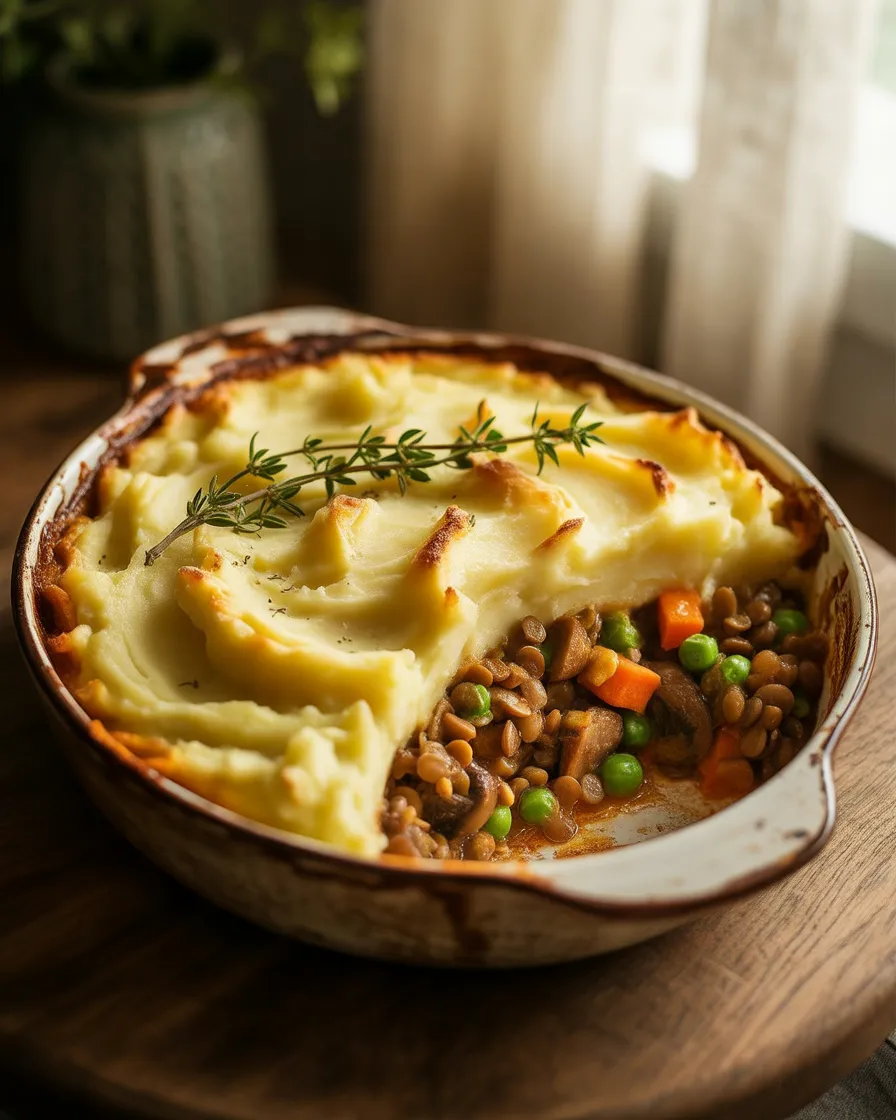
A mushroom and lentil shepherd’s pie offers the comforting texture of a traditional baked dinner with a satisfying vegetarian filling. Lentils replace the usual minced meat, while mushrooms, carrots, peas, and onions create a rich, savory base. A layer of mashed potatoes finishes the dish.
Ingredients (4 servings):
- 1 cup cooked brown or green lentils
- 1 cup chopped mushrooms
- 1 carrot, diced
- ½ cup green peas
- 1 small onion, chopped
- 2 tablespoons tomato paste
- 1 cup low-sodium vegetable broth
- 3 medium potatoes
- ¼ cup milk
- 1 tablespoon olive oil
- Black pepper and dried thyme
Preparation: Boil peeled potatoes until tender, then mash with milk and a little olive oil. In another pan, cook onion, carrots, and mushrooms in olive oil. Add lentils, peas, tomato paste, thyme, pepper, and vegetable broth. Simmer until the filling thickens. Transfer the mixture to a baking dish and spread mashed potatoes evenly over the top. Bake at 190°C or 375°F for approximately 20–25 minutes until lightly golden.
Benefits: Lentils provide fiber, plant protein, iron, and folate. Mushrooms and vegetables add variety, while potatoes contribute carbohydrates and potassium.
Practical tips: Leave some potato texture instead of over-mashing. Add chopped celery or spinach to increase vegetable variety.
How to use it: Serve with steamed green beans or a fresh salad. It is also suitable for batch cooking and freezing in individual portions.
Who it may suit: Families, vegetarians, people who enjoy traditional comfort food, and anyone looking for a filling meat-free dinner.
Important considerations: Check vegetable broth for sodium. Use plant milk and dairy-free toppings if you want to make the recipe vegan.
Expert Tips for Making Healthy Vegetarian Recipes More Balanced and Enjoyable
Preparing nutritious vegetarian meals becomes easier when you understand how to combine ingredients. You do not need expensive superfoods or complicated cooking methods. A few practical habits can make everyday meals more varied and satisfying.
1. Include a protein source in your main meals.
Beans, lentils, chickpeas, tofu, tempeh, edamame, eggs, Greek yogurt, and paneer are useful vegetarian protein options. Including one or more of these foods in your meals can help make them more satisfying.
2. Choose whole grains regularly.
Brown rice, oats, quinoa, barley, and whole-wheat pasta provide fiber and other nutrients. Try replacing some refined grains with whole-grain alternatives when they suit the recipe.
3. Eat a variety of colorful vegetables.
Different vegetables contain different combinations of vitamins, minerals, and plant compounds. Rotate leafy greens, carrots, tomatoes, broccoli, peppers, and seasonal vegetables rather than relying on only one or two varieties.
4. Use healthy fats in sensible portions.
Olive oil, avocado, nuts, seeds, and tahini contribute unsaturated fats. They can improve flavor and help make meals more satisfying, but portion sizes still matter because fats are energy-dense.
5. Make meal preparation easier.
Cook a batch of lentils, quinoa, or brown rice at the beginning of the week. Wash and chop vegetables in advance, and keep useful ingredients such as canned beans, frozen peas, and frozen spinach available.
6. Pay attention to iron and vitamin B12.
Vegetarian diets can provide iron through lentils, beans, tofu, spinach, seeds, and fortified cereals. Vitamin C-rich foods, such as citrus fruits and bell peppers, can help improve the absorption of iron from plant foods.
Vitamin B12 deserves particular attention, especially for people who avoid all animal products. Fortified foods or supplements may be needed depending on dietary intake. Consult a qualified healthcare professional or registered dietitian for individualized guidance.
7. Avoid relying too heavily on processed vegetarian alternatives.
Vegetarian burgers, meat substitutes, and packaged snacks can be convenient, but their nutritional profiles vary. Compare ingredient lists, protein content, sodium, and saturated fat rather than assuming every vegetarian product is automatically healthy.
Frequently Asked Questions About Healthy Vegetarian Recipes
1. What are the healthiest vegetarian recipes to eat regularly?
Meals that combine vegetables, legumes, whole grains, and a suitable protein source are useful everyday choices. Mediterranean chickpea bowls, lentil soup, tofu stir-fry, stuffed peppers, and bean-based pasta are examples of balanced vegetarian meals. Variety is important because different ingredients provide different nutrients.
2. How can I get enough protein from vegetarian recipes?
Include foods such as lentils, chickpeas, kidney beans, black beans, tofu, tempeh, edamame, eggs, Greek yogurt, and dairy products. Combining different plant protein sources throughout the day helps provide the essential amino acids your body needs.
3. Can healthy vegetarian recipes help with weight management?
They can fit into a balanced eating pattern that supports weight management. Vegetables, legumes, and whole grains often provide fiber, which may help with fullness. However, overall energy intake, portion sizes, activity levels, and individual needs also matter. No single vegetarian recipe guarantees weight loss.
4. What are some easy vegetarian meals for beginners?
Start with chickpea bowls, vegetable wraps, lentil soup, overnight oats, and tofu stir-fry. These recipes use accessible ingredients and straightforward preparation methods. Canned beans, frozen vegetables, and prewashed greens can make cooking even easier.
5. Are vegetarian meals suitable for meal preparation?
Yes. Many vegetarian meals can be prepared ahead of time. Lentil soup, quinoa bowls, stuffed peppers, overnight oats, and cooked grains are particularly convenient. Store prepared food in airtight containers in the refrigerator and follow food-safety guidance for storage and reheating.
6. How can I make these vegetarian recipes vegan?
Replace Greek yogurt with unsweetened plant-based yogurt, use dairy-free cheese instead of regular cheese, and substitute paneer with tofu. Replace honey with maple syrup and check packaged ingredients for animal-derived additives. Some vegetarian cheeses also contain animal rennet.
7. Are vegetarian recipes suitable for children?
Many are suitable for children when adjusted for their age, appetite, and dietary requirements. Try mild lentil soup, vegetable pasta, stuffed peppers, and small hummus wraps. Offer different vegetables and protein sources, and avoid excessive salt or very spicy seasonings. Children following vegetarian diets need adequate energy and essential nutrients for growth, so individualized advice from a pediatric dietitian can be helpful.
8. What should I include in a balanced vegetarian dinner?
A practical approach is to combine a source of protein, vegetables, whole grains or another suitable carbohydrate, and a moderate amount of healthy fat. For example, tofu stir-fry with broccoli and brown rice or lentil curry with whole-wheat roti can provide a satisfying combination.
9. Can I make healthy vegetarian recipes on a budget?
Absolutely. Lentils, dried beans, oats, potatoes, seasonal vegetables, brown rice, and canned tomatoes are generally useful budget-friendly ingredients. Buying larger quantities of staple foods and cooking several portions at once can also help reduce food costs.
10. Do vegetarians need supplements?
Not every vegetarian needs the same supplements. Nutritional requirements depend on the foods consumed, individual health, and life stage. People following vegan diets need a reliable source of vitamin B12, and some individuals may need additional nutrients depending on their circumstances. A registered dietitian or healthcare professional can help identify individual requirements.
Conclusion
Healthy eating does not need to be complicated, expensive, or repetitive. With the right ingredients and a few reliable cooking methods, vegetarian meals can be flavorful, convenient, and satisfying.
These 12 healthy vegetarian recipes offer different options for breakfast, lunch, and dinner. Whether you prefer a Mediterranean quinoa bowl, a comforting lentil soup, colorful black bean tacos, or a homemade mushroom shepherd’s pie, there is something here to suit different tastes and schedules.
Start with two or three recipes that appeal to you, prepare a few ingredients in advance, and gradually introduce more variety into your weekly meal plan. Experiment with seasonal vegetables, different legumes, herbs, and whole grains to discover combinations your household enjoys.
The most sustainable approach is to choose nutritious meals that you genuinely like eating. Consistency, variety, and balanced ingredients matter much more than following complicated food trends.