Finding a dinner that everyone in the family enjoys can be harder than it sounds. Children may prefer familiar flavours, adults may want something nutritious, and busy households need meals that do not take an entire evening to prepare. Add grocery costs, different dietary preferences, and limited cooking time, and deciding what to make can quickly become frustrating.
The good news is that healthy family dinners do not need expensive ingredients, complicated instructions, or separate meals for everyone. With a few everyday staples, you can prepare satisfying dishes that combine vegetables, protein, whole grains, and flavourful seasonings.
These 15 healthy dinner recipes for family meals include quick chicken dinners, fish, vegetarian options, one-pot dishes, pasta, and comforting soups. Most use ingredients available in ordinary supermarkets and can be adapted to suit different tastes and budgets.
Whether you need easy healthy weeknight dinners, budget-friendly family meals, or healthy dinner ideas for picky eaters, this list offers practical options to help you make dinner simpler.
1. Sheet-Pan Lemon Herb Chicken with Roasted Vegetables
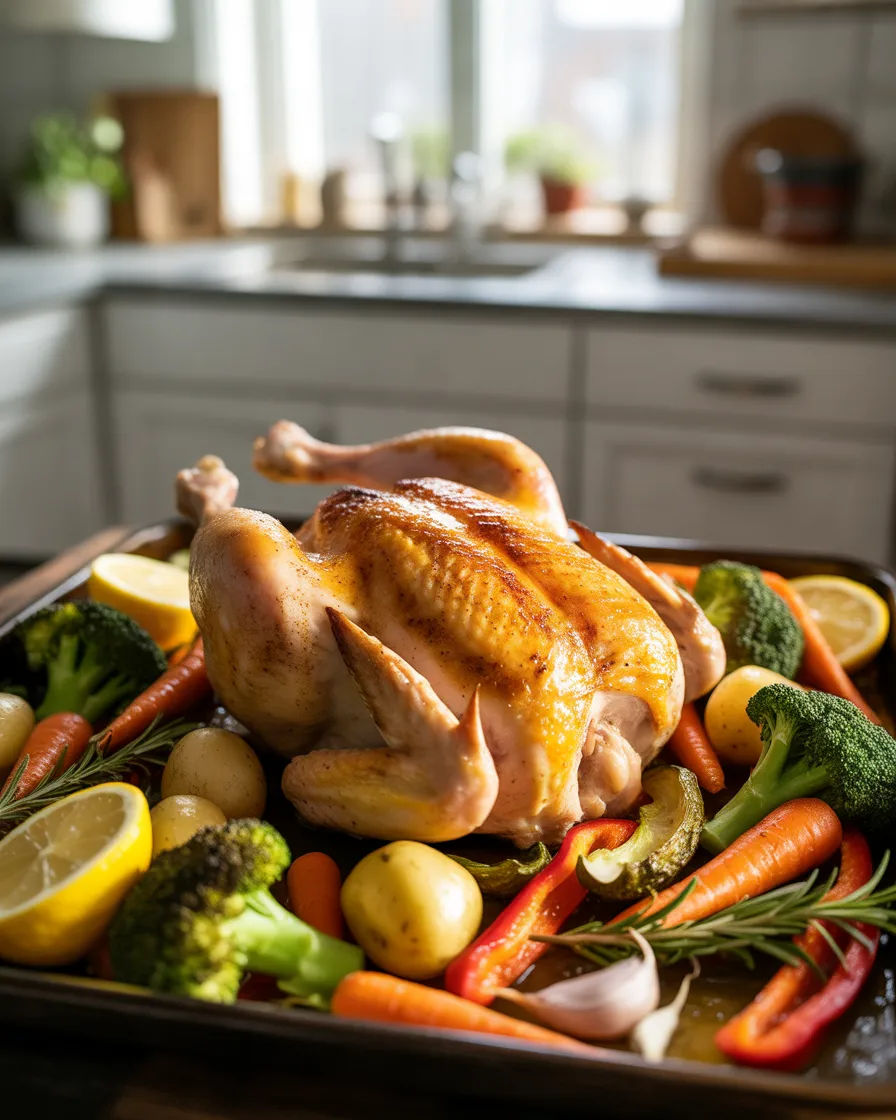
A sheet-pan chicken dinner is ideal when you want a balanced meal without using several pots and pans. Chicken, potatoes, carrots, broccoli, and bell peppers roast together with lemon, garlic, olive oil, and herbs.
Serves: 4 | Preparation and cooking: About 35–45 minutes
Ingredients: Four boneless chicken breasts or thighs, two cups of chopped vegetables, two medium potatoes, one tablespoon of olive oil, one lemon, two garlic cloves, dried oregano, black pepper, and a small amount of salt.
How to make it: Heat the oven to 200°C/400°F. Toss the vegetables and potatoes with half the oil and seasonings. Add the chicken, coat it with lemon juice, garlic, and the remaining oil, then roast until the vegetables are tender and the chicken reaches a safe internal temperature of 74°C/165°F.
Benefits: Chicken supplies protein, while colourful vegetables contribute fibre, vitamins, and minerals. Potatoes provide carbohydrates for energy.
Practical tips: Cut vegetables into similar-sized pieces so they cook evenly. If the tray is crowded, use two trays to encourage roasting rather than steaming.
How to apply it: Prepare the vegetables the night before and refrigerate them. On busy evenings, simply season the chicken and assemble the tray.
Who it may suit: Busy parents, meal-prep beginners, and families looking for easy healthy weeknight dinners.
Important consideration: Use a separate board for raw chicken and vegetables. Check chicken with a food thermometer, especially when cooking large pieces.
2. Baked Salmon with Brown Rice and Broccoli
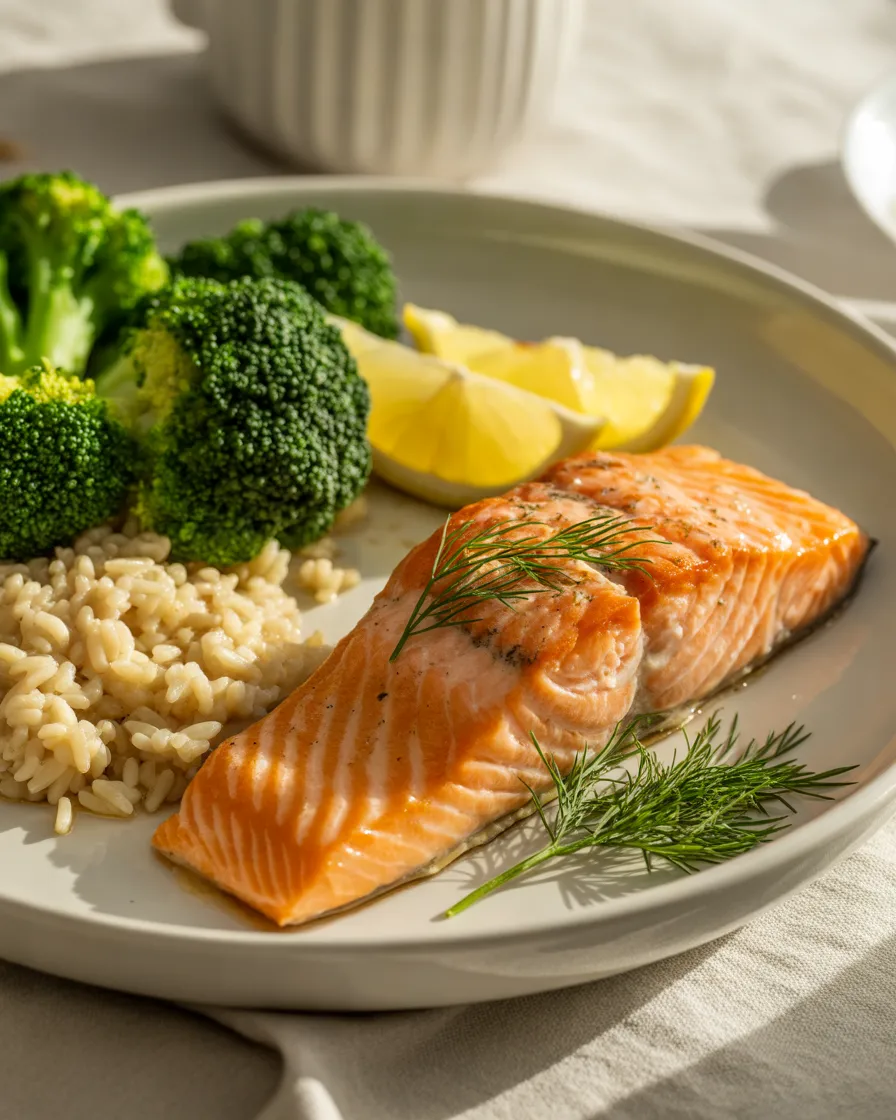
Salmon, whole grains, and vegetables make a straightforward dinner that feels special without requiring elaborate preparation. The combination of tender fish, fluffy brown rice, and roasted or steamed broccoli works well for adults and children.
Serves: 4 | Time: About 30 minutes
Ingredients: Four salmon fillets, one cup of uncooked brown rice, four cups of broccoli florets, one lemon, one tablespoon of olive oil, garlic, and black pepper.
How to make it: Cook the rice according to the package instructions. Place salmon on a lined baking tray, add lemon juice, garlic, and a little olive oil, and bake at 200°C/400°F until cooked through. Steam or roast the broccoli and serve everything together.
Benefits: Salmon provides protein and omega-3 fatty acids, while brown rice and broccoli contribute fibre and other nutrients.
Practical tips: Frozen salmon can be convenient when fresh fish is expensive. Thaw it safely in the refrigerator and adjust cooking time to the thickness of the fillets.
How to apply it: Make extra rice for the next day’s lunch. Leftover cooked salmon can be flaked into a grain bowl, provided it is refrigerated promptly.
Who it may suit: Families who enjoy fish and want a simple alternative to red meat.
Important consideration: Check carefully for fish bones and account for fish allergies. Children should receive age-appropriate portions with bones removed.
3. Turkey Taco Bowls with Brown Rice and Black Beans
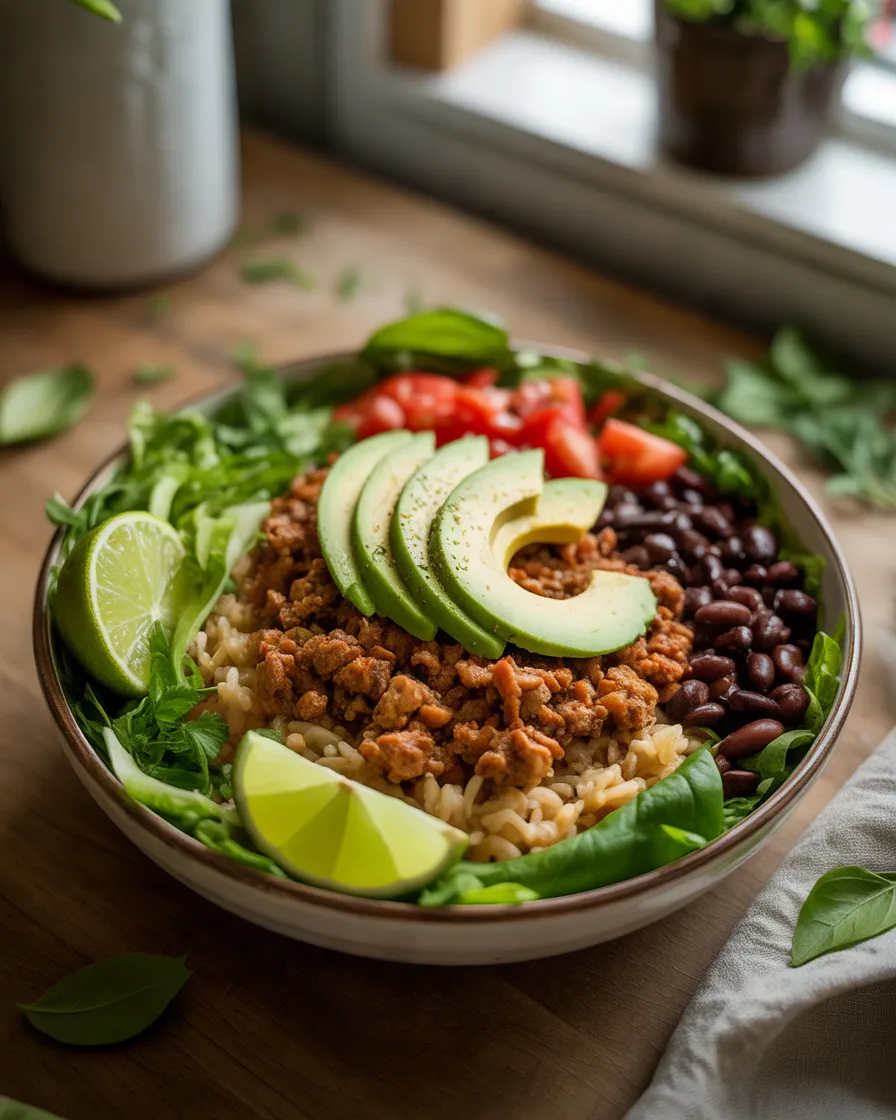
Taco bowls bring familiar flavours to the dinner table while allowing everyone to customise their own meal. Instead of relying on oversized tortillas or heavy toppings, serve seasoned turkey, brown rice, beans, lettuce, tomatoes, and avocado in individual bowls.
Serves: 4 | Time: 25–30 minutes
Ingredients: 450 g (1 lb) lean ground turkey, two cups of cooked brown rice, one can of drained black beans, chopped tomatoes, lettuce, avocado, cumin, paprika, garlic, and lime.
How to make it: Cook the turkey in a skillet until browned and safely cooked through. Add the spices, beans, and a splash of water. Divide the rice between bowls and top with the turkey mixture, lettuce, tomatoes, avocado, and lime juice.
Benefits: Turkey supplies protein, while beans provide plant protein and fibre. Vegetables add colour, texture, and variety.
Practical tips: Prepare toppings in separate bowls and let family members build their own combinations. Mild seasoning can be offered alongside chilli sauce for adults who prefer extra heat.
How to apply it: Use leftover beans and rice in wraps or lunch bowls the following day.
Who it may suit: Families with different food preferences, including children who prefer to choose their own toppings.
Important consideration: Check canned beans for added sodium and rinse them if desired. Keep hot salsa or spicy sauces separate for younger children.
4. Whole-Wheat Pasta Primavera with Chickpeas
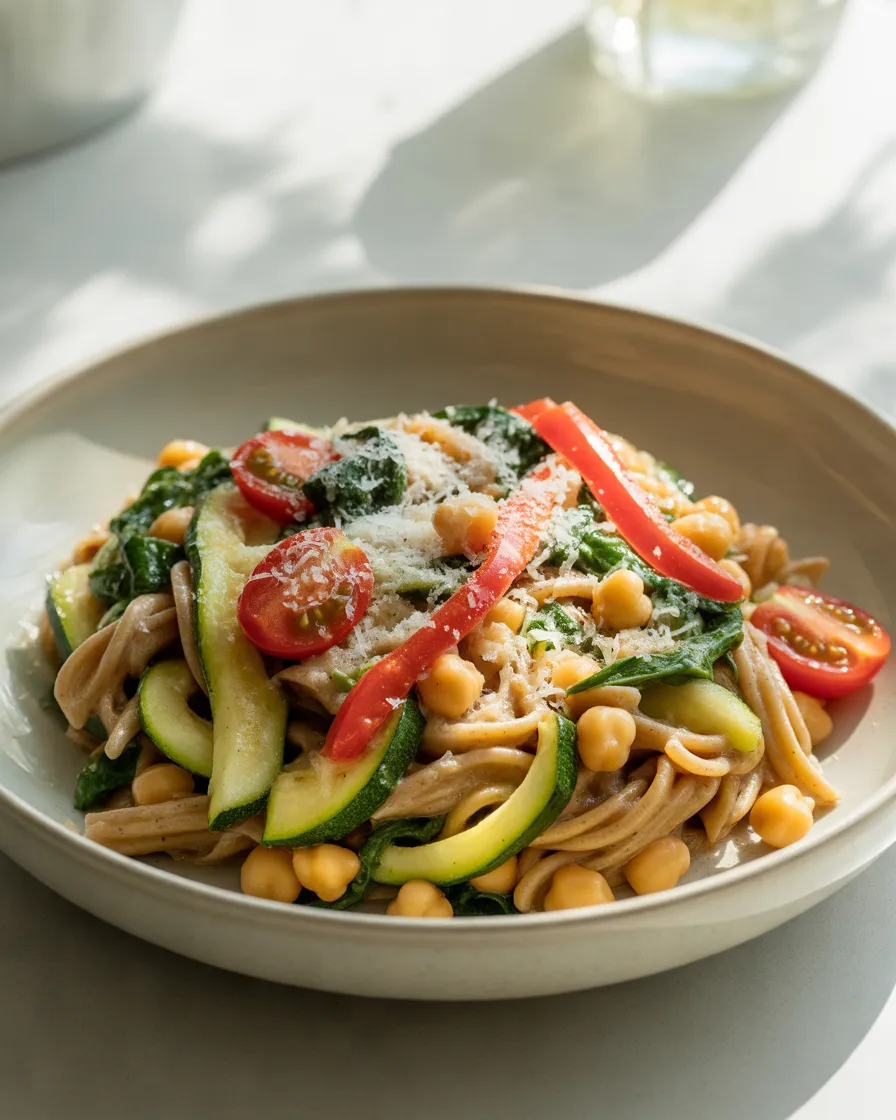
Pasta primavera is a practical way to serve vegetables in a familiar family favourite. Chickpeas add substance, while a light garlic and olive oil sauce keeps the dish flavourful without requiring a heavy cream-based sauce.
Serves: 4 | Time: 25–30 minutes
Ingredients: 300 g whole-wheat pasta, one can of chickpeas, one courgette (zucchini), one bell pepper, one cup of cherry tomatoes, two garlic cloves, olive oil, lemon juice, and optional grated Parmesan.
How to make it: Cook the pasta according to the package instructions. Sauté the chopped vegetables with garlic and olive oil until tender. Stir in the drained chickpeas, cooked pasta, lemon juice, and a little reserved pasta water.
Benefits: Whole-wheat pasta contributes fibre, while chickpeas provide plant protein and additional fibre. The vegetables add variety and important nutrients.
Practical tips: Frozen peas, spinach, or broccoli can replace vegetables that are unavailable or expensive. Add Parmesan at the table so everyone can choose their preferred amount.
How to apply it: Make a larger batch for next-day lunches. Add a spoonful of water when reheating to help restore the sauce’s texture.
Who it may suit: Vegetarian households, pasta lovers, and families trying to introduce more plant-based meals.
Important consideration: Check pasta and cheese labels for relevant dietary needs. Chickpeas are filling, so adjust portions to individual appetites.
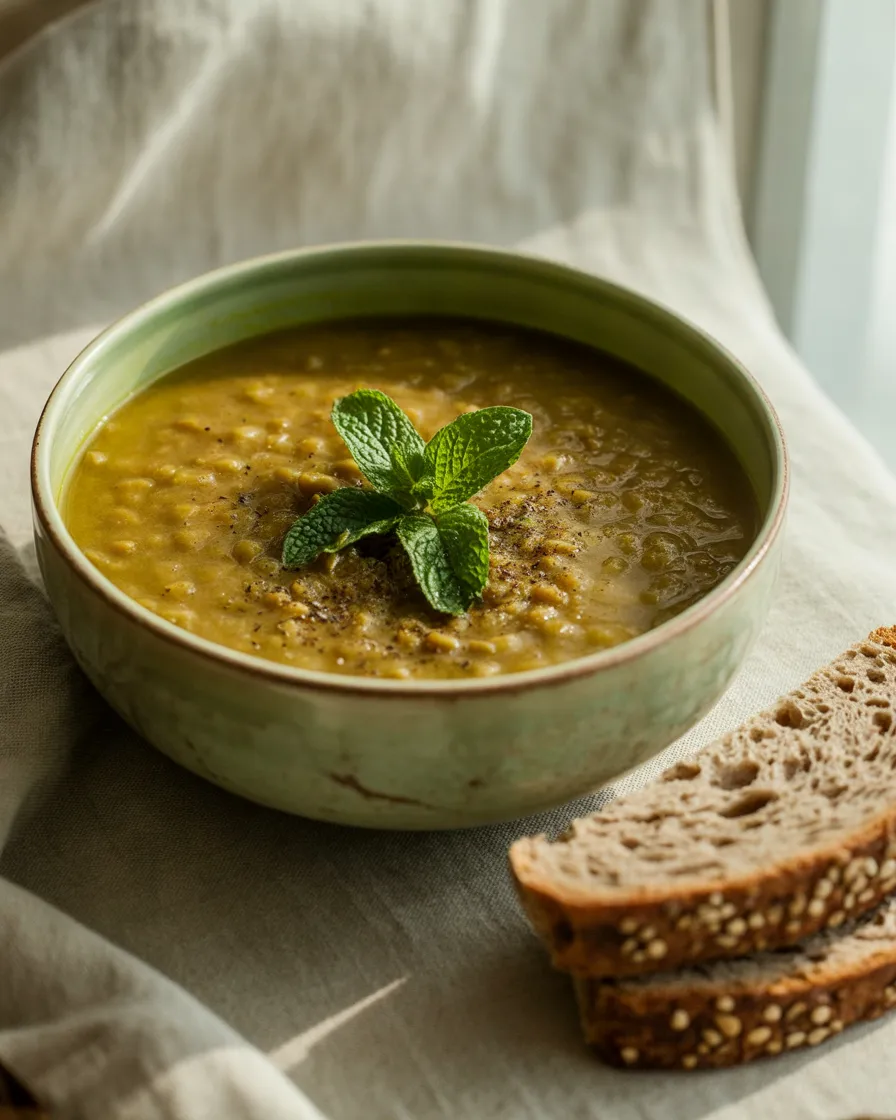
5. Lentil and Sweet Potato Curry
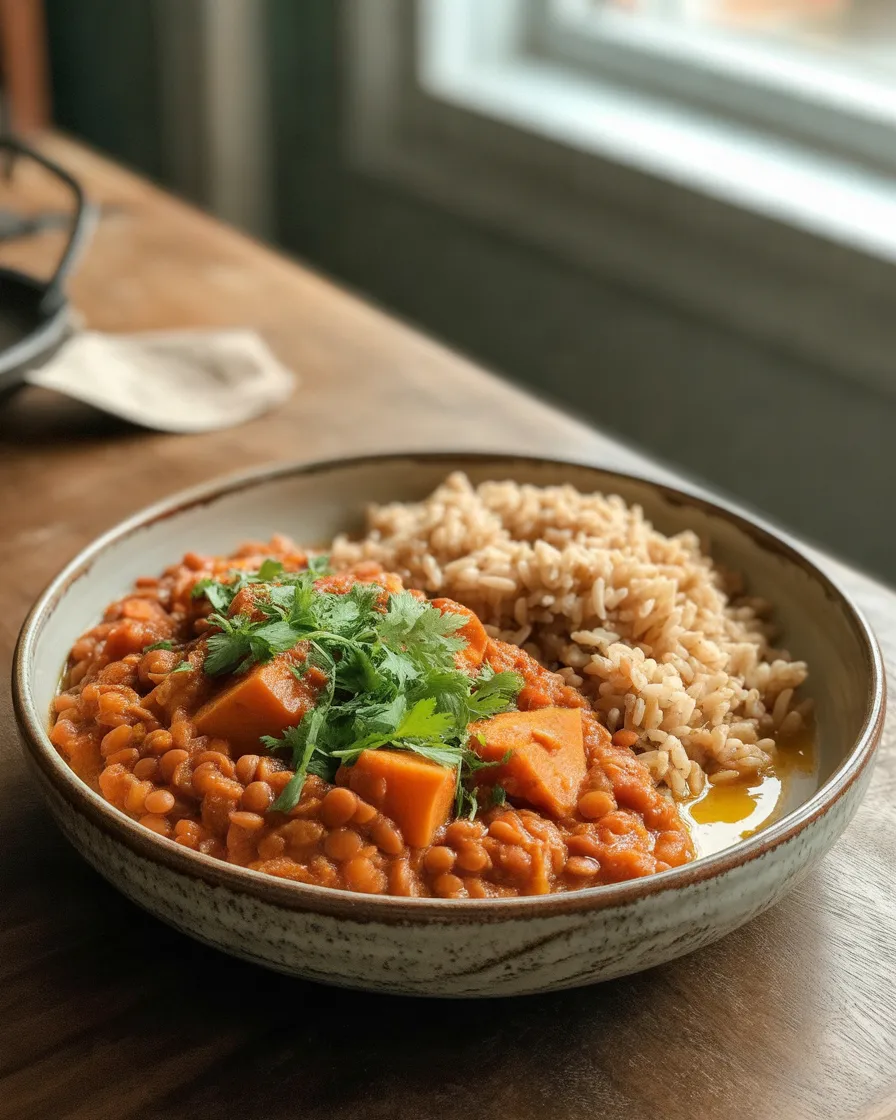
A lentil and sweet potato curry offers warmth, flavour, and plenty of nourishment at a relatively low cost. It is particularly useful when you want a meat-free family dinner made from pantry ingredients.
Serves: 4 | Time: 35–40 minutes
Ingredients: One cup of dried red lentils, one large sweet potato, one onion, two garlic cloves, one can of chopped tomatoes, two cups of vegetable stock, curry powder, and optional light coconut milk.
How to make it: Soften the onion and garlic in a little oil. Add curry powder, diced sweet potato, lentils, tomatoes, and stock. Simmer until the lentils are soft and the sweet potato is tender. Add a small amount of coconut milk if desired, then serve with brown rice.
Benefits: Lentils provide plant protein, fibre, iron, and folate. Sweet potatoes contribute carbohydrates, fibre, and beta-carotene.
Practical tips: Red lentils cook quickly and create a naturally thick texture. Reduce the chilli and use mild curry powder when serving children.
How to apply it: Cook a double batch and freeze individual portions for evenings when there is no time to cook from scratch.
Who it may suit: Vegetarian families, budget-conscious households, and people looking to eat more legumes.
Important consideration: Introduce larger amounts of fibre gradually if your household is not accustomed to legumes. Choose stock with less sodium when appropriate.
6. Chicken and Black Bean Quesadillas with Vegetable Salsa
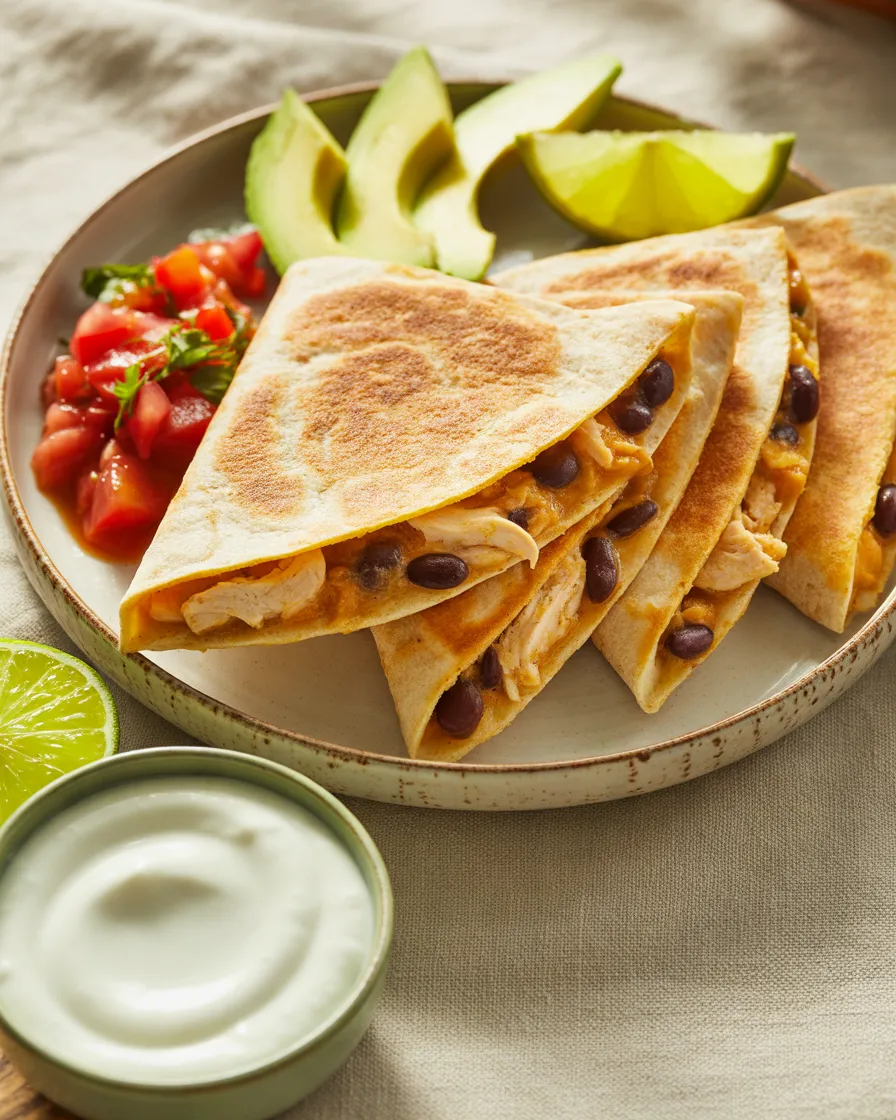
Quesadillas can be part of a balanced family dinner when they include vegetables, beans, and a suitable portion of cheese. Using whole-wheat tortillas and serving salsa on the side makes this familiar meal more varied.
Serves: 4 | Time: 25 minutes
Ingredients: Four medium whole-wheat tortillas, two cups of cooked shredded chicken, one can of drained black beans, one bell pepper, half a cup of grated cheese, tomatoes, lime, and optional plain yoghurt.
How to make it: Mix the chicken, beans, chopped pepper, and cheese. Fill each tortilla, fold it, and cook in a lightly oiled skillet until crisp and the filling is hot. Serve in wedges with chopped tomato and lime salsa.
Benefits: Chicken and beans supply protein, while whole-wheat tortillas and vegetables can contribute fibre. The ingredients create a filling meal without complicated preparation.
Practical tips: Use leftover roast chicken or safely stored cooked chicken. Offer cucumber sticks or a simple salad alongside the quesadillas.
How to apply it: Prepare the filling ahead and assemble the tortillas just before cooking to prevent them becoming soggy.
Who it may suit: Families with picky eaters, households needing quick dinners, and children who enjoy finger foods.
Important consideration: Cut quesadillas into manageable pieces for young children. Keep portions of cheese moderate if desired, and account for dairy or wheat allergies.
7. Tofu and Vegetable Stir-Fry with Brown Rice
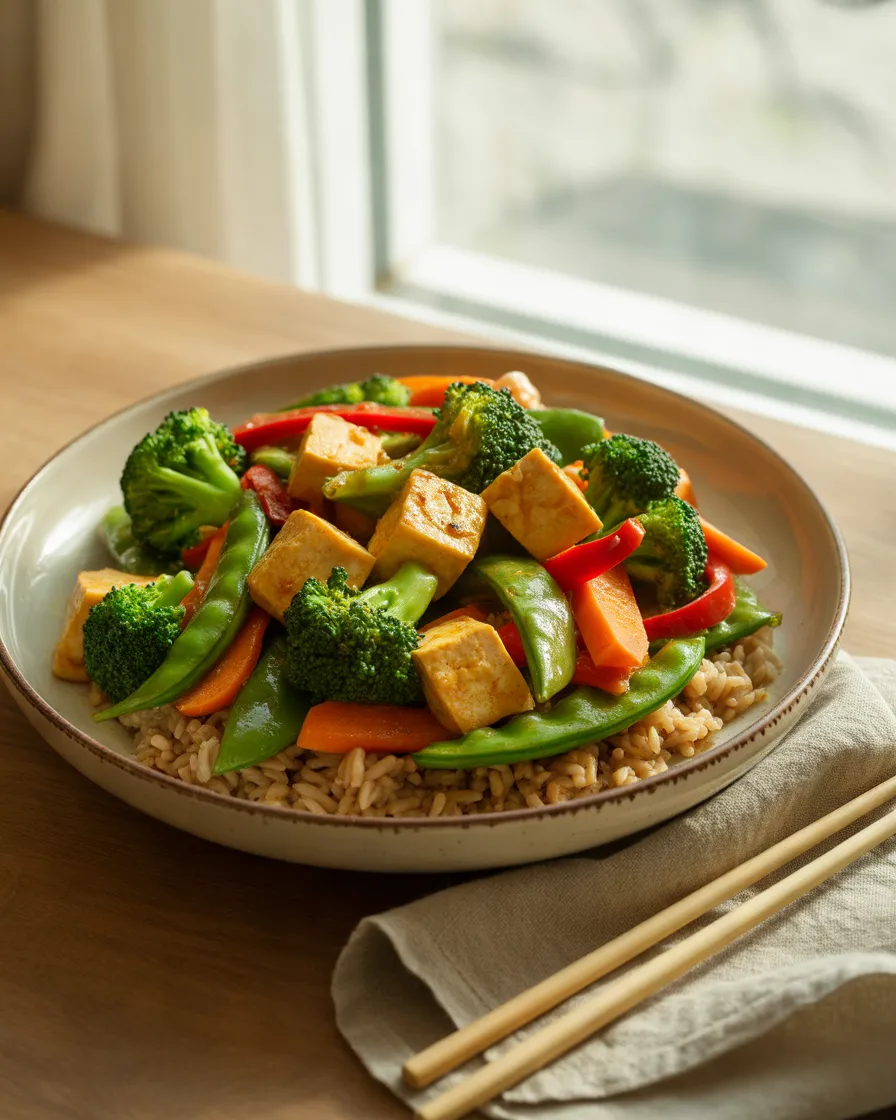
A tofu stir-fry is a flexible vegetarian option that can be prepared quickly once the vegetables are chopped. A simple ginger, garlic, and reduced-sodium soy sauce dressing adds flavour without requiring a bottled stir-fry sauce.
Serves: 4 | Time: 25–30 minutes
Ingredients: 400 g firm tofu, four cups of mixed vegetables, two cups of cooked brown rice, one tablespoon of reduced-sodium soy sauce, fresh ginger, garlic, and a little oil.
How to make it: Drain and cube the tofu. Brown it in a hot skillet, then remove it temporarily. Stir-fry the vegetables until tender-crisp, add ginger and garlic, and return the tofu to the pan. Add soy sauce and a splash of water, then serve over rice.
Benefits: Tofu provides plant protein. Vegetables contribute fibre and micronutrients, while brown rice supplies energy and additional fibre.
Practical tips: Pressing tofu with a clean kitchen towel helps remove excess moisture and improves browning. Use frozen vegetables to reduce chopping and waste.
How to apply it: Change the vegetable combination each week to keep the meal interesting without learning a new recipe.
Who it may suit: Vegetarian households, families reducing meat consumption, and people looking for quick meat-free dinner ideas.
Important consideration: Tofu contains soy, and standard soy sauce may contain wheat. Check ingredient labels and choose suitable alternatives when needed.
8. Turkey Meatballs with Whole-Wheat Spaghetti
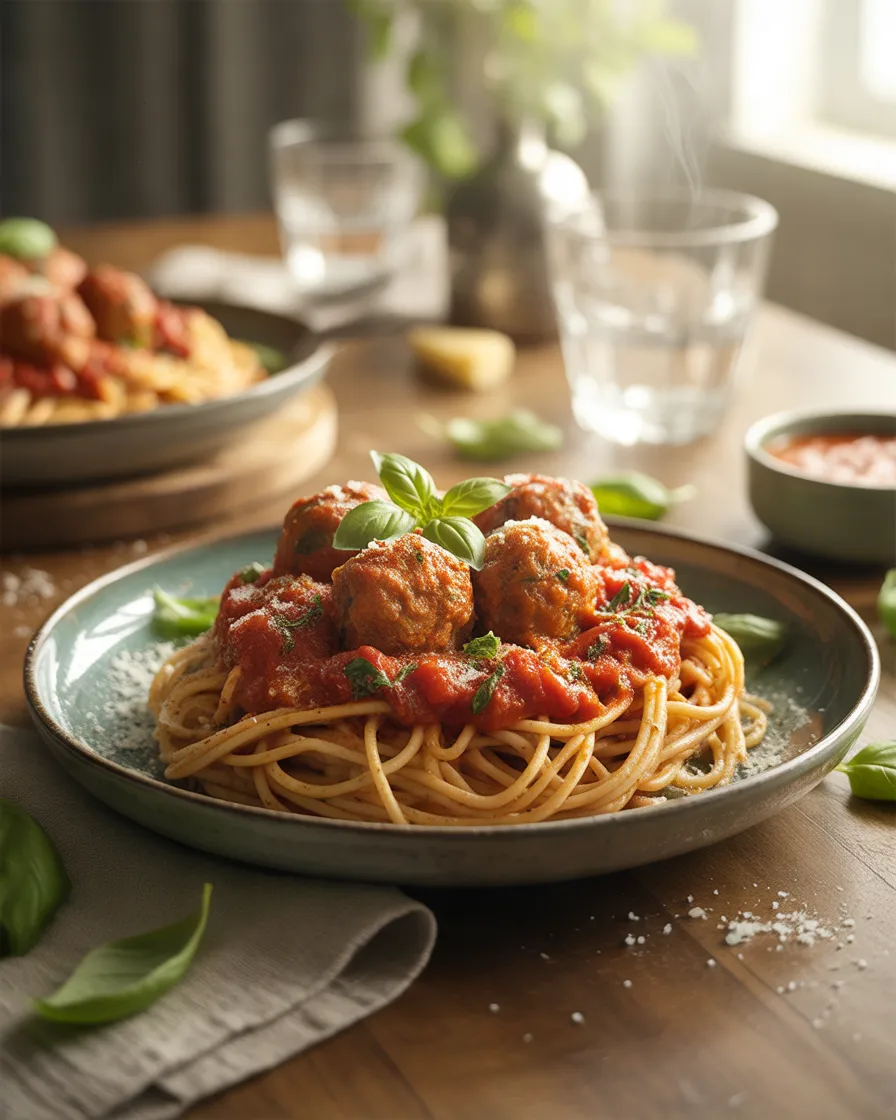
Turkey meatballs and spaghetti offer the comfort of a classic family meal with a few practical adjustments. Lean turkey, whole-wheat pasta, and a tomato-based sauce create a useful balance of protein, carbohydrates, and vegetables.
Serves: 4 | Time: 35–40 minutes
Ingredients: 450 g lean ground turkey, one egg, half a cup of whole-wheat breadcrumbs, 300 g whole-wheat spaghetti, one jar of tomato sauce, garlic, dried herbs, and optional finely grated carrot.
How to make it: Mix turkey, egg, breadcrumbs, and herbs. Shape into small meatballs and bake at 200°C/400°F until they reach 74°C/165°F internally. Warm the tomato sauce, add the cooked meatballs, and serve over spaghetti.
Benefits: Turkey provides protein, while whole-wheat pasta contributes fibre. Tomato sauce supplies flavour and can help incorporate vegetables into the meal.
Practical tips: Make smaller meatballs for easier serving and freeze an extra batch before cooking. Choose tomato sauce with little added sugar and sodium when available.
How to apply it: Add chopped mushrooms or spinach to the sauce. Serve with steamed green beans or a side salad.
Who it may suit: Families who enjoy traditional comfort food and want a practical alternative to takeaway pasta.
Important consideration: Ground poultry must reach 74°C/165°F. Avoid serving meatballs that are still undercooked in the centre.
9. One-Pot Chicken, Vegetable and Quinoa Dinner
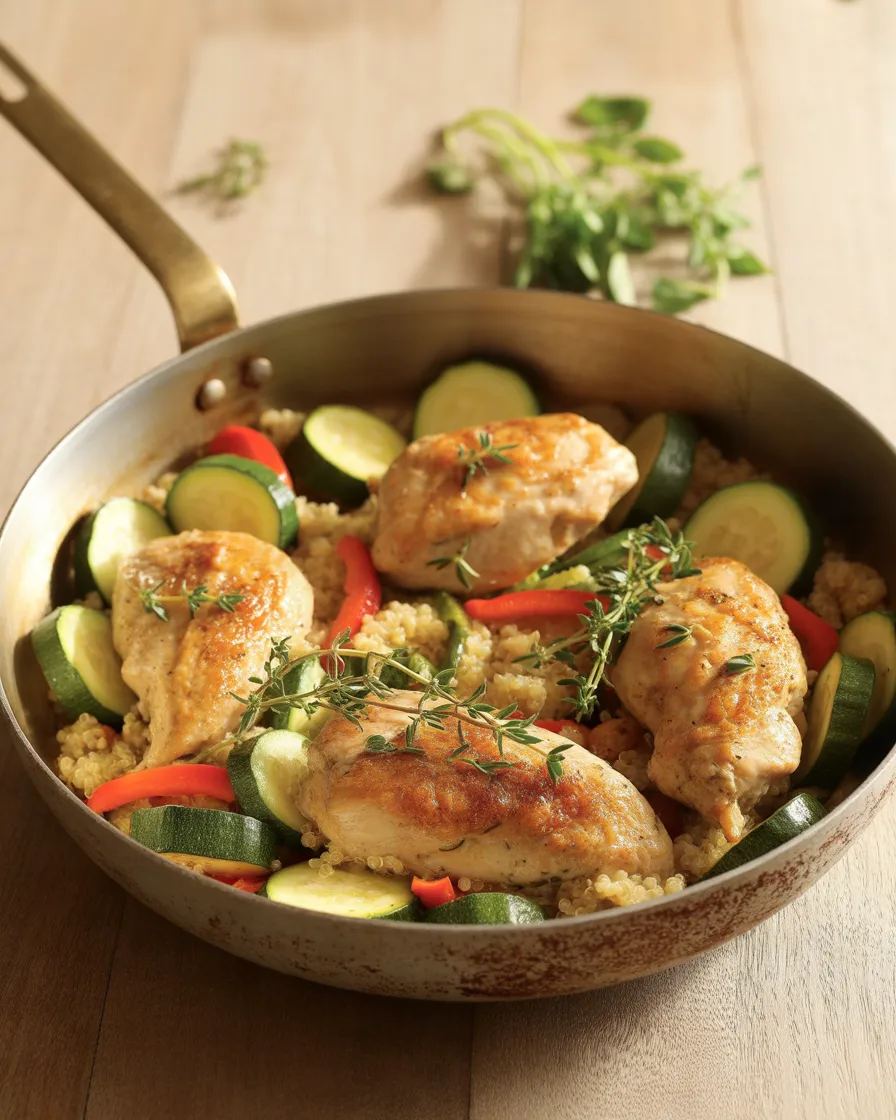
One-pot meals are particularly helpful when washing dishes is the least appealing part of making dinner. This chicken and quinoa dish combines protein, whole-food ingredients, and vegetables in one pan.
Serves: 4 | Time: 30–35 minutes
Ingredients: 450 g boneless chicken, one cup of rinsed quinoa, one onion, one bell pepper, one cup of chopped courgette, two cups of low-sodium stock, garlic, paprika, and lemon juice.
How to make it: Brown bite-sized chicken pieces in a large saucepan. Add onion, garlic, vegetables, quinoa, stock, and paprika. Cover and simmer according to the quinoa package directions until the quinoa is tender and the chicken is thoroughly cooked.
Benefits: Chicken provides protein, quinoa contributes protein and fibre, and the vegetables add colour and variety.
Practical tips: Keep extra stock available in case the pan becomes dry before the quinoa is cooked. Frozen chopped vegetables can save time on busy evenings.
How to apply it: Prepare the ingredients in advance and store them separately in the refrigerator. Cook them together when dinner time arrives.
Who it may suit: Busy families, beginner cooks, and anyone seeking easy one-pot healthy dinners.
Important consideration: Quinoa should be rinsed if the package recommends it. Refrigerate leftovers promptly and reheat thoroughly before serving.
10. Baked Cod with Potatoes, Peas and Lemon
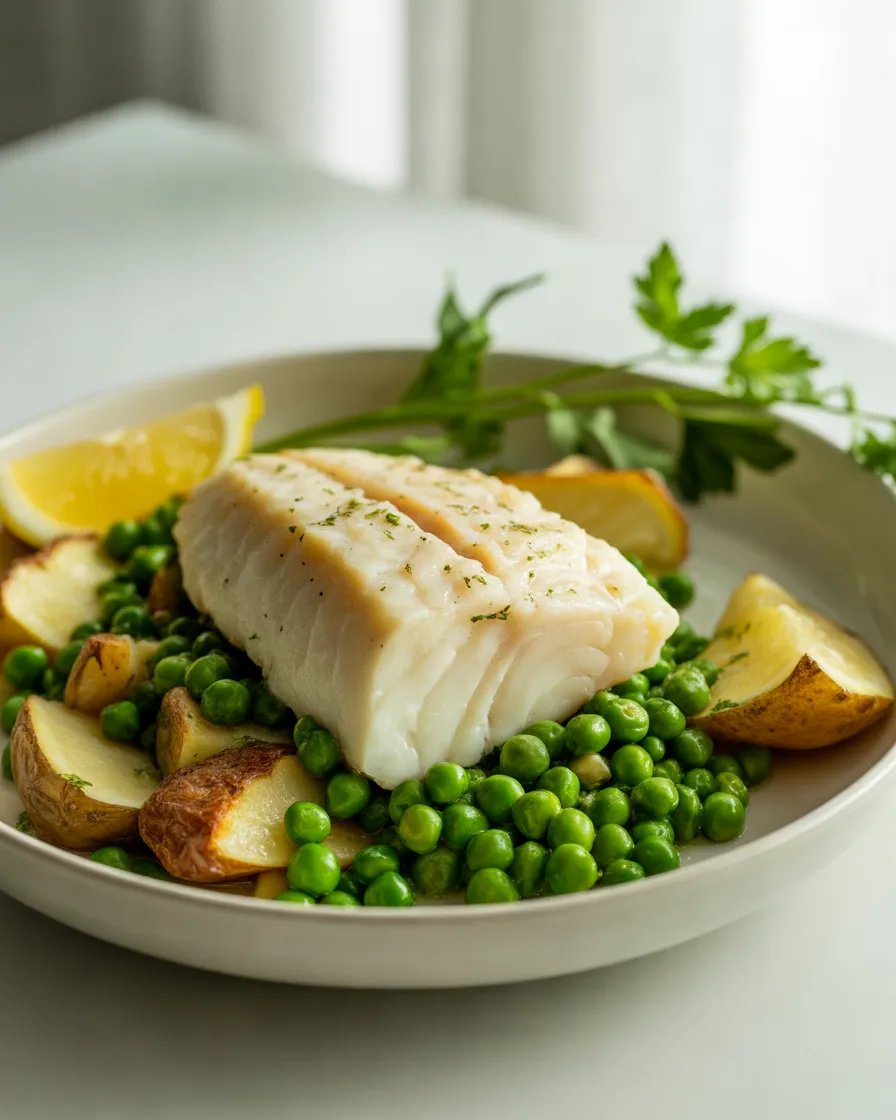
Baked cod is a mild-tasting fish option that works well for families who prefer simple flavours. Pairing it with potatoes and peas creates an easy dinner using ingredients that are available in many supermarkets.
Serves: 4 | Time: 30–35 minutes
Ingredients: Four cod fillets, four small potatoes, two cups of peas, one lemon, olive oil, garlic, black pepper, and fresh parsley.
How to make it: Cut the potatoes into small pieces and roast them at 200°C/400°F until nearly tender. Add seasoned cod to the tray and bake until the fish reaches 63°C/145°F and flakes easily. Steam the peas and serve with lemon and parsley.
Benefits: Cod supplies protein and vitamin B12, while peas contribute fibre and other nutrients. Potatoes provide carbohydrates for energy.
Practical tips: Frozen cod and peas can help reduce costs. Cut the potatoes into small, even pieces so they cook in time with the fish.
How to apply it: Keep lemon wedges on the table and allow family members to season their own portions.
Who it may suit: Families who want an alternative to chicken and prefer mild, straightforward flavours.
Important consideration: Inspect the fish carefully for bones. Account for fish allergies and use separate utensils when preparing alternative meals.
11. Vegetable-Loaded Turkey and Bean Chili
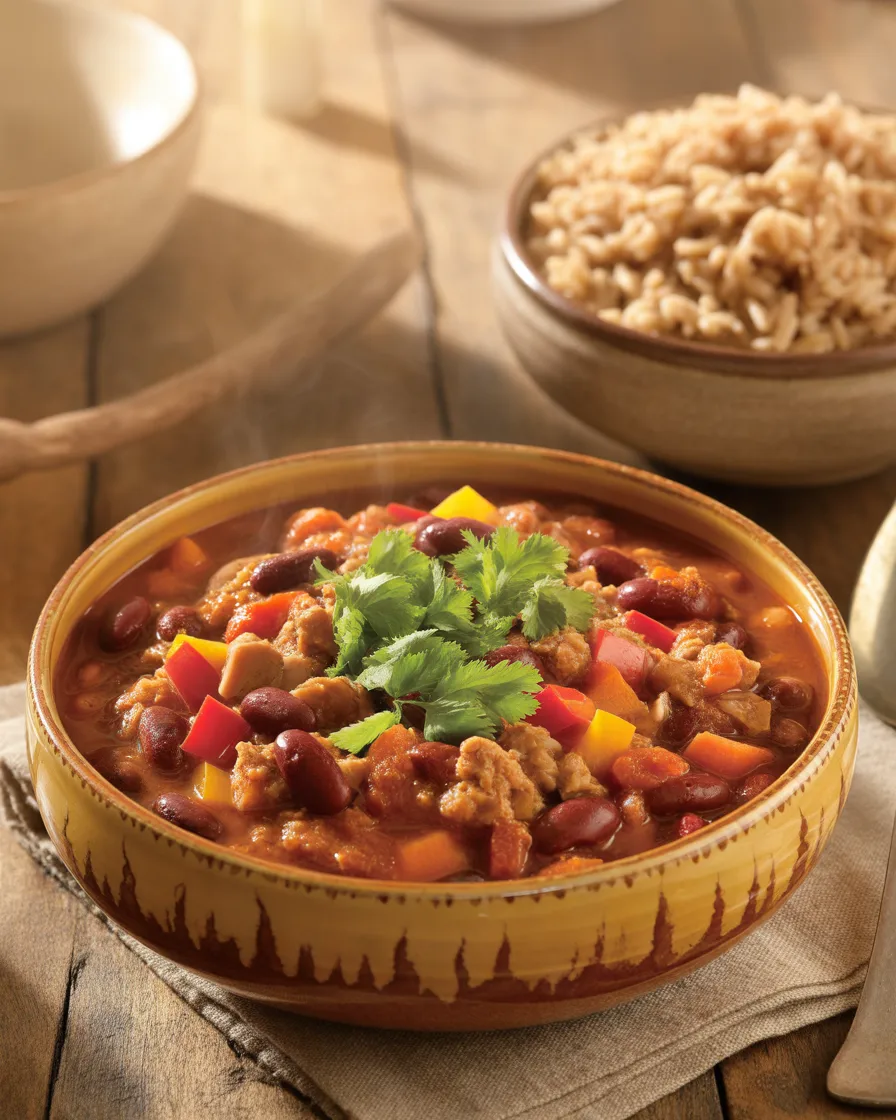
Chili is a useful option for cooler evenings, batch cooking, and feeding a family on a budget. Beans, tomatoes, peppers, and lean turkey create a thick, flavourful dish that can be served on its own or with brown rice.
Serves: 4–6 | Time: 35–40 minutes
Ingredients: 450 g lean ground turkey, two cans of drained beans, one can of chopped tomatoes, one onion, one bell pepper, one grated carrot, cumin, paprika, and optional chilli powder.
How to make it: Brown the turkey in a large pot. Add the onion, pepper, carrot, spices, beans, and tomatoes. Simmer for approximately 20–25 minutes, stirring occasionally, until the flavours combine and the turkey is fully cooked.
Benefits: Beans provide fibre and plant protein, turkey adds protein, and vegetables contribute a range of nutrients.
Practical tips: Use whichever beans are affordable, such as kidney beans or black beans. Keep chilli mild and offer hot sauce separately.
How to apply it: Make a double batch and freeze portions in labelled containers for future dinners.
Who it may suit: Budget-conscious families, meal-prep enthusiasts, and households looking for filling meals that reheat well.
Important consideration: Check canned ingredients for sodium and adjust seasoning accordingly. Refrigerate leftovers promptly rather than leaving the pot at room temperature.
12. Greek-Inspired Chicken and Hummus Bowls
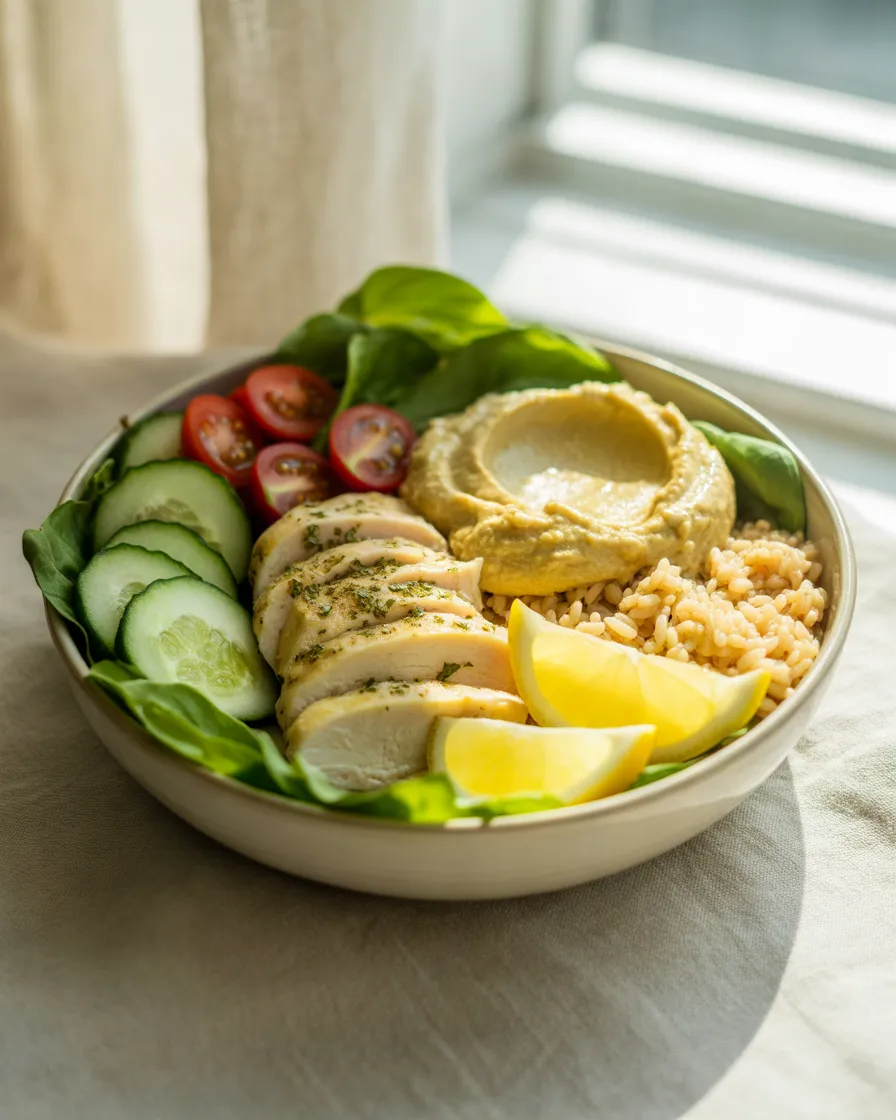
These bowls combine seasoned chicken, whole grains, fresh vegetables, hummus, and a lemon dressing. The ingredients can be arranged separately, making it easy for each person to choose the flavours and textures they prefer.
Serves: 4 | Time: 30 minutes
Ingredients: 450 g chicken breast, two cups of cooked brown rice or quinoa, cucumber, tomatoes, lettuce, hummus, lemon juice, olive oil, oregano, and black pepper.
How to make it: Season and cook the chicken until it reaches 74°C/165°F, then slice it. Divide the grain between bowls and add cucumber, tomatoes, lettuce, chicken, and a spoonful of hummus. Finish with lemon juice and a little olive oil.
Benefits: Chicken provides protein, grains supply energy and potentially fibre, and fresh vegetables contribute variety. Hummus adds chickpeas and unsaturated fats from tahini and oil.
Practical tips: Prepare the vegetables and grains ahead. Serve ingredients separately if family members prefer to assemble their own bowls.
How to apply it: Substitute chickpeas or baked tofu for chicken to create a vegetarian version.
Who it may suit: Families who enjoy Mediterranean-inspired flavours and flexible meals.
Important consideration: Hummus commonly contains sesame, and some commercial versions contain additional allergens. Check labels and accommodate allergies.
13. Stuffed Bell Peppers with Brown Rice and Black Beans
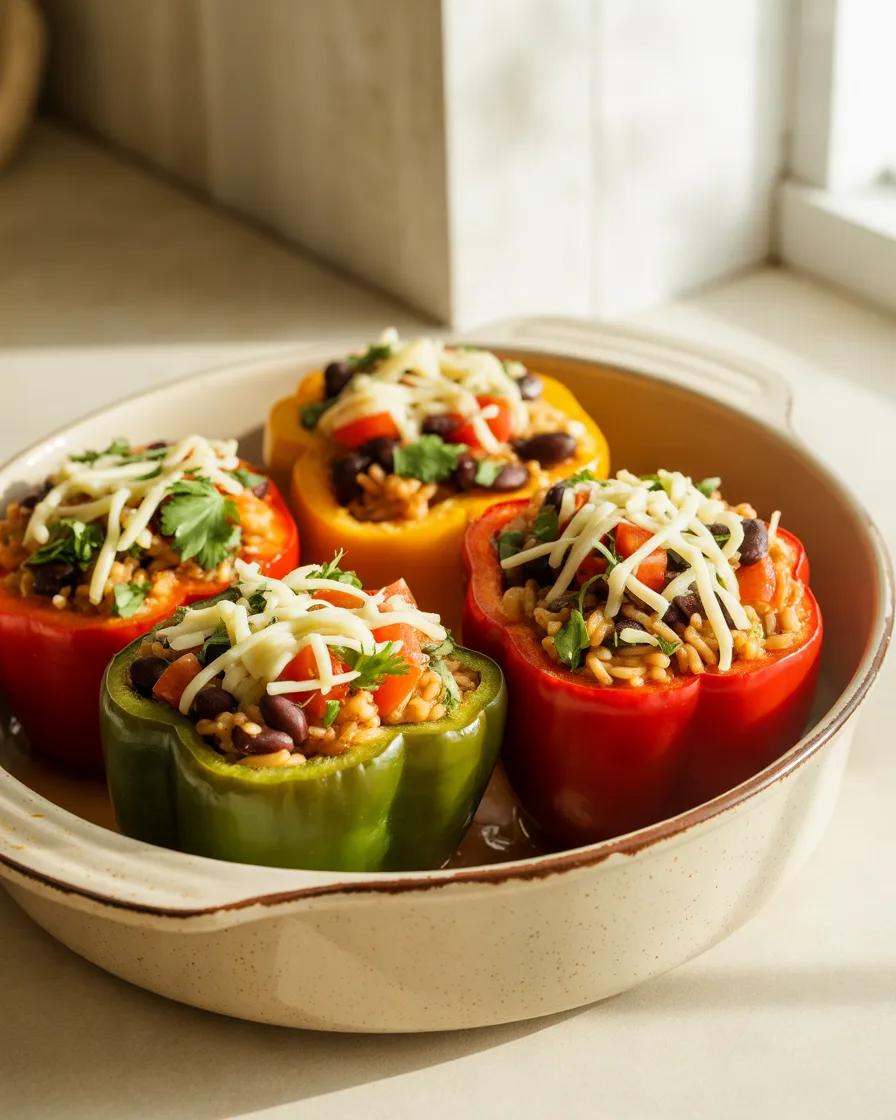
Stuffed peppers turn everyday ingredients into an attractive dinner. Their filling can be adapted to use leftover rice, beans, vegetables, and a modest amount of cheese.
Serves: 4 | Time: 40–50 minutes
Ingredients: Four large bell peppers, two cups of cooked brown rice, one can of drained black beans, one cup of chopped tomatoes, cumin, garlic, and optional grated cheese.
How to make it: Halve the peppers lengthwise and remove the seeds. Mix the rice, beans, tomatoes, and seasonings. Fill the peppers, place them in a baking dish with a little water, cover, and bake at 190°C/375°F until tender. Add cheese near the end if desired.
Benefits: Beans and brown rice provide fibre, while peppers contribute vitamin C and other nutrients. The combination is filling without requiring meat.
Practical tips: Pre-cook the rice to shorten baking time. For children who dislike peppers, serve the filling separately with chopped pepper on the side.
How to apply it: Add leftover vegetables or cooked lean turkey to the filling when you need to use ingredients already in the refrigerator.
Who it may suit: Vegetarian families, people seeking affordable dinners, and households interested in colourful vegetable-based meals.
Important consideration: Make sure the filling is heated thoroughly. Choose a suitable alternative if anyone has a relevant food allergy.
14. Spinach and Tomato Frittata with Whole-Grain Toast
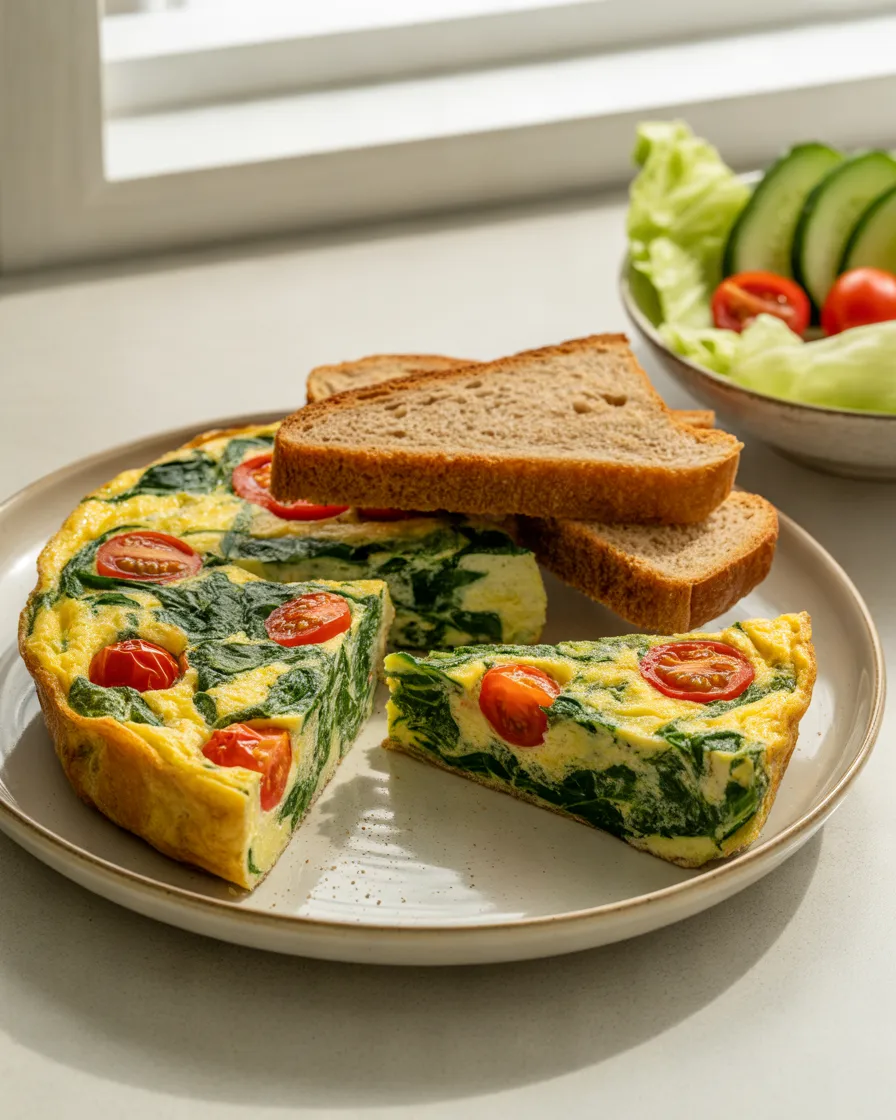
Breakfast-style dinners can be useful when the refrigerator is nearly empty or the evening schedule is tight. A vegetable frittata uses eggs, spinach, tomatoes, and a little cheese to create a simple meal.
Serves: 4 | Time: 20–25 minutes
Ingredients: Eight eggs, two cups of fresh spinach, one cup of cherry tomatoes, a quarter cup of grated cheese, black pepper, olive oil, and whole-grain bread to serve.
How to make it: Sauté the spinach and tomatoes in an oven-safe skillet. Beat the eggs, add the cheese and pepper, and pour the mixture over the vegetables. Cook gently until the edges set, then finish in the oven until the centre is fully cooked. Serve with toast and a side salad.
Benefits: Eggs provide protein and vitamin B12, while spinach and tomatoes contribute additional nutrients. Whole-grain toast can add fibre.
Practical tips: Use frozen spinach after thawing and squeezing out excess water. Cut the frittata into wedges so portions are easy to serve.
How to apply it: Add leftover mushrooms, peppers, or cooked potatoes to the egg mixture.
Who it may suit: Families wanting a quick, meat-free dinner and cooks looking for a flexible way to use leftover vegetables.
Important consideration: Cook egg dishes thoroughly. Check for egg, dairy, or gluten allergies and provide suitable alternatives where necessary.
15. Slow-Cooker Chicken and Vegetable Soup
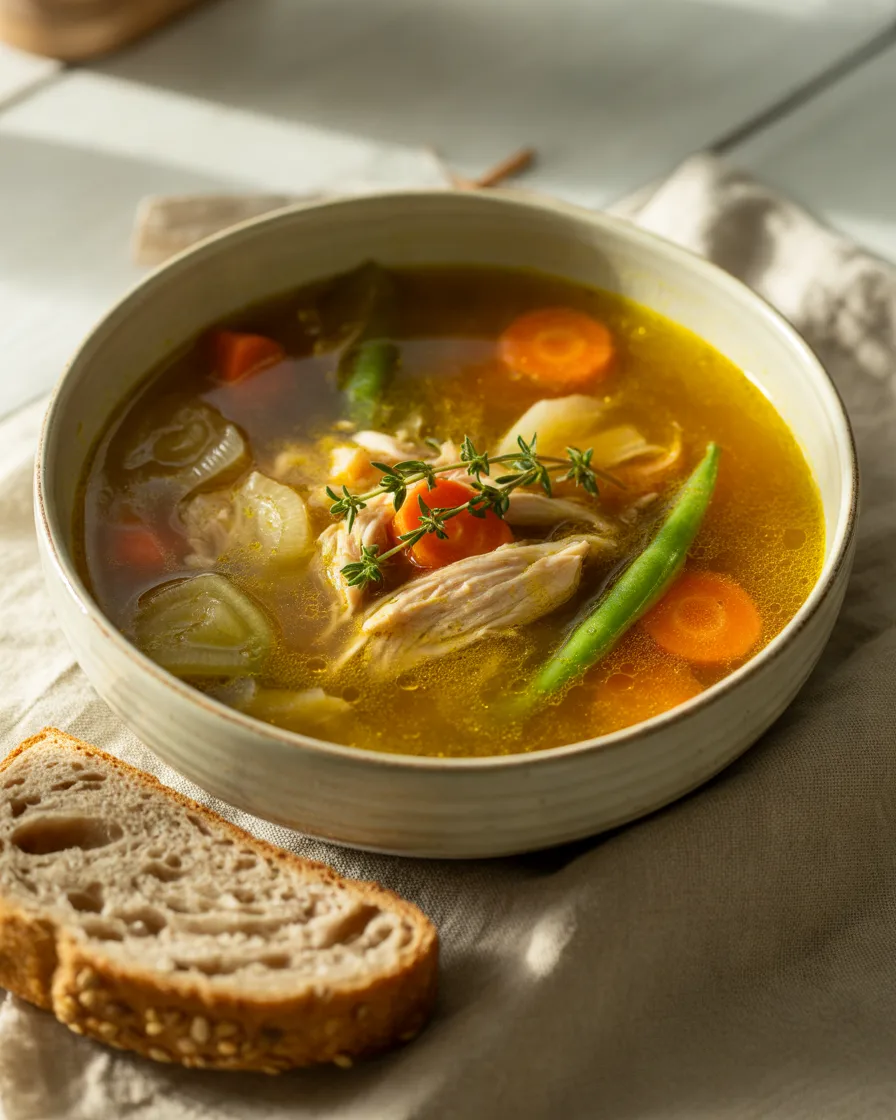
Chicken and vegetable soup is a comforting option that can be prepared ahead and left to cook while the family gets on with the day. Adding beans or barley can make the soup more substantial.
Serves: 4–6 | Time: About 4–6 hours on low, depending on the slow cooker and ingredients
Ingredients: 450 g boneless chicken, two carrots, two celery stalks, one onion, one cup of green beans, six cups of low-sodium chicken stock, garlic, thyme, and optional cooked barley.
How to make it: Add the chicken, chopped vegetables, stock, garlic, and thyme to the slow cooker. Cook until the chicken is fully cooked and tender. Shred the chicken, return it to the soup, and add previously cooked barley if desired.
Benefits: Chicken provides protein, vegetables add variety, and barley or beans can contribute fibre. The warm broth also adds fluid to the meal.
Practical tips: Cut vegetables into similar-sized pieces and use pre-chopped frozen vegetables when time is limited. Serve with whole-grain bread for a more substantial dinner.
How to apply it: Divide extra soup into shallow containers for refrigeration or freezing. Cool and store it promptly after cooking.
Who it may suit: Busy families, people who prefer make-ahead meals, and households looking for economical comfort food.
Important consideration: Follow the slow cooker’s instructions and ensure the chicken reaches 74°C/165°F. Do not rely on an unsafe room-temperature setting to keep raw ingredients warm for extended periods.
Expert Tips for Planning Healthy Family Dinners
Choosing nutritious recipes is only part of the process. A realistic dinner routine also needs to fit your budget, schedule, cooking skills, and family’s preferences.
Build balanced meals without making them complicated. A useful starting point is to fill roughly half your plate with vegetables and fruit, one-quarter with whole grains, and one-quarter with protein foods. Treat this as a flexible guide rather than a strict rule; different meals and individual nutritional needs vary. Canada’s Food Guide and Harvard’s Healthy Eating Plate provide useful explanations of this approach.
Plan around ingredients you already own. If you have brown rice, frozen broccoli, beans, or eggs, choose recipes that use them before buying more groceries. This can reduce food waste and keep weekly spending manageable.
Use frozen and canned foods strategically. Frozen vegetables and fruit, canned beans, and canned tomatoes can be practical alternatives to fresh ingredients. Compare labels where relevant, especially for added sodium, sugar, or sauces.
Offer choices without preparing separate dinners. Serve ingredients in separate bowls, keep spicy toppings optional, and let children select a vegetable or grain from two suitable choices. Repeated, pressure-free exposure can help children become more comfortable with unfamiliar foods.
Prepare ingredients ahead. Wash vegetables, measure spices, cook grains, or prepare sauces in advance. Store each ingredient safely in the refrigerator and assemble the meal when needed.
Make leftovers part of the plan. Cook extra portions when a recipe freezes or reheats well. Label containers with the dish name and date, and refrigerate perishable food within two hours of cooking, or within one hour when the surrounding temperature exceeds 32°C/90°F. USDA guidance recommends using most cooked leftovers within three to four days and reheating them to 74°C/165°F.
Prioritise safe cooking. Use a food thermometer instead of relying on colour alone. Common US guidance recommends 74°C/165°F for poultry, 71°C/160°F for ground meat, and 63°C/145°F for fish. Other foods have different safe cooking requirements, so check official guidance for the ingredients you use.
Adapt recipes to individual needs. People managing diabetes, kidney disease, food allergies, or other medical or nutritional concerns may need different ingredient choices or portions. A registered dietitian or healthcare professional can help tailor a family meal plan to those needs.
Frequently Asked Questions About Healthy Dinner Recipes for Family
What are the healthiest dinners for a family?
A balanced family dinner usually includes a protein source, vegetables, and a grain or other carbohydrate source. Examples include baked salmon with brown rice, chicken with roasted vegetables, lentil curry, and tofu stir-fry. No single dinner is ideal for everyone, so variety across the week matters.
What are some easy healthy family dinners for busy weeknights?
Sheet-pan chicken, turkey taco bowls, tofu stir-fry, vegetable frittata, and one-pot chicken quinoa are practical options. Preparing ingredients ahead and using frozen vegetables can shorten the time between starting dinner and serving it.
How can I make healthy dinner recipes for family meals on a budget?
Build meals around affordable staples such as beans, lentils, eggs, oats, brown rice, potatoes, seasonal vegetables, and frozen produce. Compare the price per serving rather than relying only on the package price. Use leftover ingredients in soups, bowls, and pasta dishes.
What are healthy dinner ideas for picky eaters?
Try familiar meals such as turkey meatballs, quesadillas, pasta, or taco bowls, and introduce vegetables in different forms. Serve new ingredients alongside familiar foods without forcing anyone to finish a portion. Keep sauces and toppings separate so family members can customise their plates.
Can I prepare healthy family dinners in advance?
Yes. Soups, chili, curries, meatballs, and some cooked grains are suitable for advance preparation. Refrigerate perishable food promptly in shallow containers and freeze portions that will not be used within a few days. Reheat leftovers thoroughly before serving.
Are vegetarian dinners healthy enough for the whole family?
Well-planned vegetarian meals can provide substantial nutrition through beans, lentils, tofu, eggs, dairy products, whole grains, nuts, and seeds, depending on the family’s dietary pattern. Variety is important. Strict vegetarian or vegan diets may require particular attention to nutrients such as vitamin B12 and, where appropriate, iron and calcium.
How many vegetables should a healthy family dinner include?
There is no single amount suitable for every person. A useful starting point is to make vegetables and fruit a substantial part of the meal, with an approximate half-plate proportion often used in healthy-eating guides. Actual needs depend on age, appetite, activity, and individual health circumstances.
How do I make family dinners healthier without losing flavour?
Use herbs, garlic, ginger, citrus, spices, and fresh ingredients to build flavour. Roast vegetables to develop sweetness, add acidity with lemon or lime, and use sauces in amounts that suit your family’s preferences. Healthy eating does not require removing every favourite ingredient.
Conclusion
Healthy family dinners do not have to be expensive, time-consuming, or bland. With a collection of reliable recipes, everyday ingredients, and a little preparation, you can create meals that are enjoyable, practical, and varied.
These 15 healthy dinner recipes for family meals offer options for different schedules and preferences, from quick chicken and fish dinners to vegetarian curries, pasta, and comforting soups. Start with two or three recipes your household is likely to enjoy, then gradually introduce new ingredients and flavours.
The most useful dinner plan is one your family can maintain. Focus on variety, convenient preparation, balanced ingredients, and safe food handling rather than trying to make every meal perfect.
Suggested authoritative resources for further reading: