Eating well while trying to lose weight can feel challenging when you have a busy schedule, limited time to cook, or a habit of reaching for convenient takeout. The solution does not have to be complicated recipes or restrictive eating. With a little planning, you can prepare balanced meals ahead of time, save money, and make everyday food choices easier.
Calorie deficit meal prep involves preparing meals and snacks in advance while managing your overall calorie intake. A calorie deficit occurs when your body uses more energy than you consume through food and drinks. For many adults pursuing weight loss, planning balanced meals can help make this process more manageable without eliminating entire food groups or relying on tiny portions. Individual energy needs vary, and a calorie deficit is not appropriate for everyone. (CDC)
The key is to build meals around satisfying ingredients, including protein-rich foods, vegetables, fruit, whole grains, beans, and appropriate portions of healthy fats. These foods offer variety and important nutrients while helping you create meals that fit your personal energy needs.
In this guide, you will discover 12 practical calorie deficit meal prep ideas for breakfast, lunch, dinner, and snacks. Each idea includes its main ingredients, benefits, preparation tips, suitability, and important considerations.
Note: All calorie ranges below are illustrative estimates per serving, not prescribed calorie targets. Actual values depend on ingredients, brands, quantities, cooking methods, and serving sizes.
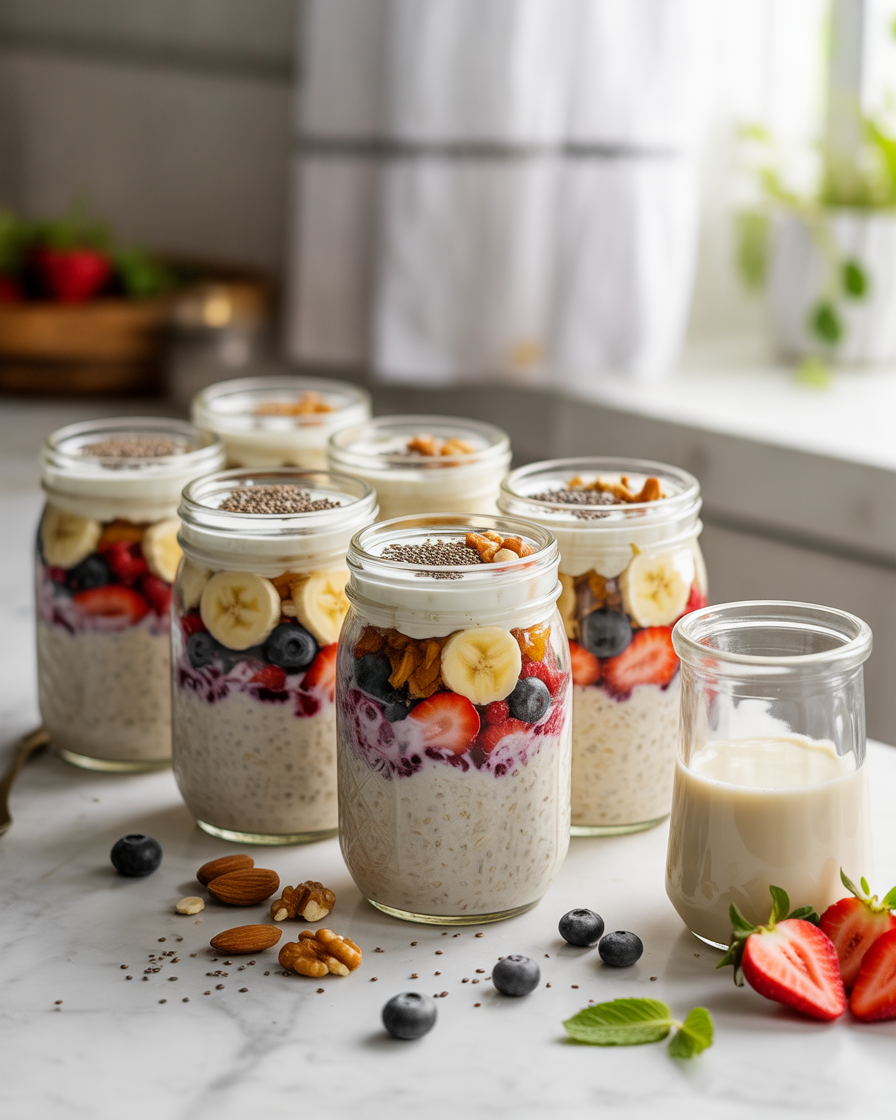
1. Greek Yogurt and Berry Overnight Oats for a Convenient High-Protein Breakfast
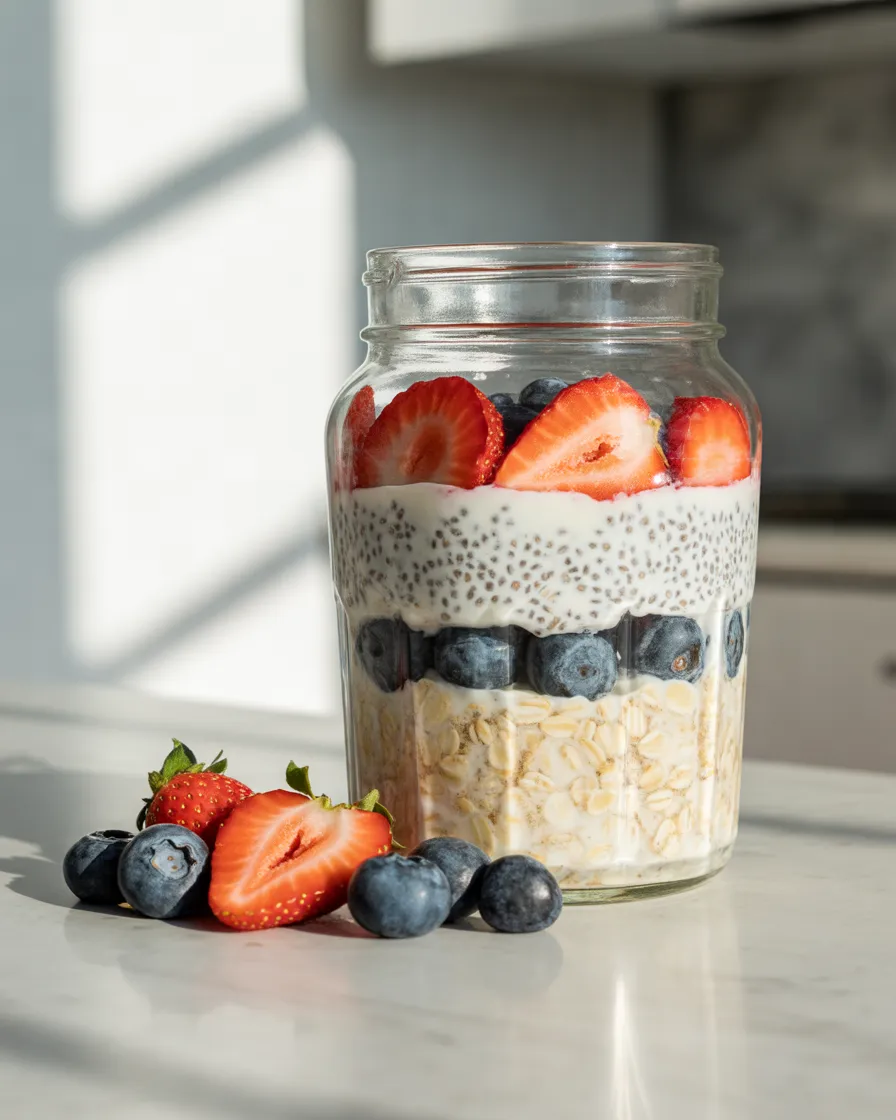
Overnight oats are one of the easiest breakfast options to include in a calorie deficit meal prep routine. They require no cooking, can be prepared in individual jars, and are easy to customize with different fruits and toppings.
What to prepare: Combine rolled oats, plain Greek yogurt, milk of your choice, chia seeds, and a small portion of blueberries or strawberries. Refrigerate overnight and stir before eating. Add cinnamon or vanilla extract for extra flavor.
Estimated calories: Approximately 300–400 per serving, depending on quantities.
Benefits: Greek yogurt provides protein, oats contribute fiber, and berries supply color and nutrients. Together, these ingredients create a convenient breakfast that can help you feel satisfied through the morning.
Practical tips: Prepare two or three jars at once. Measure calorie-dense ingredients such as nuts, seeds, and nut butter rather than adding them freely.
How to use it: Eat straight from the refrigerator or take a jar to work. Add fresh fruit shortly before serving if you prefer a firmer texture.
Who it may suit: Busy professionals, students, and anyone who wants a quick breakfast with minimal morning preparation.
Important consideration: Choose unsweetened yogurt and adjust the fruit or milk to your taste. If you need more energy, increase the oats or add another suitable topping rather than forcing yourself to eat an overly small breakfast.
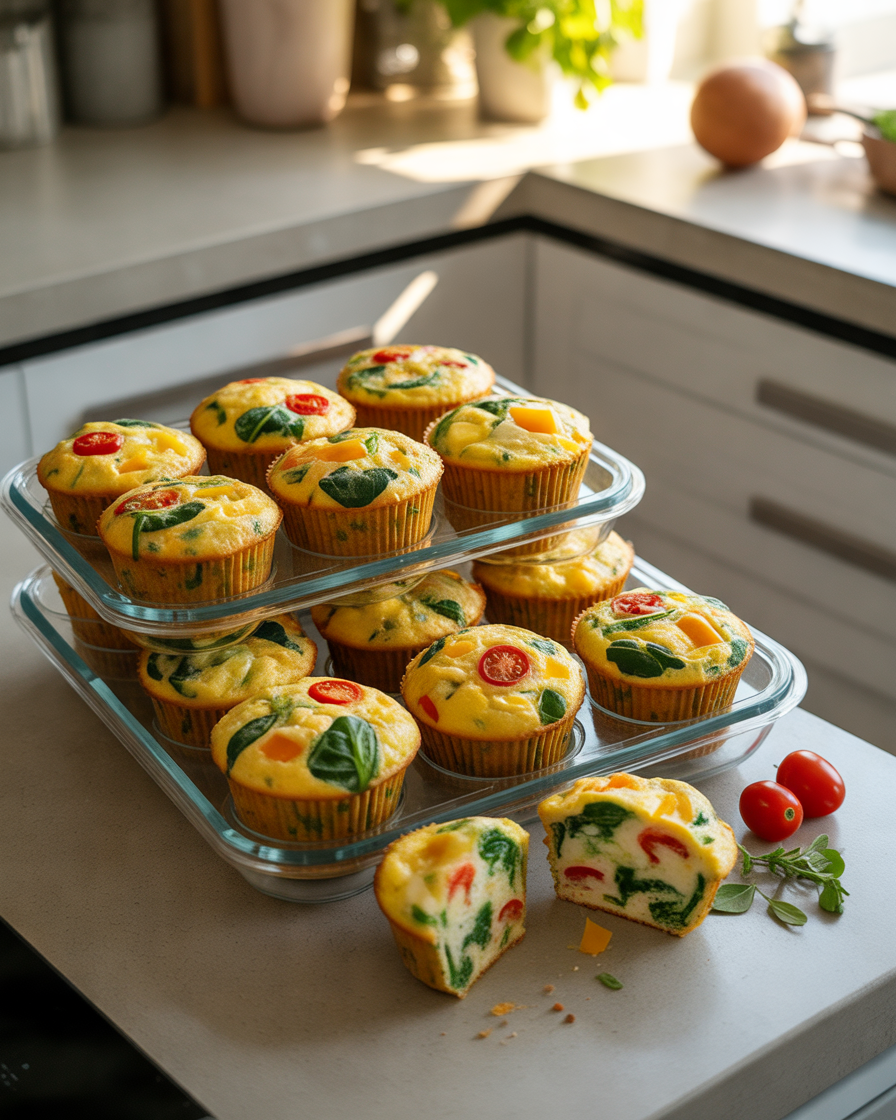
2. Spinach and Egg Muffin Meal Prep Boxes for a Protein-Rich Morning
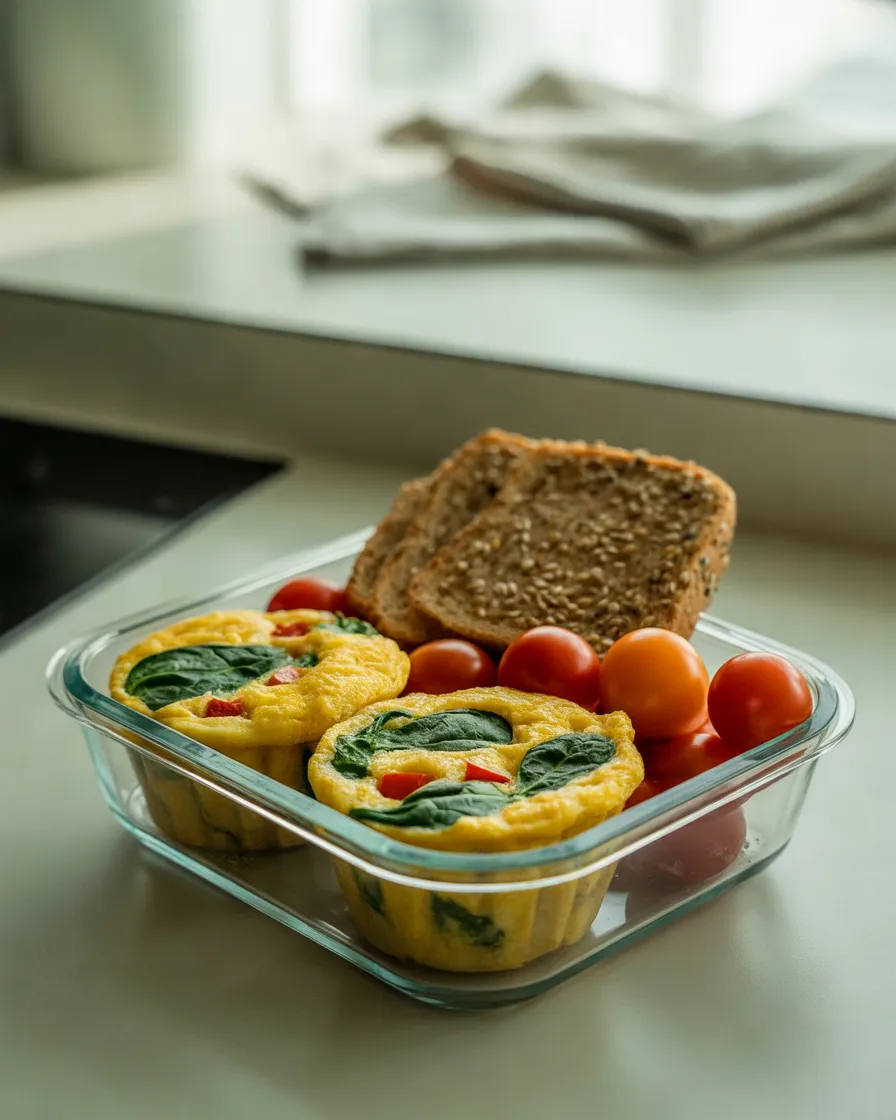
Egg muffins offer a practical alternative to sugary breakfast pastries or a rushed morning sandwich. They are baked in a muffin tray, portioned in advance, and easy to pair with vegetables or whole-grain toast.
What to prepare: Whisk eggs with chopped spinach, diced bell peppers, black pepper, and a little grated cheese. Pour into a lightly oiled muffin tin and bake until fully set. Pack two or three muffins with cherry tomatoes and whole-grain toast, adjusting portions to your needs.
Estimated calories: Approximately 300–400 per meal-prep box.
Benefits: Eggs supply protein and several essential nutrients, while vegetables add variety and volume. Preparing them in batches makes breakfast more predictable on busy mornings.
Practical tips: Use a nonstick muffin tin or silicone liners to reduce the amount of cooking oil needed. Add mushrooms, onions, or leftover cooked vegetables for variety.
How to use it: Refrigerate portions for the next few days and reheat thoroughly before eating. You can freeze extra egg muffins for later use.
Who it may suit: People who prefer savory breakfasts, want portable food, or need an alternative to overnight oats.
Important consideration: Eggs and cheese contribute to the meal’s calorie content, so choose portions according to your preferences rather than removing nutritious ingredients unnecessarily. If you have an egg allergy, try a suitable alternative such as a tofu-based breakfast scramble.
3. Turkey Taco Bowls for Easy High-Protein Lunch Meal Prep
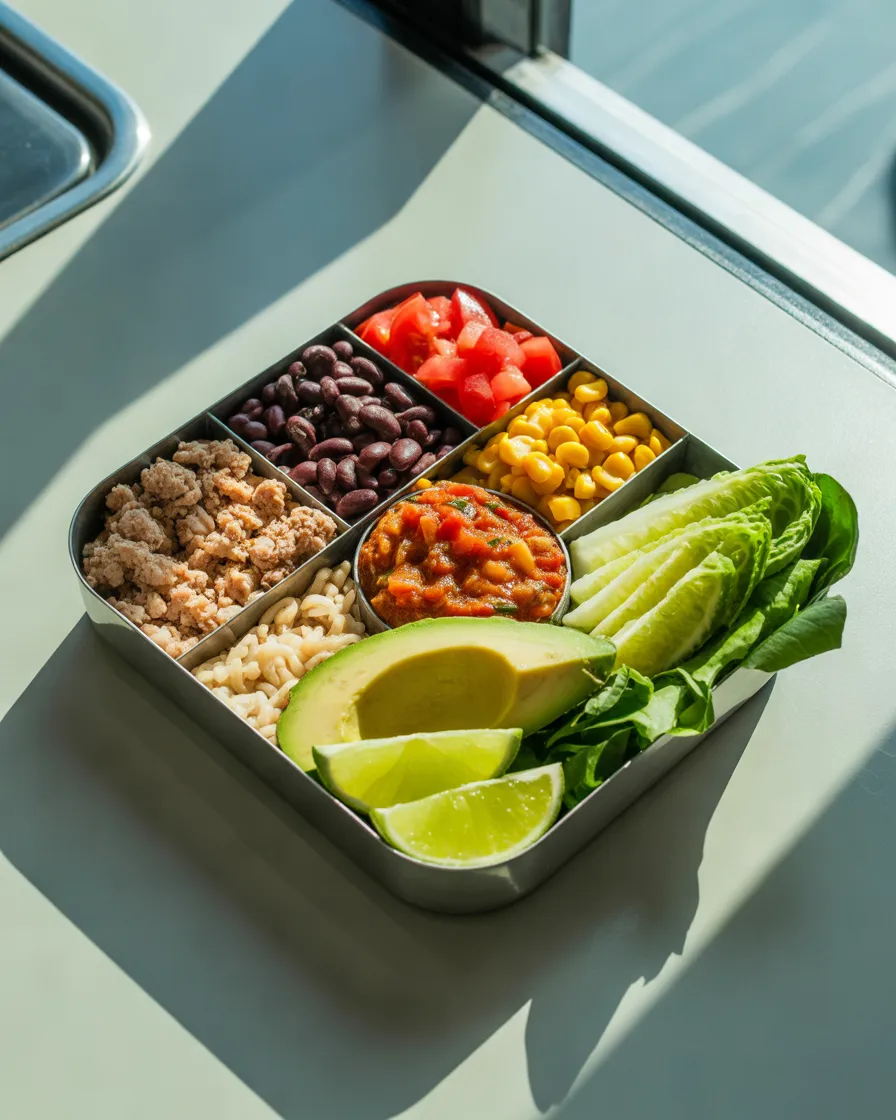
Turkey taco bowls bring the flavors of a familiar favorite into a convenient lunch that can be prepared in several portions at once. They are particularly useful when you want something more satisfying than a plain salad.
What to prepare: Cook lean ground turkey with onion, garlic, paprika, cumin, chili powder, and a little tomato paste. Divide it between containers with brown rice, black beans, lettuce, chopped tomatoes, and salsa.
Estimated calories: Approximately 400–550 per serving, depending on the rice, turkey, avocado, and toppings.
Benefits: Turkey supplies protein, beans contribute protein and fiber, and vegetables provide texture and variety. Brown rice supplies carbohydrates that can support daily activity.
Practical tips: Cook the turkey and rice in batches. Keep lettuce, salsa, and other fresh toppings separate until serving to preserve their texture.
How to use it: Assemble three or four lunch portions. Refrigerate the portions you plan to eat soon and freeze suitable portions for later.
Who it may suit: Office workers, students, and people who want flavorful meal prep for weight management without complicated cooking.
Important consideration: Cheese, sour cream, oil, and avocado can add substantial calories, but they do not need to be eliminated. Choose amounts that fit your overall meal plan and preferences.
4. Lemon Herb Chicken and Quinoa Bowls for Balanced Lunches
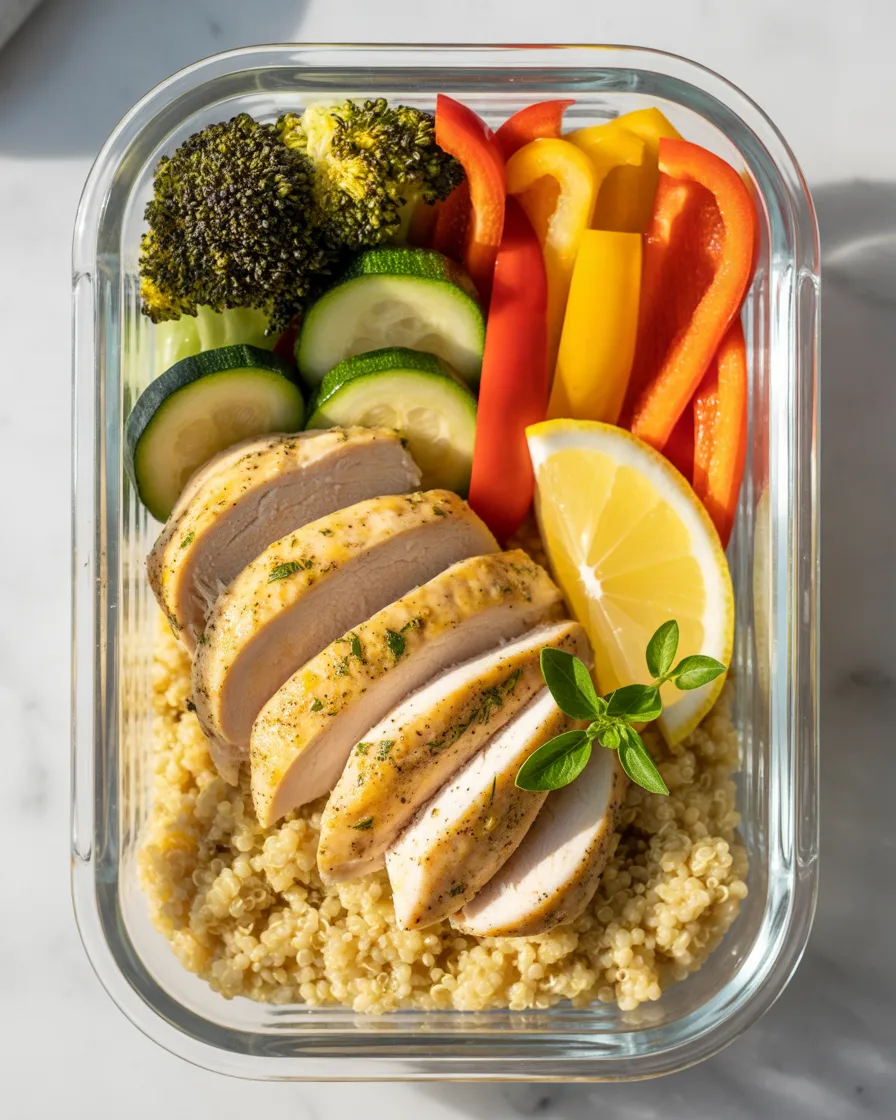
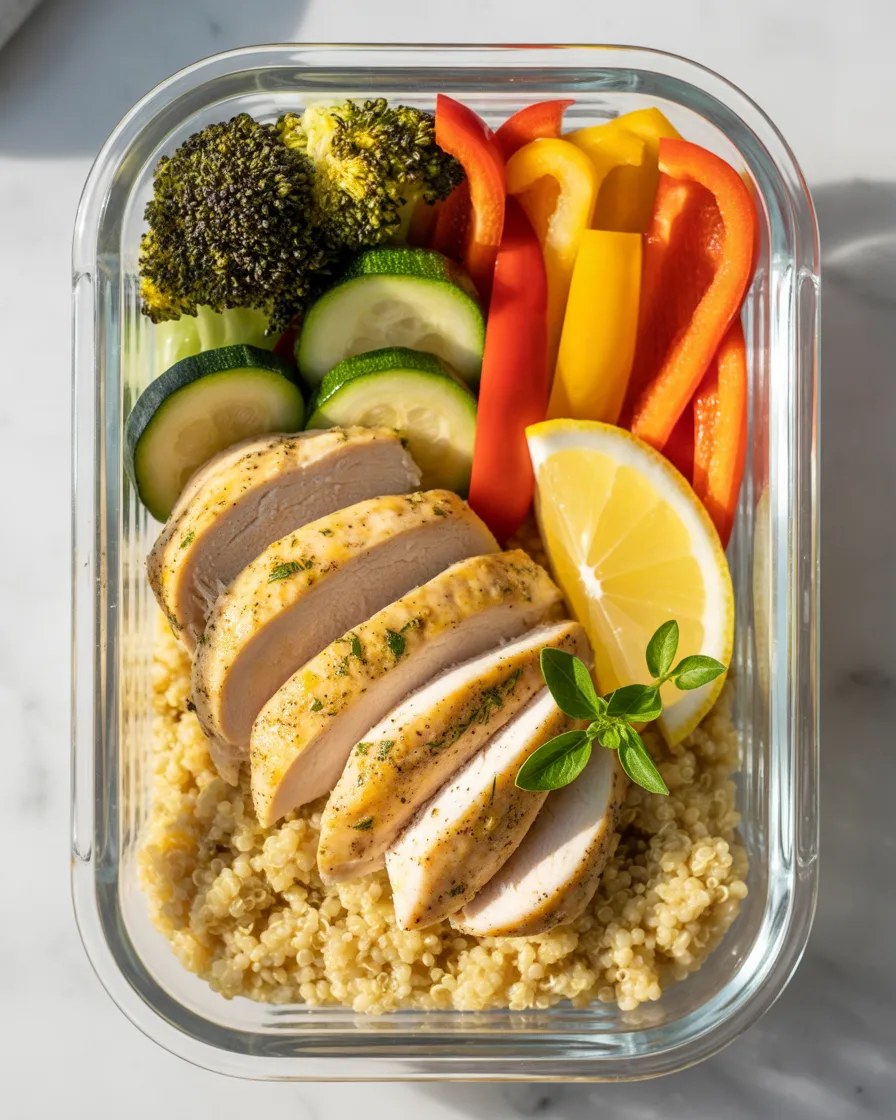
Lemon herb chicken bowls are a versatile choice for anyone who wants a balanced, easy-to-reheat lunch. You can prepare the ingredients together on one baking tray while quinoa cooks separately, making this a convenient option for weekly meal prep.
What to prepare: Season skinless chicken breast with lemon juice, garlic, oregano, black pepper, and a measured amount of olive oil. Bake until fully cooked. Serve with quinoa, roasted zucchini, bell peppers, and broccoli.
Estimated calories: Approximately 400–550 per serving.
Benefits: Chicken supplies protein, quinoa provides carbohydrates and some protein, and the vegetables add fiber and important micronutrients. The combination offers a balanced foundation for a satisfying meal.
Practical tips: Roast several servings of vegetables at once. Keep the lemon dressing separate until serving to maintain the best texture and flavor.
How to use it: Divide the cooked chicken, quinoa, and vegetables into individual containers. Add lemon juice and herbs before eating.
Who it may suit: People who prefer straightforward lunches, enjoy Mediterranean-inspired flavors, or want an alternative to takeout.
Important consideration: Do not rely on chicken and vegetables alone if that leaves you hungry. Adjust the quinoa, vegetables, and healthy fats to suit your energy needs. Cook poultry to an internal temperature of 165°F (74°C).
5. Tofu, Broccoli, and Edamame Stir-Fry for Plant-Based Meal Prep
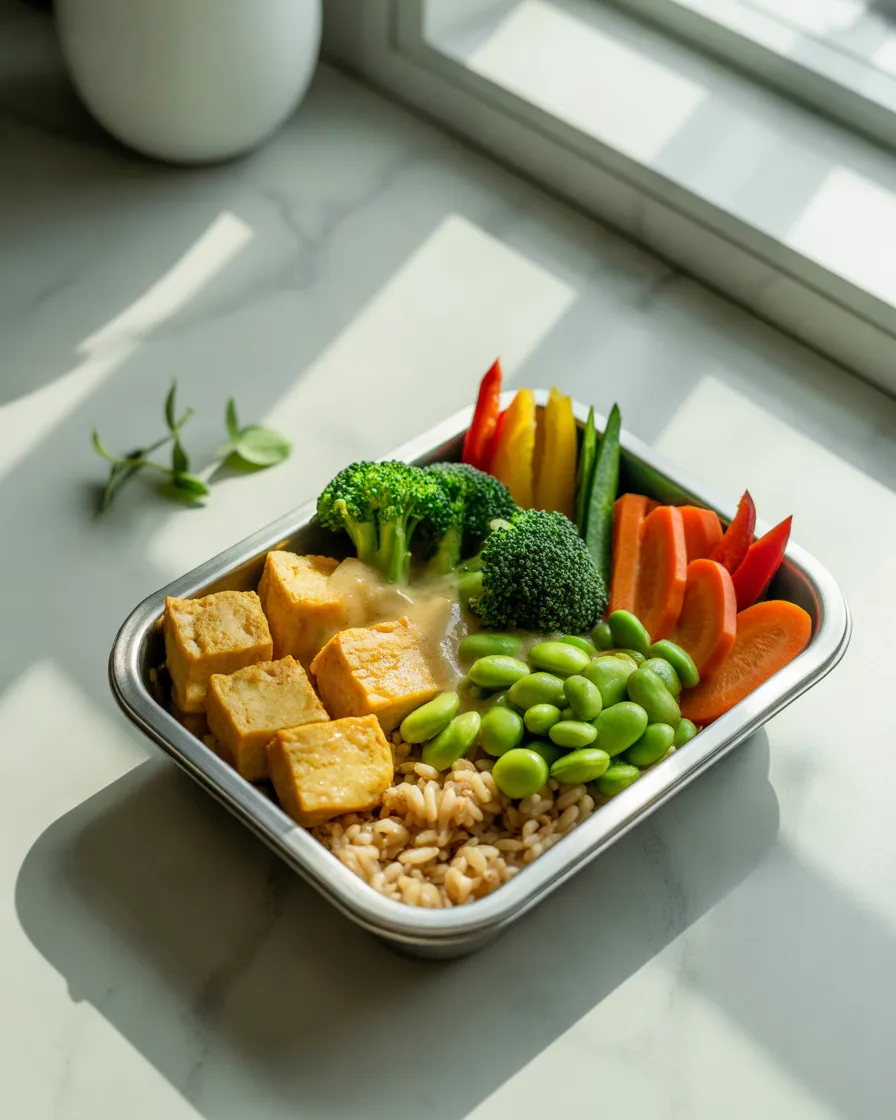
A tofu stir-fry is a practical way to prepare a plant-based meal without relying on expensive specialty ingredients. Tofu absorbs seasonings well, while broccoli and edamame bring contrasting textures and make the dish more substantial.
What to prepare: Press firm tofu, cut it into cubes, and bake or pan-cook it until lightly crisp. Stir-fry broccoli, carrots, and bell peppers, then add shelled edamame and a sauce made with low-sodium soy sauce, garlic, ginger, and lime juice. Serve with brown rice.
Estimated calories: Approximately 400–500 per serving.
Benefits: Tofu and edamame provide plant protein. Vegetables contribute fiber and variety, while rice provides energy for everyday activities.
Practical tips: Bake the tofu in a single layer for a firmer texture. Measure sesame oil and other calorie-dense ingredients, and use ginger, garlic, and citrus for extra flavor.
How to use it: Prepare several portions and keep the sauce separate if you prefer firmer vegetables. Reheat until thoroughly hot.
Who it may suit: Vegetarians, vegans, and anyone looking for high-protein vegetarian meal prep.
Important consideration: Soy is a common food allergen. If you cannot eat soy, consider a different protein source that suits your dietary needs. Use gluten-free tamari instead of regular soy sauce if you need to avoid gluten.
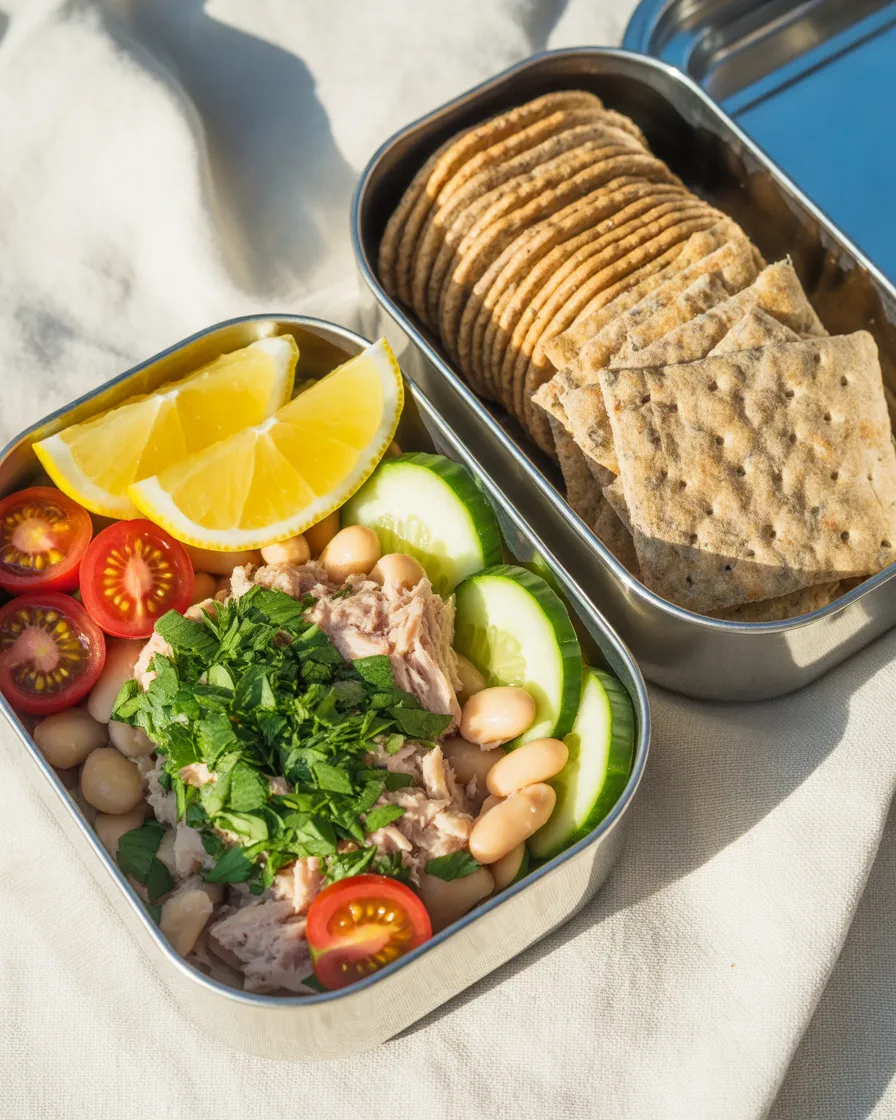
6. Tuna and White Bean Salad Jars for a No-Cook Lunch
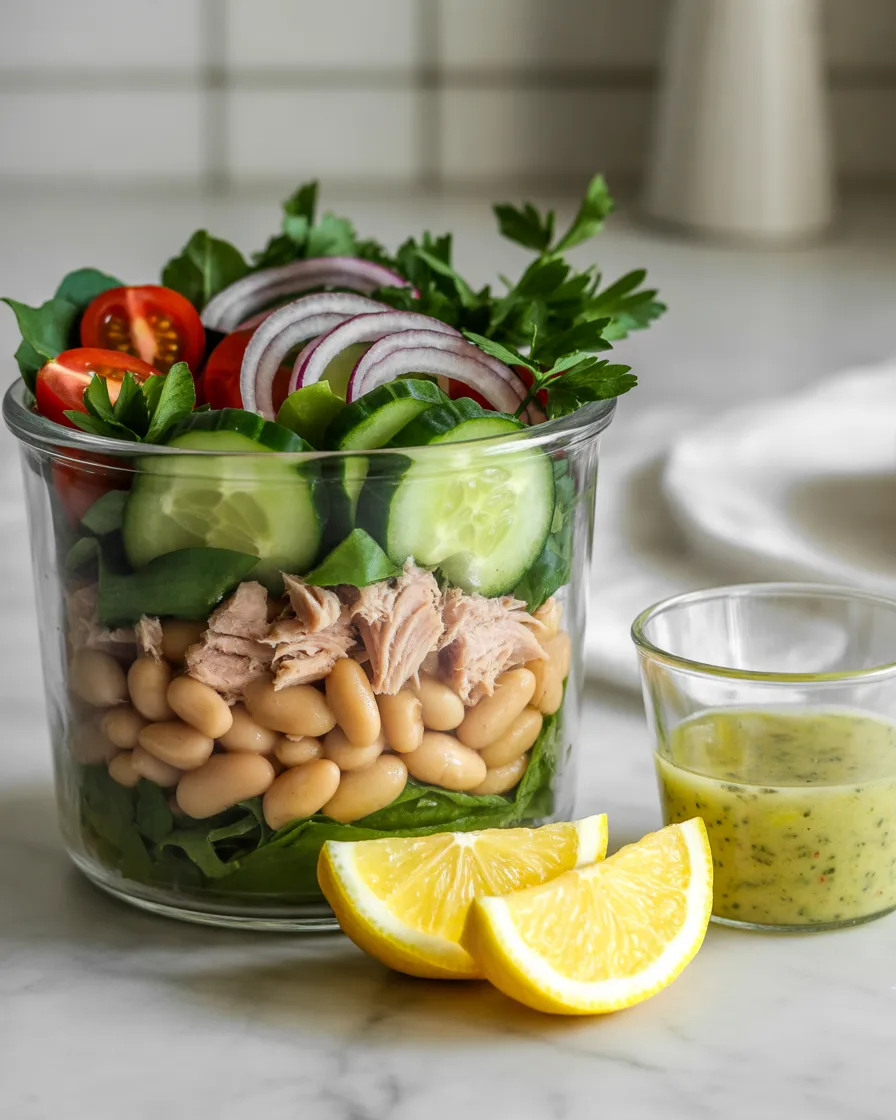
When cooking is not an option, tuna and white bean salad jars can make calorie deficit meal prep much easier. This recipe requires little preparation, uses accessible ingredients, and can be assembled in minutes.
What to prepare: Combine drained canned tuna with rinsed cannellini beans, chopped cucumber, cherry tomatoes, red onion, parsley, lemon juice, and a small amount of olive oil. Add black pepper and dried herbs to taste.
Estimated calories: Approximately 350–450 per serving.
Benefits: Tuna provides protein, beans supply fiber and additional protein, and vegetables add freshness. The combination offers a convenient lunch without needing a stove or oven.
Practical tips: Choose tuna packed in water if you prefer it, but tuna packed in oil can also fit your plan when accounted for. Drain canned ingredients well and keep the dressing separate.
How to use it: Pack the salad into airtight containers and add leafy greens shortly before serving. Pair it with whole-grain crackers or bread if you need a more substantial meal.
Who it may suit: Office workers, students, travelers with access to refrigeration, and people who prefer cold lunches.
Important consideration: Tuna contains mercury, and levels vary by species. Vary your protein choices throughout the week and follow local guidance, particularly during pregnancy. Refrigerate the prepared salad promptly and transport it in an insulated cooler when necessary.
7. Lentil and Vegetable Soup for Affordable, High-Fiber Meal Prep
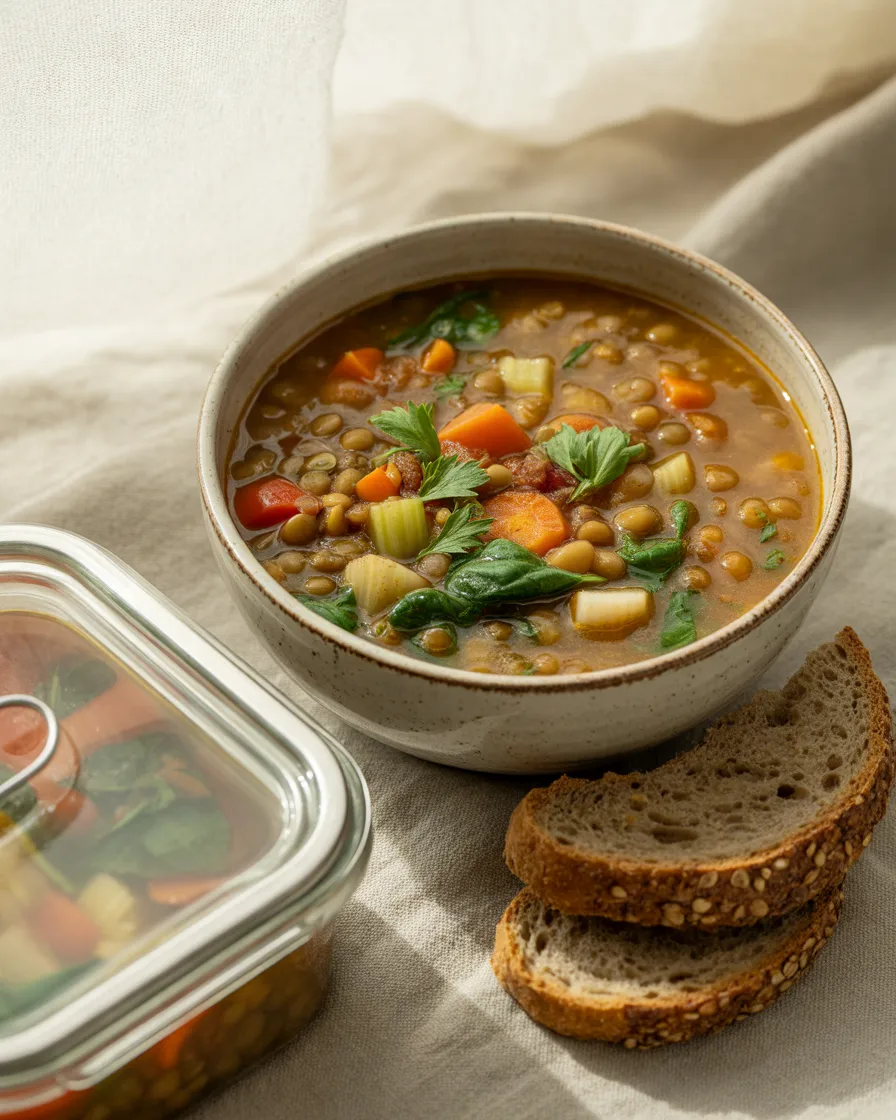
Lentil soup is a budget-friendly option for people who want filling meals without spending a lot on meat. It also freezes well, making it particularly useful for preparing meals beyond the next few days.
What to prepare: Sauté onion, carrots, and celery in a little olive oil. Add rinsed lentils, chopped tomatoes, garlic, cumin, vegetable stock, and water. Simmer until the lentils are tender, then stir in spinach or kale.
Estimated calories: Approximately 300–450 per serving, depending on the recipe and portion size.
Benefits: Lentils provide plant protein, fiber, iron, and other nutrients. The vegetables add variety, while the warm broth creates a comforting meal that is easy to portion.
Practical tips: Make a large batch in one pot. Use herbs, smoked paprika, lemon juice, or chili flakes to build flavor without depending on large amounts of salt.
How to use it: Portion the cooled soup into shallow containers. Serve with whole-grain toast or a side salad if you want a more substantial lunch or dinner.
Who it may suit: Budget-conscious households, vegetarians, busy families, and people who like make-ahead lunches.
Important consideration: Lentils contain fermentable carbohydrates that can cause digestive discomfort for some people. Start with a comfortable portion and adjust based on your tolerance. If using canned lentils, rinse them to remove some of the added sodium.
8. Salmon, Sweet Potato, and Broccoli Tray Bake for a Nutrient-Rich Dinner
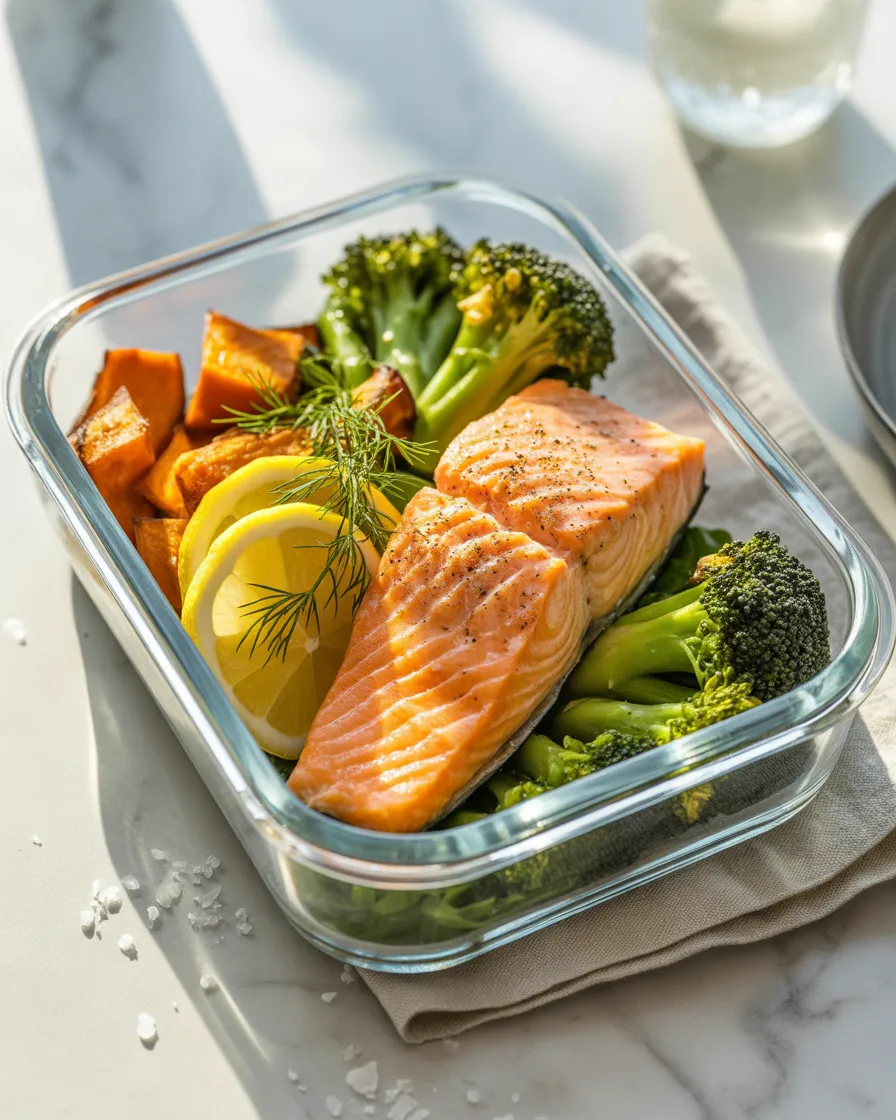
A salmon tray bake offers a simple way to prepare a balanced dinner with minimal cleanup. It combines a protein-rich fish with vegetables and a carbohydrate source, without requiring separate complicated recipes.
What to prepare: Arrange salmon portions, cubed sweet potatoes, and broccoli on a baking tray. Season with lemon, garlic, black pepper, paprika, and a measured amount of olive oil. Roast until the vegetables are tender and the salmon is cooked through.
Estimated calories: Approximately 450–600 per serving.
Benefits: Salmon provides protein and omega-3 fatty acids. Sweet potatoes supply carbohydrates and beta-carotene, while broccoli adds fiber and other nutrients.
Practical tips: Start the sweet potatoes before adding the salmon if the cubes need more cooking time. Keep the seasoning simple and use lemon or fresh herbs to enhance flavor.
How to use it: Prepare a few portions for upcoming dinners. Store the components in separate sections if you prefer to avoid mixing the fish juices with the vegetables.
Who it may suit: Fish lovers, people seeking variety beyond chicken, and those who prefer oven-based meal prep.
Important consideration: Salmon and olive oil are nutritious but contribute calories, so use portions that fit your overall needs. Choose another suitable fish or a plant-based protein if you have a fish allergy.
9. Lean Turkey and Bean Chili for a Freezer-Friendly Dinner
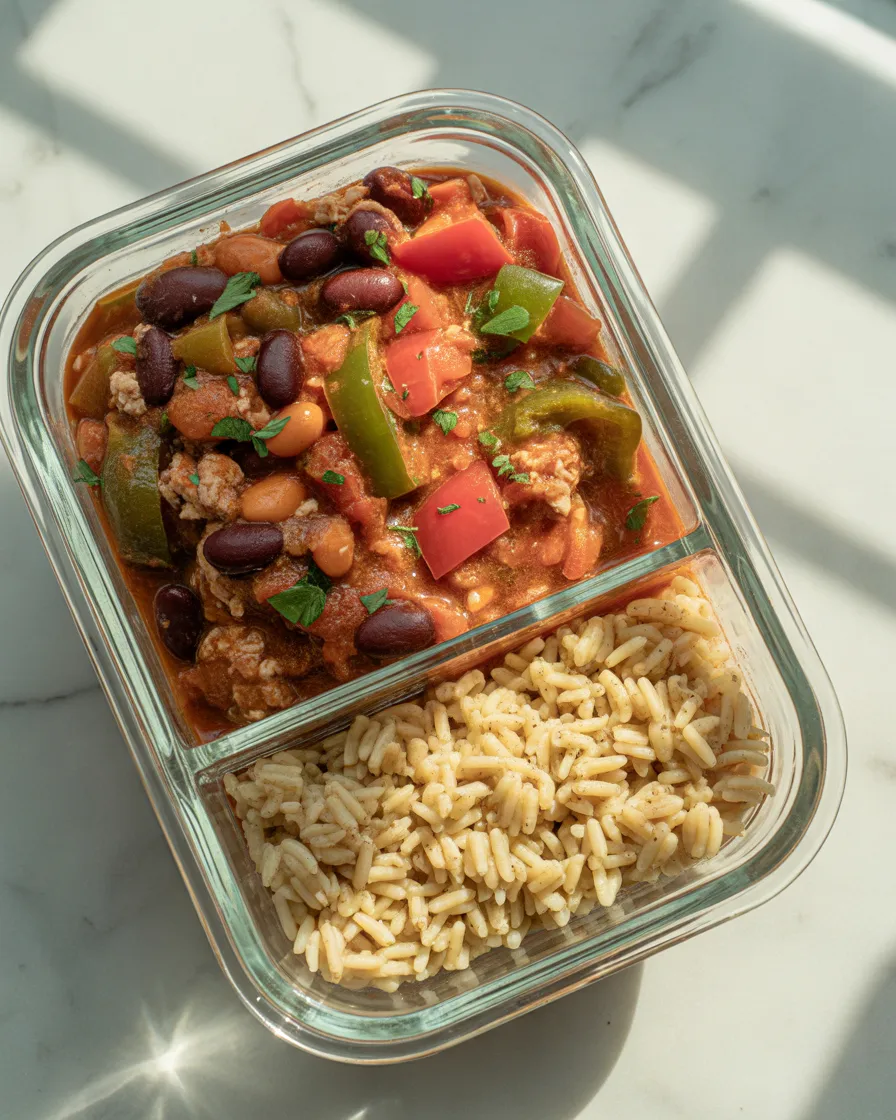
Turkey chili is an excellent option when you want to cook once and have several convenient meals ready. Beans and vegetables add substance, while tomatoes and spices create a rich flavor without requiring a heavy cream-based sauce.
What to prepare: Brown lean ground turkey with chopped onion and garlic. Add kidney beans, black beans, crushed tomatoes, bell peppers, cumin, chili powder, and paprika. Simmer until the flavors develop and the turkey is fully cooked.
Estimated calories: Approximately 350–500 per serving, depending on the ingredients and toppings.
Benefits: Turkey and beans contribute protein, while beans and vegetables add fiber. The one-pot preparation reduces cleanup and makes portioning straightforward.
Practical tips: Use a combination of beans for variety. Add extra bell peppers, mushrooms, or zucchini to increase the vegetable content. Measure cheese, sour cream, and other toppings separately.
How to use it: Divide the chili into individual containers and freeze portions you will not eat within a few days. Thaw safely and reheat thoroughly before serving.
Who it may suit: Families, batch-cooking beginners, people with busy workweeks, and anyone who wants a hearty meal that can be frozen.
Important consideration: Canned beans, stock, and seasoning mixes may contain considerable sodium. Choose lower-sodium options where practical and adjust the seasoning to your preference.
10. Mediterranean Chickpea and Quinoa Bowls for Vegetarian Lunches
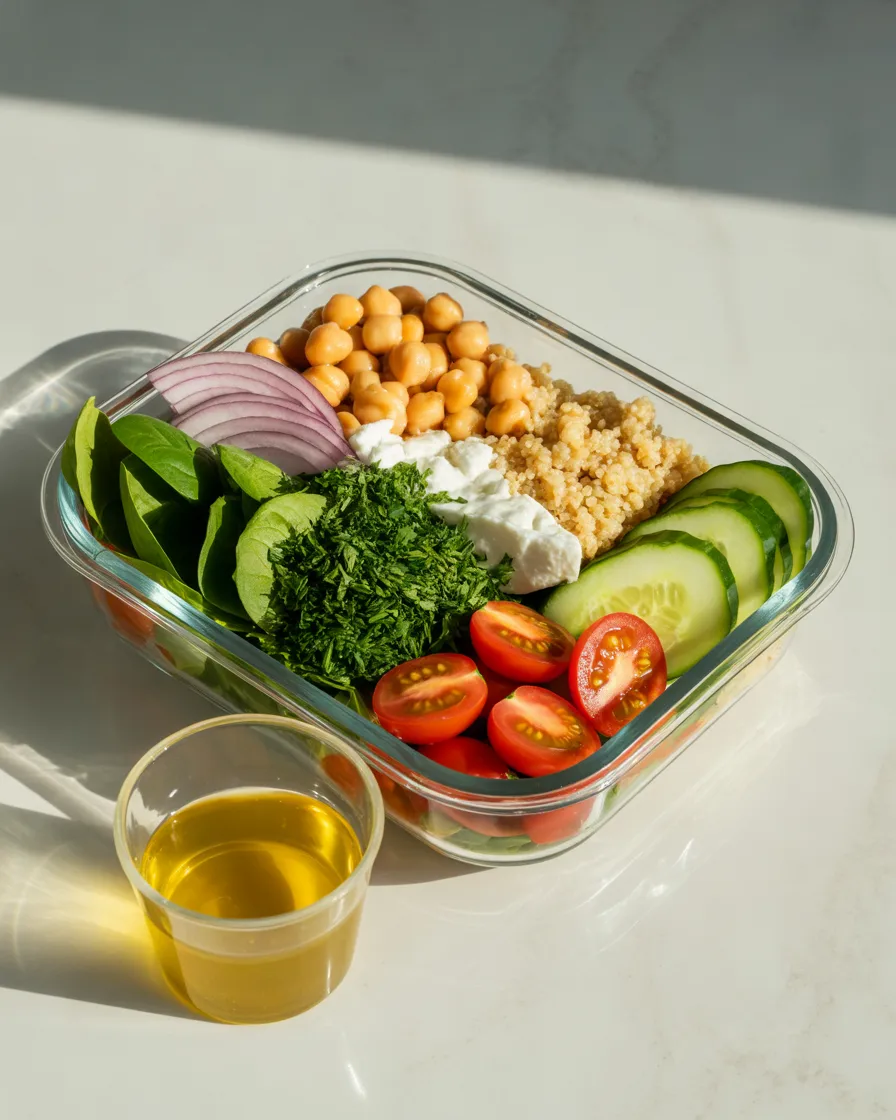
Mediterranean-inspired bowls offer a fresh alternative to traditional meat-and-rice meal prep. They combine legumes, whole grains, colorful vegetables, and a flavorful dressing in a flexible recipe that can be adjusted to different tastes.
What to prepare: Combine cooked quinoa with rinsed chickpeas, cucumber, cherry tomatoes, red onion, parsley, and spinach. Dress with lemon juice, garlic, black pepper, and a measured amount of olive oil. Add a little feta cheese if desired.
Estimated calories: Approximately 400–500 per serving.
Benefits: Chickpeas contribute protein and fiber, quinoa provides carbohydrates and additional protein, and vegetables add variety. The ingredients also offer different textures, making the meal more enjoyable.
Practical tips: Roast the chickpeas with paprika if you prefer a deeper flavor. Keep the dressing separate and add cucumber and leafy greens shortly before eating.
How to use it: Prepare individual lunch bowls for work or home. Add grilled chicken, tofu, or another protein if you want to change the recipe.
Who it may suit: Vegetarians, people who enjoy fresh lunches, and anyone looking for a meal prep option that can be eaten cold.
Important consideration: Olive oil, feta, and larger portions of quinoa can increase the calorie content. You do not need to eliminate them; simply account for your preferred portions. Rinse canned chickpeas to remove some of the added sodium.
11. Turkey-Stuffed Bell Peppers for Portion-Friendly Dinners
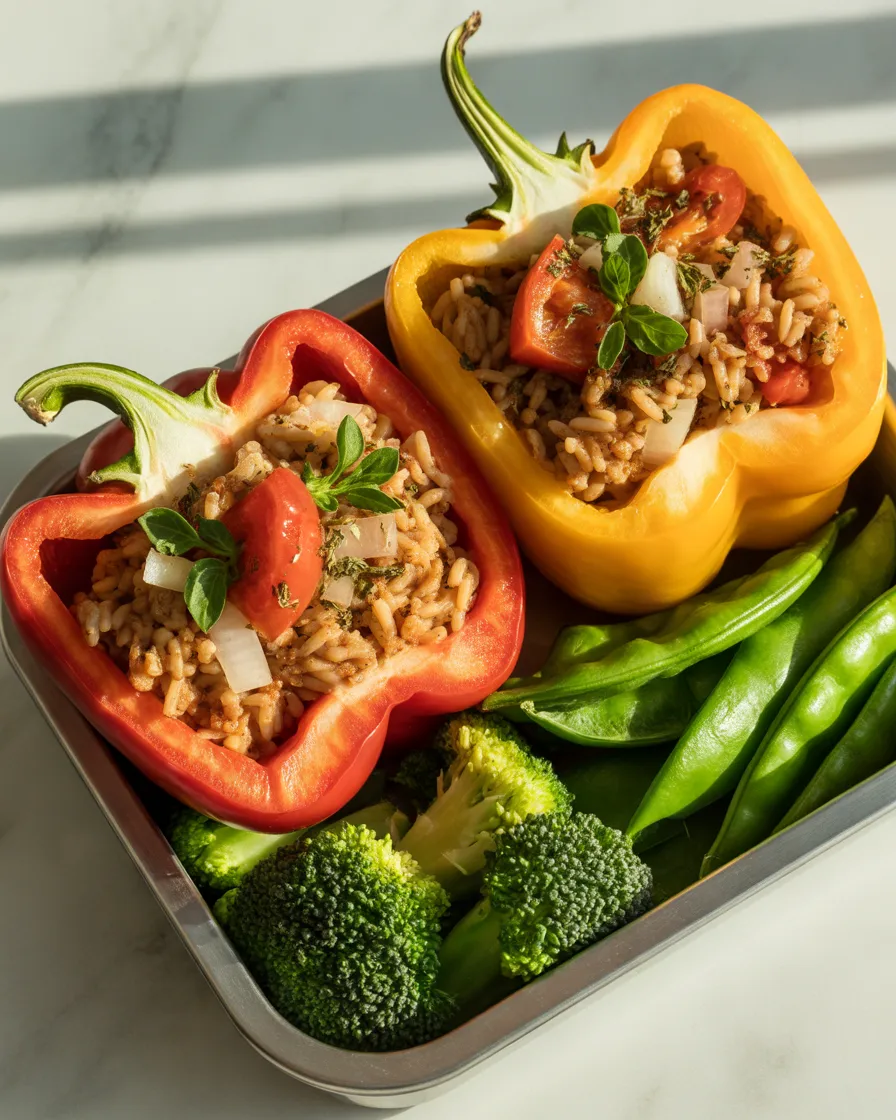
Stuffed bell peppers provide a useful way to combine protein, vegetables, and grains in one easy-to-serve meal. Their individual portions also make them convenient for people who prefer a structured dinner rather than assembling several side dishes.
What to prepare: Halve bell peppers and remove the seeds. Fill them with cooked lean ground turkey, brown rice, diced tomatoes, onions, garlic, and Italian herbs. Bake until the peppers are tender and the filling is thoroughly cooked.
Estimated calories: Approximately 350–500 per serving, depending on the filling and toppings.
Benefits: Turkey contributes protein, peppers provide vitamin C and other nutrients, and brown rice supplies energy. The recipe is easy to modify based on the vegetables and seasonings you have available.
Practical tips: Par-cook the rice before mixing it into the filling. Choose peppers of similar size so they cook evenly, and prepare extra filling for a quick lunch the following day.
How to use it: Store cooked peppers in individual containers. Serve with a green salad or additional roasted vegetables when you want a larger meal.
Who it may suit: Families, people who enjoy oven-baked meals, and anyone who wants attractive, ready-portioned lunches or dinners.
Important consideration: Cheese and oil can increase the calorie content. Add them according to preference rather than treating them as forbidden foods. If using a different ground meat, ensure it reaches the appropriate safe internal temperature.
12. Cottage Cheese, Fruit, and Nut Snack Boxes for Satisfying Between-Meal Options
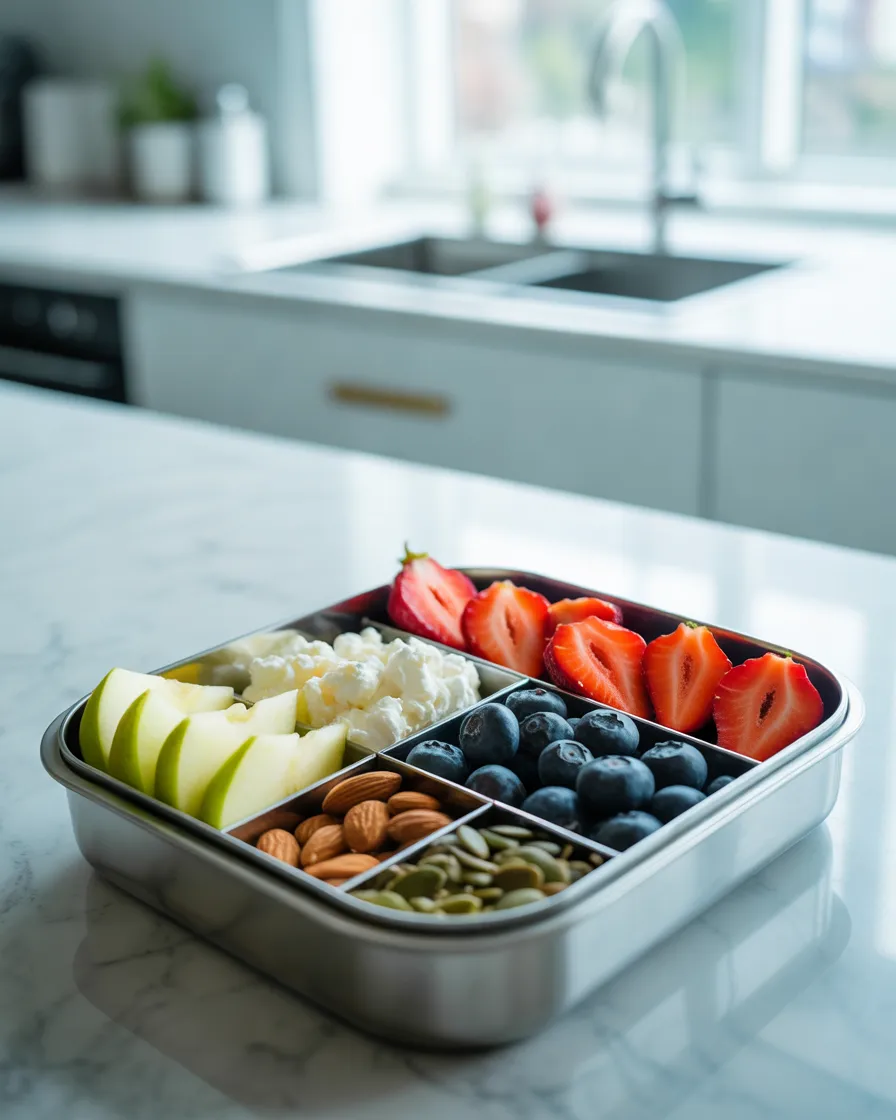
Meal prep is not limited to full meals. Preparing snacks in advance can help you choose something convenient when hunger strikes between meals, especially during long workdays or after physical activity.
What to prepare: Portion cottage cheese into small containers and pair it with apple slices, berries, grapes, or another favorite fruit. Add a measured serving of almonds, walnuts, or pumpkin seeds in a separate compartment.
Estimated calories: Approximately 250–350 per snack box, depending on portions and the type of cottage cheese.
Benefits: Cottage cheese supplies protein, fruit contributes fiber and nutrients, and nuts or seeds provide unsaturated fats. The combination offers different flavors and textures in a portable package.
Practical tips: Use reusable divided containers to keep the ingredients separate. Pack whole fruit when possible if you want to save preparation time.
How to use it: Keep a box refrigerated at work or at home and eat it when you are hungry, rather than automatically adding snacks when you do not need them.
Who it may suit: People with busy schedules, those who prefer small meals, and anyone who wants a more balanced alternative to frequently reaching for sweets.
Important consideration: Snacks are optional, and you do not have to eat between meals to lose weight. Choose lactose-free cottage cheese if needed, or replace it with a suitable alternative if you have a dairy allergy. Keep dairy products chilled.
Expert Tips for Successful Calorie Deficit Meal Prep
The best meal prep routine is one you can maintain. You do not need to cook every meal from scratch or follow a rigid diet. A few practical habits can make healthy meal prep for weight loss easier and more enjoyable.
Build Meals Around Protein, Vegetables, and Satisfying Carbohydrates
Include a protein source such as eggs, chicken, fish, tofu, beans, lentils, or yogurt. Add vegetables or fruit, and include an appropriate portion of whole grains, potatoes, or other carbohydrate sources.
This flexible approach helps you build balanced meals without unnecessarily removing entire food groups. Adjust portions according to your appetite, activity, and nutritional needs.
Plan Three to Five Days of Meals at a Time
Start by choosing a few recipes for the week rather than preparing twelve different dishes. For example, cook chicken and quinoa for two lunches, make lentil soup for two dinners, and prepare overnight oats for breakfast.
Reusing ingredients across recipes saves money, reduces food waste, and simplifies shopping.
Measure Calorie-Dense Ingredients When Accuracy Matters
Cooking oils, nut butters, nuts, seeds, dressings, and cheese can contribute substantial calories in relatively small amounts. Measuring them can help you estimate your intake more accurately.
However, these foods can still be part of a nutritious eating pattern. The goal is to understand portions, not to eliminate healthy fats or make every meal as low in calories as possible.
Make Flavor a Priority
A meal that tastes good is easier to include in your routine consistently. Use garlic, ginger, herbs, spices, citrus juice, vinegar, and homemade sauces to add flavor.
Prepare two different sauces for the week, such as a lemon-herb dressing and a yogurt-based sauce. You can use the same basic ingredients in different ways without feeling as though you are eating the same meal every day.
Store Prepared Meals Safely
Food safety is essential when preparing meals ahead of time. The USDA recommends refrigerating perishable leftovers within two hours, keeping the refrigerator at 40°F (4°C) or below, and using most cooked leftovers within three to four days. Freeze portions intended for later, and reheat leftovers to 165°F (74°C). (USDA Food Safety and Inspection Service)
Use clean, airtight containers and shallow portions to help food cool quickly. Keep cold foods chilled during transport, particularly when taking meals to work or school.
Adjust Your Plan Instead of Forcing Yourself to Follow It
Hunger, exercise, work schedules, sleep, and personal preferences can affect how much food you need. If your prepared meals leave you consistently hungry or tired, reassess your portions and overall intake.
Weight management should not require persistent hunger or extreme restriction. If you have diabetes, kidney disease, a history of disordered eating, or other health concerns that affect your nutritional needs, consult a registered dietitian or qualified healthcare professional for individual guidance.
FAQs About Calorie Deficit Meal Prep
1. What Is Calorie Deficit Meal Prep?
Calorie deficit meal prep means preparing meals and snacks in advance while managing your overall calorie intake. It can help you plan portions, choose balanced ingredients, reduce unplanned takeout, and make food decisions easier during busy days. Meal prep itself does not guarantee weight loss; your overall energy intake and expenditure matter.
2. What Are the Best Foods for Calorie Deficit Meal Prep?
Useful choices include eggs, chicken, fish, tofu, Greek yogurt, beans, lentils, vegetables, fruit, oats, potatoes, and whole grains. These foods provide a range of nutrients and can be combined in many ways. The best choices are those you enjoy, can afford, and can prepare consistently.
3. How Many Calories Should Each Meal Prep Container Have?
There is no single calorie amount that works for everyone. Your energy requirements depend on factors such as age, body size, activity level, and health. A meal containing 400 calories might suit one person but be insufficient for another. Consider your overall daily needs rather than choosing a calorie target for every container without context.
4. Can You Lose Weight With Meal Prep Without Counting Calories?
Yes, some people manage their weight without tracking every calorie. Planning balanced meals, paying attention to portions, choosing filling foods, and reducing frequent high-calorie extras may help. Calorie tracking can be useful for some people, but it is optional and may not be appropriate for everyone.
5. How Long Does Calorie Deficit Meal Prep Last in the Fridge?
For most cooked leftovers, follow the USDA’s guidance to refrigerate promptly and use within three to four days. Freeze meals that you plan to eat later. Some ingredients have different storage requirements, so check the relevant food-safety guidance and discard food when its safety is uncertain. (USDA Food Safety and Inspection Service)
6. Is High-Protein Meal Prep Better for Weight Management?
Protein can support muscle maintenance and help some people feel satisfied after meals. Including protein in breakfast, lunch, and dinner is a useful strategy, but eating more protein does not automatically produce weight loss. Total energy intake, food variety, activity, and individual health needs also matter.
7. Can Vegetarians Follow a Calorie Deficit Meal Prep Plan?
Absolutely. Tofu, tempeh, lentils, chickpeas, beans, edamame, eggs, and dairy products can all contribute protein, depending on your dietary preferences. Include a variety of plant foods and pay attention to nutrients that may need extra planning, such as vitamin B12 in fully vegan diets.
8. What Is the Easiest Way to Start Meal Prep for Weight Loss?
Begin with just three things: one breakfast, one lunch, and one dinner you enjoy. Prepare a few servings, store them safely, and notice how well they fit your schedule and appetite. Once this routine feels manageable, introduce additional recipes and ingredients gradually.
Conclusion: Build a Calorie Deficit Meal Prep Routine You Can Maintain
Calorie deficit meal prep does not have to mean bland chicken, plain vegetables, or eating the same meal every day. From overnight oats and turkey taco bowls to lentil soup, salmon tray bakes, and Mediterranean chickpea bowls, there are many ways to make everyday meals convenient, varied, and satisfying.
Start with two or three recipes from this list, prepare manageable portions, and experiment with seasonings and ingredients you enjoy. Focus on balanced nutrition, practical storage, and flexibility rather than pursuing the lowest possible calorie count.
Most importantly, choose a routine that supports your energy, health, and daily life. Sustainable habits are more useful than a meal plan that is too restrictive to maintain. If weight loss is appropriate for you, a balanced approach tailored to your individual needs can help you work toward your goals while continuing to enjoy food.