Busy schedules can make healthy eating difficult. When you arrive home tired or have only a short lunch break, convenience foods and takeaways can seem like the easiest options. Planning your meals in advance can help you make more thoughtful food choices without spending hours in the kitchen every day.
Meal prep low carb is a practical approach to preparing meals and snacks that contain fewer carbohydrate-rich ingredients, such as refined bread, pasta, sugary sauces, and large portions of rice or potatoes. Instead, meals often feature eggs, chicken, fish, tofu, vegetables, nuts, seeds, and other protein-rich or fiber-containing foods.
However, eating low carb does not mean eliminating every carbohydrate. Vegetables, berries, nuts, seeds, and some dairy products can still fit into a lower-carbohydrate eating pattern. Food quality matters, too. Harvard’s Nutrition Source emphasizes choosing nutritious carbohydrate sources and healthier fats and proteins rather than focusing exclusively on carbohydrate quantity.
The best low-carb meal prep plan is one you can maintain. It should include foods you enjoy, provide enough energy for your daily activities, and fit your budget and cooking skills.
In this guide, you will discover 12 practical low-carb meal prep ideas for breakfast, lunch, dinner, and snacks. Each recipe includes ingredients, preparation instructions, benefits, serving suggestions, and important considerations. You will also find food photography prompts for creating attractive recipe images for a health and wellness website.
1. Spinach and Feta Egg Muffins for Low-Carb Breakfast Meal Prep
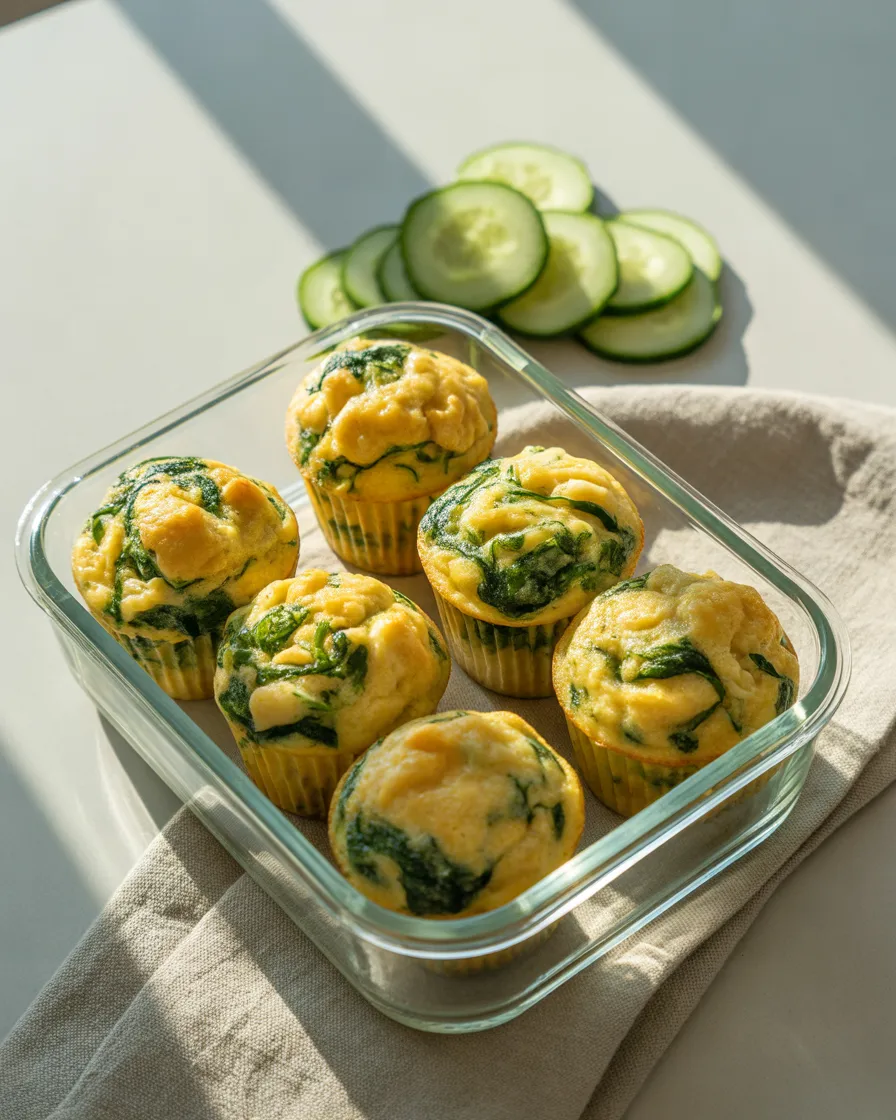
Egg muffins are a convenient option when you want a satisfying breakfast without preparing a fresh meal every morning. They combine eggs, vegetables, and cheese in individual portions that are easy to refrigerate and reheat.
Ingredients for 6 muffins
- 4 large eggs
- 1 cup chopped fresh spinach
- ¼ cup crumbled feta cheese
- 2 tablespoons finely chopped onion
- Black pepper and a pinch of dried oregano
- A little olive oil for greasing the muffin tin
How to prepare: Preheat the oven to 180°C (350°F). Whisk the eggs with the seasonings, then stir in the spinach, onion, and feta. Divide the mixture between six lightly greased muffin cups. Bake for approximately 18–22 minutes, or until the centers are fully set.
Benefits: Eggs provide protein, while spinach contributes folate and other micronutrients. The individual portions make breakfast easier to organize on busy mornings.
Practical tip: Allow the muffins to cool before packing them into airtight containers. Pair two muffins with cucumber slices or a small serving of avocado if you need a more substantial breakfast.
How to use it: Prepare a batch for weekday breakfasts or enjoy one as a quick snack.
Who it may suit: People who prefer savory breakfasts, office workers, and beginners learning to prepare meals ahead of time.
Important consideration: Feta contains sodium, so adjust the quantity if you are monitoring salt intake. Refrigerate cooked egg dishes promptly and use them within 3–4 days.
2. Greek Yogurt and Chia Breakfast Jars
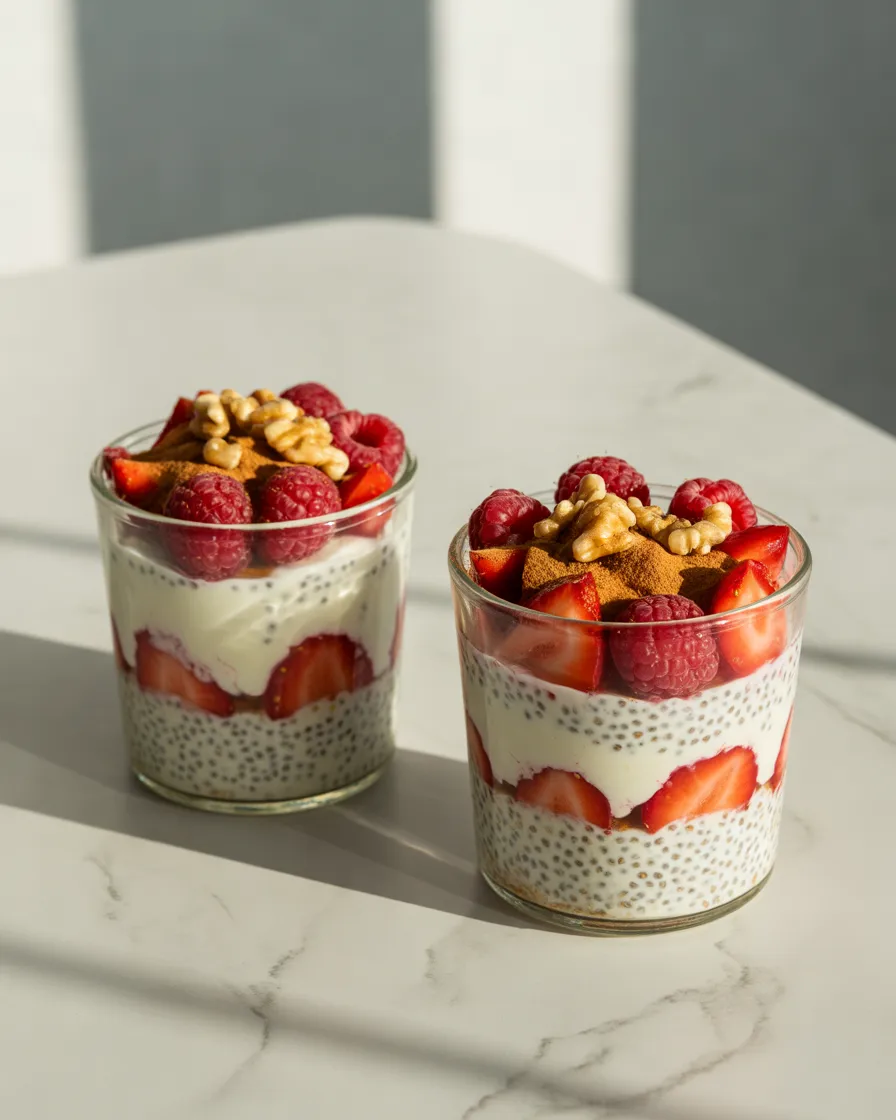
If you prefer a breakfast that requires no cooking in the morning, Greek yogurt and chia jars are worth adding to your weekly rotation. They offer a creamy texture, protein, and fiber with minimal preparation.
Ingredients for 2 servings
- 1 cup plain Greek yogurt
- 2 tablespoons chia seeds
- 2–4 tablespoons unsweetened milk of choice
- ¼ cup fresh raspberries or strawberries
- 1 tablespoon chopped walnuts
- Cinnamon to taste
How to prepare: Mix the yogurt, chia seeds, milk, and cinnamon in a bowl. Divide between two jars and refrigerate for at least four hours, preferably overnight. Before serving, add the berries and walnuts.
Benefits: Greek yogurt supplies protein, while chia seeds provide fiber and plant-based omega-3 fatty acids. Berries contribute flavor without requiring a large quantity of fruit.
Practical tip: Start with plain yogurt and adjust the texture using milk. If the mixture becomes too thick, stir in another spoonful before eating.
How to use it: Prepare individual jars for breakfast or an afternoon snack.
Who it may suit: People who enjoy sweet breakfasts, students, and anyone looking for quick, no-cook low-carb meal prep.
Important consideration: Carbohydrate content varies between yogurt brands and milk alternatives. Check labels, choose unsweetened products, and remember that this recipe contains some carbohydrates from dairy, chia seeds, and berries. Use dairy-free yogurt if needed, checking its nutritional label.
3. Chicken Fajita Bowls With Cauliflower Rice
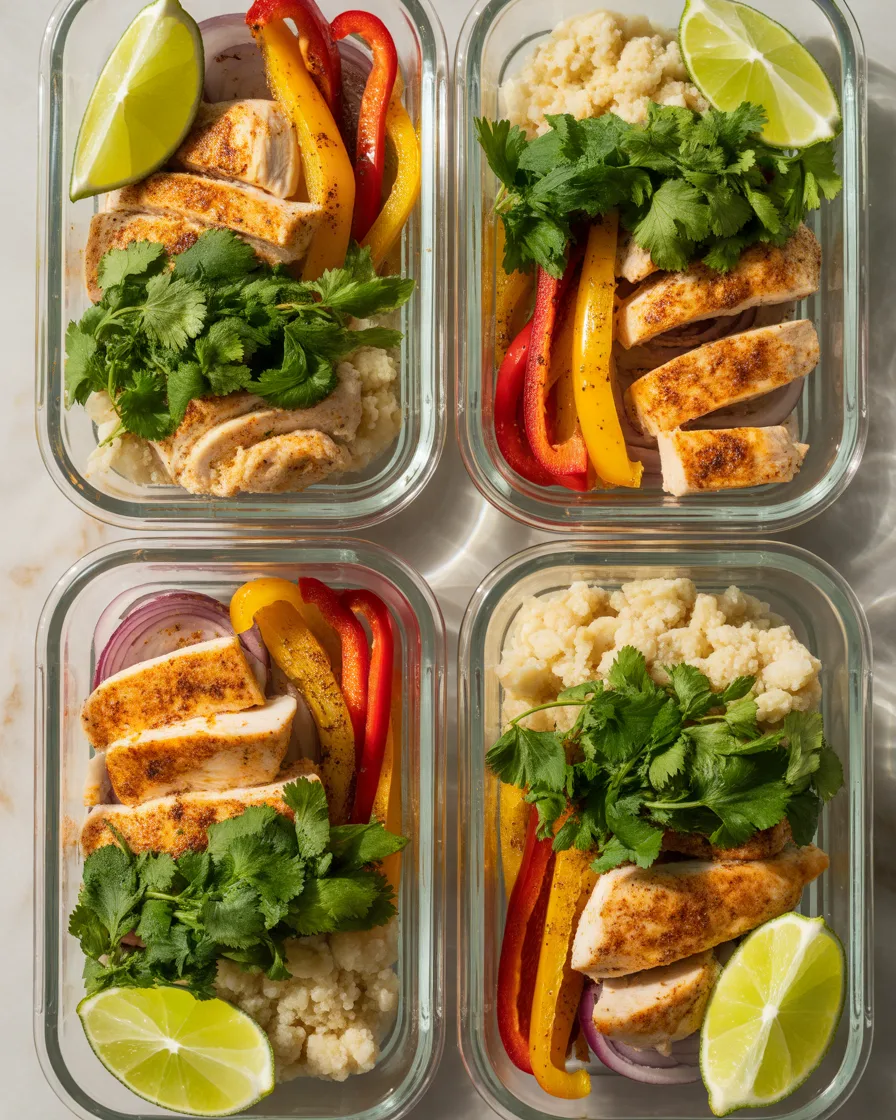
Chicken fajita bowls are ideal for people who want flavorful, high-protein low-carb meals that reheat well. Replacing traditional rice with cauliflower rice reduces the carbohydrate contribution while preserving the familiar bowl-style meal.
Ingredients for 4 servings
- 600 g boneless, skinless chicken breast
- 4 cups cauliflower rice, fresh or frozen
- 2 bell peppers, thinly sliced
- 1 medium onion, sliced
- 2 tablespoons olive oil
- 1 teaspoon each of paprika and cumin
- Garlic powder, black pepper, and lime juice
- Optional fresh coriander and plain Greek yogurt for serving
How to prepare: Slice the chicken and toss it with half the oil and seasonings. Cook in a skillet until fully cooked, reaching 74°C (165°F) internally. In the same pan, cook the peppers and onion until tender. Sauté the cauliflower rice separately for several minutes, then divide everything between four containers.
Benefits: Chicken supplies protein, while peppers and cauliflower contribute fiber and micronutrients. The seasoning provides plenty of flavor without relying on sugary sauces.
Practical tip: Keep lime juice and yogurt in separate small containers until serving. This helps preserve freshness and texture.
How to use it: Pack for work lunches or prepare enough for several evening meals.
Who it may suit: People who enjoy Mexican-inspired flavors, families preparing weekday lunches, and beginners seeking simple low-carb meal prep ideas.
Important consideration: Check seasoning blends and bottled sauces for added sugar and sodium. Refrigerate portions promptly and freeze those you will not eat within four days.
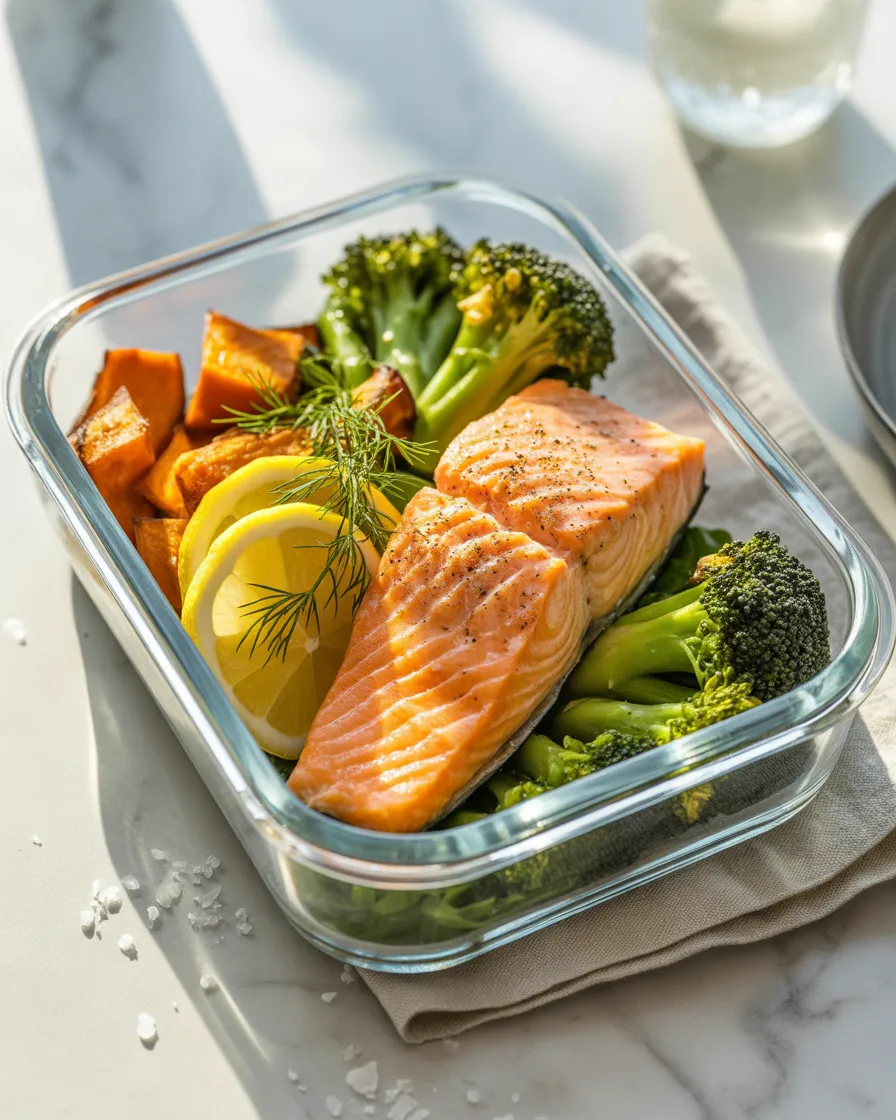
4. Lemon Herb Salmon With Roasted Broccoli
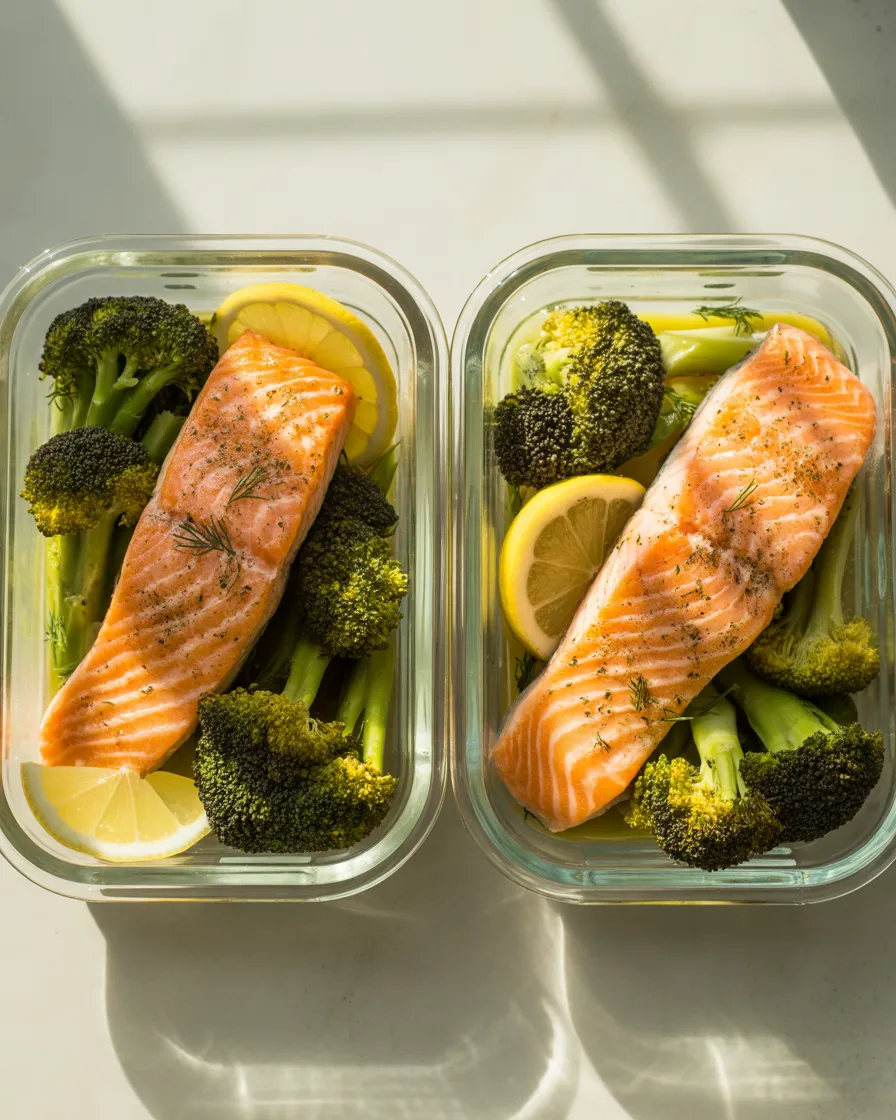
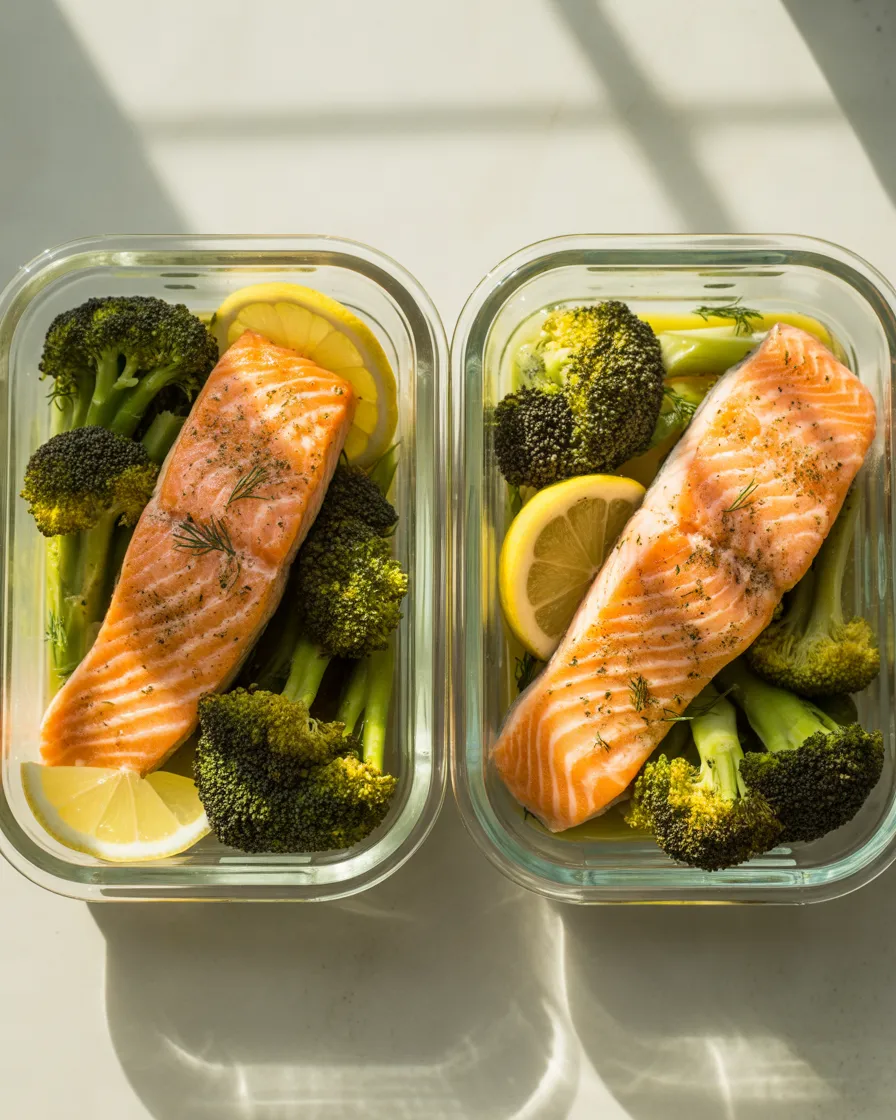
Salmon and broccoli create a simple combination for low-carb dinner prep. Salmon has a rich texture and provides protein and omega-3 fats, while broccoli adds color, fiber, and a range of vitamins.
Ingredients for 2 servings
- 2 salmon fillets, approximately 150 g each
- 3 cups broccoli florets
- 1 tablespoon olive oil
- 1 lemon
- 1 garlic clove, minced
- Dried dill or parsley
- Black pepper
How to prepare: Heat the oven to 200°C (400°F). Arrange the broccoli on a baking tray, toss with half the oil and garlic, and roast for 10 minutes. Add the seasoned salmon and continue cooking until the fish reaches a safe internal temperature of 63°C (145°F). Cooking time depends on the thickness of the fillets. Finish with lemon juice and herbs.
Benefits: Salmon supplies protein and omega-3 fatty acids, while broccoli adds fiber and micronutrients. This meal provides variety without depending on heavy sauces or refined starches.
Practical tip: Prepare two portions at a time for better texture. Store the lemon dressing separately and add it after reheating.
How to use it: Enjoy for dinner or pack as a lunch with extra roasted vegetables.
Who it may suit: Fish lovers, people seeking protein-rich dinners, and those who prefer straightforward meal prep recipes.
Important consideration: Fish quality can deteriorate during storage, so prepare smaller batches when possible. Refrigerate promptly, consume leftovers within 3–4 days, and freeze portions if you need to keep them longer. Check for fish allergies.
5. Turkey Lettuce Wrap Meal Prep Boxes
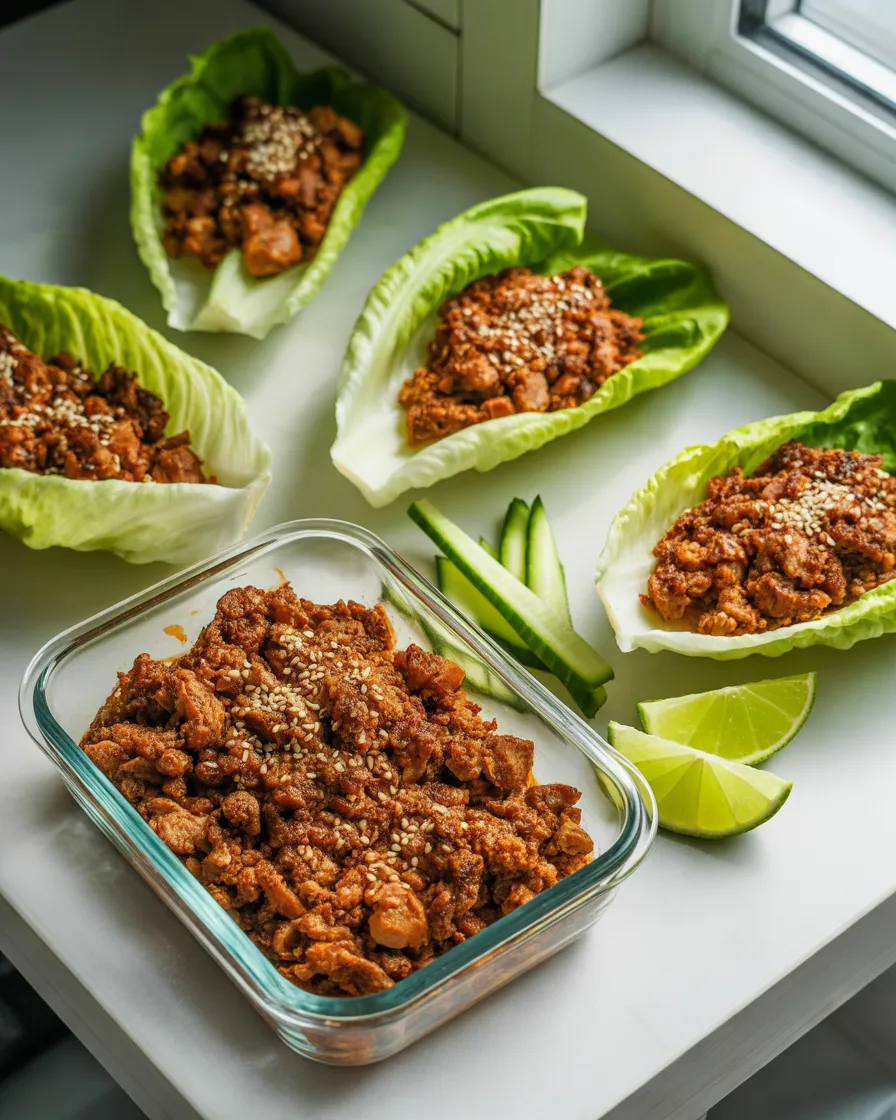
Lettuce wraps provide a fresh alternative to sandwiches and traditional wraps. Ground turkey is easy to season in batches, and crisp lettuce leaves can be packed separately so they remain fresh.
Ingredients for 4 servings
- 500 g lean ground turkey
- 1 small onion, diced
- 1 garlic clove, minced
- 1 tablespoon olive oil
- 1 tablespoon reduced-sodium soy sauce
- 1 teaspoon grated ginger
- 1 head of butter lettuce or romaine
- 1 cucumber, sliced
- Optional sesame seeds and lime wedges
How to prepare: Heat the oil in a skillet and cook the onion until softened. Add the turkey, garlic, and ginger, breaking up the meat as it cooks. Continue until the turkey reaches 74°C (165°F). Stir in the soy sauce and allow excess liquid to evaporate. Divide the cooked filling into containers.
Benefits: Turkey provides protein, and lettuce and cucumber add freshness and crunch. The recipe also offers a flexible alternative to bread-based lunches.
Practical tip: Store washed, thoroughly dried lettuce leaves in a separate container lined with a clean paper towel. Pack the turkey filling separately and assemble the wraps just before eating.
How to use it: Spoon the warm or chilled filling into lettuce leaves and top with cucumber, sesame seeds, or lime.
Who it may suit: People who prefer lighter lunches, enjoy Asian-inspired flavors, or want a customizable lunchbox.
Important consideration: Soy sauce can be high in sodium. Use a reduced-sodium version or adjust the quantity. Check the label for added sugars in flavored sauces.
6. Beef and Broccoli With Sesame Cauliflower Rice
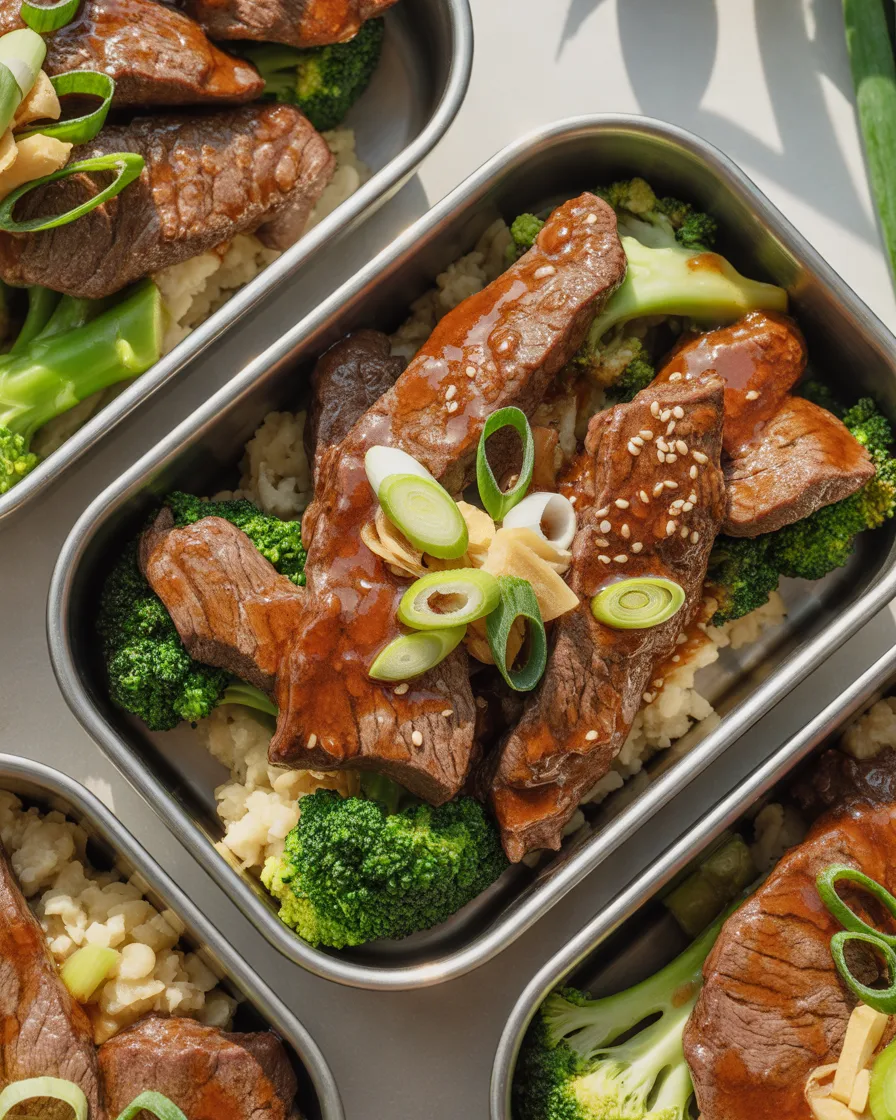
This meal brings familiar takeaway-inspired flavors into a home-prepared lunch or dinner. Lean beef provides protein and iron, while broccoli and cauliflower rice make the meal vegetable-focused.
Ingredients for 4 servings
- 500 g lean beef strips
- 4 cups broccoli florets
- 4 cups cauliflower rice
- 1 tablespoon olive oil
- 2 tablespoons reduced-sodium soy sauce
- 1 teaspoon grated ginger
- 1 garlic clove, minced
- 1 teaspoon sesame oil
- Optional sesame seeds
How to prepare: Sear the beef in a hot skillet with olive oil, cooking it to a safe temperature appropriate for the cut and preparation. Remove and set aside. Stir-fry the broccoli with a splash of water until tender-crisp. Add garlic, ginger, soy sauce, and beef, then heat through. Sauté the cauliflower rice separately and finish with a small amount of sesame oil.
Benefits: The beef contributes protein, iron, and vitamin B12. Broccoli supplies fiber and micronutrients, and cauliflower rice provides a familiar base without traditional rice.
Practical tip: Slice beef against the grain to help it remain tender. Avoid overcrowding the pan, which can cause the meat to steam instead of brown.
How to use it: Divide into four balanced portions for work lunches or quick dinners.
Who it may suit: People who enjoy savory meals and want an alternative to rice-based stir-fries.
Important consideration: Choose lean beef more often than fatty cuts, and use sesame oil sparingly because its flavor is concentrated. This recipe contains soy and sesame allergens.
7. Zucchini Lasagna Roll-Ups
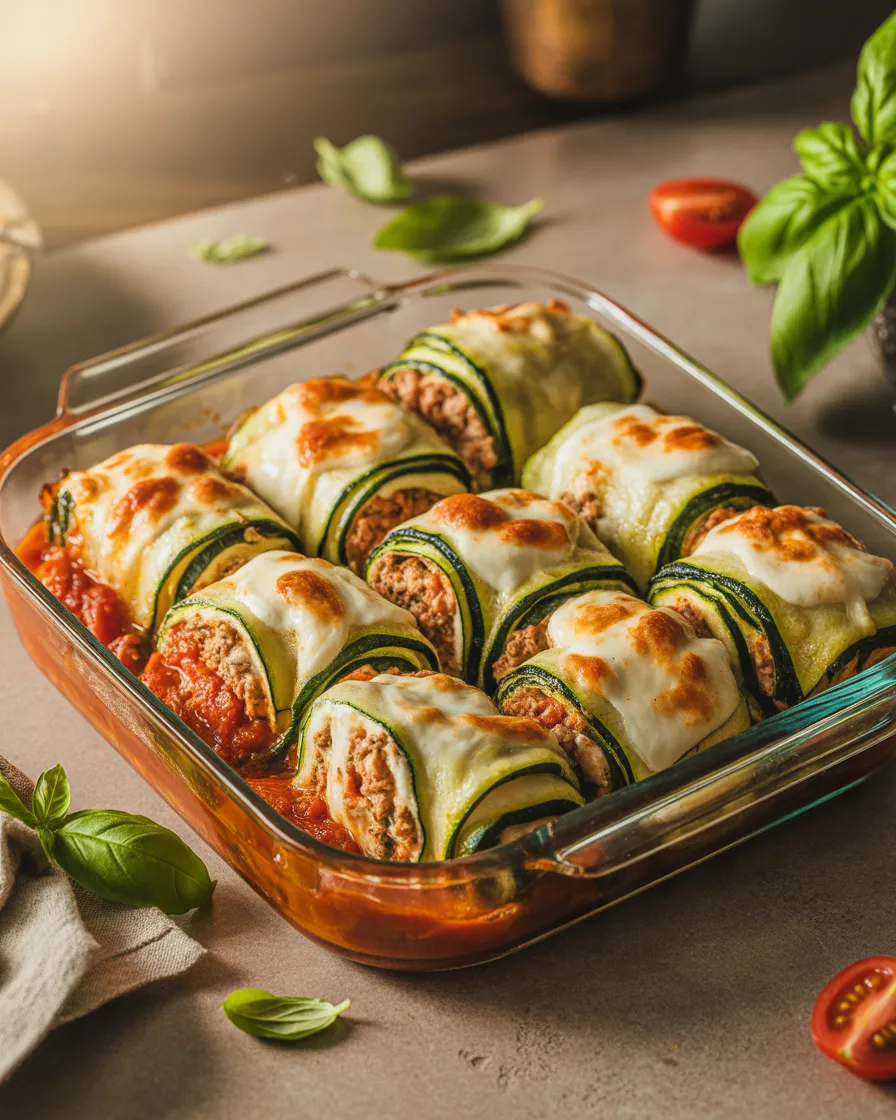
Traditional lasagna usually contains pasta sheets, but zucchini slices can serve as an alternative for people looking to reduce carbohydrates. These roll-ups deliver familiar Italian-inspired flavors in individual portions.
Ingredients for 4 servings
- 3 medium zucchini
- 300 g lean ground turkey or chicken
- 1 cup no-added-sugar tomato sauce
- ½ cup ricotta cheese
- ½ cup shredded mozzarella
- 1 garlic clove, minced
- Dried basil and black pepper
How to prepare: Slice the zucchini lengthwise into thin strips. Lightly roast or grill them until flexible, then pat away excess moisture. Cook the ground meat with garlic and seasoning until fully cooked. Spread a little ricotta on each zucchini strip, add a spoonful of meat, and roll. Place the rolls in a baking dish with tomato sauce, top with mozzarella, and bake at 190°C (375°F) for approximately 20 minutes, until bubbling and hot throughout.
Benefits: Zucchini adds vegetables, while the meat and cheese provide protein. The recipe offers a comforting alternative to conventional pasta dishes.
Practical tip: Choose firm zucchini and avoid cutting the strips too thick. Removing excess moisture helps prevent watery containers.
How to use it: Portion three or four roll-ups with extra vegetables for a complete meal, depending on appetite and serving size.
Who it may suit: People who enjoy Italian flavors and want a vegetable-based pasta alternative.
Important consideration: Tomato sauce and cheese contribute carbohydrates and sodium. Read product labels and choose a sauce without unnecessary added sugar.
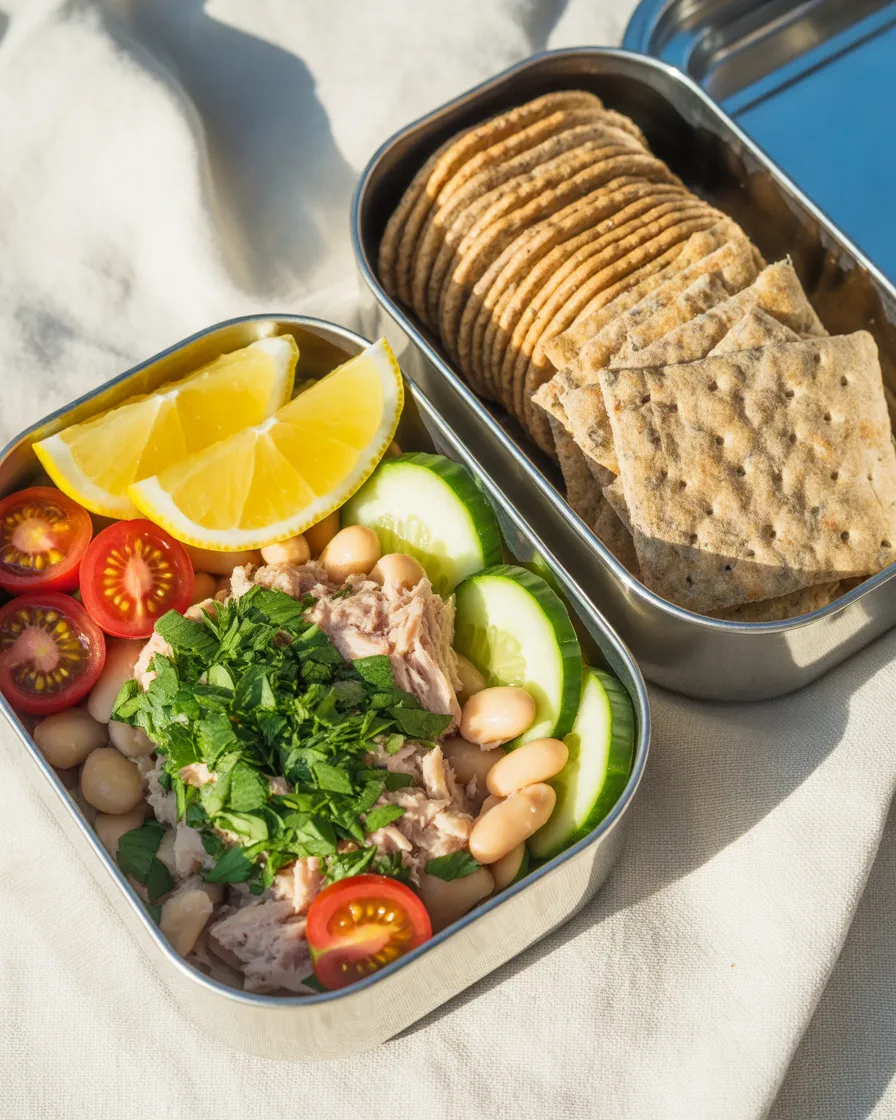
8. Mediterranean Tuna Salad Meal Prep Boxes
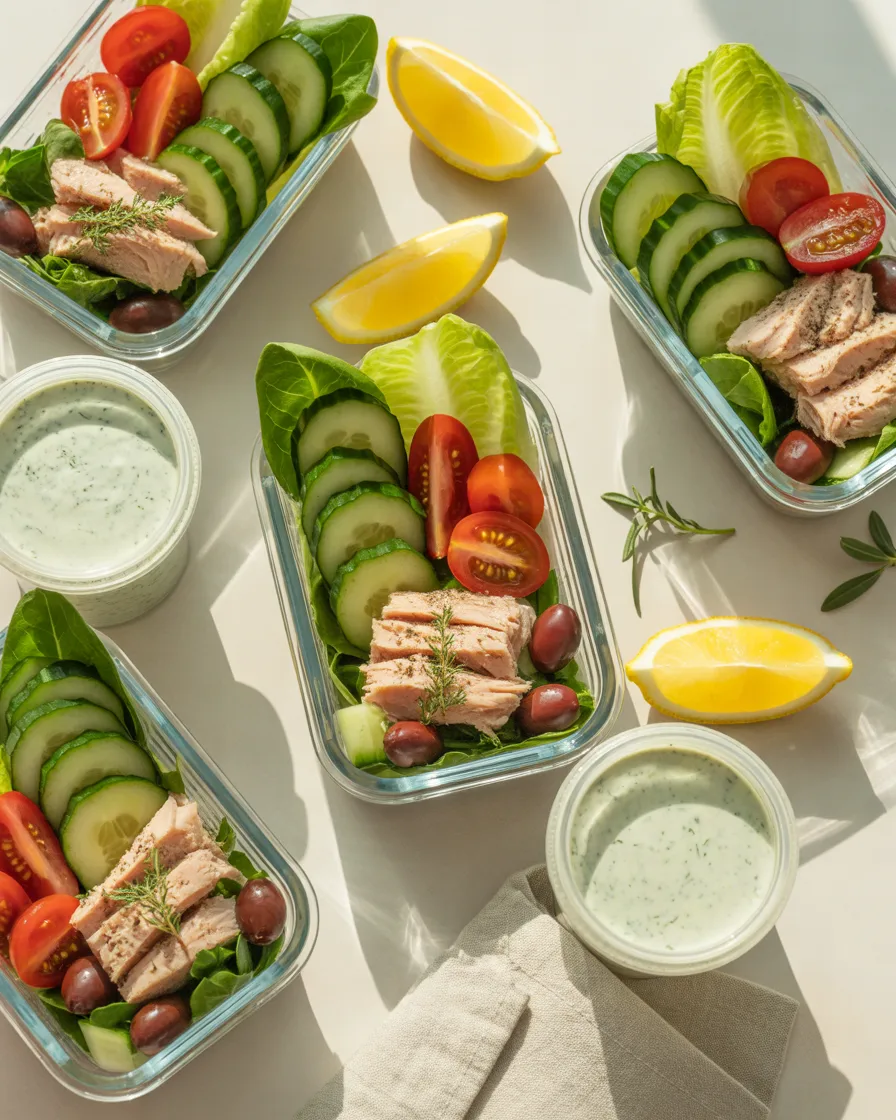
Tuna salad is useful when you need a lunch that requires very little cooking. Combining tuna with crunchy vegetables, olives, and a yogurt-based dressing creates a refreshing alternative to a mayonnaise-heavy sandwich filling.
Ingredients for 2 servings
- 1 can tuna in water, drained
- 2 cups chopped romaine lettuce
- ½ cucumber, diced
- ½ cup cherry tomatoes
- ¼ cup sliced olives
- 2 tablespoons plain Greek yogurt
- 1 teaspoon olive oil
- Lemon juice, black pepper, and dried oregano
How to prepare: Mix the drained tuna with yogurt, olive oil, lemon juice, and oregano. Divide the lettuce, cucumber, tomatoes, and olives between two containers. Pack the tuna mixture in a separate compartment and combine immediately before eating.
Benefits: Tuna provides protein, while the vegetables contribute texture and micronutrients. The yogurt dressing adds creaminess without requiring a large amount of mayonnaise.
Practical tip: Keep wet ingredients away from the lettuce. Add the dressing just before eating to prevent sogginess.
How to use it: Serve as a standalone lunch or spoon into lettuce cups for a wrap-free meal.
Who it may suit: Office workers, students, and people who need quick, no-fuss low-carb lunch ideas.
Important consideration: Tuna contains mercury in varying amounts depending on the species. Follow local advice on fish consumption, particularly during pregnancy, and vary your seafood choices. Refrigerate the prepared salad promptly.
9. Sesame Tofu and Crunchy Cabbage Bowls
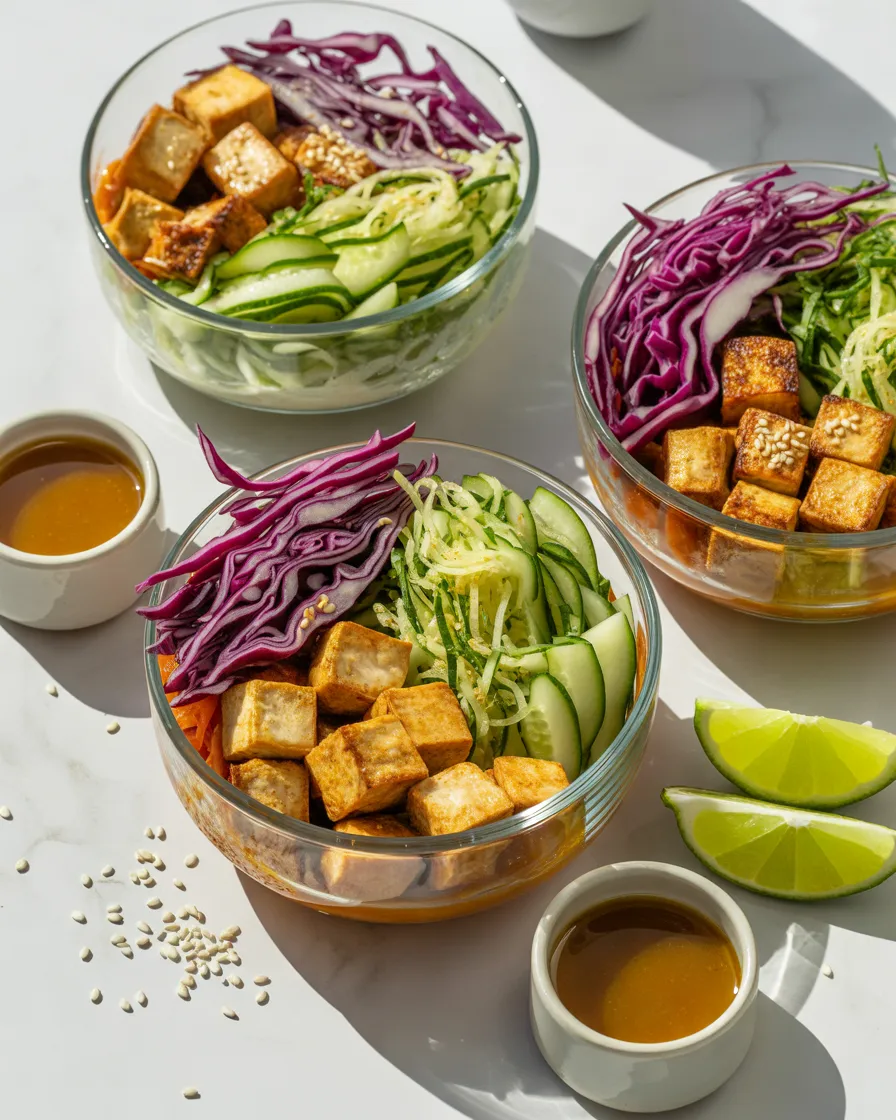
Plant-based low-carb meal prep can be just as practical as meat-based preparation. Firm tofu provides protein, while shredded cabbage creates a crunchy base that holds up well during storage.
Ingredients for 3 servings
- 400 g firm tofu, drained
- 4 cups shredded cabbage
- 1 cucumber, cut into thin strips
- 1 tablespoon olive oil
- 1 tablespoon reduced-sodium soy sauce
- 1 teaspoon sesame oil
- 1 teaspoon grated ginger
- 1 tablespoon lime juice
- Optional sesame seeds
How to prepare: Press the tofu to remove excess moisture, then cut it into cubes. Toss with olive oil and roast at 200°C (400°F) for approximately 25–30 minutes, turning halfway through. Mix the soy sauce, sesame oil, ginger, and lime juice. Divide the cabbage and cucumber between three containers, add the cooled tofu, and store the dressing separately.
Benefits: Tofu provides plant-based protein, and cabbage contributes fiber and vitamin C. The combination introduces variety for people reducing their meat intake.
Practical tip: Pressing the tofu before roasting helps it develop a firmer texture. Add the dressing just before serving.
How to use it: Eat chilled as a crunchy salad bowl or warm the tofu separately and combine it with the vegetables.
Who it may suit: Vegetarians, people who enjoy Asian-inspired meals, and anyone looking for meat-free meal prep options.
Important consideration: Soy is a common allergen. Check sauces for added sugars and sodium. If you need a particularly low-carbohydrate plan, review the nutritional information for your specific ingredients.
10. Turkey Meatballs With Zucchini Noodles
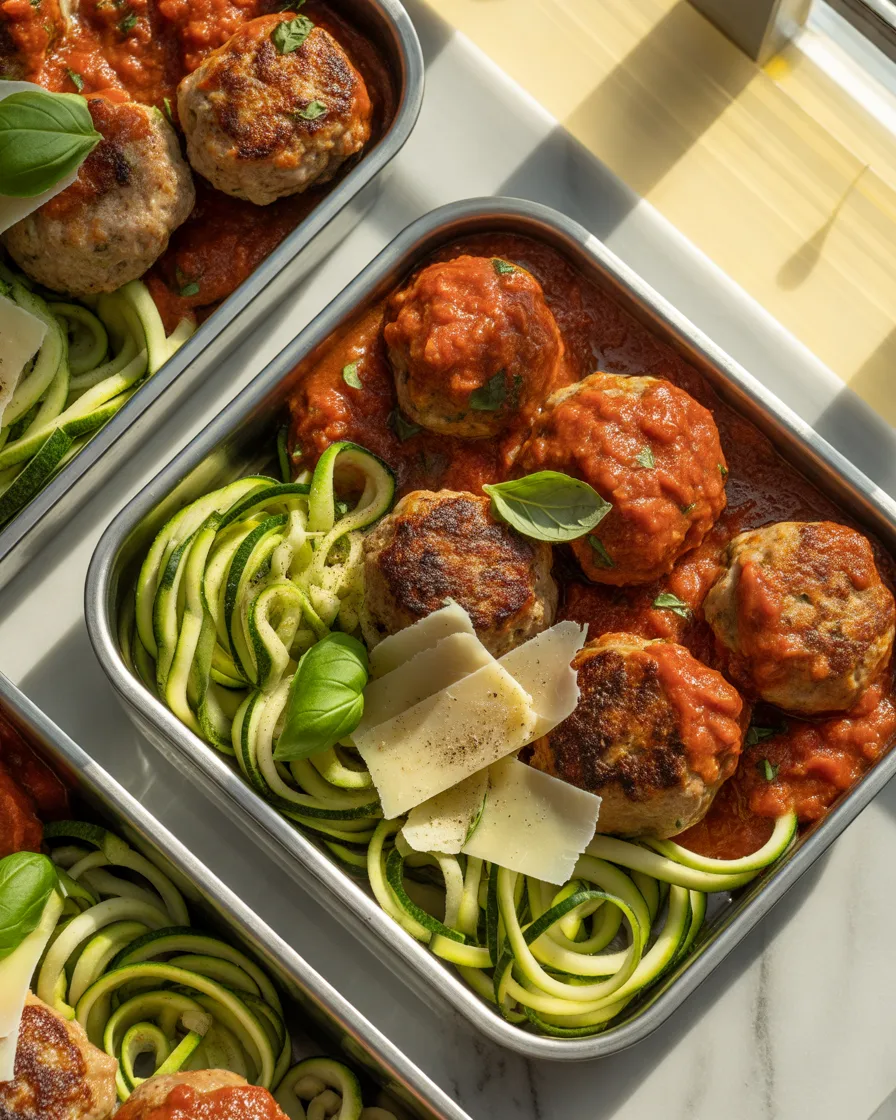
Turkey meatballs paired with zucchini noodles offer a satisfying alternative to spaghetti-based meals. The meatballs can be prepared in batches, while the zucchini is cooked briefly to preserve its texture.
Ingredients for 4 servings
- 500 g lean ground turkey
- 1 egg
- ¼ cup finely grated Parmesan
- 1 garlic clove, minced
- 1 teaspoon dried Italian herbs
- 4 medium zucchini
- 1 cup tomato sauce with no added sugar
- 1 tablespoon olive oil
How to prepare: Mix the turkey with egg, Parmesan, garlic, and herbs. Form small meatballs and bake at 200°C (400°F) until cooked through, reaching 74°C (165°F). Warm the tomato sauce separately. Spiralize the zucchini and sauté briefly in olive oil just before serving. Divide the meatballs and sauce into containers, keeping the zucchini noodles separate where possible.
Benefits: Turkey supplies protein, while zucchini adds vegetables and creates a pasta-like base. Preparing the meatballs ahead makes assembly quick.
Practical tip: Do not overcook zucchini noodles during initial preparation. They release water quickly, so cooking them shortly before serving produces a better result.
How to use it: Reheat the meatballs and sauce, then add freshly sautéed or briefly reheated zucchini noodles.
Who it may suit: People who enjoy traditional Italian-inspired dinners but prefer to reduce their pasta portions.
Important consideration: This meal contains egg and dairy. For dairy-free preparation, omit the Parmesan or use a suitable alternative and adjust the seasoning.
11. Egg Salad and Vegetable Snack Boxes
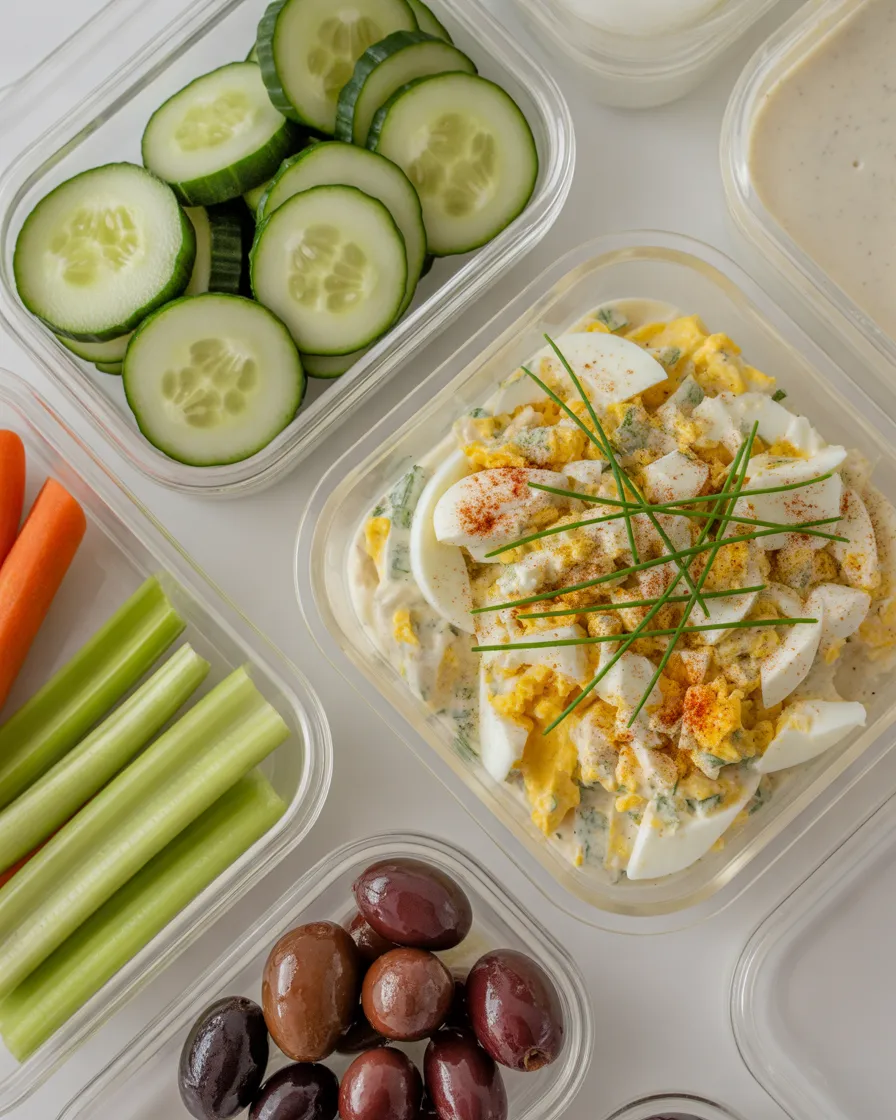
Meal prep does not need to focus only on full meals. Having prepared snacks available can make it easier to plan your day and avoid relying entirely on packaged convenience foods.
Ingredients for 2 snack boxes
- 4 large eggs
- 1 celery stalk, finely chopped
- 2 tablespoons plain Greek yogurt
- 1 teaspoon mustard
- Black pepper and chopped chives
- Cucumber slices
- Celery sticks and a few olives
How to prepare: Boil the eggs until fully cooked, cool them promptly, and peel. Chop the eggs and mix with the yogurt, mustard, celery, chives, and pepper. Divide the egg salad between two containers and pack the cucumber and celery separately.
Benefits: Eggs provide protein and several important nutrients. Fresh vegetables add crunch, and the combination is easy to portion ahead.
Practical tip: Keep the egg salad in a sealed container and use a separate compartment for vegetables. If you prefer a chunkier texture, chop the eggs rather than mashing them.
How to use it: Enjoy as a snack, serve in lettuce cups, or pair with a larger meal when you need additional food.
Who it may suit: People who like savory snacks, need portable food for work, or want a simple addition to their weekly low-carb meal plan.
Important consideration: Eggs are a common allergen. Store egg salad at 4°C (40°F) or below and follow food safety guidance. The USDA recommends consuming refrigerated leftovers within 3–4 days, although quality may decline sooner.
12. Cauliflower Rice Stuffed Bell Peppers
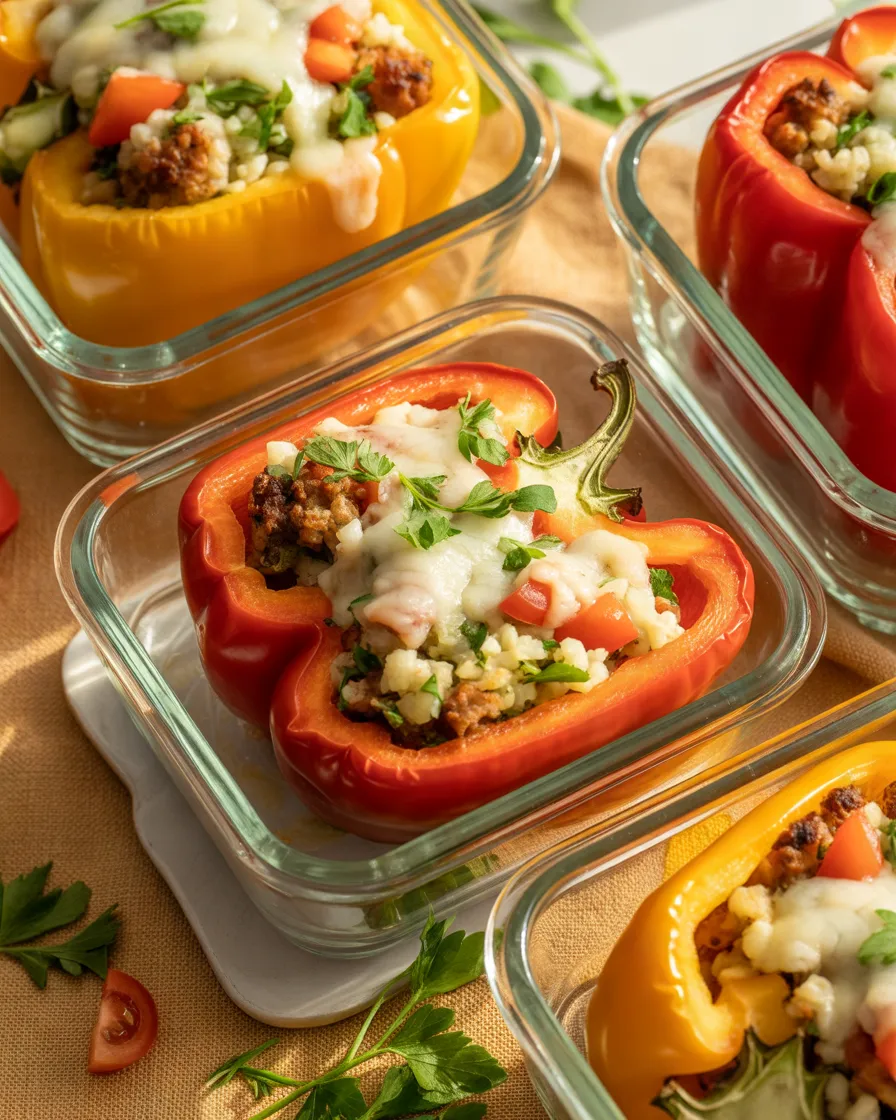
Stuffed peppers are a useful make-ahead dinner because each pepper becomes its own serving. Replacing some or all of the traditional rice with cauliflower rice makes the filling suitable for a lower-carbohydrate eating pattern.
Ingredients for 4 servings
- 4 medium bell peppers
- 400 g lean ground turkey or beef
- 2 cups cauliflower rice
- ½ small onion, diced
- 1 cup chopped tomatoes
- 1 garlic clove, minced
- ½ teaspoon paprika
- ½ cup shredded cheese, optional
- Black pepper and dried oregano
How to prepare: Slice the tops off the peppers and remove the seeds. Cook the ground meat with onion, garlic, and seasoning until fully cooked. Stir in the cauliflower rice and tomatoes, then simmer until most excess liquid has evaporated. Fill the peppers, place them in a baking dish, cover loosely, and bake at 190°C (375°F) for approximately 30–40 minutes, until tender and heated through. Add cheese near the end if desired.
Benefits: Bell peppers provide vitamin C, while the meat contributes protein and the cauliflower adds vegetables. The individual portions make serving convenient.
Practical tip: Choose peppers that stand upright in the baking dish. If necessary, trim a very small amount from the base without creating holes.
How to use it: Refrigerate individual portions for weekday dinners or freeze suitable portions for later.
Who it may suit: Families, meal prep beginners, and people who prefer complete meals that can be reheated in one container.
Important consideration: Bell peppers and tomatoes contain carbohydrates, but they can still fit many lower-carb eating patterns. Portion sizes and total carbohydrate needs vary from person to person.
Expert Tips for Successful Low-Carb Meal Prep
Plan a Few Flexible Meals Instead of Twelve Different Recipes
You do not need to cook every recipe in this article in one weekend. Start with two breakfasts, two lunch or dinner options, and one snack. Reuse ingredients across meals to save money and reduce food waste.
For example, spinach can go into egg muffins and salads, while cauliflower rice can be used for chicken bowls, beef stir-fries, and stuffed peppers.
Build Meals Around Protein, Vegetables, and Satisfying Fats
For many people, a useful starting point is to include a protein source, plenty of non-starchy vegetables, and an appropriate amount of unsaturated fat. Olive oil, avocado, nuts, and seeds can help add flavor and satisfaction.
Avoid assuming that every high-fat food is automatically healthy. The quality of your protein and fat sources matters. Harvard’s Nutrition Source discusses the importance of choosing healthier fats and proteins when following a lower-carbohydrate eating pattern.
Choose Meal Prep Containers That Match Your Routine
Use airtight containers with separate compartments when practical. Glass containers are convenient for reheating and keeping meals organized, while lightweight food-safe containers may be easier to transport.
Keep dressings, crunchy vegetables, and other ingredients that become soggy separate from cooked foods. Label containers with the preparation date so you can track freshness.
Prepare Ingredients in Batches
Instead of cooking every meal from scratch, prepare a few components together:
- Roast several portions of chicken or turkey.
- Wash and chop vegetables.
- Cook cauliflower rice.
- Prepare one or two sauces.
- Boil eggs for breakfasts and snacks.
Combining components in different ways creates variety without multiplying your workload.
Keep Food Storage Safe
Food safety is essential when preparing meals ahead of time. According to the USDA Food Safety and Inspection Service, perishable food should generally be refrigerated within two hours of cooking, or within one hour when the surrounding temperature exceeds 32°C (90°F).
Keep your refrigerator at 4°C (40°F) or below. Store cooked meals in shallow, covered containers to help them cool quickly. Most cooked leftovers should be used within 3–4 days or frozen for longer storage.
Reheat leftovers to 74°C (165°F), checking the center with a food thermometer when possible. Thaw frozen meals safely in the refrigerator or using another recommended method, not on the kitchen counter.
Reference: USDA Food Safety and Inspection Service — Leftovers and Food Safety.
Do Not Forget Fiber and Nutritional Variety
A lower-carbohydrate diet can become unbalanced if it excludes too many vegetables, nuts, seeds, or other nutritious foods. Include a range of vegetables and suitable fiber sources rather than relying mainly on meat, cheese, and processed foods.
Your carbohydrate needs also depend on activity level, preferences, and health circumstances. A flexible approach is often easier to sustain than strict rules that eliminate entire food groups.
Make Adjustments for Your Health Needs
People with diabetes who take insulin or certain glucose-lowering medicines may need professional guidance before substantially reducing carbohydrates because medication requirements and the risk of low blood glucose can change.
Very-low-carbohydrate eating plans may also be unsuitable for some people, including those with kidney disease, pregnant or breastfeeding individuals, and people with a history of disordered eating. Consult a qualified healthcare professional or registered dietitian if you have a medical condition or need a personalized dietary plan.
Reference: NIDDK — Low Blood Glucose and Diabetes.
Frequently Asked Questions About Meal Prep Low Carb
What Is the Best Way to Start Meal Prep Low Carb?
Begin by selecting three or four recipes you already enjoy. Prepare a few protein sources, wash your vegetables, and portion meals into containers. You can expand your menu as you discover which recipes fit your schedule and budget.
How Many Days Can I Prepare Low-Carb Meals in Advance?
Most cooked leftovers can be refrigerated for 3–4 days when handled and stored correctly. If you are preparing food for an entire week, freeze portions intended for later days rather than keeping every meal in the refrigerator.
What Are the Best Low-Carb Foods for Meal Prep?
Eggs, chicken, fish, tofu, lean meats, plain Greek yogurt, cauliflower, broccoli, zucchini, cabbage, leafy greens, and bell peppers are versatile options. Nuts, seeds, olive oil, and avocado can add flavor and healthy fats.
Check the nutritional information for sauces, marinades, and packaged foods because their carbohydrate and sodium content can vary significantly.
Can Low-Carb Meal Prep Help With Weight Management?
Meal preparation may make it easier to plan portions, reduce unplanned takeaway meals, and choose foods that fit your nutritional goals. Some people find a lower-carbohydrate eating pattern helpful for weight management, but results vary and no single dietary approach works best for everyone.
Overall food quality, energy intake, physical activity, sleep, and long-term consistency all matter.
Are These Recipes Suitable for a Keto Diet?
Some recipes can be adapted for a ketogenic diet, but low carb and keto are not interchangeable. A ketogenic diet generally requires much stricter carbohydrate limits. Ingredients such as yogurt, tomatoes, bell peppers, and some sauces may need careful portioning.
Check the carbohydrate content of each ingredient and seek professional advice if you need a medically supervised diet.
What Can I Eat for a Quick Low-Carb Lunch?
Chicken fajita bowls, tuna salad boxes, turkey lettuce wraps, beef and broccoli, and tofu cabbage bowls are practical choices. Keeping a prepared protein source and washed vegetables available makes assembling lunch much faster.
Can I Freeze Low-Carb Meal Prep Recipes?
Many cooked dishes, including meatballs, chicken bowls, stuffed peppers, and cooked meat fillings, freeze well. Store them in airtight, freezer-safe containers, label the date, and thaw safely before reheating.
Salads, lettuce, cucumber, and zucchini noodles may lose texture after freezing. Store these ingredients separately or prepare them fresh when possible.
How Can I Keep Low-Carb Meal Prep Affordable?
Choose ingredients that can be used in several recipes. Buy frozen vegetables when convenient, use eggs and canned fish for some meals, compare prices per serving, and freeze portions before they spoil.
You do not need specialty low-carb products to create satisfying meals. Ordinary vegetables, eggs, poultry, tofu, and simple seasonings can form the basis of an affordable plan.
Conclusion: Build a Low-Carb Meal Prep Routine You Can Maintain
Successful meal prep is less about following a perfect diet and more about making everyday eating easier. With a small collection of dependable recipes, you can prepare breakfasts, lunches, dinners, and snacks that suit your schedule without cooking from scratch at every meal.
Start with the spinach and feta egg muffins, chicken fajita bowls, and one additional recipe from this list. Prepare a few portions, store them safely, and note which meals you enjoy enough to make again.
As your routine develops, experiment with different vegetables, proteins, herbs, and sauces. Keep nutritional variety in mind, choose satisfying ingredients, and adjust portions to your needs.
The goal is simple: make healthy, lower-carbohydrate meals convenient enough to become part of your regular routine.