Finding dinner ideas that are both delicious and supportive of your weight-loss goals can sometimes feel challenging. After a busy day, preparing a healthy meal may be the last thing you want to do. It is tempting to order takeout, prepare something quick, or eat whatever is available in the kitchen.
However, eating well does not mean giving up your favorite flavors or surviving on plain salads. The secret is learning how to prepare satisfying meals using nutritious ingredients, sensible portions, and cooking methods that fit your lifestyle.
These healthy dinner recipes for weight losing offer a practical starting point. They combine ingredients such as lean chicken, fish, beans, lentils, vegetables, whole grains, and healthy fats. These foods provide important nutrients and can help make meals more satisfying.
A balanced dinner generally includes a good protein source, plenty of vegetables, and an appropriate portion of fiber-rich carbohydrates. Protein and fiber can contribute to fullness, while whole grains and vegetables provide nutrients that support overall health.
It is also important to understand that no individual dinner automatically causes weight loss. Long-term weight management depends on your overall eating pattern, energy intake, physical activity, sleep, and other individual factors. The CDC recommends gradual, sustainable changes rather than relying on rapid weight-loss approaches.
Whether you prefer chicken, seafood, vegetarian meals, or comforting homemade dishes, the following recipes offer something for different tastes and schedules.
Let’s explore 12 easy healthy dinner recipes that you can add to your weekly meal plan.
1. Lemon Garlic Chicken with Broccoli and Quinoa
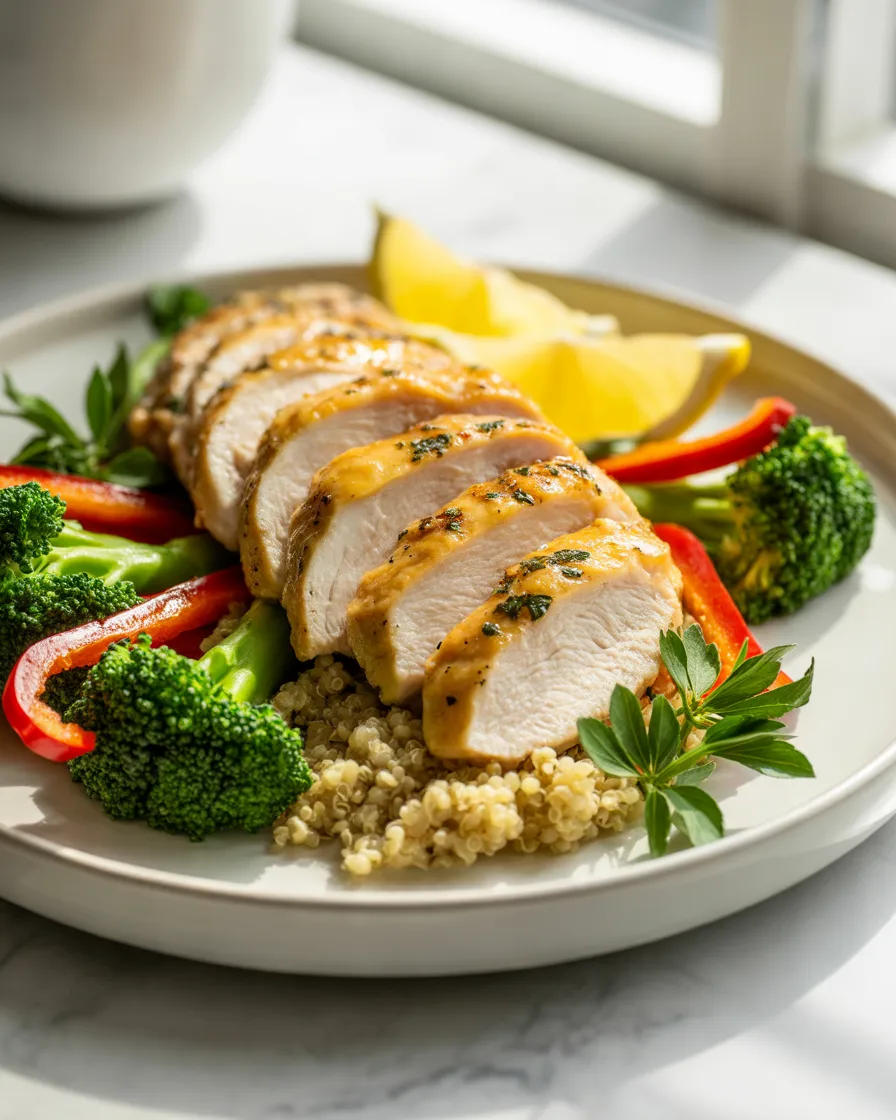
A flavorful, protein-rich dinner with fresh vegetables and whole grains
Lemon garlic chicken with broccoli and quinoa is an excellent choice when you want a satisfying dinner without complicated preparation. It combines tender chicken, fiber-containing quinoa, and fresh broccoli with a refreshing lemon and garlic dressing.
The combination creates a balanced meal that works well for busy weeknights.
Ingredients (2 servings)
- 2 small boneless, skinless chicken breasts
- 1 cup cooked quinoa
- 2 cups broccoli florets
- 1 red bell pepper, sliced
- 2 garlic cloves, minced
- 1 teaspoon olive oil
- Juice of half a lemon
- ½ teaspoon paprika
- Black pepper and a little salt
- Fresh parsley for garnish
How to prepare it
- Season the chicken with garlic, lemon juice, paprika, black pepper, and a small amount of salt.
- Heat olive oil in a nonstick pan and cook the chicken until fully cooked.
- Steam the broccoli until tender but still slightly crisp.
- Add the sliced bell pepper to the pan and cook briefly.
- Prepare the quinoa according to package instructions.
- Divide the quinoa between two plates and add the chicken and vegetables.
- Finish with fresh parsley and a little lemon juice.
Benefits: Chicken supplies protein, quinoa provides plant-based protein and fiber, and broccoli contributes vitamins, minerals, and fiber. Together, these ingredients make a nourishing dinner.
Practical tips: Prepare extra quinoa and broccoli in advance to save time. You can also use frozen broccoli when fresh vegetables are unavailable.
How to use it: Include this meal in your weekly dinner rotation once or twice, adjusting the portions according to your appetite and nutritional needs.
Who it may suit: People looking for high-protein dinner recipes, active individuals, and anyone who enjoys simple homemade meals.
Important considerations: Avoid adding excessive oil or heavy creamy sauces. Cook chicken thoroughly and refrigerate leftovers promptly.
2. Baked Salmon with Asparagus and Sweet Potatoes
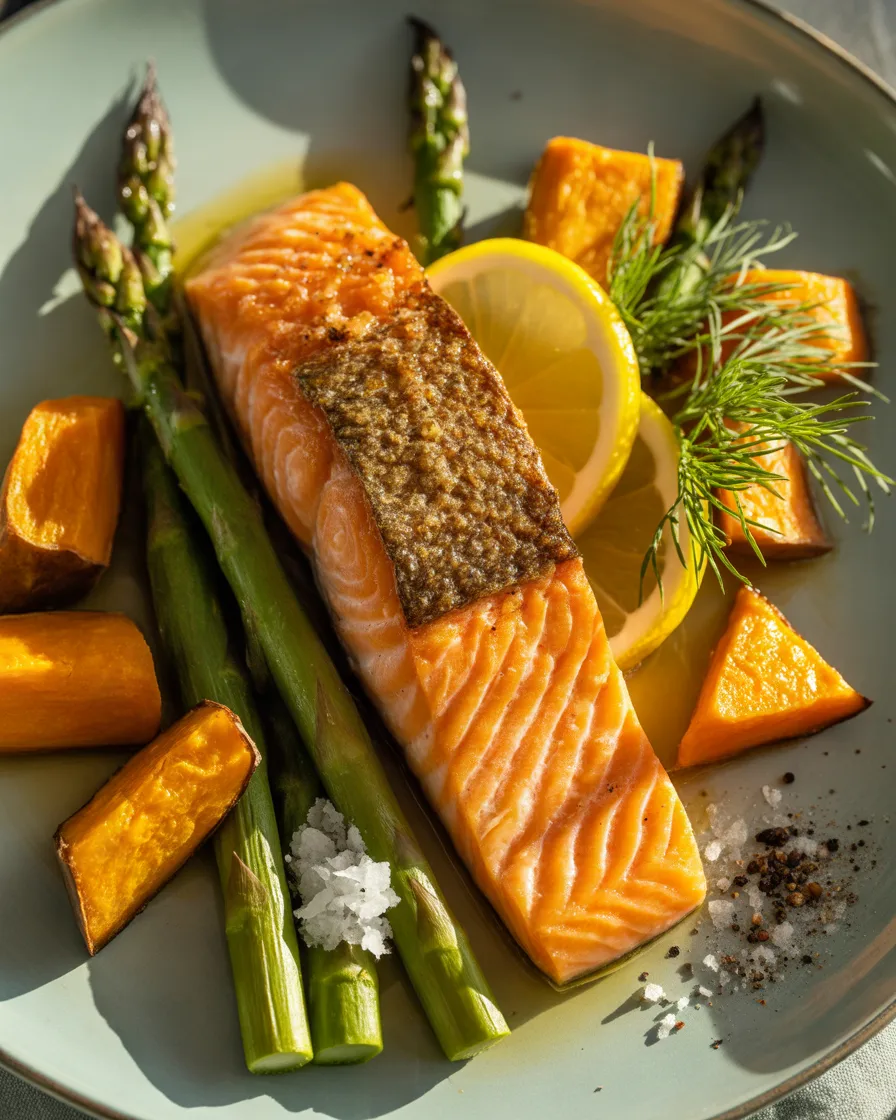
A nutritious seafood dinner with healthy fats and colorful vegetables
If you enjoy seafood, baked salmon with asparagus and sweet potatoes is a delicious dinner worth adding to your meal plan.
Instead of frying fish, baking it allows you to prepare a flavorful meal using a relatively small amount of added oil. The sweet potatoes add natural sweetness, while asparagus brings freshness and texture.
Ingredients (2 servings)
- 2 salmon fillets (approximately 120–150 g each)
- 1 medium sweet potato, cubed
- 1 bunch of asparagus
- 1 teaspoon olive oil
- 1 tablespoon lemon juice
- 1 garlic clove, minced
- ½ teaspoon paprika
- Black pepper
- Fresh dill or parsley
How to prepare it
- Preheat the oven to 425°F (220°C).
- Place the sweet potato cubes on a baking tray and season with olive oil, paprika, and black pepper.
- Roast for approximately 15 minutes.
- Add the salmon fillets and asparagus to the same tray.
- Season the salmon with lemon juice, garlic, and herbs.
- Bake for another 10–15 minutes, depending on the thickness of the fish.
- Check that the salmon is cooked through and serve with the roasted vegetables.
Benefits: Salmon provides protein and omega-3 fatty acids. Sweet potatoes supply fiber and carbohydrates, while asparagus adds vitamins and minerals.
Practical tips: Frozen salmon works well when thawed safely. You can replace asparagus with green beans, zucchini, or broccoli.
How to use it: Enjoy this dinner as part of a varied weekly eating pattern. If you eat fish, including oily fish such as salmon regularly can contribute to a balanced diet.
Who it may suit: Seafood lovers, people looking for nutritious high-protein dinners, and those who prefer oven-based cooking.
Important considerations: Check fish for bones and follow local fish-consumption advice if you are pregnant or have specific dietary restrictions.
3. Healthy Turkey Taco Bowl with Black Beans and Avocado
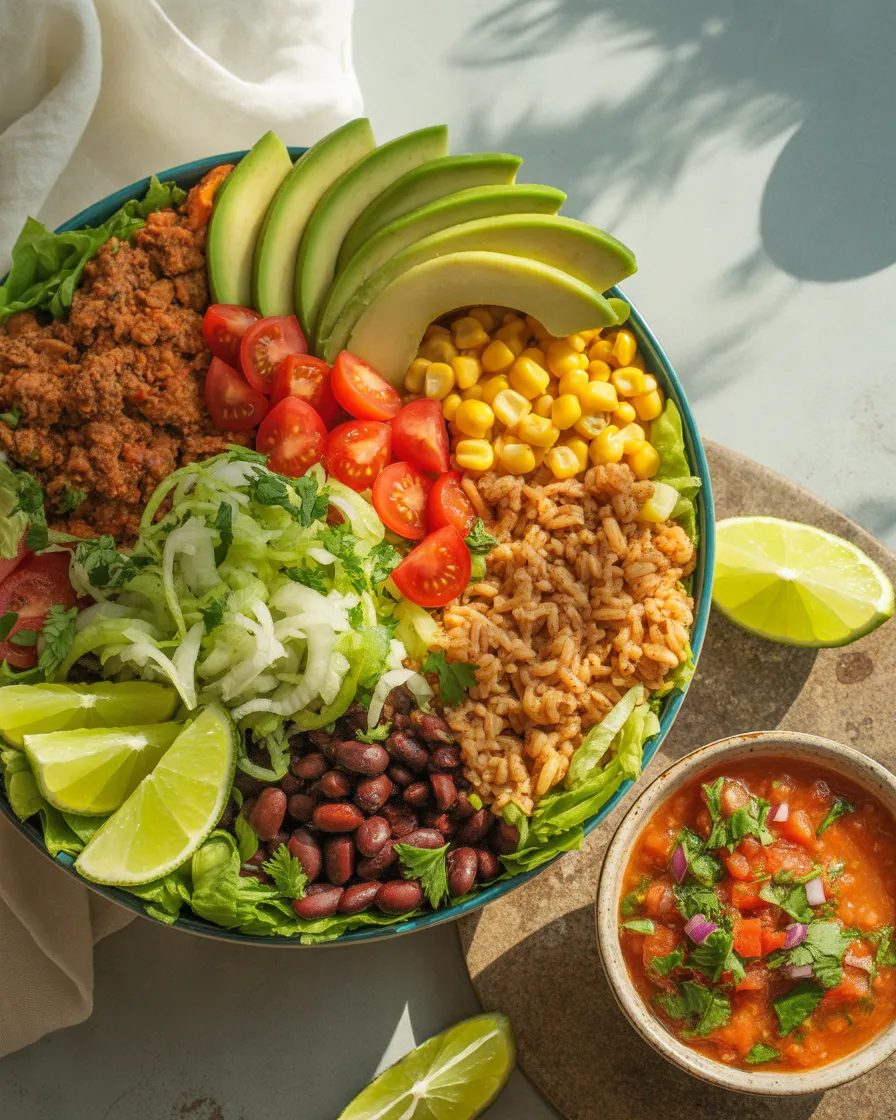
A satisfying alternative to traditional heavy taco dinners
You do not have to stop enjoying Mexican-inspired food when improving your eating habits. A homemade turkey taco bowl delivers familiar flavors with lean protein, beans, vegetables, and a controlled portion of whole grains.
It is also easy to customize according to your preferred spice level.
Ingredients (2 servings)
- 250 g lean ground turkey
- 1 cup cooked brown rice
- ½ cup black beans, rinsed and drained
- ½ cup sweet corn
- 1 cup shredded lettuce
- 1 tomato, chopped
- ¼ avocado, sliced
- ½ teaspoon cumin
- ½ teaspoon paprika
- 2 tablespoons fresh salsa
- Lime juice
How to prepare it
- Heat a nonstick skillet over medium heat.
- Add the ground turkey and cook until browned and fully cooked.
- Season with cumin, paprika, and black pepper.
- Warm the black beans and corn separately.
- Divide the cooked brown rice between two serving bowls.
- Add turkey, beans, corn, lettuce, and chopped tomato.
- Finish with avocado, salsa, and fresh lime juice.
Benefits: Turkey provides protein, black beans contribute plant-based protein and fiber, and vegetables add volume and important nutrients.
Practical tips: Prepare the turkey mixture in advance and store it separately from the fresh vegetables. For additional flavor, use homemade salsa.
How to use it: This recipe works particularly well for meal preparation. Prepare several components at the beginning of the week and assemble fresh bowls when needed.
Who it may suit: People who enjoy Mexican-inspired meals, families, and anyone looking for filling dinner ideas with lean protein.
Important considerations: Restaurant-style taco seasonings, cheese, sour cream, and packaged sauces can contain considerable sodium or added calories. Use them thoughtfully rather than eliminating foods you enjoy.
4. Chickpea and Spinach Curry with Brown Rice
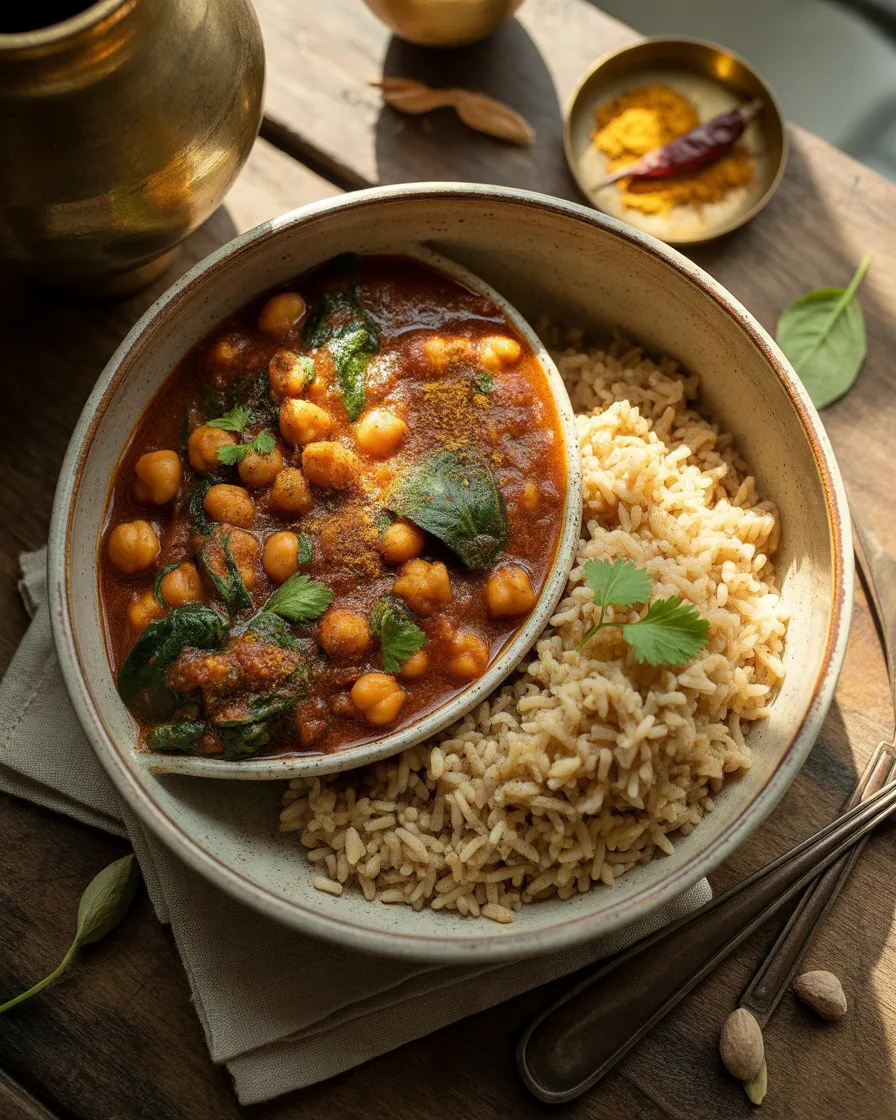
A comforting vegetarian dinner packed with plant-based ingredients
A warm bowl of chickpea and spinach curry is perfect when you want something comforting without relying on meat. Chickpeas provide protein and fiber, while spinach adds nutrients and color.
The tomato-based curry sauce creates a rich flavor without requiring large amounts of cream or butter.
Ingredients (2 servings)
- 1 can chickpeas, drained and rinsed
- 2 cups fresh spinach
- 1 cup chopped tomatoes
- ½ small onion, chopped
- 2 garlic cloves, minced
- ½ teaspoon turmeric
- 1 teaspoon curry powder
- ⅓ cup light coconut milk
- 1 cup cooked brown rice
- 1 teaspoon olive oil
- Black pepper and fresh coriander
How to prepare it
- Heat olive oil in a saucepan.
- Add the chopped onion and garlic and cook until softened.
- Stir in turmeric and curry powder.
- Add the chopped tomatoes and simmer for five minutes.
- Mix in the chickpeas and coconut milk.
- Cook gently for approximately 10 minutes.
- Add spinach and allow it to wilt.
- Serve with brown rice and fresh coriander.
Benefits: Chickpeas offer plant protein, fiber, and minerals. Spinach contributes folate and other micronutrients. Brown rice adds carbohydrates and additional fiber.
Practical tips: Use canned chickpeas for convenience. Rinse them before cooking to remove some of the added sodium. Adjust the spices according to your taste.
How to use it: Make a larger batch and refrigerate individual portions for convenient dinners during the week.
Who it may suit: Vegetarians, people seeking meat-free dinners, and anyone who enjoys Indian-inspired flavors.
Important considerations: Coconut milk can add considerable energy depending on the quantity and type used. Measure it rather than pouring directly from the can.
5. Garlic Shrimp and Vegetable Stir-Fry
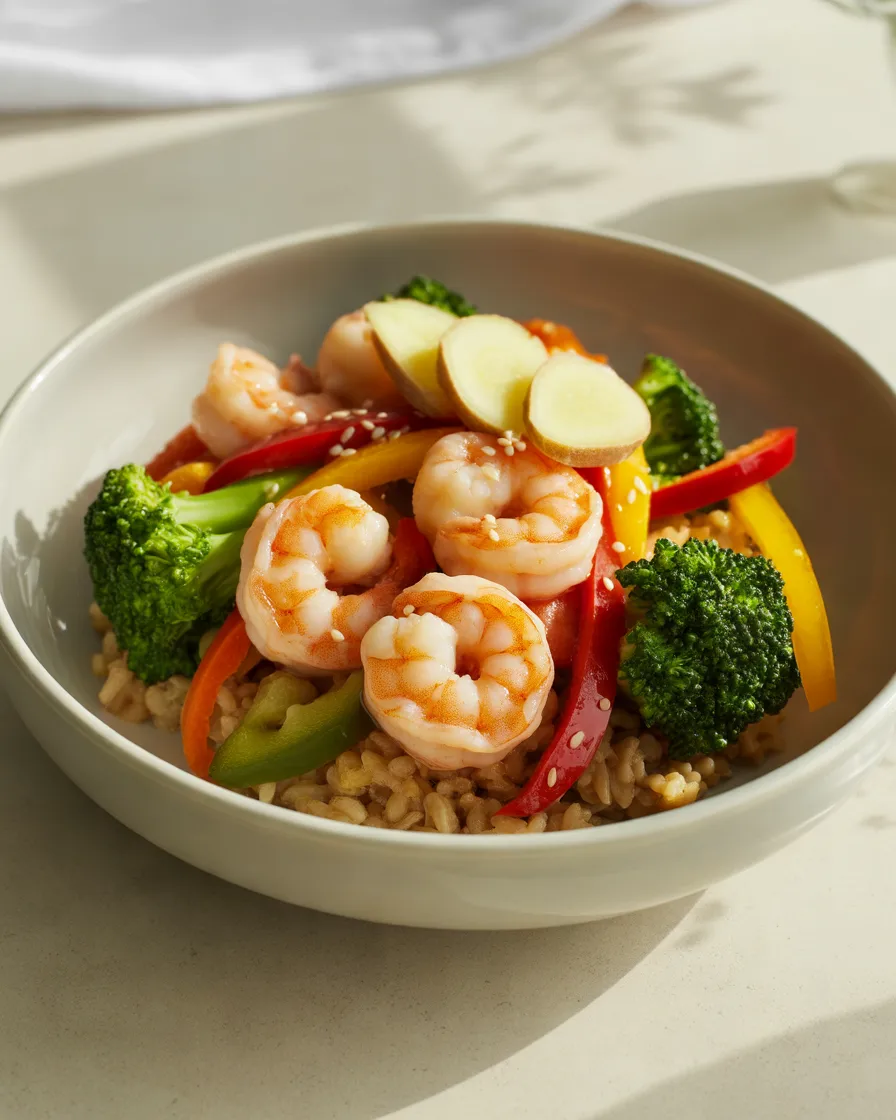
A quick high-protein dinner for busy evenings
When you do not have much time to prepare dinner, shrimp and vegetable stir-fry can be an excellent option.
Shrimp cooks quickly and pairs beautifully with colorful vegetables, garlic, and ginger. A small amount of sauce brings everything together without making the dish unnecessarily heavy.
Ingredients (2 servings)
- 250 g peeled and deveined shrimp
- 1 cup sliced bell peppers
- 1 cup broccoli florets
- 1 carrot, thinly sliced
- 1 cup cooked brown rice
- 2 garlic cloves, minced
- 1 teaspoon fresh ginger
- 1 tablespoon reduced-sodium soy sauce
- 1 teaspoon sesame oil
- 1 teaspoon lime juice
How to prepare it
- Heat sesame oil in a nonstick wok or skillet.
- Add garlic and ginger and stir for approximately 30 seconds.
- Add the vegetables and stir-fry until slightly tender.
- Add shrimp and cook until opaque and fully cooked.
- Mix in reduced-sodium soy sauce and lime juice.
- Serve over warm brown rice.
Benefits: Shrimp provides lean protein, while broccoli, peppers, and carrots offer fiber and essential nutrients. Brown rice contributes additional fiber and energy.
Practical tips: Frozen mixed vegetables can make preparation easier. Keep the vegetables slightly crisp to maintain their texture.
How to use it: Keep peeled shrimp and frozen vegetables available for evenings when you need a quick homemade dinner.
Who it may suit: Busy professionals, seafood lovers, and people searching for quick healthy dinner recipes.
Important considerations: Check for shellfish allergies and avoid overcooking shrimp. Soy sauce can be high in sodium, so choose reduced-sodium varieties.
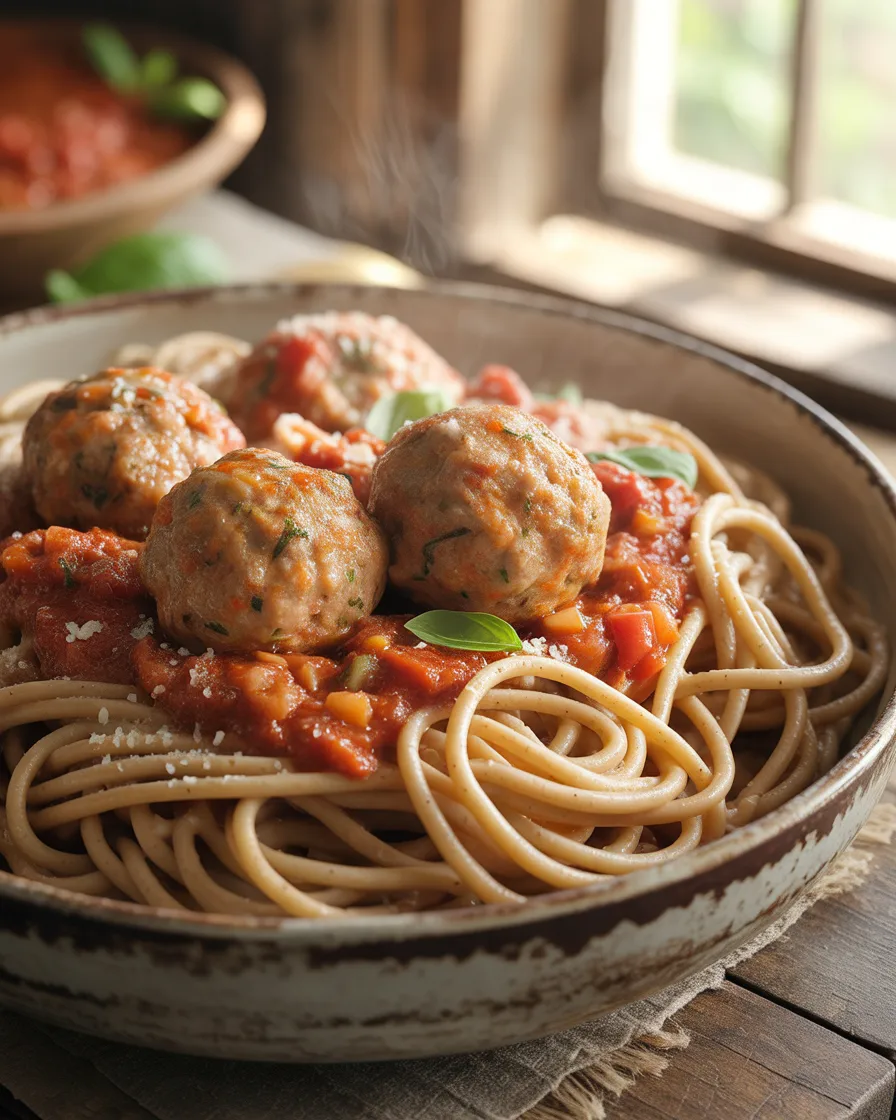
6. Lean Turkey Meatballs with Zucchini Noodles
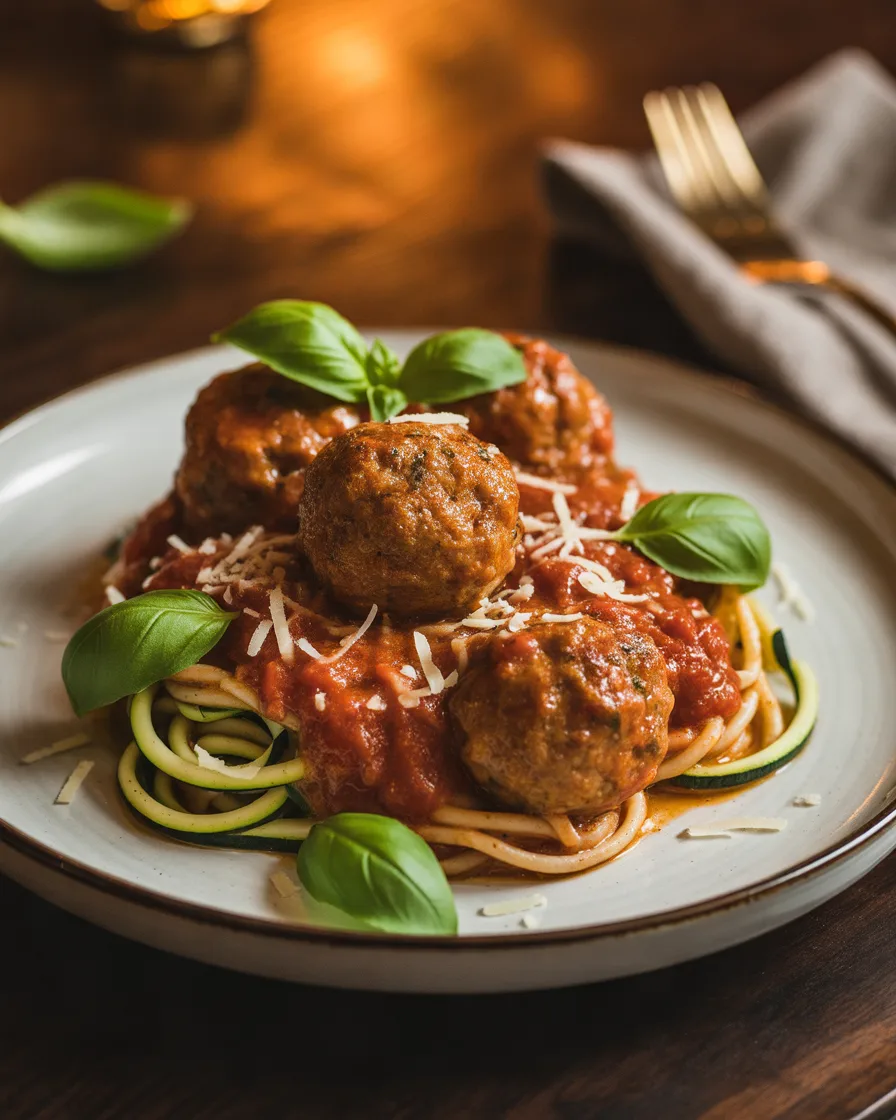
A lighter take on a traditional pasta-night favorite
Pasta dinners can still be part of a balanced eating pattern. This recipe combines lean turkey meatballs, homemade tomato sauce, zucchini noodles, and a modest serving of whole-wheat spaghetti.
Rather than completely removing carbohydrates, the recipe balances them with protein and vegetables.
Ingredients (2 servings)
- 250 g lean ground turkey
- 1 medium zucchini, spiralized
- 1 cup cooked whole-wheat spaghetti
- 1 cup unsweetened tomato passata
- 1 small egg
- 2 tablespoons whole-wheat breadcrumbs
- 1 garlic clove, minced
- ½ teaspoon dried oregano
- Black pepper
- 1 teaspoon olive oil
- Fresh basil
How to prepare it
- Combine ground turkey, egg, breadcrumbs, oregano, garlic, and black pepper.
- Shape the mixture into small meatballs.
- Cook them in a nonstick pan with a little olive oil until browned and cooked through.
- Add tomato passata and simmer gently for approximately 10 minutes.
- Prepare whole-wheat spaghetti according to package instructions.
- Briefly sauté the zucchini noodles or serve them lightly warmed.
- Divide the spaghetti and zucchini between plates.
- Add turkey meatballs and tomato sauce.
Benefits: Turkey provides protein, zucchini adds vegetables, and whole-wheat pasta supplies fiber and carbohydrates.
Practical tips: Make extra meatballs and freeze them in individual portions. Homemade tomato sauce can also help you control added salt and sugar.
How to use it: Enjoy it as an alternative to traditional pasta dinners when you want a balanced, vegetable-rich meal.
Who it may suit: Pasta lovers, families, and people who want to include familiar comfort foods in a healthier meal plan.
Important considerations: Zucchini noodles do not need to replace all pasta. Keep enough whole grains in your diet to meet your nutritional needs.
7. Hearty Lentil and Vegetable Soup
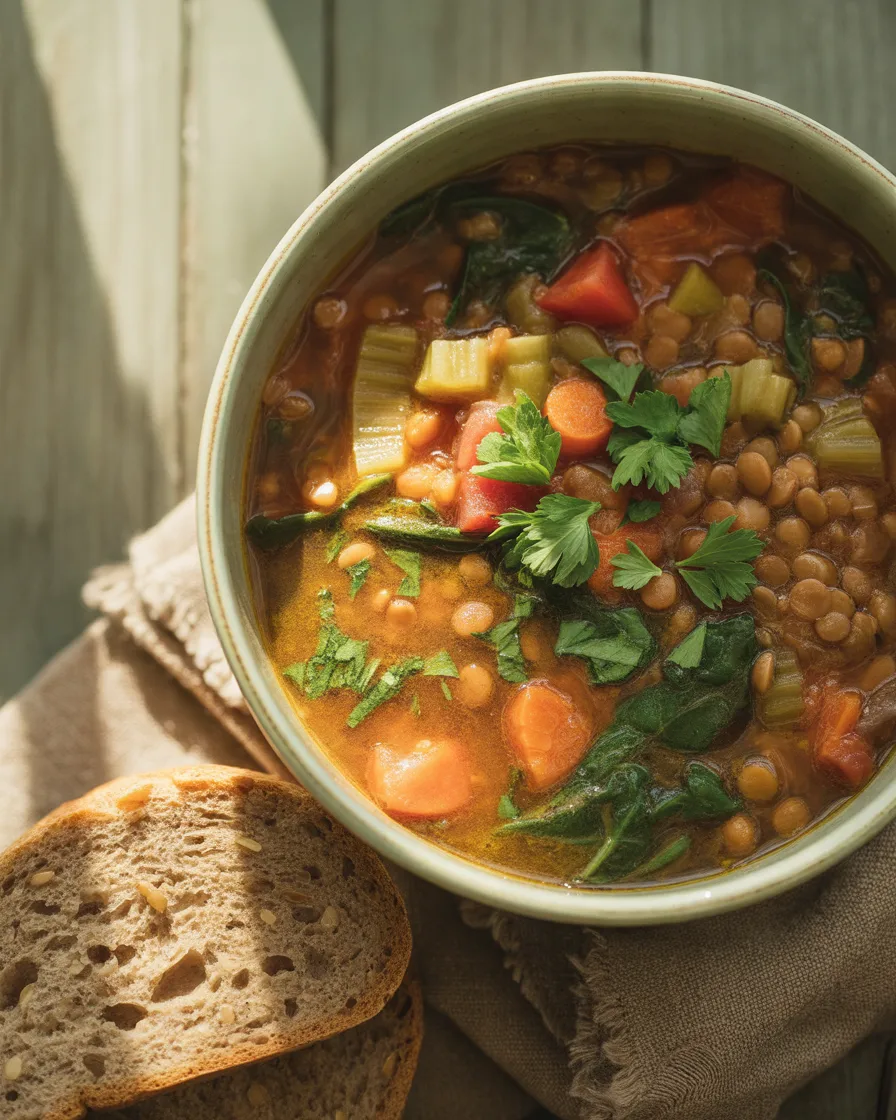
A budget-friendly vegetarian dinner with plenty of fiber
Lentil soup is one of the easiest ways to prepare a nutritious dinner using affordable pantry ingredients. It is warm, filling, customizable, and suitable for batch cooking.
Combining lentils with vegetables creates a meal that provides several important nutrients without requiring complicated cooking techniques.
Ingredients (2–3 servings)
- ¾ cup dried brown or green lentils
- 1 carrot, chopped
- 1 celery stalk, chopped
- ½ onion, chopped
- 1 cup chopped tomatoes
- 3 cups low-sodium vegetable broth
- 1 cup fresh spinach
- ½ teaspoon cumin
- 1 garlic clove
- Black pepper
- 1 teaspoon olive oil
How to prepare it
- Rinse the lentils under cold running water.
- Heat olive oil in a large saucepan.
- Add onion, carrot, celery, and garlic.
- Cook until the vegetables begin to soften.
- Add lentils, tomatoes, cumin, and vegetable broth.
- Bring to a gentle boil, then reduce the heat.
- Simmer until the lentils are tender, following their package cooking time.
- Add spinach during the final few minutes.
- Serve warm with a slice of whole-grain bread if desired.
Benefits: Lentils provide plant protein, dietary fiber, iron, and folate. Vegetables contribute additional vitamins and minerals.
Practical tips: Make a large batch and freeze individual servings. Add water or broth when reheating if the soup becomes too thick.
How to use it: This is an excellent dinner for colder evenings or days when you want something affordable and easy to prepare.
Who it may suit: Vegetarians, people managing grocery budgets, and anyone looking for fiber-rich dinner ideas.
Important considerations: Lentils contain fermentable carbohydrates that may cause digestive discomfort in some people. Start with a comfortable portion if you are not used to eating legumes.
8. Crispy Tofu and Edamame Power Bowl
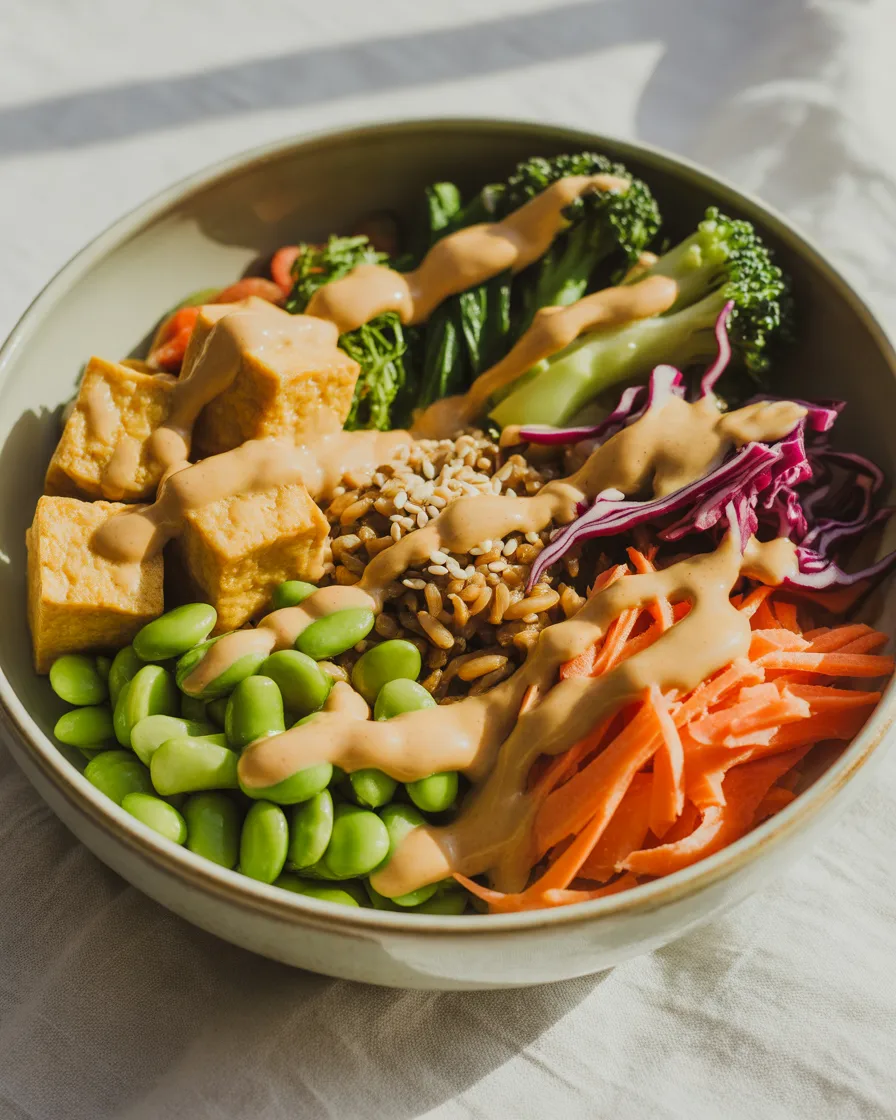
A plant-based dinner with protein, fiber, and satisfying textures
Plant-based dinners can be just as satisfying as meals containing meat. A tofu and edamame power bowl combines different plant protein sources with vegetables and brown rice.
The combination of crispy tofu, fresh vegetables, and a light peanut-lime dressing makes this meal especially enjoyable.
Ingredients (2 servings)
- 250 g extra-firm tofu
- ½ cup shelled edamame
- 1 cup cooked brown rice
- 1 cup broccoli florets
- ½ cup shredded red cabbage
- 1 carrot, grated
- 1 teaspoon olive oil
- 1 tablespoon natural peanut butter
- 1 teaspoon reduced-sodium soy sauce
- Lime juice
- A little water for the dressing
How to prepare it
- Drain the tofu and press it gently to remove excess moisture.
- Cut it into bite-sized cubes.
- Cook the tofu in a nonstick pan with olive oil until lightly golden.
- Steam the broccoli and edamame.
- Mix peanut butter, soy sauce, lime juice, and water to prepare the dressing.
- Divide brown rice between two bowls.
- Add tofu, edamame, broccoli, cabbage, and carrots.
- Drizzle with the peanut-lime dressing.
Benefits: Tofu and edamame provide plant protein. Vegetables contribute fiber and micronutrients, while brown rice supplies energy.
Practical tips: Pressing tofu before cooking improves its texture. You can prepare the dressing ahead of time and store it in the refrigerator.
How to use it: Use this recipe as a regular vegetarian dinner option or substitute tofu for chicken in your favorite grain bowls.
Who it may suit: Vegetarians, vegans, and people interested in adding more plant-based meals to their routine.
Important considerations: Peanut butter is nutritious but energy-dense. Use a measured amount. Check labels for allergens in packaged sauces.
9. Healthy Stuffed Bell Peppers with Turkey and Brown Rice
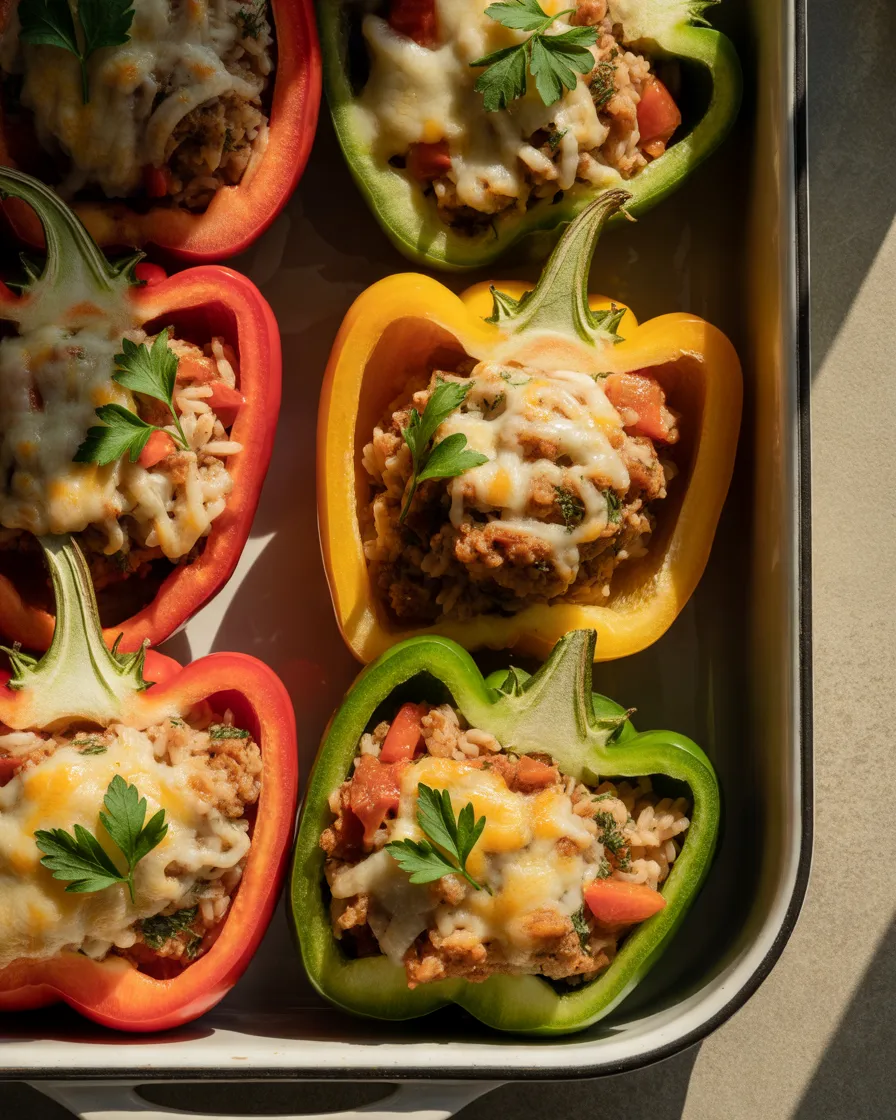
A colorful family-friendly dinner with balanced ingredients
Stuffed bell peppers are an attractive and practical way to combine vegetables, protein, and whole grains in one meal.
The peppers become tender during baking, while the filling absorbs the flavors of tomatoes, herbs, and lean turkey.
For a vegetarian alternative, replace the turkey with lentils or black beans.
Ingredients (2 servings)
- 2 large bell peppers
- 200 g lean ground turkey
- ½ cup cooked brown rice
- ½ cup chopped tomatoes
- ¼ onion, finely chopped
- 1 garlic clove, minced
- ½ teaspoon paprika
- ½ teaspoon oregano
- 2 tablespoons reduced-fat shredded cheese (optional)
- Black pepper
How to prepare it
- Preheat the oven to 375°F (190°C).
- Cut the bell peppers in half lengthwise and remove the seeds.
- Cook the turkey with onion and garlic in a nonstick pan.
- Add tomatoes, brown rice, paprika, oregano, and black pepper.
- Mix everything thoroughly.
- Fill each pepper half with the prepared mixture.
- Place the peppers in a baking dish with a little water at the bottom.
- Cover and bake for approximately 25 minutes.
- Uncover, add a small amount of cheese if desired, and bake until the peppers are tender and the filling is fully cooked.
Benefits: Bell peppers provide vitamin C and other nutrients. Turkey contributes protein, while brown rice provides fiber and carbohydrates.
Practical tips: Prepare the filling in advance. You can also use different colored peppers to make the dish more appealing.
How to use it: Serve two stuffed pepper halves as a dinner portion, adjusting the quantity according to your appetite and nutritional requirements.
Who it may suit: Families, meal-prep enthusiasts, and people looking for attractive, vegetable-rich dinners.
Important considerations: Check that the turkey filling is thoroughly cooked. Refrigerate leftover stuffed peppers promptly.
10. Mediterranean Tuna and White Bean Salad
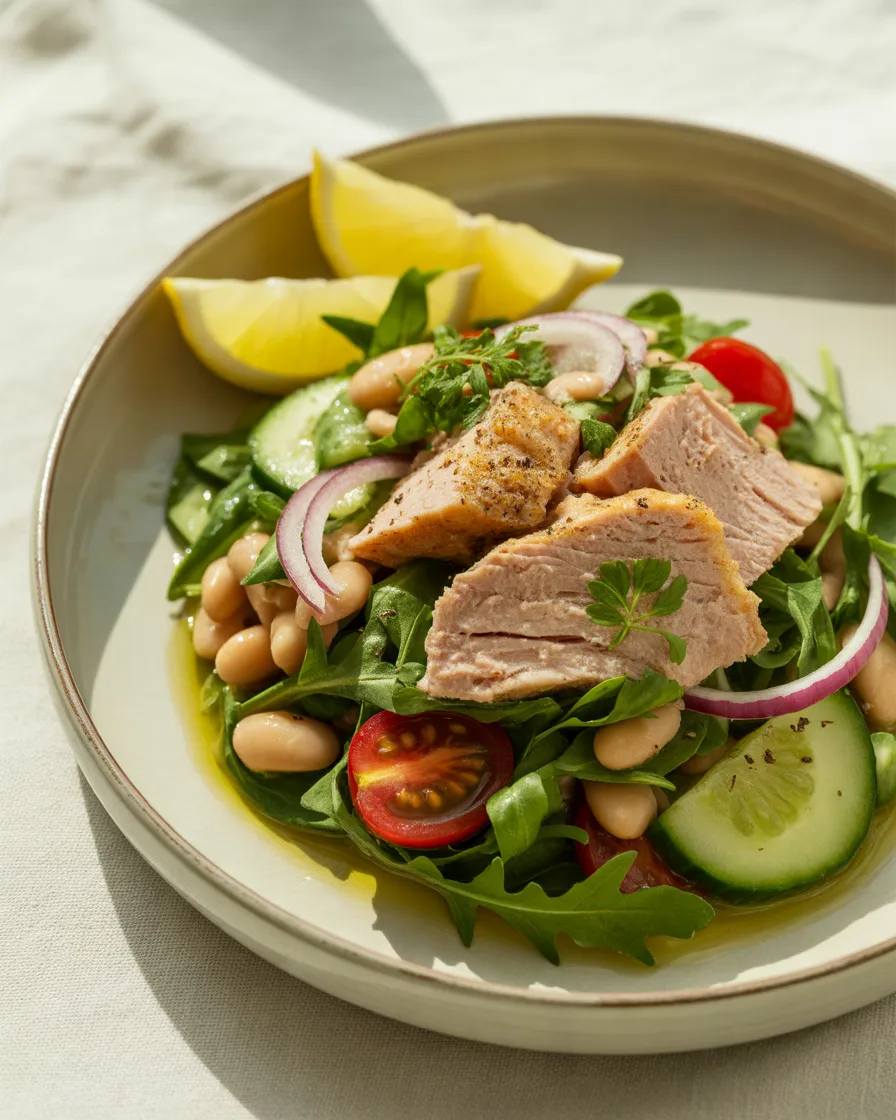
A refreshing no-fuss dinner with protein and fiber
Not every healthy dinner requires turning on the oven. This Mediterranean-inspired tuna and white bean salad is a convenient option when you want something fresh, flavorful, and quick.
It combines tuna, creamy white beans, crunchy vegetables, and a simple lemon dressing.
Ingredients (2 servings)
- 1 can tuna in water, drained
- 1 cup cooked or canned white beans, rinsed
- 1 cucumber, chopped
- 1 cup cherry tomatoes, halved
- ¼ red onion, thinly sliced
- 2 cups arugula or mixed salad leaves
- 1 teaspoon olive oil
- 1 tablespoon lemon juice
- Black pepper
- Fresh parsley
How to prepare it
- Drain the tuna and white beans.
- Add them to a large mixing bowl.
- Mix in cucumber, cherry tomatoes, red onion, and salad leaves.
- Combine olive oil, lemon juice, and black pepper in a small bowl.
- Pour the dressing over the salad.
- Toss gently and finish with fresh parsley.
- Serve immediately.
Benefits: Tuna provides protein, while white beans add fiber and plant protein. Fresh vegetables contribute vitamins, minerals, and crunch.
Practical tips: Use canned beans and tuna to reduce preparation time. Choose tuna packed in water if you prefer a lower-fat option.
How to use it: Prepare this salad for a quick weeknight dinner or pack the components separately for a convenient meal away from home.
Who it may suit: Busy professionals, people who prefer no-cook meals, and seafood lovers.
Important considerations: Tuna can contain mercury. Follow local fish-consumption guidance, especially during pregnancy, and vary your seafood choices rather than relying on tuna every day.
11. Chicken Fajita Bowl with Brown Rice and Fresh Salsa
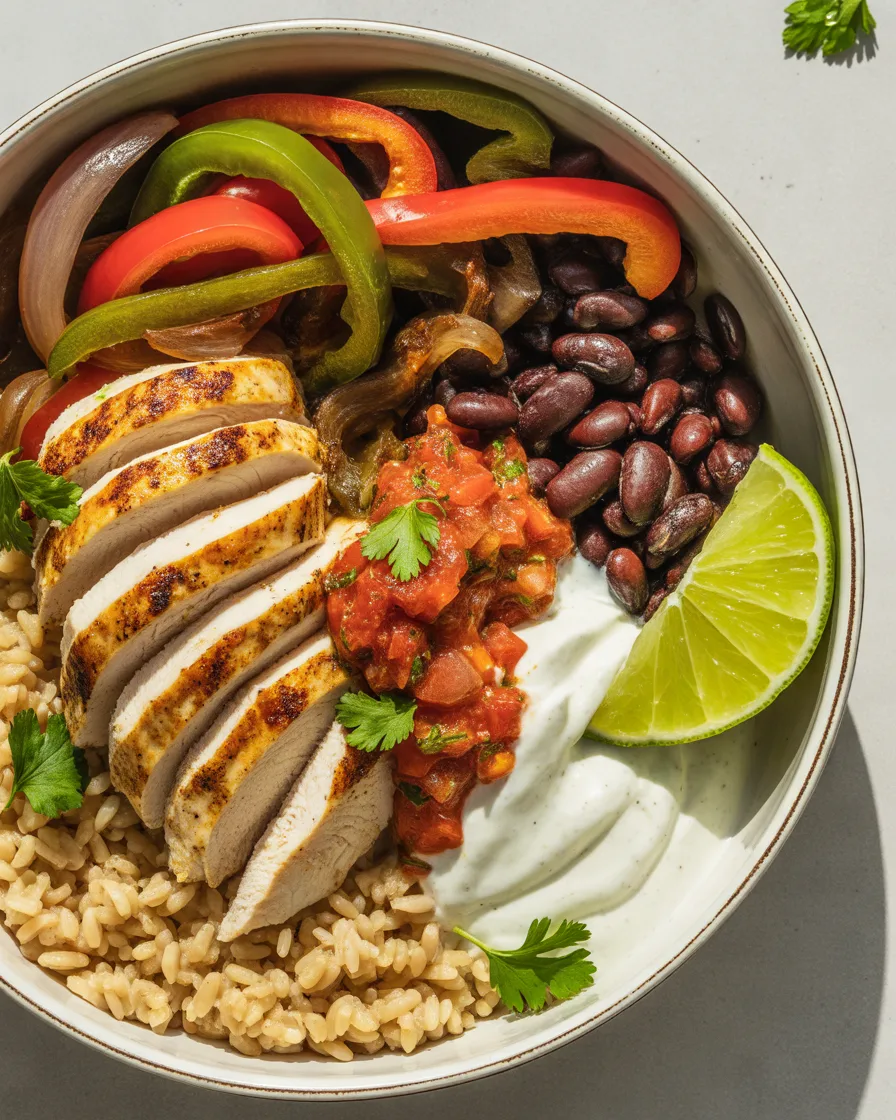
A flavorful dinner inspired by classic fajitas
If you enjoy spicy and savory meals, a chicken fajita bowl is a great option. It combines seasoned chicken strips, sautéed bell peppers, onions, brown rice, and fresh salsa.
The best part is that you can adjust the ingredients to suit your preferences without relying on heavy restaurant-style sauces.
Ingredients (2 servings)
- 250 g skinless chicken breast, sliced
- 1 cup cooked brown rice
- 1 red bell pepper
- 1 green bell pepper
- ½ onion, sliced
- ½ cup black beans
- ½ teaspoon cumin
- ½ teaspoon paprika
- 1 teaspoon olive oil
- Fresh lime juice
- 2 tablespoons plain Greek yogurt
- Homemade tomato salsa
How to prepare it
- Season the chicken with cumin, paprika, black pepper, and lime juice.
- Heat olive oil in a skillet.
- Add chicken and cook until thoroughly cooked.
- Remove the chicken and sauté sliced peppers and onions.
- Warm the black beans separately.
- Divide the brown rice between two bowls.
- Add chicken, vegetables, and black beans.
- Finish with salsa and a spoonful of plain Greek yogurt.
Benefits: Chicken provides protein, black beans add fiber, and peppers contribute vitamin C. Brown rice completes the meal with whole-grain carbohydrates.
Practical tips: Use leftover cooked rice to save time. Prepare homemade salsa using tomatoes, onion, coriander, and lime juice.
How to use it: This meal is suitable for weekly dinner preparation. Store the cooked ingredients separately and assemble when ready to eat.
Who it may suit: People who enjoy bold flavors, families, and anyone searching for healthy chicken dinner recipes.
Important considerations: Packaged fajita seasonings can contain added sodium. Adjust the amount of salt and use measured portions of toppings.
12. Roasted Eggplant and Chickpea Tray Bake
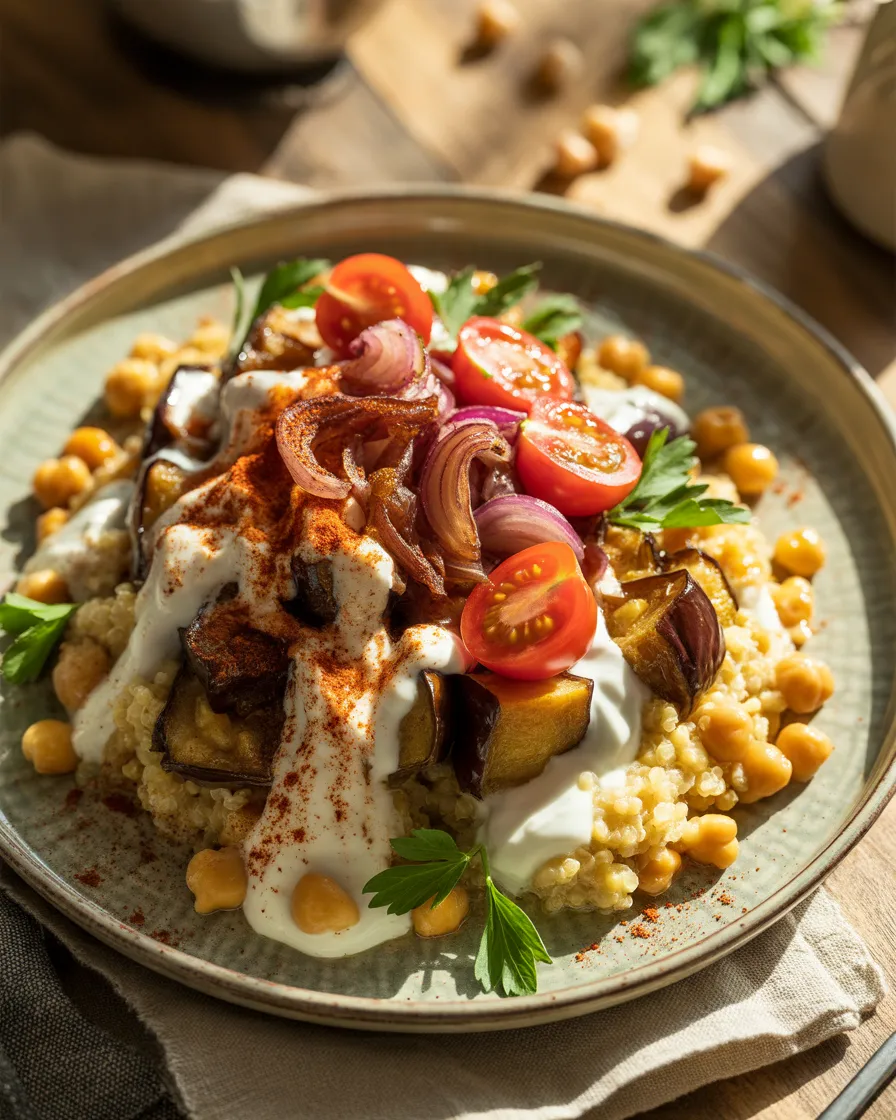
A delicious plant-based dinner with Mediterranean-inspired flavors
A roasted eggplant and chickpea tray bake is a simple way to enjoy a vegetable-focused dinner without spending hours in the kitchen.
The eggplant becomes soft and flavorful during roasting, while chickpeas develop a slightly crisp texture. Tomatoes, onions, and spices bring the ingredients together.
Ingredients (2 servings)
- 1 medium eggplant, cubed
- 1 can chickpeas, drained and rinsed
- 1 cup cherry tomatoes
- ½ red onion, sliced
- 1 teaspoon olive oil
- ½ teaspoon cumin
- ½ teaspoon smoked paprika
- Black pepper
- ½ cup cooked bulgur or quinoa
- 2 tablespoons plain Greek yogurt
- Fresh parsley
How to prepare it
- Preheat the oven to 425°F (220°C).
- Place the eggplant, chickpeas, tomatoes, and onion on a baking tray.
- Add olive oil, cumin, paprika, and black pepper.
- Toss until the ingredients are evenly coated.
- Roast for approximately 25–30 minutes, stirring once halfway through.
- Prepare bulgur or quinoa according to package instructions.
- Serve the roasted vegetables and chickpeas over the grains.
- Add a spoonful of Greek yogurt and fresh parsley.
Benefits: Chickpeas provide plant protein and fiber, eggplant contributes fiber, and tomatoes provide useful antioxidants such as lycopene.
Practical tips: Cut the eggplant into similar-sized pieces so it cooks evenly. Avoid overcrowding the baking tray, as this can make the vegetables steam instead of roast.
How to use it: Make this recipe for a meat-free dinner or prepare extra roasted vegetables to use in lunch bowls the following day.
Who it may suit: Vegetarians, Mediterranean food enthusiasts, and people looking for affordable vegetable-based dinners.
Important considerations: Measure the olive oil and yogurt dressing. If you follow a gluten-free diet, choose quinoa instead of bulgur.
Expert Tips for Making Healthy Dinner Recipes Work for Weight Loss
Choosing nutritious recipes is a useful first step, but your everyday habits also matter. Here are some practical strategies to make healthy dinners easier to maintain.
1. Build a balanced dinner plate
A useful starting point is to fill approximately half your plate with non-starchy vegetables, one-quarter with protein, and one-quarter with whole grains or other starchy foods.
This is a flexible visual guide rather than a strict rule. Your actual portions should reflect your energy requirements and individual circumstances.
2. Include protein in your evening meal
Chicken, fish, eggs, tofu, beans, lentils, and Greek yogurt are useful protein choices.
Including protein in dinner can help make the meal more satisfying and support muscle maintenance as part of an overall balanced diet.
3. Choose fiber-rich ingredients
Vegetables, fruits, beans, lentils, oats, and whole grains contribute dietary fiber.
Increase fiber gradually if your current diet is low in it, and drink enough fluids to support digestion.
4. Pay attention to cooking methods
Baking, grilling, steaming, roasting, and stir-frying with measured oil are useful everyday cooking methods.
You do not need to eliminate every fried food, but relying more often on these methods can make it easier to manage added fats.
5. Measure oils, dressings, and sauces
Olive oil, peanut butter, cheese, and salad dressings can be part of nutritious meals. However, their portions matter because they can add substantial energy.
Use a teaspoon or tablespoon rather than pouring directly from the bottle.
6. Prepare dinner ingredients in advance
Meal preparation can reduce the temptation to order takeout when you are tired.
Cook grains, wash vegetables, prepare sauces, and portion proteins ahead of time. Store everything safely in the refrigerator or freezer.
7. Do not completely eliminate carbohydrates
Rice, potatoes, oats, and whole-wheat pasta can all fit into a balanced diet.
Choose higher-fiber options when possible and adjust serving sizes rather than automatically removing an entire food group.
8. Think about your overall lifestyle
Dinner is only one part of weight management. Regular physical activity, sufficient sleep, stress management, and consistent eating habits also matter.
The CDC emphasizes that sustainable weight management involves several lifestyle factors rather than relying on a single food or meal.
Frequently Asked Questions About Healthy Dinner Recipes for Weight Losing
1. What is the best dinner to eat when trying to lose weight?
There is no single best dinner for everyone. A balanced meal containing lean protein, vegetables, and a suitable portion of fiber-rich carbohydrates is a practical choice.
Examples include grilled chicken with quinoa, baked salmon with vegetables, lentil soup, and tofu bowls.
The best option is one that meets your nutritional needs, fits your preferences, and is realistic to prepare regularly.
2. What are some easy healthy dinner recipes for weight loss?
Some convenient options include:
- Lemon garlic chicken with broccoli.
- Chickpea and spinach curry.
- Garlic shrimp and vegetable stir-fry.
- Mediterranean tuna and white bean salad.
- Turkey taco bowls.
- Hearty lentil soup.
These meals use accessible ingredients and can be prepared without complicated cooking techniques.
3. Should I avoid carbohydrates at dinner to lose weight?
No. You do not need to eliminate carbohydrates at dinner to manage your weight.
Whole grains, potatoes, beans, and other carbohydrate-containing foods provide energy and important nutrients.
Focus on appropriate portions, food quality, and your overall dietary pattern.
4. Are high-protein dinners helpful for weight management?
Protein can contribute to fullness and helps maintain muscle when combined with appropriate physical activity.
Chicken, fish, eggs, tofu, lentils, beans, and low-fat dairy products are useful options.
However, eating more protein than your body needs does not automatically produce additional weight loss.
5. Can I eat rice for dinner while trying to lose weight?
Yes. Rice can be part of a balanced dinner.
Brown rice provides more fiber than white rice, although both can fit into a healthy eating pattern. Pair rice with protein and vegetables and choose a portion that suits your individual energy requirements.
6. Are vegetarian dinners suitable for weight loss?
Yes. Vegetarian meals can provide plenty of nutrients and can support weight management when they fit your overall dietary needs.
Lentils, chickpeas, tofu, edamame, beans, and vegetables are useful ingredients.
Pay attention to protein intake and include a variety of foods to help meet your nutritional requirements.
7. Can I prepare these healthy dinners in advance?
Absolutely. Several recipes in this collection are suitable for meal preparation.
Chicken bowls, lentil soup, chickpea curry, turkey meatballs, and roasted vegetables can be prepared ahead of time.
Store cooked food in shallow, covered containers and refrigerate promptly. Follow food-safety guidance for storage times and reheating.
8. Is eating dinner late at night bad for weight loss?
Eating dinner after a particular clock time does not automatically cause weight gain.
Your overall food intake, eating habits, sleep schedule, and lifestyle are more important than following an arbitrary dinner deadline.
However, if eating very late makes you uncomfortable or encourages unplanned snacking, adjusting your routine may help.
9. How many calories should a healthy weight-loss dinner contain?
There is no universal calorie target for dinner.
Your requirements depend on factors such as age, body size, activity level, health status, and your overall daily energy needs.
Instead of following an extremely restrictive dinner target, focus on balanced portions and an appropriate daily eating pattern. A registered dietitian can help establish an individualized plan.
10. Can I eat these recipes every day?
You can include these recipes regularly, but variety is important.
Rotate different protein sources, vegetables, fruits, and whole grains throughout the week. This helps provide a wider range of nutrients and keeps your meals interesting.
Conclusion: Make Healthy Dinner Choices a Sustainable Habit
Eating nutritious meals does not have to be complicated, expensive, or boring. With the right ingredients and a little preparation, you can enjoy flavorful dinners while working toward your weight-management goals.
These 12 healthy dinner recipes for weight losing provide a variety of options, from lemon garlic chicken and baked salmon to vegetarian chickpea curry and roasted eggplant.
The most important thing is consistency. Choose meals you genuinely enjoy, pay attention to portions, include a variety of nutritious ingredients, and avoid extreme restrictions.
You do not need to change your entire lifestyle overnight. Start by preparing one or two of these recipes this week, explore different ingredients, and gradually build a dinner routine that works for you.
Remember that healthy weight management is a long-term process, not a competition to achieve the fastest result. If you have a medical condition, take medication that affects weight or appetite, are pregnant, or have a history of disordered eating, seek personalized guidance from a qualified healthcare professional or registered dietitian.